His bikes changed MotoGP, but Ducati’s Maestro says success starts with something far less complicated
Few figures have shaped modern MotoGP like Gigi Dall’Igna. Since arriving at Ducati at the end of 2013, the Italian engineer has overseen one of the most remarkable transformations in Grand Prix racing, turning the Bologna factory from an occasional contender into the sport’s benchmark.
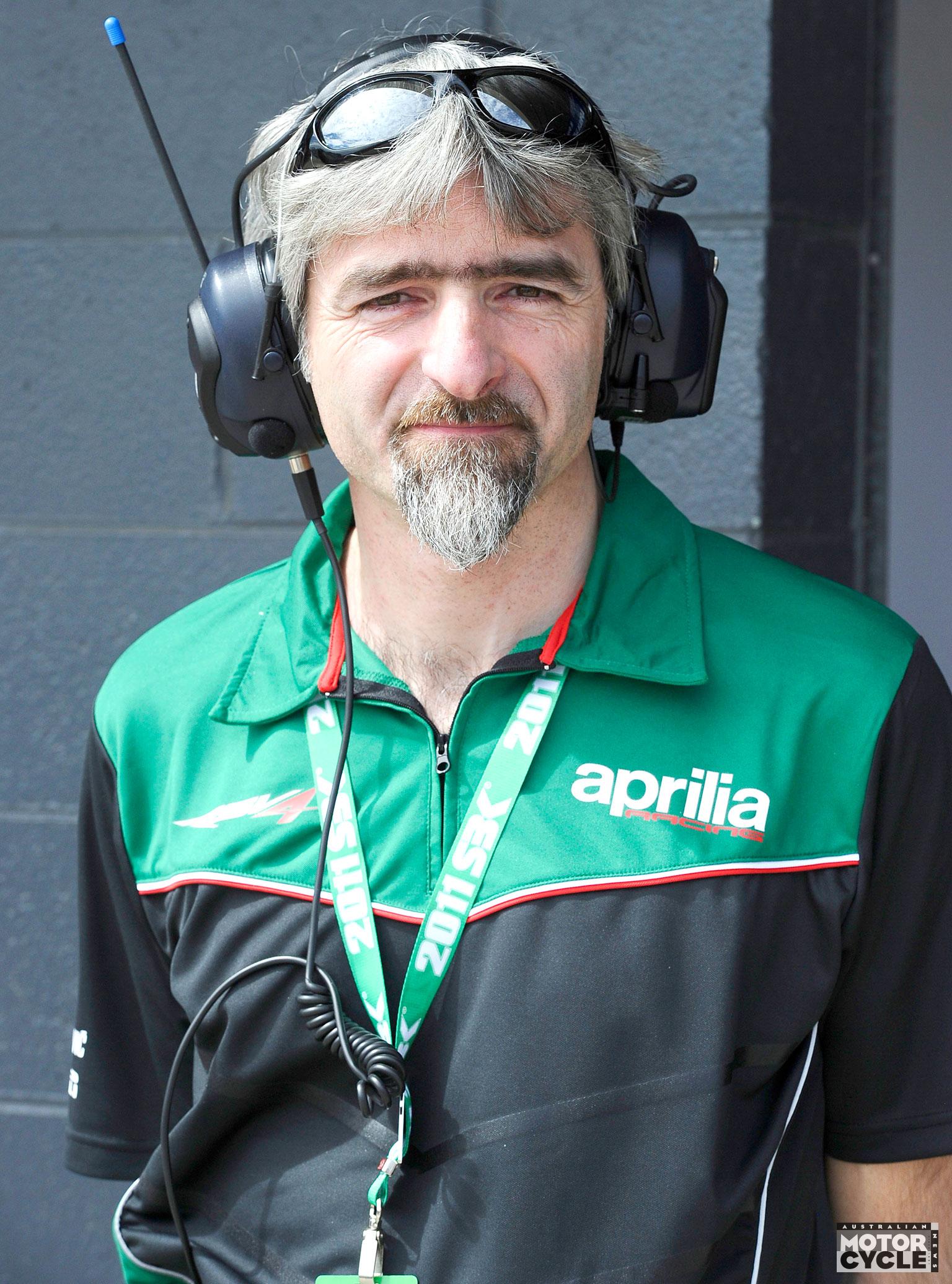
Along the way, Ducati has pioneered innovations that have changed the face of MotoGP, from aerodynamics and ride-height devices to the way teams share data and develop talent. Yet for all the technical breakthroughs and championship-winning machinery, Dall’Igna insists success starts somewhere far simpler.
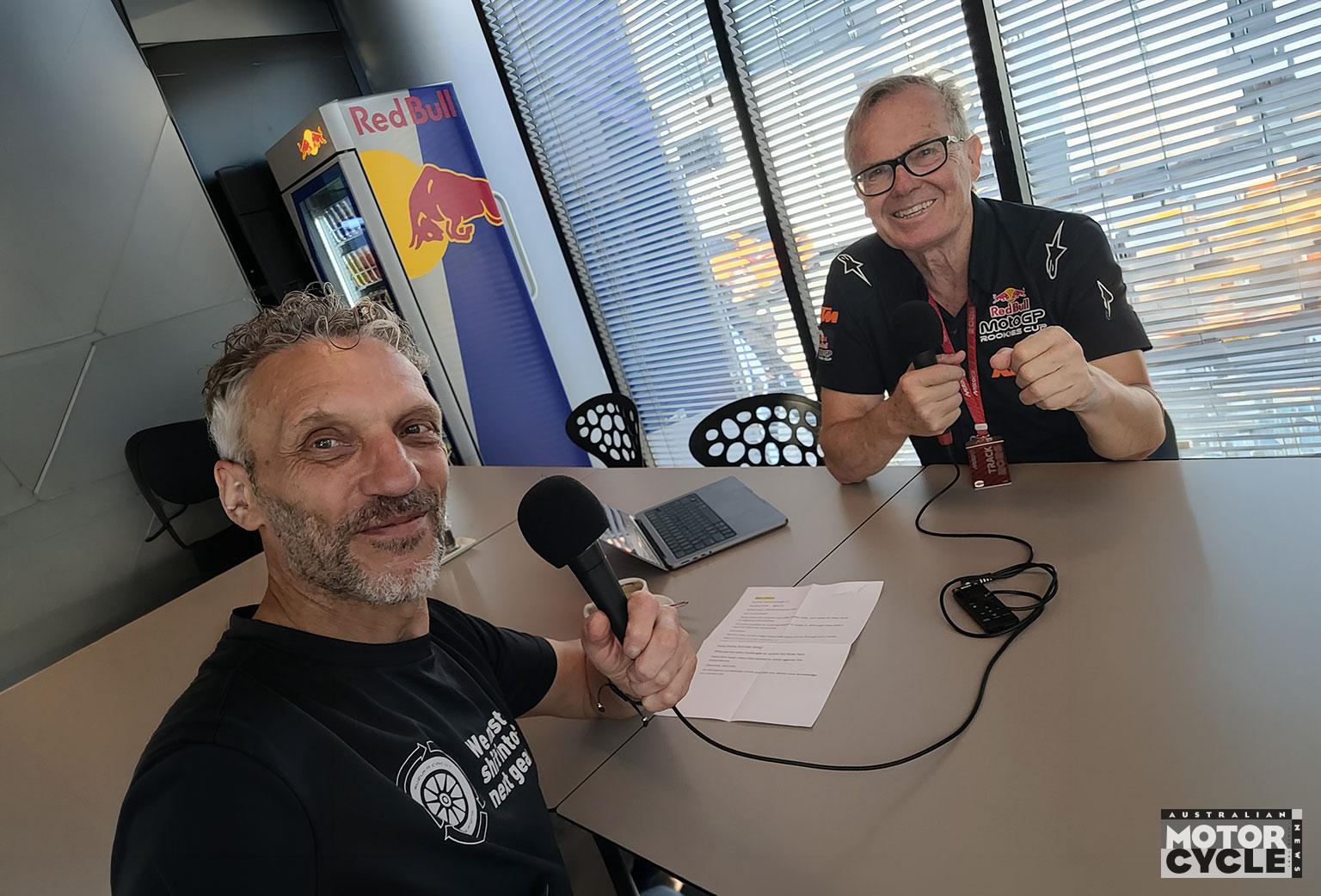
AMCN sat down with Ducati’s mastermind, then spoke to those who have worked alongside him, to understand the philosophy behind the sport’s most dominant operation.
How much of Ducati’s success comes down to engineering, and how much comes down to people?
The technical aspect is something important. But my main target is managing people. When I joined Ducati, I spent the first six months only understanding people, talking to them and reinventing Ducati Corse from the organisational point of view. Only after, I started thinking about technical things. My main focus is people.
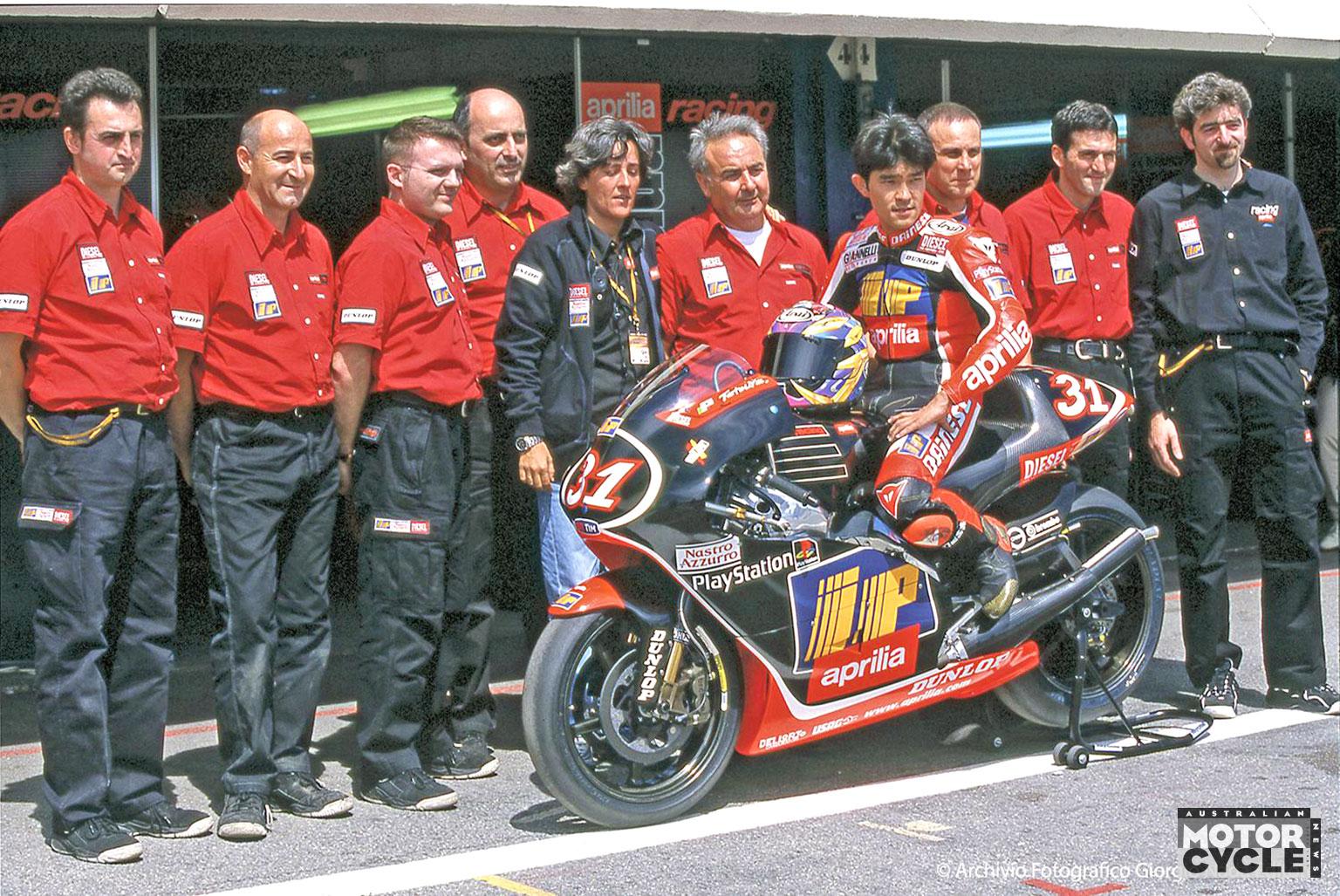
What did your years at Aprilia teach you?
I learnt quite a lot from those years. I built more or less exactly the same philosophy here that I used there. (That was) To share data and parts. And the most important thing was at the end of the year, one bike of my brand won the championship.
How do you decide when to take risks?
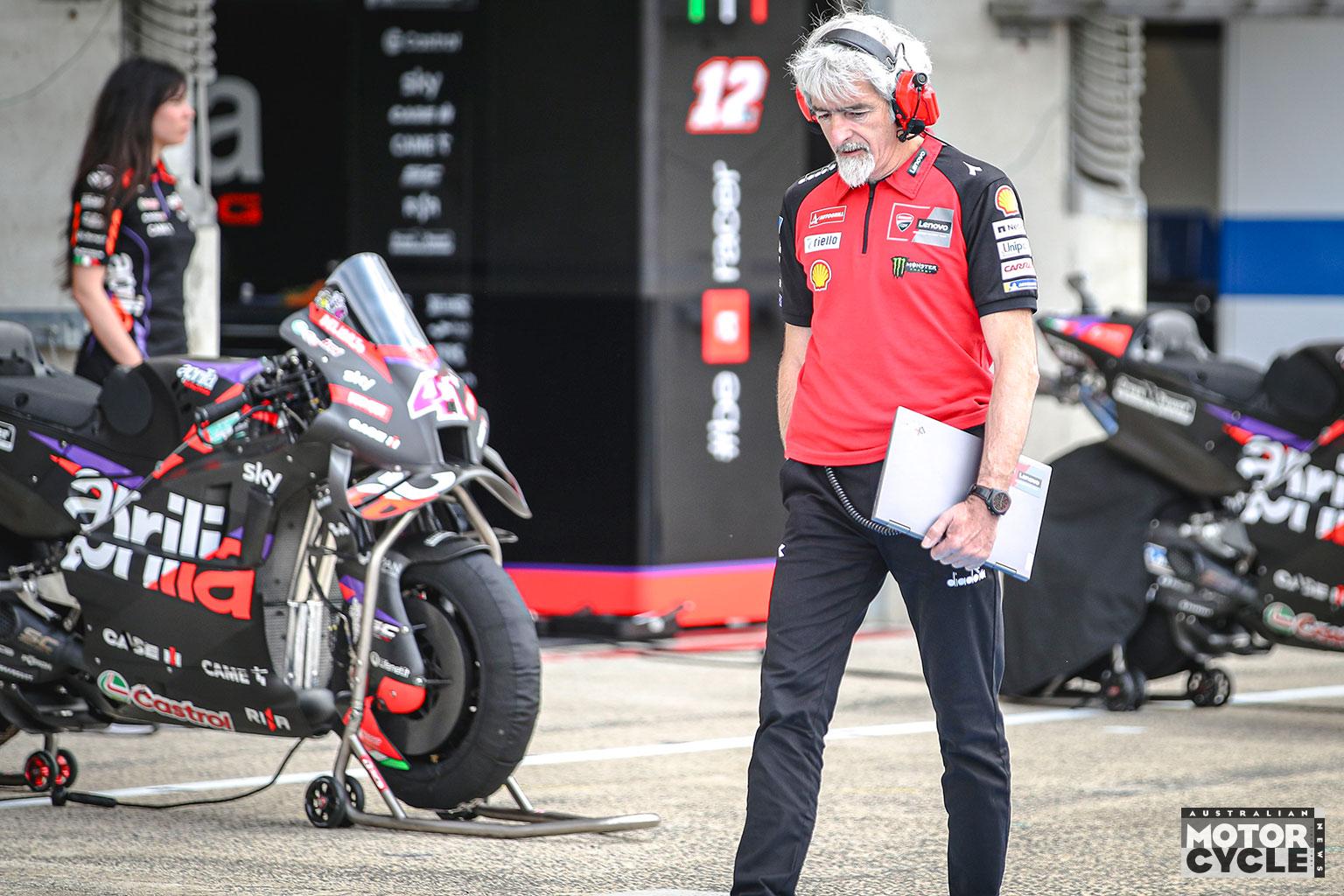
The risk management is one of the most important things. You can’t always take risks. And you have to choose the risk level depending on how your results are, depending on what your perspective is.
If you have to take some risks at the beginning of the season because you have to gain some advantages, you have to do it. But if not, it’s better to stay on the other side.
I was really happy when, at the beginning of 2024, I took the decision to take a lot of risk and I’m really happy about the decision in 2025 to not take any risk at all, and to stay with the same bike.
Ducati has become known for innovation. Where do your ideas come from?
It’s not only other motorsports; it’s also other systems. I’m curious and I’m looking at many things, anything that I can hold in my hands. It’s important to have an open mind.
Ducati has lost key engineers to other factories, yet keeps producing talent. How important is that internal pipeline?
It’s important to have good management of the people. We have a lot of young guys who can cover if someone leaves the company. And we are probably the only one that has a proper philosophy and we don’t take people from other manufacturers. We build our talent inside the company.
We have a lot of young people here. If one leaves, another can take his responsibilities.
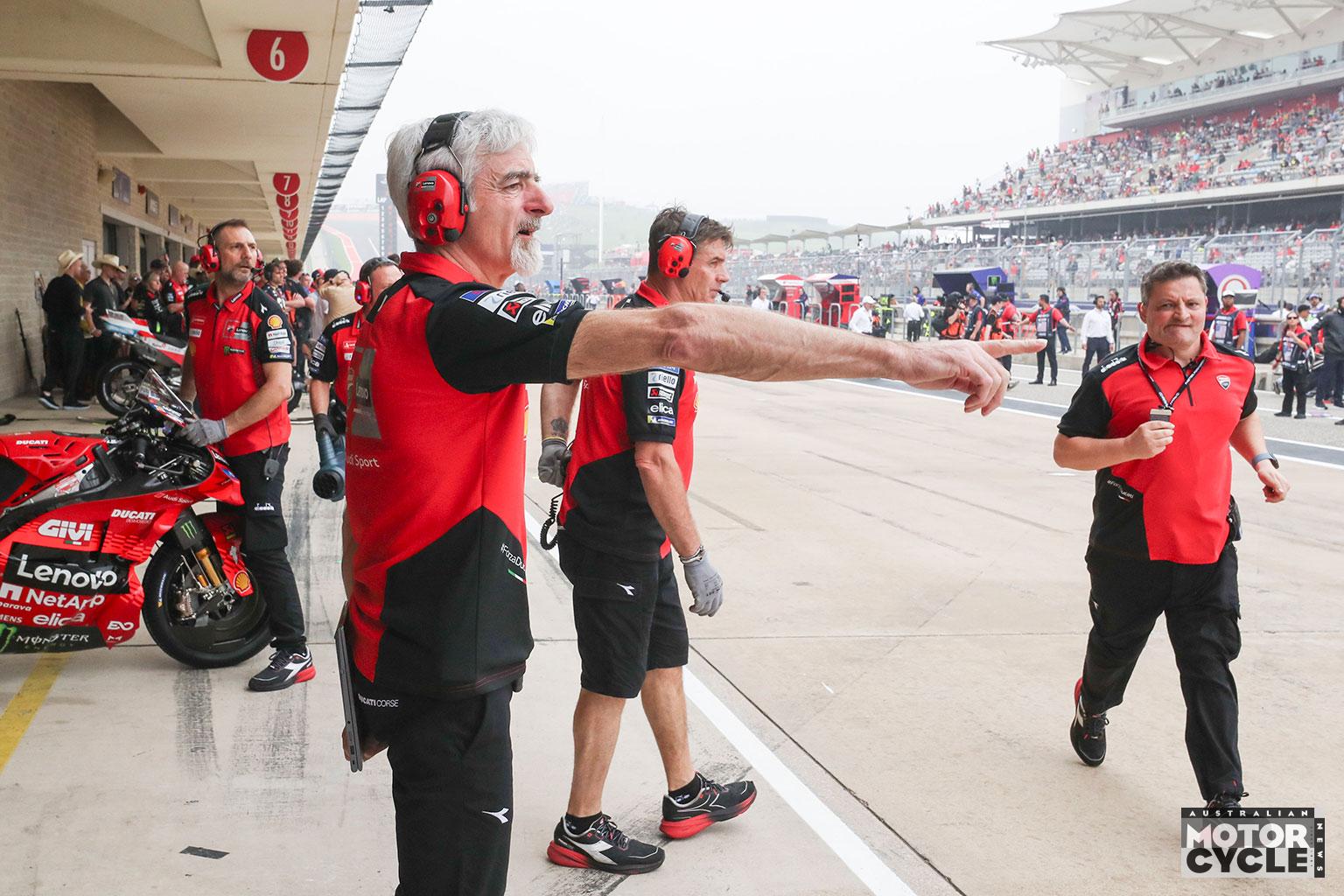
You’ve now had more than 30 years working with elite riders…
Unfortunately! (he laughs)
What skills have you learned to deal with their complex needs?
It’s difficult. I don’t have a single prescription because when you’re talking about riders, you’re talking about men. You have to write the prescription specifically for that man.
You have to take care not only of the technical aspects but also the mentality and the confidence that riders have.
How do you build that confidence around a rider?
I choose the crew chief (for each rider). And the crew chief’s mentality has to be in line with that of the rider. You have to select the people around the riders and to build the confidence of the rider. The most important thing is to win the championship at the end of the year. Everything has to be based on that.
What Others Say About Gigi
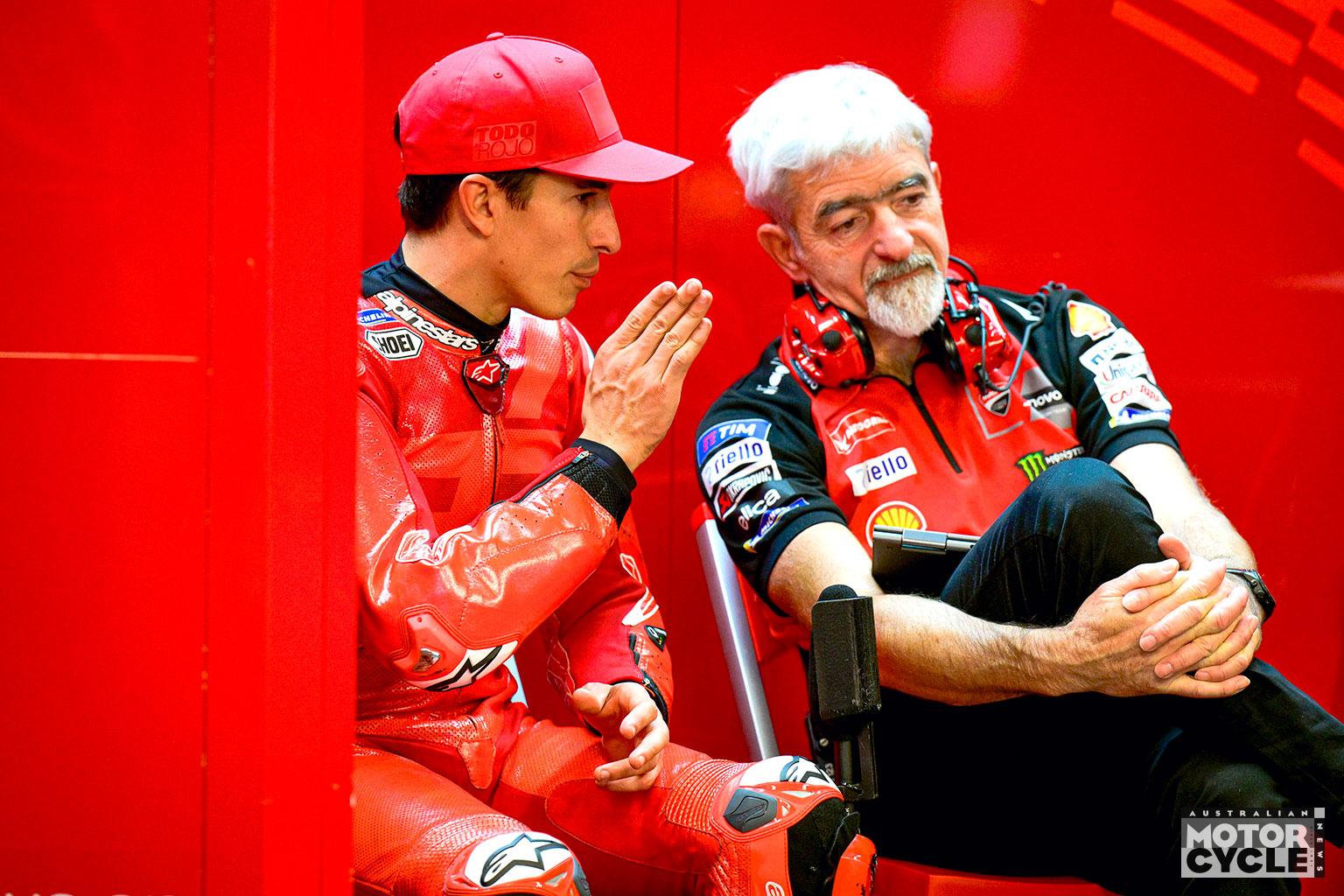
Marc Marquez, eight-time world champion:
“The honesty is Gigi’s key point. If he says to you that you will have a specific bike in two days, you’ll have it in two days – not one, even if it’s ready.”
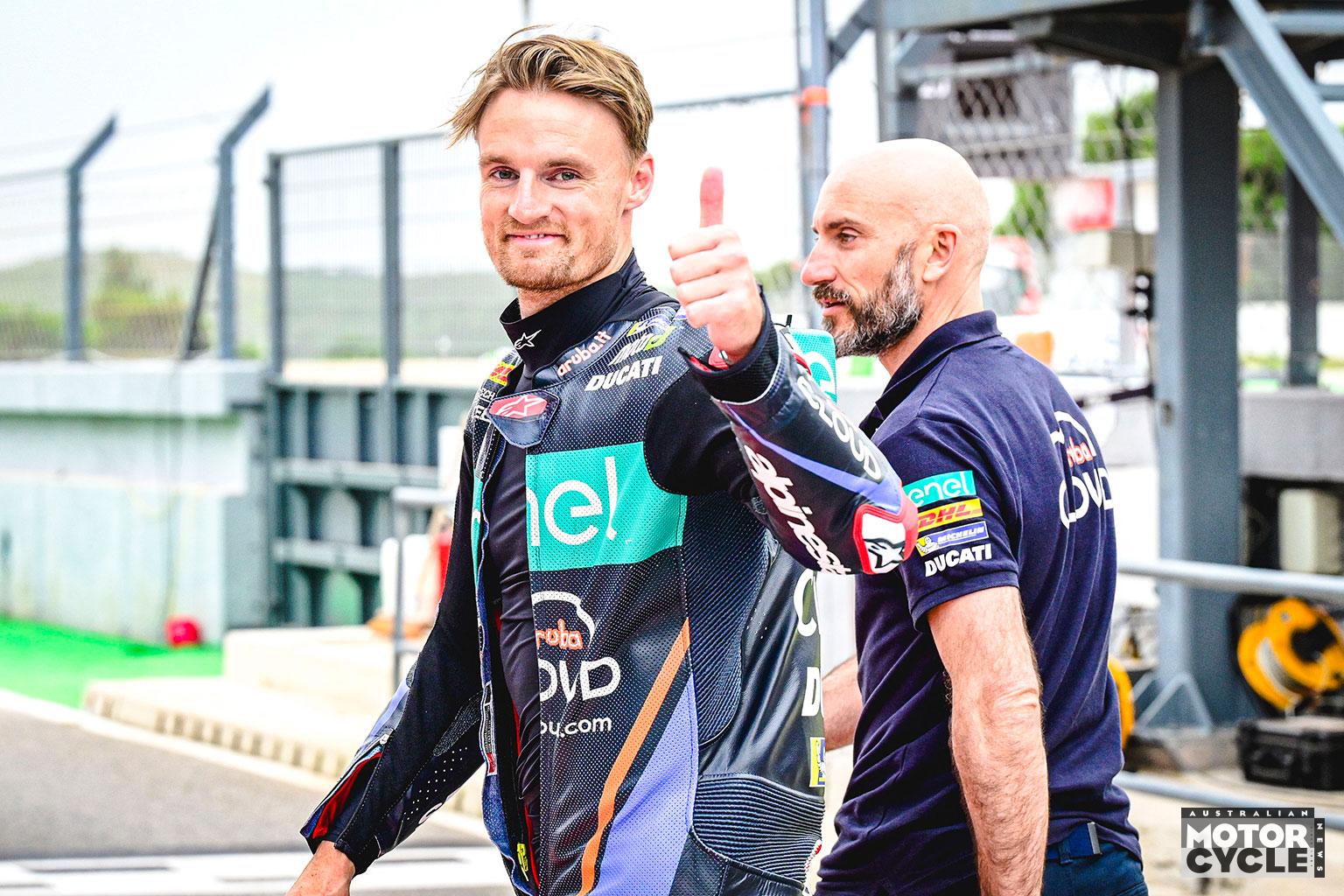
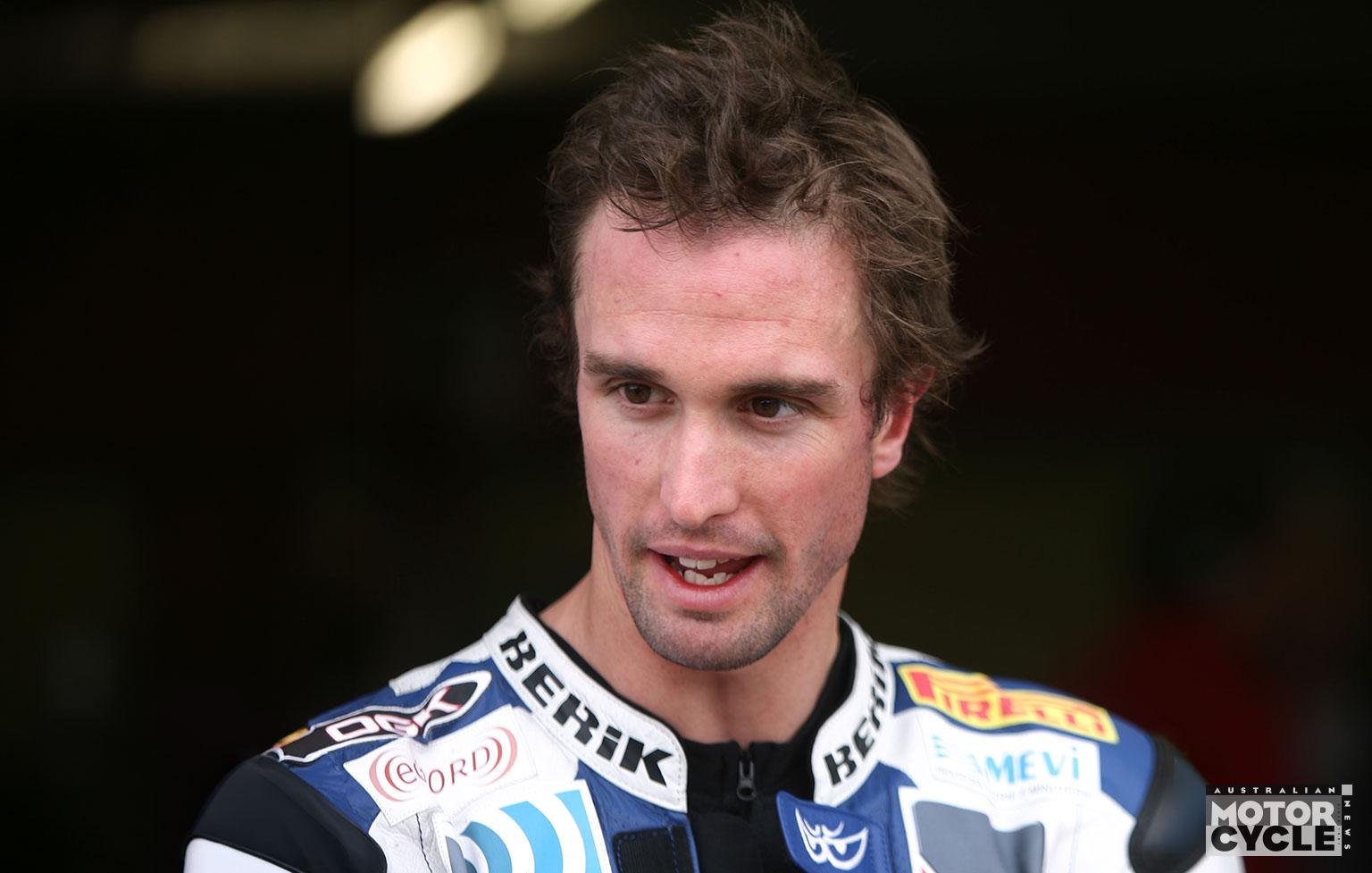
Chaz Davies,WorldSBK race winner who worked under Dall’Igna at both Aprilia and Ducati:
“Apart from his engineering skills, he’s a very astute businessman. He knows how to structure businesses in every aspect. He knew how to do it at Aprilia, turning customer bikes into very expensive bits of kit. Build the best motorcycle and people will come. You can name your price at that point (to teams). You can choose the best riders. You really hold the cards. That’s the potency of Gigi’s character.”
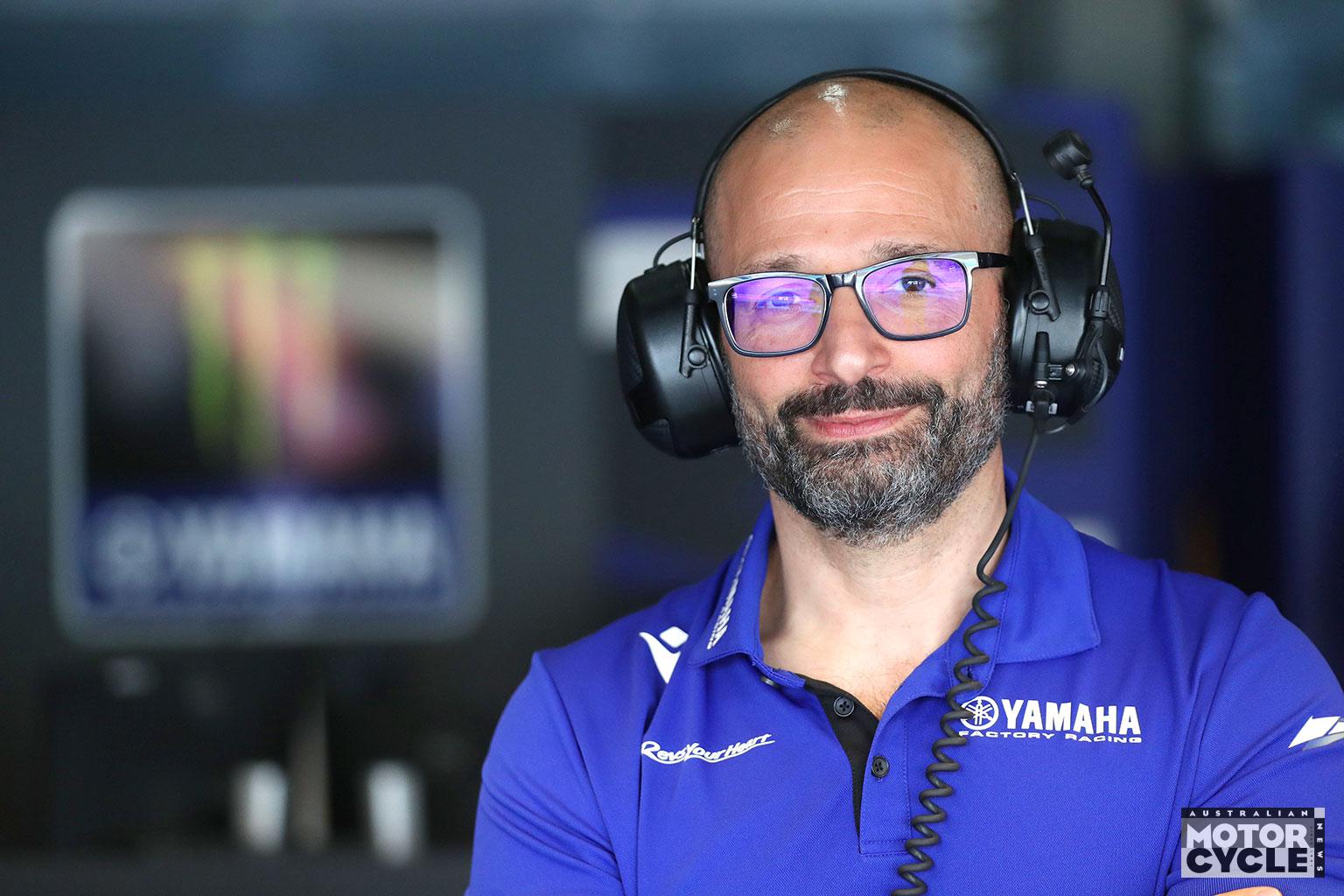
Max Bartolini, former Ducati engineer:
“He’s very determined – and never gives up on anything.”