Peter Bom tackles the big issues of racing exclusively for AMCN. This time he blows a fuse over winged wonders
I’m sure I’m not the only one who isn’t a fan of all the aerodynamics on current MotoGP bikes. It has too much influence on performance, and while all those wings might make the bikes faster, they also make them uglier. But, unfortunately, engineers go for hard numbers and don’t give a damn about looks. And those numbers show that with the right ‘aero’, better lap times are achieved.
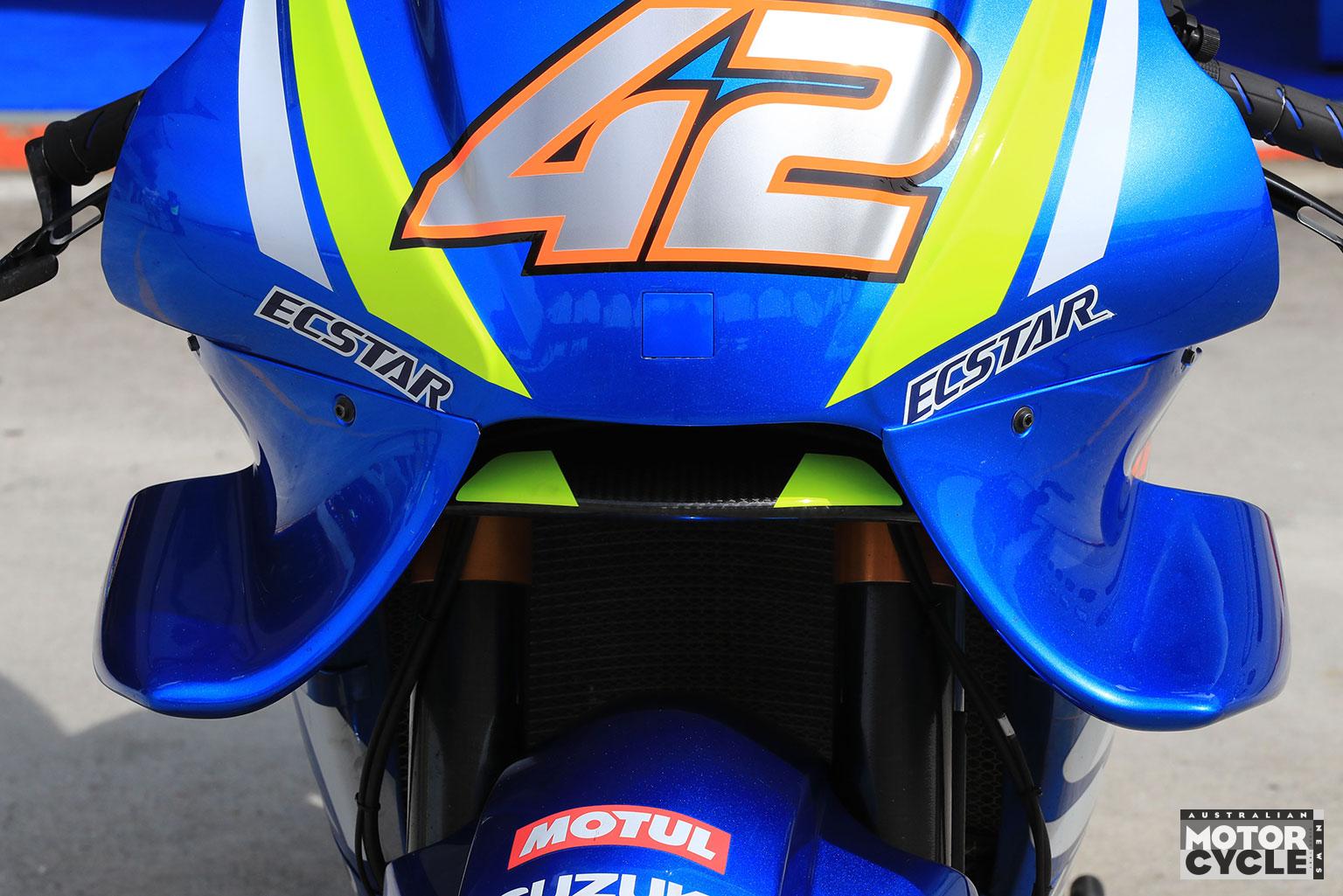
Stability during braking, the extent to which a motorcycle wants to lean into a corner, and the top speed achieved are just a few of the many factors where current aerodynamics absolutely help.
Funny detail: when it came to aerodynamics, the manufacturers did spend years slacking off all together.However, this ‘what you don’t know won’t hurt you’ situation came to an end when Ducati showed how much there was still to be gained here. Reluctantly (and in the case of Honda, strongly against it), the other manufacturers followed and now the entire field is hard at work on it.
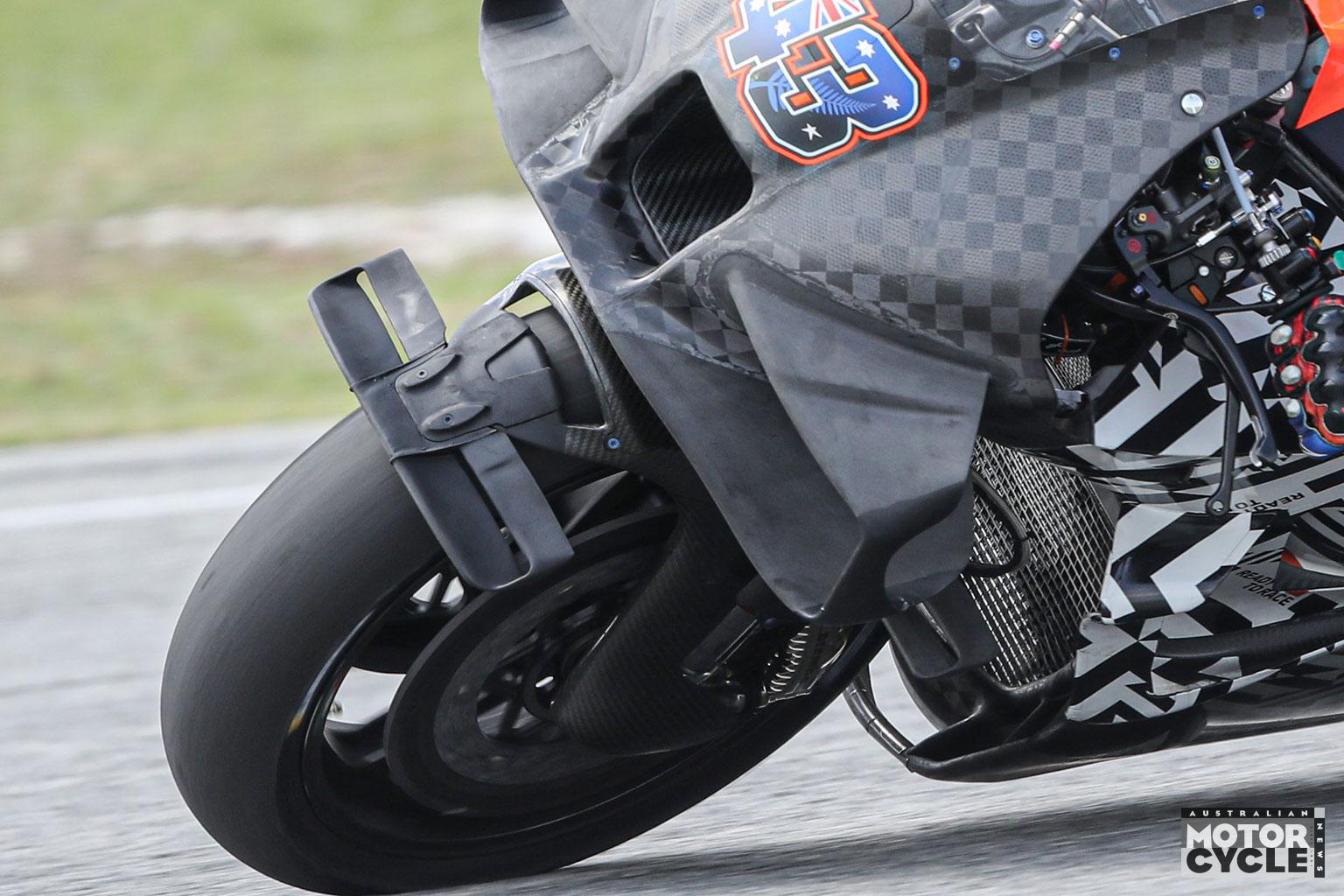
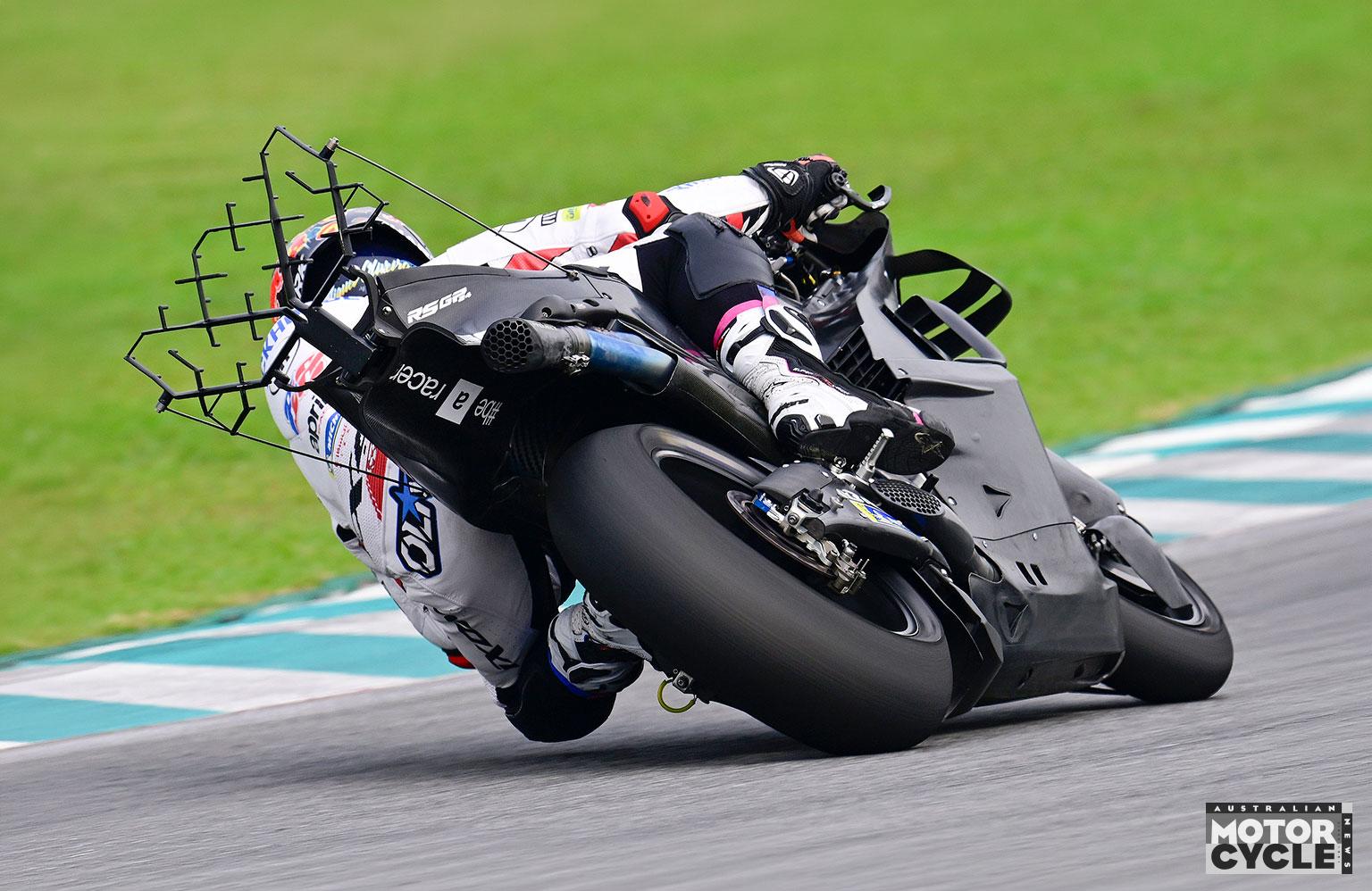
Ultimately, what aerodynamics in MotoGP comes down to is converting the force of the passing air into better lap times. This is achieved by cleverly changing the direction of the airflow around the motorcycle using various types of ‘wings’. This also changes the direction of the force generated by this airflow, which can then be used, for example, to press the tyres more firmly against the asphalt.
And although all of this is very impressive, MotoGP racebikes now look more like half F1 cars than ‘normal’ motorcycles.
Can this situation be reversed?
I certainly hope so, because besides being ‘ugly’, there are quite a few other downsides.
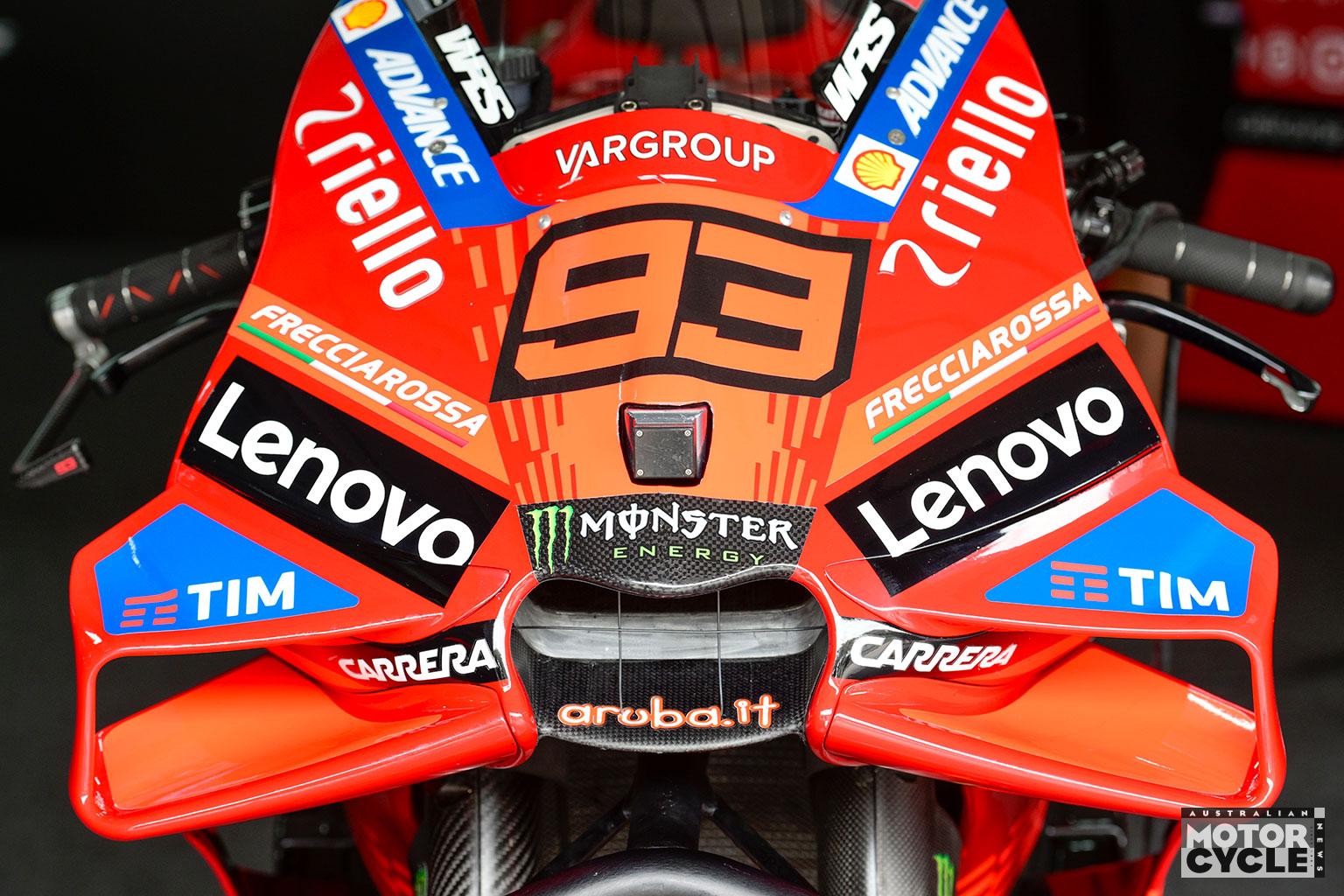
For example, current MotoGP bikes perform significantly worse when riding in the so-called ‘dirty air’ of the rider in front of them. That is to say, in the air vortices created behind other bikes. As a result, they literally can no longer ride as close together, making overtaking even more difficult. And fewer overtaking manoeuvres is always bad news in our sport.
Of course, with the right aerodynamics, cornering speed increases and braking can be done in a shorter time. But those are precisely the areas where I like to see the riders dare and be able to make the talent differences between them obvious.
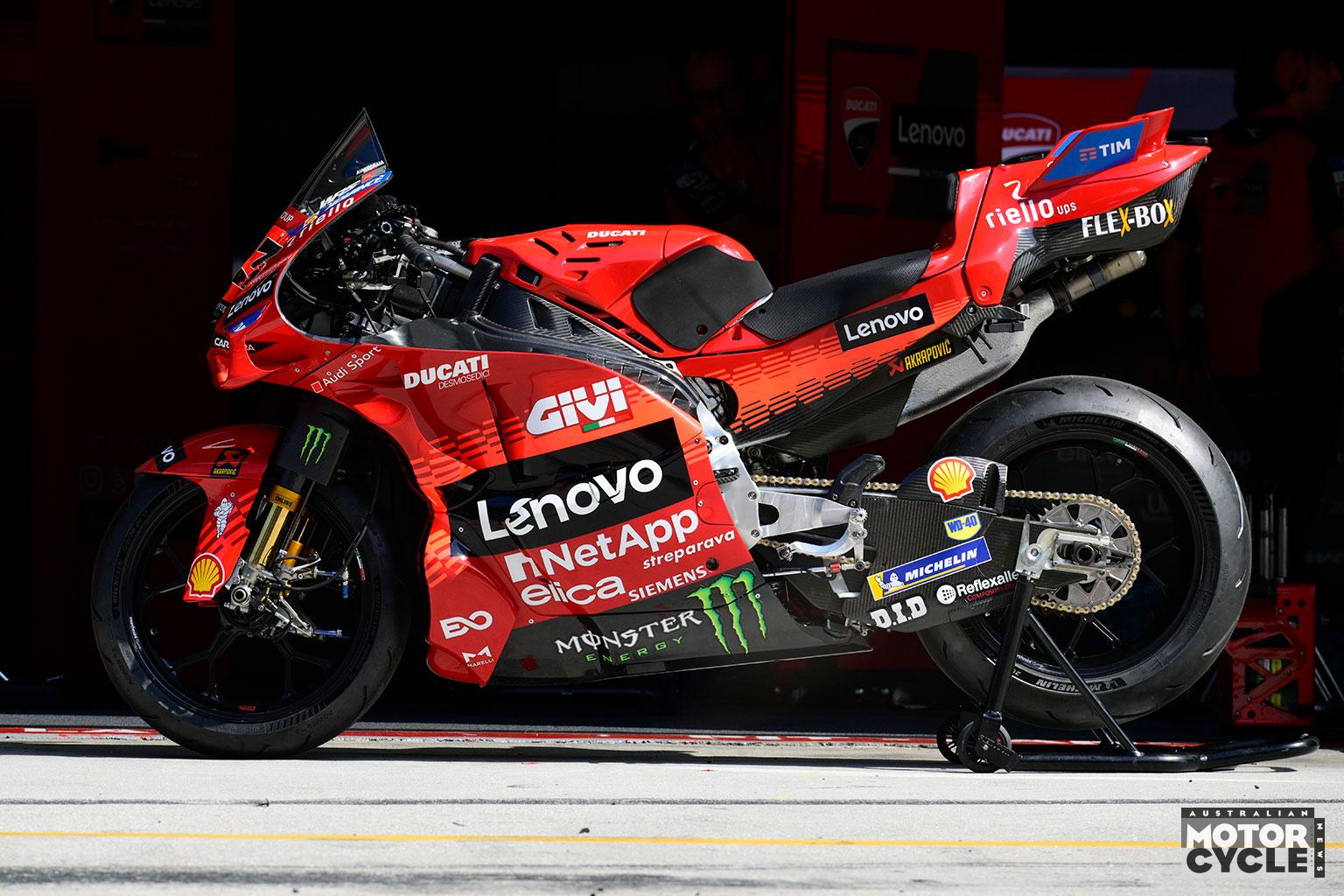
Moreover, riding with these aero bikes looks less spectacular. All movements must be executed more smoothly, because airflow does not like rapid changes of angle.
And because I am not the only one who isn’t a fan of this, restrictions regarding the aerodynamics applied will come into effect next year. The front part of the fairing now starts farther back, which increases air resistance. The total width of fairings must also become narrower, leaving less room for wings (another reason the inline four-cylinder engine became obsolete).
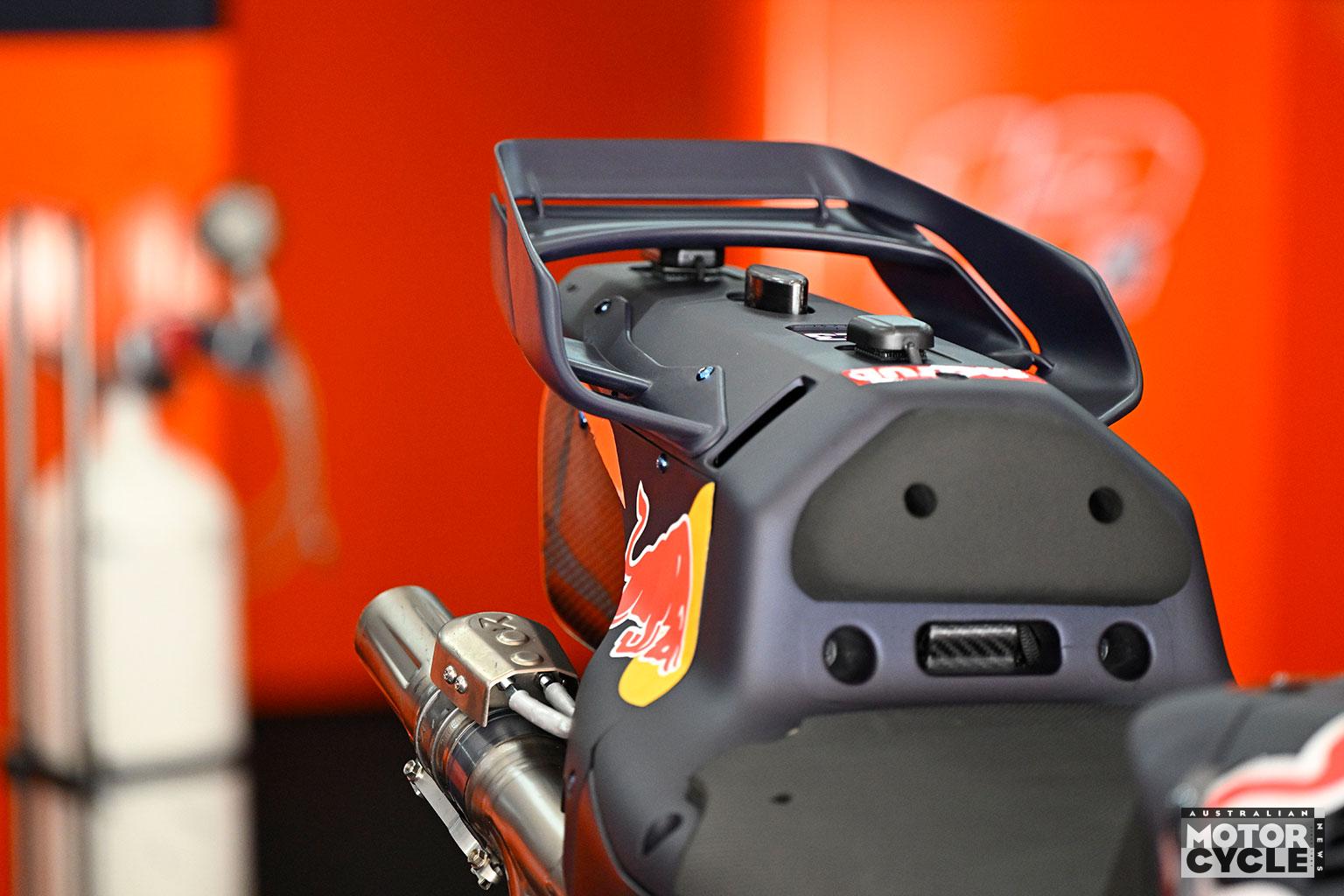
Whether this will be enough to see riders engage in wheel-to-wheel battles more often again remains to be seen. For although the rule-makers have undoubtedly done their utmost, history has also taught us that engineers are often just a little smarter and frequently find a loophole in the regulations somewhere.
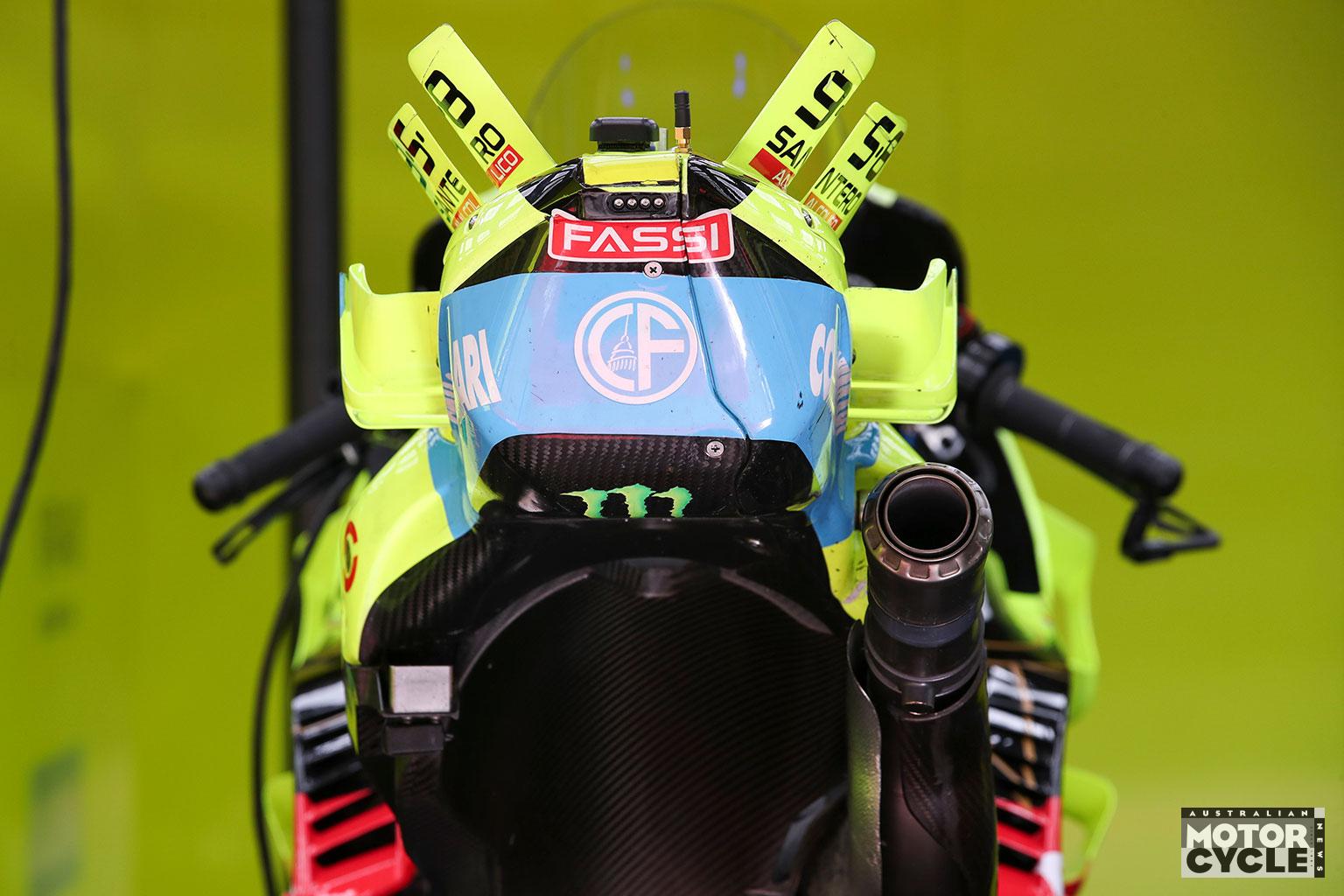
My opinion is that current MotoGP bikes are far too dependent on their aerodynamics, and this make overtaking harder.
But we cannot start pretending that next year the influence of aerodynamics will suddenly disappear. These forces of nature simply exist and engineers love such a challenge.
I can therefore only hope that, starting in season 2027, their influence will be sufficiently contained to return MotoGP racing to a true spectacle of individual rider skill.