Time for part b of my Rider Safe course! This time at the St Agnes Rider Safe range, a little closer to the Adelaide CBD.
I rolled up and was greeted by one thing: rain. Normally that wouldn’t bother me – I’ve had some of my best race results in the wet. Then it hit me… at the racetrack I’ve got wet tyres, tyre warmers, suspension adjustments and a whole team behind me. This time I was hopping onto a learner bike with road tyres. Thankfully, the little Suzuki GSX handled the conditions brilliantly, and I actually ended up really enjoying riding in the rain.
Walking into the classroom, I was greeted with plenty of smiles and handshakes from both the students and instructors – a few of whom had raced against me over the years in the Limited and Classic classes, while others knew Dad from back in the day. It reminded me just how small the motorcycle community really is.
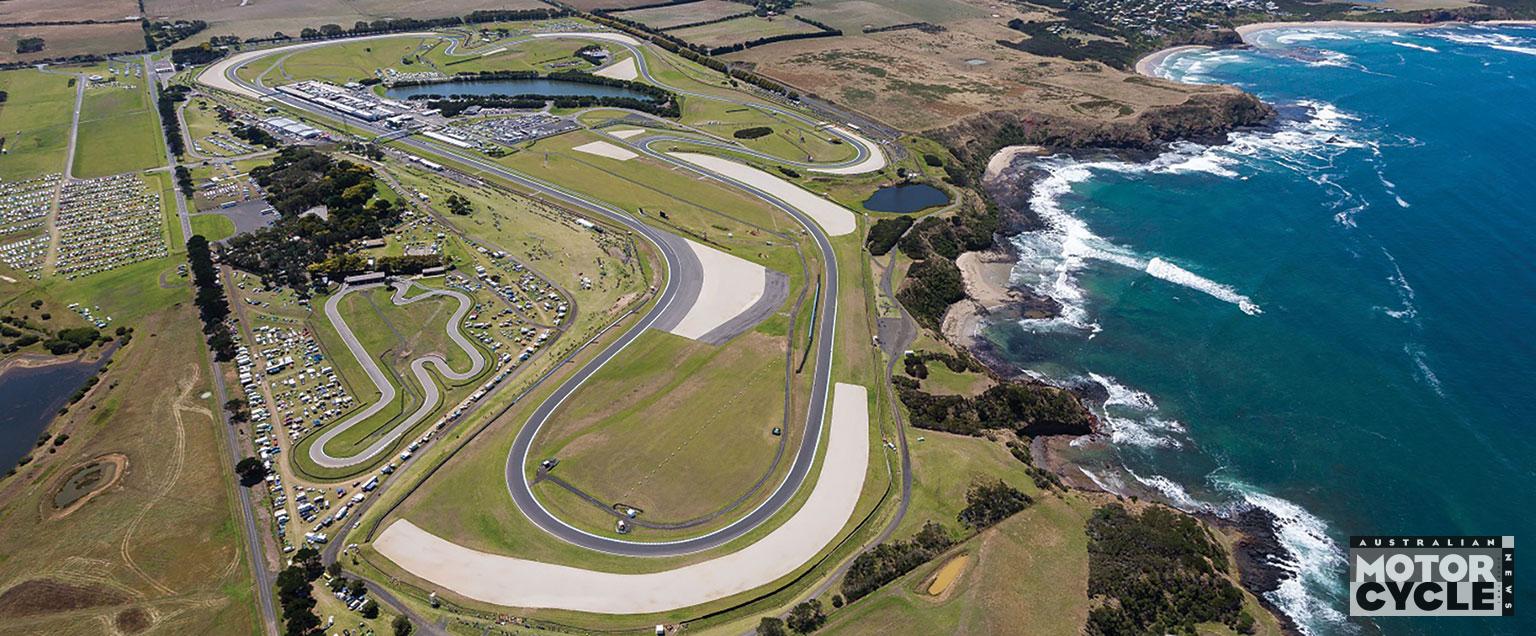
Part B focused much more on riding safely on public roads rather than simply controlling a motorcycle. The very first slide caught my attention: “Your ability to ride with control depends on how effectively you manage time, space and traction.” I couldn’t help but smile; those three things are exactly what we think about on the racetrack. Whether you’re lining up on the front row at Phillip Island or riding down your local main street, managing time, space and traction is what keeps you safe.
Out on the range we started with first and second gear manoeuvres through tightly spaced cones: look where you want to go, maintain a relaxed body position, smooth clutch control. After my last column, so many people commented that slow-speed riding would actually benefit my racing. You were absolutely right. It takes a surprising amount of precision and control to ride well at walking pace, and it’s definitely something I’ll keep practising.
Another thing I had to get used to was indicators! It’s funny how something so normal on the road feels completely foreign after spending most weekends on racebikes. Before long, though, checking mirrors, shoulder checking, indicating (and cancelling the indicator!) became second nature.
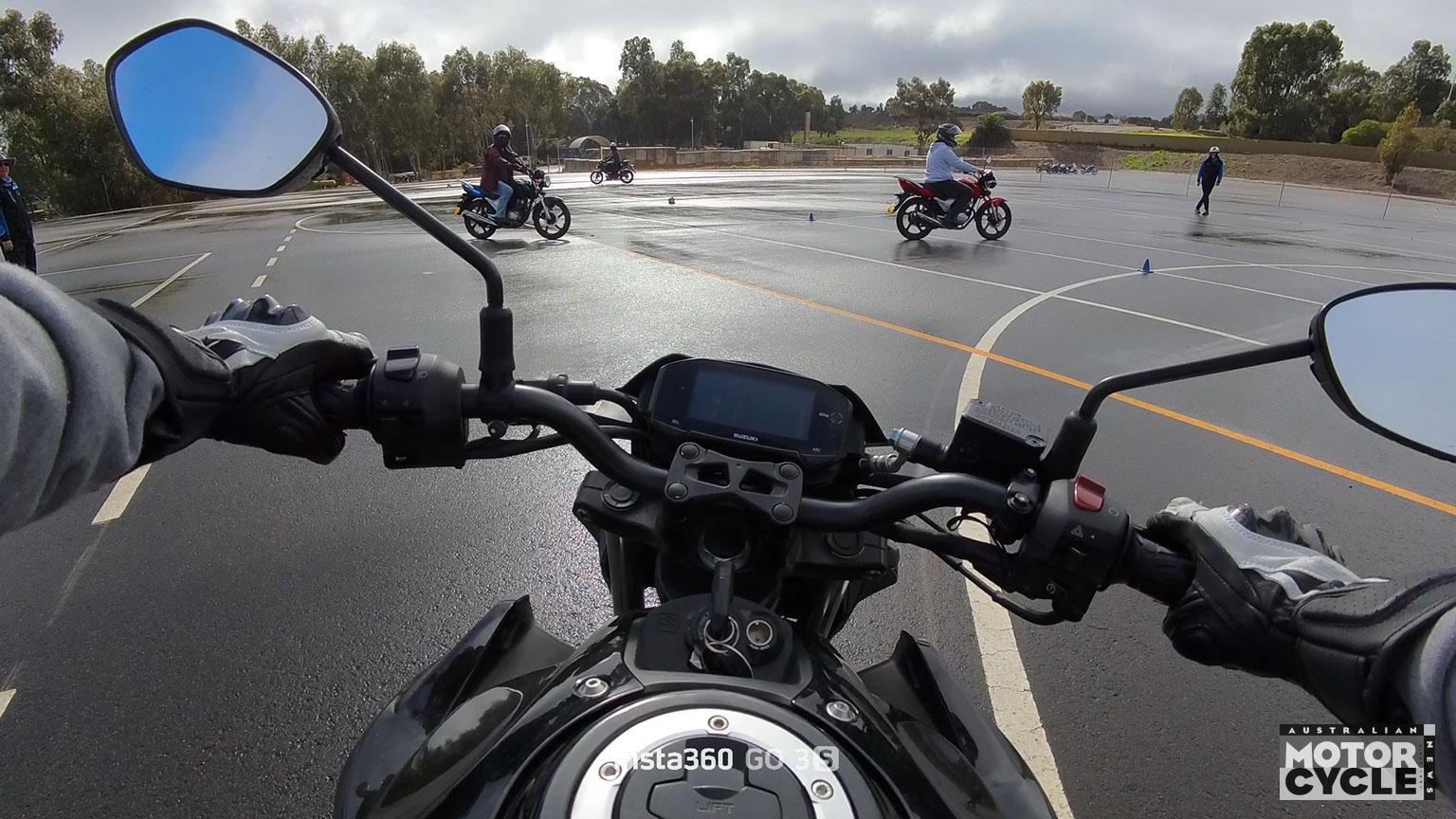
Then it was time to step all the way up into… third gear! The little GSX might not have been breaking any speed records but it was the perfect bike to learn on. We focused on getting all our braking done while upright before entering the corner, particularly in the wet, and as the day progressed the exercises became more realistic. Simulated traffic lights, lane changes, emergency swerves, even riding over a small foam obstacle to replicate debris on the road.
That was probably my favourite drill of the day. On the track you’ve got marshals making sure the circuit is safe. On the road, you’re responsible for spotting every hazard yourself, and that really drove home how important observation is above all else.
Back in the classroom, we discussed the biggest causes of motorcycle crashes, including intersections, loss of traction, blind spots and same-direction collisions. We also learnt about lane positioning depending on different road layouts and traffic situations. It was full of little tips I’ll definitely be taking with me whenever I’m riding on the road.
Then came the part I’d been looking forward to all day: the on-road assessment. We all put on our hi-viz vests, grabbed a numbered bib and got ready to head out. Naturally, I picked No.1.
Following the instructors through real traffic brought everything together. Cars turning across our path, cyclists, parked cars and potholes all became chances to put what we’d learned into practice.
One thing that made me laugh was reaching 60km/h. After spending so much time on racetracks, it felt strangely slow, but it was a good reminder that road riding isn’t about speed – it’s about awareness and getting home safely.
Before I knew it, we were back at the training centre. Hearing the words “You’ve passed with flying colours” was an awesome feeling. It might seem funny after racing all over Australia and overseas, but earning my learner’s permit is another milestone I’m genuinely proud of. Road riding is a completely different skill, and I really enjoyed learning from people with decades of experience.
The best part is that I filmed the entire day. I had my Insta360 mounted throughout the course and even managed to get an in-helmet camera installed just in time, so you’ll be able to hear exactly what was going through my mind during each exercise and my very first ride on public roads. It’ll make a great addition to the AMCN x Tarzy YouTube collaboration, and I can’t wait to share it with everyone.
Until next time, ride safe, keep learning, and don’t forget: the best riders are the ones who never stop being students.