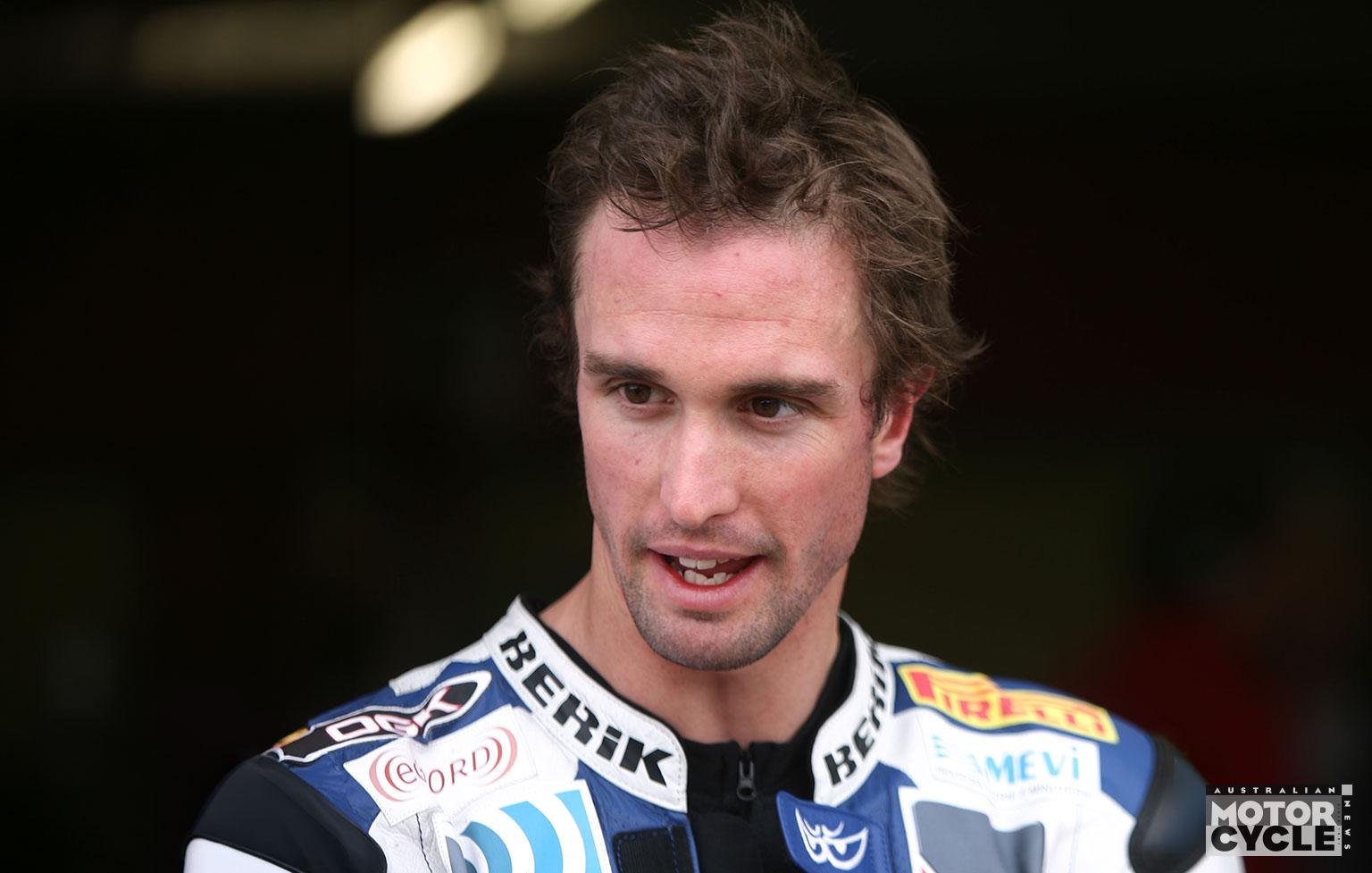
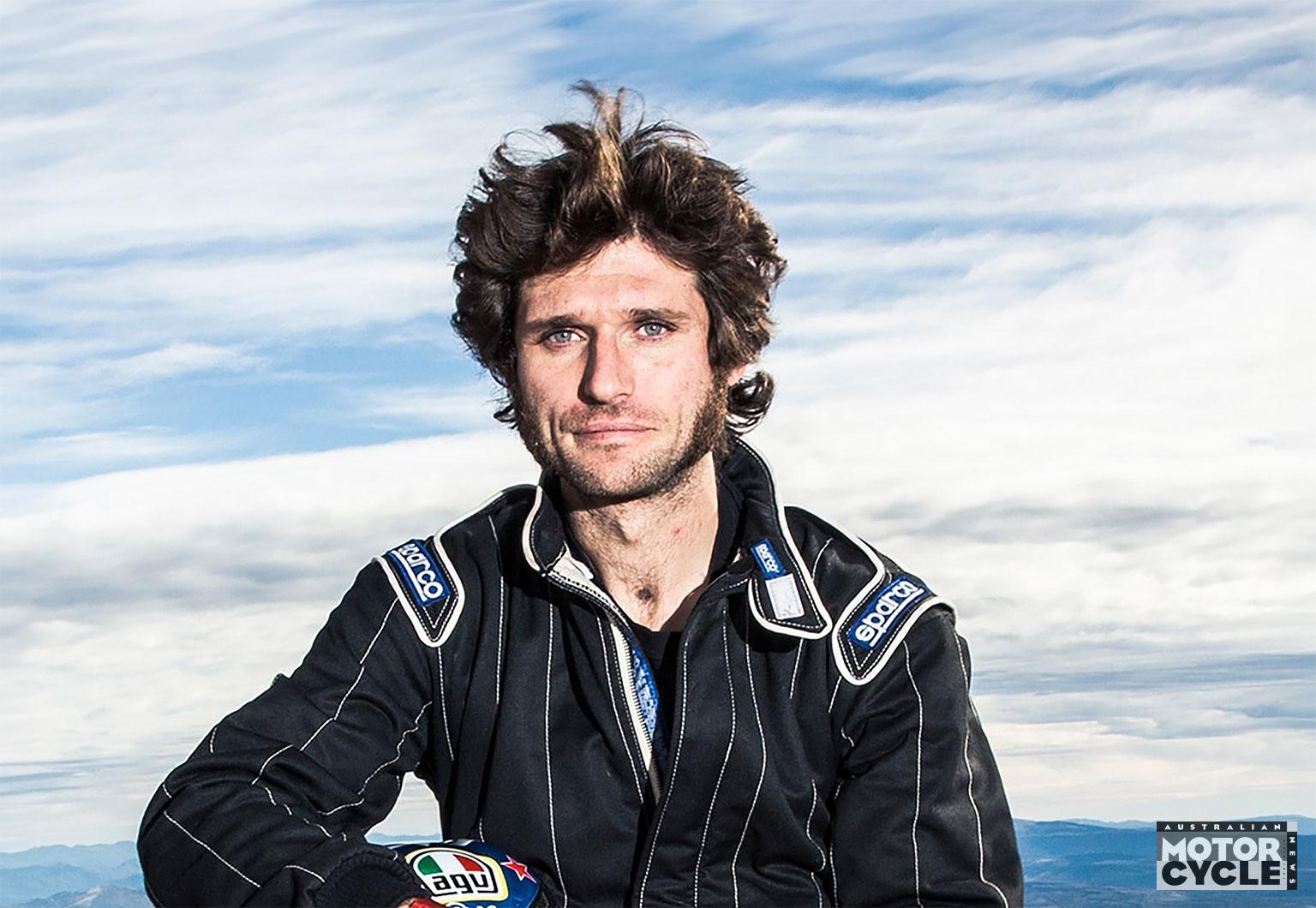
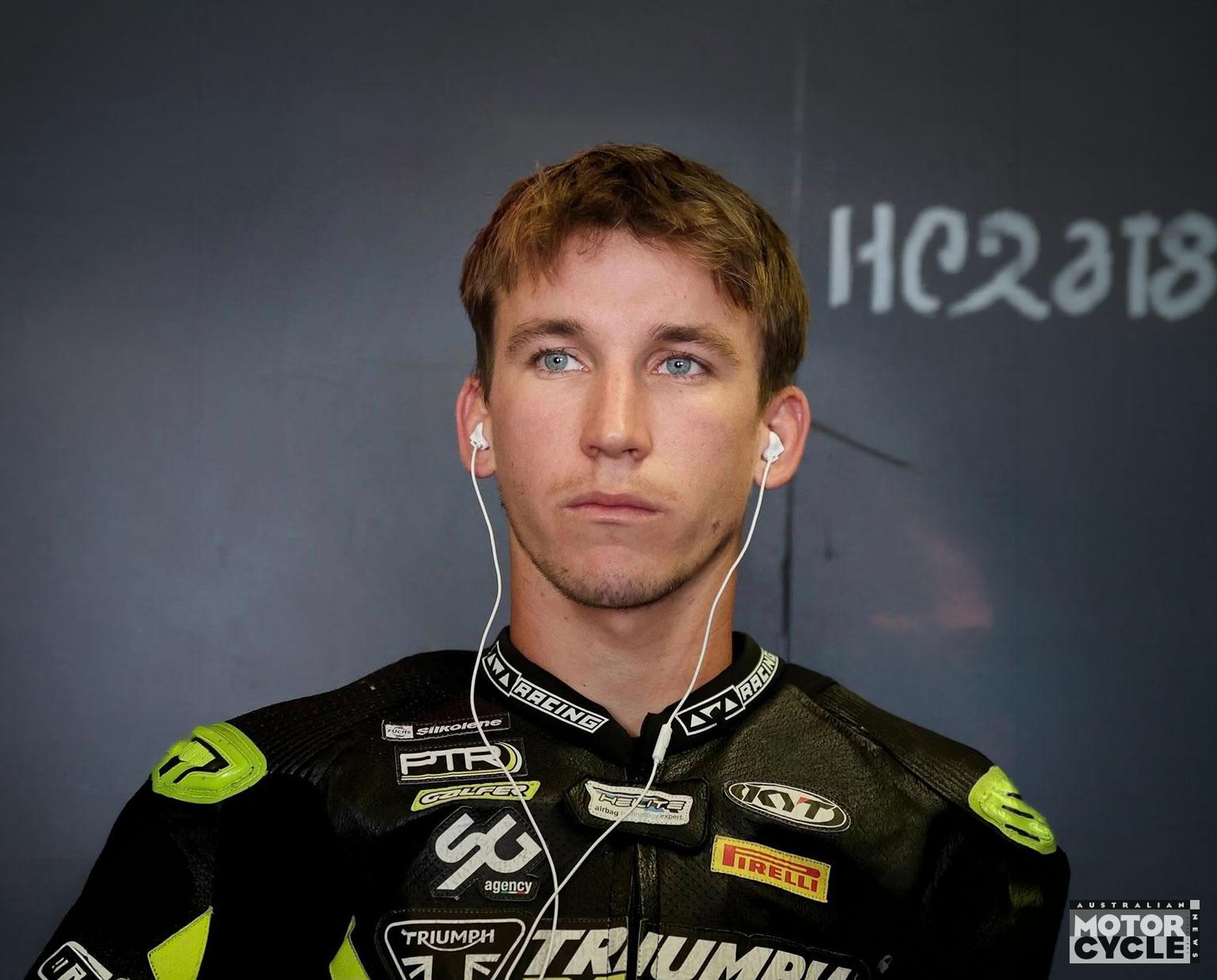
They never shared a premier-class grid, but the numbers let us dream. Overlaying Stoner’s and Marquez’s winning races reveals the match-up that might have been…
Many people believe Casey Stoner had more raw talent than any rider in history, while many regard reigning world champion Marc Marquez as the greatest rider the sport has ever seen. And so, when Repsol Honda’s Casey Stoner announced his retirement the same year the rule that forbade a MotoGP rookie from joining a factory squad was scrapped – clearing the way for Marc Marquez to step straight into the dominant Repsol Honda team – the collective hearts of MotoGP fans broke.
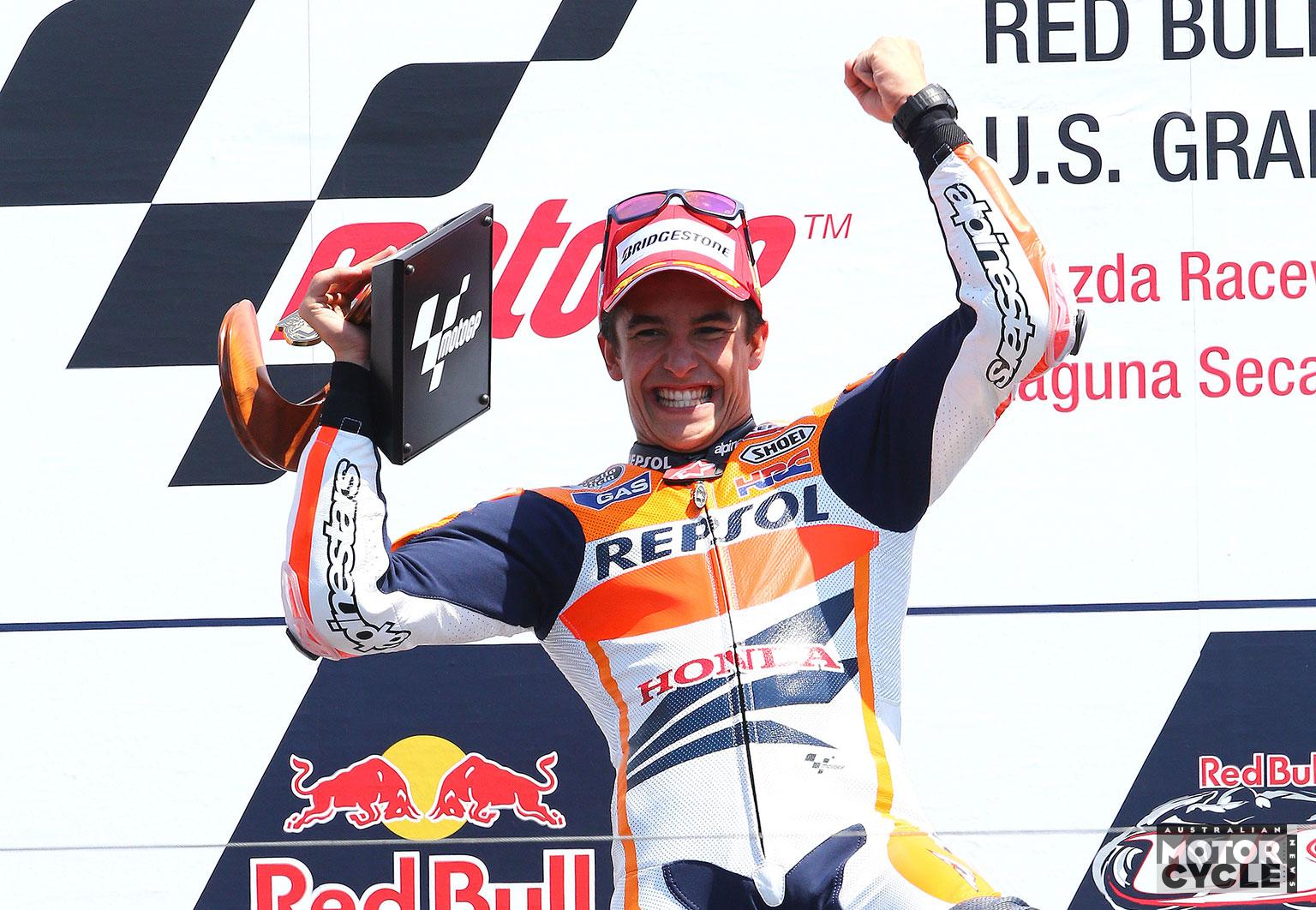
Denied the match-up of two of the sport’s most compelling talents, with two-time world champ Stoner out of the paddock, a 20-year-old Marquez romped to his first premier-class world title in his rookie season with 16 podiums from 18 attempts, with no less than nine of them victories.
A crash at Italy’s fourth round and a disqualification in Australia thanks in part to Bridgestone’s so-called ‘blunder Down Under’, meant that every race Marc finished, he was on the podium.
Compare that to Casey’s final dominant year before he fell victim to the chronic fatigue syndrome that ultimately ended his career, his 2011 title-winning season with Repsol Honda, and it was also 16 podiums from 18 attempts, but this time with 10 victories. A crash at Spain’s second round and a cancelled Malaysian Grand Prix meant every race Casey finished, he too finished on the podium.
So what happens if you take these riders’ two closest performances – Stoner in his final year in 2012 at Round 10’s US Grand Prix, and Marquez in his rookie year at the 2013 Round 9 US GP – and lay them over each other? Pitting two of the greatest riders of MotoGP’s modern era head-to-head on paper to try and create the race we never were allowed to witness…
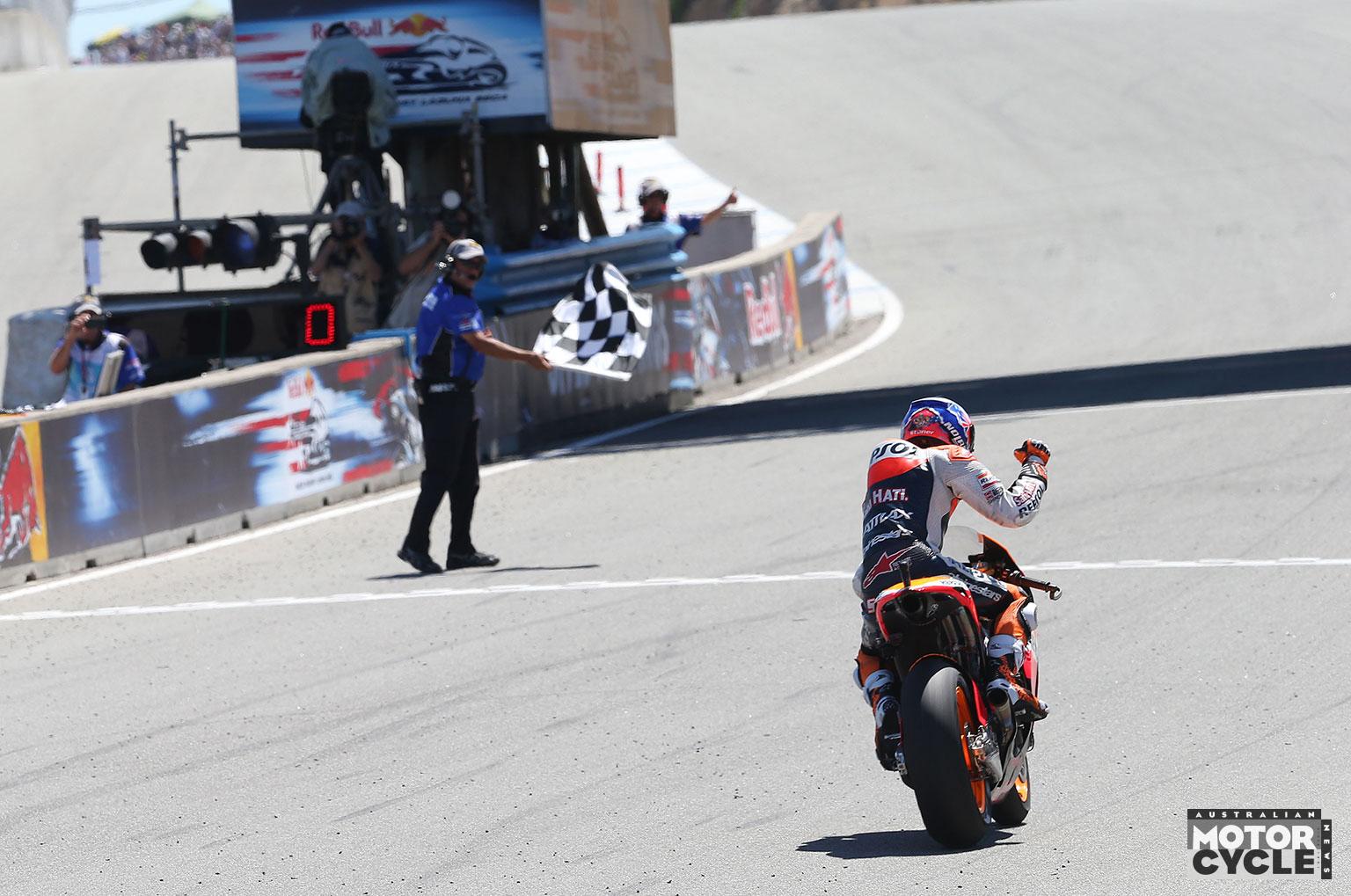
The comparison isn’t perfect, we know. Stoner was at the end of his career and Marquez was at the beginning of his. A full season separated the two races, and in that time technical differences meant Marquez was racing a newer but potentially lesser-performing bike than Stoner was. The 2012 season was the first of the reintroduced 1000cc capacity limit, which remained in 2013, although engine development was frozen throughout Marquez’s rookie season and Stoner had six engines to see him through the year while Marquez was forced to make do with five. Perhaps more significant is the fact that the minimum weight was raised from 157kg in Stoner’s final season to 160kg in Marquez’s first.
Importantly, though, both Casey Stoner and Marc Marquez were riding factory-supported Repsol Honda RC213Vs, they both started the US GP from the middle of the front row in second place, both found themselves in P3 at the exit of the first corner, and both went on to win their respective 32-lap races. Let battle commence!
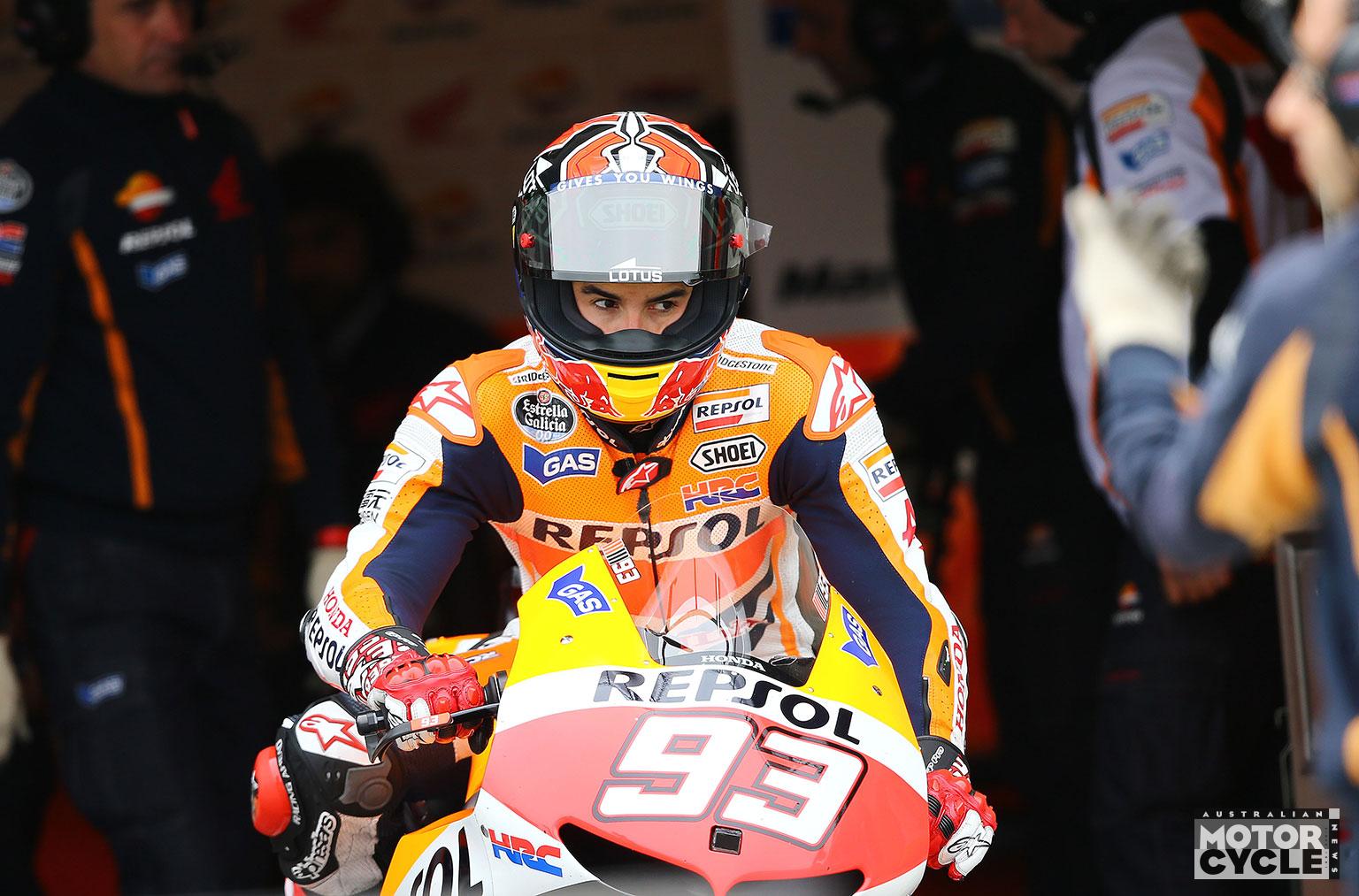
Lights out!
Casey Stoner and Marc Marquez roll onto the front row separated by fractions. Stoner sits 0.074 seconds off pole position set by Jorge Lorenzo. Marquez is closer still at 0.017sec from Stefan Bradl, after crashing on his final qualifying lap. They arrive level on the grid, but not on the same terms. Stoner commits to the softer rear tyre, a choice that asks for control early and promises pace if he can manage it. Marquez faces a track surface measured at 49°C, more than double the 24°C under Stoner. The same race distance of 32 laps is ahead of them, but with a very different level of grip – and experience – on offer.
The grid clears, the warm-up lap is complete and the lights go out. They launch together, but their opening laps are very different. Through the first lap, the gap begins to form just as both riders are attacking and defending the typical opening-lap melee, before the pace stabilises, and before anything can be measured against what follows. By the time they reach the line for the first time (Stoner with his 1m28.330s and Marquez with his 1m29.774s), the Aussie has pulled a gap on the Spaniard of 1.444 seconds.
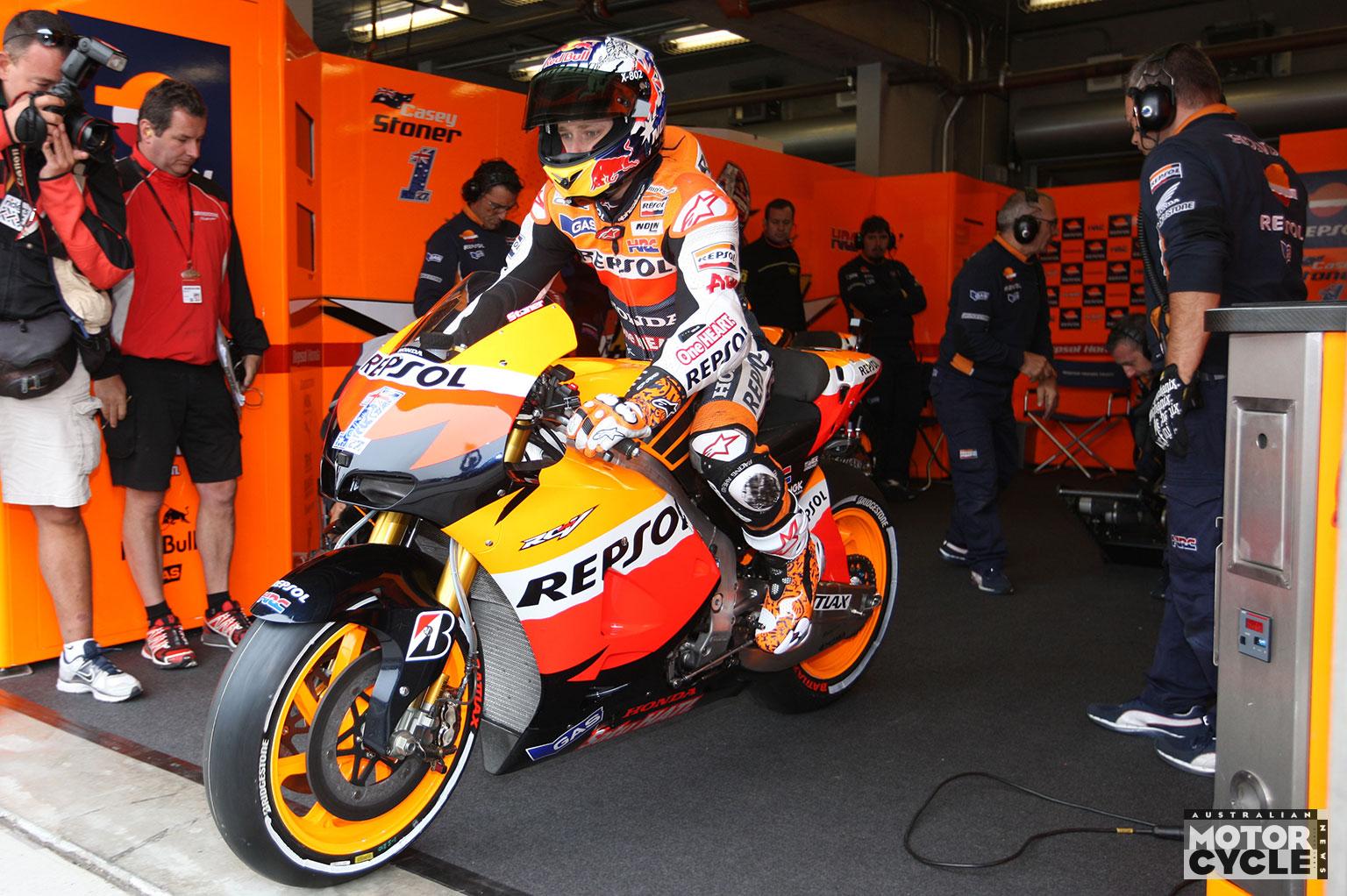
It’s the largest single-lap margin of the race and, sadly for us hoping for a corner-by-corner battle of wills and wants, there’s a second-and-a-half gap between them before our race has even had time to take shape.
Through Lap 2, Stoner still has him covered at the line, just less than three-tenths quicker and the margin edges out to 1.723 seconds. By Lap 3, in a typical Stoner way, he keeps that advantage intact, stretching it again to 2.019sec – the same lap in which he relegates teammate Pedrosa to P3 and takes off after race leader Lorenzo. Stoner and Marquez are running in the same relative pace window, both in the low 1m21s, despite Marc’s hotter conditions and heavier machine, but Stoner must make the most of that soft rear tyre and he keeps finding a way to post quicker laps than the rookie can manage.
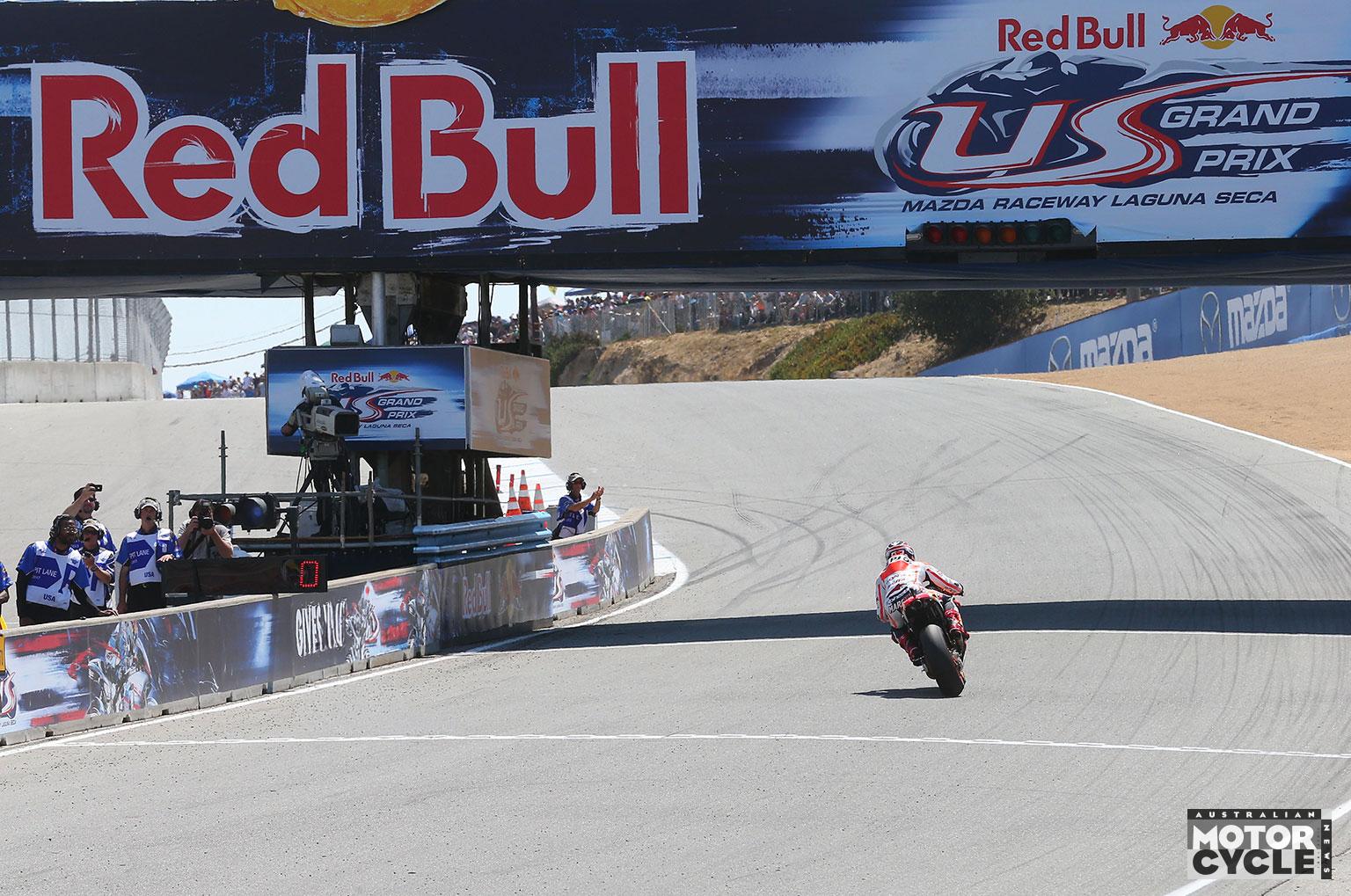
Lap 4 hands Stoner some more time. He holds a 1m21.299s time, while Marquez slips down to a 1m22.750s. Ironically, the difference in lap times is the result of Marc snatching second place off future rival Valentino Rossi with the cheeky move at the Corkscrew that replicated Rossi’s own very controversial and race-winning pass on Stoner some five years earlier. It was brilliant to watch, but with the time lost through the third sector, Stoner suddenly has more than three seconds in hand over Marquez, the gap jumping to 3.470sec in one costly but memorable move.
From Lap 5, Stoner turns on the devastating consistency that won him so many races down the years, while Marquez is still searching for a way through on-pole man Bradl. Stoner reduces the gap to Lorenzo, who responds, forcing more speed from the Aussie time and again. In the Marc versus Casey match-up, the Australian crosses the line ahead again, his 1m21.357s lap still better than Marc’s 1m21.539s, the margin between the two now out to 3.652sec. It’s out to 3.911sec at the end of Lap 6, 3.978sec by the end of the seventh and by Lap 8, Stoner is still a couple of tenths quicker each time – soft tyre, lighter bike, cooler conditions – the gap is now over four seconds.
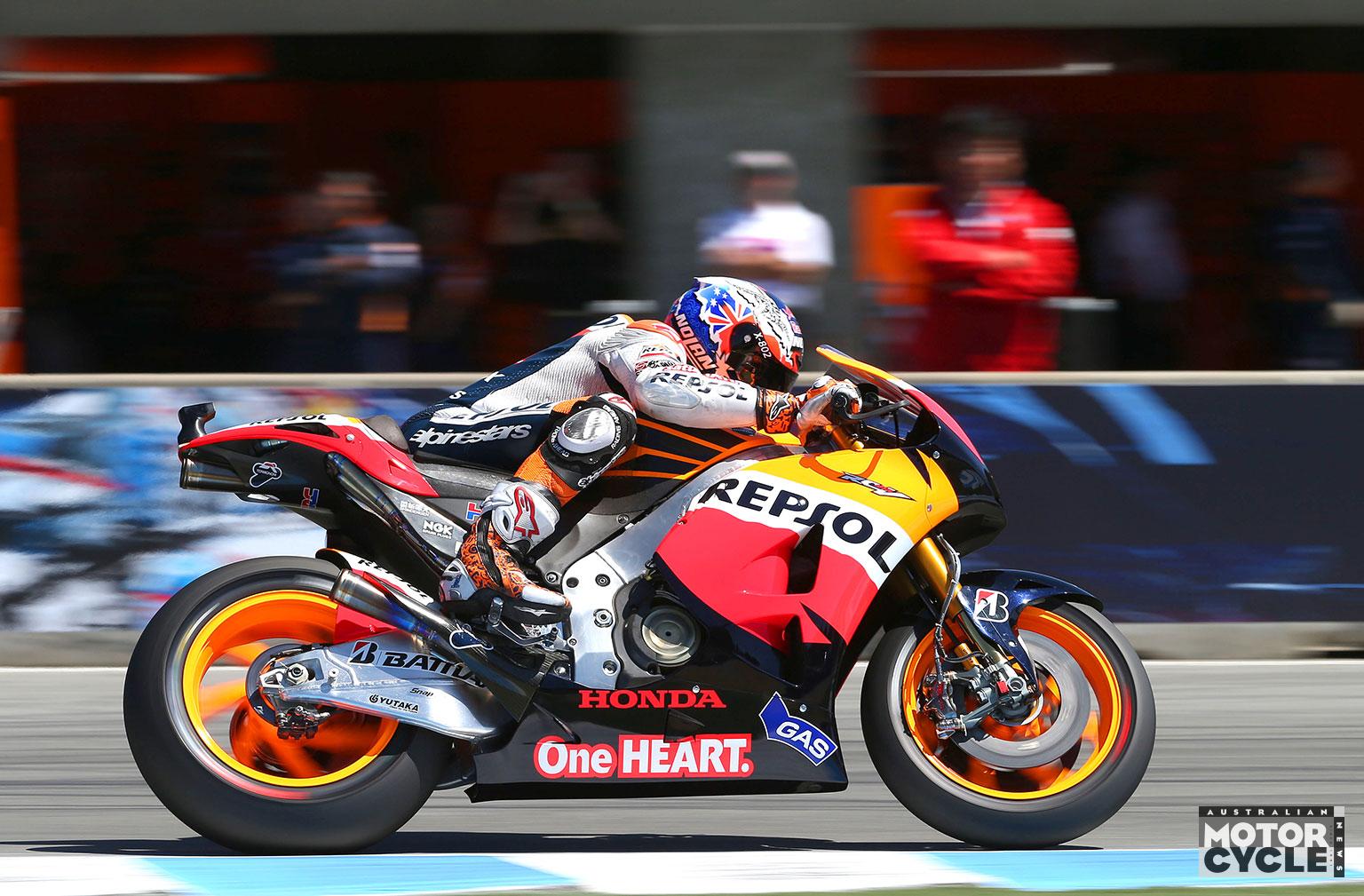
Stoner is on repeat, holding a narrow band in the 1m21s once the race begins to find its flow. Marquez stays close to that pace, but not with the same precision, drifting into the 1m22s range often enough that Stoner keeps extending the margin as he hunts down Lorenzo.
And between the different conditions, the different on-track positions, the different race experience, tyres and regulations, it means it’s a harder race to call than simply the numbers alone. Each lap, Stoner is consistently one-, two- and three-tenths quicker than Marquez is at the same track 12 months later, but there are so many variables. By Lap 12, Stoner remains ahead, his 1m22.086s lap time compared to Marquez’s 1m22.299s, and the gap edges further to 5.879sec. By Lap 13, it’s 6.490sec.
Still no sign of tyre drop from Stoner; he keeps reeling off laps in the high 1m21s to low 1m22s range, while Marquez is still trying to find a way through on Bradl. Marquez stays within reach of Stoner’s pace, but the spread is wider, and each lap his times fluctuate in response to what’s going on around him on the circuit in 2013, Mr Consistency in 2012 just extends the margin.
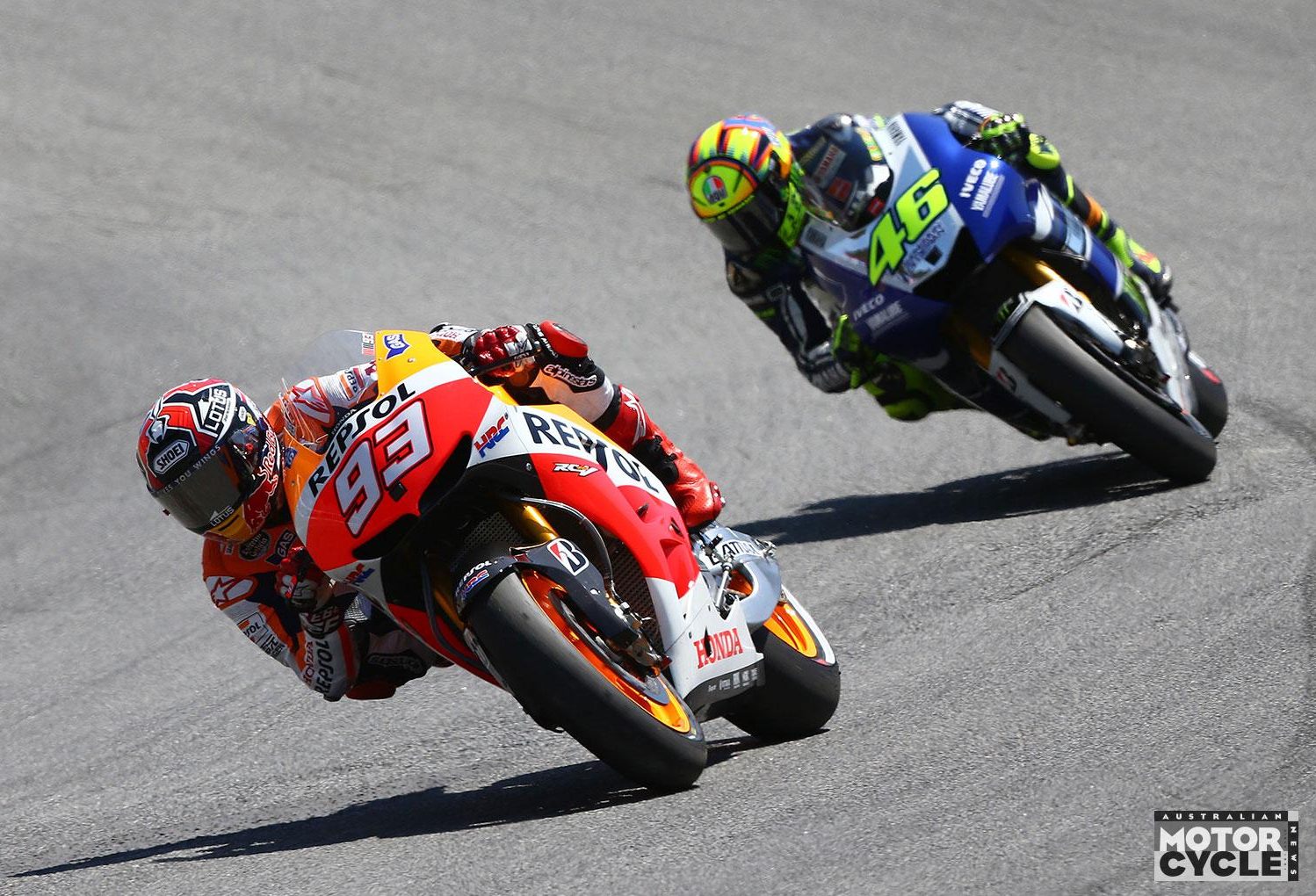
Lap 18 sees Stoner still in control, his 1m21.890s to 1m22.259s, taking the pair’s on-track gap out to 9.170sec. It was the last corner on Lap 19 that Marc finally found a way through on Bradl to take the lead of the 2013 US Grand Prix, and as they crossed the line, there were 13 laps still left to run.
After clearing a backmarker on Lap 20, Marquez put his head down to try and open up a gap back to Bradl and it’s the time of the race where we can truly compare Marquez and Stoner. It’s the Australian who still edges it at the line, a 1m22.302s to Stoner’s 1m22.329s – but now just 0.027sec between them. It’s the tightest lap of the race.
Laps 17, 18 and 19 showed an average difference in lap times of six-tenths. Once Marquez cleared Bradl, the average time between them on Laps 21, 22 and 23 reduced to just 0.093sec a lap.
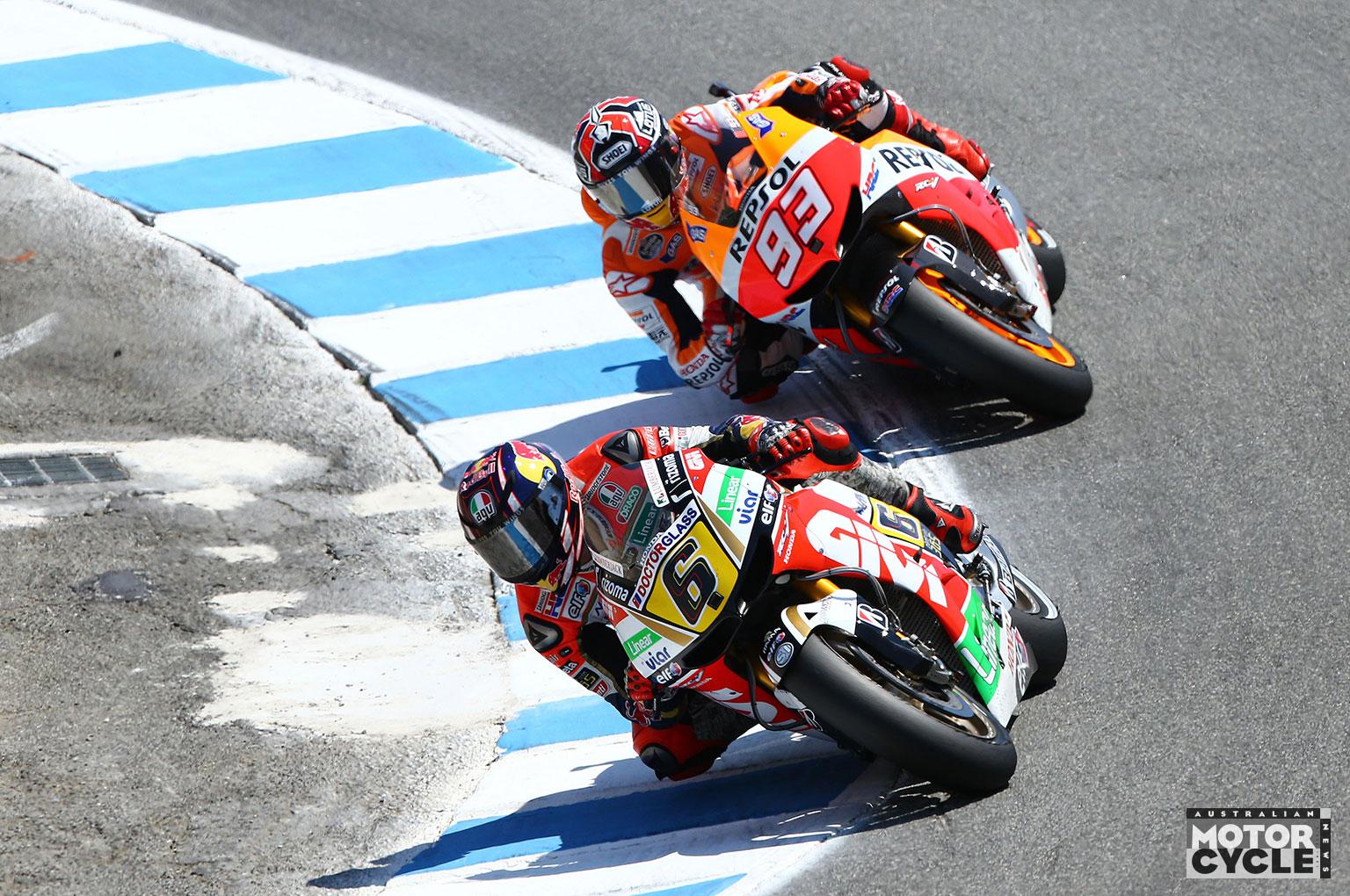
Lap 21 is when Stoner finally makes a move stick on Lorenzo to take the lead in 2012, two laps after the Spaniard did it 12 months later. The similarities between the two races are uncanny, but it’s hard to formulate a true head-to-head given the conditions. Lap 24 is the only time Marquez posted a quicker lap than Stoner on the same circuit; he was just two-tenths quicker, trimming the gap to 10.382sec…
Let’s take a step back
If we continue the race to the chequered flag, overlaying the data to produce an outcome, Stoner crosses the line 14.734 seconds ahead of Marquez – or 0.460sec a lap quicker than the rookie. But if we identify each rider’s quickest sector time across the race and put them together to find out what both riders were ultimately capable of in their respective years – Stoner’s fastest sector times combine for a 1m20.950s lap time, while Marquez’s best four times add up to a 1m21.231s lap on the same circuit – then that gap almost halves to 0.281sec, albeit it under very different conditions.
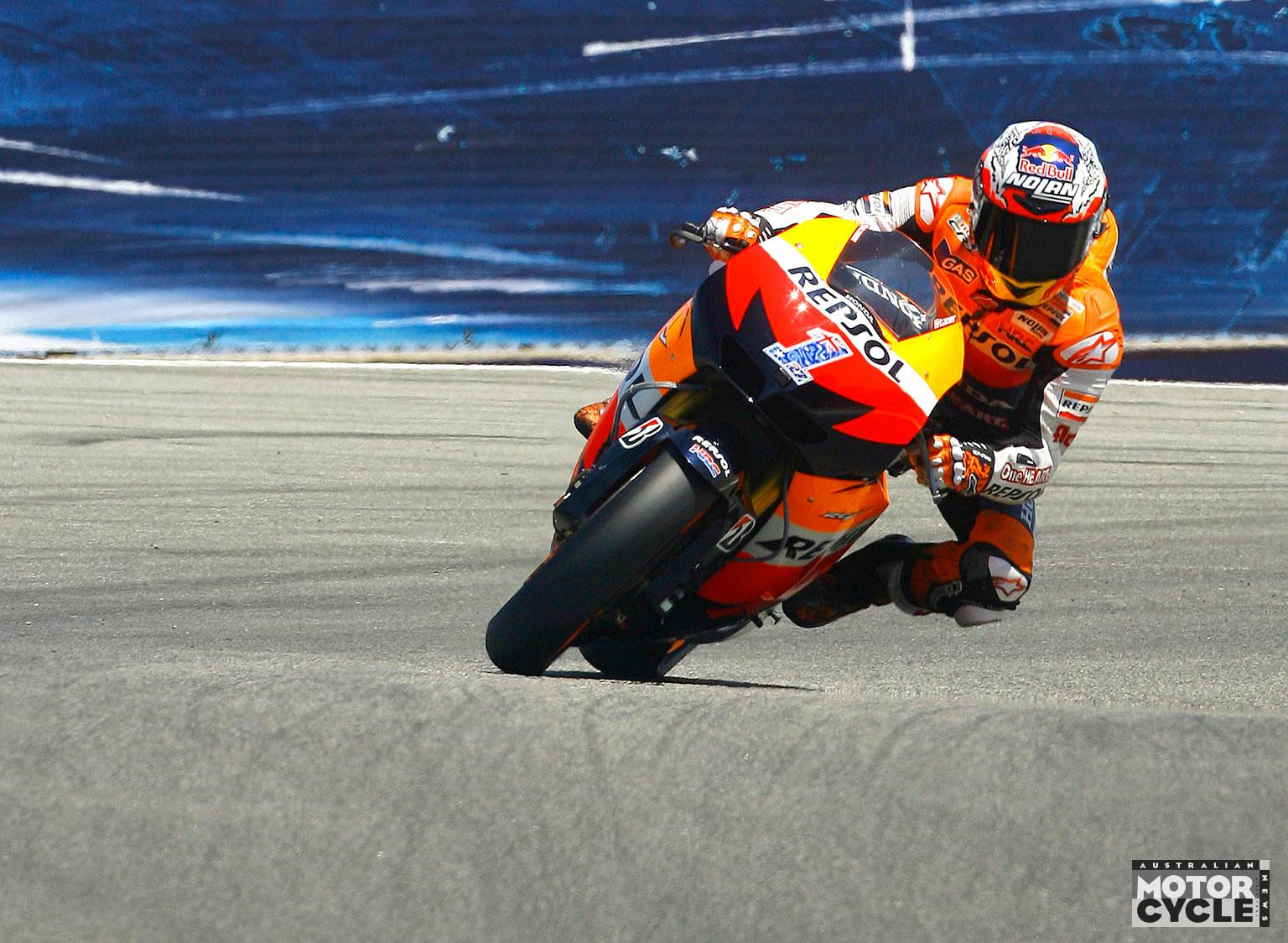
Set against the circuit record at the time, the picture may become clearer. Stoner’s theoretical 1m20.950s sits 0.426 seconds inside the existing benchmark – a 1m21.376s set by himself in 2010 – while Marquez’s 1m21.231s effectively matches the 1m21.229s set by Pedrosa in 2012, missing out by just 0.002 seconds. Even with the variables stripped away – no traffic, no tyre management, no lap-to-lap variation – Stoner’s margin remains. Yes, Stoner wins the US GP on paper, but he also sits beyond the limit of what the circuit had recorded in race conditions, while Marquez simply reaches it. Over a single lap, Stoner’s ultimate lap is 0.281 seconds quicker than Marc’s. Over 32, the time sheets still give Stoner the win by 8.992sec – but the track temperature must be taken into account.
It would be remiss of us not to consider their respective careers. When these compared laps were set, Stoner had just completed his 107th MotoGP start. Marquez was a rookie in just his ninth premier-class race. Compare it to the same point in Stoner’s career – the 2006 British Grand Prix – and, riding a satellite Honda, Stoner’s ninth MotoGP start ended with a creditable fourth-place finish, 5.776 seconds behind race winner and factory Honda rider Pedrosa. Depending on how you look at it, that result both strengthens and weakens Stoner’s case as the better rider.
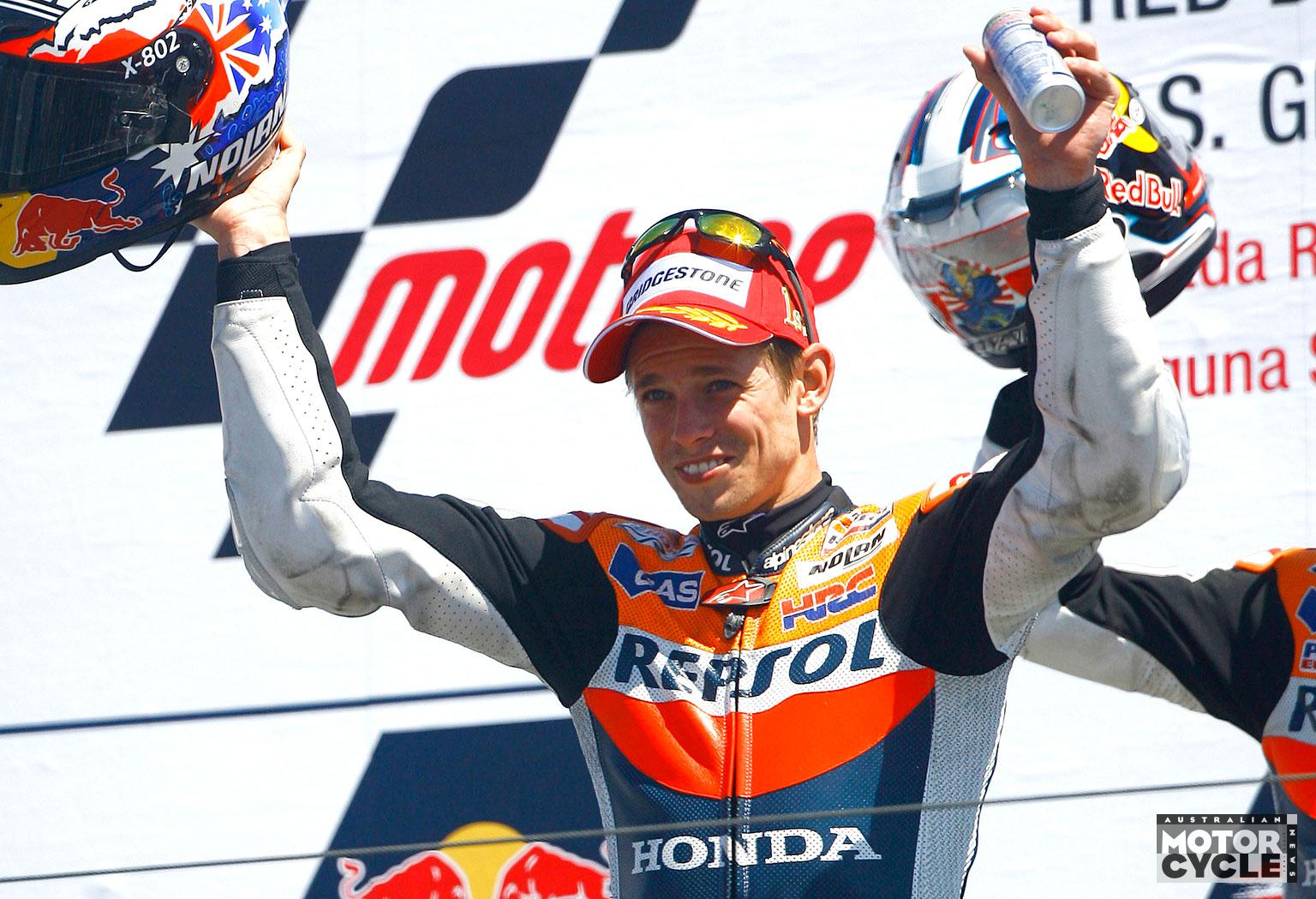
Turn the tables and look at the results from Marquez’s 107th premier-class start, the 2018 Malaysian Grand Prix. Okay, there are countless variables we should consider, but on numbers alone, Marc won his 107th premier-class start by 1.898sec to factory Suzuki rider Alex Rins, compared to Stoner’s 3.429sec advantage over Lorenzo. Again, humidity, track temperature and the will of an adoring home crowd will have all played their parts in the result.
What sits underneath all of it isn’t a clear winner, but two different performances from two very different riders. Stoner delivers devastating consistency – lap after lap, race after race, with no visible weakness. Marquez delivers immediacy – reaching the limit instantly and applying it before others can respond. The numbers get us close, closer than we’ve ever been, and they show where each rider has the edge. What they don’t do is put them on the same piece of track, at the same moment, with nothing else influencing the outcome. And that’s the race we were denied.
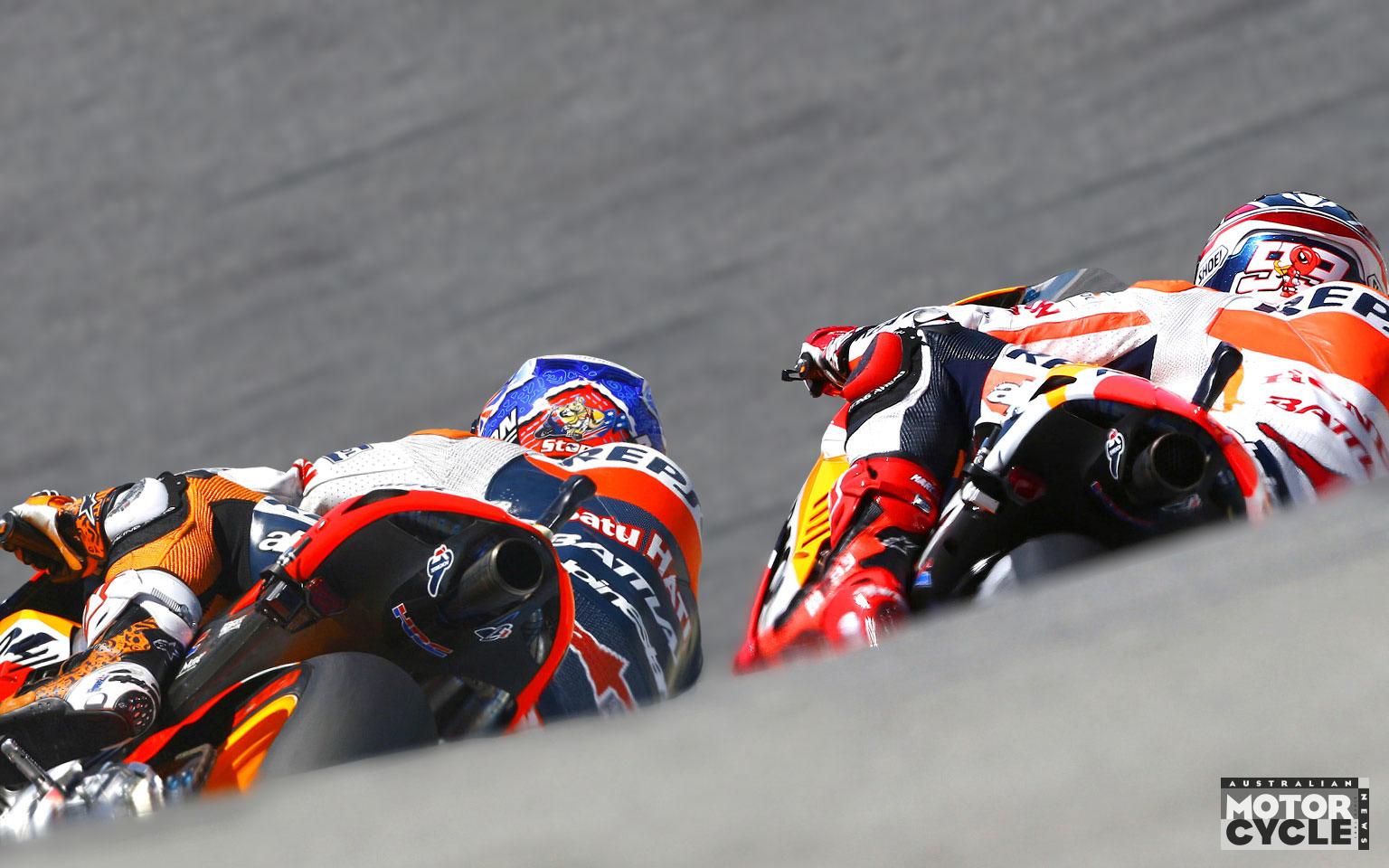
Career snapshot
Marc Marquez leads on volume and titles and just edges the win rate, but their podium rate is virtually identical
| Stat | Casey Stoner | Marc Márquez |
|---|---|---|
| MotoGP starts | 115 | 213 |
| Race wins | 38 | 74 |
| Podiums | 69 | 127 |
| Pole positions | 39 | 76 |
| Championships (MotoGP) | 2 | 7 |
| Win rate | 33% | 34.7% |
| Podium rate | 60% | 60% |