Once a dirty word among riders, the ‘automatic’ is becoming one of motorcycling’s hottest battlegrounds as the gearbox undergoes its biggest shake-up in a century – and this time, it might actually stick
For over a century, the act of manually changing gear has been an intrinsic part of motorcycling. It’s an art that takes a while to master but brings an intangible pleasure. Even when it’s second nature and done without a thought, a perfect rev-matched downshift is strangely satisfying to riders.
From the perspective that one joy of motorcycling is derived from the mastery of the machine, the recent tidal wave of auto-shifting bikes is perplexing. If riding is something you do for pleasure rather than strictly as transport, why rob yourself of that little dopamine hit that comes with the execution of a good gearshift?
But taken from another angle, shifting gear is undoubtedly one of the most archaic elements of riding. You’re taking a highly tuned, 21st-century combustion engine, a pinnacle of modern engineering genius, and manually disconnecting it from the transmission before physically switching gear ratios before reconnecting drive to the rear wheel. It’s like using a mechanical typewriter in an era of emails. Tactile? Absolutely. But not efficient or logical. If you ride a modern motorcycle, you’d be surprised to be asked to kickstart it or to manually alter the ignition timing or the fuel mixture, all tasks our riding ancestors had to cope with. Those chores were happily superseded by technologies that did the jobs both automatically and better, so why are we so emotionally attached to the manual transmission?
The reality is that a growing number of motorcyclists aren’t. We only have to look to the ballooning number of alternatives to the conventional hand-clutch, foot-shift gearchange to see that motorcycle manufacturers, driven by customer demand, are increasingly developing self-shifting automatic transmissions – mirroring a similar transmission transition that took place at the enthusiast end of the car industry two decades ago.
Tipping point
The idea of an automatic transmission in a motorcycle is far from new. In fact, it’s nearly as old as the motorcycle itself. Back in the early 20th century, when there was no such thing as ‘standard’ control layouts for bikes, brands like Rudge and Zenith offered CVT-style transmissions that bore similarities to some of the twist-and-go scooters that would come later. But the template of a hand clutch and a sequential foot shifter, first appearing in the 1920s, spread fast. It became the norm in the post-war era, albeit with continuing discrepancies around which foot did the shifting and no consensus on the precise gear pattern until much closer to the modern era. In the same period, the continuously-variable, twist-and-go transmission – eliminating foot controls and shifting the rear brake to the lefthand ‘bar – became the standard layout for scooters.
More modern attempts at automatic motorcycles range from the Hondamatics of the 1970s – pairing a torque converter with a two-speed transmission – to a long-running effort by the same company to make a viable, fully-variable hydraulic drive system. Those efforts started with the Juno M80 scooter – an odd, 125cc boxer twin from 1961 – and later evolved into an effort to make hydraulic drive competitive in motocross bikes in the 1980s and 90s. Based around a variable-displacement pump that altered the flow of hydraulic fluid to the drive unit attached to the rear wheel, the system finally reached production in the TRX500FA ATV in 2000 and returned to two wheels eight years later on the DN-01. But it wasn’t a sales success, so Honda turned all its attention to another idea: dual-clutch transmissions.
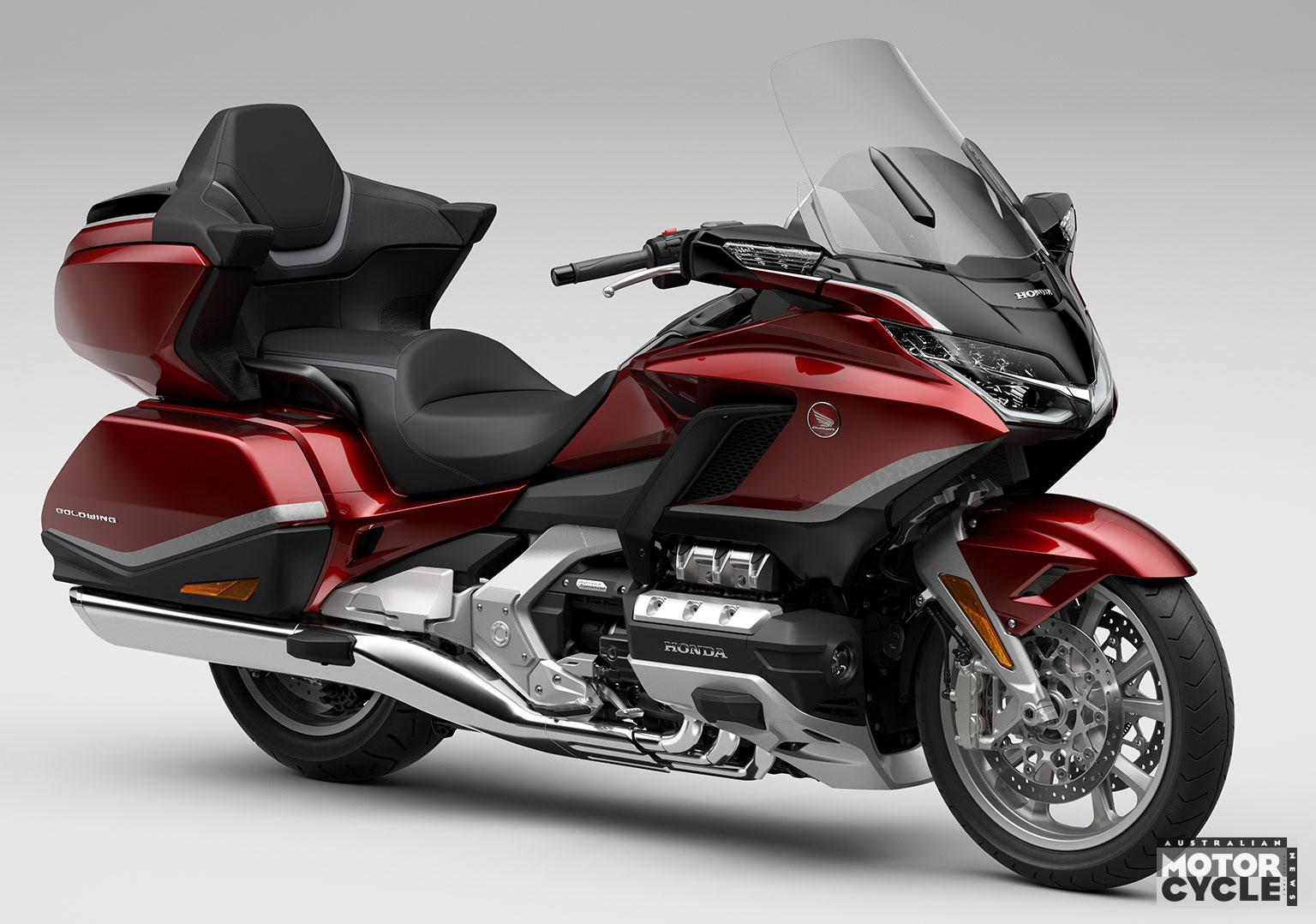
Unlike every previous attempt to bring auto-shifting to large-capacity bikes, Honda’s DCT – reaching production in 2009 with the VFR1200F – was a hit. Allowing either fully-auto riding or a pushbutton manual mode, DCT rapidly spread to more models and can now be had on a host of machines in Honda’s range, from the Gold Wing to the NC750 models. Despite the DCT system’s complexity, weight and cost – it’s a pricy option and adds around 10kg when fitted – on models that offer both conventional manual transmissions and a DCT option, sales of the autos now often outweigh those of the old-school manuals.
Those sales have been clear to Honda’s rivals, but they’ve largely stopped short of developing their own dual-clutch boxes, instead capitalising on the growing adoption (and reducing cost) of ride-by-wire throttles and affordable packages of on-bike sensors, plus fast, cheap electromechanical actuators, to create a wide range of automated manual transmissions made around the same core components as normal manuals. The result? A rapid explosion of automatic bikes on the market carrying a minimal price premium over their manual counterparts.
The final piece of the puzzle to fall into place is one of demand. The success of Honda’s DCT showed there was an appetite for autos among wealthier (and thus probably older) riders – the typical demographic who might choose a Gold Wing, an NT1100, an Africa Twin or an NC750 with a DCT box – but the cheaper alternatives are aimed, in part, at customers at the other end of the scale. With vast numbers of riders, particularly in China, graduating from twist-and-go scooters to larger motorcycles as their disposable income increases, there’s a new impetus to cater for riders who’ve grown up with automatics and might not want to switch to what they perceive to be a clunky manual shift.
All of this has been accompanied by some careful marketing that largely avoids any use of the word ‘automatic’. Instead, we see terms like ‘shift assistant’ or ‘automated manual’ to keep the emphasis on the rider’s control, suggesting you’re buying a technological advance rather than a labour-saving device.
Transmission tech
For decades it’s been easy to jump from one bike to another without relearning the basics of its control system. Left hand for clutch, left foot for gears. First is down, the rest are up. Right hand for throttle and front brake, right foot for rear brake.
But that’s all starting to shift with the adoption of auto and semi-auto transmissions – and there’s no standardisation either in the technology used for the gearboxes themselves, or for the resulting changes in control layouts.
1: Dual Clutch Transmissions
Let’s start with the transmission that triggered the change in customer perceptions and inspired rivals to get in on the automatic action: Honda’s Dual Clutch Transmission, or DCT for short.
This is, by some margin, the most complicated of the current batch of automated manuals on the market, and there’s something very Honda about the dogged determination to bring an ultra-complex tech to the mainstream, regardless of the hurdles it poses.
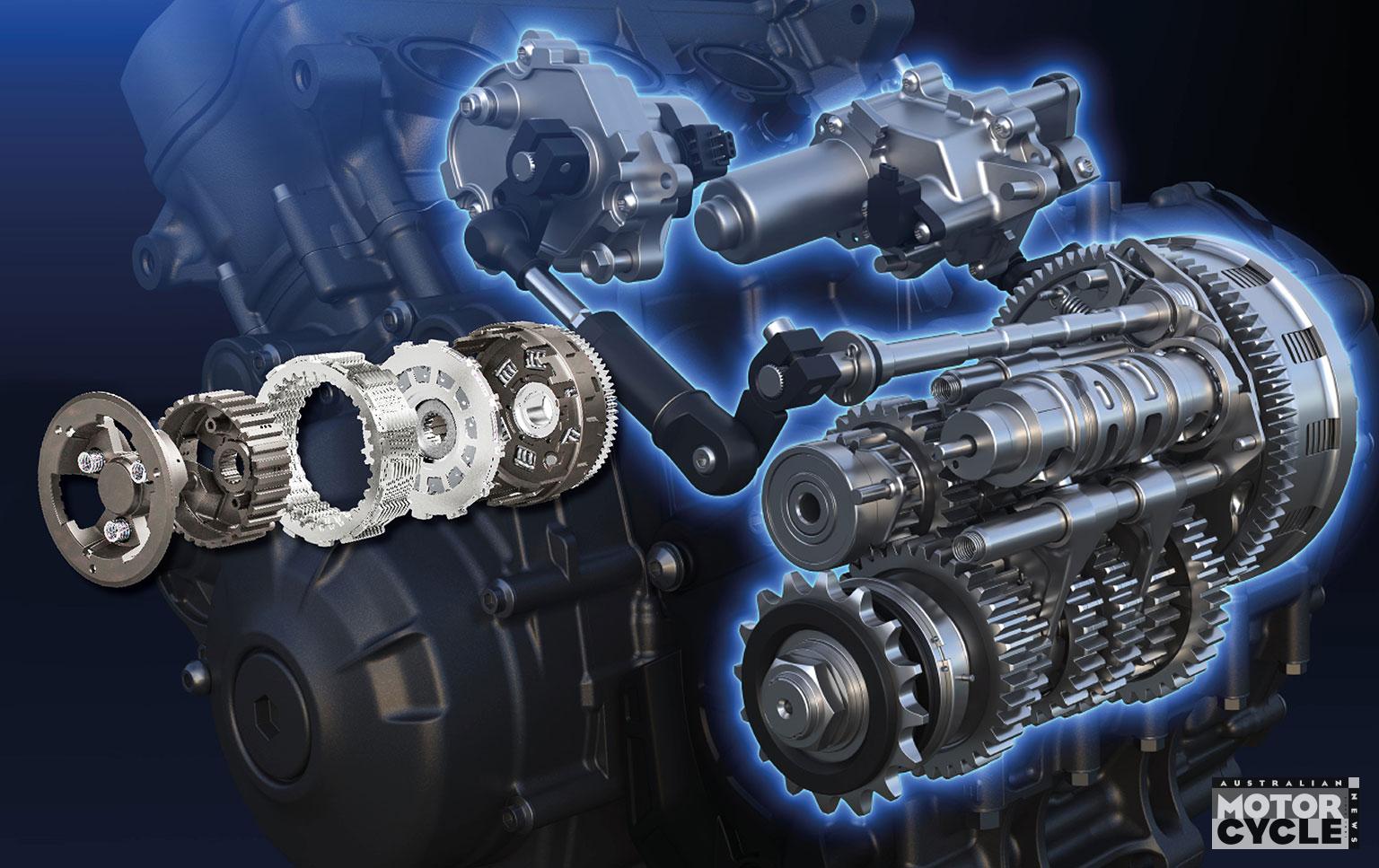
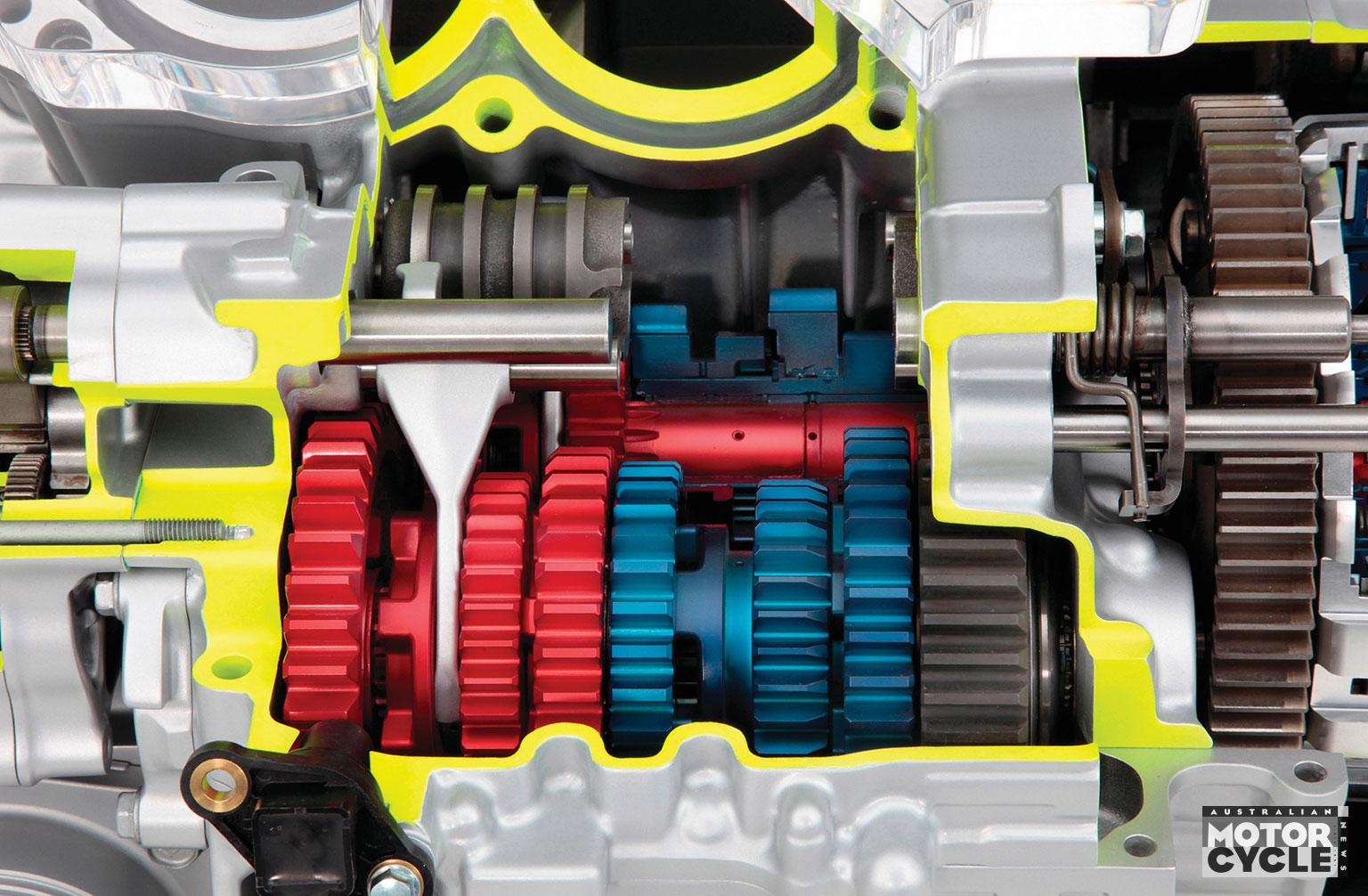
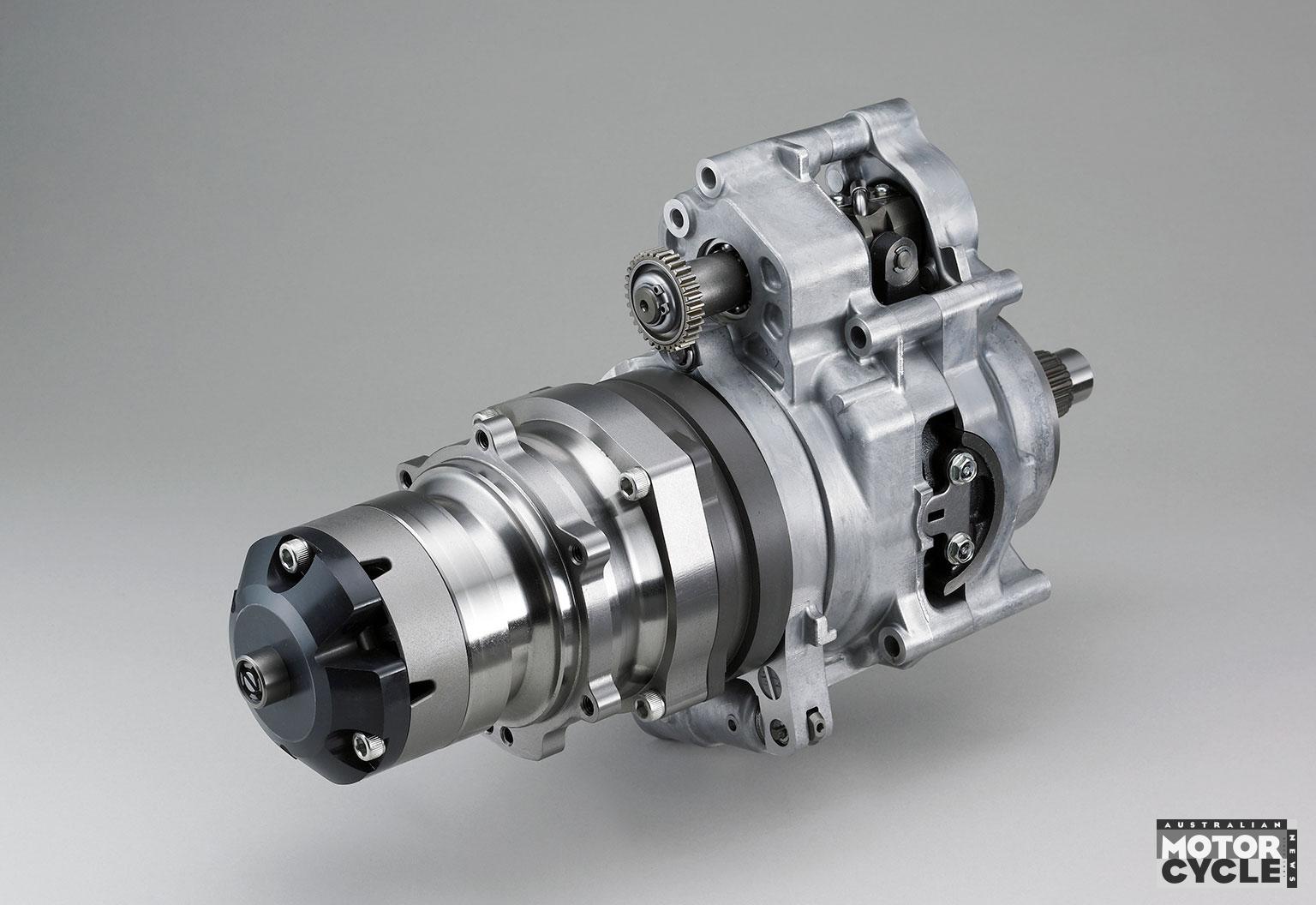
As the name suggests, DCT has two clutches, but it’s easiest to think of it as two separate transmissions. The input shaft is split into two parts: one full-length, the other half as long but tubular, so the first can run concentrically inside it. The full-length shaft has a clutch at one end, allowing drive to be connected from the engine, and the odd-numbered gears – 1st, 3rd, 5th and (in the Gold Wing) 7th – at the other end. The half-length shaft, wrapped around the longer one, carries another clutch and the even-numbered gears: 2nd, 4th and 6th.
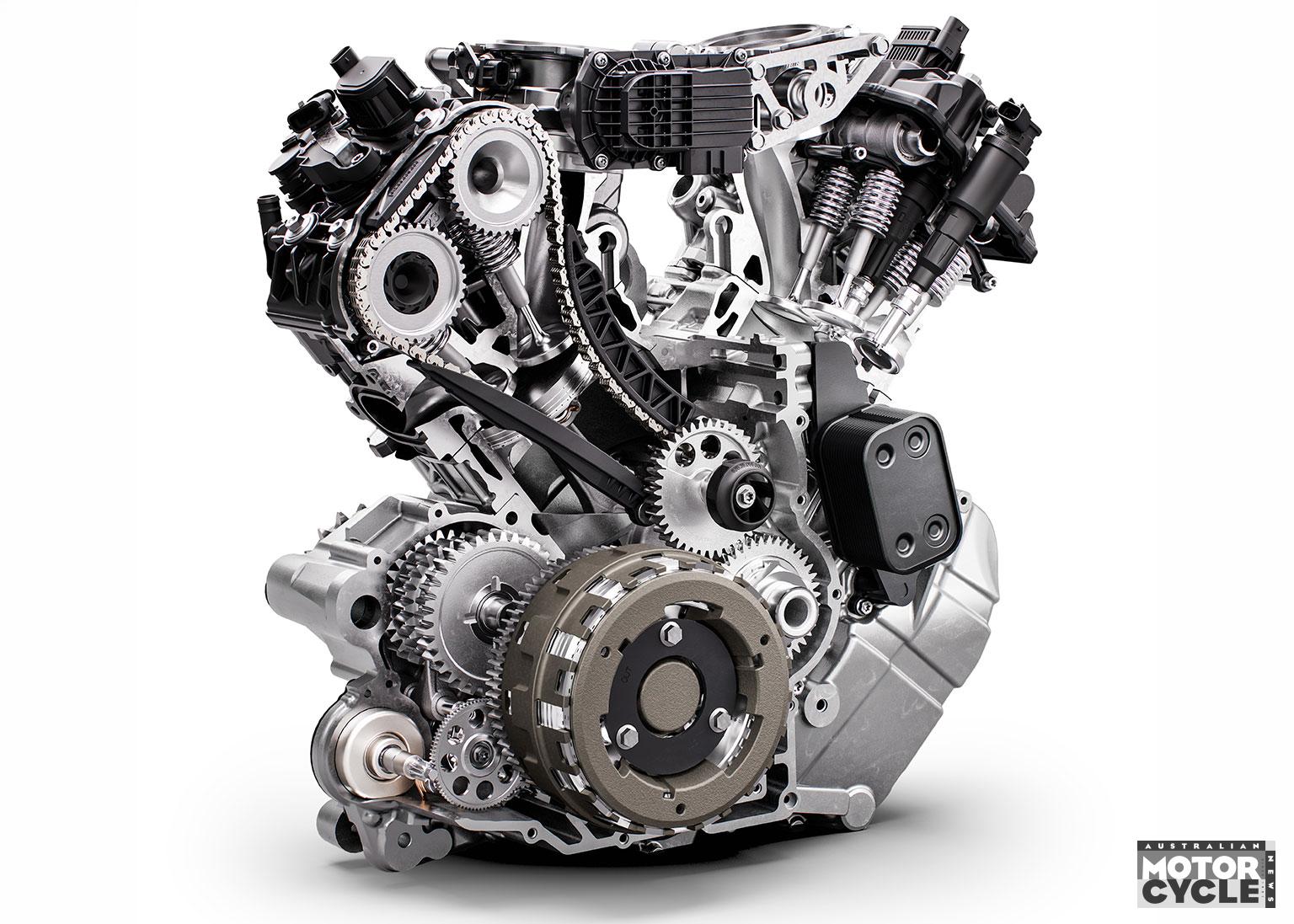
A computer-controlled hydraulic system operates both the clutches and the gear shifting process. It’s programmed to select not one but two gears simultaneously: the one you’ve asked for, and the one that it predicts you’ll need next. Because only one clutch is engaged at any time, power from the engine will only go through one gear, but because two ratios are engaged, switching between them is simply a case of disengaging the first clutch and engaging the other one.
The benefit of DCT that can’t be copied by simpler set-ups is the seamless transmission of power from the engine to the rear wheel. There isn’t even a fraction of a second when no gear is engaged, so there’s no let-up in drive.
With the right programming, the system is incredibly smooth.
That seamless gearchange reflects DCT’s origins in competition use, where even a momentary halt in drive during upshifts is reflected in lost lap time. Long before Honda created its compact, motorcycle-oriented version of the idea, Porsche used its own DCT, dubbed PDK, in its World Endurance race car, dating back to the mid-1980s, and Audi adopted the same design for its 80s rally cars. Dual-clutch boxes reached road-going VW and Audi production cars in 2003, so Honda’s achievement in bringing a more compact version of the tech to motorcycles just six years later isn’t to be underplayed.
But on a bike, already using a sequential-shift transmission, that seamless shift isn’t as vital, and DCT has a downside in terms of complexity. Its extra hydraulics and electronics, as well as a completely new transmission, share little with the standard manual-shift gearboxes on the same bikes. That’s reflected in a weight penalty, with DCT bikes usually around 10kg heavier than their manual counterparts, and price, so the tech has understandably been restricted to higher-end, luxury-focused models where both can be more easily absorbed.
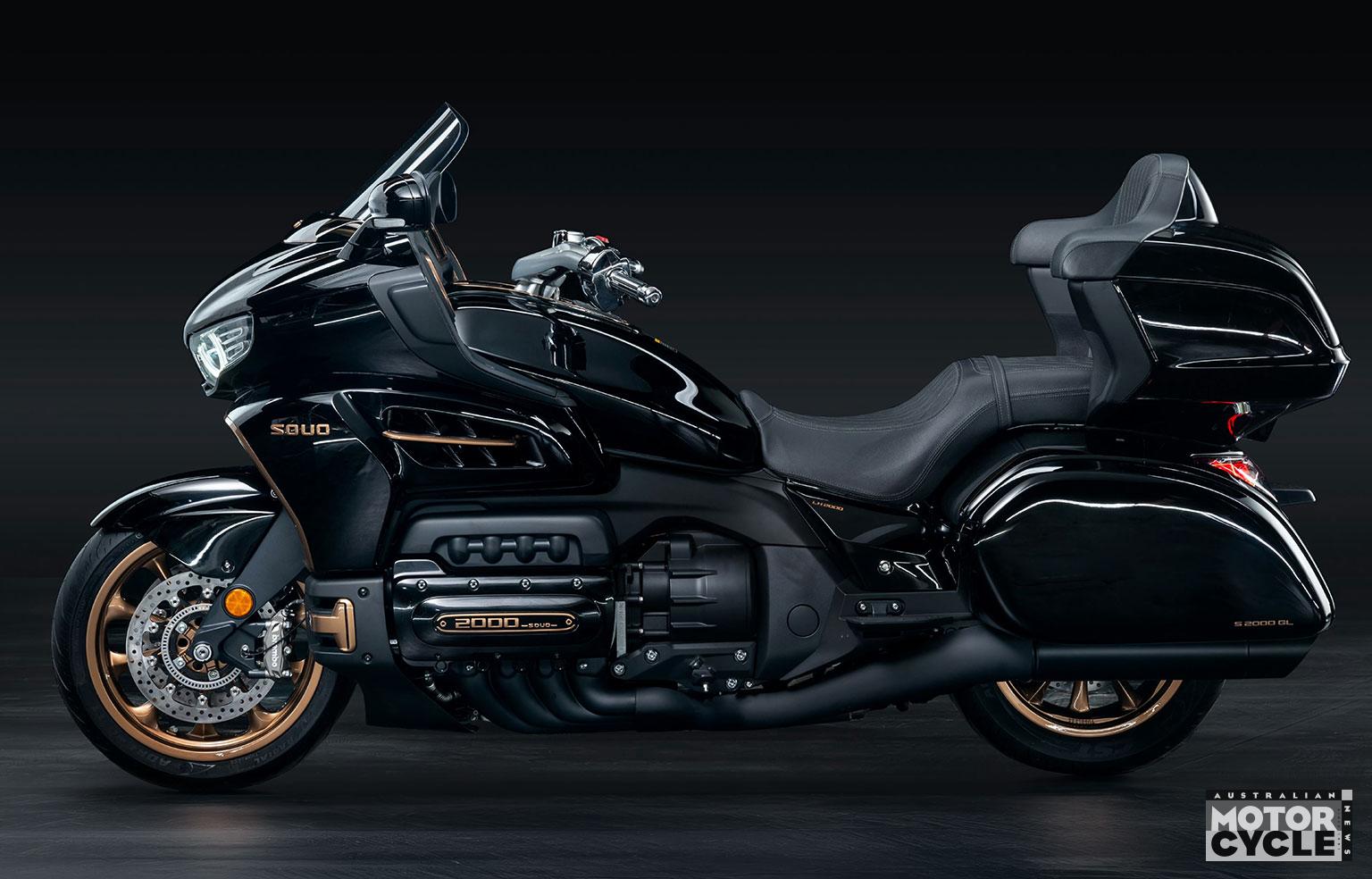
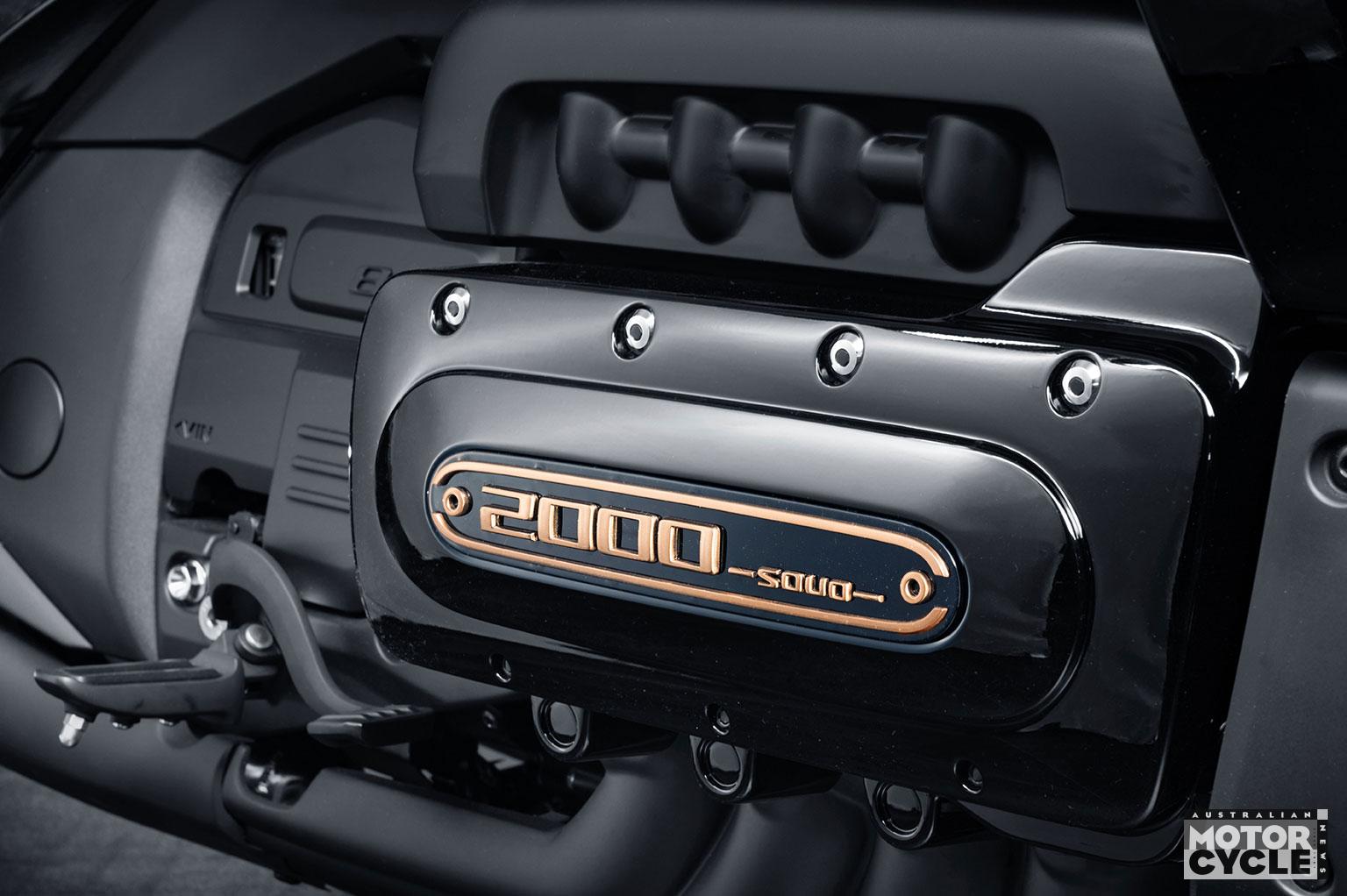
Although none of Honda’s traditional rivals have opted to come up with their own dual-clutch transmissions, the company is no longer the only motorcycle brand offering the tech. Chinese upstart Souo, part of Great Wall Motor and with a clear focus on making the most high-tech motorcycles in China, has been the first copycat to emerge. Its S2000 models, using a vast two-litre flat-eight engine, come only with a dual-clutch box, and one-ups Honda by offering eight gears rather than six or seven.
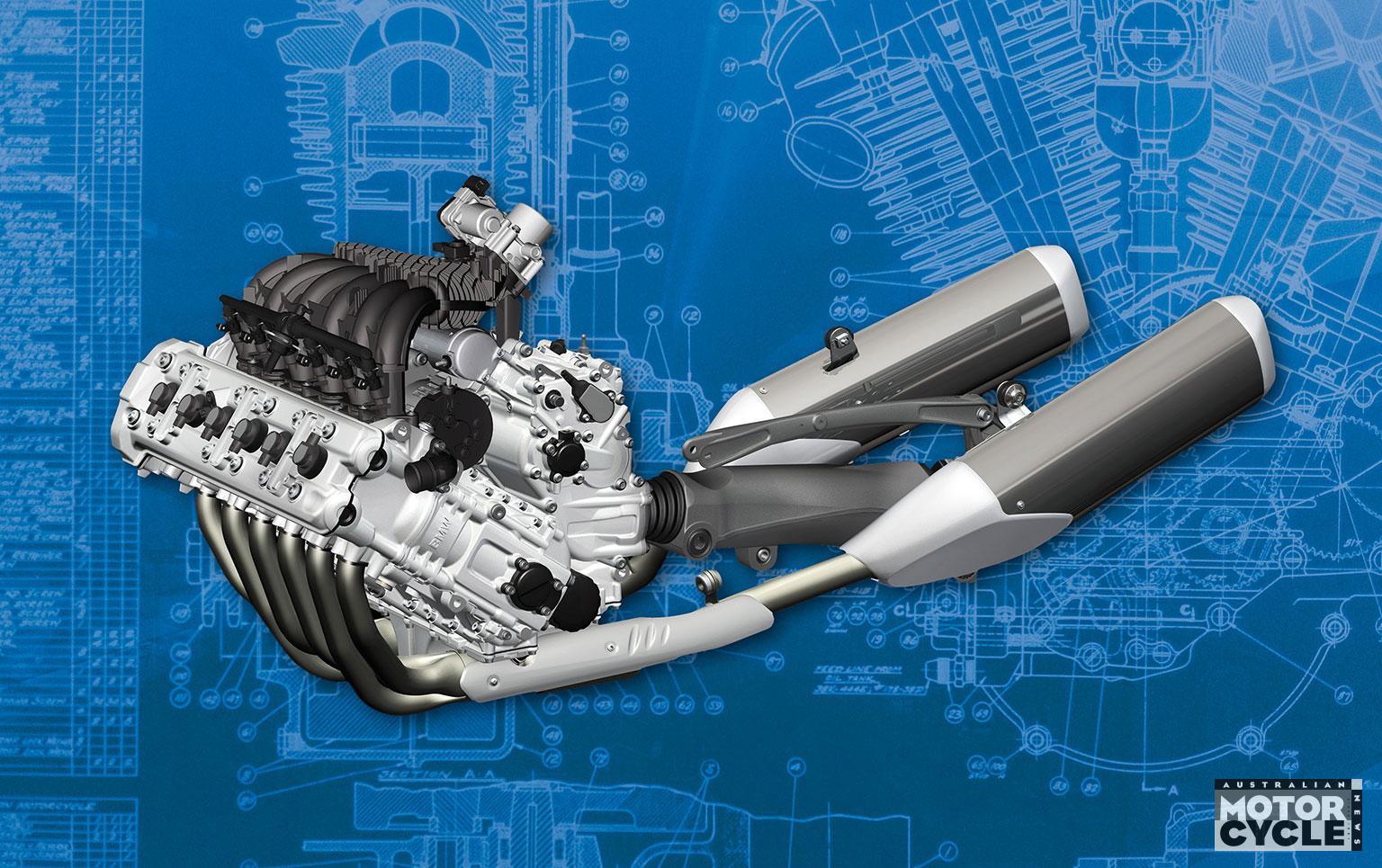
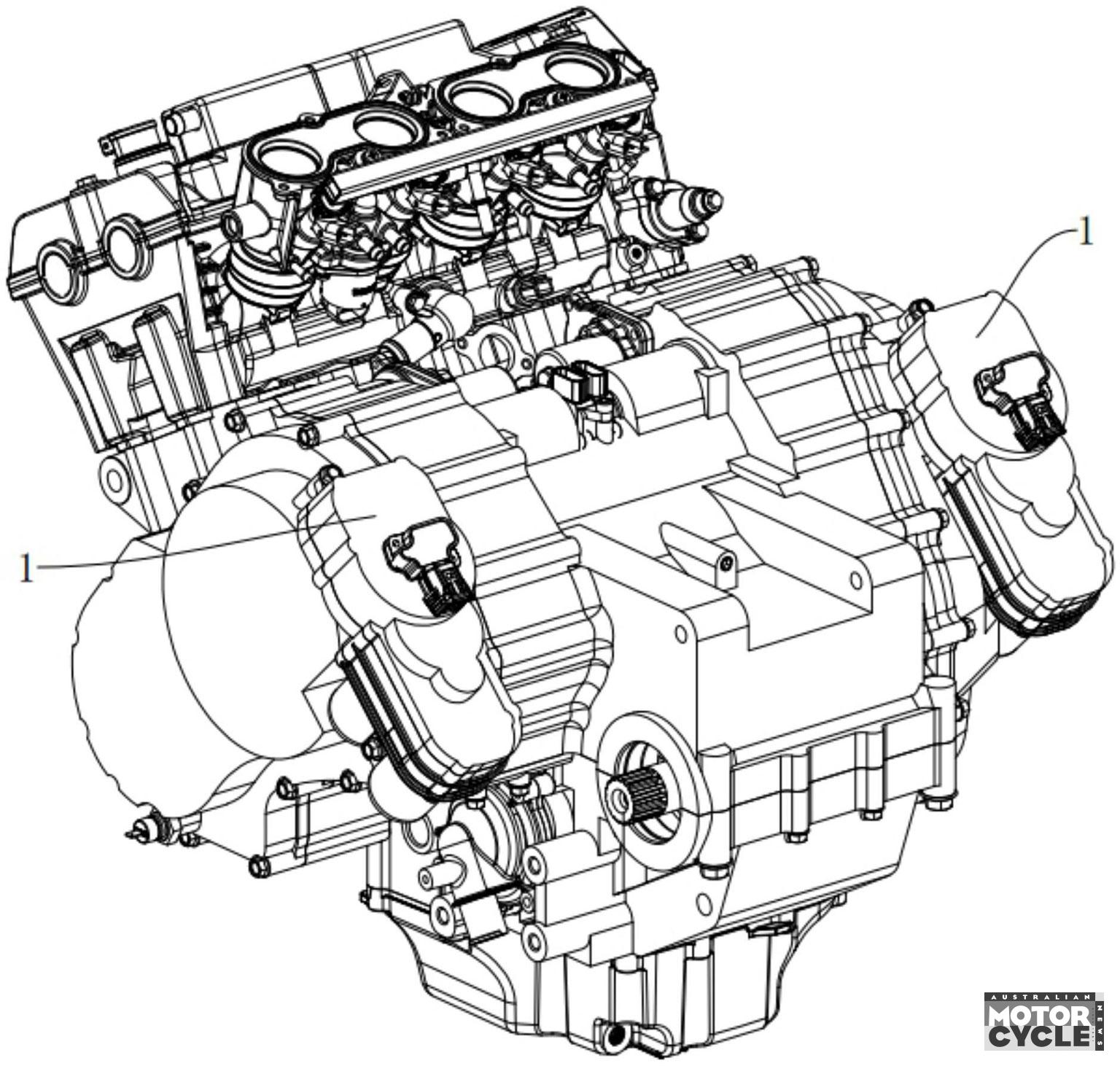
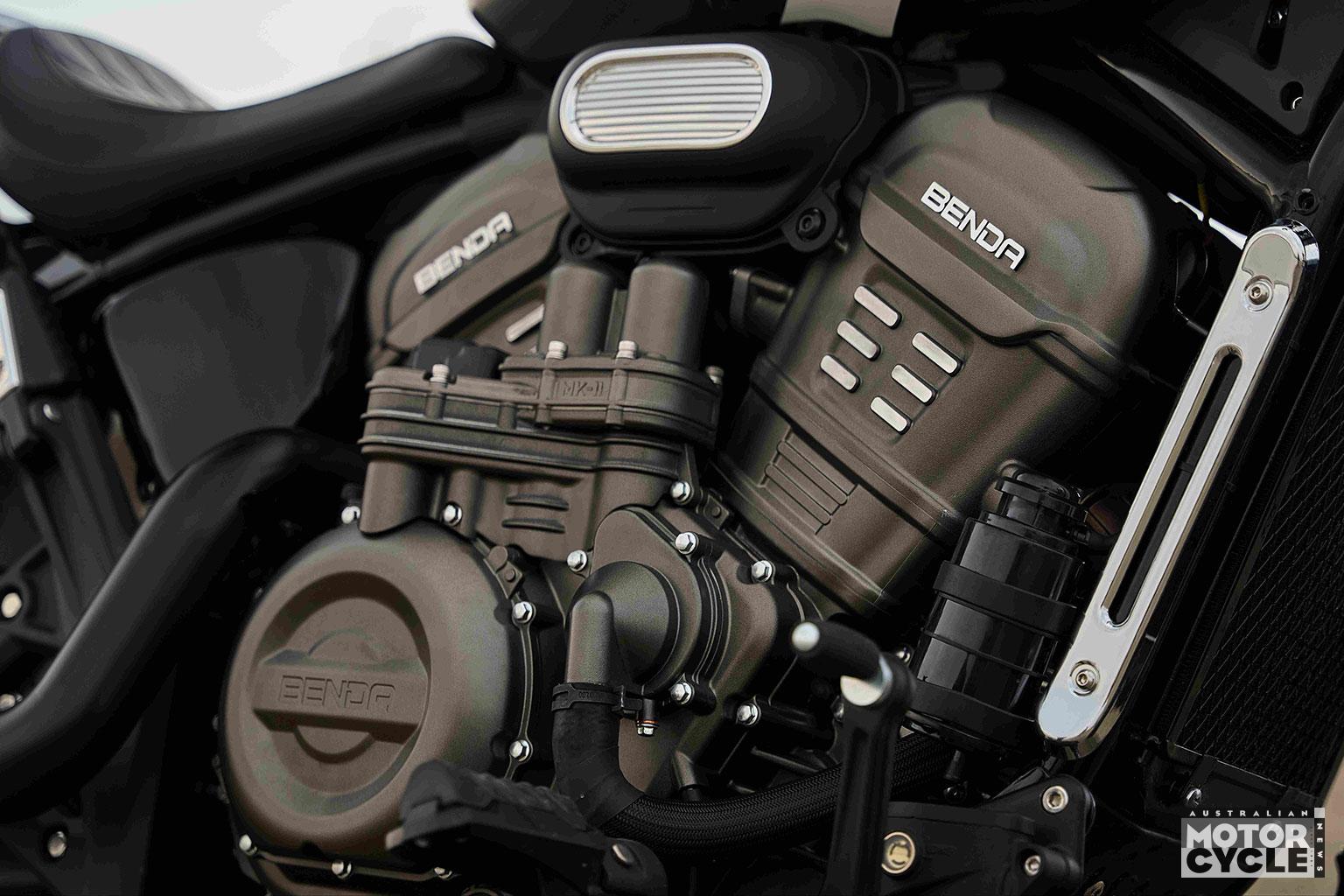
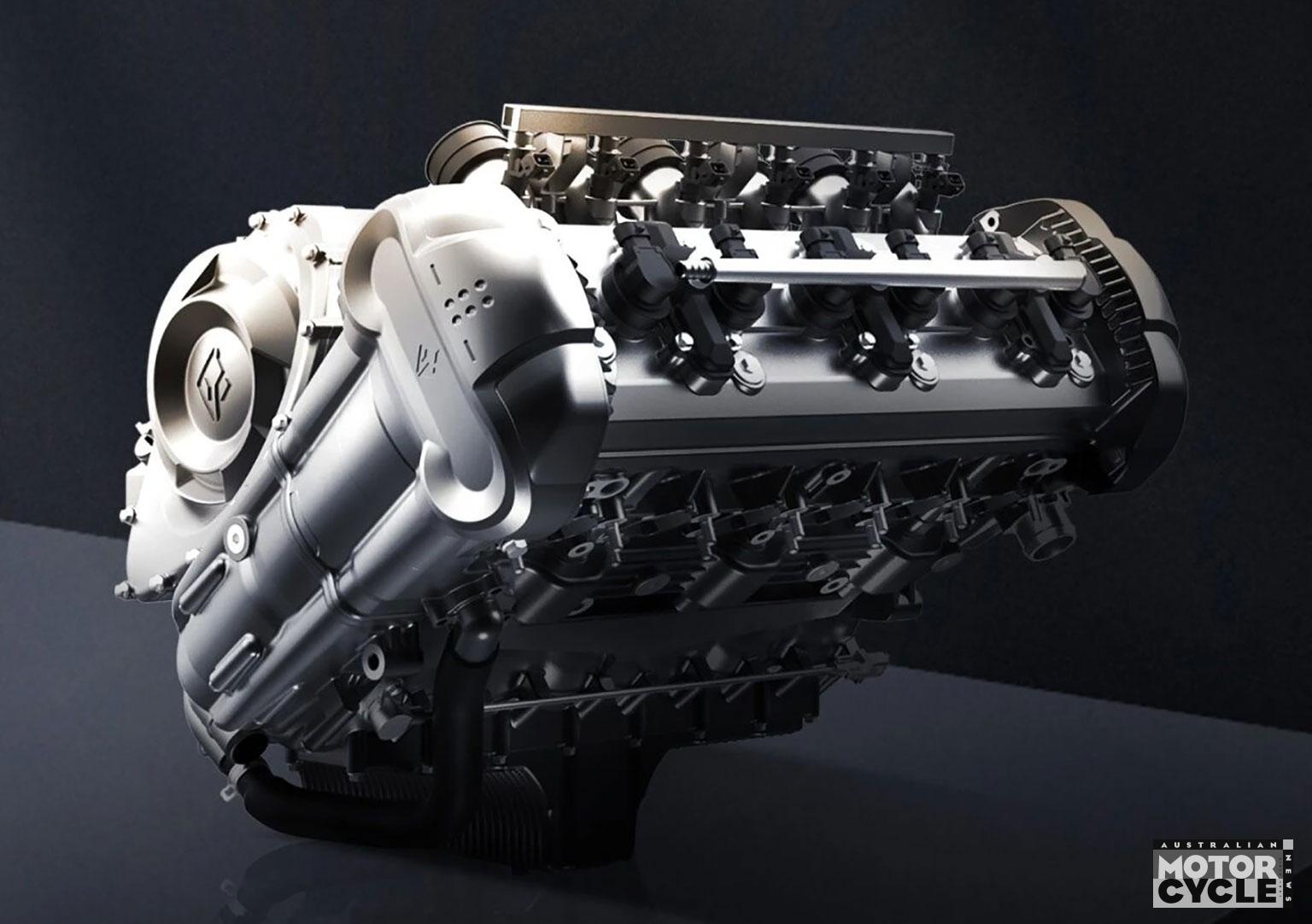
Another Chinese rival will join the scene soon, probably by 2027, in the form of Benda. It showed its 1700cc straight-six engine last year and says it’s attached to a dual-clutch transmission. Patents show that, unlike the Honda and Souo designs, Benda’s DCT has two half-length input shafts, with one clutch on each end of the crankshaft. The brand claims to have clever electromagnetic clutches on the six-cylinder, while the brand’s patents also reveal a version of the DCT fitted to its existing 680cc four-cylinder engine, with more conventional electromechanical actuators for the clutches, similar to the ones Benda already uses on its e-clutch-equipped models.
2: Continuously variable transmissions
The only automatic to have really caught on for motorcycles before the DCT is the familiar continuously variable transmission (CVT) that’s been a mainstay of the scooter market since shortly after World War II.
Ultra simple, CVT relies on a V-shaped belt fitted between two variable-diameter pulleys. Each pulley is made of two shallow, conical sheaves that can move closer together to increase the effective diameter of the pulley, or farther apart to make its diameter smaller. Make the input pulley small and the output side large and you have a low gear. Do the opposite and you have a high gear.
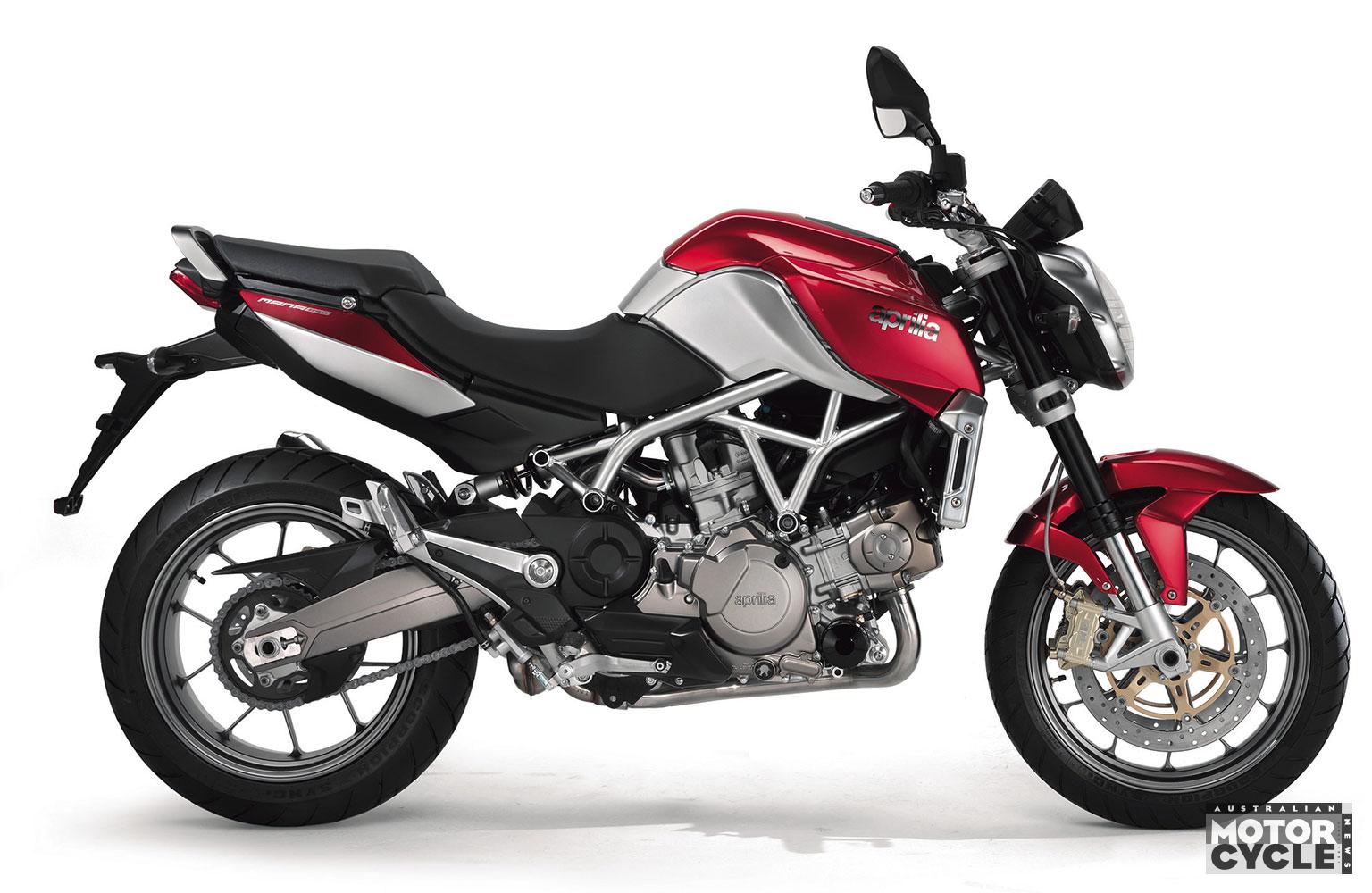
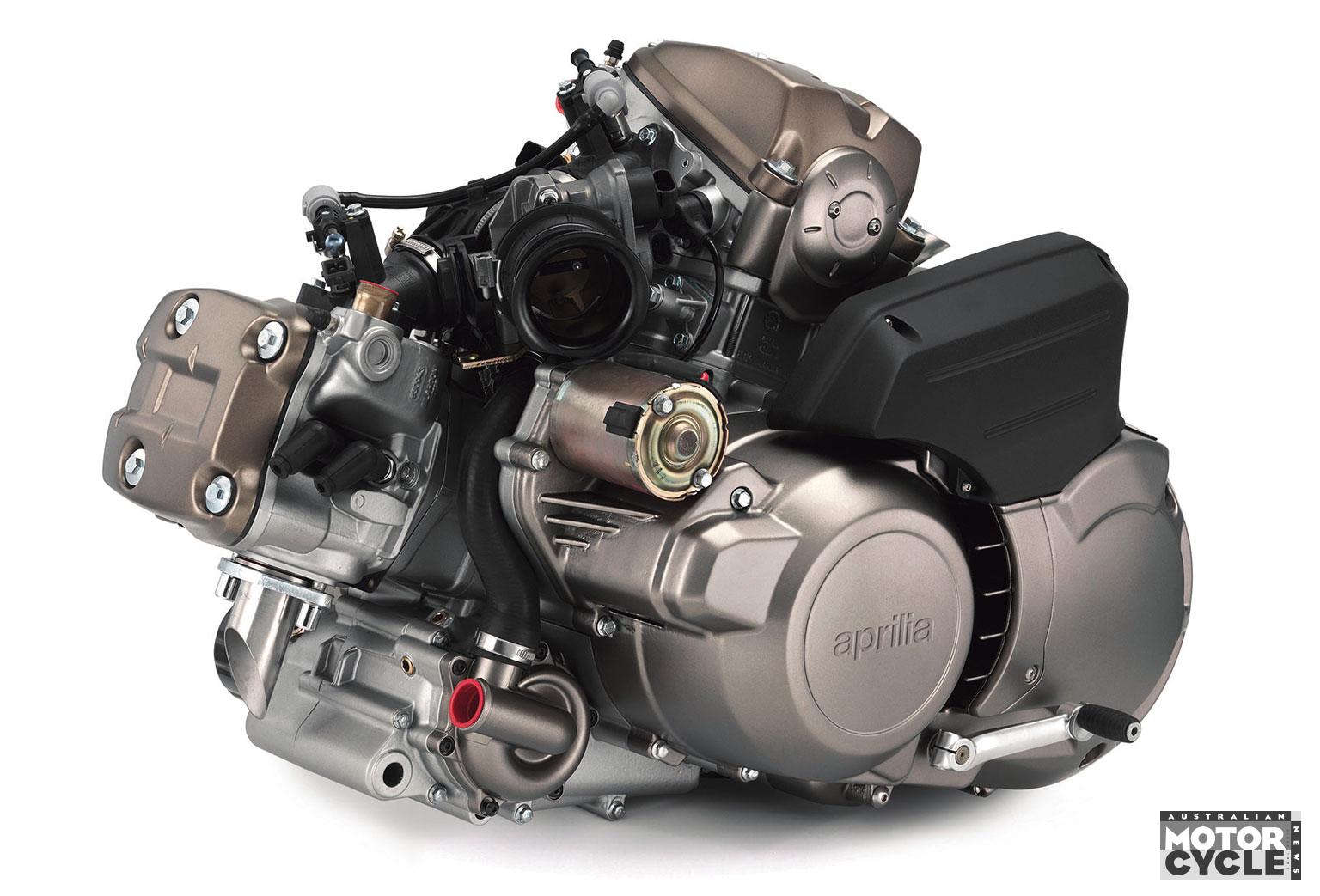
While CVTs have been used on scooters for decades, they’ve only made occasional forays into the motorcycle end of the market. Aprilia’s 850cc Mana V-twin is perhaps the most notable example in recent years, on the market from 2007 to 2016, but the recent boom in auto bikes in the Chinese market means the tech is making a motorcycle comeback as companies aim to appeal to riders graduating from scooters to bigger bikes.
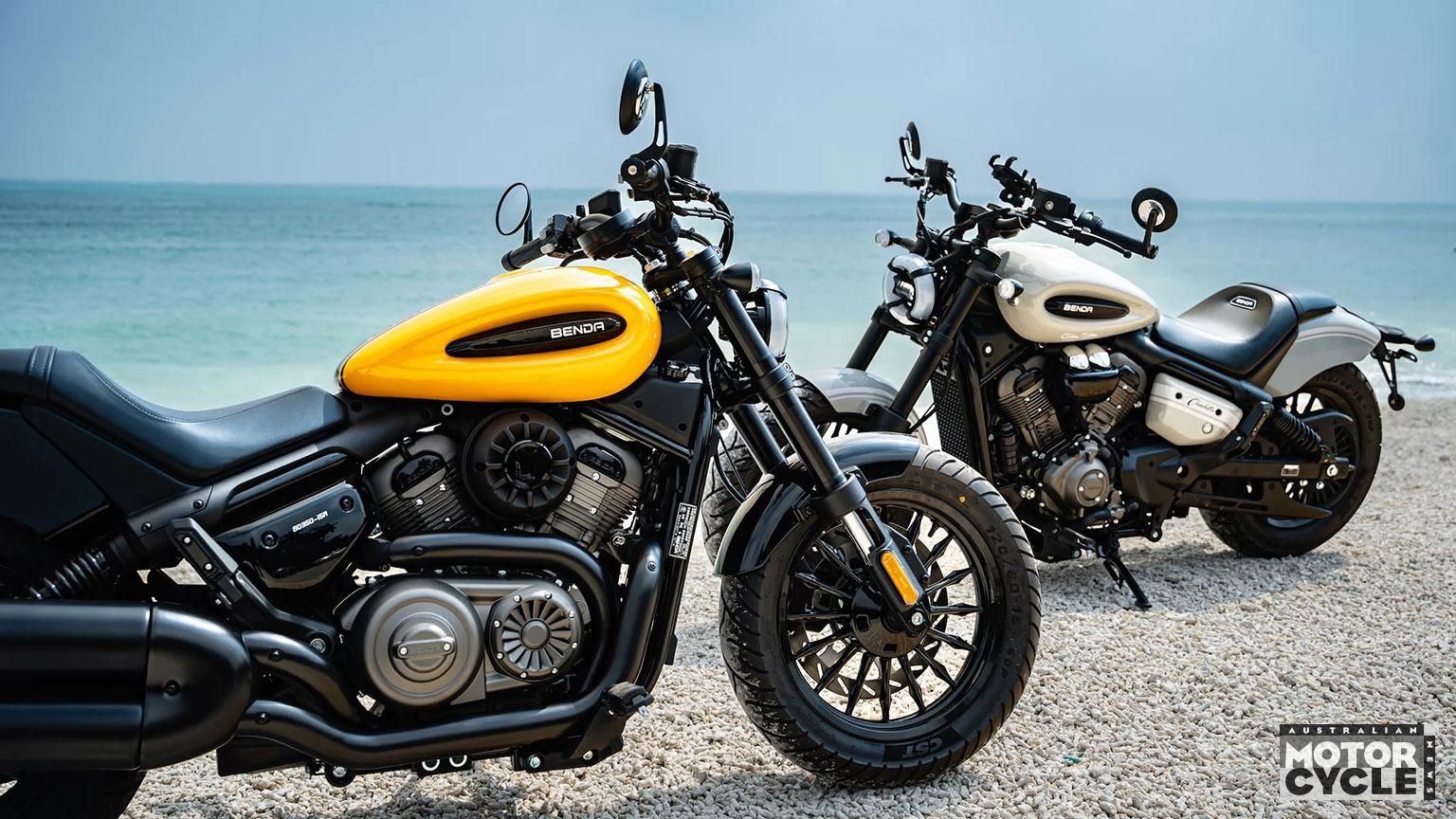
Benda, once again, is among the vanguard, recently adding the Chinchilla 350 CVT cruiser to its line-up.
The Mana might not have flown out of showrooms, but it demonstrated the potential of the system on larger bikes. As well as the usual twist-and-go mode, it had the ability to use seven preset gear ratios to mimic a more conventional transmission. A bike ahead of its time, perhaps.
The same could, perhaps, apply to Honda’s DN-01, with its ‘Human Friendly Transmission’ using a variable-displacement hydraulic pump that pushed hydraulic fluid to a drive unit at the rear wheel. That system cut the need for a clutch and had infinitely variable gear ratios, but was hamstrung by a high price, the DN-01’s divisive styling and a 2008 motorcycle market that simply wasn’t asking for the technology.
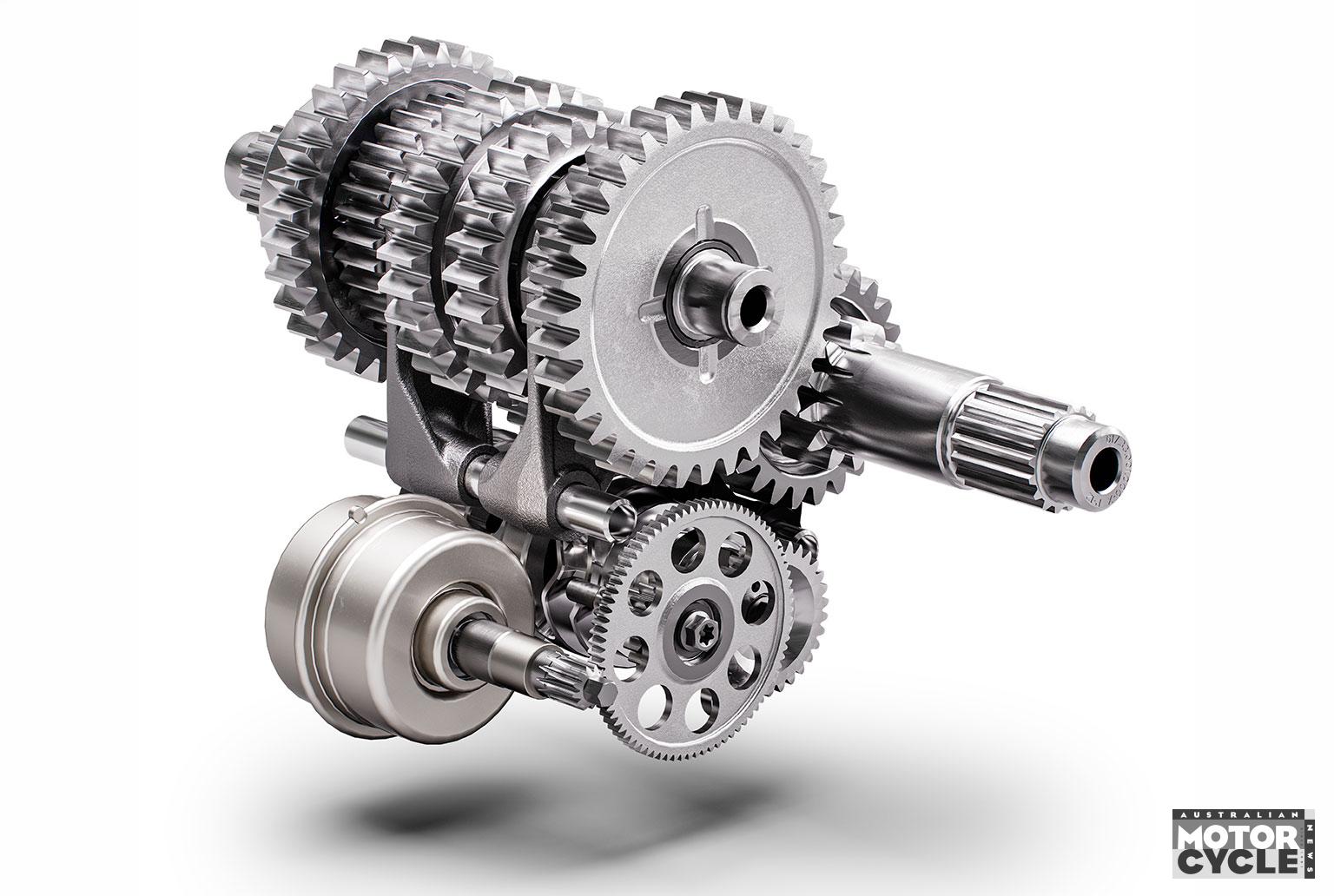
3: Automated manuals
Here’s the big growth area, and logically so: automating a conventional manual transmission is the easiest path to getting an auto or semi-auto without starting from a clean sheet of paper.
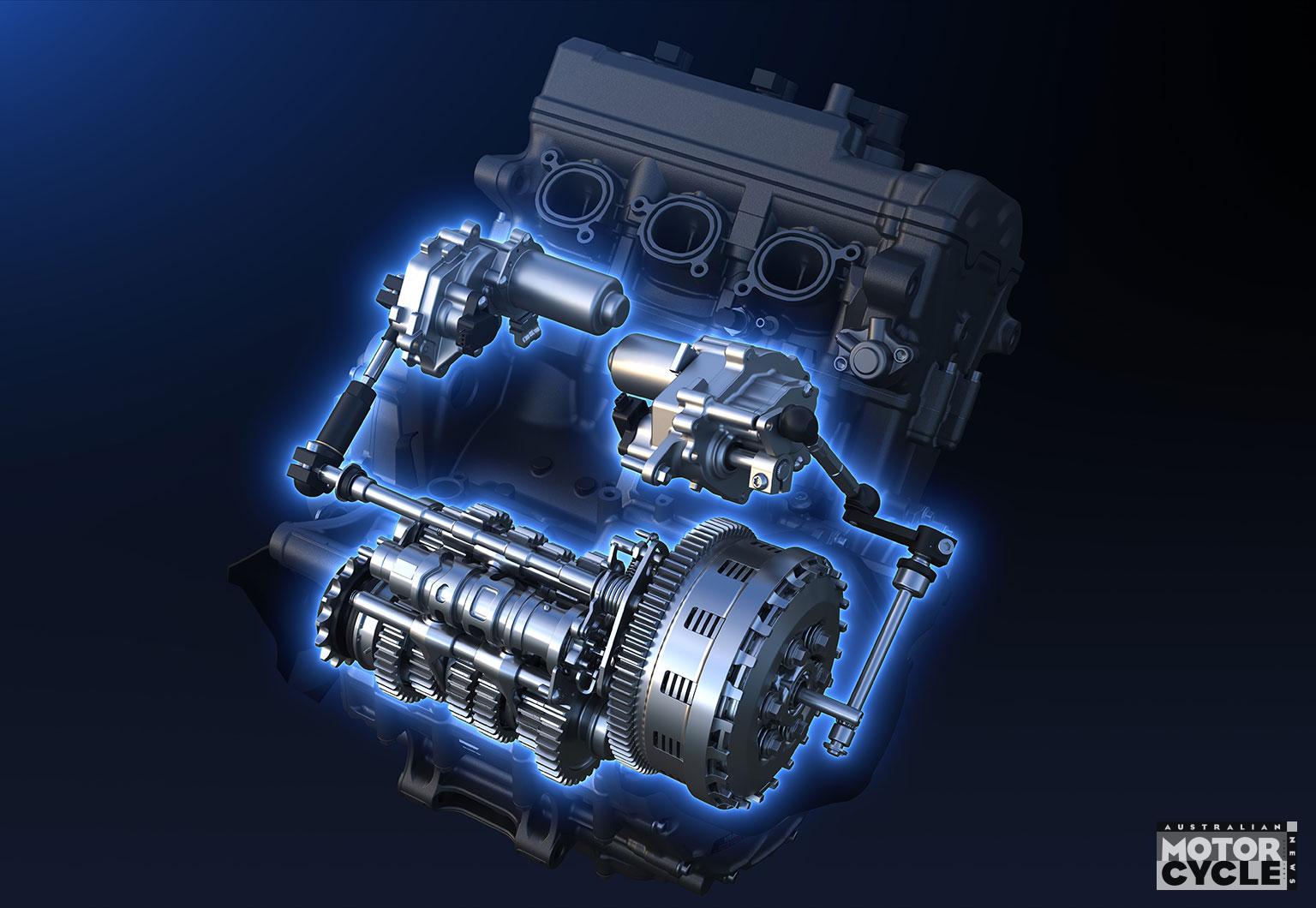
Essentially, the jobs usually delegated to your left hand and left foot – controlling the clutch and knocking the gears into place – are subcontracted to electromechanical actuators, while a computer monitors throttle position, revs and a host of other variables.
The advent of electronic ride-by-wire throttles, which have become dominant in recent years thanks to their ability to help bikes achieve strict modern emissions limits, is a large factor here. They need most of the sensors required for an automated manual transmission, meaning those sensors are already present, and they mean the computer can quietly modulate the throttles to make shifts smoother.
Yamaha has been at the forefront here, rapidly expanding its Y-AMT system across multiple new models. That’s perhaps because the brand has previous experience – the old FJR1300A was available with a similar automated manual transmission, then dubbed YCC-S, as long ago as 2006, predating Honda’s DCTs.
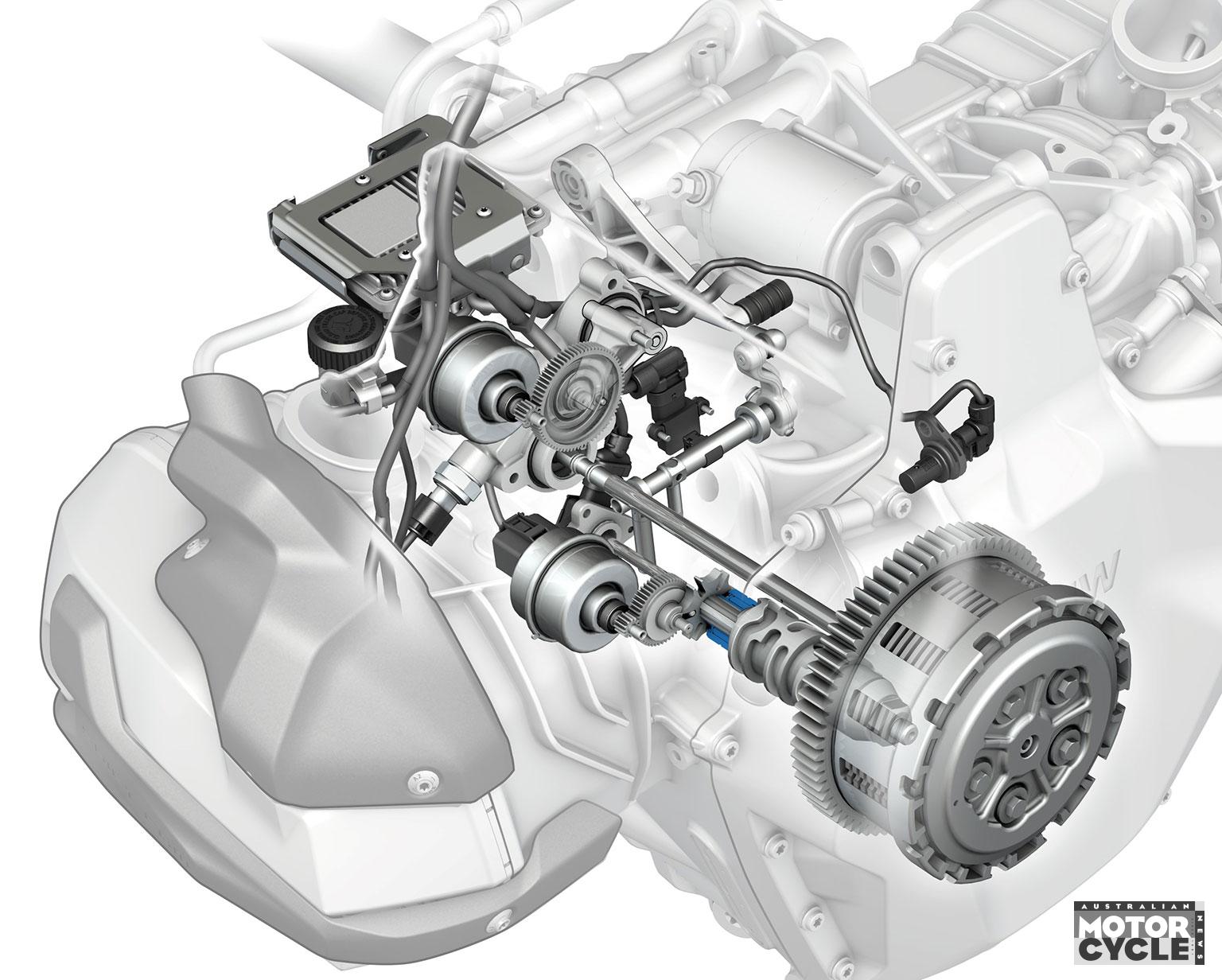
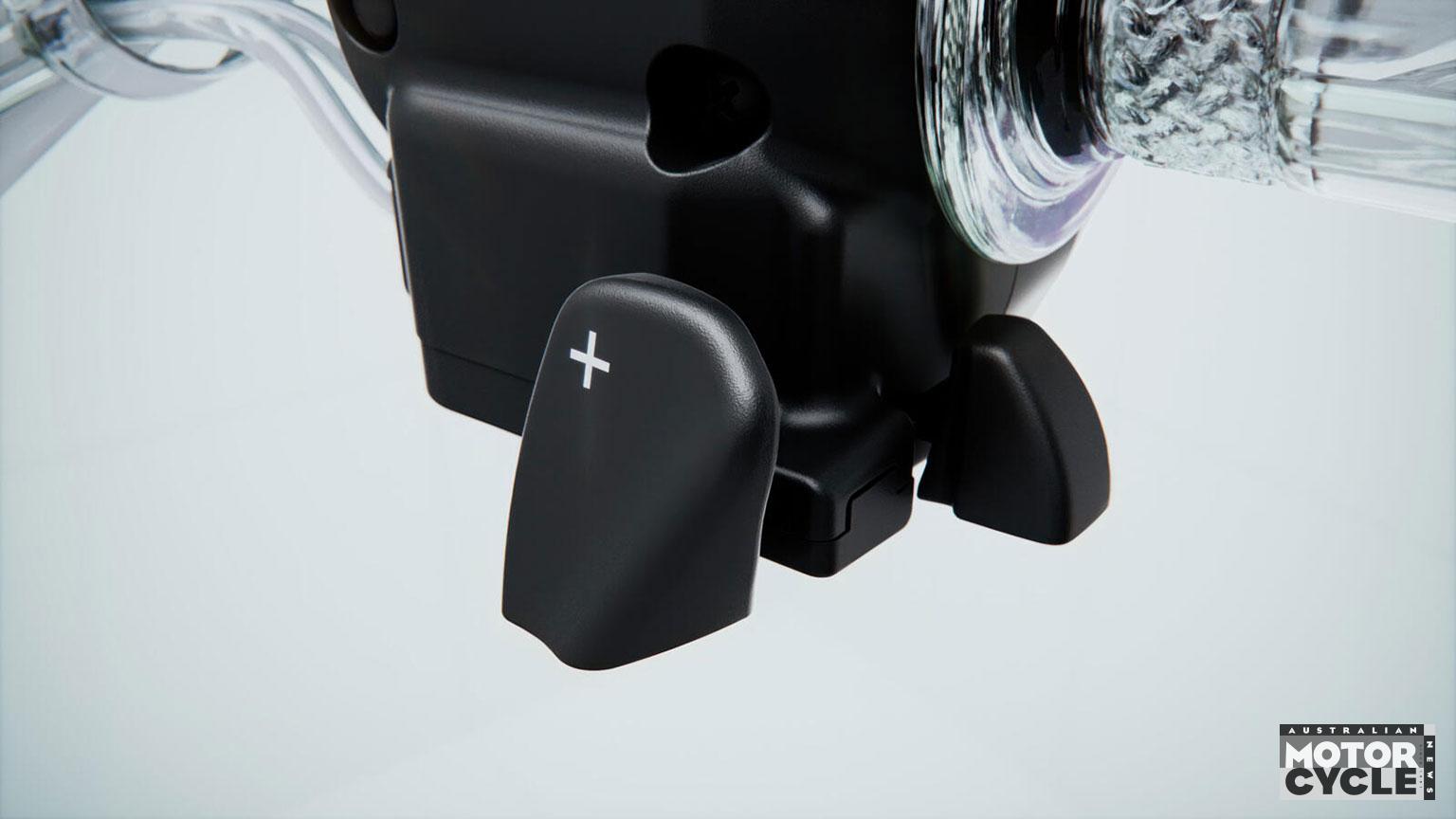
BMW has got in on the action with its conceptually similar ‘ASA’ (Automated Shift Assistant) on the latest R1300 models, although the German brand mounts its actuators inside the gearbox casing rather than outside it. Once again, both the clutch and shifts are controlled by those actuators, but BMW has made the design choice of keeping a foot shifter instead of going to ‘bar-mounted triggers as pursued by Yamaha and several other brands.
KTM’s take on the idea, simply called AMT, splits the difference when it comes to controls – it has both ‘bar-mounted shifters and a foot lever, so you can take your pick. However, KTM’s solution features a centrifugal clutch rather than a conventional one with an actuator. It simplifies the system as there’s only one actuator rather than two for the computer to control – but that means the bike can’t be left in gear, so it features a ‘Park’ setting that engages a pawl to prevent the transmission from turning. Both BMW and KTM
also deviate from the classic 1-N-2-3-4-5-6 pattern for their automated-manual foot shifters, adopting a N-1-2-3-4-5-6 pattern instead.
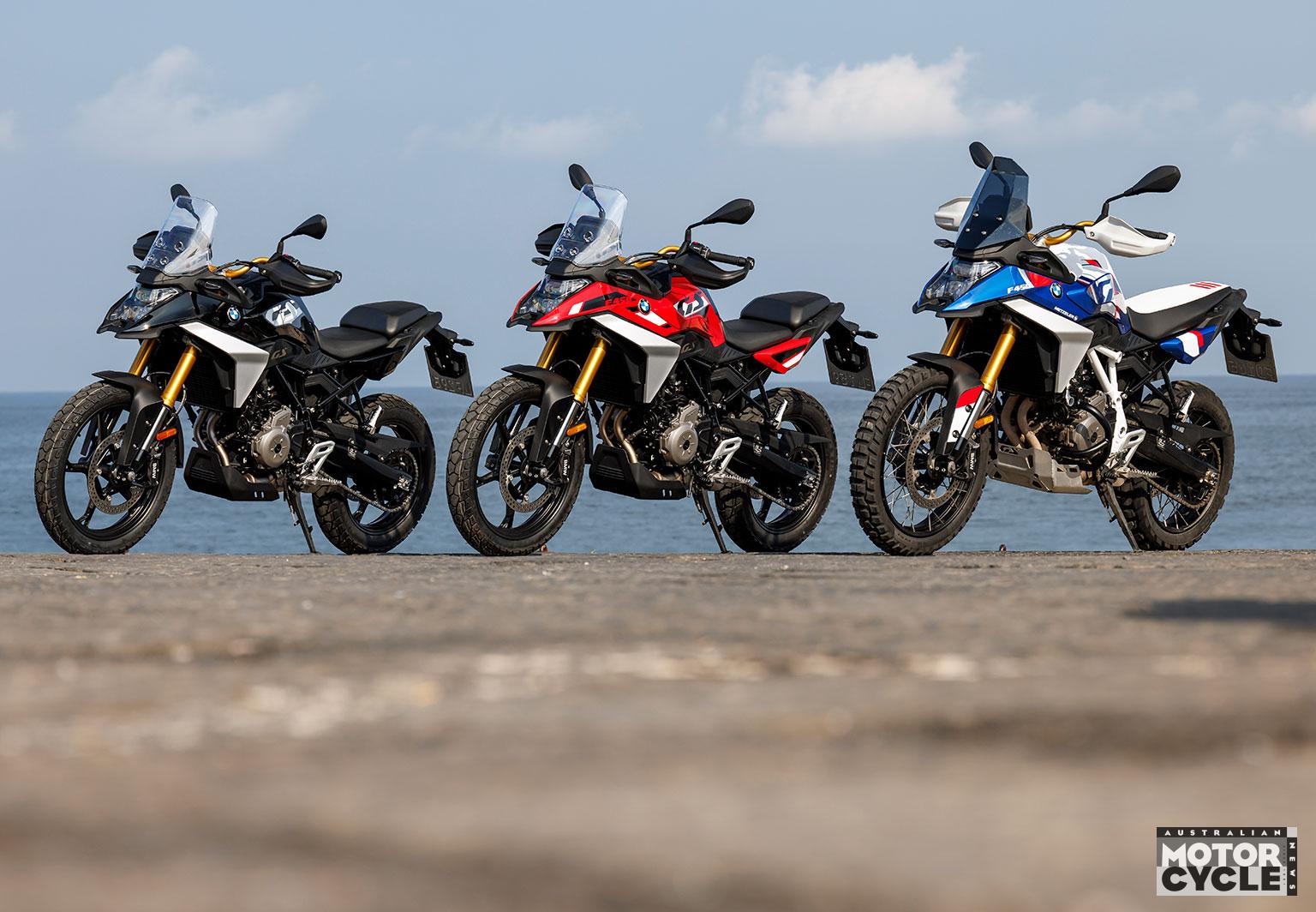
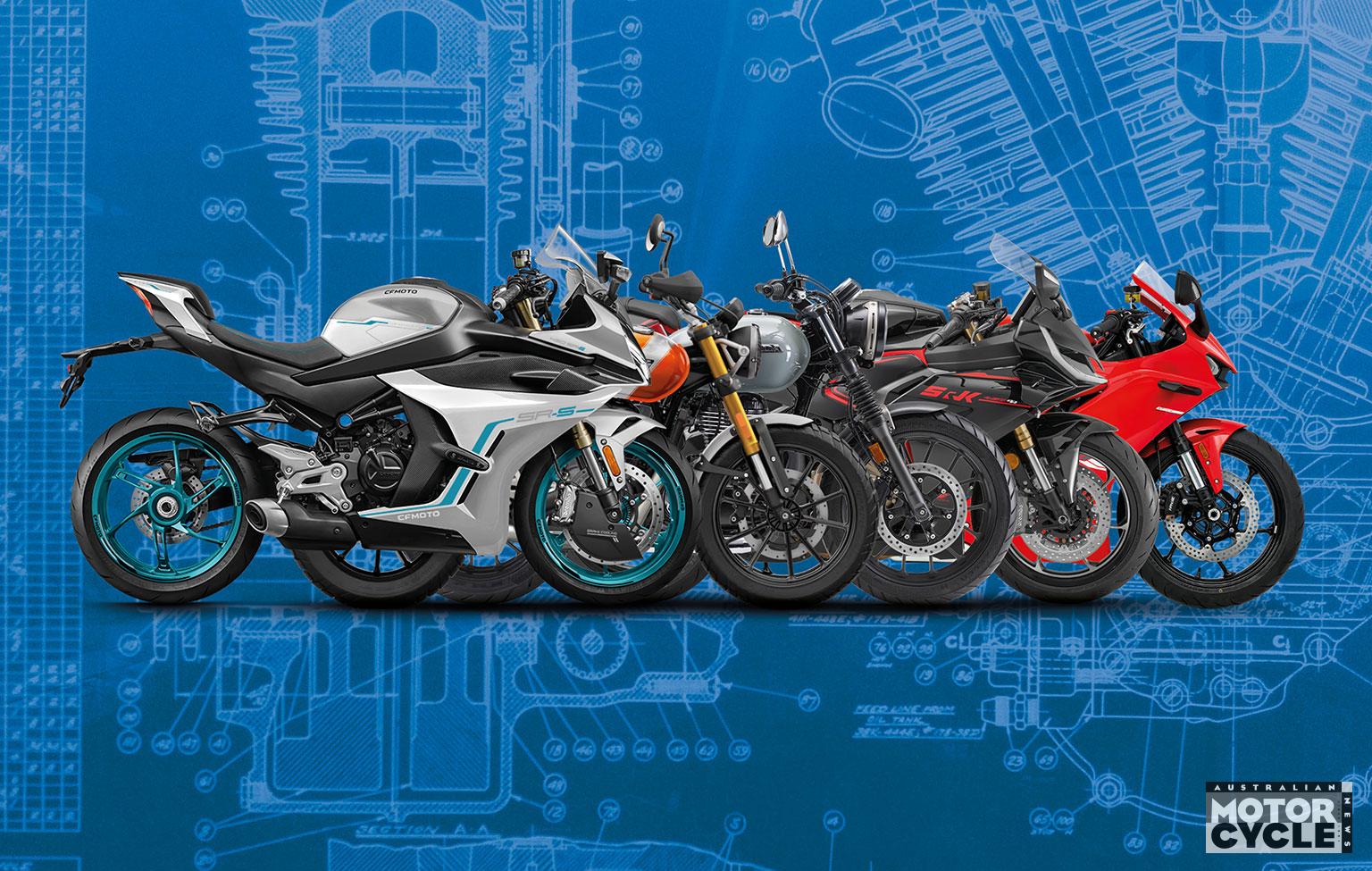
Others getting in on the AMT action by automating otherwise conventional transmissions include several Chinese brands. CFMoto, QJMotor and Voge all have AMT models in their ranges using systems that generally follow the Yamaha pattern, ditching the foot controls and using left-hand thumb-and-forefinger operation when shifting ratios in manual mode.
4: Auto clutch systems
While much of the tech appearing around the new genre of automated transmissions takes its cues from ideas that are already popular in the car market, one huge breakthrough has been Honda’s E-Clutch and its imitators.
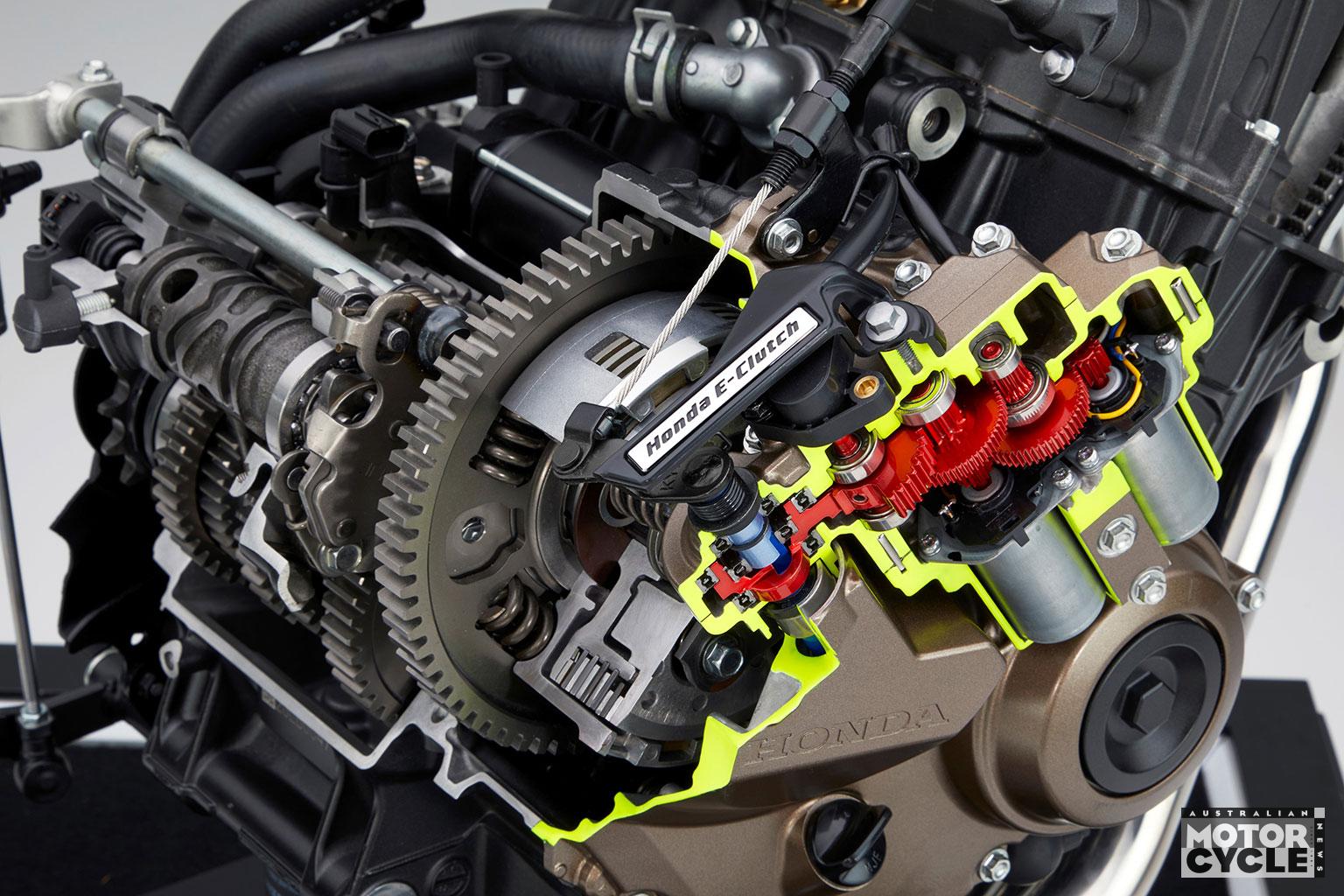
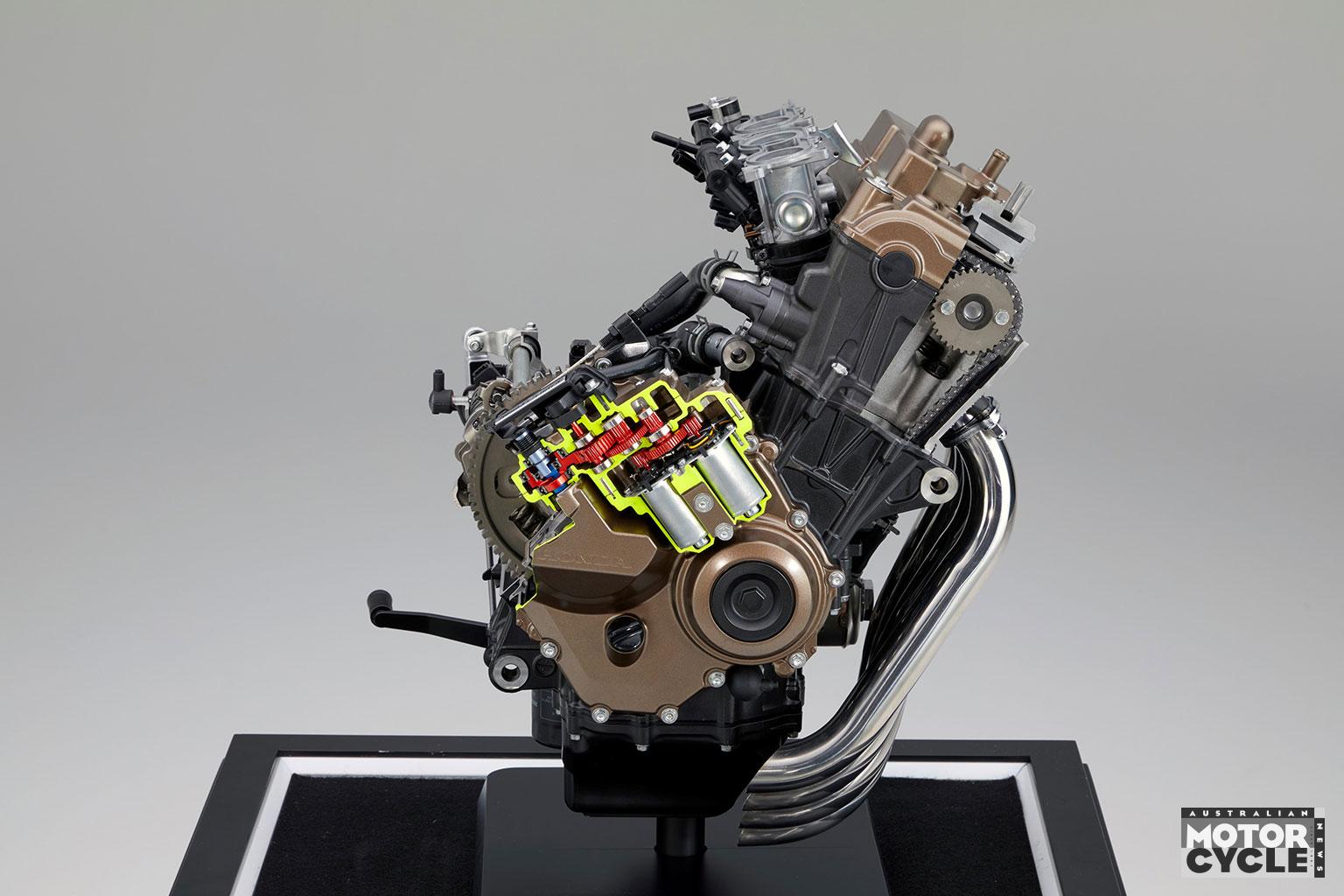
Automating the clutch while leaving the mechanical element of shifting gears to the rider is enabled by advances in motorcycle electronics and specifically the spread of ride-by-wire throttles and the sensors needed to run them. Once you have the sensors for throttle position, speed and gear position, and the other electronic systems needed to automatically manipulate the throttle butterflies themselves, it’s a small step to add a gear lever load sensor (already present on any bike with a quickshifter) and a clutch actuator to automate the clutch. As a result, Honda’s E-Clutch is cheap and effective. Thanks to clever design, it keeps the conventional lever and mechanical linkage as well, so the rider can always override the electronics or switch them off altogether.
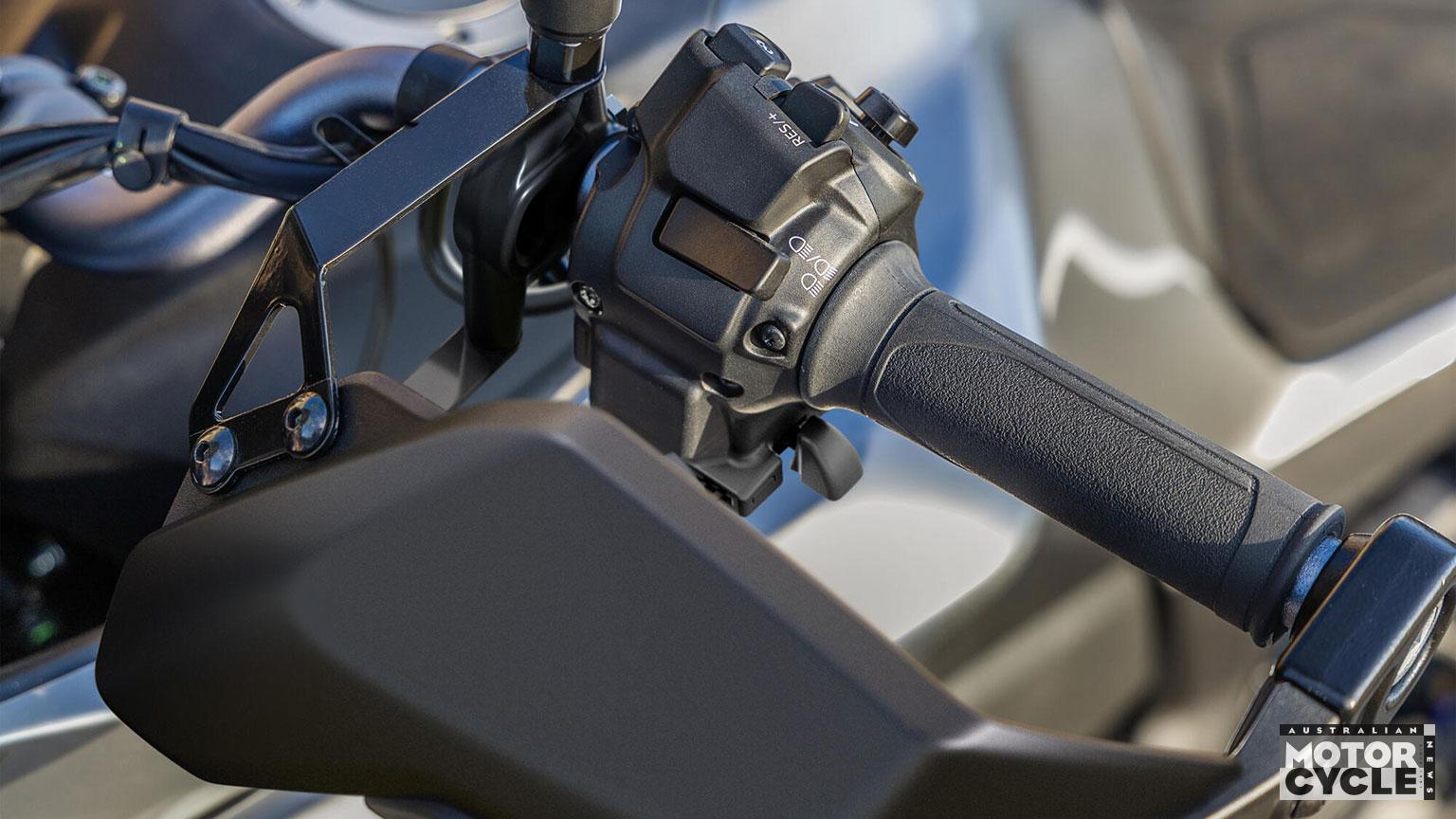
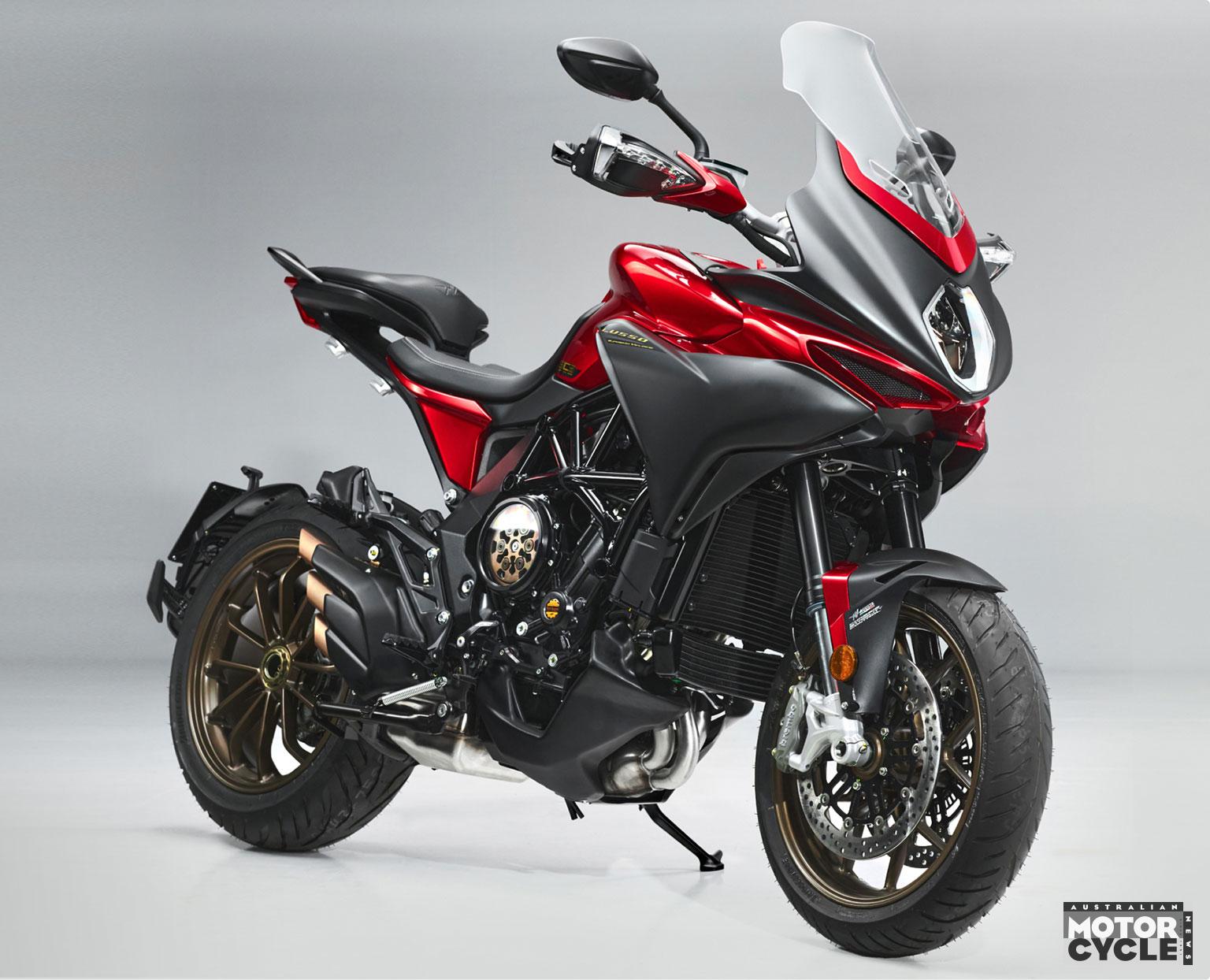
Honda isn’t the only company to see the potential here. In fact, it wasn’t even the first. MV Agusta’s SCS (Smart Clutch System) models use a Rekluse centrifugal clutch along with a conventional bidirectional quickshifter, allowing you to start, stop and shift gears without using the clutch lever. The system has been available on MVs since 2018.
BMW’s new Easy Ride Clutch (ERC), which is optional on the F 450 GS, follows a similar course, again using a centrifugal clutch paired to a conventional, quickshifter-aided transmission to give clutch-free operation.
Once again, the idea is catching on fast in China too, with multiple machines appearing with systems similar to Honda’s E-Clutch – notably several of the latest models from Benda – to allow the same combination of ease-of-use and the ability to revert to conventional control when it’s preferred.
While automated manuals are commonplace in modern cars, as are dual-clutch transmissions, CVTs and conventional automatics, auto-clutch systems have seen less success. They have appeared on four wheels, though, with systems like Citroen’s Citromatic – a hydraulically-automated clutch that disengaged when you grabbed the gearstick – dating back to the 1950s.
Since bikes already use sequential transmissions and snicky, foot-operated shifts, systems like the E-Clutch make much more sense on two wheels than they ever did on four.
Are automatics the future for motorcycles?
The recent flurry of new transmission technologies suggests that motorcyclists are finally overcoming their longstanding distrust of automatic shifts and that the technology to make a genuinely useful automatic bike is both mature and increasingly affordable. So what does that mean for those of us who cling to traditional clutches and shifters?
There are a couple of ways of looking at it. One is to glance at the car market and see how automatics are rapidly making the manual an endangered species. America long ago adopted the self-shifter as the ‘normal’ car transmission, to the extent that relatively few US drivers can even use a stick shift, but the same pattern is now emerging all over the world. At the turn of the millennium, for example, around 90 per cent of new cars sold in Europe were manuals. Today that figure is below 30 per cent and dropping fast. And it’s not just thanks to EVs or uninterested consumers. Supercar brands like Ferrari and Lamborghini were at the forefront of the change, and both have long since stopped even trying to sell manual transmissions.
Some of that comes down to unusual considerations like emissions laws and advertising. An automatic transmission can be programmed to shift in such a way as to minimise fumes in the specific conditions of those emissions tests, or to boost economy during standardised fuel consumption testing. But it’s also down to factors like the use of paddle-shift transmission in top-level racing. F1 drivers haven’t been expected to use a foot clutch or gearstick for more than 30 years, so customers demand the same.
That’s the real key. Customer demand. Where there’s a profitable market for manual transmissions in cars, those transmissions live on regardless of concerns about emissions or economy. The same will apply to motorcycles. So, if you’re addicted to the joy of a perfectly manipulated clutch and gearshift, there’s no reason to fear that your hit is going to be taken away in future models. Self-shifters are here to stay and look likely to become increasingly commonplace in the years ahead, but alongside their emergence we’re also seeing companies like Honda, Kymco and Zero develop ideas to simulate clutches and manual transmissions on electric motorcycles that don’t actually need them.
So even if the traditional gearchange gets superseded by future tech, the pleasure it provides doesn’t look like it’s going anywhere.