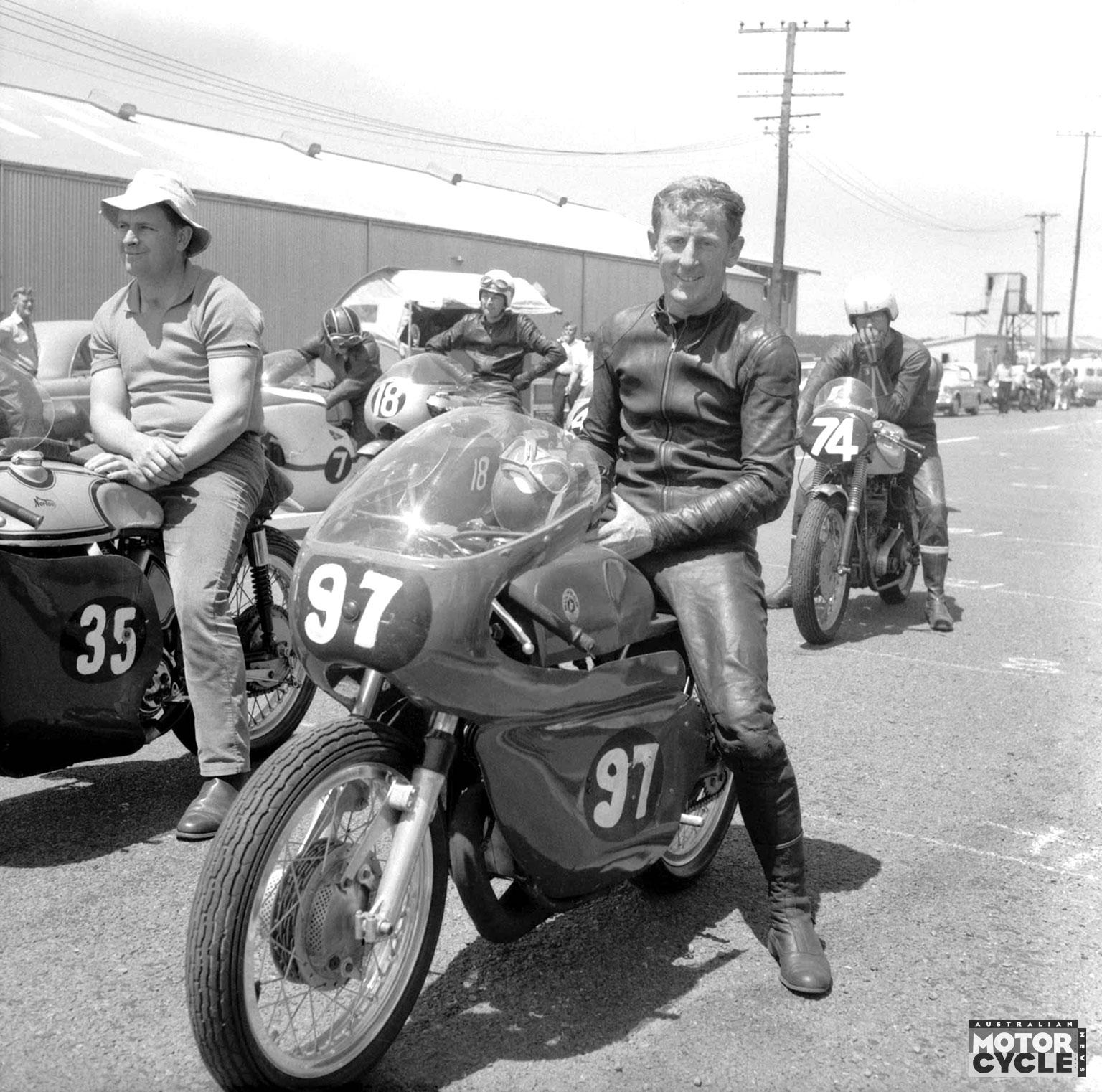
Ginger Molloy beat the world’s best, made history for Bultaco and chased Giacomo Agostini all the way to second in the 1970 500cc world championship. Don Cox pays tribute to a racing great and one of the Continental Circus’s true characters
Three names stand out as the quintessential Continental Circus private entrants in the 1960s: Jack Ahearn, Jack Findlay and Ginger Molloy. All three were runners-up in the World 500 championship.
New Zealander Molloy was more than that, however. He was the first rider to win a world championship Grand Prix on a Spanish machine, in 1966, Bultaco’s number one rider in the late 1960s, and a race winner in Australia and the USA as well as Europe and his home country, with 66 international victories. Oh, and one of the sport’s great characters.
He was the key player in some hilarious stories. Take Molloy’s technique for negotiating European border crossings if the paperwork for his machines (known as carnet du passage) wasn’t in order. Suppose one of the Molloy children had a soiled nappy. Ginger would have wife Claire leave the nappy on until the checkpoint, then open it on the passenger seat of his van. Border guards would likely wave them through to avoid the odour!
There was a story of a hay cart that just happened to catch fire at the roundabout in the centre of a French village, and tyre tracks through the garden in the centre of said roundabout. Molloy Equipe was taking minor French routes to skip motorway tolls.
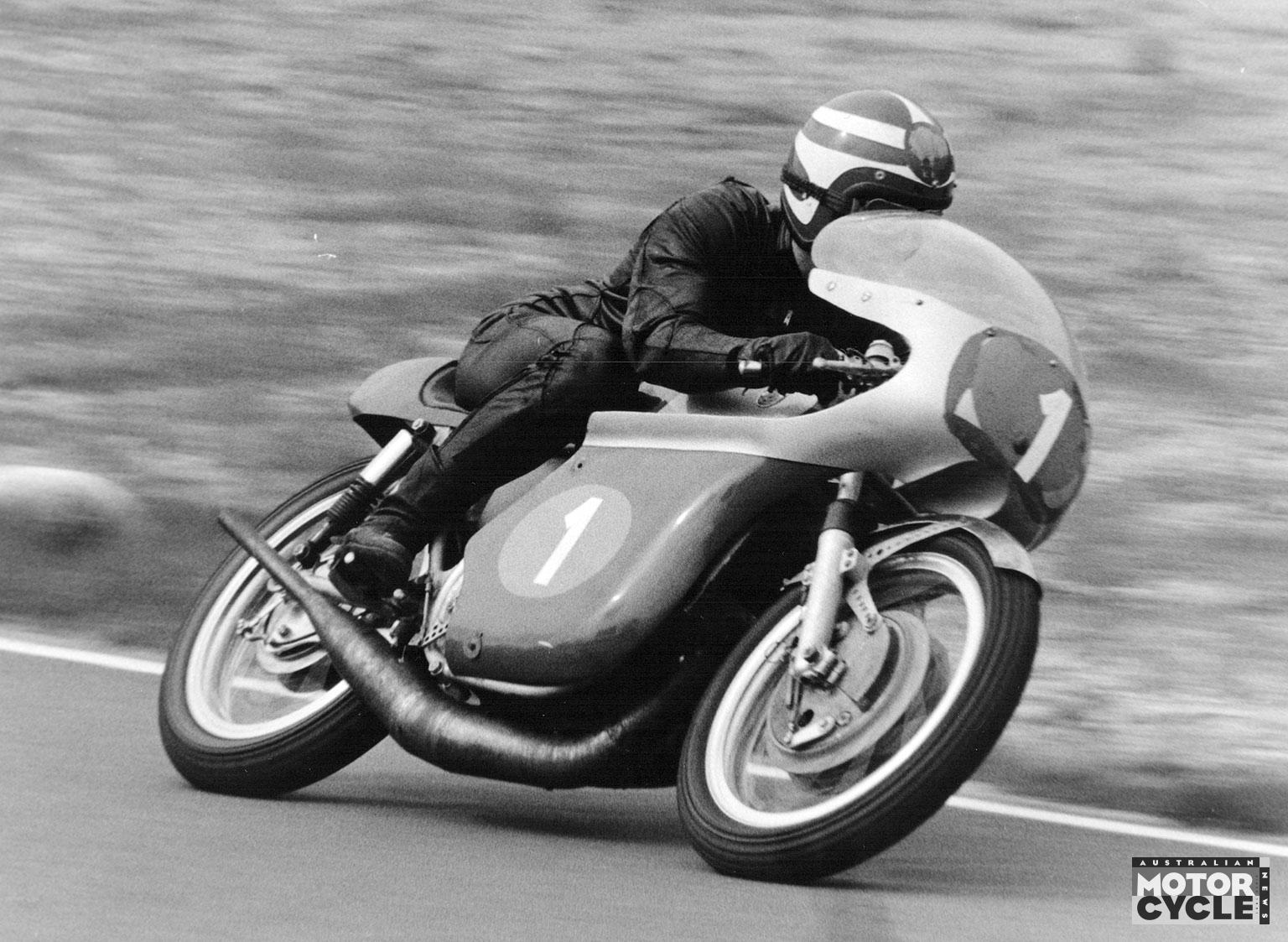
In 1970, Molloy and mechanic Ralph Hannan travelled with five two-stroke machines: three Bultacos, a Yamaha TD2 250 and a Kawasaki H1R 500. He rode all of them with a style that doyen technical writer Kevin Cameron described as ‘tucked in like he was on a 125’.
Hannan reckoned Molloy would race these machines week in, week out and never so much as scratch a fairing. “He just didn’t crash,” Hannan said. Certainly not in Grands Prix. And he won, once ‘riding the card’ with four wins in as many starts at a meeting in the Eastern Bloc.
In his biography, written by Claire, he said he would limit his fluid intake on race days so he would not need to pee.
GO GINGER!
William Garth Molloy was born on Christmas Day 1937 in Gisborne, the most easterly town in New Zealand, the third of four children. He passed on 16 September, aged 88.
Father Lawrence moved the family to Huntly in 1940 for the high pay offered in the local coal mine. WG Molloy was known as Bill, until one day while playing rugby league for Huntly United some girls saw him sprinting down the touchline and called: “Go Ginger!”
So there was young Molloy, living in a mining town, playing a hard sport. He was chosen in the 1952 North Island Schoolboy team. For adults, the sport paid expenses in NZ in the 1960s when rugby union was still officially amateur.
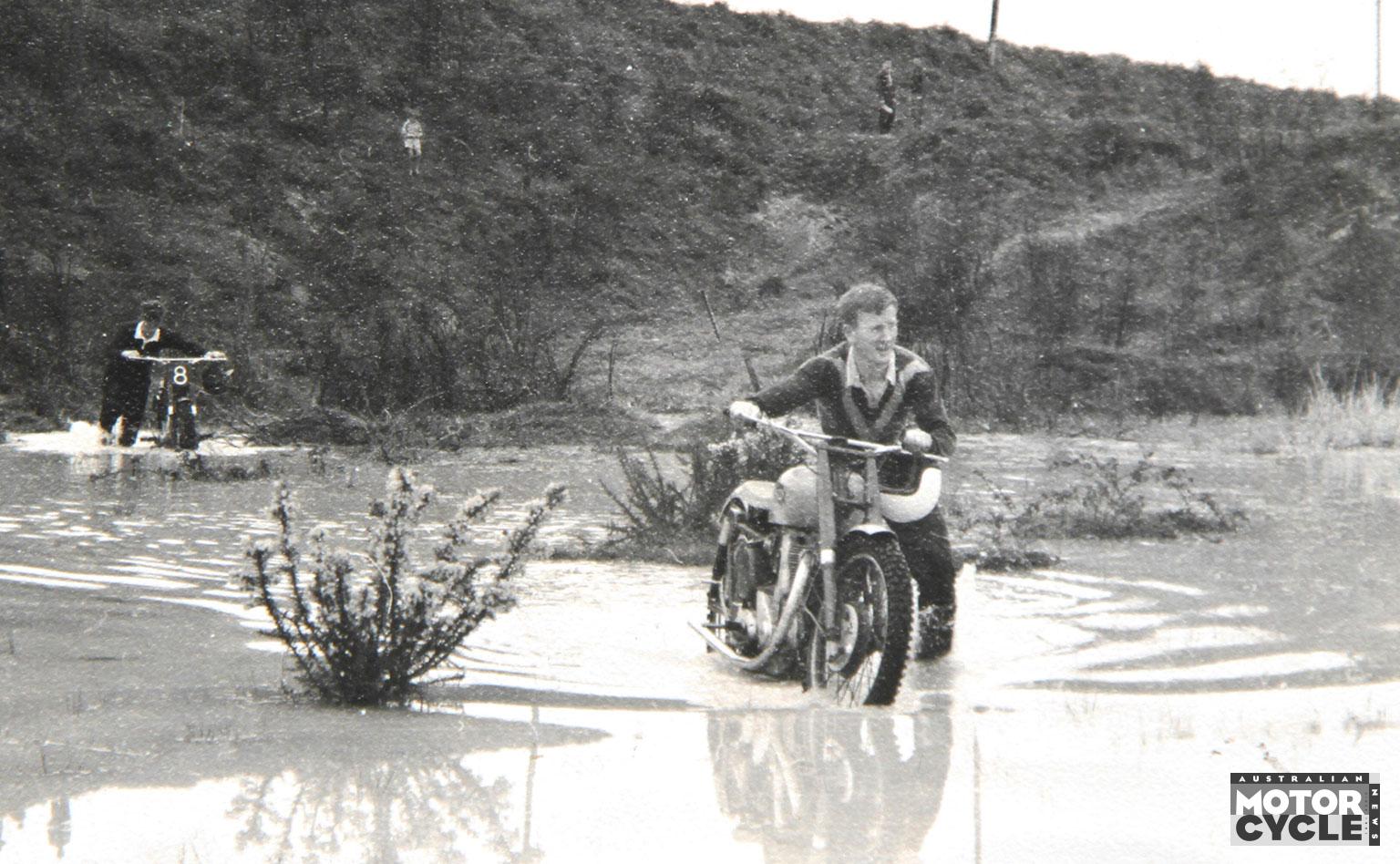
Molloy took up motorcycling, initially on a small-capacity Triumph road bike. He did two years of an apprenticeship as a motor mechanic, but at 17 he became a miner and the lucrative pay helped buy a 500cc Matchless G50 racer.
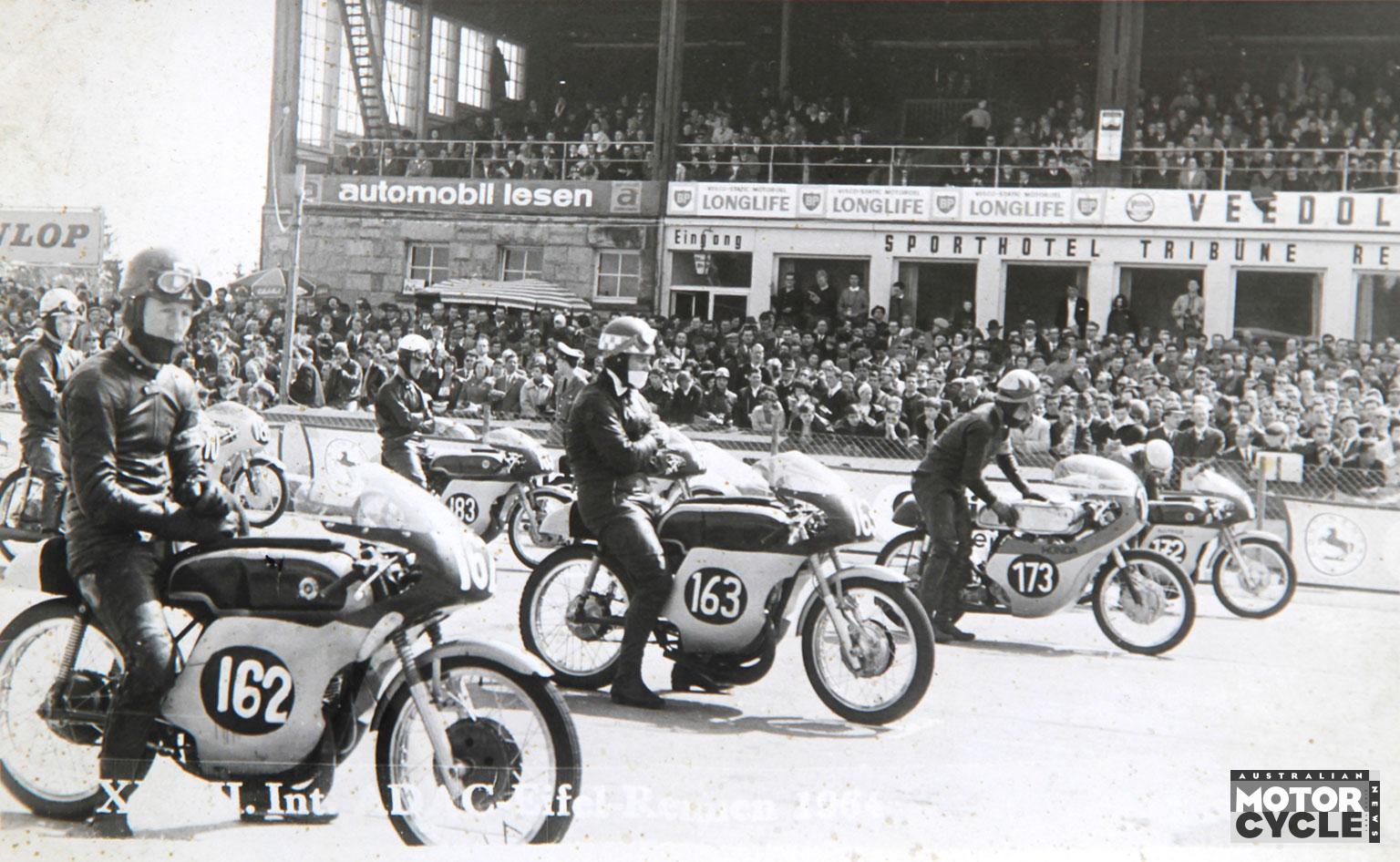
In 1962 Molloy had his first major result, finishing second to fellow miner Hugh Anderson in the New Zealand 500 TT at Ardmore Airport. Early in 1963, he packed his toolbox and pushed the Matchless onto a train from Huntly to Wellington, to catch TSS Fairstar to Southampton in England.
In Brisbane, a teacher and volunteer member of the Queensland Ambulance Society from Gordonvale, south near Cairns, boarded the ship. Claire Reese had planned a two-year stay in the UK and another year in Canada. Instead, she became part of the Continental Circus – and Mrs Molloy.
MAKING HIS NAME
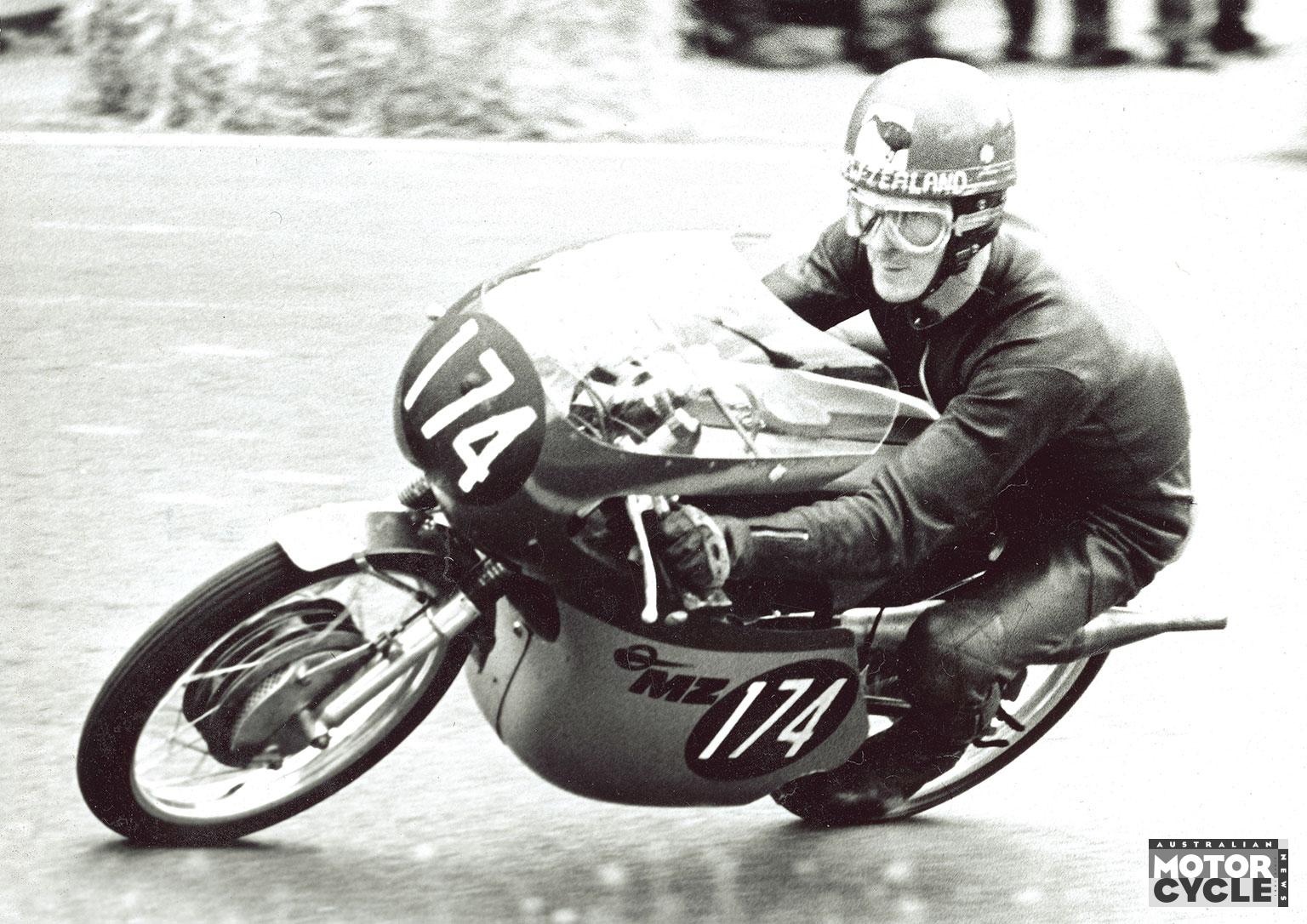
Ginger Molloy soon had three machines, adding a Bultaco 250 and AJS 7R 350 to his stable. He was making a name, with victories on his 250 at Snetterton, on a 125 at Thruxton, and his 500 at Jacin and Marseille. That’s in addition to podium finishes at St Wendel, Thruxton on his 250, Hockenheim, Schleiz, Piestany (in two classes), Portoroz and Brno.
In 1965, Molloy recorded his fifth world championship points (top-six only back then) in the 250 class at Dundrod (Northern Ireland) and Monza. Hugh Anderson, meantime, was in a golden period, winning 25 Grands Prix and four championships on Suzuki 50s and 125s. Both had experience in the Huntly mine and Molloy had convinced Anderson to play rugby league in Under 19s for his club.
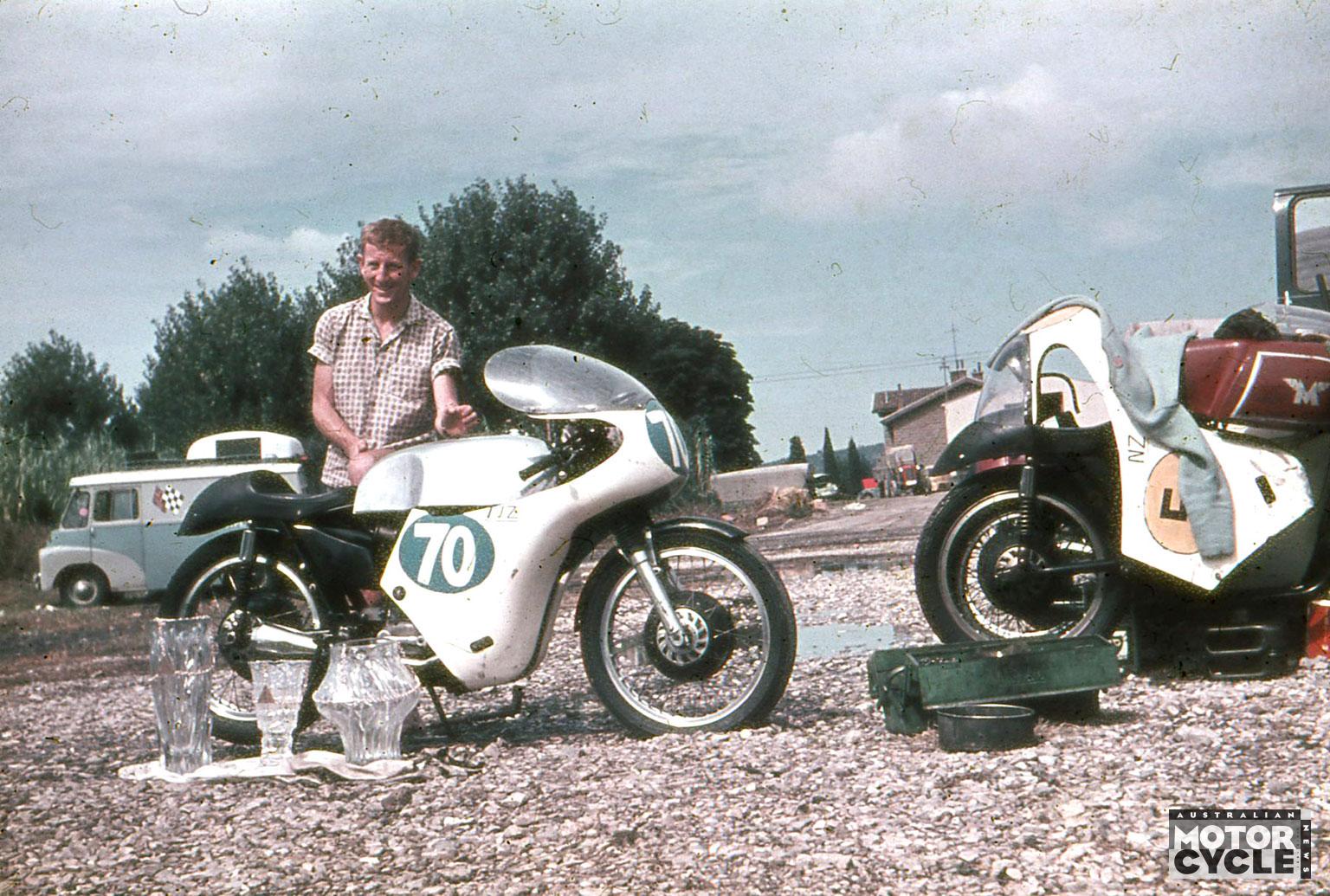
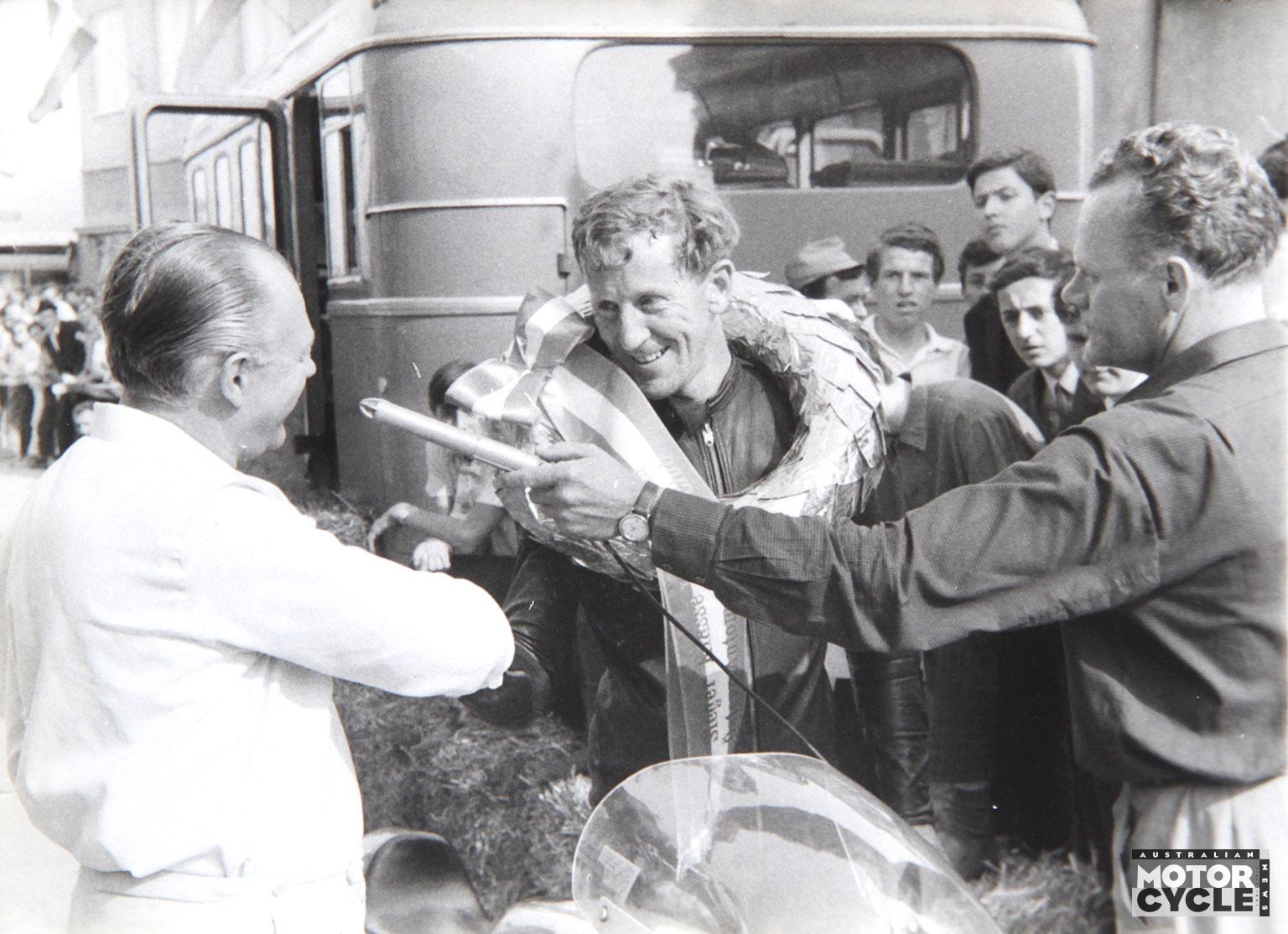
Season 1966 found Molloy still on his private 250 against strong factory teams. In the Ulster GP at Dundrod, he outlasted the works Honda, MZ and Yamaha opposition to win, 49 seconds ahead of fellow Bultaco private riders Gyula Marsovszki and Australian Kevin Cass. It was only the fourth time a Kiwi had won a classic, the first three being Ken Mudford, Rod Coleman and Anderson.
BULTACO MAN
In 1968 Molloy was third in the 125 championship, highlighted by second places in Barcelona and Assen, and fourth in the Ulster GP. He was fifth in the 250 standings, with podiums in the West German and Spanish GPs, and fourth places in the Ulster and Finnish rounds. In all he took 11 250-points finishes in 1967-68, while continuing to rack up wins in non-championship events.
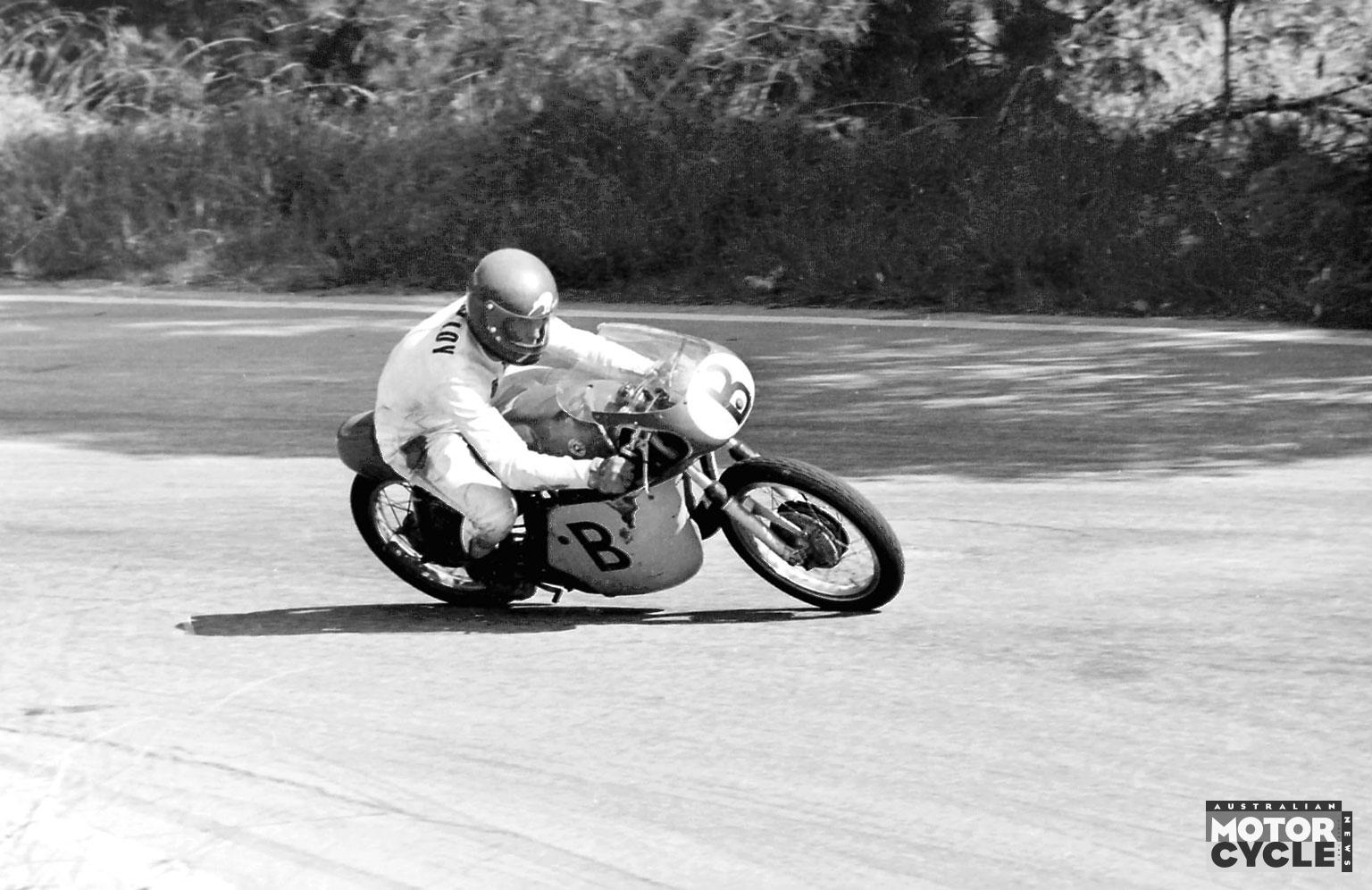
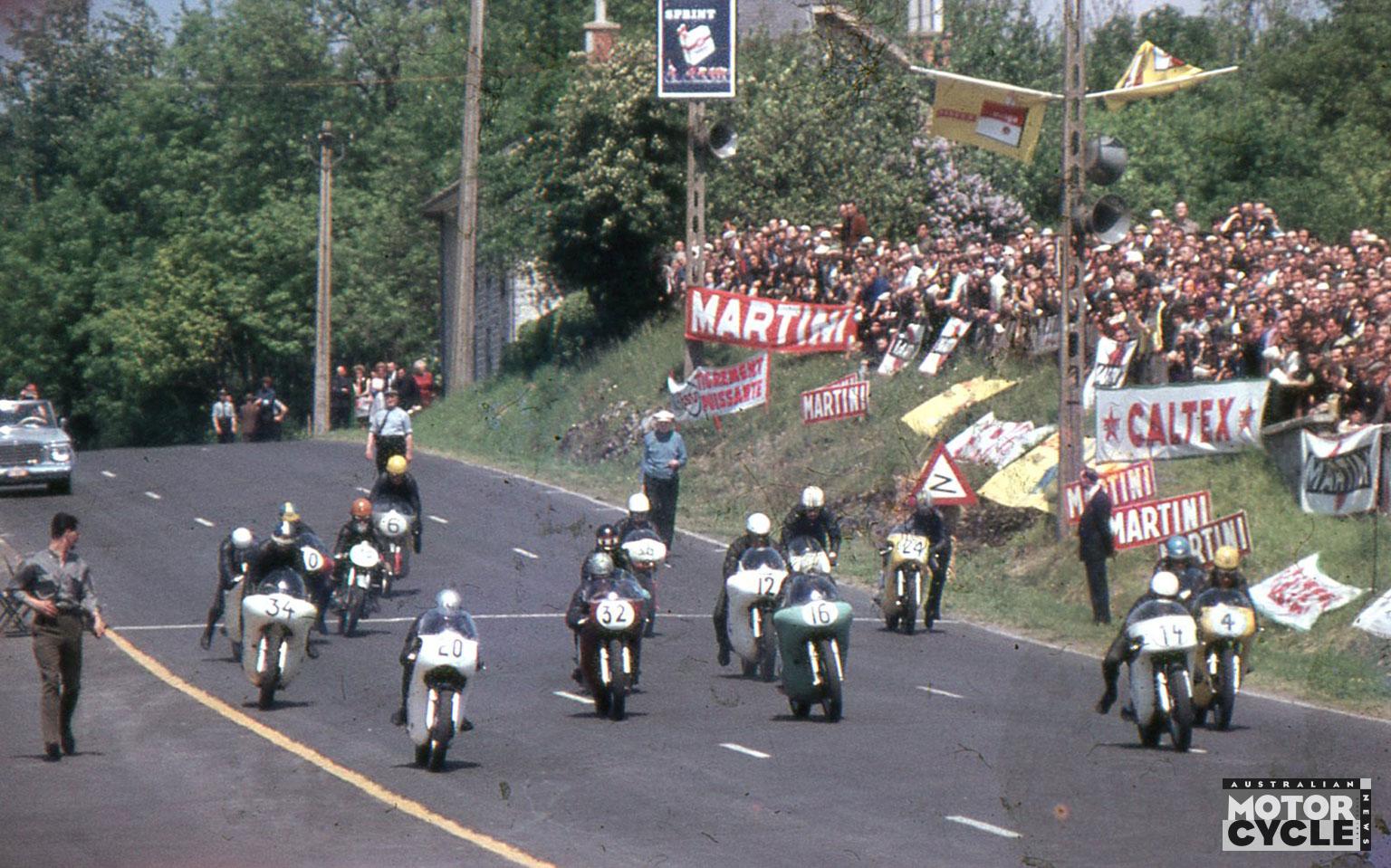
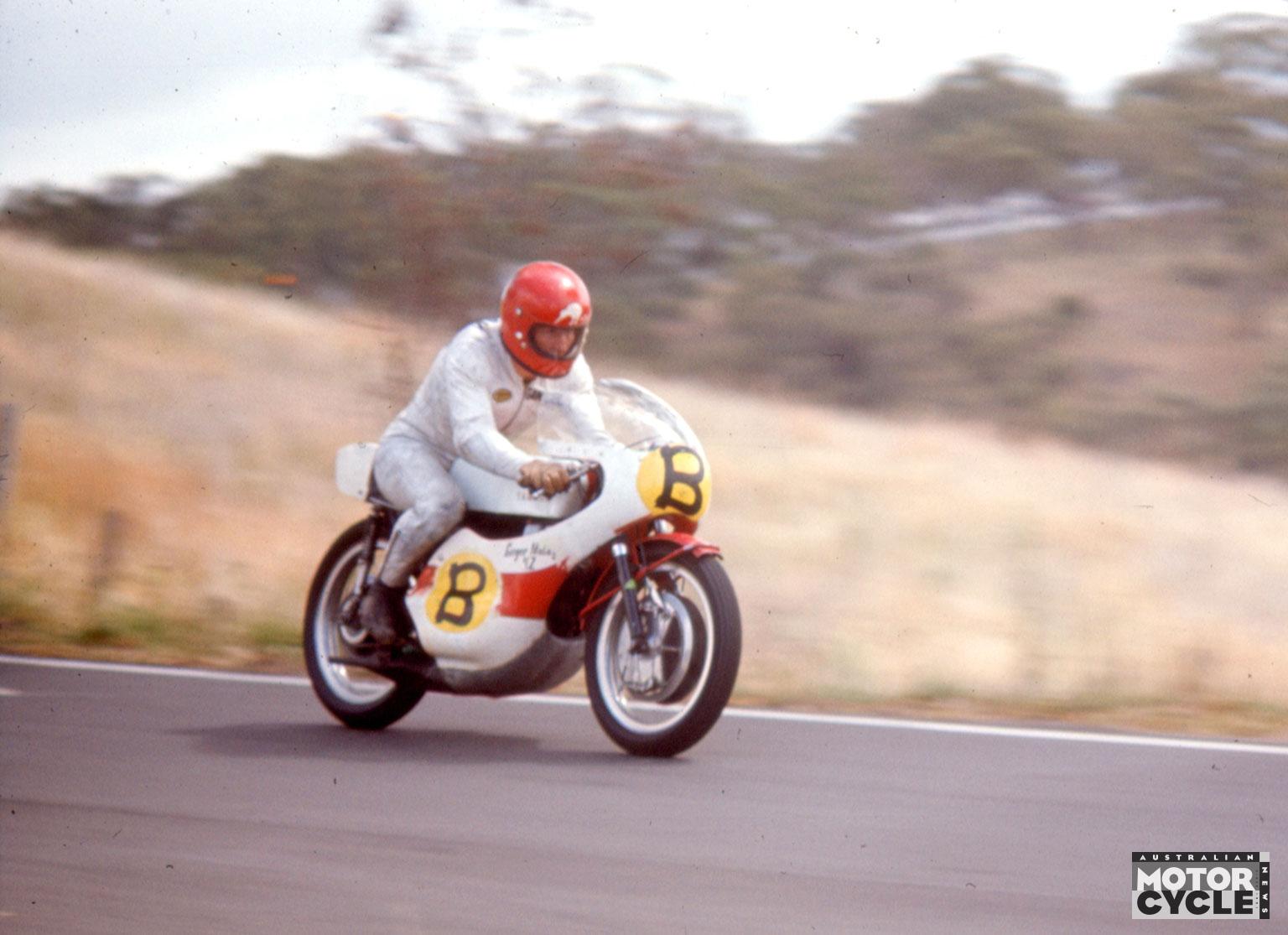
Bultaco built him a new 350 single in 1968, giving Molloy another potential moneymaker. It added a 360cc machine for the 500 class, with Molloy finishing third in the 1969 Spanish GP at Jarama. He rode the Bultaco to finish fifth in the opening 500 GP of 1970 on the Nurburgring, but changes were afoot.
Ralph Hannan, from Newtown in Sydney, joined Molloy as his new mechanic, having spent 1969 with fellow Australian Terry Dennehy. And Molloy bought a three-cylinder Kawasaki H1R 500, the racer version of the H1 road bike. A rare machine for the day, it was a volume-produced 500cc two-stroke racer for private entrants. It was fast but did not necessarily have the best chassis in 500 racing. Cameron said it was good for developing upper-body strength.
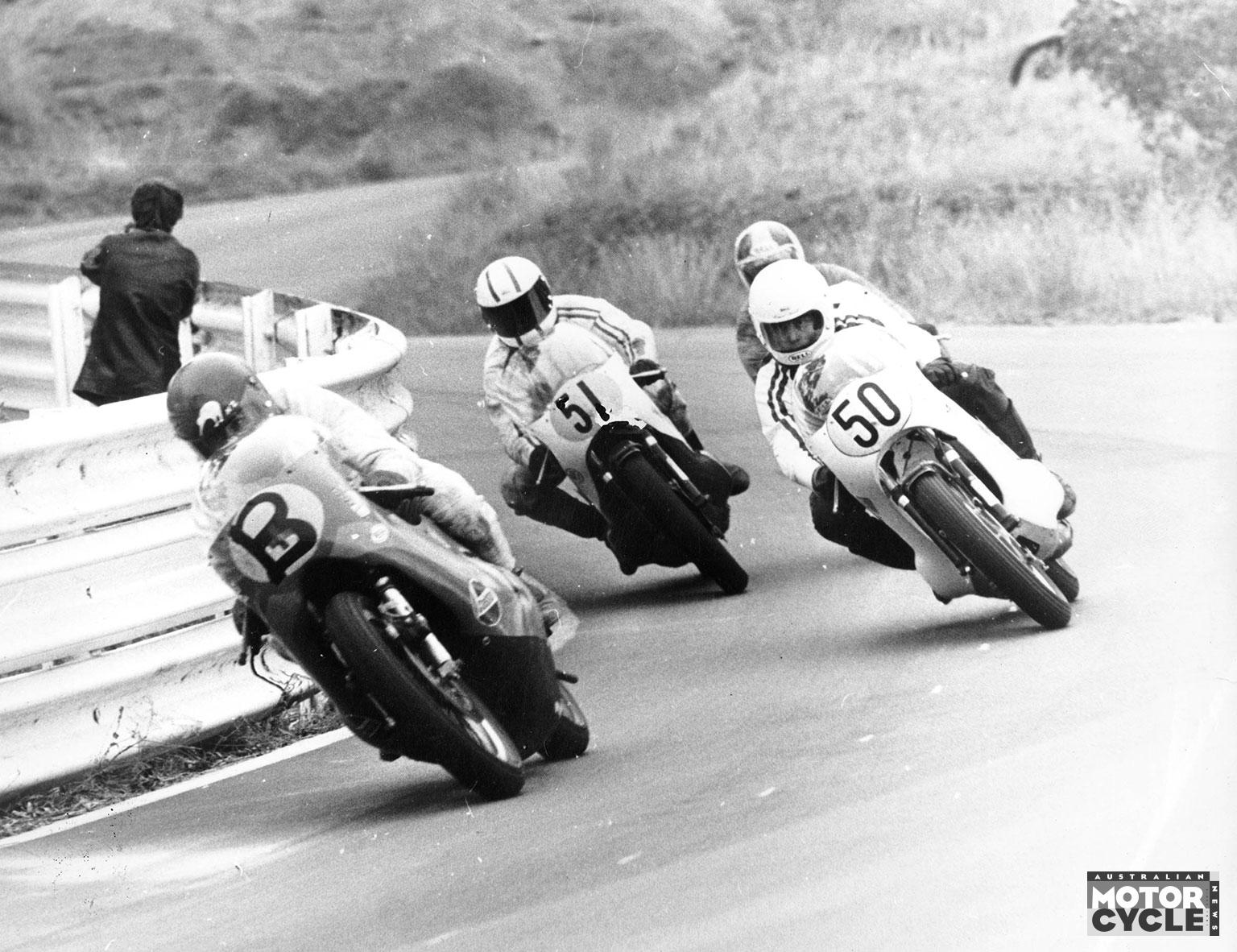
Molloy raced it to seventh place in the Daytona 200 and one week later finished second to Giacomo Agostini’s MV Agusta in the French GP at Le Mans.
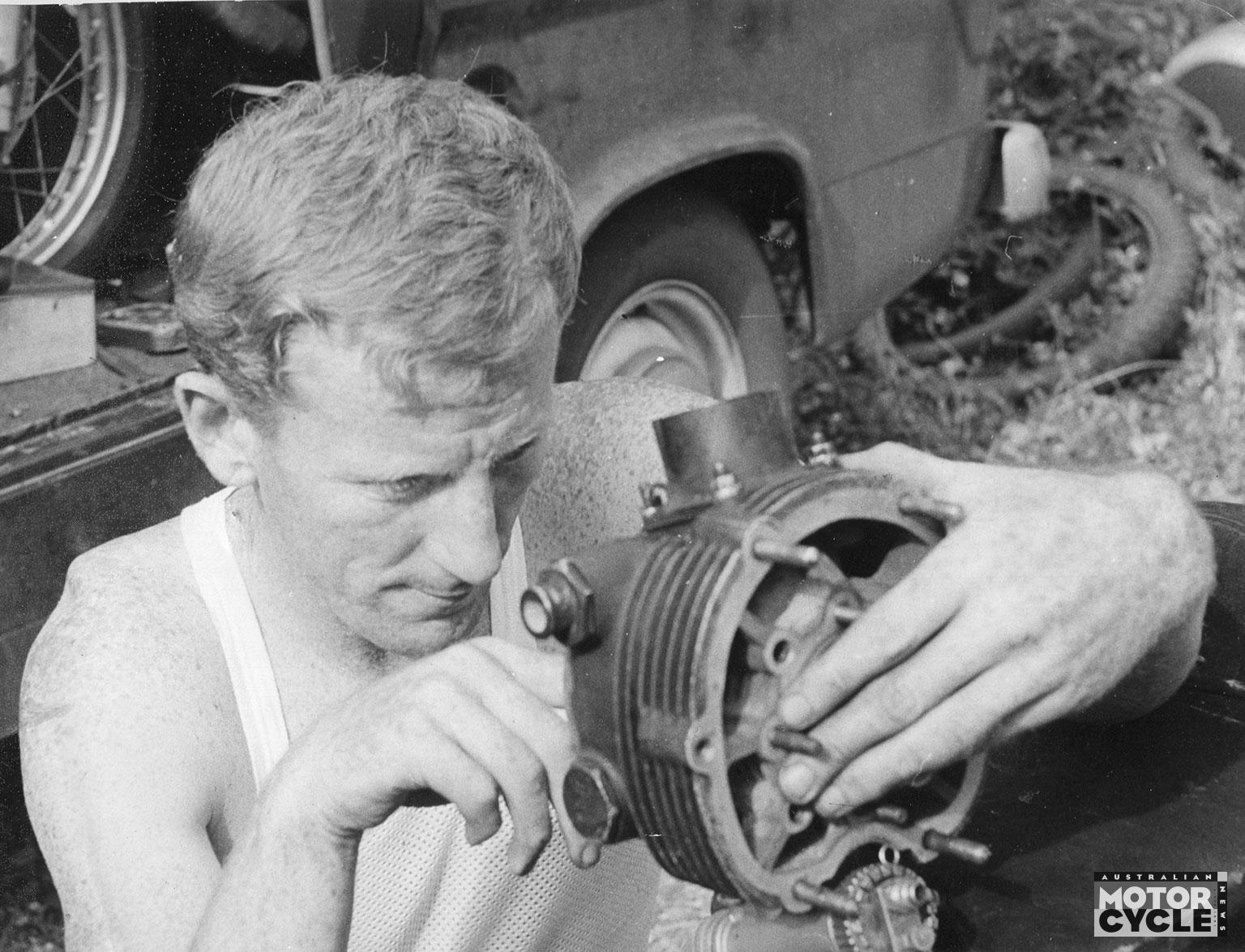
There were more upgrades, one thanks to Molloy’s high stocks at Bultaco. Snr Bulto invited him to the factory, where the works mechanics spent two days porting the Kawasaki cylinders. Hannan recalls other changes. “The ignition points would close up, so we fitted a Kroeber electronic ignition and we ran a slightly different timing on the middle cylinder.”
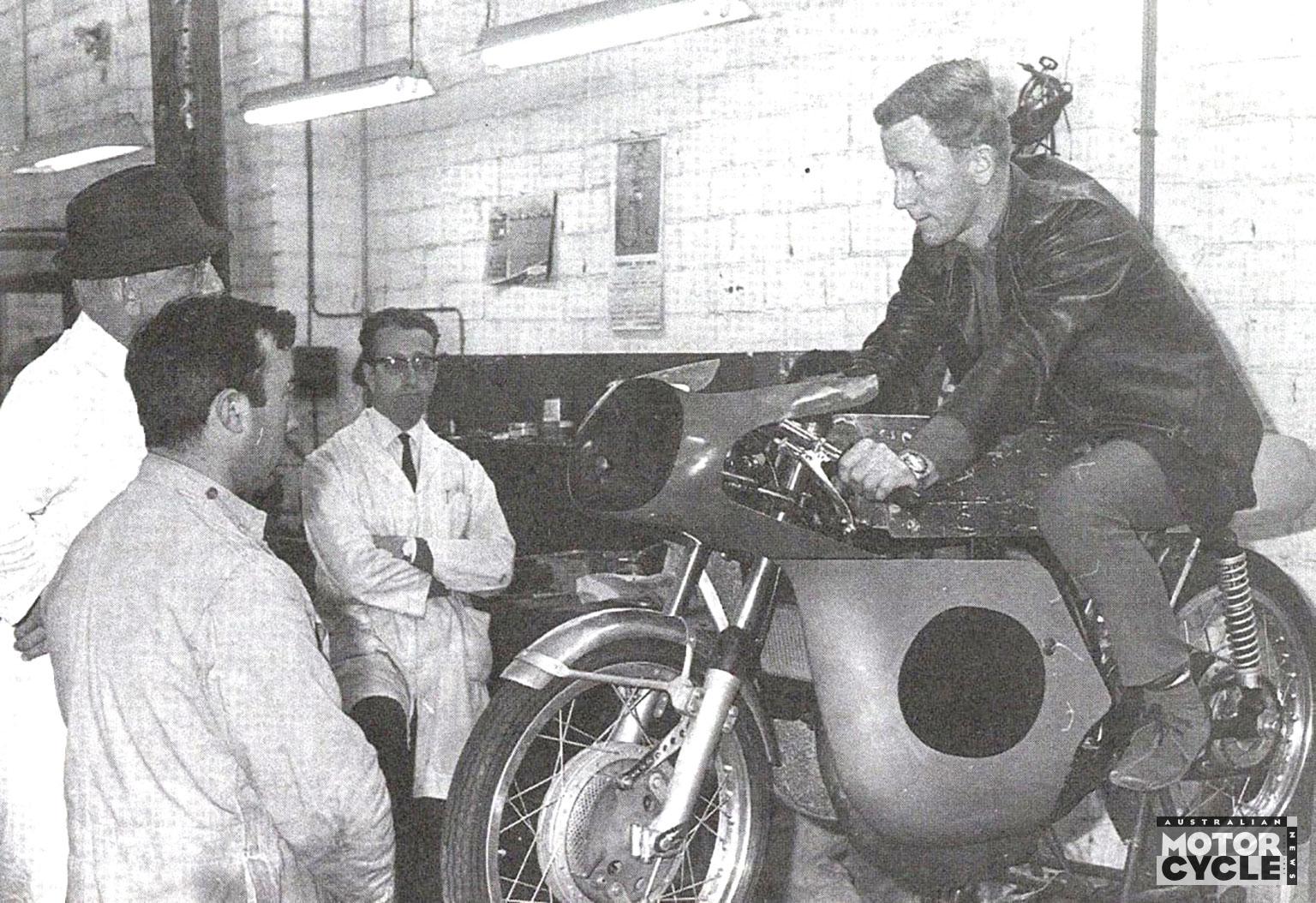
AGO’S SHADOW
Molloy continued to accumulate 500 championship points. He was seventh at Opatija in the old Yugoslavia, fourth at Assen, second in both Northern Ireland and Finland, sixth in Italy and second again in Spain. Seventy-one points and clear second place to Agostini in the title standings. Top Kawasaki finisher in six of the seven GPs he finished on it.
Hannan recalled Molloy’s comment in Finland that he had never ridden a bike so fast and out-qualified an astounded Agostini. The machine wasn’t ready for scrutineering, so Molloy walked to the scrutineering bay wrapped in the bulbous H1R fairing. He pressed the Italian hard in the early stages of the race.
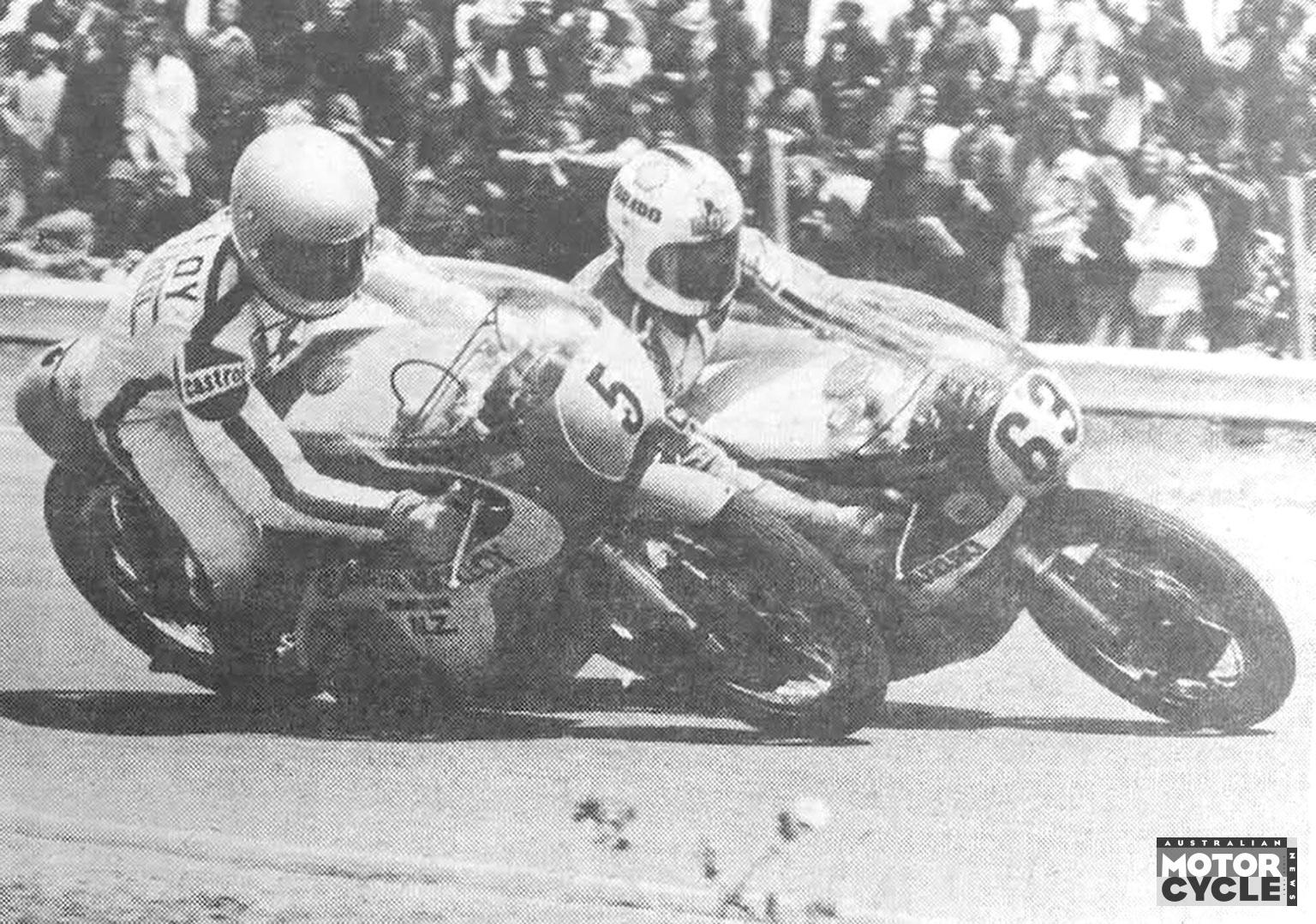
One of Molloy’s rare incidents occurred at Opatija. He braked hard for a hairpin corner and was blinded when fuel surged out of the Kawasaki’s filler cap.
Hannan said Molloy would often practise on both the Bultaco and Kawasaki. He would have the Spanish bike warmed up ready to race, with Molloy deciding at the last minute. “He thought so much about the race, and he was always right!”
Molloy also finished second in the 1970 Spanish GP, for Yamaha. The backstory here was that Yamaha wanted England’s Rod Gould to secure the 250 title on its semi-works entry, ahead of Australian Kel Carruthers on his privately entered Yamaha. If Carruthers won the penultimate round at Monza, it would force the contest to the final round at Montjuic Parc. Yamaha wanted Molloy to support Gould there. It did not pan out that way. Gould won a tense battle at Monza by just 0.03 seconds and the title was his.
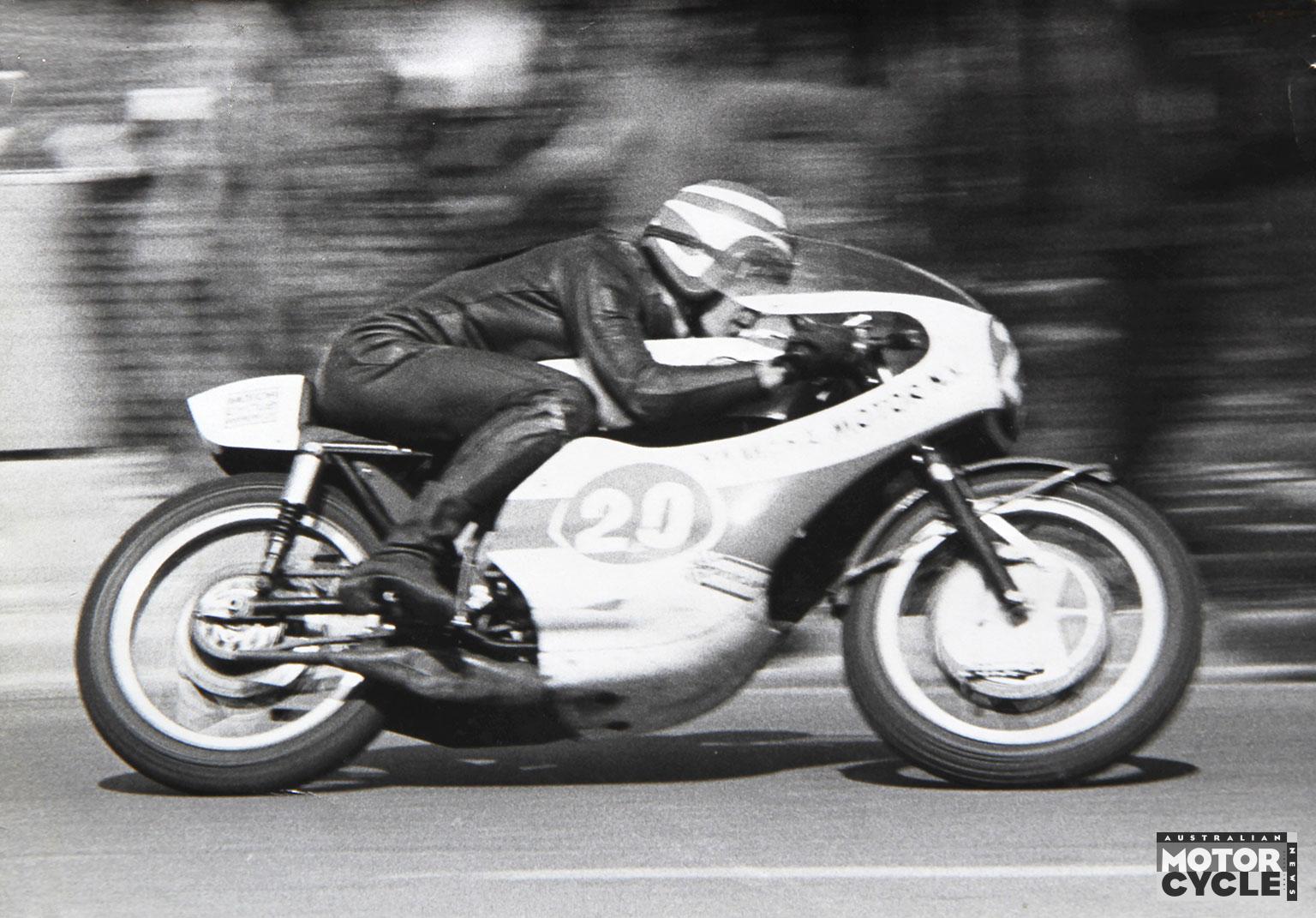
ACROSS THE ATLANTIC
Carruthers and Molloy both quit Europe for the USA in 1971. Molloy began the season in Europe but crossed the Atlantic to race a Yamaha 250 and his Kawasaki. He had some great 250 duels with Carruthers on the Don Vesco-entered Yamaha, winning by a machine’s length at Talladega, and finishing second at Pocono and Ontario (Ontario, California, not Canada).
In December 1971 he rode in the Agostini meetings at Calder and Oran Park. Agostini wanted the Victorian crowd to have some entertainment, with Molloy leading the main race for 22 of its 30 laps. Across the two meetings he had two second placings and a third on his 500.
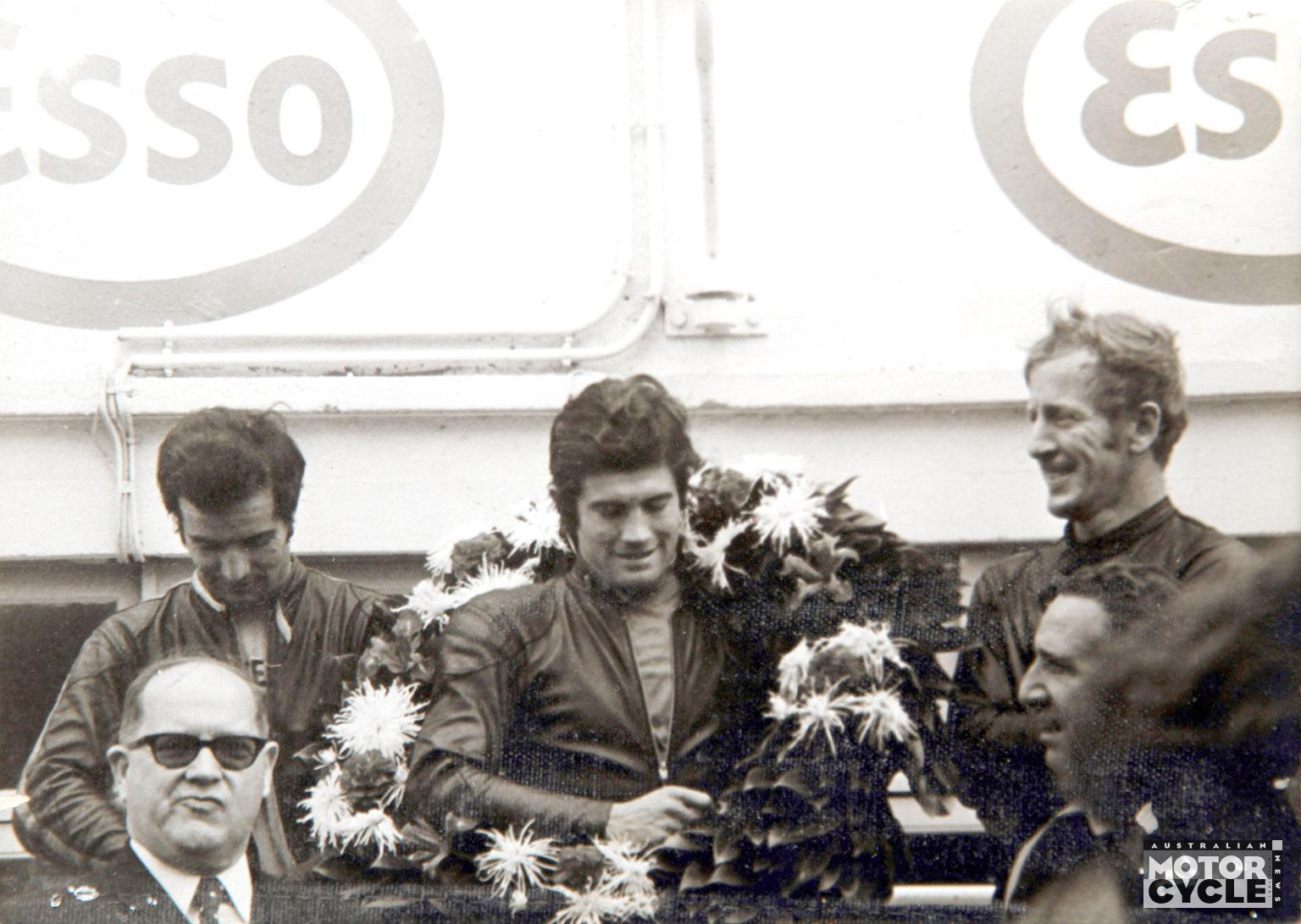
Molloy was back in Australia for the 1972 Australian TT at Bathurst, having featured strongly at Wanganui and Pukekohe in the New Zealand summer meetings. He was always welcomed for events in Australia, including Amaroo Park, and enjoyed the support of local Bultaco man and two-stroke preparation ace Bert Flood, with Flood’s Bultacos, any Yamaha he might be riding, and the Kawasaki 500.
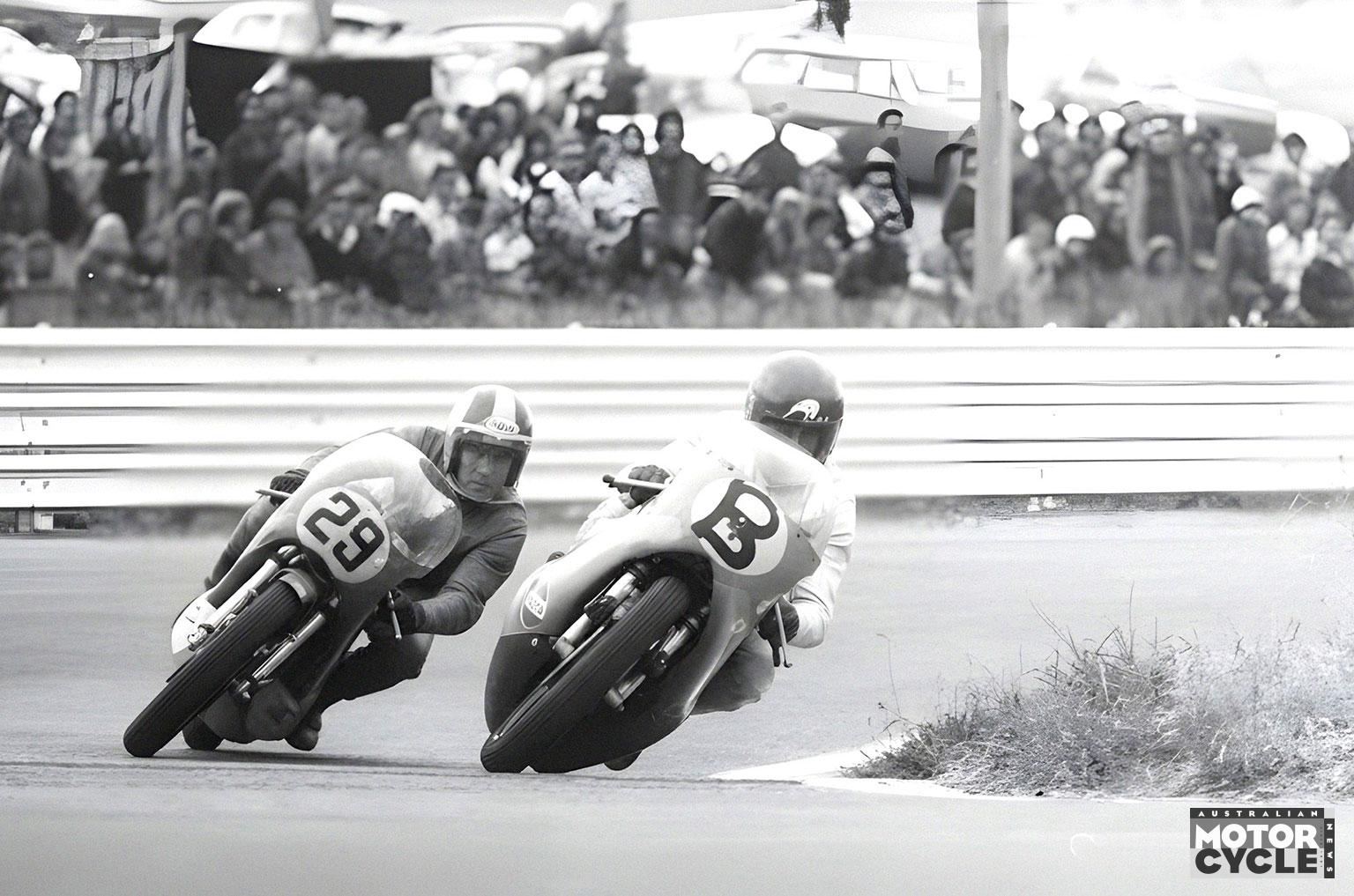
Molloy won the Australian 250 TT at Bathurst, but the race that all who witnessed recall was the Unlimited TT duel with South Australian Bill Horsman on a Yamaha 350. He out-braked Molloy at the last corner to win by two-tenths of a second, with the pair sharing a new outright lap record.
HOME STRETCH
One more interesting machine appeared for Molloy. Kawasaki built a race version of its H2 750 roadster, the first such machine in the world. It was sent south for Molloy, via Ross Hannan’s motorcycle shop in Sydney’s Inner West. He raced that bike to win the 1973 Singapore GP on the Thompson Road circuit, ahead of Australia’s Ron Toombs and rising NZ star Geoff Perry. In December 1973 he won the 350 class at Pukekohe on a Yamaha, aged 36. Almost a year later he rode solo to win the inaugural New Zealand Six-Hour Production Race at Manfeild on a Kawasaki Z1-A 900. Observers reckoned he was the picture of smoothness.
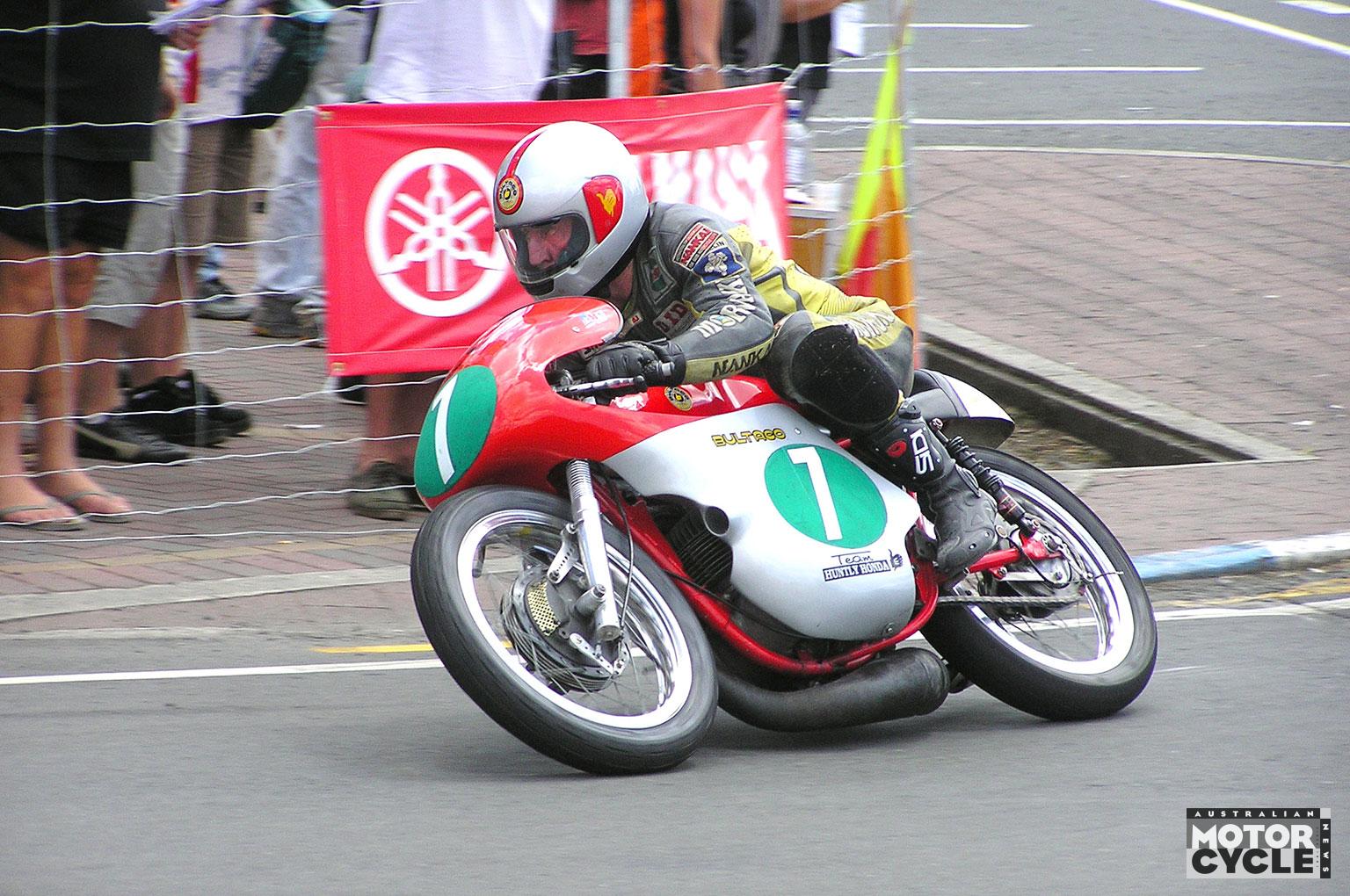
Meantime, Molloy had opened a motorcycle shop in Hamilton (later in Huntly). His choice for workshop manager was Ralph Hannan. He was not quite done with racing. In 1999/2000 he built a super Bultaco 250 historic machine with a high-volume expansion chamber that looked more 1990s than 1960s.
When enthusiasts had a statue created in Mooroopna for Jack Findlay, the town hosted a special dinner. Molloy could not be there, but he sent a great letter to be read out, with the story of Jack securing a factory-spec Bultaco 250, better than Molloy’s bike at the time. The secret was Findlay’s then-partner Nanou dressing to the nines to have dinner with Snr Bulto.
In 2009, Molloy suffered a fall at home and sustained a serious head injury. He and Claire donated an ambulance to St John in Hamilton.
For all the results – the Grand Prix victory, second in the 500 world championship, the Bultaco years and those reported 66 international wins – the stories of Ginger Molloy invariably seem to return to the character behind them.
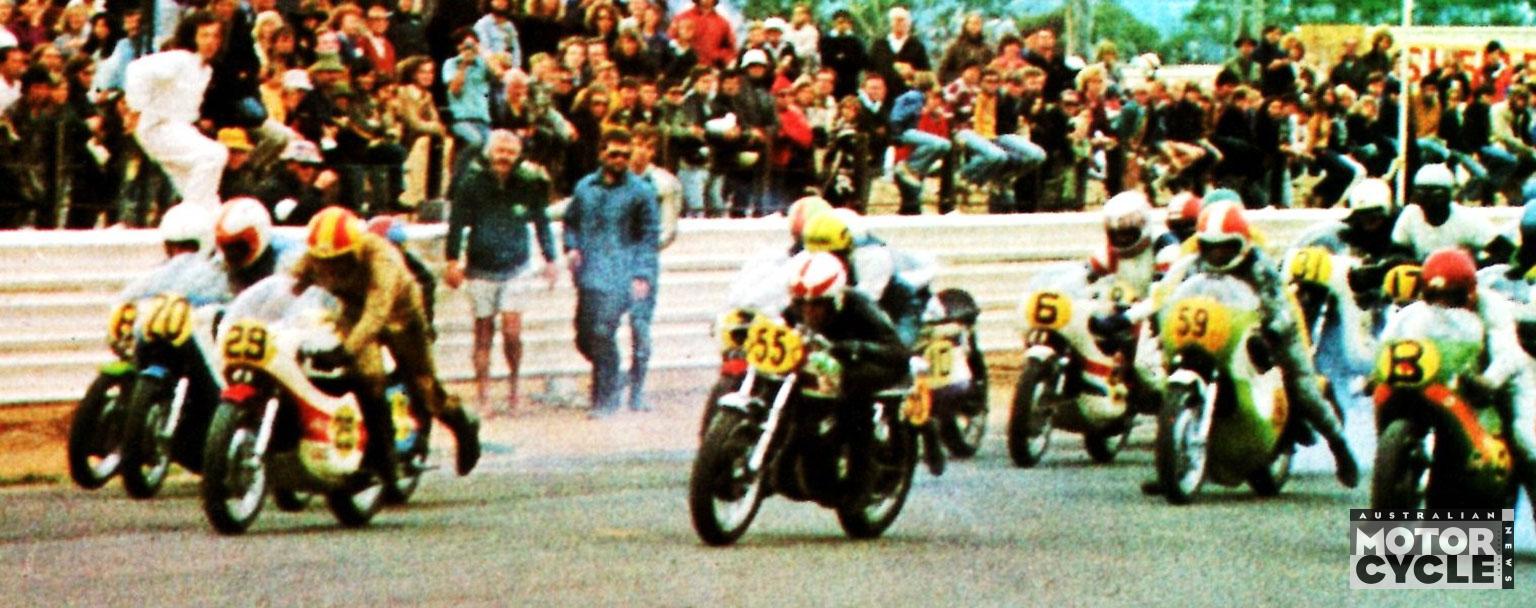
A few years ago, Molloy had a telephone conversation with Hannan.
Molloy was at home in New Zealand and Hannan in Cairns. Ralph reckoned they laughed so much at some of the old stories they were both in tears.
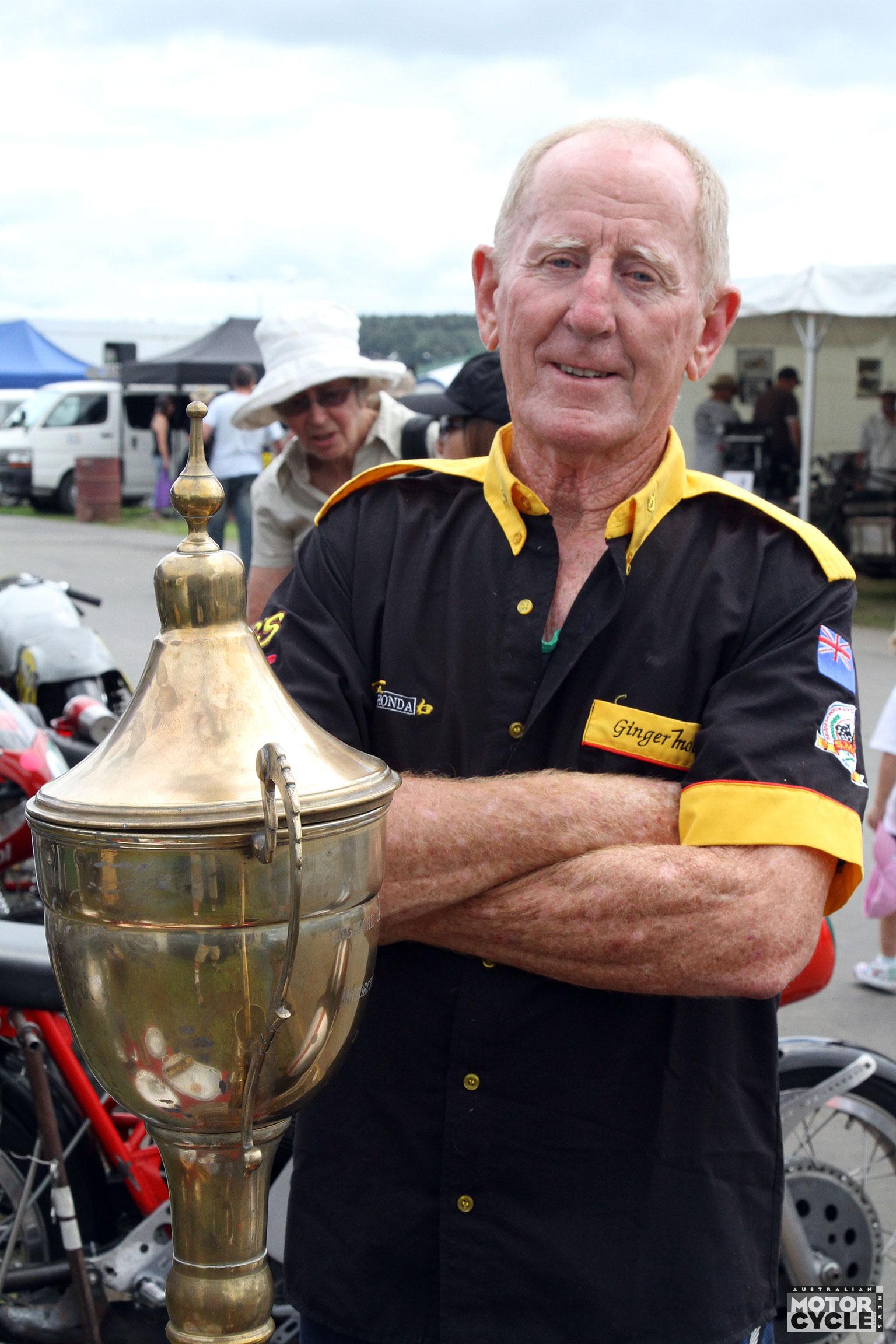
CAREER HIGHLIGHTS
- Born: 25 December 1937, Gisborne, New Zealand
- Died: 16 September 2026, aged 88
- World championship GP win: 1966 Ulster 250 GP, Bultaco
- 500cc World Championship: 2nd, 1970, Kawasaki/Bultaco
- 125cc World Championship: 3rd, 1968
- 250cc World Championship: 5th, 1968
- 1970 500 GP highlights: 2nd France, Northern Ireland, Finland and Spain
- Australian 250 TT: Winner, Bathurst, 1972
- Singapore GP: Winner, 1973, Kawasaki H2 750
- NZ Six-Hour Production Race: Winner, 1974, Kawasaki Z1-A 900
- International victories: 66
The Ginger They Knew
Ralph Hannan
“I have received phone calls from all over the world since Ginger Molloy passed. He will be sadly missed. It was just what he did, he was just a good racer and very funny, especially when he had ‘been on the turps’, as he put it.
“He had German sponsors. Ferry Brouwer (for many years the Arai helmet principal in Europe) was a big fan. A great rider and in fact a great sportsman. Good rugby league player.
“A great guy, just wonderful, and so intelligent. He taught me so much, travelling and doing the races. In 1970 we carried five bikes.
“He slept in the van and had great support from Claire and his children. He would put his toothbrush out in the rain to clean it.
“After being in Europe for a few years, I came home to Sydney and worked in Rose Bay, building a Suzuki 500 to race. Then Ginger opened a shop in Hamilton and asked me to come over to run the workshop.
“We did everything there, racing go-karts and riding enduro, motocross, road races, whatever.”
Wanganui Cemetery Circuit organisers
“Not only was Ginger a hugely successful rider internationally, but he was always right at home and at the front on the streets of Cemetery Circuit, enjoying multiple race wins including feature wins in 1968 and 1971.”
Alan Thoresen, owner Black Thunder Racing NZ
“It is with great sadness we have heard of the passing of Ginger Molloy. I can recall when I first met Ginger at Ginger Molloy Motorcycles in London St, Hamilton, when he first opened in the early 1970s. I had my Kawasaki H2 750 and it wasn’t long before Ginger and his mechanic Ralph Hannan encouraged me to go racing. Soon after I bought one of the first Kawasaki 900 Z1 Bikes in NZ from Ginger. Again, the encouragement and mentoring from Ginger and Ralph had me out on the racetrack.
“Today I still have my addiction with Kawasaki motorcycles and in particular the ZX14R motorcycles, and am still drag racing. Thank you, Ginger Molloy and Ralph Hannan, for the great memories. My deepest sympathy and condolences to Ginger’s family and friends.”
Matt Oxley
“He was your typical gritty privateer of the time: 90 per cent racing on street circuits, half starved, sleeping under his van, hard as nails, making a quid any way he could, even doing a bit of race-fixing, just to survive.”
Bob Rosenthal, former racer
“I didn’t have a lot to do with Ginger but he was certainly a gritty, hard-nosed competitor, as former Continental Circus guys like Jack Ahearn were. They were used to living on the bones of their backsides. It was how they made a living and they did not cut the opposition too much slack.
“You’d put Ginger in the same category as Ahearn, Eric Hinton and, in Australia at least, Ron Toombs, as hard racers and hard to beat.”
Mick Smith, former Honda Australia race team boss
“There are so many good memories of Ginger Molloy and it’s never the racing stories you recall! Everything was an adventure with him.
“In the early 1970s, before the Marlboro Series existed, he arranged for Eric and Robert Hinton to do the New Zealand summer races.
“We had a van to transport the bikes. Eric had to return to Sydney after a week, so I stayed on with Robert, who had two bikes, and Ginger rode Eric’s Yamaha 350.
“Ginger lived in Hamilton in a house inherited from his mother. It used to annoy him that with the layout of the house he had to walk down the hallway in the middle of the night if he needed to go to the toilet. So one night while well lubricated he grabbed his chainsaw and cut an access doorway.
“Nothing was a problem for him; he would see a way around it.
“He had a friend nicknamed Thirty, said to be NZ beer-drinking champion. He and I had a competition at Bathurst one year.
“Ginger taught me a lot in the way he thought about his racing and how he would explain what he needed on the bike.
“He was a hero in town, referred to as Mr Molloy and a well-liked figure. Hugh Anderson was a local and another NZ hero.
“I thought Ginger was an early version of Graeme Crosby, which is one reason I got on well with him. It was my introduction to NZ boys.”
Ralph Hannan saw Crosby race in New Zealand and recommended him for a ride to his older brother Ross Hannan, who had a motorcycle shop in Sydney’s Inner West. That introduction led to the Crosby/Hannan-Kawasaki Superbike connection, with Ralph returning to Sydney and building the bikes (Smith became part of Crosby’s Suzuki GB crew).
Jenny Molloy
“Dad was 88 years old and lived an extraordinary life filled with motorbikes, friends and family. Travelling to Europe in the early 60s, he met Mum on the journey over and together they spent eight years living life on the road chasing and achieving his dreams. In 1970 he became the first New Zealander to finish runner-up in the 500cc World Motorcycle Championship.”