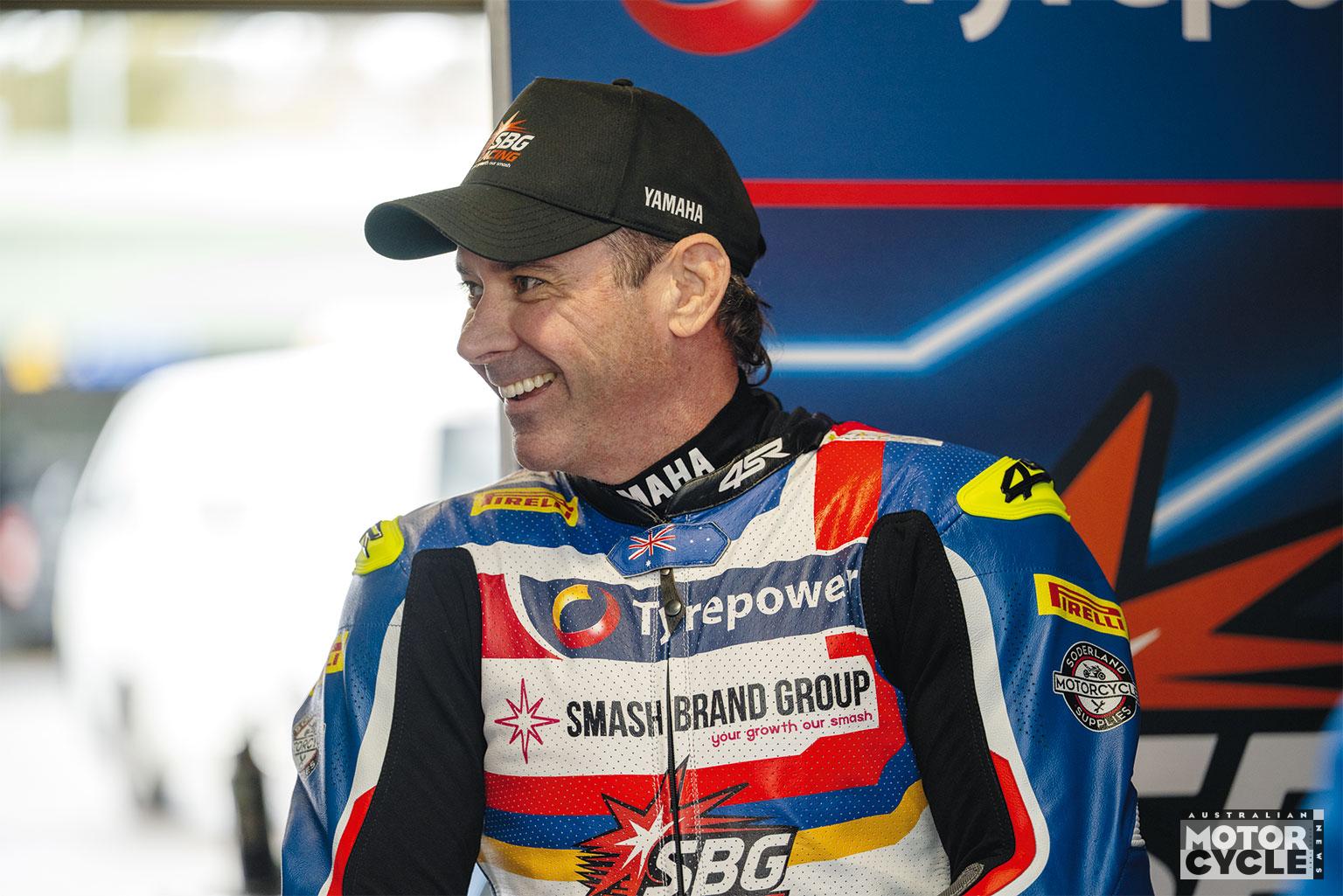
The man on a mission to make Yamaha’s R9 as competitive in ASBK as it is in WorldSSP speaks exclusively to AMCN
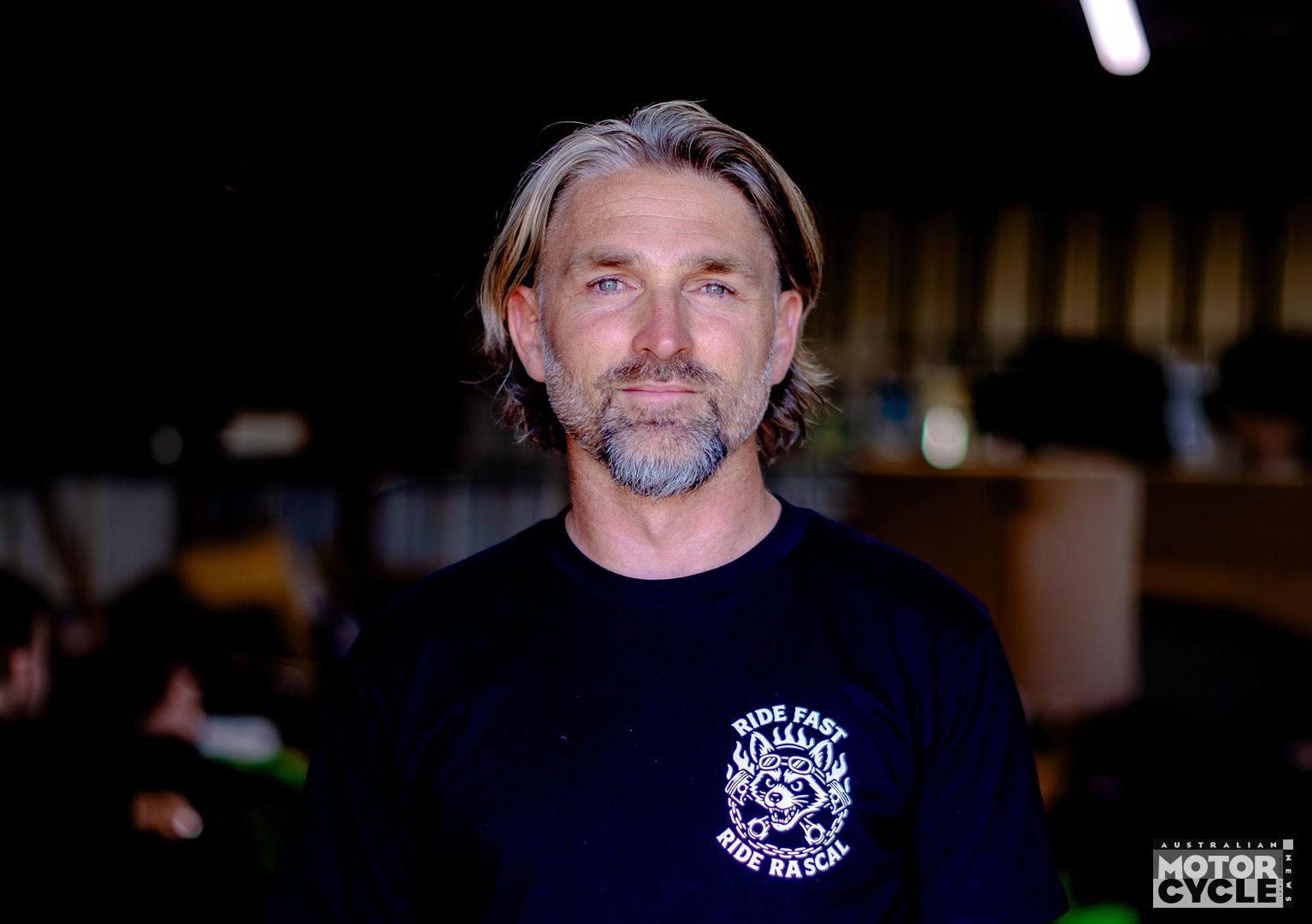
What inspired you to race Yamaha’s R9 in ASBK, Paul Linkenbagh?
I wanted to build SBG RACING into a team capable of competing at the front, and the R9 presented an exciting opportunity to develop something new. We knew a new platform would require considerable work, particularly without an established local knowledge base or readily available race parts. But I’ve always been someone who likes to have a go. With the right people, proper investment and strong riders, I believed we could build a competitive package.
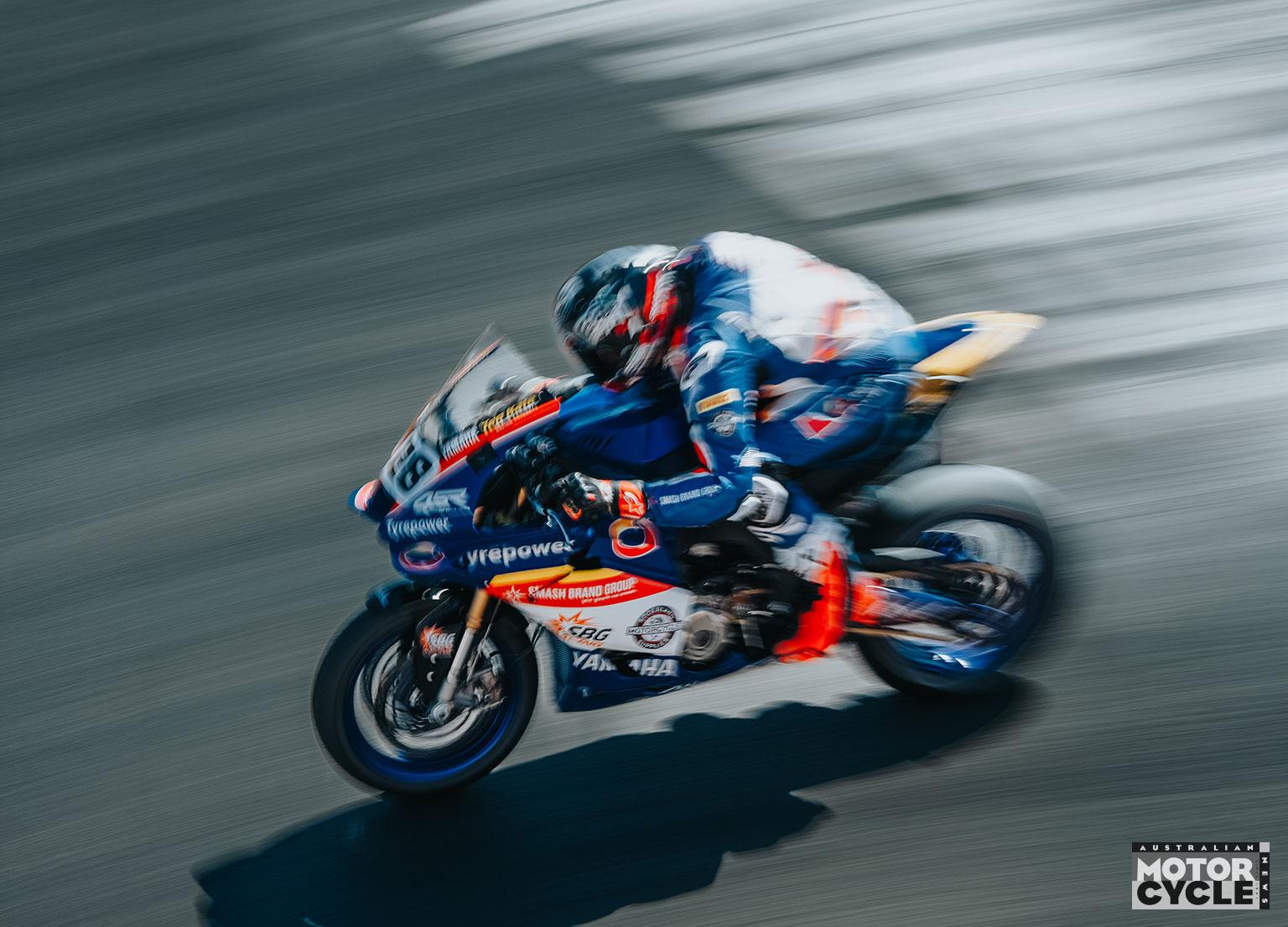
That said, to be honest, the task turned out to be much bigger than I anticipated, and we didn’t fully appreciate that until we were well down the road. The R9 was new globally, and a program like this hadn’t been done here in Australia. We found ourselves searching worldwide for technical information, set-up advice and guidance from people already racing the R9.
How did you get the ball rolling with sponsors, bikes and crew?
The roots of this operation came to life four years ago when Tyrepower began sponsoring me in the ASBK Superbike class. That relationship went well and progressively grew into the operation we have today, including our commitment to the Next Gen Yamaha R9 program. That meant investing in bikes, team transport, equipment, parts and, most importantly, the people needed to bring it all together. Tyrepower’s support has been a major part of the program, alongside Yamaha, 4SR, Symbolic Signage, Soderland Motorcycle Supplies, Pirelli, Motul, Road Spark and Smash Brand Group.
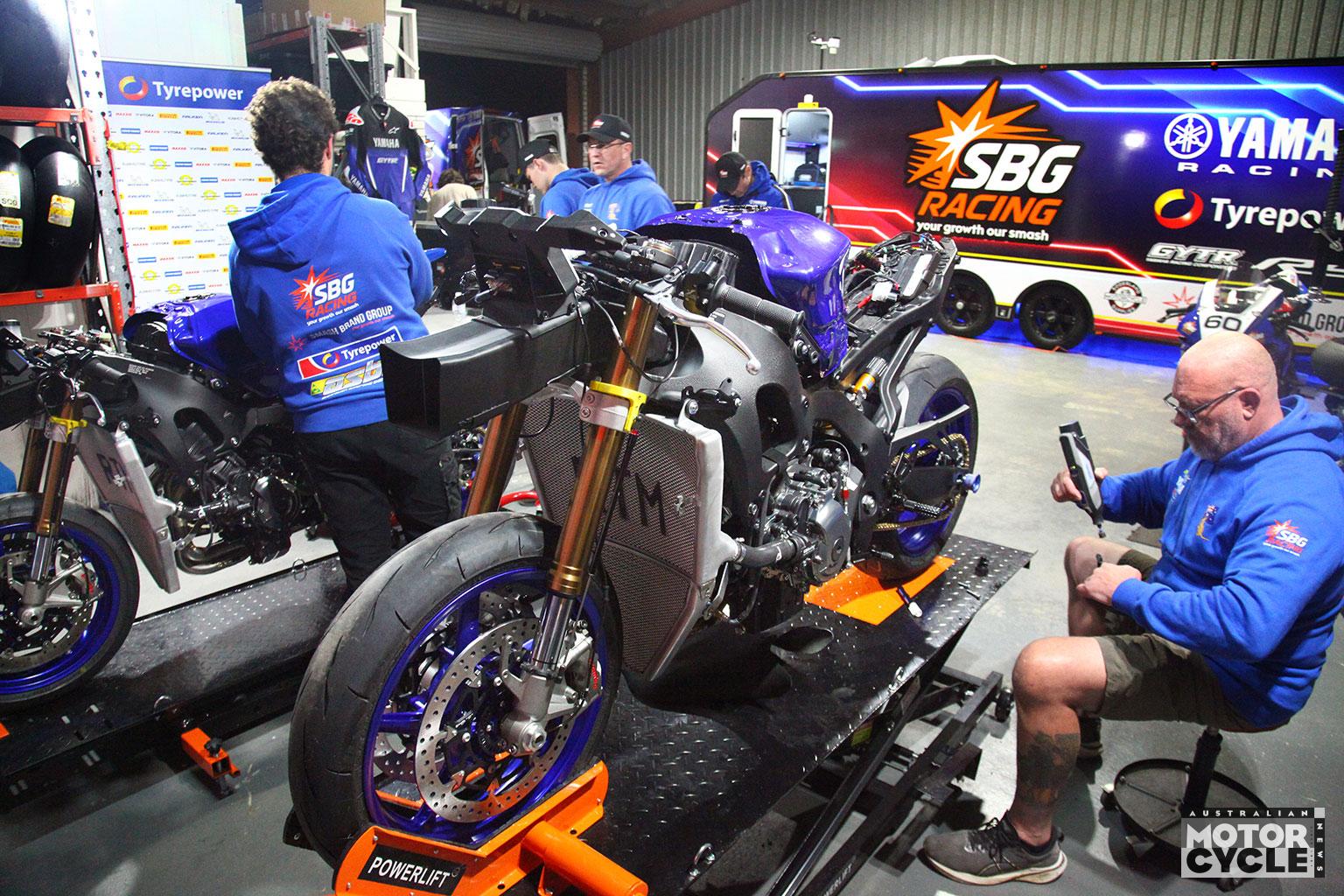
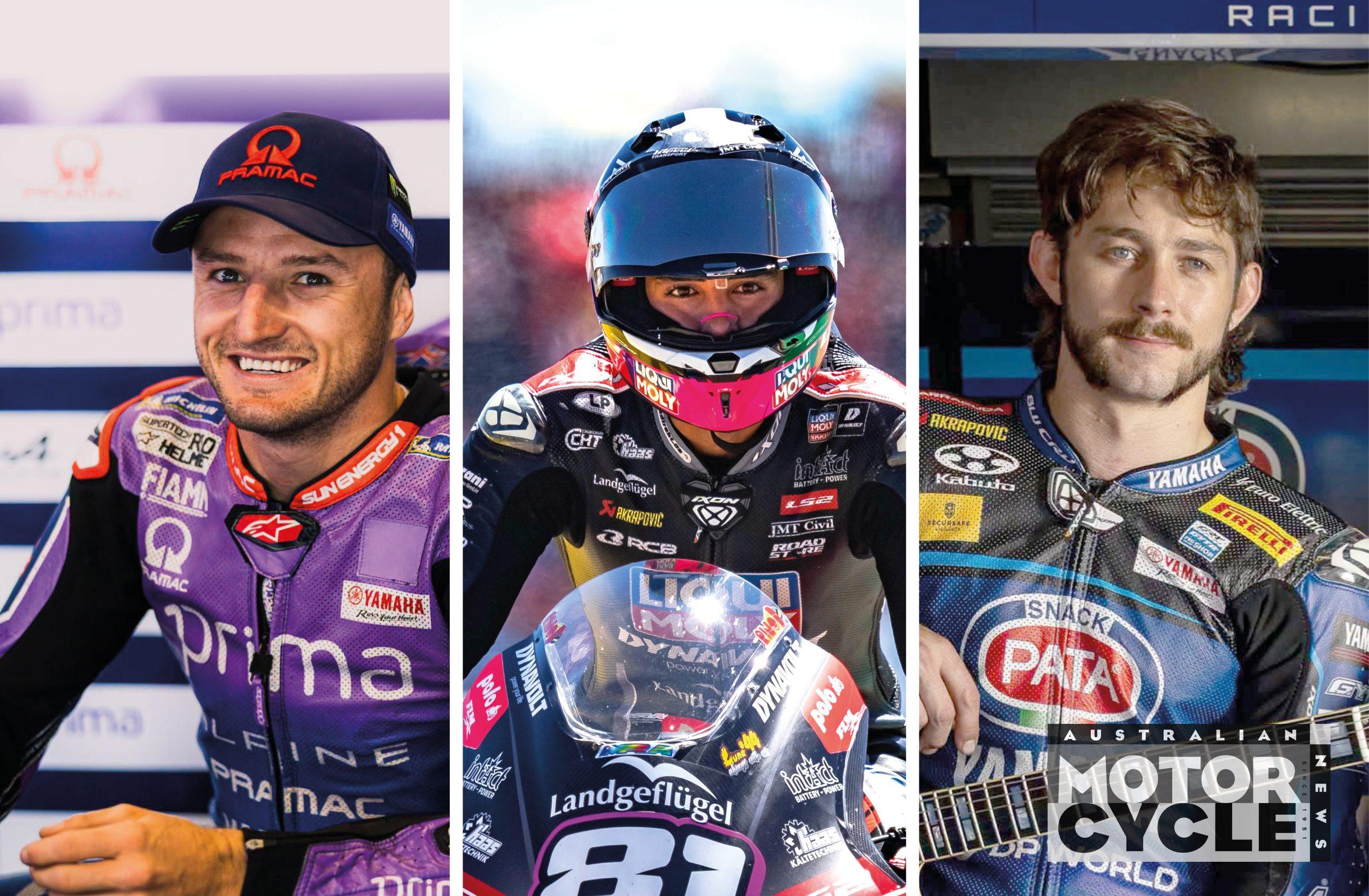
Our race line-up consists of two R9s for Josh Soderland and Tom Toparis, plus the R1 I’ll race in Superbike. We now have two complete R9 race bikes and are building a third to around 90 per cent completion. That will provide spares and give us the option of a replacement bike during an ASBK weekend if required.
A huge amount of work has gone into this program, and I must start by thanking my wife, Tess. She’s a saint for putting up with me spending what feels like every spare moment at the workshop. Her patience and support have made so much of this possible.
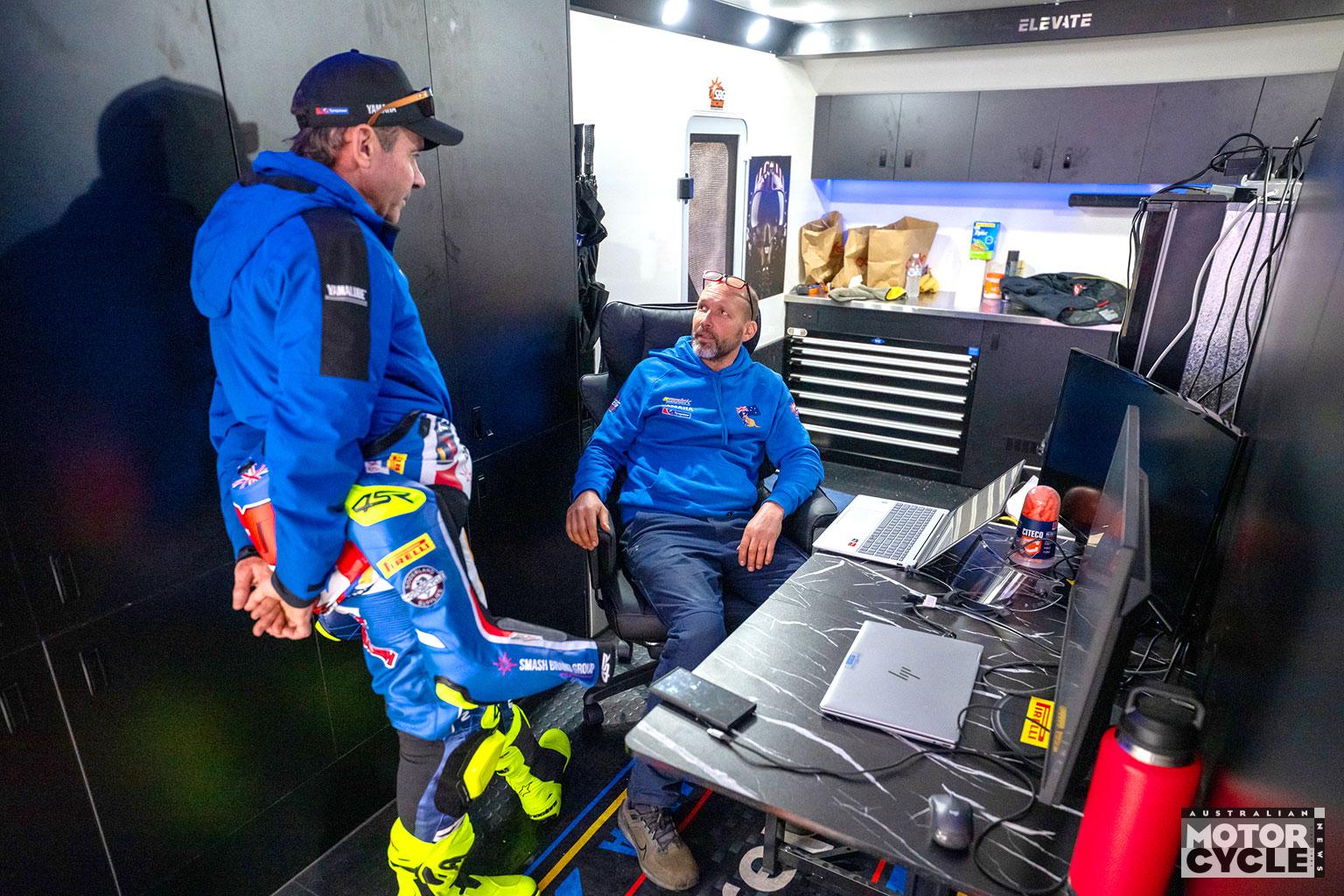
On the crew side, Wayne Goldstraw has been there from the very beginning, alongside Rob Nelson, Gabe Cross, Lachlan Nicholas, Glen Richards and Jamie Stauffer, who has built two of our engines. Hayden Rouse, who is working in the CIV Italian SBK championship and WSSP on an R9 as a data tech guy, has been instrumental in giving us advice and inside info. He will work with us, hopefully on ground here in Australia for the season, or up until testing starts in Europe where he will be overseeing and advising us from there. It has been a massive team undertaking and the people are every bit as important as the equipment. I also have to thank Ten Kate Racing (based in the Netherlands). They’ve been fantastic in helping us source GYTR parts and understand how everything fits together.
Did you extend your existing workshop?
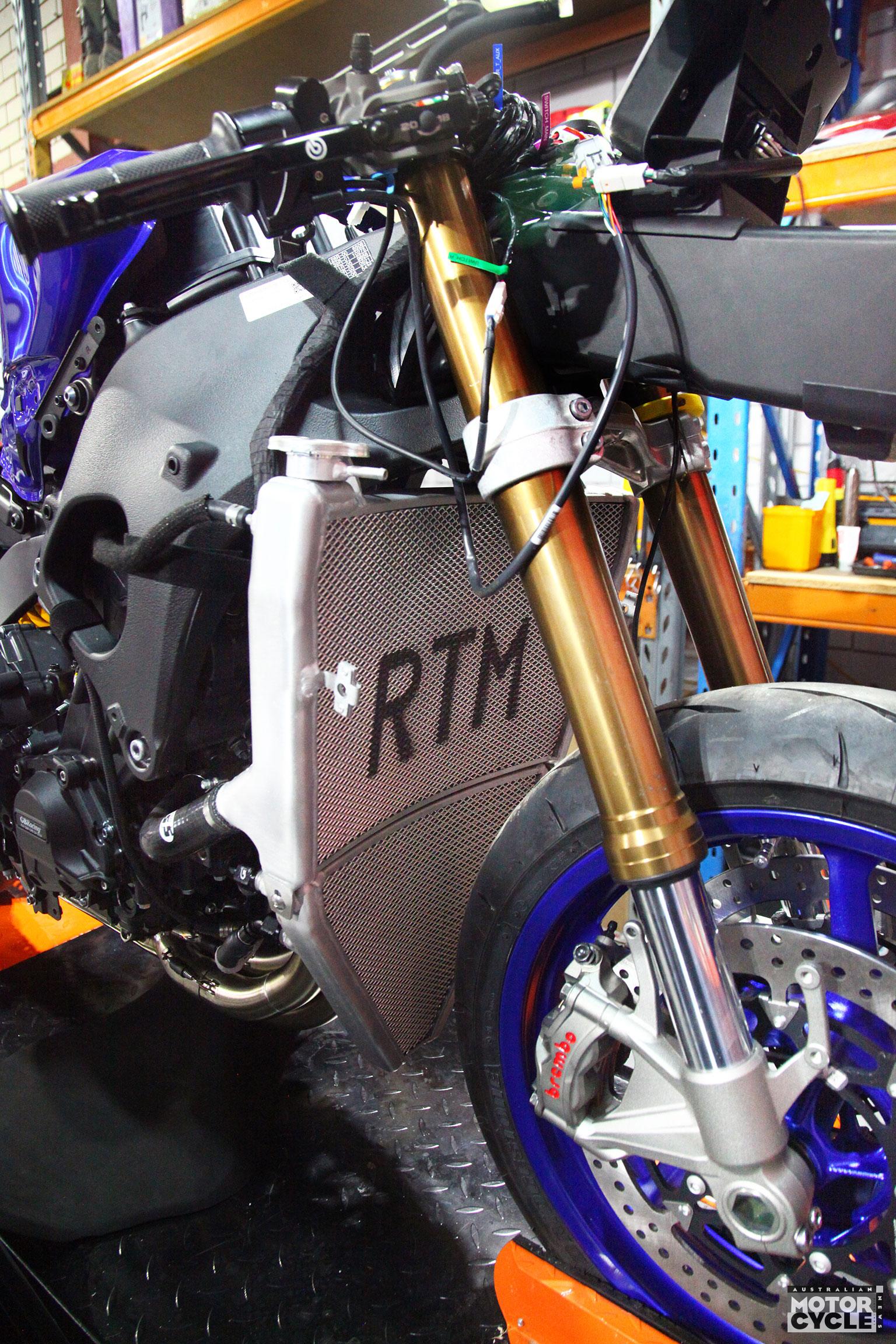
No, we acquired a Sydney workshop in April to give us the facilities to develop the bikes and house the vehicles, motorcycles and equipment. It’s a substantial operation, so a large factory was essential. The investment has gone well beyond the motorcycles. We’ve put considerable effort into the transport vehicles, equipment, and overall team set-up to support a three-bike race program properly. We wanted to give our crew the space and resources to prepare competitive bikes and continue developing them throughout the season.
How did you source parts and knowledge?
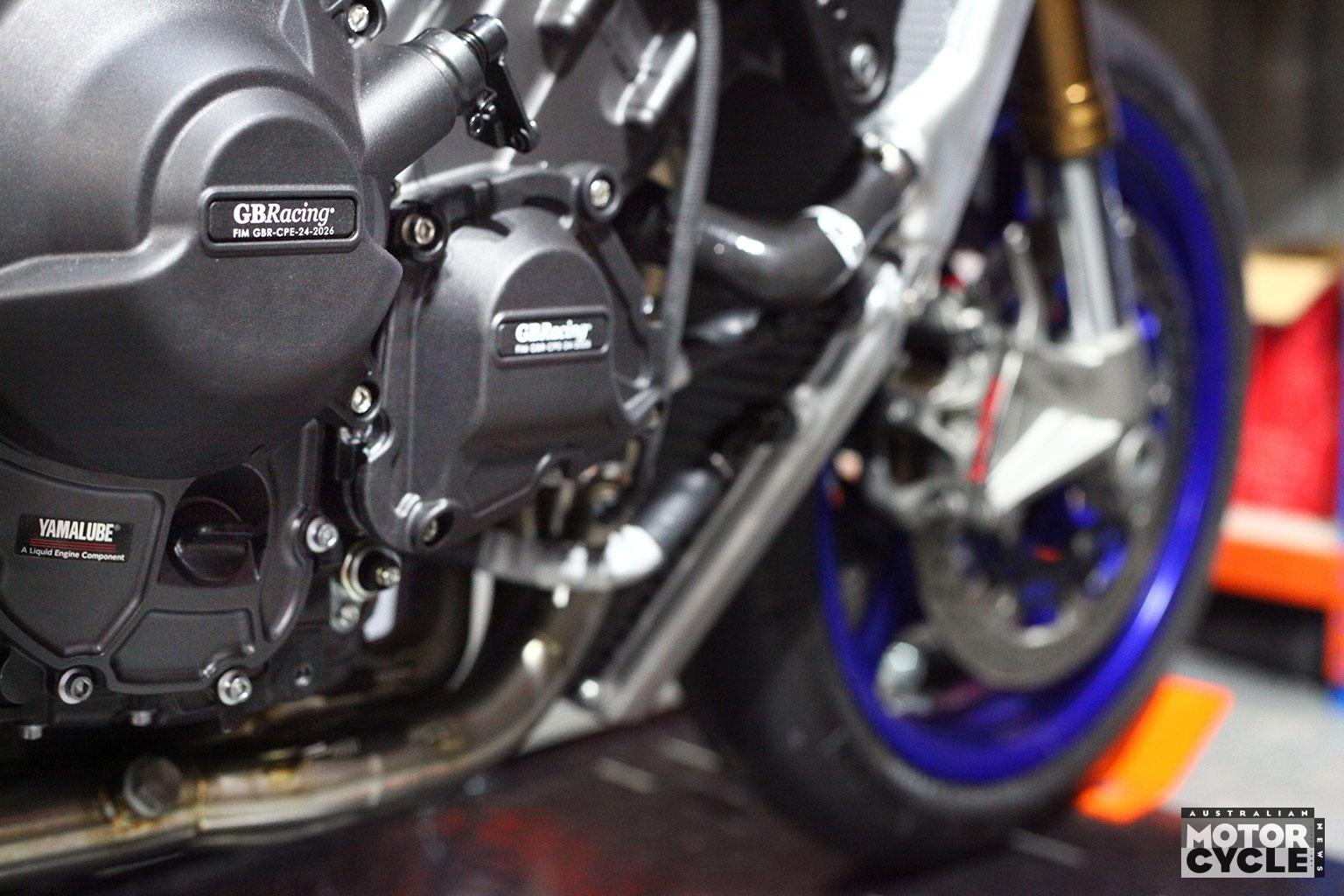
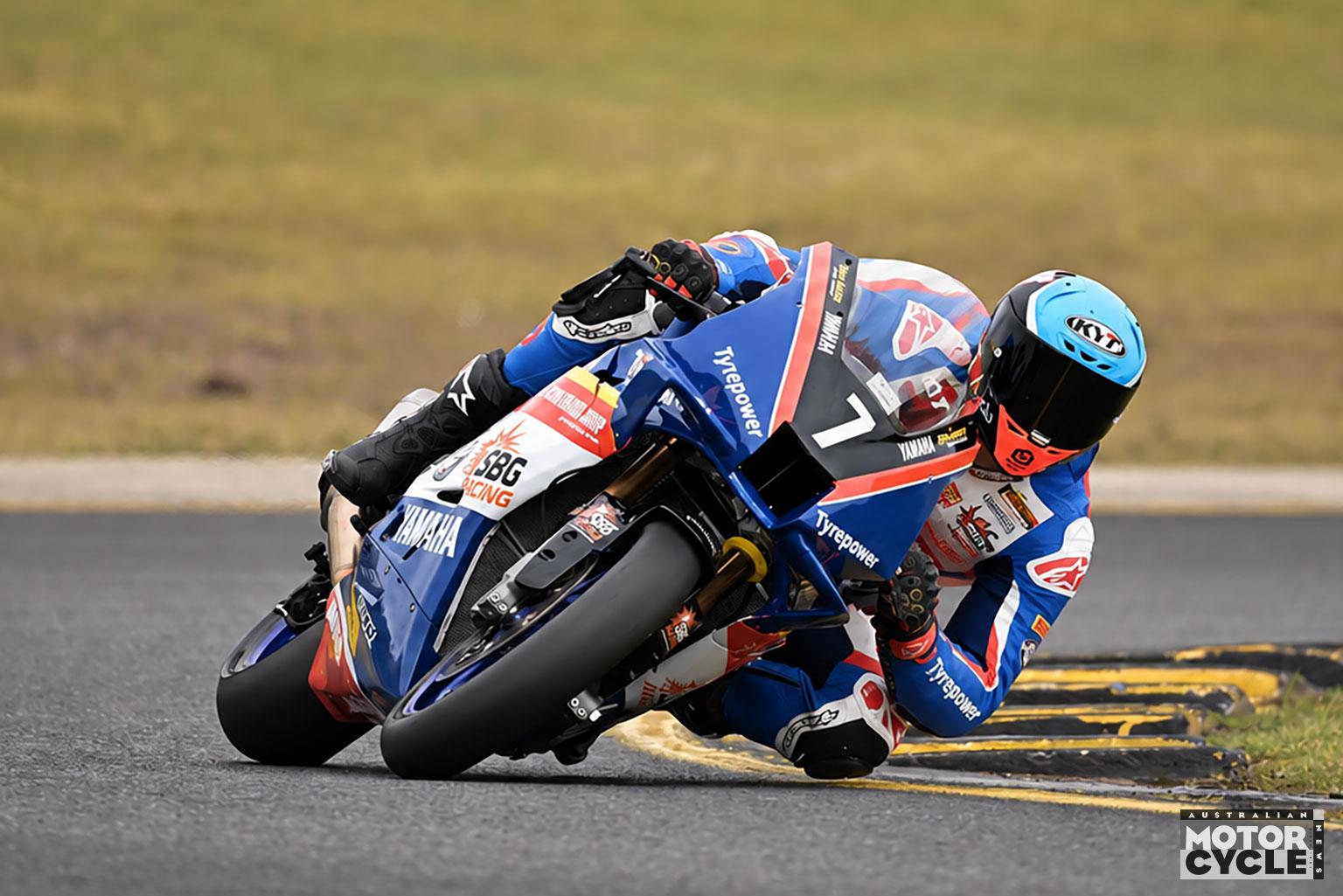
With limited local experience of the R9 in race trim, we had to look overseas for parts and knowledge. Ten Kate Racing has been particularly helpful, both in sourcing GYTR components and helping us understand what was required and how the parts fitted into the overall build.
It has taken a considerable commitment to put the package together and establish a supply of spares. We’ve invested in a spare engine, additional components and a rolling chassis that we’re building into the third R9. The aim is to arrive at race weekends as prepared as possible and give ourselves options if something goes wrong. Hopefully, we’ve covered most eventualities.
How did you choose the riders, and why bring in Tom Toparis rather than race the R9 yourself?
Josh Soderland was a strong choice for the program seeing as how SBG had been supporting him for a few years leading up to this point, and bringing Tom on board gave us the opportunity to put two very competitive riders on the R9s.
We’ve made a substantial investment in this team, and I wanted a rider line-up that gave us the best chance of turning that investment into results. Signing someone of Tom’s calibre was a big part of that decision.
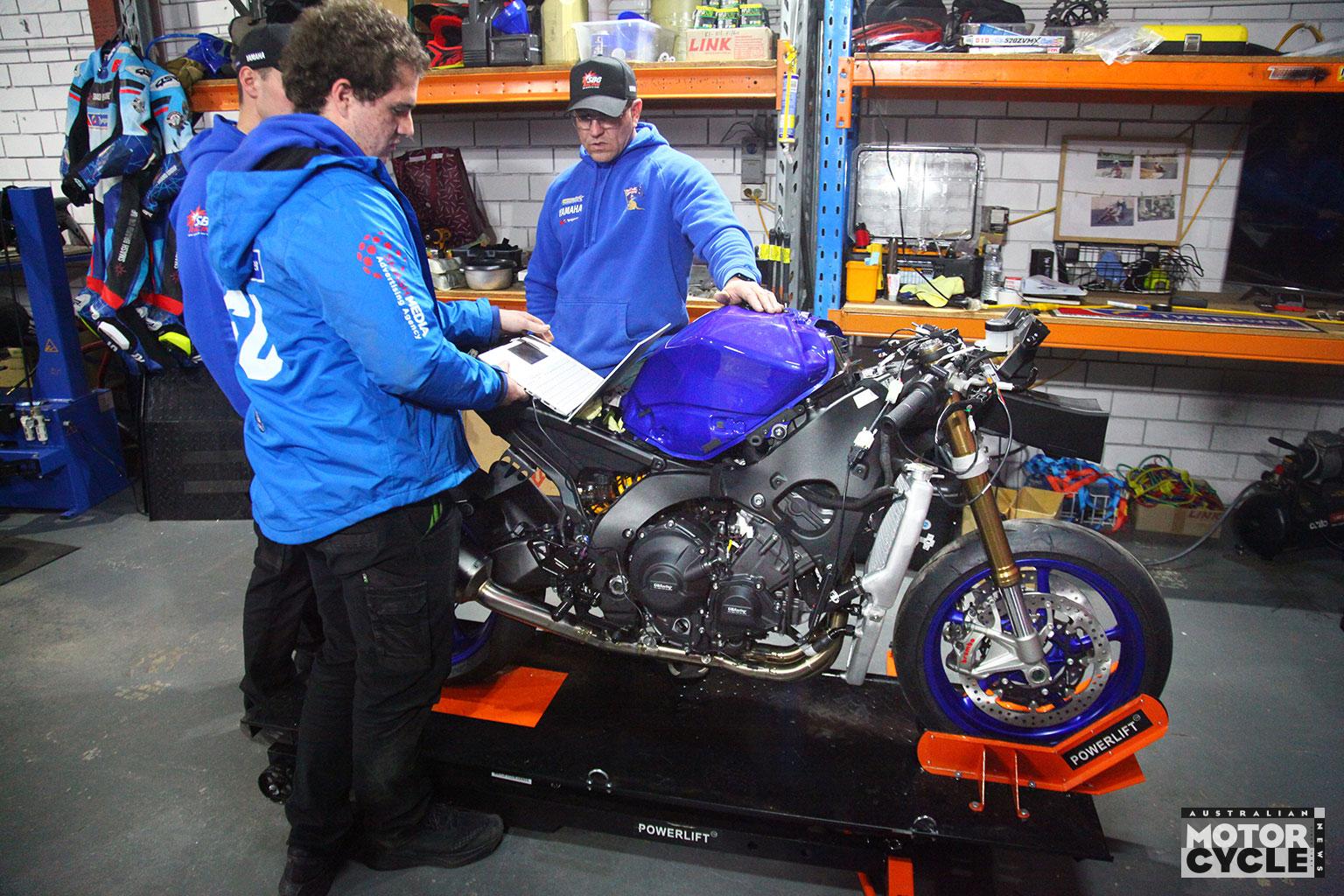
Tom brings two championship wins, in 2019 and 2020, along with competitive experience in the British Superbike paddock and other European championships. We’re very fortunate to have him on our bike.
I’ll race the R1 in Superbike, while Josh and Tom lead our Next Gen campaign. We have high expectations, and I believe their talent and experience, combined with the package SBG Racing is providing, can put us up the front.
What was the biggest challenge in getting the standard R9 to race specification?
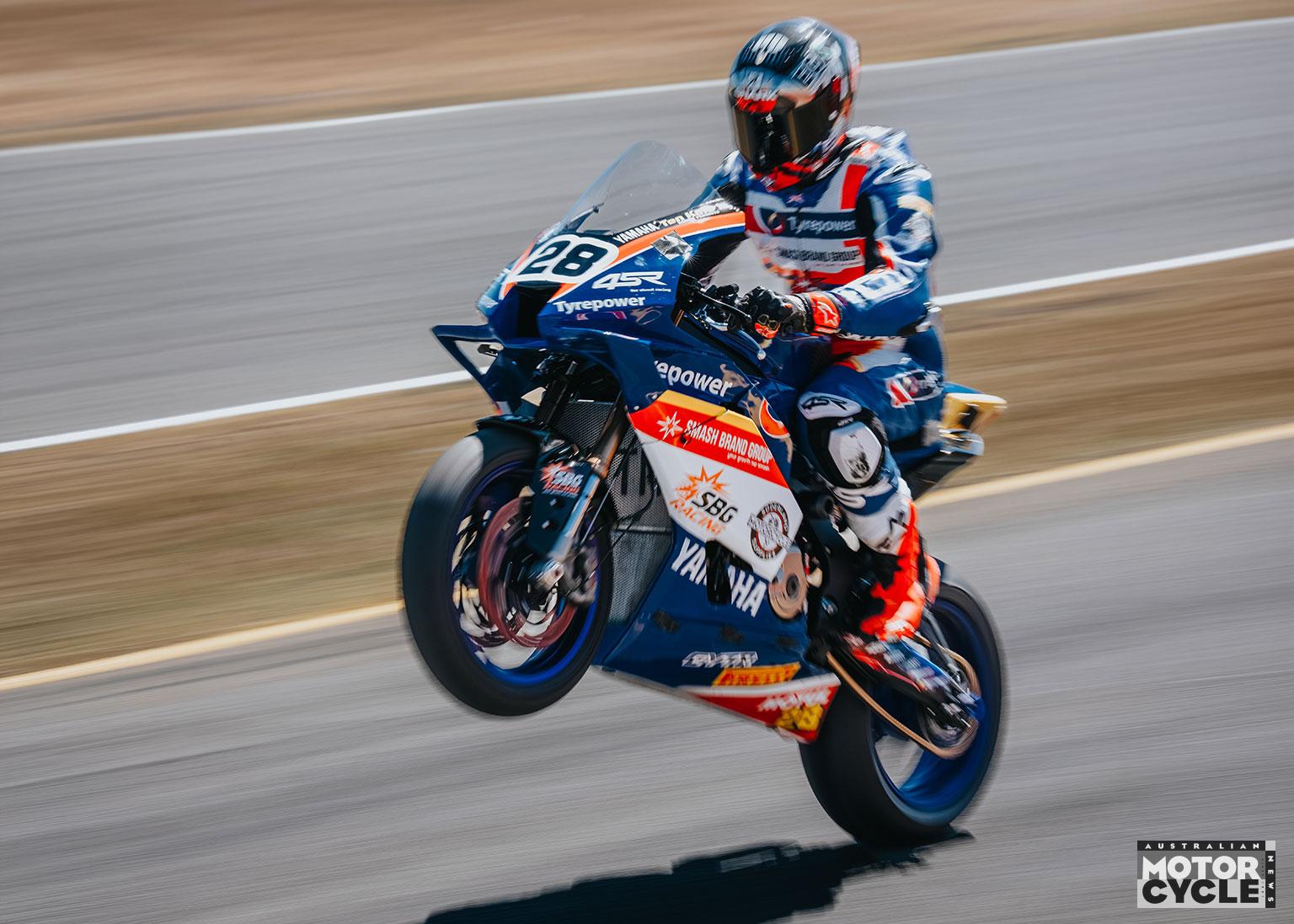
The biggest challenge has been bringing all the elements together into a complete, competitive package while building our understanding of a new platform.
Sourcing the right parts is one step. Making sure those parts, the preparation and the technical support translate into a bike the riders can use confidently and consistently is where the real work comes in.
Getting the bikes running properly gives us a starting point. From there, we need to keep developing the set-up around rider feedback and what we learn at each test.
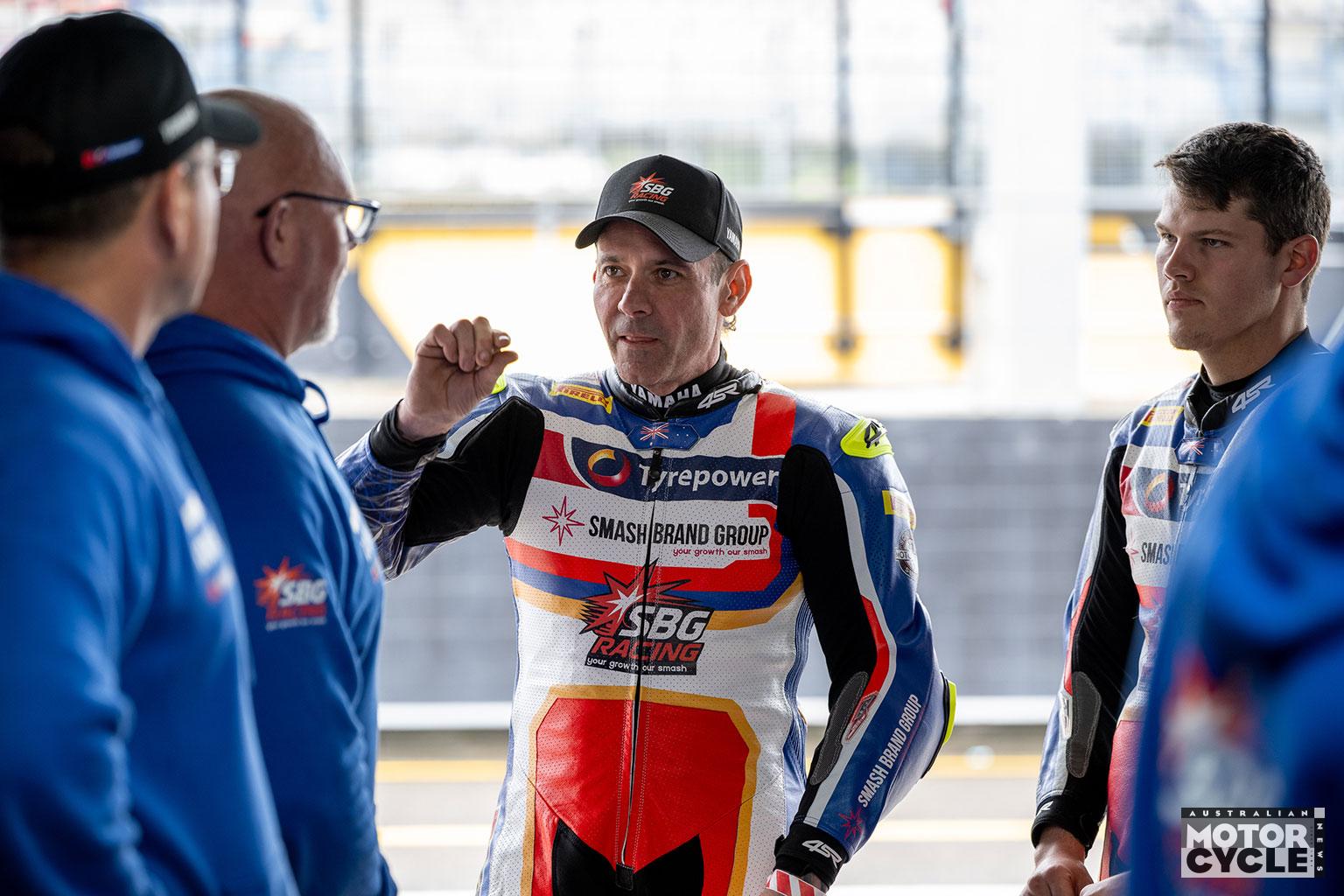
What did you learn from your first test at Sydney Motorsport Park and then at Queensland Raceway?
To be honest, the early testing showed us how much work we still had to do. By day three, we had the bikes running properly, which allowed us to start focusing on set-up.
We’ve just completed a further two-day test at Sydney Motorsport Park, and the results exceeded our expectations. Tom gelled with the R9 almost immediately, which was very encouraging.
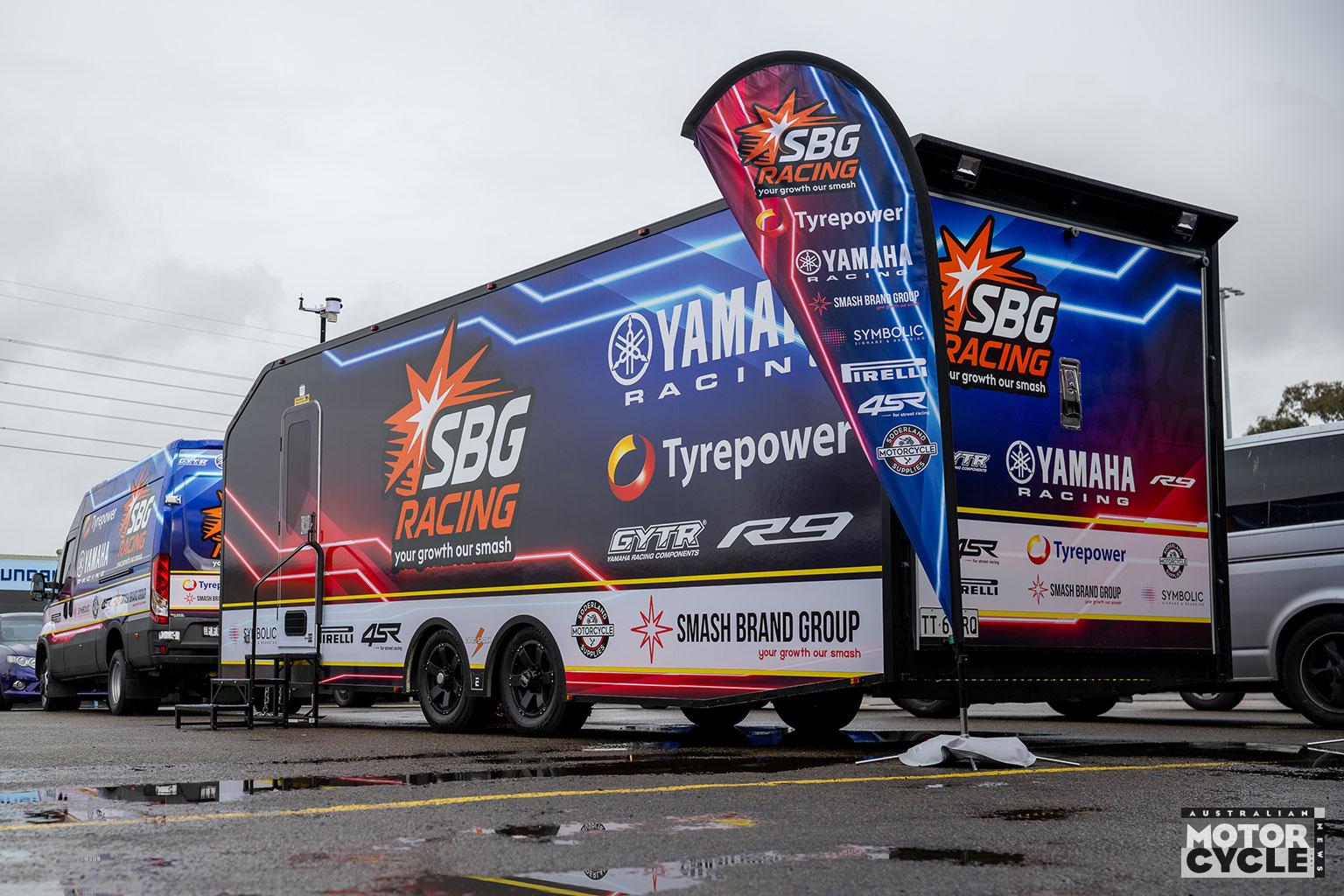
There are still areas where we can improve, and we’re now working through those changes before the first Nex Gen round at The Bend in November. Each test helps us turn rider feedback and technical findings into clear priorities for the next stage of development.
We have high expectations, but we understand the work required to achieve them. Everyone has put an enormous effort into this program, and we’re committed to continuing that work to build SBG Racing into a championship-winning team.