Deputy Ed Hammer gets an exclusive inside look at South Australia’s MotoGP and WorldSBK projects as the clock ticks down
By any measure these are huge tasks. Construct MotoGP’s inaugural 4.13km city-centre circuit in time for its first race on 12-14 November 2027; modify The Bend’s 4.95km International Circuit in time for it to host its first WorldSBK race, most likely in February 2028. Tough tasks for sure but rather than appearing to be even slightly overwhelmed by the challenge, both Adelaide’s MotoGP track designers and the builder, owner and manager of The Bend, Dr Sam Shahin, exhibited determination and confidence during the day Neil Morrison and I spent in exclusive briefing sessions with them late last month.
However, there is nowhere to hide now as the mainstream media’s school of sharks has already got an early whiff of potential blood in the water.
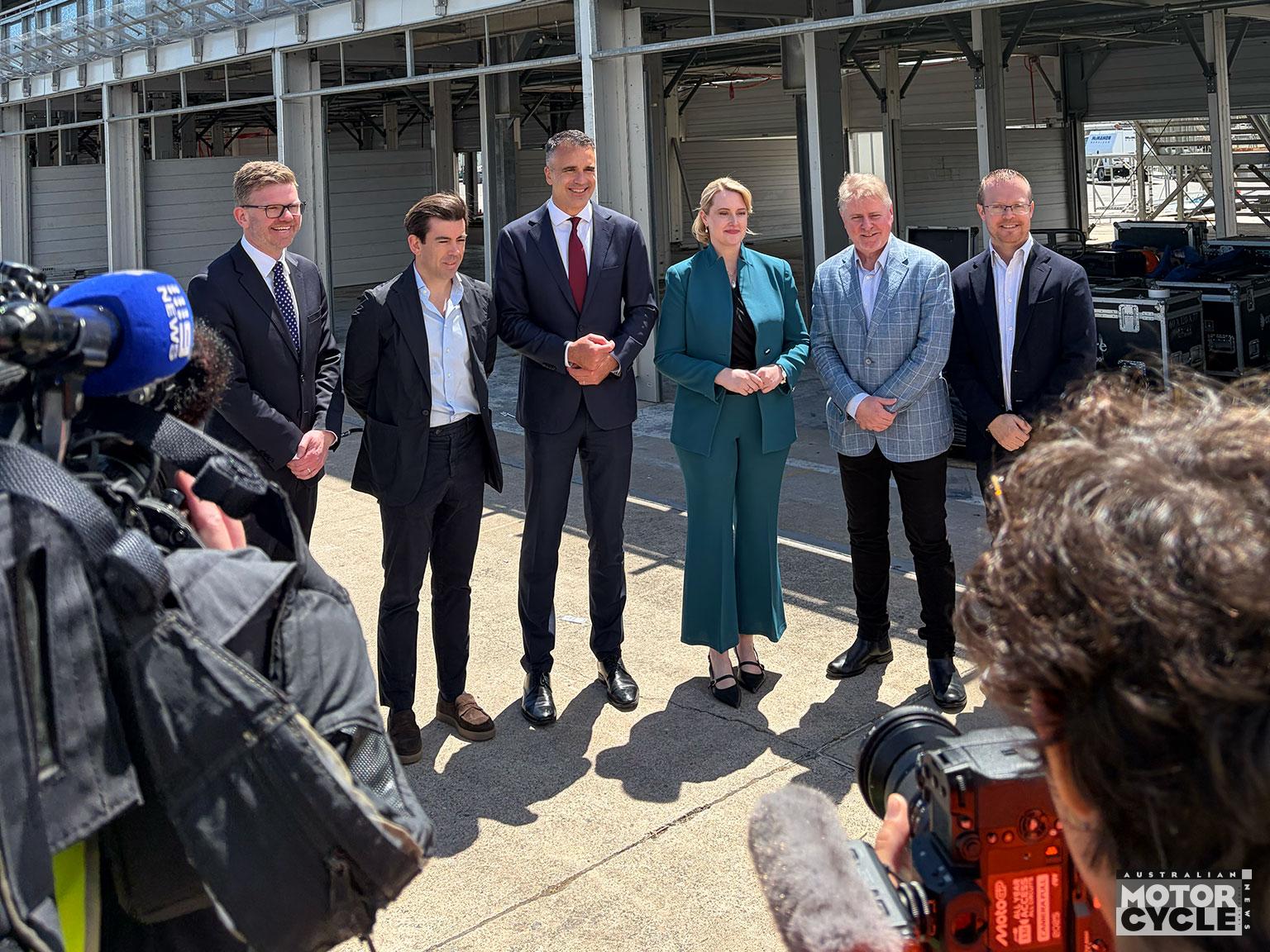
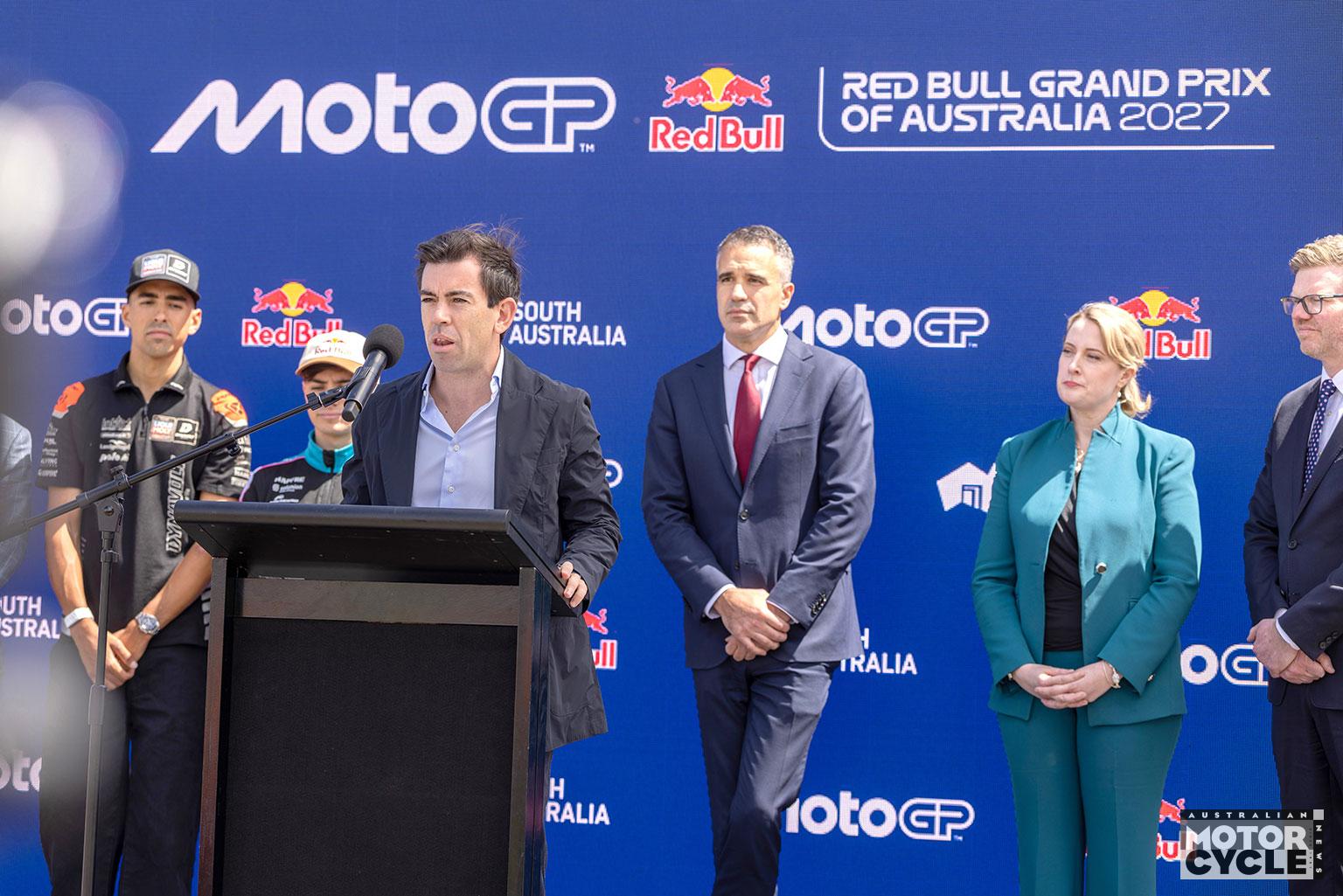
Our first briefing came soon after a parklands press conference where Premier Peter Malinauskas announced the MotoGP project had received Federal Government affirmation that it meets requirements of the Environment Protection and Biodiversity Conservation Act. This means construction work can officially start anytime that suits the builders.
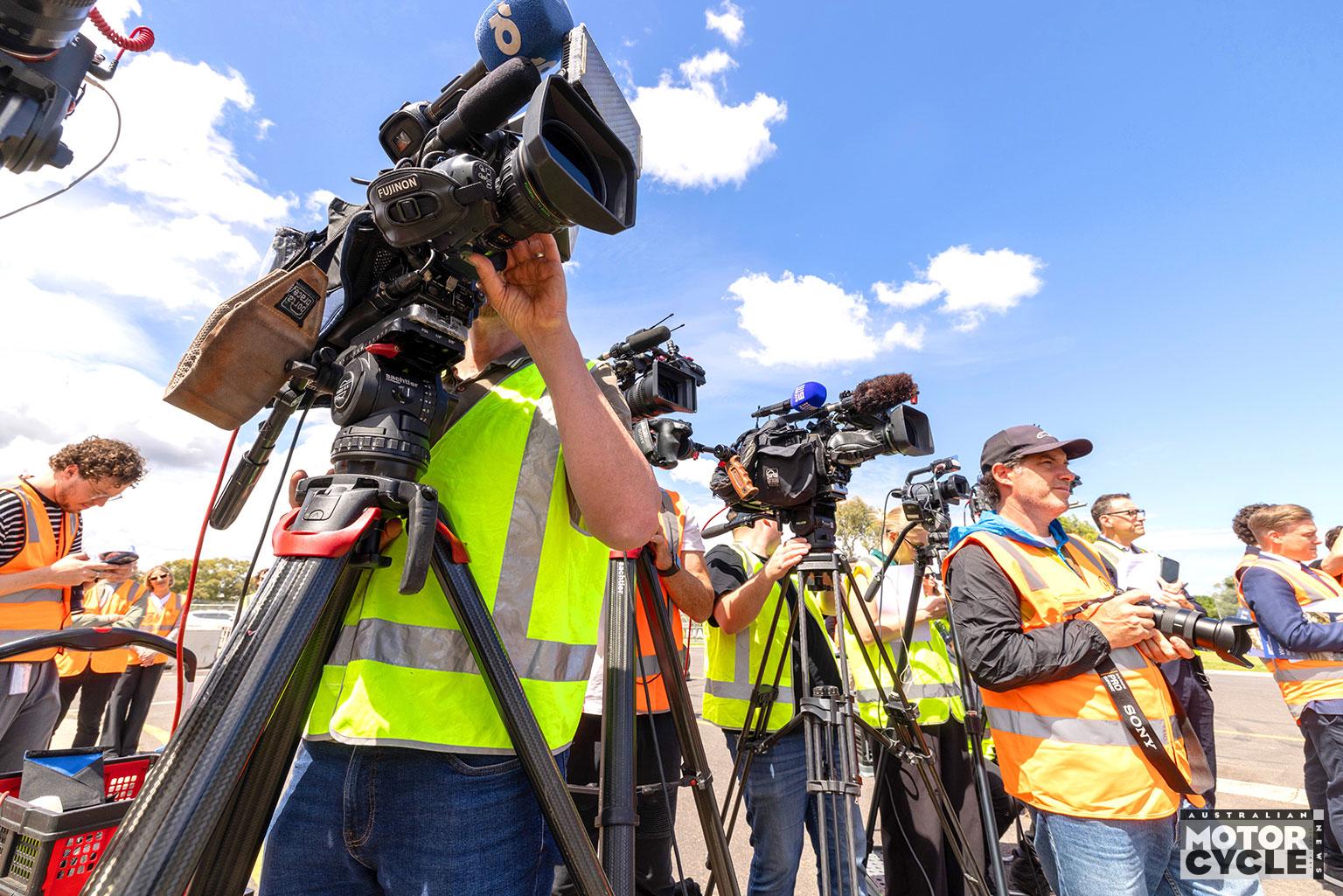
After several dignitaries had spoken a television reporter suddenly hijacked the press conference. She quizzed the Premier for some 10 minutes on details surrounding allegations of possible corruption inside the state’s $15 billion Torrens to Darlington road infrastructure project that involves several tunnels and a mini-freeway.
It’s a common tactic of television news reporters to ambush such media events but rather than cutting the reporter off as I expected, Malinauskas patiently answered all the questions.
While there was no suggestion corruption would or could become an issue in the construction of the MotoGP circuit, the incident confirms the state is in a moment of great change that is under the media microscope. The $96m MotoGP budget is chicken feed compared to the $15b transport corridor but it’s an equally important project for the state as it could bring a new era of greatness or failure regarding the future of international motorcycle racing in Australia.
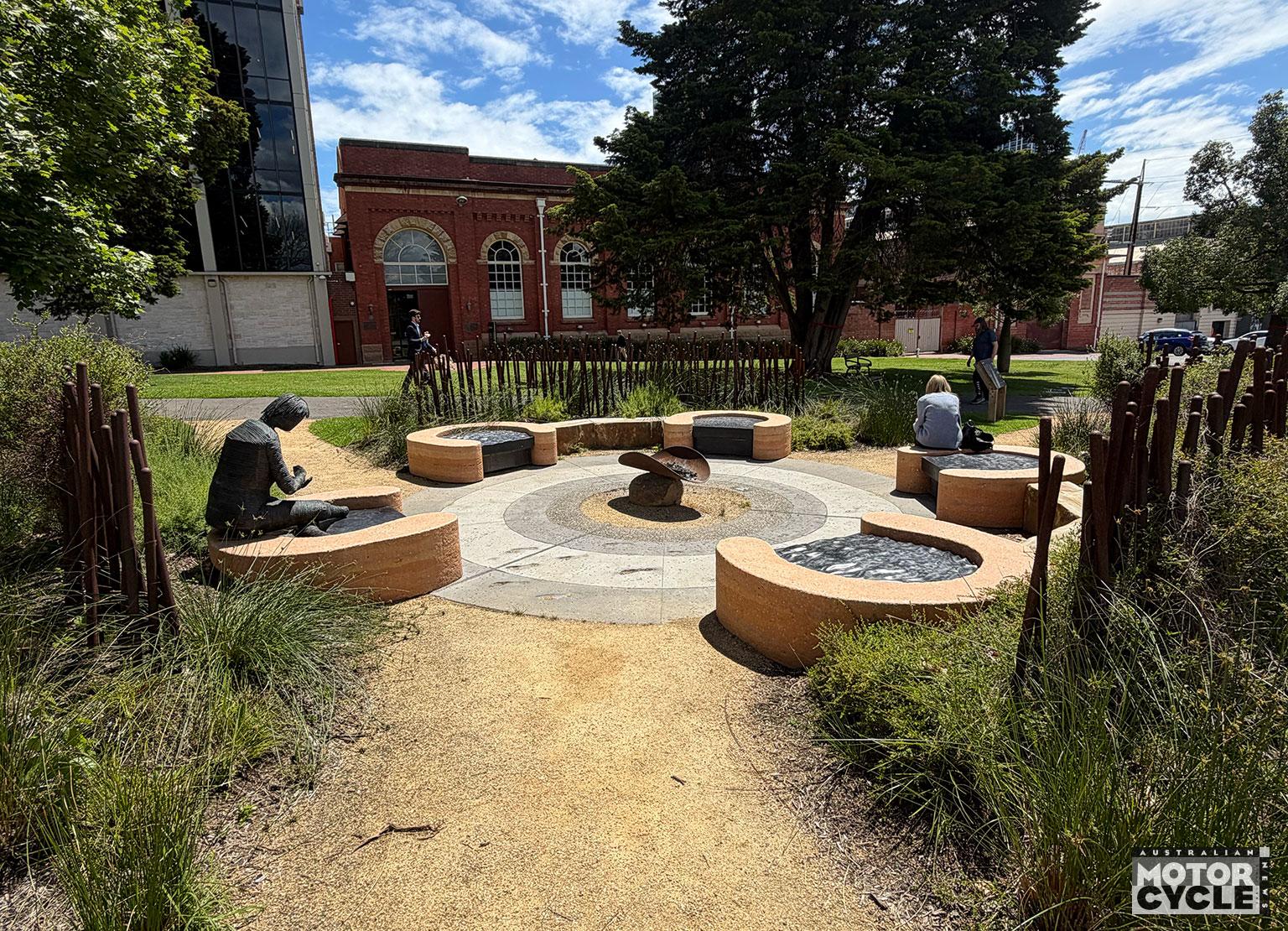
Apart from the construction deadline, every step the circuit designers take is being closely monitored, not only by the local media but by a determined and noisy group of protesters.
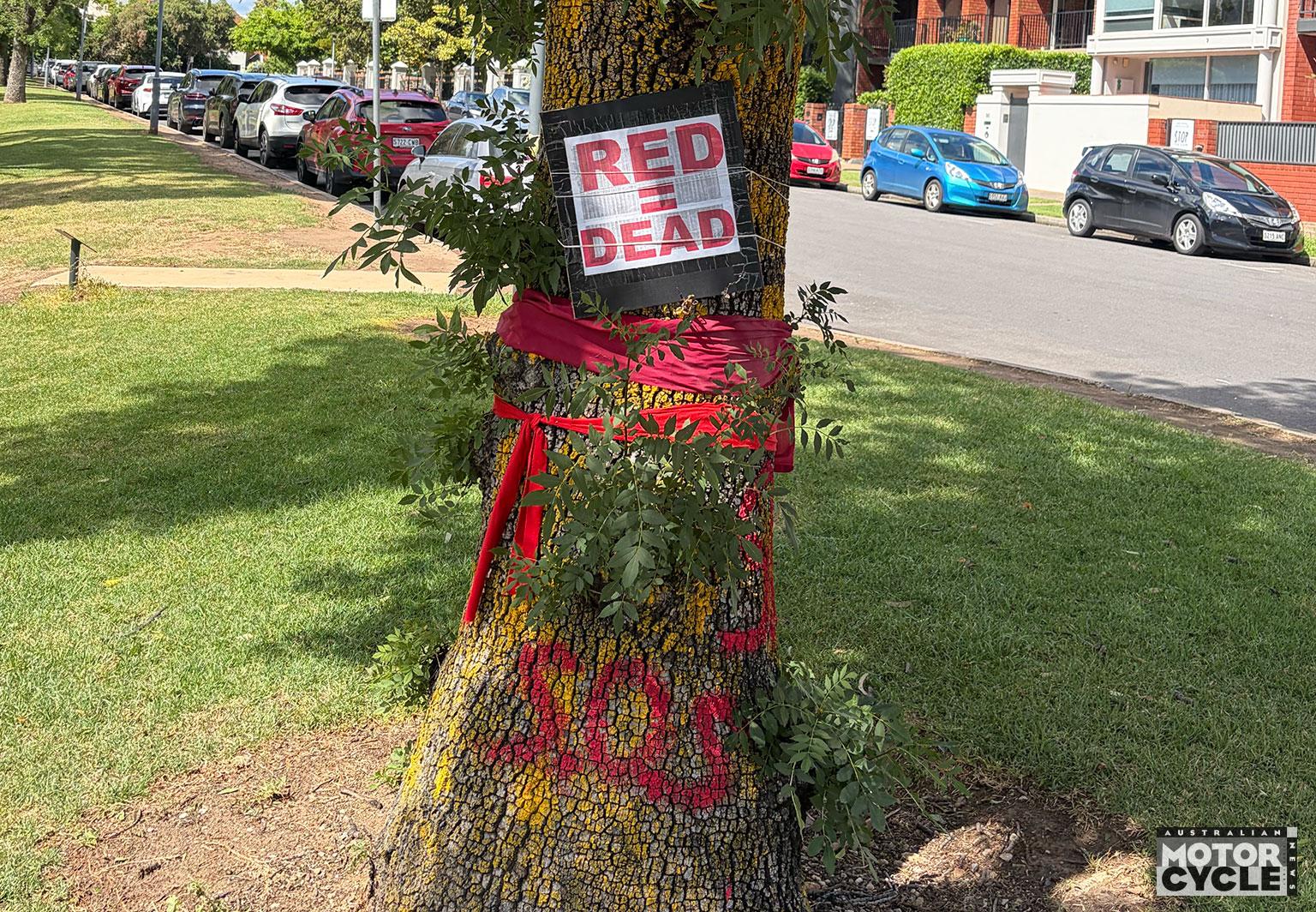
As we walked from the press conference to the construction team’s offices we passed dozens of trees hung with protest signs. There were even some berating the Governor as well as evidence of infighting among the green lobby with one sign calling the Conservation Council ‘corrupt’.
Celebrities including Paul Kelly, Poh Ling Yeow, Kate Ceberano, Peter Garrett and Magda Szubanski have also signed Naomi Keyte’s “Lungs of the City” open letter urging Premier Peter Malinauskas to protect Adelaide’s Park Lands and rethink MotoGP plans involving the removal of 377 trees.
At the press conference Malinauskas had acknowledged the right of locals to protest but said the parklands belonged to the entire population of Adelaide, not just a group that lives around the eastern Parklands site.
So who has jurisdiction over the Parklands; the Adelaide City Council or the State Government? When I asked the Minister for State Development, Chris Picton, he said it wasn’t an easy question to answer as there was a range of ‘stakeholders’ involved. Presumably these include community groups and sports clubs as well as major pop-up operations such as the Adelaide Fringe Festival, second in size only to the Edinburgh Fringe.
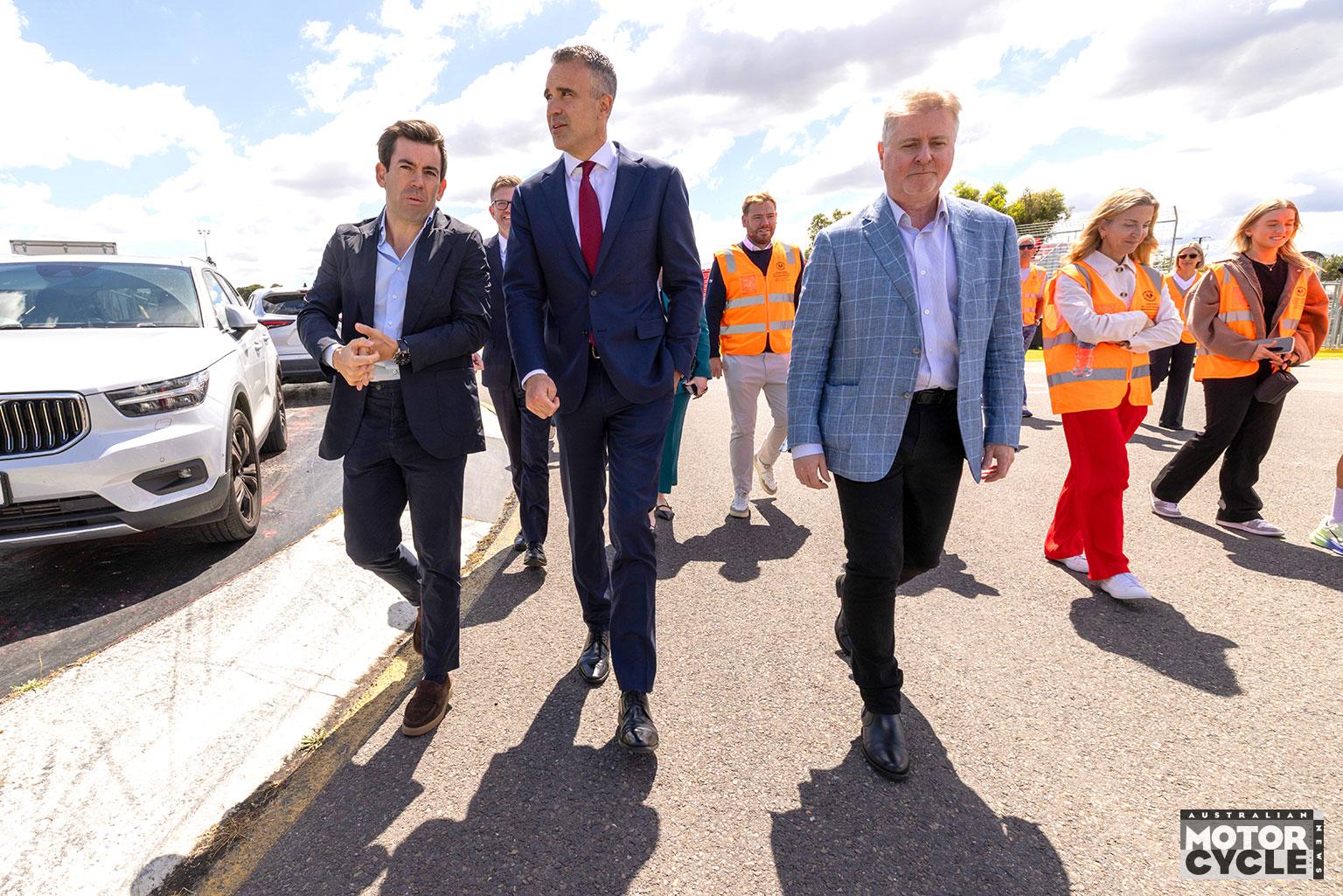
I then asked him if the so-called 1986 F1 GP Act is still relevant.
He corrected me, saying it was actually called the South Australian Motor Sport Act, and that under the Act Victoria Park was declared a ‘motorsport venue’ for the duration of events such as the Supercars Grand Final and MotoGP.
A quick scan of the Act shows it gives the government sweeping powers during ‘prescribed event periods’. These include suspending or modifying legislation relevant to local government, planning and environmental protection as well as road traffic Acts.
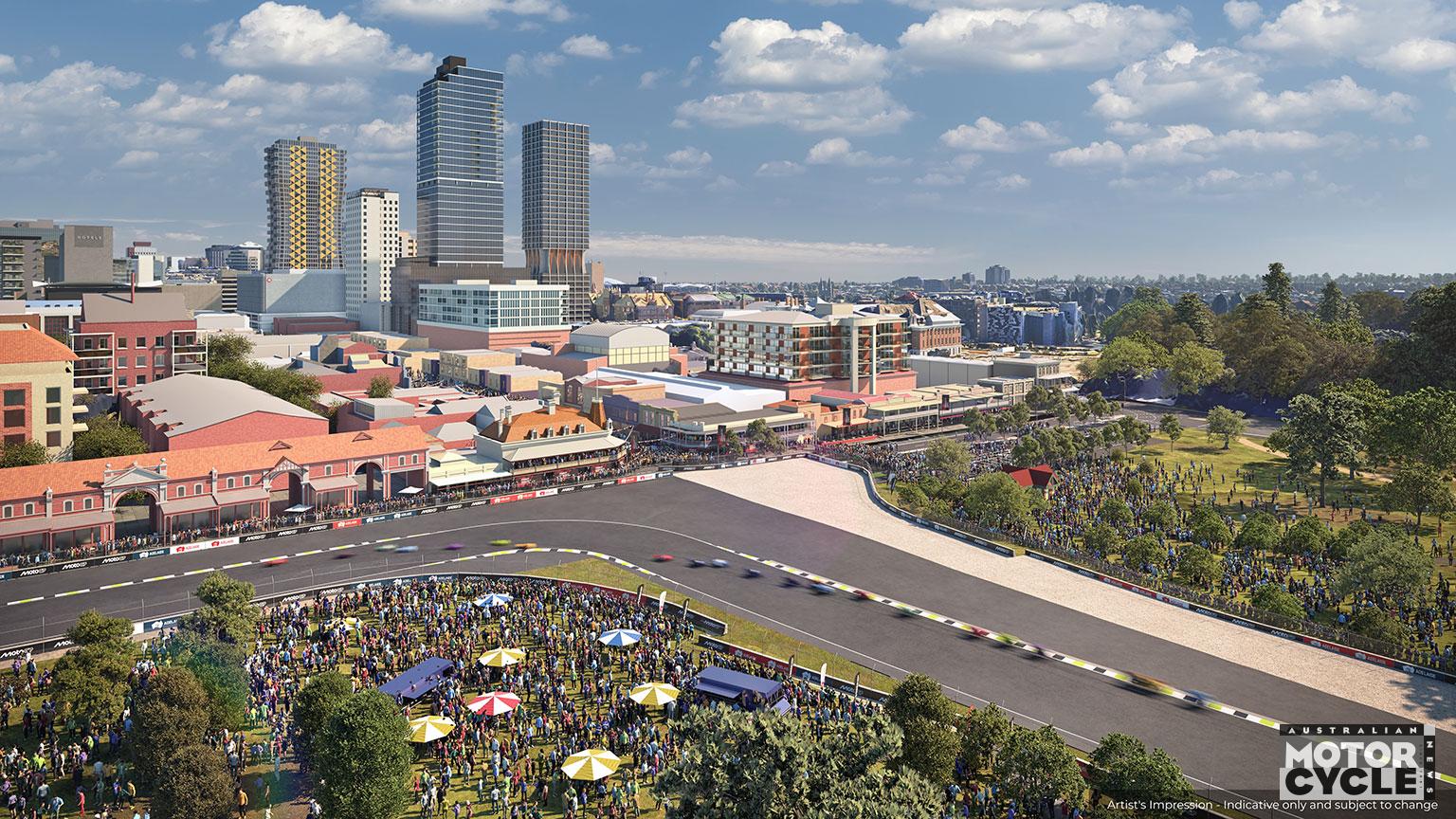
The fact the Act only applies during the setting up, running and dismantling of an event ensures that for the rest of the year the Parklands MotoGP circuit becomes a tar-sealed pedestrian and cycling thoroughfare.
The Adelaide City Council, led by Lord Mayor Jane Lomax-Smith, a former Labor minister, still has unresolved concerns about the MotoGP project.
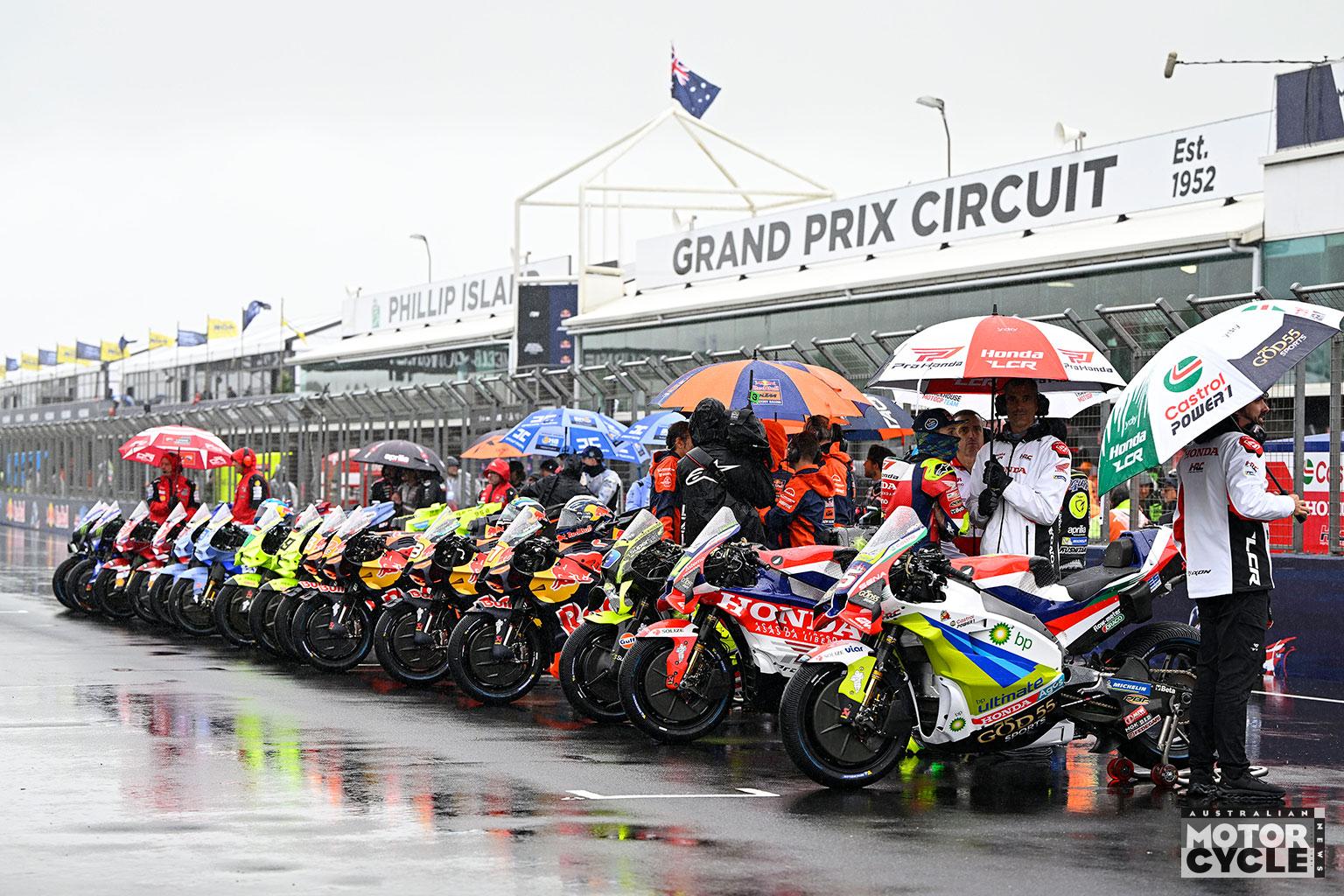
It was a surprise to see her pop up with an umbrella at the final Phillip Island MotoGP to publicly declare she was there to see firsthand how an event like this is run.
I asked Picton if she had been “assisted to get there” and he replied: “No. I didn’t even know she was there until one of my staff pointed it out to me this morning.” Interesting.
Over in the construction command centre Neil and I sat down with key members involved with the circuit design and then bringing it to reality. Also present were Senna Agius and David Alonso, graduates to MotoGP’s premier class next season.
There was an almost electrical buzz of energy from the team as they ran us through the circuit layout. You got the feeling they felt like pioneers pushing back a new frontier.
However, the sheer scale and difficulty of the project is hard to comprehend. Not only will an entirely new circuit be created in the Parklands, the existing road sections will be completely resurfaced and in some places realigned to make the camber suit a racing line.
Some of our readers have asked how the steel inspection covers seen on urban roads would fit into the track. The simple answer is they will be removed, which also involves the more complex task of relocating the power and fibre-optic lines they access.
Around 100 versions of the circuit layout have been considered, with some judged too crazy to develop further, but then being revisited a few months later after it has become apparent that a particular aspect of one might work.
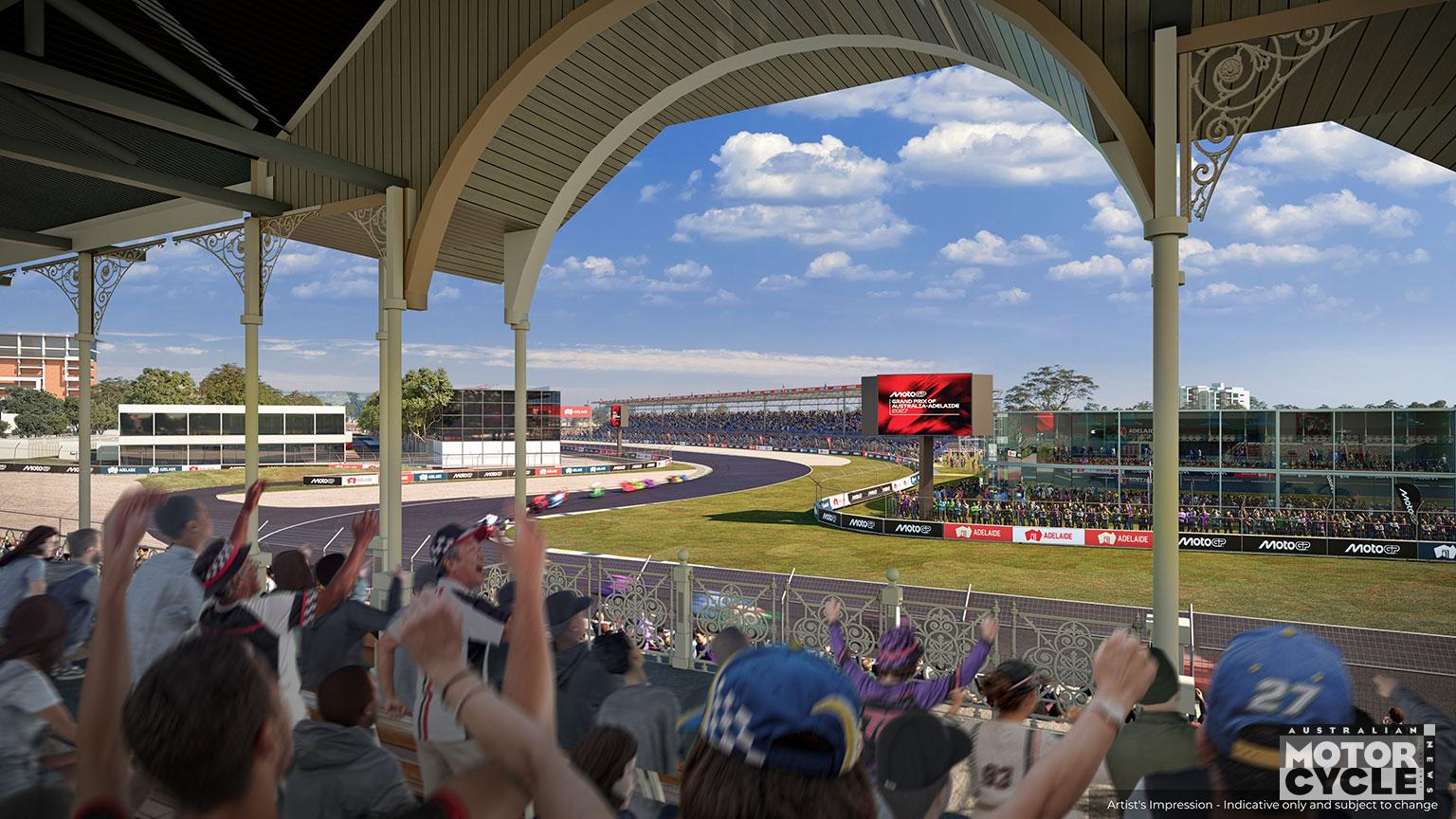
Nearly 400 trees will be removed and 88 transplanted but with a promise of 10 mature-sized trees being planted for every one removed.
The team gave some examples of how the design had been modified to preserve some very ancient trees at the expense of others.
In one case an original part of the old circuit had been moved 60cm in an area that has huge sentimental value to F1 historians. In another area the need to bypass another old tree meant part of the Parklands’ olive tree plantation, that dates back to early colonial settlement, is going. But a significant part of this forest remains.
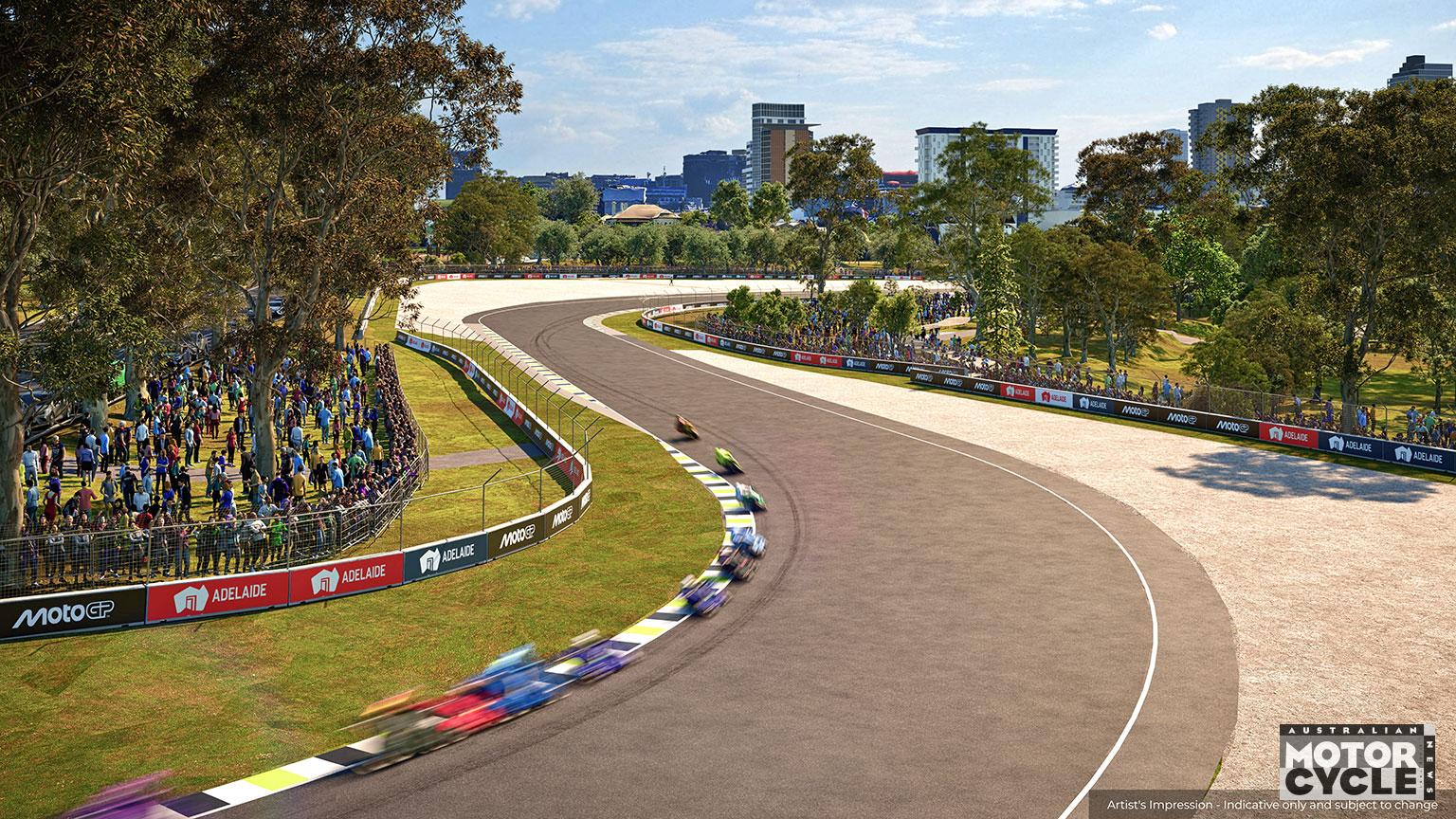
When I asked if the circuit was a typical flat street layout I was told there are natural undulations in the existing Parklands that will add another dimension for racers.
Then came the issue of the actual city roads part of the track, which swings through the old F1 circuit’s heritage eye candy streetscape.
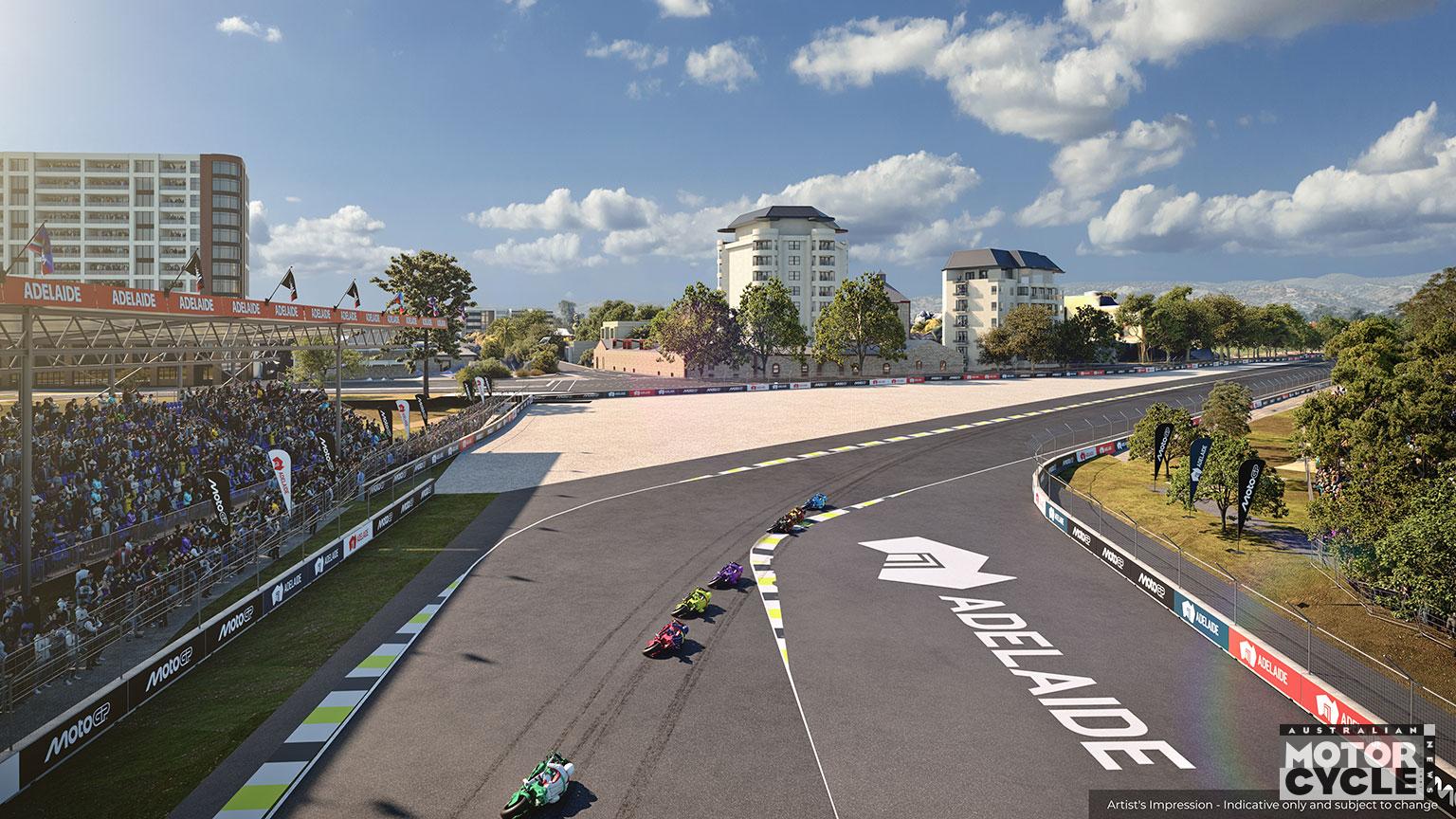
Put simply, both rider and spectator safety have to meet current FIM MotoGP standards so this track is being built to the same level as a dedicated closed circuit. No compromises like you see at the Isle of Man or Macau GP.
Regarding the distance spectators are from the action, an issue raised already by some of AMCN’s readers, the team pointed to the Texas COTA MotoGP circuit for comparisons.
But one issue to be resolved in the street section is using a type of lane marking paint that won’t compromise the racing surface.
Senna Agius then brought up two very relevant points: the shadow effect of trees and the risk of leaf and branch debris getting blown onto the track in windy conditions. The team said handling protocols for these issues were being worked out but it hadn’t been a problem in the decades of Supercars racing on the largely street layout.
Agius and Alonso were then whisked away for some publicity filming while Neil and I drove an hour from the city centre out to SA’s other big racing project to a briefing we had arranged ourselves.
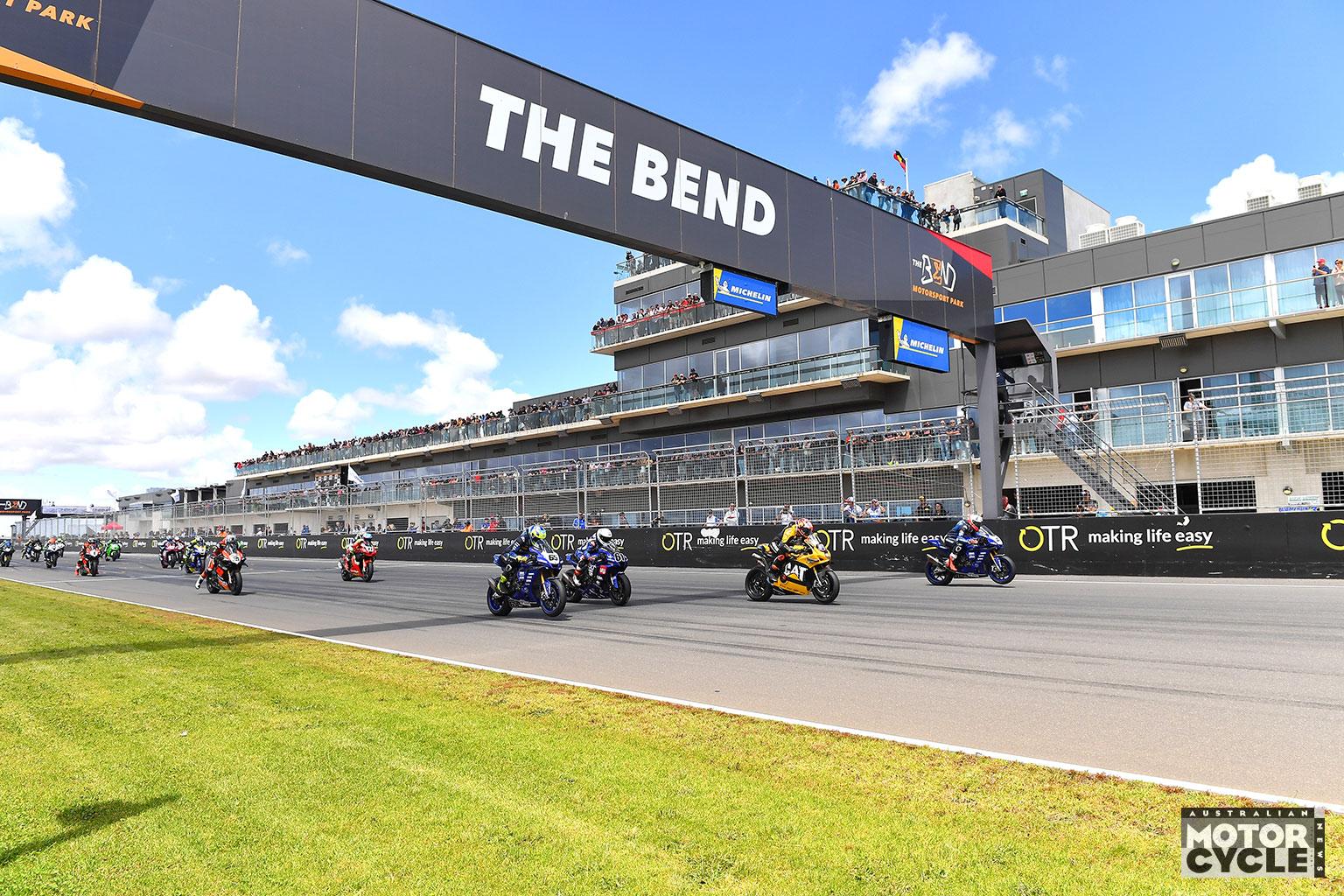
Dr Sam Shahin, who convinced the Premier that South Australia should put its hand up for the MotoGP after the Vics refused to consider moving it to the Albert Park F1 circuit, has a small but expensive mountain to move before hosting WorldSBK from 2028. Unlike the MotoGP contract, which is with the SA Government, the WorldSBK deal is with Shahin, just like it was with the Phillip Island circuit owners. It requires circuit upgrades that will be financed by Shahin himself.
Now called the Shell V-Power Motorsport Park at The Bend after the Shahin family company sold its OTR convenience store/fuel station chain to Viva Energy for over $1 billion, the complex has been operating since 2018. Shahin built it within two years with his own money because he didn’t want any authority, apart from the FIM, telling him how to do it.
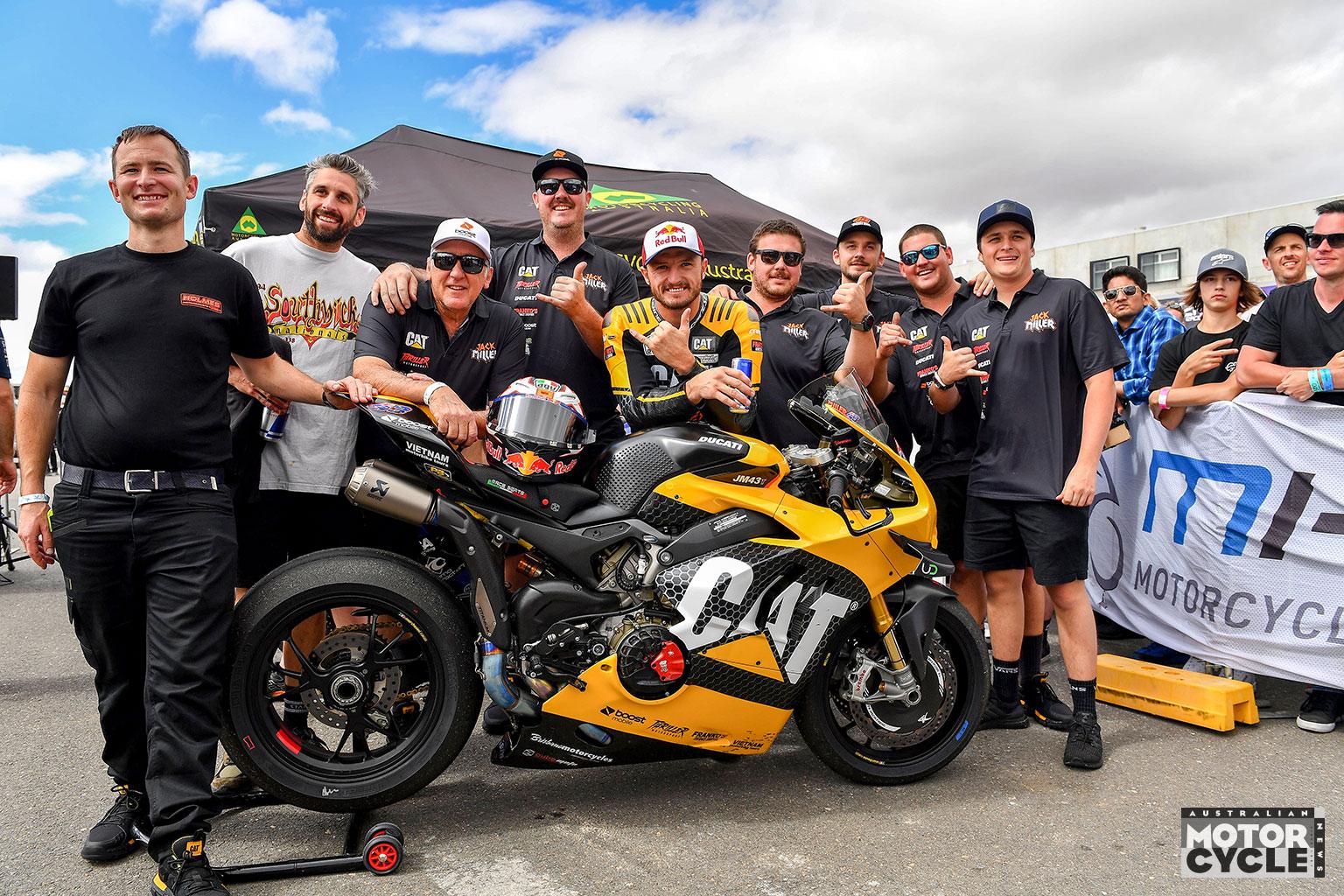
The entire site covers seven square kilometres and houses self-contained circuits with associated control facilities catering for a multitude of tarmac and off-road events, from drag racing to rallycross.
As Shahin drove us around the various configurations of just the bitumen circuit in the late afternoon it became obvious that the design had been executed in a vastly different way to Adelaide’s upcoming MotoGP track.
He explained that after being stunned by a quote from Europe for “one million Euro just for a design, and they didn’t even try to tickle my balls to make me feel good about it”, he started to carve the track out of the limestone rural landscape himself.
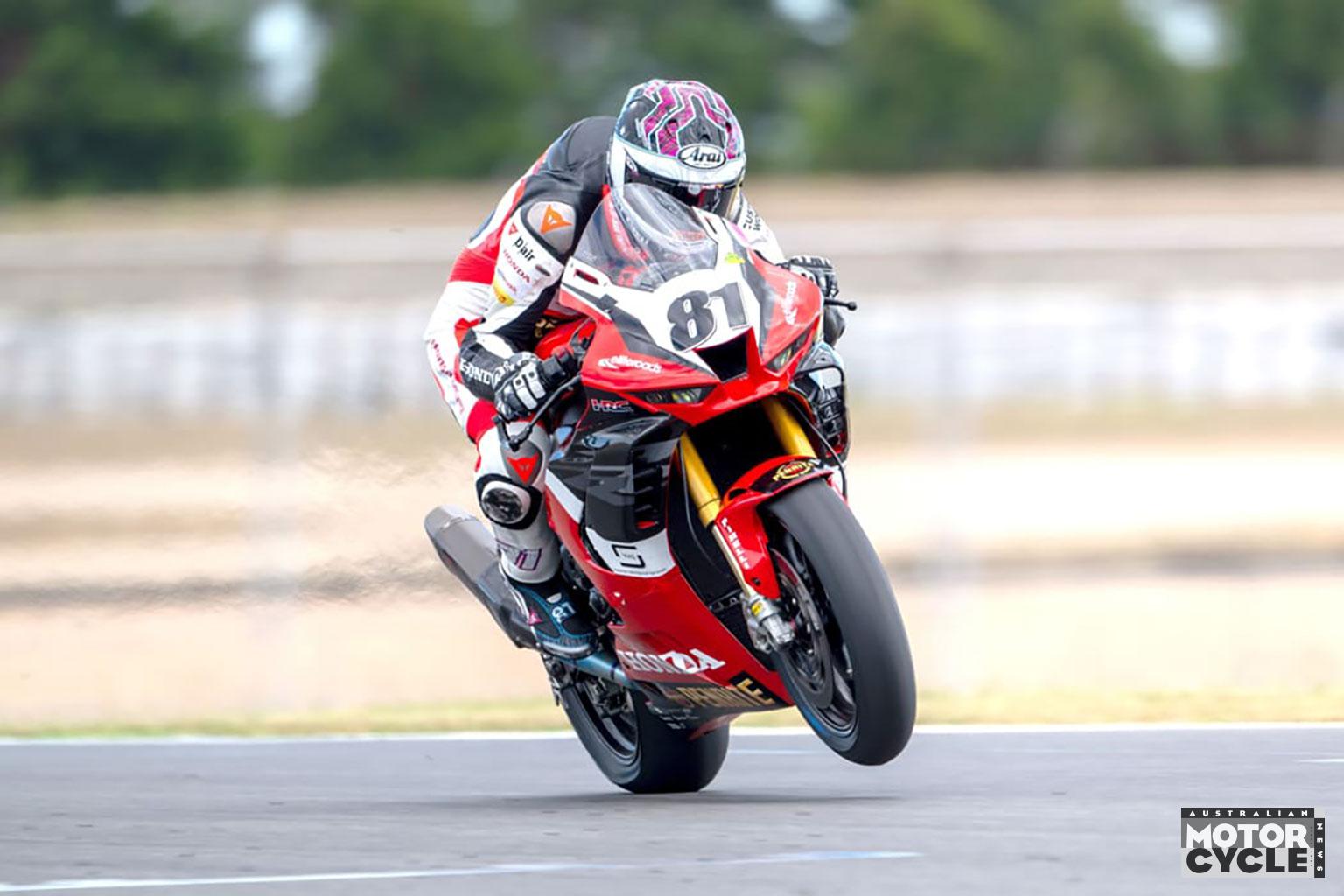
Every few months he flew in Mick Doohan and Mark Webber to advise as the layout evolved. His original aim was to host F1 so the track was made wide enough for this, obviously adding to the cost. However Shahin is now surprised that his International Circuit is possibly more admired by motorcycle racers than car drivers. This is very rare for a wide, F1-designed circuit and perhaps due to Doohan’s input.
Over the next year circuit improvements will involve some run-off areas and the pit entry and exit. The Bend also is upgrading its race control nerve centre, even though it is one of the most sophisticated in the world.
Away from the main tarmac racetrack, which has enough configurations to run several events at once, there are plans to build more than 300 high-end villas. These are designed so enthusiasts can drive or ride race machinery from their accommodation straight onto the circuit. An industrial park catering to the motor racing industry is also progressing with one major operation having already relocated from Sydney Motorsport Park.
Our time at The Bend showed us this facility can easily accommodate the WorldSBK paddock and support classes, as well as spectators staying at a holiday park within the complex. On the drive back it was obvious there is much tourist accommodation within 20 minutes encompassing hotels, motels and Airbnbs, including riverside options.
Earlier in the year Shahin told AMCN that his intention was to turn The Bend into Australia’s ‘centre of motorcycle excellence’. We’ll know by late 2028 if he has been successful.
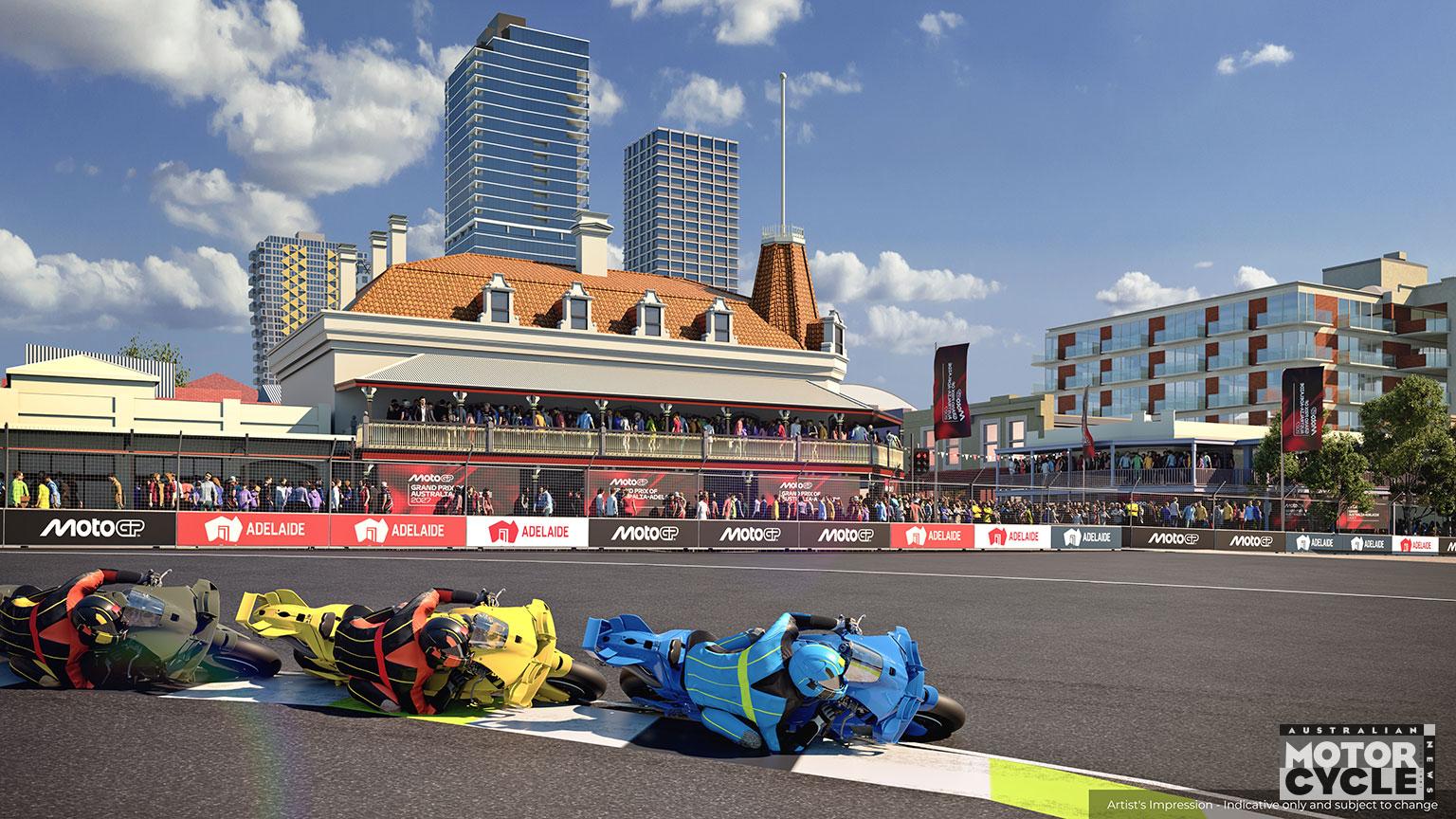
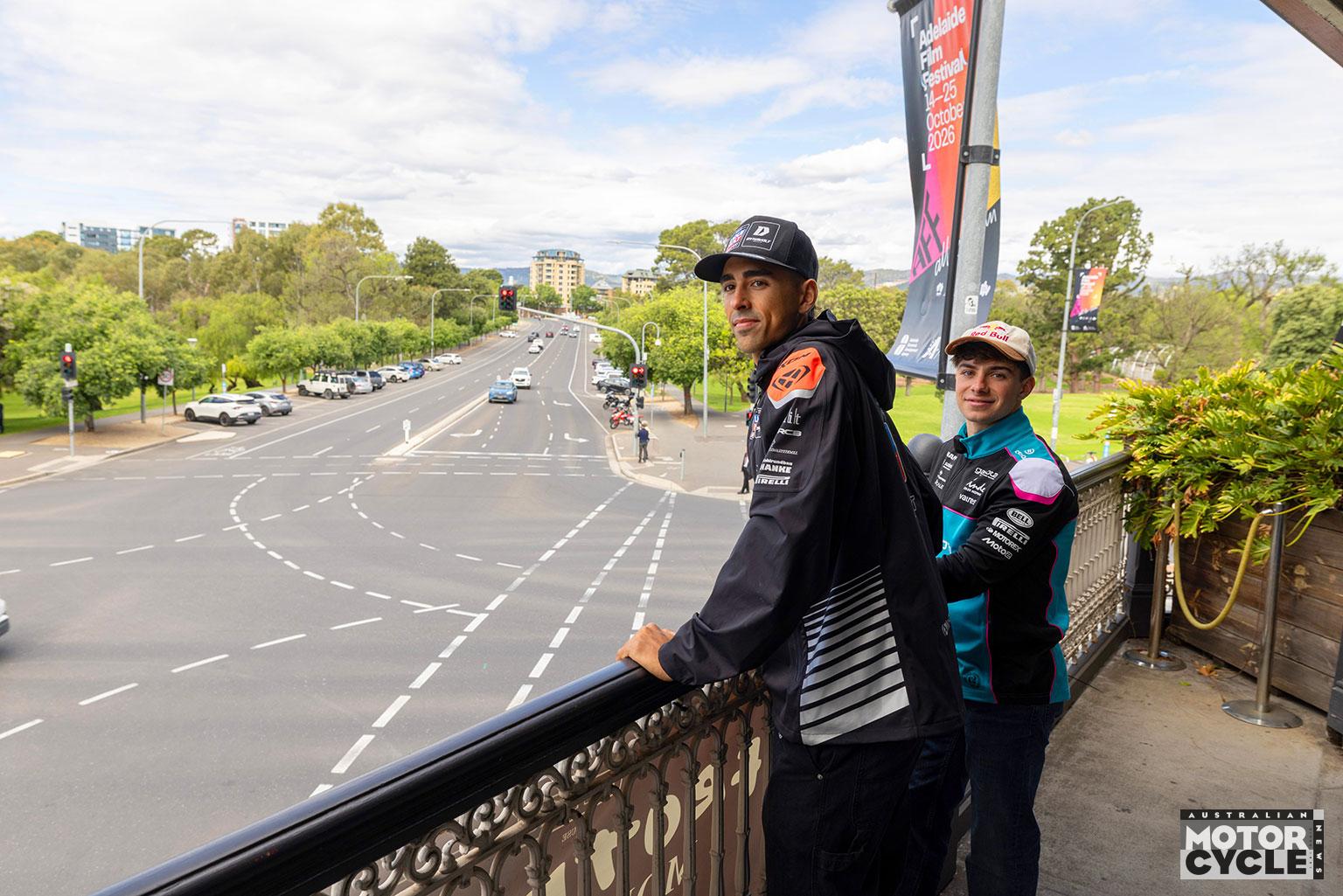
Meanwhile back in Adelaide Alonso was on the balcony of the Stag Hotel photographing the scene below. He wanted evidence for his family and supporters in Spain watching in November 2027 that when he is powering past this grand old building it actually sits above a road intersection between races. A bit like taking MotoGP back to Barcelona’s famous old Montjuic Park GP course.
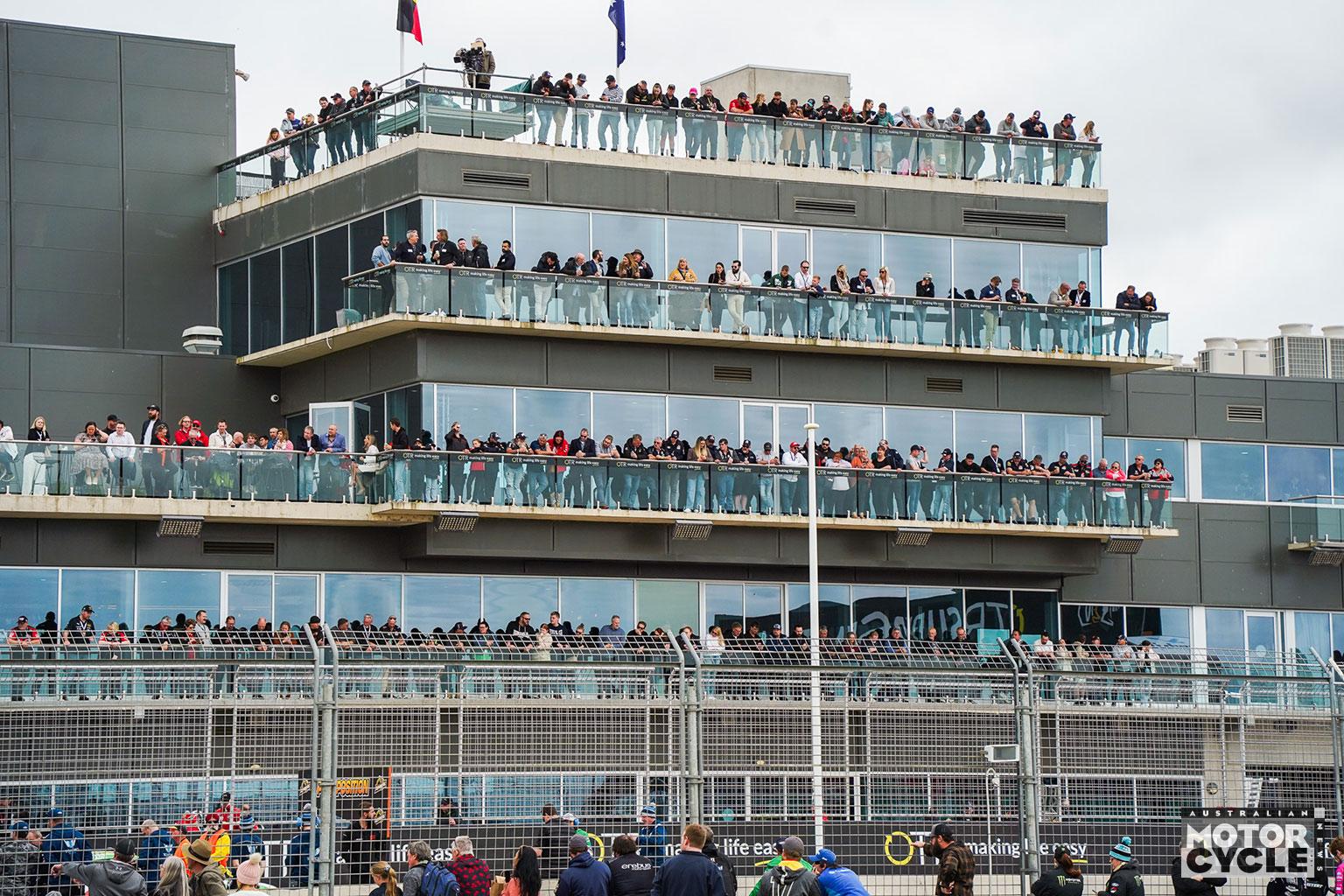
Montjuic Park is about as far away from the Catalunya MotoGP track as Adelaide’s Parklands MotoGP track is from The Bend. Strange how history throws up parallel universes.
Right now, Adelaide’s MotoGP project feels a bit surreal. But it’s a dream MotoGP’s owners and the people who will deliver it in Adelaide believe will come true. And within a year from now.