The inside story on how Massimo Rivola has transformed Aprilia from MotoGP’s biggest loser to the championship’s new force
‘All the world is a stage – and all the men and women merely players,’ wrote William Shakespeare four hundred years ago.
What Bill didn’t know at the time was that without knowing it he was including MotoGP paddocks, racetracks and race departments.
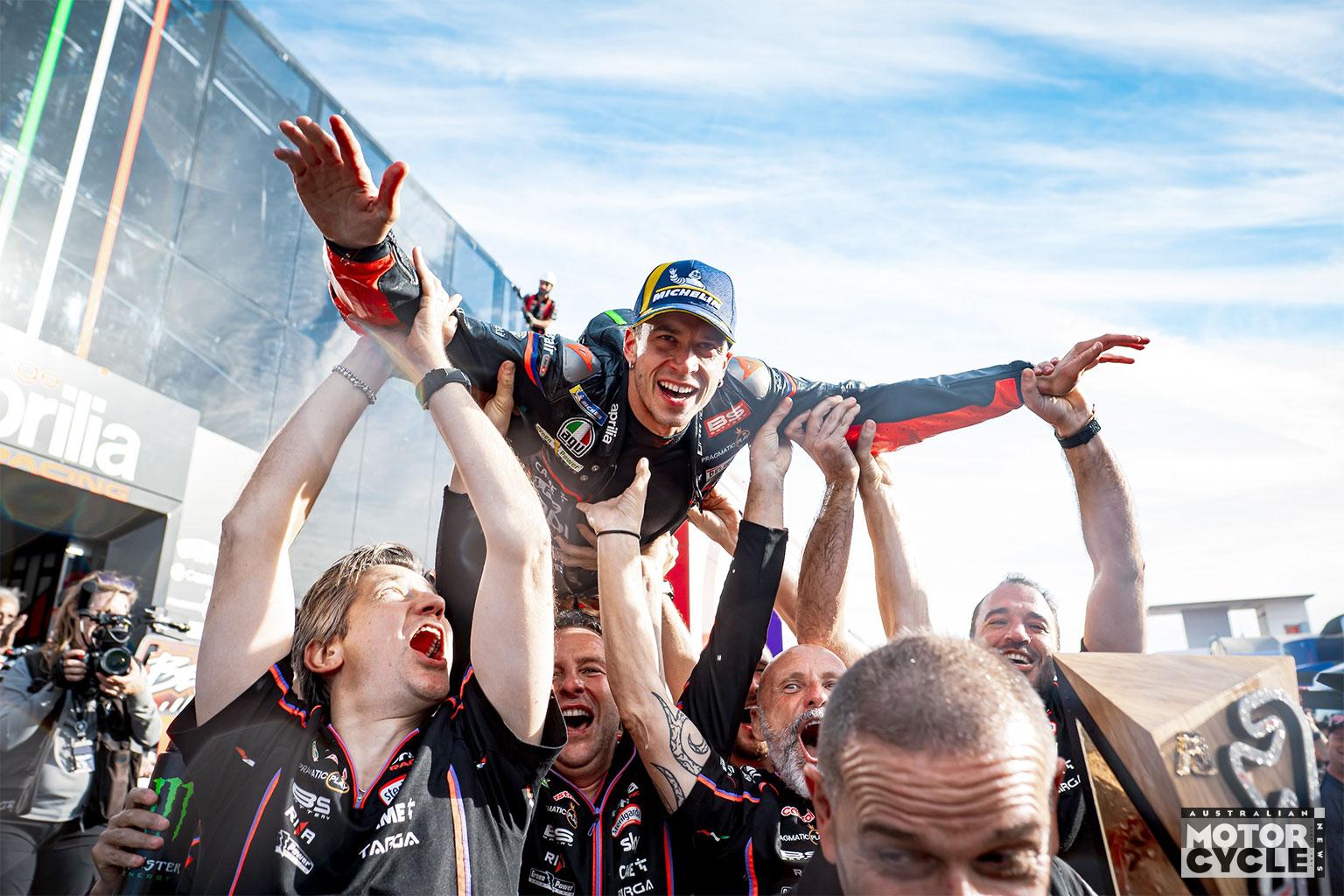
When Massimo Rivola returned to the Aprilia race department following his first grand prix as Aprilia Racing CEO – the 2019 season-opening Qatar GP – he summoned the entire race department to a meeting. The stage and its players…
The former Ferrari Formula 1 team’s sporting director had joined Aprilia’s MotoGP project at a time of crisis, when the brand had ended the previous four seasons at the bottom of the constructors championship.
What the engineers needed, thought Rivola, was a little theatre to boost their morale, so he started the meeting by showing a clip from the film Rocky, when no-hoper Rocky Balboa lands a nasty left hook on reigning world champion Apollo Creed.
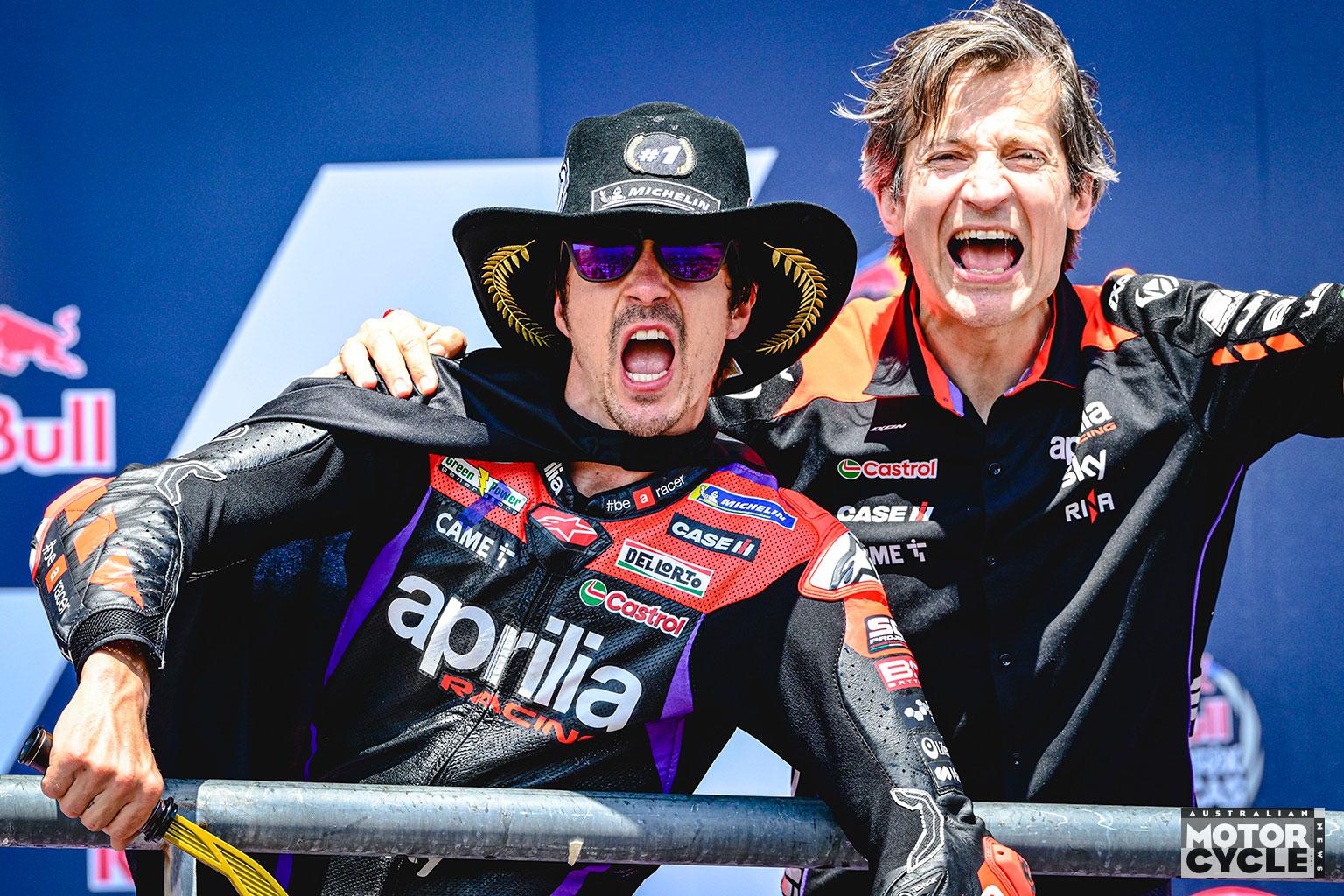
“Emotions are part of our lives,” says Rivola. “And if you touch people’s emotions, I think you can get much more from them.”
The Rocky metaphor was clear: even the guy at the bottom can hurt the guy at the top.
In Qatar a few days earlier, Aprilia’s lead rider Aleix Espargaro had finished a distant tenth, a fairly standard result for the RS-GP in those dark days for the Noale brand. What made Qatar 2019 memorable was Rivola’s decision to protest Ducati’s latest gizmo, a bolt-on under-swingarm device, nicknamed ‘the spoon’.
Rivola had previously been sporting director for Ferrari’s Formula 1 team, so he knows all about navigating labyrinthine regulations. He was convinced – and Honda, KTM and Suzuki joined his protest – that Ducati’s swingarm device wasn’t a tyre cooler, as Ducati claimed, but an aerodynamics device designed to (illegally) create downforce.
His protest – which months later was denied – made waves in the paddock, because here was a MotoGP newcomer, working for the poorest-performing brand on the grid, swinging punches at Ducati, which was well on its way to becoming MotoGP’s all-powerful force.
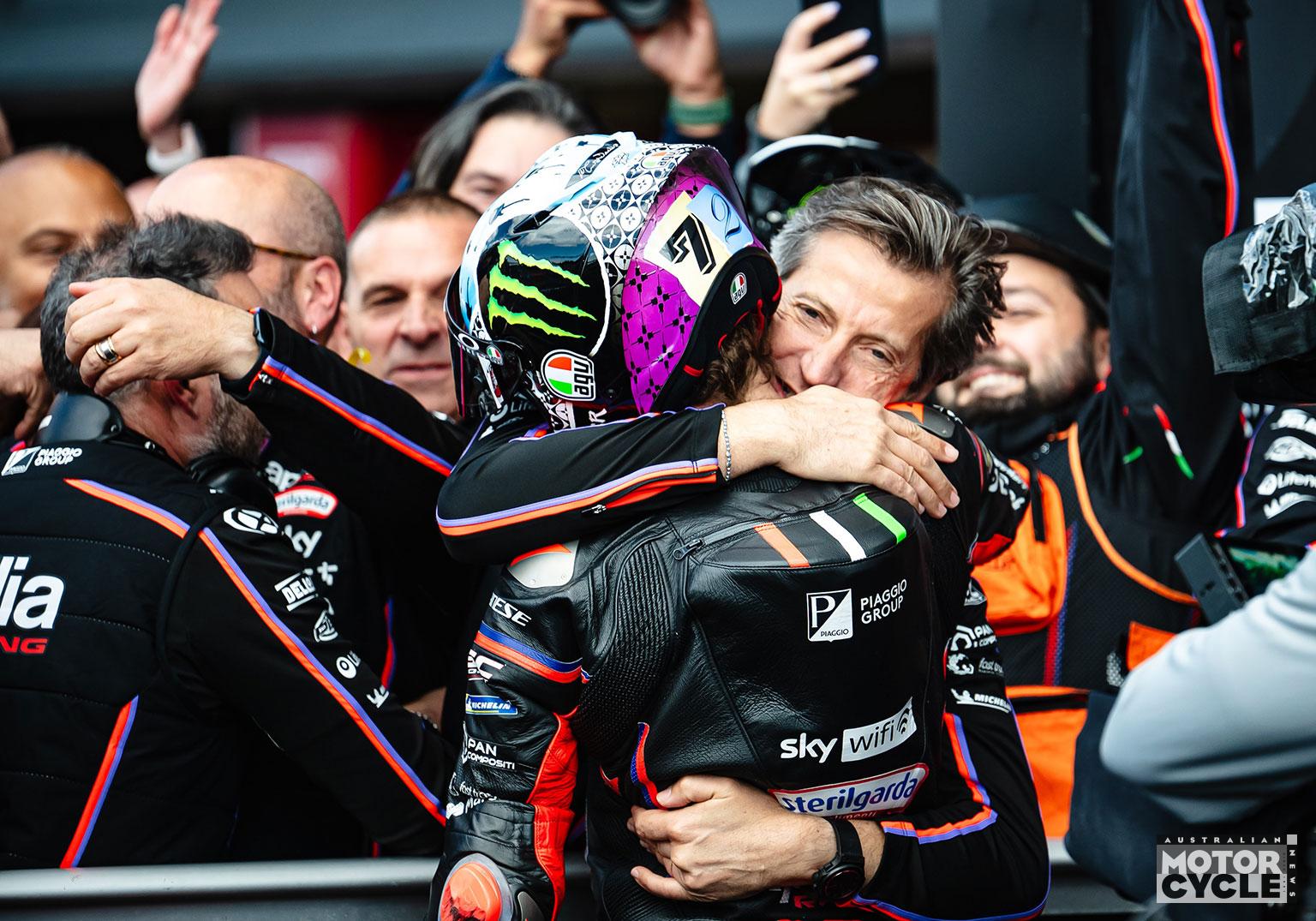
“The ‘spoon’ case in Qatar was a message to the outsider that Aprilia were not there to waste money and be joked by any kind of regulation,” says Rivola, an urbane operator who learned how to play politics in F1. “And it was also a message to our people on the inside that I was not there just to participate, I was there to win. Now, with a good effort and lots of hard work from everybody, I think we are quite a competitive factory.”
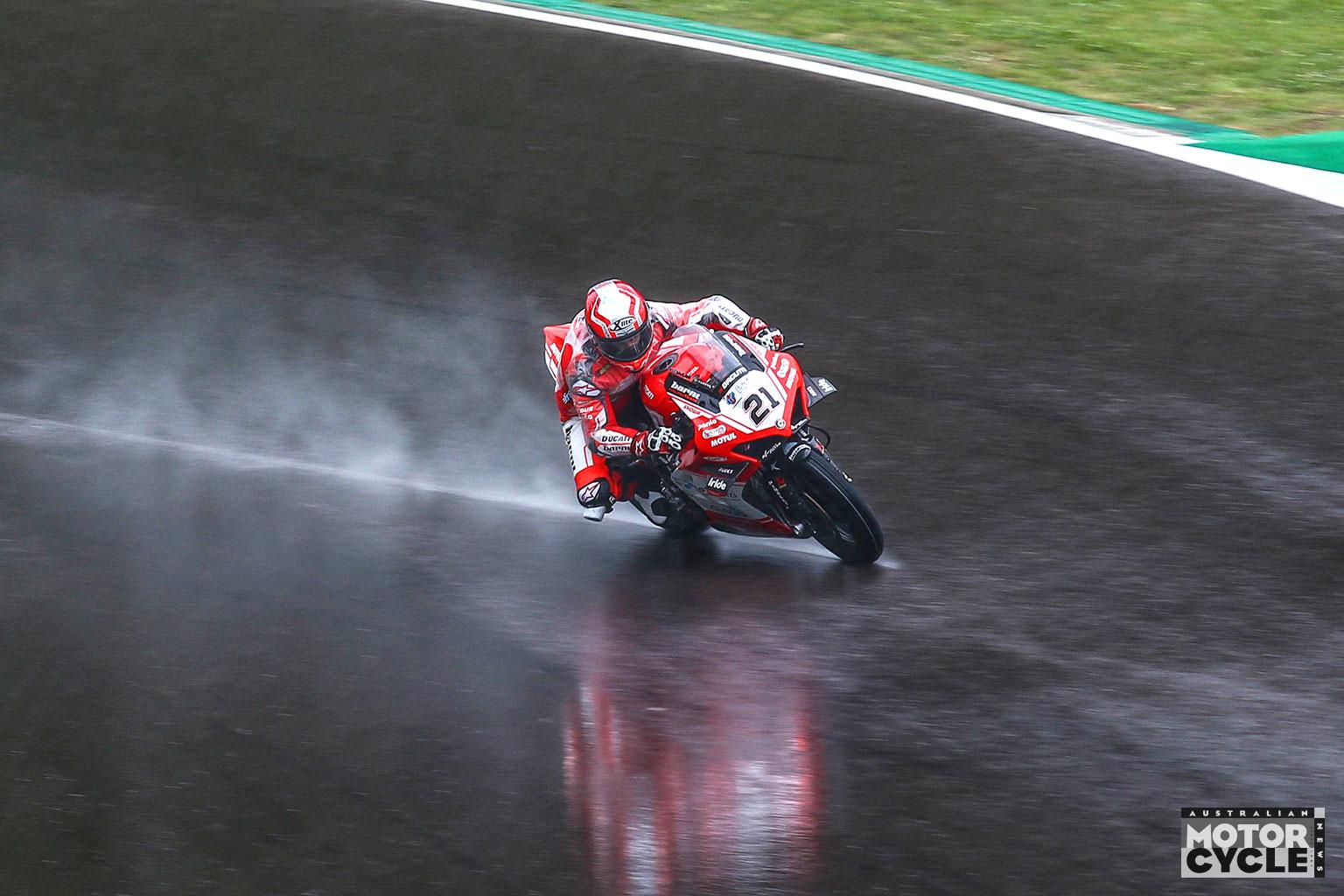
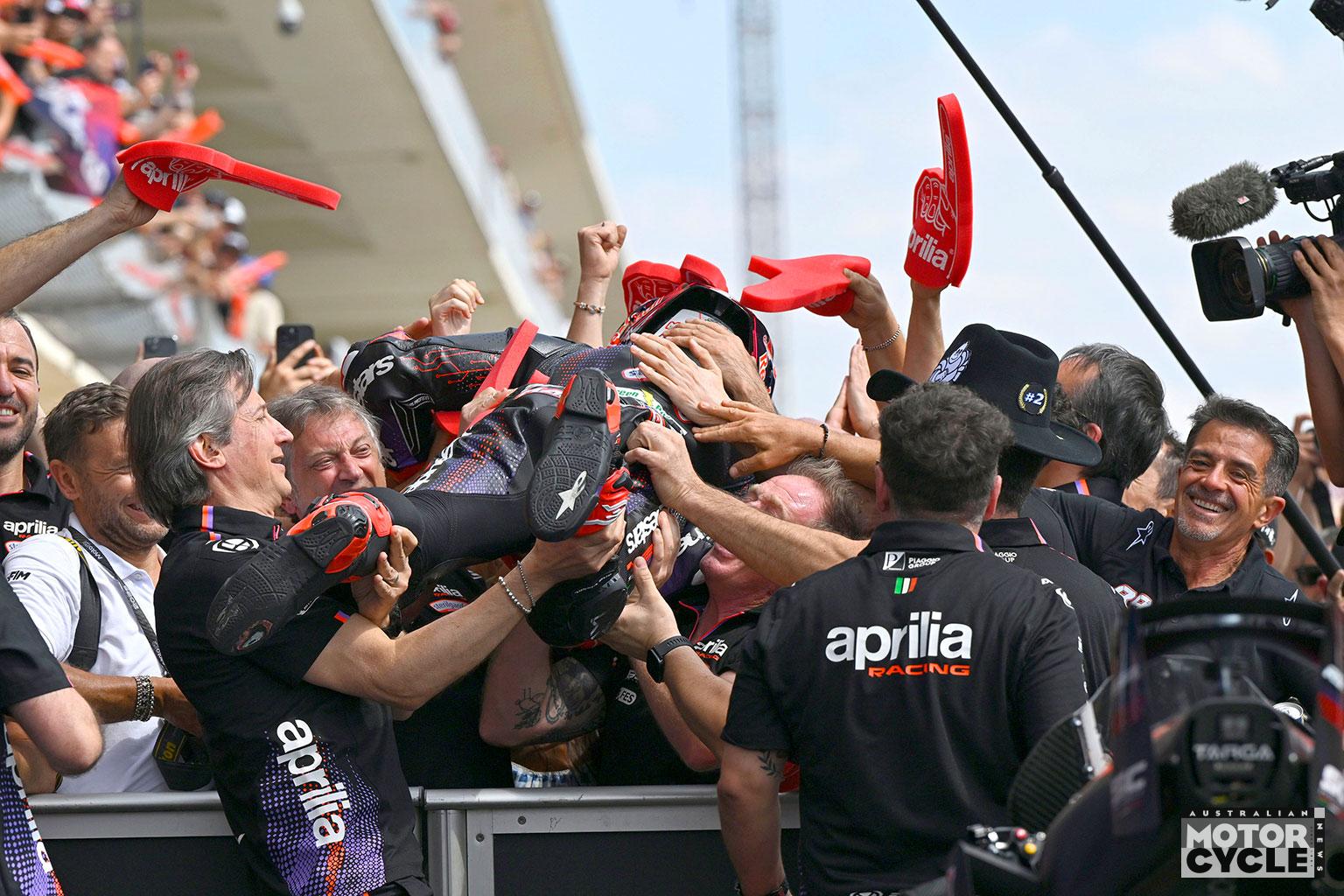
That’s quite the understatement, because Rivola was talking on the eve of the RS-GP winning its fifth straight MotoGP race, a feat that puts the brand up there with the greats of racing history: Ducati, Honda, MV Agusta and a few others.
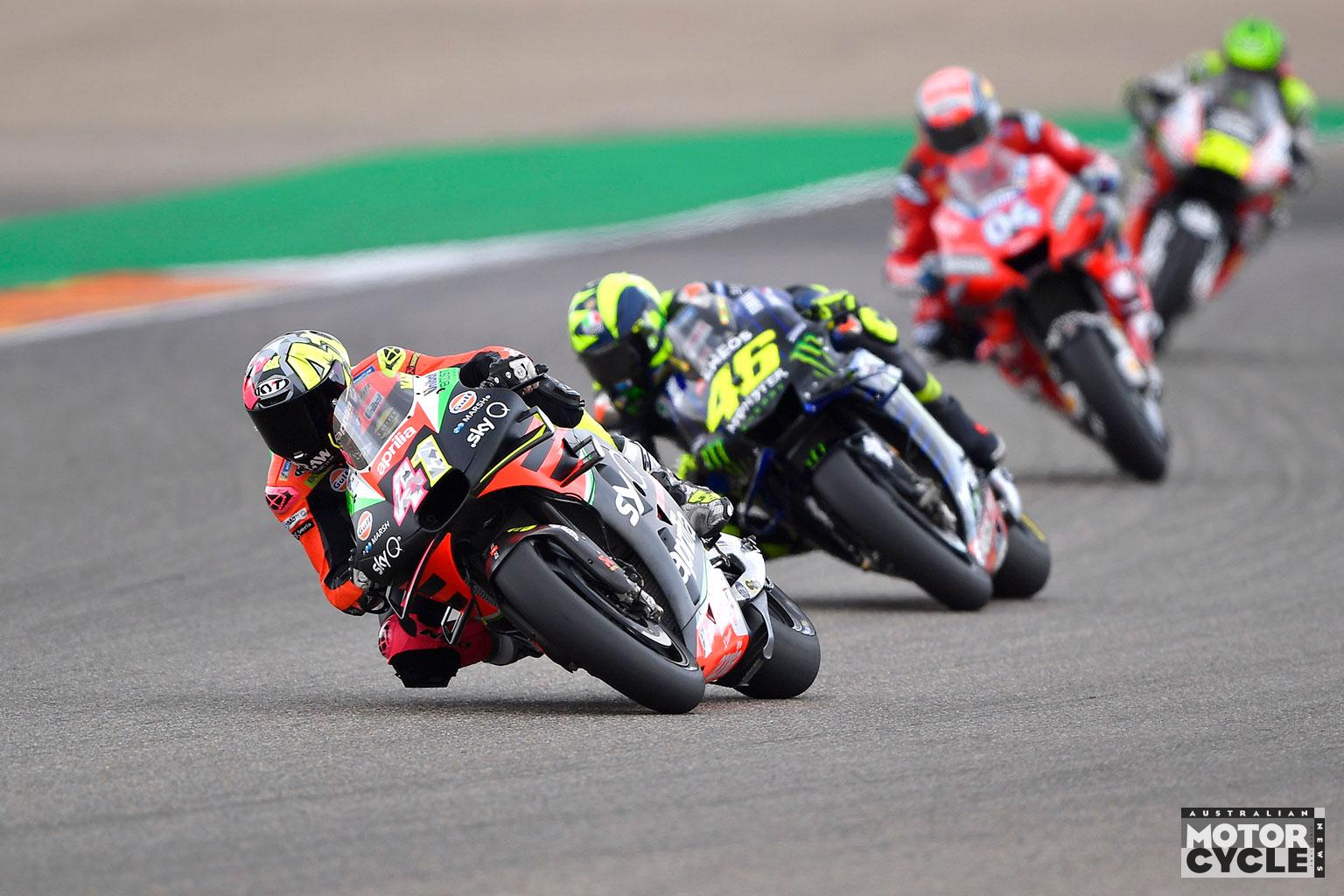
Of course, the 2026 RS-GP’s speed isn’t all Rivola’s doing, but the last two decades of MotoGP have shown us how the right boss can make all the difference.
In 2003, when Yamaha’s YZR-M1 was the joke of the paddock, Masao Furusawa took over the project, transforming the M1 into the best bike on the grid. Five years later, when Honda’s RC212V was all over the place, Shuhei Nakamoto arrived to put Honda back on top. And in 2013, when Ducati’s Desmosedici seemed at a dead end, Gigi Dall’Igna joined Ducati Corse and turned that project around.
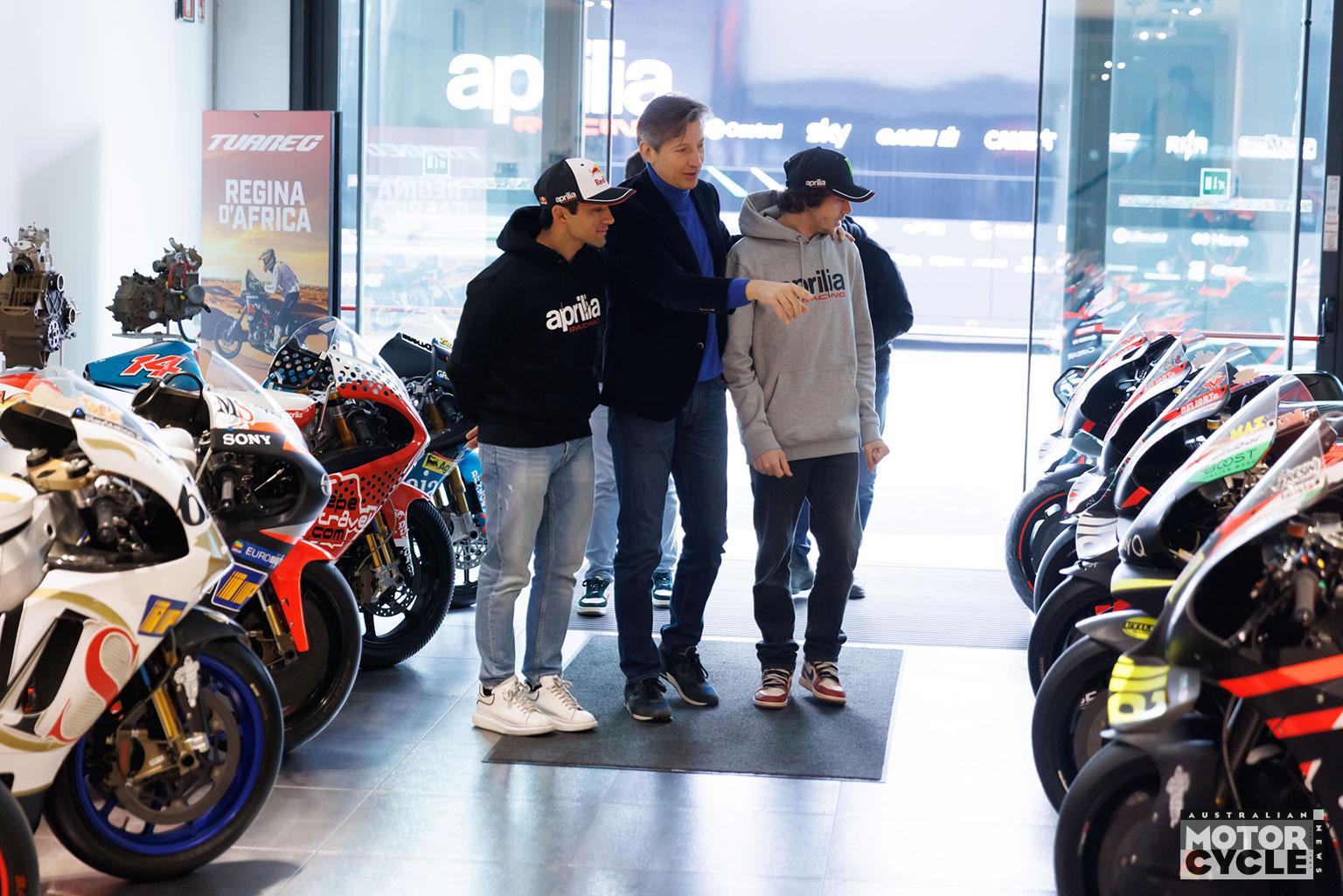
“I’m not a fan of the one-man show,” says Rivola. “We all know the group has more power than a single person.
“When I arrived at Aprilia, the feeling I got was a huge potential, in terms of fantastic hardware and racing knowledge. So the target was to wake up, let’s say, the proudness of Noale to show they could deliver a winning bike.”
Rivola’s first focus was getting his engineers to work together. Sounds obvious, but engineers can be blinded by the my-idea-is-better-than-yours mindset. Ducati struggled with the same problem until Dall’Igna intervened.
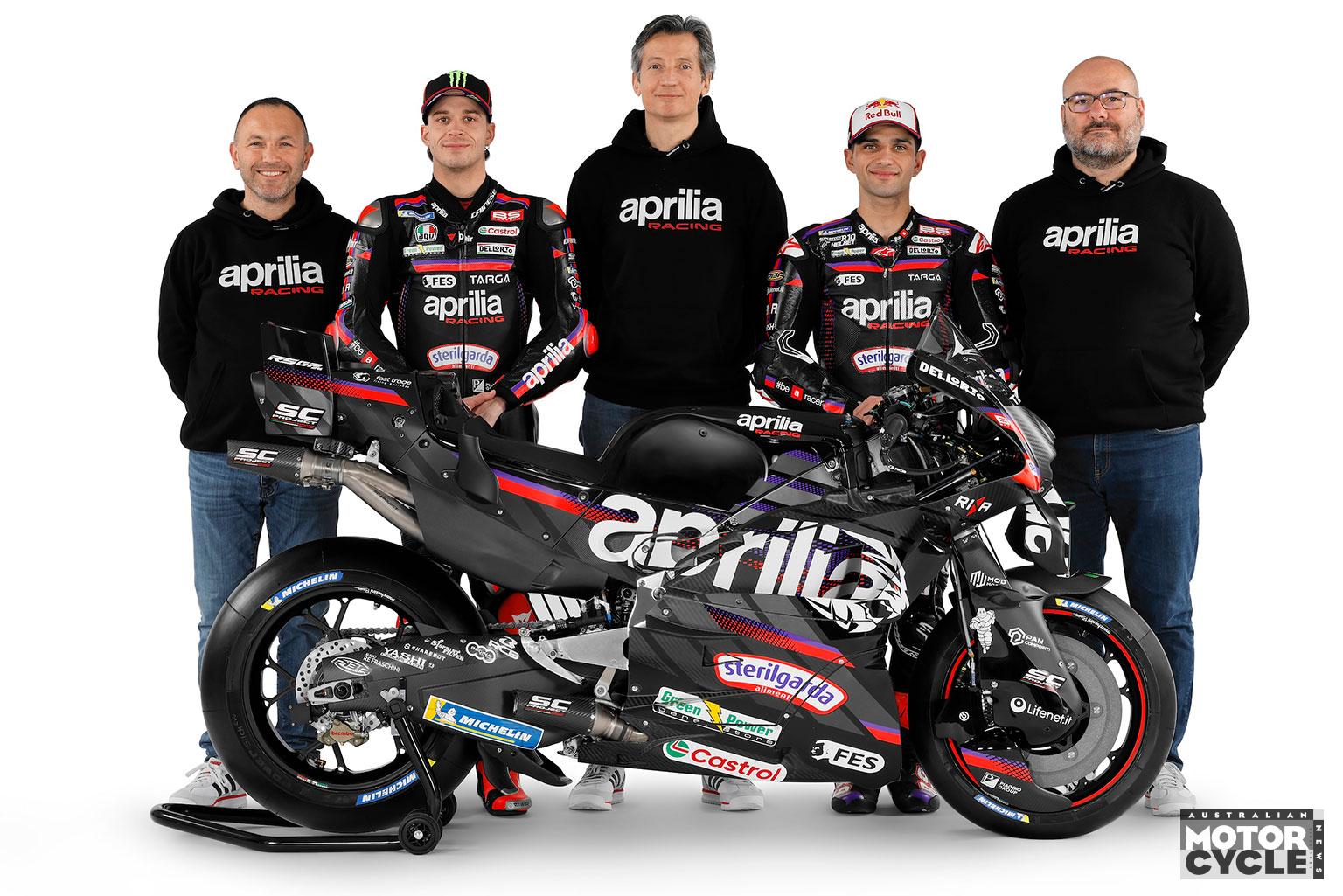
“Improving the project is never just one thing, just like the performance of the bike is never just one thing,” Rivola says. “They are both a mixture of details, but the thing I care about the most is that people work together, because even if they don’t want to, they need to find a way to work together.”
Rivola also knew that MotoGP was changing. Dall’Igna’s work at Ducati was transforming MotoGP bikes from racing motorcycles into two-wheel F1 cars, so Rivola knew the RS-GP had to change with the times. Luckily, he had a few F1 contacts…
“Clearly, coming from F1, I knew more people from there than from MotoGP, so I started contacting a few good friends and colleagues from four wheels, and I convinced them to come to Aprilia. It was a nice cultural challenge to mix Formula 1 with two wheels, but I was sure it would pay off,” he says.
And it did. Rivola’s biggest coup was convincing former Ferrari aerodynamicist Marco De Luca to join him at Noale. De Luca had designed several title-winning Ferrari F1 cars and he’s played a vital role in bringing Aprilia to the front of MotoGP.
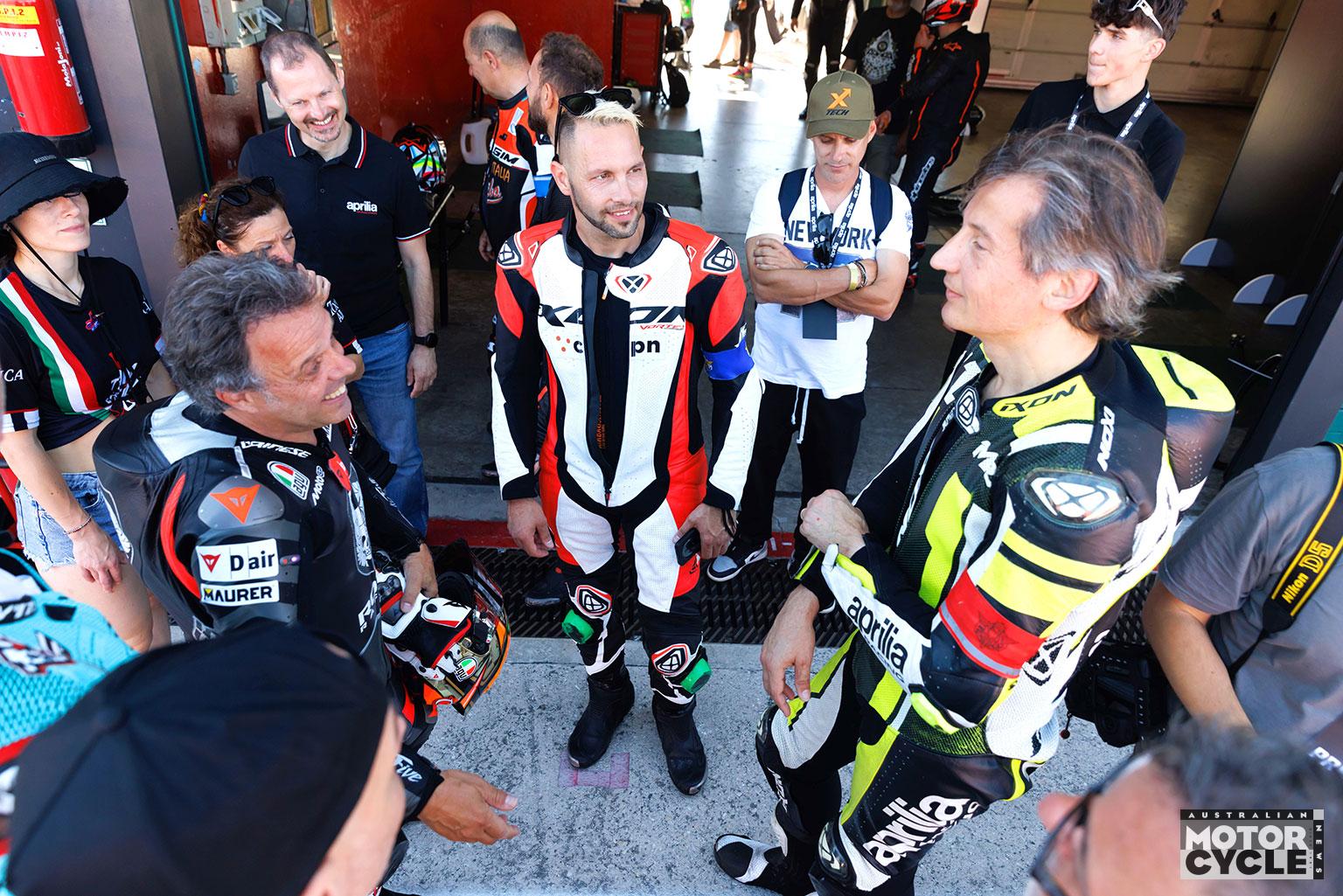
Rivola also wanted to encourage innovation by creating an openminded atmosphere within his racing department.
“Ideas come from people that aren’t shy to raise a hand to say something if they have an idea, if they know their boss won’t kill them,” he says.
Rivola isn’t an engineer, but even he dared raise a hand, and his idea had a huge effect on the RS-GP’s performance.
At that time the RS-GP used a 72-degree vee-angle V4 engine, slightly wider than the RSV4 superbike’s 65°. A narrow angle vee shortens the engine, allowing chassis engineers to create a shorter wheelbase, so the motorcycle turns and changes direction quicker. However, a narrow-angle vee also vibrates, which can hurt horsepower and handling.
“The bike had good agility, but the engine had no torque, which made it very difficult to ride,” remembers Espargaro. “And there was lots of vibration, which gave a lot of chatter and made the bike super-nervous.”
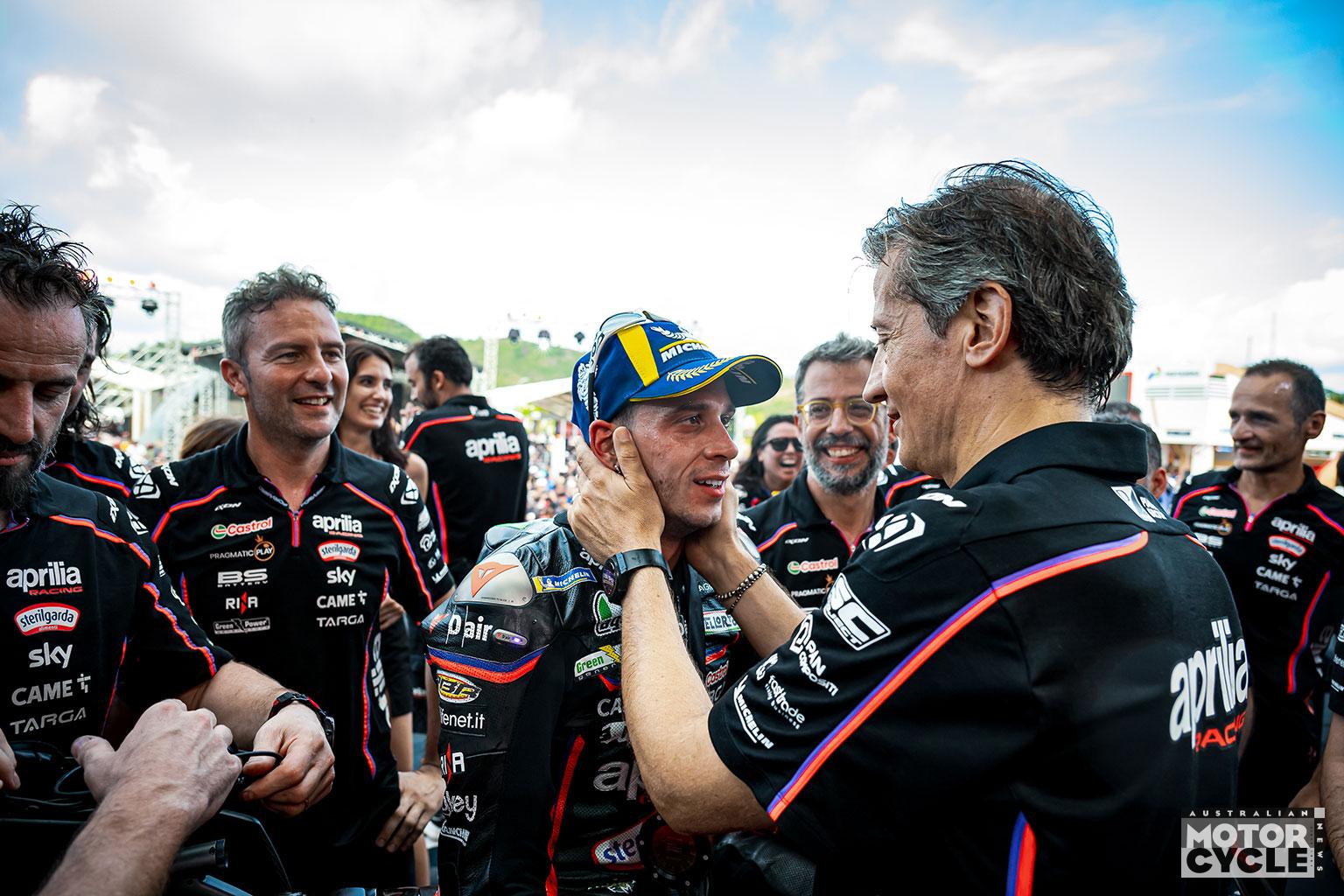
So Rivola raised a hand.
“I kept asking Romano (Albesiano, Aprilia technical director until he moved to Honda last year) why we were using a 72-degree V4 engine, while the others (most notably Ducati and Honda) use 90 degrees. Were we cleverer than them or was our engine related to Aprilia tradition?
“So I decided to have a meeting in my office with all the engine guys and all the electronics guys. I asked them to tell me which they thought is better – a narrow-angle vee or 90 degrees. They had to write down all the pluses and minuses, then we had a roundtable and the 90 degrees won, by far.
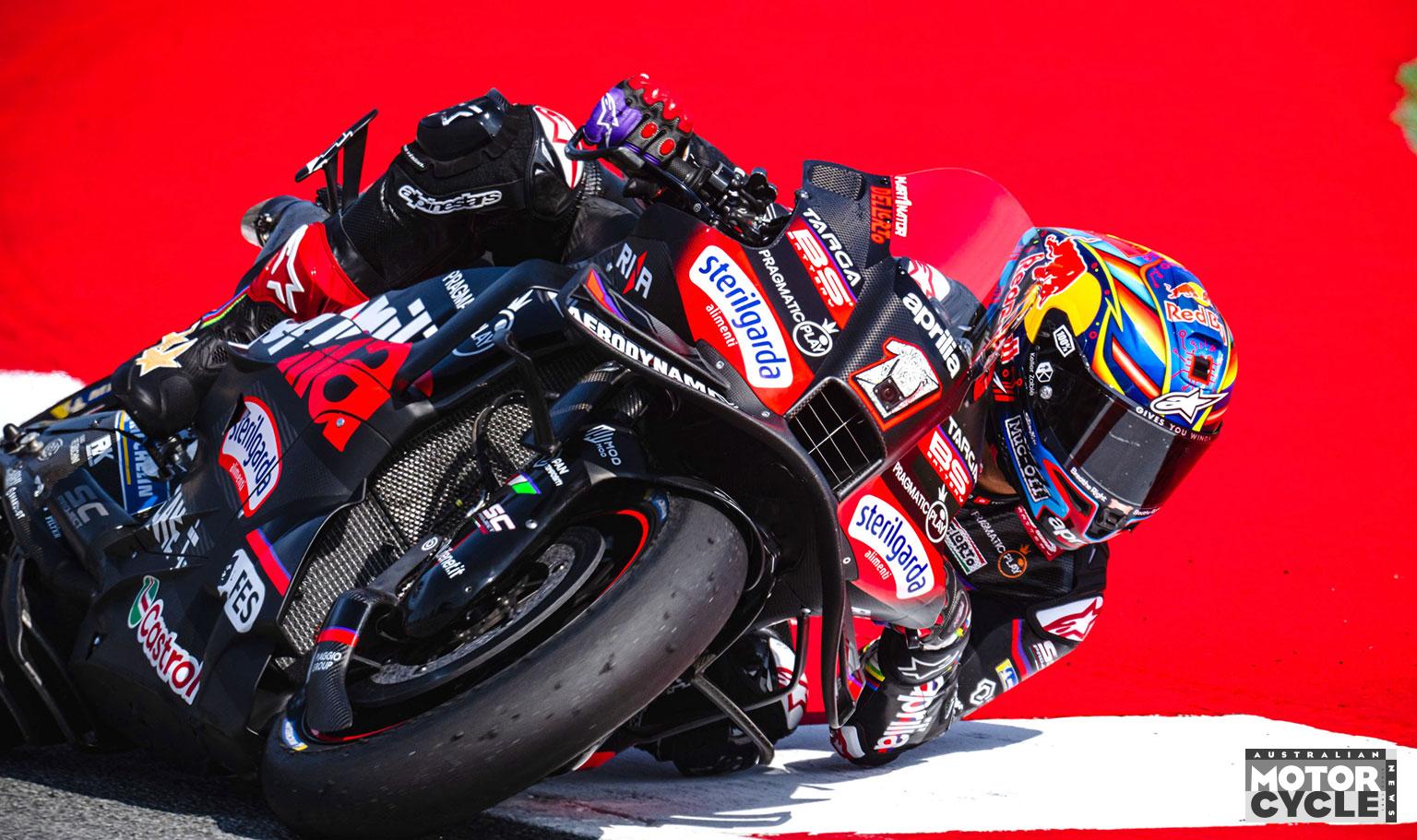
“I said, ‘Okay, we are making history, guys, because we just decided 90 degrees will be our future. Only one problem… we need to deliver a 90 degrees in six months’.”
When Espargaro rode the all-new RS-GP for the first time he was overcome.
“I did three laps, came into the garage and I was crying, because the bike was unbelievably good,” he remembers. Two years later Espargaro rode the bike to Aprilia’s first MotoGP victory.
Rivola also oversaw the other big moments in Aprilia’s journey to the top: returning the factory team to full-factory control (from 2015 to 2021 it was run by Gresini Racing) and signing Aprilia’s first independent team (RNF/Trackhouse).
His part in Aprilia’s turnaround nicely closes the circle for the 54-year-old who was born and bred in Faenza, slap bang in the middle of Italy’s so-called Motor Valley, home to Ducati, Ferrari, Lamborghini and many other renowned marques.
“We all loved motorbikes and, in that period, if you didn’t have a motorbike when you were 14, you had almost no friends! I had a bike at 14, and when I was 16 I got my first proper bike, an Aprilia AF1 Project 108.”
The radically styled AF1 was the first Aprilia road bike that really grabbed attention. And it hit the market at precisely the right time, when Aprilia won its first grand prix, the 1987 250cc GP at Misano.
“In that era, the perception of the Aprilia brand was already quite cool,” Rivola recalls. “The racing helped that a lot, so I’m hoping we can get the same feeling as Aprilia had in those good old times.”
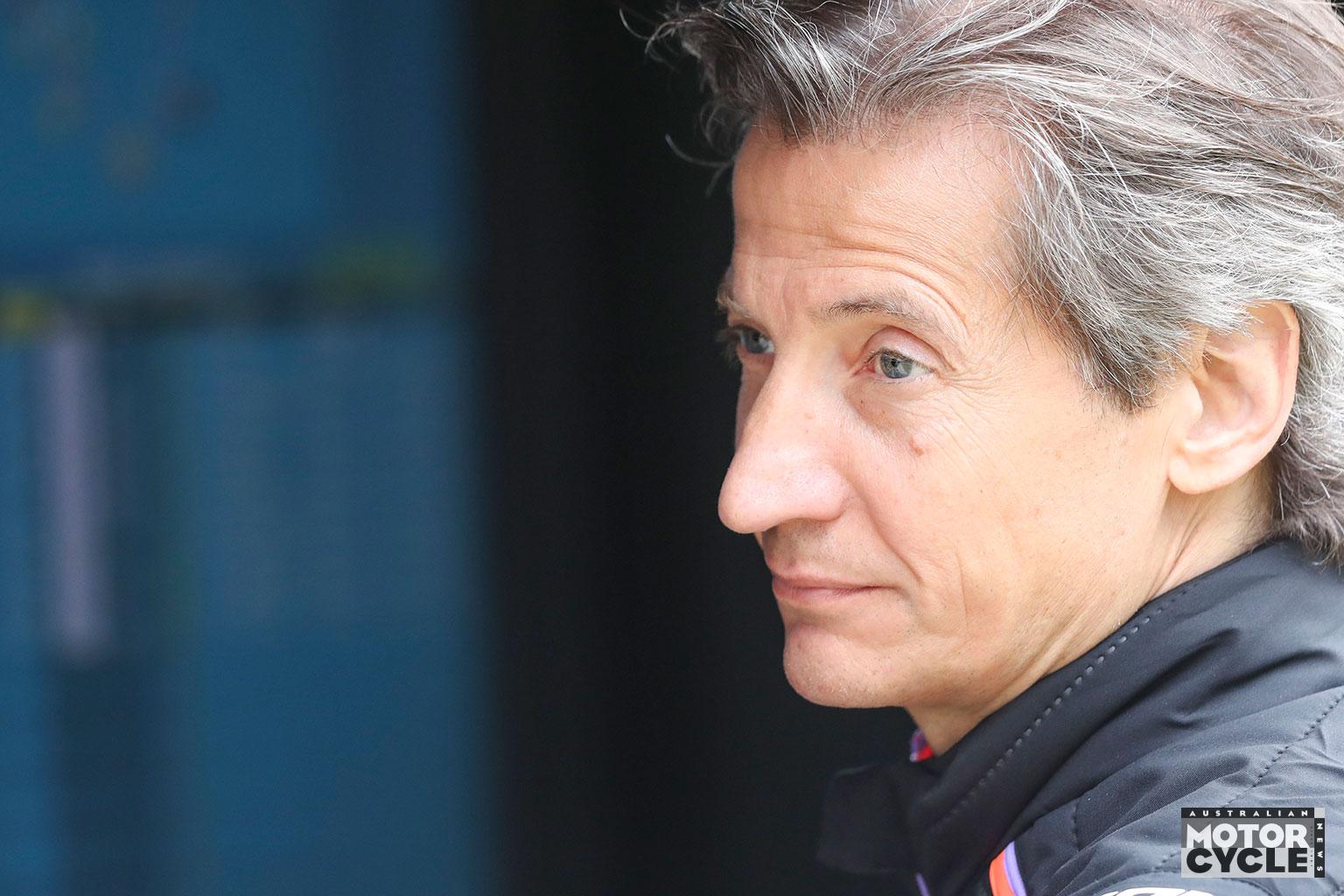
Rivola studied economics and commerce at Bologna university, then started looked for a job.
“Honestly, I didn’t know what to do. I just knew I had to do something related to bikes or cars. Not necessarily in racing, because I also love the design of bikes and cars – I love that stuff!
“In Faenza there was a small Formula 1 team, the Minardi team, founded by Giancarlo Minardi. And that was the first place I went to work when I graduated.
“When I started at Minardi, I got crazy about racing. I started riding on track in my spare time, so all my salary was going on track days and my bike. So my life was sort of a combination of working in something adrenaline and having an adrenaline passion.
“At Minardi I worked searching for sponsors, but very soon I got the love for how racing was done, so I wanted to be more involved in the team.”
Rivola quickly worked his way up – deputy team manager, sporting director, team manager – then moved to the Ferrari F1 team as sporting director, ensuring the team made the most of F1’s sporting regulations (the rules that govern driver behaviour, operational procedures and so on).
At Ferrari he worked with multiple F1 champions Sebastian Vettel and Fernando Alonso, then took charge of Ferrari’s Driver Academy, mentoring current Ferrari driver Charles Leclerc.
In late 2018 he got a call from Roberto Colaninno, CEO of Piaggio, owners of Aprilia, Moto Guzzi, Vespa and Derbi. Colaninno faced a tough choice: shut down the under-performing RS-GP project or invest heavily. Hiring Rivola was a key part of his decision to make the RS-GP better.
“I felt that someone with F1 experience could be useful in MotoGP,” says Rivola, who joined Aprilia in January 2019 after two decades in F1.
So, what’s the difference between an F1 driver and a MotoGP rider? “They are two different kind of animals. What they have in common is that they are hungry. Whatever they do, they are hungry. They want to win. They are super-competitive. And they are both super-athletes.
“Their jobs are quite similar in a way, though what a rider risks on a bike is an important difference.
“There are many differences, partly due to the kind of paddock they work in and the lives they live. I think there’s still some margin to improve MotoGP riders through a few small details, because the small details can make a huge difference.
“In Formula 1, the driver is always with his physio. In MotoGP, the rider is with his friends most of the time. That doesn’t mean he’s more or less professional, it just means they are coming from different cultures.
“Bit by bit, the riders will get more people to assist them in many things. But obviously, we need to put more money on the table for that, so MotoGP needs to grow.”
Rivola’s job isn’t only to run the Aprilia show, it’s also to get the best out of his riders. So how does he make his factory stars Marco Bezzecchi and Jorge Martin faster?
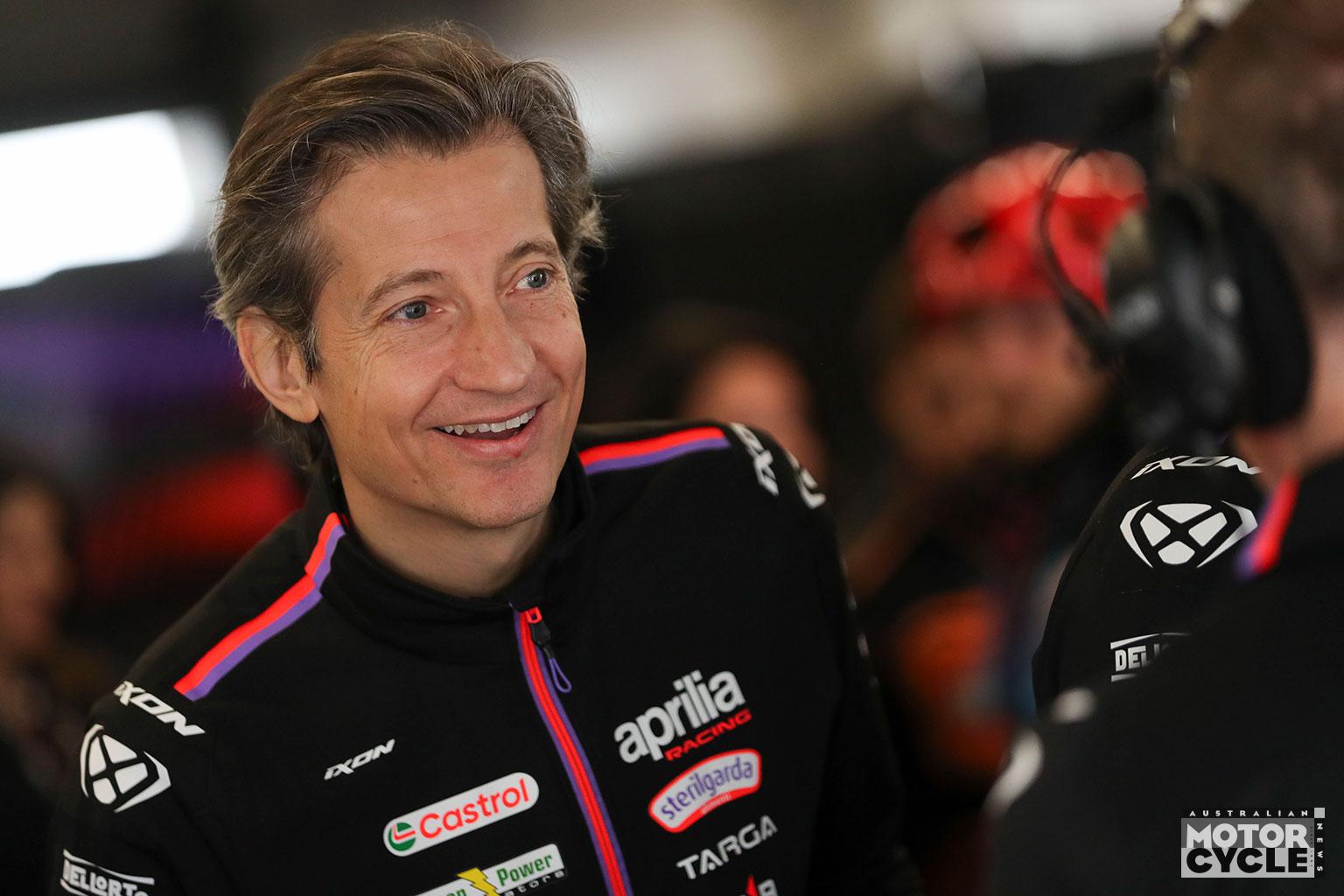
“It’s a bit difficult to explain, but I don’t like to talk too much with them. They know quite well what they need and we have the right people to talk with them. Their crew chiefs are the important guys to summarise the list of things that work and don’t work. Then there’s the technical director, the team manager and our rider performance guy who watches around the track. I need to give space to these guys because I trust them, and if there are too many people interfering, it’s not helpful for the riders.
“However, I want to know everything about the team, from what we eat and where we stay, to what kind of engine we use and if we have got half a horsepower more. And I want to interview all the people that may come to Aprilia Racing.”
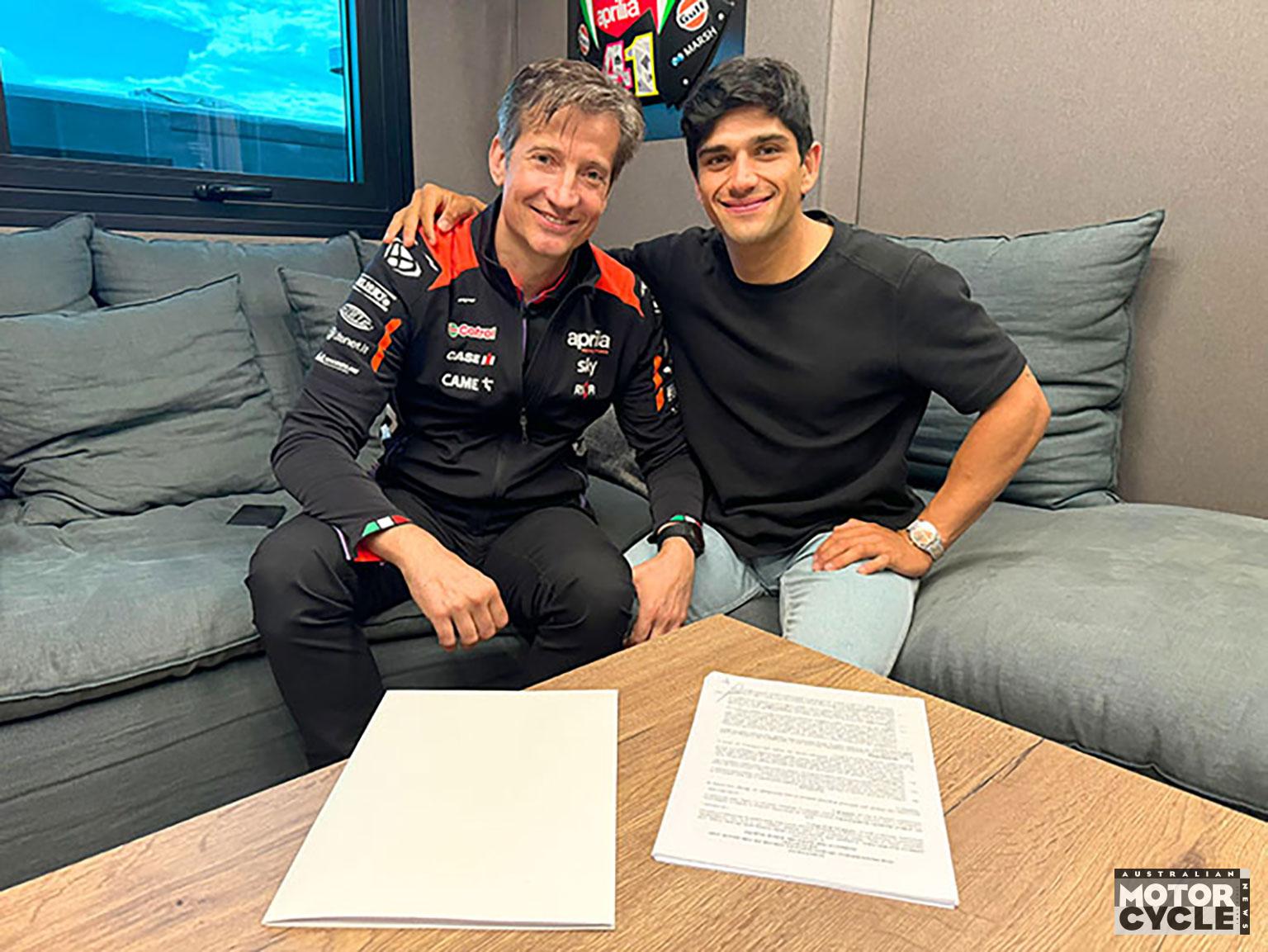
Rivola signed both Bezzecchi and Martin in June 2024; Bezzecchi from VR46, where he had won two races, Martin from Pramac Ducati, where he was on his way to winning that year’s title.
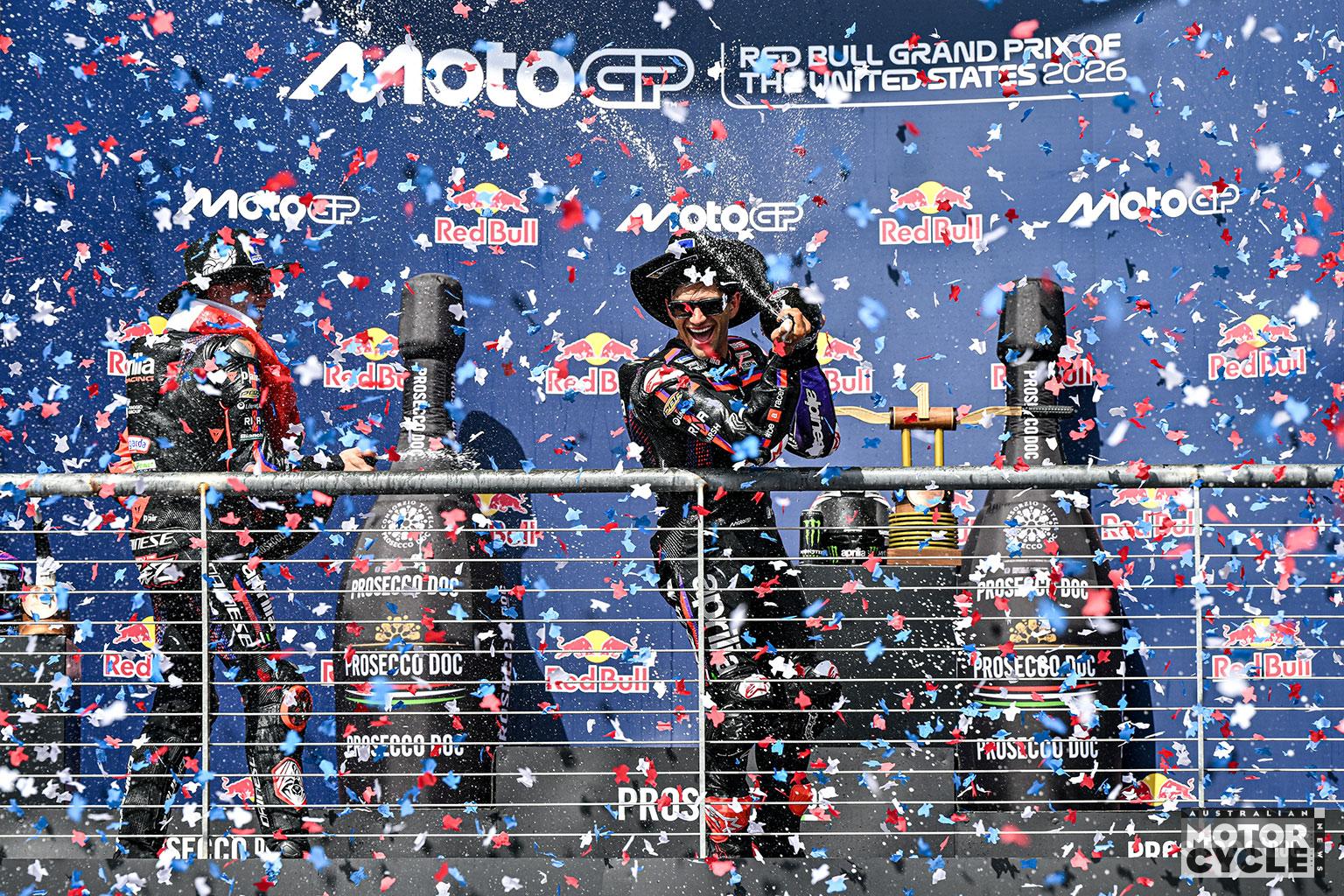
Bezzecchi has been the surprise, winning his first race for Aprilia at Silverstone last year and making a winning start to 2026.
“Marco is really committed. He realises that talent is only one part of the whole package and he knows he needs everyone around him to be on board for his performance.”
Rivola’s relationship with Martin started with a phone call to Piaggio CEO Michele Colaninno (his father Roberto died in 2023), asking for an extra few million Euros to afford the Spaniard’s salary. Since then there have been injuries and contract wrangles, but Rivola diplomatically skips all that…
“What’s impressive about Jorge is how explosive he is – how quickly he adapts and goes to a certain level,” he says.
A decade ago, Aprilia was nowhere in MotoGP. Now it has two riders that could be champion, thanks to Rivola.