Talking the torque – the inside story of what makes a gamechanger
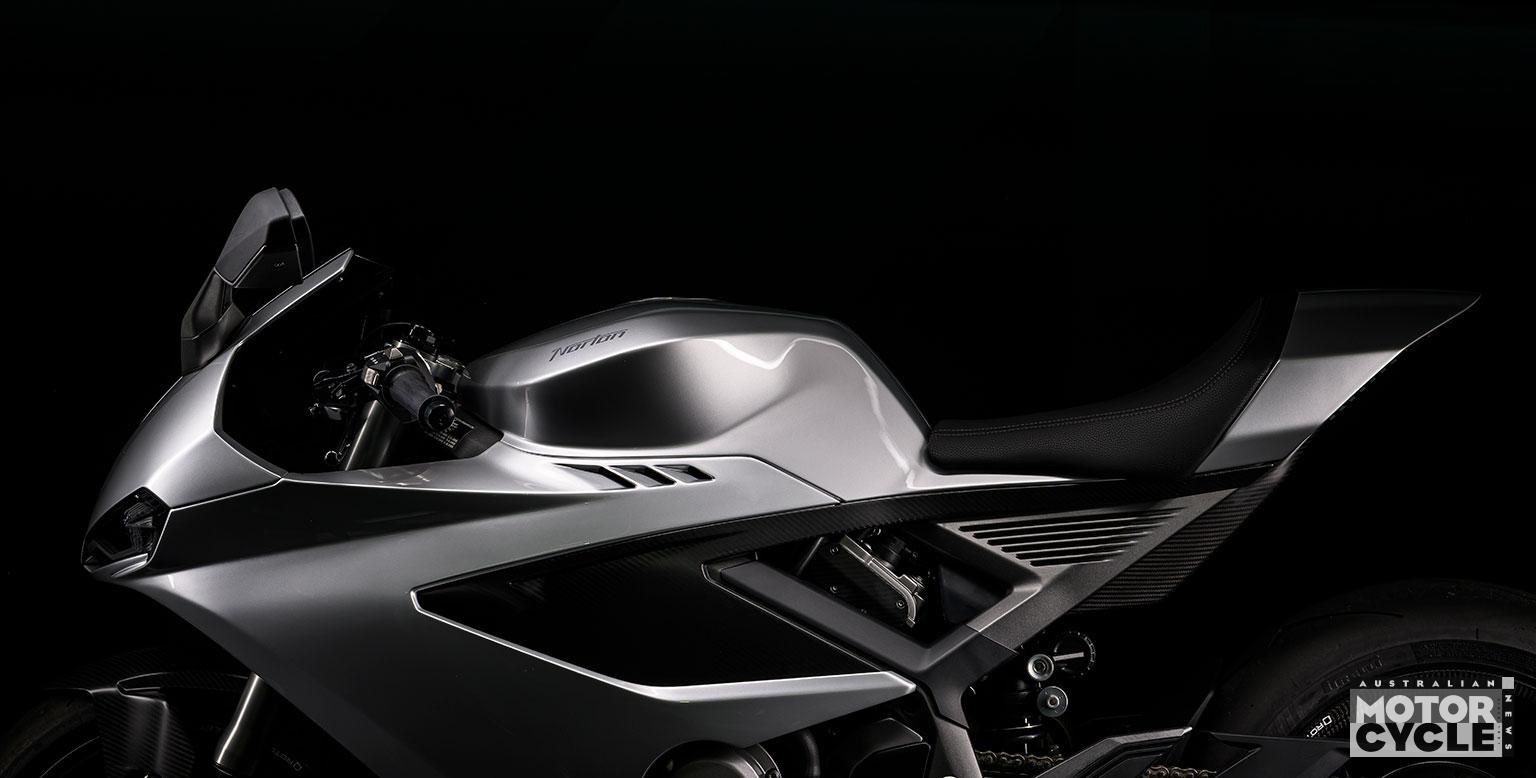
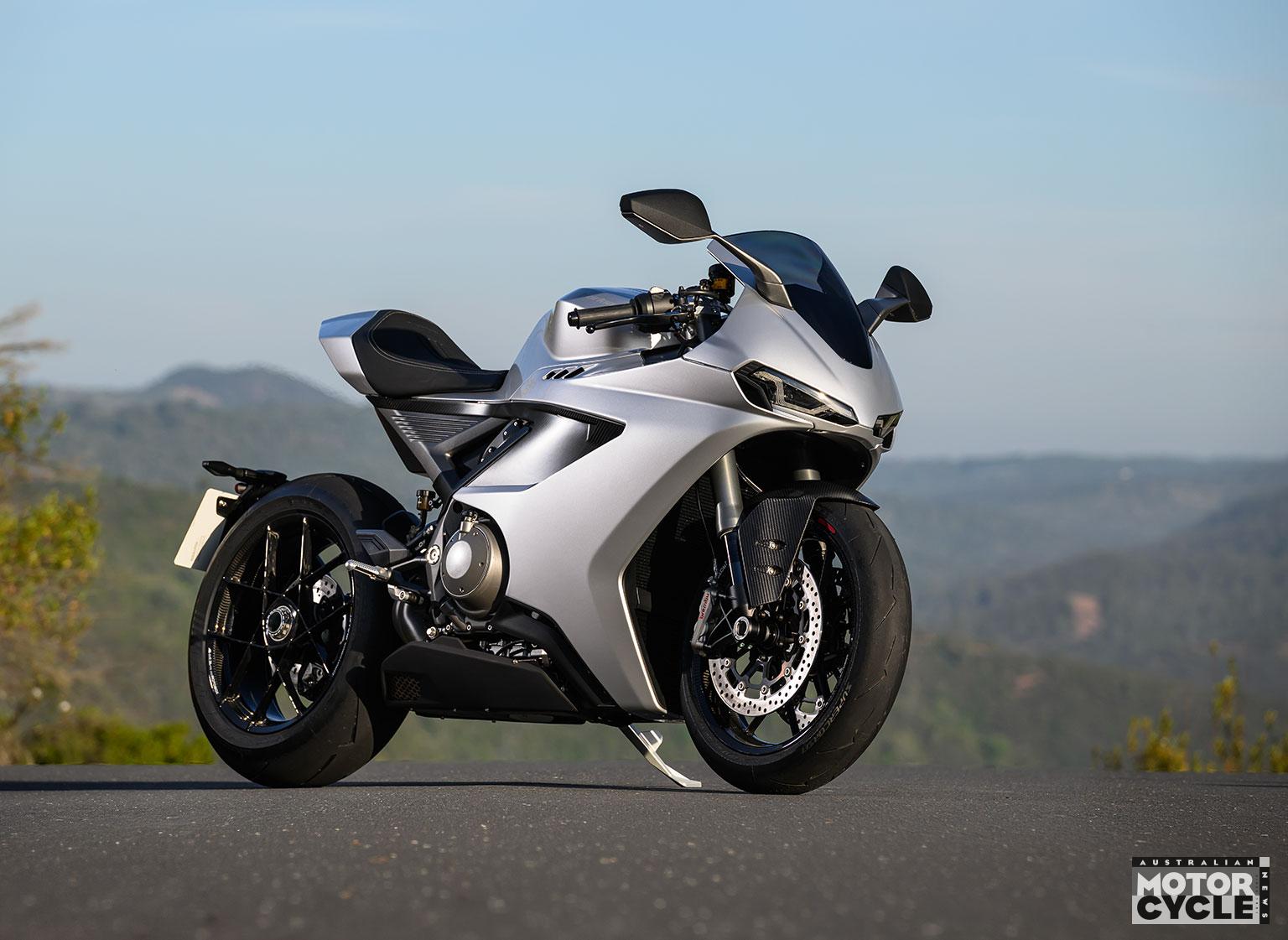
The Norton Manx R, created as the flagship model in the company’s resurgence under TVS ownership, has achieved worldwide acclaim for taking a fresh approach to a roadgoing superbike. Norton’s Chief Technical Officer, Brian Gillen, says it took over 30,000km of testing in Europe to develop a ‘hypersports V4’ aimed at a cross-section of road riders, not just experienced trackday enthusiasts.
“After analysing all the data we recorded, we discovered that on bikes with a redline of 12,000rpm upwards, they were collectively using more than 8000rpm just one per cent of the time, so they were getting most pleasure and satisfaction by riding the torque curve,” he told AMCN at the worldwide launch in Spain. “So it’s been our mission to bring that torque to the people and lower down in the rev range.”
In linking with his colleague Simon Skinner, Norton’s Head of Design, Gillen found a kindred spirit who’d already been there, done that, in creating a high-performance 1200cc DOHC 16-valve V4 completely unlike anything else in the marketplace.
Skinner formerly occupied the same role during Stuart Garner’s ill-starred Norton ownership and was largely responsible for creating Norton’s Gen 1 V4 platform. He began work on it in 2015, initially in conjunction with R&D consultants Ricardo, before taking the whole project in-house in 2016.
The first of the 200 limited-edition Norton 1200 V4-SS models went to customers in 2018.
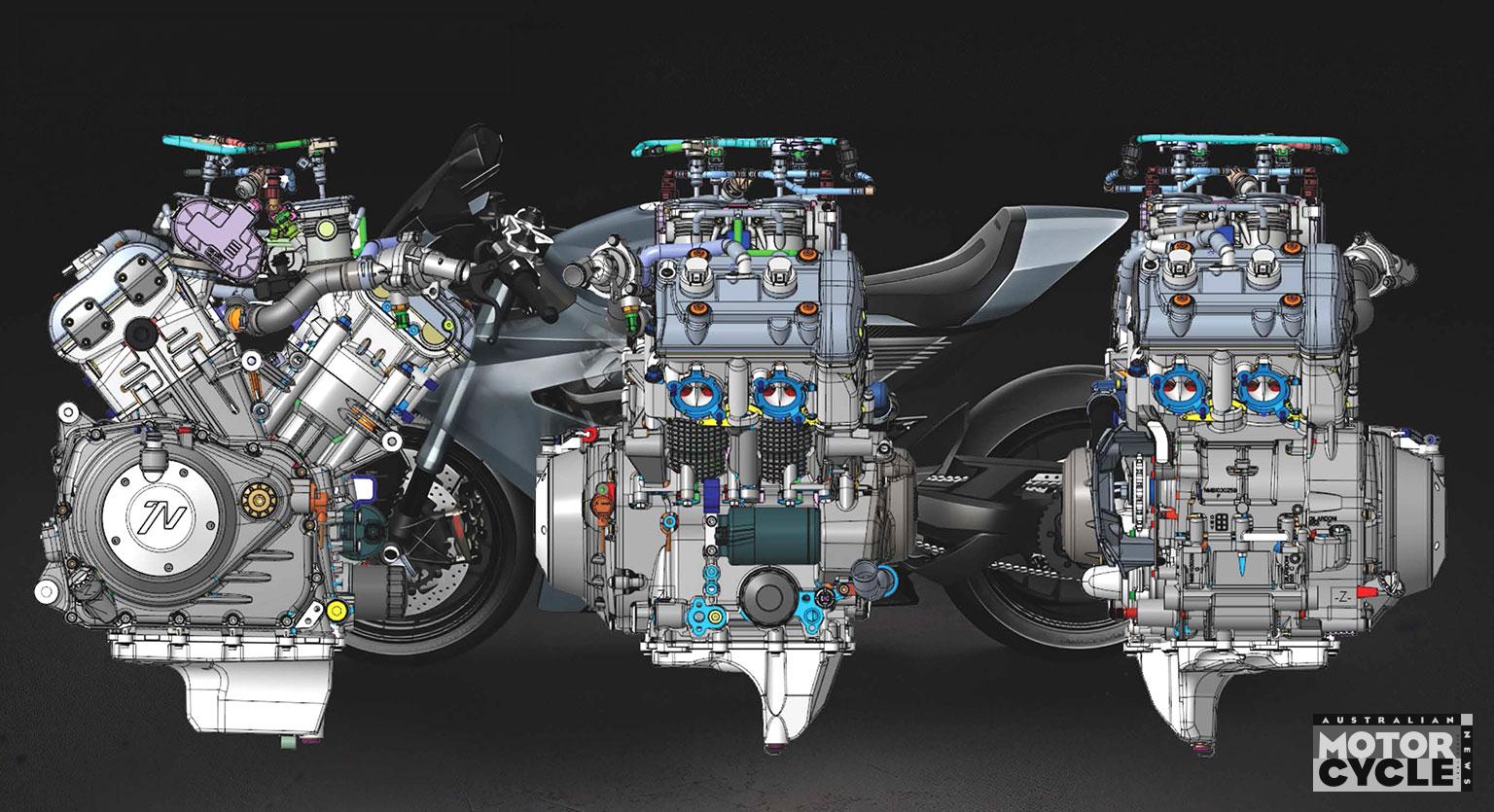
When TVS scooped up Norton lock-stock-and-barrel from the liquidator in April 2020 for just $A30m, it acquired the rights to the existing V4 engine, which had never been formally homologated. Now Norton’s 200-strong R&D team has produced a completely new version integrated into a totally new chassis, bodywork and electronics. The result has now debuted in the Manx R, and despite having the same 82mm x 56.8mm dimensions for an exact capacity of 1200cc, and the same 72° V4 architecture, not one component is shared with the previous model, according to Gillen.
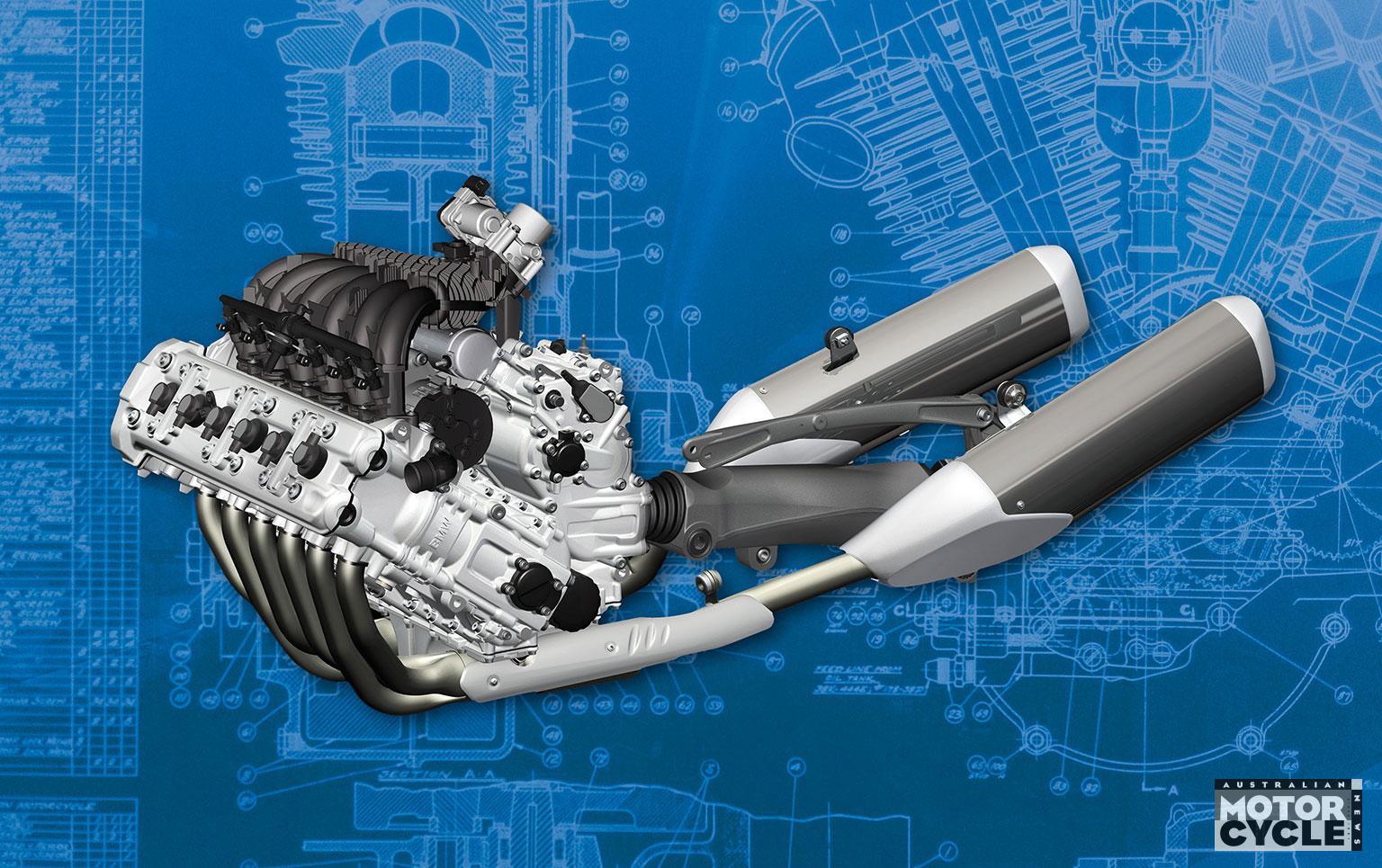
THE ULTRA-COMPACT 72° V4 ENGINE
The Manx R’s V4 engine is built in TVS’s state-of-the-art engine assembly plant at its Indian HQ, then shipped to the Norton factory in Solihull, UK, for assembly into the chassis that’s manufactured there. Running a high 14:1 compression ratio on all variants, it’s claimed to produce 153.6kW (206hp) at 11,500rpm, with a 12,500rpm revlimiter, with maximum torque of 130Nm delivered at just 9000rpm – but 77 per cent of that is already available at 5000rpm.
“Working with Simon and his team, our overall vision was to have a bike that is extremely compact and ultra clean-looking, without any aerodynamic appendages stuck on left and right,” Gillen says. “But we also wanted a bike that is very agile, with benchmark steering and handling. Yet we also wanted a really long swingarm that gives us traction, and control under acceleration. It meant we had to do something completely different to package the bike.”
This been achieved with a 1435mm wheelbase, short for a 1200cc V4 – the 1103cc Ducati Panigale 90° V4’s is 1469mm – combined with the compact nature a 72° V4 engine provides.
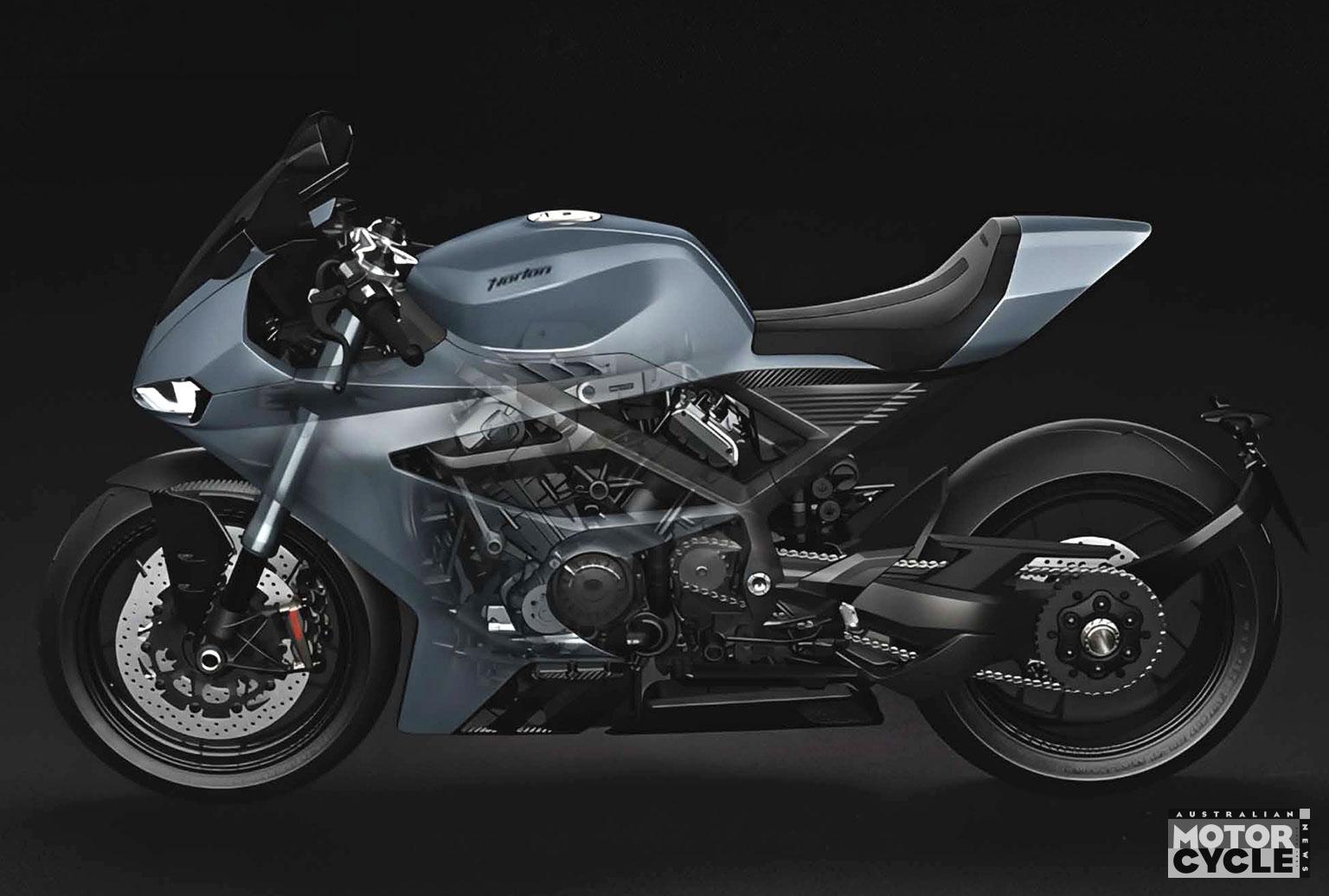
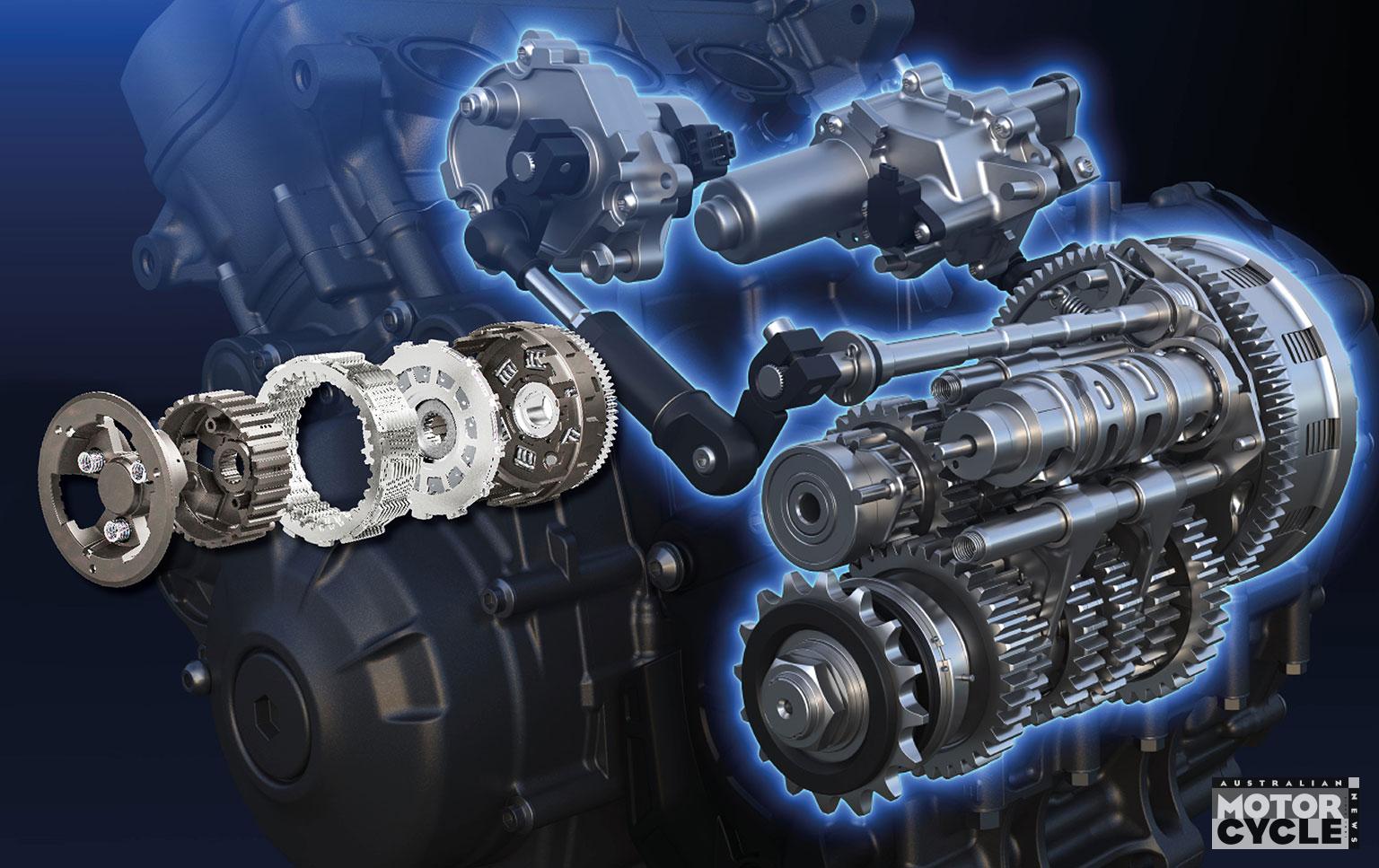
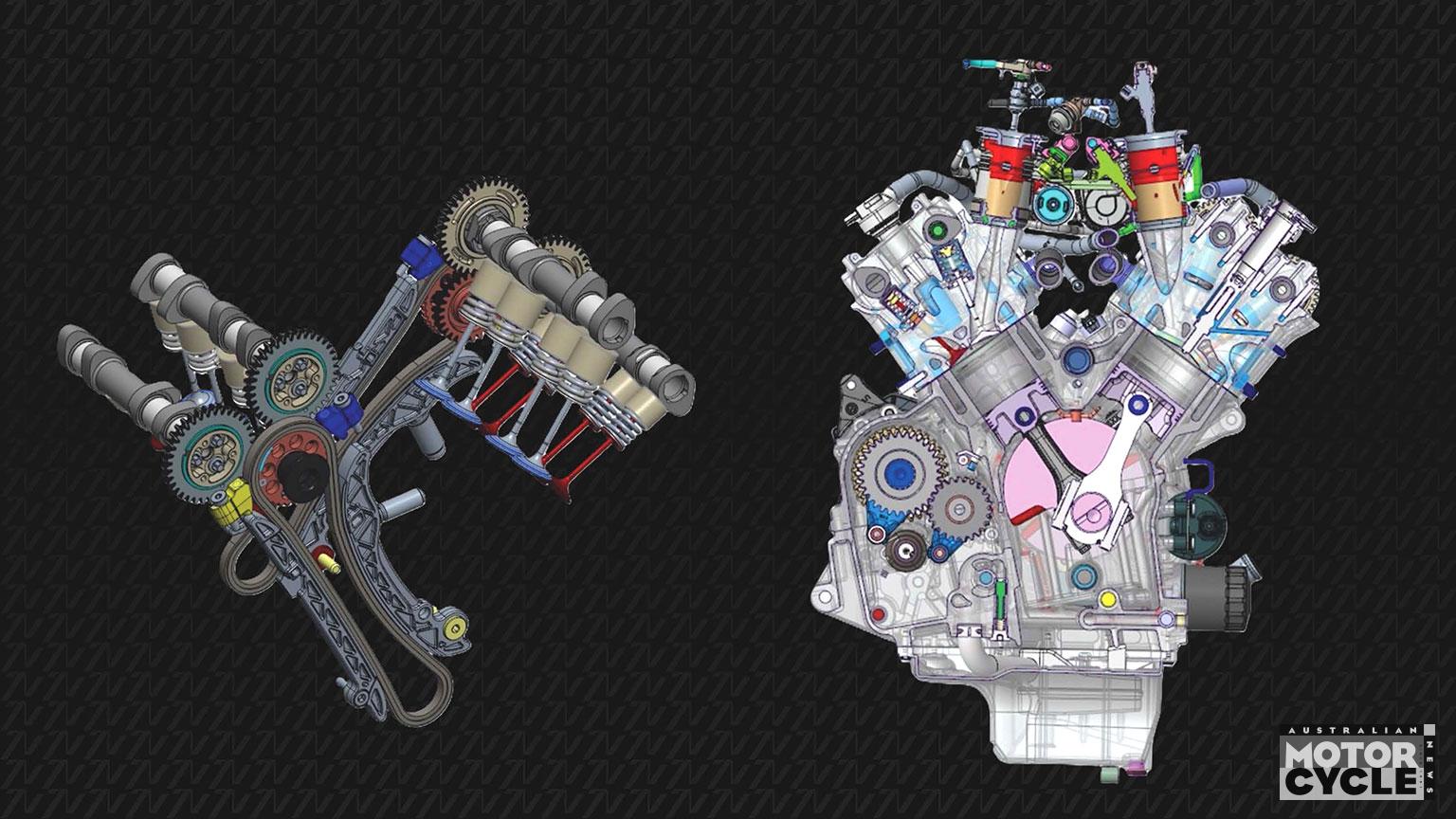
Norton went through several different iterations of cylinder angles before deciding the 72° format they’d inherited was indeed the best. In looking at the Manx R engine it’s almost a perfect square, which has allowed it to be moved farther forward in that short wheelbase. Both primary and secondary shafts for the easy-access six-speed cassette gearbox (with straight-cut primary gears and oil-bath multiplate slipper clutch mounted on the right upper side of the engine) have been stacked one above the other to further compact the engine lengthways.
But Norton’s engineers also needed the engine to be as short as possible vertically. They achieved this by using an idler gear and two scissor gears in the chain camdrive for each bank of cylinders, which allowed them to reduce the height of the engine by 12mm. Doing this in turn let them raise the engine 12mm higher in the frame, bringing the centre of mass of the engine up closer to the centre of mass of the entire bike.
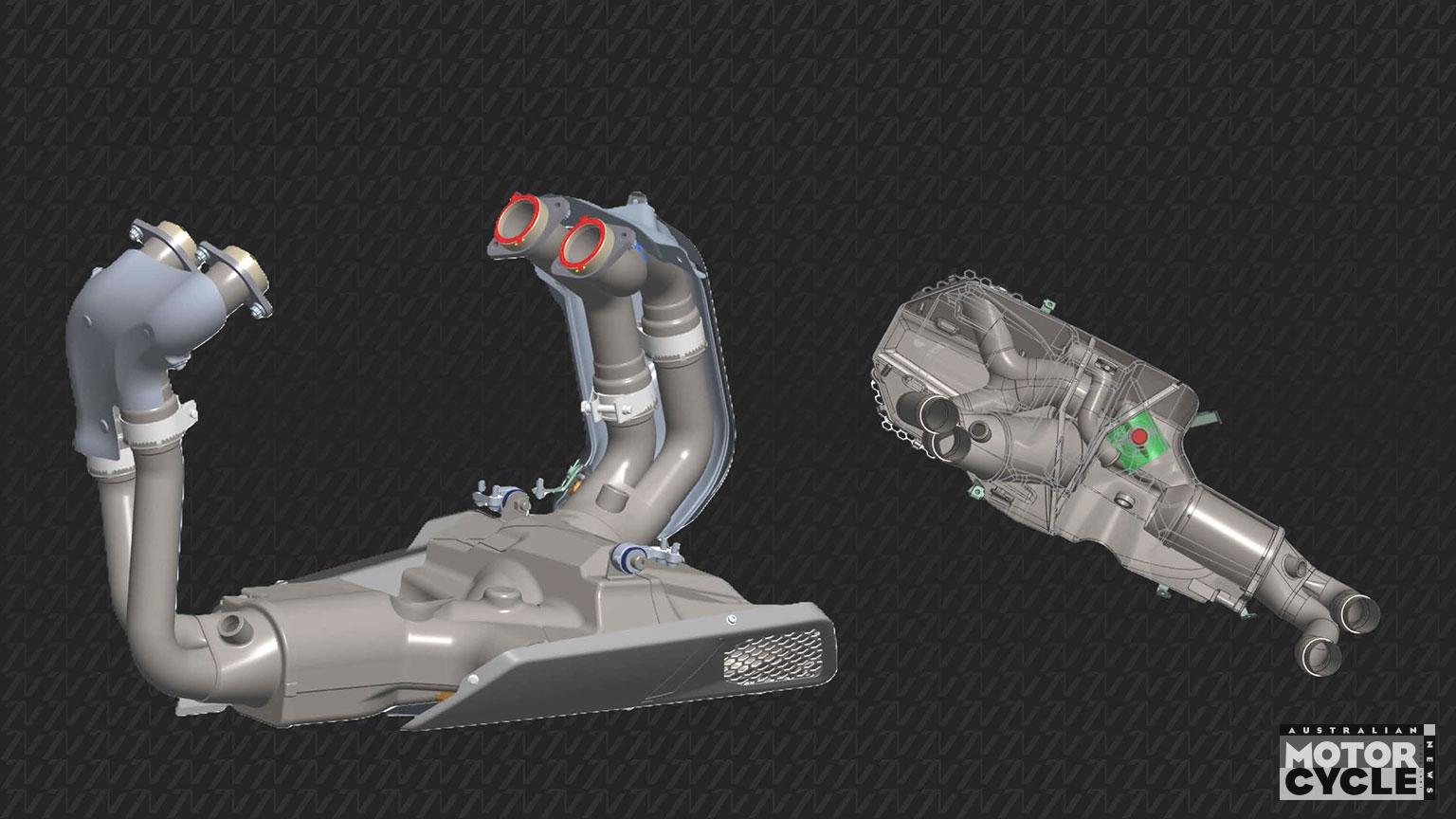
Raising the engine in the frame has also helped create space for the entire Euro 5+ compliant 4-2-1 stainless steel exhaust system.
There are no visible exhaust pipes either side on the sleek-looking Manx R, and the engine note has been fine tuned to deliver an extremely individual sound, one of Gillen’s key targets.
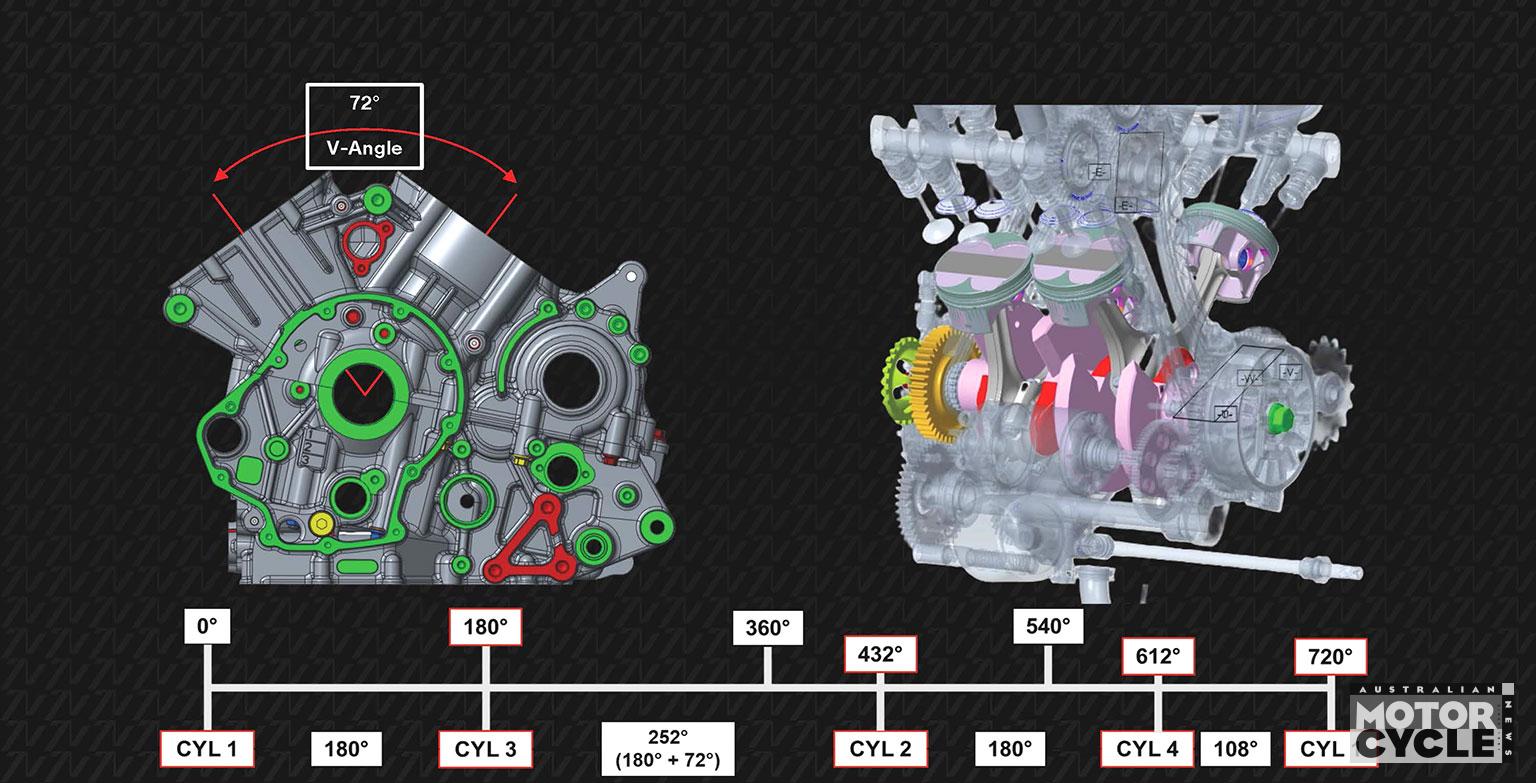
The Manx R has a unique so-called Phased Pulse firing order, whose irregular intervals are aimed at improving traction without having to stagger the crankpins. Its 1-3-2-4 order with variable timing gaps helps maximise drive from the mechanical platform, before any electronic intervention from the traction control is required.
The V4 also has perfect secondary balance, meaning the single gear-driven balance shaft needed to eliminate primary imbalance can be lighter, resulting in a low weight for the complete engine minus the two Dell’Orto throttle bodies of just 73.30kg. The 48mm Dell’Ortos feature two injectors per cylinder, one each side of the butterfly and operated sequentially, with a very steep near-vertical downdraft to the cylinder inlet tracts. This helps optimise cylinder filling and combustion, and increases power and torque as well as delivering a smoother throttle pickup. Front and rear cylinder banks can to be controlled independently, assisting both traction control and improving low-speed running, as well as allowing cylinder deactivation in hot conditions.
THE CHASSIS WITH A LONG SWINGARM
The chassis comprises five diecast aluminium sections TiG-welded together into one rigid structure. This is then put into a five-access CNC machine setter, and machined in one fixing. This is to ensure all tolerances entailed for optimum longitudinal rigidity, and tuned lateral and torsional flex are identical from one bike to another. There’s also a 565mm-long cast aluminium single-sided swingarm. This package delivers quicker, easier handling thanks to bringing the centre of mass of the complete motorcycle closer to the centre of gravity, to reduce the polar moment of inertia. That was one factor in Aprilia winning the WorldSBK championship in 2010 with its 65° V4 before Ducati followed suit with the wider-angle MotoGP-derived Panigale V4R.
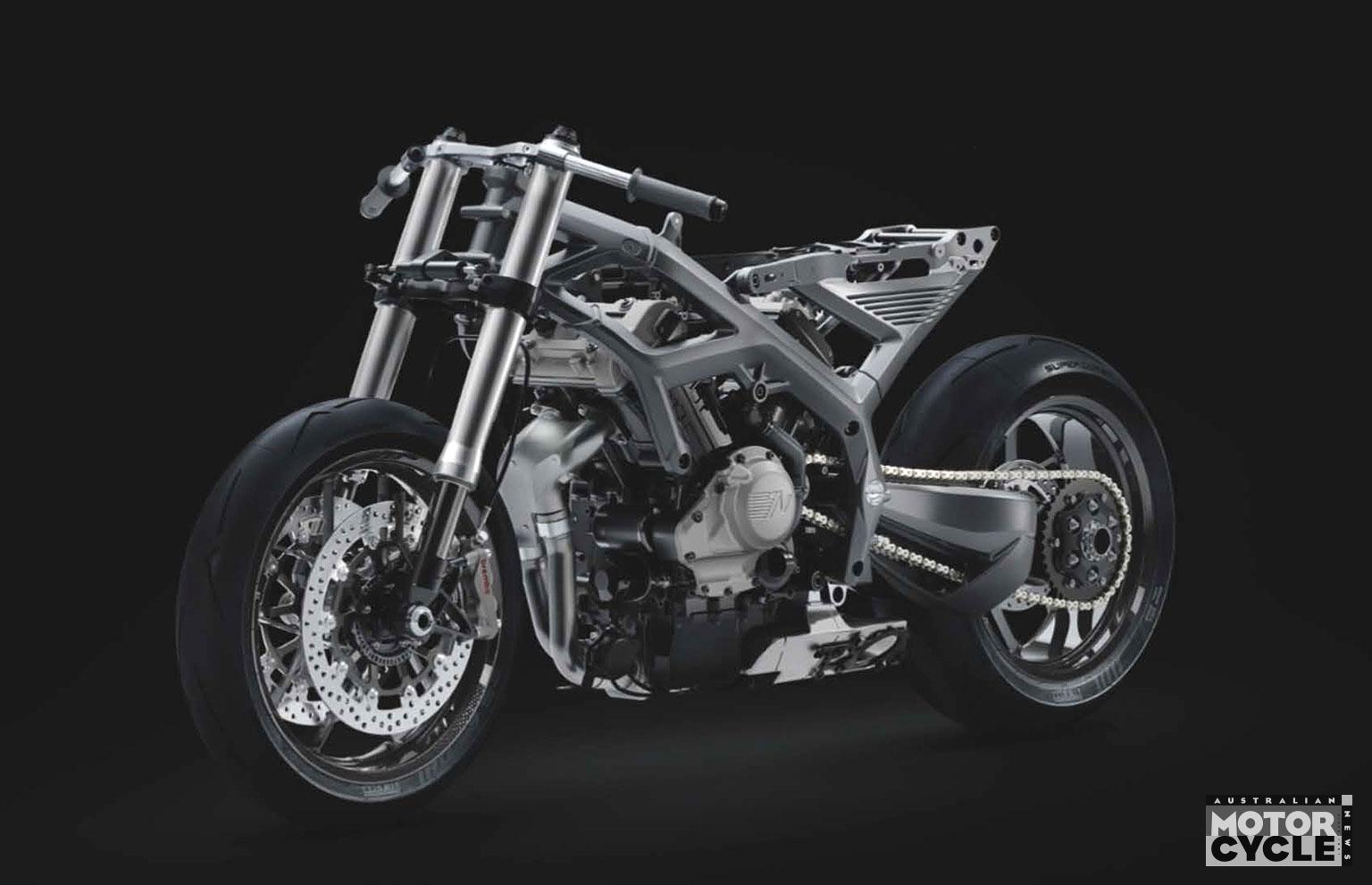
Rather than fit Öhlins suspension like almost all its superbike competitors, Norton has opted for Marzocchi, with a fully-adjustable 45mm USD fork set at a 24.1° rake with 94.5mm trail, and offering 120mm of wheel travel. There’s a Marzocchi shock with variable-rate link at the rear, also fully-adjustable and with 126mm of travel. But for the Apex, Signature and First Edition variants, Norton has included the Italian company’s semi-active electronic suspension.
“Marzocchi has a technology that nobody else has right now in terms of semi-active suspension, with the linear potentiometer inside the front fork,” says Gillen. “So all the other suspension manufacturers have a potentiometer on the rear shock, but they’re just looking at acceleration on the front axle, whereas with the Marzocchi system, we’ve actually got the same data that you have on a World Superbike, because we have the linear potentiometer built in. This, tied together with the electronic rear shock and the potentiometer on that, gives us direct feedback, telling us exactly what the front fork and the rear shock are doing at any given moment – and tied together with the six-axis IMU, we can now start to predict what’s going to happen. It’s a gamechanger.”
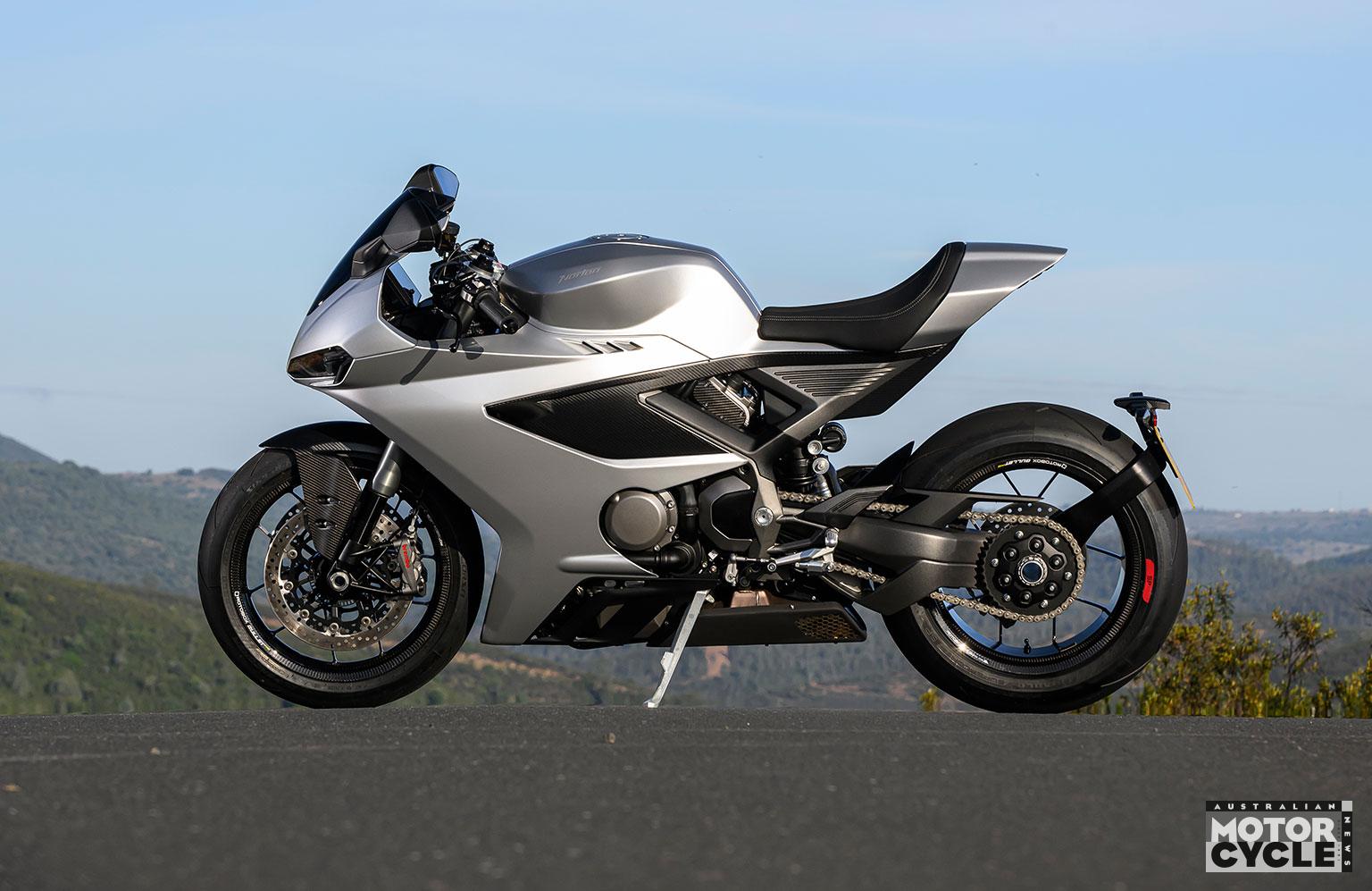
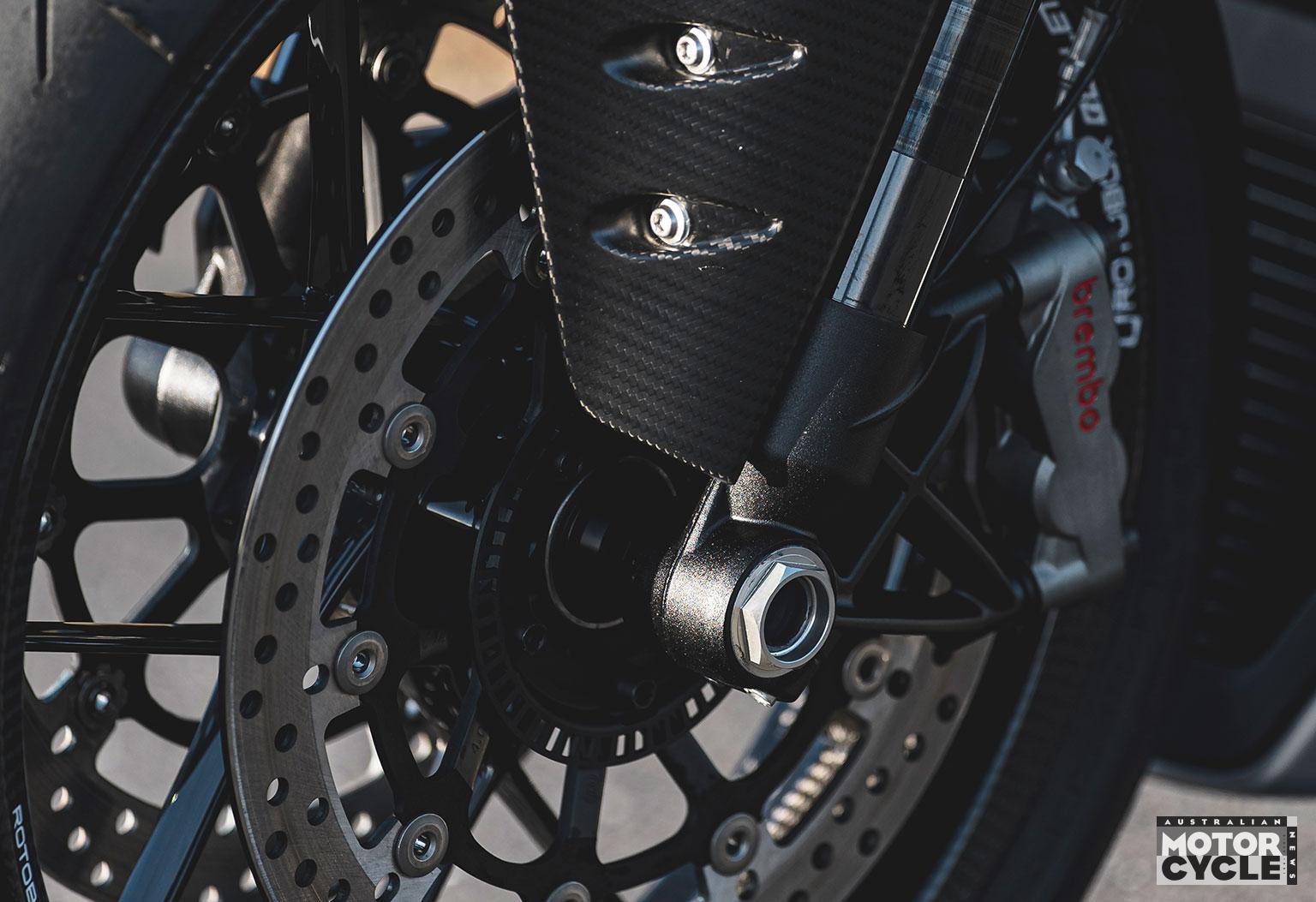
The standard Manx R has cast aluminum wheels, but the Signature model at the world launch had Rotobox Bullet Pro 17-inch carbon fibre wheels to reduce unsprung mass and rotational inertia to the minimum. In this guise it scales a claimed 209kg with oil/water and a 90 per cent full 13.5-litre fuel tank. All variants run Pirelli Diablo Supercorsa SP-V4 tyres – 120/70 and 200/55.
Equally avantgarde are the brakes, twin semi-floating 320mm front discs gripped by radially-mounted Brembo Hypure four-piston calipers, with a 245mm rear disc and two-piston caliper, all fitted with Bosch’s advanced lean-sensitive Cornering ABS EVO, constantly adjusting braking pressure based on the motorcycle’s lean angle, acceleration and speed to maintain traction and stability while cornering.
ELECTRONICS THAT GIVE 1G OF BRAKING
The collaboration with Bosch was a key design element that resulted in another world first.
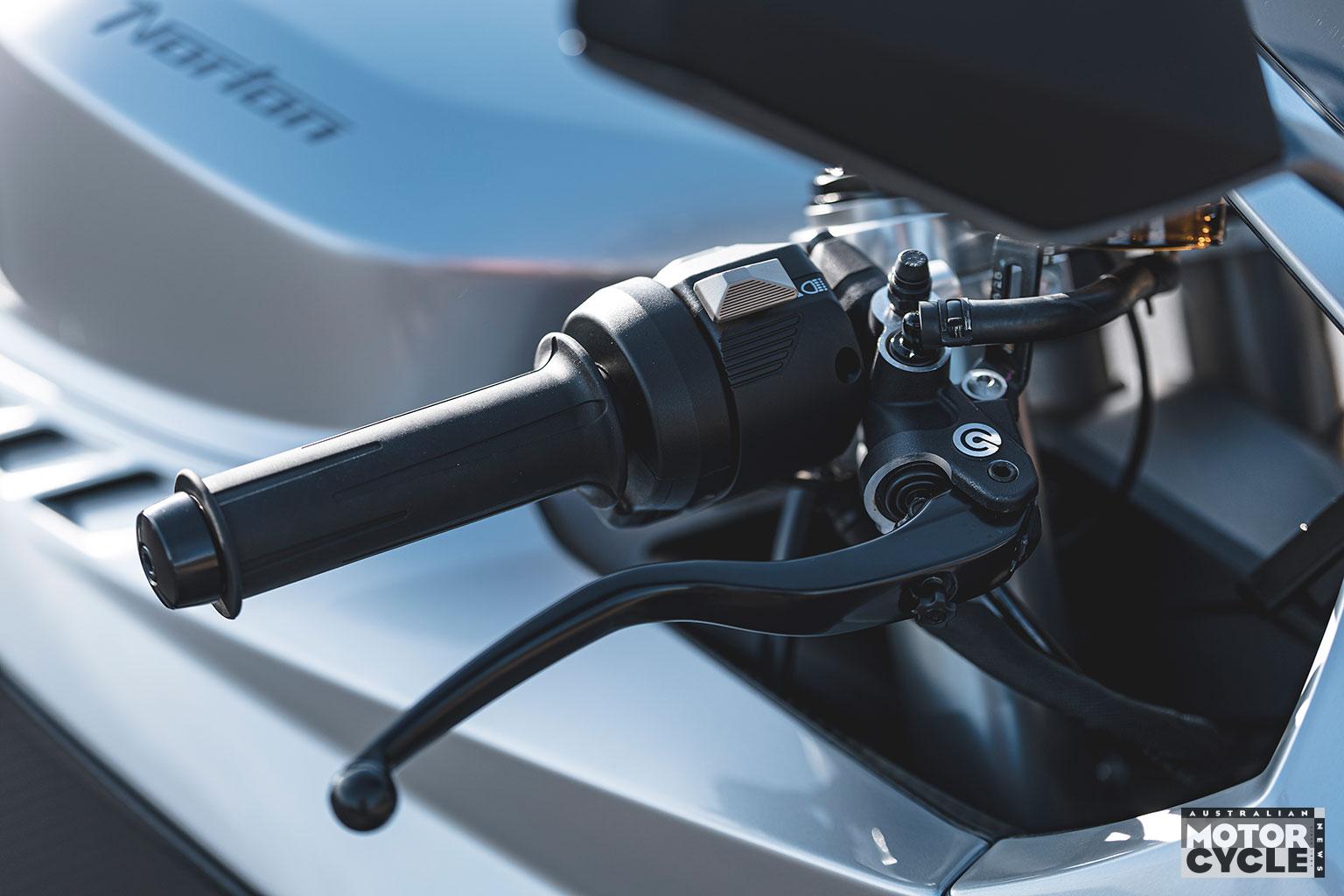
“We worked with Bosch with a very clear idea: we want Norton to be something different in terms of braking,” says Gillen. “We came up with a unique algorithm with them, so the Manx R is the first hyperbike you can buy that exceeds 1G under braking. Our competitors are around 0.92G, 0.95G of deceleration, we’re at 1G, 9.8 metres per second squared of deceleration, still with RLM to keep the back tyre down on the ground. But, only after it has come off the ground when you first grab the front brake lever super hard, because we want all the weight to be initially transferred to the front tyre. But then it quickly touches down again, which allows you to actually steer the bike into the corner, or to avoid an obstacle. That’s something different.”
Norton’s own highly advanced ECU gives keyless ignition, six-axis IMU, cornering ABS with RLM, Rear Slide Control, lean-angle sensitive TC, wheelie control, launch control and corner-sensitive cruise control as stock, plus five riding modes – Sport, Road and Rain, plus two Custom Track modes.
It’s all part of a full suite of electronics accessed via the 8-inch TFT touchscreen offering full Bluetooth and wi-fi connectivity, navigation, multimedia control and GoPro integration.
It’s easy to see that the Manx R is a thoroughly modern motorcycle, by any standard.