37 years after riding to Phillip Island’s first MotoGP, Nigel Paterson returned for its farewell aboard Honda’s new CB1000GT. One last pilgrimage, one very different four-cylinder and a reminder that the destination is only ever half the story
What do you get if you cross a Hornet with a Fireblade? Maybe a hot, angry insect? Honda has done it and created the CB1000GT, passing up the chance to call its new bike the Burning Sharp Bug.
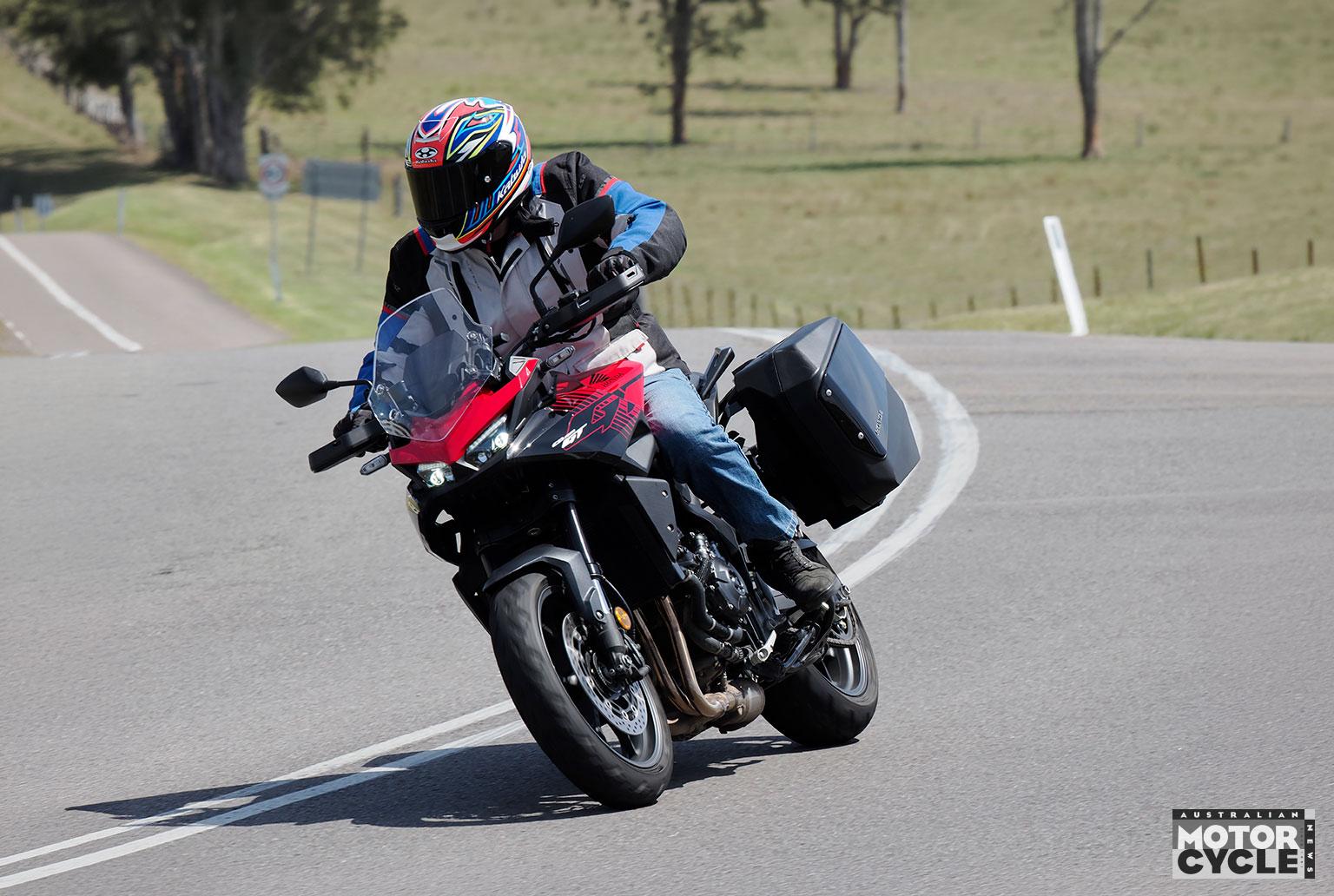
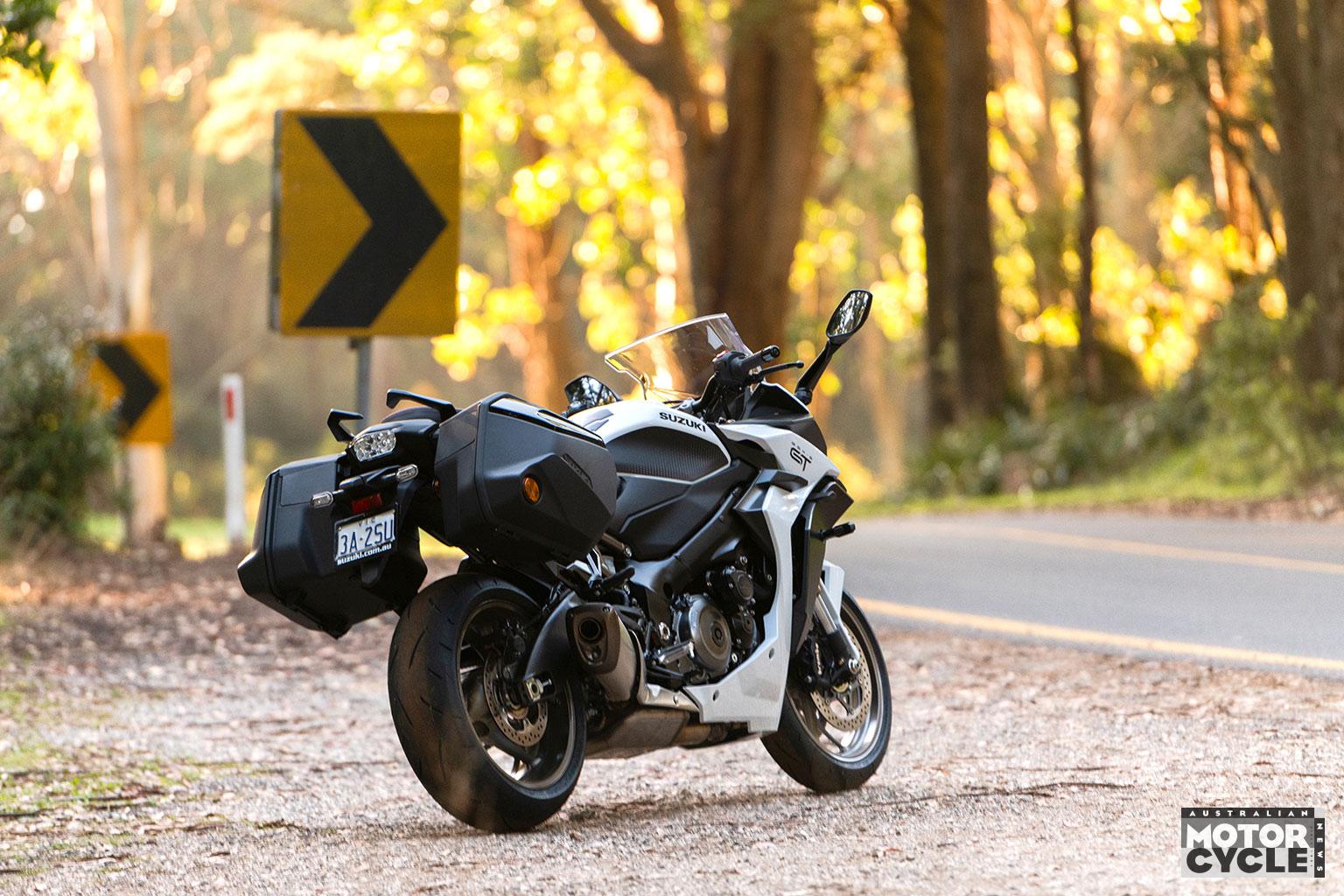
The GT takes its sporting heritage, and its engine, from the Fireblade, and its upright, practical riding position from the Hornet. Add a half-fairing and panniers for touring comfort and convenience, and you have a modern sports-tourer of a kind we haven’t seen from Honda since the demise of the VFR800 and VFR1200F (or maybe the rare and strange Crosstourer).
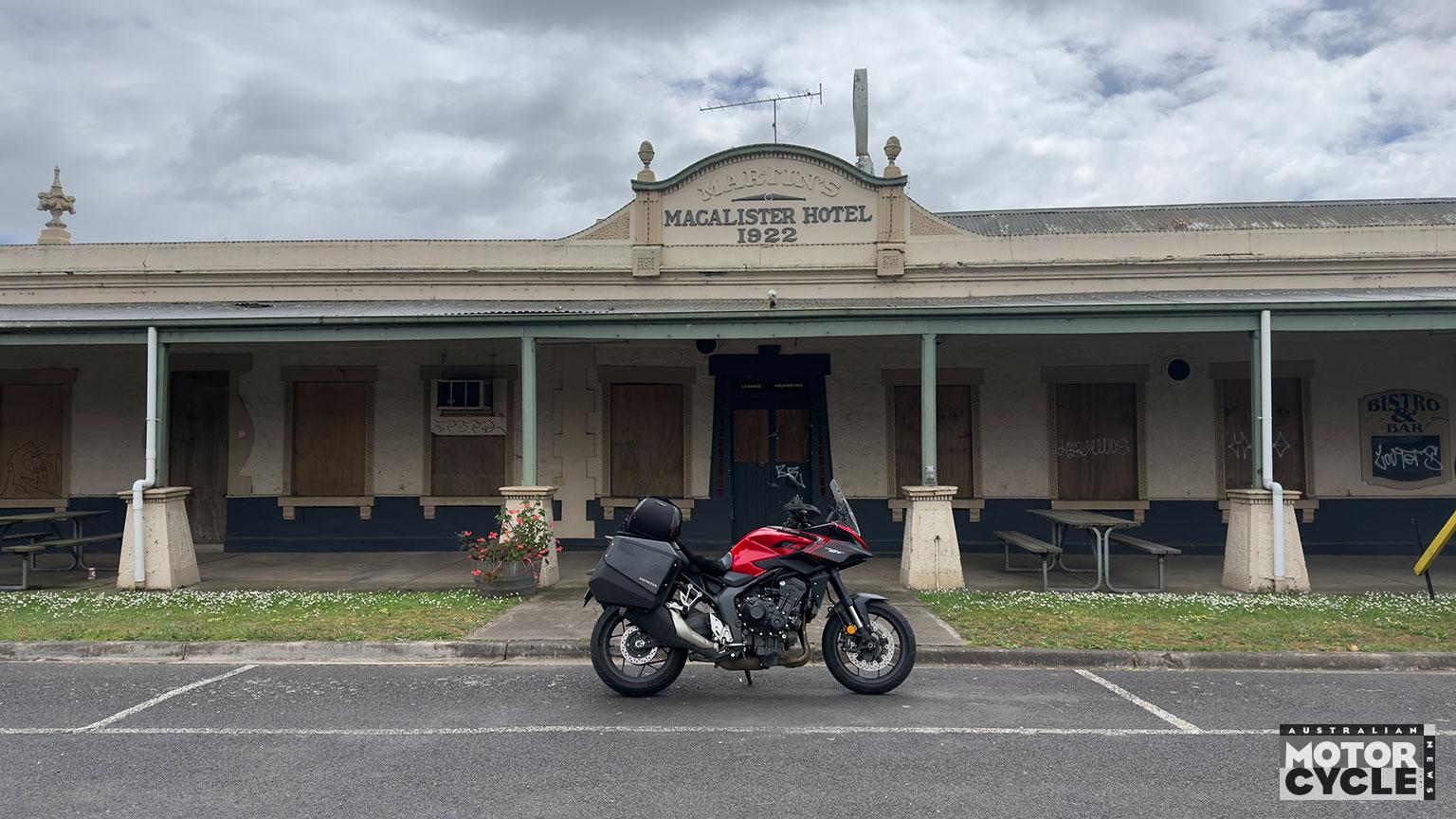
The timing of my first proper ride aboard the GT couldn’t have been more appropriate. Back in 1989, I rode a Yamaha FZ750 to Phillip Island for the circuit’s first World Championship Grand Prix. Thirty-seven years later, I was heading back for its last, this time aboard another sporty, liquid-cooled Japanese four-cylinder.
A lot has changed in motorcycling between those two journeys, not least the machinery beneath me. But the appeal of pointing a capable bike towards Phillip Island, preferably taking the long and winding way there, hasn’t changed a bit.
And with the GT promising sportsbike performance, long-distance comfort and enough luggage space for a decent road trip, it seemed a fitting companion for one last pilgrimage.
The success of adventure bikes has been influencing sports-tourers in recent times, with bikes like the BMW S 1000 XR, Kawasaki’s Versys models, the Yamaha Tracer 9 and Ducati Multistrada Pikes Peak, and now the CB1000GT, offering upright riding positions, weather protection, sporting ability and (usually optional) panniers for the long haul.
The return of the UJM?
The late 1970s and 1980s were the era of the Universal Japanese Motorcycle, typically a four-cylinder, across-the-frame naked bike displacing at least 750cc and often up to 1100cc. It was a formula that sold in huge quantities because these bikes were capable straight out of the box, yet could be modified for racing, touring or even turned into show ponies.
They were everywhere because they were affordable, capable, versatile and fun, and these new models broadly emulate many of those characteristics.
My old FZ750 wasn’t strictly a UJM, but it shared that same spirit of versatility. It was a sporting motorcycle you could ride a long way, enjoy enormously on a winding road and still use for everyday duties. In many respects, that’s exactly what Honda is trying to achieve with the CB1000GT, albeit with nearly four decades of technological progress thrown in.
If your passions don’t extend to dirt roads, bikes like the CB1000GT offer an excellent compromise between touring comfort, sportsbike performance and even naked-bike versatility.
Fire in the belly
I started this story with how Honda’s marketing pitches the bike as something of a fusion of the Fireblade, a fully faired, track-focused sportsbike, and the naked Hornet, an affordable do-anything machine.
I think there’s a dose of NT1100 in the formula too, with its half-fairing and panniers, although its twin-cylinder engine is sadly lacking in horsepower.
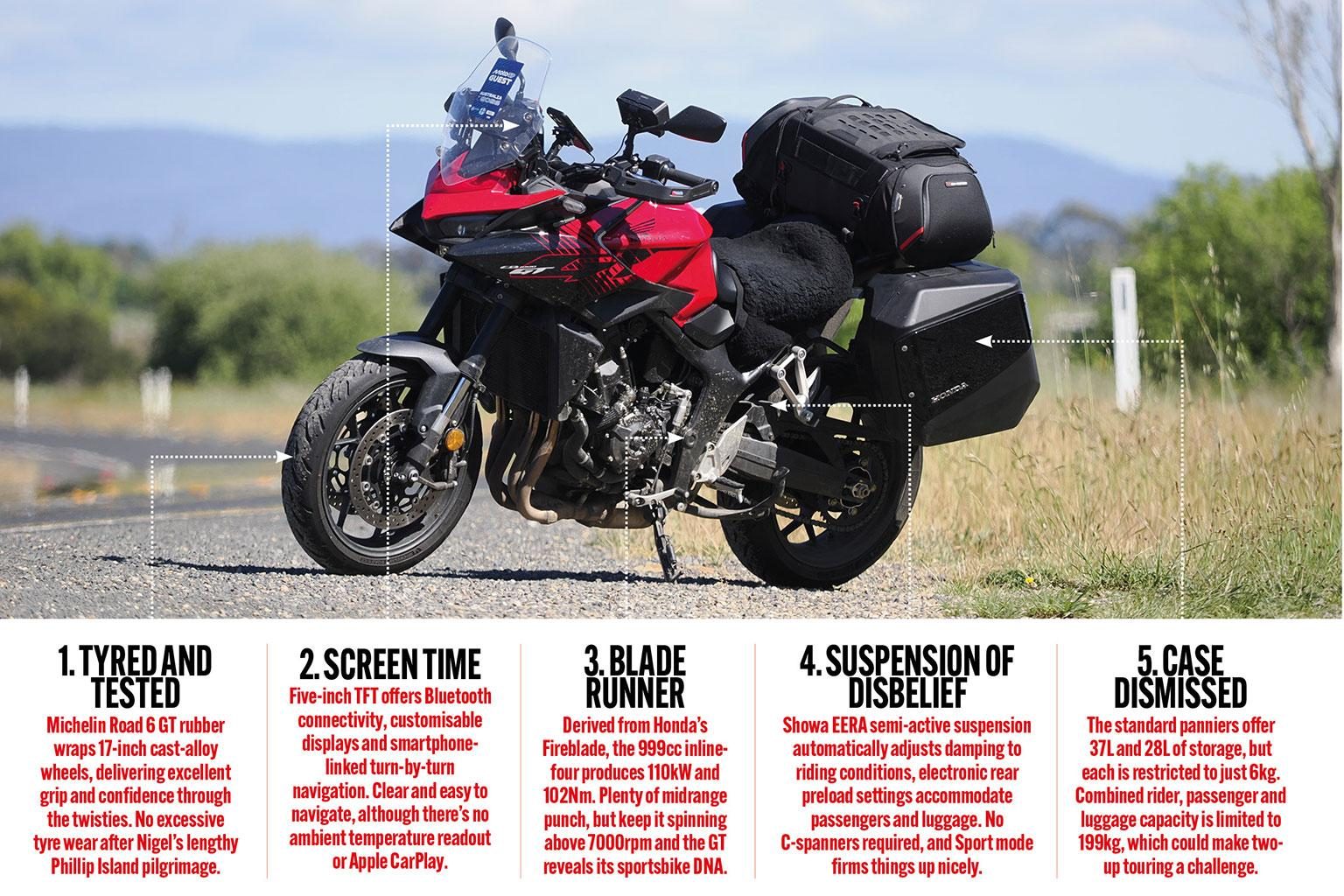
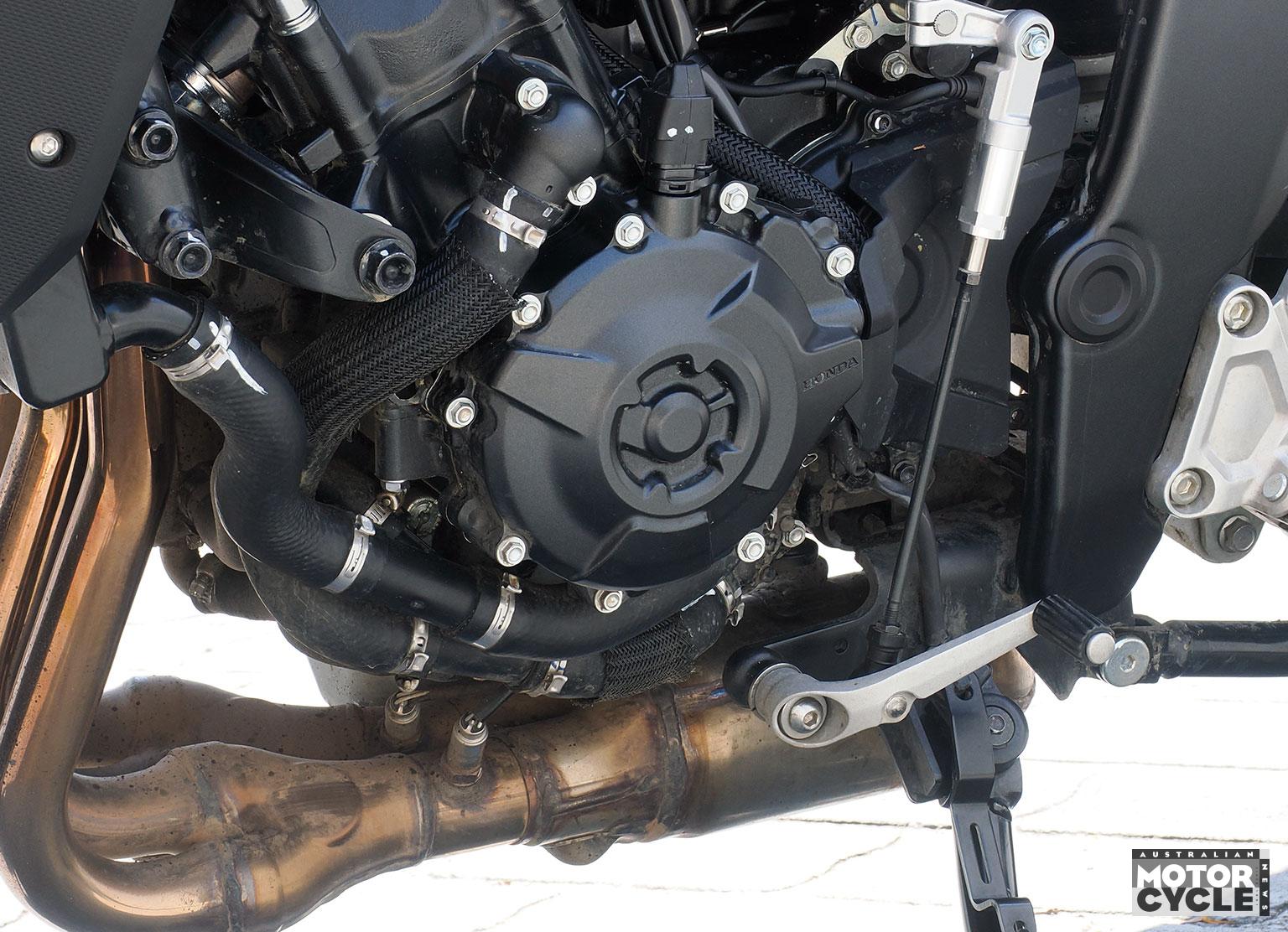
The CB1000GT produces plenty of power, 110kW (148hp) from its liquid-cooled, 16-valve inline-four, along with 102Nm of torque. While it’s not the sort of mind-bending performance the latest Fireblades are famous for, it’s more than enough for sane riding on public roads.
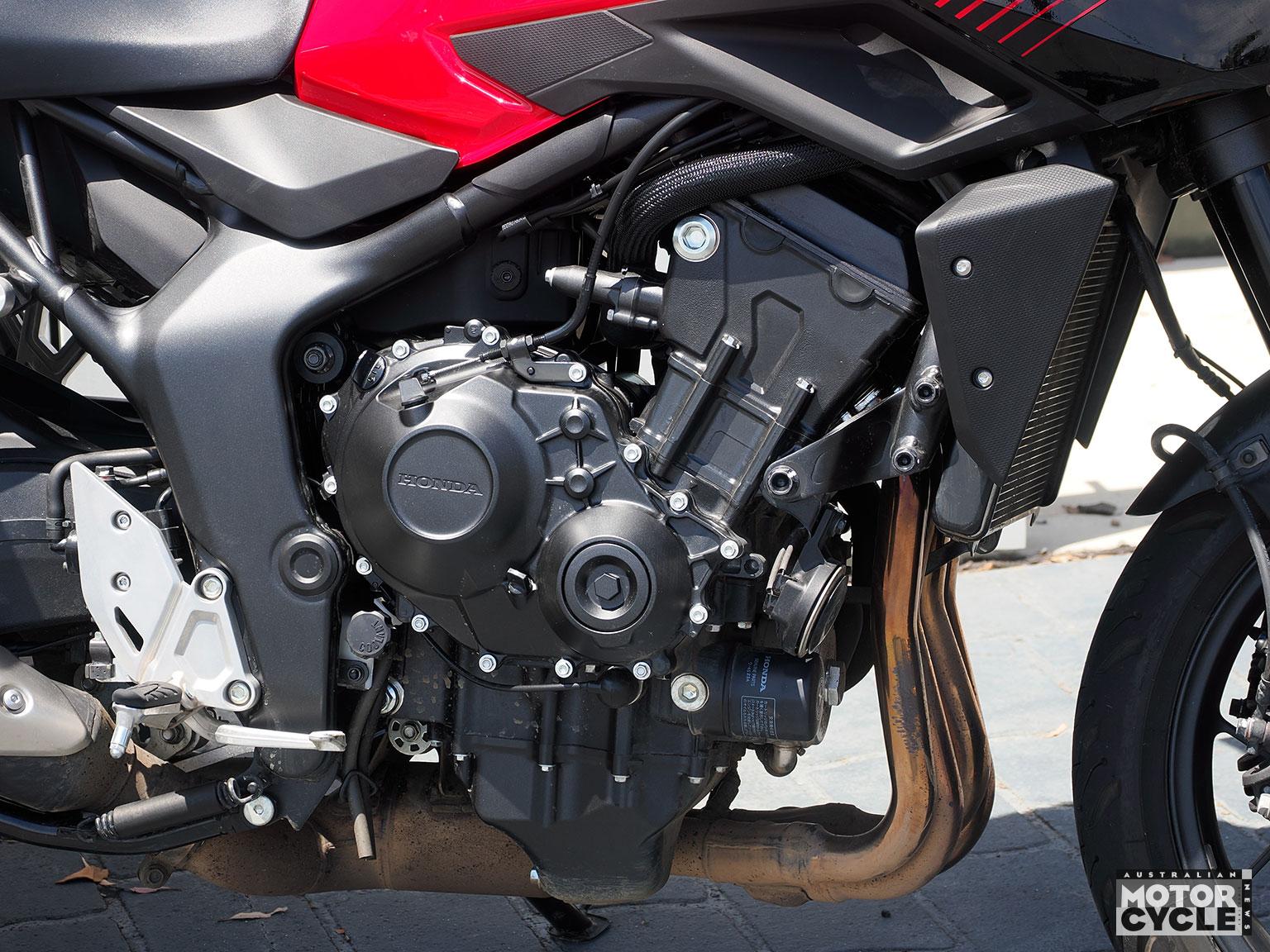
Along with the four-cylinder engine come a few tingles, with vibration through the seat, footpegs and handlebar. It’s not bad, but it’s there, and if you’re a fan of twin-cylinder bikes because of their feel, this bike isn’t going to convert you to the joys of a four. Conversely, if you love four-cylinder bikes, it’s not so bad it’ll put you off.
More importantly, to me, is the power delivery. There’s plenty of power and torque from low in the rev range, but if you’ve been spoiled by the even bigger fours, like the CBR1100XX, Yamaha FJR1300 and Kawasaki 1200s and 1400s, whose bottom-end grunt is justifiably legendary, you might find it a little disappointing.
It’s something a 1000 in 2026 can’t quite match, possibly due to modern emissions and noise regulations, or perhaps because it’s based on the high-revving Fireblade engine.
Once into the midrange, the performance is great. Flexible and fun, the GT easily overtakes almost anything without requiring a downshift. Just a twist of the grip and it smoothly accelerates through highway speeds to rocketship velocity very quickly.
These characteristics are partly down to the engine’s configuration. The short-stroke Fireblade engine needs revs to perform, so getting it spinning is required, and becomes second nature after you’ve ridden the bike through more than a dozen corners.
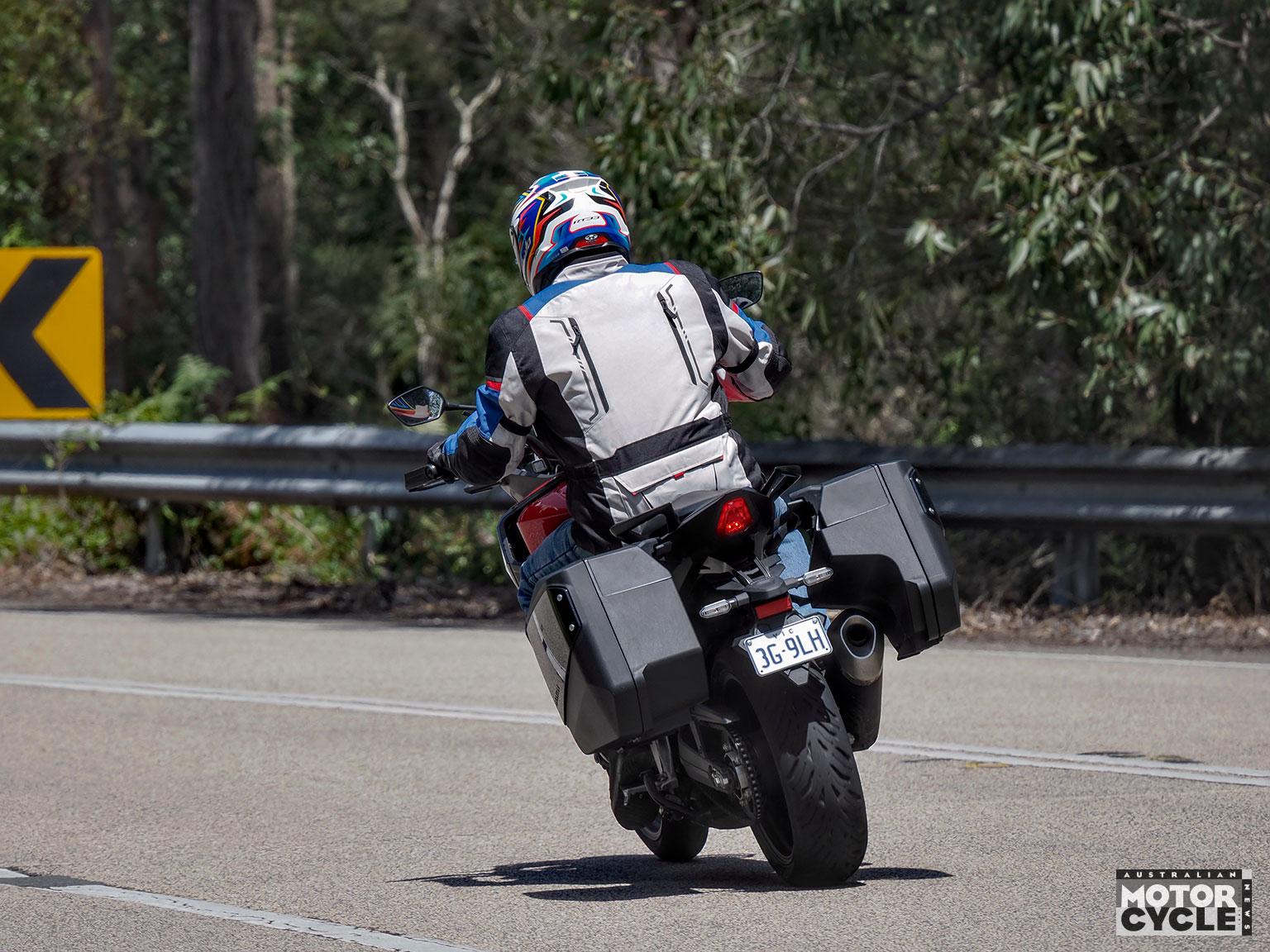
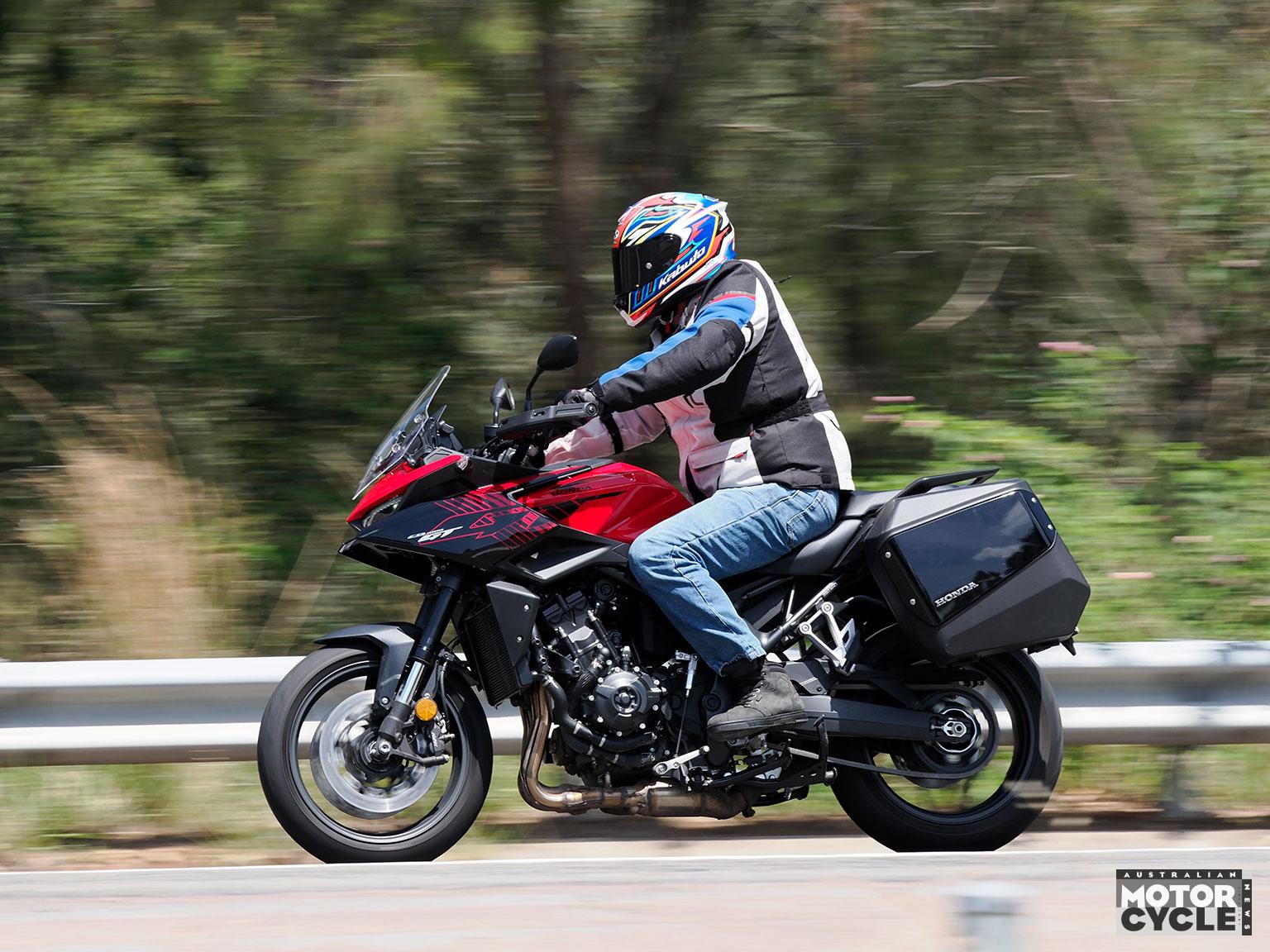
And when you start stringing those corners together, driving hard and letting that engine spin up, its sportsbike nature comes to the fore. Keep the engine spinning above 7000rpm and it’s a very, very exciting ride. Doing so is easy, thanks in part to the up/down quickshifter.
Down through Mitta Mitta and on to Omeo was peak sportsbike riding for me during my trip to Phillip Island. I revelled in the exciting nature of the engine in those conditions. Then there was Clyde Mountain on the way back, which was possibly even more fun, although it’s a relatively short stretch of sportsbike heaven.
For the twisties, I had the Honda in Sport mode, while on the transport sections I selected Tour mode, trying out Standard a few times along the way. Honestly, I didn’t feel a whole lot of difference between the modes. I’m sure Rain mode would be very different, but I forgot to use it during my two very short wet-weather rides, from Cowes to the track and back again.
The reality is that the differences between the modes are generally more about suspension damping and traction control intervention coming out of corners. Sport mode changes the suspension dynamics more than the engine performance, and even then, the differences are fairly subtle.
The most noticeable change was the suspension damping, which is firmer in Sport mode. That’s good when you’re scrubbing off speed for tight turns, as the fork retains some travel despite hard braking. There’s also a User mode so you can create your own settings.
For riders looking for a touring bike, the CB1000GT’s powerplant might be a little too sporty, whereas riders who like high performance will revel in the peak output. I, for one, enjoyed the relaxed riding of its stablemate, the NT1100, but thought it was 20 horsepower short of the mark for a modern sports-tourer.
Creating a sports-tourer
Derived from the Hornet 1000’s frame, the chassis is a twin-spar steel diamond design with the engine hanging underneath. There are no tubes running under the engine.
The rear subframe is also steel, lengthened and strengthened compared to the Hornet for better luggage and passenger carrying capacity.
Compared to the Hornet, the wheelbase is longer thanks to a longer swingarm, and there’s more trail for better stability, theoretically at the expense of slower steering. However, I haven’t ridden the Hornet, so I can’t say whether this is true.
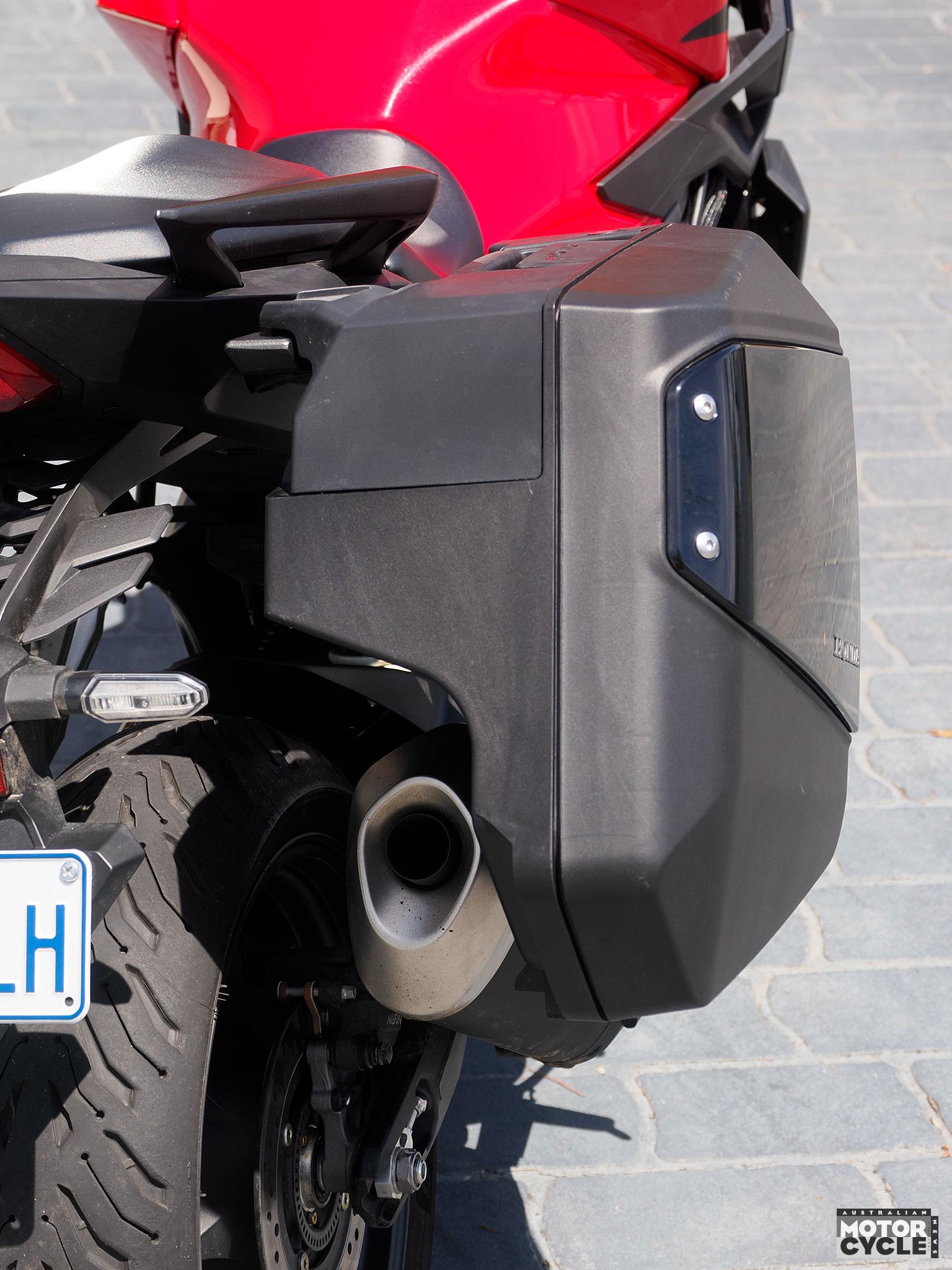
Despite making changes to the chassis to produce a bike better suited to touring, I don’t think Honda went far enough. The panniers have capacities of 37 and 28 litres (the right-side box has a cut-out for the exhaust), but each is limited to just 6kg!
A very expensive rear rack ($1590) and 50L top box ($639) are available, with a similar weight limit. There’s also a small tankbag, but the maximum combined weight of rider, passenger and luggage is 199kg, which isn’t really enough for two Aussies on tour. I suspect there will be numerous CB1000GTs pushing the recommended limit.
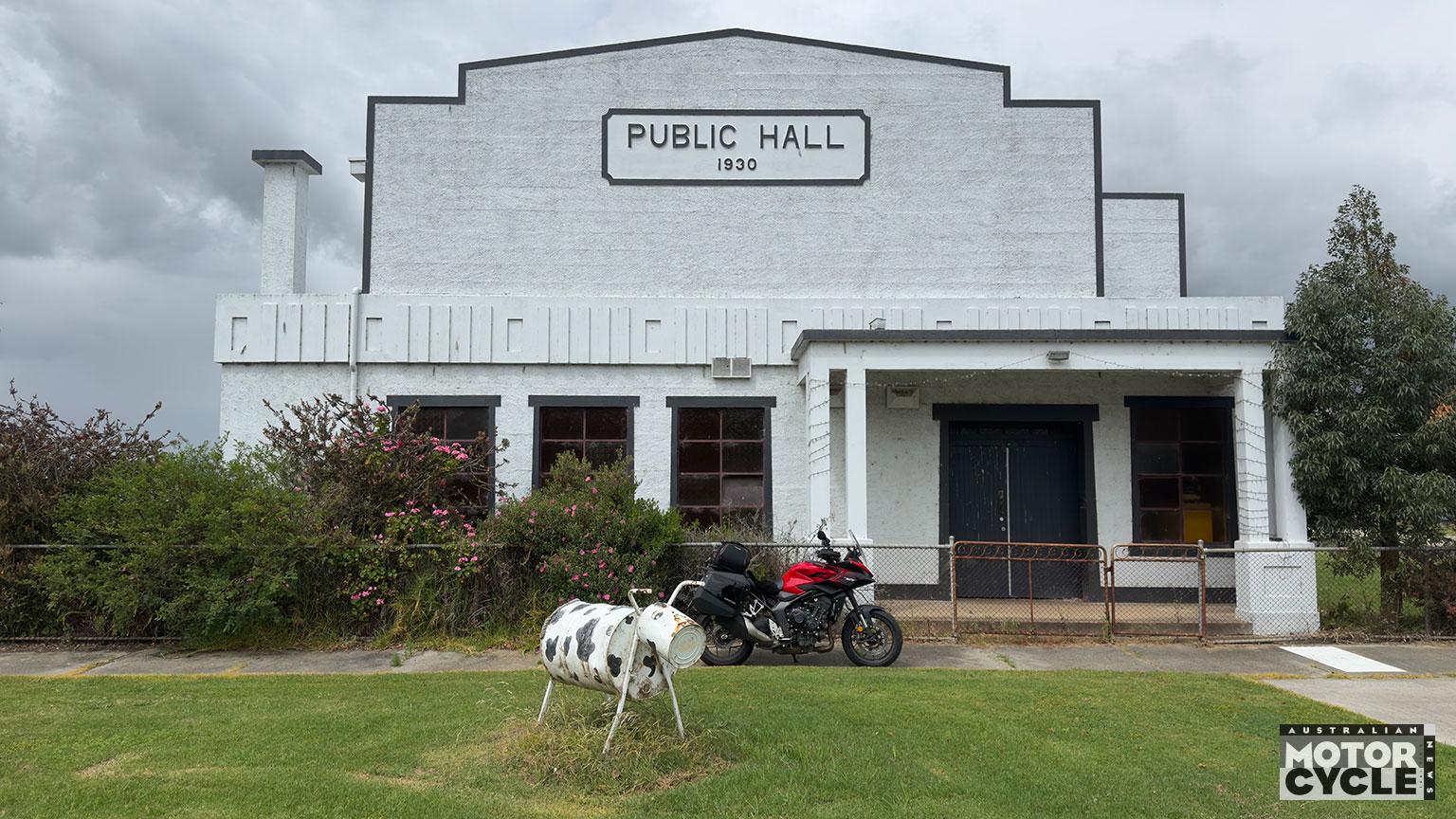
The panniers, which are standard equipment and included in the price, are fairly conventional clamshell units. They hang from the pannier racks via a pair of hooks and a slot that slides over a rubber locating arm. It’s a standard mounting method and works fine, with the fold-down carrying handle pushing a clamp onto the mounting rail to ensure the pannier doesn’t fall off. A smaller inset handle is used to open and close the pannier lid.
The panniers are fine, and fairly simple, which should mean reliable, but they cannot be opened, closed, locked or removed without the key. That’s a little frustrating in 2026. I like to have access to pannier contents without needing a key while on tour. Which brings me to the key. You need it to remove the pillion seat, open the fuel cap and operate the panniers, but not the ignition, which uses a fob with an integrated key. It’s the worst of both worlds: the inconvenience of having to use a key, combined with the expense and potentially reduced reliability of an electronic fob.
Also electronic is the suspension, which I like. Semi-active suspension is finally coming to affordable bikes, and I think it’s something of a game-changer, providing easy adjustment for the load you’re carrying: rider, rider with luggage, two-up or two-up with luggage.
On the GT, the rear suspension preload is electronically adjustable. A few presses of the handlebar buttons, navigating via the five-inch TFT display, and the job is done. No C-spanners required.
Damping rates are controlled by the semi-active suspension, which alters them depending on the riding mode, speed, lean angle and conditions. I particularly like how these systems increase compression damping under brakes, reducing dive while offering more compliance and comfort over bumps.
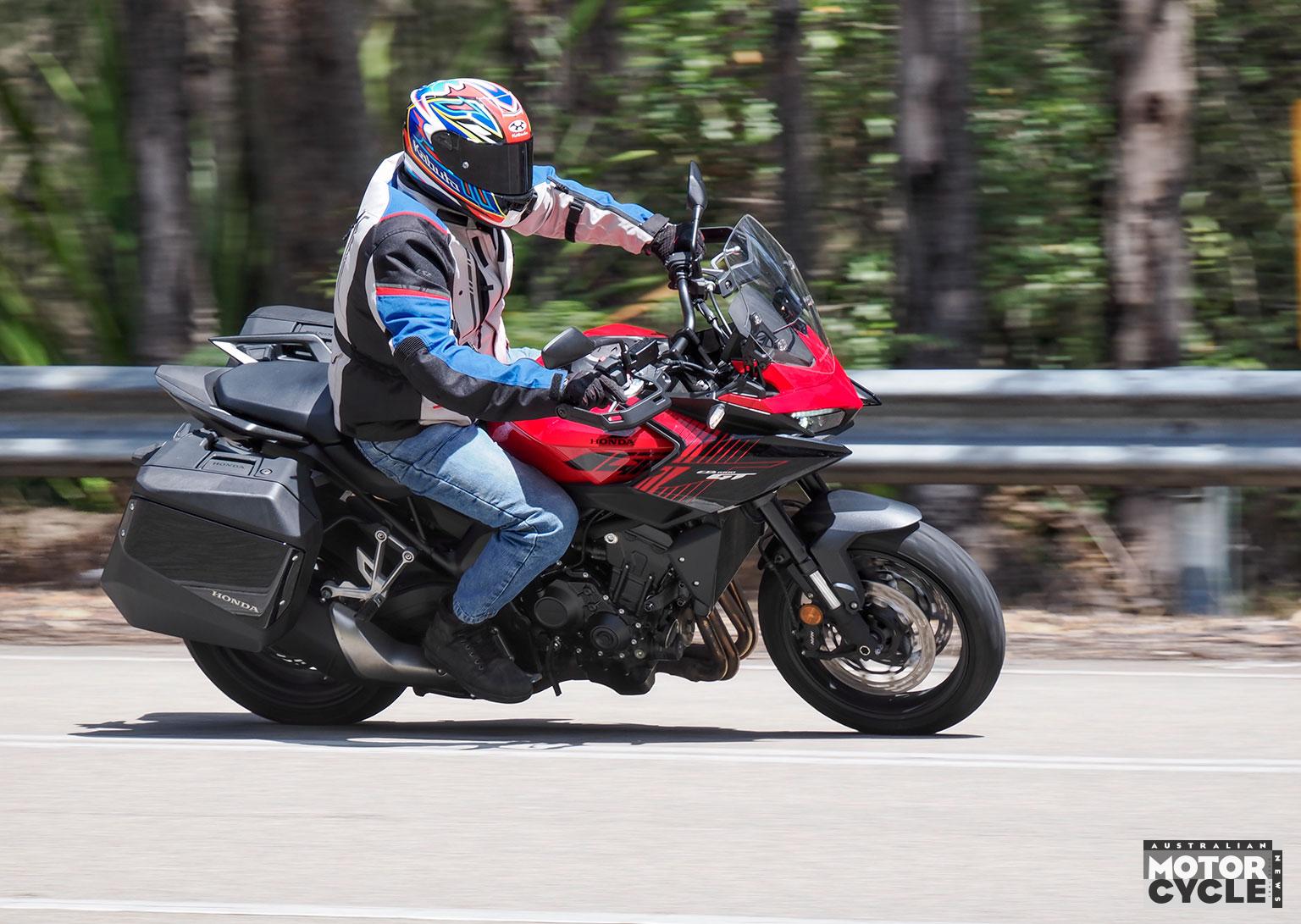
The performance of the Showa EERA USD fork and Pro-Link rear shock is good. There’s not the fine-tuning available on a high-end sportsbike, with its highly adjustable preload, compression and rebound damping, but for the target market, being able to adjust the basics very quickly, even on the move, is awesome.
There’s also a User mode where owners can dig in and configure their own riding settings, allowing finer tuning of power, engine braking, traction control and suspension.
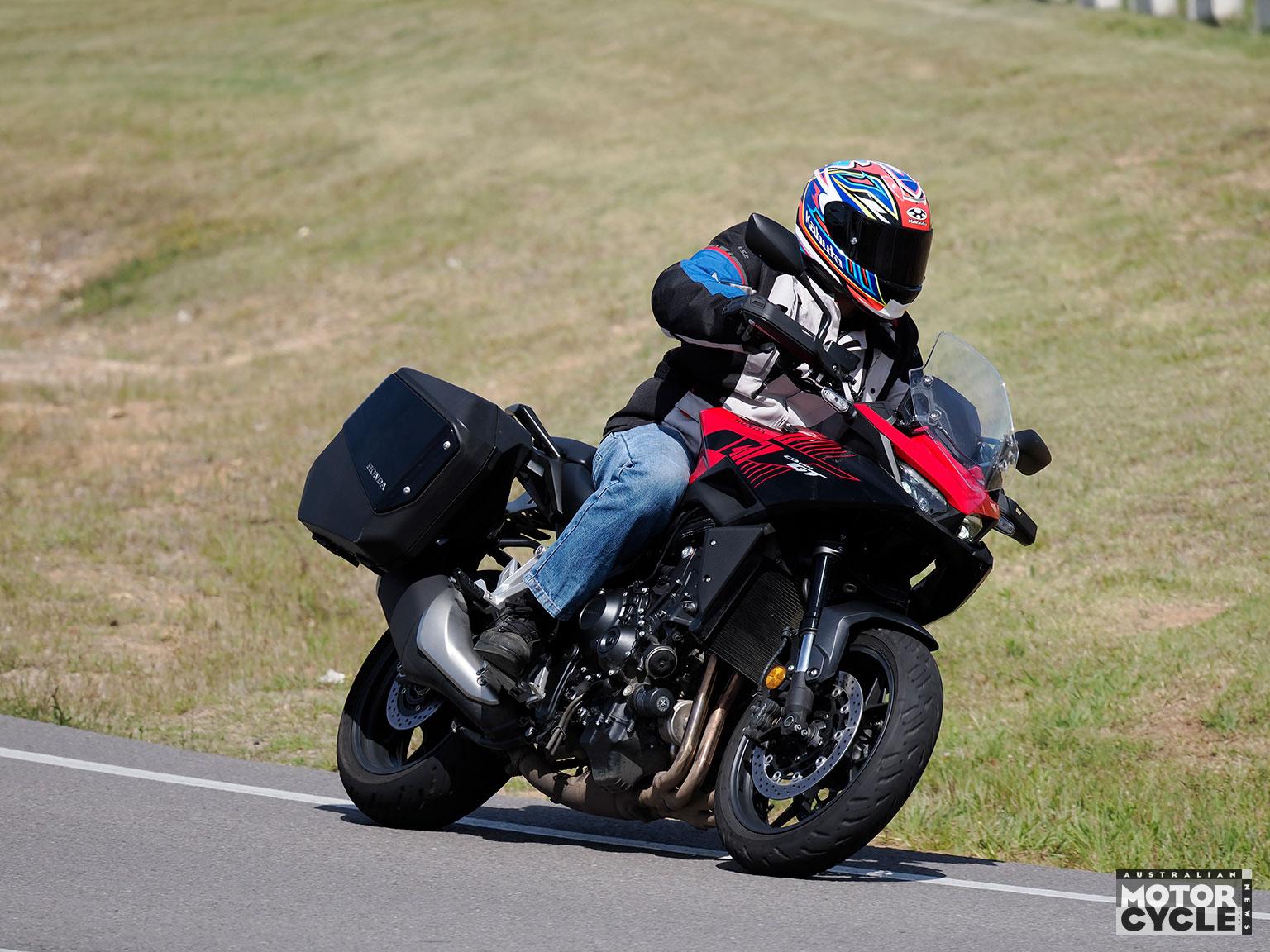
When I pushed the GT as hard as I was game to on a public road, I touched a footpeg down just once, so cornering clearance is good. What stopped me going faster was the suspension, which needed more rebound damping, but by this time I was going pretty quickly. I could have dug into the menus and increased the rebound damping in User mode, but with a long way to go and not too many more winding roads ahead, I simply settled back into the rhythm of the tour.
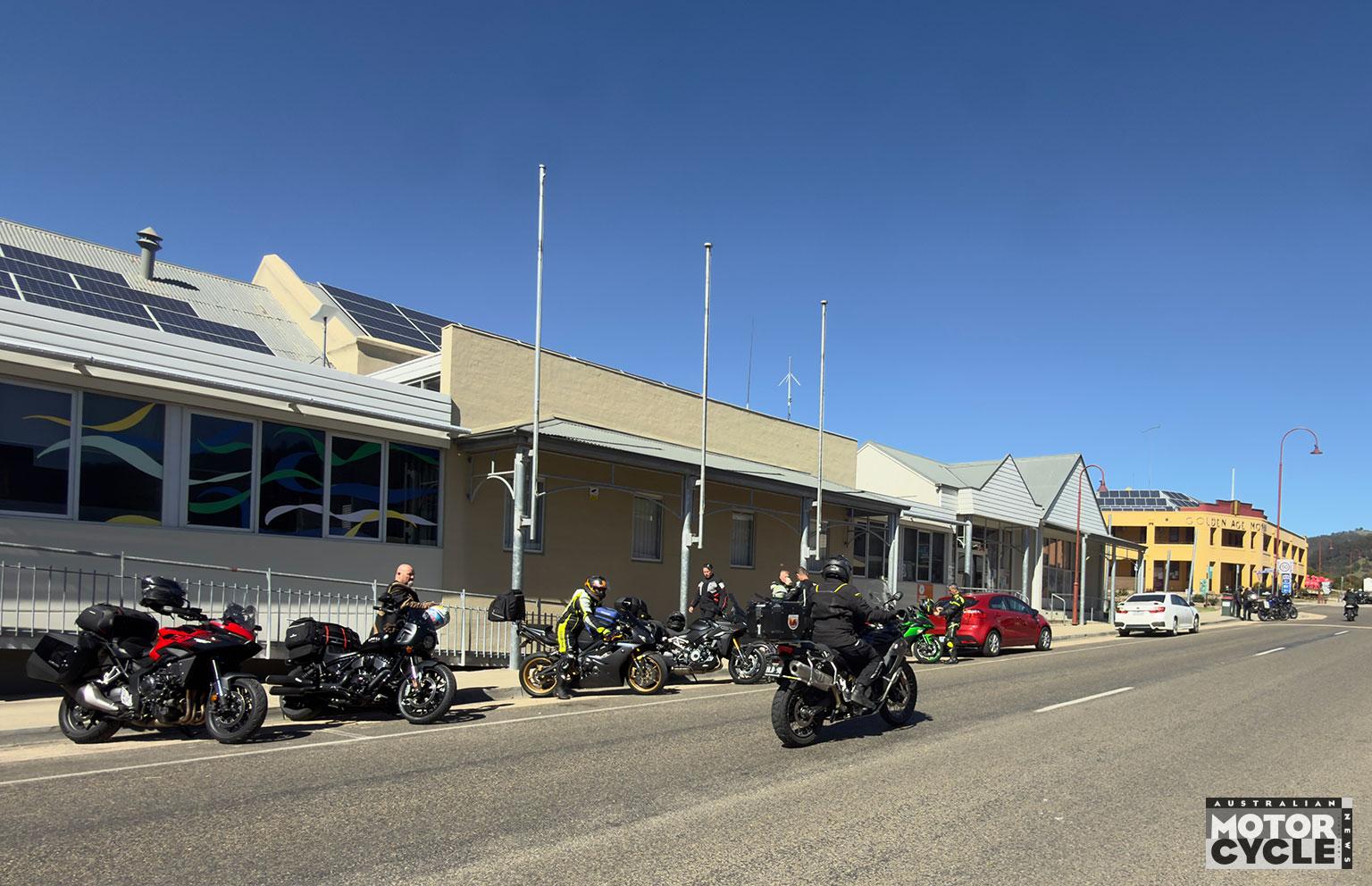
Still, it’s good to know the suspension can be fine-tuned if conditions warrant it.
Wheel travel is 130mm front and 140mm rear, which compares well with other bikes in the class, providing a comfortable, good-handling ride across all sorts of conditions, from bumpy, poorly maintained roads to smooth, fast twisties.
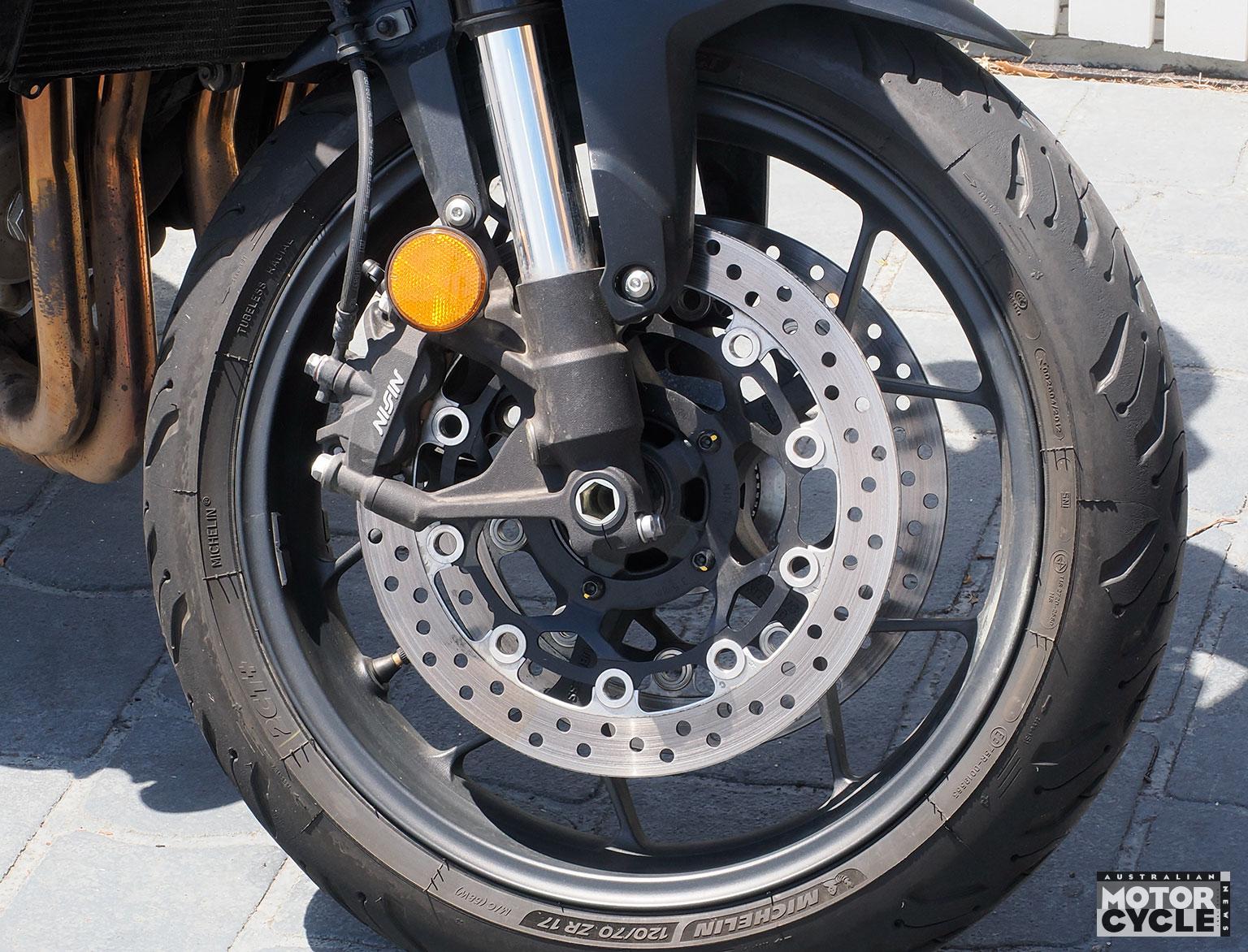
Rolling across those roads are Michelin tyres on five-spoke cast-alloy wheels. Choosing 120/70-17in and 180/55-17in sizes was the right decision for this bike, as there are plenty of options available to suit different riding styles and budgets.
The standard Michelin Road 6 GT tyres felt great and weren’t showing excessive wear after the tour test was over.
Slowing the whole lot down are Nissin four-piston calipers gripping 310mm discs up front and a 240mm disc at the rear. Cornering ABS is standard, as part of the six-axis IMU package.
Braking is powerful and consistent, although the brakes don’t have the initial bite common on high-end sportsbikes, and nor should they.
All the trimmings
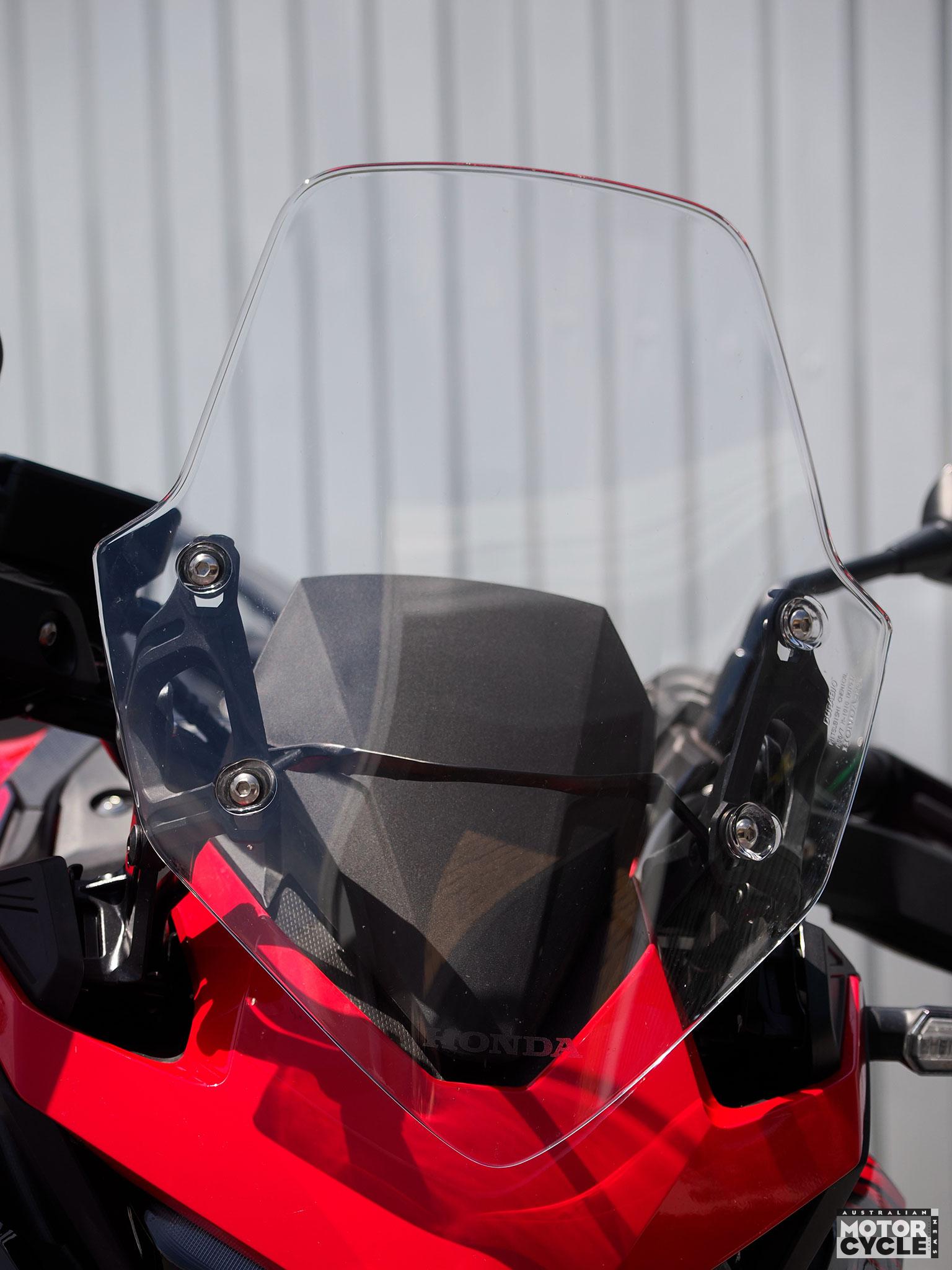
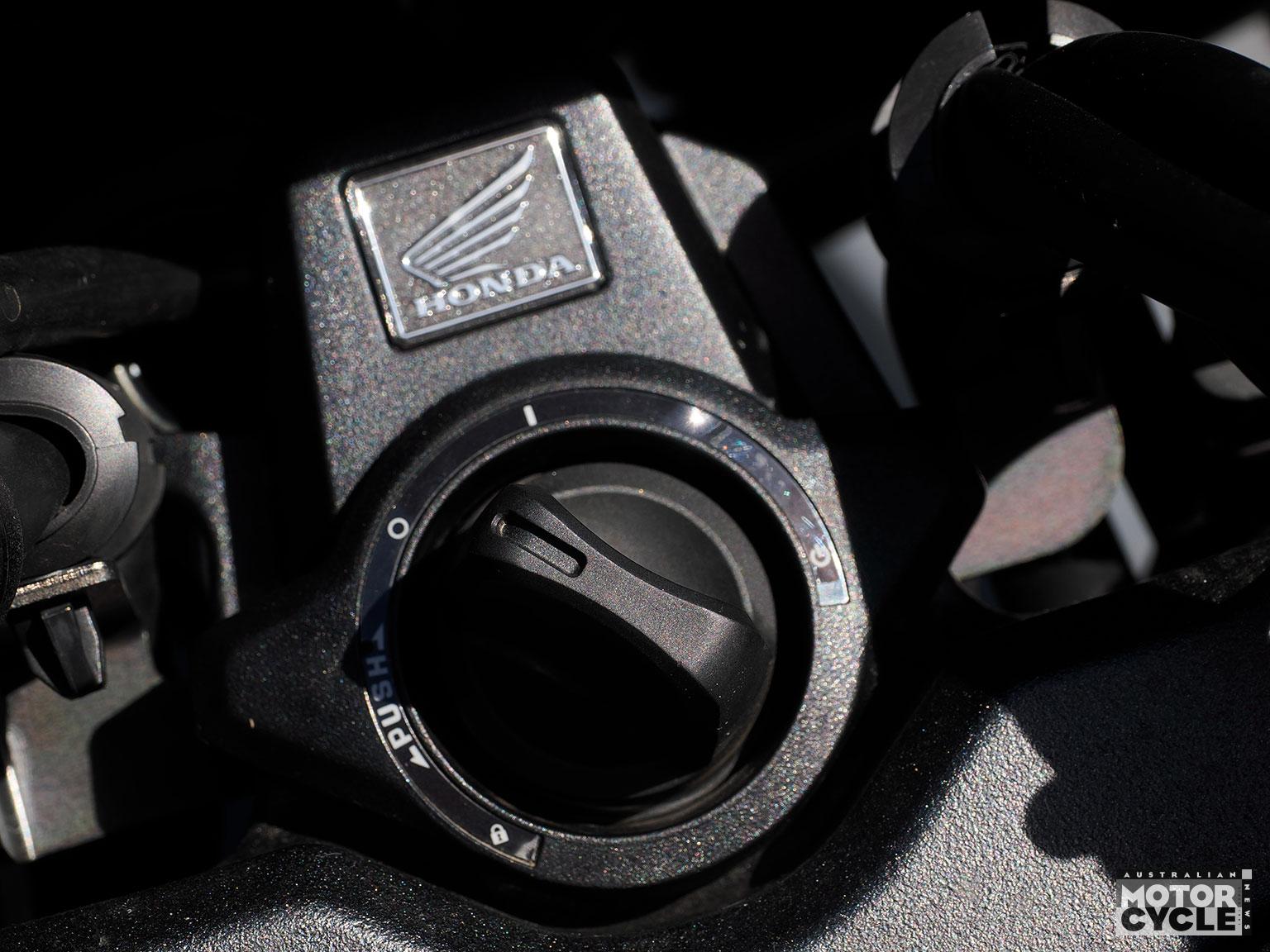
From the five-position adjustable screen to the emergency flashing brake lights, there are nice touches throughout the CB1000GT.
Honda’s five-inch TFT display is clear and easy to read, even if it’s not huge by modern standards. There’s plenty of information available and it’s reasonably easy to navigate.
Features include turn-by-turn navigation when connected to the smartphone app (but not maps), multiple tripmeters, customisable displays and more. However, there’s no ambient air temperature display, which I think is an oversight.
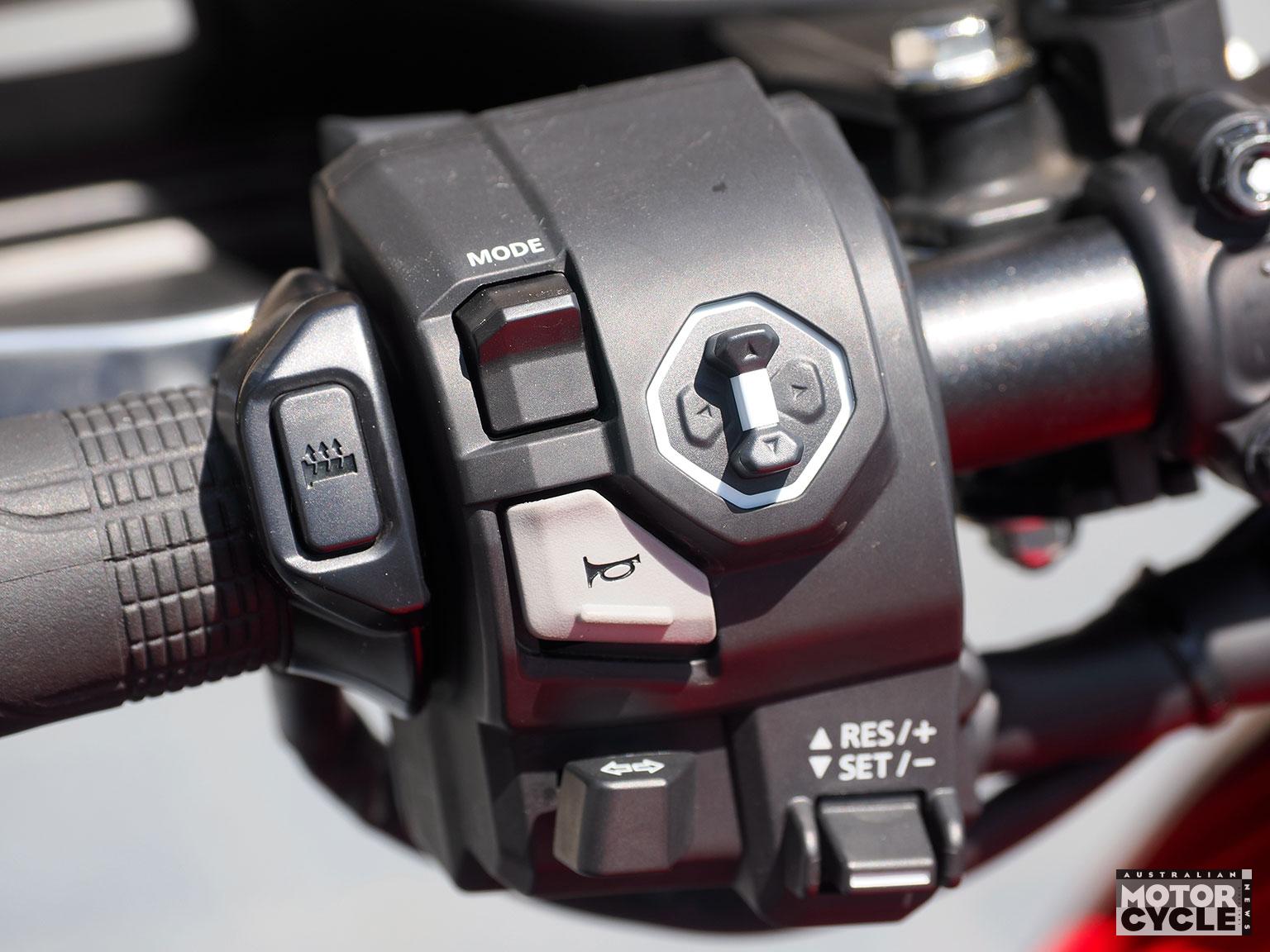
Cruise control, heated handgrips, a USB-C charging port, Bluetooth connectivity, up/down quickshifter, adjustable screen, 21L tank, centrestand, panniers, electronic suspension, six-axis IMU… the list of standard features is long and comprehensive.
Indeed, there’s not much missing, and adding the absent technology could push the price up considerably. Radar (for adaptive cruise control and blind-spot detection), heated seats and Apple CarPlay are the most obvious omissions.
Honda also offers numerous genuine accessories for the CB1000GT. I’d personally buy the comfort seats (around $280 each, front and rear), but I’d wait for Shad or Givi to produce a rack, because the roughly $1500 Honda unit required to fit the $600 top box is a bit pricey.
The tankbag is $109, so that’s much better value. There’s also a rear seat bag for under $200.
The touring screen would work better than the standard unit for a tall rider like me (around $470), and there are some interesting wind deflectors available to guide more breeze around the rider, too.
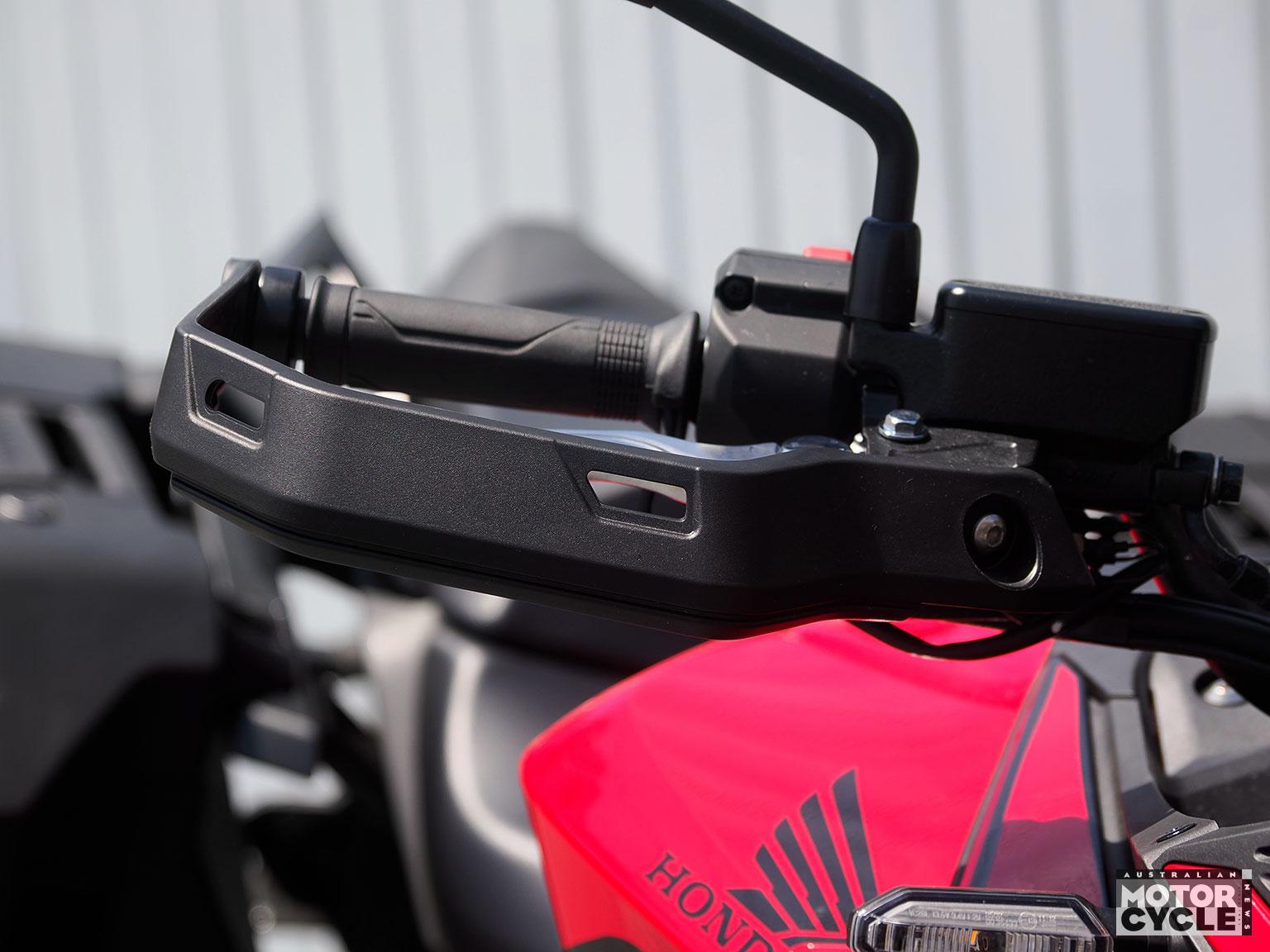
The knuckle guard extensions turn the skinny standard units into proper handguards, a no-brainer for cold-weather riding at just $19.
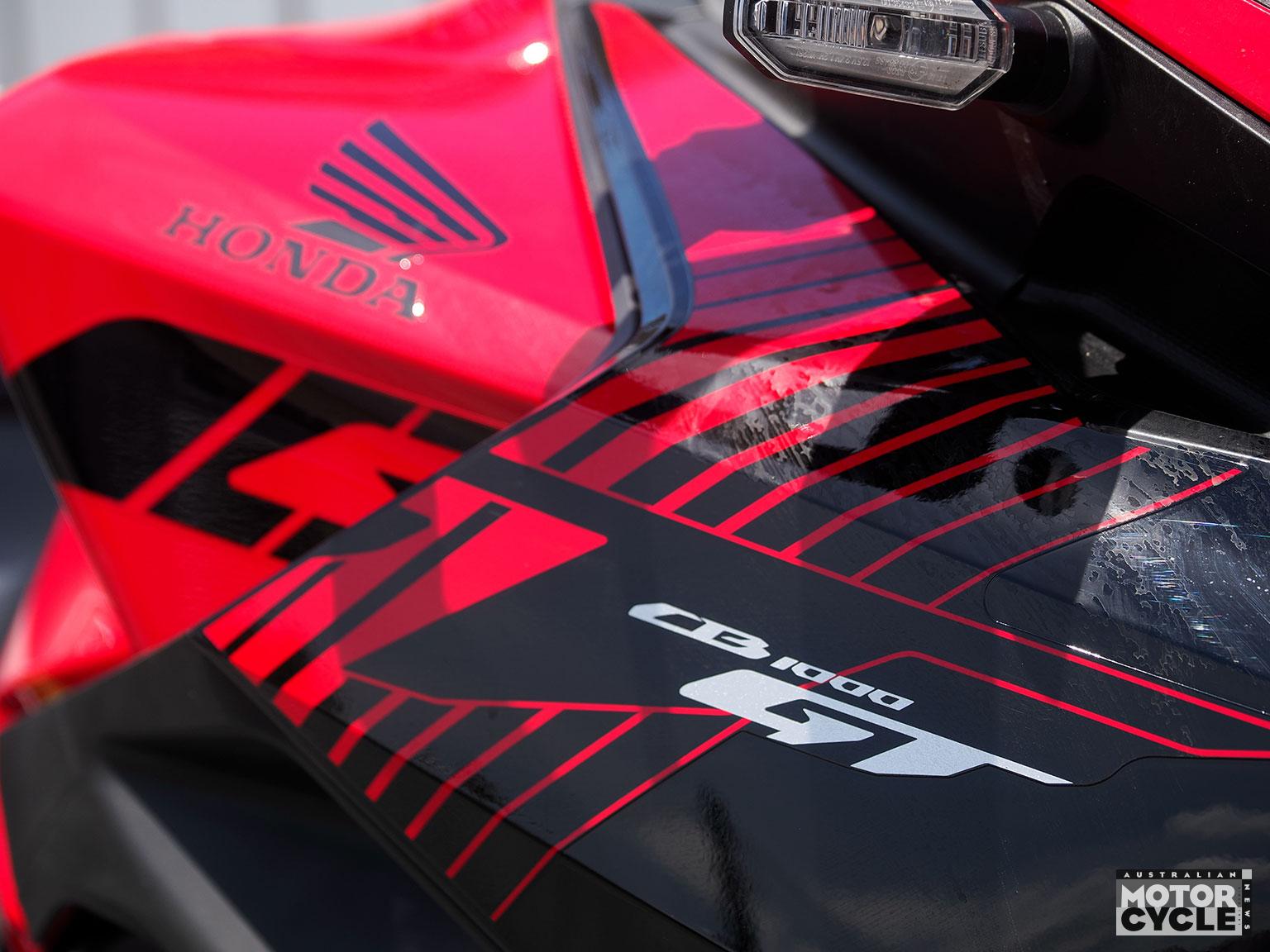
There are also fog lights, inner bags for the panniers, some tip-over protection and graphic stickers available.
Tall tourer?
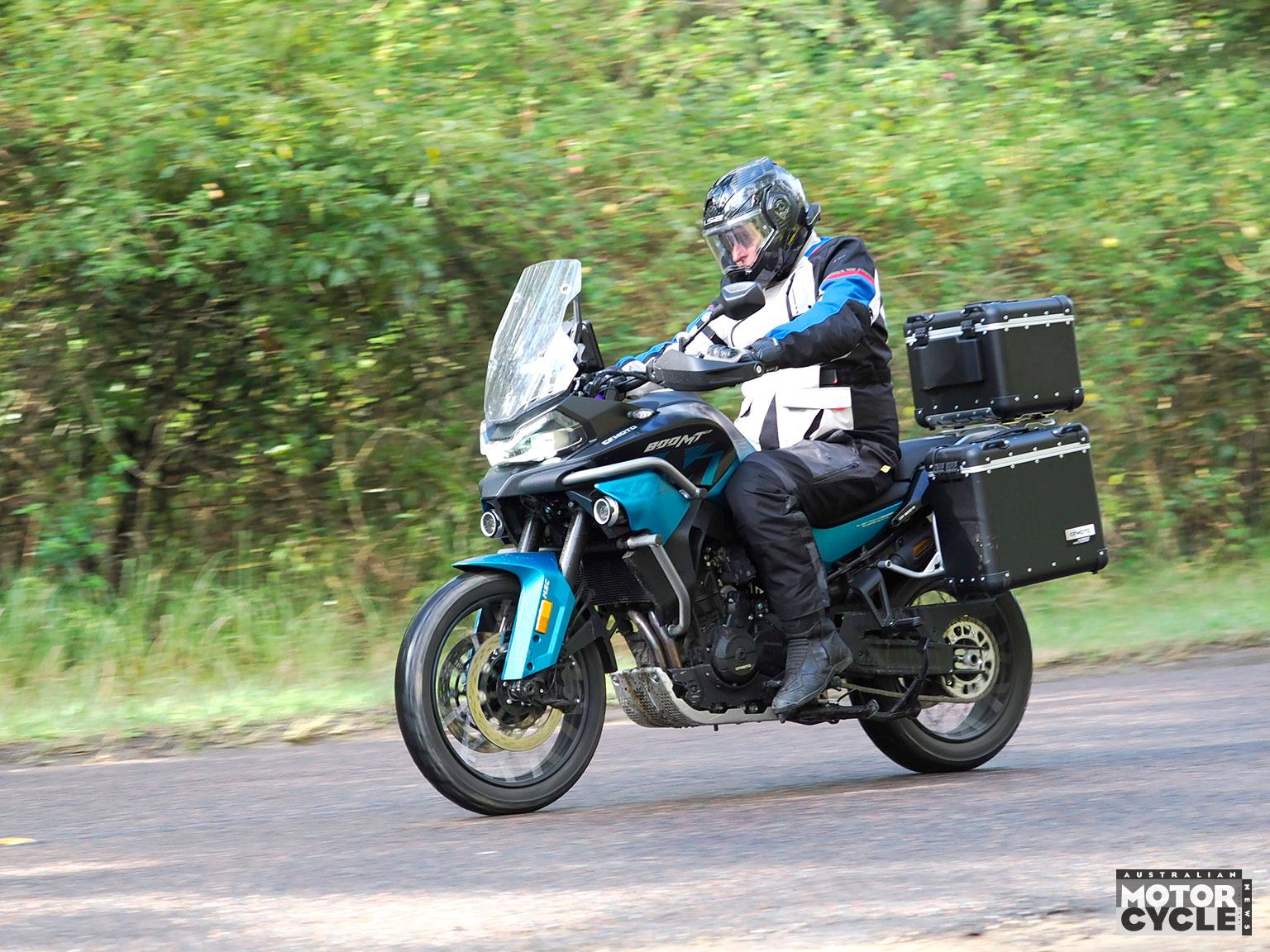
I’ve been describing this bike as a sports-tourer, but it’s really a model influenced by the success of adventure bikes and their upright riding positions, which are so comfortable for long-distance riding. They’re crossovers, or tall tourers, as some are calling them.
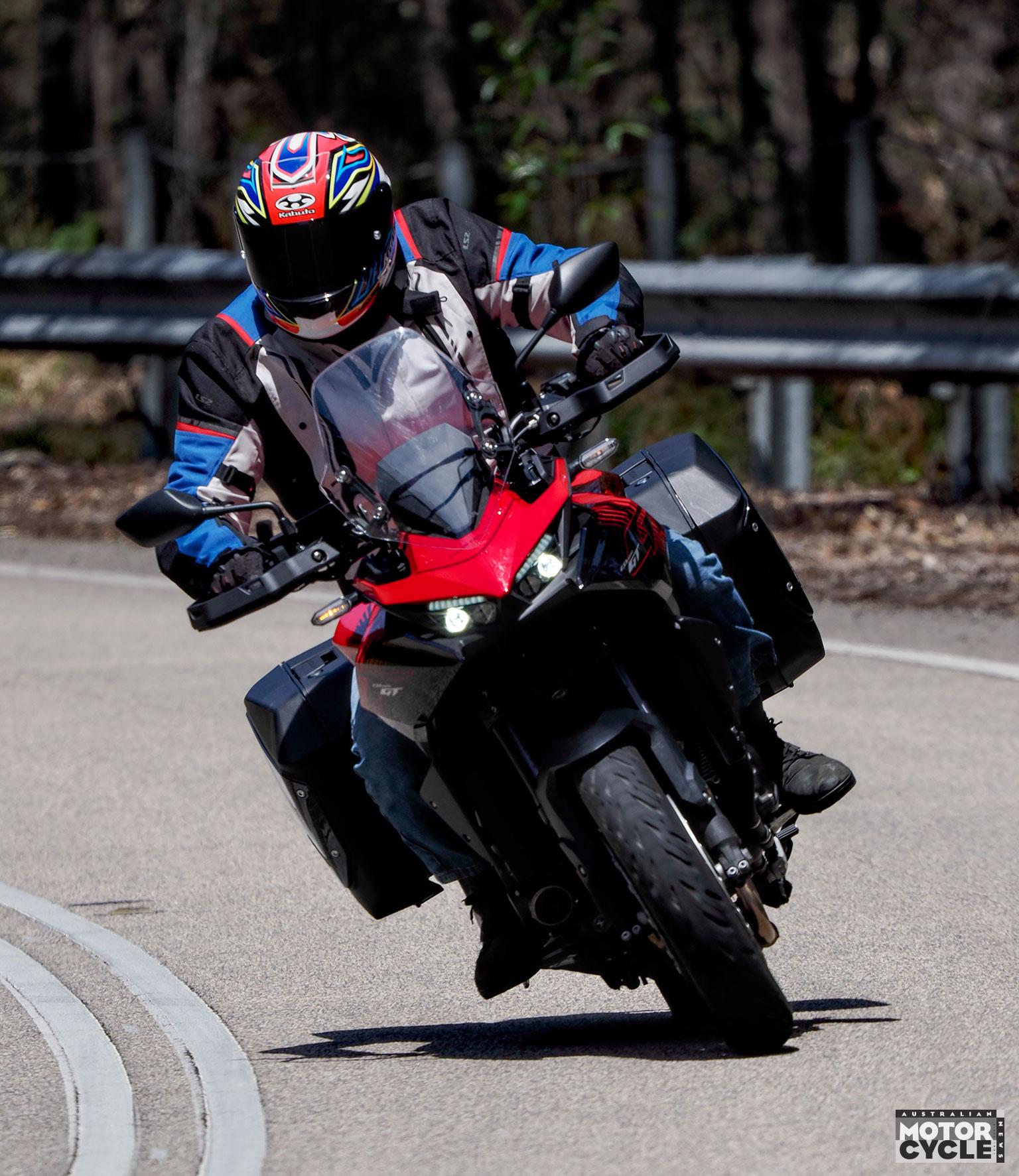
In this category I’d put BMW’s S 1000 XR, Ducati Multistradas with 17-inch wheels, Suzuki’s GSX-S1000GX, Kawasaki’s Versys 1100 and forthcoming 900, and maybe even the Yamaha Tracer 9. But not the Ninja 1100SX or GSX-S1000GT, because they’re sportier, more traditional sports-tourers.
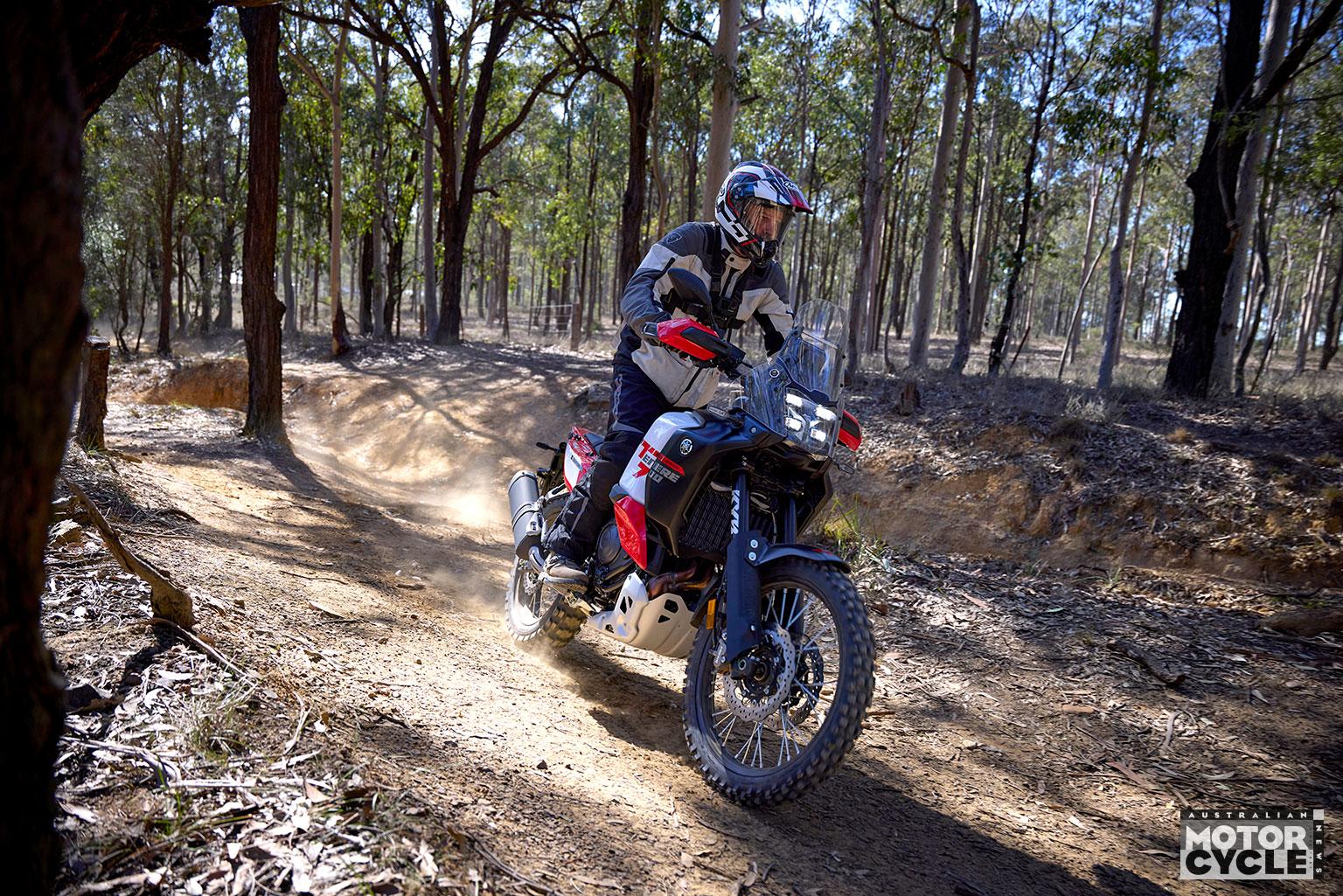
I’m sure many will look at the GT and think, “Wouldn’t an adventure bike make more sense? Then you could do gravel, too.” But they’d be missing the sports-riding point. There’s no way in the world I would have ridden the roads from Mitta Mitta to Clyde Mountain the way I did if I’d been on an adventure bike. If you don’t ride on gravel, the GT is a better bike.
Full circle
Honda’s offering a lot of value for money with the $23,999 CB1000GT. It offers a more exhilarating ride than the NT1100, yet still has luggage capacity and comfort for the long haul. It’s super fun on a twisty road, yet won’t break your back on freeway transport sections. There are a few tingles, but it’s smooth enough.
Bottom-end grunt might be a touch lacking, but you might not notice if you’re not trading in a Super Blackbird for a GT. The overall load and luggage capacities are a little disappointing, but it’s not really a full-blown tourer.
Indeed, if you can only have one motorcycle, and you don’t need or want an adventure bike, the CB1000GT ticks almost every box.
In 1989, the Yamaha FZ750 I rode to Phillip Island represented some of the best Japanese sporting tech of its day. In 2026, I made the same pilgrimage aboard the Honda CB1000GT, with electronic suspension, riding modes, traction control, cornering ABS and a bucketload of other electronics.
The motorcycles have certainly changed. So has Phillip Island, which has gone from hosting its first World Championship Grand Prix to bidding farewell to MotoGP after more than three decades of extraordinary racing.
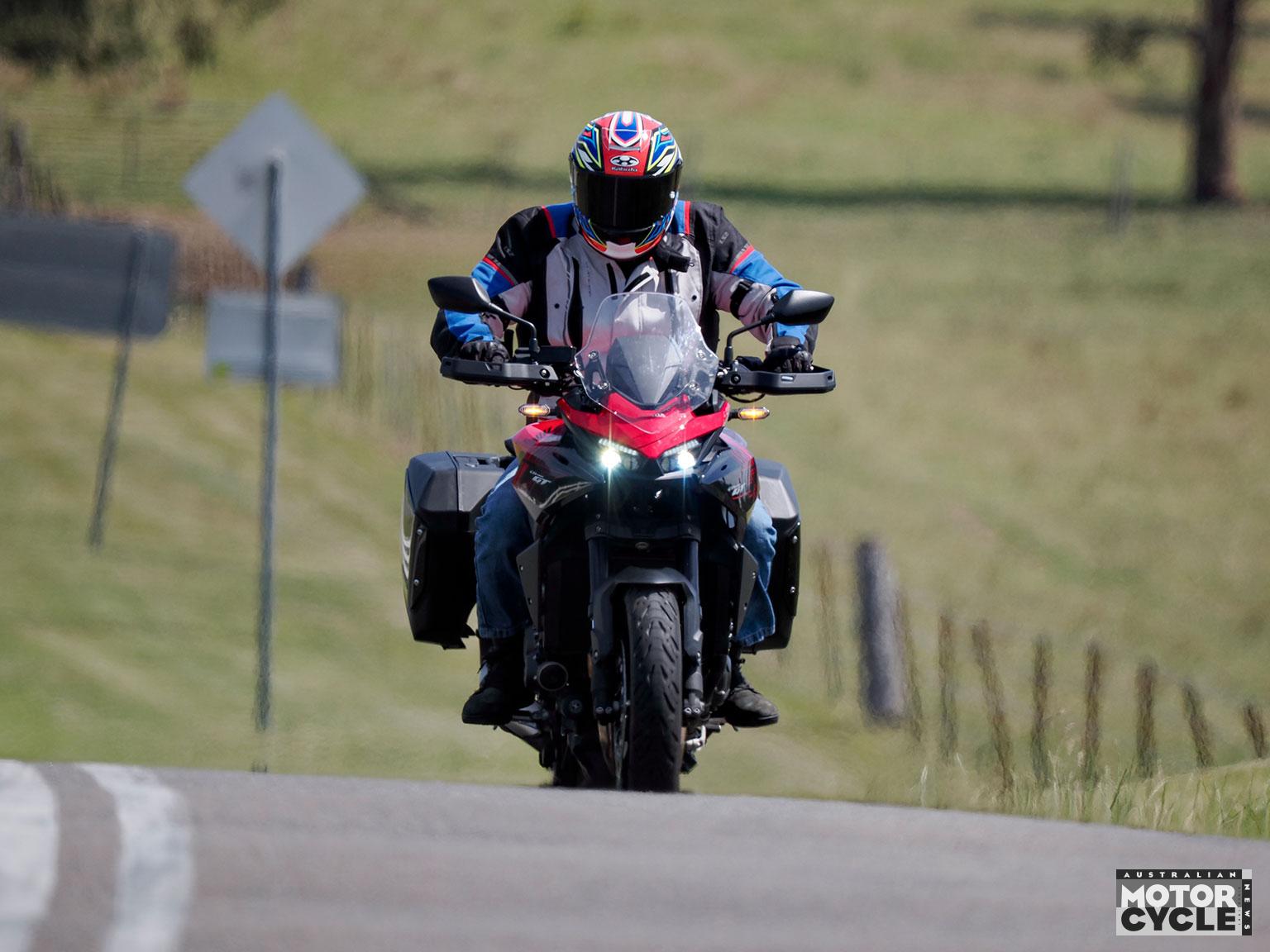
But something fundamental hasn’t changed. The pleasure of a great motorcycle, a winding road and a worthy destination remains just as compelling today as it was 37 years ago.
Phillip Island’s MotoGP chapter might be over, but there’s still plenty to look forward to.
The Superbike World Championship is back in February. So I’m already looking forward to heading south again.
The circuit is still there, the racing will still be spectacular – the god-awful rain and fog probably won’t show up that early in the year – and most importantly those wonderful roads leading to the Island aren’t going anywhere.
So if you’re wondering whether Phillip Island is still worth the ride without MotoGP, take it from someone who’s made the pilgrimage more times than I can count: absolutely.
Would I make that journey again aboard the CB1000GT? In a heartbeat.
✅ PROS – Exhilarating four-cylinder performance, superb semi-active suspension, excellent standard equipment and value for money.
❌ CONS – Limited luggage and payload capacity, fiddly key and pannier arrangement, expensive top-box mounting hardware.
COMPETITION
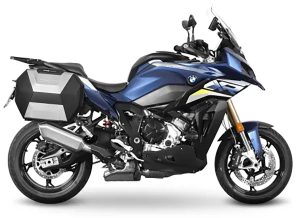
BMW S 1000 XR – From $29,310 ride away
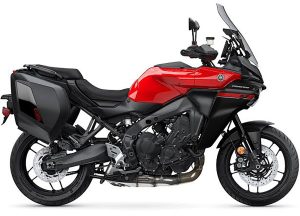
YAMAHA TRACER 9 GT – $25,899 ride away
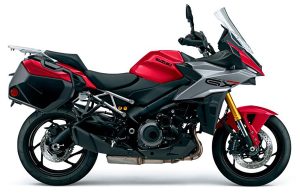
SUZUKI GSX-S1000GX – $23,890 + on-road costs
SPECIFICATIONS
ENGINE
Type 999cc liquid-cooled, DOHC, 16-valve, inline-four-cylinder
Transmission Six-speed with chain final drive
PERFORMANCE
Power 110kW (148hp)
Torque 102Nm
SUSPENSION & BRAKES
Showa EERA semi-active USD fork, Pro-Link rear shock
Wheel travel 130mm front, 140mm rear
Brakes Twin 310mm front discs, 240mm rear disc, cornering ABS
TYRES
120/70-17in front, 180/55-17in rear
CHASSIS
Frame type Steel diamond
DIMENSIONS
Wheelbase 1465mm
Seat height 828mm
Fuel capacity 21L
Kerb weight 241.5kg (with panniers)
BUSINESS END
Colour Grand Prix Red
Price $23,999 ride away
Contact motorcycles.honda.com.au