Adam Child journeyed to Greece to ride the adventure bike KTM riders have been waiting years for. Somewhere along the way, things got personal
Motorcycle manufacturers love an established theme. Suzuki’s GSX-R750, for example, just kept on evolving over the decades. Then sometimes a manufacturer takes us completely by surprise with something totally unexpected. Think motocross bikes from Ducati and Triumph. But occasionally there is a clear gap in the market. We can all see what the manufacturer needs to do and that riders want the bike, yet for some reason it still hasn’t entered production. That is exactly what has happened with the KTM 690 Rally.
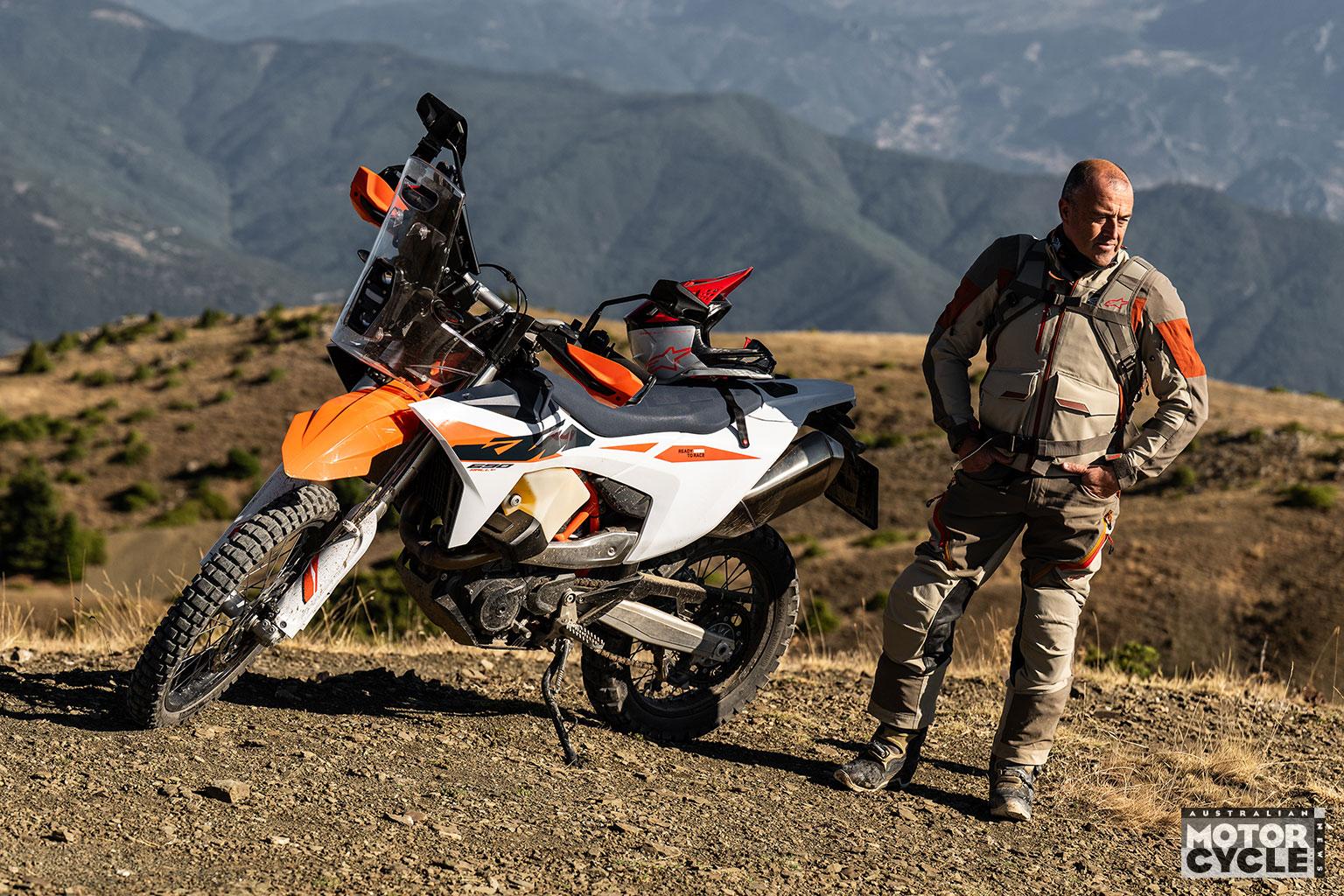
For years, customers have bought the 690 Enduro R and modified it with a larger fuel tank and a rally tower, allowing them to travel farther and tackle longer journeys. Now KTM has finally done much the same itself.
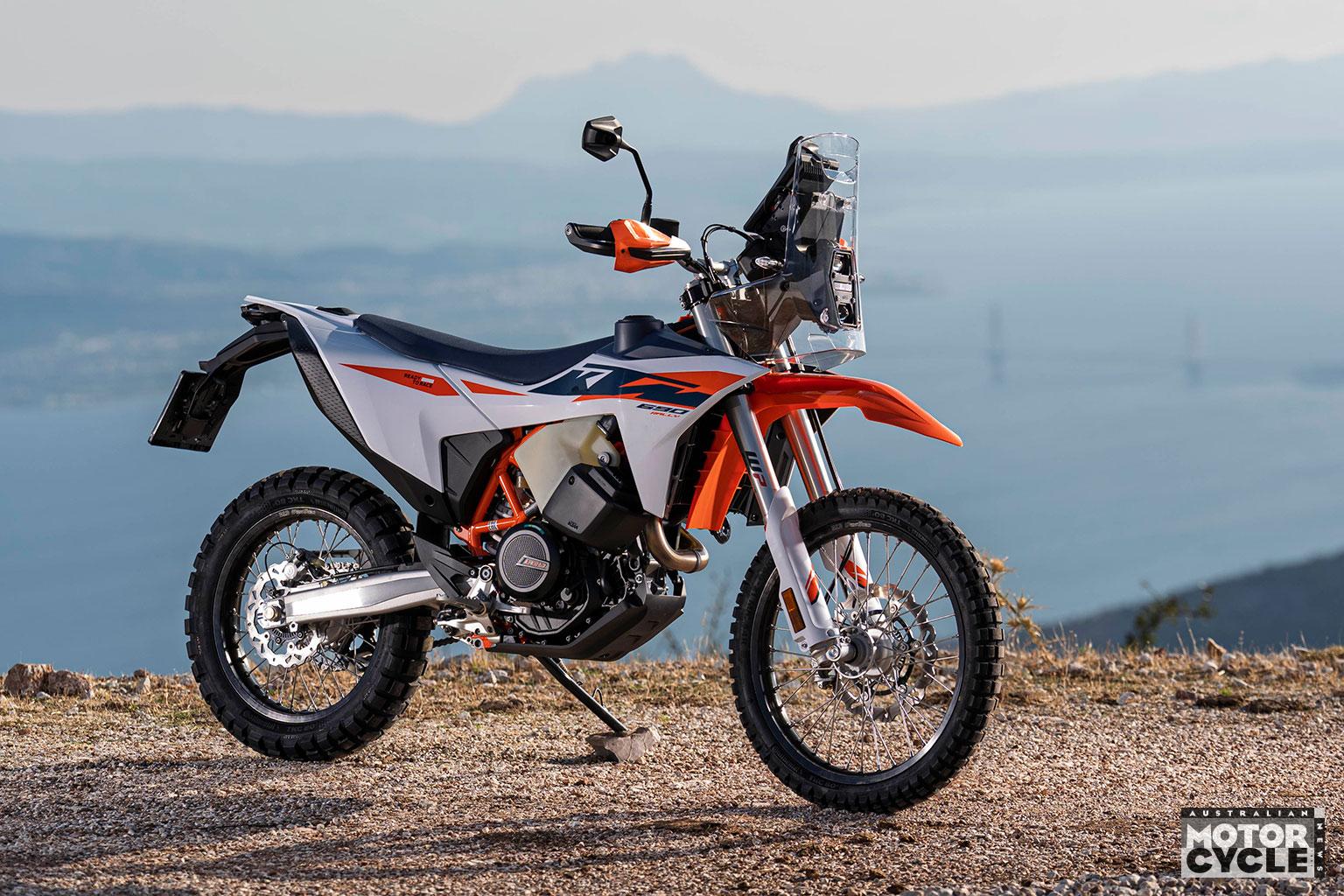
The Austrian factory has added seven litres of fuel capacity, split between two tanks at the front, along with a large rally tower and windscreen. In theory, these additions should make the bike more comfortable over long distances, both on and off-road, while delivering significantly greater range.
Finally, it appears KTM has produced the 690 ADV bike we have been asking for. Let’s find out.
TANKED UP
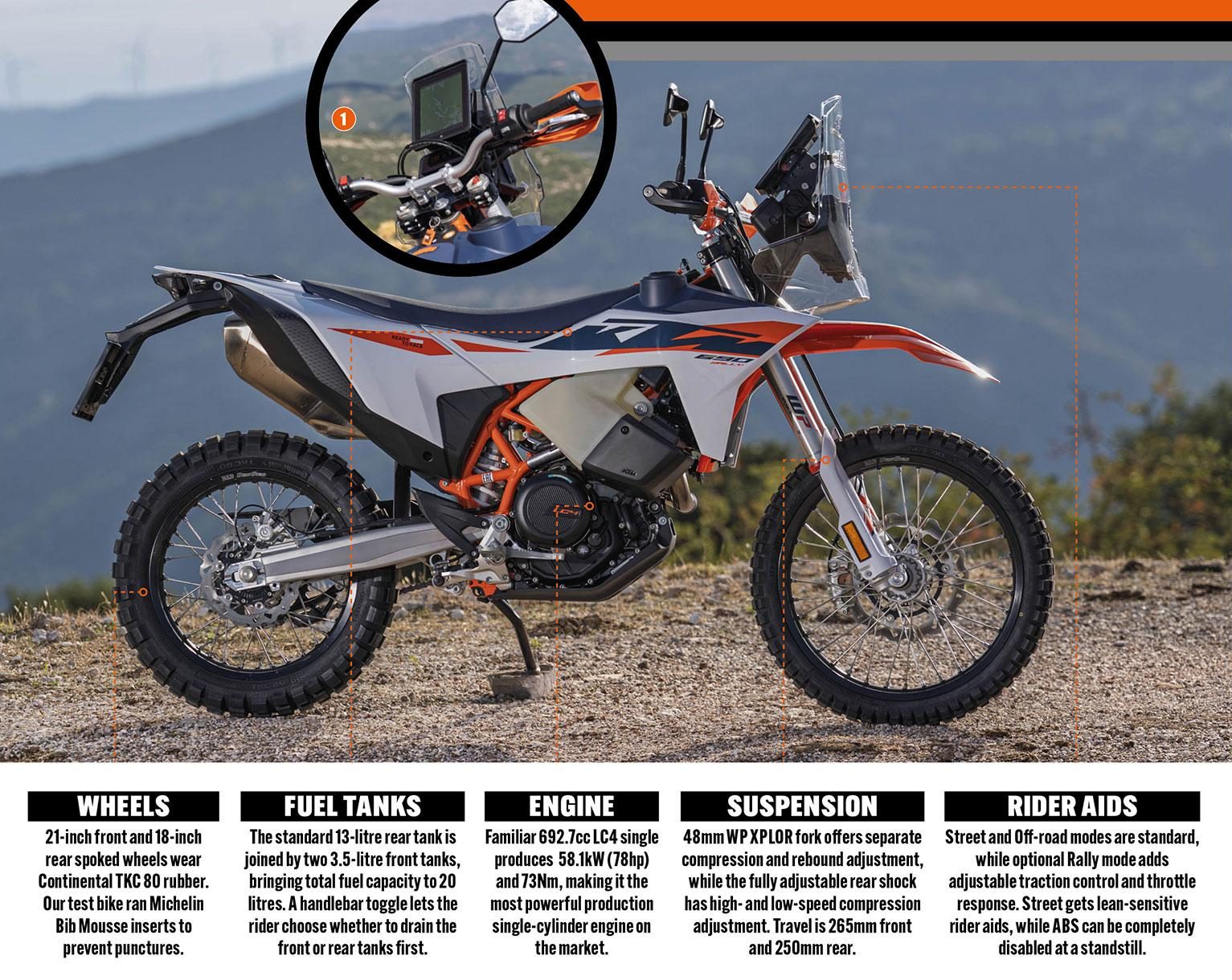
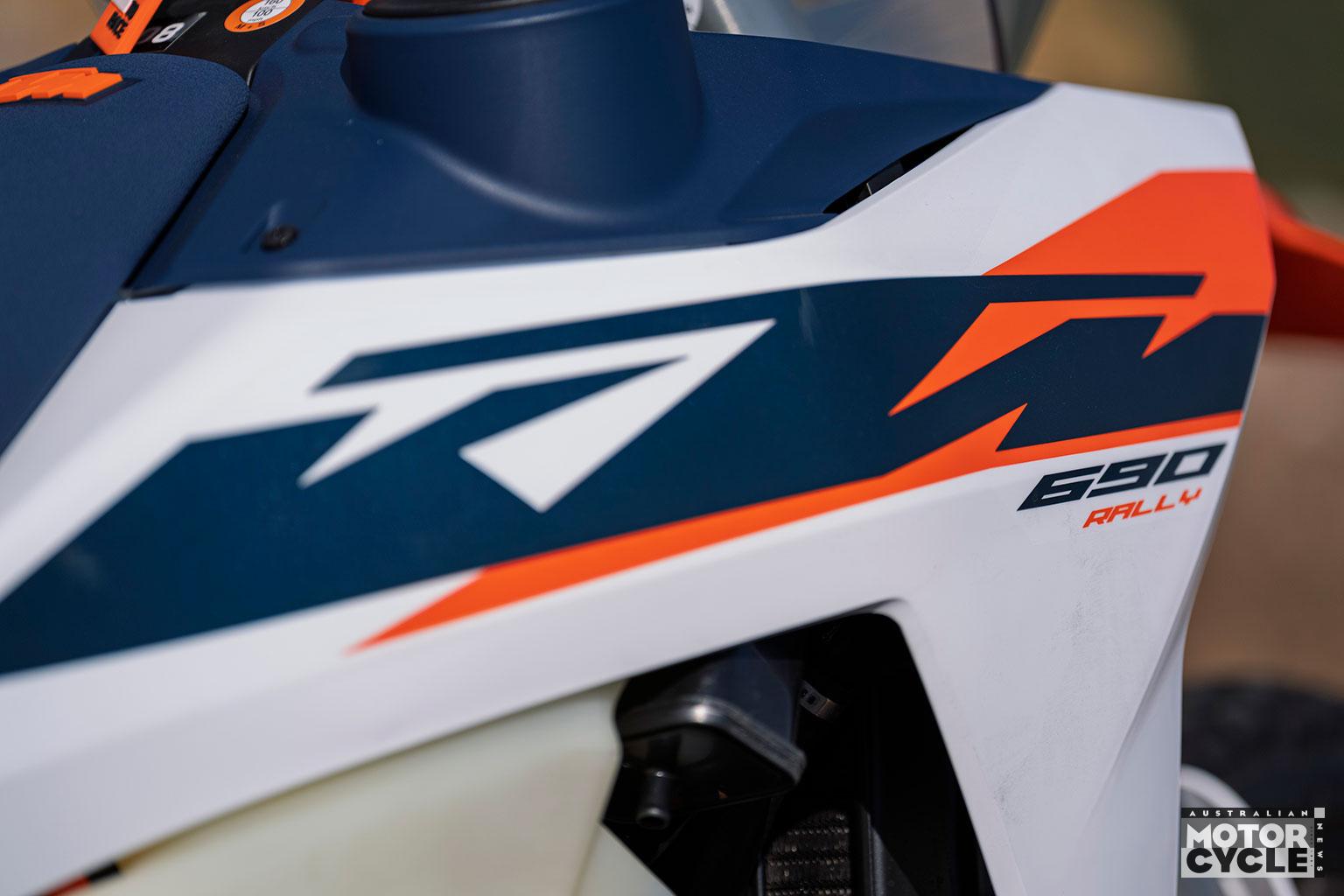
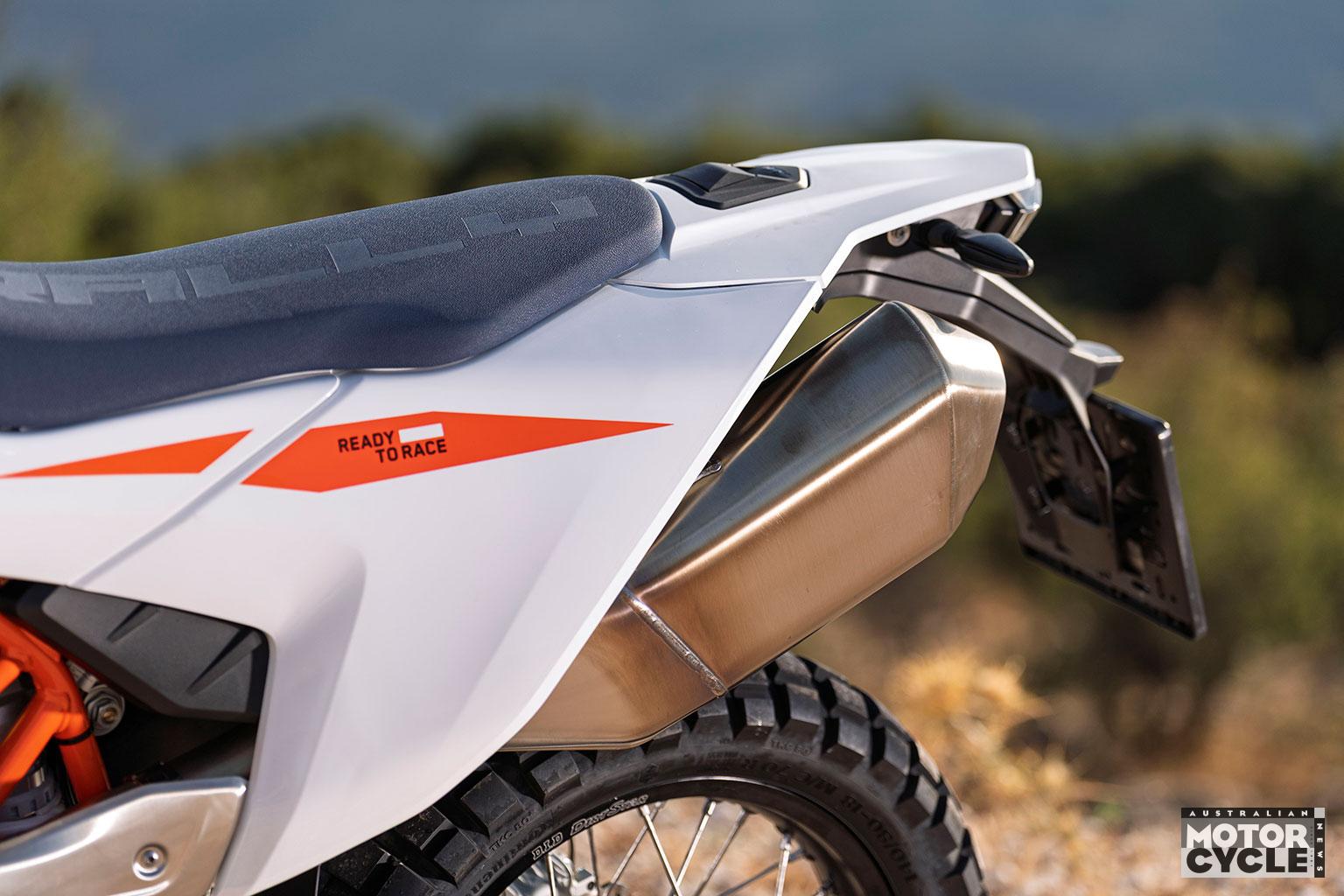
So what has KTM done? The Enduro R model’s rear tank remains beneath the seat and holds 13 litres, with access via a key-operated filler cap, but there are now two additional tanks at the front, each holding 3.5 litres and bringing total fuel capacity to 20 litres. And, yes, all three filler caps can be opened by the same key.
There is a fuel pump for the right-hand front tank and another for the rear tank, but no separate pump for the left-hand front tank because the two front tanks are connected. A small switch on the left handlebar allows you to select either the front tanks or the rear tank.
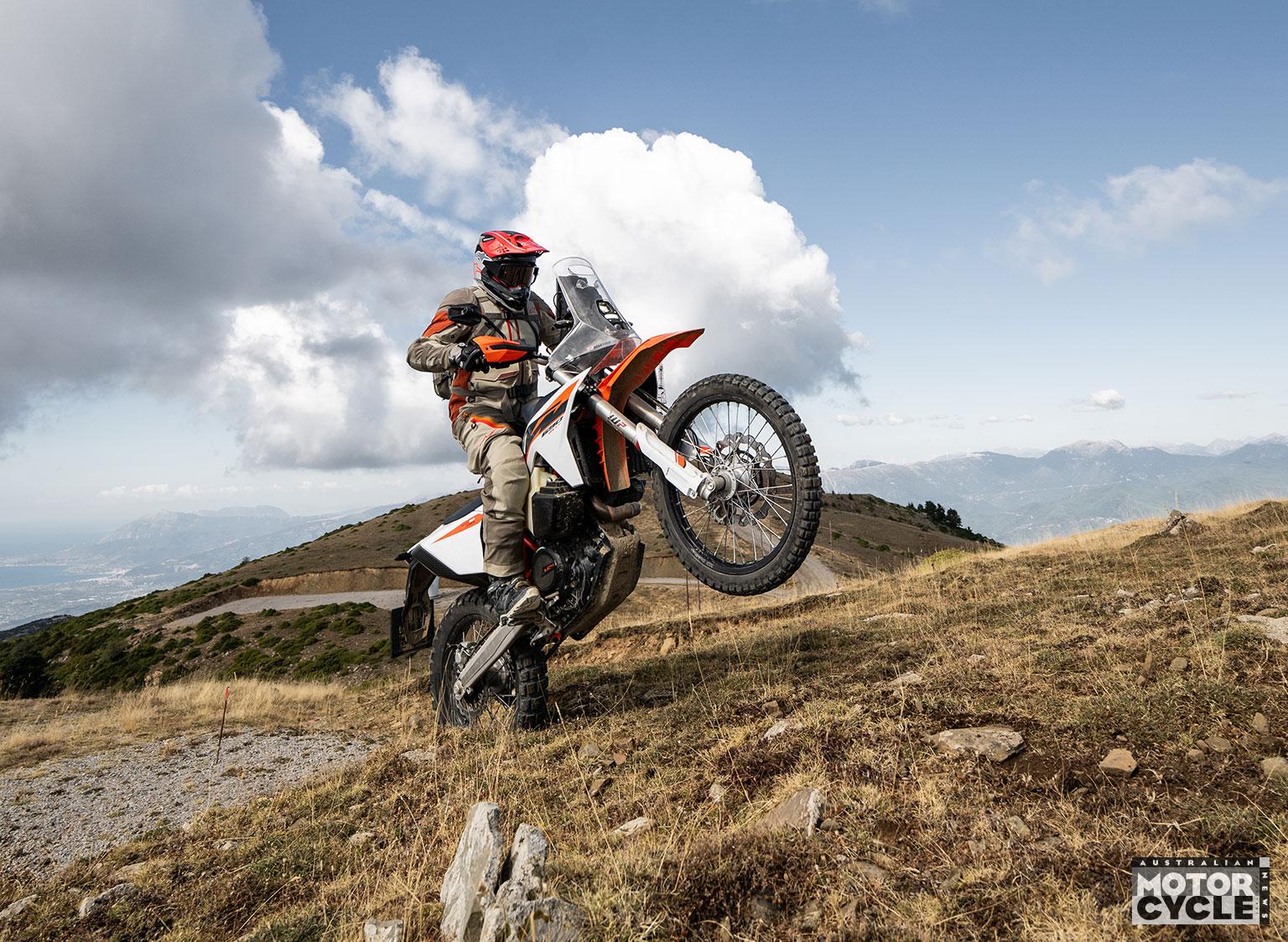
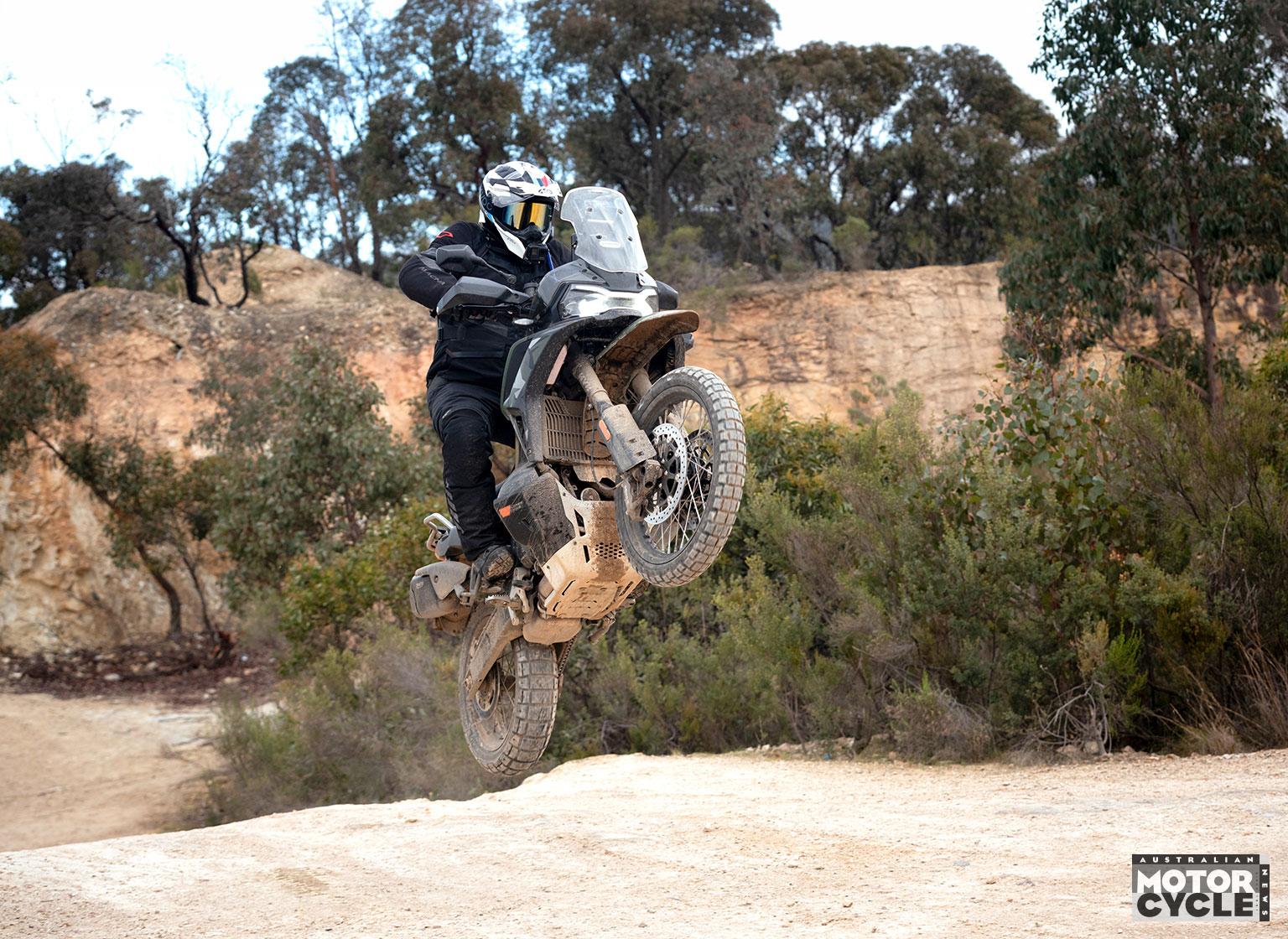
In theory, if you want more front-end grip, you can use the rear tank first, leaving seven litres of fuel – and therefore more weight – at the front. When riding in sand, however, you might choose to use the front tanks first, helping to keep the front end lighter and more of the weight over the rear. Wheelies, I can report, are even more effortless with the front tanks drained first.
If you empty the front tanks first, the fuel warning light will illuminate. You can then switch to the rear tank, and vice versa – just remember which you did first. You cannot, however, transfer fuel between the front and rear tanks.
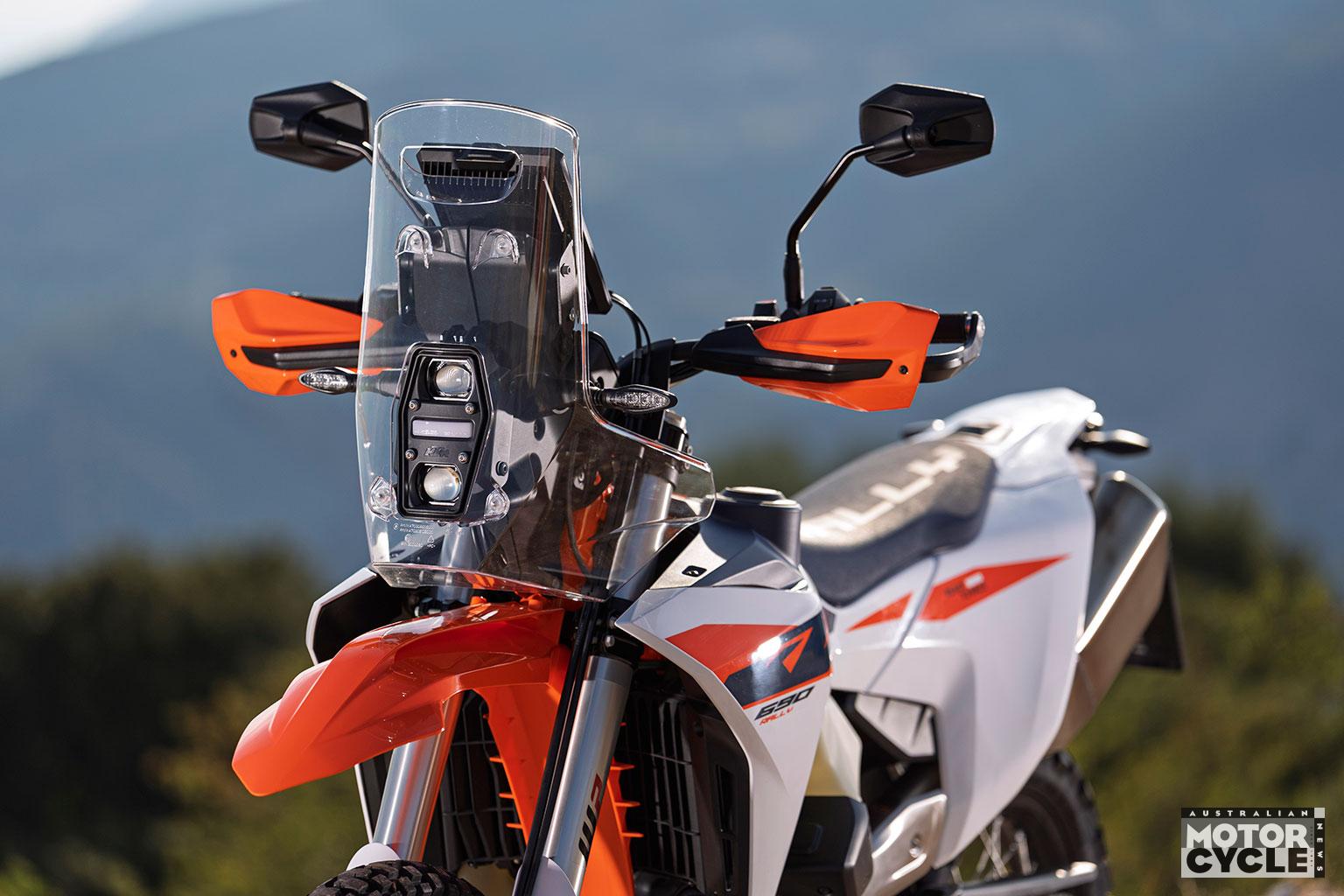
Beyond its impressive new 20-litre capacity, the 690 Rally gets slightly wider footpegs, while the rally tower carries a sizeable rally-style windshield first seen on the KTM 450 Rally. There is also a USB-C port on one side of the tower and a 12-volt socket on the other, allowing you to fit your preferred navigation device. For this test, KTM fitted an aftermarket, iPad-size navigation display, although most rally and adventure riders will already have their own navigation set-up.
The Rally’s 48mm WP XPLOR fork is also slightly different to that on the Enduro R. To accommodate the additional weight of the front tanks and their fuel, KTM has revised the shim stack, but suspension travel remains the same at 265mm.
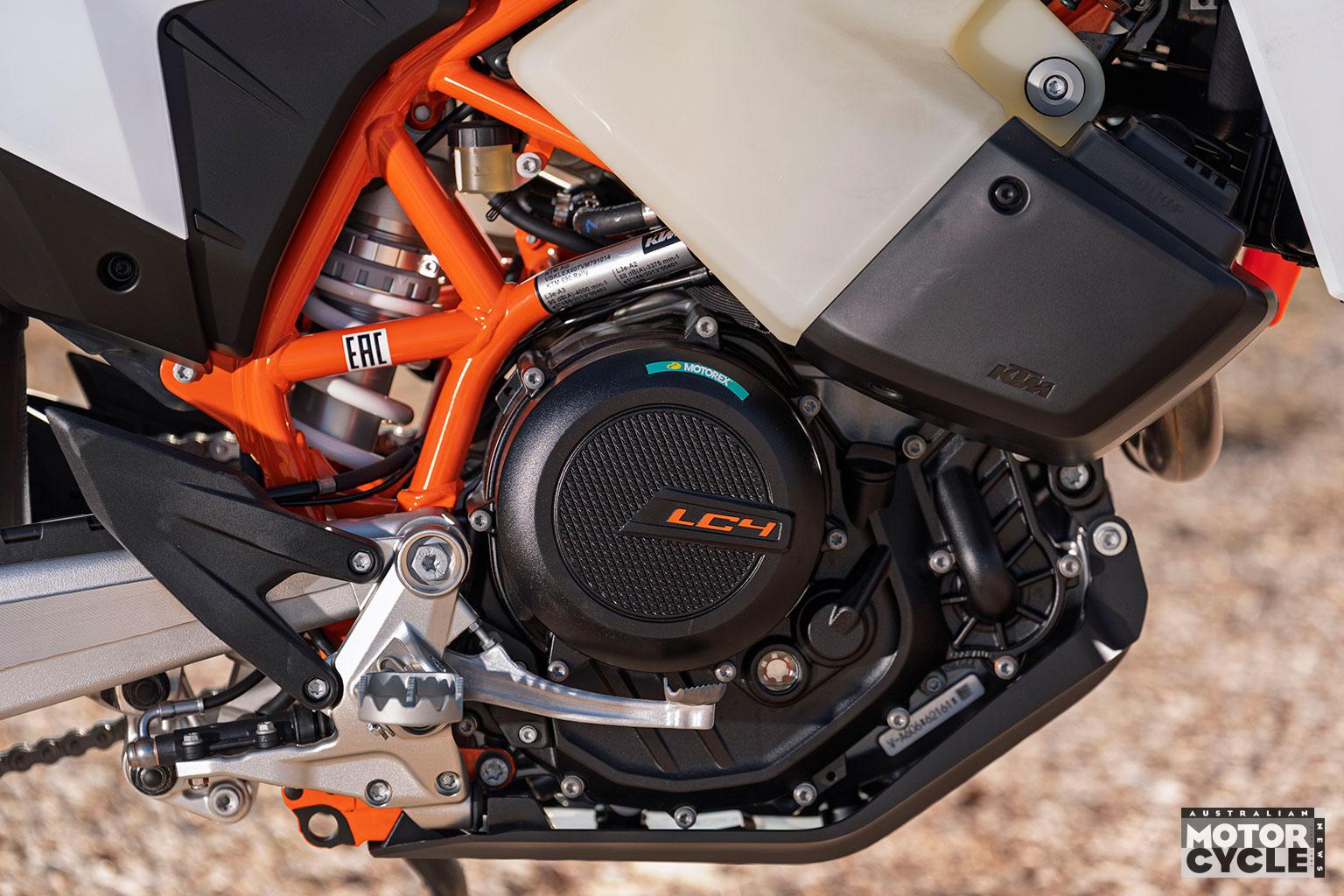
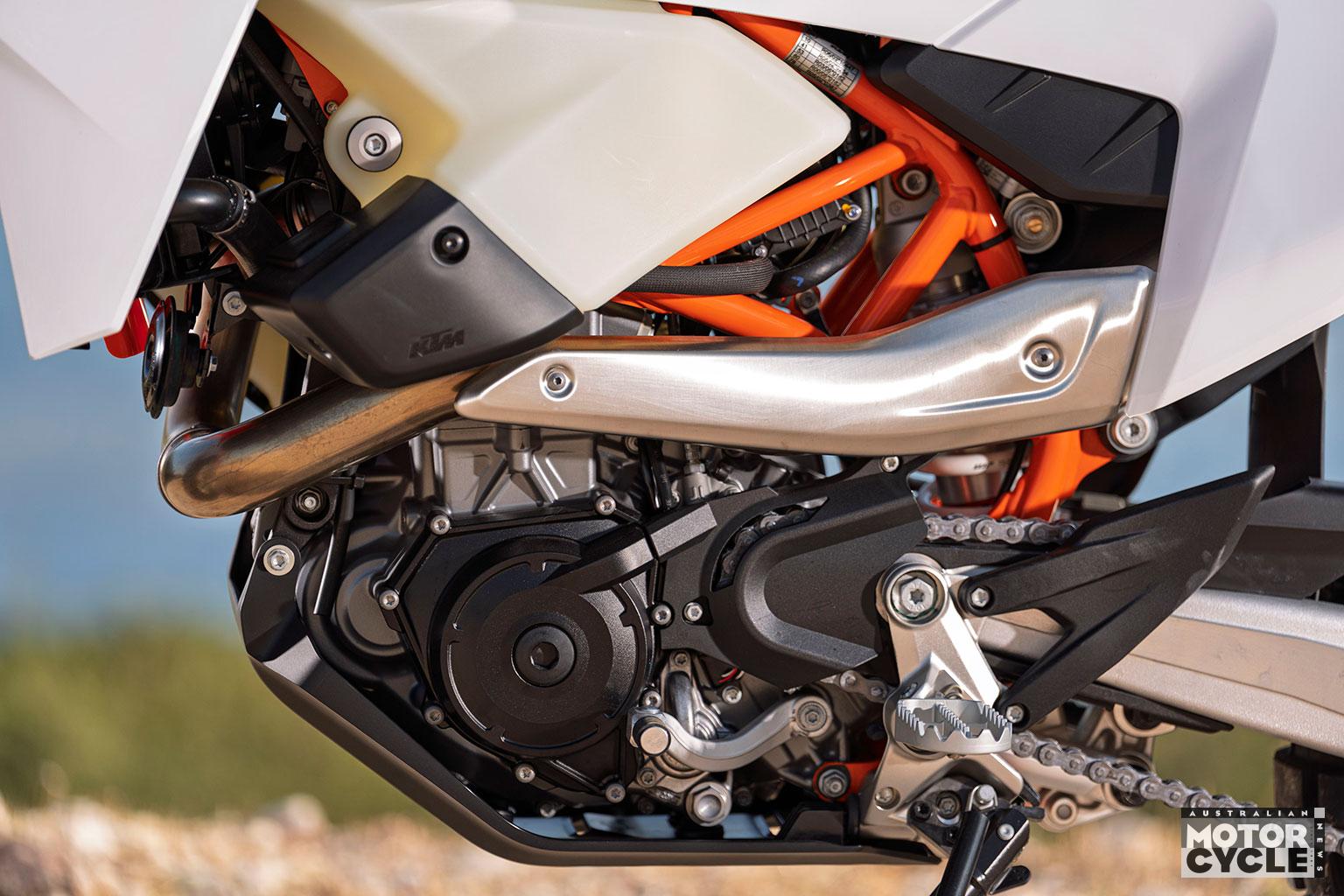
Almost everything else is carried over from the 690 Enduro R: the rear shock, frame, gear ratios and final gearing, while the 692.7cc LC4 single is also unchanged, with a claimed peak output of 58.1kW (78bhp).
INTO THE WILD
To help us get a full picture of the Rally, KTM invited us and a limited number of other riders, most of whom had hardcore enduro backgrounds, to spend two days travelling through Greece, covering 220km on day one and a further 180km on day two.
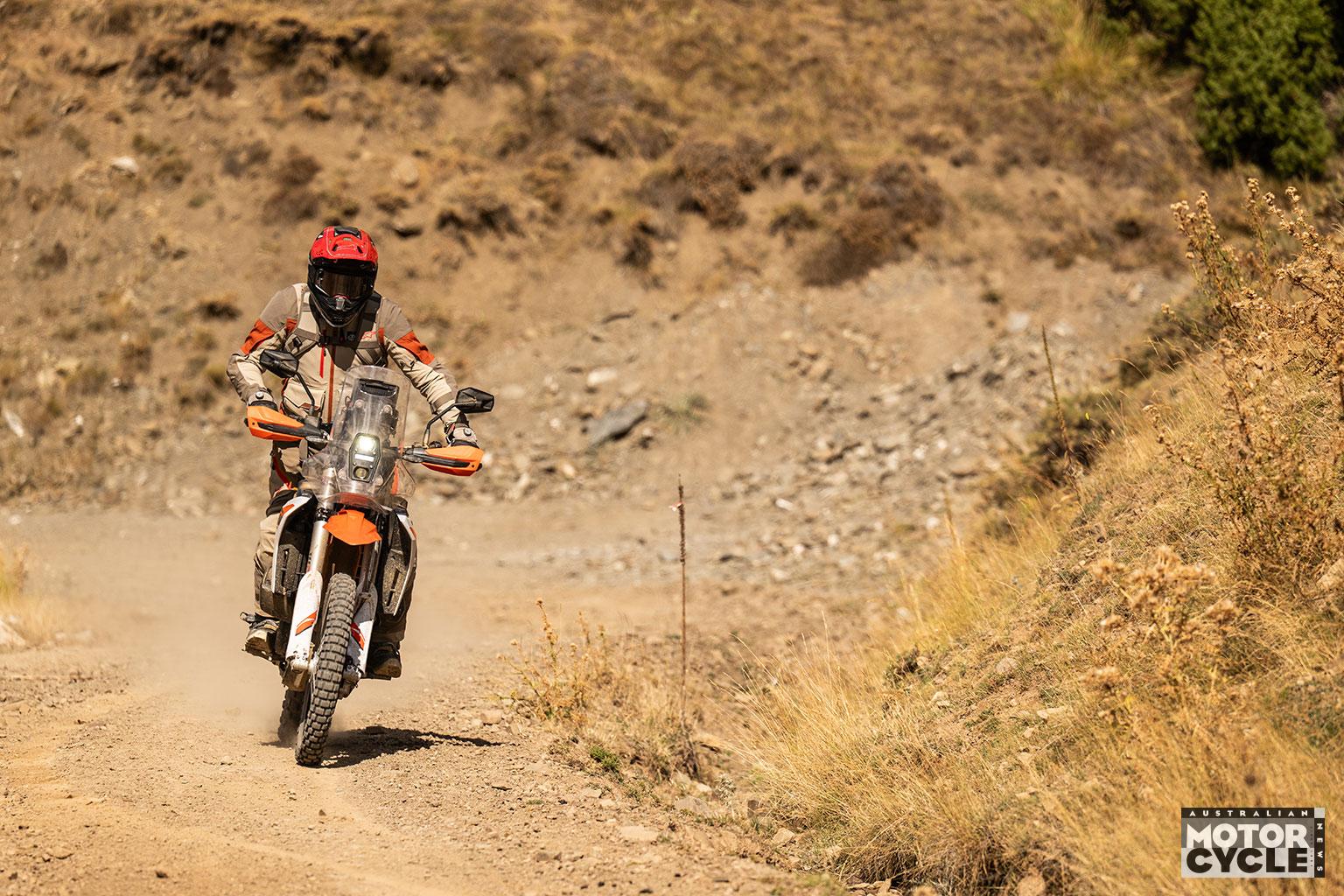
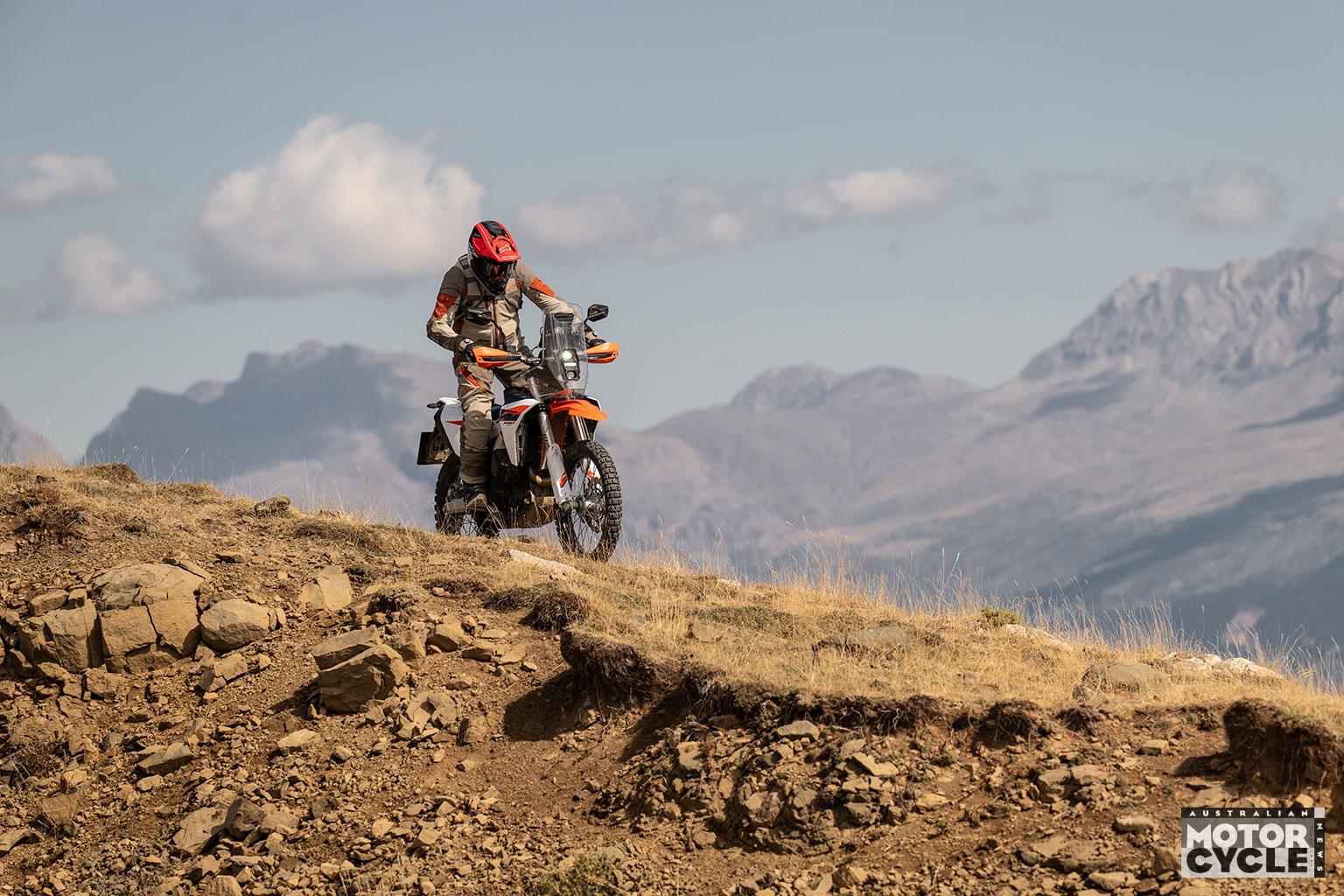
Around 95 per cent of the route would be off-road, with terrain ranging from stony, gravel-strewn river crossings to open plains, steep climbs and descents, forests, boulders and rocks. Almost everything imaginable would be thrown at the KTM 690 Rally.
It meant two long days, blistered hands and aching calves from constantly standing on those wide footpegs, and I have to confess that I felt slightly intimidated at the start. As much as I love off-road and adventure riding, I have never raced on dirt at a national level.
Thankfully, KTM has changed its approach to new-model marketing in recent times. A year or so ago, this bike would have been shown charging up dunes, ridden by former Dakar competitors and jumping across canyons – and our ride would have followed a similarly intense format. Now, the marketing team’s message is less about extreme performance and more about travel, the journey and camaraderie – which fits the average adventure bike rider far better, especially those who love riding off-road but are deterred by larger multi-cylinder adventure bikes.
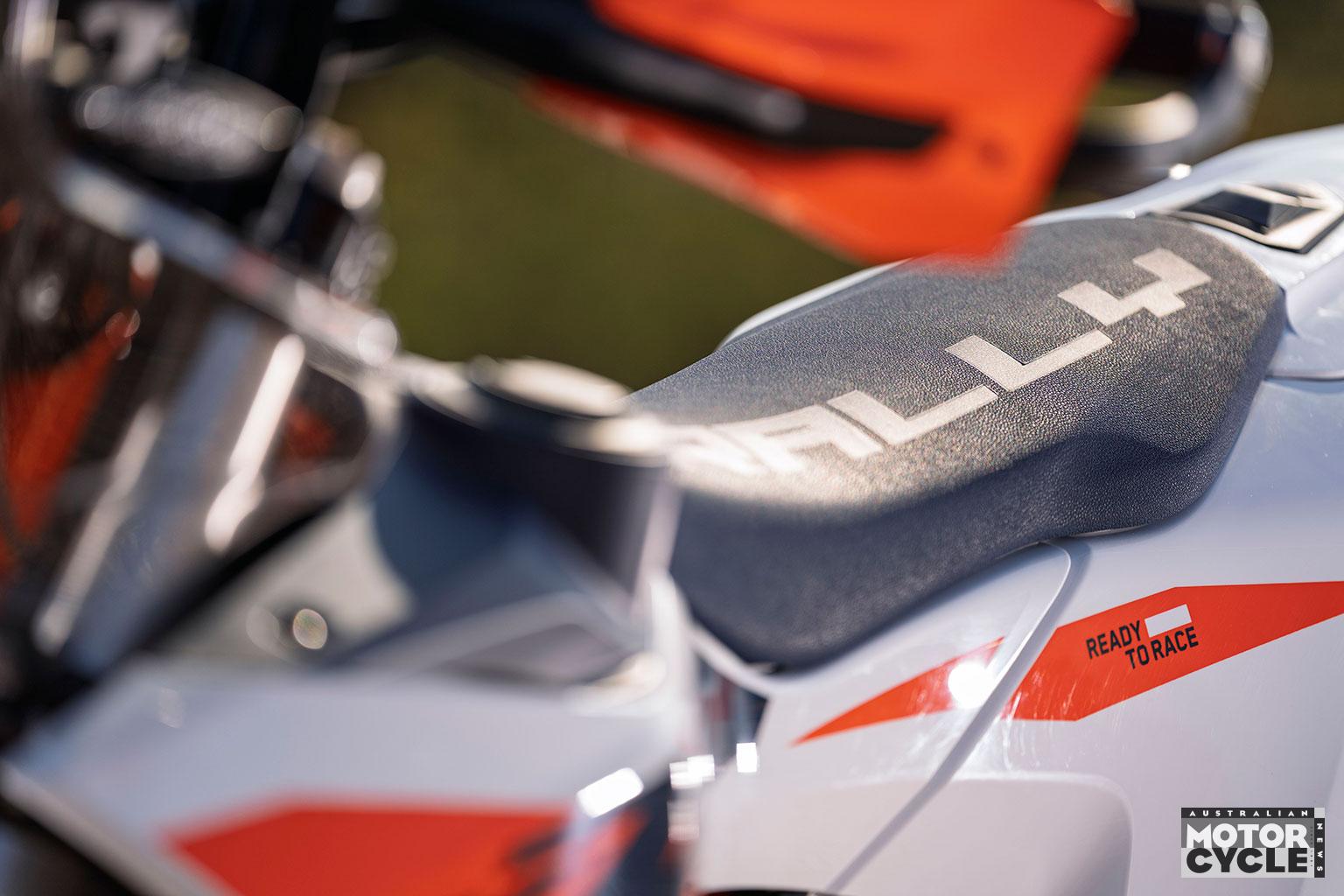
Climb aboard the Rally, and that 935mm seat is certainly high, but surprisingly narrow. At 172cm tall, I could comfortably get one foot on the ground, although definitely not both.
That rally tower and those twin fuel caps immediately remind you that you are riding something a little different.
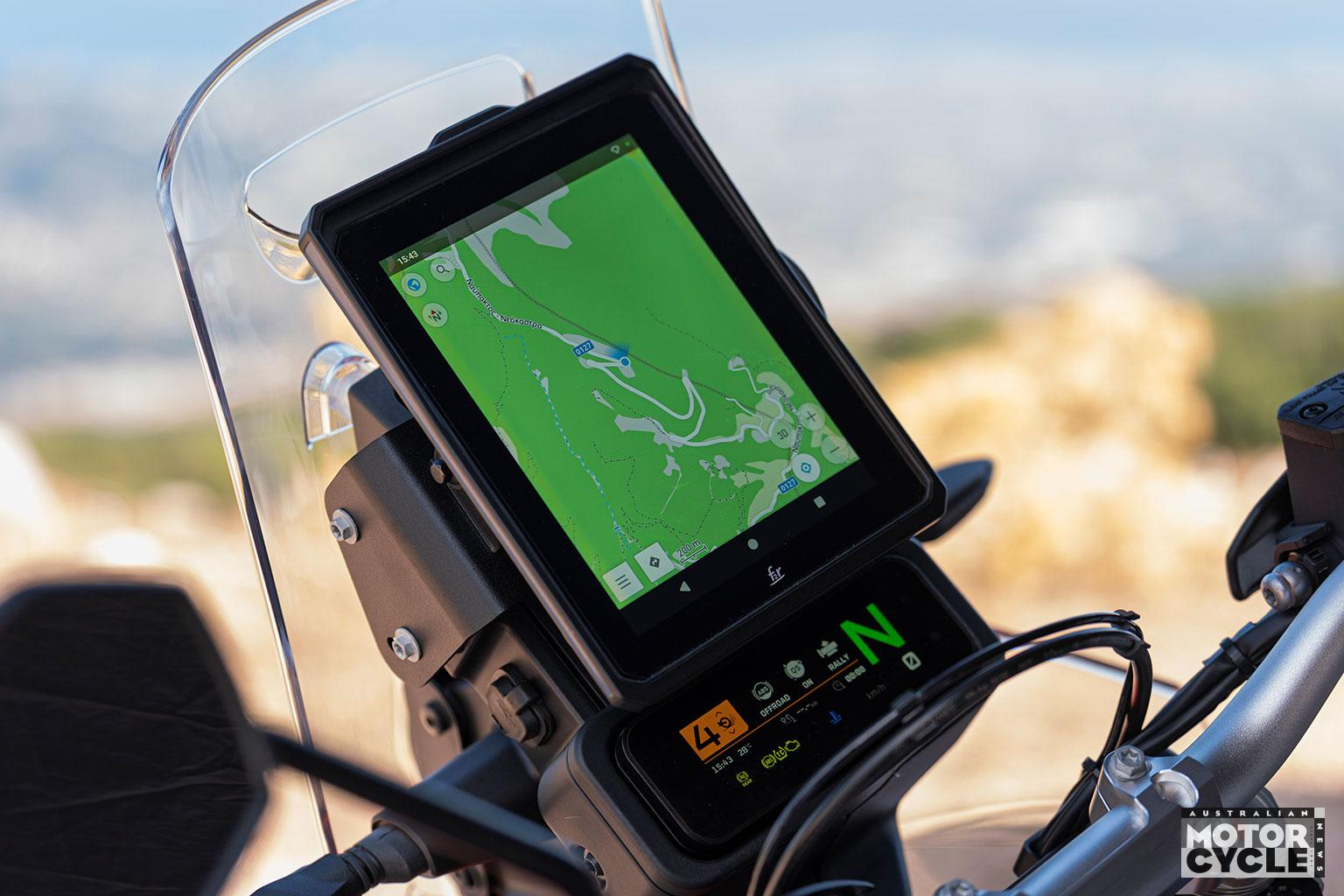
The switchgear is simple and straightforward, while the 690 Rally has a compact 4.2-inch TFT display. As standard, there are two riding modes: Street and Off-road. In Street mode, the ABS and traction control are lean-sensitive. In Off-road mode, they are no longer lean-sensitive and are calibrated specifically for riding away from the tarmac, with no ABS on the rear. There is also a large, easy-to-access ABS button on the left handlebar, allowing you to deactivate the system completely at both wheels while stationary.
KTM also fitted the optional Tech Pack, which adds cruise control, a quickshifter and an additional Rally mode. Unlike the standard modes, Rally allows you to adjust the level of traction-control intervention and permitted rear-wheel slip, as well as choose between Rally, Off-road and Street throttle responses.
FIRST MOVES
I began the journey in the standard Off-road mode because most of the route would be away from the tarmac. First, though, I wanted to get a feel for the bike with all three tanks full and the complete 20-litre fuel load on board.
The Rally tops the scales at 161.5kg, making it heavier than the 152kg Enduro R, and once you add all that fuel, you’re looking at 175kg to 178kg. We also had Michelin Bib Mousse inserts in the tyres to avoid punctures, adding a little unsprung weight. Interesting.
Initially, I thought the bike felt heavier than expected, maybe because I’m such a short rider. But within a few kilometres I started to click with the Rally, and it’s certainly not as intimidating as a 200kg-plus ‘middleweight’ adventure bike like Yamaha’s Tenere (220kg) or KTM’s own 890 Adventure R (215kg).
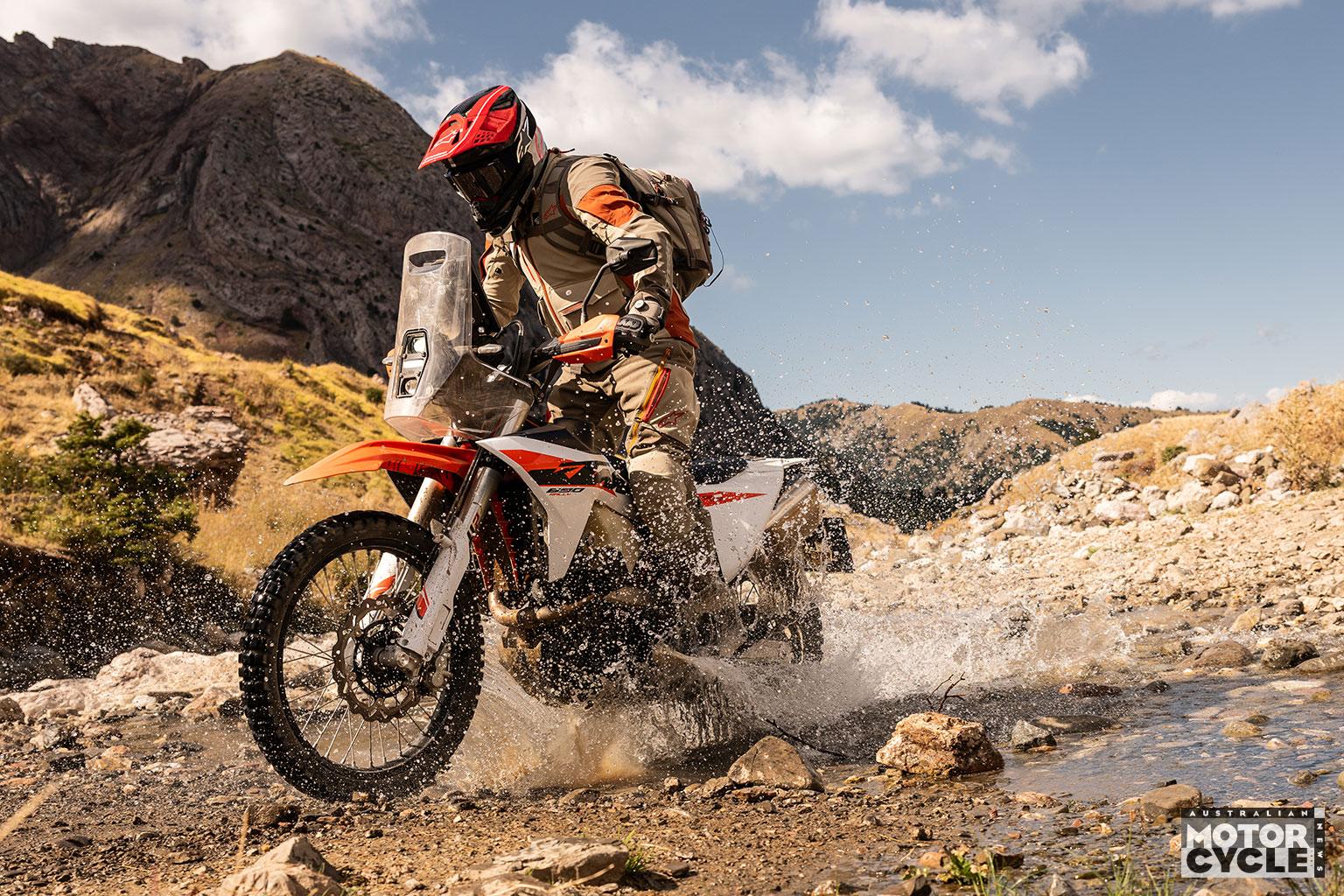
Within five minutes we encountered our first off-road section and, standing on the wide, grippy footpegs, the bike felt in its natural habitat. The handlebar is positioned nice and high, the mirrors stay out of the way, and the tall screen offered protection when I sat down without obstructing my view when standing up. The seat is narrow and, being a single, the bike itself is relatively slim, making it easy to move forwards and backwards on the long rally seat. There are a few minor pinch points, but overall, shifting body weight is remarkably easy. I could move forwards to increase front-end grip, then slide back to find traction at the rear or allow the front wheel to float or even wheelie over small streams and puddles.
It did not take long to find a rhythm. The quickshifter worked particularly well in the lower gears, both up and down.
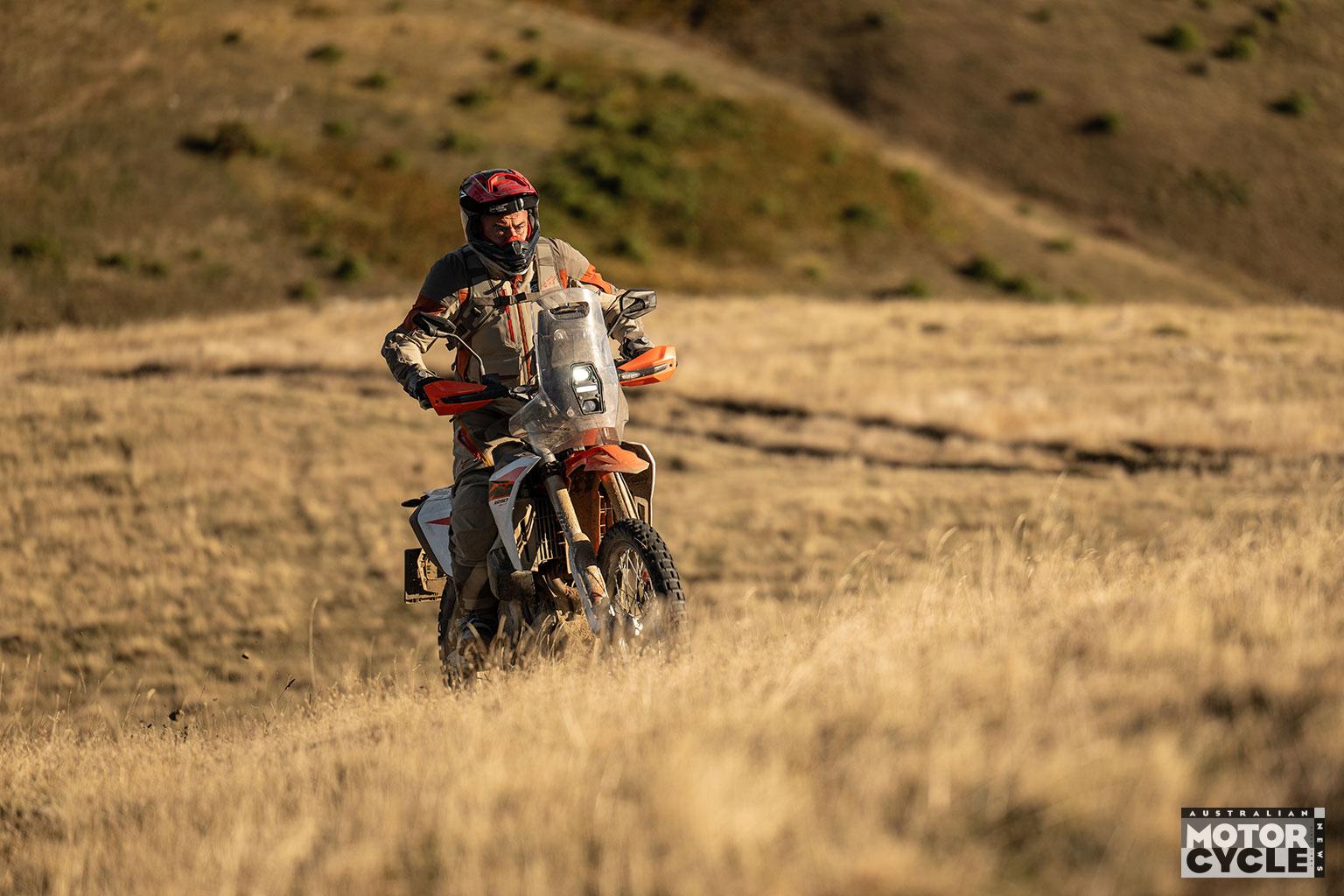
Most of the trails involved shifting from second to third, back to second and occasionally down into first. This is where the quickshifter proved especially useful, allowing your left hand to concentrate on holding the ‘bars and guiding the bike through the terrain without having to operate the clutch as well.
As you might expect, the LC4 single is a fraction lumpy at very low revs. Even so, this is an impressive engine from KTM. I have previously experienced it in several Husqvarna and GASGAS models and have always enjoyed its character.
Once the revs rose, it was relatively smooth from the bottom of the rev range, and in Off-road mode the power delivery was progressive. It was neither too snappy nor too sharp, which also made life easier for the rear-wheel traction-control system.
SAFETY DANCE
For me, as an experienced dirt rider who has never raced seriously off-road, the standard Off-road calibration felt just right. The traction control helped manage slides without being abrupt or aggressive, allowing the bike to move around in a smooth, progressive and controllable manner.
It is not foolproof. You can still lose control, high-side or low-side by spinning out. Rather than providing a huge safety net, the system works discreetly in the background, giving you enough freedom to enjoy yourself while catching ‘most’ slides. Dynamic Slip Adjust can also automatically increase wheelspin when needed – for example, when you’re stuck in deep mud up to the pegs – before returning to the pre-set setting.
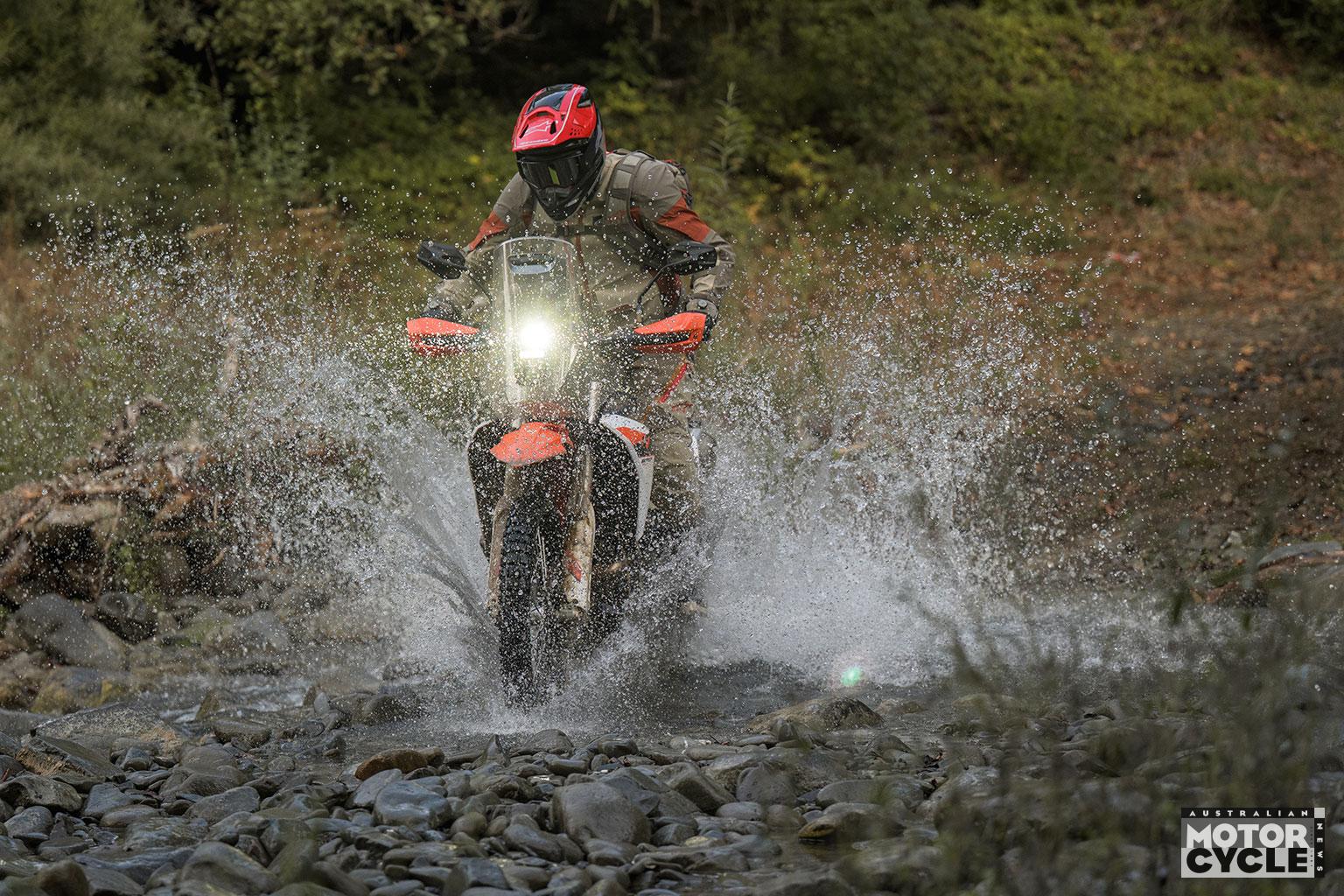
The front ABS is seriously impressive, and within half an hour I had already relied on it several times. Under heavy braking at low speeds, particularly when the front tyre rolled over tennis-ball-size rocks or loose rubble, I could sometimes feel the system working. At higher speeds, however, it gives you the confidence to brake harder and deeper into a section. Even when the ABS intervenes, it reacts quickly and precisely. This is not a basic system; it is a sophisticated set-up that rescued me time and again.
After 100km off-road I was really beginning to find my rhythm. With the electronics working discreetly in the background, I could either relax and enjoy Greece’s beautiful scenery and varied terrain or push a little harder and test my limits.
I found myself using the rear brake far more than I normally would when riding adventure bikes off-road. I knew that if I made a mistake, locked the rear wheel and sent the tail sideways, the front ABS would still be there as a guide and a safety net, ready to help if I got carried away.
On some trails, I could hold third gear where I would usually have selected second, carrying a little more speed through corners than I otherwise might. The Rally gave me the confidence to experiment.
The bike always felt natural, almost like an extension of me, and remarkably calm. Like a swan that is working so hard below the surface yet looks so serene as it glides across the lake, everything above the twin fuel caps managed to remain effortless and composed, despite the frantic action below.
There were occasions when the WP suspension was brutally punished by the terrain, yet the chassis remained unfazed. I didn’t once feel the need to tweak the standard settings, which would be the same for the majority of riders.
In widely varied terrain with an 80kg rider aboard, the suspension felt spot on. I’m sure some former enduro racers, or heavier riders, may want to change the base set-up – but I ultimately left it alone. I was certainly in my happy zone.
RALLY CALL
That growing confidence encouraged me to select Rally mode later in the afternoon. Rally mode offers a choice of throttle responses, including Rally, Street and Off-road, as well as nine levels of traction-control adjustment – or you can switch it off completely.
I selected level four, somewhere around the middle, while keeping the front ABS active.
For me, the standard Rally throttle response was a little too sharp and aggressive. I can see it appealing to more experienced riders or those tackling wide-open terrain in fourth or fifth gear. If you are attacking sand dunes or crossing the open deserts, that immediate response could be exactly what you want. On the tighter second- and third-gear trails we were riding, however, I preferred the softer, more progressive response of the standard Off-road mode.
It was still enjoyable to adjust the traction control on the move. As the terrain changed, I could reduce it to level two or one, or switch it off completely, before increasing it again when the rear wheel began spinning too freely. As fatigue set in later in the day, adding more intervention also made the 690 Rally easier to manage.
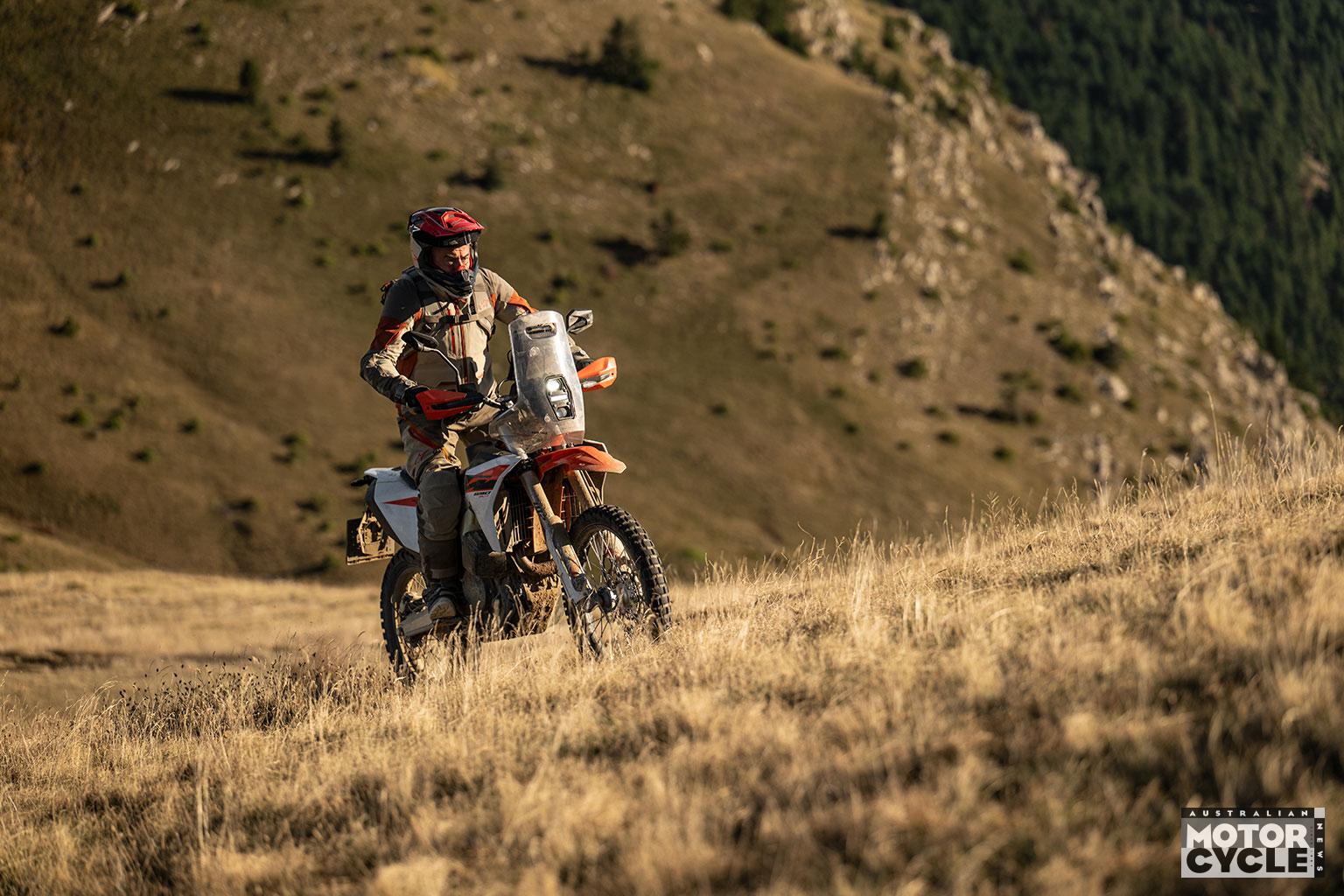
For most riders, the standard Off-road traction control and ABS settings will be perfectly adequate. Rally mode offers greater flexibility for those who enjoy fine-tuning the electronics to suit the terrain, but I preferred the standard Off-road set-up.
Towards the end of day one, I had thoroughly gelled with the KTM Rally. It had taken an absolute pounding yet continued to encourage me to experiment and push myself.
By this point, I had already drained the rear fuel tank and switching to the front tanks made me feel like a proper Dakar rider. Towards the end of the day, we attempted a demanding hill climb. I eventually toppled over near the top, but it was all laughter and smiles. The 690 was easy to pick up and handled the fall well.
Both sides of the fuel tanks are well protected in the event of a crash.
Unlike a multi-cylinder adventure bike weighing around 220kg, the KTM was reasonably light and easy to lift, too, allowing me to get moving again without too much effort.
DAY TWO
The second day of riding followed much the same pattern as day one. We tackled everything from open trails in fourth and fifth gear to tight woodland sections where I was down in first, balancing the bike on the pegs.
The KTM has lovely balance and is extremely easy to ride at low speeds. You do need to slip the clutch occasionally to smooth out the lumpiness of the single-cylinder engine, but otherwise it is composed and manageable.
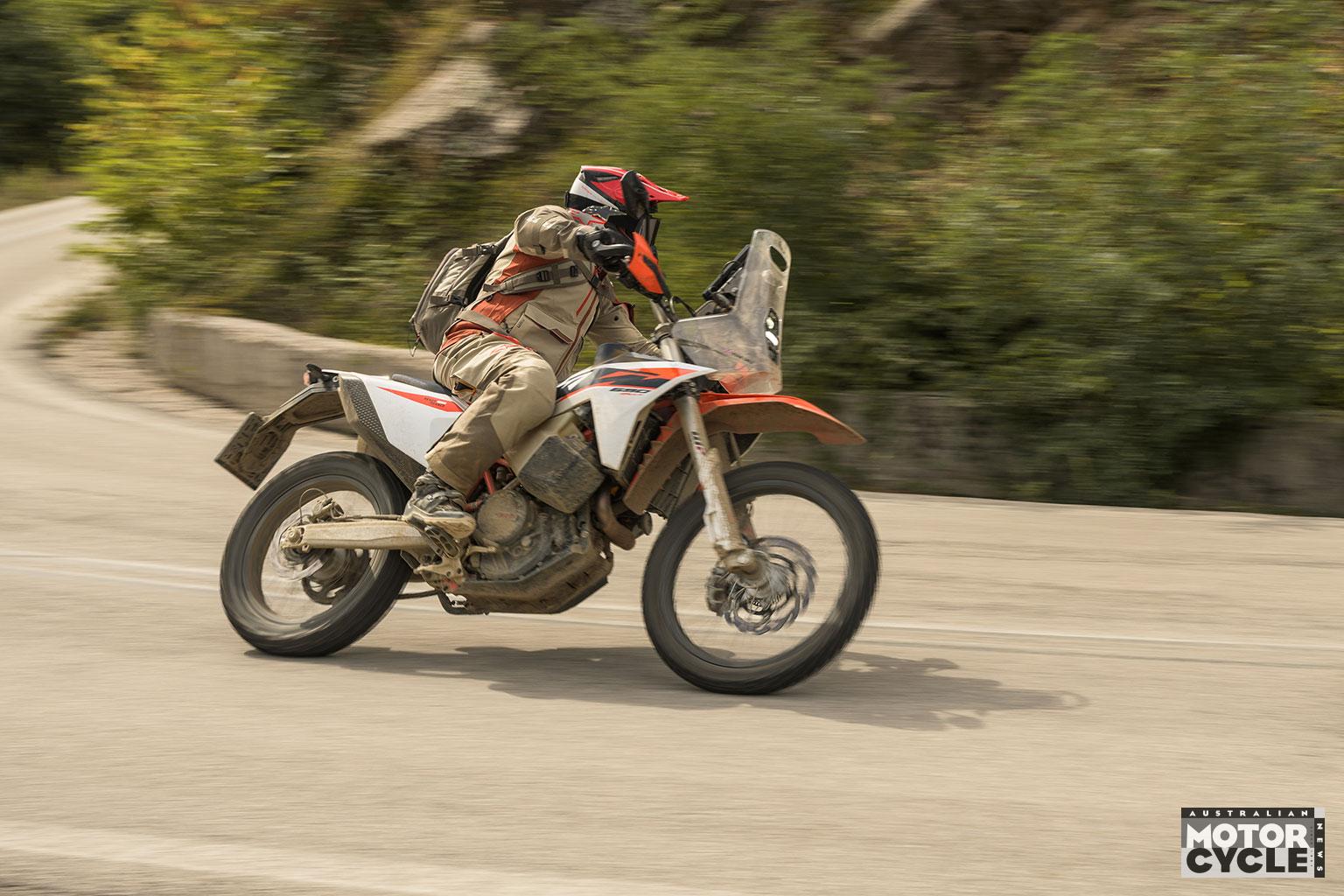
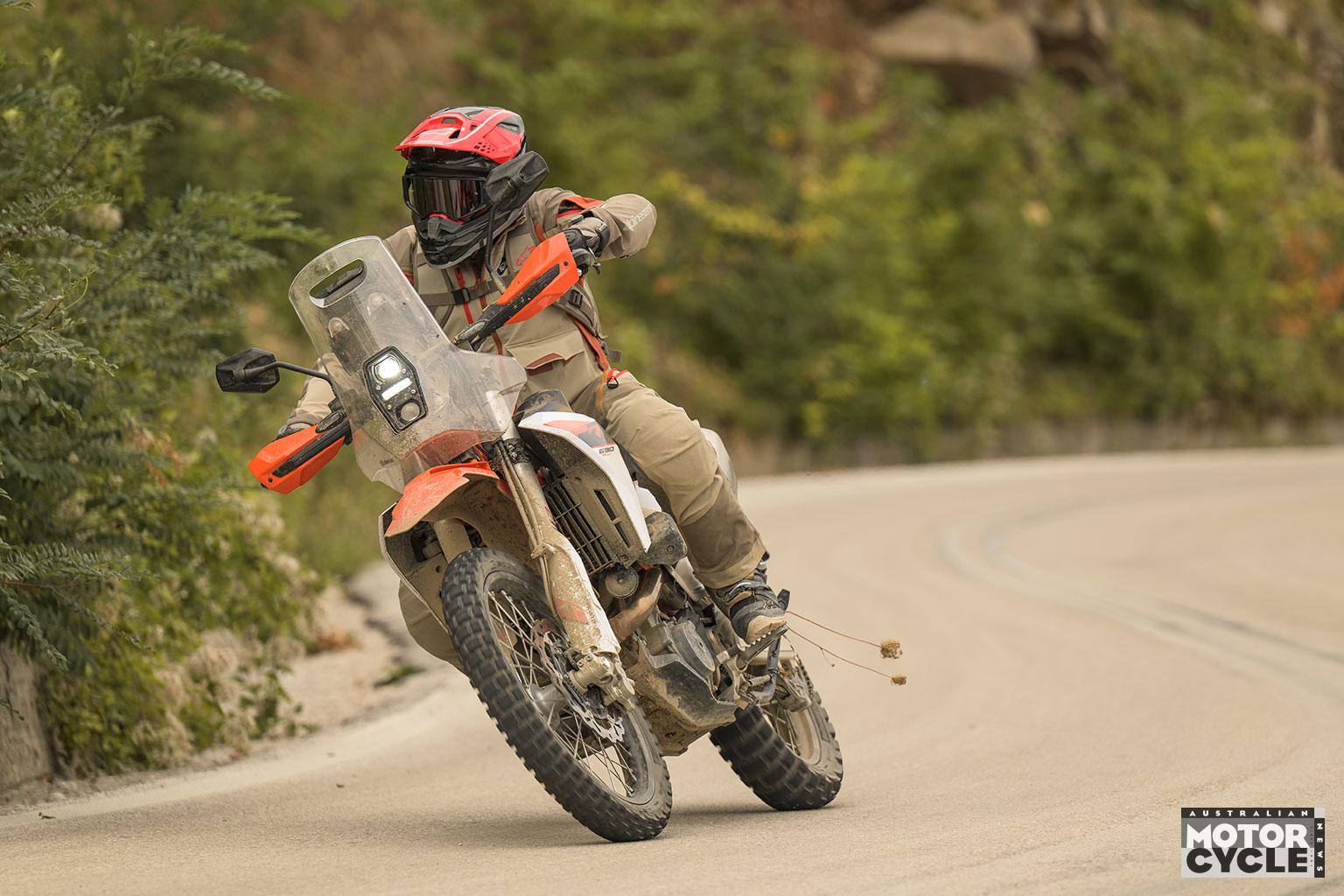
We also had an opportunity to attack a faster stretch of asphalt road, where the new Continental TKC 80 tyres performed admirably. They had already worked well off-road, so I expected them to be compromised on tarmac. Instead, they provided plenty of grip and feedback.
The faster road section also gave us a chance to let the 690 sing. It has enough grunt to lift the front wheel with ease in the first three gears, and, based on my experience of the LC4 in other models, I am sure it would be more than capable at freeway speeds.
Because this was a serious adventure test, we didn’t have the opportunity to engage the cruise control, sit back and cover long distances on surfaced roads.
Even so, first impressions are promising.
The tall screen, substantial handguards and effective weather protection should make longer journeys comfortable, while the bike’s rally tower will accommodate most navigation equipment.
Representative fuel-consumption figures evaded us due to the terrain, but KTM is quoting a 400km range from the 20-litre fuel tanks, which is pretty substantial, especially for Australian adventure riding.
As expected with a 21-inch/18-inch wheel combination and tall suspension, it’s not pin-sharp on the road, but even at a brisk pace the Rally suspension held its own – and didn’t become overwhelmed by some at-times quite aggressive riding as I headed for back to base.
LOVE AT FIRST RIDE
After two days and nearly 400km of off-road riding, the KTM 690 Rally and I had truly bonded. It allowed me to tackle trails, steep climbs and descents, river crossings and challenging terrain in a manner I never thought possible.
The ABS rescued me on multiple occasions, while the traction control prevented me from getting too carried away. Together, these rider aids gave me the confidence to push beyond my usual limits without ever making the bike feel overly restrictive.
There are a few drawbacks. The engine is slightly lumpy at walking pace, and filling the bike with fuel can be a nuisance because all three fuel caps must be opened individually. The 935mm seat height may also be too tall for some riders and, I wonder, is the rideaway price too much for a single-cylinder adventure bike?
Those criticisms aside, if I were to one day repeat this journey, I cannot think of a better bike for the job.
VERDICT
At the end of a test, I always ask myself whether I would have chosen another bike for the same journey. In this case, I can’t think of one.
A standard KTM 690 Enduro R could have covered the same ground, but it lacks the rally tower, navigation set-up and extra fuel capacity – and therefore the range. The KTM 890 Adventure and Yamaha Tenere may offer greater freeway comfort, more technology and a few extra creature comforts, but they are also heavier and harder work off-road. After seven hours and 220km on the trails, I would take the lighter, single-cylinder KTM 690 Rally every time.
This is the adventure bike many riders have been asking for, and KTM has delivered. The only question is whether the price is too high for a single-cylinder machine. But if you want an ADV bike that can tackle serious country, remain enjoyable on the road and cover a few hundred freeway kilometres in relative comfort with cruise control engaged, look no farther.
The new 690 Rally is a remarkably capable and thoroughly enjoyable adventure bike, both on-road and off. I ended two days of hard riding still in one piece (thanks to rider aids) and wanting more.
✅ PROS – Superb off-road balance and suspension, confidence-inspiring rider aids, 400km range with genuine long-distance potential.
❌ CONS – A 935mm seat height won’t suit everyone, three fuel caps are fiddly, with Tech Pack needed for cruise control and Rally mode.
COMPETITION
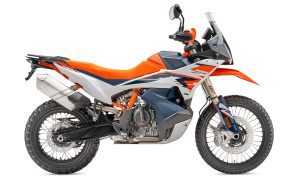
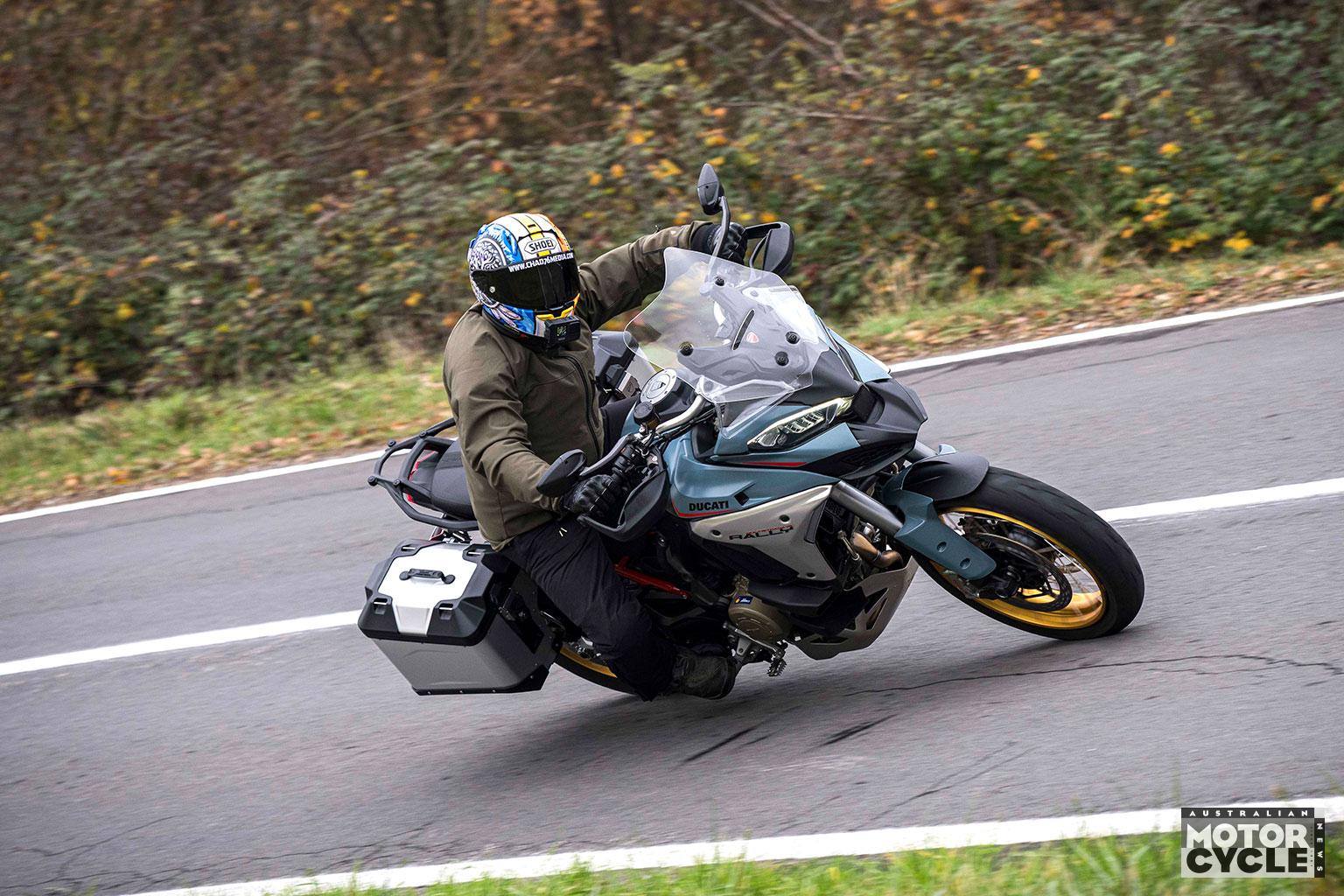
KTM 890 ADVENTURE R – $25,995 ride away
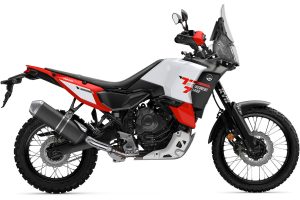
YAMAHA TENERE 700 WORLD RAID – $27,349 ride away
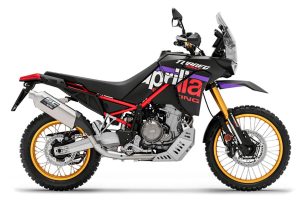
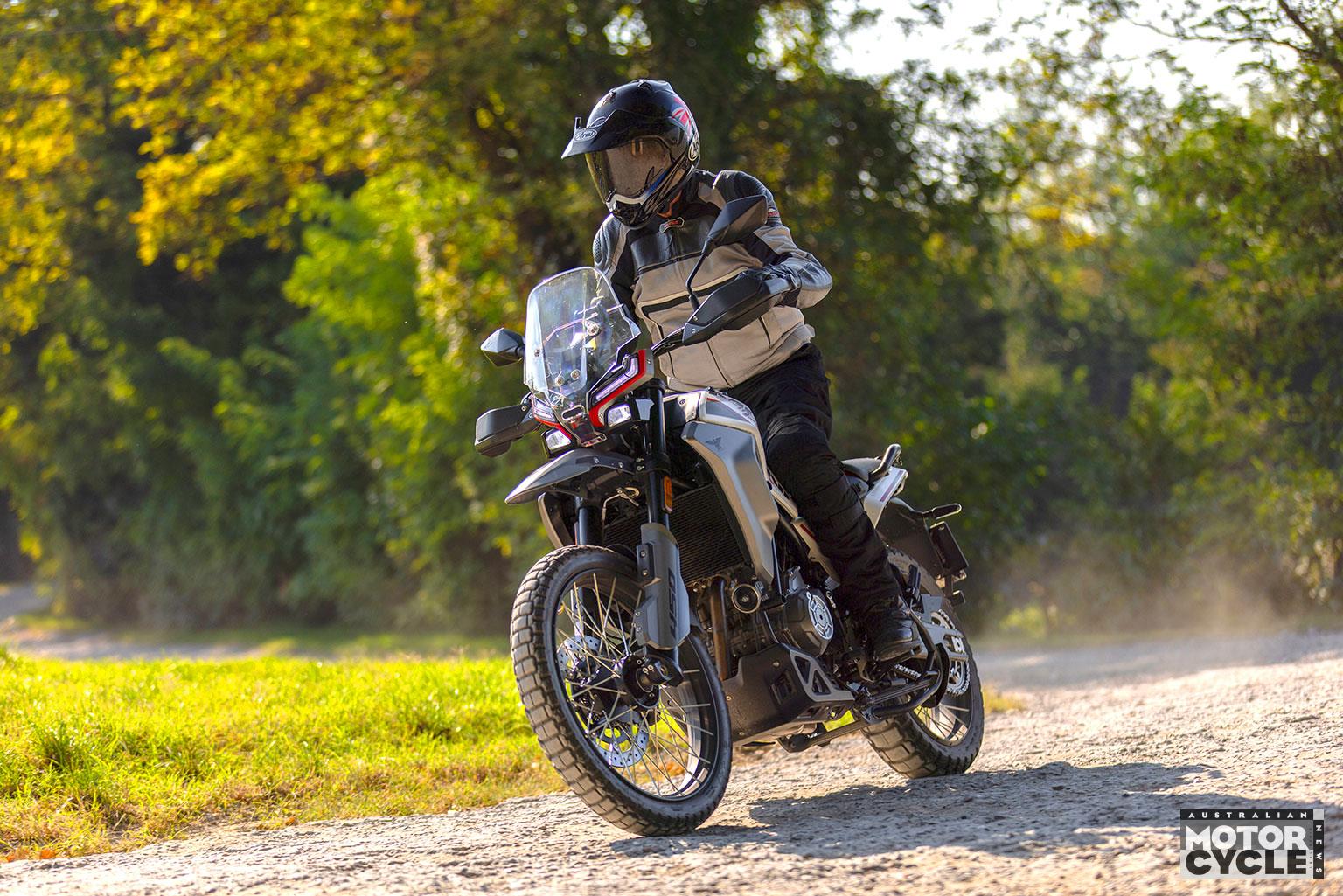
APRILIA TUAREG RALLY 660 – $24,990 ride away
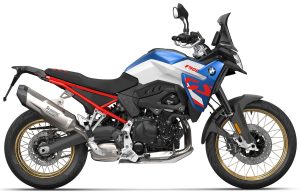
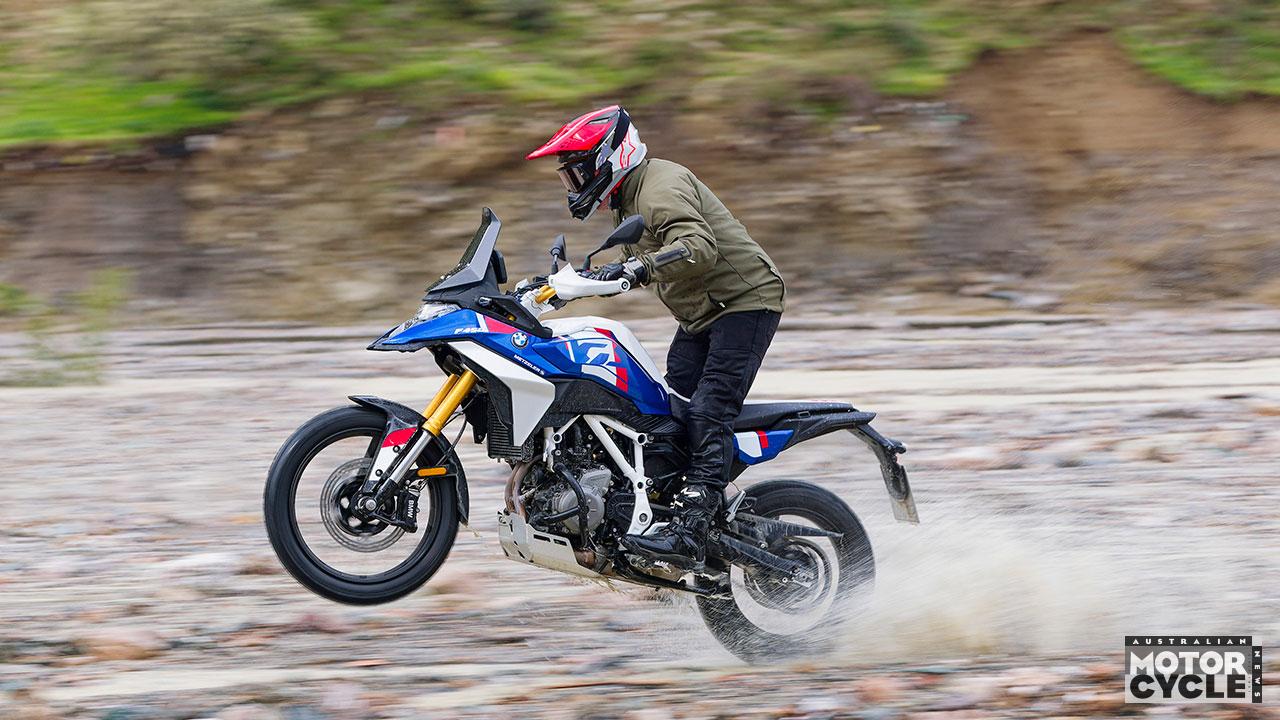
BMW F 900 GS – $22,140 ride away
Specifications
ENGINE
692.7cc liquid-cooled 4-valve single-cylinder
Bore & stroke 105 x 80mm
Compression 12.7:1
Transmission Six-speed, chain final drive
Clutch PASC slipper, hydraulic
PERFORMANCE
Power 58.1kW (78hp) @ 8000rpm
Torque 73Nm @ 6750rpm
CHASSIS
Frame Chrome-moly steel trellis
SUSPENSION
Front 48mm WP XPLOR USD fork, adj. compression/rebound, 265mm travel
Rear WP XPLOR monoshock, fully adjustable, 250mm travel
BRAKES & WHEELS
Brakes 300mm front disc, Brembo twin-piston floating caliper; 240mm rear disc, Brembo single-piston floating caliper; ABS
Wheels Spoked, 1.85 x 21-inch front; 2.5 x 18-inch rear
Tyres Continental TKC 80, 90/90-21; 140/80-18
DIMENSIONS
Seat height 935mm
Ground clearance 265mm
Wheelbase 1506mm
Weight 161.5kg (without fuel)
Fuel capacity Approx. 20L
SERVICING & WARRANTY
Service intervals 15,000km
Colour Orange/white
BUSINESS END
Available in AU from December 2026
Price $23,595 ride away
Contact: ktm.com/en-au