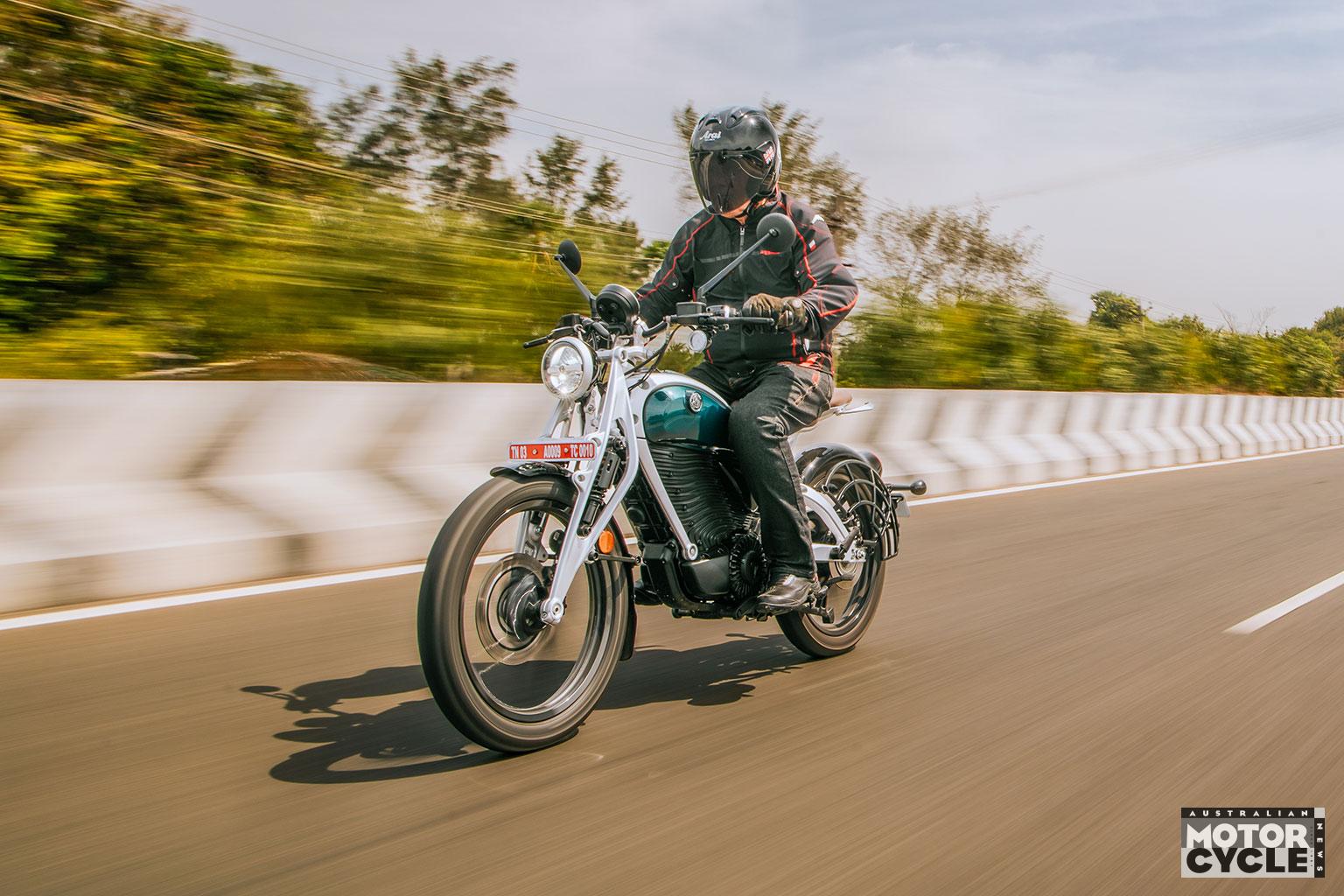
More than half a century after BSA disappeared from our showrooms, one of motorcycling’s most famous names is back. Nigel Paterson rides the Gold Star 650, Scrambler 650 and Bantam 350 to discover whether there’s substance behind the revived badge
For plenty of Australian riders, BSA is a name read on old tank badges rather than ridden firsthand. It belongs to Birmingham’s industrial heyday, to polished alloy, big British singles and the kind of motorcycles that reward a Sunday morning escape more than a stopwatch.
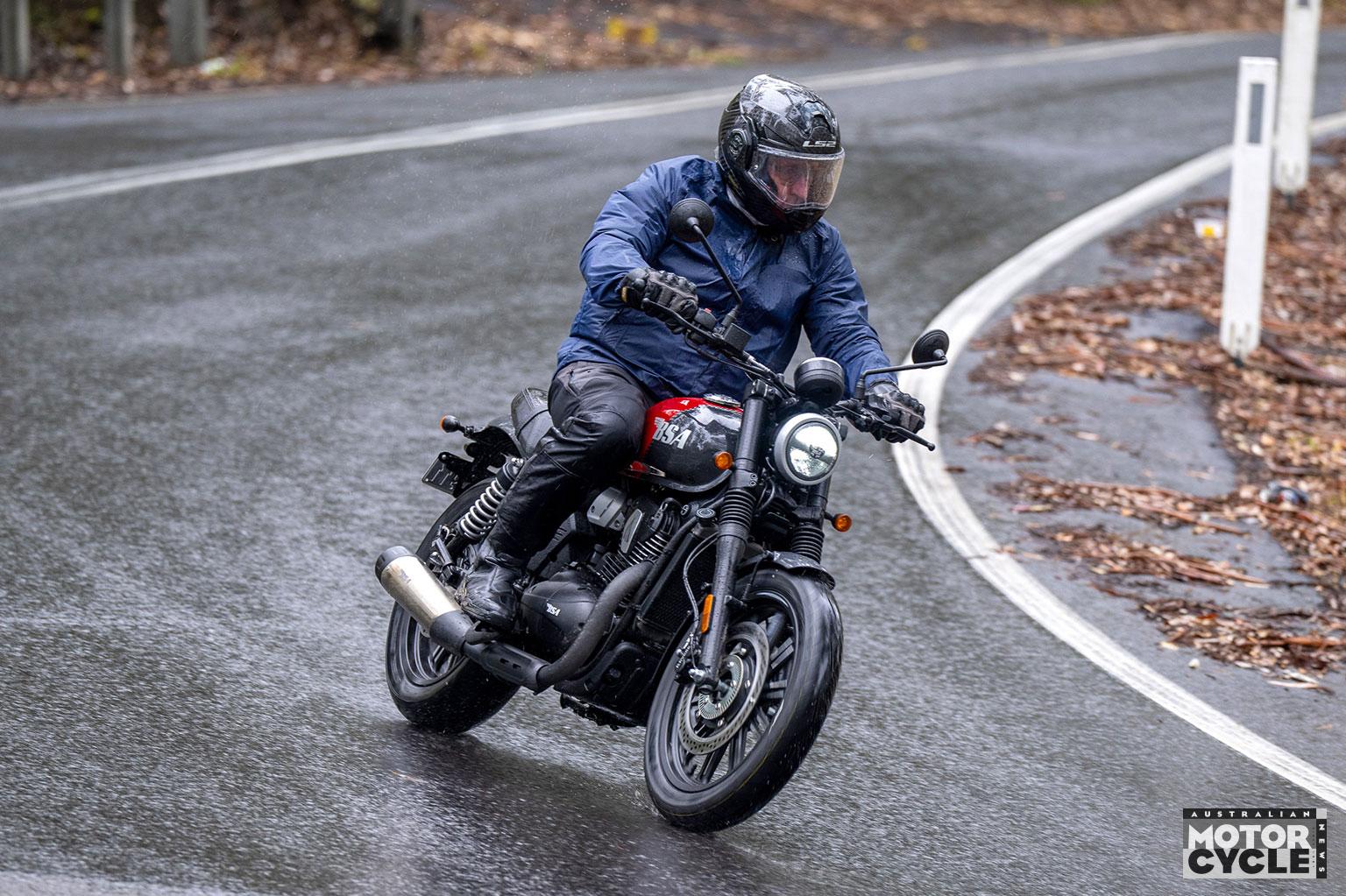
But now BSA is back.
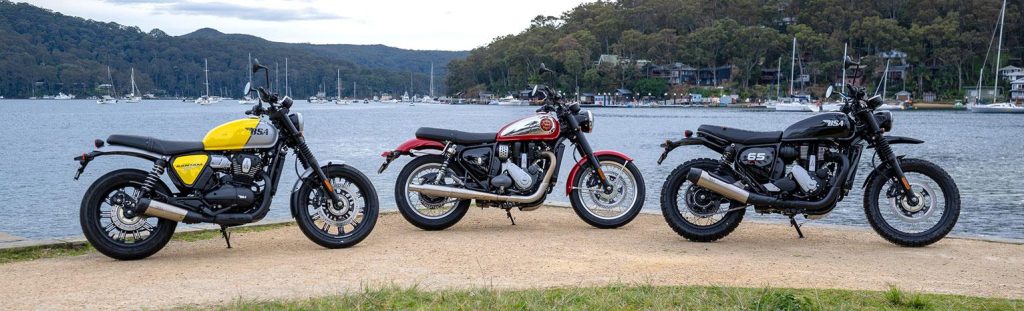
And not with a single nostalgia-laden model sent out to test the waters, either. The famous winged badge returns to Australia with three distinctly different motorcycles: the Gold Star 650 roadster, Scrambler 650 and
entry-level Bantam 350.
The common thread is obvious. Familiar silhouettes, simple mechanical character and, importantly, single-cylinder engines, all brought into the modern world with fuel injection, ABS, liquid cooling and the concessions necessary to meet contemporary emissions regulations.
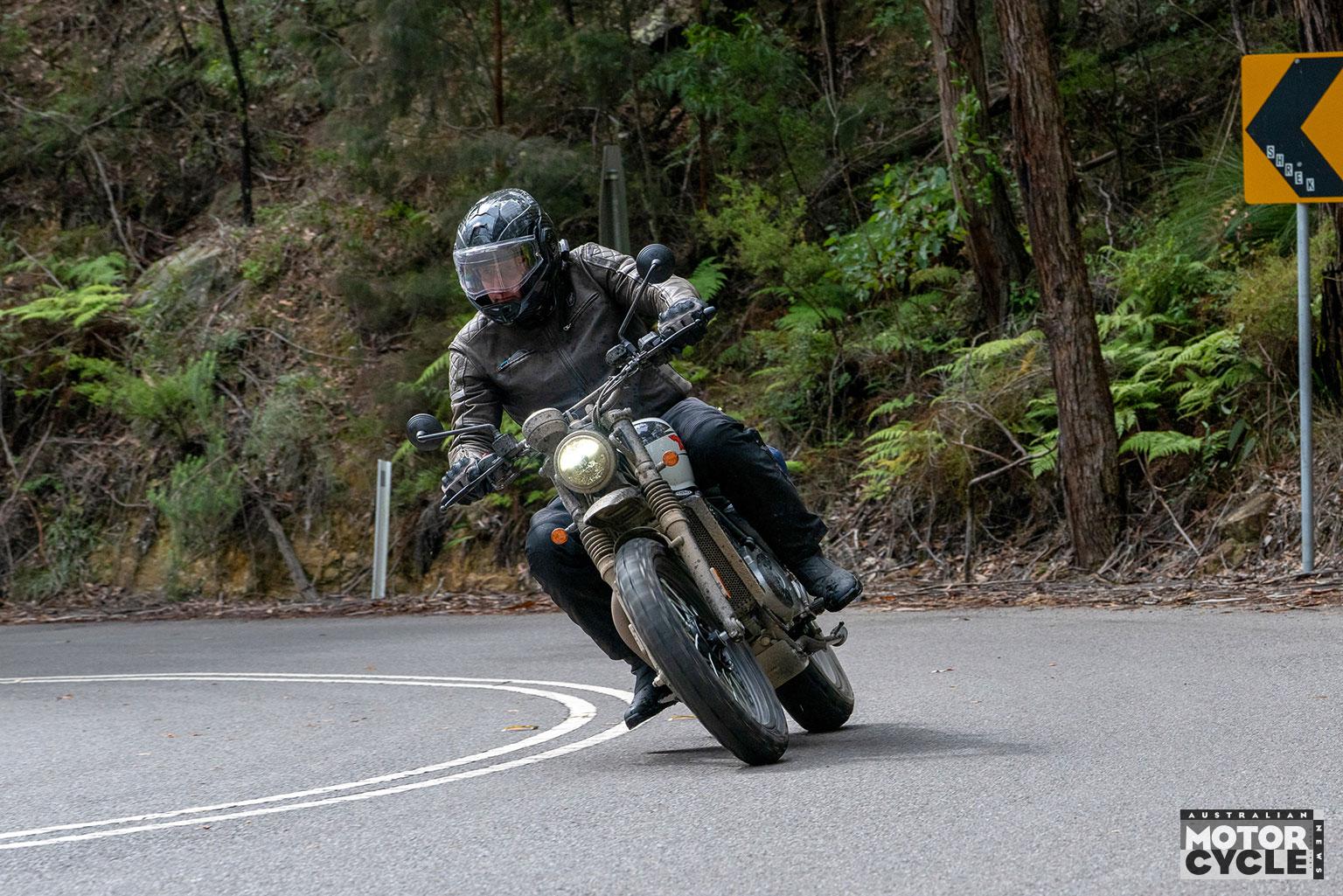
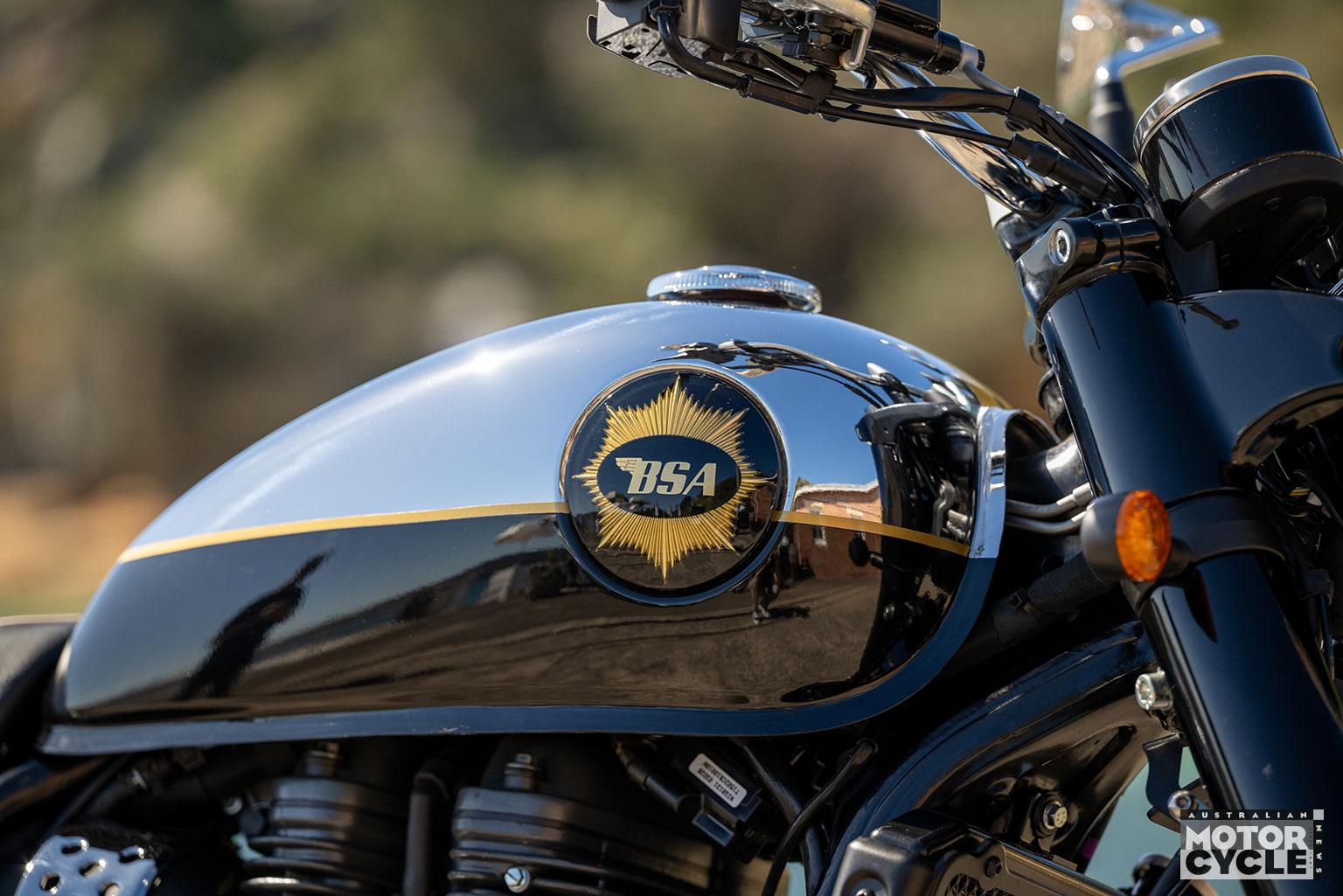
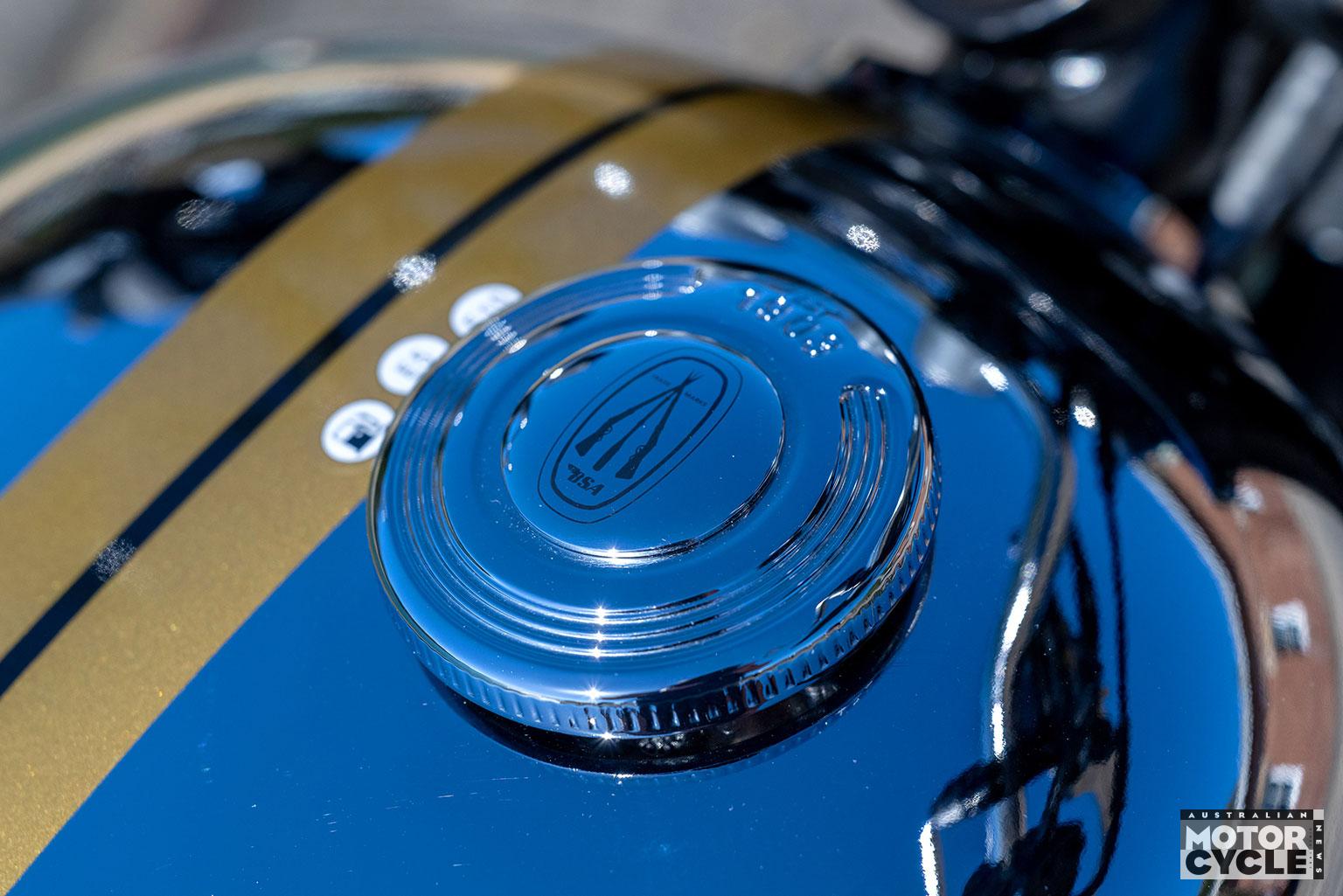
First impressions suggest BSA has taken the styling very seriously. None pretends to be an untouched museum piece but each carries enough visual reference to its ancestors to make the connection immediate. They look like BSAs without trying too hard to look old.
Interestingly, it’s not a badge you’ll have to pay a huge premium for, either. Prices begin at just $7590 ride away for the Bantam 350 and remain below $13,000 even for the premium Gold Star variants.
That puts BSA straight into some fiercely competitive territory. But before worrying about the opposition, there was something I needed to discover for myself.
A THUMPING HEART
When I started riding motorcycles in the early 1980s, single-cylinder road bikes were already thin on the ground. The last vestiges of the British motorcycle industry were represented by Triumph and Norton twins, Yamaha had killed off the SR500 single and plenty of learners bought various Japanese single-pot 250s, only to trade them for more cylinders and more capacity as soon as they could.
I didn’t hate single-cylinder road bikes because, frankly, I never really rode them.
I went from a Yamaha two-stroke twin to a Moto Guzzi Le Mans before moving onto four-cylinder bikes as my age and income rose.
Singles were never on the radar, let alone the wish list.
Professionally, I became a motorcycle journalist in the 1990s, with one of my first freelance stories a feature on the Sound of Singles road-racing class – but I never got to ride one. Not long after, I was a full-time staff member at Revs and then Two Wheels, yet I still don’t remember ever testing a proper big-single road bike.
A few popped up along the way – Suzuki’s LS400 cruiser, Yamaha’s SRX660 and the MuZ Skorpions among them – but nothing that really fitted the mould of the Big British Single.
No, the idea of chugging along with one big cylinder firing every second lamp post wasn’t something I would experience until a few weeks ago. I may have been curious about the joys of one-pot riding, but apparently I had to wait for BSA to come back from the dead to find out.
GOLD STAR 650
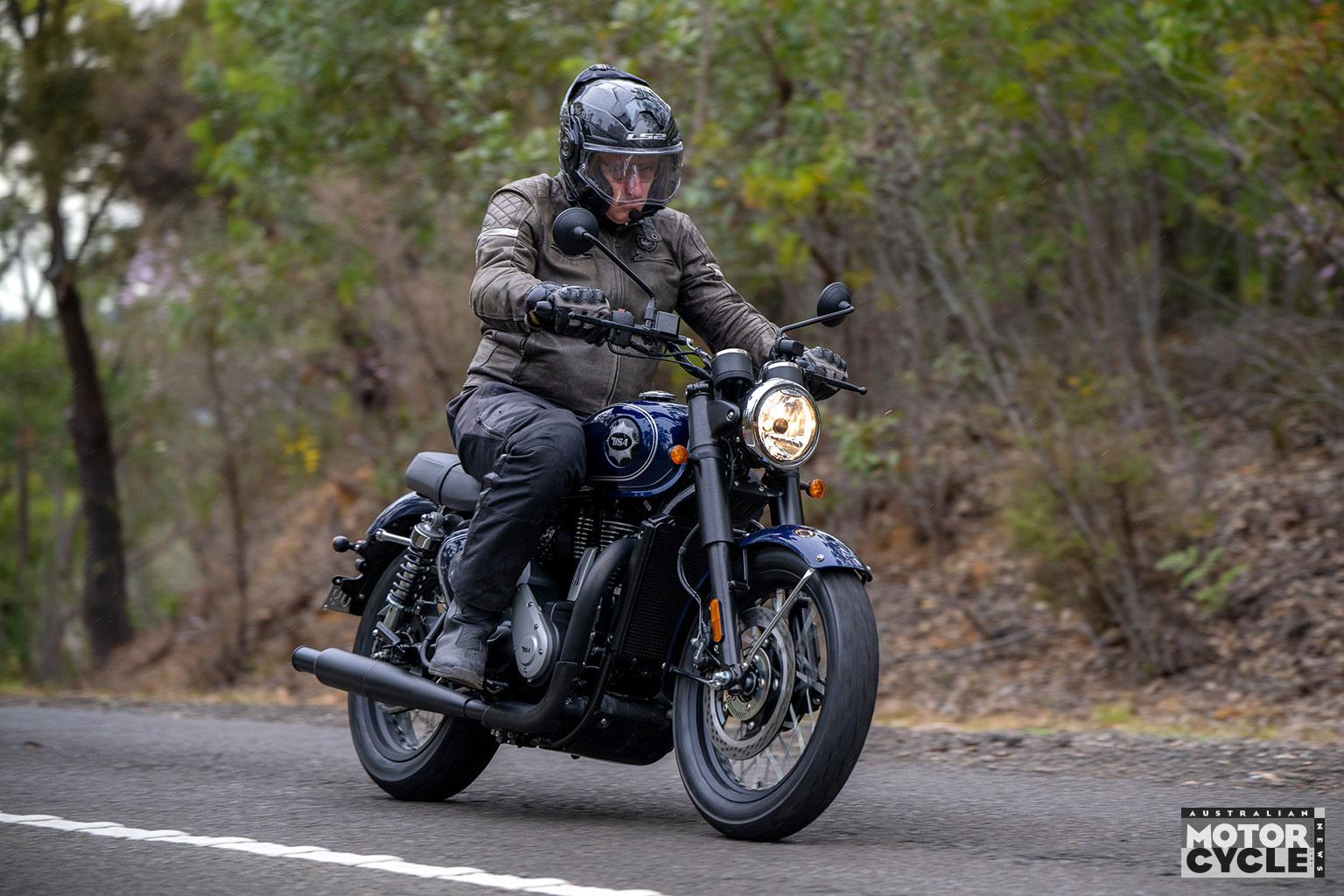
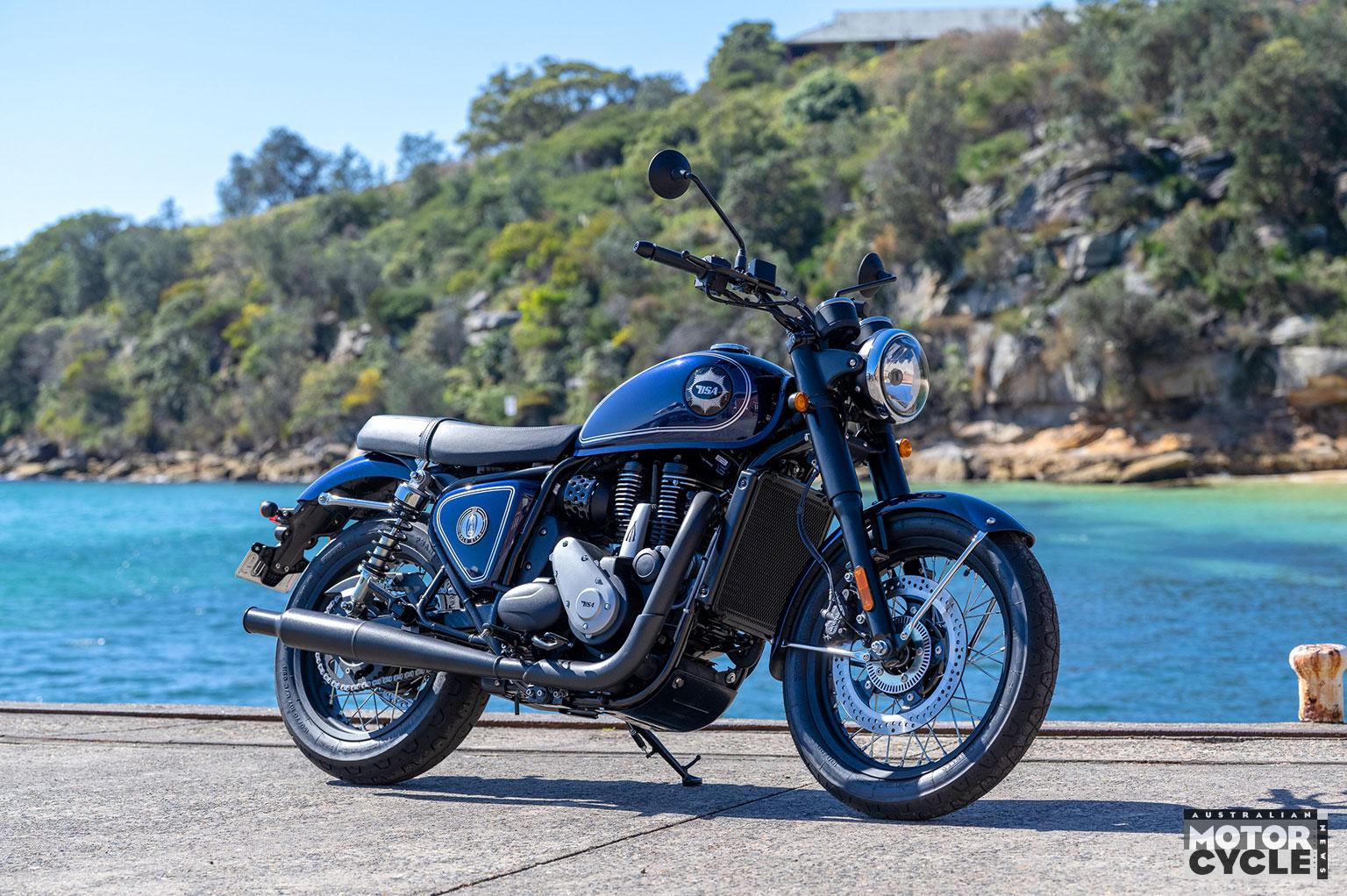
If one motorcycle carries the emotional weight of BSA’s return, this is it. The original Gold Star became one of the most coveted names in British motorcycling, born from Brooklands speed credentials and forever associated with the great sporting singles of the post-war era.
The new Gold Star wisely does not attempt to reproduce the original component by component. Instead, it recreates the recipe.
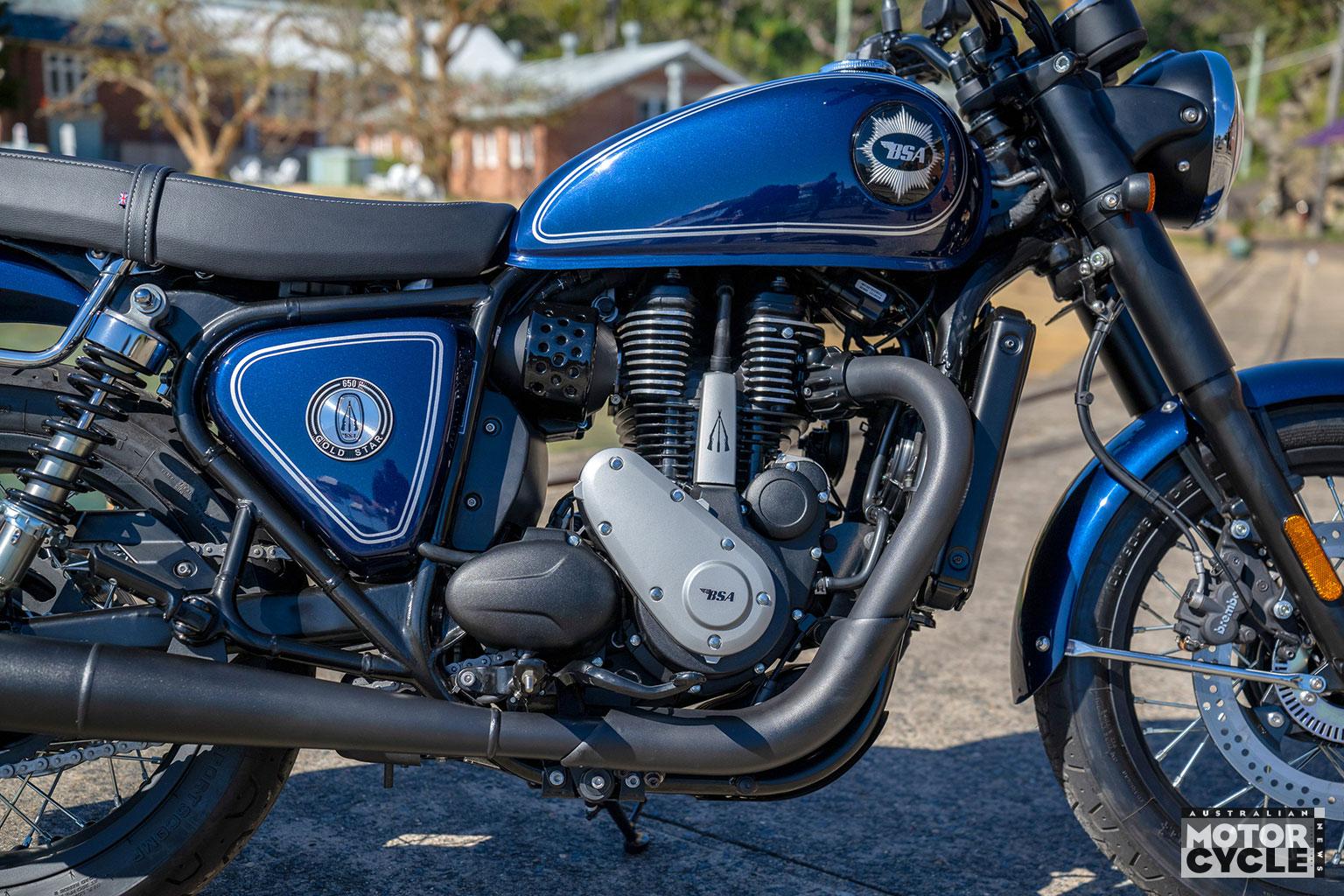
At its heart is a 652cc liquid-cooled single producing 33.5kW (45hp) at 6500rpm and 55Nm at 4000rpm, driving through a five-speed gearbox. There are twin rear shocks, wire-spoked wheels and a relaxed, upright riding position.
It’s the engine that defines the experience. Treat it like a traditional big single – use the torque, short-shift and let it pull – and the Gold Star makes perfect sense. There’s little reason to chase the upper reaches of the tacho when the enjoyable stuff happens much earlier.
It’s also considerably more civilised than the big singles of old.
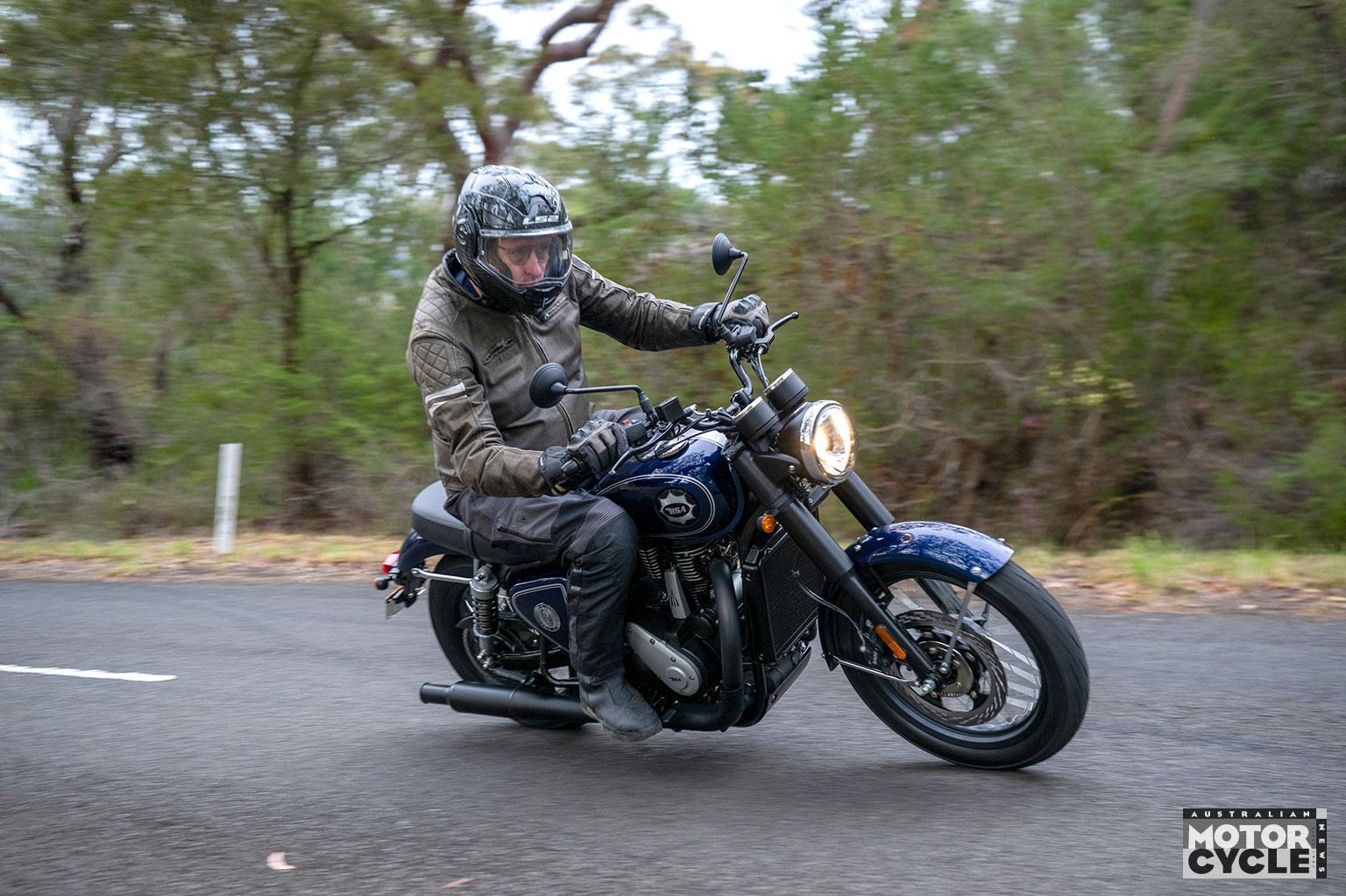
There is vibration through the pegs at certain engine speeds and the Gold Star reminds you of what’s happening underneath when you work it hard, but it isn’t the aggressively lumpy experience some riders may expect.
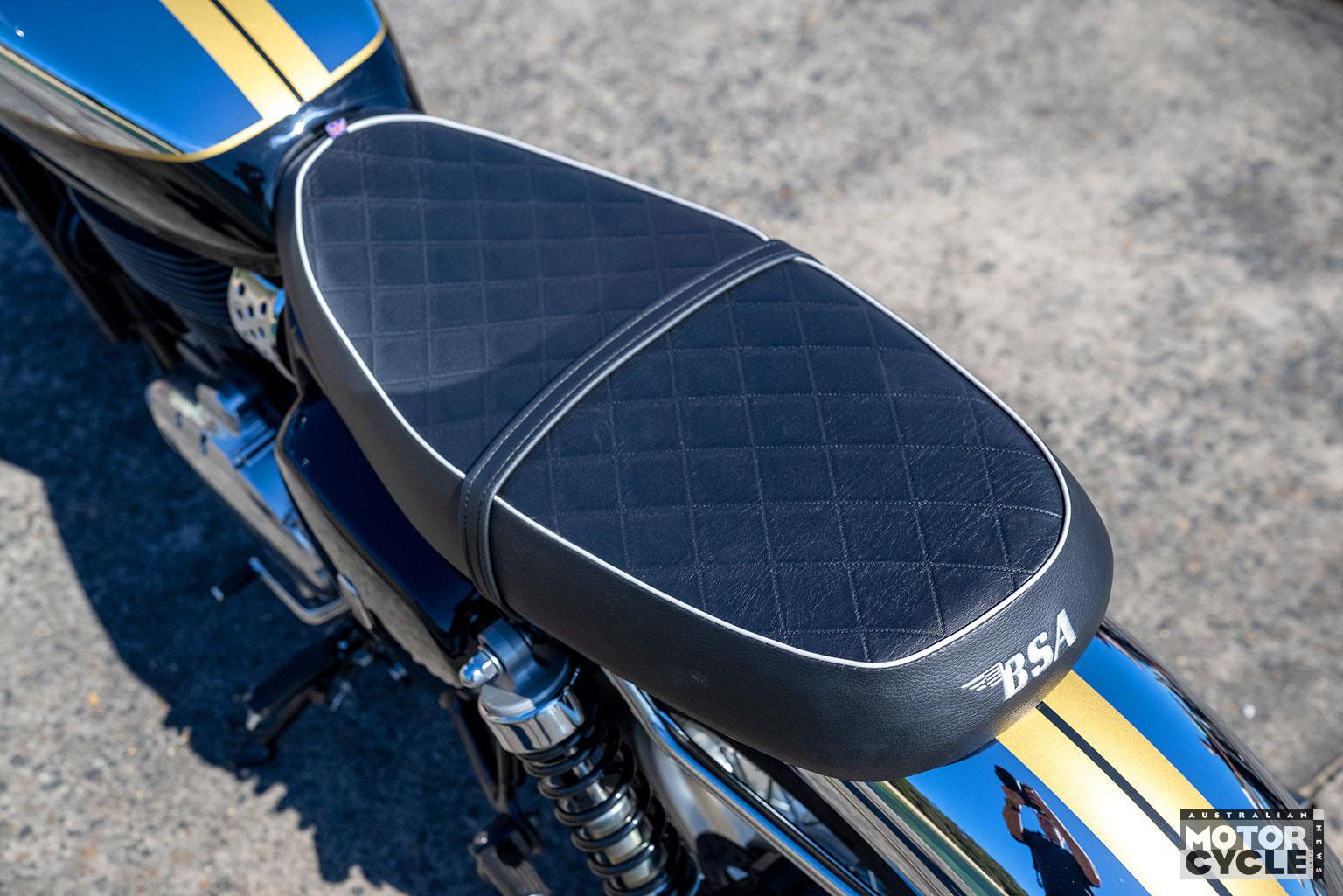
The riding position is relaxed and natural, while the low 780mm seat height should make it approachable for a broad range of riders.
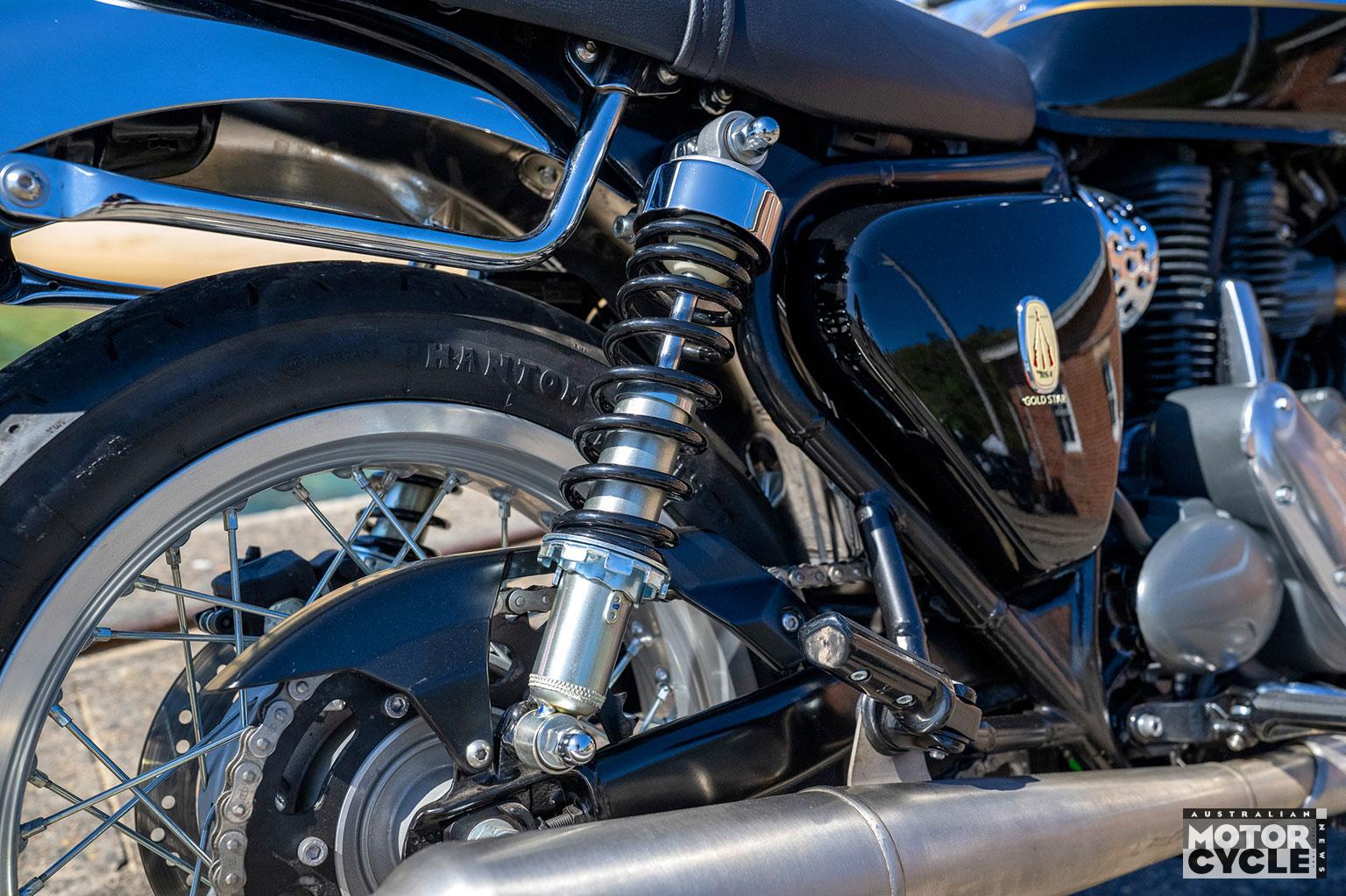
The chassis follows the same philosophy. An 18-inch front wheel, conventional 41mm fork and twin shocks produce a reassuring rather than overtly sporting motorcycle. It steers easily and feels immediately familiar, although the rear suspension on our launch bike felt underdamped and could benefit from some adjustment – or perhaps simply more kilometres.
But outright sporting prowess isn’t really the Gold Star’s mission. This is a classic-flavoured roadster for the cafe, the pub, the coast road and the occasional commute. More importantly, it offers much of the experience and visual appeal of owning an actual classic without dealing with the periodic moods of a motorcycle built when television was still a novelty.
It’s learner approved, comes with a three-year warranty and starts at a price that makes the idea of putting a Gold Star in the shed surprisingly attainable.
SCRAMBLER 650
If the Gold Star is the handsome old-school all-rounder, the Scrambler is the BSA that immediately makes sense for Australian backroads.
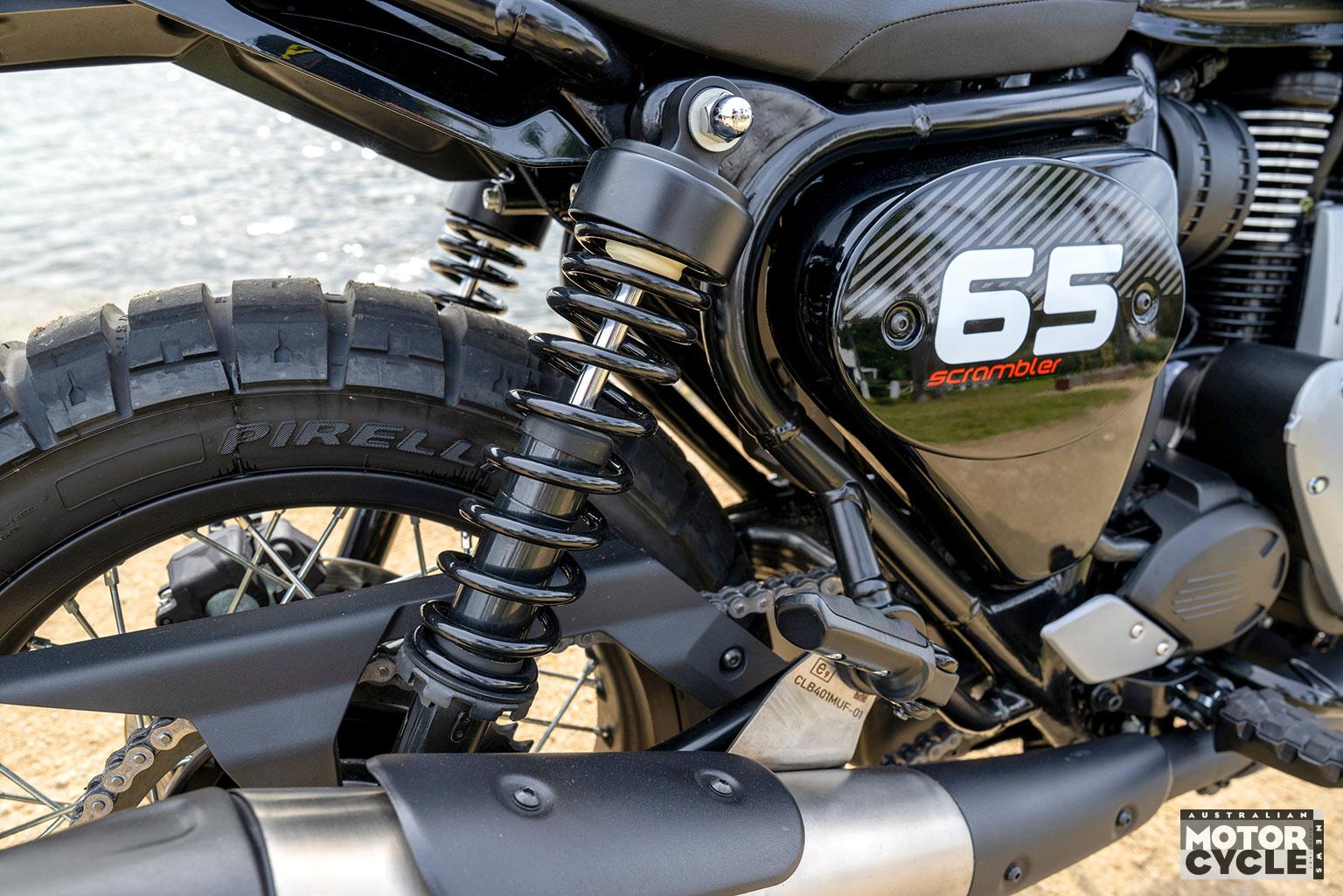
It uses the same 652cc single-cylinder foundation, with the same power and torque, but changes the attitude with a taller stance, wide ‘bars, 19-inch front wheel and Pirelli Scorpion Rally STR tyres.
At 820mm, the seat is 40mm taller than the Gold Star’s and the Scrambler feels like a more substantial, upright motorcycle from the moment you climb aboard.
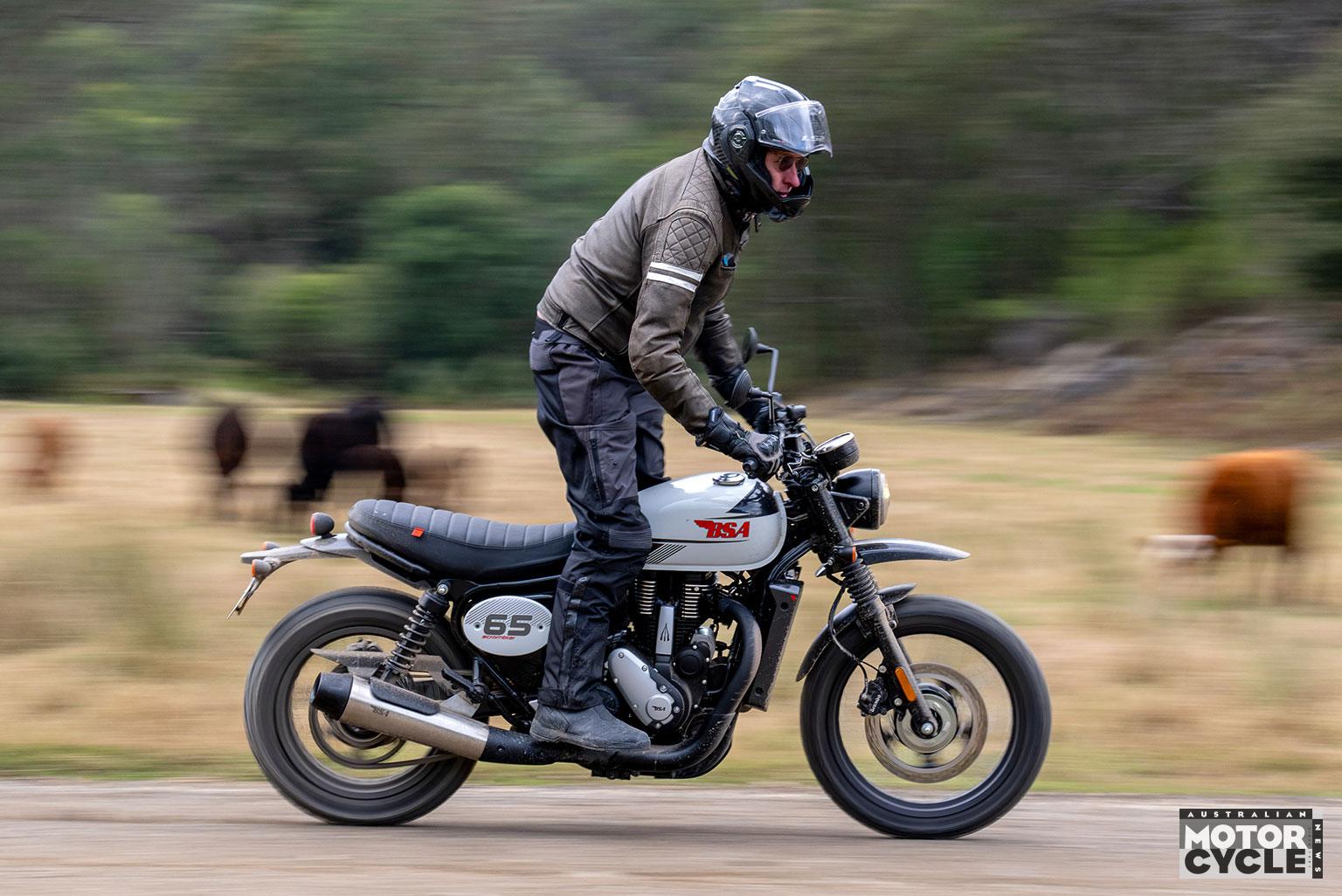
The name needs a little perspective, though. Once upon a time, a scrambler was effectively a motocross bike. This is the modern interpretation: a motorcycle designed to be fun on a good dirt road as well as the tarmac, rather than something you’d deliberately point down gnarly fire trails on an adventure tour.
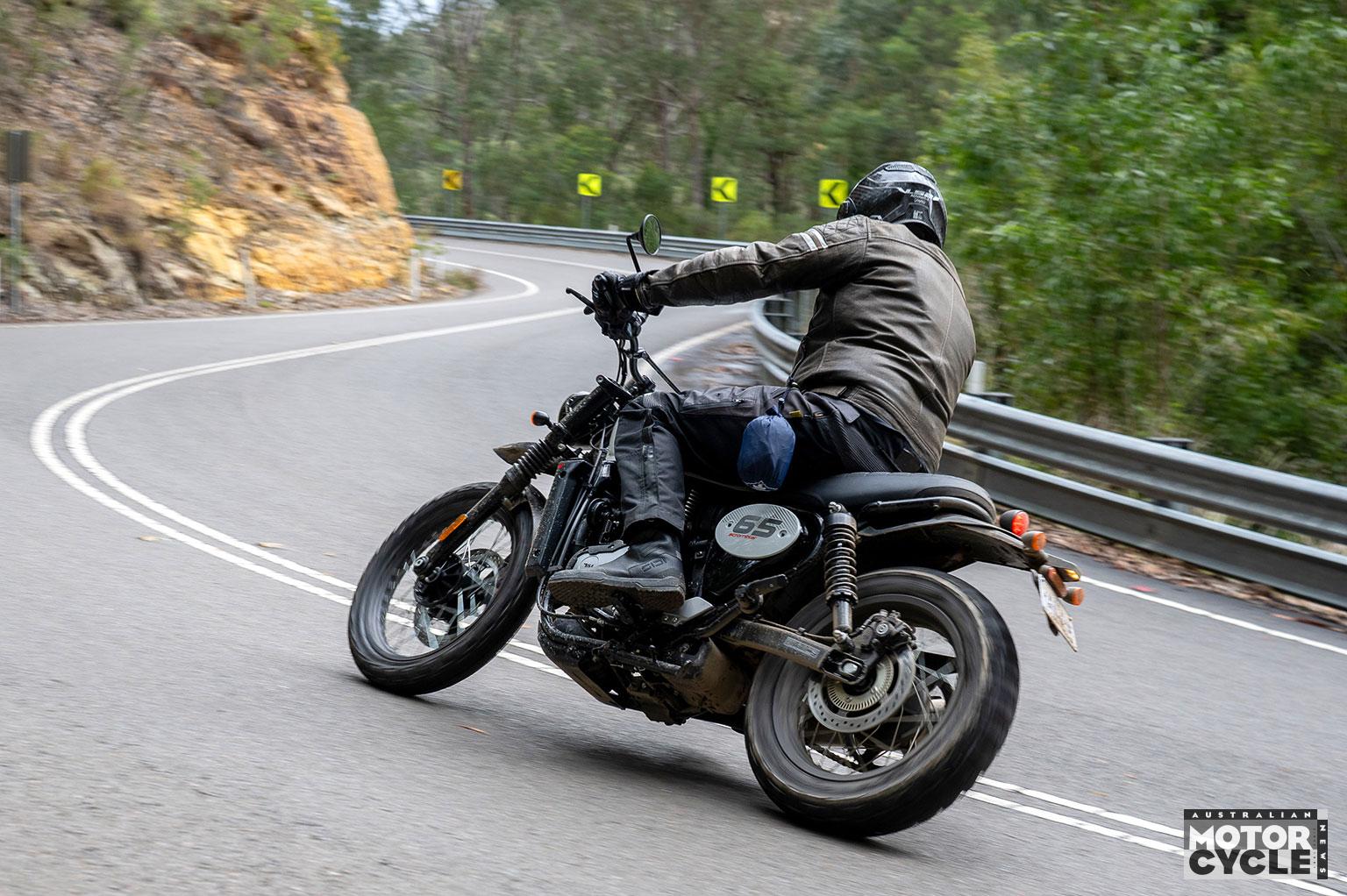
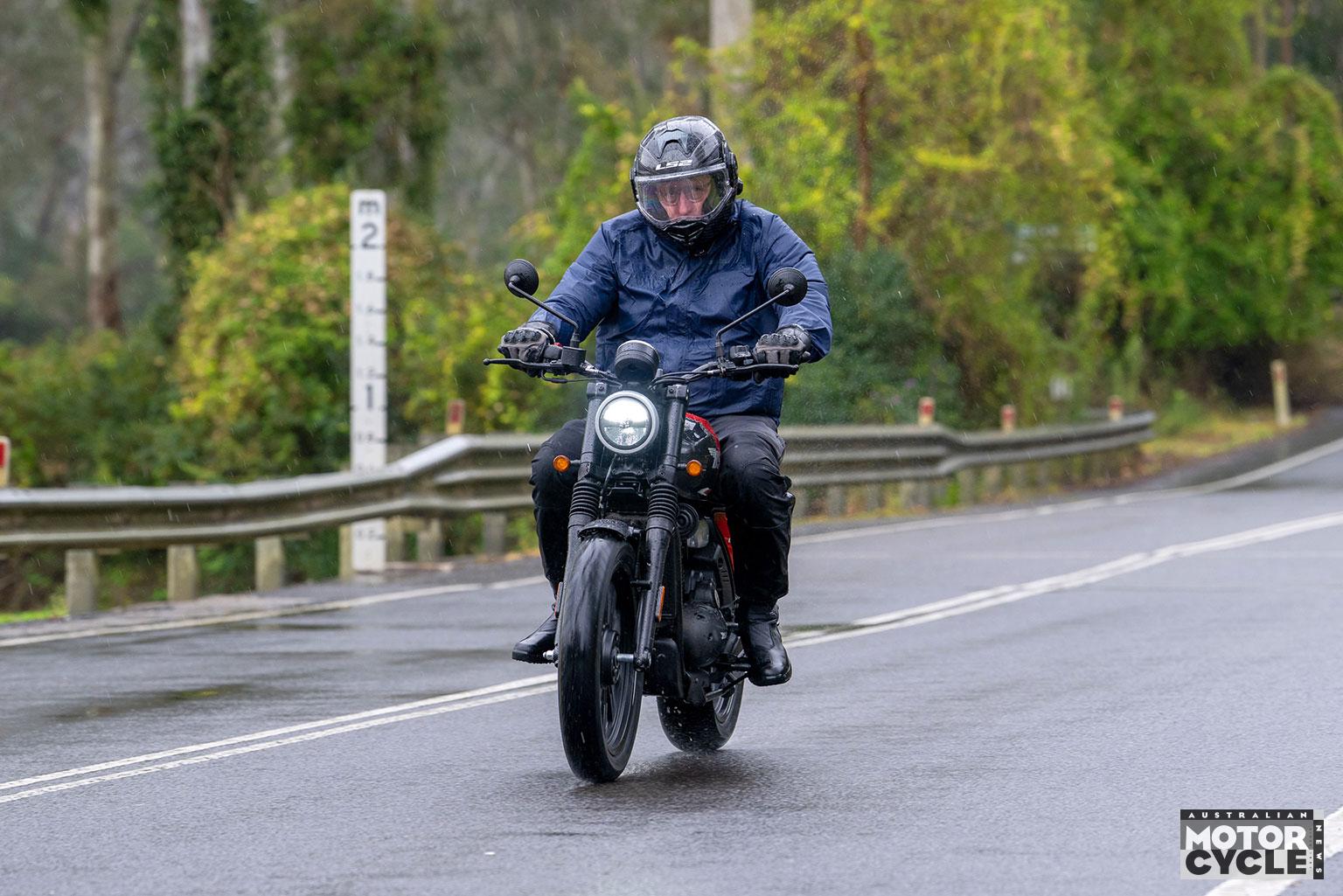
And that’s exactly where it works. On the launch ride, the combination of low-end torque, commanding riding position and tyre choice made loose, damp gravel feel like a destination rather than an obstacle.
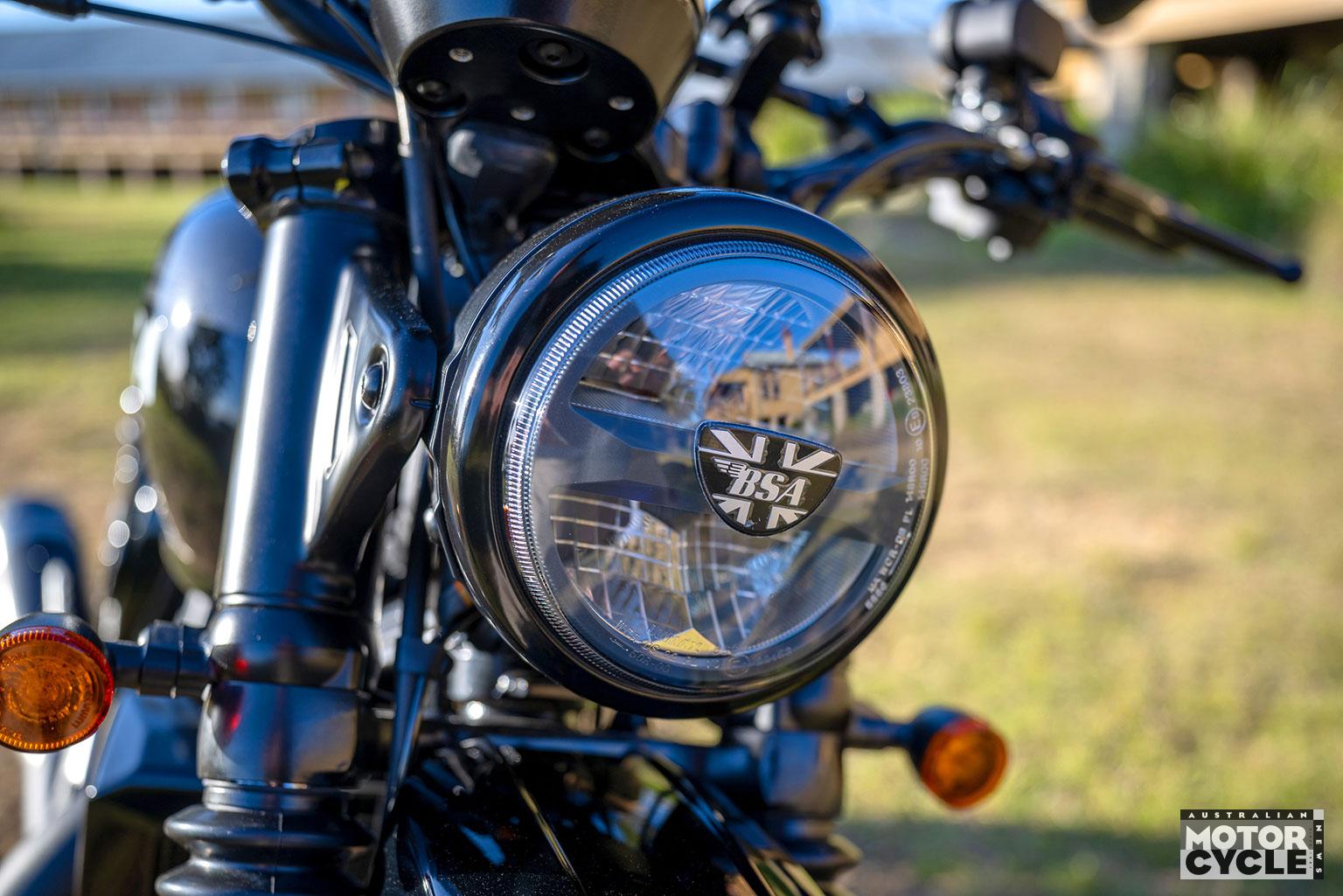
Sweeping through corners and using the single’s punch rather than revving it hard was where the Scrambler really came alive.
Its suspension also felt better suited to rougher surfaces than the Gold Star’s, and the whole package encourages a slightly more playful style of riding.
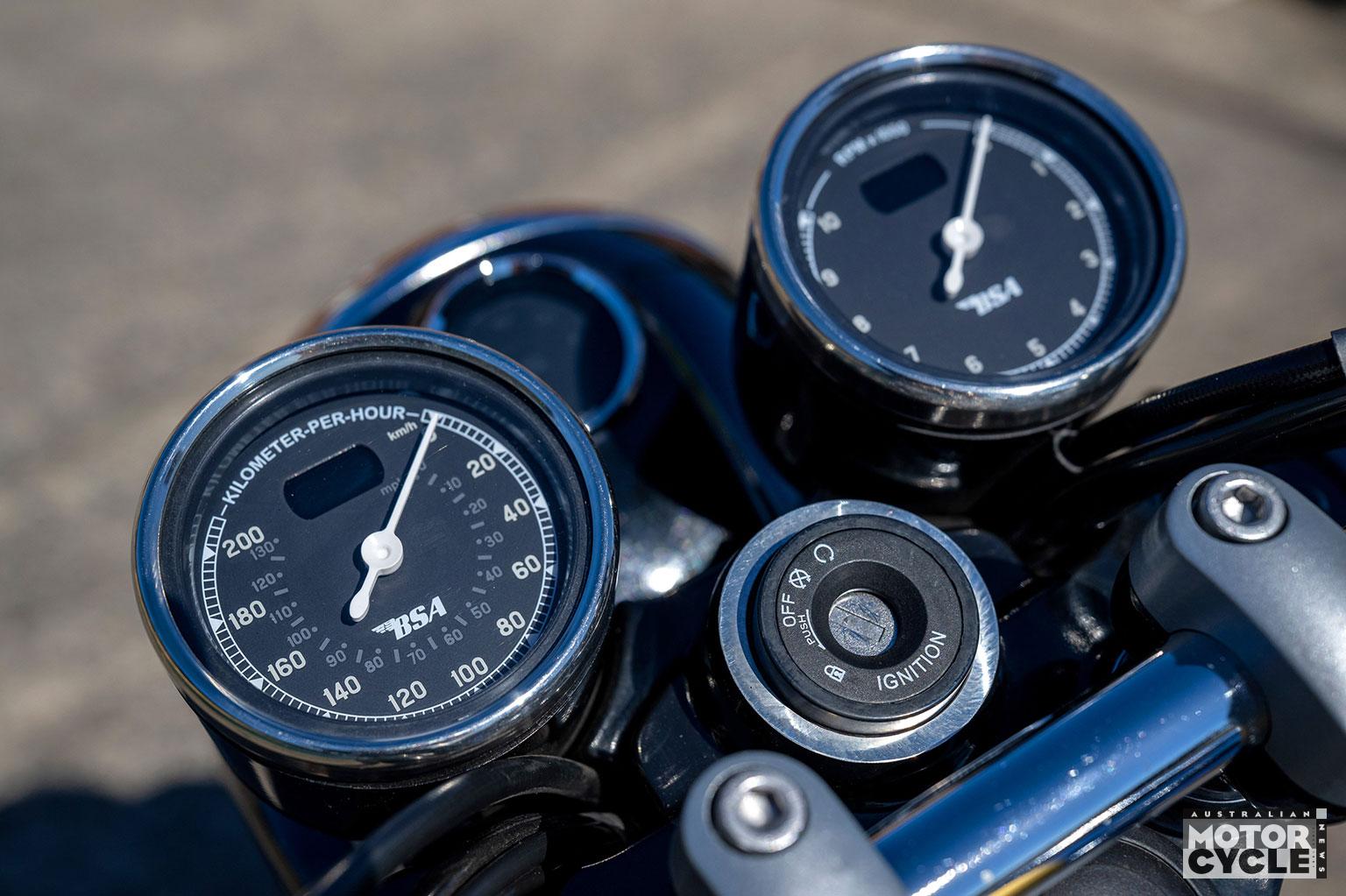
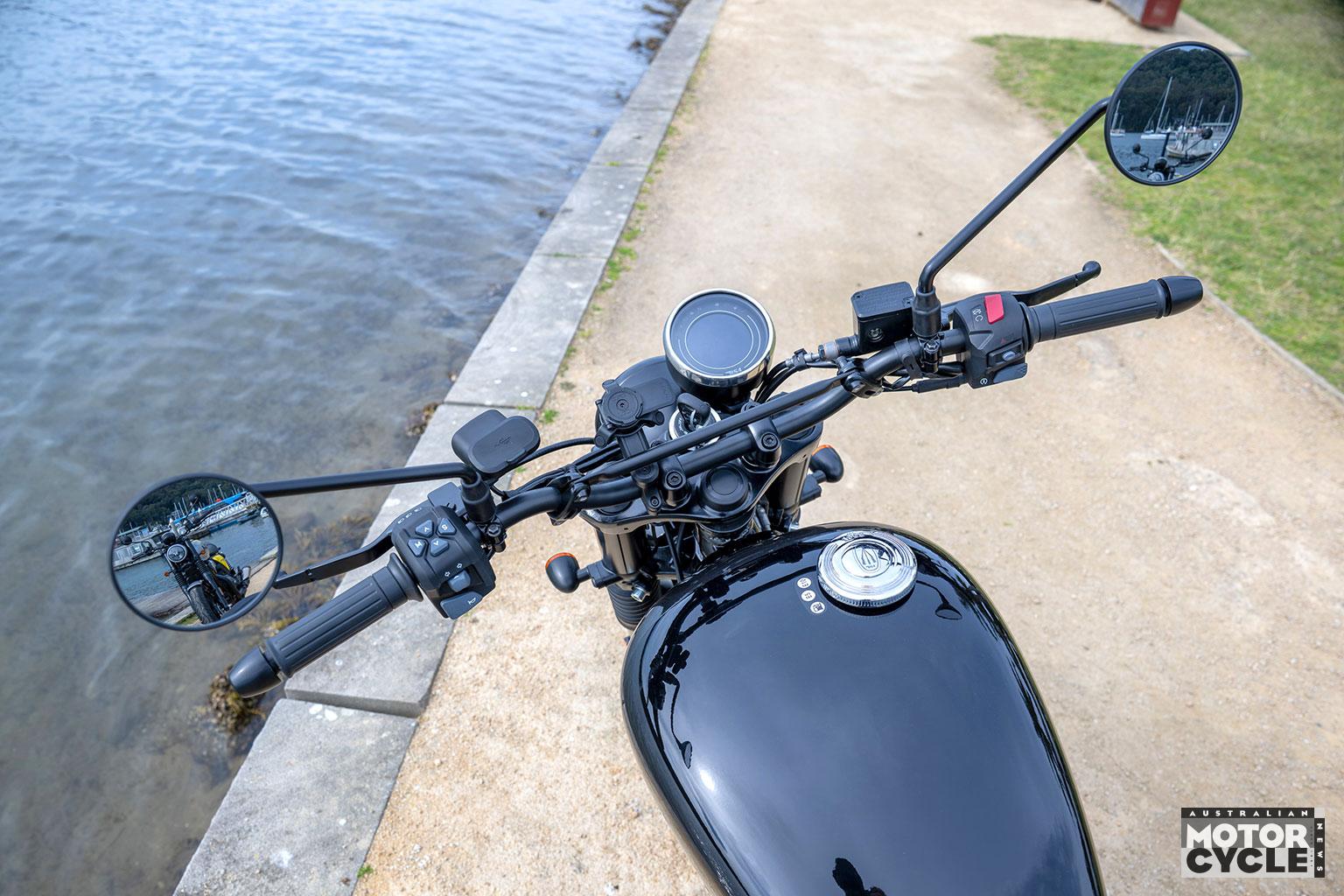
There’s still some vibration when you push the engine hard and the instrumentation isn’t exactly dripping in glamour, but neither detracts much from the simple appeal.
For riders who want classic British style without confining themselves to sealed roads, the Scrambler may well be the pick of the range.
BANTAM 350
This one is a little more personal. My dad owned two Bantams back in the day, first a 125 and then the more powerful 175. Unfortunately, both were long gone by the time I came along, although at least Dad didn’t discourage me from riding when I started making motorcycle-related mistakes of my own.
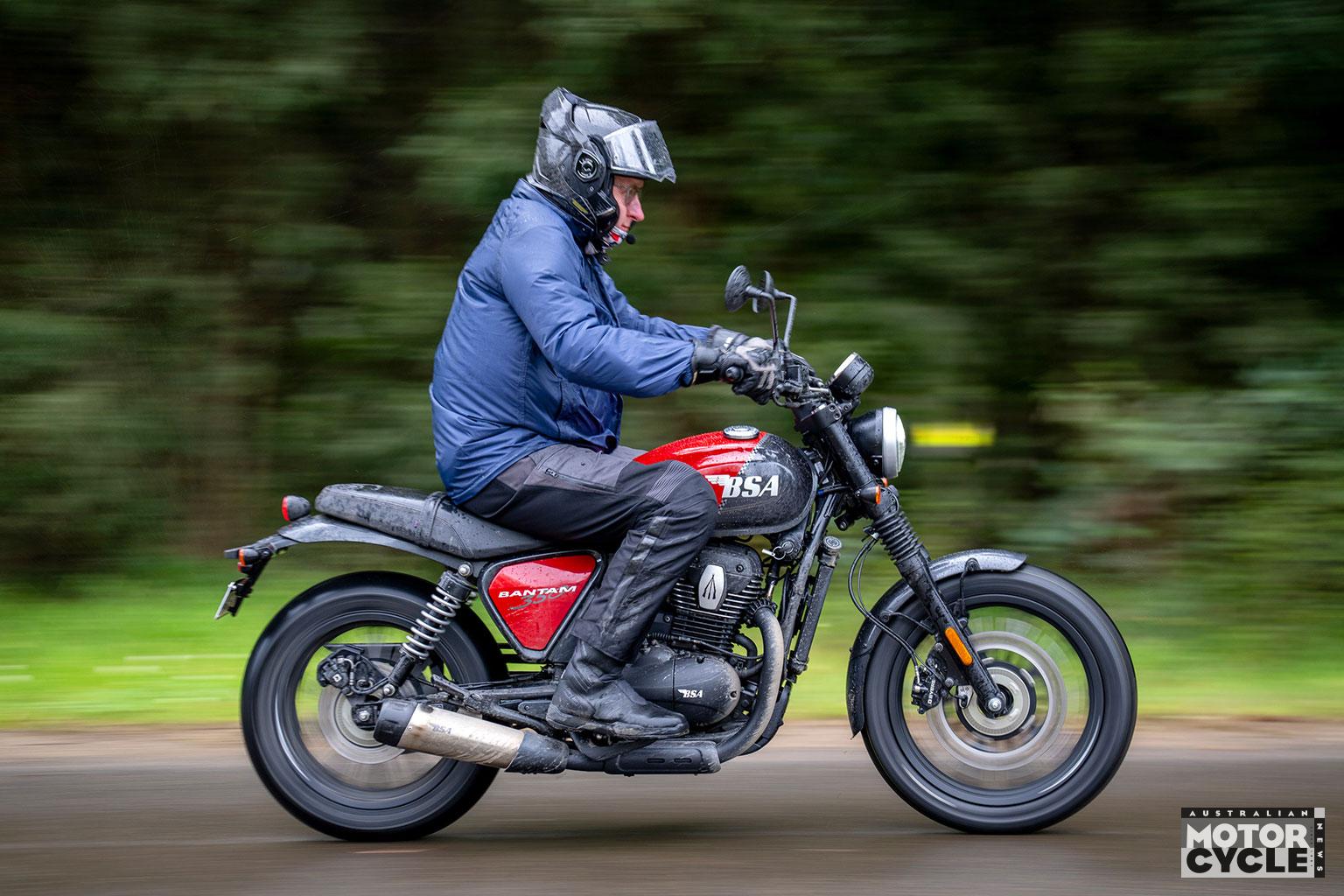
The Bantam name carries serious weight in BSA history. The original small-capacity machines helped put post-war Britain on two wheels and sold in enormous numbers, playing a major role in BSA becoming the world’s largest motorcycle manufacturer in the 1950s.
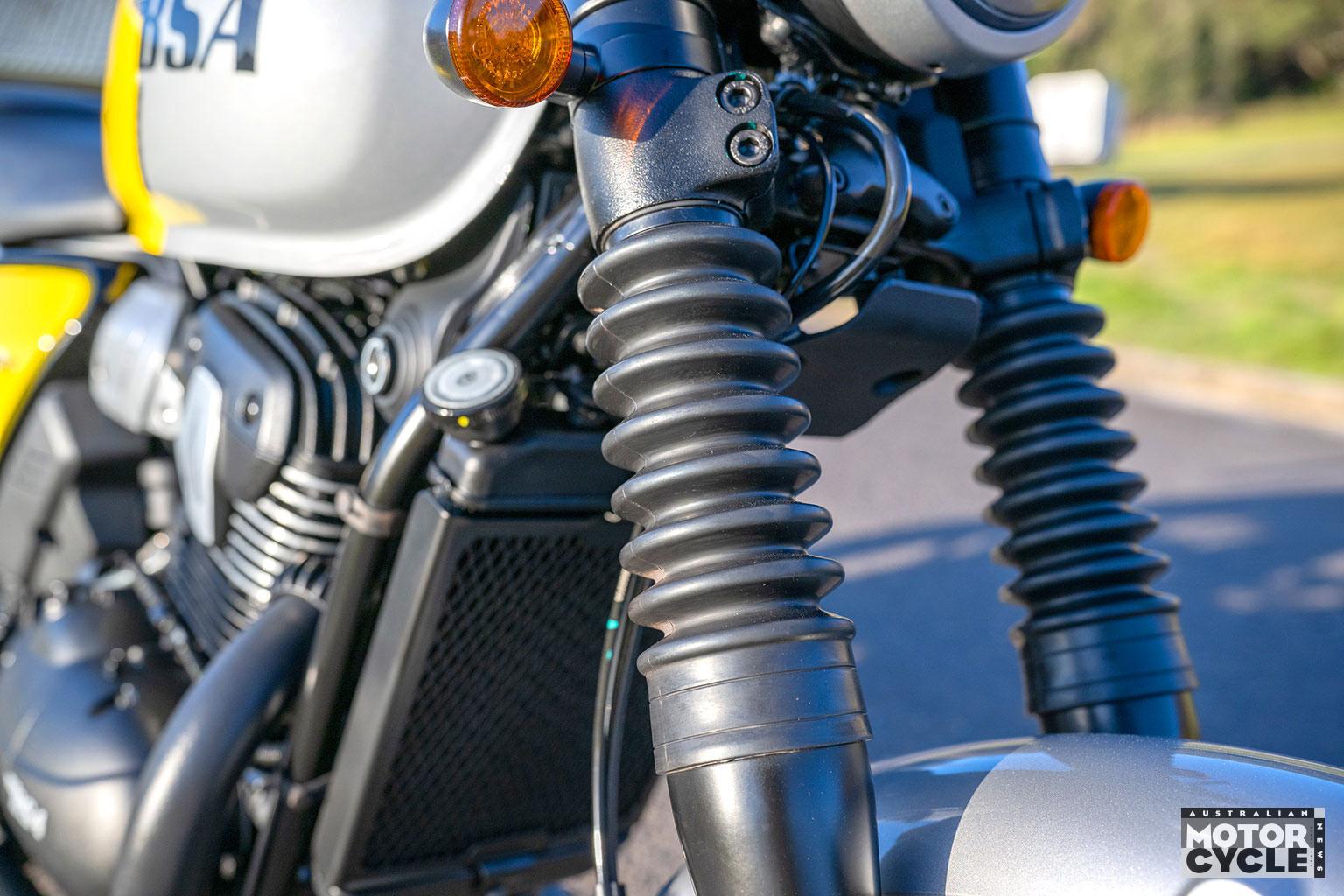
Affordable, accessible and easy to maintain, the Bantam was transport for the masses. The new Bantam 350 revives that spirit rather than attempting a literal recreation. Its 334cc liquid-cooled DOHC single produces 21.6kW (29hp) and drives through a six-speed gearbox. It weighs 185kg and combines a 13-litre tank, twin shocks, conventional fork and dual-channel ABS with styling cues including metal guards, fork gaiters and a teardrop-shaped tank.
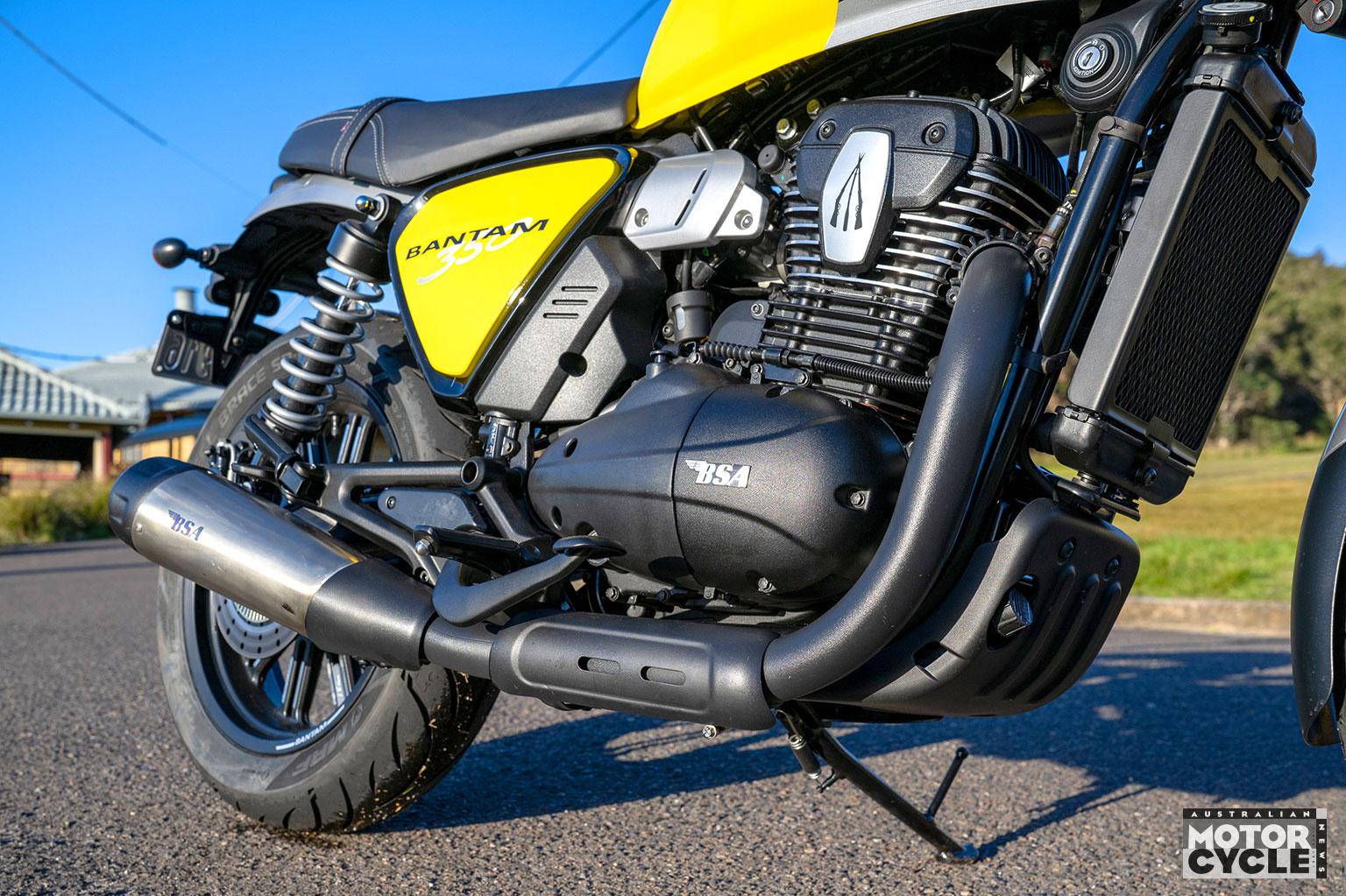
It’s also the motorcycle most obviously aimed at younger and newer riders. And at $7590 ride away, it’s the most accessible BSA model by a substantial margin.
The engine isn’t intended to turn highway overtaking into theatre and there’s vibration when holding faster open-road speeds, but criticising the Bantam for that is to miss its purpose. Around town, on suburban commutes, through backstreet traffic and on an unhurried day ride, it makes a persuasive case for itself.
The gearbox is easy to use, the bike is simple to manoeuvre and there’s enough performance to feel useful without intimidating a developing rider.
The brakes are adequate rather than exceptional and the equipment list is deliberately simple. There are no fancy connectivity features, riding modes, traction control, E-Clutch or endless menus of mapping options.
You get on it and ride. That simplicity is part of the attraction. The Bantam is for riders who want a practical, well-finished small motorcycle carrying a badge with genuine history, rather than yet another aggressively styled commuter trying to look like it wants to mug you.
THE NEXT CHAPTER
BSA’s Australian return isn’t built around a single nostalgic act. The Gold Star delivers the classic roadster experience and carries the greatest weight of history. The Scrambler takes that same big-single character and gives it a more adventurous edge. And the Bantam provides an affordable entry point for riders who may have no memory whatsoever of what BSA once meant.
That last part could prove important. There will be riders who prefer the extra cylinders offered by rivals, the performance of more modern machinery or simply the security of an established brand and dealer network. BSA doesn’t need to beat every one of them at its own game. What it does need is an identity of its own.
After riding these three, that identity is already becoming clear: straightforward motorcycles, convincing period style, accessible performance and, crucially, the distinctive heartbeat of a single-cylinder engine.
For older riders, seeing those three letters on a fuel tank again may be enough to stir memories. For younger ones, the badge will have to earn its reputation from scratch. Either way, after an absence measured in decades, Australians can once again walk into a motorcycle dealership and ride out on a brand-new BSA.
That alone makes this comeback worth paying attention to.
✅ PROS – Loads of big-single charm, classic looks absolutely done properly, pricing makes plenty of sense.
❌ CONS – Vibration when pushed hard, Gold Star rear a little underdamped, instruments could feel more special.
BACK IN THE DAY
At its peak, BSA was a giant of the global motorcycle industry, employing more than 12,000 workers and at one point commanding an extraordinary share of the world motorcycle market. It was also confident enough in its dominance that when a visitor from Japan came knocking, he was reportedly shown through the factory with little concern about what he might learn.
That visitor was Soichiro Honda. It’s tempting to frame what happened next as the Japanese destroying the British motorcycle industry, but that’s far too simplistic. Japan’s manufacturers certainly built increasingly light, fast, reliable and affordable motorcycles, but BSA and its British contemporaries contributed substantially to their own downfall.
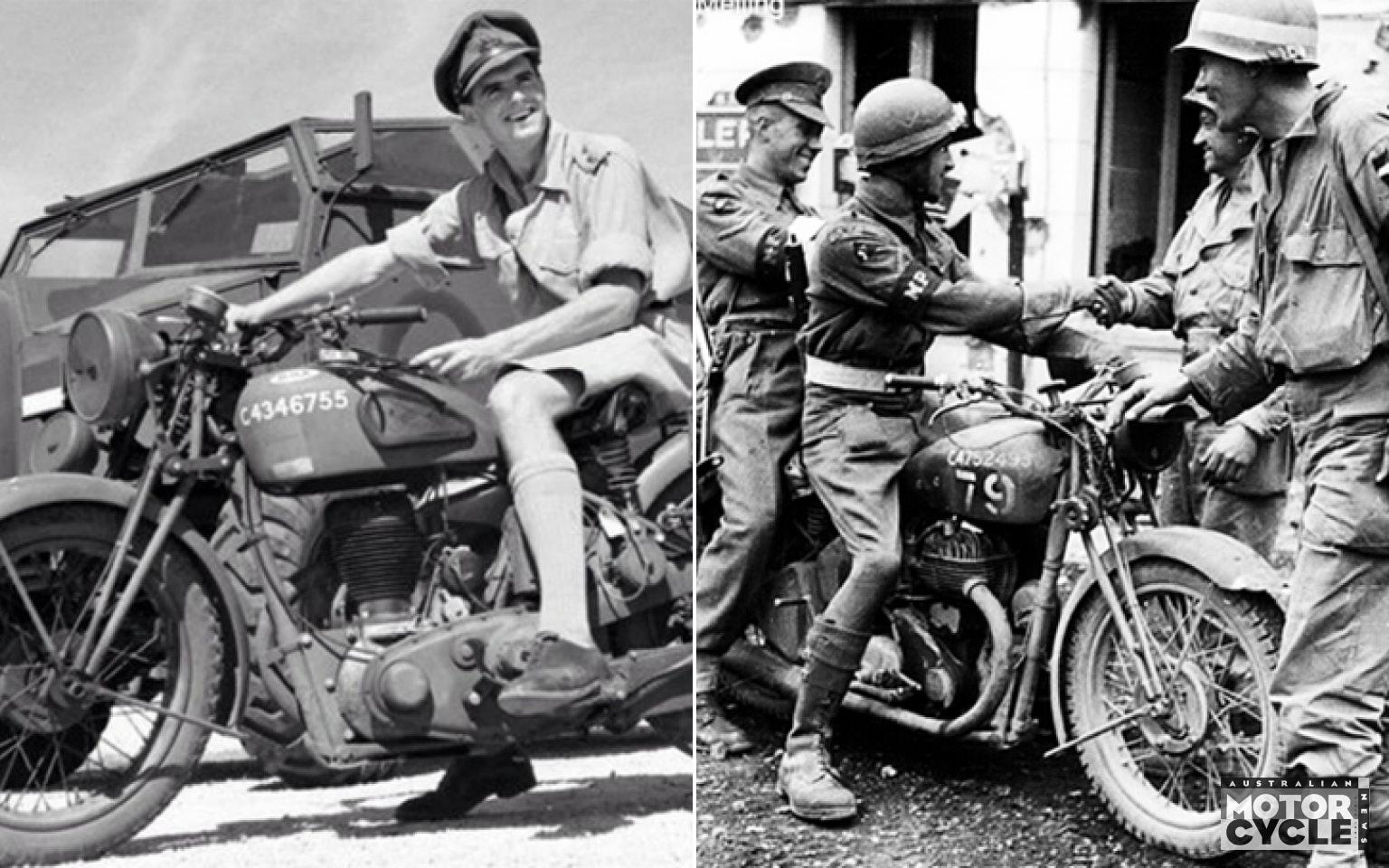
The Bantam is a good example. Its origins lay in the German DKW RT125 design acquired through post-war reparations, and BSA produced huge numbers of them. But rather than continually reinventing the affordable lightweight motorcycle, BSA allowed the concept to age while Japanese manufacturers pushed relentlessly forward.
The Bantam had been the volume seller and machines such as the Gold Star supplied the glamour. When the volume disappeared, so did much of the money needed to compete. Numerous projects followed but none reversed the decline. BSA went from being one of the biggest names in world motorcycling to disappearing as a motorcycle manufacturer in less than two decades.
THE RIVALS
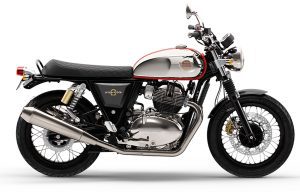
ROYAL ENFIELD INTERCEPTOR 650 – from $10,990
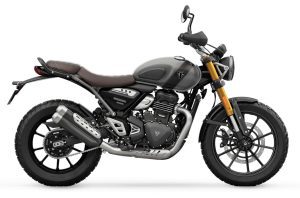
TRIUMPH SCRAMBLER 400 X – $10,250 ride away
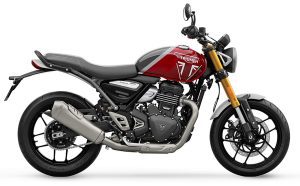
TRIUMPH SPEED 400 – $9200 ride away
WHEN SINGLES RULED
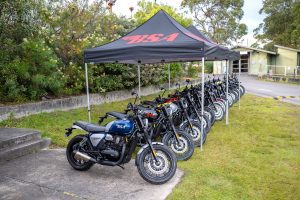
For the cashed-up enthusiast of the early 1950s, a 500cc single was serious machinery. Big singles thundered along country roads with a soundtrack all their own, before British twins and eventually the howl of Japanese multis became the dominant sounds of performance motorcycling.
The Gold Star sat near the top of that world. Each was tested before leaving the factory and it became one of the defining sporting motorcycles of its era.
But let’s not become too misty-eyed. A big thumping engine with little effective counterbalancing, drum brakes, flexing chassis, short-travel suspension, skinny crossply tyres and six-volt electrics meant riding quickly required rather more commitment than the modest performance figures might suggest today.
As faster and increasingly affordable multi-cylinder motorcycles arrived, the big single’s popularity faded. Today, outright performance isn’t necessarily the point. Accessible performance at sensible road speeds is enough for plenty of riders, and a modern big single can provide exactly that. The new Gold Star delivers some of the thumping character riders loved in the 1950s without requiring them to accept 1950s brakes, tyres, suspension and electrics as part of the deal.
THUNDERSTRUCK
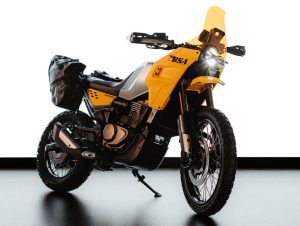
BSA isn’t stopping at the Gold Star, Scrambler and Bantam. Next in line is the Thunderbolt 350, the revived marque’s first adventure bike, which was unveiled at EICMA in Milan last November and is officially listed as “coming soon”. And there’s more to come, with BSA promising further new-model reveals at EICMA 2026 as it continues its global expansion.
COLOUR YOUR BSA!
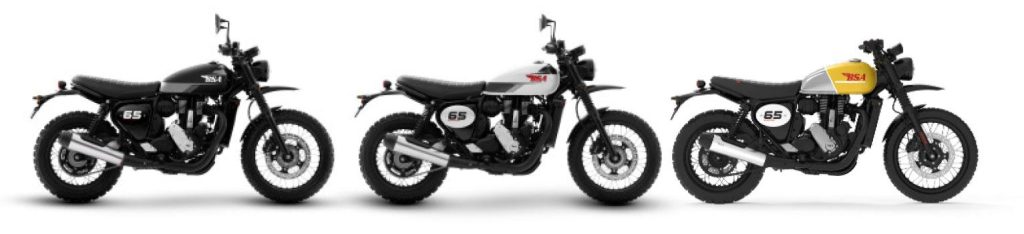
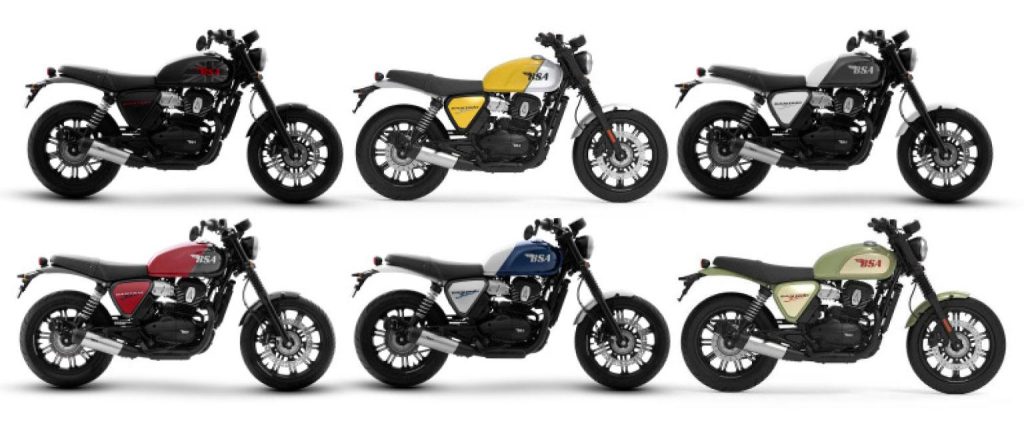
With three models and 17 colour combinations at launch, BSA isn’t short on ways to stand out. Pick your flavour…
GOLD STAR 650 – 8 COLOURS
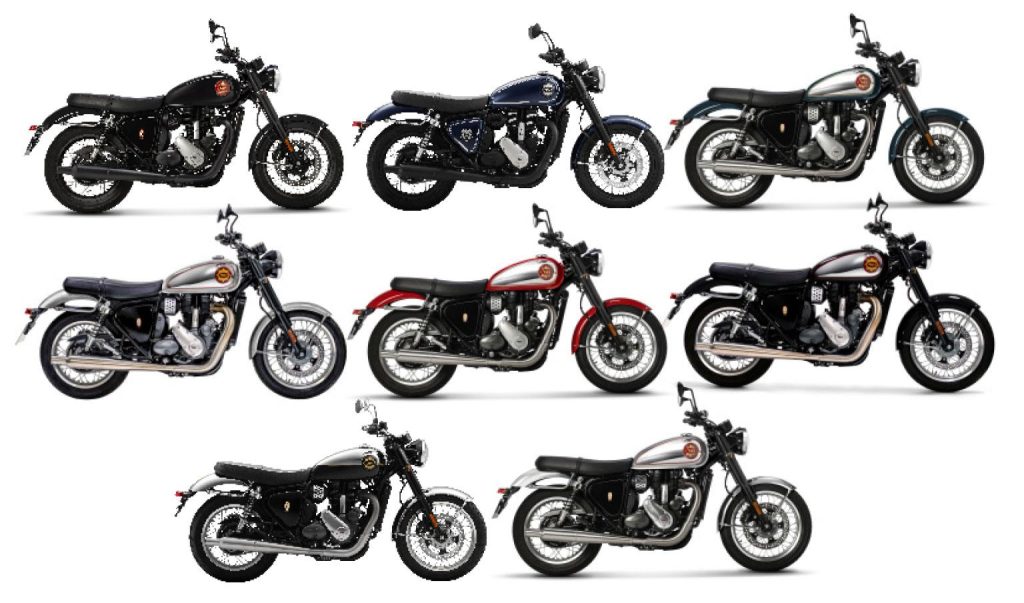
Shadow Black | Birmingham Blue | Highland Green | Dawn Silver | Insignia Red | Midnight Black | Brooklands Black | Silver Sheen Legacy
SCRAMBLER 650 – 3 COLOURS
Raven Black | Thunder Grey | Victor Yellow
BANTAM 350 – 6 COLOURS
Barrel Black | Victor Yellow | Avalon Grey | Fire-Cracker Red | Oxford Blue | Mist Green
SPECIFICATIONS
| BSA Bantam 350 | BSA Gold Star 650 | BSA Scrambler 650 | |
|---|---|---|---|
| Engine | 334cc liquid-cooled DOHC single cylinder | 652cc liquid-cooled DOHC, 4-valve single cylinder | 652cc liquid-cooled DOHC, 4-valve single cylinder |
| Compression | 11:01 | 11.5:1 | 11.5:1 |
| Power | 21.6kW (29hp) @ 7750rpm | 33.5kW (45hp) @ 6500rpm | 33.5kW (45hp) @ 6500rpm |
| Torque | 29.62Nm @ 6000rpm | 55Nm @ 4000rpm | 55Nm @ 4000rpm |
| Transmission | 6-speed | 5-speed | 5-speed |
| Front suspension | Telescopic hydraulic fork, 135mm travel | 41mm telescopic fork | 41mm telescopic fork |
| Rear suspension | Twin shocks, 5-step preload, 100mm travel | Twin shocks, 5-step preload | Twin shocks, 5-step preload |
| Front brake | 320mm disc, floating caliper, ABS | 320mm disc, Brembo 2-piston caliper, ABS | 320mm disc, Brembo 2-piston caliper, ABS |
| Rear brake | 240mm disc, floating caliper, ABS | 255mm disc, Brembo 1-piston caliper, ABS | 255mm disc, Brembo 1-piston caliper, ABS |
| Front tyre | 100/90-18 | 100/90-18 Pirelli Phantom SportsComp | 110/80-19 Pirelli Scorpion Rally STR |
| Rear tyre | 150/70-ZR17 | 150/70-R17 Pirelli Phantom SportsComp | 150/70-R17 Pirelli Scorpion Rally STR |
| Seat height | 800mm | 780mm | 820mm |
| Fuel capacity | 13L | 12L | 12L |
| Kerb weight | 185kg | 213kg | 218kg |
| Colours | 6 | 8 | 3 |
| Price | Ride away $7,590 | Ride away $11,699–$12,799 | Ride away $11,799 |