From farmer to custodian of one of the world’s great racetracks, Fergus Cameron helped transform PI into a motorcycling mecca
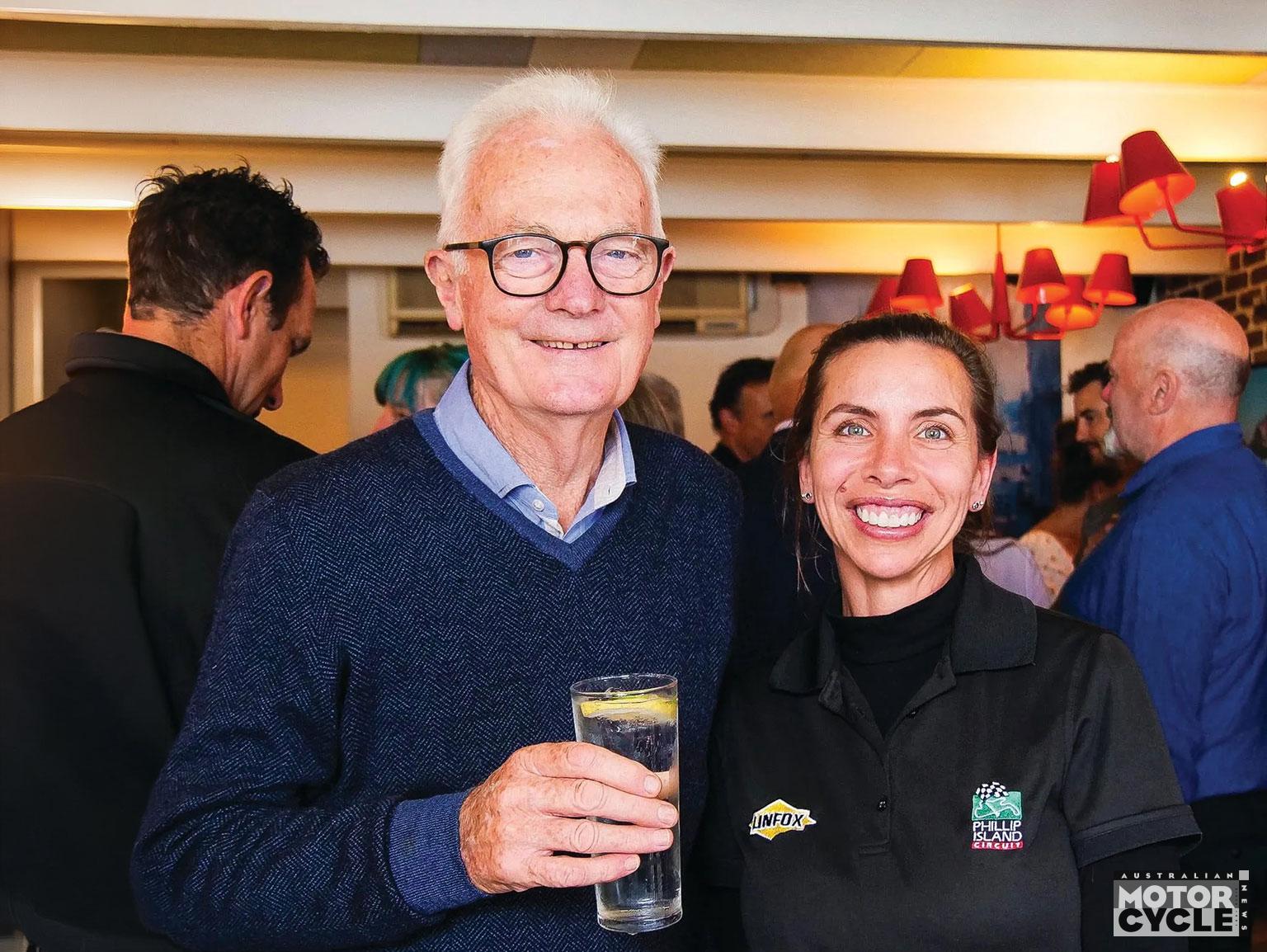
Six weeks before the final Grand Prix at Phillip Island, Fergus Cameron – an Island local who played a major role in bringing the GP Down Under – drew his final breath after battling debilitating illnesses for a number of years. He was 76.
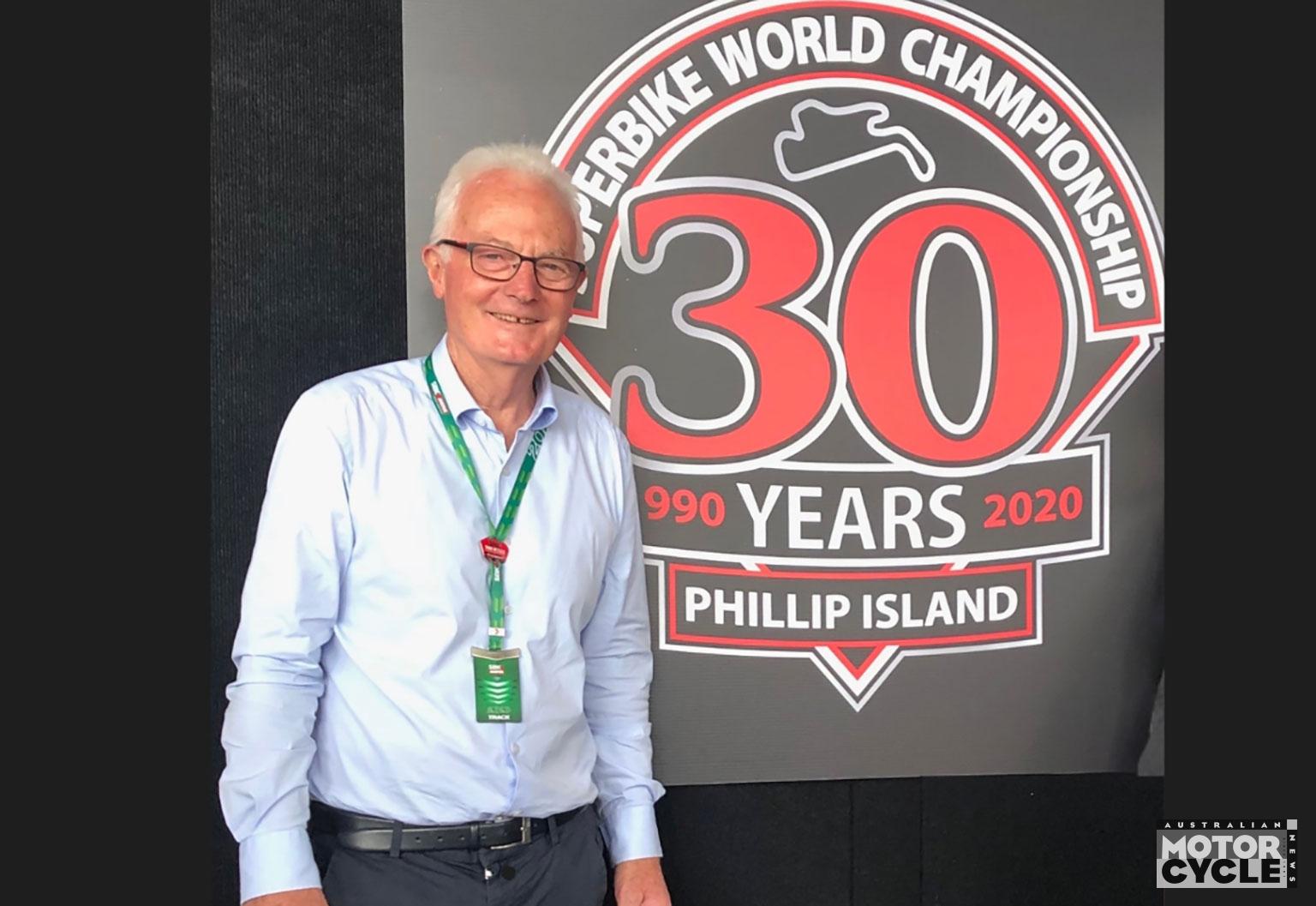
A descendant of one of the Island’s original landholders, Fergus was first and foremost a farmer, but there were other strings to his bow. The biggest was his role as custodian of the Phillip Island circuit for nearly 40 years.
Away from the track, Fergus was a renowned member of the Island community. For a number of years he volunteered at the world-famous Penguin Parade, and in 2004 became the inaugural chair of Destination Phillip Island.
For two decades he remained committed to the future of his community and to the benefits motorsport and tourism could bring to the Island’s people and economy. But it’s his association with one of the world’s great racetracks that will ensure Fergus is remembered as a significant figure in Australian motorsport history.
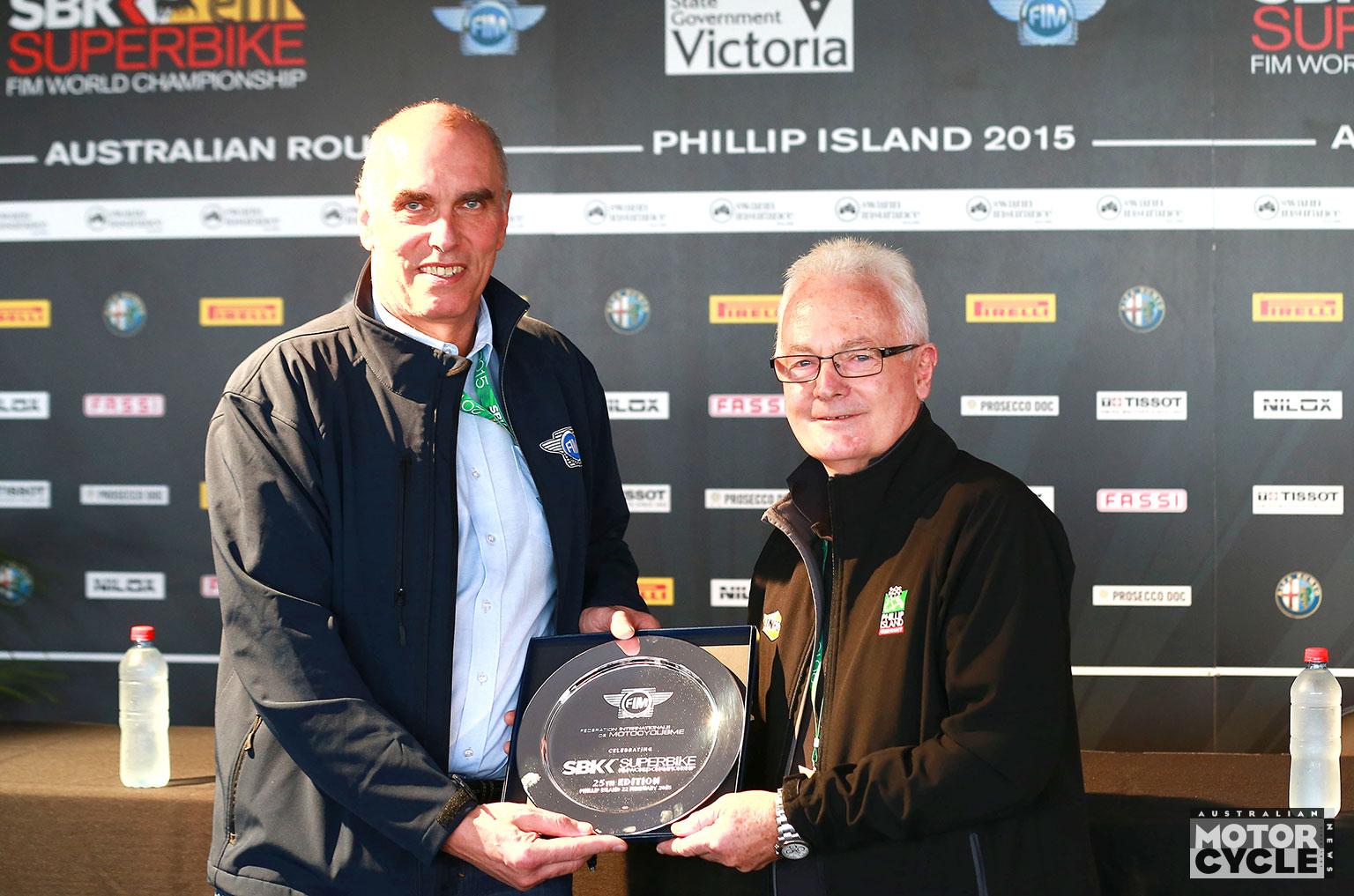
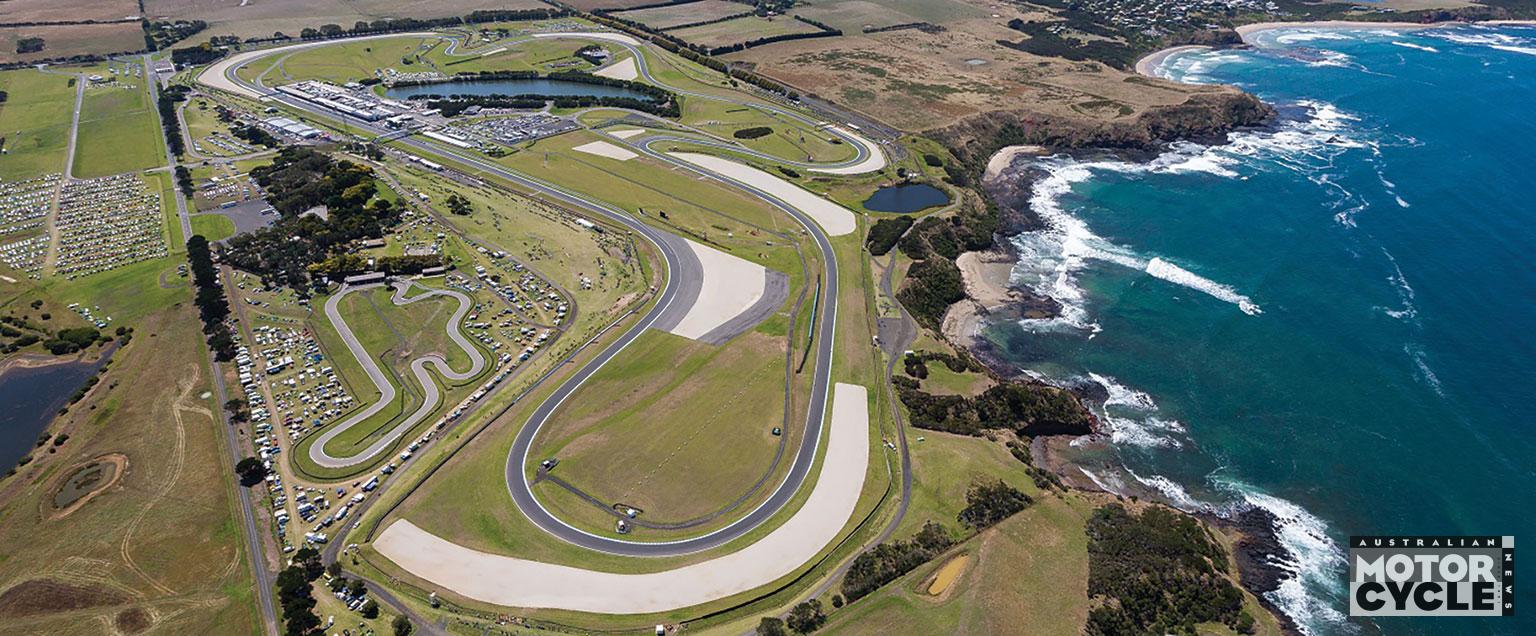
Way back in 1984, the acreage containing the circuit was on the market. Along with a group of investors, Fergus raised the funds to purchase what was premium coastal grazing land that just happened to have a decrepit old racetrack snaking across its undulating landscape.
Initially, resurrecting the circuit was not front and centre for the consortium. Fergus had attended events there as a kid when his father raced, but it was only after the purchase that he began to appreciate what the old track meant to generations of motorsport fans.
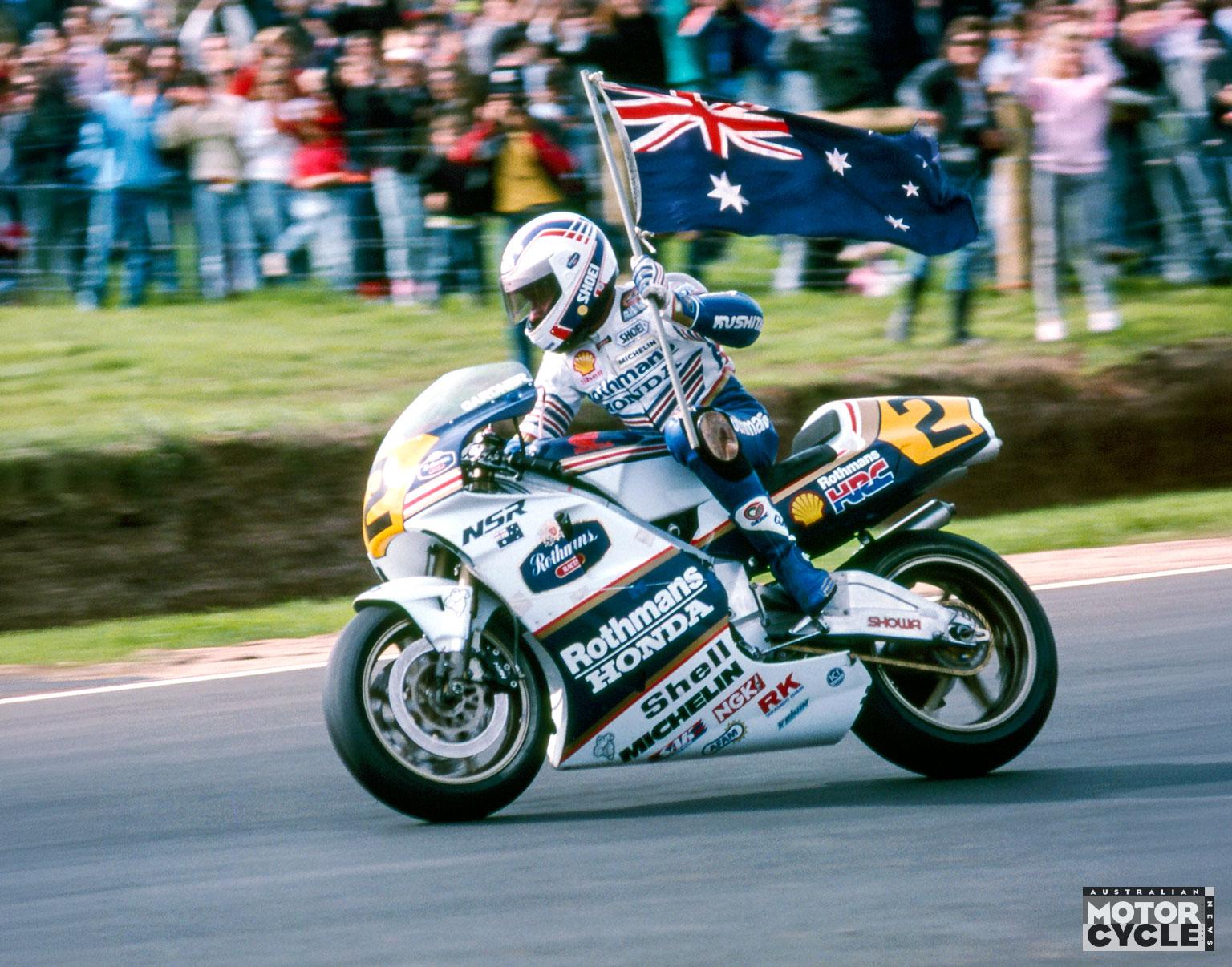
The major awakening came during Wayne Gardner’s rise to the top of the 500cc World Championship. With Gardner winning the 1987 world title and interest in motorcycle racing exploding across the country, talk began that Australia might have a chance to host a round of the world championship.
Fergus turned his attention to whether Phillip Island could once again become a world-class venue. Enter Bob Barnard.
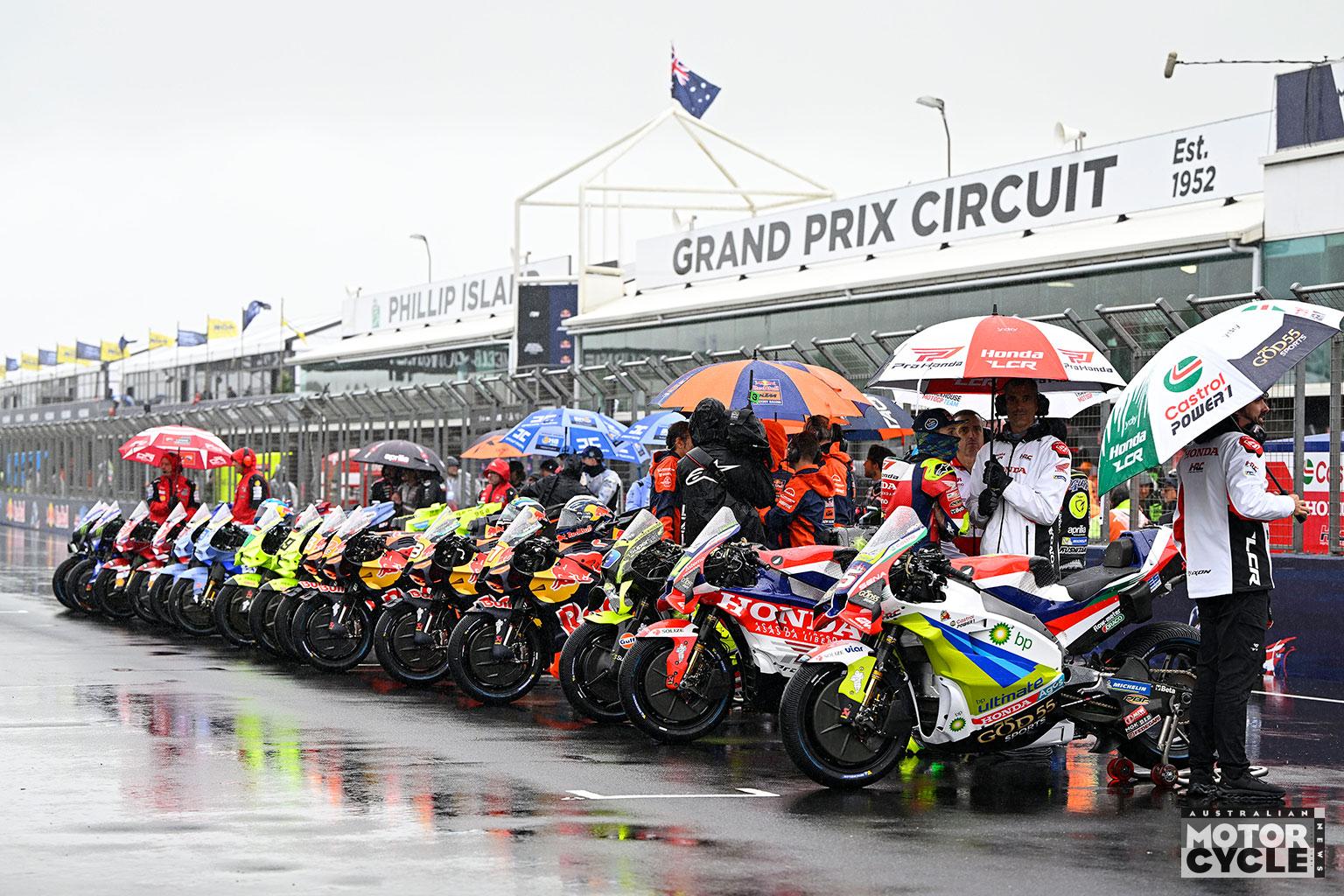
The rest is well documented. The Australian Motorcycle Grand Prix arrived at Phillip Island in 1989, with the inaugural event named Grand Prix of the Year by the FIM. A round of the fledgling Superbike World Championship soon followed in 1990.
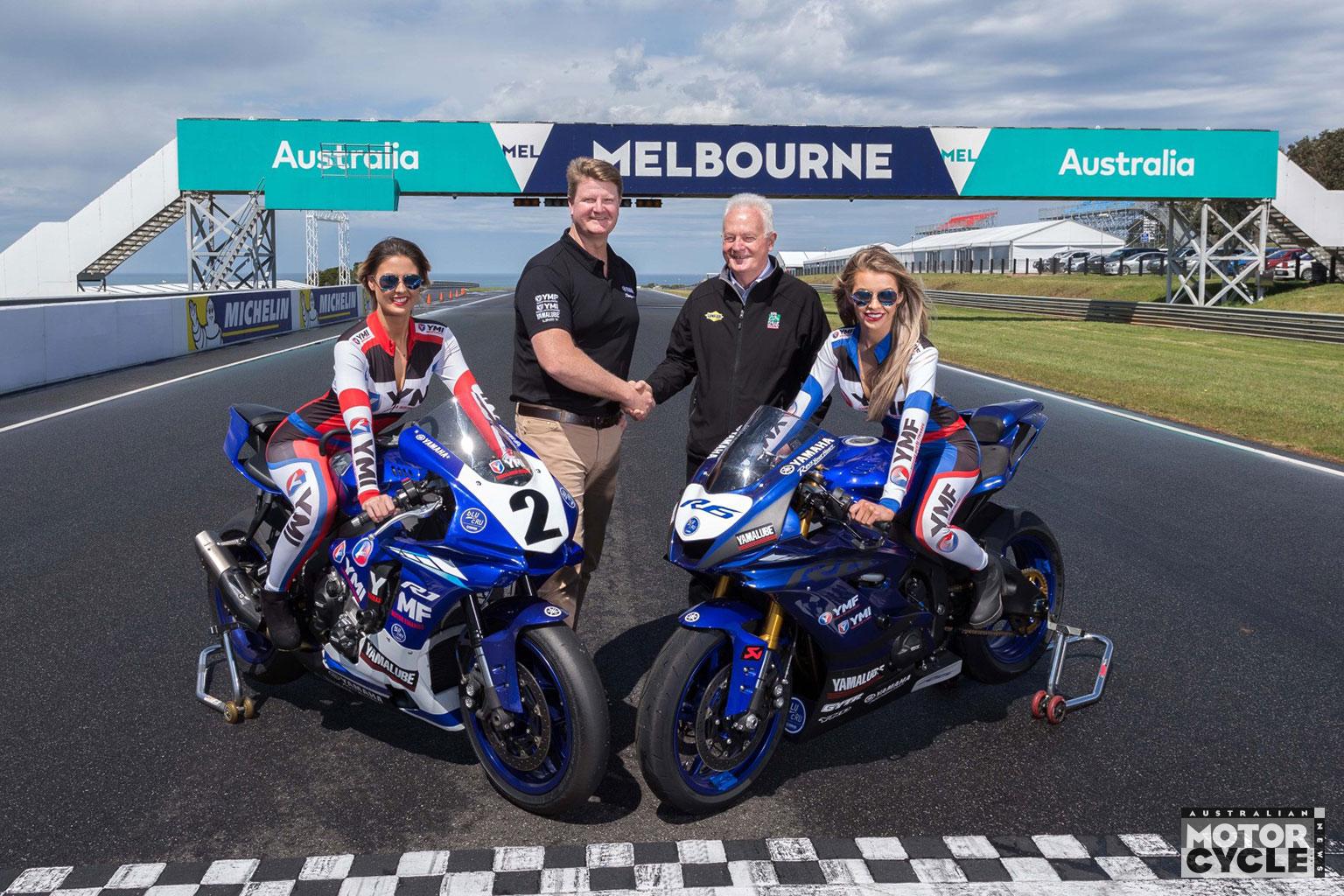
Under Fergus’ tenure, Phillip Island went on to host decades of international motorcycle racing, along with countless national, state, club and historic events.
During his time as managing director, the circuit continued to evolve, with new facilities and multiple resurfacings, while Fergus remained passionate about track safety across both two- and four-wheeled motorsport.
To Fergus, Phillip Island was “the world’s motorcycling mecca”, and he truly loved the circuit and its history. His positivity and inclusiveness meant colleagues felt genuinely appreciated and shared his commitment to delivering first-class events for the fans.
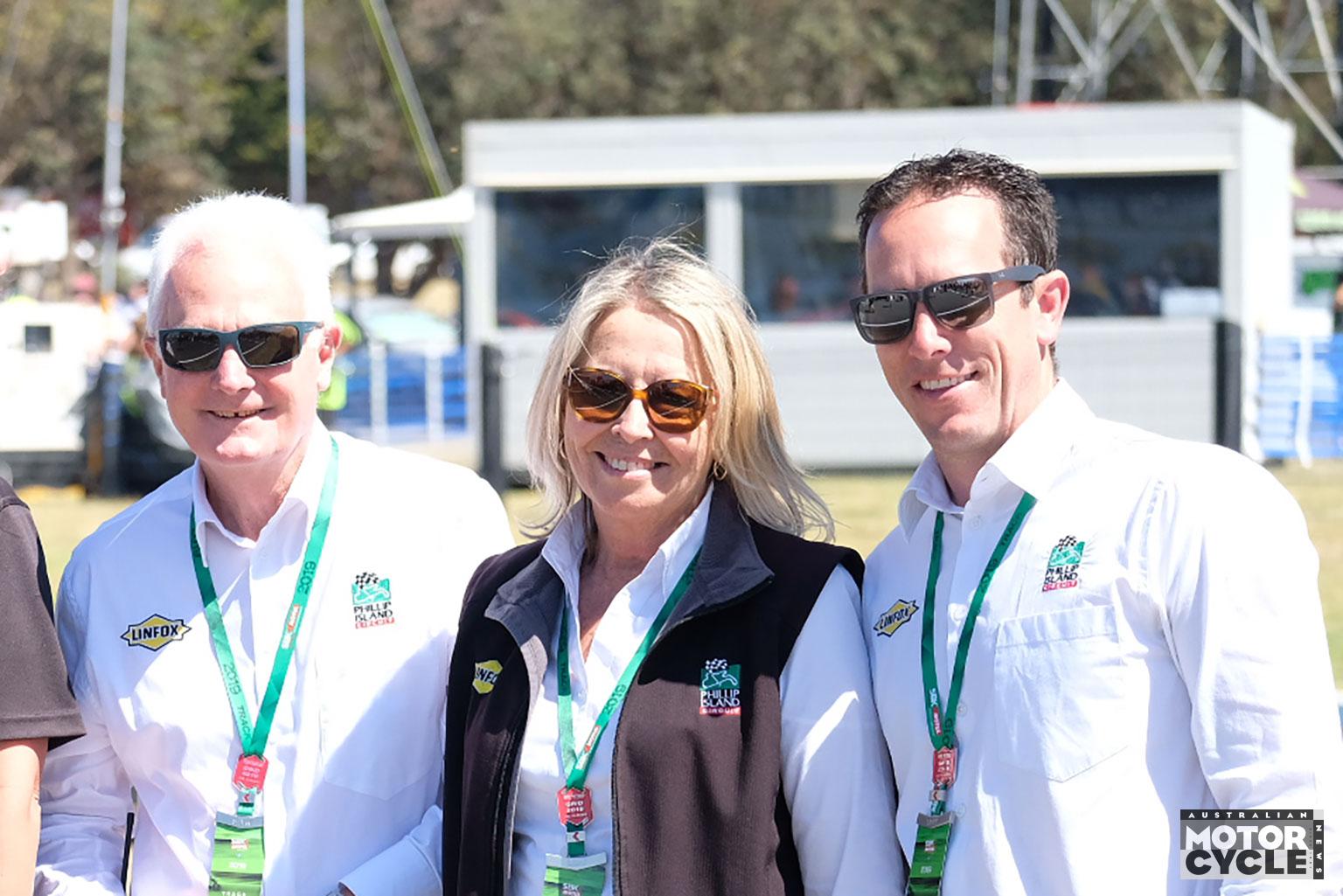
He also had enormous admiration for motorsport’s volunteers and was always thankful for their tireless commitment to making everything from club meetings to international events possible.
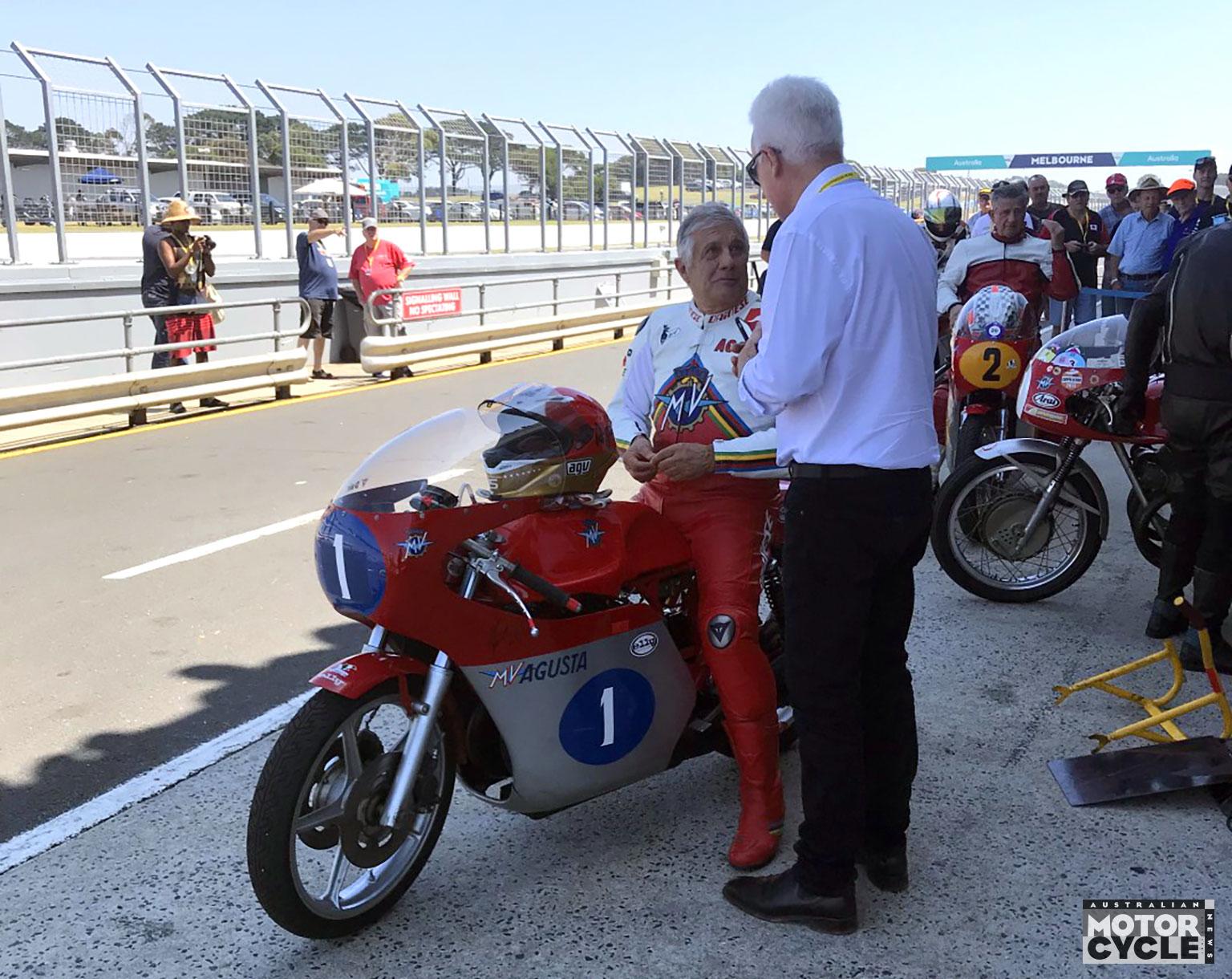
As Fergus’ passion for motorsport grew, it was reflected in the development of the Phillip Island Classic for historic motorcycles. Combined with the efforts and passion of AMCN editor Ken Wootton, the event became an Australia Day long-weekend institution, attracting huge fields and a rollcall of international and Australian racing stars. The great Giacomo Agostini also made several special appearances.
After Ken’s passing, Fergus established the Ken Wootton Perpetual Trophy in his honour, awarded to the highest pointscorer in the International Challenge. The event ran for 27 years before Covid brought it to an end following the final meeting in 2020.
In 2004, the circuit property was sold to the Fox family’s Linfox group. Fergus’ original intention was to retire gracefully, but things didn’t quite work out that way. Andrew Fox, who took over senior management of the circuit, asked Fergus to stay on for six months to assist with the changeover. He stayed 18 years.
It was his baby and walking away was never going to be easy. But in 2022, he finally did. Shortly after his retirement, his health began to deteriorate. On 9 September, Fergus passed away.
On a personal level, I first met Fergus at the 1989 Australian GP, but it wasn’t until 2000 that he really came into my life, when he invited me to commentate at the Superbike World Championship.
Next year will be my 26th year calling the event, and I also called the Australian GP for 18 years, so Fergus certainly gave me a leg-up in my career. Along the way we became good friends, as I did with his wife, Chris.
Fergus was always interested in what I was doing and was extremely happy for me when I moved to the Island in 2014. He was simply a very engaging man.
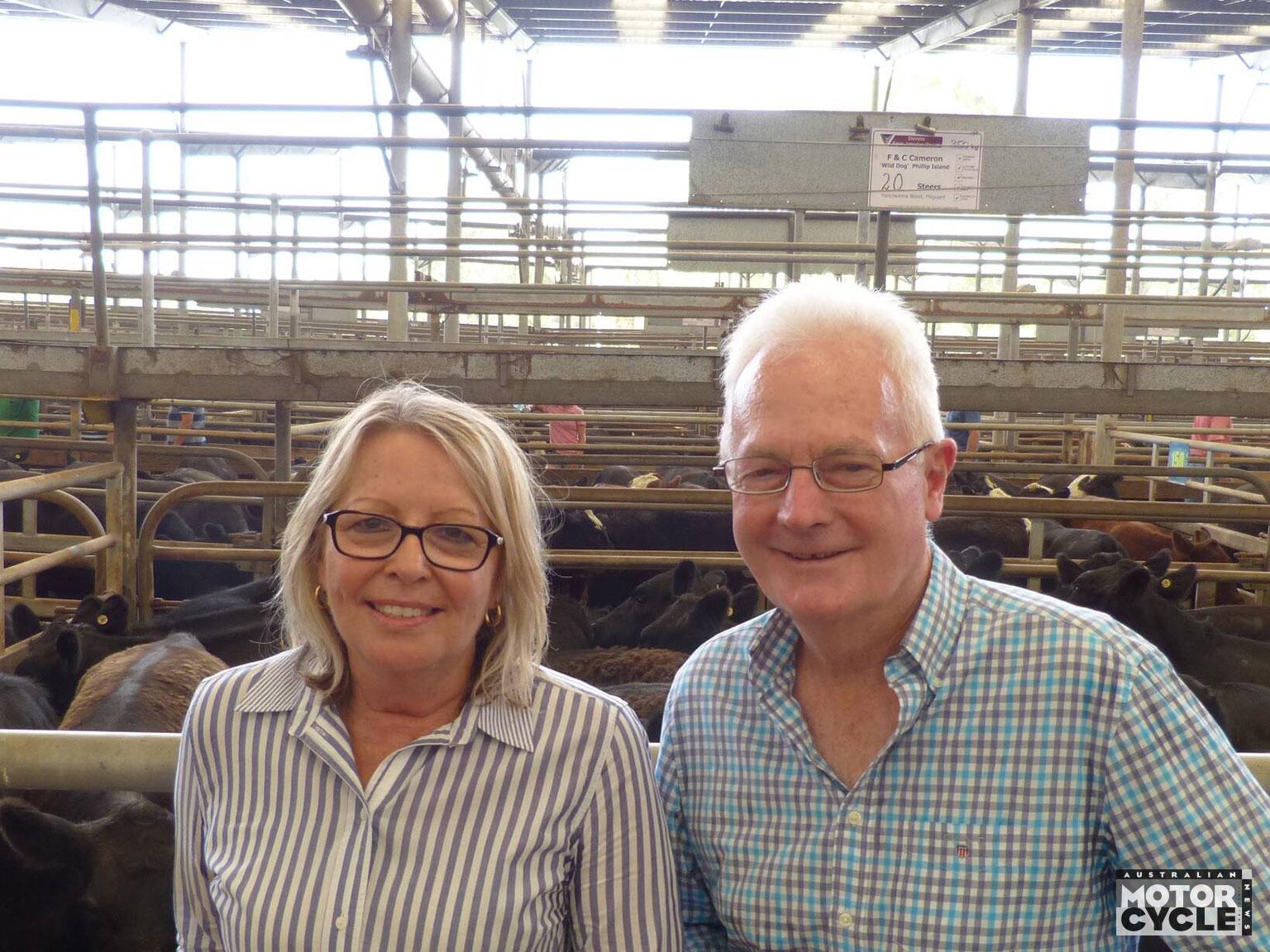
There is one incident that sums him up. In 2018, some friends from Malaysia were visiting and I took them out to the circuit for a look. There was no on-track activity, so I was showing them around the empty paddock and control tower. Fergus came out of the offices and wandered over for a chat. I introduced him to Eric and his family.
“Well, Bracksy,” he said. “Why don’t you jump in the car and take them for a few slow laps to show them around?”
That’s the man I will remember.
But the final word belongs to Andrew Fox, speaking on behalf of the Fox family: “Our family loved and appreciated how Fergus and his wife Chris worked tirelessly as a couple, and with their team, to develop our spectacular Phillip Island Grand Prix circuit.
“Fergus had a vision for the circuit and brought it to reality, creating what Valentino Rossi described as ‘the best racetrack in the world’.
“Fergus and Chris are true friends to our family. Ferg was brilliant in so many circuit management capacities but, despite the constant demands, he was forever fair and reasonable, calm and considered, a giver not a taker, and a great mate.
“We will miss him immensely.”