Barry Sheene’s courageous final victory at Goodwood, the men who saved his Norton and what it feels like to ride one of racing’s most evocative machines
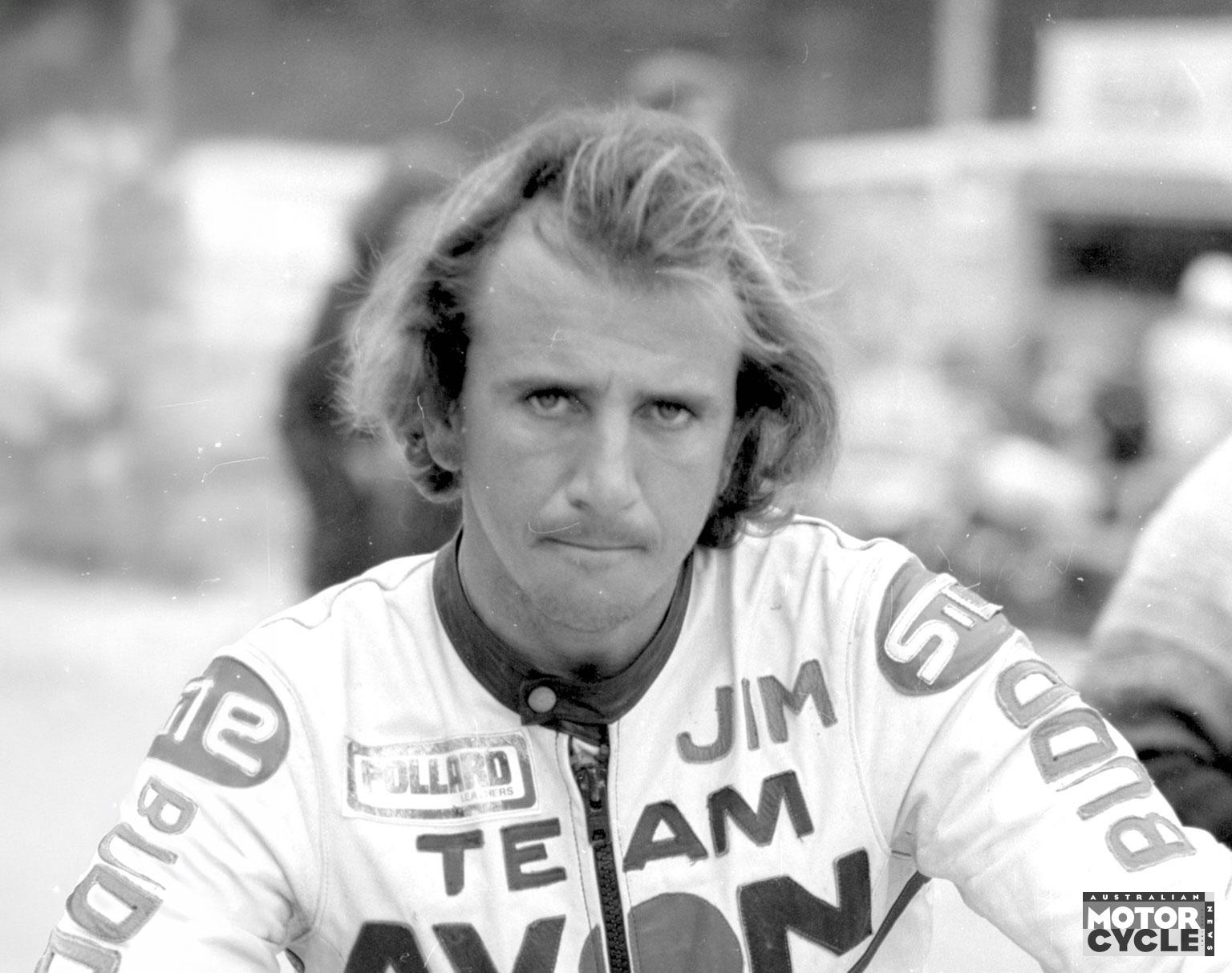
Barry Sheene was a relative latecomer to historic racing. But once the two-times world 500cc GP champion decided to, true to form he did so very seriously by identifying the man who consistently produced the fastest bikes in 500cc classic racing – and arranging to race them to the exclusion of all others.
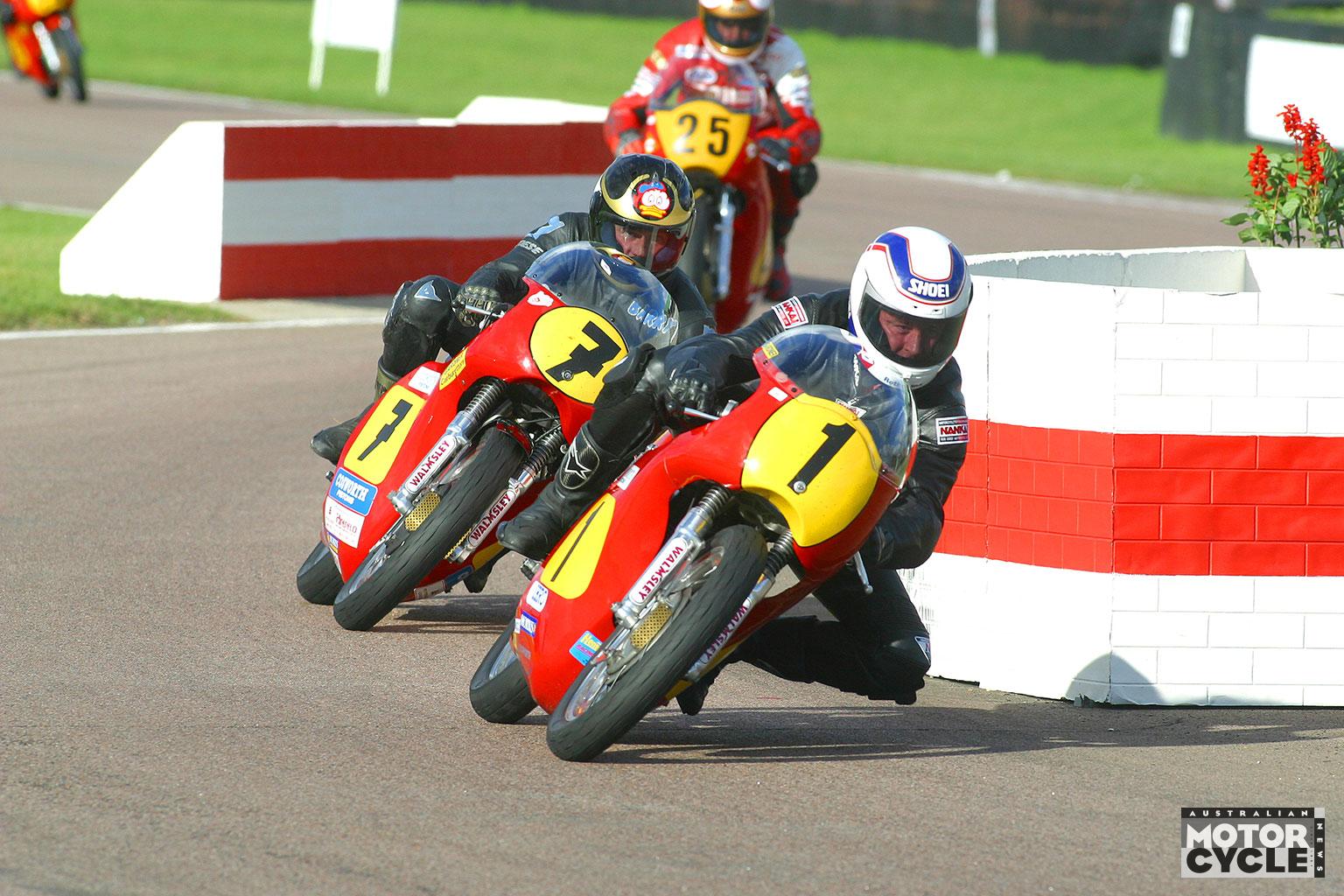
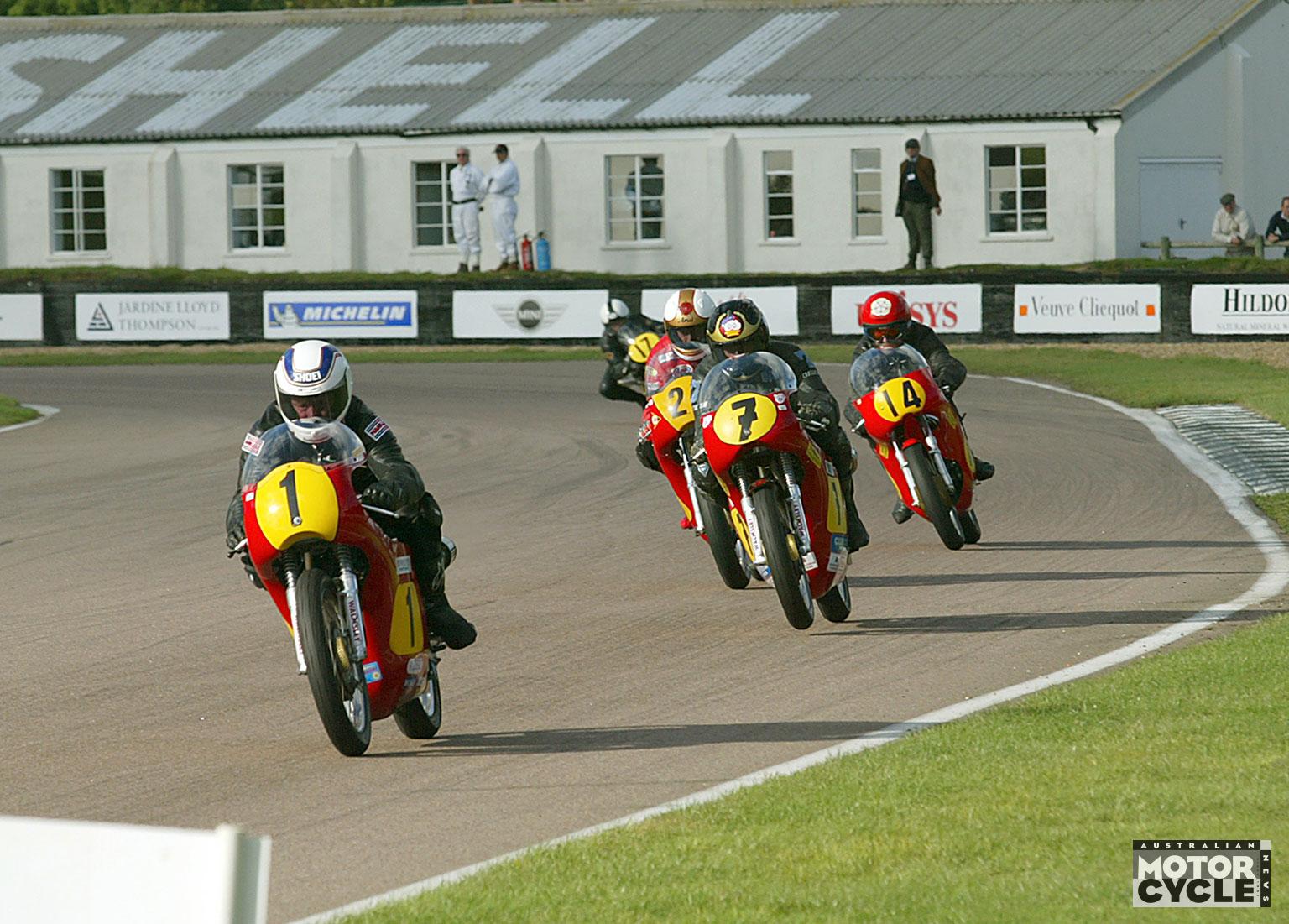
That man was Fred Walmsley. It was on his FWD (standing for Fred Walmsley Developments) Manx Nortons that Barry dominated the annual two-race running of the Goodwood Revival’s Lennox Cup motorcycle events – but always with an eye on making sure the bike races remained in the massive Goodwood crowd’s top three favourite events each year, alongside the fender-grazing tintops and meaty-sounding V8 sports cars.
This usually involved Barry standing up at the end of each day’s riders’ briefing to remind the rest of us of the approved conduct required! Which was: nobody to lead over the line on two successive laps, until the final three laps of an eight-lapper race when it was every man (and woman – Maria Costello) for themselves.
“Strictly show business” was how Barry defined it – until the knives came out over the final third of race distance and it all got deadly serious, with Barry invariably the winner in a typically stylish, nail-bitingly close manner.
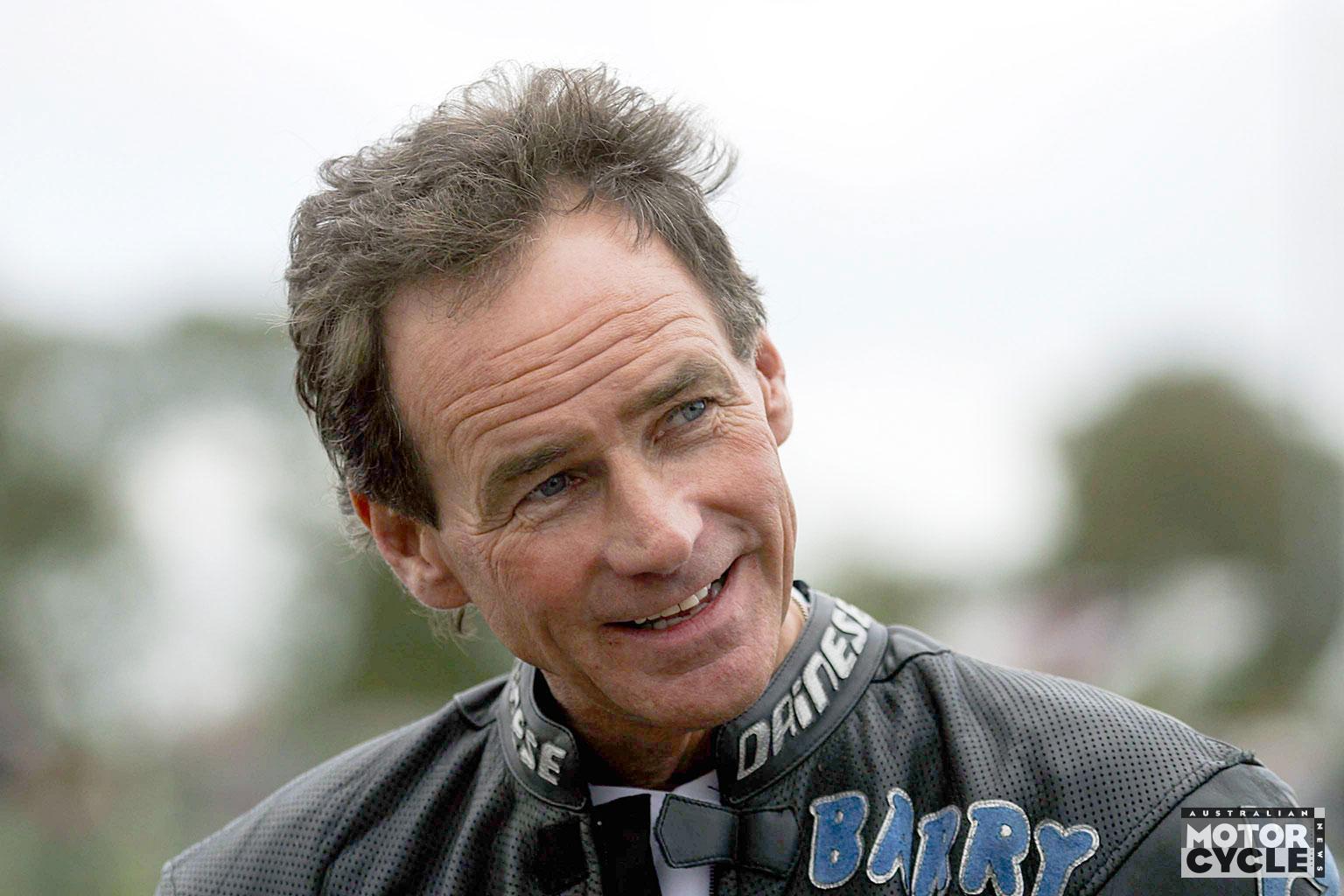
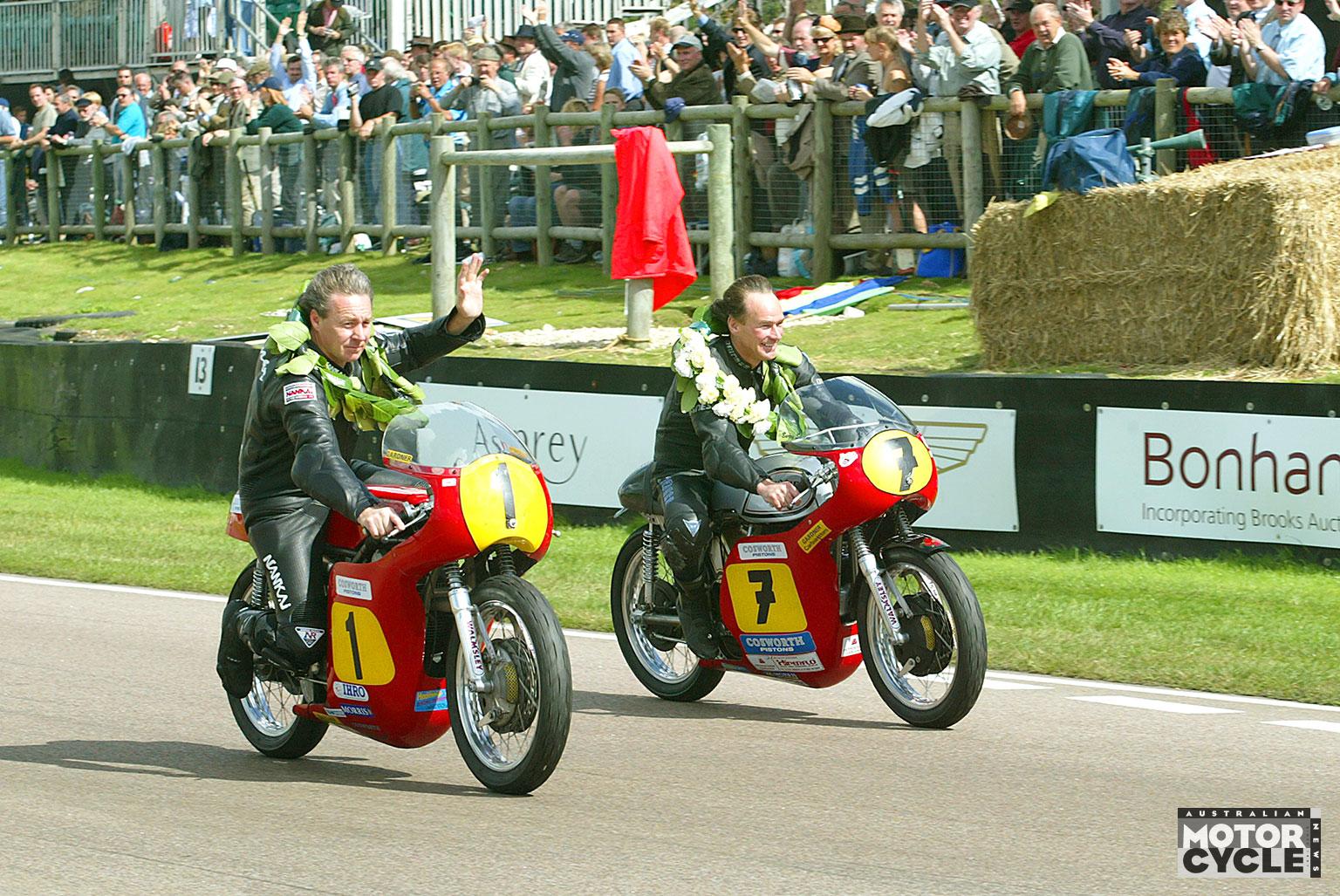
Which made it all the more poignant, and appropriate, that the man who more than any other made motorcycle road racing a mainstream sport in Britain in the 1970s and 80s should bid farewell to the racetrack forever in September 2002 by racing a Fred Walmsley Manx in the Goodwood Revival – and winning.
ONE LAST DANCE
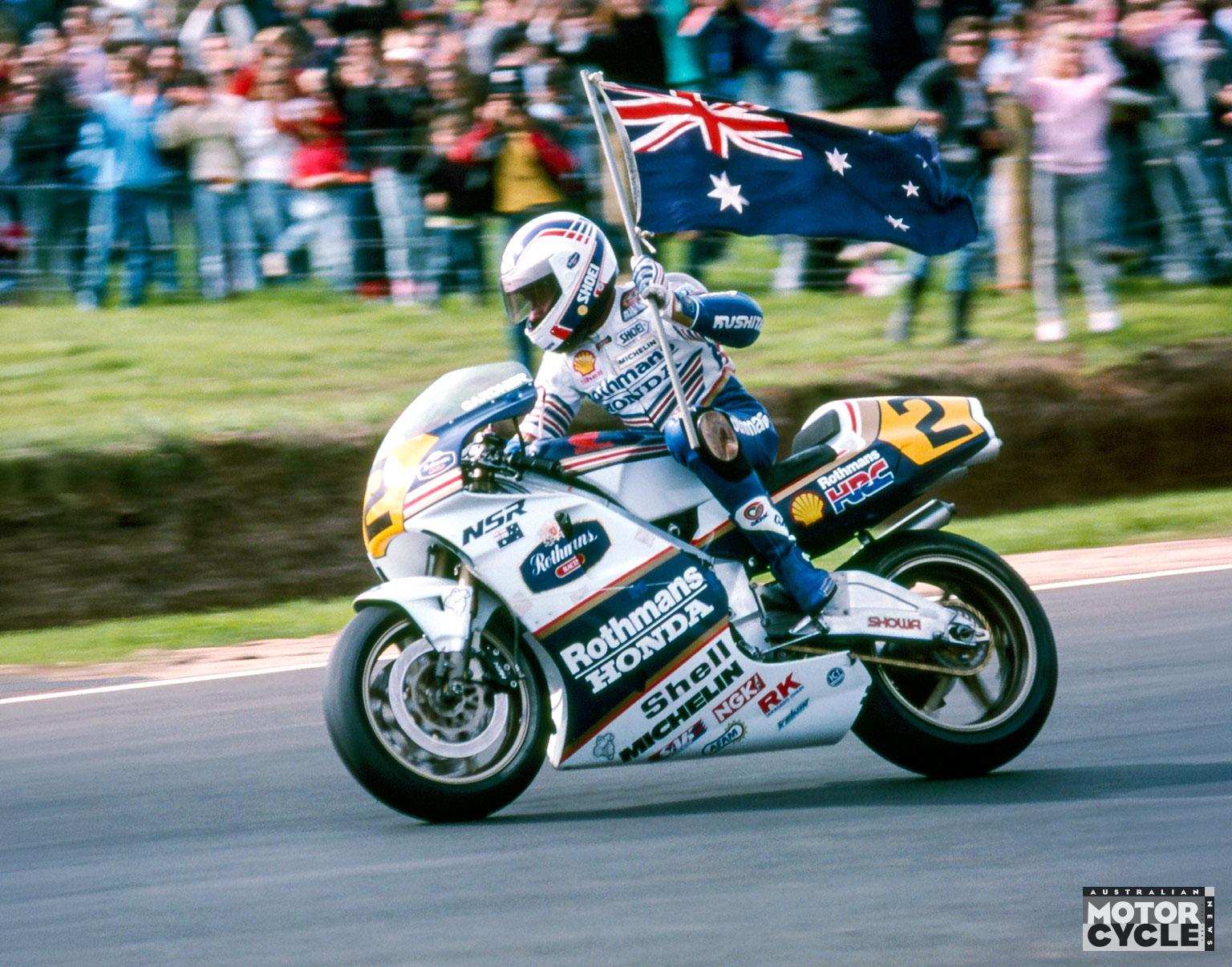
Barry so nearly didn’t come to Goodwood that year. In July 2002 he’d been diagnosed with the cancer that would eventually claim his life the following March, which sapped his energy as well as putting him in constant pain. After declining the invitation to return to Goodwood for his annual appearance, a later successor to him as 500GP world champion – Wayne Gardner – was invited instead.
Then, at the very last moment, Barry had a change of mind. On the Sunday before the event, he contacted Walmsley to see if he could provide him with a bike.
“I’d prepared a Seeley G50 for Wayne Gardner to ride there, because Goodwood had contacted me and said, ‘Barry can’t come, will you run Wayne Gardner?’” Walmsley recounts in his memoir. “Barry already knew he had cancer, so he’d decided he just wasn’t up to doing Goodwood. But on Sunday evening my phone rings, ‘Fred, I want to do Goodwood next weekend after all, will you do it for me?’ I said, ‘Bloody hell, Barry, I’m in Czecho and it’ll take me the best part of three days to get home!’ So anyway, I said, ‘Go on Barry, I’ll do it for you.’
“This was Sunday evening, and I’ve got a bike with a cobbled-together engine that needs a full day in the workshop to fix, but big thanks to John Cronshaw, we just loaded up and set off. We drove through the night – I did four hours, John did four, then I did two, then John did two, then we stopped for something to eat, and so on. We managed to get an earlier cross-Channel ferry, but it was Tuesday morning when I arrived back home in Lancashire, and I had to be at Goodwood 300 miles south for the Thursday. But the G50 was ready, so I went in, kissed the wife, and went into my workshop.”
Meanwhile, Barry flew to London, arranged to borrow an Agusta AW109 six-seater helicopter to fly himself to Goodwood – as you do – and awaited Walmsley’s arrival.
“I’m looking after Wayne Gardner on the G50 as well, and Wayne was so fast,” Fred recalls. “It was a bit damp, and he went out on the G50, and he broke the lap record in practice on it, first time he rode it. I remember somebody saying to me they were being a bit sensitive going around this right-hander, because of the damp, and Wayne Gardner came past, took one hand off the handlebar and waved to him!”
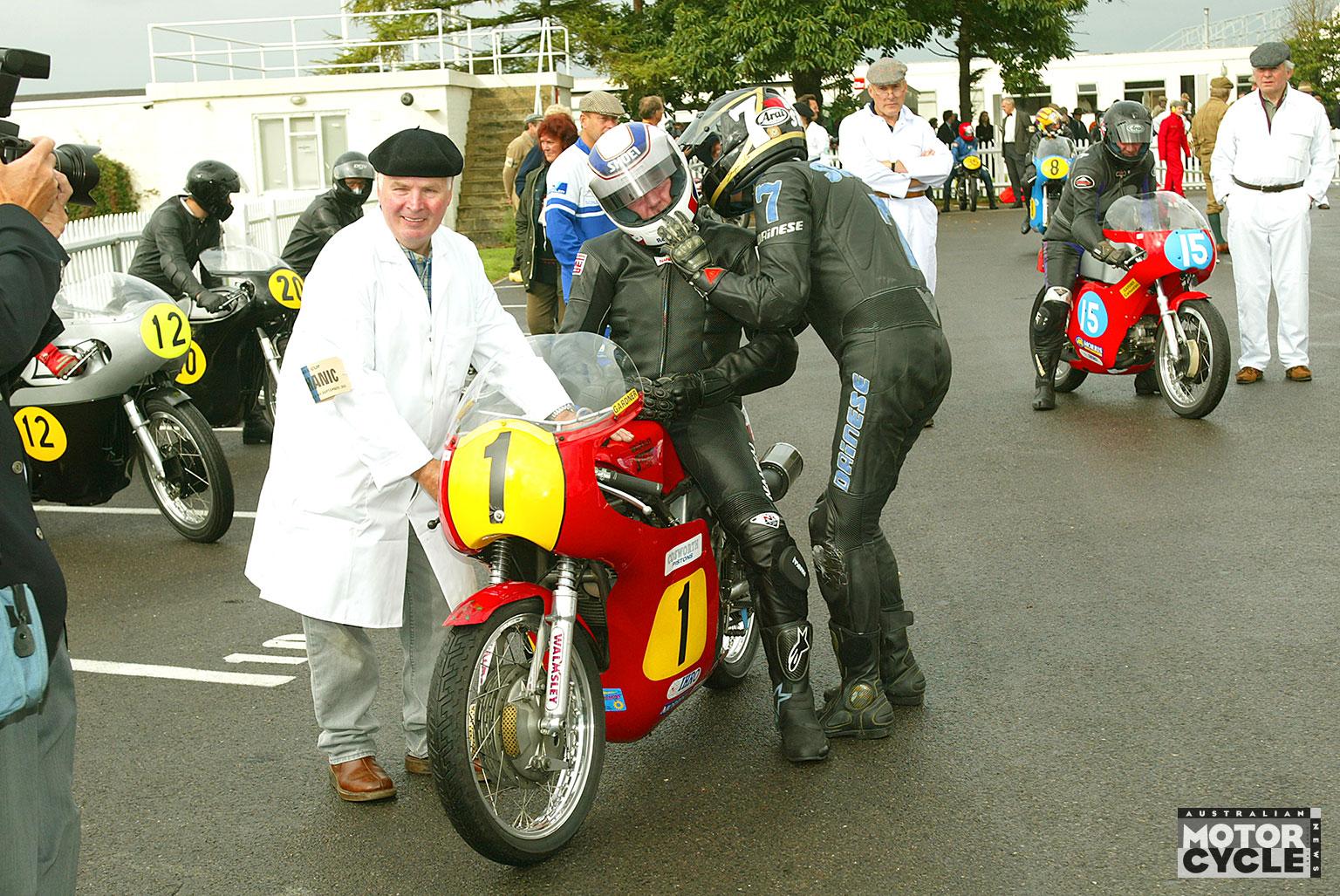
The rest is history: Barry and Wayne duked it out that weekend on the two Walmsley-built bikes, with Wayne winning Race 1 by a mere two-thousandths of a second from Bazza, who then turned the tables on his Aussie rival in Race 2 the following day to win his last-ever motorcycle race by a greater margin, and thus the event overall on combined times. It was the last time one of the most popular and flamboyant racers of all time would be seen in action – or indeed in public.
BARRY’S TRUE GRIT
That final meeting brought Walmsley face-to-face with the huge physical challenge Barry had had to contend with in even getting to the start line, let alone defeating another top rider like Gardner, to win his last-ever race.
Here are Fred’s memories of that day: “When Barry finished his last-ever race at Goodwood, he did his parade lap with the laurels and waved to the crowd, and then he came into the parc ferme, and my son Matthew and I were waiting for him. But he just waved me across and said, ‘Fred, I can’t get off this bike.’ Because he was so ill, he said, ‘I can’t bloody get off it.’ I said, ‘Don’t worry about it, Barry.’ Because he was a very private person and he would never want anybody to see him struggling with anything like that.
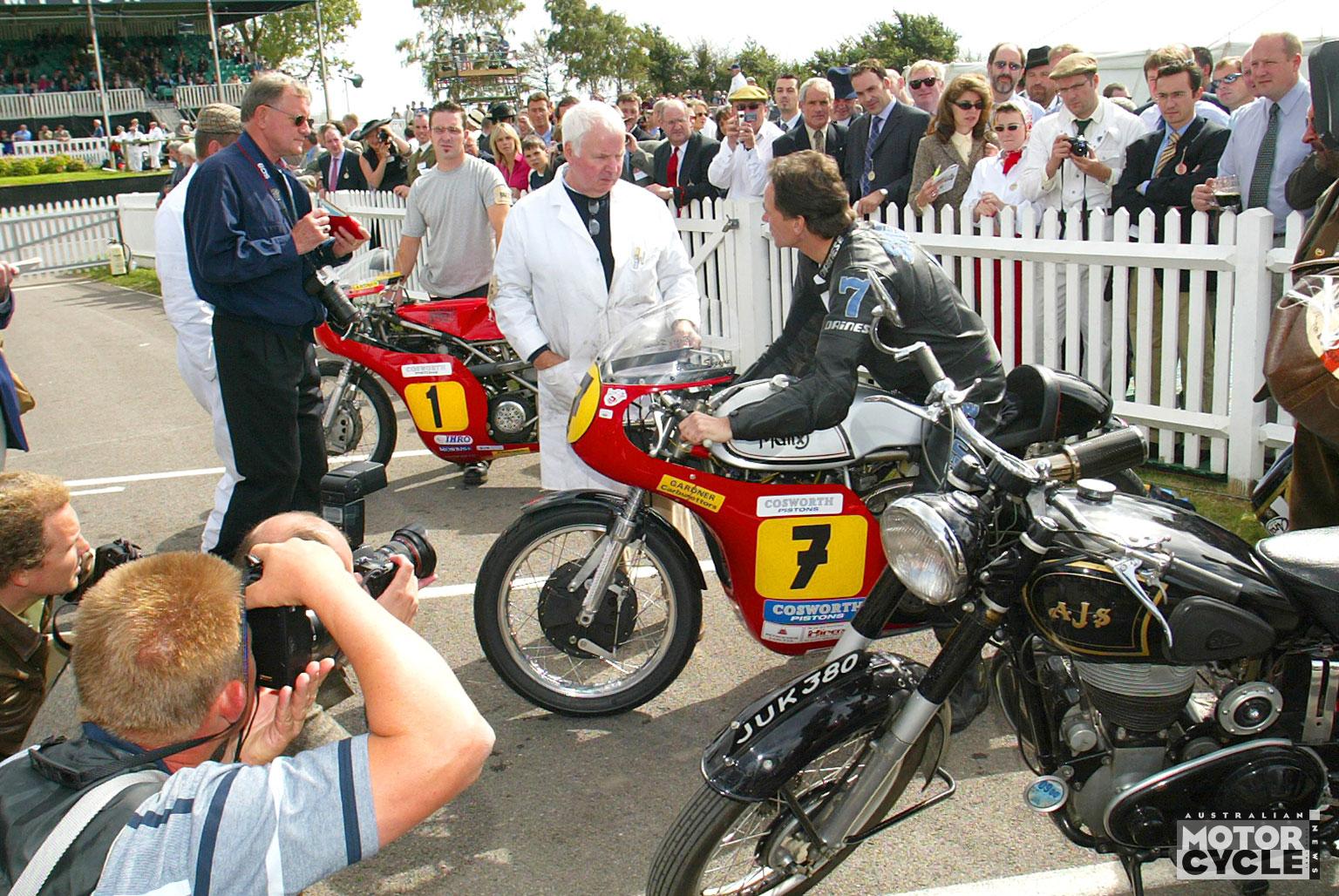
“So I said, ‘Just sit on it until they let us leave, and Matthew and me, we’ll steer it as we walk it back to the garage.’ And so we waited in the parc ferme for a bit until a marshal came and lifted the rope up, and we went back into the garage. I held the bike, and we got some friends clustered round to hide everything, while my son picked Barry up and lifted him off it. He was absolutely knackered, and we got his leathers off and got him dressed again and sat him down in a chair to recover. And he just sat there for a while, and you could see it was really painful, but then he was back to his normal self, signing autographs and talking – but still sitting down. He didn’t have the strength to get up for quite a while – I suppose the adrenalin and everything else had worn off.
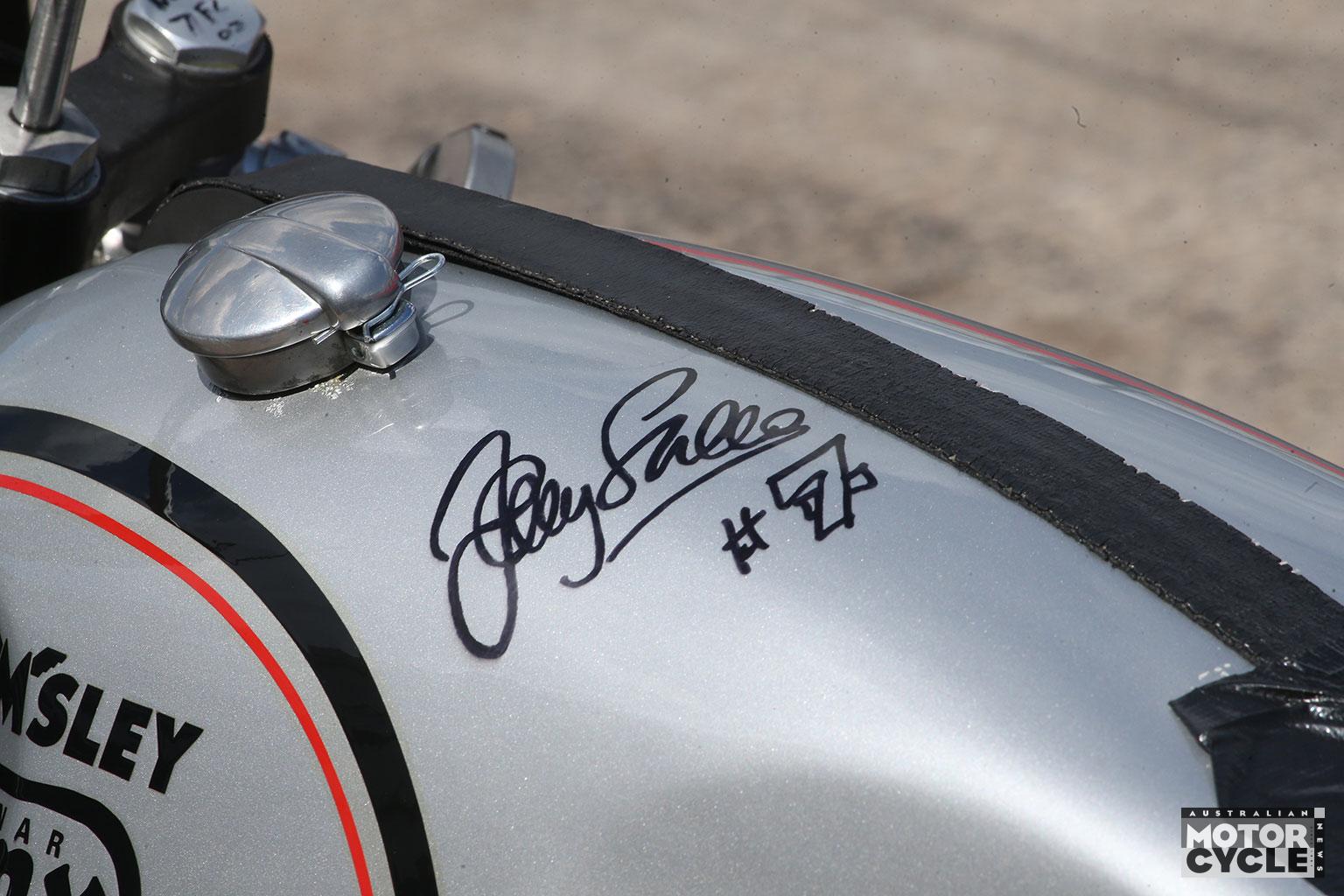
“So then as we were packing up to go, he came looking for me, and came up to me, and kissed me on the cheek – he looked me straight in the eye, and said, ‘Thank you, Fred, you’ve never let me down.’
“That was the last time I saw Barry, and I still miss him like mad.”
RIDING THE REAL DEAL
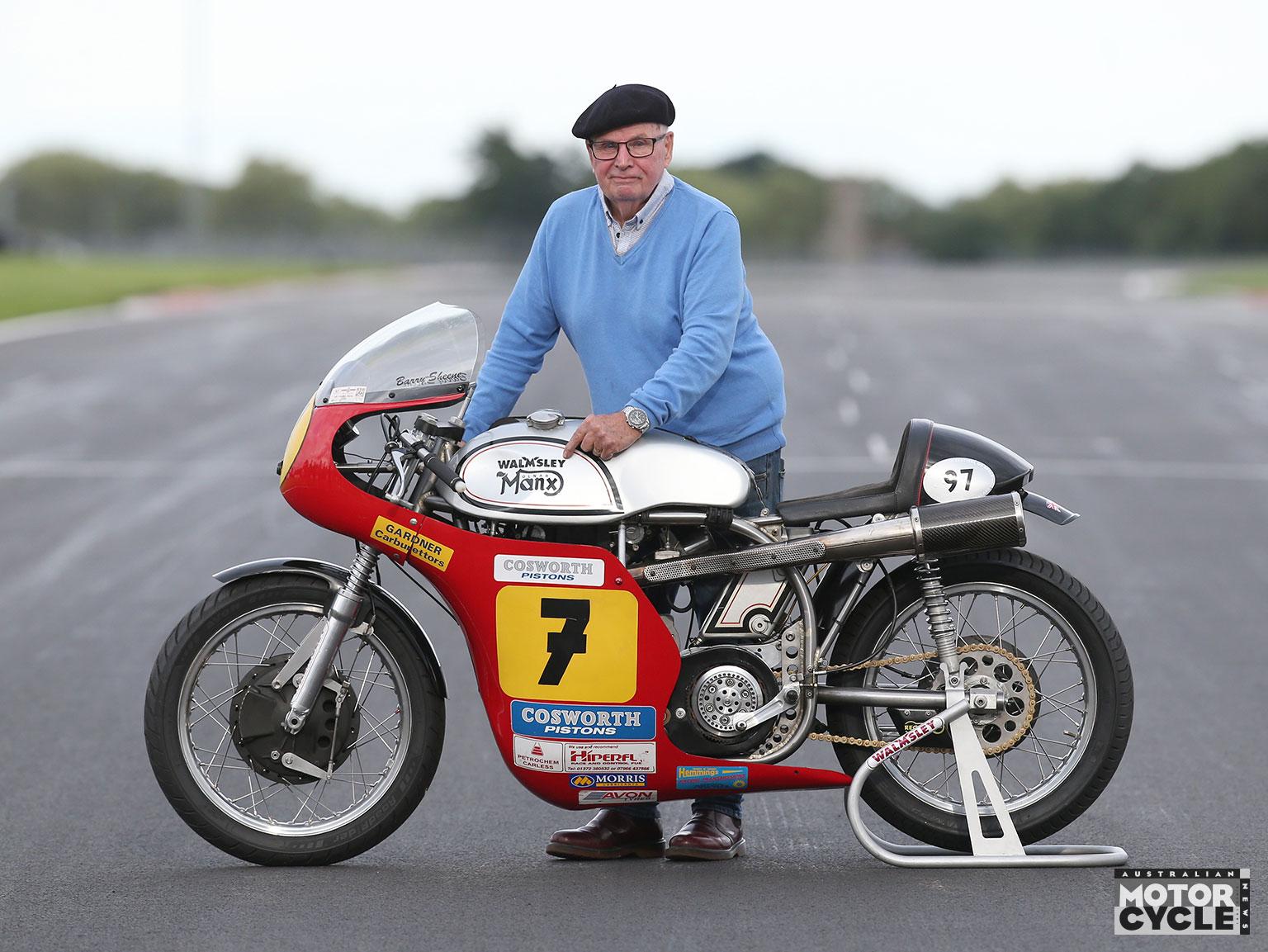
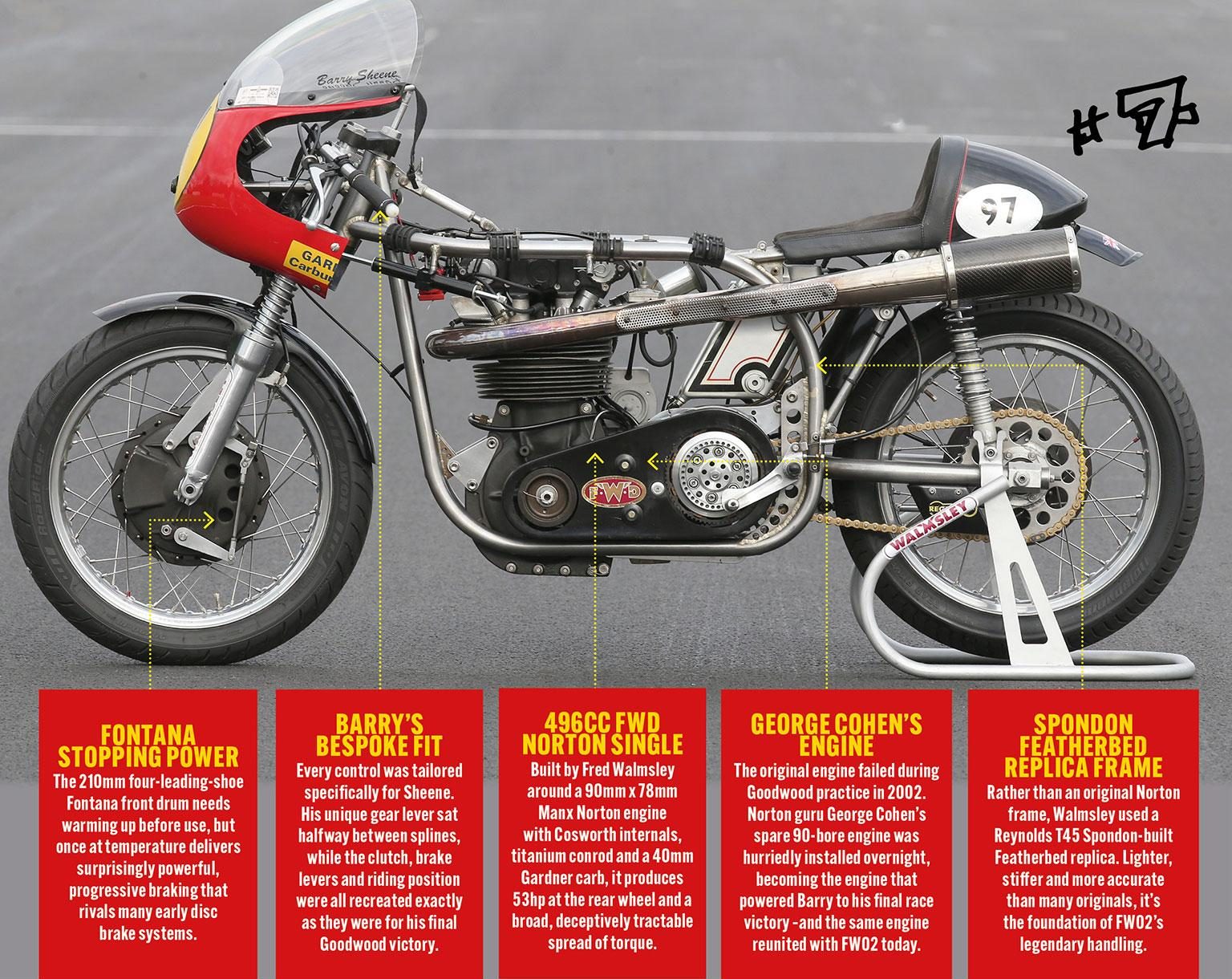
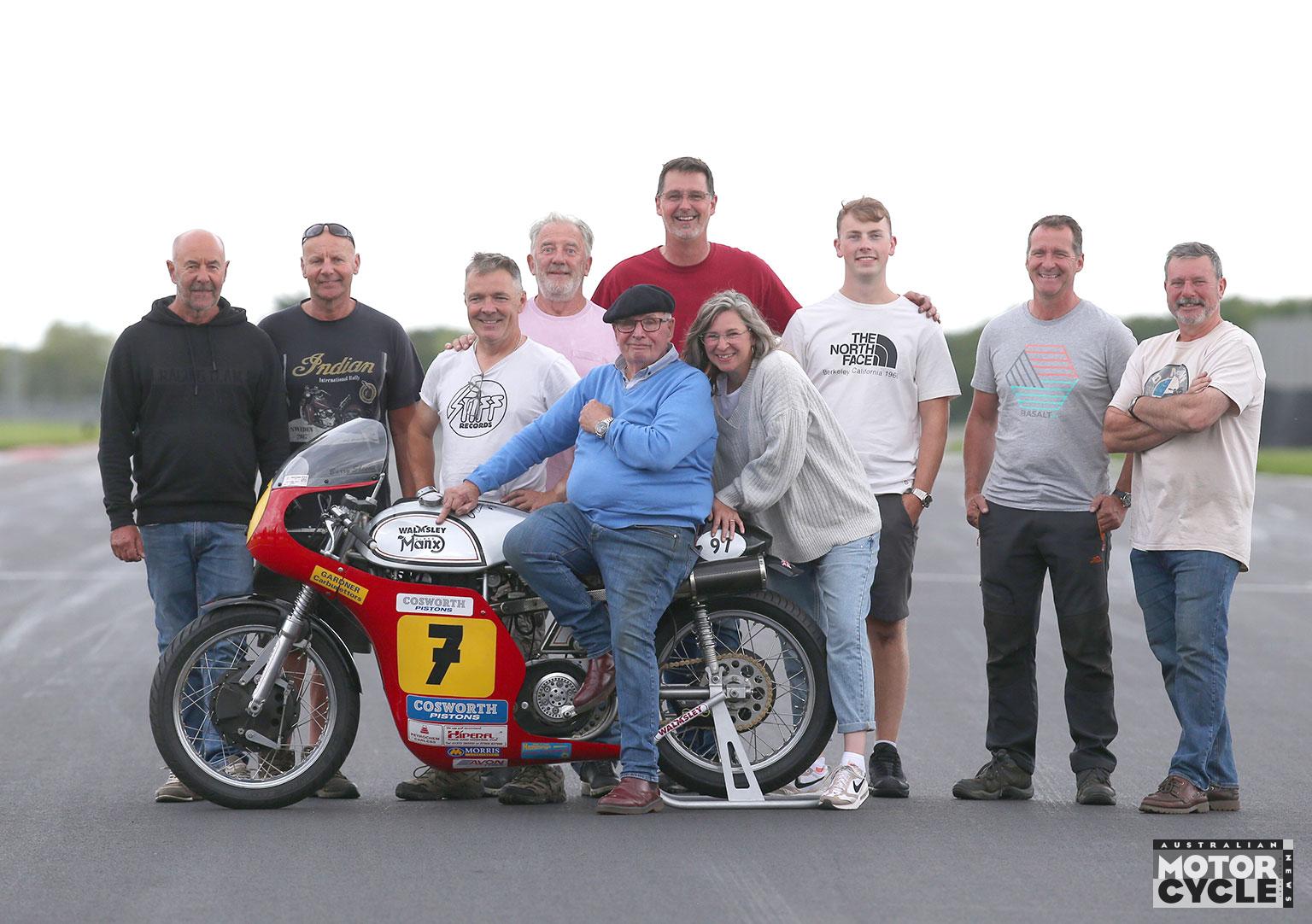
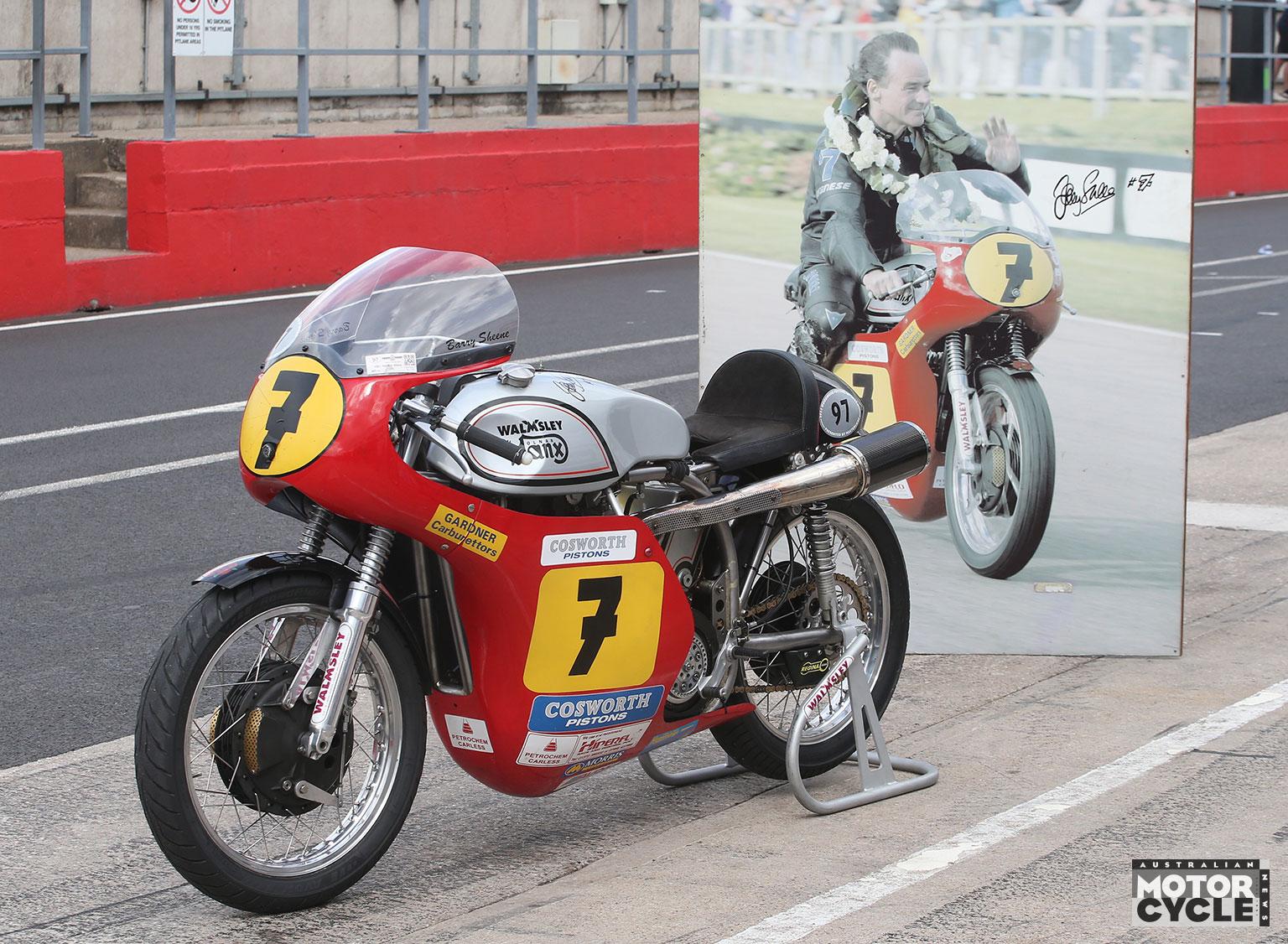
Fast forward over two decades, and the chassis with which Barry achieved that final victory had been obtained by Kent-based Simon Roud and a consortium of friends comprising his brother Nick, Richard Andrews, Graham Allison and the late Chris Newbold. Their intention was to recreate the bike that Barry did the business on by reuniting its engine and Spondon-built frame, which had each gone their separate ways, as well as all the special Sheene elements that Walmsley had retained.
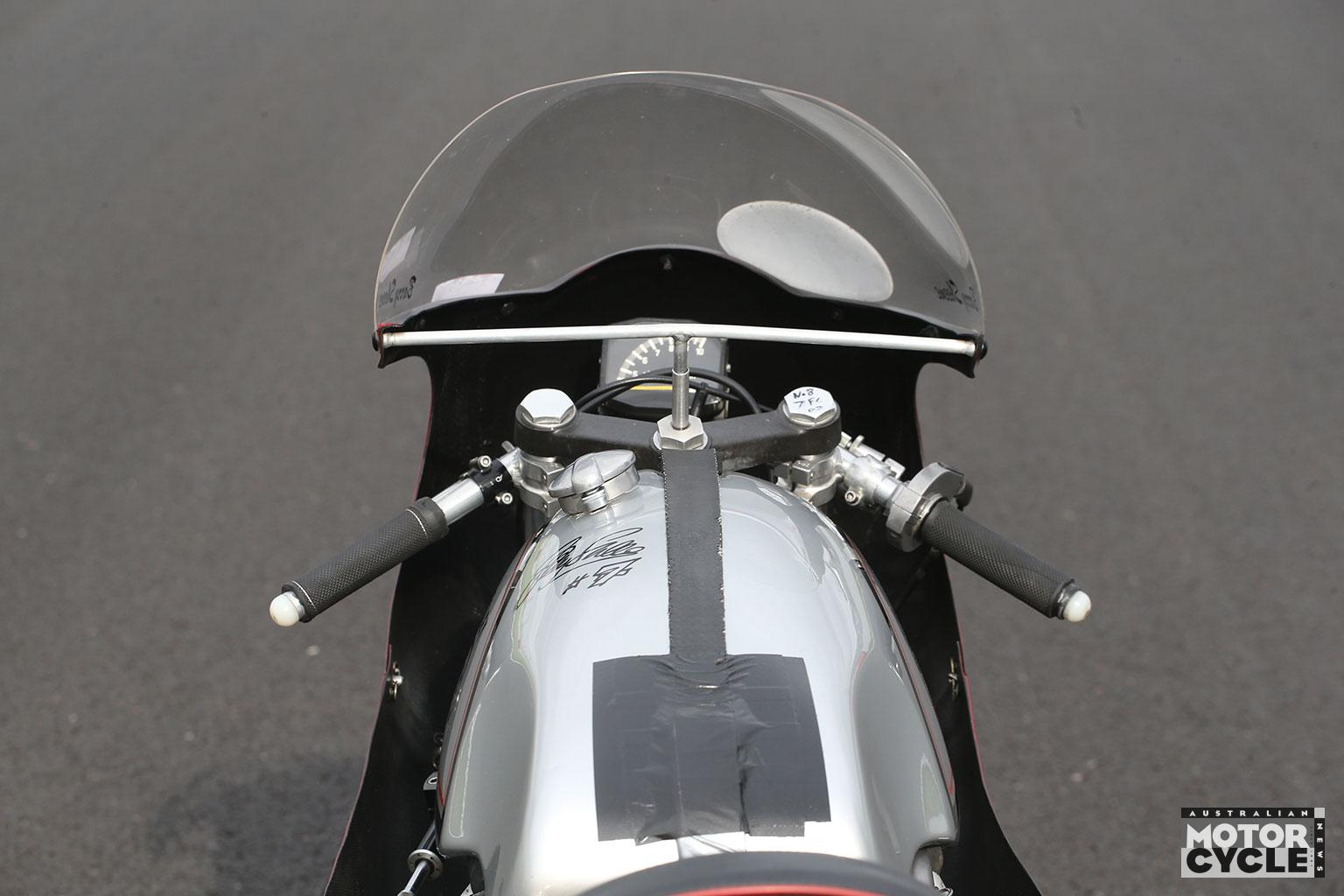
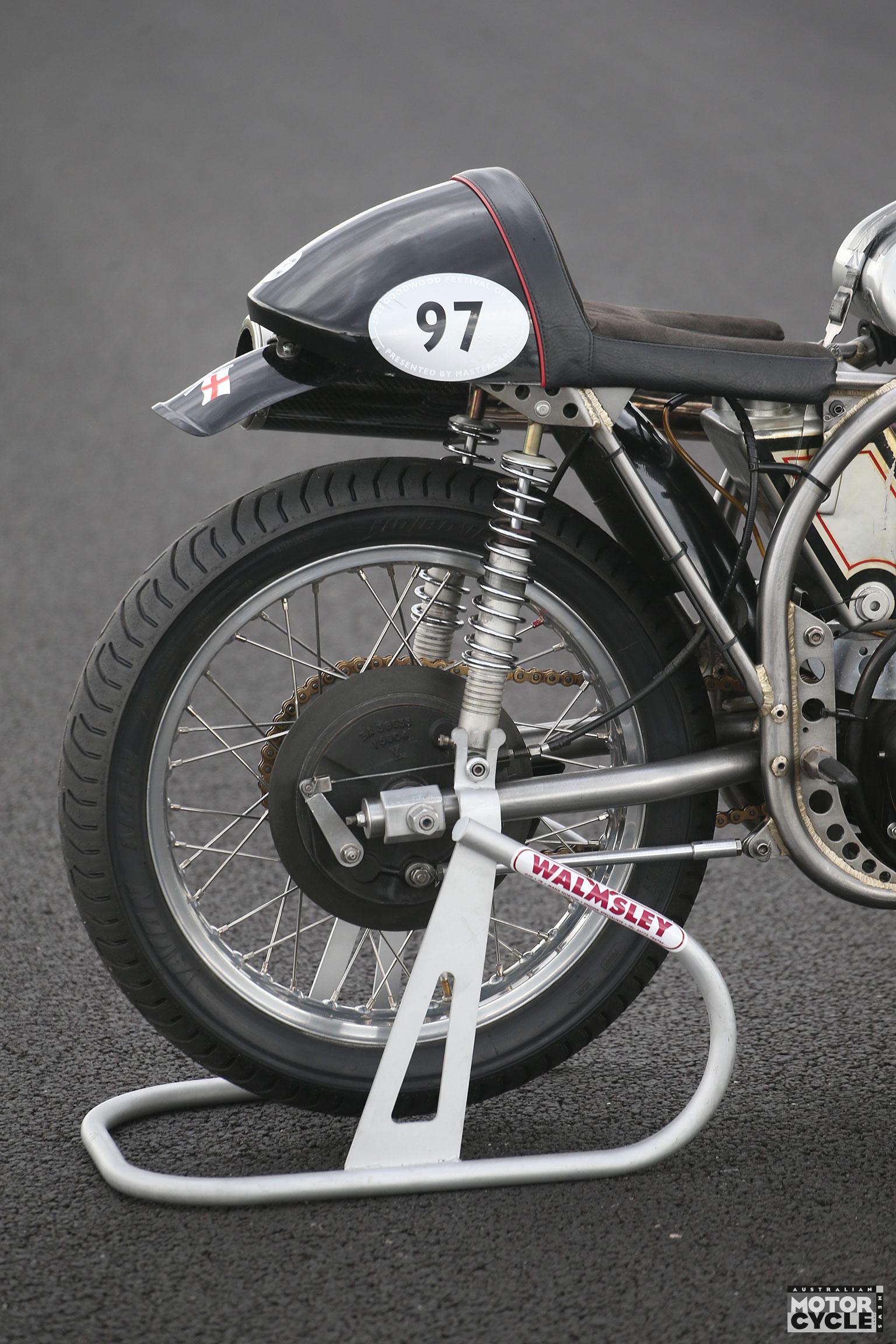
“I already had all Barry’s special bits off the bike, like the swinging arm, the front brake, clutch and brake levers, and his own gear lever because one spline was too much adjustment,” said Walmsley. “It had to be half the spline – everything in that bike was set up for him. I’d kept all these special bits as memorabilia for myself.”
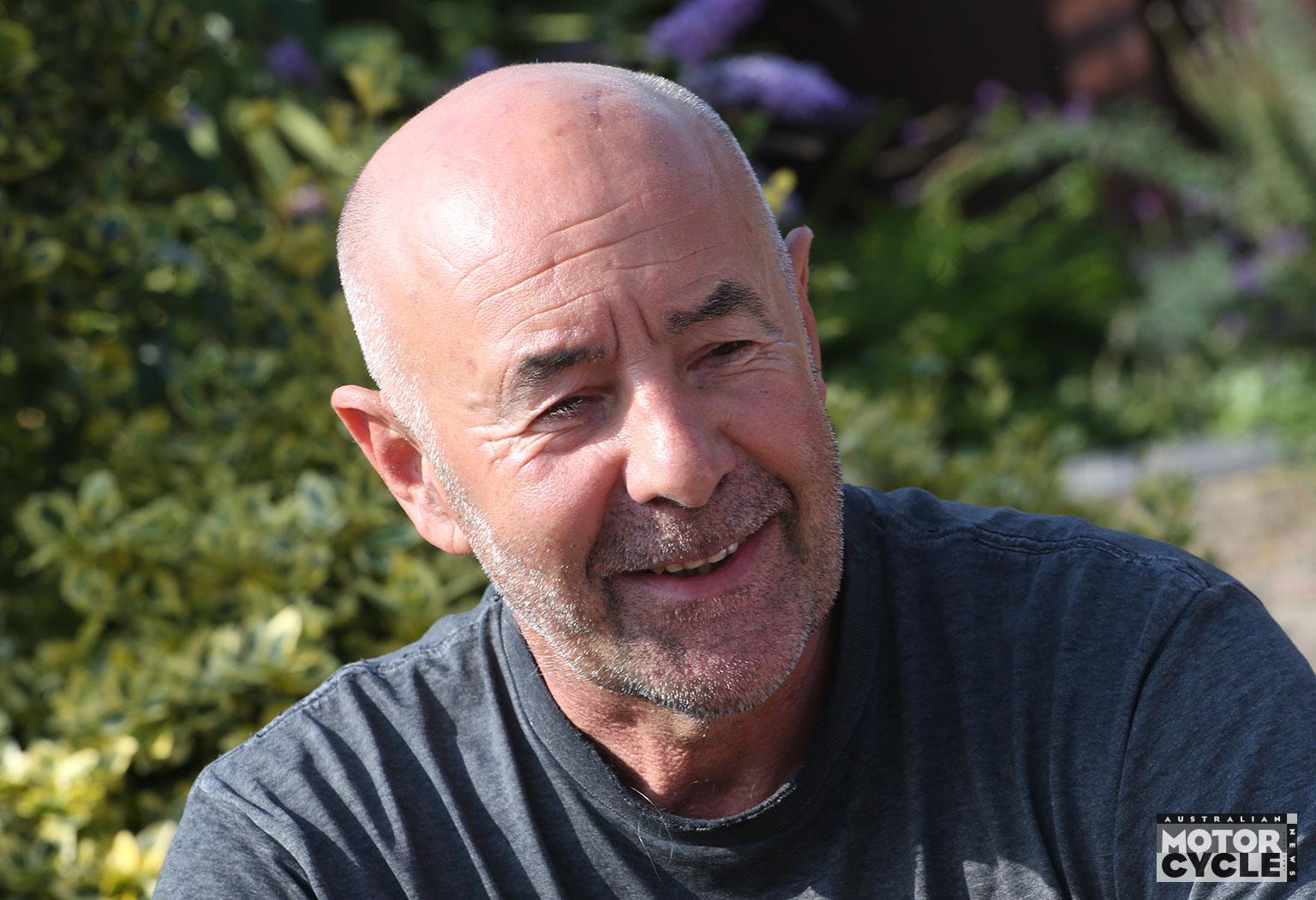
But this wasn’t simply a question of restoring a rather ragged looking two-wheeled artefact; Roud & Co. wanted the motorcycle in their possession to be exactly as last raced by Barry in his final date with the chequered flag. “We took the view that acquiring the bike in its then state was only the start of the process,” says Roud. “So who better to task with the job of bringing the bike back to the condition in which it crossed the finish line at Goodwood in September 2002 than the man who built it and ran it for Barry?
“It turned out that Fred was equally determined to bring that about, and he’s done a wonderful job in tracking down the missing components, including the engine. So now this is truly a time warp motorcycle both mechanically and visually, even down to minor details like getting new versions of the correct stickers made for the bodywork.”
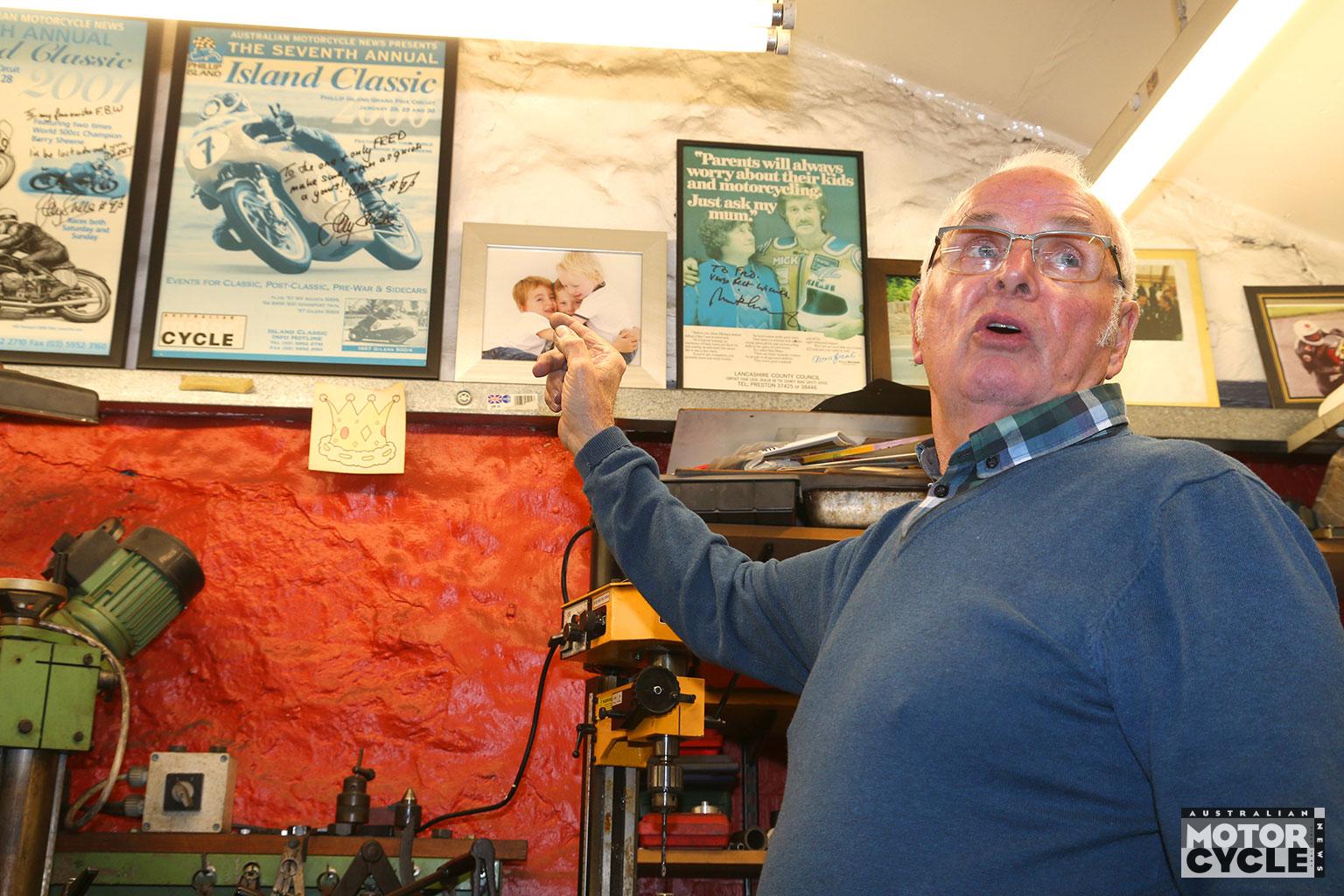
Walmsley, now 80, succeeded in painstakingly recreating the bike bearing chassis number FW02 at the well-equipped FWD workshop attached to his farmhouse outside Preston on the edge of the Lancashire fells – in time to run the bike at the Goodwood Festival of Speed, at which I was invited to give it a couple of shakedown runs before the heavens opened, and some typical British summer weather brought the entire event to a halt.
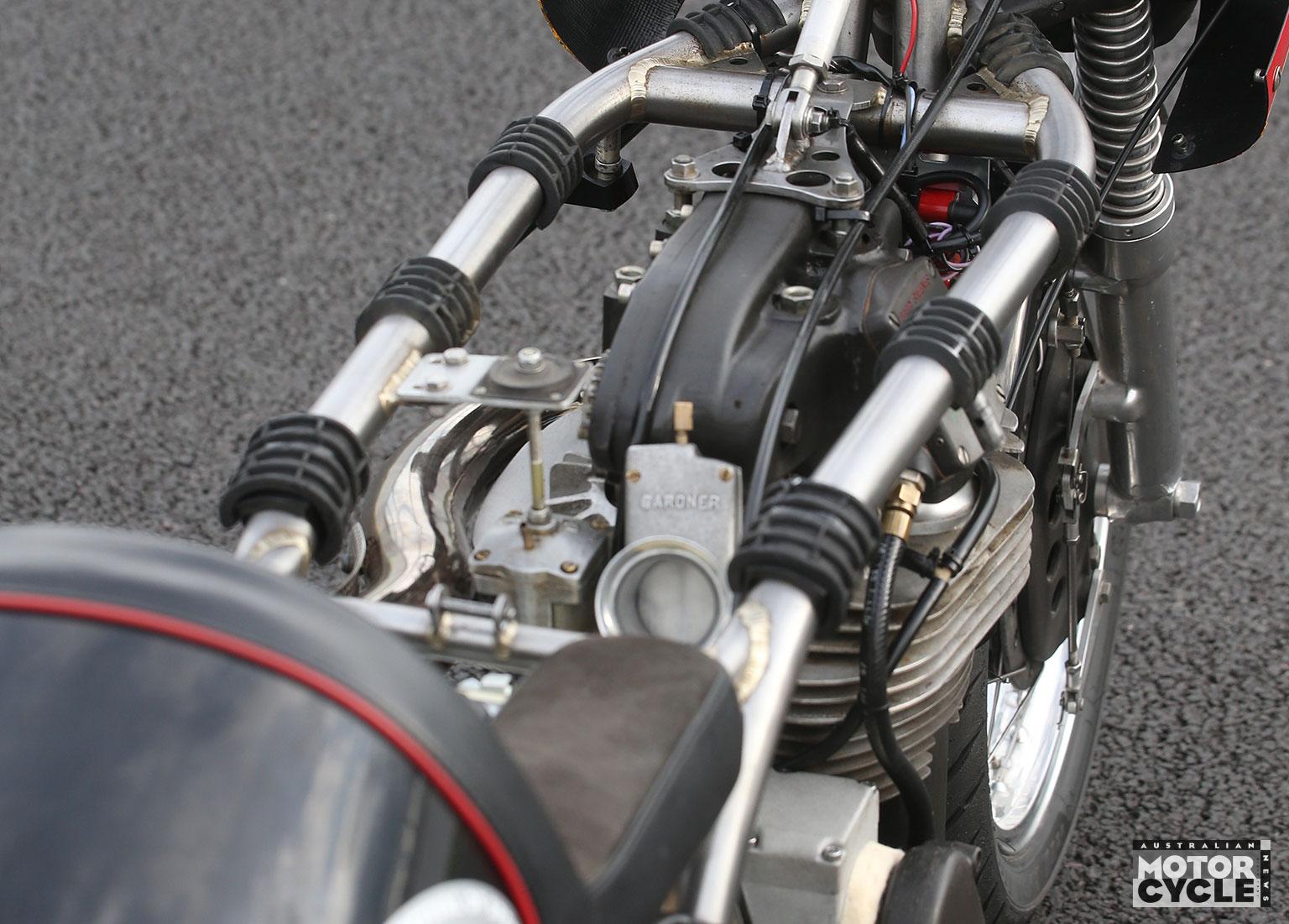
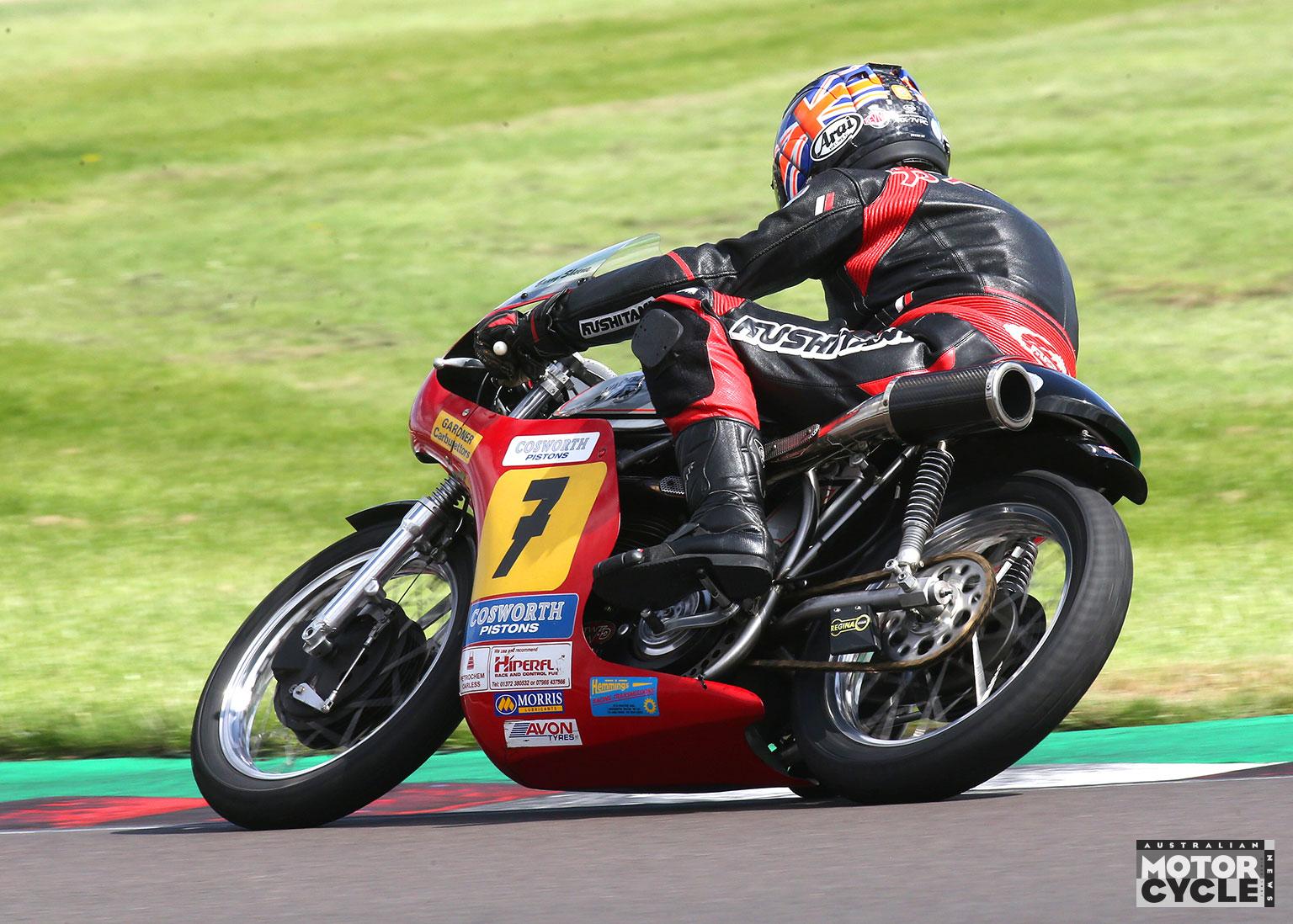
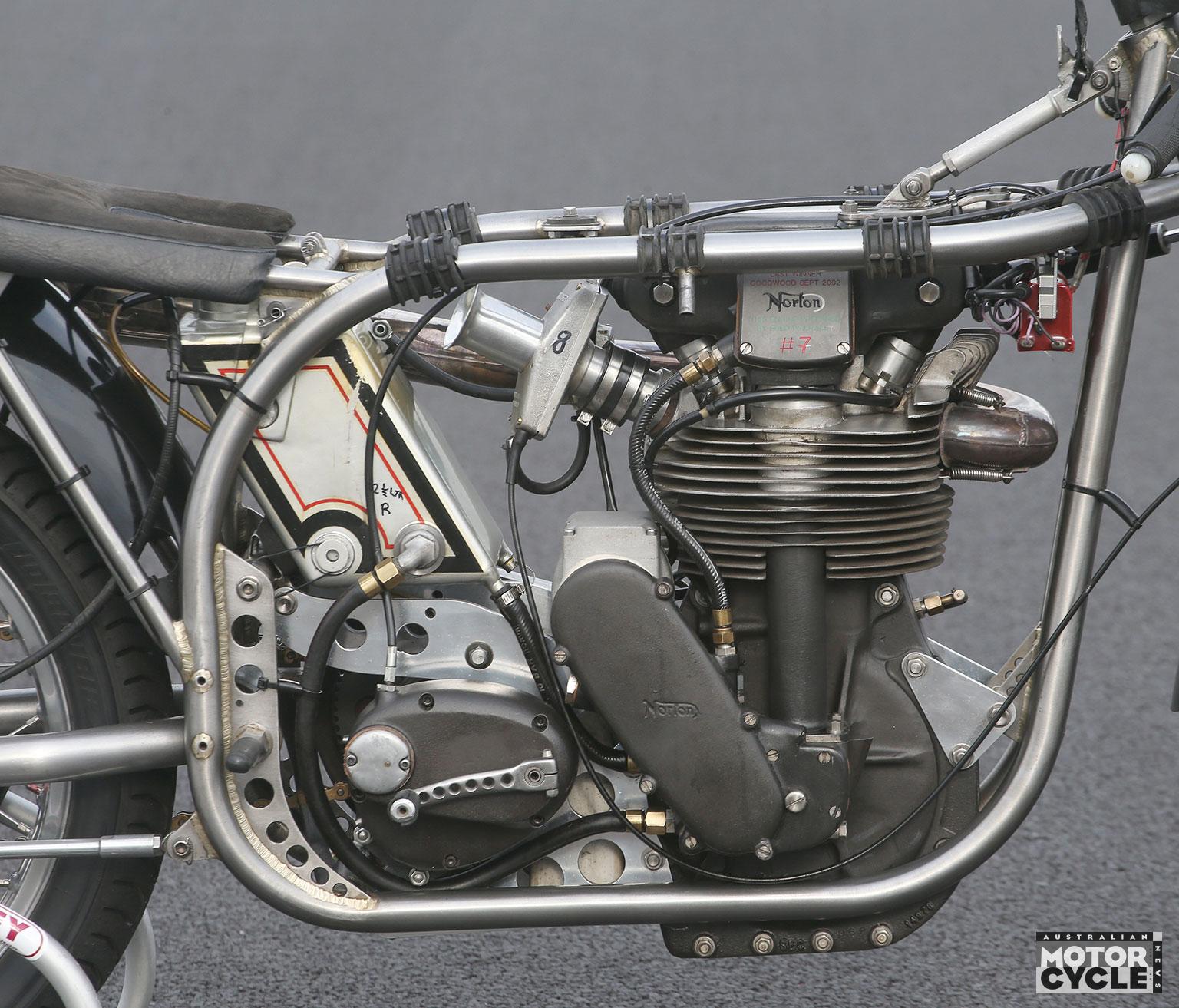
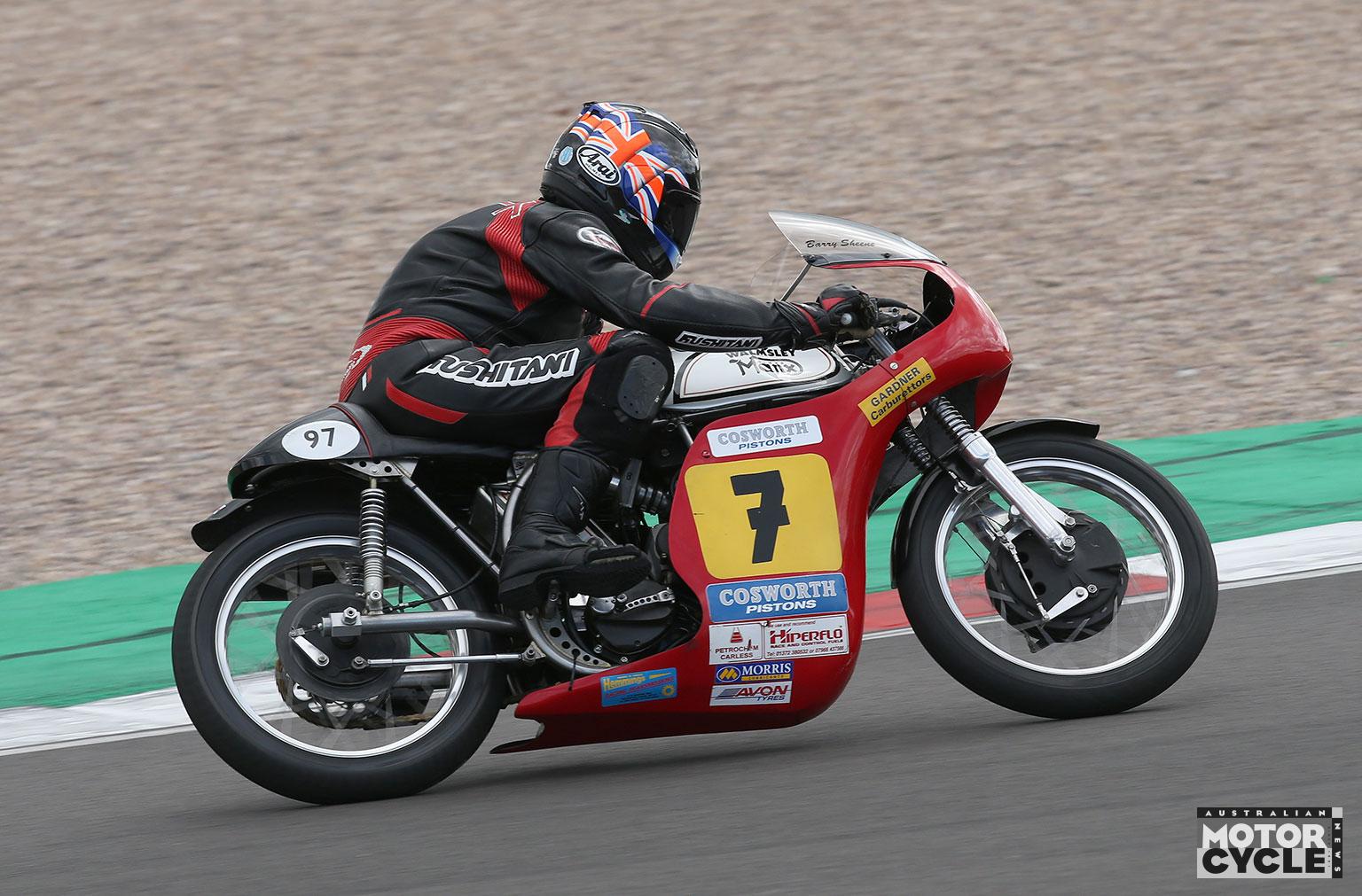
Eager for more, I arranged to join the team at Classic Donington a month later to ride it in two sessions, the second a Grand Prix Parade piled high with 1980s/90s two-strokes, keeping up with which demonstrated the speed that Walmsley had improbably managed to extract from his Norton’s 90mm x 78mm 496cc engine. This was fitted with a Cosworth piston with their flywheels and titanium conrod, plus mnemonic stainless steel 38mm inlet and 31.75mm exhaust valves – smaller than many of its rivals – fed by a 40mm Gardner carb. The dual-plug ignition came courtesy of a twin-spark PAL magneto with Andrews coil.
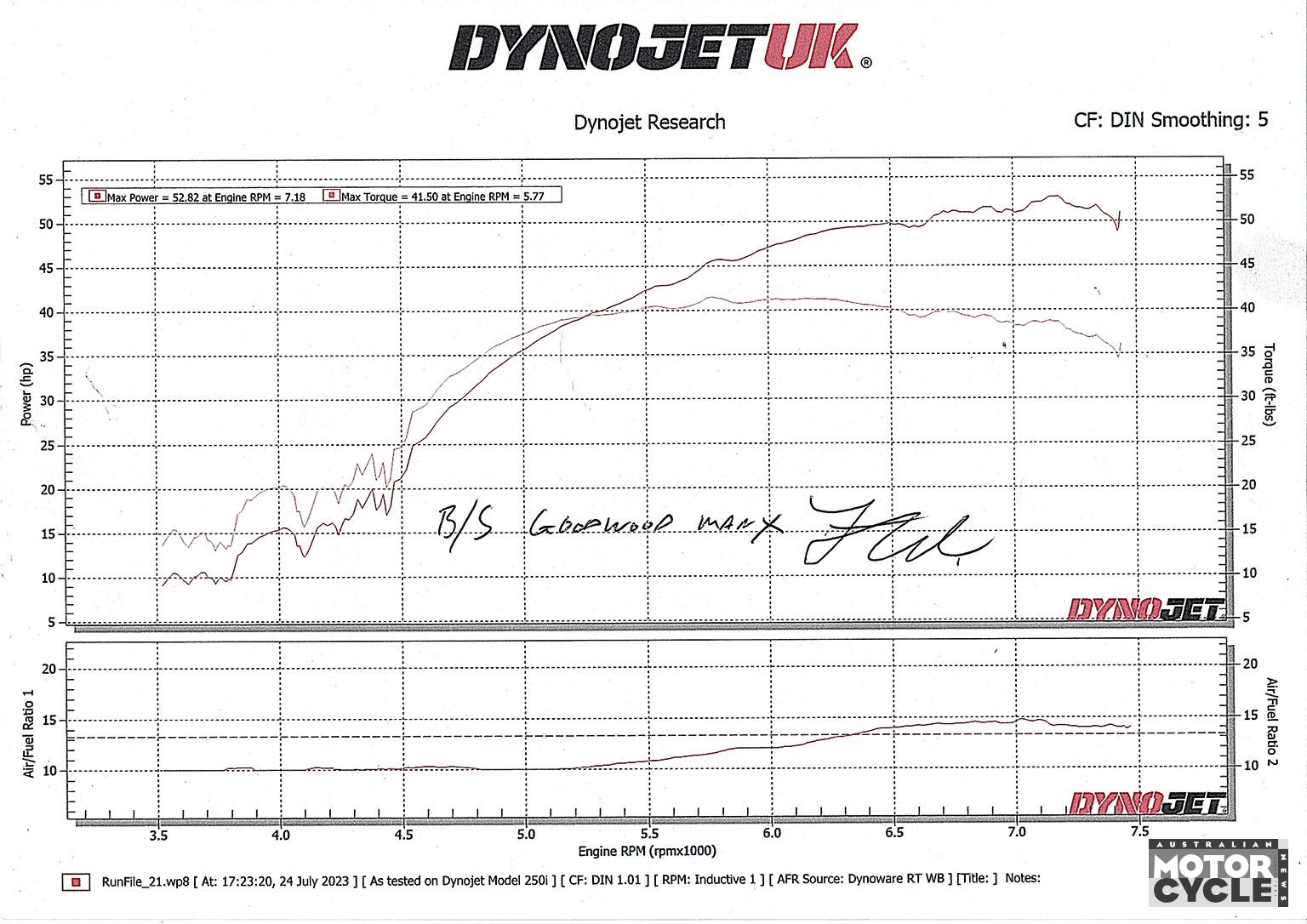
For someone who’s spent a good many of his recent historic racing days watching Fred’s bikes romp away from me on my admittedly original spec Matchless G50, it was very educational to sample the reason why. And that reason isn’t a huge amount of extra horsepower, as popularly supposed in the classic racing paddock. Fred showed me the Dynojet chart from a run just days before the restored bike’s Goodwood debut, and while 53hp (40kW) at the rear wheel at 7180rpm is a very healthy output, it isn’t the 60hp-plus that many rivals insist the Walmsley bikes deliver, although the peak torque of 58Nm at 5770rpm is pretty meaty for a putative 1960s 500cc single.
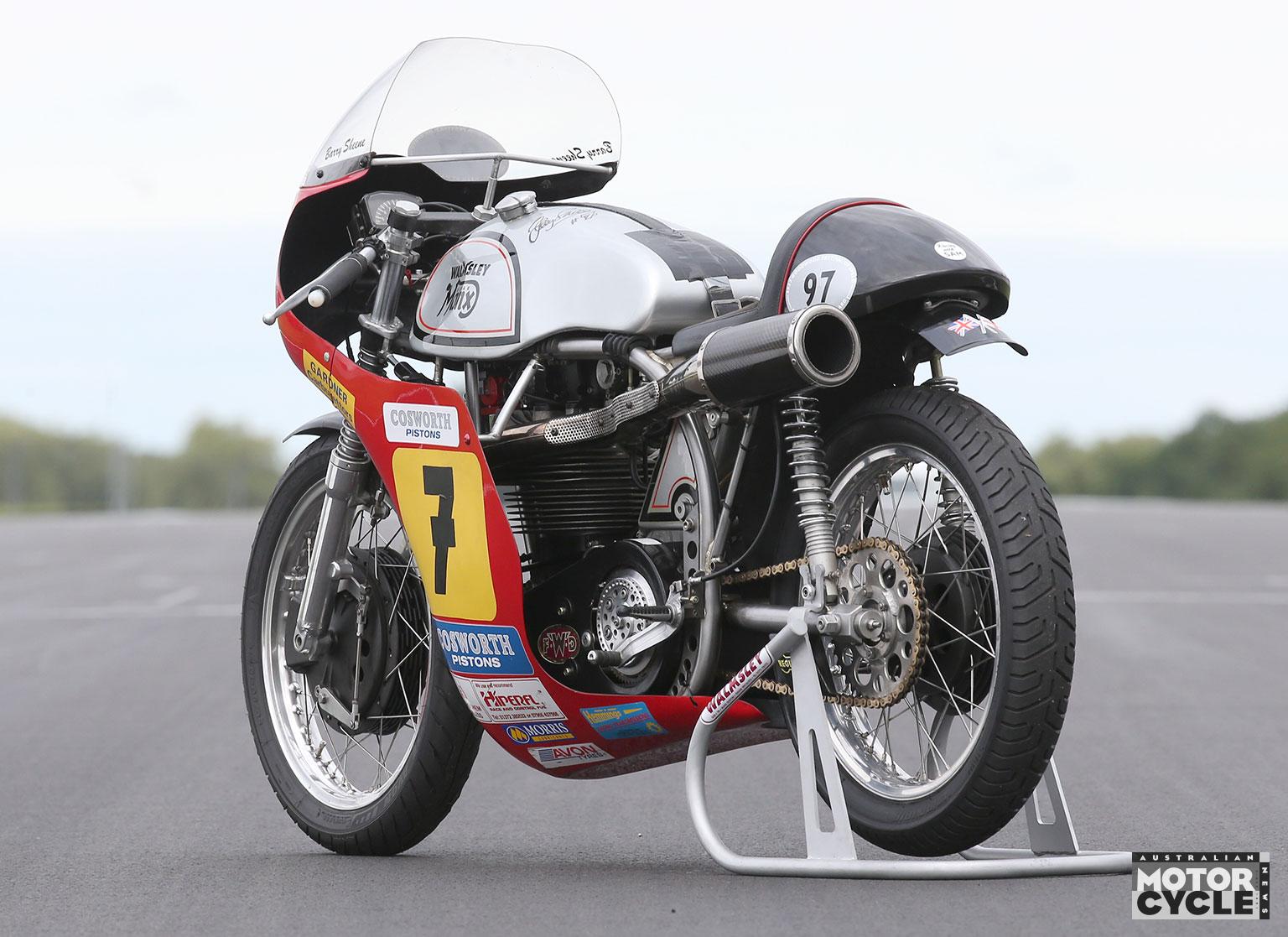
On track the Norton engine is smooth and potent, with minimal vibration despite no balance shaft, and it pulls cleanly from just under 4000rpm upwards. But there’s noticeable extra punch from 5500rpm upwards, and when you hit 6000rpm on the Krober tacho there’s a surge of power and the engine really takes off, en route to the normal 7500rpm redline, with eight grand permitted for a last-lap dash. It’s not a peaky motor, because there’s decent midrange grunt, but it means you must constantly work the super-sweet-shifting six-speed Summerfield gearbox, with Barry’s favoured right-foot one-up shifter, to keep the engine revving, in order to access the top-end power that awaits you.
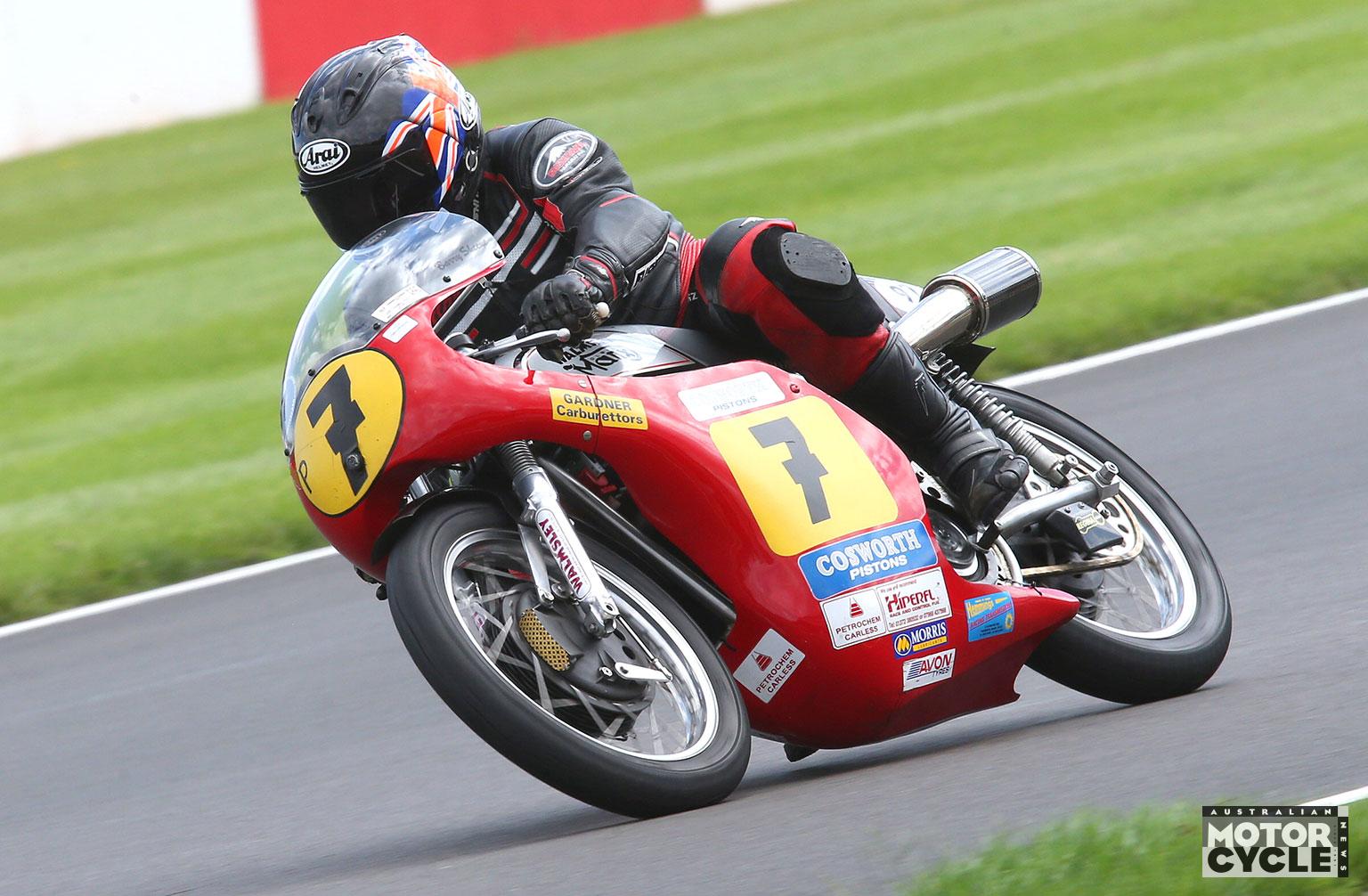
Yet where the FWD Norton really scores is the way it exits a turn, where the high 13.5:1 compression ratio will really play its part. I was constantly amazed at how early I could get on the throttle exiting the Donington short track’s Chicane, or Redgate Corner. It just drives hard and strong from the apex of a turn, with no trace of a snatchy throttle response from the Gardner carb that Fred swears by, and fits to all his bikes.
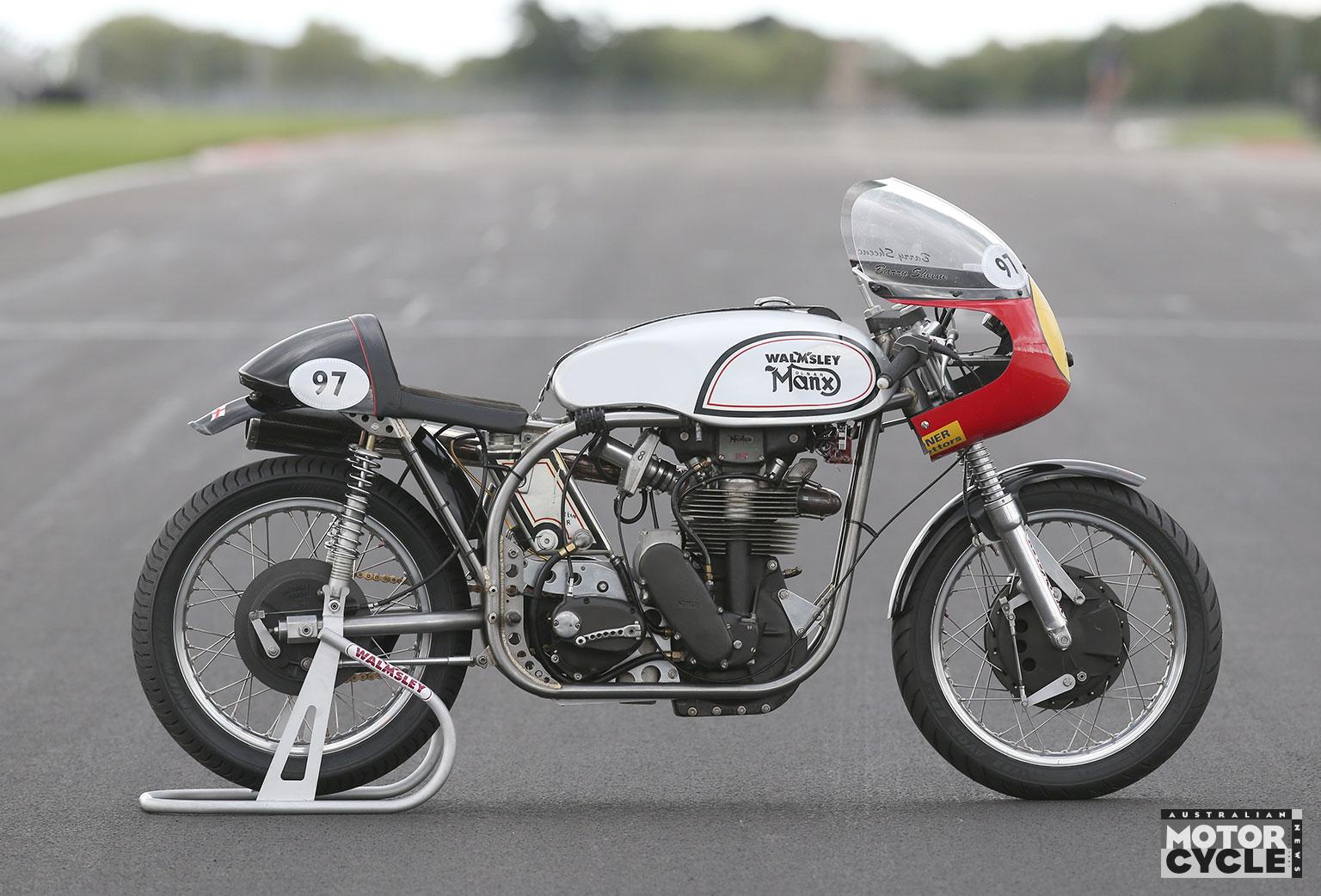
The Norton steers beautifully with its 1385mm wheelbase. Turn-in is instant but controlled, and the Seeley-type swingarm’s twin Falcon shocks let the rear Avon AM22 hook up well under power, without any sense of significant weight transfer when I got hard on the throttle. Just right.
Indeed, the best compliment I can pay this bike is to compare it to the several different Valentino Rossi racebikes I’ve been privileged to test ride down the years – Aprilia, Honda and Yamaha alike. Each of these had such delicate, finely set up controls that made riding them almost like racing a Swiss watch – and the Sheene Manx is the same. I’ve ridden other Barry bikes like his Suzuki strokers and Yamaha YZR500, but these were all ground-up restorations, which meant his fine set-up was absent. But this was a bike exactly set up the way Barry would have wanted it to be were he still with us, and surely still racing at Goodwood, and it had the same deft, adroit feeling to the motorcycle as a whole. All the controls felt so minutely refined so as to be smooth in operation and intuitive to use.
I’m the same height as Barry was, so his Norton fitted me like the proverbial glove, except I found the otherwise flawless gearshift’s lever a little inaccessible – a little too high for easy downshifts, but that was easily fixed by Fred for my second session.
In that, the sweet-handling chassis really stood out again, for the totally stable way it stayed glued to my chosen line climbing hard on the power from the Old Hairpin, through Schwantz to McLeans.
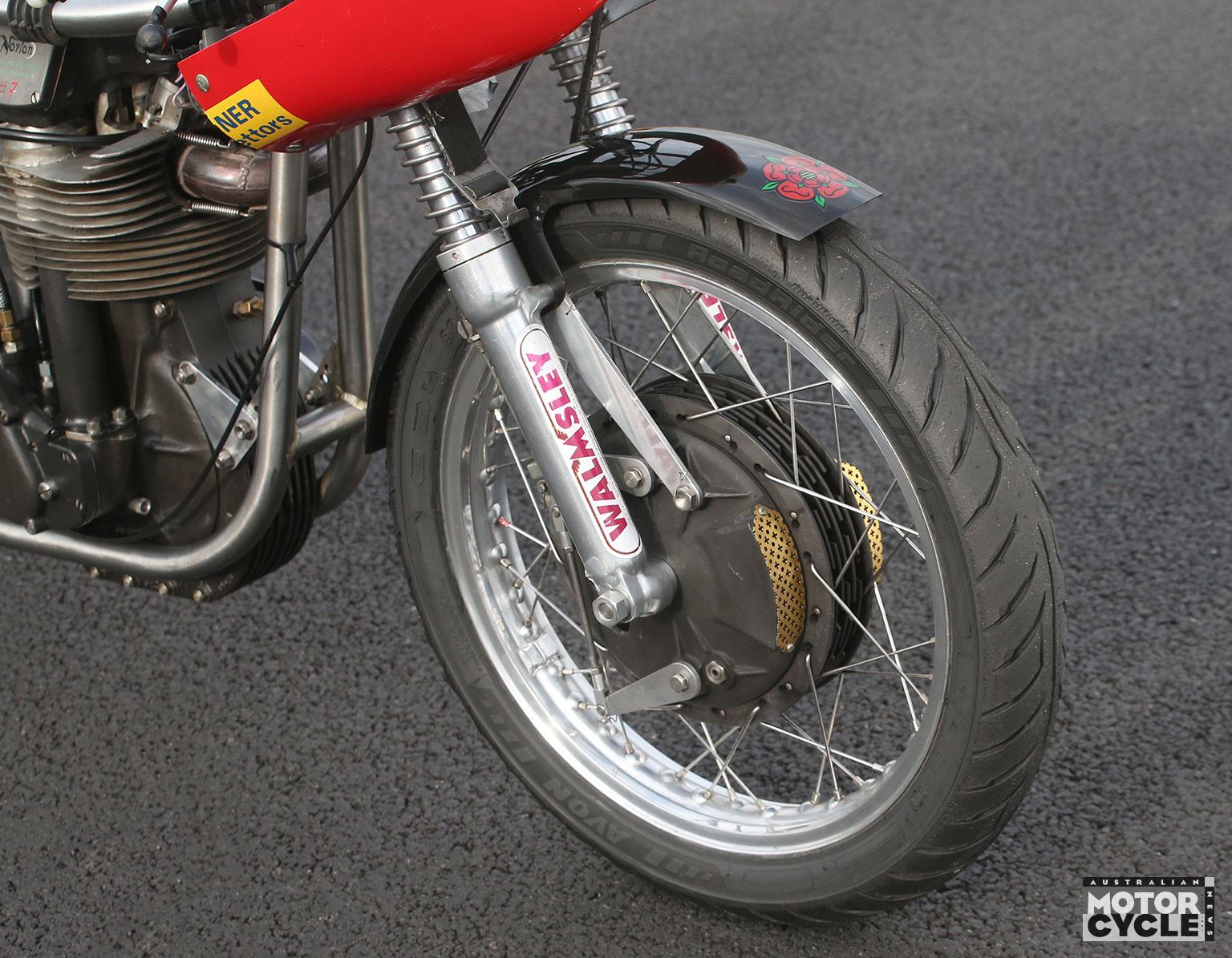
The 210mm 4LS Fontana front drum had needed some warming up, easily done by riding for 400m or so with your fingers on the lever, carbon brake-style. After that it delivered smooth, strong and totally responsive braking, aided by the rear works Norton 2LS drum when necessary. Barry used that to set the bike up for turns, said Fred – I just used it to help stop the bike, myself!
But no doubt about it, this is a wonderfully effective motorcycle, and I can well understand why Barry wanted it kept for himself and didn’t want anyone else riding it. Compliments to Simon Roud and his friends for having the vision to reunite the component parts of this motorcycle in tribute to the man who made it famous – and kudos to Fred Walmsley for getting it done.
“I’d have liked to have bought the bike back myself, but I couldn’t afford it, and I especially couldn’t afford the engine,” Fred recalls. “But the people who own it now have done everything with the bike I said they needed to do. I’ve rebuilt FW02 for them exactly as Barry last raced it at Goodwood, in winning his final race on it… It’s totally authentic.
“It was all part of a package, and it just works. And when you get a rider that’s capable of using that performance… well, fast rider, fast bike: you’ve got a winning recipe. And Barry Sheene was fast – no doubt about that.”
None, indeed. Godspeed, Barry.
Goodwood’s year of Barry
Barry Sheene’s legacy has truly taken centre stage at Goodwood this year, with the legendary British venue paying tribute to the two-time 500cc world champion across all three of its flagship motorsport events. The celebration marks 50 years since Sheene claimed the first of his back-to-back world titles in 1976 and is the first time Goodwood has honoured a single rider or driver across its entire motorsport calendar.
The celebrations began at the 83rd Members’ Meeting in April, where a field of 500cc GP machines from Sheene’s era returned to the circuit, including motorcycles he had raced and many of those he famously battled against.
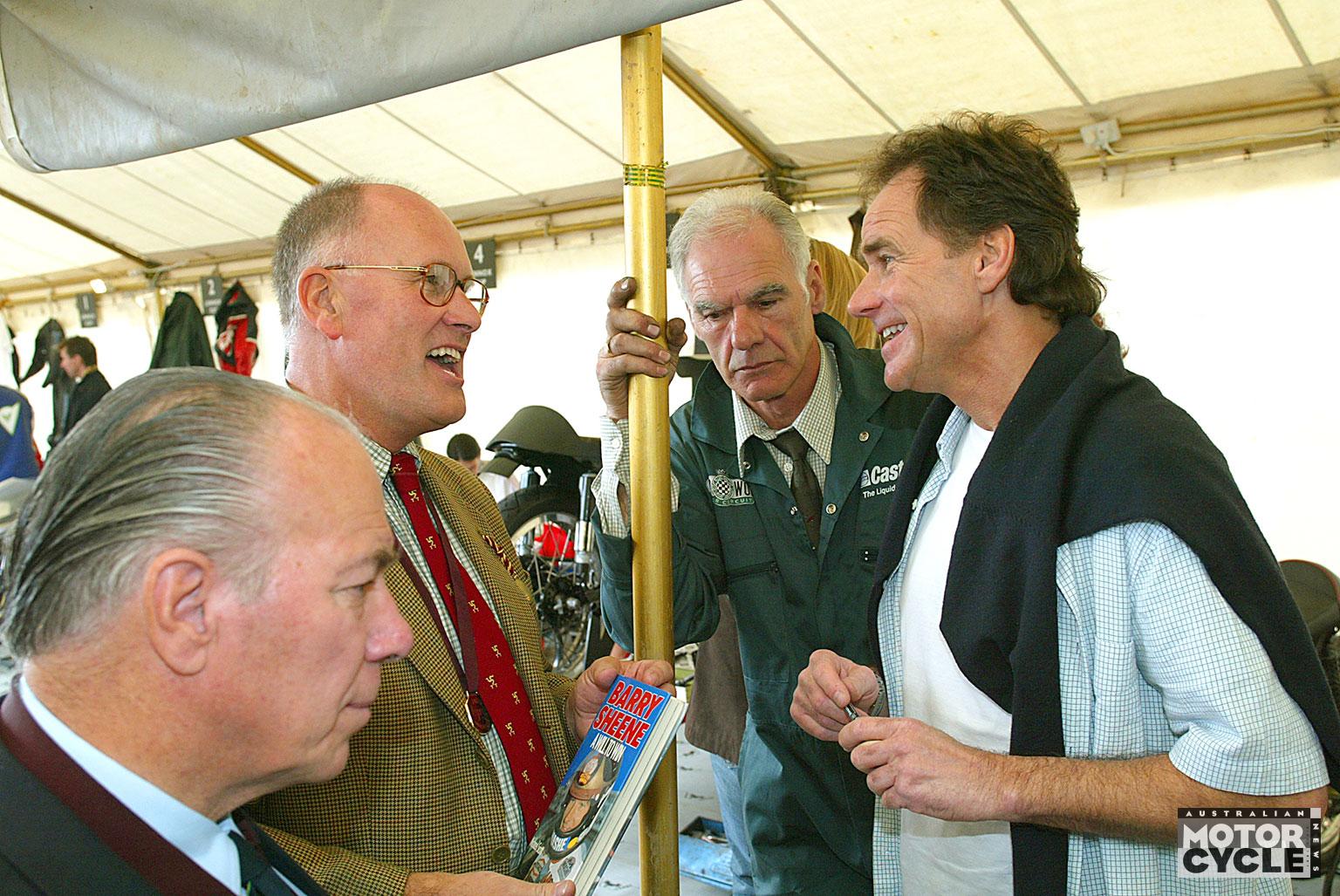
At July’s Festival of Speed, members of the Sheene family joined a display of 10 of the most significant bikes from Barry’s career. His son Freddie rode several of his father’s iconic GP machines up the famous Goodwood Hill, giving fans the rare chance to see them back in action.
The commemorations will culminate at the Goodwood Revival in September, where Sheene’s championship-winning machines and the motorcycles that carried him to victory at the Revival will return to the circuit ahead of the Barry Sheene Memorial Trophy.
Among them will be the painstakingly restored FWD Norton FW02 featured in this story. Fittingly, Freddie Sheene is expected to ride the reunited machine during the celebrations, bringing the story full circle more than two decades after his father’s unforgettable farewell.
SPECIFICATIONS
ENGINE
Type Air-cooled DOHC four-stroke single
Bore & stroke 90m × 78mm
Capacity 496cc
Compression 3.5:1
Fuelling 40mm Gardner carburettor
Ignition Twin-spark PAL magneto/Andrews coil
Transmission Six-speed Summerfield, belt primary drive, chain final drive
Clutch NEB multiplate dry
PERFORMANCE
Power 40kw (53hp) @ 7180rpm (measured at rear wheel)
Torque 58Nm @ 5770rpm
Maximum speed 206km/h (measured at Goodwood 2002)
CHASSIS
Frame Spondon replica Manx Norton
Material Reynolds T45 steel
SUSPENSION
Type Replica Manx
Front: 35mm Norton Roadholder
Rear: Twin preload-adjustable Falcon
TYRES & BRAKES
Tyres Avon
Front: 90/90-18 Avon Roadrider
Rear: 110/80-18 Avon AM22
Brakes Replica Manx drum
Front: 210mm Fontana four-leading-shoe
Rear: 178mm Norton twin-leading-shoe
DIMENSIONS
Weight 125kg (oil/no fuel)
Manufacturer Fred Walmsley, Lancashire, UK
Owner Simon Roud Consortium, Kent, UK