One brand-new model, three heavily revised favourites and a clear plan for every rider. Someone over at Triumph has clearly been paying attention…
With the Trident 660 becoming one of Triumph’s most popular models in its line-up since launching half a decade ago, it’s surprising it’s taken the company so long to come up with a bigger version – but the Trident 800 is here, and it’s a ripper!
The 660s haven’t been ignored though, with some significant updates, especially in areas where they were a bit weak – rear suspension and bottom-end performance springing immediately to mind.
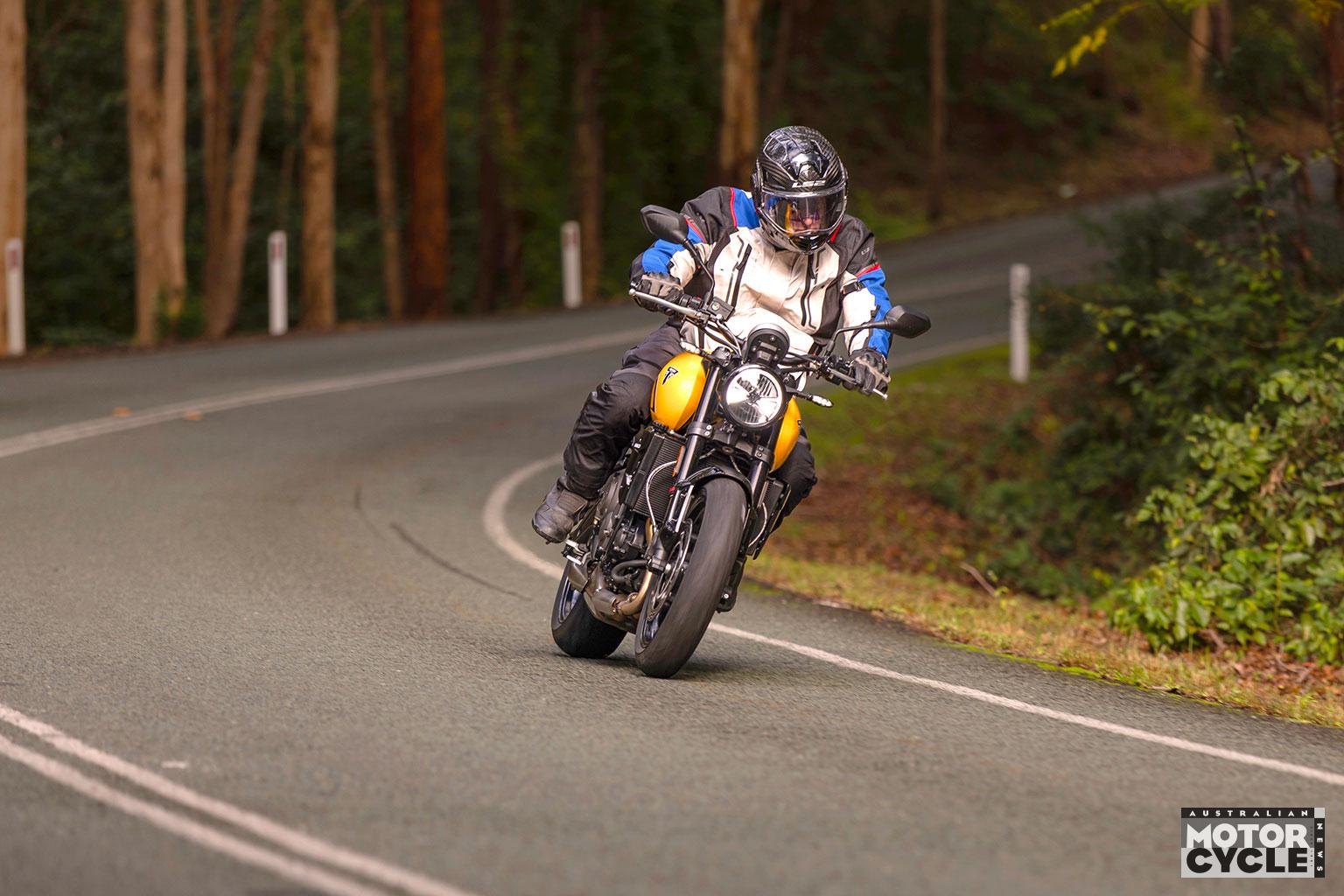
From refined electronics to significant internal engine upgrades, Triumph isn’t just resting on its laurels. We take a comprehensive look across the new stable – testing them through the sweeping bends and tight corners of the NSW/Queensland border to see exactly how these changes stack up in the real world.
Triumph Trident 800: A bigger Roadster
The headline act of Triumph’s new roster has to be the all-new $16,695 Trident 800. For a long time, riders moving off their Ls faced a big jump within Triumph’s roadster line-up, stepping from the entry-level Trident 660 all the way up to the razor-sharp, track-oriented Street Triple 765 RS (nobody traded in their LAMS model on a full-power model…).
The Trident 800 has been engineered specifically to bridge that chasm, blending the accessible, easy-going attitude of the classic twins with the explosive, character-rich performance of the sporty triples.
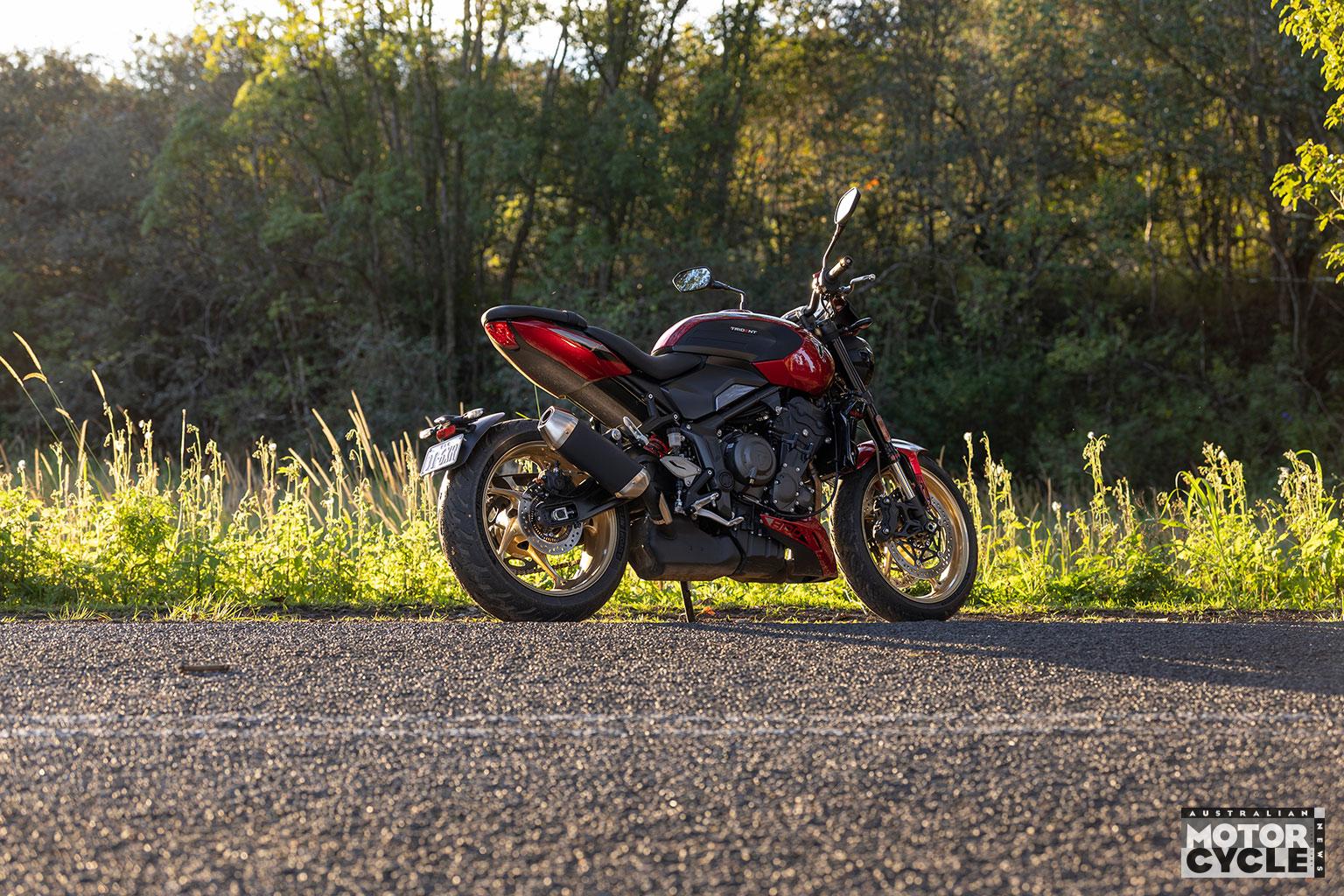
At its heart is a brand-new 798cc inline three-cylinder engine. Unlike budget nakeds that make do with simplified fuelling, the Trident 800 boasts dedicated triple throttle bodies that ensure immediate, crisp response. The figures speak for themselves: an exhilarating 83kW (113hp) at 10,750rpm and a relentless 84Nm of peak torque. Wrapped in a compact, muscular chassis, the Trident 800 tips the scales at a nimble 198kg fully fuelled, with a too-small-for-Oz 14-litre fuel tank.
Triumph hasn’t skimped on the running gear either with premium adjustable Showa suspension along with high-spec Michelin tyres and striking gold-coloured wheels that elevate its street presence.
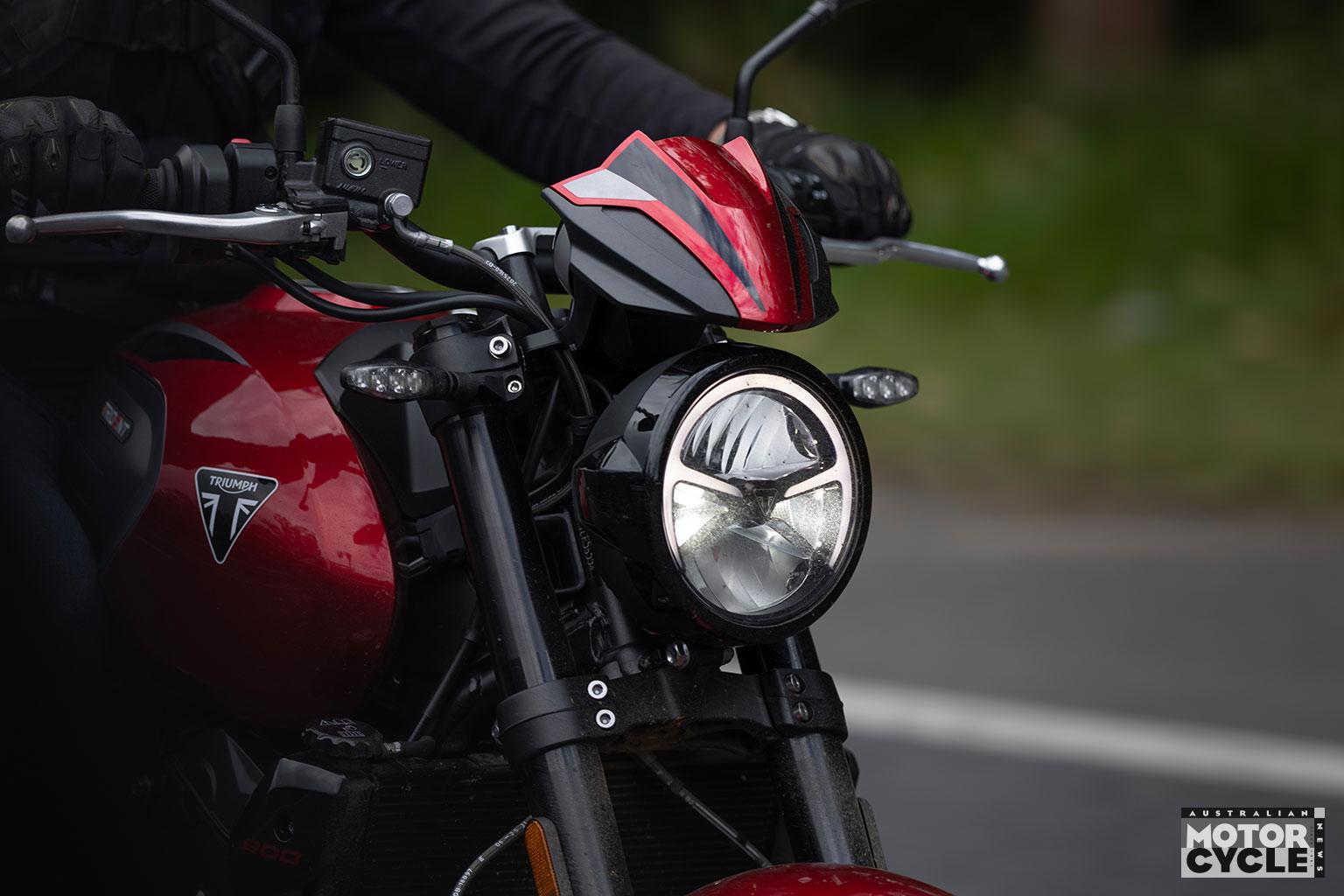
Swinging a leg over the Trident 800, the immediate impression is one of standard-setting balance. The styling is beautifully executed: naked, stripped-back and boasting a stunning cherry red colourway on our test bike. It carries a commanding stance with a wide handlebar that offer excellent leverage – it’s not worlds apart from how the 660 feels.
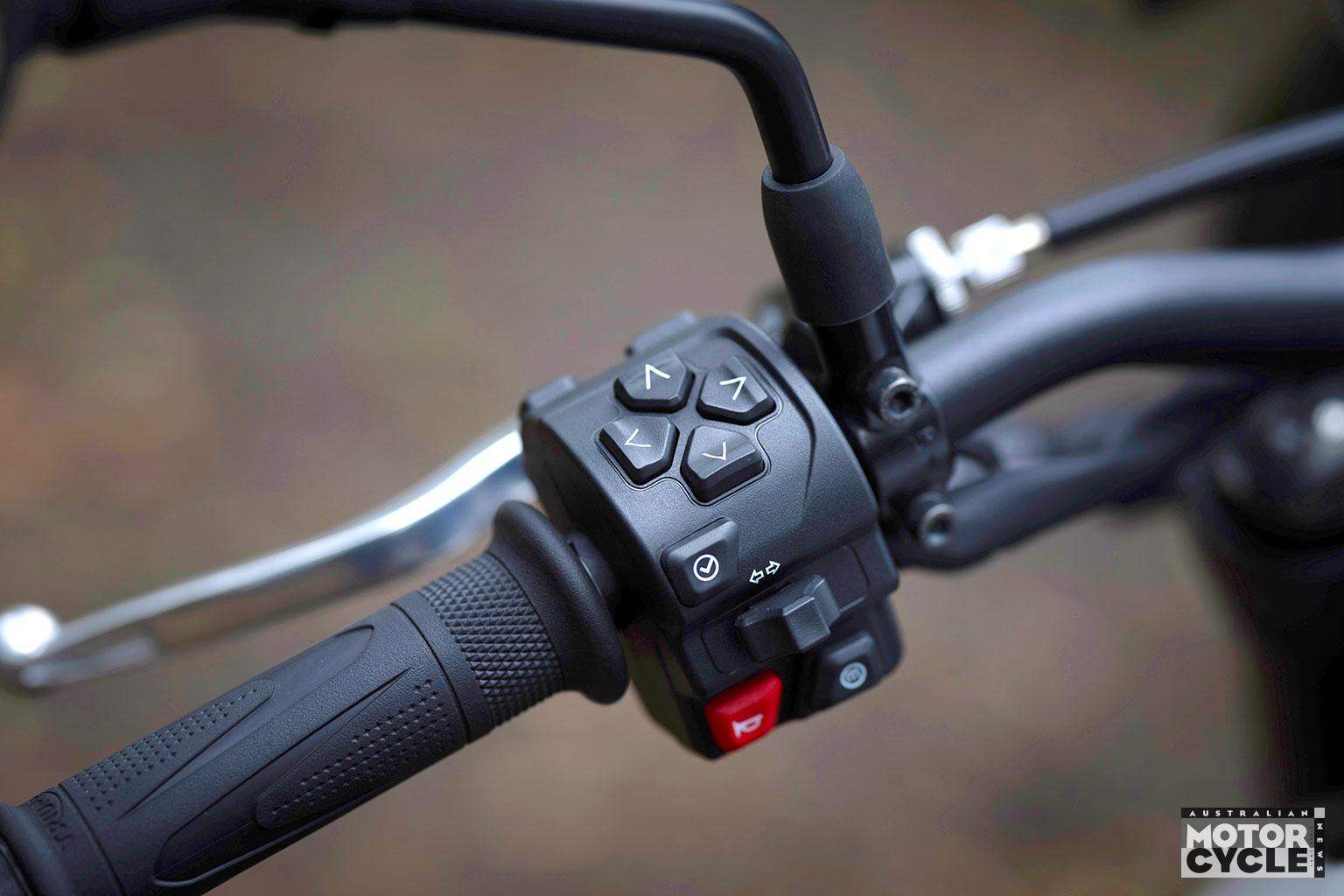
Out in the open countryside of the Gold Coast hinterland, the Trident 800 proves itself to be an absolute joy to throw through the corners. It represents an honest, everyday, easy-to-ride motorcycle that doesn’t overwhelm you with unnecessary clutter. There’s no finicky keyless fob to lose or malfunction; it uses a dependable traditional key. Yet, where technology counts, it delivers in spades. The full-suite electronics package includes three distinct riding modes (Rain, Road, Sport) that alter the ride-by-wire throttle mappings, paired with lean-sensitive Optimised Cornering ABS and TC to keep you secure regardless of road surprises. On the bumpy, potholed roads we rode, I preferred Road mode to Sports; a little smoother in the throttle response.
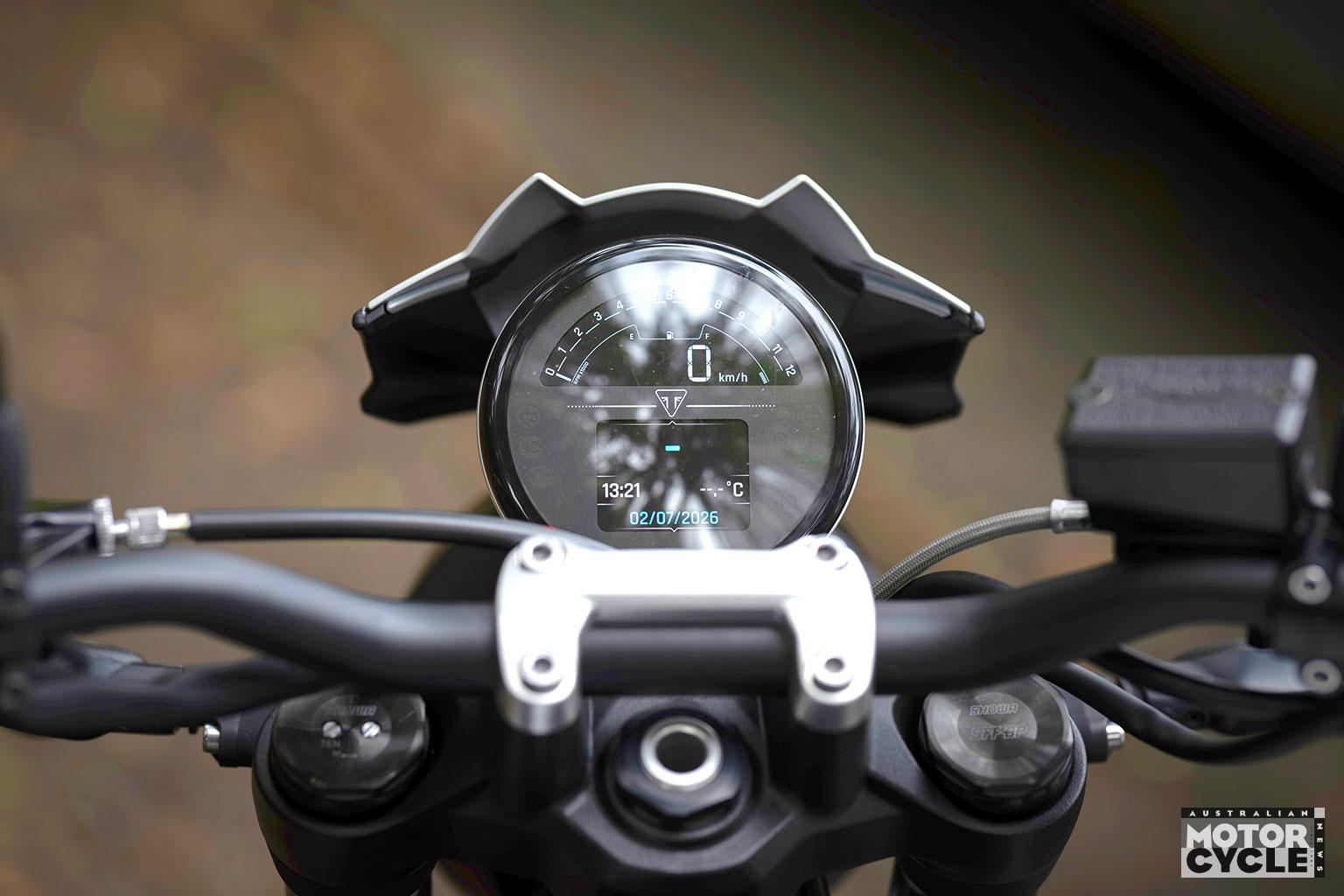
Cruising on the highway is effortless thanks to a slight lean-into-the-wind riding position and the smooth up-and-down quickshifter via Triumph Shift Assist, while Triumph’s one-button cruise control is simple and effective.
The engine is typical of Triumph’s triples with enough cylinders to be smooth, not so many to be frenetic. Its response mirrors the styling – modern retro, so it’s all about bottom-end and mid-range. You can punt the Trident around quickly without revving it to the moon, but it’ll hold a gear and build speed if you want to take it to the redline, although I’m not convinced you’ll get there much faster, and it’s not what this bike is about anyway.
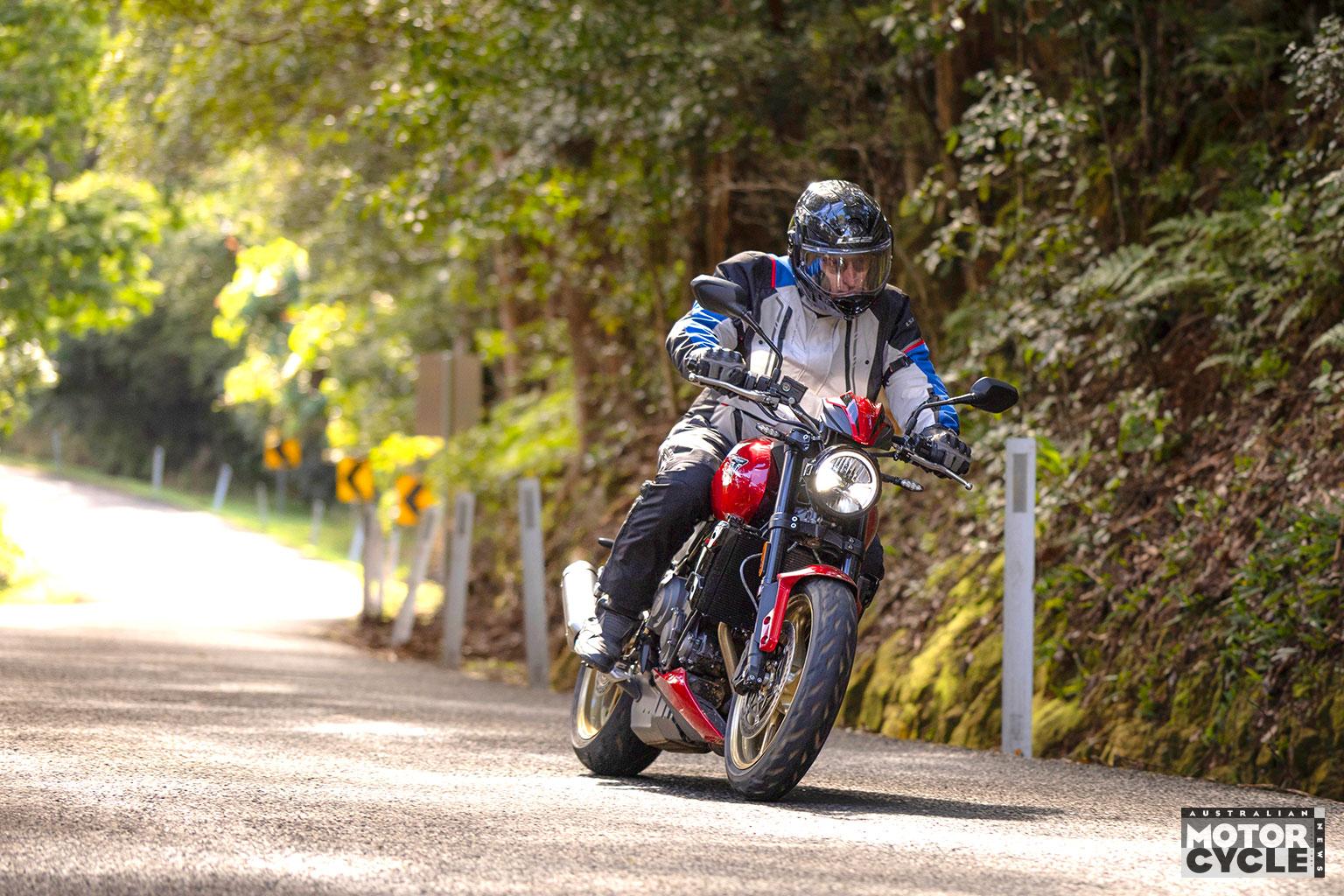
The excellent bottom-end grunt lets you lazy-shift through town. The adjustable suspension feels composed and well-damped, striking a fine balance between sports riding firmness and daily commuting compliance. For those planning longer tours, Triumph offers factory-accessory heated hand grips and heated seats to make it even more practical.
It’s a brilliant all-rounder that provides exactly what you need without drowning you in technology you don’t.
Trident 660 – now only in LAMS
The original Trident 660 was an incredibly important motorcycle for Triumph, acting as a highly successful entry point that attracted a diverse demographic, including a significant number of female riders, to the brand.
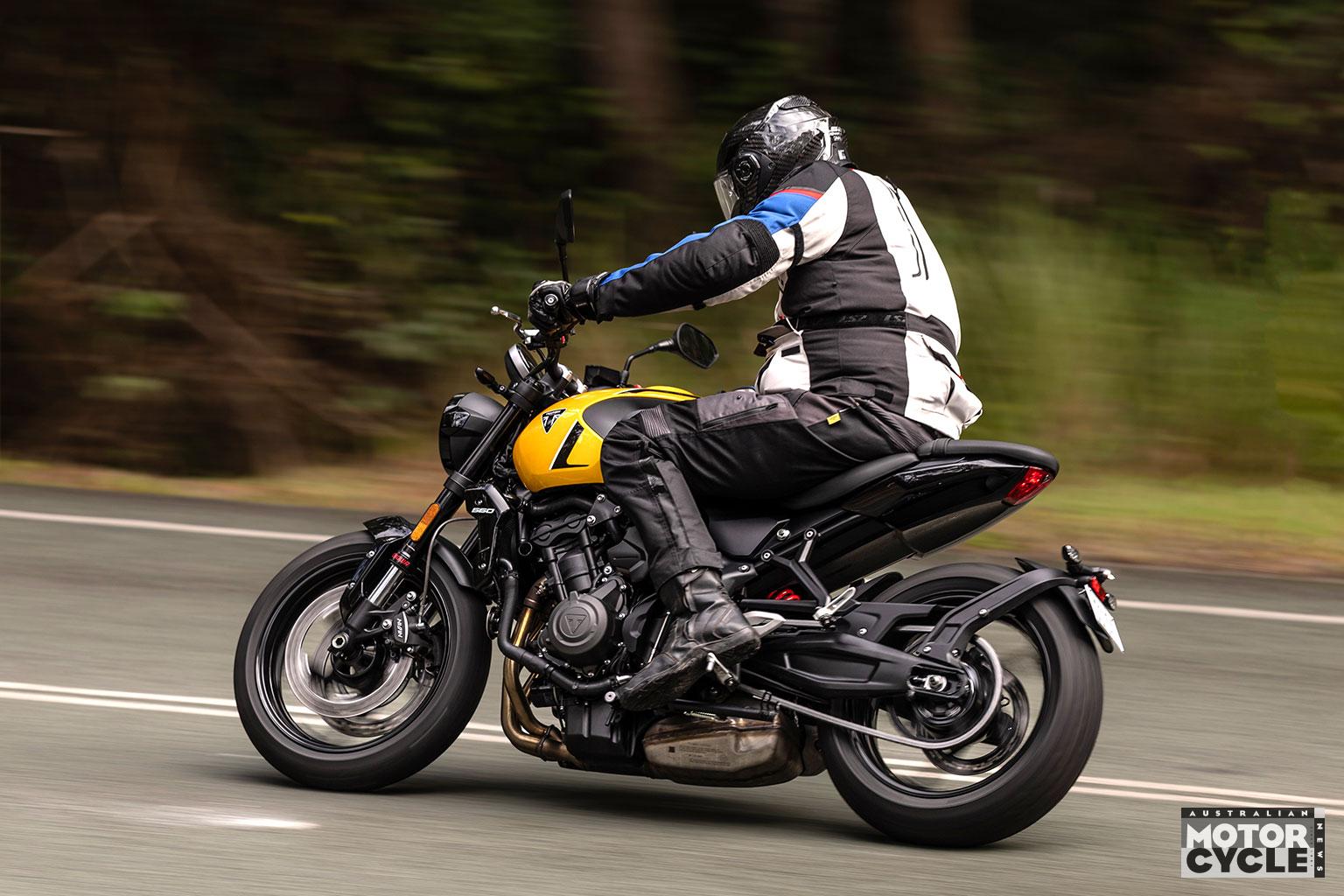
With the introduction of the Trident 800, the 660 is now only available as a LAMS model, with the tech built in to reduce outright performance at the top-end without crippling mid-range performance.
To enhance the ride, the single throttle body from the previous generation has been ditched in favour of individual 44mm throttle bodies, one for each cylinder. This is matched with a larger front-mounted airbox that optimises airflow while generating a far more aggressive and characterful induction roar. Further internal improvements include a re-engineered cylinder head with larger exhaust valves, a higher-lift cam profile and a repositioned, high-capacity radiator and fan set-up.
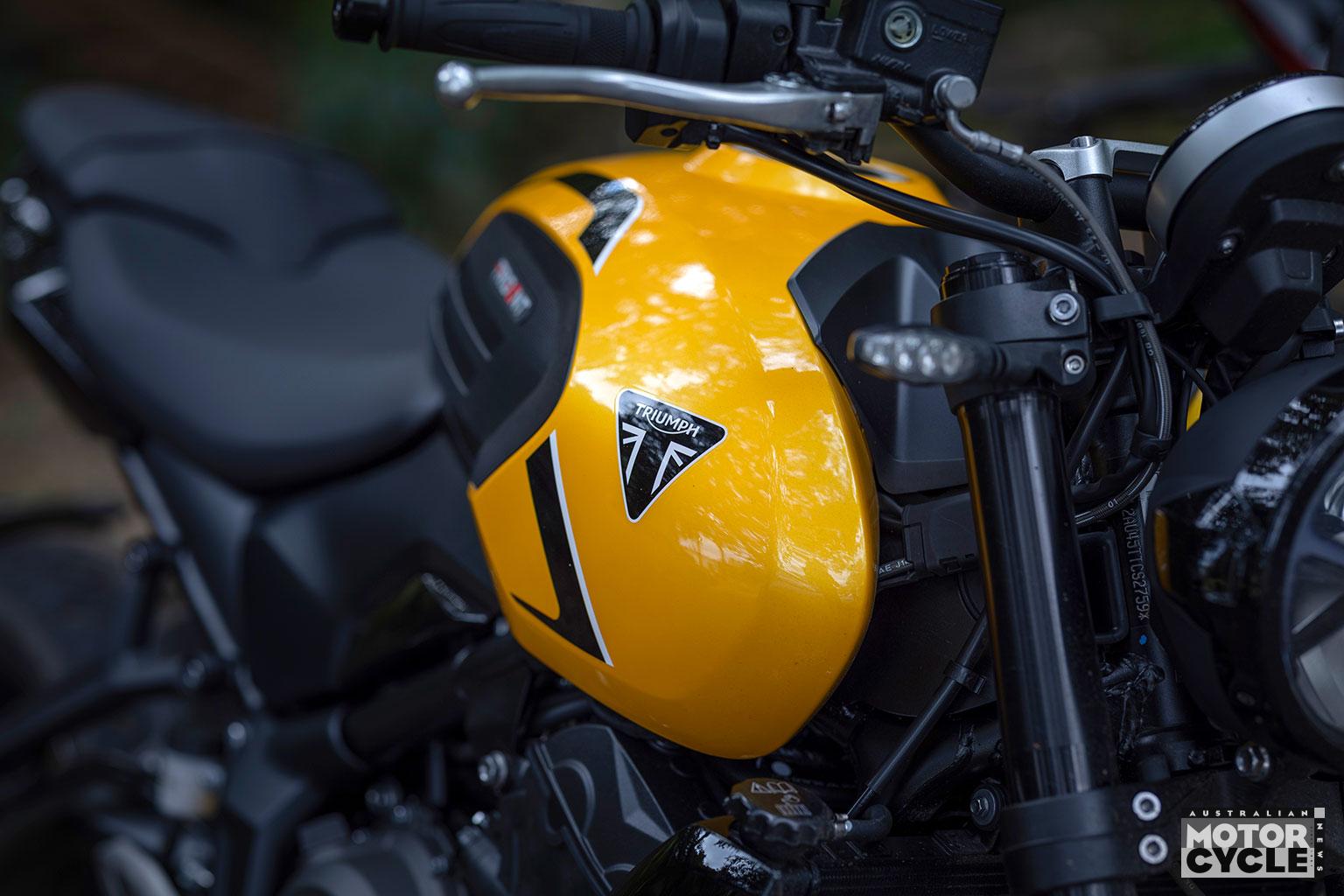
There’s an updated six-speed gearbox, a slicker slip-and-assist clutch and a recalibrated Triumph Shift Assist. A revised frame has upgraded Showa rear suspension (rebound damping adjustable).
Triumph’s main engineering goal was to eliminate the low-down ‘doughiness’ that plagued the previous restricted learner engine, and they have nailed it. The throttle calibration feels beautifully crisp. It rolls away from traffic lights cleanly and provides immediate, predictable drive.
It remains an excellent bike for daily commuting and general urban riding, incredibly light on its feet and easy to manage. The seat cushioning is a touch on the thin side but the overall package is highly practical. Triumph has made a bike that is easier to live with and more functional, all while preserving the lightweight, naked, slightly retro-styled essence that learners love.
Daytona 660 – street sports
When Triumph revived the iconic Daytona nameplate, they delivered a modern street-focused middleweight sportsbike designed to compete head-on with the likes of Yamaha’s R7 and Aprilia’s RS660. For 2026, the $15,500 (both LAMS and full power) Daytona 660 receives critical chassis and equipment updates to sharpen its competitive edge. Unlike its roadster sibling, the Daytona 660 arrives in Australia offering both a LAMS-approved model and an unrestricted full power variant.
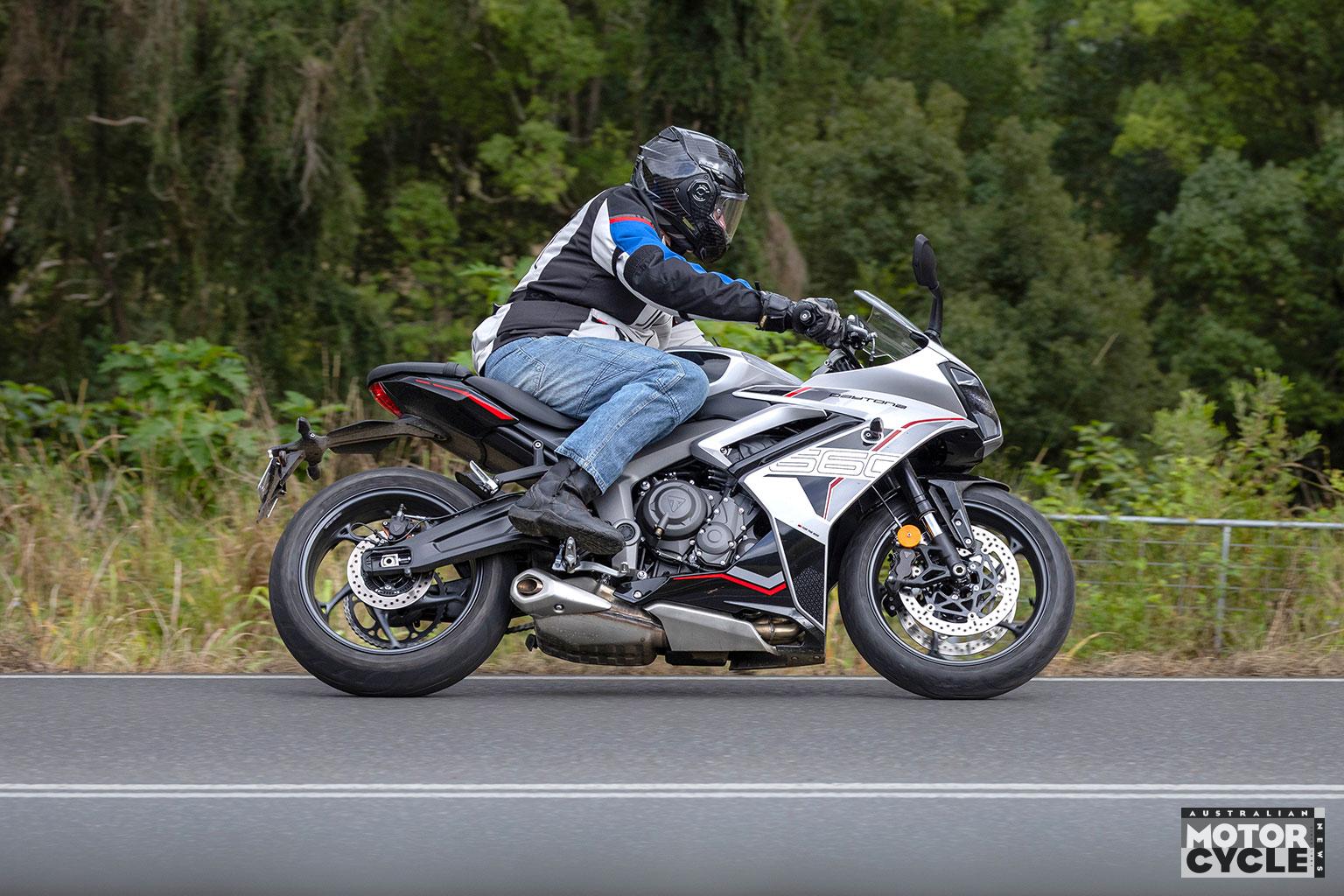
The mechanical foundation is Triumph’s highly evolved 660cc triple. In full power guise, it belts out 69kW (93hp) at 11,250rpm and 69Nm of torque at 8250rpm, screaming all the way to a 12,650rpm redline. Impressively, 80 per cent of the engine’s peak torque is spread across the entire rev range.
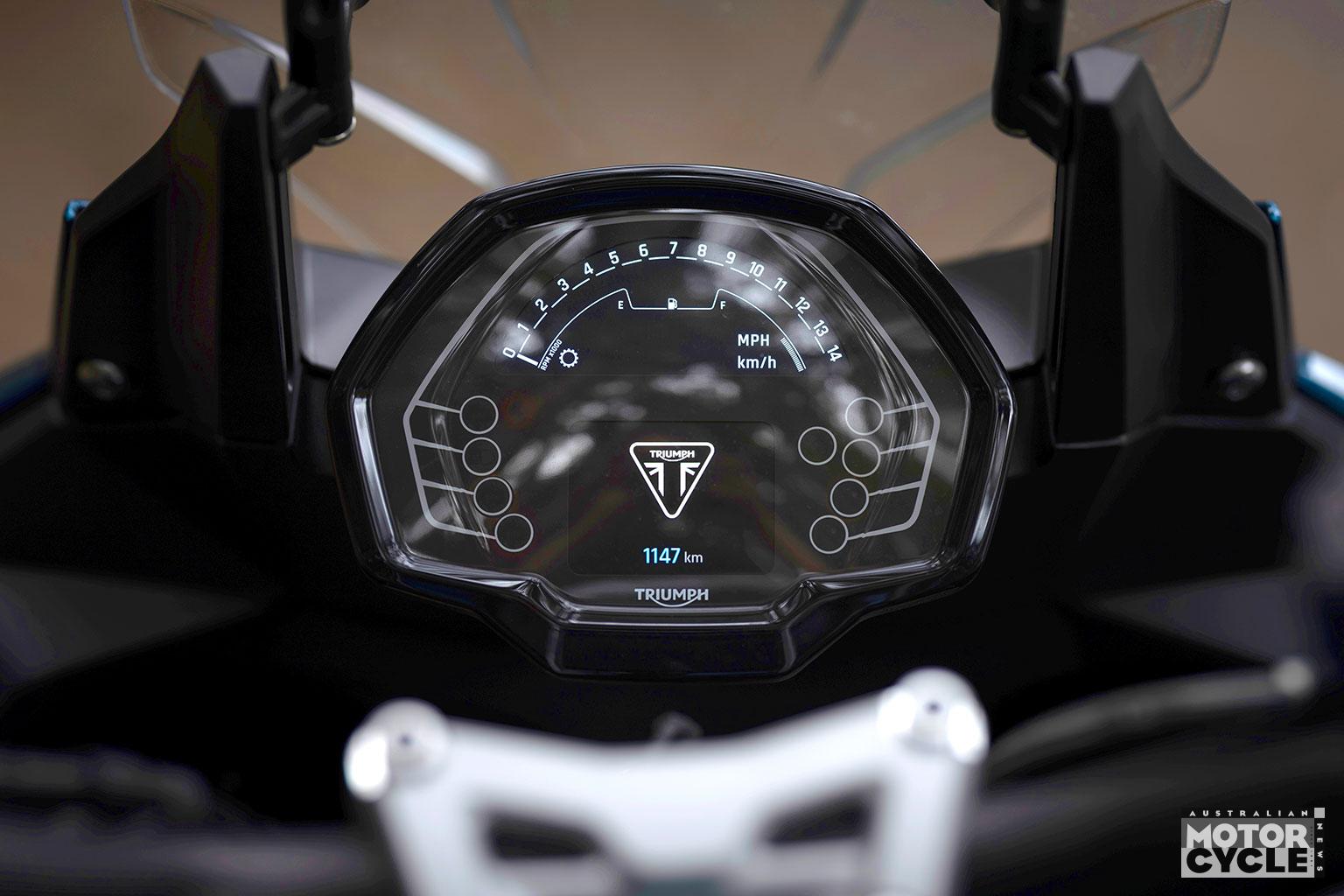
The 2026 upgrades throw serious track-day credibility into the mix. A fully adjustable Showa Big Piston front fork (SFF-BP) matches the preload-adjustable Showa rear monoshock. Triumph’s Shift Assist quickshifter is now standard as are ultra-sticky Metzeler Sportec M9RR Supersport tyres. Design schemes combine aggressive fairings with sharp graphics inspired by customer feedback.
Triumph’s promise of ‘all-day comfort’ holds reasonably true. Clip-on ‘bars mounted above the top triple clamp encourage an authentic sportsbike tuck but also don’t place pressure on wrists during urban crawls. The high-mounted footpegs still provide legroom for long days in the saddle.
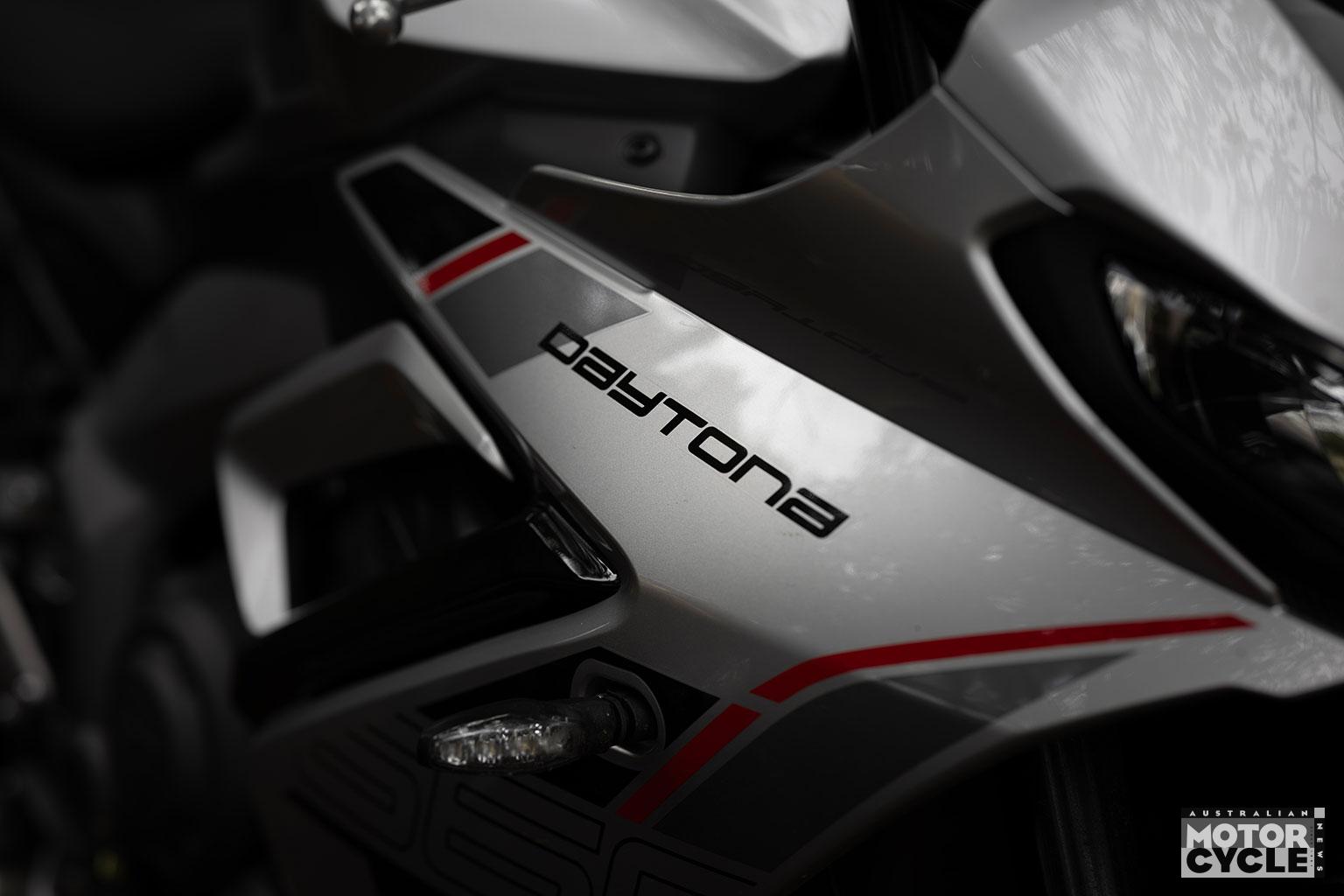
Riding the LAMS version reveals a remarkably linear and usable power delivery. However, jumping onto the Full Power version highlights the true dual-personality of this triple. With an extra 22hp on tap, the full-power engine requires a lot more revs to extract its peak performance, but reward comes in the form of a wild, screaming, top-end rush accompanied by a spectacular triple exhaust note singing through the underslung silencer. You’re likely running speeds of three figures once the engine comes on song, so despite being ‘just’ a 660, don’t go thinking that means slow.
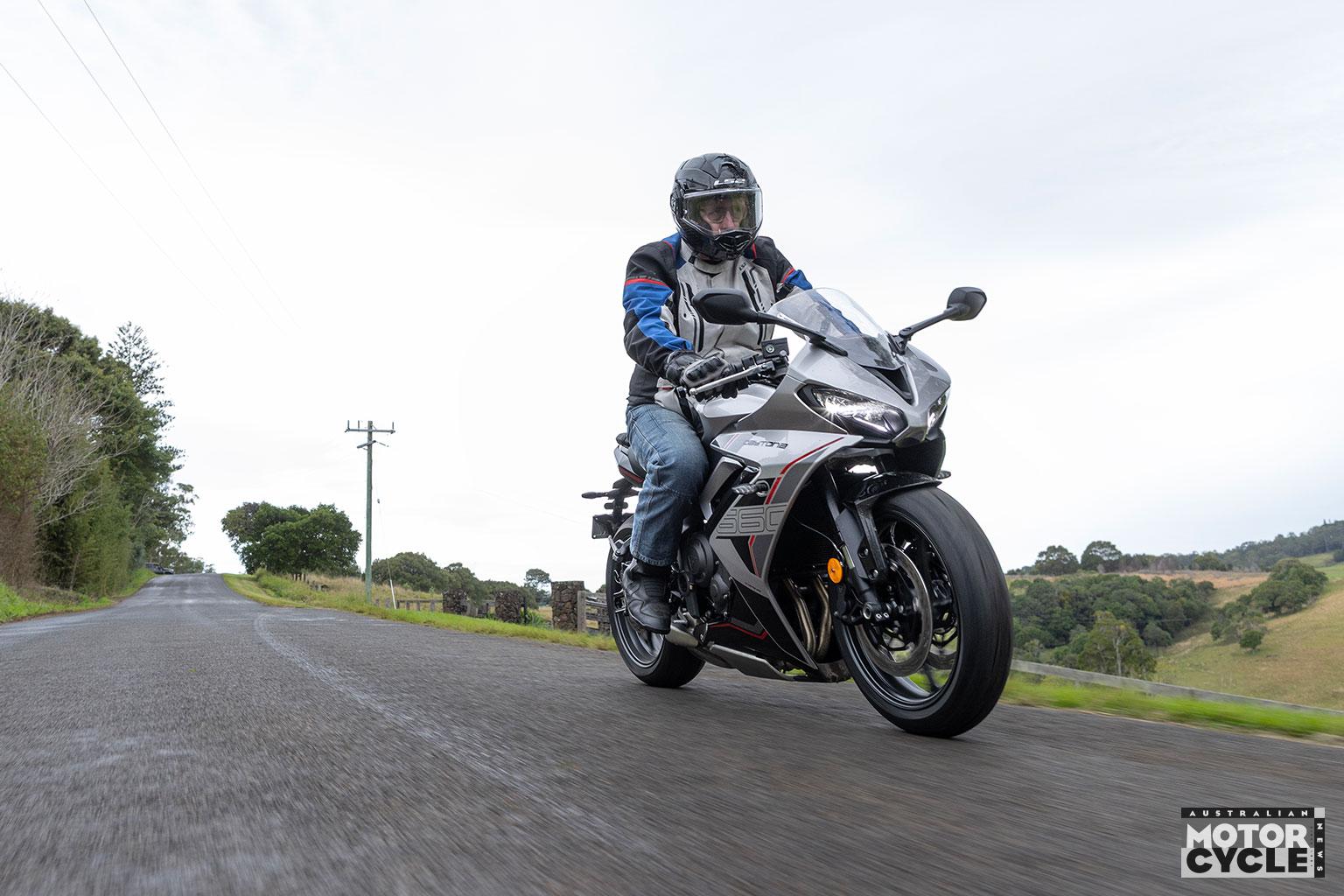
Gear changes are seamless and lightning-fast. You click through the six-speed box without touching the clutch lever. The Daytona 660 tips into corners with effortless precision and remains rock-solid mid-corner. It easily outperforms older, traditional entry-level sportsbikes, proving that street comfort and racetrack capability can happily coexist.
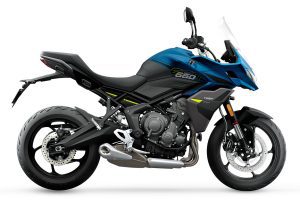
Tiger Sport 660 – a modern sports-tourer
Road-focused adventure bikes make a lot of sense for Australian conditions so the Tiger Sport models are important for Triumph here. Like the Trident 660, the $16,270 Tiger Sport 660 is offered exclusively as a LAMS-approved model in the Australian market for 2026 – the Tiger Sport 800 is also available if you want more performance.
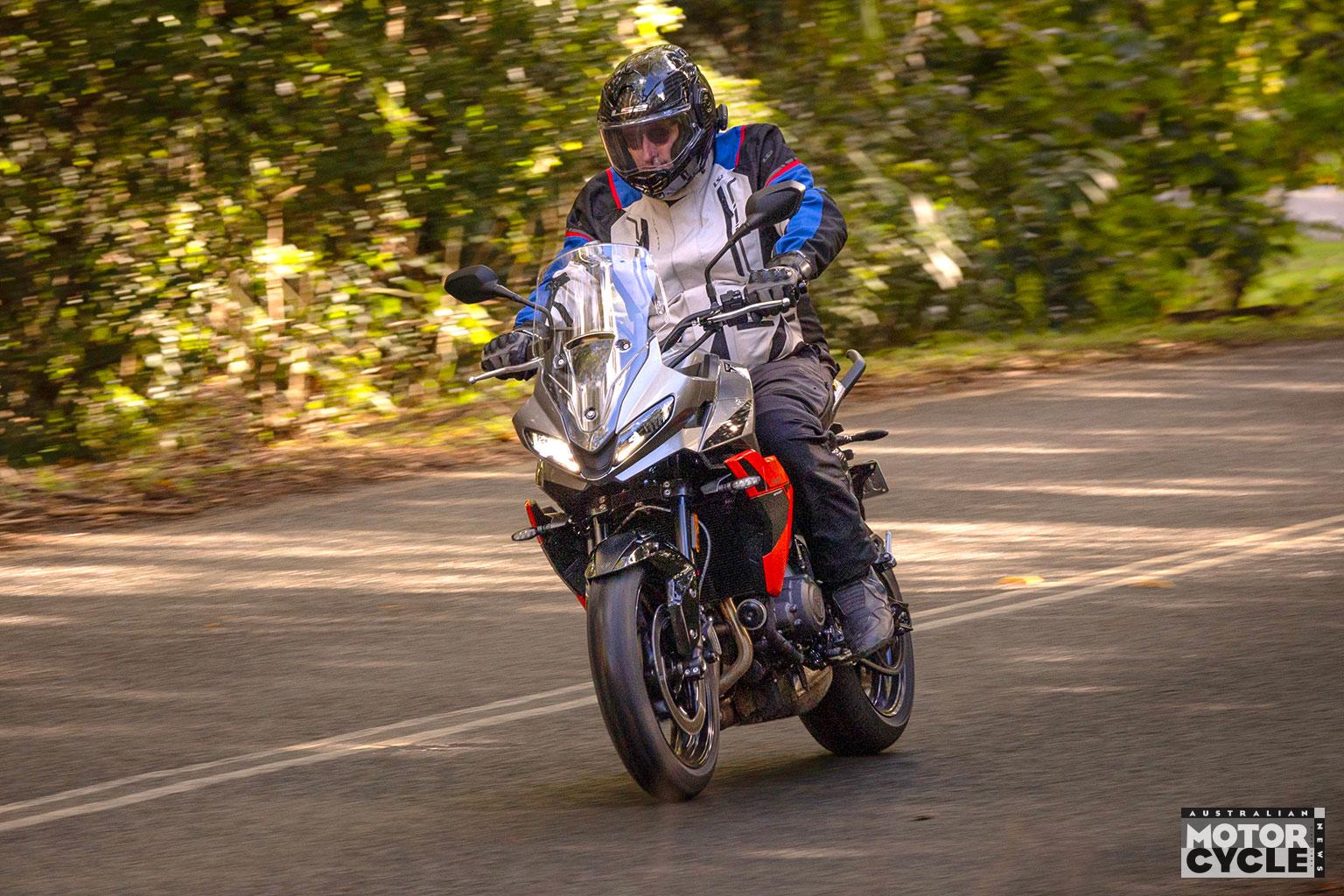
The most significant physical upgrade is a larger 18.6-litre fuel tank, massively boosting the touring range. Revised bodywork, including redesigned radiator cowls, markedly improve wind and weather protection for the rider’s lower body.
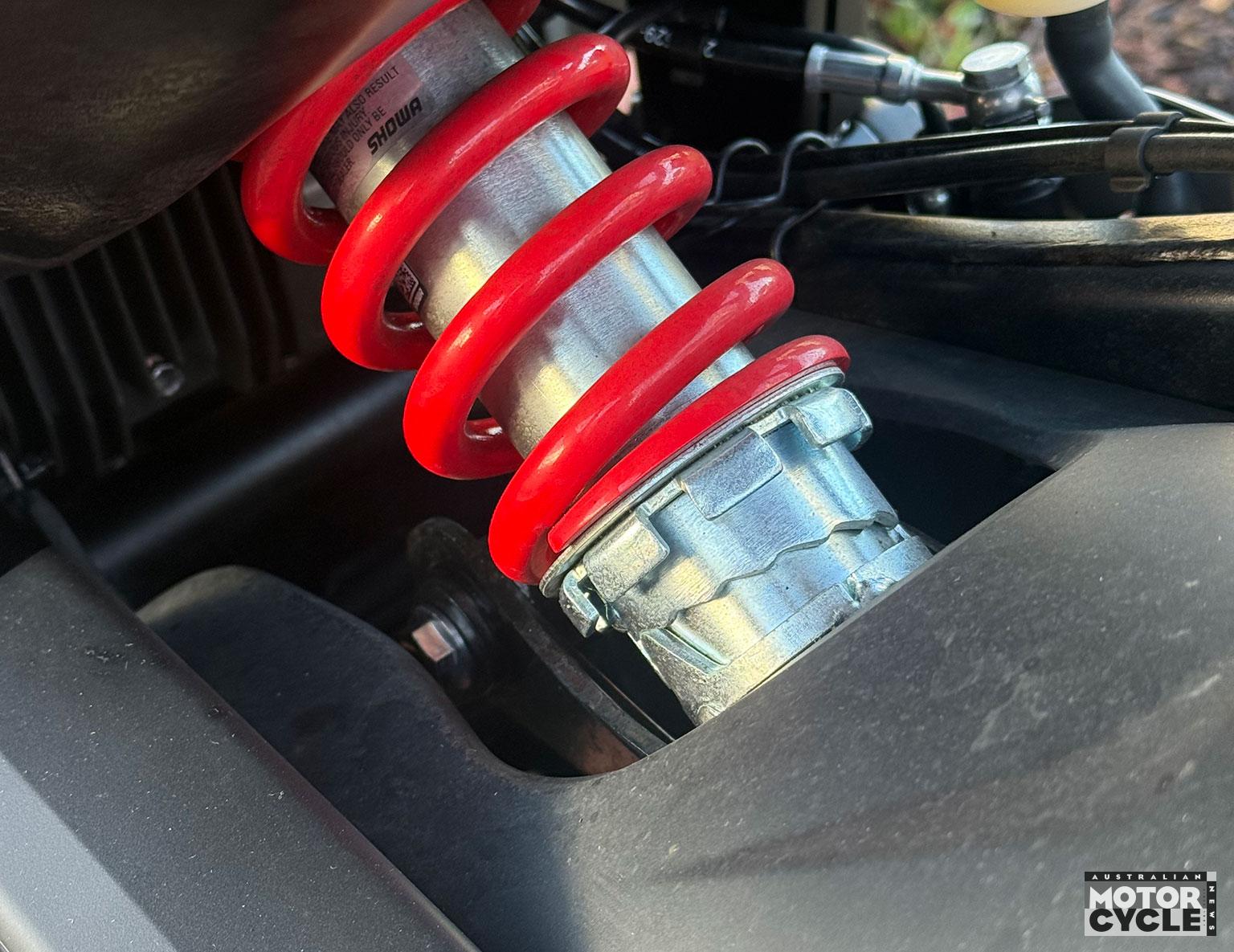
The Tiger Sport benefits from the same engine hardware overhaul as the Trident: three individual 44mm throttle bodies, a larger airbox, a revised 3-into-1 header design, a modified gearbox with revised final drive ratios, and a standard-fit up-and-down quickshifter. The LAMS-restricted triple engine puts out 42.6kW (57.2hp) at 11,250rpm and 60Nm of torque at 6250rpm, a bit more than some of the other models because it’s also heavier (the LAMS restrictions being based around power-to-weight). A Showa 41mm upside-down cartridge fork is matched with a Showa rear monoshock that has a handy remote hydraulic preload adjustment wheel, to tune for a passenger or heavy luggage.
A versatile mile-muncher, the riding position is completely upright and natural, giving you a commanding view over traffic or hedges. The seat height sits at an accessible 835mm and the ergonomics are exceptionally spacious. A real standout feature is the screen adjustment mechanism. The windscreen can be adjusted easily with just one hand while riding, moving through a height range of 1312mm to 1395mm to clear turbulent air away from your helmet.
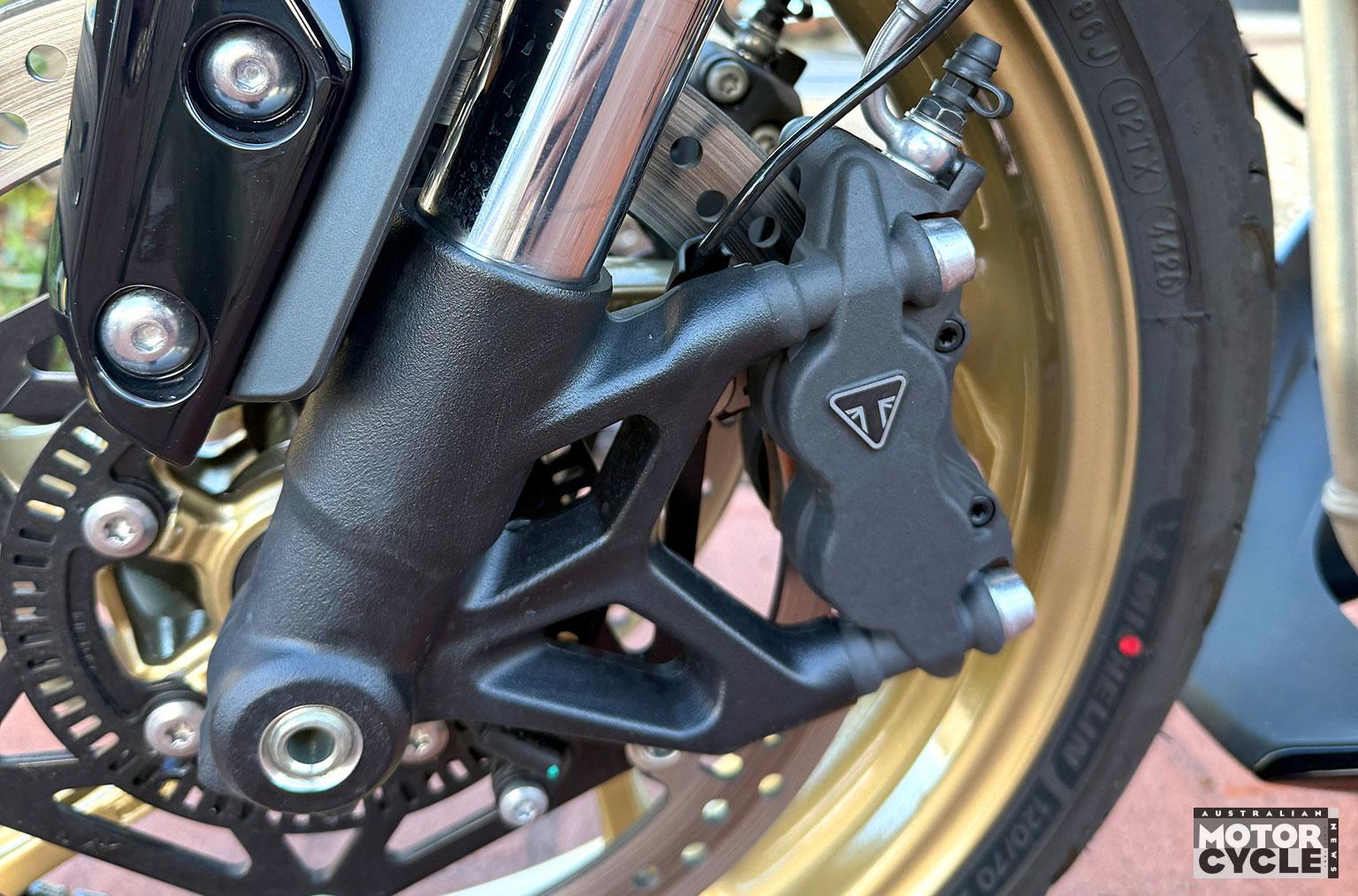
On the road, the bike exhibits a beautifully smooth and characterful nature. While open-licence riders might initially glance at the LAMS power figures with scepticism, in real-world road conditions you rarely feel shortchanged. The triple engine serves up a highly flexible power delivery that makes passing traffic easy. The difference between this and a full-power model is only noticeable when you are absolutely wringing its neck at high revs. Across the low-to-mid rev range, the throttle response is instant and adequate.
The suspension travel stands at a generous 150mm at both ends, which does an outstanding job of soaking up the potholes, corrugations and patch-jobs typical of rural Australian backroads.
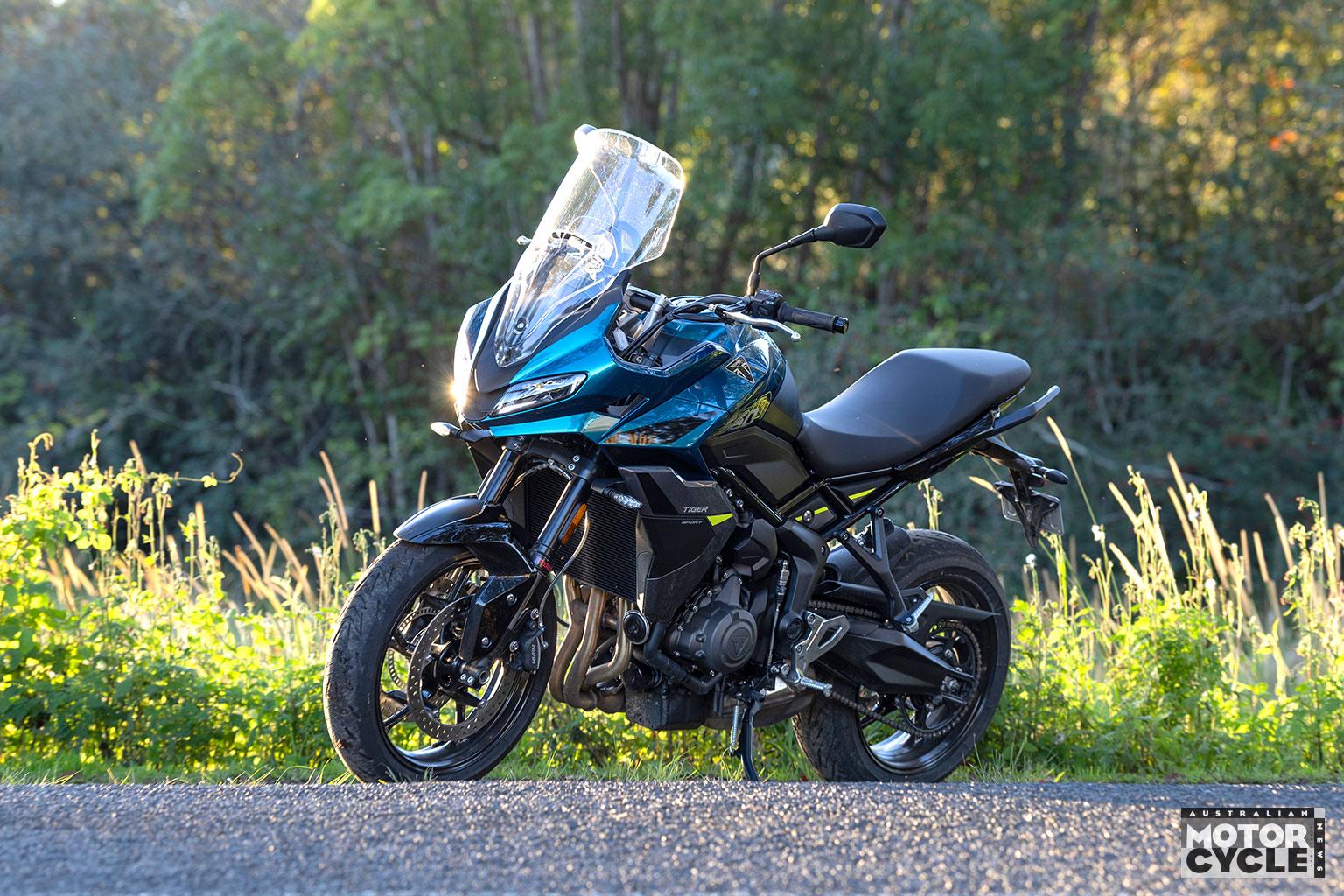
The electronic dashboard neatly blends an LCD screen with a crisp colour TFT display, giving you access to three riding modes (Rain, Road, Sport), Switchable TC, standard Cruise Control and Optimised Cornering ABS. Best of all, My Triumph Connectivity comes standard, enabling clear turn-by-turn navigation directly on the dash. With premium colour options like Interstellar Blue or Silver Ice with Intense Orange, it looks every bit the premium European sport-tourer.
It is a highly polished, everyday adventurer that makes long days in the saddle a total breeze.
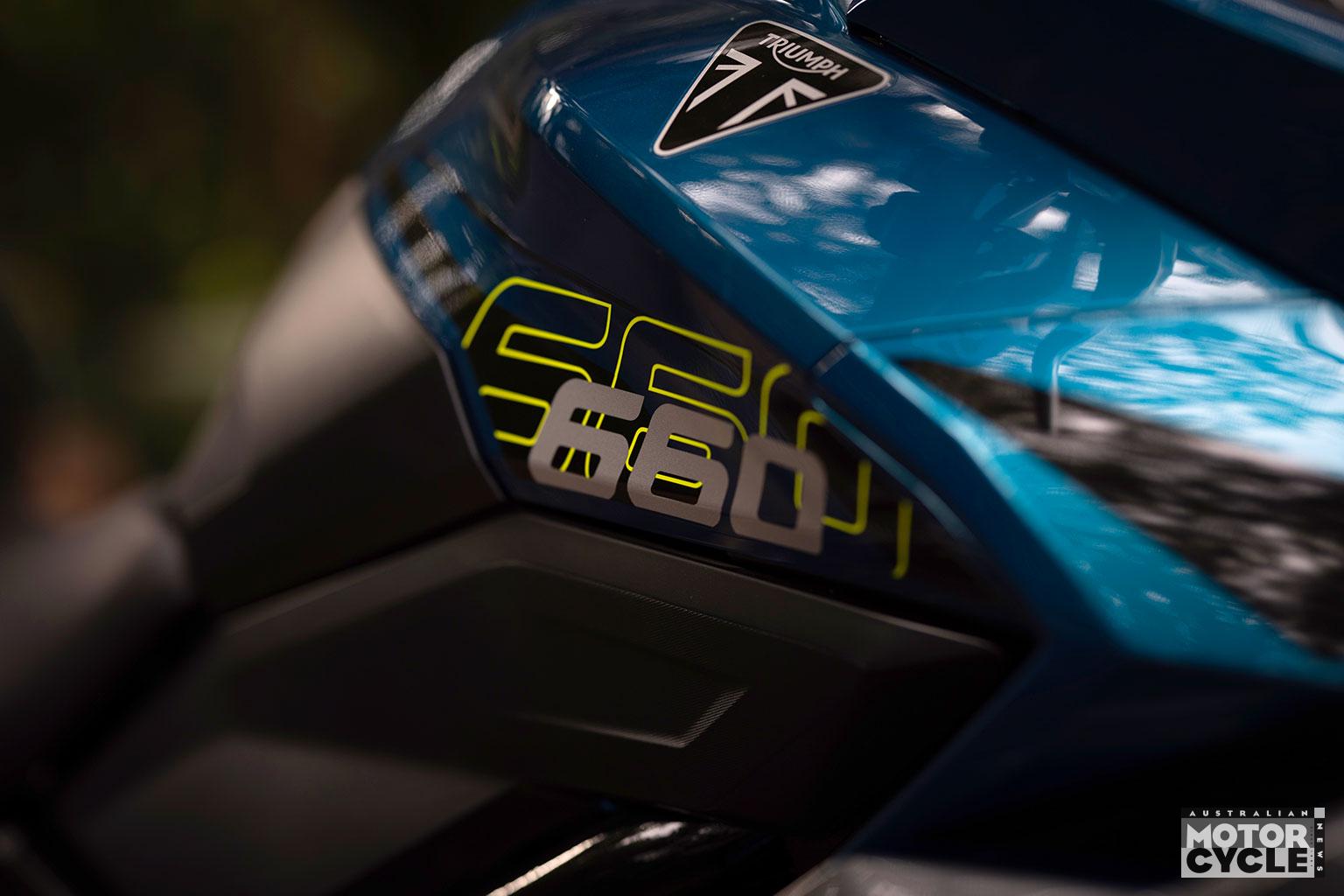
The Verdict
Triumph’s 2026 line-up represents an incredibly smart, highly calculated restructuring that perfectly suits the landscape of Australian motorcycling. By splitting their strategies cleanly between LAMS and full-power performance, Triumph has created a clear and logical progression path for riders.
✅ PROS – The 660s are no longer doughy down low and the rear shock of the Trident is much better.
❌ CONS – Euro prices seem reasonable… until you look at what’s on offer from China and India.
BUYER'S GUIDE
| Model | Best for... | From |
|---|---|---|
| Trident 660 LAMS | First bike, commuting, urban fun | $14,890 |
| Daytona 660 | Weekend scratching, track days | $15,500 |
| Tiger Sport 660 | Touring, commuting, two-up | $16,270 |
| Trident 800 | Riders wanting the sweet spot | $16,695 |
SPECIFICATIONS
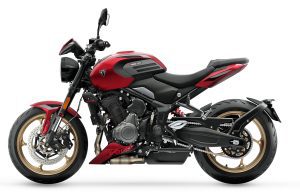
TRIDENT 800
Engine: 798cc inline triple
Power: 83kW (113hp)
Torque: 84Nm
Transmission: 6-speed QS
Front suspension: Showa SFF-BP USD, adj.
Rear suspension: Showa monoshock, adj.
Front brakes: Twin 310mm, radial 4-pot
Seat height: 810mm
Wet weight: 198kg
Fuel capacity: 14L
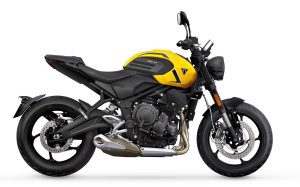
TRIDENT 660 LAMS
Engine: 660cc inline triple
Power: 41kW (55hp)
Torque: 60.7Nm
Transmission: 6-speed
Front suspension: Showa SFF-BP USD
Rear suspension: Showa monoshock
Front brakes: Twin 310mm, 2-pot
Seat height: 810mm
Wet weight: 195kg
Fuel capacity: 14L
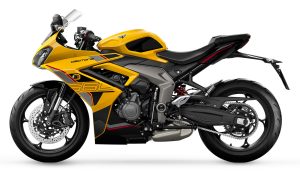
DAYTONA 660 FP
Engine: 660cc inline triple
Power: 69kW (93hp)
Torque: 69Nm
Transmission: 6-speed QS
Front suspension: Showa SFF-BP USD, adj.
Rear suspension: Showa monoshock
Front brakes: Twin 310mm, radial 4-pot
Seat height: 810mm
Wet weight: 201kg
Fuel capacity: 14L
TIGER SPORT 660 LAMS
Engine: 660cc inline triple
Power: 42.6kW (57.2hp)
Torque: 60Nm
Transmission: 6-speed QS
Front suspension: Showa USD
Rear suspension: Showa monoshock, remote preload
Front brakes: Twin 310mm, 2-pot
Seat height: 835mm
Wet weight: 211kg
Fuel capacity: 18.6L