Change is in the air of MotoGP, and not just at the front of the grid. More important than the riders and the racing, it’s in the Zoom links and meeting rooms of a whole new echelon of middle managers.
At the end of September, Liberty’s puppy MSEG (used to be Dorna) revealed a raft of new appointments.
Four additions to the management team. All of which said a great deal about what is happening to world championship racing. Clue: it’s getting a bit top-heavy.
These management honchos have been cherry-picked from the world of business-sport. If you prefer, sport-business. Or the official title: Sport Entertainment.
It’s MotoGP as industry. A profit centre: USP the sporting enterprise of the super-talented. It turns skill, effort, risk and excellence into money.
Sport, sportsmen and fans exist only for income.
The four new appointments have impressive-sounding management titles: Chief Strategy Officer, Chief Revenue Officer, Chief Media and Chief Commercial Officer. So many chiefs – what about the Indians?
All come from big-money sports: from America’s NFL, Britain’s premier-league football (Tottenham Hotspur and Manchester United), Formula 1 and UFC (Ultimate Fighting Championship. Google it. The pictures made me nervous). Plus pure entertainment: Discovery and Warner Brothers.
Now owner Liberty Media’s influence is written large… not least because for the first time in years the appointees don’t come from Dorna boss Carmelo Ezpeleta’s family. MotoGP has escaped his personal fiefdom to become a much wider commercial enterprise.
So what? Successful big business can’t hurt MotoGP and WorldSBK. Can it?
Even if it does steer it away from its traditional home towards far-away Asian countries where they sell more mopeds.
Even if it does treat elite riders like performing monkeys, cheesily paraded round circuits on flat-bed trucks when they should be preparing for the race.
Even if it does have an alien taste, compared with the very grown-up club racing it resembled not that long ago.
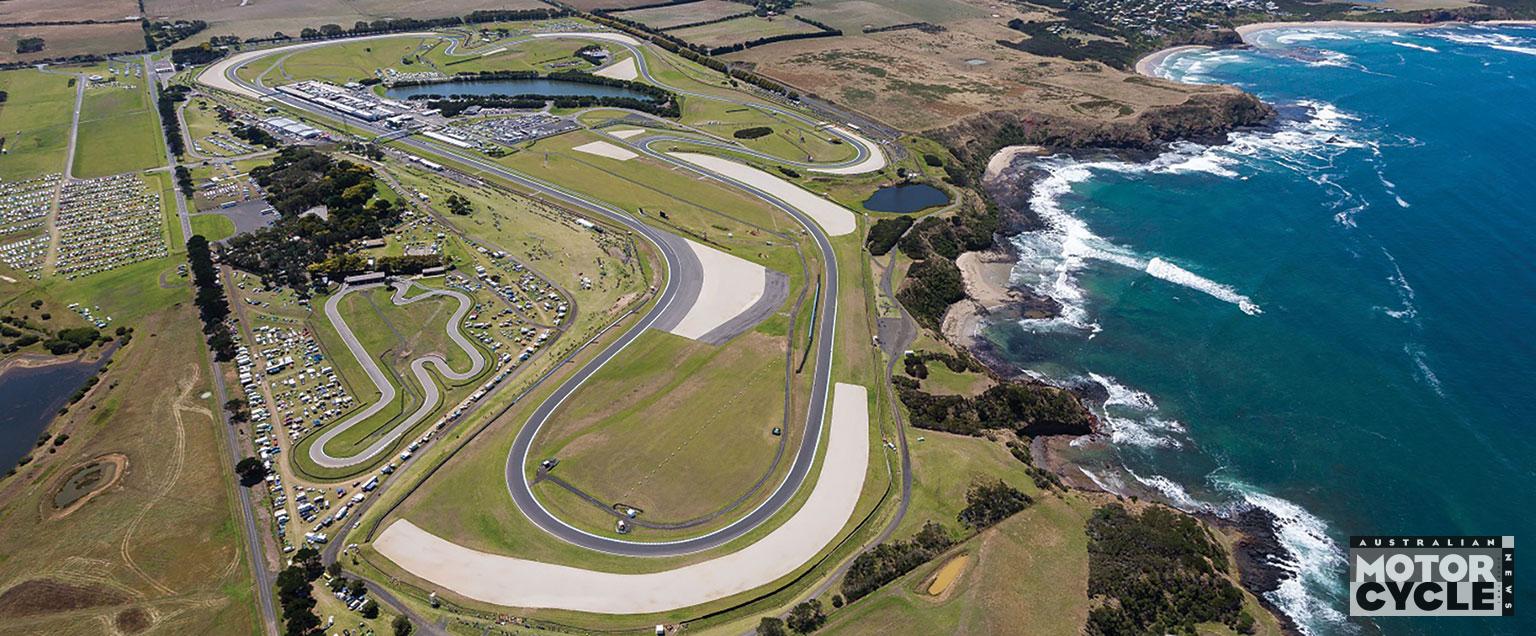
And even if (one of the cruellest cuts) it does cancel well-loved Phillip Island in favour of a potentially flat, sterile and chicane-heavy city-park track in Adelaide.
This latest management upgrade follows Dorna’s long and largely successful campaign emphasising the entertainment side.
The threat of black-balling factory teams (remember production-based CRT?) forced Honda, Yamaha et al to offer works-level bikes to customers.
Dumbed-down technical regulations, control electronics and tyres etc levelled the competition. Made racing more equal.
(By the same principle, the Bolshoi Ballet company might fit lead weights to their finest artistes’ dancing pumps, so that less talented dancers might match their exploits. But that’s a whole other argument.)
Best of all, world-leading television techniques made the most of what we already knew was the world’s most exciting motorsport.
And let’s be fair. It’s worked.
Just look at this year’s championship – the closest and most varied in history. After 14 of 22 races, the title leaders were equal on points. Going into the final third of the season, there are still four or five potential winners. This is quite unprecedented.
So what’s the beef?
Don’t know, really. Losing Phillip Island isn’t actually the fault of these new chieflets, but it feels that as well as one of racing’s finest circuits, something else has been lost along with the gains. Something hard to define… perhaps it is authenticity. Or humanity. And the consequence somehow belittles the sportsmen, who risk so much, in just the same way as they did when racing wasn’t awash with strategy and revenue officers, money-grubbing middle managers, and a bunch of chiefs.
Best welcome the money men and let them get on with it, I suppose. Growing the sport will balance out the top-heaviness.
And bear in mind that the racing has never been better, or indeed safer.
Just remember who is paying for it. You and me.