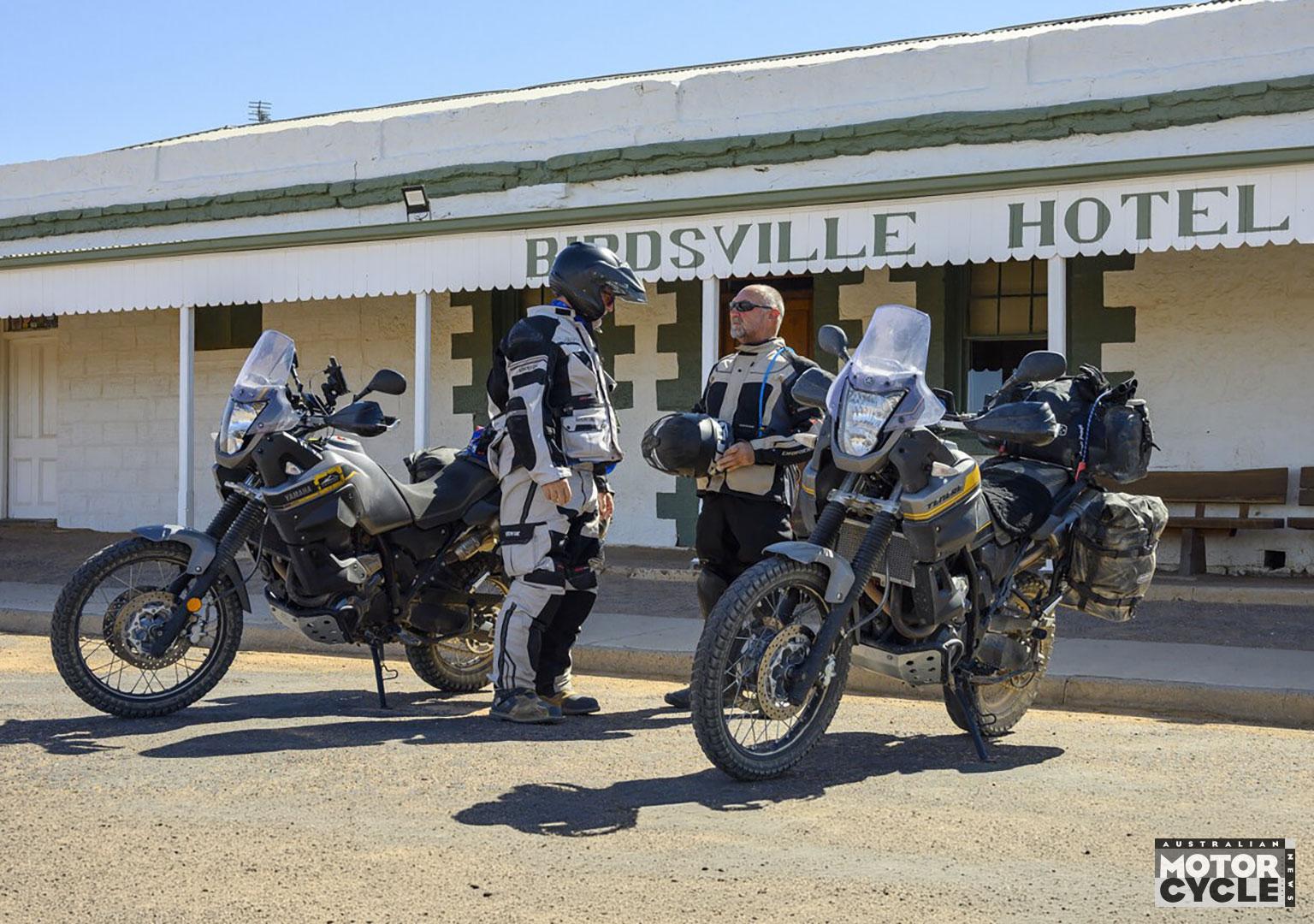
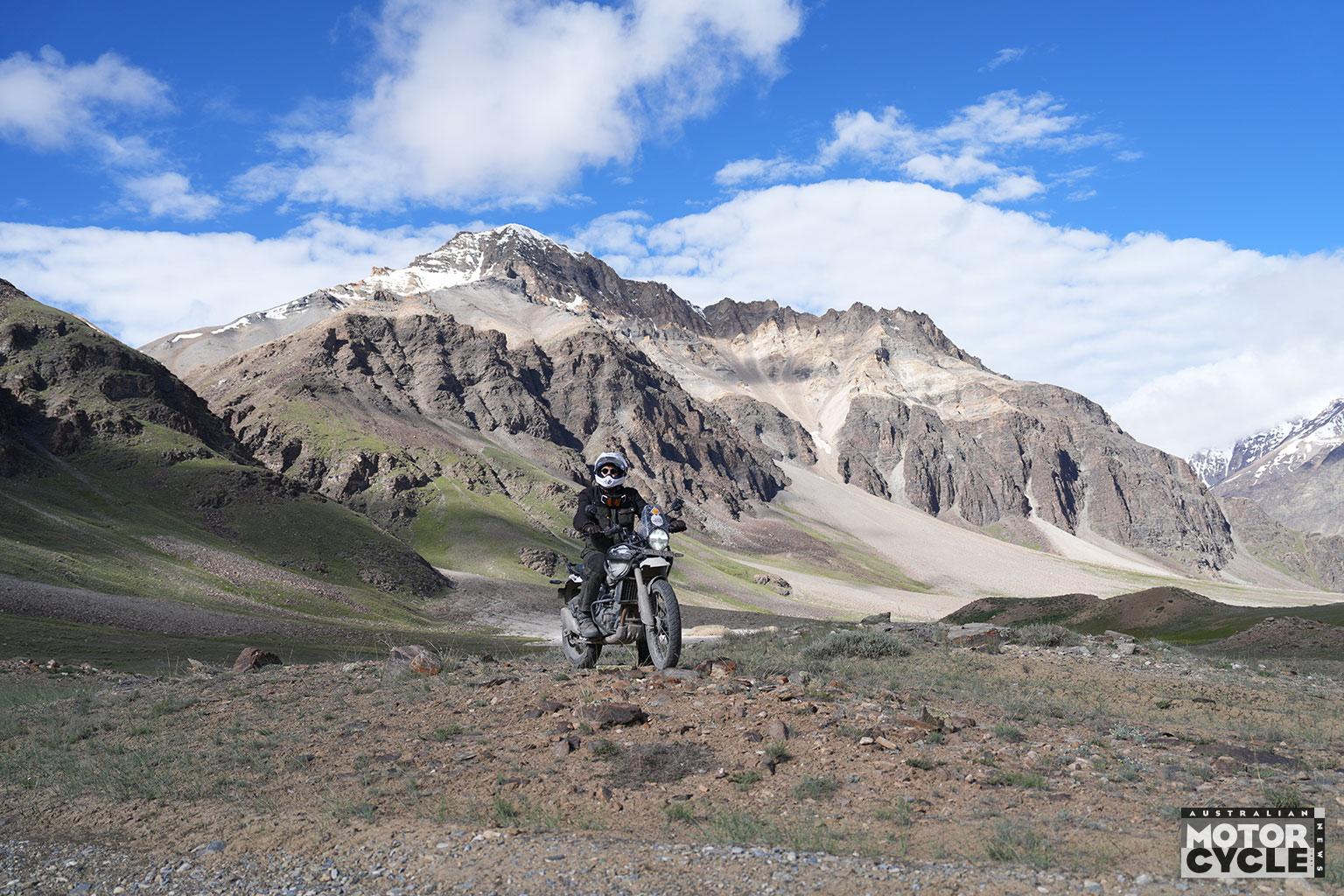
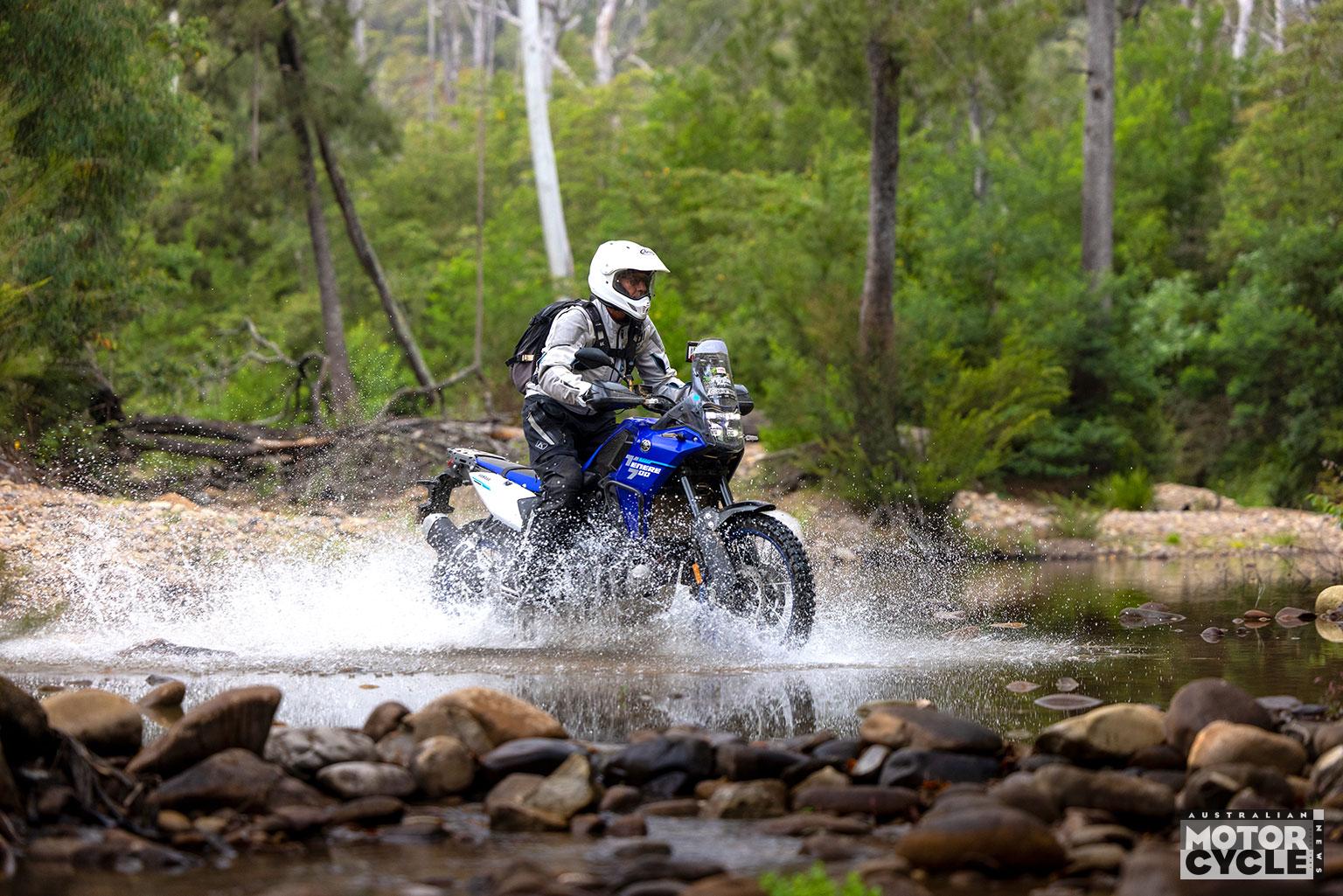
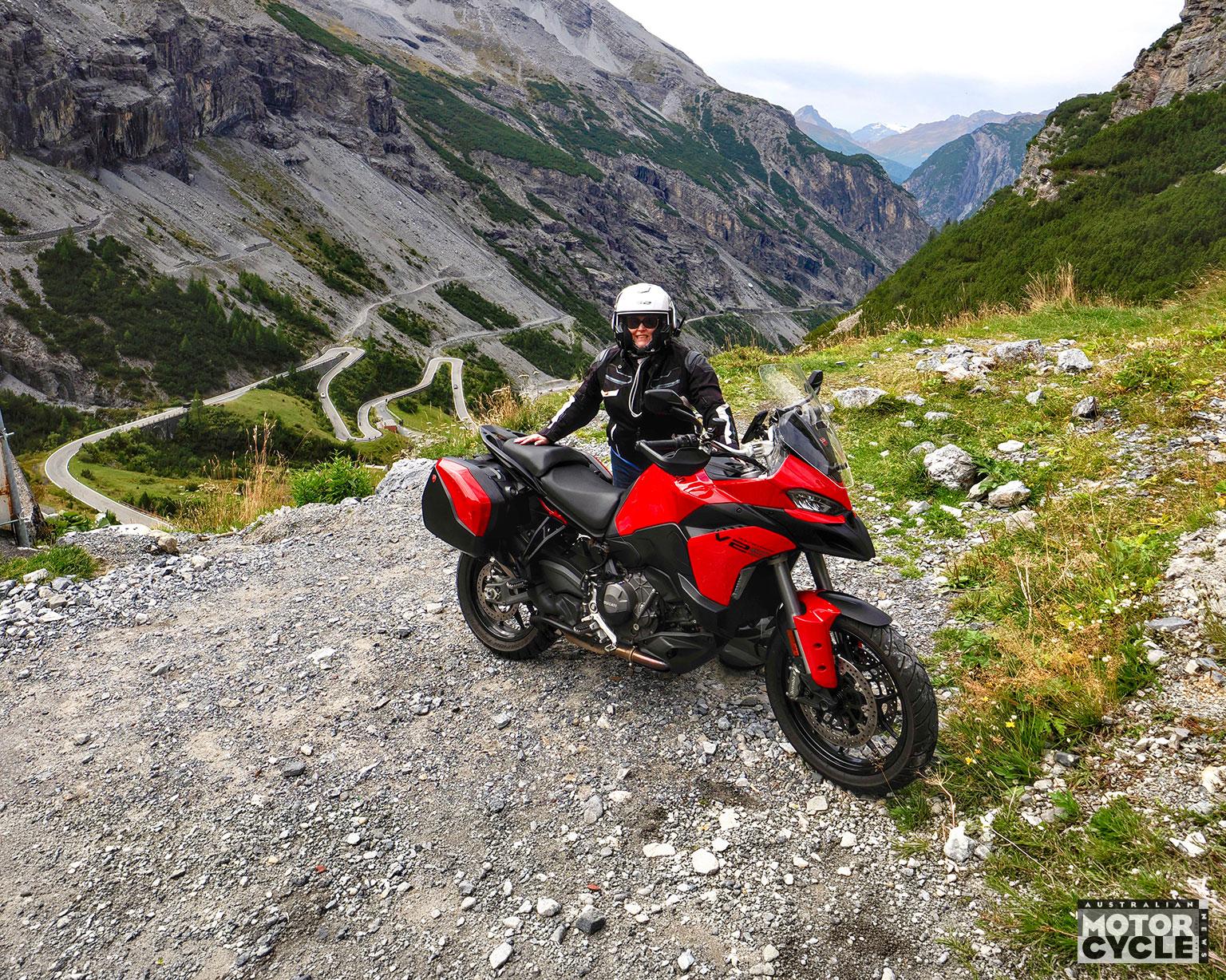
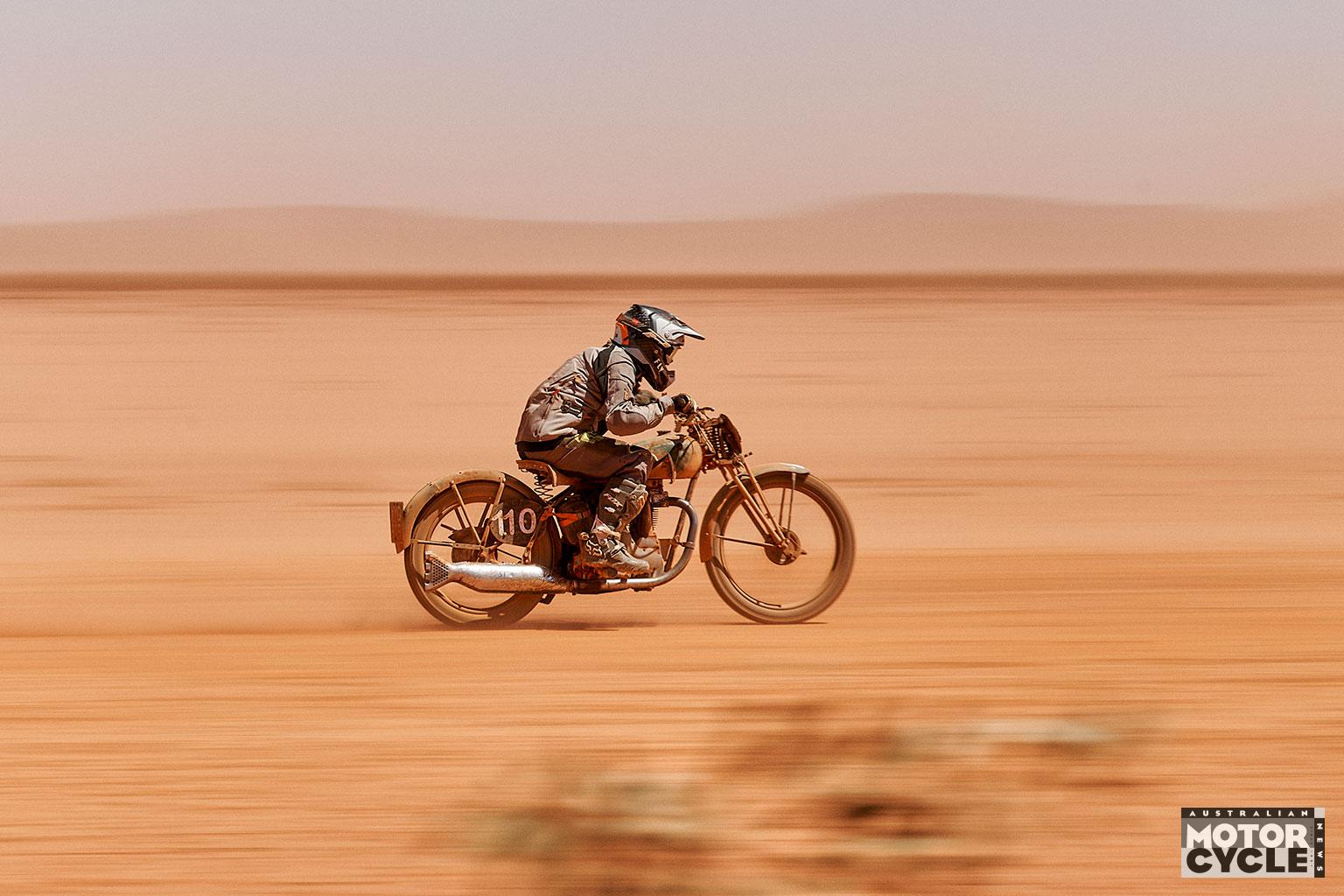
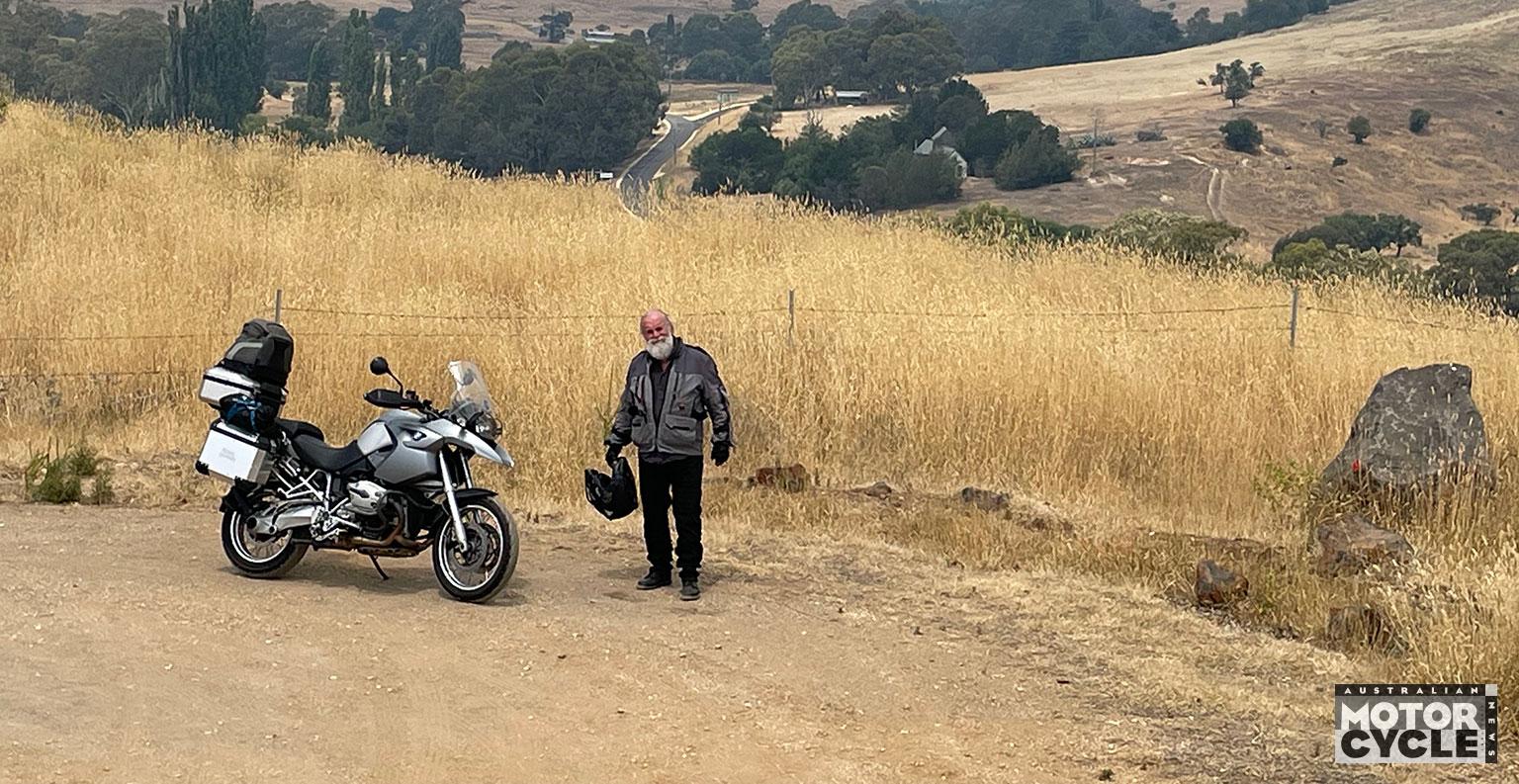
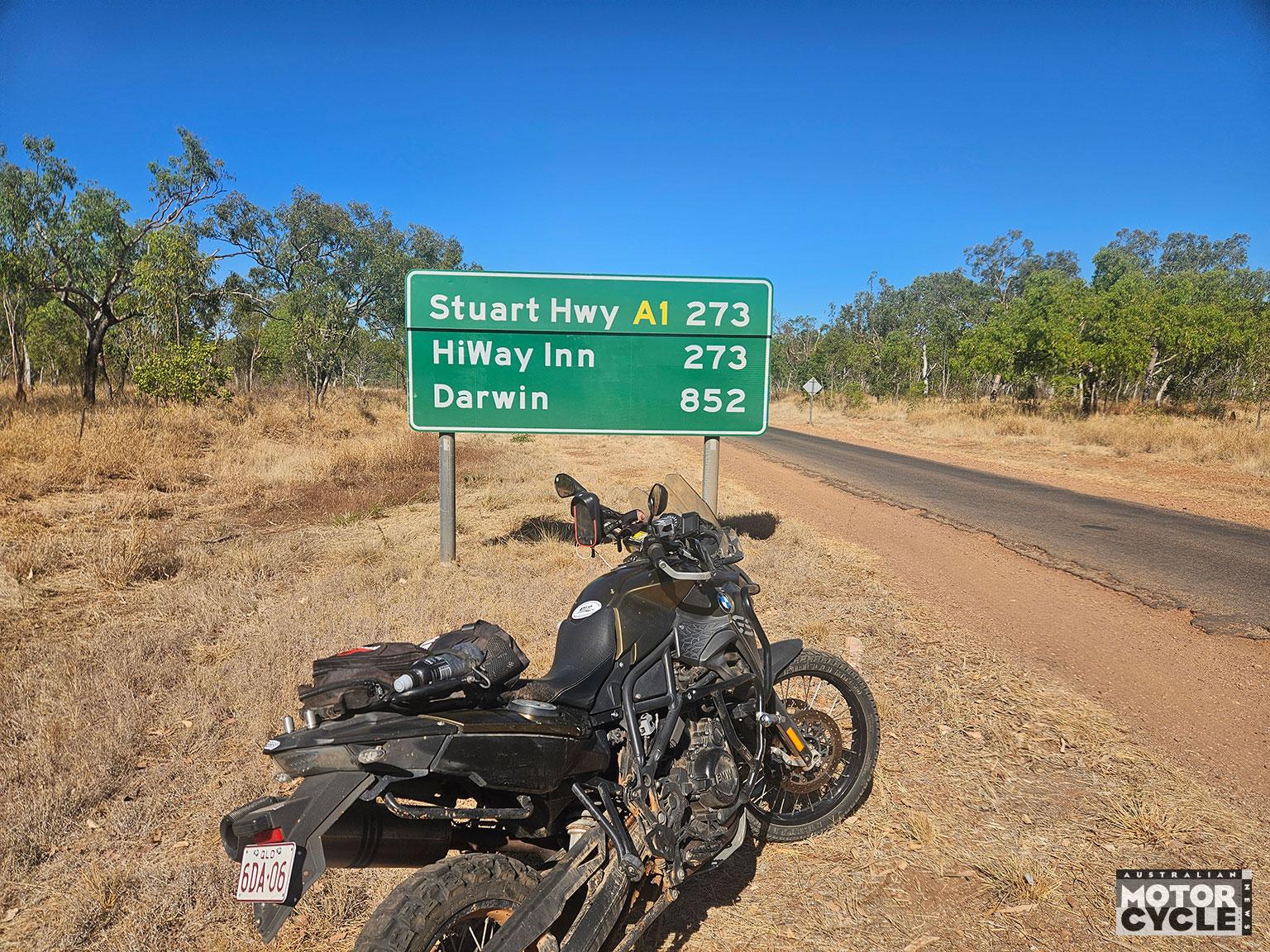
There are easier ways to reach the Birdsville Pub, but for 50 years the best ones have involved sand, sweat and a motorcycle
“One patch of Australia where white man’s foot has never trodden” was how Cecil Madigan described the thousand sand ridges smack in the centre of our continent. The year was 1928 and, while guilty of a little hyperbole, Madigan convinced Alfred Simpson – president of the Royal Geographic Society – to stump up the readies for three RAAF reconnaissance missions across the outback. Naturally Alfred was delighted when the region was named the Simpson Desert.
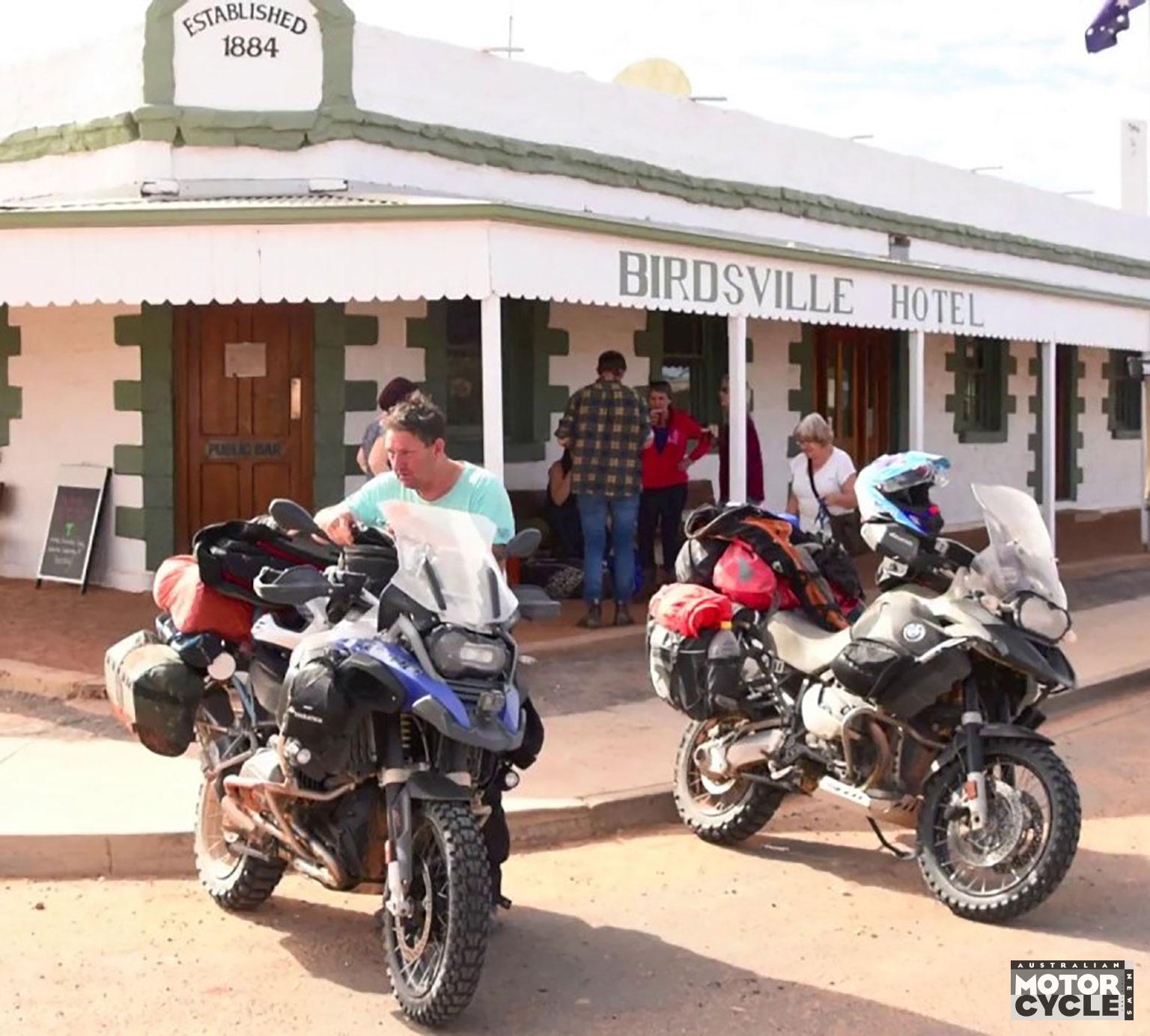
Less than a decade later, Madigan led a 26-day camel expedition across the Simpson from Old Andado homestead to the Birdsville Pub, erected in 1884 to serve pastoralists east of the Diamantina River.
Madigan concluded that west of the pub lay little but sand and spinifex. Geologists thought otherwise, establishing the French Line, Rig Road and countless shot-lines in an unsuccessful search for oil. Other pioneers followed but, by 1975, the Simpson remained largely untamed.
BIRDSVILLE OR BUST
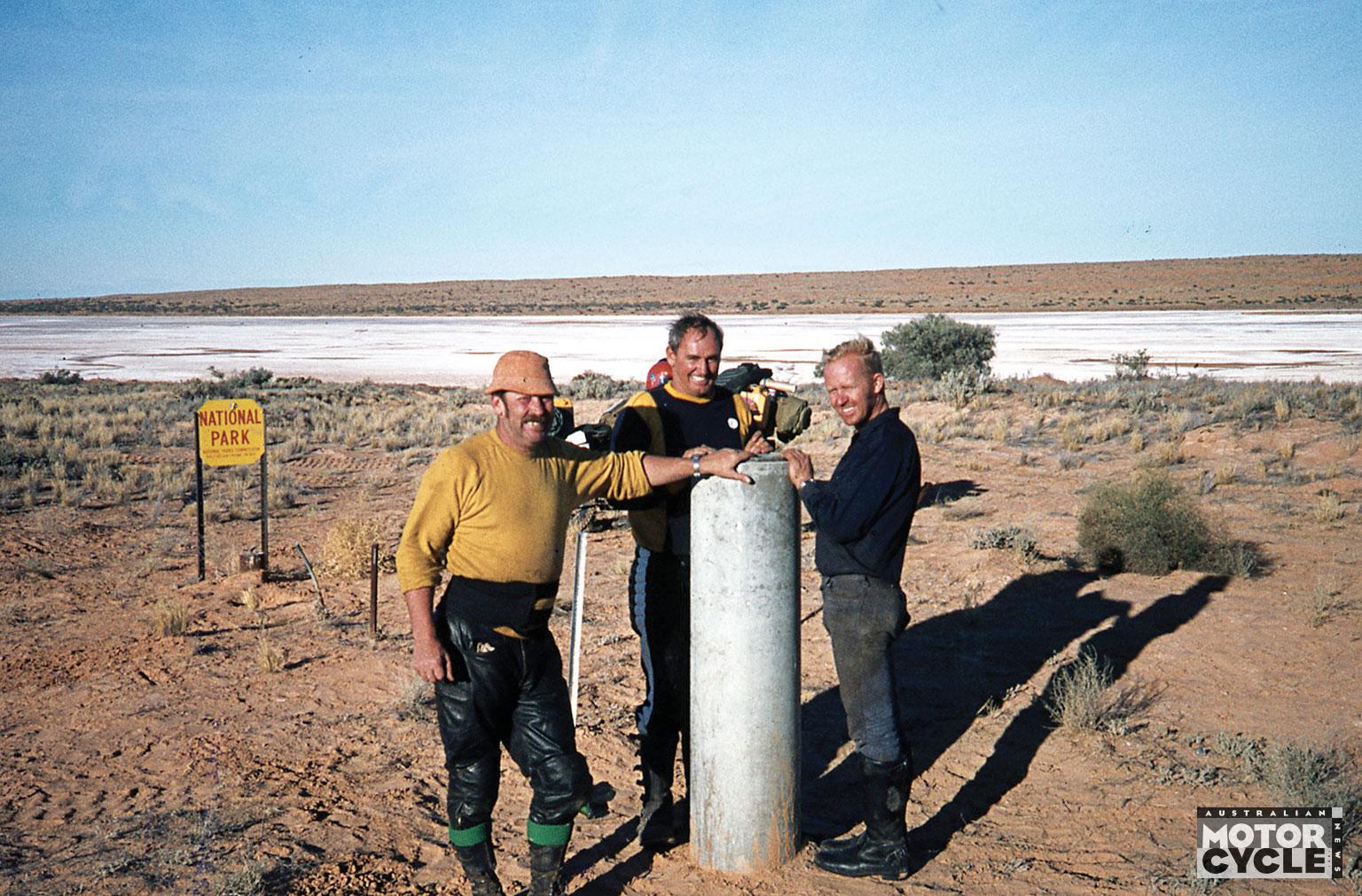
That didn’t deter Alice Springs Suzuki dealer Viv Johnson and mate John Fidler, who convinced Peter Gunner and Ralph Tice that riding to the Birdsville Pub would be no harder than riding to the Finke Pub – it would just take longer.
Fidler was the natural leader. He had enduro experience, mechanical skills and, importantly, owned the compass. He’d also modified the steel tank on his Yamaha DT400, doubling its capacity. Gunner also rode a DT400, while Johnson and Tice chose Suzuki TS400s.
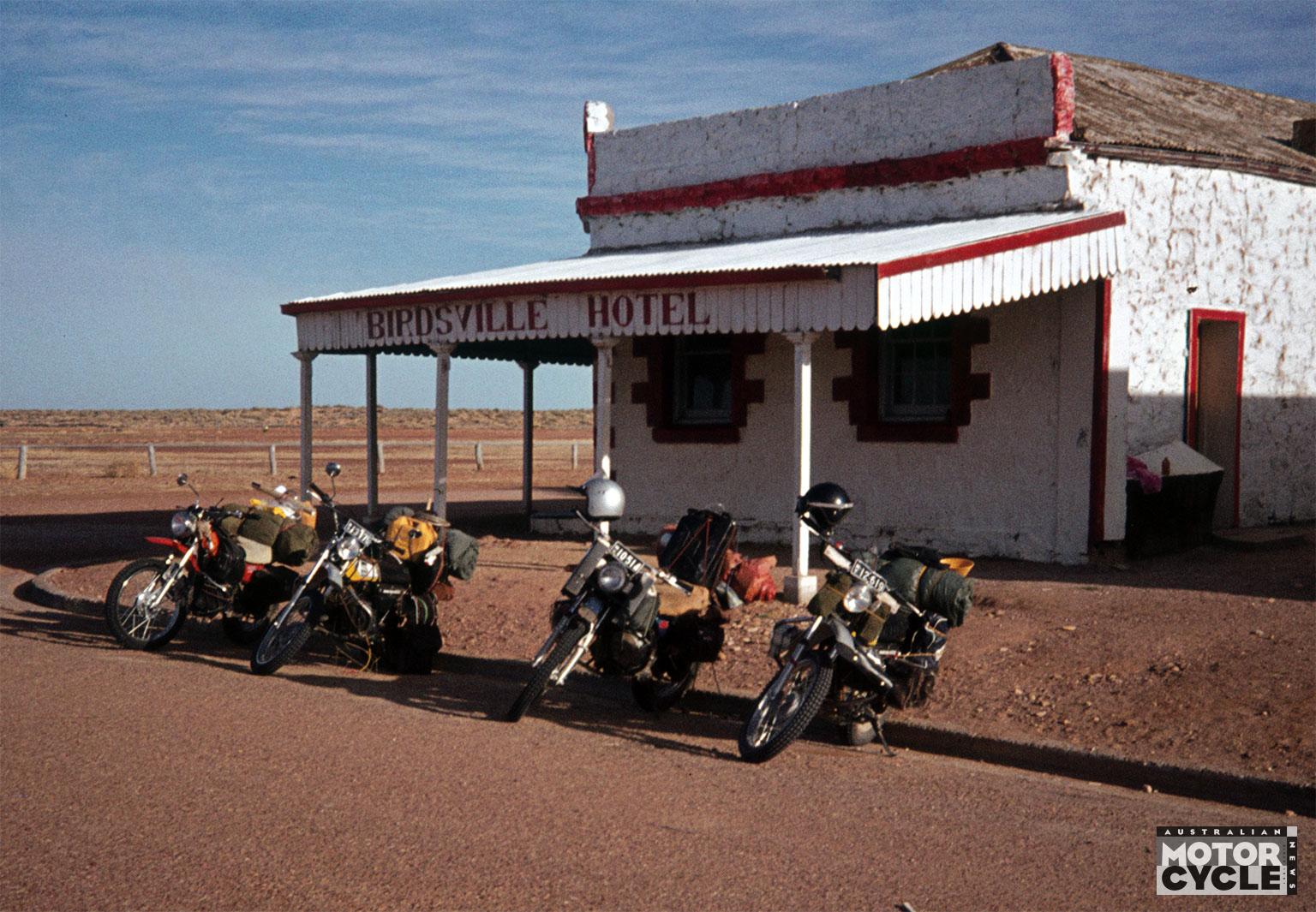
Fuel and water were critical. Each carried 32 litres of fuel and 15 litres of water, plus enough oil to keep the big-bore two-strokes alive. Instructions led them to a pre-arranged fuel dump buried in the desert, complete with a Polaroid photo in case of dyslexia.
After the inevitable broken luggage racks, fuel problems and disappearing gear, they refuelled at Finke and pushed through Mount Dare to Purnie Bore. From there, they attacked the sand ridges head-on before turning towards the derelict Mokari airstrip.
LIVING OFF THE LAND
The WAA Line ran east, where they discovered an abandoned trailer warning that its contents were ‘Captain Kelley’s property’. They figured Kelley, if he ever returned, wouldn’t miss his jellybeans.
Eventually the track disappeared altogether, leaving them navigating by compass between the dunes. After some anxious backtracking they reached Lake Thomas and, crucially, their buried fuel dump.
There were also four cans of West End Bitter buried deep in the sand which, Fidler claims, were remarkably cool.
Now only a dozen kliks short of Poeppel Corner but around 120km from Birdsville, they had fuel but little water. The only option was to point the bikes east and keep going. They managed another 35km before calling it a day, exhausted and down to emergency water. Fidler did, however, have a bottle of brandy and three cans of Coke.
“It probably wasn’t a good idea but we hoped it was our last night out,” recalls John, “and we got just a little Brahms and Liszt.”
This led to the great underpants race, although nobody can be identified in the blurry photographs.
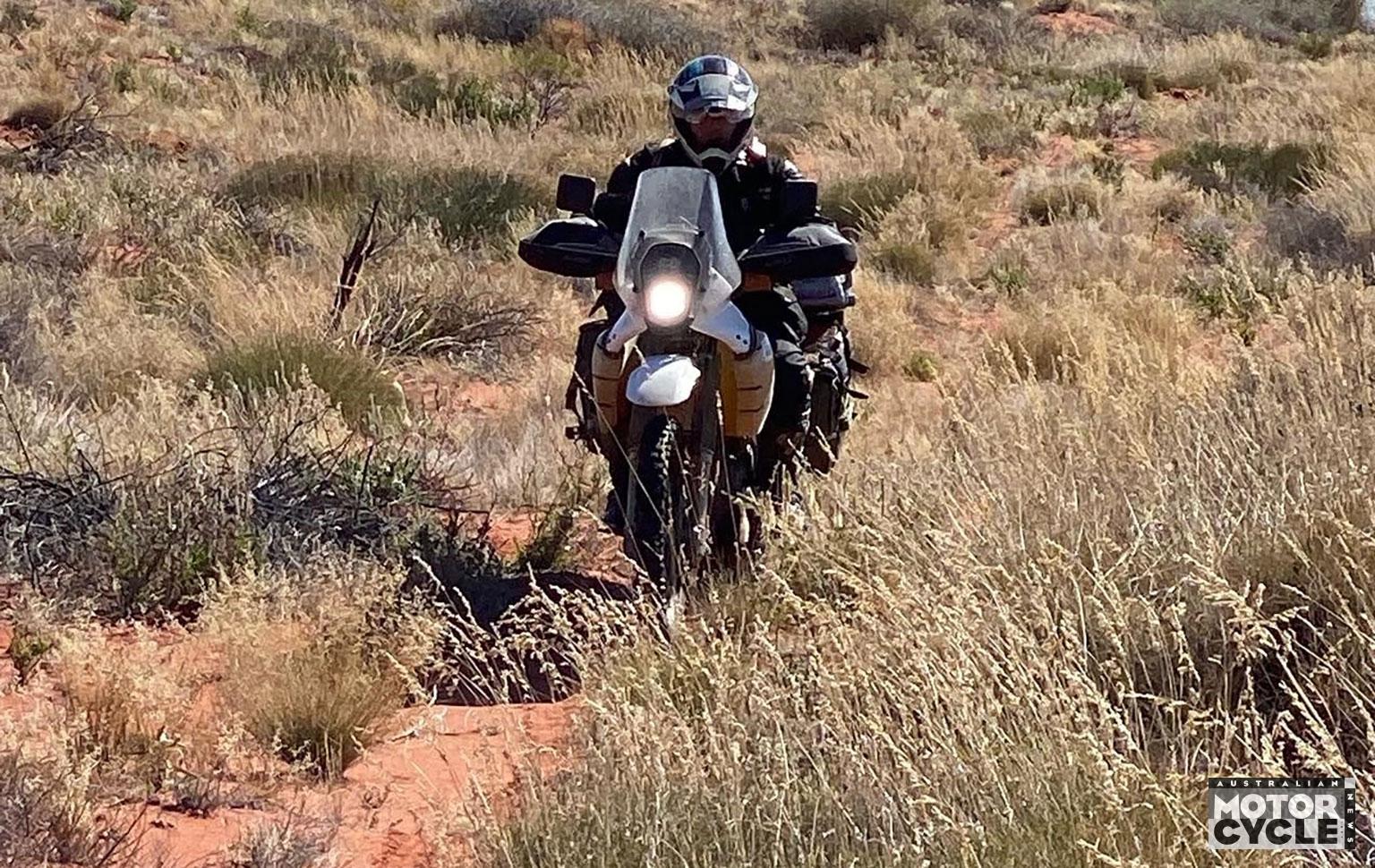
Hangovers didn’t help the next morning. They eventually reached Big Red before confronting Lake Nappanerica, where Fidler wound up the big Yammie and took his best shot – only to submerge it tank-deep.
The others looped around the salt pan and, after extracting Fidler, spotted a chopper mustering cattle at Alton Downs. Barely an hour from Birdsville, their lack of water was forgotten. By sunset they were settled into the Birdsville Pub for a happy hour or four to remember.
BIRTH OF THE DESERT SLED
By then, motorcycles capable of tackling the outback were rapidly improving. The Honda XL250 introduced a generation to life beyond the bitumen, followed by machines such as the XR500 and mighty XR600. Add alloy ‘bars, a Staintune exhaust, bashplate, Gearsack and Safari tank and you had an ‘adventure bike’ long before the term became fashionable.
The Honda XR, Yamaha XT/TT, Suzuki DR600/650 and Kawasaki KLR became natural inhabitants of country west of the Great Dividing Range.
“The Simpson Desert offers an experience like no other,” says Inverell dealer Vince Strang, who in 2011 joined Phil Hodgens, Bill Laver and a bunch of fellow reprobates to tackle Cecil Madigan’s route. They returned to the desert several times, finally completing their unfinished business with the Madigan Line in 2015.
“We were fortunate to ride the desert when a lot of it was still trackless,” says Hodgens. “Even the Madigan Line has become a highway now.”
THE BUCKET LIST
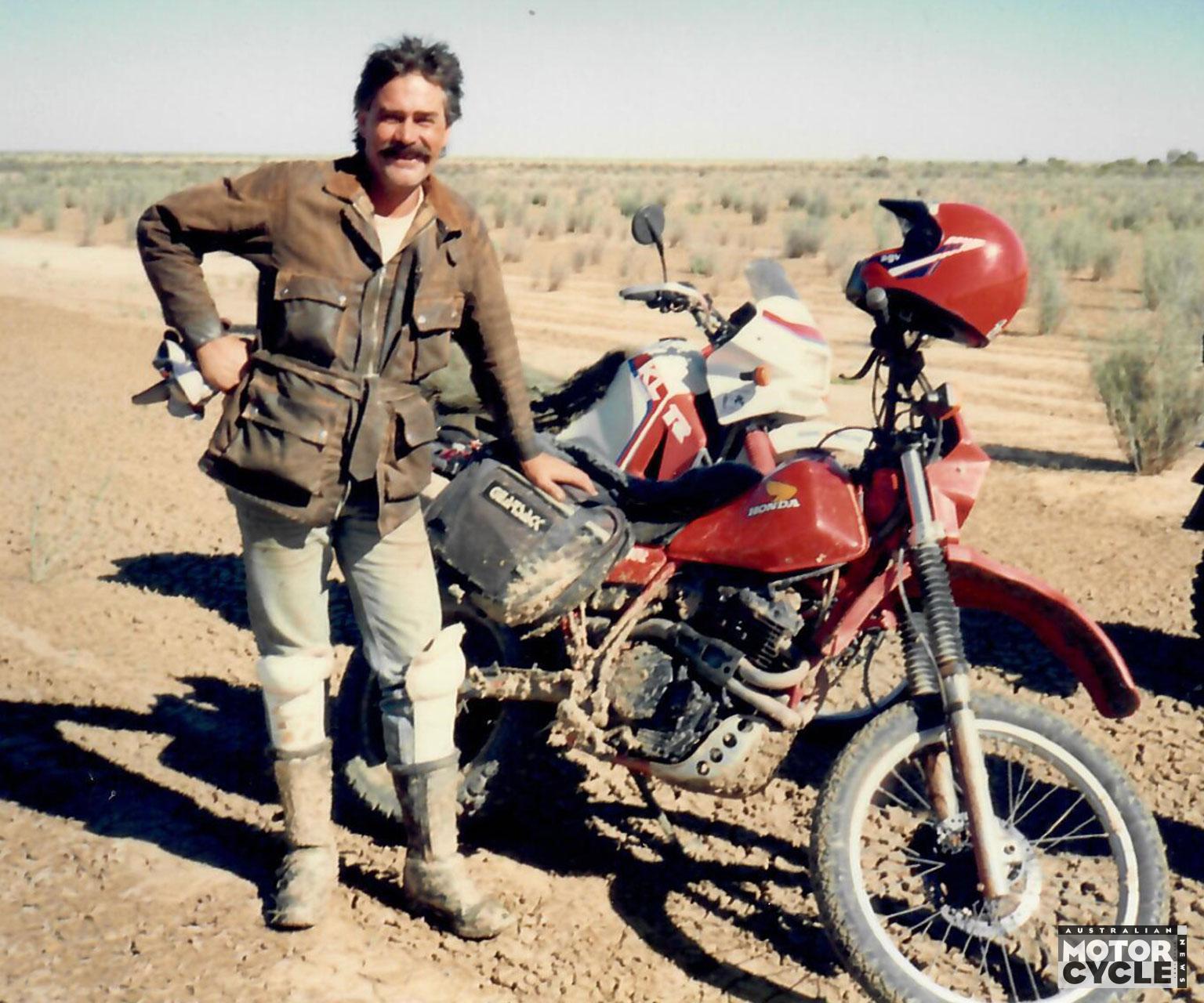
For me, the Birdsville Pub remained on the bucket list until after the floods of 1990 when, with a few mates, I took four fretful days to cross the Simpson from Oodnadatta. The conditions ground the teeth from my Honda XL600’s rear sprocket until, only by removing two chain links, could I reach Birdsville on what was effectively a belt-drive Honda.
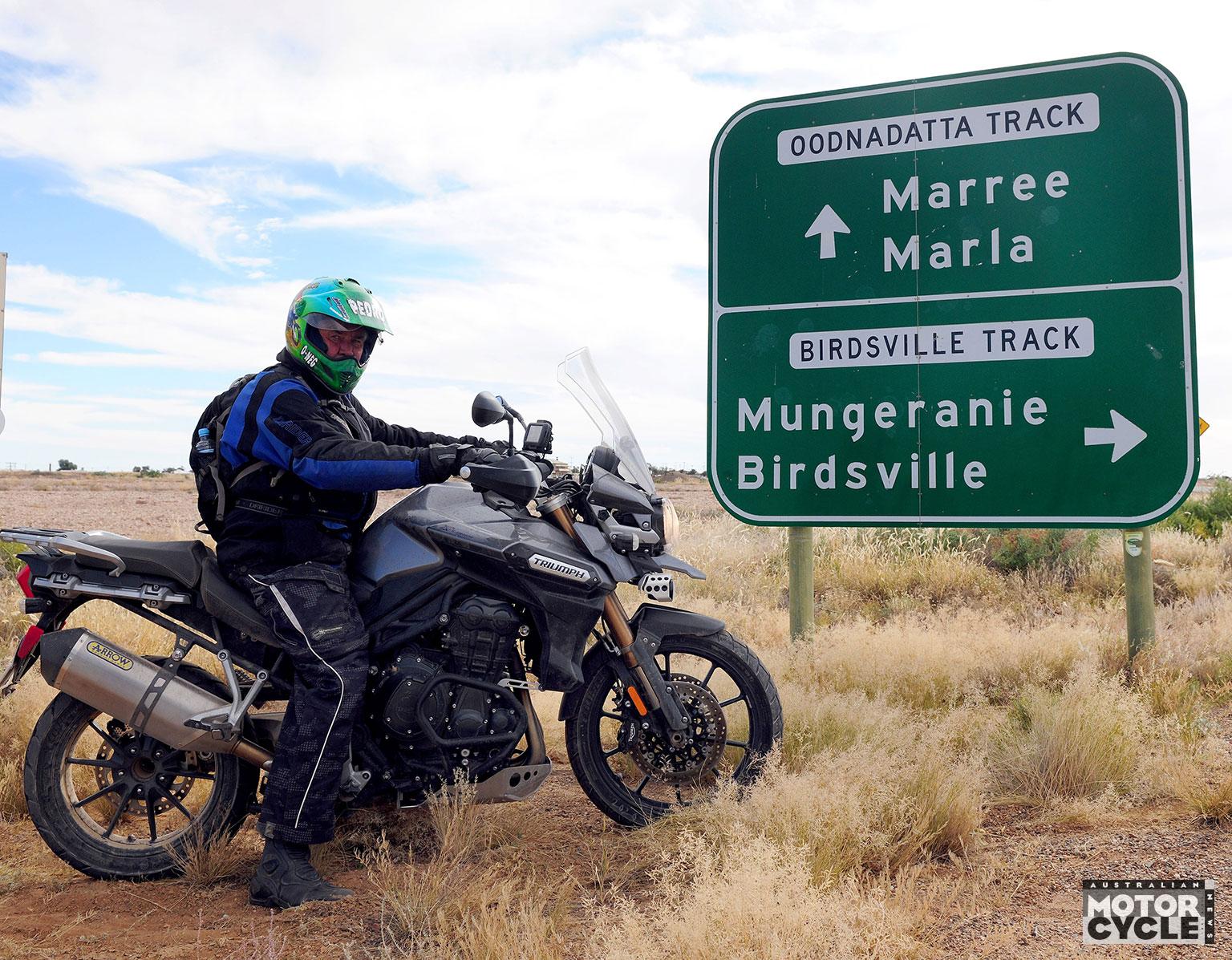
Later visits came via Walkers Crossing, Moomba and Mungerannie, and finally the Birdsville Track. Each adventure was memorable and the beers tasted just as good every time – even better with a comfortable bed within stumbling distance of the bar.
GETTING THERE
No longer do you need to survive on a single can of warm West End Bitter to breast the bar of the Birdsville Pub. From Bedourie to the north, sealed road gets you into town comfortably. From Windorah in the east, there’s blacktop to the Birdsville turn-off before a generally straightforward gravel run via Betoota.
Birdsville itself may have only around 100 residents, but travellers can easily double that, so pick your timing carefully; the Big Red Bash in July and Birdsville Races in September bring enormous crowds, so if solitude is what you came for, choose another week.