We’ve watched the radical Flying Flea take shape since its 2024 unveiling. Now Alan Cathcart gets the full story – and becomes one of the first to discover whether it can actually fly
Royal Enfield’s Flying Flea has been a slow burner. Ever since it was unveiled at the 2024 EICMA Show, the Indian company’s debut electric bike has been waiting in the wings, as it readies itself to swarm onto the world stage. It’s been on sale in RE’s Bangalore test market since April, and the Indian press has tested it, but no outsider – until now.
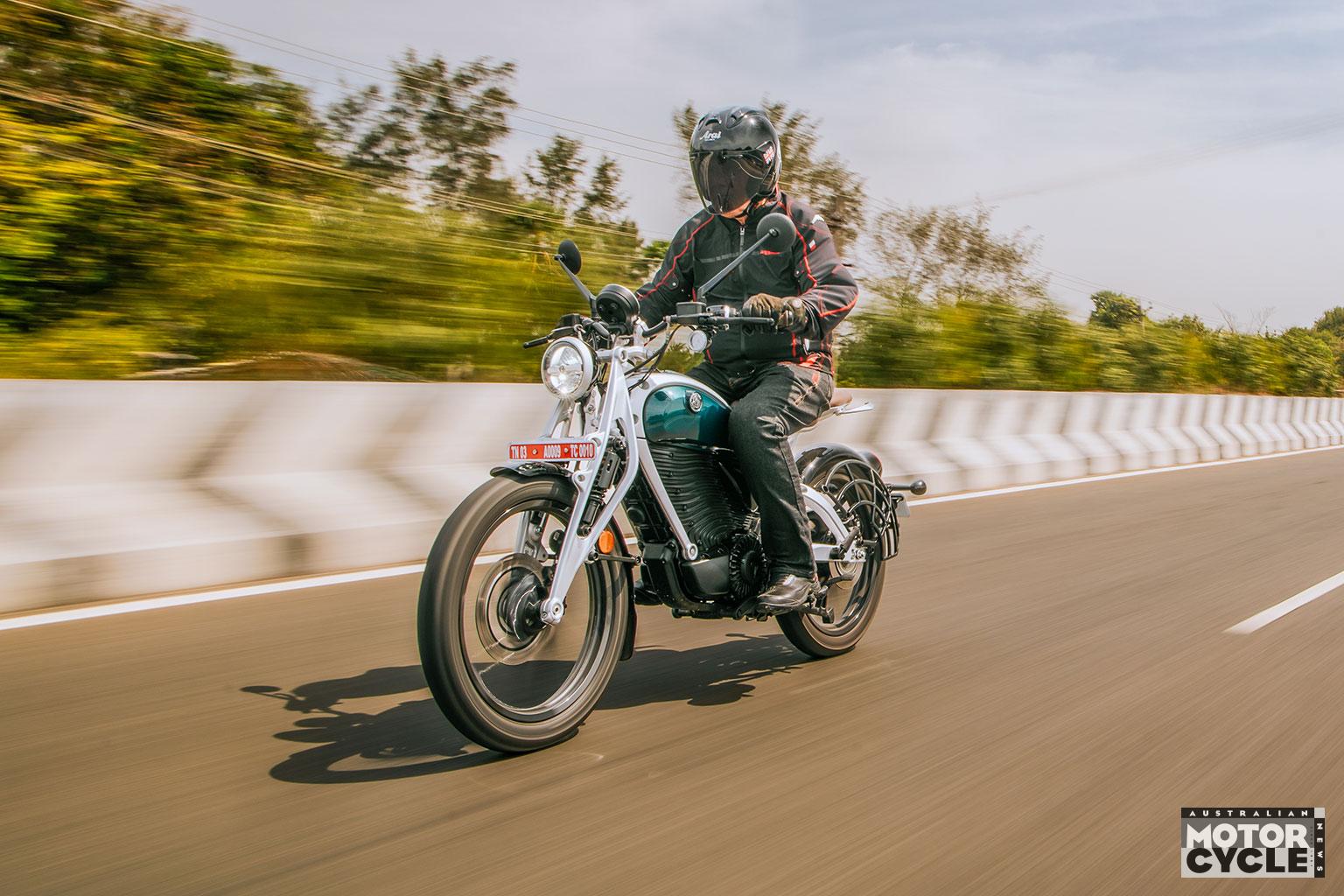
My chance to ride it came firstly back in July on a visit to Royal Enfield’s HQ in Chennai, aboard an Indian-market model complete with sari guard and what RE e-techs termed ‘Indian mapping’ for the ECU. I made a 40km tour of the suburbs of Chennai alongside RE CEO B. Govindarajan, heading for breakfast at his favourite coffee shop, followed by a speedy ride along the dual-carriageway trunk road leading south along the Indian Ocean towards the former French colonial settlement of Pondicherry. So it encompassed all the different aspects of an e-customer’s likely use. But then a couple of months later I also spent a longer 120km day aboard a Euro-spec Flea costing £5,300 in the UK (5,990 euro in the EU), riding through the suburbs of Paris out into the French countryside beyond the Palace of Versailles.
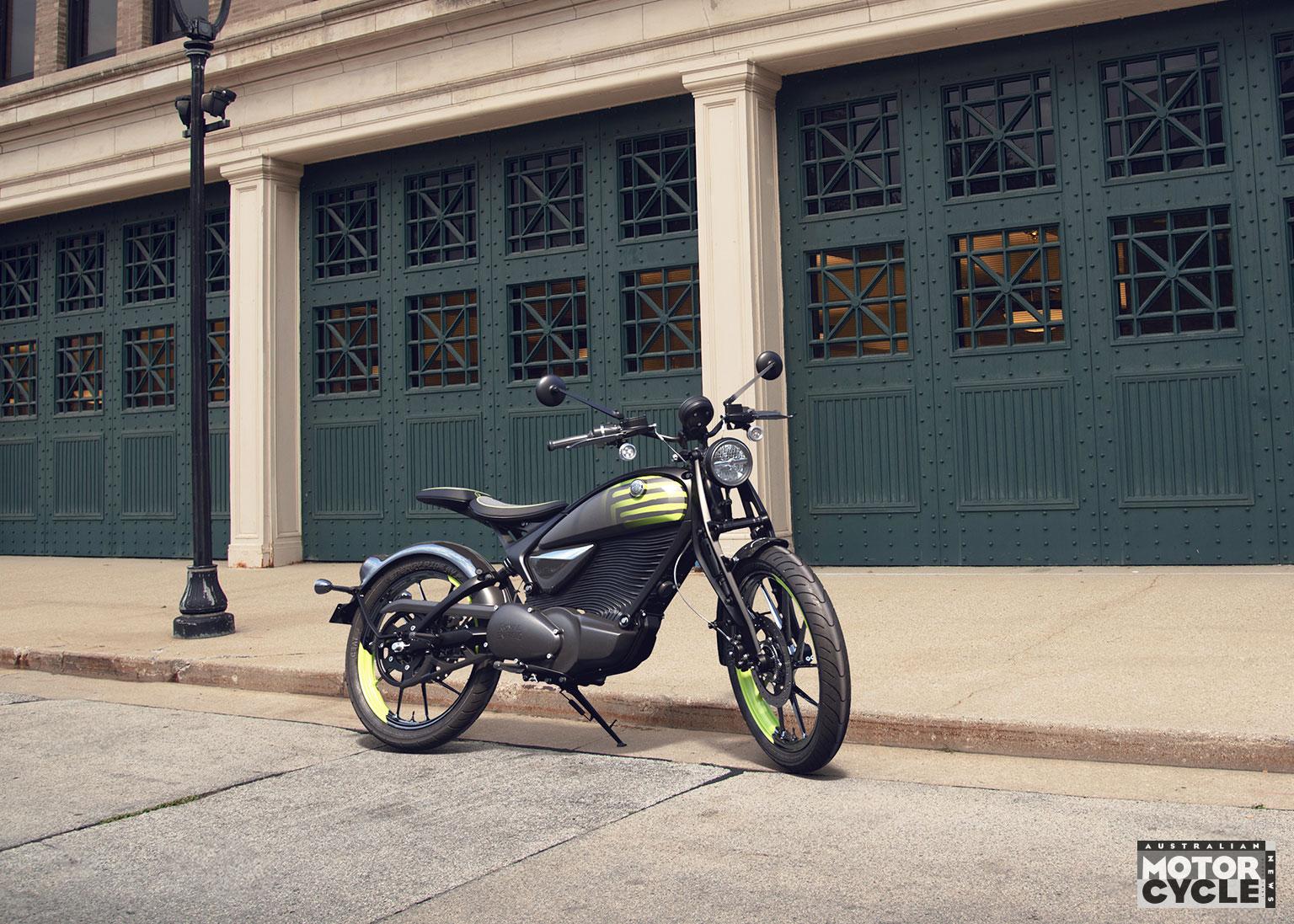
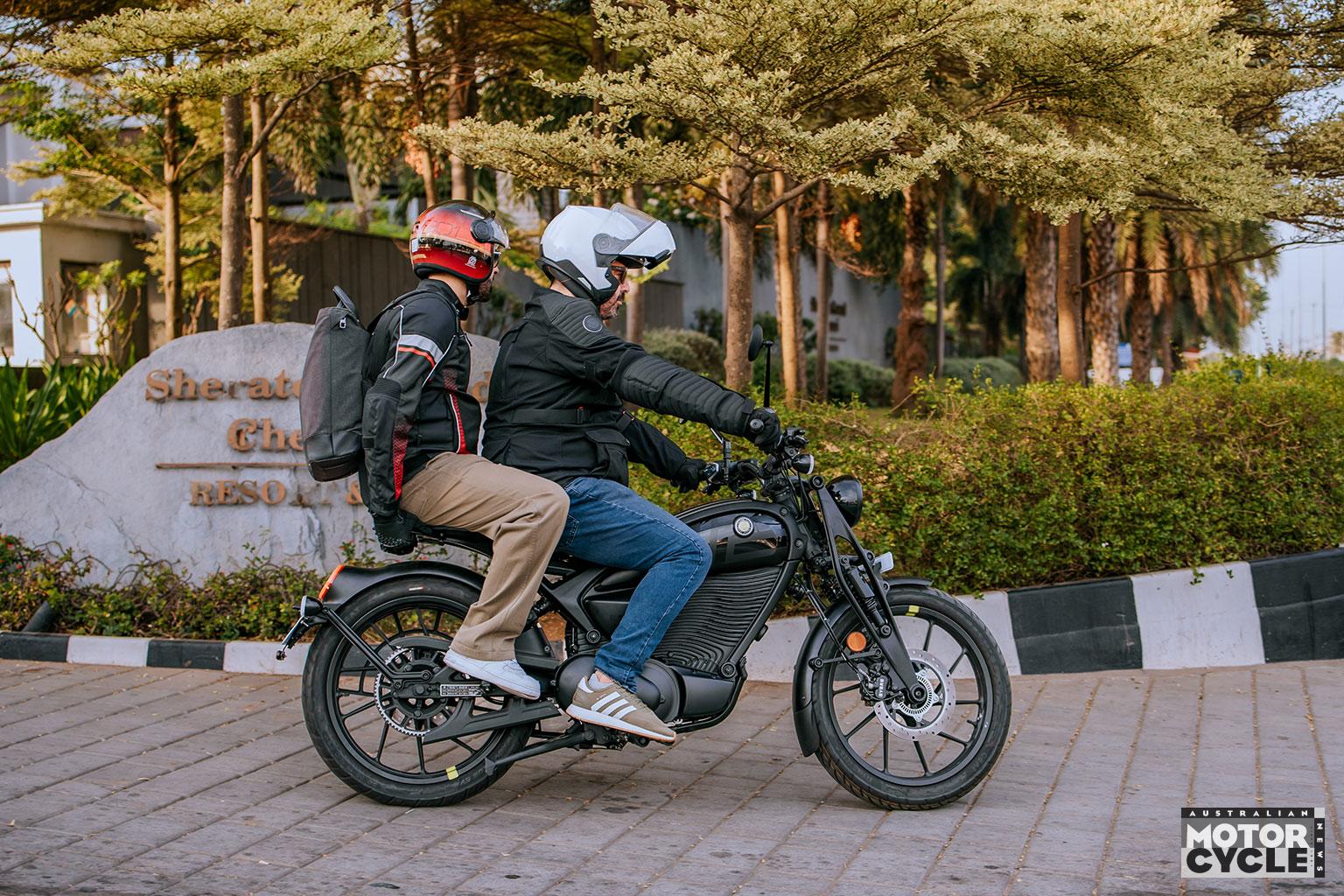
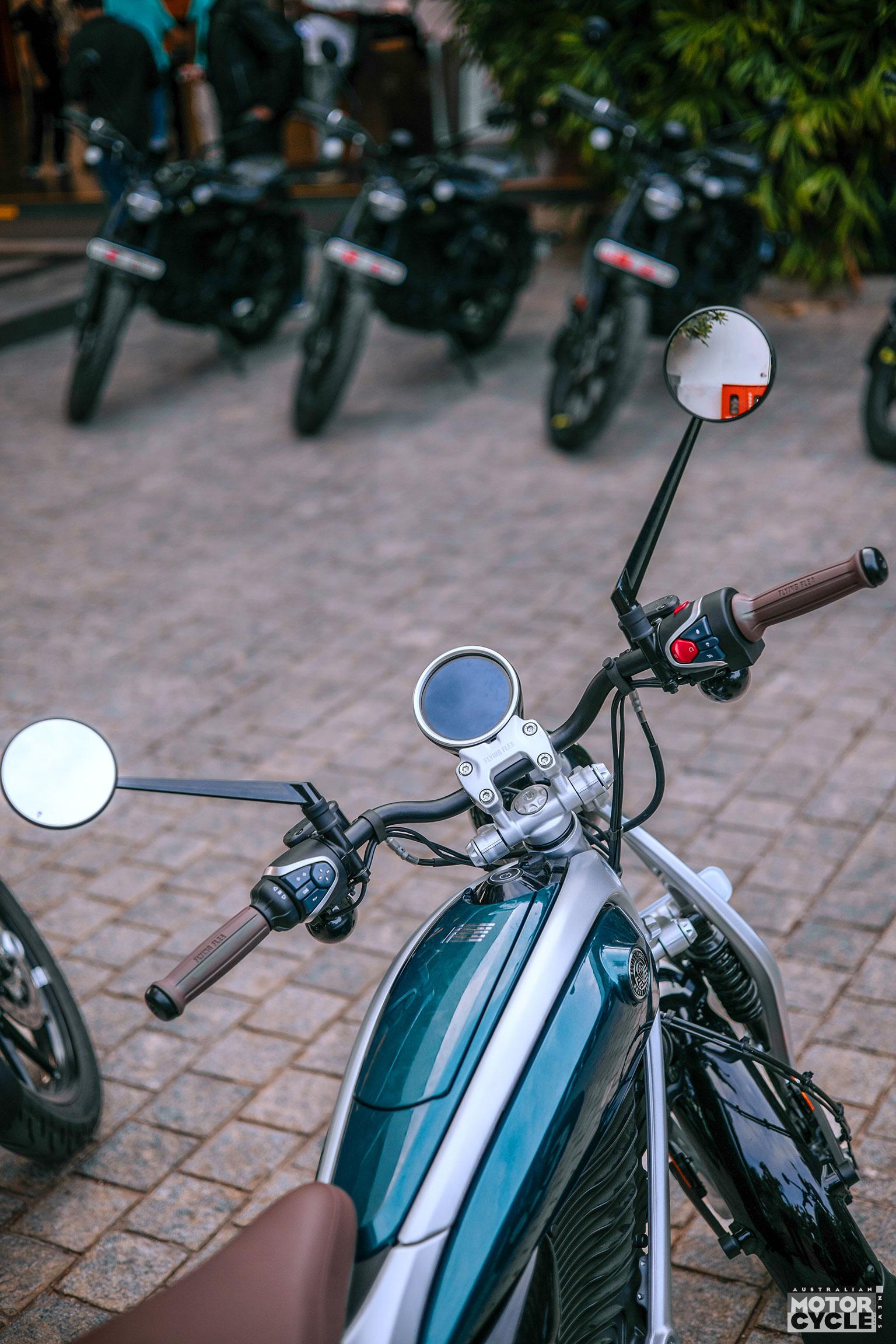
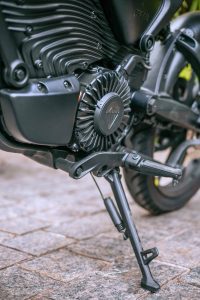
Climbing aboard the Flying Flea C6 parked on the centrestand (included as standard alongside the easy-to-find sidestand) showed the 823mm-high seat to be quite accessible, though shorter riders will want to step on the left footrest to be able to clear the detachable passenger seat which comes as standard, whose pad if removed reveals a convenient luggage rack beneath it. The 19-inch wheels add to the height of the bike, but the footrests are detachable to permit being flipped around to deliver a sportier rearwards location or a more urban-focused forward positioning – your choice. The brake levers on the one-piece taper-section aluminium handlebar are both adjustable for span. As on a scooter, the rear brake control is where the clutch lever would normally be on an ICE bike, so there are no foot controls, partly to make newbies who’ve only ridden a bicycle before, not a motorbike, feel at home.
Once aboard, I found the seat pretty hard and unwelcoming, plus it was too smoothly surfaced, which meant I slid forward under heavy braking when a tuk-tuk pulled out in front of me in Chennai. Form over function. A grippier covering would definitely be preferable, and there’s apparently an optional Comfort seat that might resolve the issue. If not, the aftermarket will soon do so!
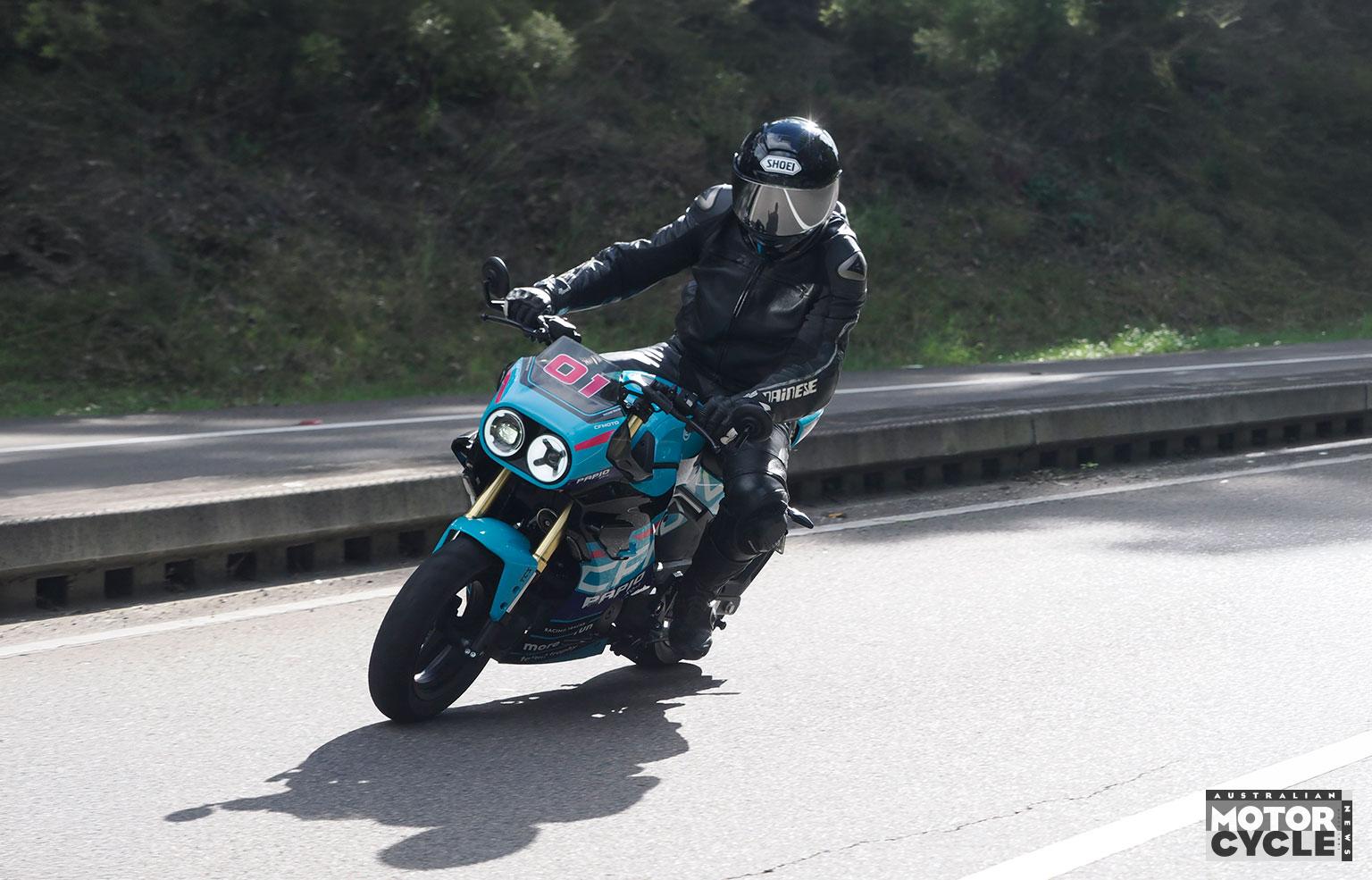
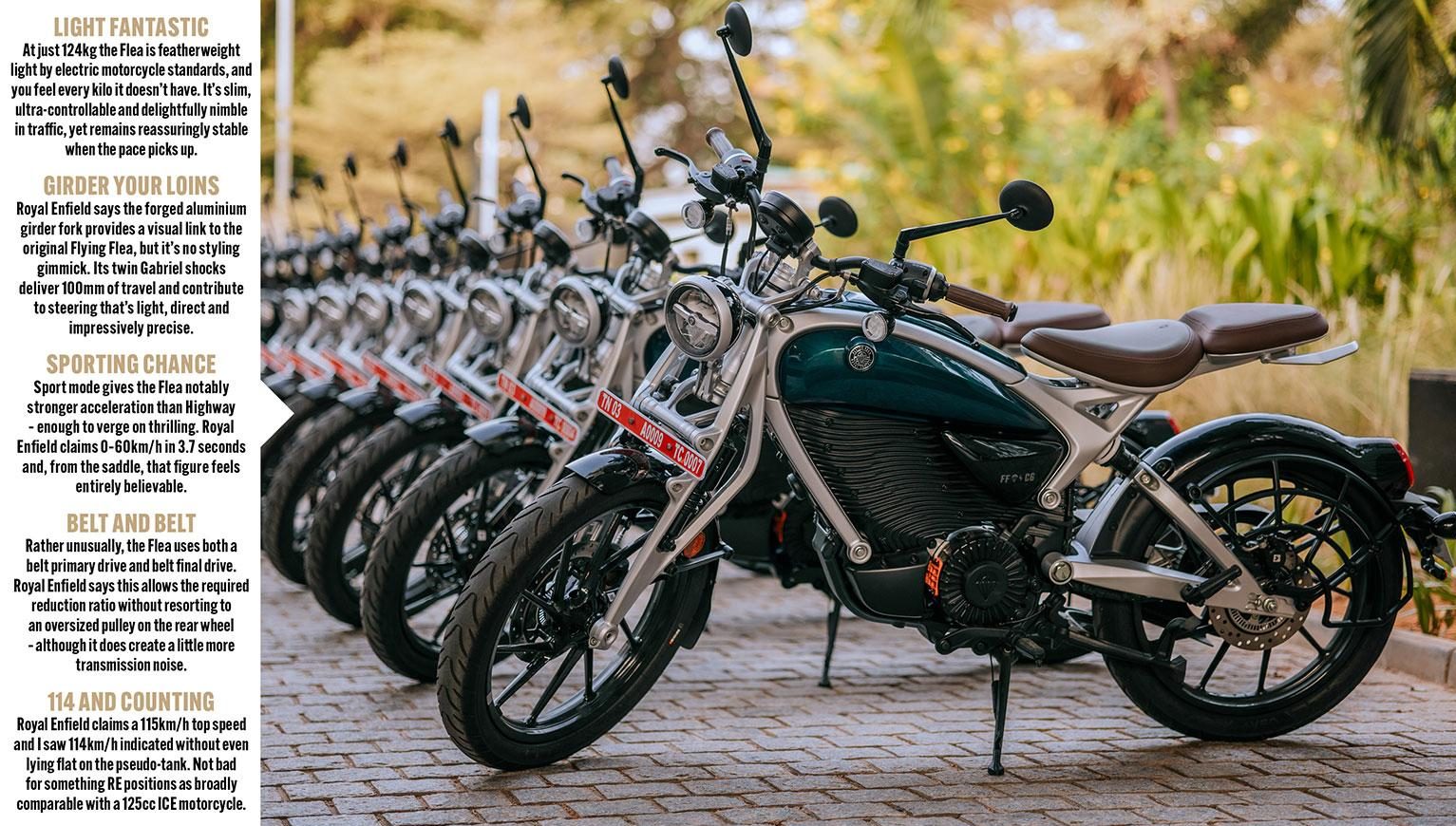
The riding stance is quite upright, so ideal for town work in terms of scanning ahead to plot your trajectory through the flotsam of cars, bikes, trucks and vans all going in different directions in typical Indian inner-city traffic. But it’s hard to think of anything better to tackle this merry-go-round of urban motion on than the Flying Flea. At just 124kg, it is featherweight light by electric motorcycle standards. Though quite tall, it’s very slim and feels ultra-controllable. The steering is light but direct, and very precise, so you can make quick changes of direction very easily. It goes where it’s pointed – instantly.
Filtering my way through Chennai’s chaotic traffic, the Flea felt responsive, alert and delightfully nimble. The narrow profile and deft steering made it easy to weave through gaps in the traffic. Yet on faster turns during my ride in France it felt very stable despite its skinny 90/90-19 tyres. Whatever the steering geometry is, it’s well chosen to give the best of both worlds.
With your knees nestling against the exoskeletal frame’s upper tubes, you feel very much at one with the Flea. And never in either of my rides did I feel cramped or uncomfortable on it – except for the hard seat! In fact, the whole bike not only looks dead cool, but it also feels very together, with high build quality. Riding over significant road rash in the streets of Chennai, or over traditional French cobblestones, didn’t trigger any shakes or rattles, just more or less silent forward motion.
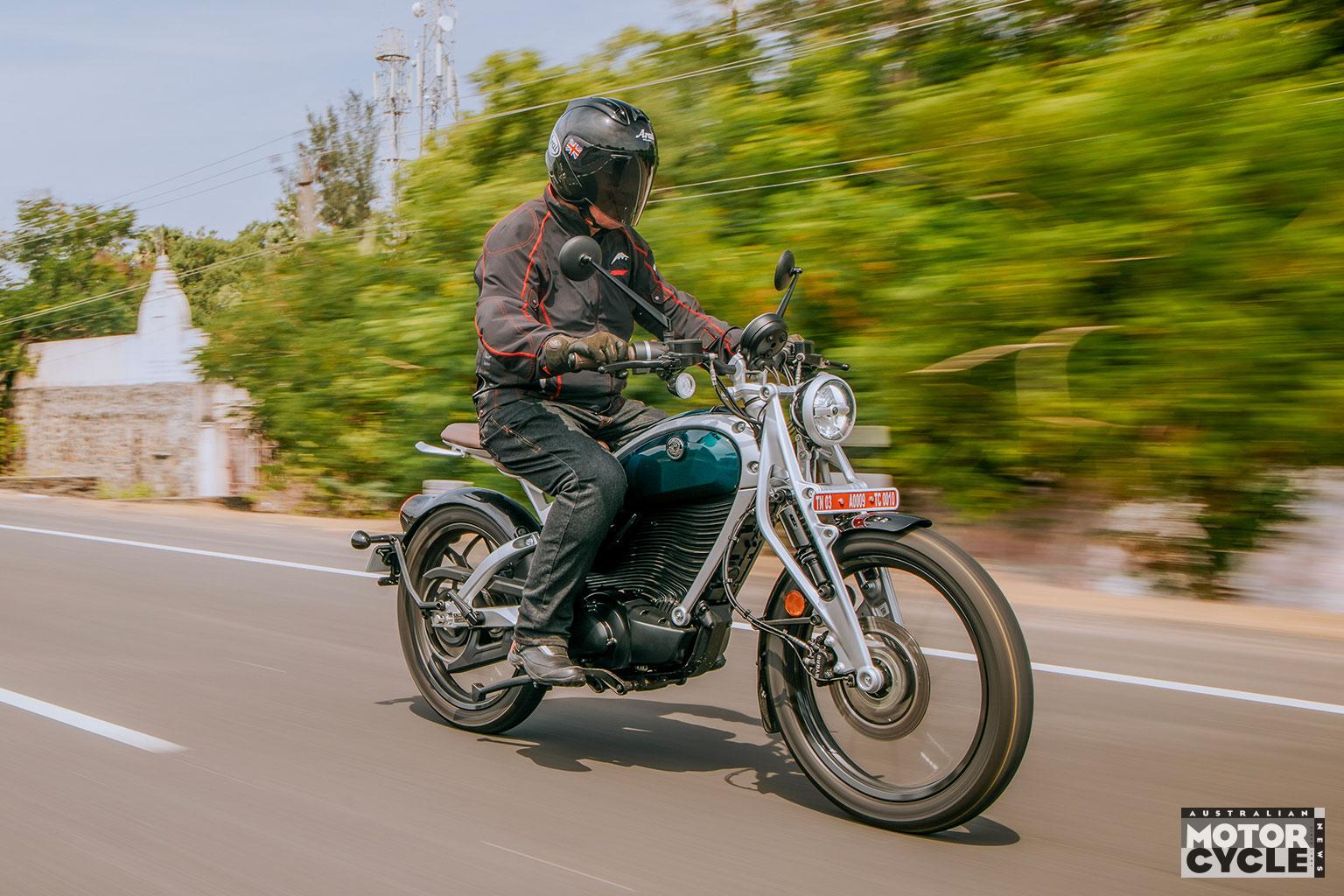
Still, compared to similar e-bikes I’ve ridden, there seemed to be slightly more noise from the transmission, which RE e-techs say comes from having both a primary and final drive belt, mainly to optimise the gear reduction ratio and avoid fitting a pizza-sized rear pulley. But otherwise the Flea runs pretty silently. And it’s quite fast for a notional 125cc ICE competitor. I saw 114km/h on the speedo just slightly leaned forward into the breeze rather than flat on the pseudo-tank, so it keeps up with traffic quite happily.
Royal Enfield has a very specific identity, both corporately and in terms of its products, which may best be described as retro done right, in a modern context. In the past 20 years since Siddhartha Lal became CEO of its Indian parent company Eicher Motors and began investing in its motorcycle brand, production has mushroomed from 33,000 bikes sold in 2006 to 1,238,659 during the 2025-2026 financial year. Today, Royal Enfield is active in more than 80 countries, and holds the market-leading slot in the global middleweight motorcycle market.

So when Lal and his colleagues sat down in 2017 to consider entering the seemingly fast-growing electric motorcycle market, the question as much as ‘if’, was already ‘how’. That same year the company hired American Matt Cardenas from Triumph USA. A former Honda R&D and Polaris/Indian development engineer, Cardenas was tasked with exploring Royal Enfield’s route into the EV sector and nowadays, together with RE’s CTO Electric Umesh Krishnappa, leads the 200-strong cadre of engineers implementing Lal’s desire to develop an electric motorcycle not like the others, under the so-called ‘City Plus’ umbrella
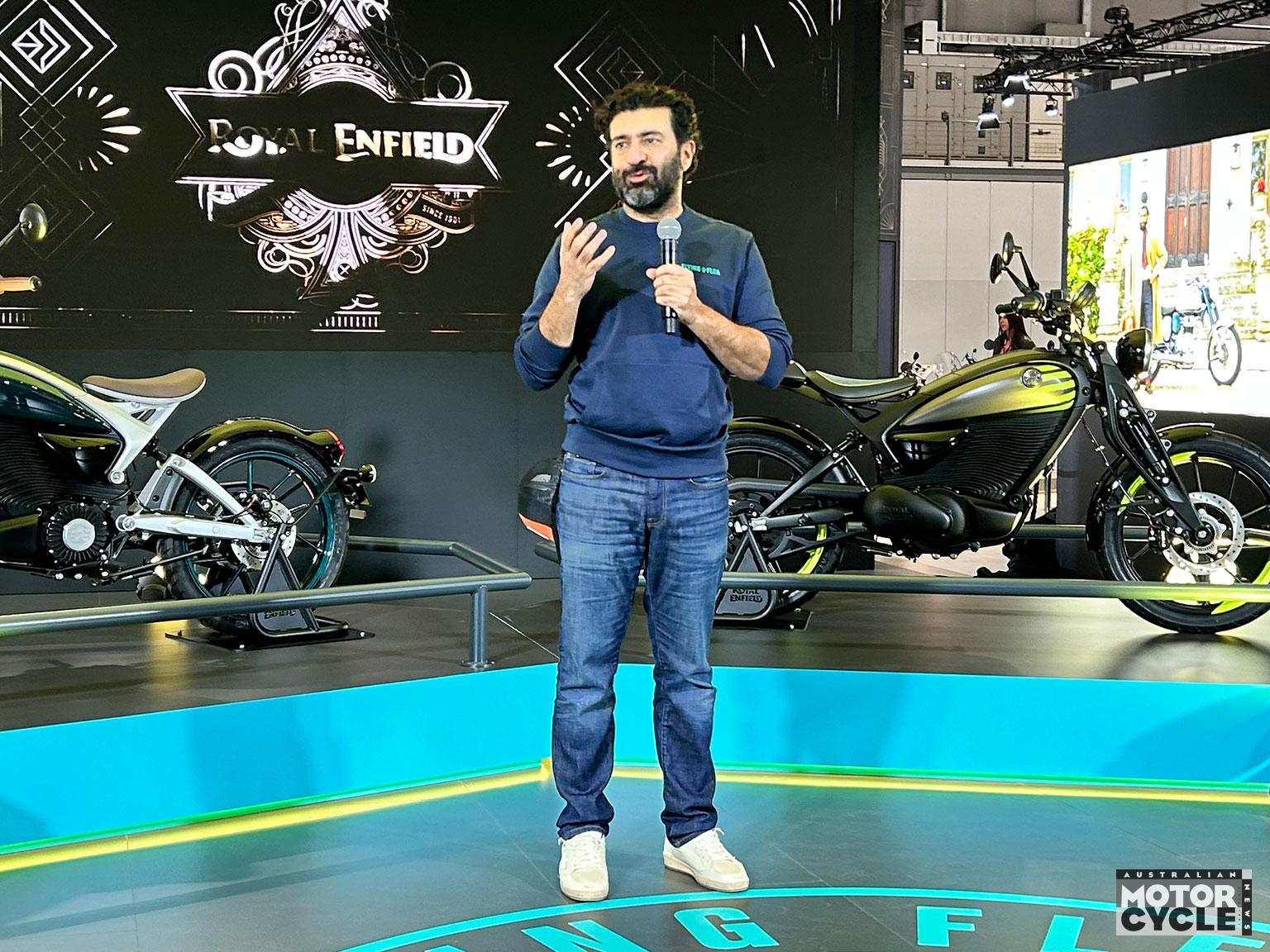
We first saw the result when the Flying Flea C6 was unveiled at EICMA in November 2024, with the scrambler-style S6 following a year later. Electric motorcycles often struggle with identity, some because they try to imitate petrol bikes too closely, others because they lean so heavily into the avant-garde that they lose any sense of brand identity. The Flying Flea seemingly manages to avoid both traps. Somehow or other it seems recognisably to be a Royal Enfield, while at the same time something unmistakably new. At that 2024 unveiling, Siddhartha Lal revealed the thinking behind its creation.
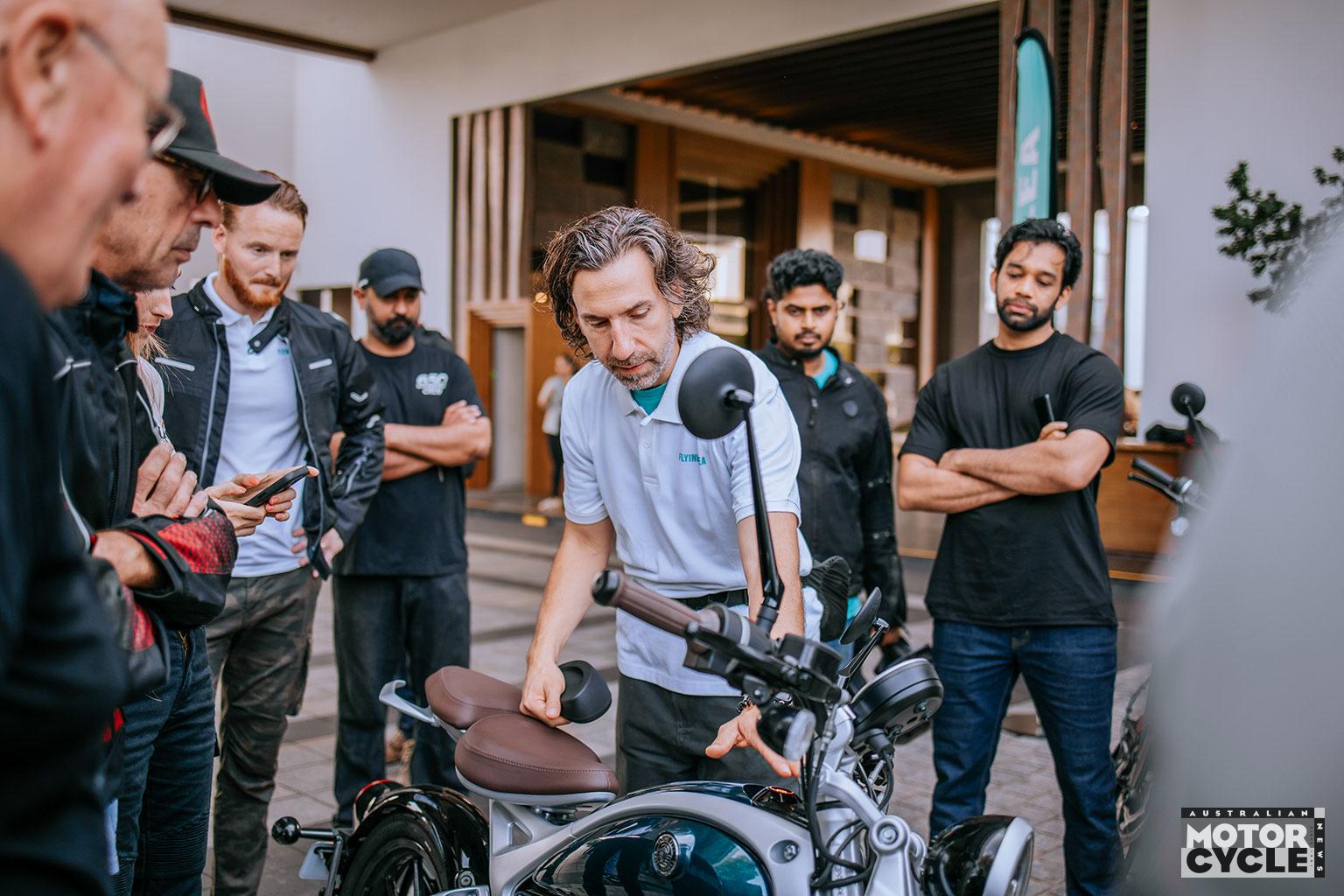
“We had an epiphany a while ago that we’re not going to do bigger electric motorcycles, because that doesn’t work either financially or dynamically,” he said. “But we saw that scooters in some markets are working okay, with a small battery pack, relatively light weight, good packaging – but can we build a motorcycle a step or two above that, which gives the same convenience, but with a lot more character and an inbuilt fun factor?” For most of all, the Flying Flea had to be something more than pure urban transportation. “We wanted to create something that has a slightly higher range capability than a typical electric inner-city commuter,” Lal declared. “It’s for when you want to go somewhere a little bit out of the city – so if I live here in Milano and this is where I use my e-bike for getting around, if I want to go to Como 50km away for lunch with my mother, I can do that – and not have to worry about the rush hour traffic jams on my return. But this is not for long distance, because as soon as you do that you need to have much bigger battery packs, and the bike becomes big, heavy and expensive. City Plus is what it says on the label – extra flexibility, extra range with short recharging times using an onboard charger – and it must be from a wall socket, too, so I can plug it into Mama’s home to recharge it while we’re eating!”
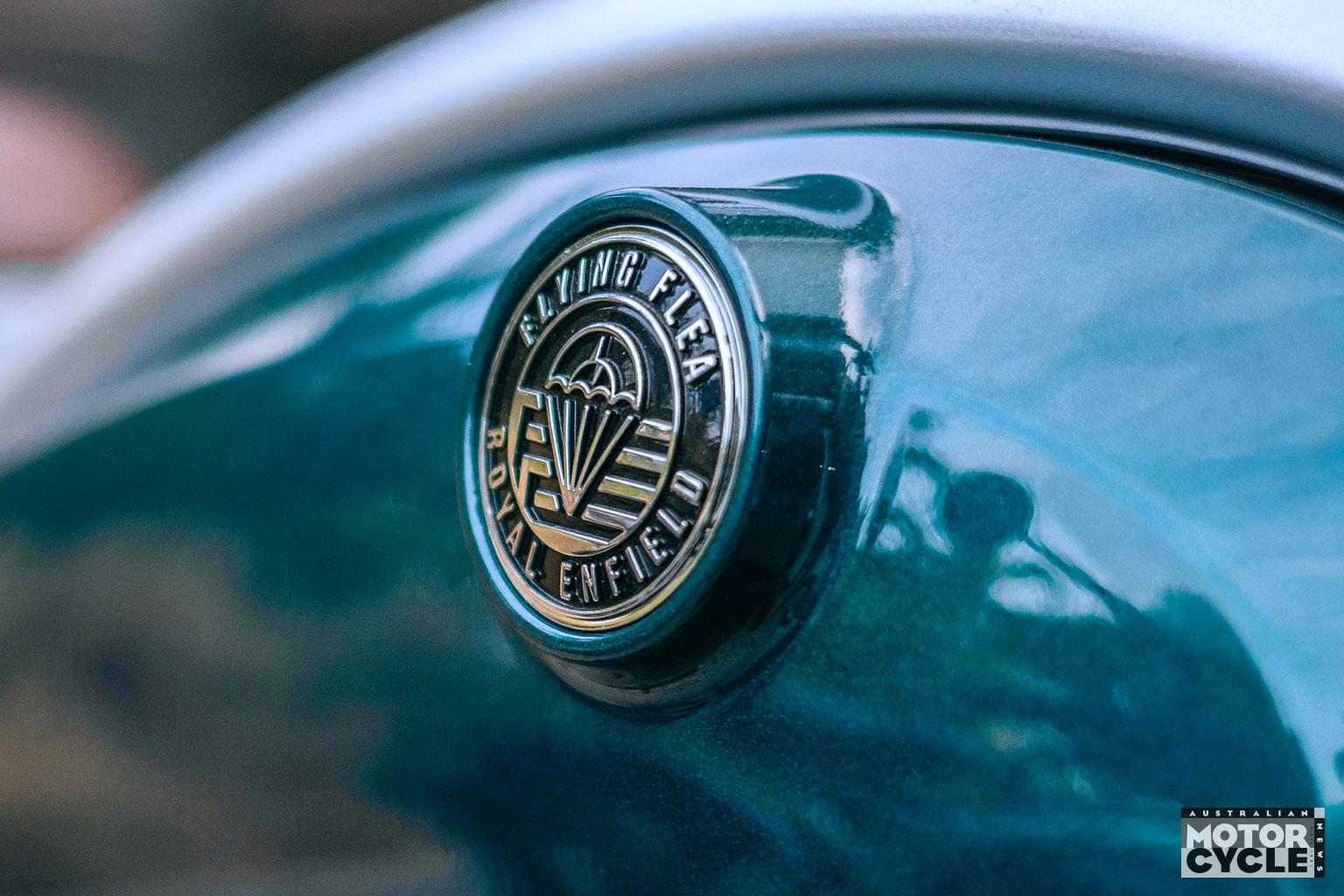
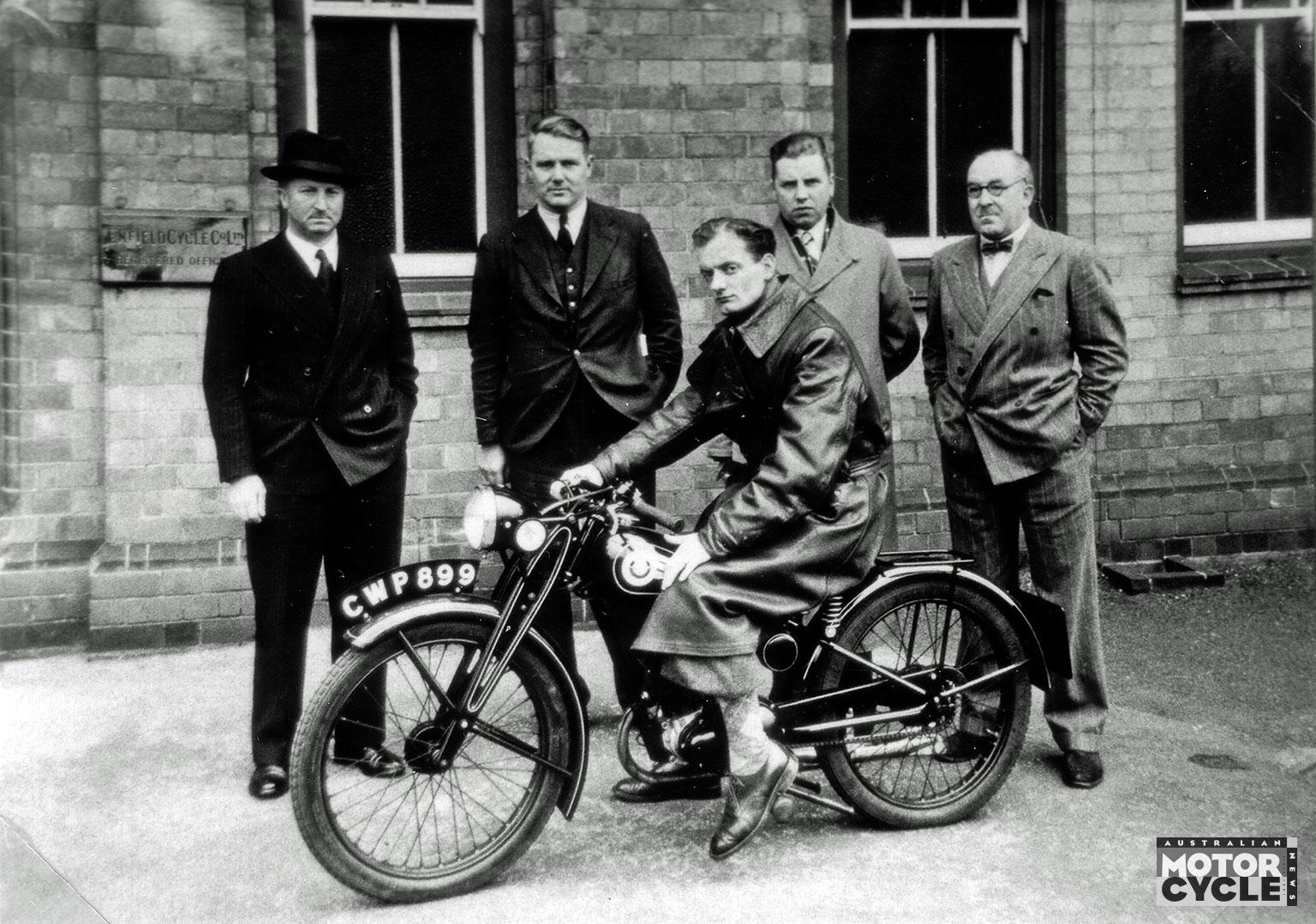
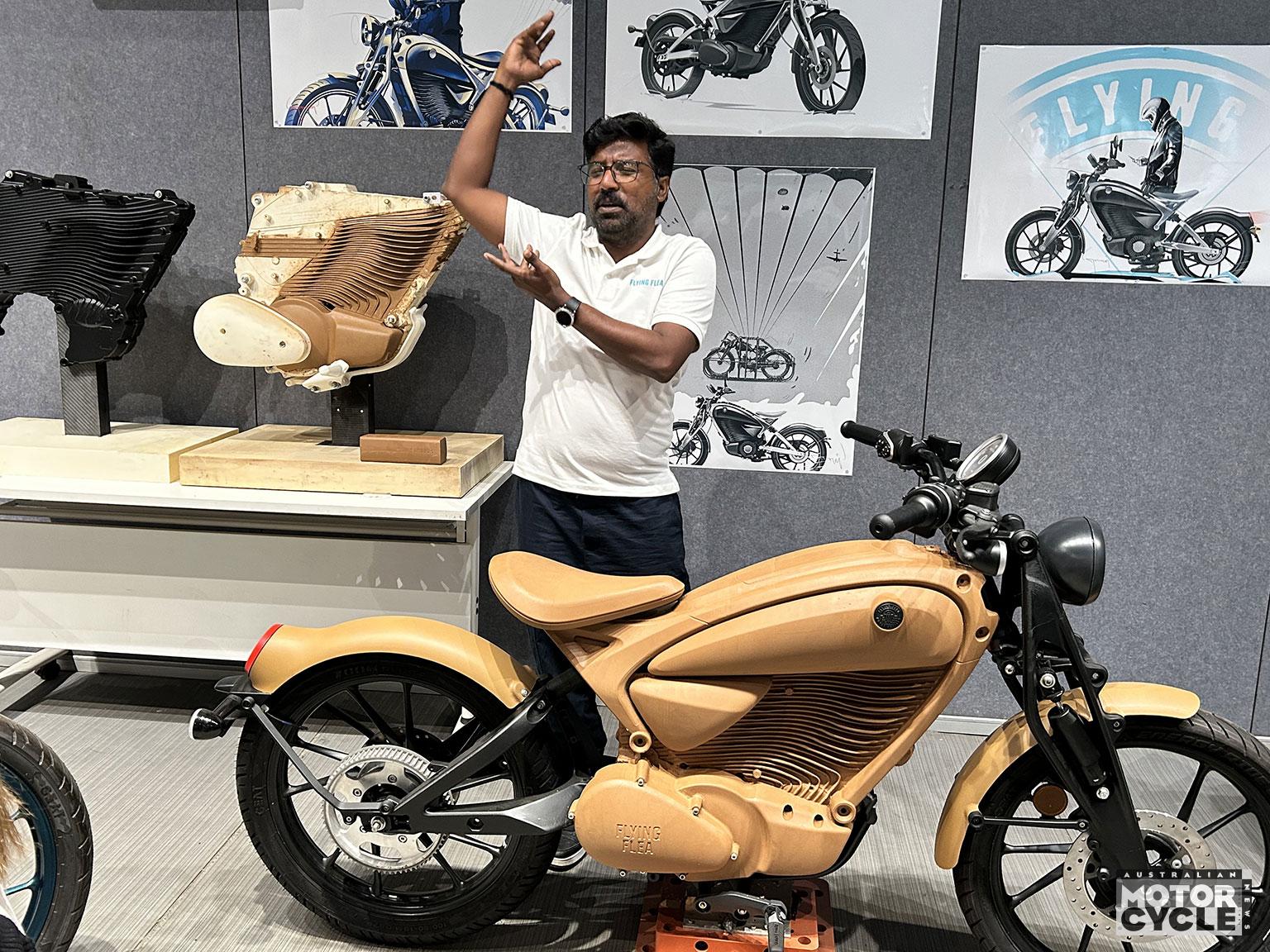
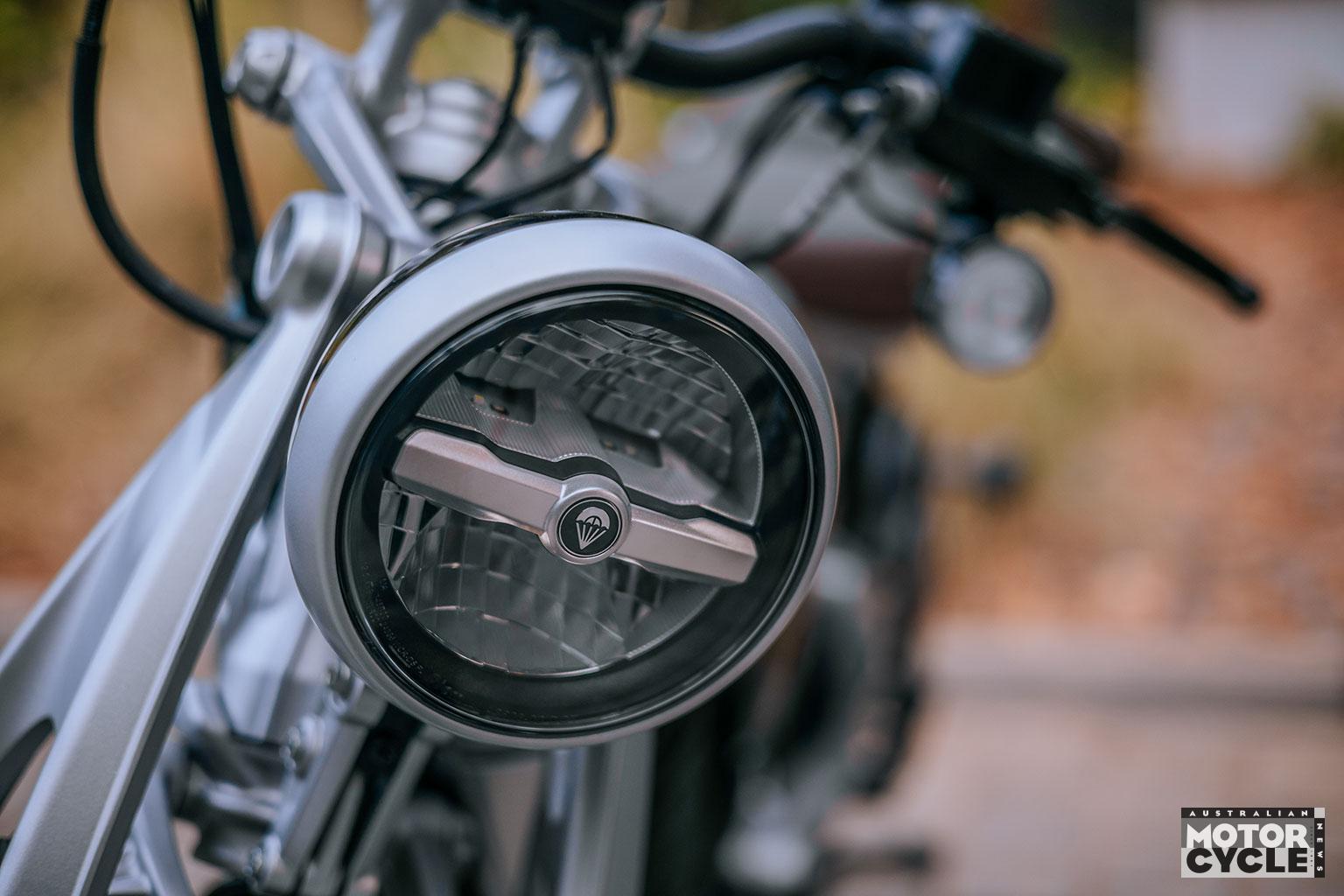
Jointly developed at the company’s UK Technology Centre at Bruntingthorpe and its Chennai Technical Centre, the new e-model draws inspiration from one of Royal Enfield’s most iconic wartime motorcycles – the lightweight 126cc two-stroke designed to be parachuted to the ground behind enemy lines during WW2 alongside the troops who rode it, and who gave it the ‘Flying Flea’ nickname [see History sidebar]. Two years before today’s Flying Flea was unveiled, Royal Enfield parent company Eicher Motors made a strategic $A80 million investment to acquire a 10.35% equity stake in the Spanish electric motorcycle manufacturer Stark Future SL, makers of the VARG electric Motocross bike that’s winning races and titles around the world against its ICE competition. The partnership gave Royal Enfield access to Stark’s sophisticated electric drivetrain know-how, and lifted the level of the Flying Flea’s powertrain development by several notches in terms of advanced motor and battery controller technology.
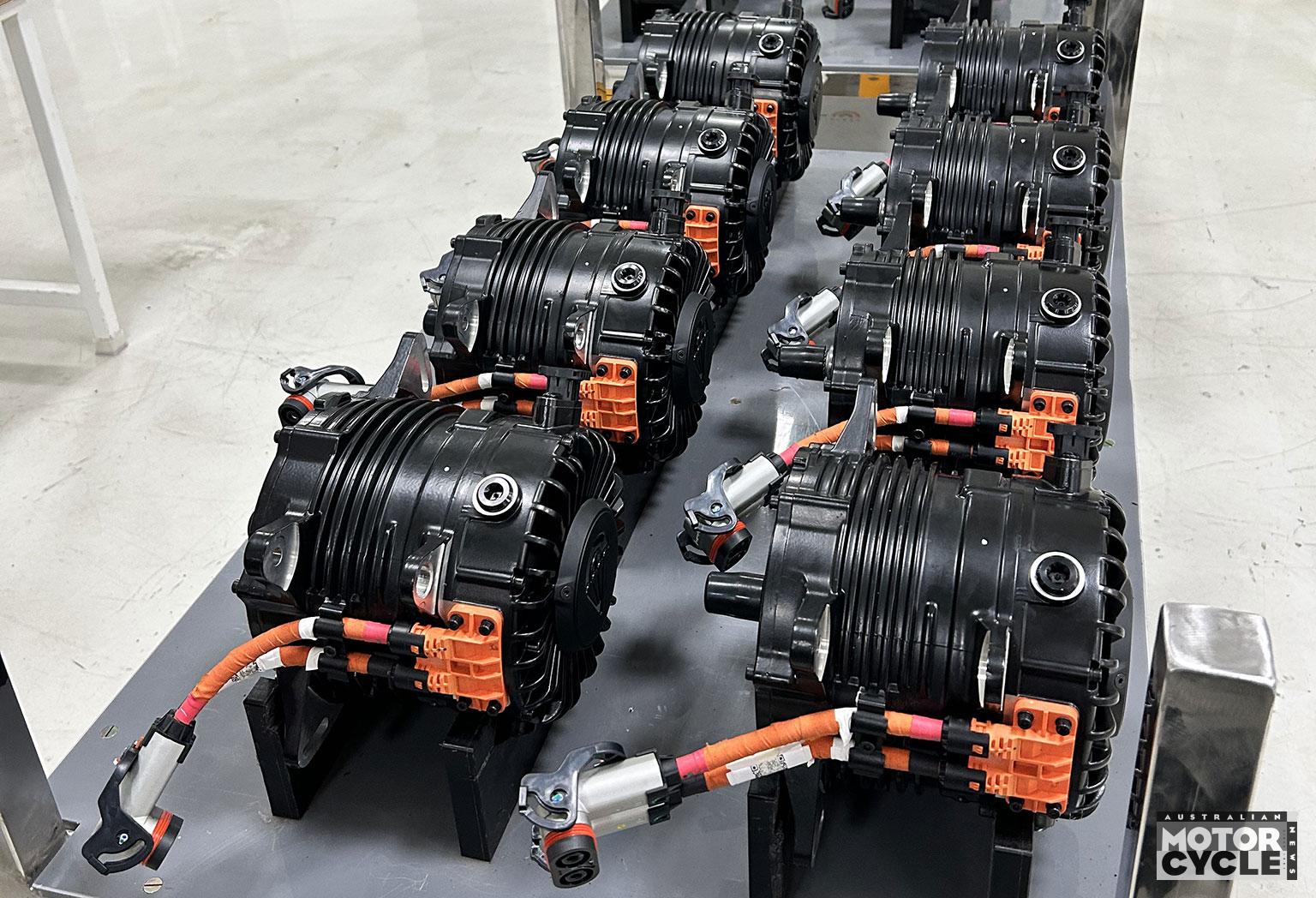
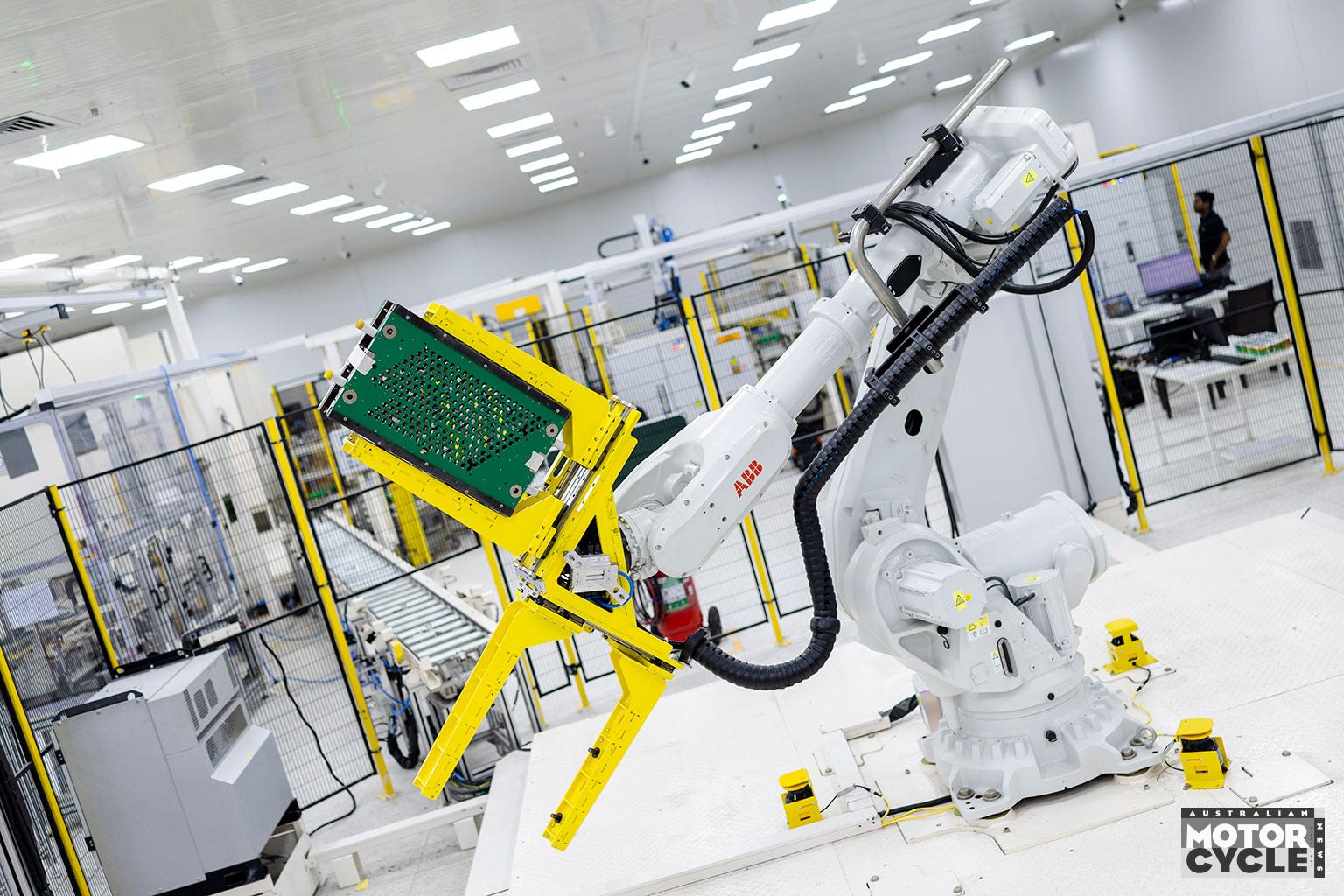
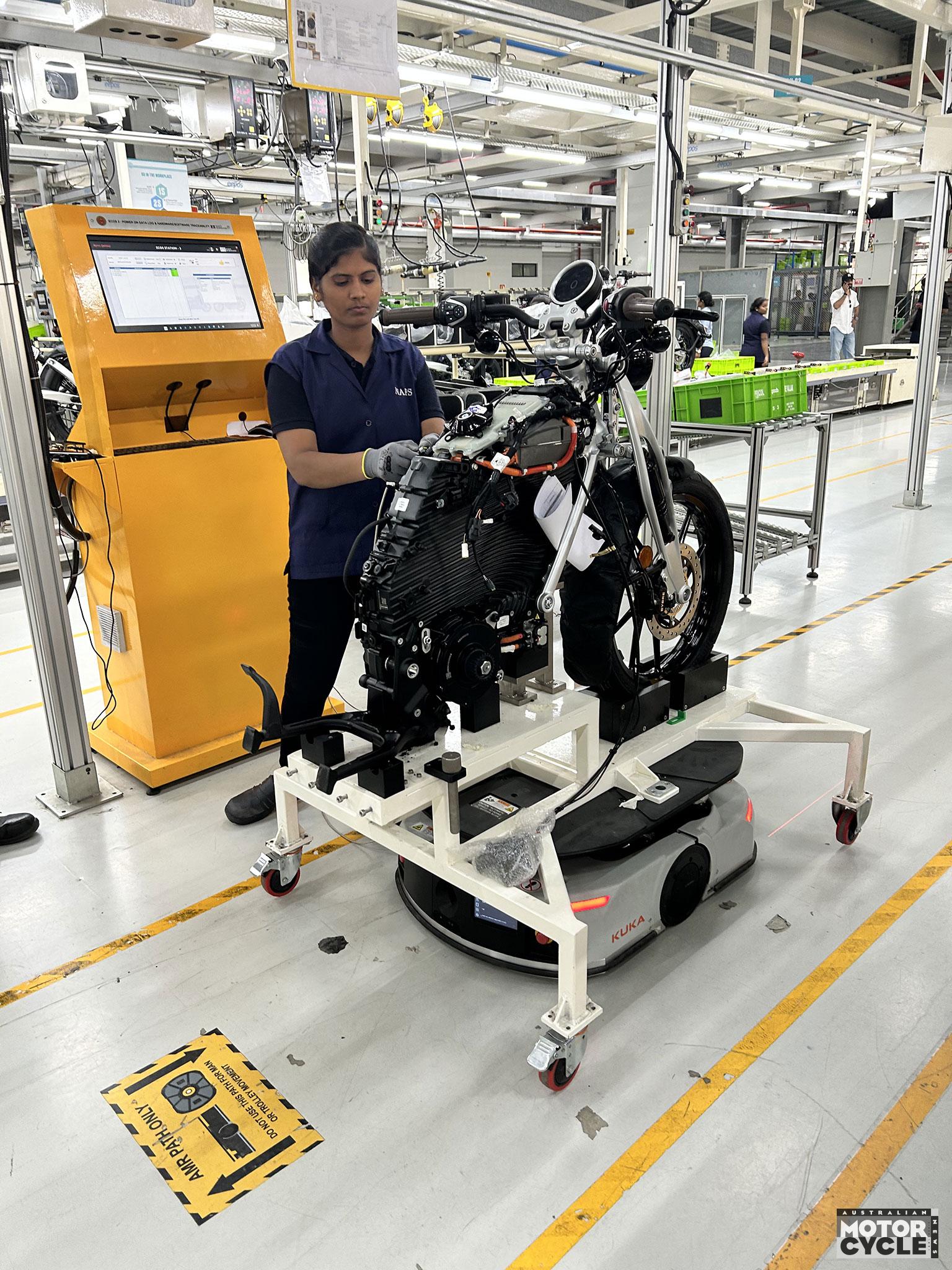
The Flying Flea C6 has now entered production in a specially built and impressively equipped addition to Royal Enfield’s main 65-acre Vallam Vadagal factory 50km SW of Chennai, which I was invited to visit earlier this year to see for myself how and where the Flea was developed, and is being made. This has a potential manufacturing capacity of 120,000 e-bikes per year, with 700 EV units a month currently being built, as the climate-controlled facility maintained to clinical standards of sterility gears up to full production. Subject to more than 45 patents so far granted, both in appearance and tech the C6 is completely unlike anything else yet constructed for the two-wheeled EV market. Compare it to Honda’s recently unveiled debut e-bike, the 218kg/50kW WN7 costing two and a half times more than the Flea, to contrast Beauty with the Beast aesthetically in terms of the battery housings alone. It’s very Enfield.
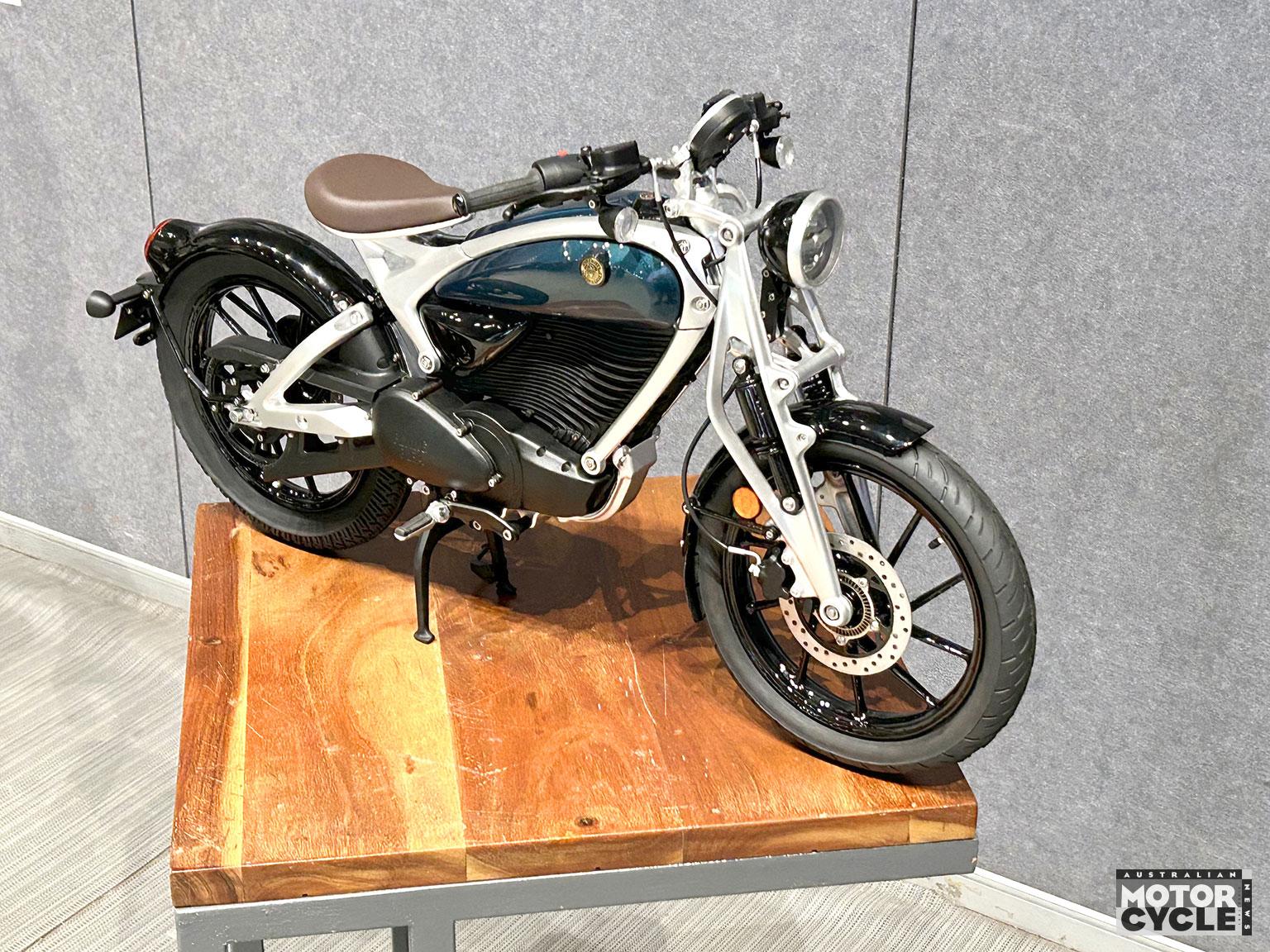
The Flying Flea employs an air-cooled permanent magnet synchronous AC motor which rotates forward, turning to a maximum of 7500 rpm, and like the battery pack and controllers is entirely developed and built in-house by Royal Enfield. Producing a claimed 15.4kW, its peak torque is 60Nm, sufficient to propel the 124kg C6 from 0-60km/h in a claimed 3.7 seconds, with a claimed top speed of 115km/h – comparable in performance and weight to a 125cc four-stroke single-cylinder ICE model. That low weight by EV standards is obtained by holding down the size of the 3.91kWh, 101.9-volt lithium-ion battery pack. Its distinctive, wind tunnel developed cast magnesium battery casing is heavily finned for cooling, and contains 224 Samsung cylindrical cells. After undergoing CT scanning, the cells are joined using a state-of-the-art laser welding process that generates no heat harmful to them. These are then meticulously insulated with special thermal interfacing material, then housed within the four-piece magnesium casing.
The downsized battery inevitably impacts range, which Royal Enfield claims to be 104km under the WMTC Phase 1 urban test cycle, dropping to 81km on the Phase 2 extra-urban cycle. But the smaller battery also means reduced charging times. Royal Enfield says a 20-80 per cent charge can be achieved in 65 minutes, while zero to 100 per cent takes two hours 15 minutes, both via a household socket. The accessibility this entails means that it’s easy to keep topping up the charge along the way, as we for example did on our French ride by stopping for a coffee and a quick 20min boost without having to search for a dedicated fast charger station. Then a longer charge over lunch meant we were refuelled for the ride home. It’s a convenient and practical way to go e-biking, although you must get the Flea within 10 metres of a household socket to do it – that’s the longest lead RE can supply, which you must carry in your back pack.
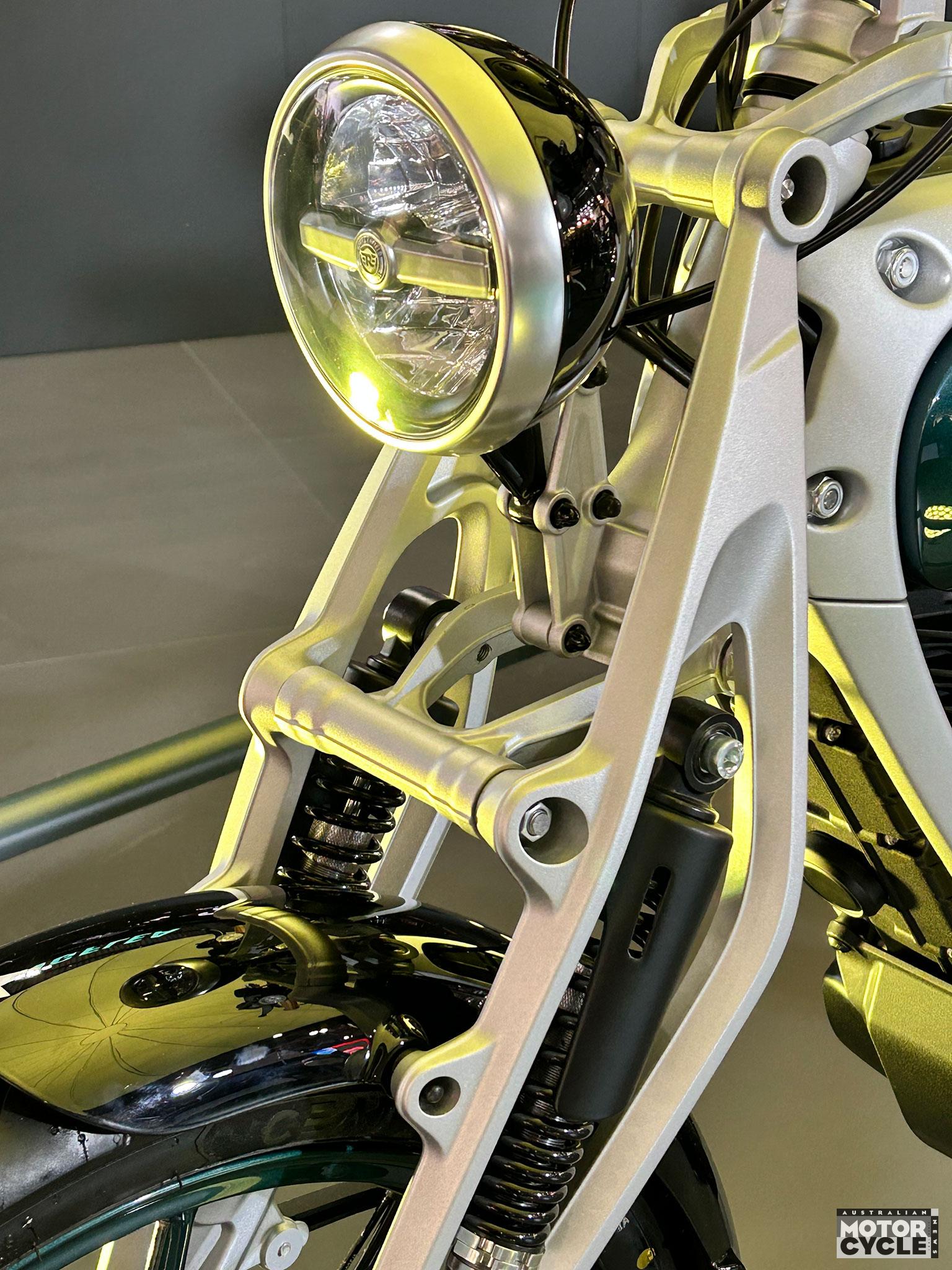
The powertrain and battery sit within an exoskeletal forged aluminium chassis, which carries one of the bike’s most distinctive features: a forged aluminium girder fork with twin Gabriel shocks mounted low down either side of the front wheel, and delivering 100mm of wheel travel. The similarly forged aluminium swingarm carries a Gabriel cantilever monoshock which is seven-way adjustable for spring preload and gives 110mm of travel, while 19-inch cast aluminium wheels sit at either end, shod with 90/90 CEAT Energy Ride EV tyres developed specifically for the Flying Flea. The front one has excellent side grip, allowing you to keep up turn speed on the angle, and thus maintain hard-earned momentum, a key element in e-biking.
The Flea has a 260mm front disc with a twin-piston ByBre caliper and a 220mm rear disc, along with lean-sensitive Bosch dual-channel Cornering ABS and traction control. The bike stops well, with the front ByBre twin-piston brake caliper gripping the single 260mm disc effectively enough to use most of the time on its own. The rear brake is even more effective, but I found it was best to keep that in reserve for panic stops, as in avoiding random tuk-tuks to the sound of a chirp from the rear CEAT tyre.
But there’s also a clever active regenerative braking system which becomes second nature once you get used to it. Instead of relying solely on braking input to recover energy, the Flea allows you to obtain regen simply by reversing the throttle, which certainly helps extend the bike’s range. But once you get the hang of it you can also hold off using the brakes at all in terms of losing a little speed entering a flowing turn, or coming to a halt at a traffic light, etc. Still, the real-world range will ultimately depend on how eager you are with the throttle, although that isn’t necessarily an issue. The Flea isn’t trying to be a touring motorcycle – its mission statement is urban mobility, plus some degree of versatility out of town. City Plus, right?
The Flying Flea’s Gabriel suspension is quite tautly sprung at both ends, but actually worked surprisingly well at damping out the bumps and lumps of typical Indian city streets replete with speed bumps and potholes, and French country back roads with occasional cobblestone stretches. I could feel the twin side-mounted front shocks damping out road shock over their 100mm stroke, helping the Flea maintain a composed ride over uneven surfaces. The damping settings on the trio of non-adjustable shocks felt well chosen, absorbing sharp bumps without unsettling the bike.
Royal Enfield insists the girder fork bears witness to the character of the original Flying Flea, but irrespective of that I liked the fact that it surely plays a part in the nimble, direct steering, and it transmitted road feel well to the handlebar from the front tyre. If it was good enough for John Britten, who used a similar front-end design on his legendary road V-twin racers, but in carbon fibre and with the front monoshock parked behind the steering head, it’s good enough for the Flea!
There’s a large round 3.5-inch colour TFT touchscreen dash with phone connectivity and its own Fleaware OS operating system, supporting Google Maps-based navigation. The dash is clearly laid out and very visible, even in bright sunshine – and there are lots of those that aren’t. The five riding modes included in the Flea’s electronic package are each very distinct in operation, and are easy to select on the go via the handlebar-mounted rotary ring on the left handlebar, which resembles BMW’s Wonder Wheel.
Sport gives notably better acceleration than Highway, to the extent of verging on being thrilling. The Flea may supposedly be comparable with a 125cc ICE bike in terms of performance, but it certainly doesn’t feel anything like as humble a motorcycle to ride if you hold the throttle wide open in Sport mode. I reckon Royal Enfield’s claim of a 0-60km/h time of 3.7 sec. is entirely believable. However, this comes at the cost of a more emphatic regenerative braking setting when you close the throttle. This makes it hard to go through a flowing series of bends on part throttle in Sport – you basically have to accelerate again each time you pass an apex – whereas in Highway mode there’s much less regen and not a lot less grunt out of a corner.
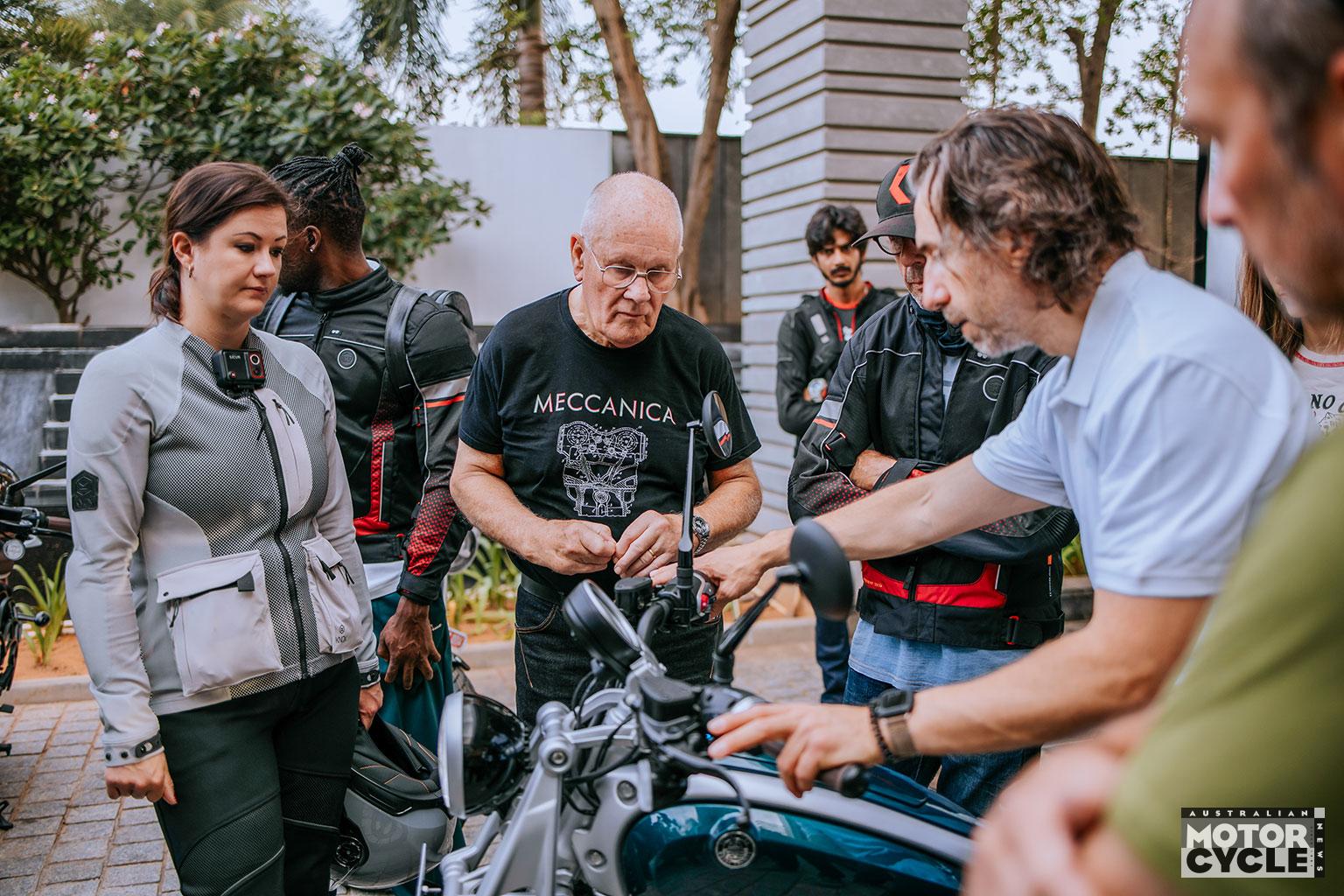
City is a lazier mode both going and stopping, while Rain has much less immediate acceleration. It picks up speed more slowly, as you’d expect, and regen is nicely set up to slow the bike in the wet. The fifth Custom mode is one you concoct for yourself, and Matt Cardenas cooked up the settings for me that he uses himself, which I really liked. But you immediately notice when riding the Flea that the throttle is ideally mapped in all the standard modes. It’s obviously had the initial pickup softened to avoid a snatch or jerk in the response from a closed throttle, and this is very confidence inspiring for any rider, especially a newbie. The torque is cleverly managed. They don’t give you all 60Nm of oomph the moment you open the throttle, but nor is it so layered that you get frustrated with the delivery. This motorcycle is obviously the beneficiary of thousands of kilometres of testing in real-world conditions by many different people – RE claims 85 test riders collectively covered over 250,000km on prototype models – and the result is a self-evidently refined product that inspires confidence as well as pleasure.
I may immodestly claim to have ridden more different electric motorcycles than anyone else on the planet, starting in 2010 with the Mission Motors e-Superbike. These include each winner of the Isle of Man TT Zero race, including the fabulous MotoCzysz and the Mugen Honda it defeated to win the race four times, the Lightning LS218 Superbike which won Pikes Peak outright and set the LSR for electric motorcycles, and its uber-affordable Strike street sister. More prosaically, I’ve ridden each year’s Zero street range since 2012, each BMW customer e-bike including the current CE-04, plus KTM’s e-Freeride and the Harley LiveWire in street and road racing guise. Etc. etc.
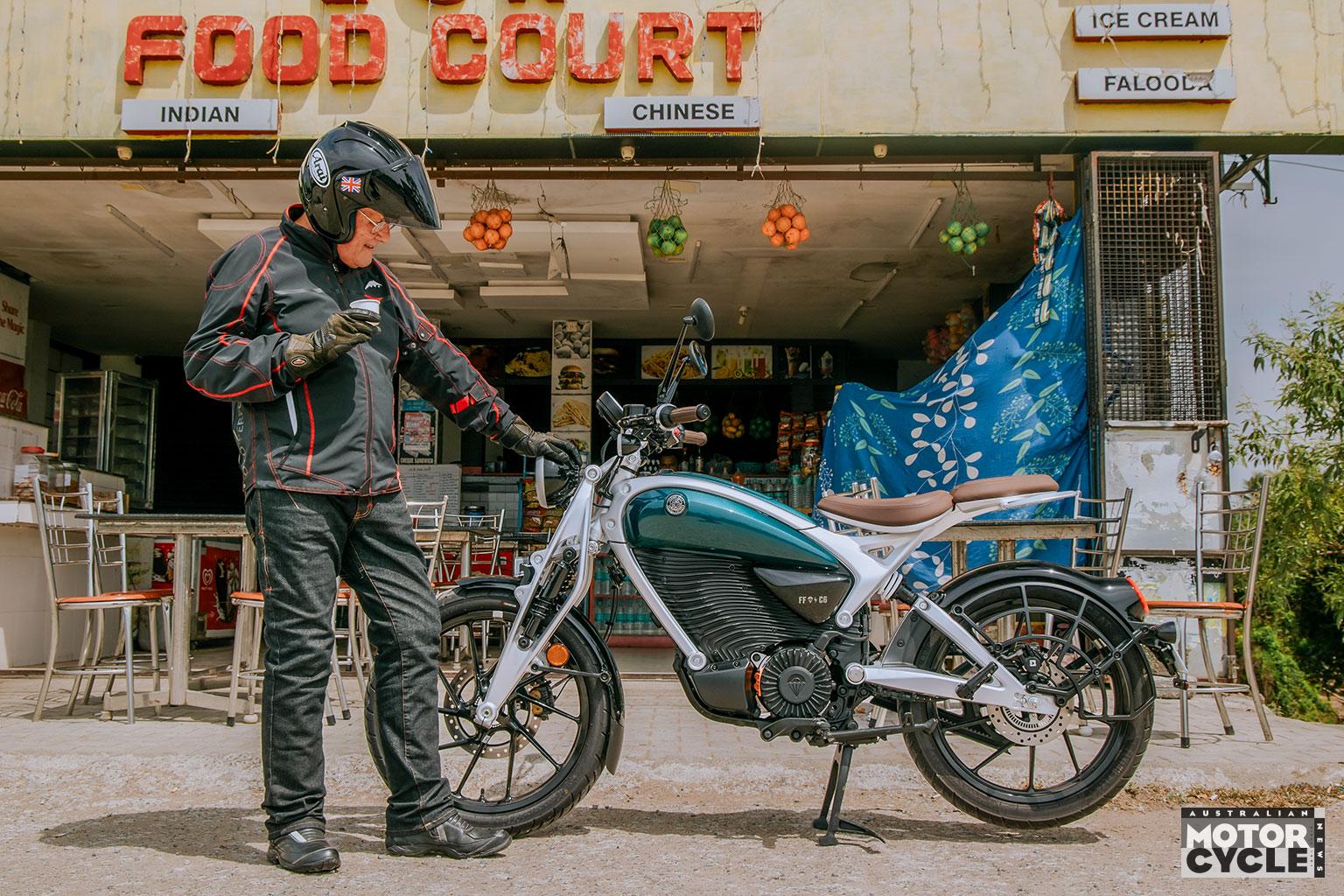
In short, I get electric. And I honestly think that Royal Enfield’s new Flying Flea could be a potential game-changer in terms of the electric motorcycle market – the breakthrough bike in persuading potential customers to overcome their resistance (OK, prejudices!), and give electric a chance. Whether in Flea Green, Storm Black or Parchment White, the three colours it’s presently available in, the Flying Flea is as appealing to look as it’s fun to be on.
My longer ride on it in France only cemented my belief that this is an accessible, appealing product which is well conceived, dynamically engaging and offers convenience allied to practicality. It has a cute, chic-looking appearance which I’m sure will give it the kind of brand identity that’s going to be a key factor in market penetration. The price is attractive, and I believe that, properly marketed at a local level, the Flea will be a significant player in an e-bike market sector which is likely to finally begin growing exponentially now that Honda has entered it with a very different-looking model. And I think Royal Enfield’s City Plus mantra will allow its C6 to stand out from its competition.
Let’s wait and see…
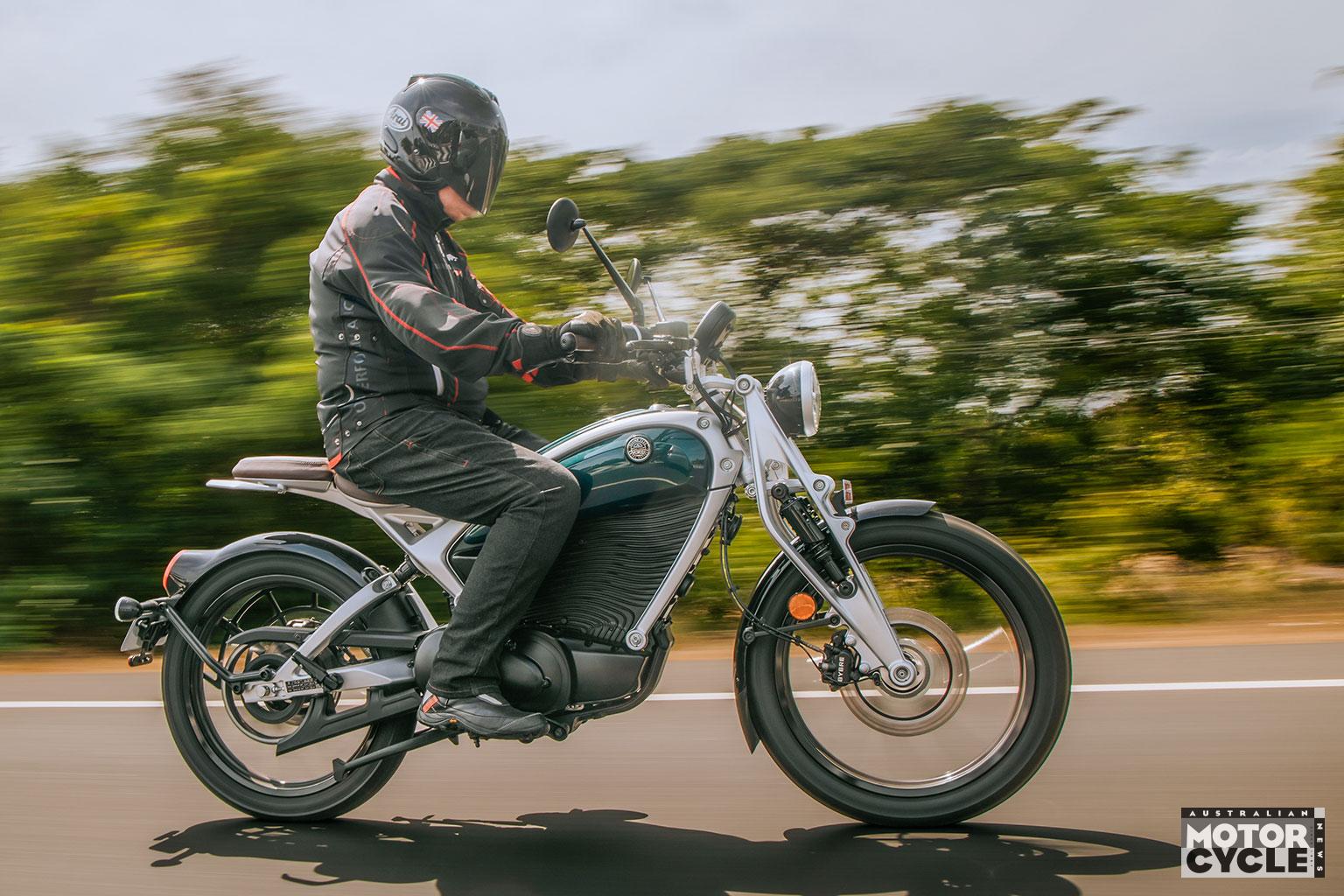
✅ PROS – Featherweight and beautifully nimble handling, characterful design unlike any other EV, superbly judged throttle mapping.
❌ CONS – Hard and slippery seat needs attention, indicator switch is frustratingly fiddly, real-world range remains the big question.
The long game

Royal Enfield CEO B. Govindarajan explains why the company is in no hurry to make Flying Flea an overnight success.
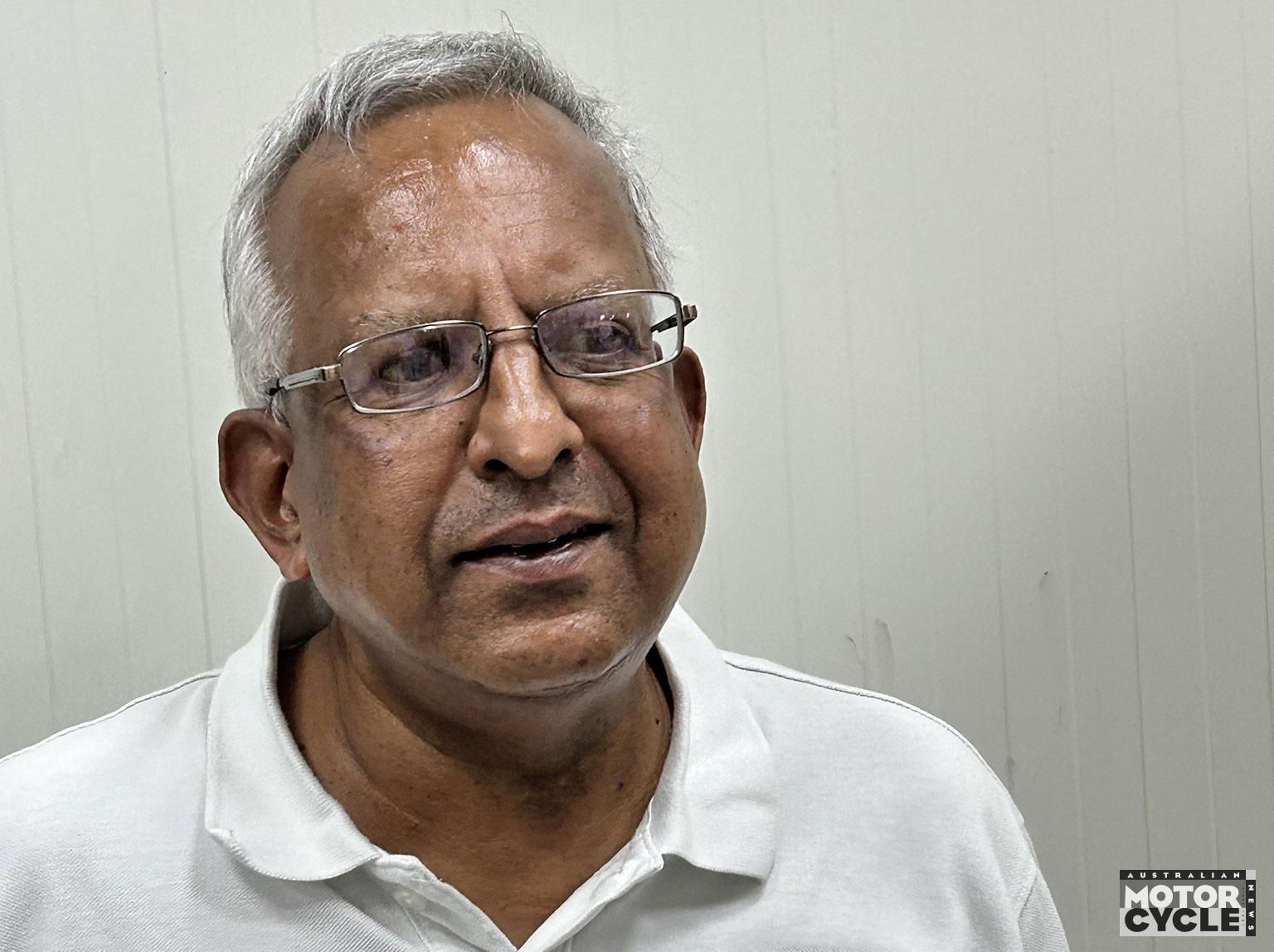
Govindarajan, 57, is the CEO of Royal Enfield, second only to Chairman Siddhartha Lal in the company’s management structure. Since joining the company in 2011, under Govindarajan’s leadership Royal Enfield has established Technology Centres in the UK and in India. He also led the development of several key models including the Himalayan, the 650 Twins and the more recent J-model 350cc Hunter, Meteor, Classic and Bullet. Under his leadership Royal Enfield’s business has surged ahead post-Covid, with the million motorcycles annual sales barrier cracked in the past year. BGR, as he’s universally known within RE, is also responsible for spearheading the company’s electric mobility programme, so the chance to talk with him during my visit to Chennai revealed the company’s strategy behind this.
BGR, how much has Royal Enfield invested in EV so far?
“Currently, we have sunk about US$40 million into electric – but this is only the start. A lot of that has gone on capital investment in our labs and EV production facilities, getting ready for what we plan will be other models in our EV lineup. We have built a very competitive team of around 200 people who will work exclusively on future electric vehicles, and have registered 45 patents so far on our EV technology.”
Why has it taken so long to bring the Flying Flea to market?
“We somehow felt we were not in a tearing rush. Globally there is no electric motorcycle which is selling in large quantities. We will go slow, we will create this category over a period of time, but we are here for the long haul while the infrastructure catches up.”
And what comes next?
“C6 is a very important platform which can go up or down in whichever way we choose. Expansion is on the cards, but with no urgency. We are not here for any short term business benefits, but we will slowly build our EV business in a measured, sound fashion.”
SPECIFICATIONS
POWERTRAIN
Motor Air-cooled AC permanent magnet synchronous motor
Battery 101.9-volt lithium-ion 3.91kWh battery pack containing 224 Samsung nickel cobalt aluminium cells, housed in a cast magnesium casing finned for cooling
Output 15.4kW / 21bhp @ 7500rpm
Torque 60Nm / 44.25ft-lb
Transmission Direct single-speed
Final drive Separate belt primary and belt final drive
PERFORMANCE
Top speed 115km/h (claimed) / 72mph
Range 104km on WMTC Phase 1 urban cycle; 81km on Phase 2 extra-urban cycle
Recharge 10–80% in 65min via onboard DC charger and household 120/240V wall socket; 0–100% in 2hr 15min
ELECTRONICS
Riding modes City, Highway, Sport, Rain, Custom
Rider aids Dual-channel Bosch Cornering ABS, traction control, adjustable regenerative braking
Instrumentation 3.5-inch colour TFT touchscreen with phone connectivity, Fleaware OS and Google Maps-based navigation
CHASSIS
Frame Forged aluminium exoskeletal frame
SUSPENSION
Front Forged aluminium girder fork with two non-adjustable Gabriel shocks, 100mm travel
Rear Forged aluminium swingarm with Gabriel cantilever monoshock, seven-stage preload adjustment, 110mm travel
WHEELS & BRAKES
Wheels 19-inch cast aluminium
Tyres 90/90-19 CEAT Energy Ride EV front and rear
Front brake 260mm steel disc, twin-piston ByBre caliper
Rear brake 220mm steel disc, twin-piston ByBre caliper
DIMENSIONS
Wheelbase 1366mm / 53.75in
Seat height 823mm / 33in
Weight 124kg / 273lb
BUSINESS END
Constructor Royal Enfield, Chennai, India
Contact flyingflea.royalenfield.com/in/en/product/c6/