Single-cylinder Bonnie baby will strike fear into rivals from BSA and Royal Enfield
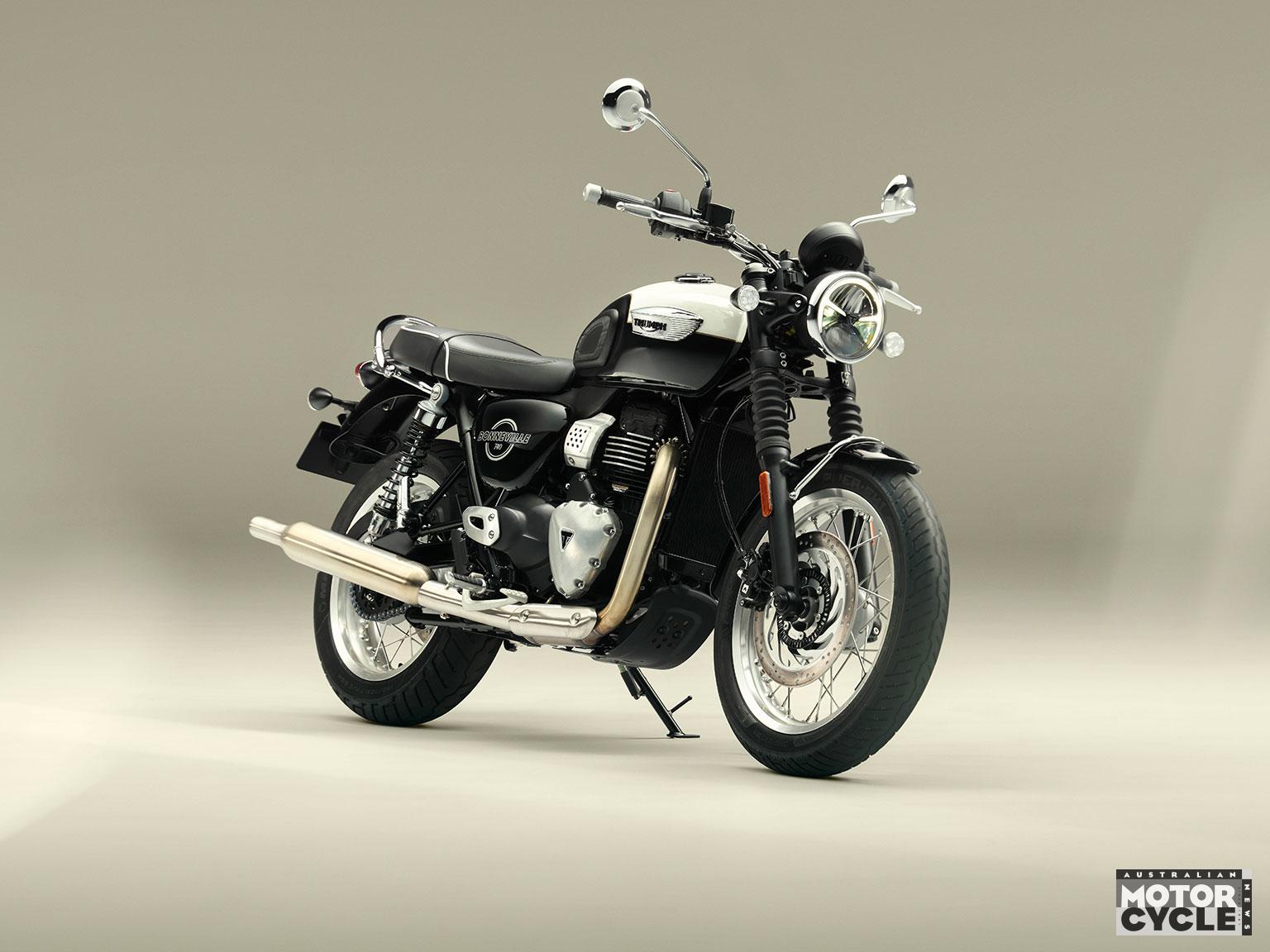
Decades of history can be simultaneously a boon and a millstone for motorcycle brands: offering a route to tempt wistful buyers with visions of a bygone era but risking their ire with every deviation from the lore of the brand’s heritage. Traditionalists will, no doubt, be throwing their Whitworth spanners across the garage at the idea of a single-cylinder bike bearing the Bonneville name – but from a sales perspective the new T40 looks like a recipe for huge success.
Bonnies have always been twins, and Triumph could have dug deeper into its basket of old names to find something more historically accurate for its new 398cc single. Terrier, perhaps, or Tiger Cub. But that’s missing the point: the Bonneville name resonates with buyers in a way those don’t. Triumph has already departed from the original Bonnies in countless ways – liquid cooling, fuel injection, disc brakes, and dozens more – so why not make an entry-level, single-cylinder one?
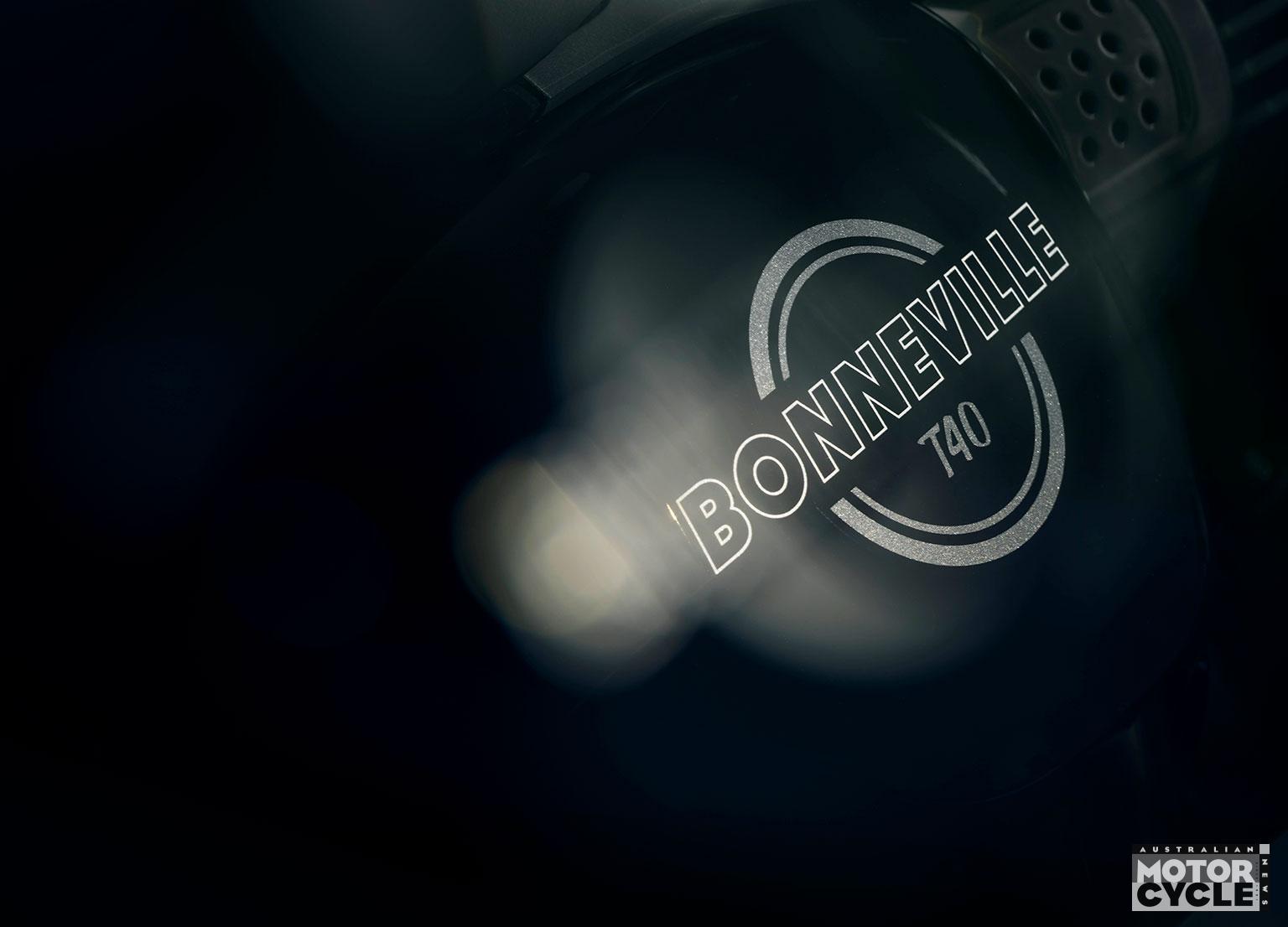
Right. Everyone who’s offended by the idea of a Bonnie single will have stopped reading by now so, for the rest of us, what’s the T40 all about?
As you’ve probably guessed, the engine is the ‘TR Series’ motor that’s familiar from the Speed 400, Scrambler 400 X, Tracker 400 and Thruxton 400. Except it’s not quite the same. For the Bonneville T40 Triumph has turned the wick down, reducing the peak power to 22.8kW and torque to 36Nm with the aim of bulking out the low end at the expense of high-rev performance. The max power arrives at just 7,000rpm, for example (2,000rpm less than needed to wring the best out of a Thruxton or Tracker), while peak torque is available at only 5,000rpm. Triumph has even turned the idle speed down purely to emphasise each thump as the motor ticks over.
The changes go beyond a simple retune. The cylinder head casting is new, with an extra row of cooling fins. Purely for appearances, of course, but that’s a key element of the bike. Inside, it gets new camshafts, different timing and duration, and the gearing is changed to capitalise on the lower-revving nature of the motor.
There’s still modern tech, of course: this is a fuel-injected, ride-by-wire, 21st century bike, despite appearances. That means a trio of riding modes – road, rain and eco – plus two rider-configurable presets, all tweaked via a clever, circular TFT dash that switches at the touch of a button between a modern interface for all the bike’s tech to a ‘Heritage Mode’ retro speedo that, at a glance, looks like it’s straight from the 1950s. That tech, by the way, including cornering ABS and lean-sensitive traction control, courtesy of an inertial measurement unit – stuff you’ll struggle to find on rivals like the BSA Bantam 350, Honda’s GB350S or Royal Enfield’s Bullet 350.
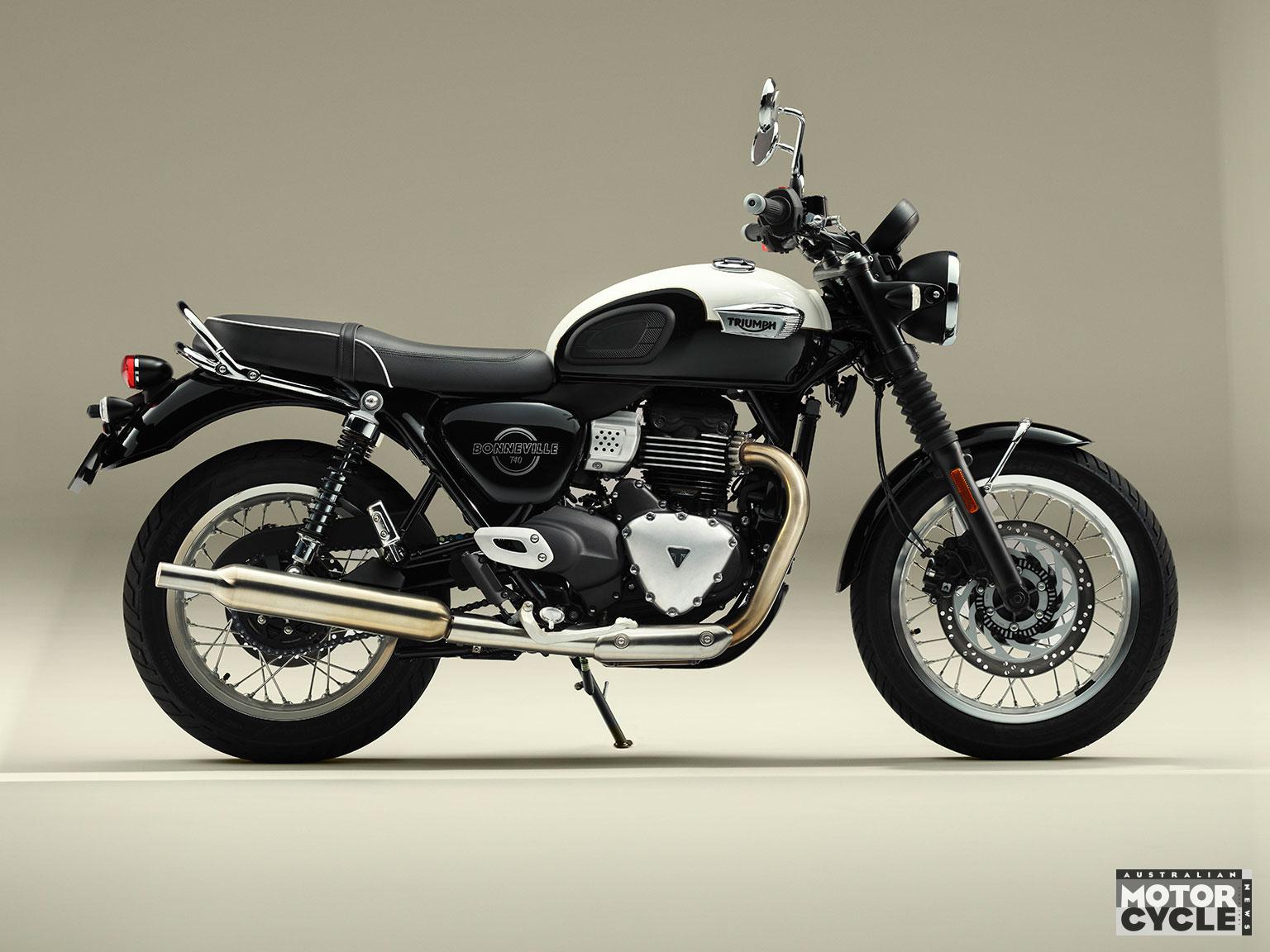
Switch away from the traditional look, and the dash offers full map navigation, a USB-C charger and all the phone connectivity we’ve come to expect on the latest generation of bikes, while the list of standard kit also includes cruise control and self-cancelling indicators.
Like the engine, the chassis is related to Triumph’s other singles, but far from identical. It’s still a tubular steel design, but the T40 gets a welded-on rear subframe instead of a bolt-on unit for the transformation into a traditional, dual-shock design instead of the monoshock of the other Triumph singles. It also adopts right-way-up forks and trad-looking wire wheels, 18 inches at the front and 17 at the rear, wearing tubed tyres from Indian brand MRF. All the suspension is Indian-made, too, coming from Endurance – a favoured supplier of Bajaj, which also makes the T40 on Triumph’s behalf for some markets. The bike will also emerge from Triumph’s Thai factories, and from its plant in Brazil. Not, you’ll note, from the UK, but that’s the norm for Triumph today: economic realities mean that bikes like this need to be competitively priced, and that means keeping manufacturing costs down wherever possible.
Since introducing the single-cylinder range, Triumph has grown rapidly. In 2024, the first year for the singles, it passed the 100,000 sales mark for the first time in its history, and in the 2025 financial year that figure was more than 140,000. By taking the success of the singles and mixing it with the appeal of the Bonneville name, the T40 should see another substantial step upwards.
Initially, two versions of the bike will be offered: the standard T40 comes in a choice of two-tone finishes – blue/white, blue/orange or white/black, all with a hand-painted coachline separating the colours – while the T40 Black gets dark engine cases, wheel rims and exhausts and comes in a two-tone grey/black finish. No prices yet, but they’re due to be announced in early 2027, with the bikes reaching dealers in the first half of that year.