Suzuki have taken the wraps off two 2027 models but are they new bikes or warmed-up leftovers?
As the smallest of Japan’s ‘Big Four’ Suzuki is well versed with the idea of making a little go a long way and its new launches for 2027 expand its range in two useful directions without any clean-sheet design work.
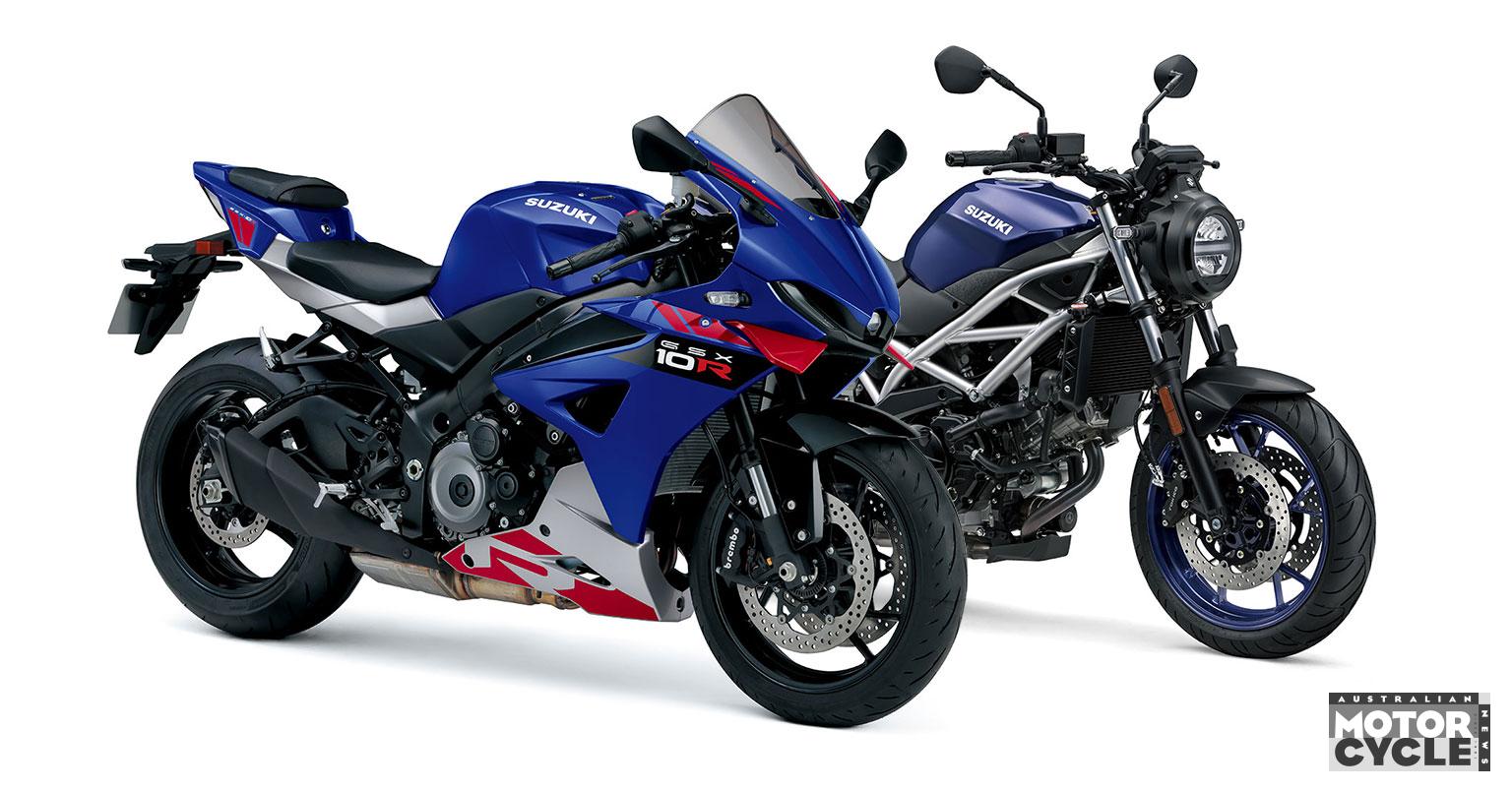
The company’s two new models are the GSX-10R and SV-7S. Both are unfamiliar names, but house some very recognisable components.
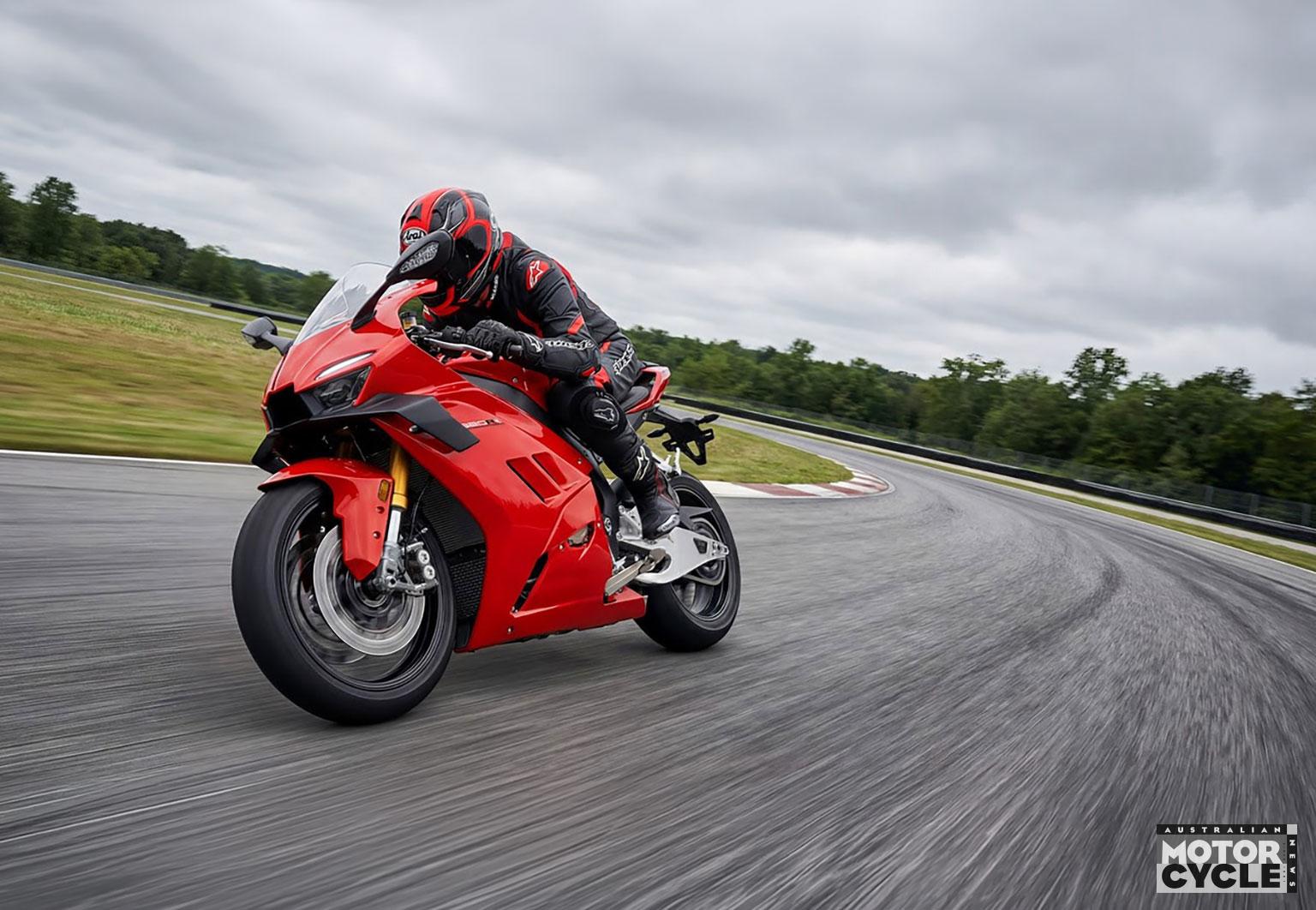
Let’s start with the GSX-10R. The name clearly positions it alongside the fully-faired GSX-8R, and at first glance its be-winged styling could indicate a full-on superbike. But underneath those panels the GSX-10R’s structure and engine come from the GSX-S1000 family, which already includes the naked GSX-S1000, the Katana, the GSX-S1000GT and the GSX-S1000GX. The engine is the same 21-year old unit that traces its heritage back to the 2005 GSX-R1000 K5 (and that’s no bad thing, the K5 was a superbike landmark in its day), and the frame is the same design that’s used on the other 1000 models.
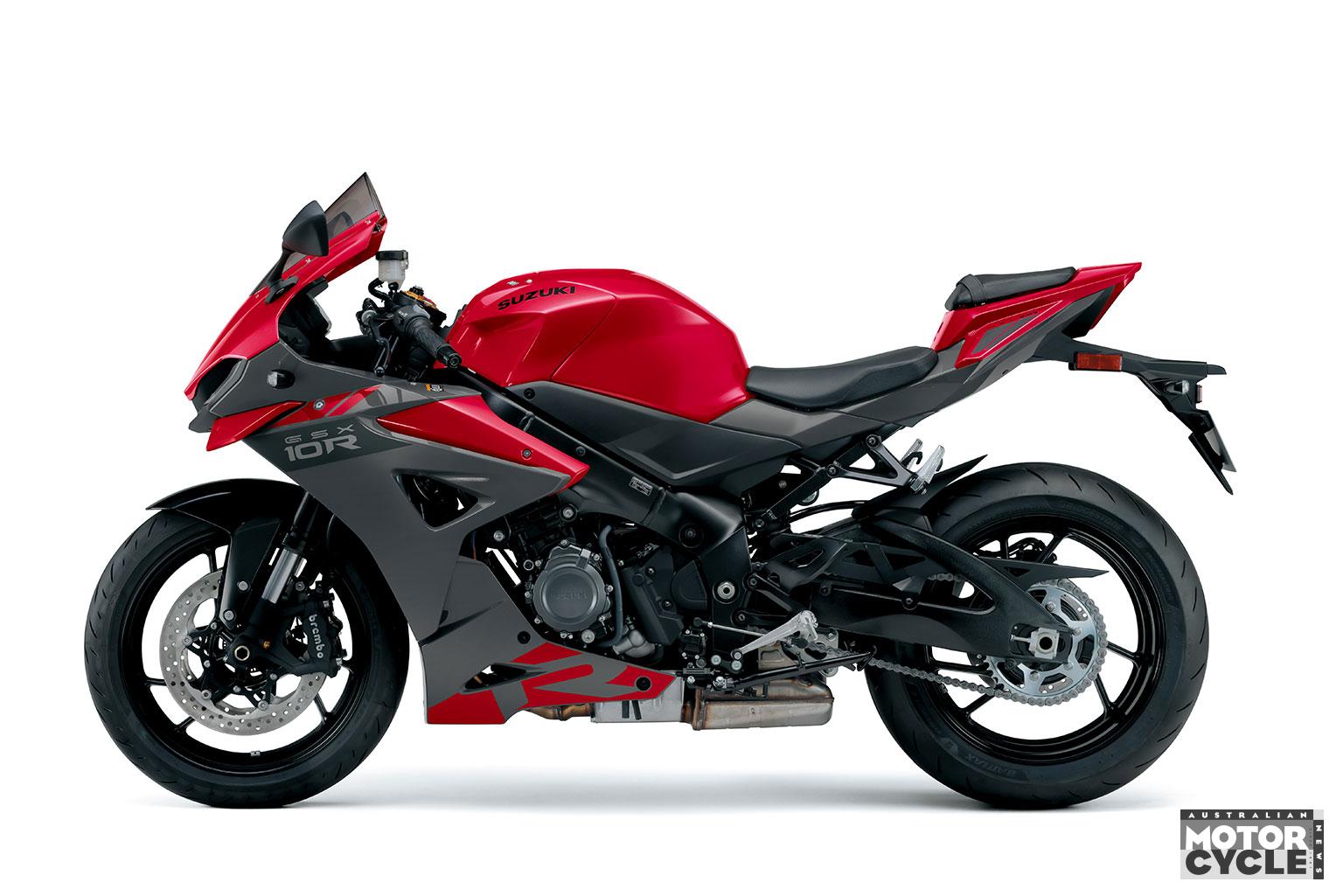
But it’s not a toned down sports tourer. The GSX-S1000GT and GX fill that role. The GSX-10R gets the same riding position as the GSX-R1000 superbike, so it’s perhaps more akin to a GSX-R750 successor for those European markets where the GSX-R750 and 600 have long since been sacrificed on the alter of emissions regulations.
The engine might be similar to the K5’s, with the same overall design and dimensions, but it’s been regularly updated to keep abreast of those pollution rules and the version in the GSX-10R has ride-by-wire and cornering traction control as a result, plus multiple riding modes and throttle maps, wheelie control and – for the first time on a Suzuki – slide control. But because it’s been in production so long, its R&D costs long since amortised, Suzuki should be able to keep the price well under control.
At 112kW, the peak power is well behind the latest crop of 160kW litre superbikes, and even some distance below the original K5’s 131kW output. The bike’s 214kg kerb weight is a little chubbier than the latest and greatest as well. But the performance should still be pretty spectacular nonetheless, at least on a par with a turn-of-the-millennium superbike, with a modern array of rider aids that those bikes could only dream of.
Fully adjustable KYB suspension, with upside-down, 43mm forks and a rear shock that includes separate high- and low-speed compression adjustment alongside the usual rebound and preload settings, means the handling won’t be too shabby either, and for the new bike Suzuki has created a dedicated seat subframe and tweaked the chassis to accommodate a steering damper. It’s an intriguing machine, and if it’s a success perhaps we’ll see some other brands raiding their stash of old superbike engines to come up with competitors.
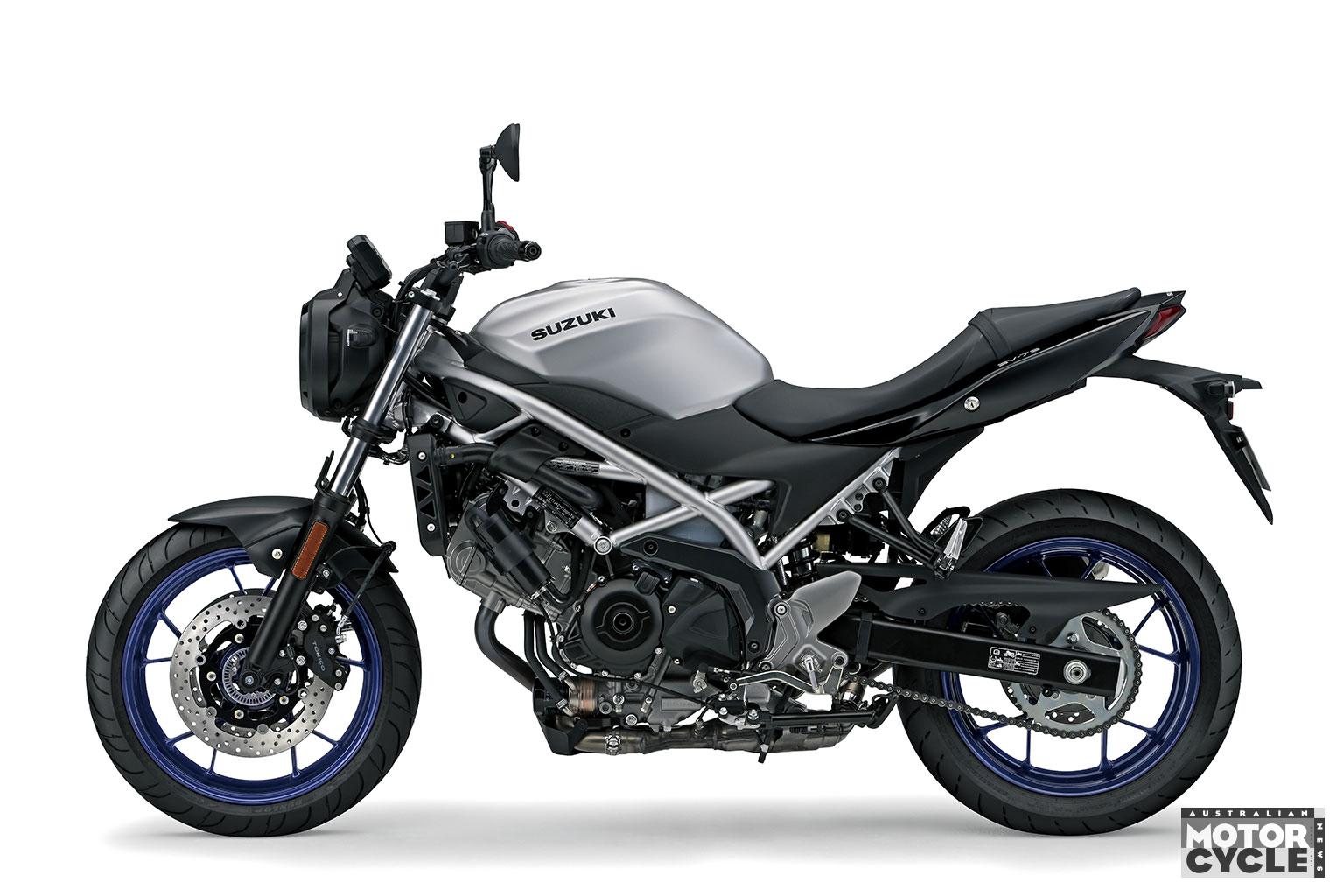
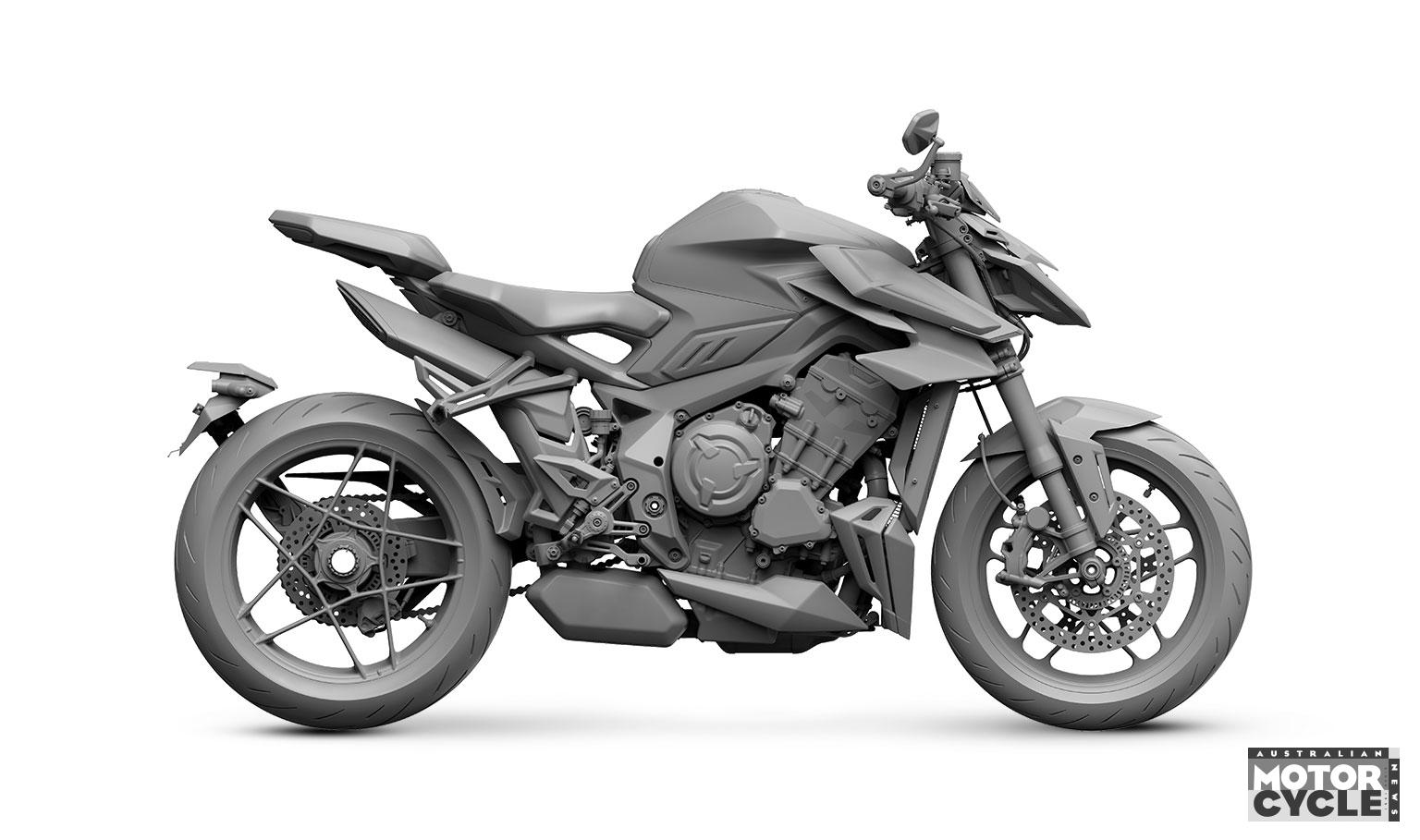
The SV-7S is Suzuki’s second new model of 2027 and despite its new name it’s really another generation of the long-running SV650.
It’s derived from the SV-7GX that debuted a year ago, and that machine in turn borrowed its engine and chassis from the SV650, albeit with changes to meet the latest emissions rules and electronics expectations of customers.
That means there’s now ride-by-wire throttles, with multiple riding modes, traction control and a bidirectional quick shifter, but the essence of the 645cc V-twin can be traced straight back to the original SV650 of 1999. Even the SV-7S’s frame and bodywork are largely identical to the last SV650 generation, although the underside of the fuel tank is reshaped to accommodate the extra electronics. The only real styling difference is the more modern-looking headlight, which sits in front of an up-to-date colour TFT dash that SV650 owners could only dream of.