Eight years and more than 1000 products after its launch, Australia’s independent motorcycle clothing rating program is giving riders more information than ever – not all of it good
Australia’s independent motorcycle clothing rating program, MotoCAP, claims an increasing number of manufacturers are downgrading garment protection because the certification standard “has been set quite low”.
MotoCAP has grown significantly since its 2018 launch, now testing 173 jackets, pants and gloves each year and attracting far more website traffic than it did in its early days.
When AMCN last caught up with MotoCAP chief scientist Associate Professor Chris Hurren in 2019, the program was testing 152 products annually and had three stated goals: giving riders better information, encouraging manufacturers to develop better products and improving quality control. Eight years and around 1100 tested products later, Hurren says the objective hasn’t changed: “We don’t tell people what to wear. We just give them the information they need to make the right choice.”
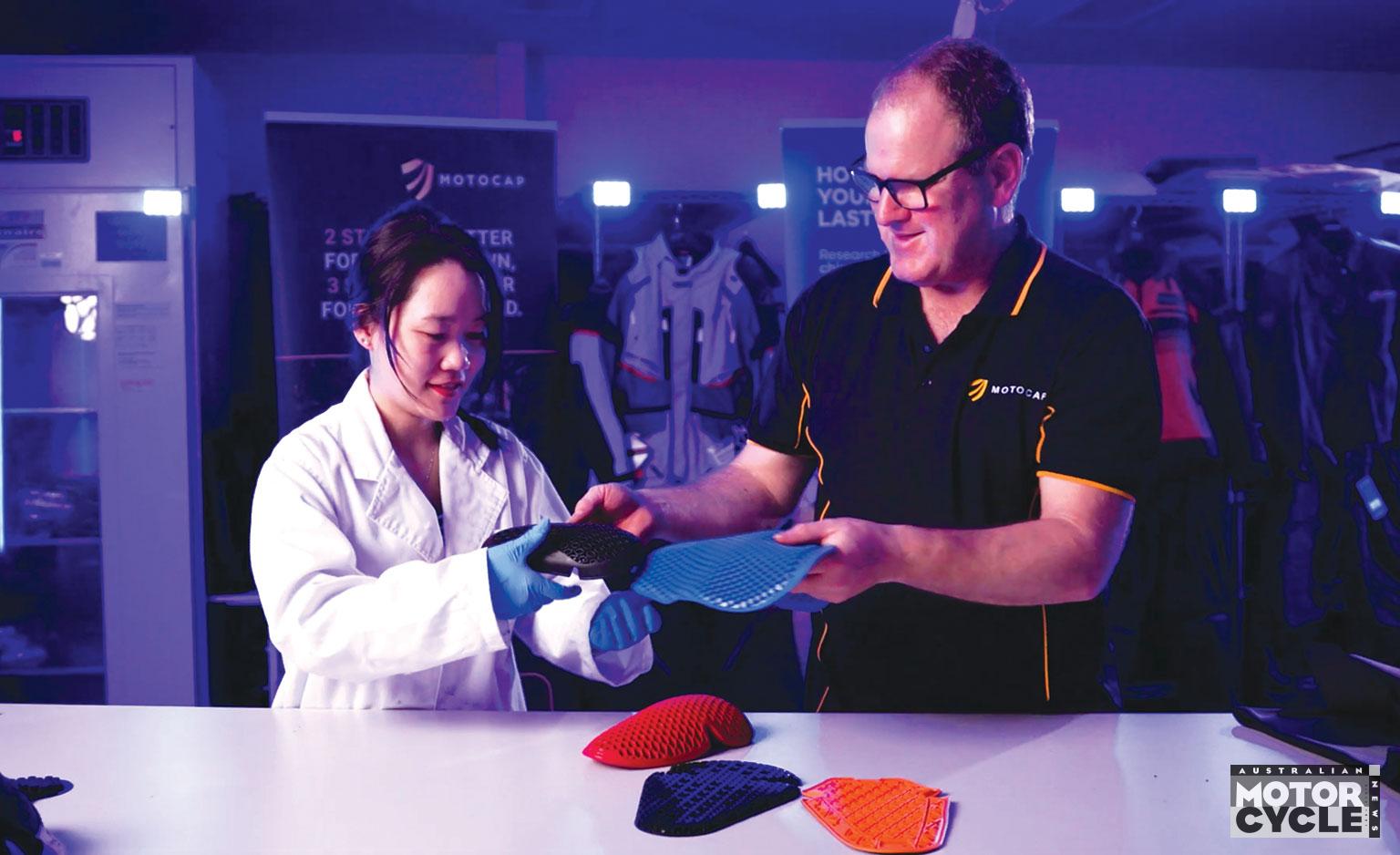
Research conducted since our last visit has also given MotoCAP a clearer picture of how much protection riders need. Testing on actual roads has found urban asphalt to be around 4.5 times less aggressive on motorcycle clothing than the chip-seal surfaces common on our country roads. As a result, MotoCAP now recommends clothing rated at least two stars for urban riding and three or better for the open road.
The growing database is also allowing researchers to identify broader trends in motorcycle clothing – and not all of them are encouraging. Hurren says MotoCAP data shows protection levels in jackets and pants certified to European EN 17092 standards have been declining year-on-year, despite the garments continuing to meet their required certification.
“We are seeing a decreasing protection trend in EN 17092-certified gear since the standard’s been around,” he said. “The standard has been set quite low and manufacturers are pulling protection out of gear to save money.”
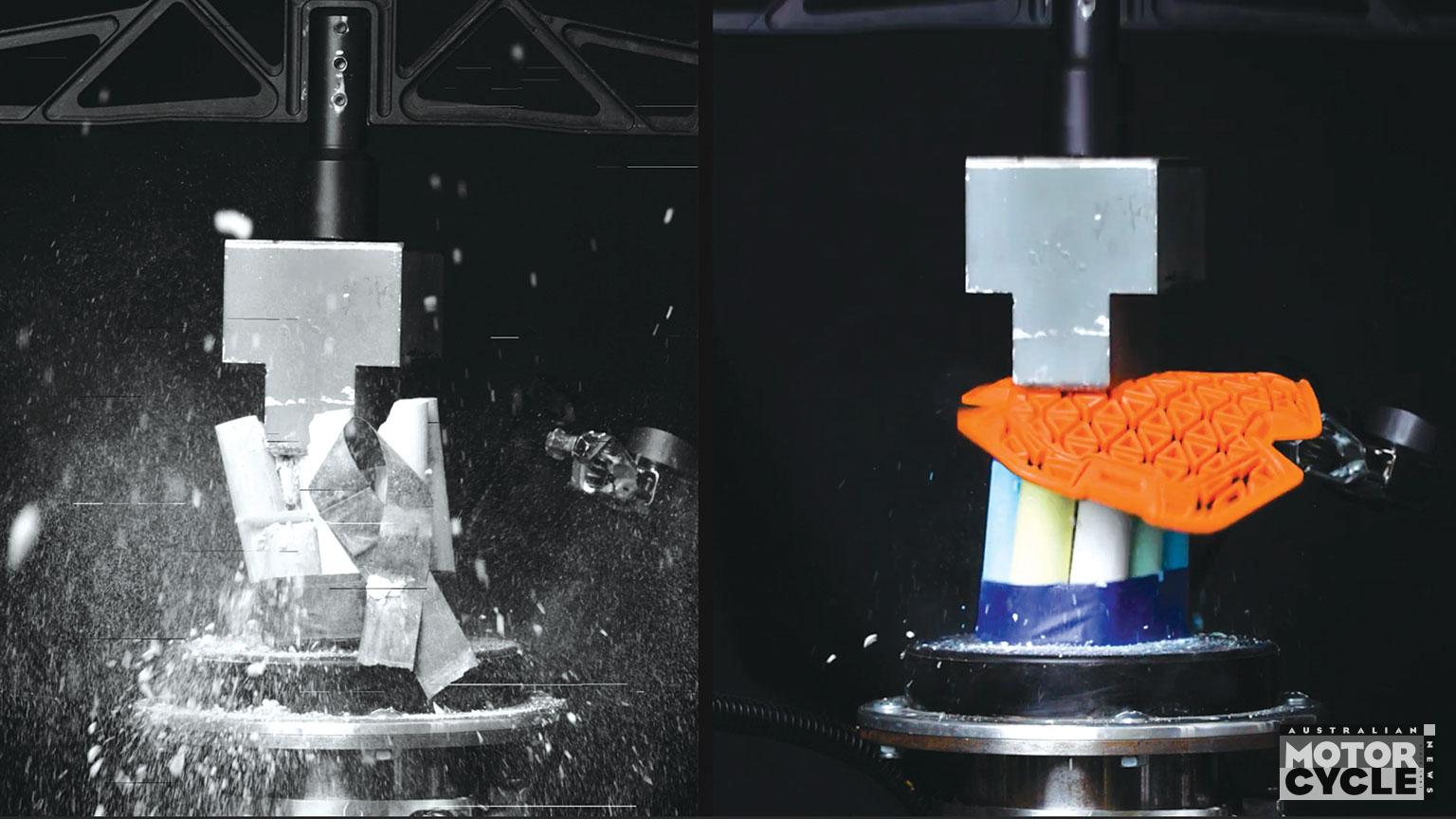
Abrasion resistance is the major concern. MotoCAP has encountered single-layer motorcycle jeans offering similar abrasion performance to ordinary denim. One product tested dropped from 3.7sec of abrasion resistance to 1.2sec in a later version, despite its retail price remaining unchanged. It reinforces one of MotoCAP’s original messages: price, brand reputation and certification alone don’t necessarily tell a rider how one garment compares with another.
But there are encouraging signs. Some Australian manufacturers have steadily improved their products since MotoCAP began, and strong independent results can provide smaller brands with valuable credibility. “There’s definitely benefit in MotoCAP for brands, and especially little, lesser-known brands,” Prof Hurren says.
Riders are taking more notice, too; motocap.com.au attracts around five times the traffic of its early years, when it drew 2000-3000 users a month, with considerably larger spikes following major publicity.
“Any gear is better than no gear,” says Hurren. “But if the same comfort levels and price are there for a three-star garment as for a half-star garment, you’re better to be in the three. You’re also better to wear a three-star garment that you put on every time you hop on the motorbike than to have a five-star garment that lives in the cupboard.”