Getting your motorcycle licence is a wonderful idea. But the reality means jumping through a few hoops and making a series of important decisions. This guide will help you choose well, spend wisely and avoid the mistakes that make learning to ride harder than it needs to be
There are plenty of sensible reasons to get into motorcycling. Bikes are fuel efficient, take up less space, are easier to park and can turn an ugly commute into something far less soul-destroying. They are also relatively affordable, and for many households a learner-approved bike can make more sense than adding another four-wheeled vehicle to the driveway.
The reasons people start riding might be around cost, convenience or necessity. The reason they stay with it is because it’s fun, engaging and just a little bit risky. Riding asks more of you than driving. You are involved in every aspect of it, from whole-body inputs to the way you read traffic. Done well, it sharpens you.
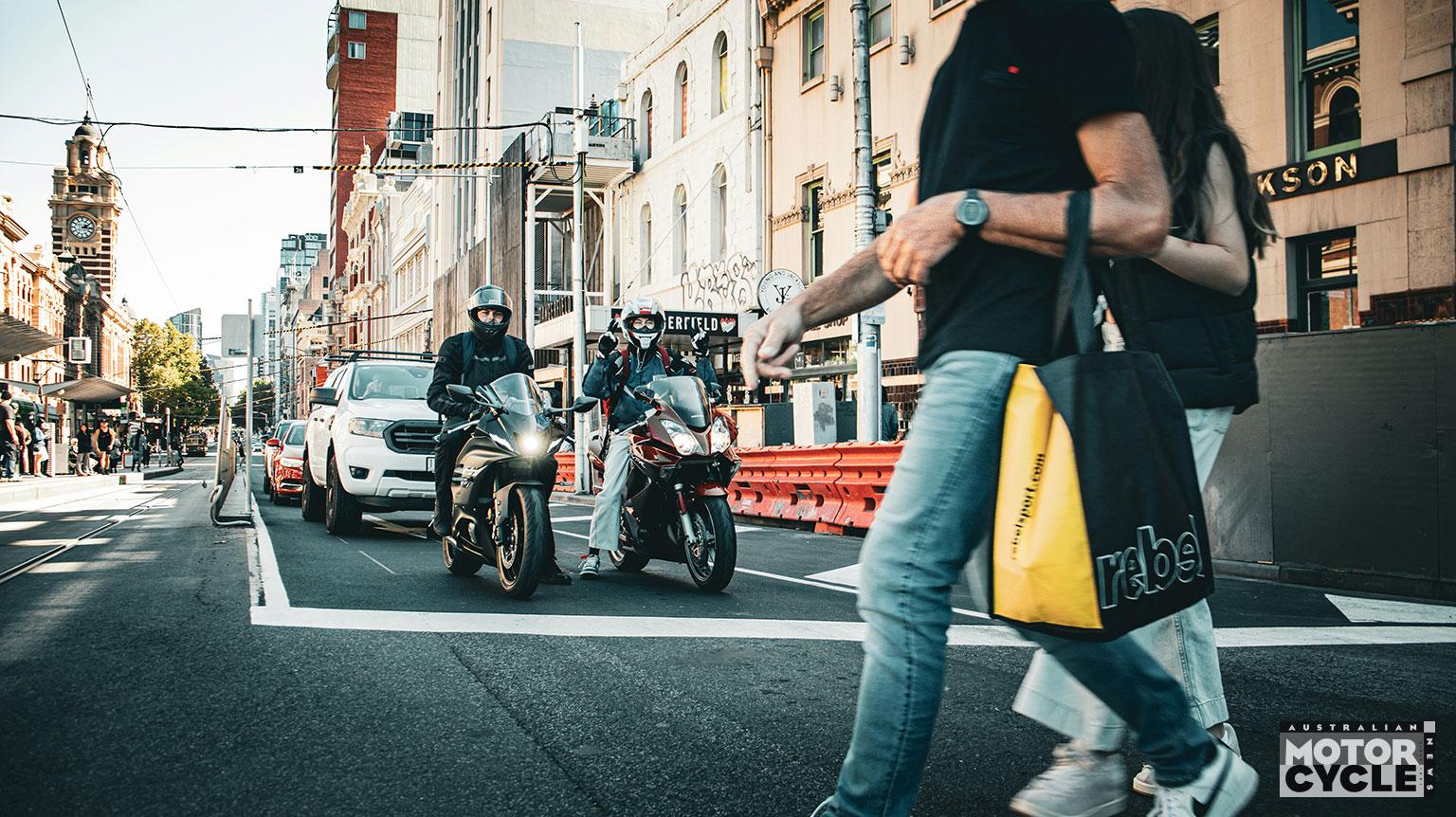
For a new rider, motorcycling can seem intimidating. There are different licence rules, different bike categories, different gear standards and a long list of people with strong opinions. Some of those opinions will be useful. Some won’t be. Do your best to understand which is which before you spend your money.
The Learner Approved Motorcycle Scheme (LAMS) is the gateway for most Australian road riders. First introduced in 2002, it replaced the blanket 250cc limit, which treated engine capacity as the main measure of learner suitability. But the flaw in that system was while some 250cc bikes were mild mannered, others were peaky sportsbikes that made little sense as beginner machines.
The introduction of LAMS broadened the thinking to a power-to-weight ratio that limited bikes to a 660cc capacity and to 150kW per tonne, and must appear on the relevant state or territory approved list – so do check your local road authority.
The important bit is that while a bike can meet the scheme’s requirements, it can still be a poor first-bike choice for your height, strength, commute, storage situation or confidence level.
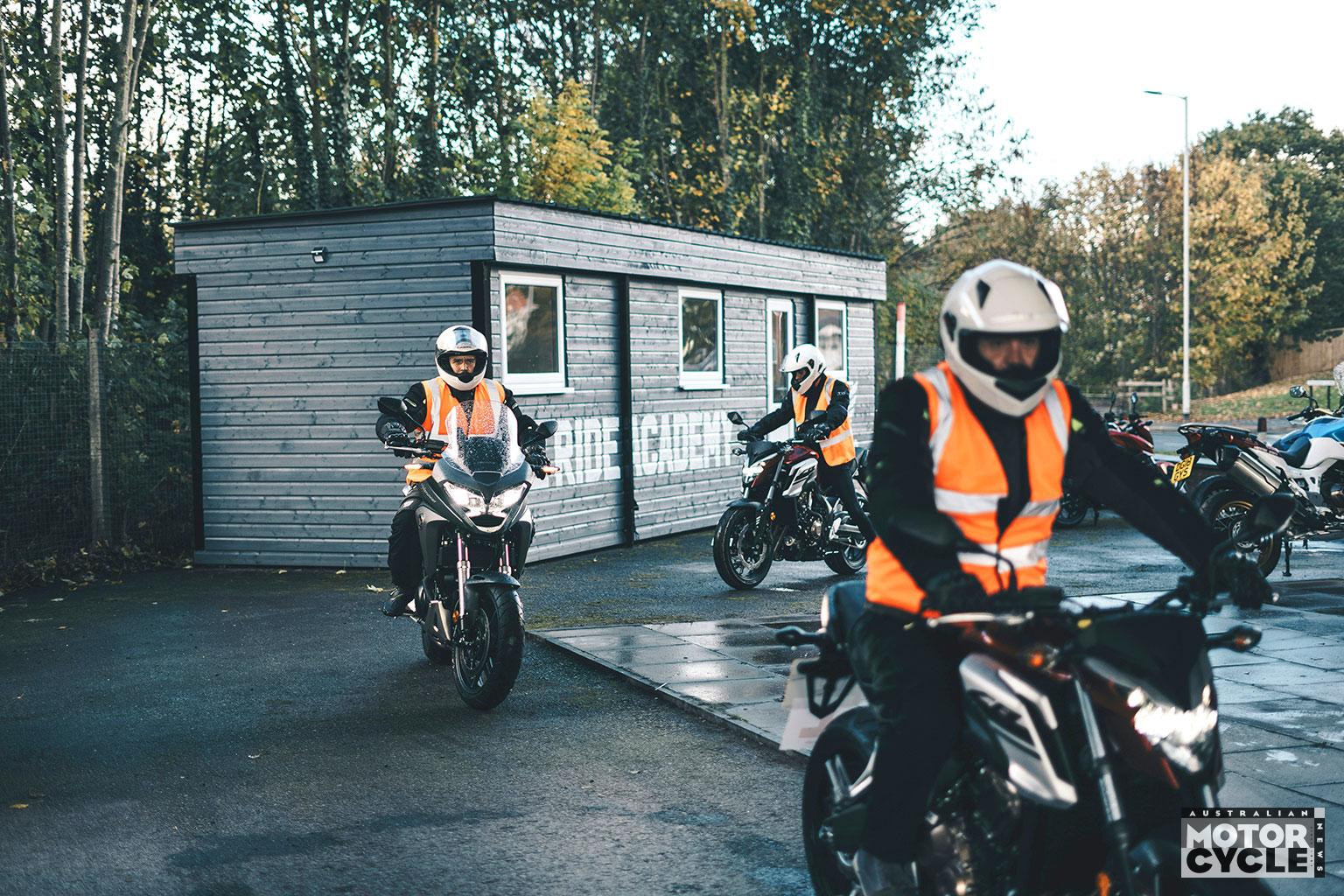
While styling is important, a better way to think about your first bike is as a tool to help you build confidence. It should be easy enough to manage at low speeds, predictable enough in traffic and comfortable enough that you want to spend more time on it. That doesn’t mean it needs to be boring, but it does need to reflect where you are in your journey.
That applies whether you’re 18 years old and getting your first set of wheels, 35 and trying to spend less time stuck in traffic, or 55 and coming back to bikes after years away. Returning riders are especially vulnerable to bad decisions, because memory can be a dangerous thing and they more often than not have the cash to back it up. Yes, bikes and gear are safer now, but the roads are busier, the learning pathway is different, and the neuroplasticity ain’t as flexible as it used to be.
For the most part, modern LAMS bikes are very competent machines. The old idea that all learner bikes are gutless doesn’t apply. The current market includes roadbikes, light adventure machines, commuters, cruisers, retro-styled singles and twins, mid-capacity sportbikes and practical nakedbikes that are capable of far more than basic transport.
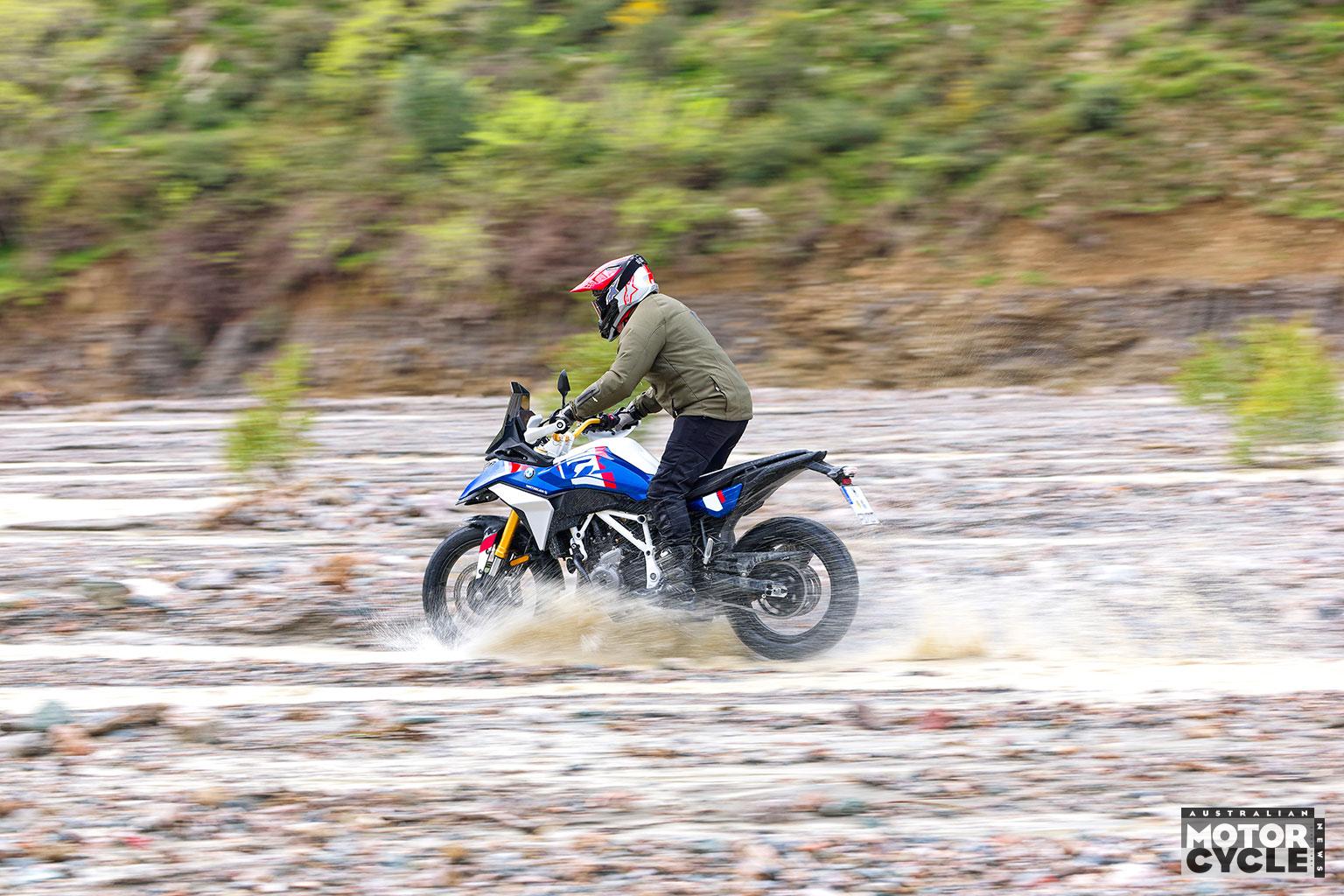
That variety is terrific, but it sure makes the choice harder. Walk into a showroom with no plan and it’s easy to be distracted by the bike that looks the coolest or sounds the best. But none of that helps when you’re trying to paddle it backwards out of a sloping carpark or performing a U-turn on gravel.
Patience is key, so play the long game. You will own your dream bike one day, I promise. But your first bike needs to suit you, your lifestyle and your ability. That same thinking applies to gear. Don’t leave yourself scraping together cash for a helmet, jacket and gloves. Gear is part of the cost of riding as is insurance, security, servicing and training.
New riders should be curious, patient and willing to keep learning. Eventually you’ll find yourself on a beautiful piece of road on a crystal-clear morning when you and the bike achieve a perfect sense of flow. This guide will help you get there as quickly and as error-free as possible.
Ticket to ride
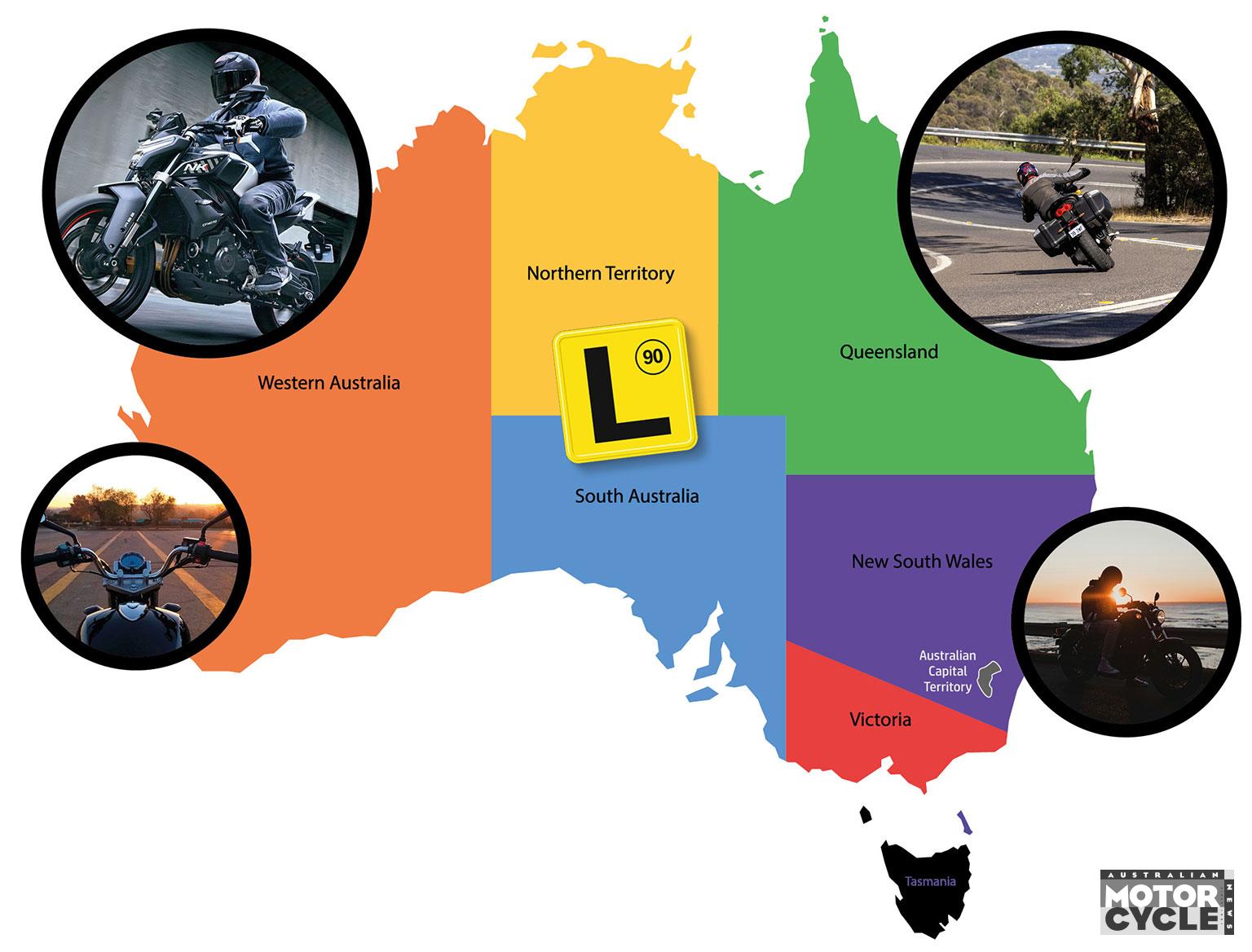
The path to a full motorcycle licence depends on where you live.
The scheme began in NSW in 2002, replacing the old 250cc limit with a system that considered both engine capacity and power-to-weight ratio. Other states and territories later adopted the approach, although each jurisdiction still runs its own licensing pathway.
A petrol-powered LAMS motorcycle must be no more than 660cc and no more than 150kW per tonne, and it must appear on the approved list for the state or territory in which it is being ridden. Electric motorcycles, while capacity does not apply, must still meet LAMS power-to-weight requirements and appear on the relevant approved list.
In terms of obtaining a learner’s permit to operate a motorcycle, minimum ages, pre-licence training, permit periods, supervised-riding requirements, transmission restrictions and fees all vary around the country. Every state and territory restricts learner and early-stage riders to LAMS models, but in terms of licensing, the rules start to diverge.
New South Wales
Starting age: 16 years, 9 months
First step: Complete the two-day pre-learner course and pass the Rider Knowledge Test. You do not need to have held a car licence before applying for a motorcycle learner permit.
Learner stage: Learner rider licence is the first step in NSW’s Motorcycle Graduated Licensing Scheme. Pre-learner course certificates are valid for three months.
Can learners ride solo?: Yes. Learners must ride LAMS-approved motorcycles and comply with learner restrictions.
Next step: After at least three months on learners, apply for a P1 licence. In declared areas, riders complete pre-provisional training and the MOST. In undeclared areas, riders complete a kerbside riding test through Service NSW.
Unrestricted pathway: Hold P1 for at least 12 months, then P2 for at least two years before applying for an unrestricted licence. Riders 25 years and older who hold an unrestricted driver licence do not need to get a P2 licence.
Traps/details: Declared and undeclared areas have different testing pathways. NSW has conventional motorcycle, scooter and trike licence types.
More info: www.service.nsw.gov.au
Australian Capital Territory
Starting age: 16 years, 9 months
First step: Complete a government-approved one-day pre-learner riding course and pass the road rules knowledge test, unless you already hold a car licence.
Learner stage: Learner permit must be presented at Access Canberra within 30 days of certificate issue. Learner permit expires after 12 months.
Can learners ride solo?: Yes. Learners must ride LAMS-approved motorcycles and comply with learner restrictions.
Next step: After at least three months on learners, complete the pre-provisional course and Motorcycle Operator Skills Test (MOST).
Unrestricted pathway: Single provisional stage, held for three years before unrestricted licence.
Traps/details: No separate moped licence. Automatic assessment can result in an automatic condition, removable after 12 months or by reassessment on a manual bike.
More info: www.accesscanberra.act.gov.au
Victoria
Starting age: 18 years
First step: Complete a two-day learner course through an accredited training provider. The course includes an eyesight test, written knowledge test and practical assessment, including an on-road component.
Learner stage: Learner permit is issued after successful completion of the course and is valid for 15 months. You must hold it for at least three continuous months before applying for a motorcycle licence.
Can learners ride solo?: Yes. Learners must ride LAMS-approved motorcycles and comply with learner restrictions.
Next step: After at least three months, complete a Check Ride, then undertake the licence assessment, which includes a skills-based test and on-road safety assessment.
Unrestricted pathway: After passing the licence assessment, novice motorcycle restrictions still apply during the restricted period. Riders without a full drivers licence follow the relevant P1/P2 motorcycle probationary pathway depending on age.
Traps/details: Automatic assessment restricts you to automatic motorcycles. Manual assessment allows you to ride manual or automatic motorcycles. Motorcycle and car licences share the same physical card and demerit-point record.
More info: www.vicroads.vic.gov.au
Queensland
Starting age: Effectively 18 years
First step: You generally need to have held a provisional or unrestricted car licence for at least 12 months, then complete the two-day Q-Ride pre-learner course and pass a 30-question knowledge test.
Learner stage: Learner permit is referred to as an RE licence.
Can learners ride solo?: No. For the first three months of your learner permit, you must ride under the supervision of a licensed rider.
Next step: After three months, apply for a provisional RE licence.
Unrestricted pathway: After holding an RE provisional or open licence for two years, pass the motorcycle hazard perception test, then complete either the Q-Ride unrestricted R course or the Q-SAFE riding test.
Traps/details: Car-licence experience is generally required before starting. Unrestricted car-licence holders can ride a registered, insured and roadworthy moped up to 49cc/50km/h without a specific licence.
More info: www.service.transport.qld.gov.au
South Australia
Starting age: 17 years if you already hold at least a provisional licence for another class of vehicle, or 18 years if you have never held any type of licence. Some 16-year-olds in certain postcodes may be eligible for limited reasons.
First step: Complete the Basic Rider Safe course, then complete the online myLs course and theory test.
Learner stage: You must hold a motorcycle learner’s permit for at least 12 months, regardless of age and regardless of whether you hold a full licence for another vehicle.
Can learners ride solo?: Yes. Learners must ride LAMS-approved motorcycles and comply with learner restrictions.
Next step: Complete the Advanced Rider Safe course and practical assessment.
Unrestricted pathway: After holding your learner’s permit for 12 months, reaching at least 19 years of age and passing Advanced Rider Safe, apply for an R-Date licence. Hold the R-Date for two years before progressing to unrestricted R class.
Traps/details: Some car-licence holders can ride mopeds up to 50cc/50km/h. You generally cannot use your own bike in the Basic Rider Safe course, but can use it in the Advanced course if it is registered, roadworthy, unmodified and LAMS-approved.
More info: www.sa.gov.au
Western Australia
Starting age: 16 years for an R-E learner permit
First step: Apply for an R-E learner permit, pass the 35-question motorcycle theory test and ride only LAMS-approved motorcycles.
Learner stage: R-E covers LAMS-approved motorcycles up to 660cc and 150kW per tonne. Unless you already hold a full car licence, you must log at least 50 hours of supervised riding before moving to a provisional licence.
Can learners ride solo?: No. R-E learners must ride with an approved supervisor at all times and display a yellow and black L-plate.
Next step: After holding the R-E learner permit for at least six months and reaching at least 16 years and six months, you can sit the Hazard Perception Test. After completing the HPT and any required supervised riding hours, you can undertake the Practical Driving Assessment once you are at least 17.
Unrestricted pathway: After passing the Practical Driving Assessment, riders can ride unsupervised on a provisional licence. Red P-plates must be displayed for the first six months, with night-riding restrictions, followed by green P-plates for the rest of the provisional period.
Traps/details: WA has three main motorcycle licence categories: R-N for mopeds, R-E for LAMS-approved motorcycles and R for unrestricted motorcycles. Car-licence holders can ride registered, insured and roadworthy mopeds, but not LAMS motorcycles.
More info: www.transport.wa.gov.au
Northern Territory
Starting age: 16 years
First step: Complete the pre-learner riding course and knowledge assessment through an approved provider, then pass an eyesight test and pay the licence fee before the learner permit is issued.
Learner stage: Course outcomes are valid for 12 months. If you do not attend an MVR office to obtain your licence within that period, you will need to complete the course again.
Can learners ride solo?: Yes. Learners must ride LAMS-approved motorcycles and comply with learner restrictions.
Next step: After holding the learner permit for at least six months, complete and pass a pre-provisional assessment.
Unrestricted pathway: If you already hold an unconditional licence of another class, hold the restricted class R licence for at least 12 months before applying for an unrestricted licence. If a motorcycle licence is your first licence and you are under 25, hold the provisional class R licence for at least 24 months. If you are over 25 and have not held another full NT licence, the wait drops to 12 months.
Traps/details: NT does not have separate automatic and manual motorcycle licence classes. Timing changes depending on age and whether you already hold another full licence.
More info: www.nt.gov.au
Tasmania
Starting age: 16 years, 6 months
First step: Pass Road Rules Knowledge Test, then complete two-day pre-learner riding course.
Learner stage: Temporary learner permit issued through Service Tasmania after certificate and identity checks.
Can learners ride solo?: Yes. Learners must ride LAMS-approved motorcycles and comply with learner restrictions.
Next step: After at least six months, complete Check Ride, then wait at least 28 days before pre-provisional test.
Unrestricted pathway: P1 for 12 months, then P2. Under-25 riders hold P2 for two years; over-25 riders hold P2 for one year.
Traps/details: Non-novice learners with a lapsed motorcycle licence follow a shorter pathway. Automatic/scooter training is available.
More info: www.transport.tas.gov.au
Start smart
The bike is the fun bit. The less glamorous stuff – insurance, servicing, security and training – is what turns you into a rider. Get these decisions right early and your first months on the road will be cheaper, safer and way more fun.
New or used?
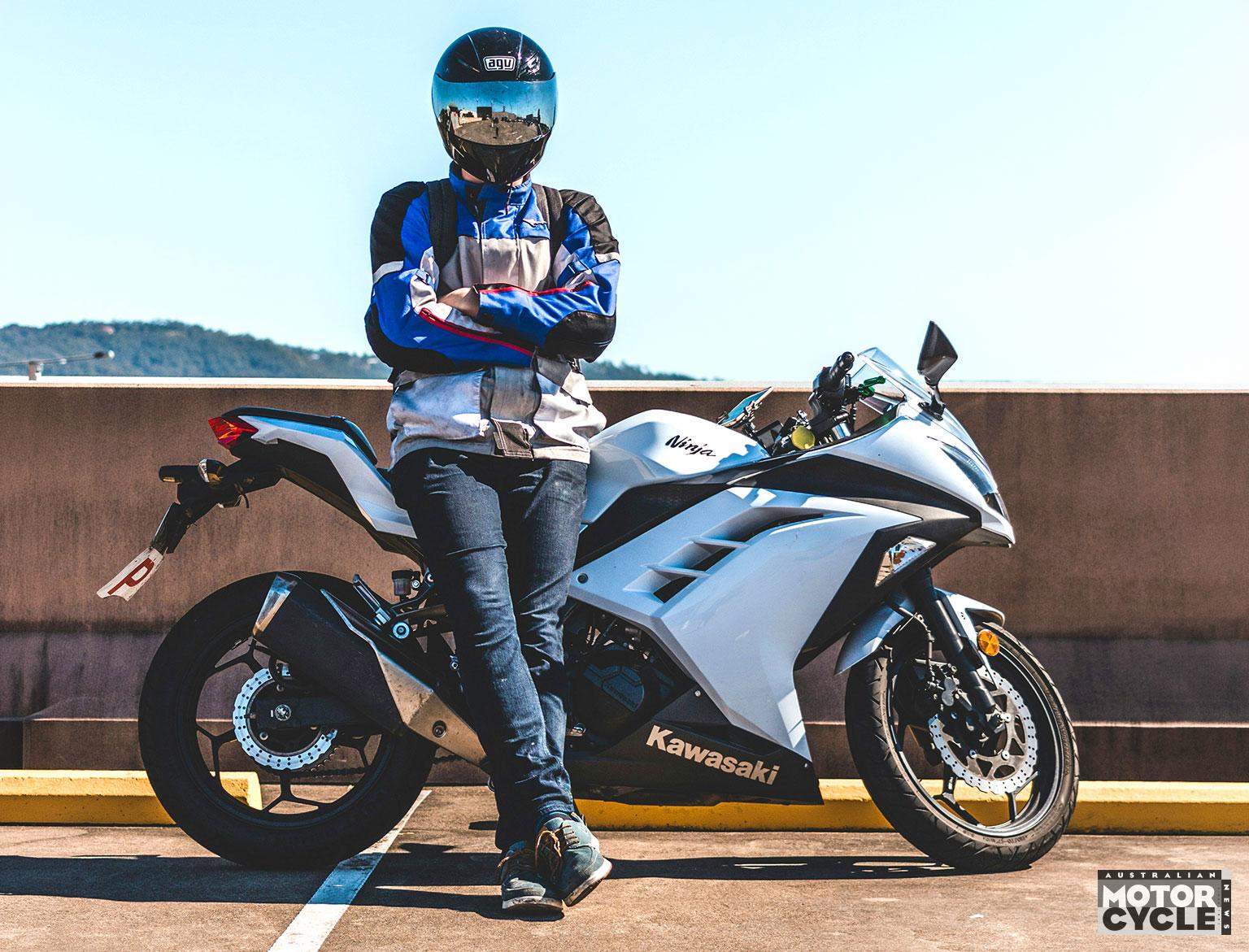
There is no perfect answer here but there is usually one that best suits your circumstances. A new bike gives you certainty; you know its history, you get dealer support, new tyres, current equipment and no previous owner’s dodgy wiring or bargain exhaust to deal with. Warranty is important, too. What was once a fairly standard two-year factory warranty can now stretch much longer, in some cases up to six years if you follow the dealer servicing schedule. So don’t just compare purchase price; look at things like warranty periods, roadside assistance, fixed-price servicing, service intervals and dealer access as part of a more realistic cost.
For a new rider, peace of mind has value because you already have enough to think about. Buying new also makes sense if you need finance, want predictable maintenance costs and plan to hang on to the bike for a while. Dealer finance can make a new LAMS bike surprisingly achievable, and for some riders the structure of repayments is easier than finding a lump sum for a private purchase.
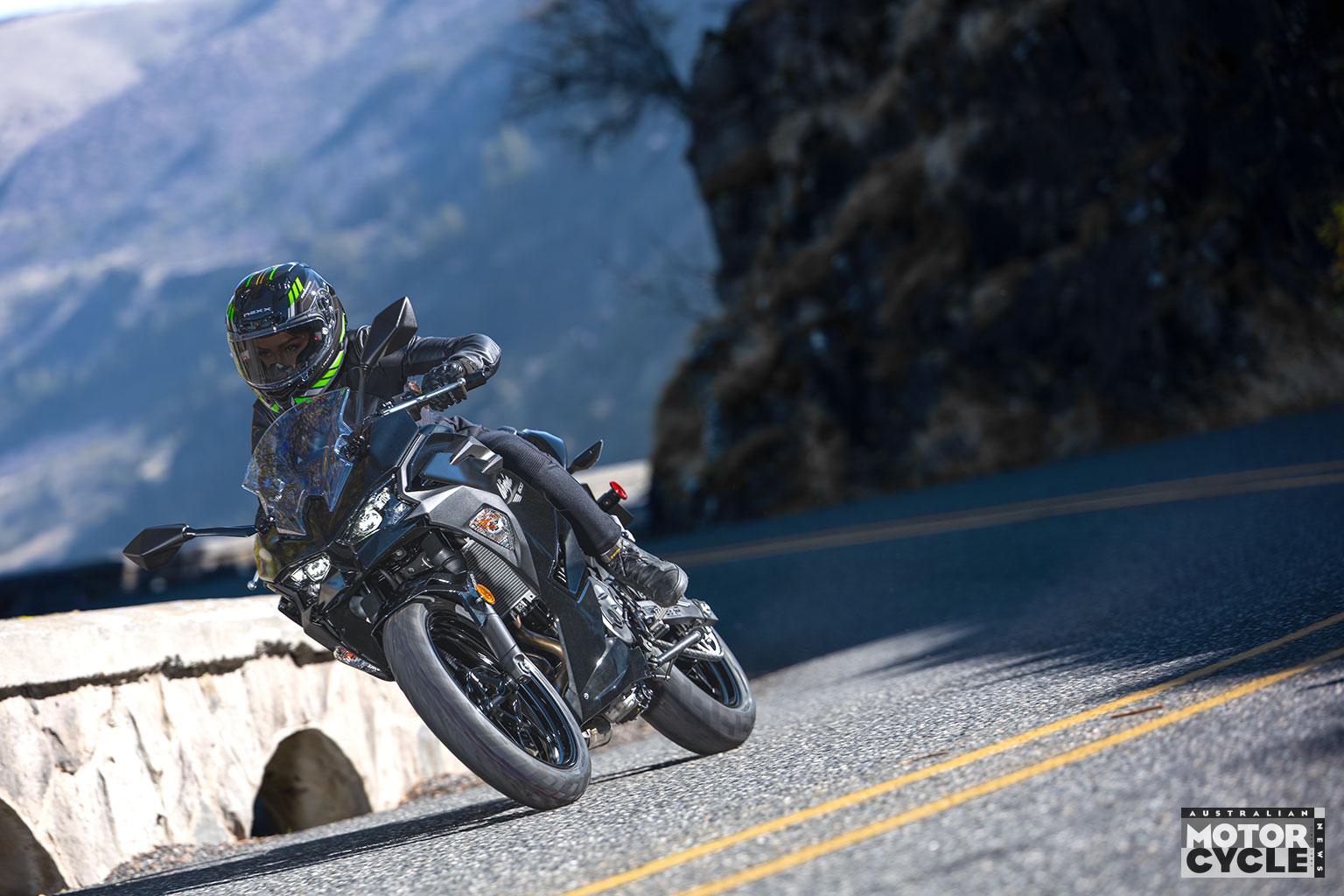
But buying new won’t be the smart choice for every rider. You’ll generally pay top dollar, insurance may cost more and depreciation can hurt. And while it’s true that learner bikes can hold value better than some larger bikes (because there is always a fresh crop of riders coming through), you are still unlikely to come out ahead if you buy new, ride it for six months and sell it.
Used LAMS bikes can be great value. Someone else has already taken the first depreciation hit, there is usually plenty of choice and a clean example should be easy to sell when you are ready to move it on. Buying used can also soften the emotional (and financial) blow of the small mistakes many new riders make, not least that clumsy stall-and-drop in front of people you wish had been looking the other way.
The problem is that ‘used’ covers everything from barely run-in to completely clapped-out – and learner bikes tend to have hard lives. They are stalled, over-revved, dropped, often modified cheaply and so on.
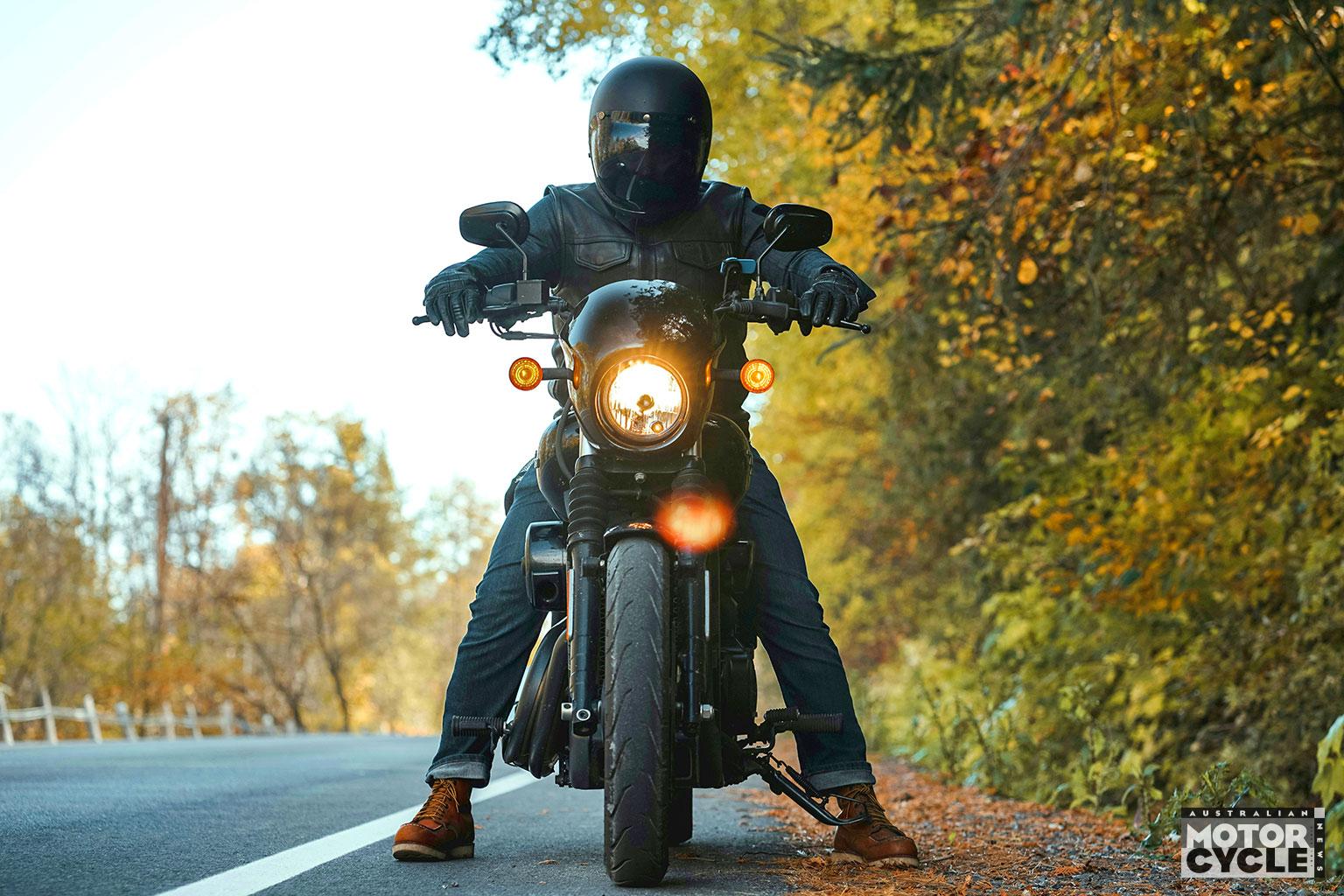
A so-called bargain can become a money pit very quickly if it needs tyres, chain and sprockets, brake pads, fork seals and whatever else straight away.
If you buy used, inspect it properly or pay someone who knows what they are doing. As well as the service history, look at things that often need replacing – tyres, chain, sprockets, brake pads, etc – and also any evidence of damage – steering stops, lever ends, mirrors, indicators, ‘bar ends, foot pegs, etc. If you live in a state that requires a roadworthy certificate when changing hands, be aware of the requirements before making an offer, because non-standard mods such as an aftermarket slip-on may get knocked back.
Always do a Personal Property Securities Register (PPSR) check before handing over money to make sure there’s no cash owing on the bike, it’s not stolen and that it’s never been written off. And never fall for a third-party history check – it can be done in minutes on the government website and will only cost you $2. Make sure the VIN and registration details match and be wary of rushed sales, vague stories or not-quite right excuses.
If it feels wrong, walk away. There will be another one.
Practice and training
A motorcycle licence proves you have met the minimum standard required to ride on the road, but do not confuse being legal with having skills. The first months on the road are where habits form. Some will be good, some will be terrible and the difference often comes down to whether you’re consciously continuing to learn or surviving long enough to feel confident.
Confidence is useful. False confidence is dangerous.
Start with the boring stuff: practise smooth take-offs, tight U-turns, hill starts, emergency stops, slow riding, head checks and looking farther ahead than your instinct wants you to. Do it until it feels second nature, then do it again.
Many riders love telling you about how fast they are, but most early (and expensive) embarrassment happens at walking pace or slower.
Braking deserves special attention. ABS is a great safety net but it’s not a substitute for skill. You still need to know how quickly your bike stops, how the front brake feels, what changes when the road is wet and how you’ll react when a car pulls out in front of you.
Most pre-licence requirements mandate training, but actively seeking and completing more specialised rider training throughout your riding journey will stay with you for life. A braking course, cornering school, roadcraft session, dirt-bike day, adventure course or one-on-one refresher can teach skills that you will draw on regularly when you’re on your bike. Returning riders should take this seriously too. Experience helps. But previous experience is not current skill.
And another thing…
Choose your riding buddies wisely. The motorcycle community is full of helpful riders but motorcycling has an innate ability to attract dickheads. And riding with dickheads is dangerous. If you are riding tense, trying to keep up or second guessing what a rider in front of you is going to do, peel off and go it alone.
Group rides can be awesome experiences, but your first few should be with people who understand your level of experience. Tell them. If their response makes you feel silly, find better people.
Spoilt for choice
The LAMS list is long and varied, which is both good news and a trap.
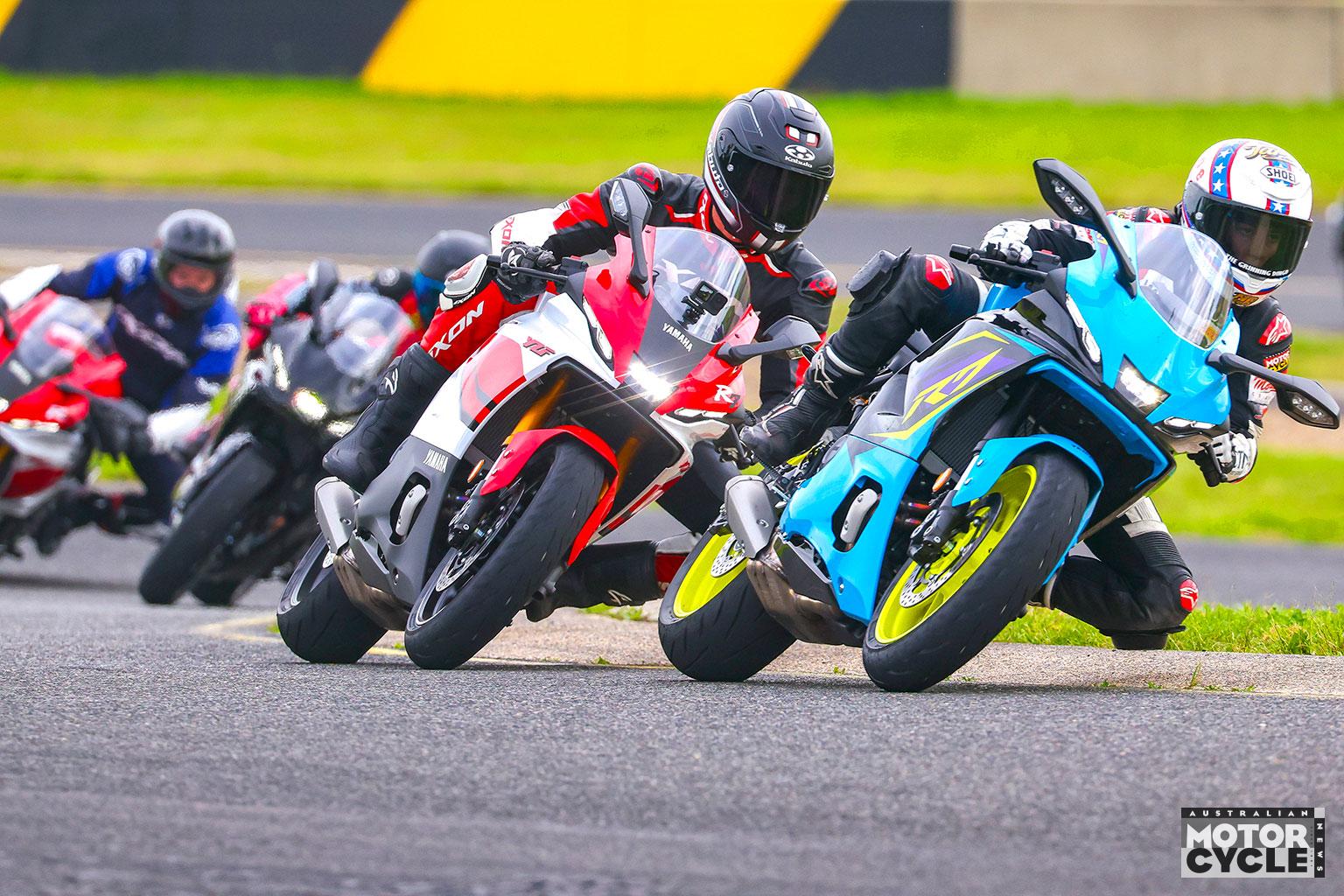
Once you understand the licensing side of LAMS and all of the associated costs, the next question is obvious: what sort of bike should you actually ride? It helps to think in categories first. Not because every nakedbike, sportsbike or cruiser is the same, but because each style of motorcycle tends to make certain compromises. Major features like riding position, seat height, weight distribution, weather protection, turning circle and engine character all affect how easy a bike is to live and learn with.
Electronic rider aids are also worth paying attention to. ABS is mandated on roadbikes over 125cc, but some LAMS machines also offer traction control, selectable ride modes, slipper clutches, tyre-pressure monitoring and/or smartphone connectivity. Having electronic aids won’t stop you from making bad decisions, but good rider aids can give you peace of mind and free up some attention space for more
pressing inputs.
When thinking about your first bike, start with the type of riding you will actually do. A learner who needs cheap city transport has different priorities to someone who wants to spend weekends in the twisties with mates.
Nakedbikes
A nakedbike, for the most part, is a pretty sensible place to start. The riding position is usually nice and upright, the ‘bars tend to be wider and higher than on a sportsbike, while the overall width of the bike tends to be nice and narrow where you’re seated. All these help make everyday tasks such as U-turns, filtering through traffic or recovering from an awkward stop feel more manageable.
Nakedbikes also tend to suit a wide range of uses. They can commute, handle weekend rides, carry a bit of luggage and still feel engaging on a decent road – and their lack of bodywork usually makes them lighter, simpler and less expensive to repair in the event of a slow-speed fall.
The trade-off is wind and weather protection. You’ll probably find yourself pulling up earlier to don your wet-weather gear compared to a bike with some bodywork or a windscreen, and on freeway commutes or longer rides, a nakedbike can be both noisy and tiring because your body cops the windblast.
Best for Riders who want one bike to do a bit of everything, especially commuting, weekend rides and confidence-building.
| CFMoto 450NK | Kawasaki Z650 (LAMS) | Yamaha MT-07 |
|---|---|---|
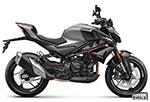 | 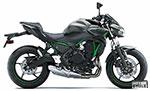 | 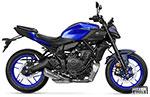 |
| $8290 ride away | $11,009 + ORC | $15,149 ride away |
| 449cc parallel-twin | 649cc parallel-twin | 655cc parallel-twin |
| 795mm seat height | 805mm seat height | 805mm seat height |
| 173kg (wet) | 189kg (kerb) | 183kg (wet) |
| ABS and TC | ABS, two-level TC | ABS, TC + maps |
Sportsbikes
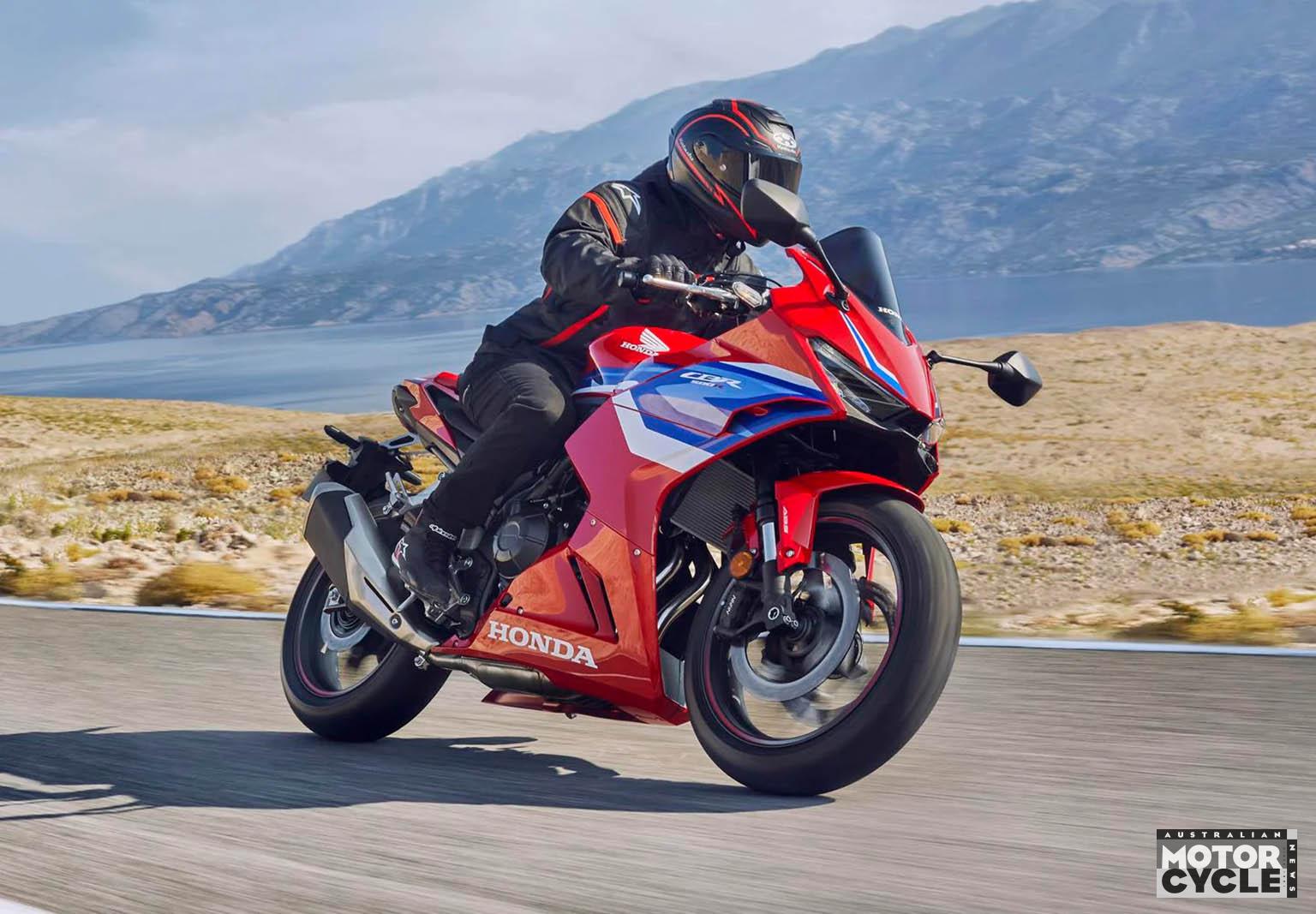
Sportsbikes are what many people picture when they think of motorcycling: race-inspired styling and the promise of speed. And wanting a bike that excites you is important.
But even LAMS-approved sportsbikes can ask a lot of a new rider. The riding position often puts more weight through the wrists, the footpegs can be higher and the turning circle may be limited. Those compromises are less noticeable when you’re flowing through a set of corners, but they can prove hard work during slow-speed manoeuvres or city commuting. New riders already tend to tense up under pressure and a sporty riding position that folds you forward can exaggerate that if the fit is wrong.
That does not mean a sportsbike is a bad choice. But you need to be honest about how and where you will ride it. If your riding is mostly weekend fun and the ergonomics fit your body, a sportsbike can make really good sense. If your reality is daily commuting, give it some extra thought.
Best for Riders who value aggressive styling and who are comfortable with a more committed riding position.
| Kawasaki Ninja 500 | Honda CBR500R | Yamaha YZF-R7 |
|---|---|---|
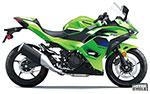 | 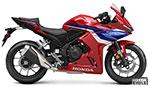 | 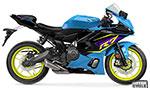 |
| $7544 + ORC | $9999 + ORC | $16,549 ride away |
| 451cc parallel-twin | 471cc parallel-twin | 655cc parallel-twin |
| 785mm seat height | 785mm seat height | 830mm seat height |
| 171kg (kerb) | 192kg (kerb) | 189kg (wet) |
| ABS | ABS and TC | Cornering ABS and TC, throttle maps, slide control, front-wheel lift control, brake control and launch control |
Adventure bikes
Adventure bikes are popular for good reason. They give the rider roomy ergonomics, good visibility, decent weather protection and suspension that can cope with dodgy surfaces. The upright position helps you see over traffic, the steering leverage is useful at low speed and, where footpath parking is legal, the extra ground clearance can be handy for gutters.
They also open the door to more roads and longer-distance exploring. Even if you rarely venture off-road, a bike that can handle itself in virtually any conditions has obvious appeal.
The thing to watch is weight. Adventure bikes often have protective bodywork and longer-travel suspension, which can make some feel top heavy when you’re stopped. Seat height and weight don’t always tell the whole story, either. Things like seat width, suspension sag and where the bike carries its weight can make two machines with similar measurements feel very different.
Best for Commuters who value visibility and comfort, regional explorers and the dirt-road curious.
| CFMoto 450MT | Kawasaki KLE500 | BMW F 450 GS |
|---|---|---|
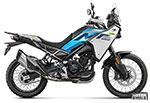 | 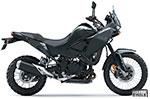 | 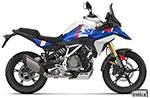 |
| $9990 ride-away | $10,405 + ORC | $11,990 ride-away |
| 449cc parallel-twin | 451cc parallel-twin | 420cc parallel-twin |
| 820mm seat height | 870mm seat height | 845mm seat height |
| 175kg (dry) | 185kg (kerb) | 178kg (wet) |
| Switchable ABS and TC | Switchable ABS | Cornering ABS and TC, switchable ride maps, brake control and drag torque control |
Cruisers
Cruisers often appeal to new riders because they look laid-back and have a low seat height. Being able to get both feet securely on the ground can do a lot for your confidence, especially in traffic or when parking, but sitting low can reduce your ability to see and be seen.
The easy-going riding position can make a cruiser feel approachable but low does not always mean easy. Their longer wheelbase, relaxed steering and forward-mounted foot controls can make them feel different at low speeds. Forward controls may be comfortable on an open road, but they reduce your ability to take weight through the ‘pegs over bumps and can feel awkward during slow manoeuvres.
Cornering clearance is another consideration. It’s rarely a problem if you ride within the bike’s limits, but it is something new riders need to understand rather than discover mid-corner.
Cruisers will suit riders who want a low, stable bike with strong visual appeal. They are less ideal for riders who need sharp urban agility or who plan to spend most weekends on tight twisty backroads.
Best for Riders who want a low seat, relaxed ergonomics and a calmer road feel, provided the weight and foot controls feel natural.
| Honda CMX500 | Kawasaki Vulcan S | Royal Enfield Super Meteor 650 |
|---|---|---|
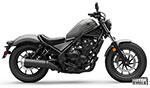 | 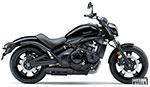 | 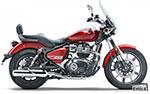 |
| $9349 + ORC | $10,448 + ORC | $11,990 ride away |
| 471cc parallel-twin | 649cc parallel-twin | 648cc parallel-twin |
| 690mm seat height | 705mm seat height | 740mm seat height |
| 190kg (kerb) | 226kg (kerb) | 241kg (kerb) |
| ABS | ABS | ABS |
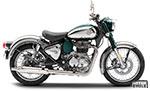
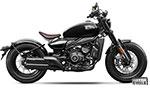
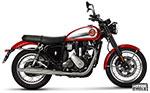
Retro and classic-styled bikes
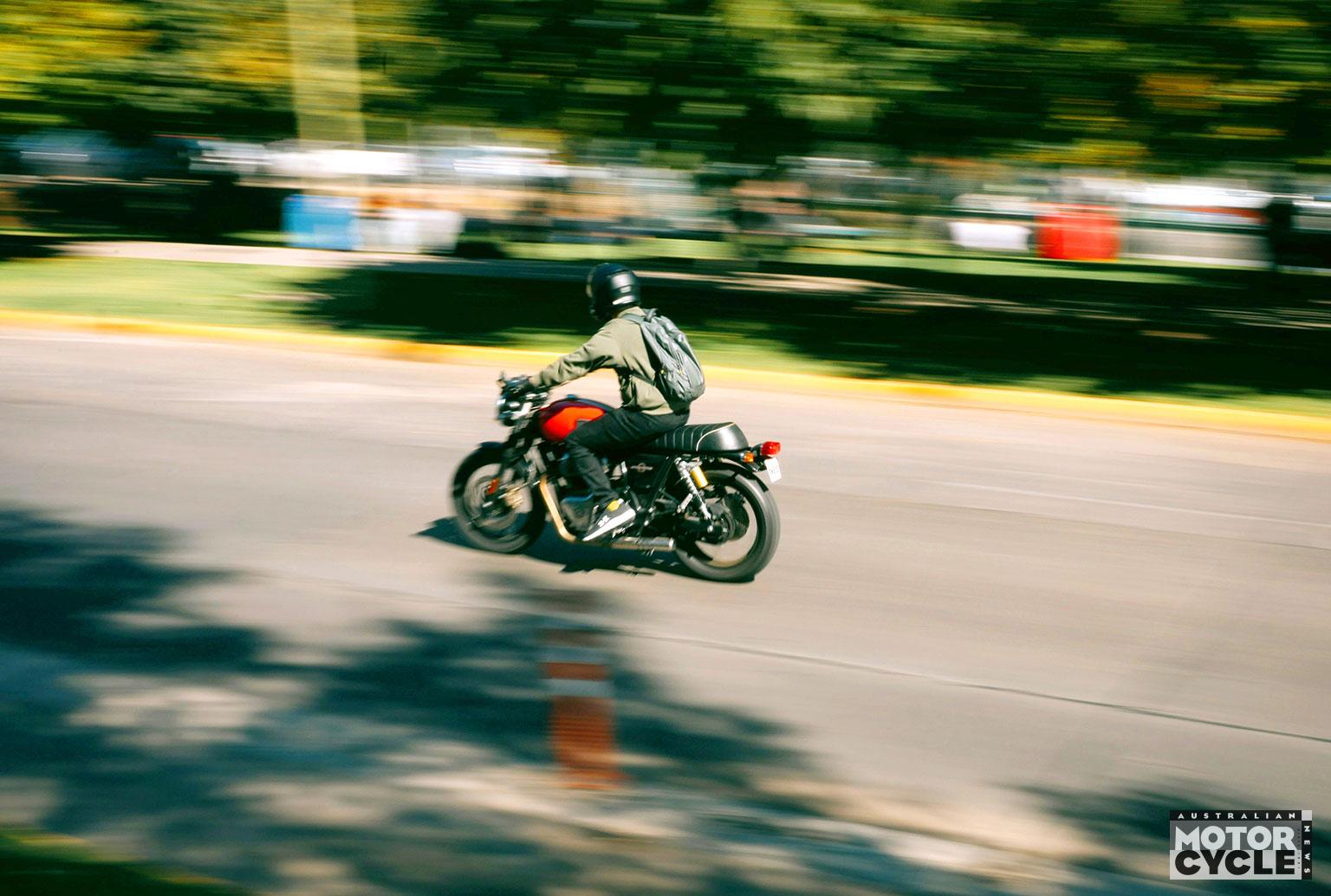
Retro and classic-styled LAMS bikes appeal to riders who want something with character and charm rather than plastic bodywork and race-inspired graphics.
Many retros have neutral ergonomics, usable engines and a riding position that makes sense for everyday use. They can also feel less intimidating than taller adventure bikes or sharper sportsbikes, which helps new riders relax and focus on building skill.
The trap is assuming retro-styled only means retro-looking. Sometimes it also means old-school hardware, modest suspension or brakes chosen because they suit the theme – even on new models. Style is part of the appeal, but do not buy a costume at the expense of the motorcycle’s competency underneath. A retro can be a terrific LAMS bike when the basics are right. Just make sure you judge it as a motorcycle first and an object of desire second.
Best for Riders who want everyday usability with character, and who are willing to check function before falling for the styling.
| Royal Enfield Classic 350 | CFMoto 450 CL-C Bobber | BSA Gold Star |
|---|---|---|
 |  |  |
| $7790 ride away | $8990 ride away | $12,249 ride away |
| 349cc single | 449.5cc parallel-twin | 652cc single |
| 805mm seat height | 690mm seat height | 780mm seat height |
| 195kg (wet) | 177kg (wet) | 213kg (dry) |
| ABS | ABS and TC | ABS |
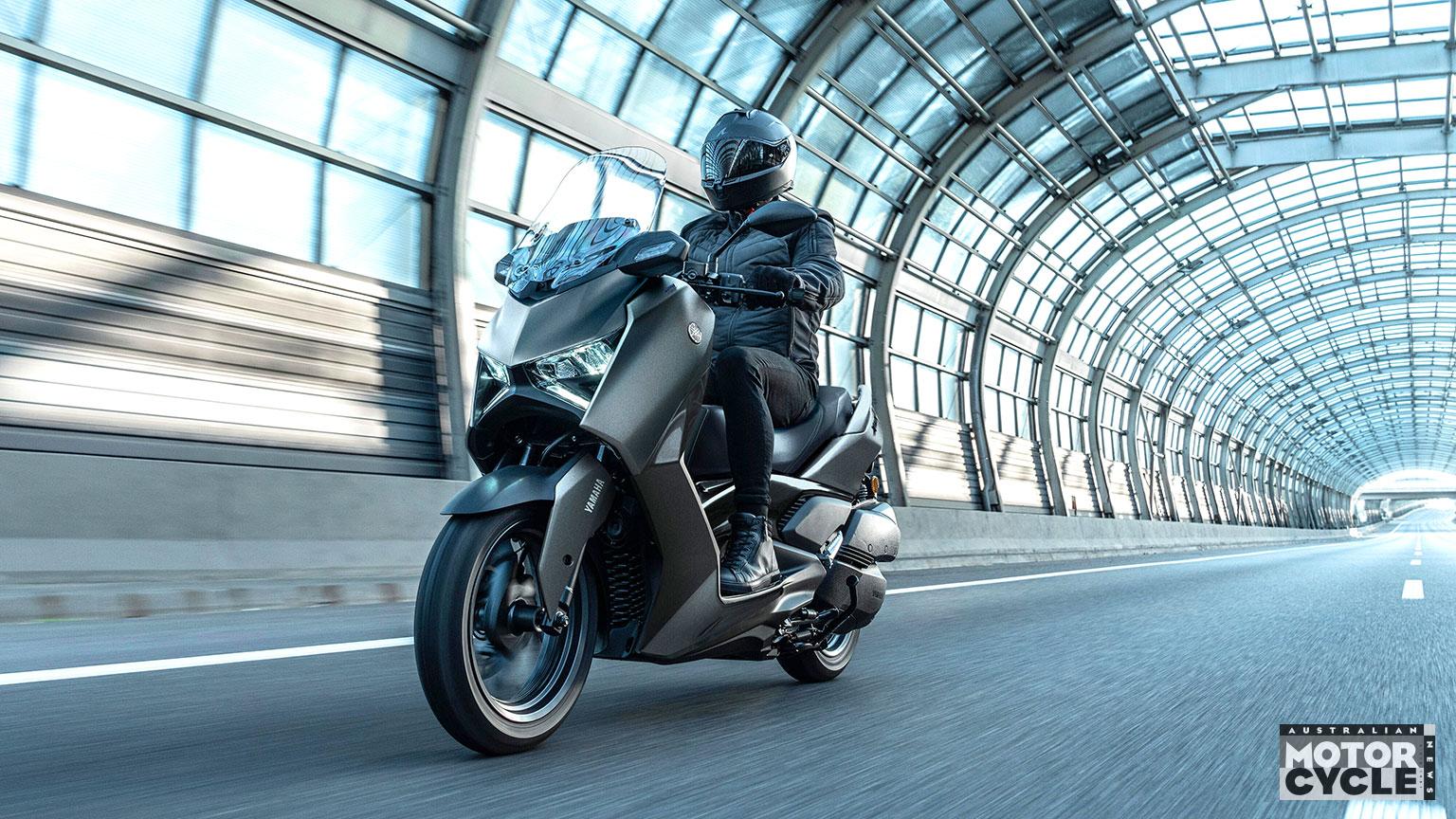
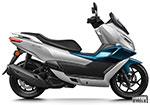
Commuters and scooters
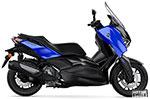
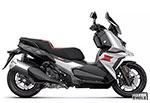
This is the category too many riders overlook because it does not always carry the same emotional pull. Small commuters and scooters can be brilliant tools for learning roadcraft and getting around. They are usually light, economical, easy to park and unintimidating. And a bike that’s easy to manage day after day gives you more opportunities to ride and build confidence, essentially getting you to your dream bike quicker.
Scooters add another layer of practicality, with automatic transmissions, built-in storage and excellent urban manners. The downside is that some commuters and scooters can feel limited on faster roads or longer rides. Small wheels, light weight and limited power may be fine in the city but less comfortable at highway speeds or riding in a strong wind.
Best for Riders who need affordable transport, city practicality, easy parking and low-stress learning.
| CFMoto 150SC | Yamaha XMAX 300 | BMW C 400 X |
|---|---|---|
 |  |  |
| $4290 ride away | $10,499 ride away | $12,965 ride away |
| 149cc single | 292cc single | 350cc single |
| 765mm seat height | 795mm seat height | 775mm seat height |
| 135kg (wet) | 187kg (wet) | 206kg (kerb) |
| ABS and TC | ABS and TC | Cornering ABS and TC, ride maps, brake control and drag torque control |
Second skin
Good gear can reduce injury and distractions, and make riding easier to enjoy. Buy it early, do your research and treat it as part of the overall budget
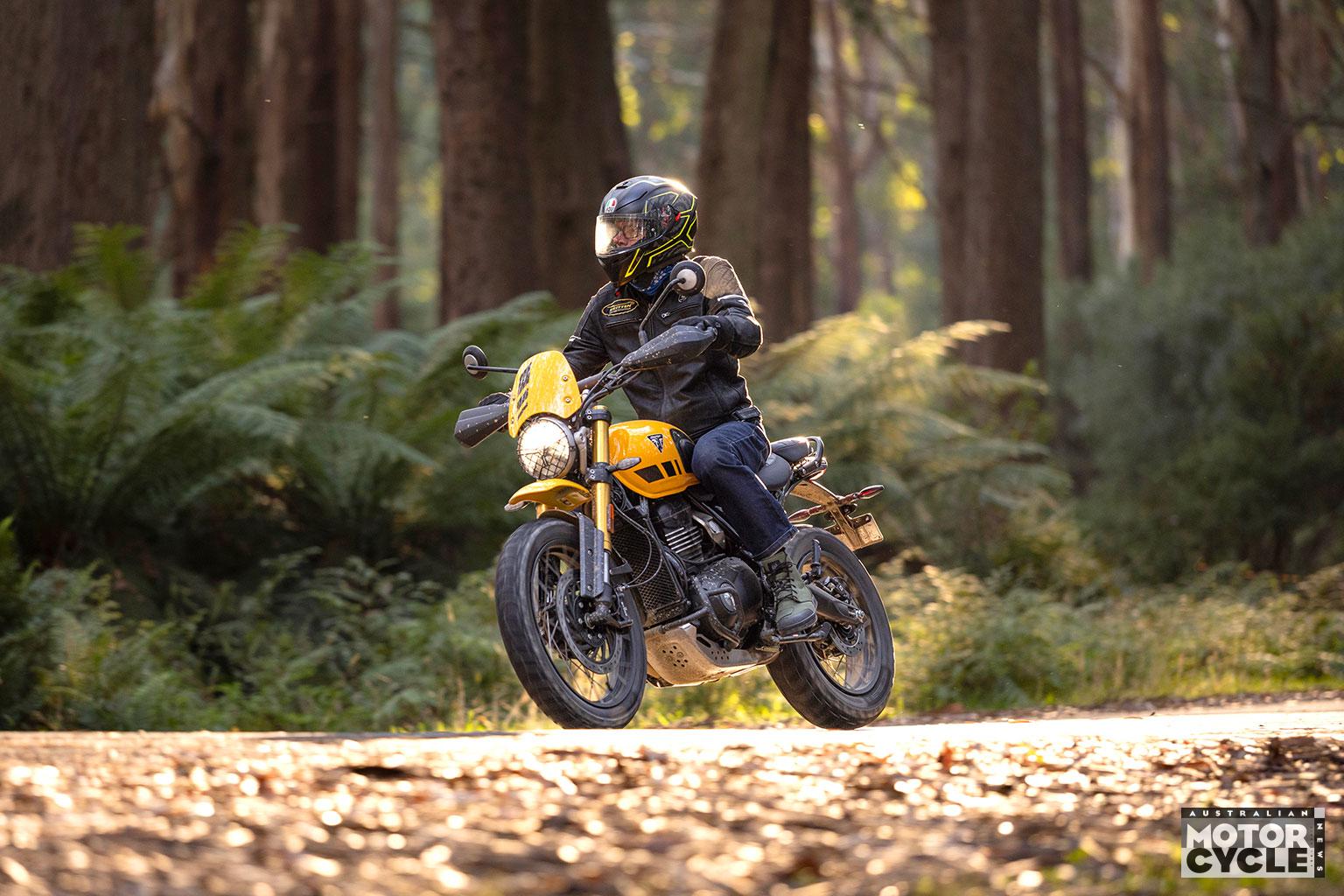
One of the biggest mistakes a new rider can make is spending every available dollar on the bike then trying to build a riding kit from whatever is left over. Gear is not an optional extra. If the budget is tight, skip the tail tidy, your loud-pipe fantasy and that colour-matched nonsense. Put the money into gear you will wear every time you ride.
With a full licence, the only piece of protective equipment you are legally required to wear on Australian roads is an approved motorcycle helmet – but treating that as the minimum must-have is missing the point. Believe me when I say the fleshy heels of your hands take a really long time to heal, and if you come off – even at suburban speeds – the abrasiveness of the road won’t care you were ‘just popping down the shops’.
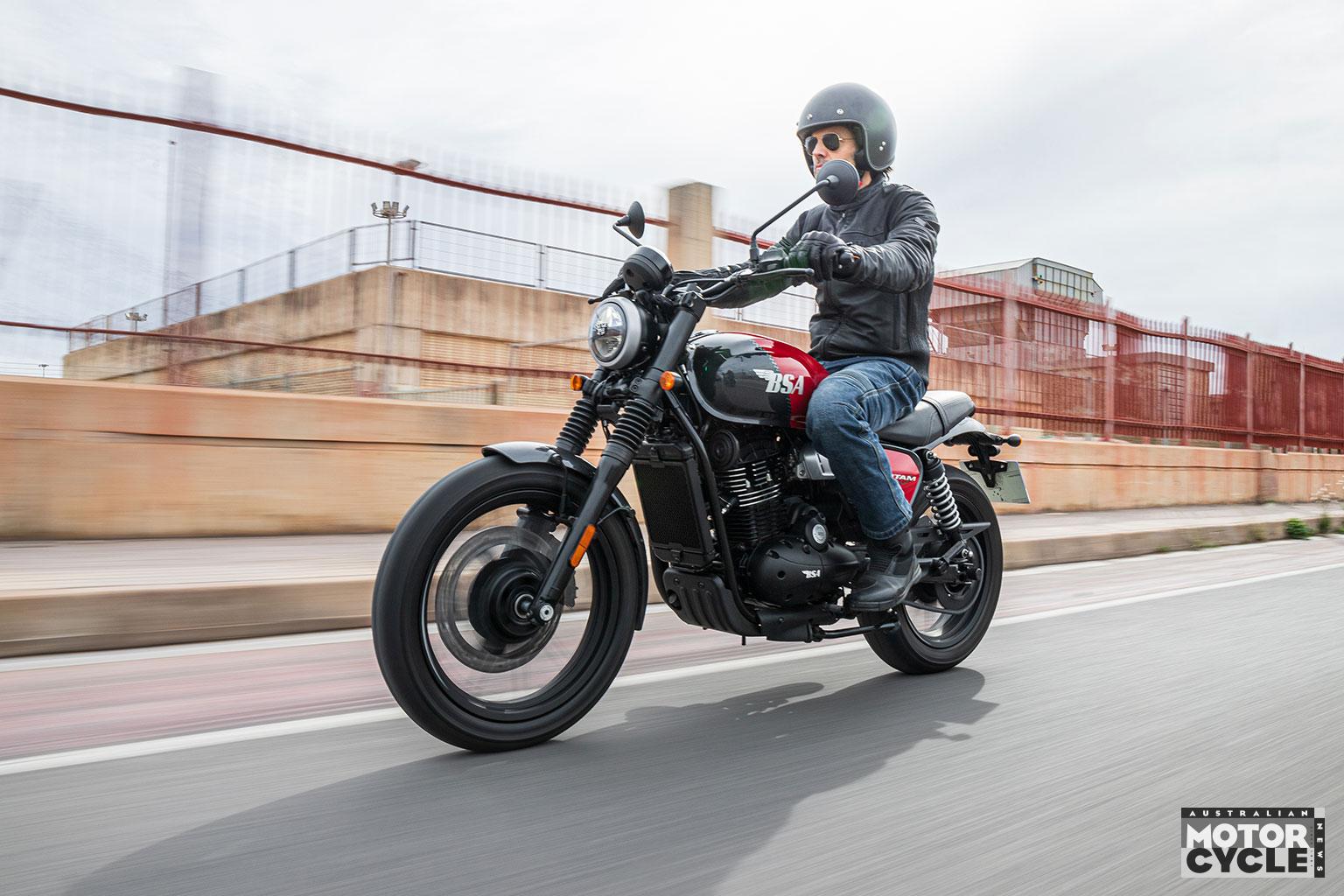
For learner riders, NSW (as of July 1 this year) has become Australia’s toughest state for safety clothing laws, with new rules requiring L-platers to wear certified protective gloves and a compliant hi-vis vest or jacket. Victoria remains the only other state to mandate hi-vis for learners, while NSW is now the first in the country to legally require gloves to a specific safety standard (EN 13594:2015). Everywhere else sticks to the basics of helmet and L-plate requirements, with jackets, gloves and other protective gear still strongly recommended but not compulsory. So your best bet is to start with five non-negotiables: helmet, gloves, shoes/boots, riding jeans and a jacket. And earplugs if you can wear them. You can add wet-weather gear, thermal layers, luggage and colour-matched nonsense later, but those five are the foundation.
Helmet
A helmet needs to be legal, comfortable and properly fitted. In Australia, that means using an approved motorcycle helmet that complies with AS/NZS 1698 or UN ECE Regulation 22 and carries the correct certification label. And make sure it’s new. Never wear a secondhand or hand-me-down lid. And don’t buy one from an overseas website and assume it will be legal here. Check the label, check your local rules, spend as much as you can and buy it from an Australian retailer.
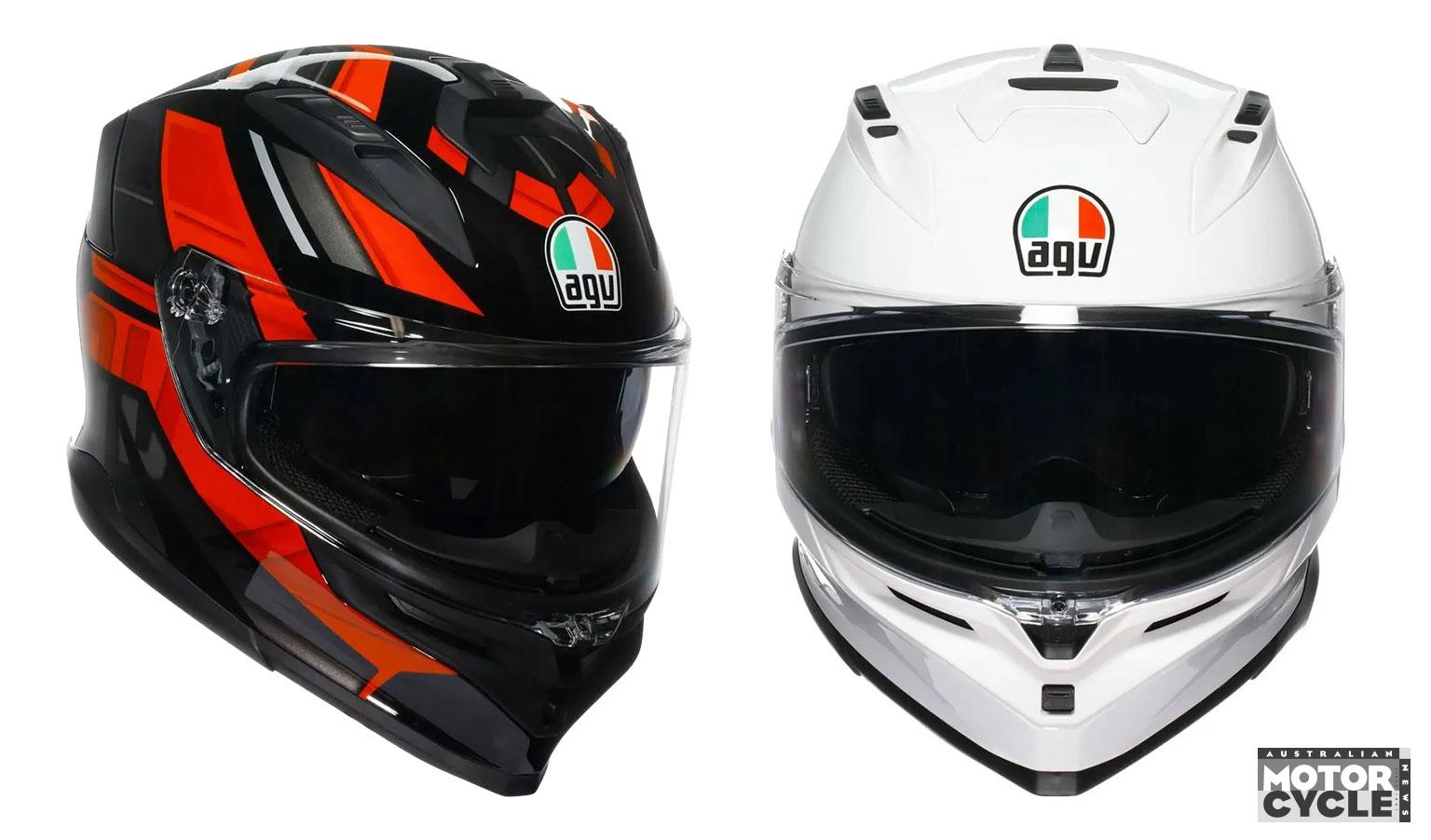
A helmet should feel firm all the way around your head without causing pressure points. It should not rock backwards, lift at the front or slide around when you shake your head quickly. The cheek pads should feel snug when new, because they will bed in with use.
Try the helmet on for more than 30 seconds. Wear it around the shop for a while. If it creates a hot spot on your forehead, pinches your temples or makes you desperate to take it off, it is the wrong helmet. A distracting helmet becomes a safety problem because you will spend your ride thinking about your head instead of the road.
If you wear glasses, test the helmet with them on. If you have long hair, fit the helmet the way you will actually wear it. And make sure you pull the visor down when you’re trying it on to test your peripheral vision, as well as how close the visor is to your face.
Pinlock or other anti-fog systems are worth considering if you commute through winter. Legally-compliant tinted visors can be useful if you’re riding into bright sun but are illegal to wear at night.
Gloves
Gloves are not optional. When people fall, we instinctively put our hands out and we can’t do much without the use of our hands, so they must be protected.
Good motorcycle gloves should protect the palm, knuckles and fingers, fit securely at the wrist, and whether you opt for a short or longer-gauntlet style, they need to be compliant enough to still give you plenty of feel at the controls.
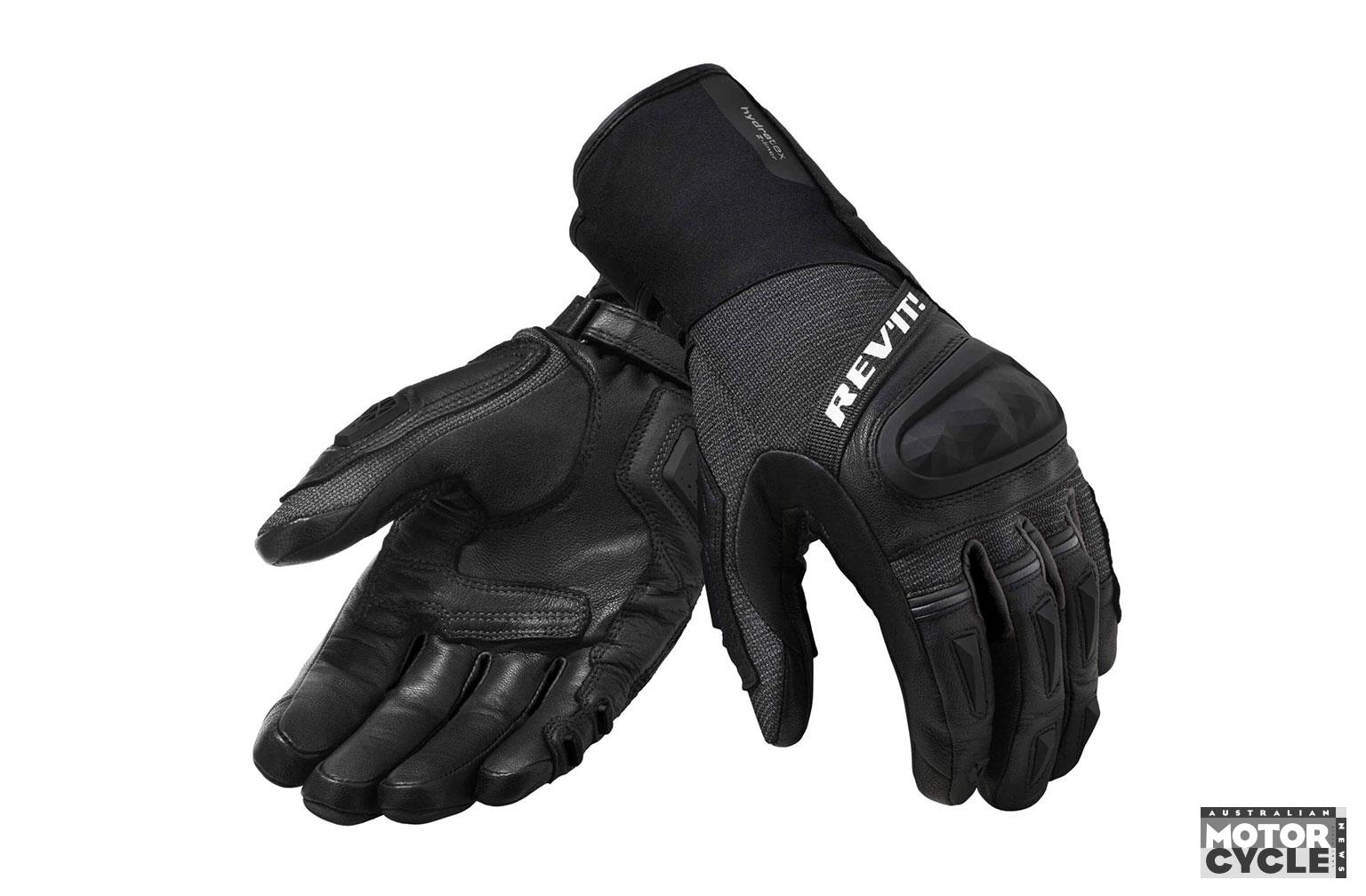
If they are too bulky, you will lose finesse with the throttle, clutch and brakes. If they are too flimsy, they’ll offer little protection when you need them most.
Summer gloves are comfortable in hot weather but will make winter riding really uncomfortable to the point of being dangerous. Heavy winter gloves are warm but may feel clumsy (also to the point of danger) for a novice rider. A good all-season road glove is often the smartest starting point, then you can add summer or winter-specific gloves later – and again, spend as much as you can afford.
Jacket and pants
This is where new riders often get bamboozled. Leather, textile, mesh, denim, waterproof liners, removable thermal liners, armour levels, vents and back protector inclusions can all get very confusing.
A thick jacket will be unbearable in January and you’ll be tempted not to wear it. Likewise, a mesh jacket that feels great in summer will be miserable in winter rain. Australian riders often need gear that can cope with heat, cold, wind and sudden weather changes, sometimes all in the same week.
Textile gear usually gives the best versatility. It can offer abrasion protection, armour, ventilation, weather resistance and versatility without the cost or break-in period of leather. Leather still has a place, but it is not automatically the best choice for commuting, cost-effectiveness or all-weather use.
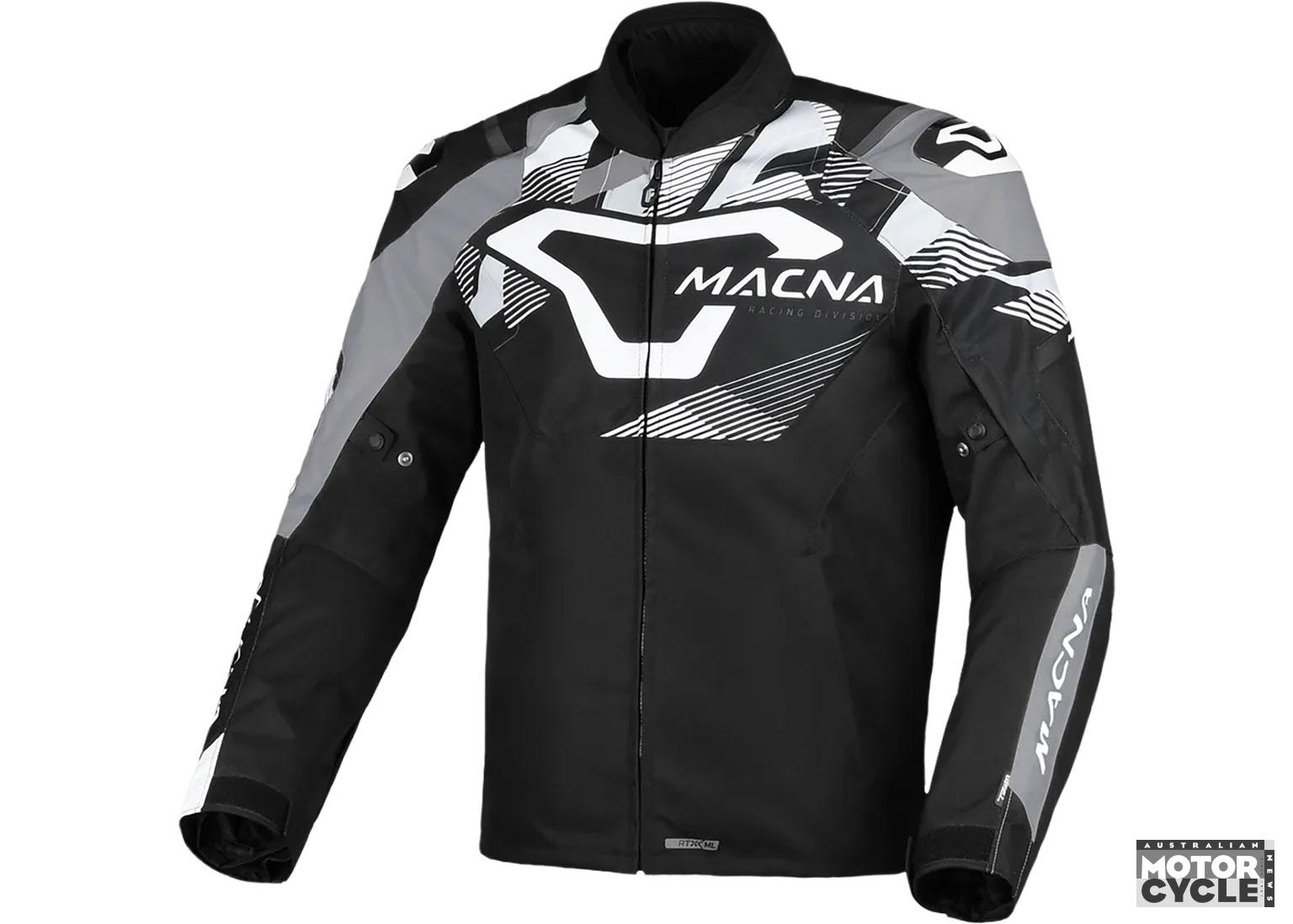
When trying your jacket on, make sure your armour is sitting where it is meant to sit. Elbow armour that spins around your forearm, or knee armour sitting halfway down your shin, is not worth having. When trying on gear, try and find a bike to sit on – don’t just stand in front of a mirror. And where possible add the boots, gloves and helmet to make sure everything works together. You might find the perfect jacket and a great-fitting helmet, but as soon as you’re in a riding position, you may realise you can’t turn your head freely.
Motorcycle jeans can be a good option if they’re constructed from the right materials, but ordinary denim is not riding gear. Look for genuine abrasion-resistant construction and impact protection at the knees and hips.
Boots and shoes
Riding boots and shoes need to protect your feet and ankles, not just pass as sturdy footwear. Sure, Blundstones are better than thongs, but that does not make them motorcycle boots. Specific riding footwear is designed around the injuries riders suffer, with protection for the ankle, heel, toes and sole.
Full-height boots still offer the best coverage, especially for longer rides, bad weather and higher-speed road use. but casual riding shoes and short urban boots have become popular for good reason. If you can comfortably leave them on wherever you’re going, you are more likely to wear them every time you ride; carrying a spare pair of shoes to change into when you get to where you’re going wears thin.
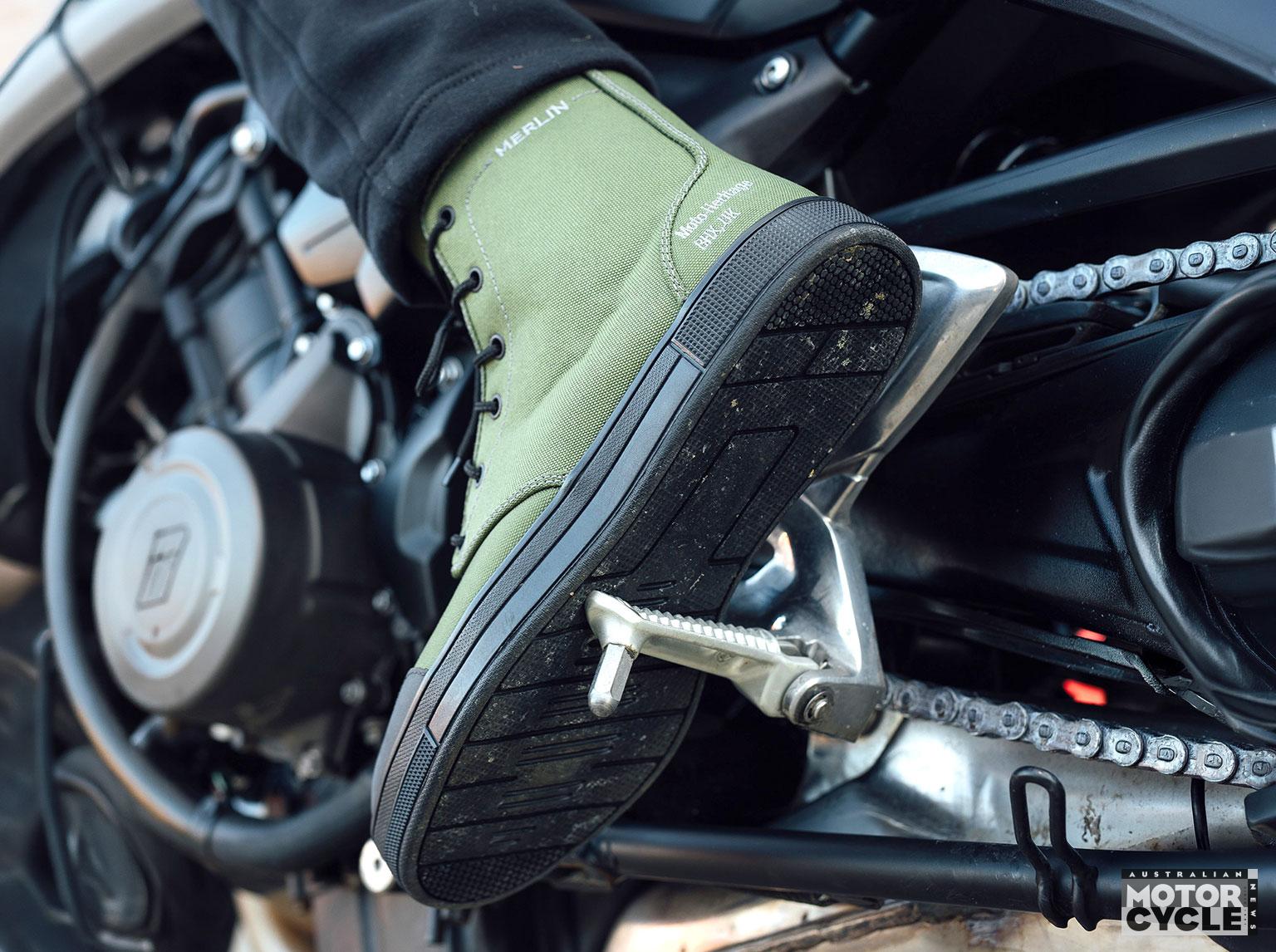
A casual riding shoe is easier to live with, but the compromise is how much ankle support, crush protection, sole stiffness and weather protection it really offers. Whatever you choose, make sure it has a grippy, non-slip sole, because a foot sliding away at the lights or on a wet servo forecourt can turn into an embarrassing and expensive lesson.
Watch the laces, too. Loose shoelaces can catch on footpegs, gear levers or brake pedals, which is exactly what you do not want when you are trying to get a foot onto terra firma. If your riding shoes have laces, do them up well and tuck the ends away. Better still, look for a lace-retention loop, zip, strap or covered-lace design.
And, just like your gloves, make sure you can operate the gear lever and rear brake properly. If the boot or shoe is so stiff or bulky that you can’t work the controls freely, choose something else, regardless of how much you like the look of them.