In a significant moment in world motorcycling, Honda launches its first-ever production full-sized electric road model
The launch of the WN7, Honda’s first-ever production e-motorcycle, is not only big news for the company but also big news for motorcycling. We have seen excellent scooter-style electric bikes from BMW and other manufacturers. We have also seen specialist electric bikes from smaller brands like Zero, Livewire and Can-Am. But this is the first time Honda, the largest player in the market, has entered a fully electric motorcycle into mass production. Furthermore, it will be available from regular dealers, not specialised stores.
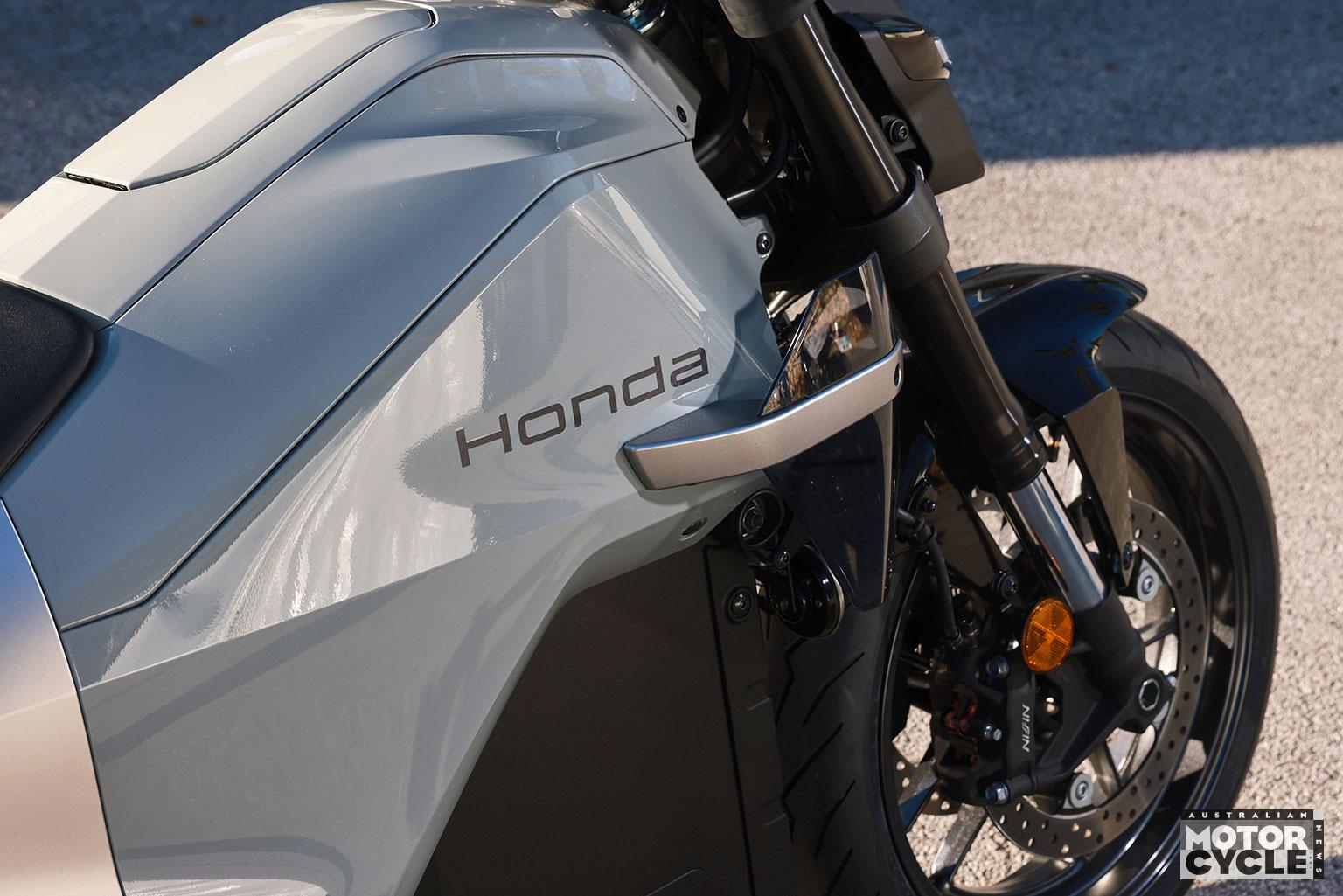
The real deal
The WN7 was first shown as a concept at EICMA in 2024, a working prototype followed in 2025, and now in 2026 we have the real thing. There are two WN7 variants – either 11kW or 18kW, learner compliant – with a peak power figure of 50kW (67hp) and a meaty 100Nm of torque. Honda is quoting a range of 140km, with a maximum speed of 129km/h.
Charge times are short when using a commercial public fast charger (as seen in shopping centres, car parks, etc): just 30 minutes from 20 per cent to 80 per cent. It takes 2.4 hours on a typical domestic 15amp wall charger from 0 per cent to 100 per cent and 5.5 hours using a normal household powerpoint.
Honda has pushed its often conservative boundaries in all directions. There’s a frameless chassis design for the first time, as well as belt drive, which has never been used by Honda on a motorcycle before.
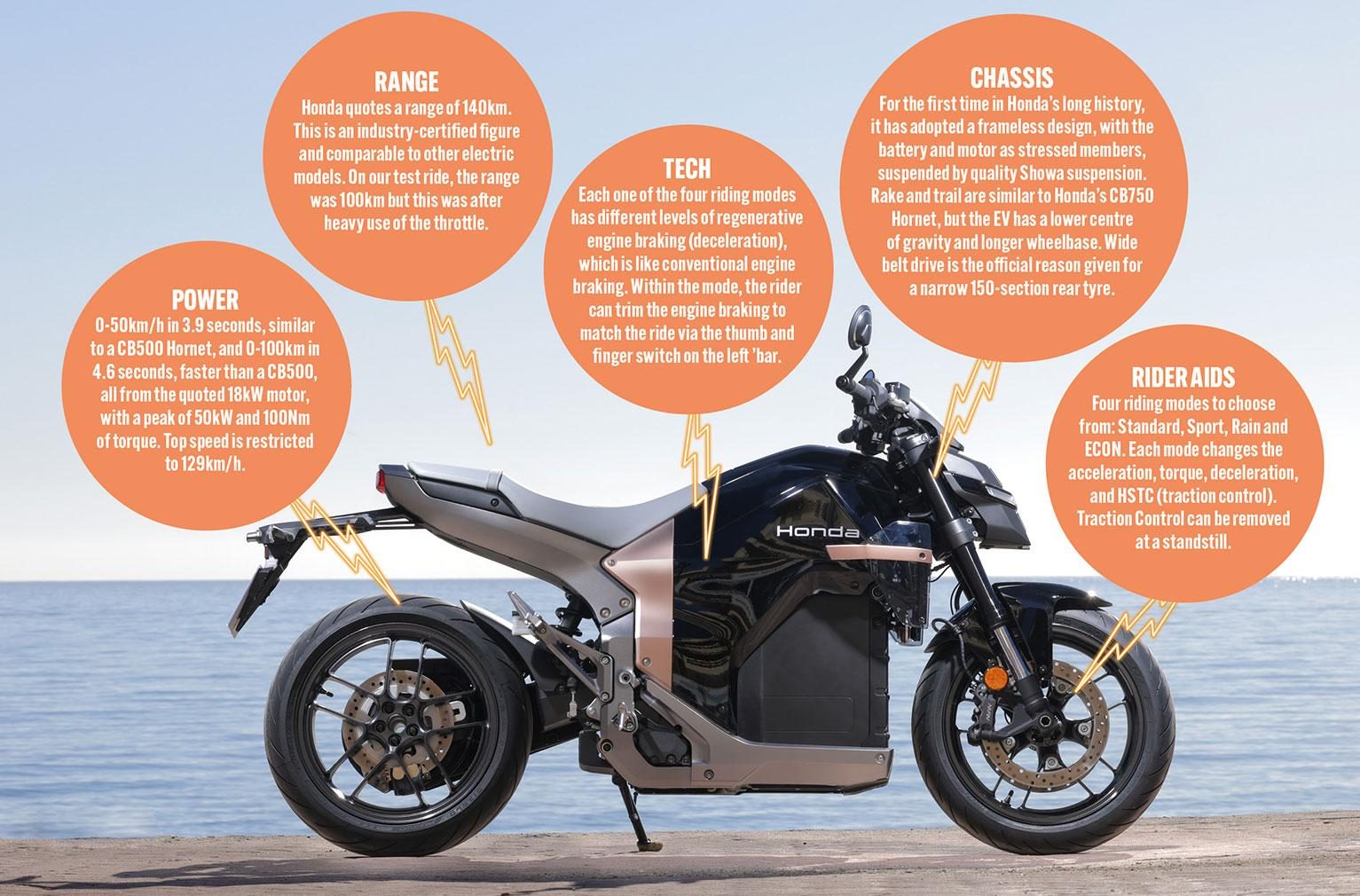
Chassis dimensions are loosely based on its CB750 Hornet and, as you would expect from Honda, the WN7 is festooned with multiple riding modes and rider aids, including changeable regenerative (engine) braking to put power back into the battery.
No gears and no clutch, of course, but there is a reverse, near-silent running and a lot to get used to.
We appreciate that some won’t like the WN7 simply because it’s electric and doesn’t make the right noises. When you compare its £12,999 UK price tag to an ICE bike like Honda’s own £7495 CB750 Hornet (around $15,000 rideaway in Australia, depending on the state its sold in), it looks expensive, too. But this is largely missing the point. Better for now to compare the WN7 to other electric bikes in the market. After all, when a global giant like Honda produces its first electric production motorcycle, it is big news. A true measure of where we are with electric motorcycles.
We headed to southern Spain for a quick spin on Honda’s landmark EV, which is expected to hit European showrooms soon.
Ride range limits
This wasn’t a regular press launch or bike presentation. These normally comprise of an all-day ride with stops only for lunch, coffee and fuel. But due to the WN7’s shorter range – and in line with other electric bike presentations AMCN has attended – this test was predominantly about getting a flavour of the machine’s capabilities. An enjoyable morning ride, with some town work where, let’s face it, the bike will mainly be ridden, was followed by a short blast up into the hills near Malaga. All in perfect sunny conditions. But despite this relaxed format, we rode the Honda as hard as we would any conventional ICE motorcycle.
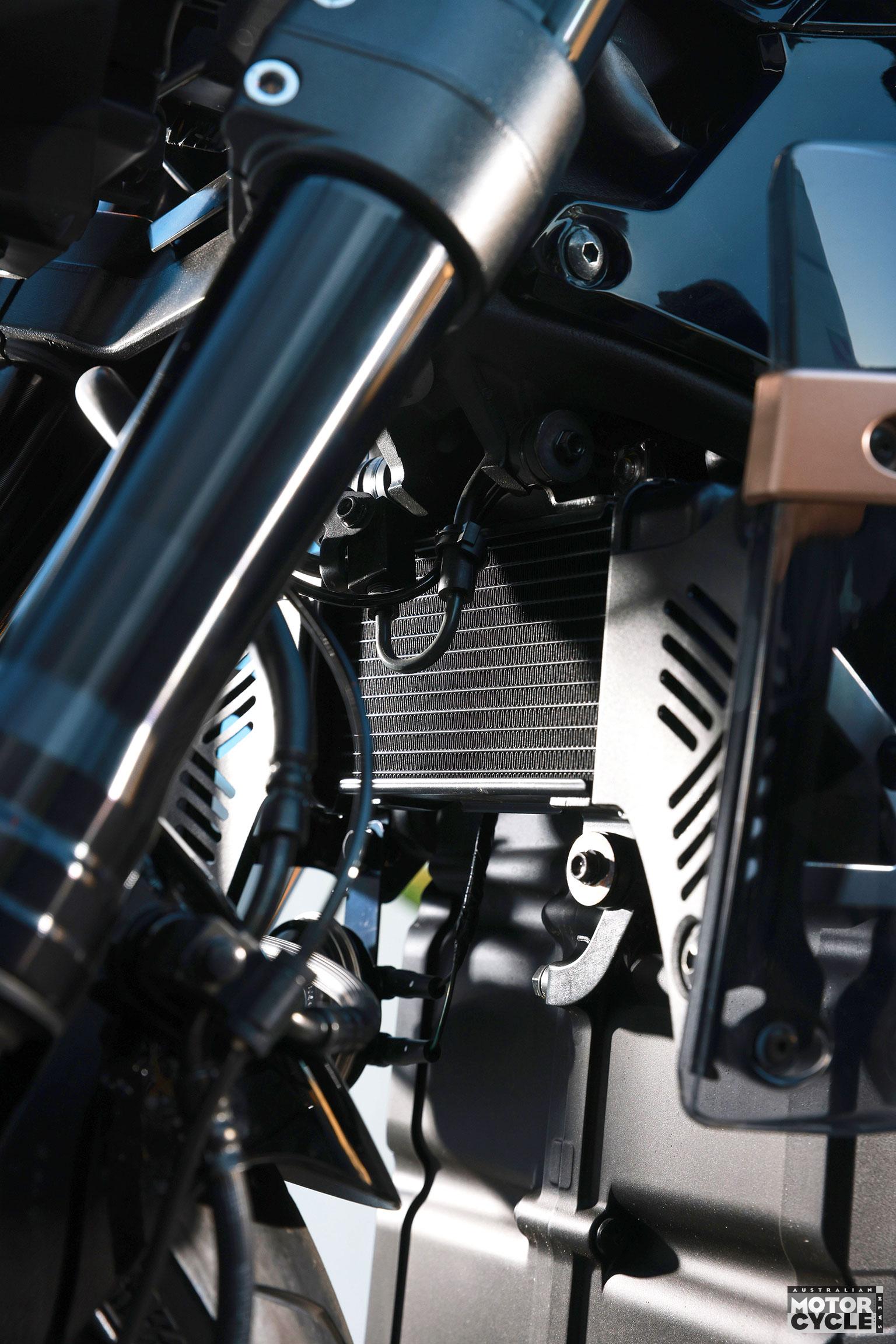
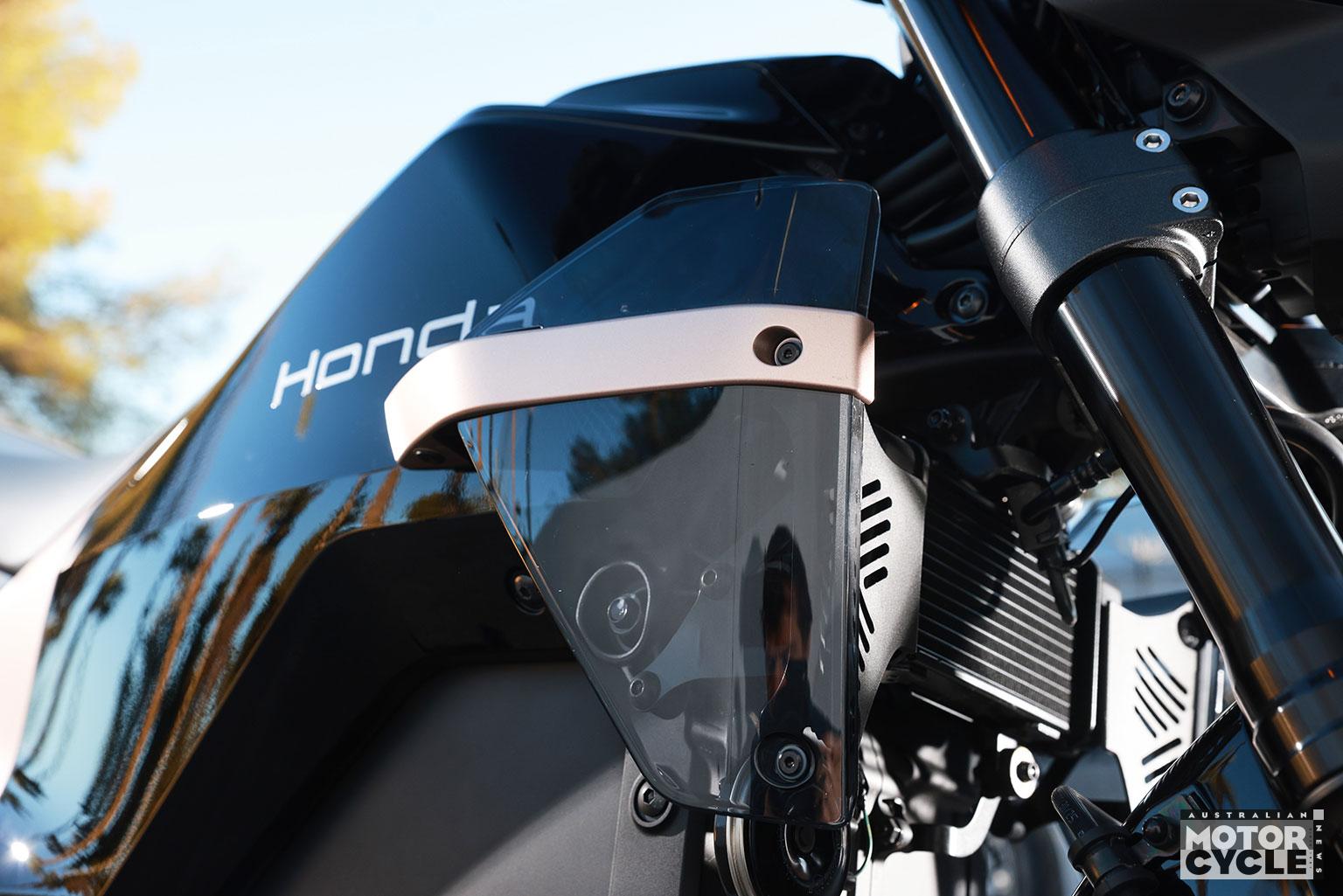
First the looks, which, in the flesh especially, come together nicely. Electric motorcycle designers aren’t constricted like conventional bike designers; they don’t have to make room for a radiator or air induction. There is no serious heat or exhaust to worry about, and no fuel tank either. They appear to have more freedom.
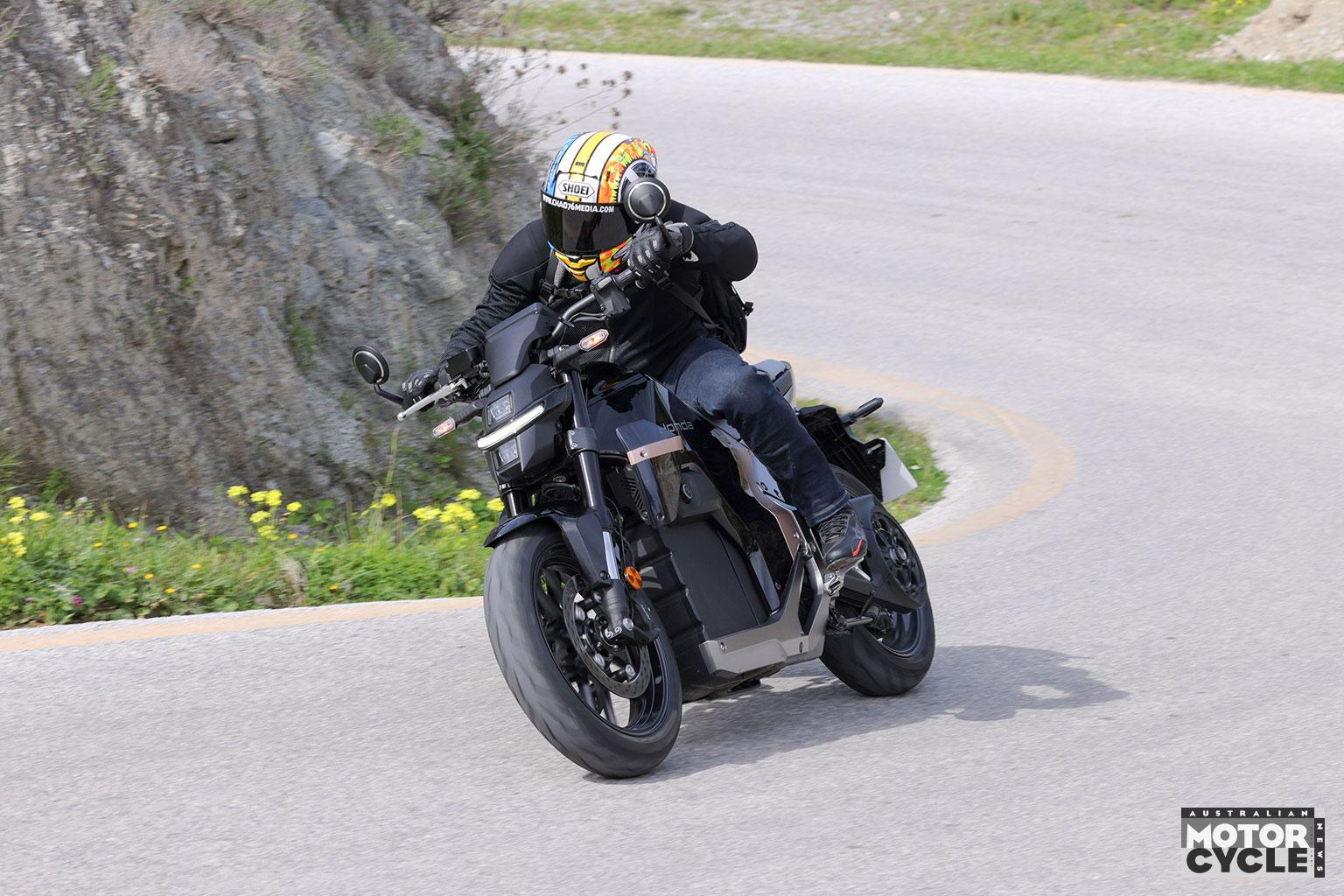
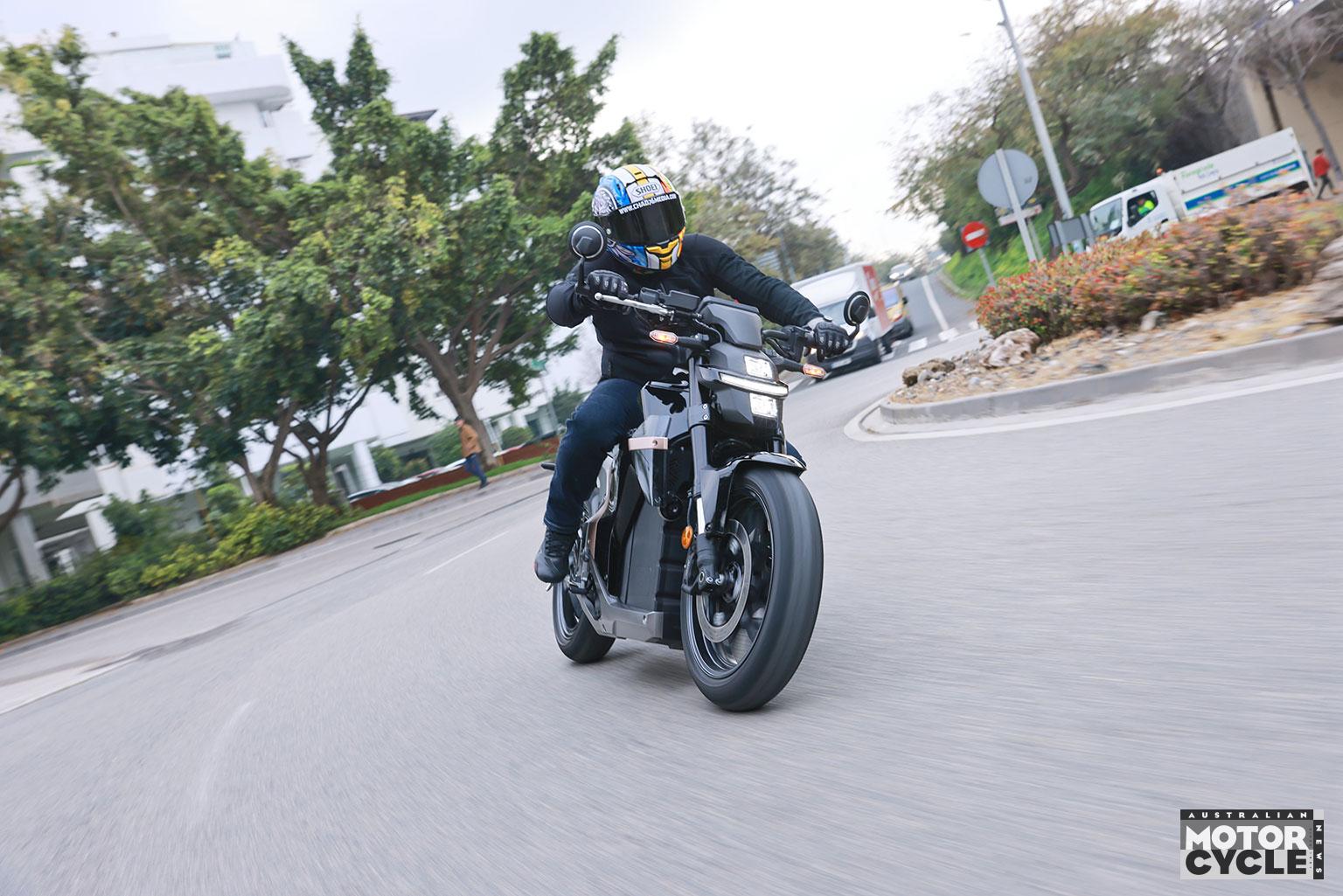
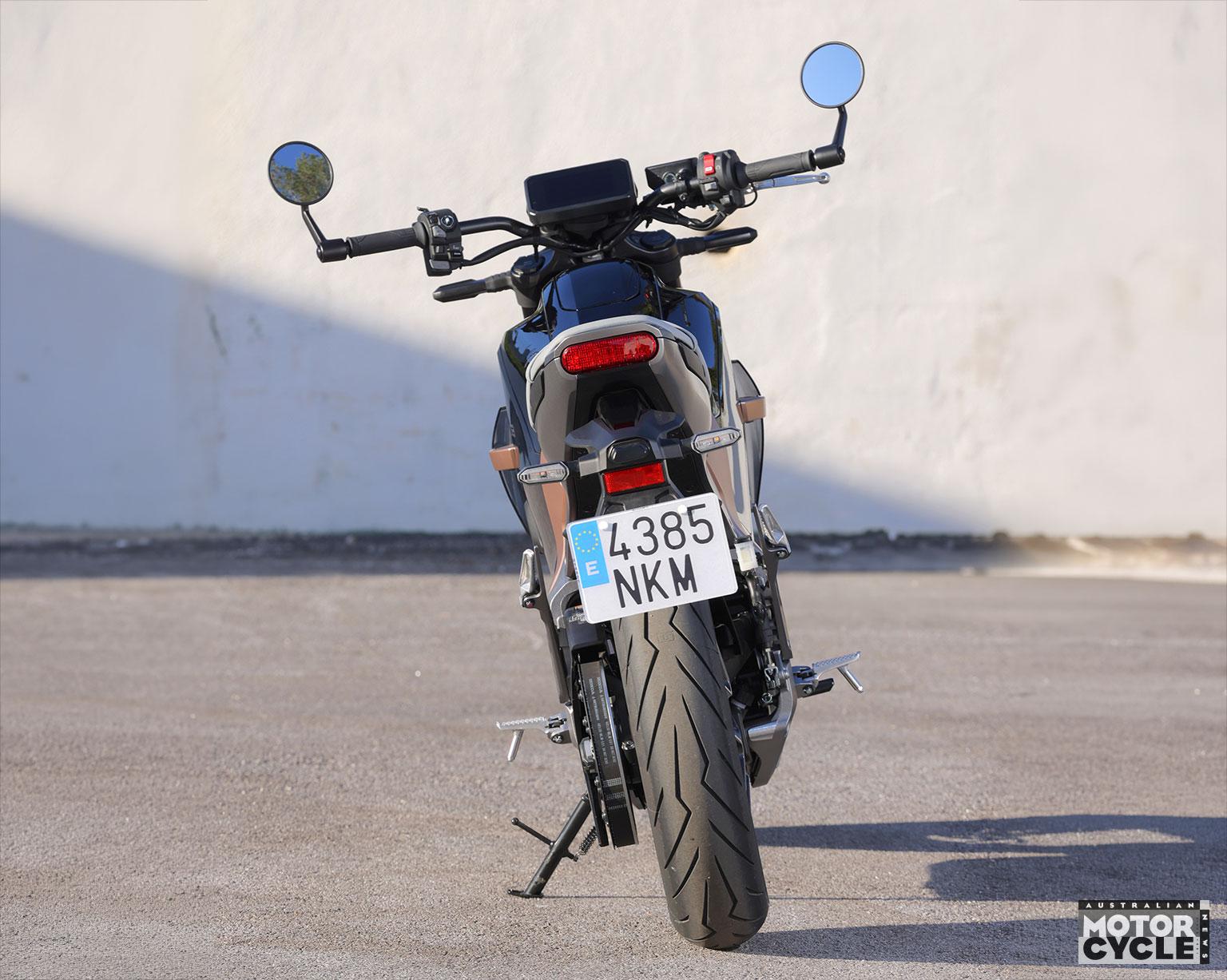
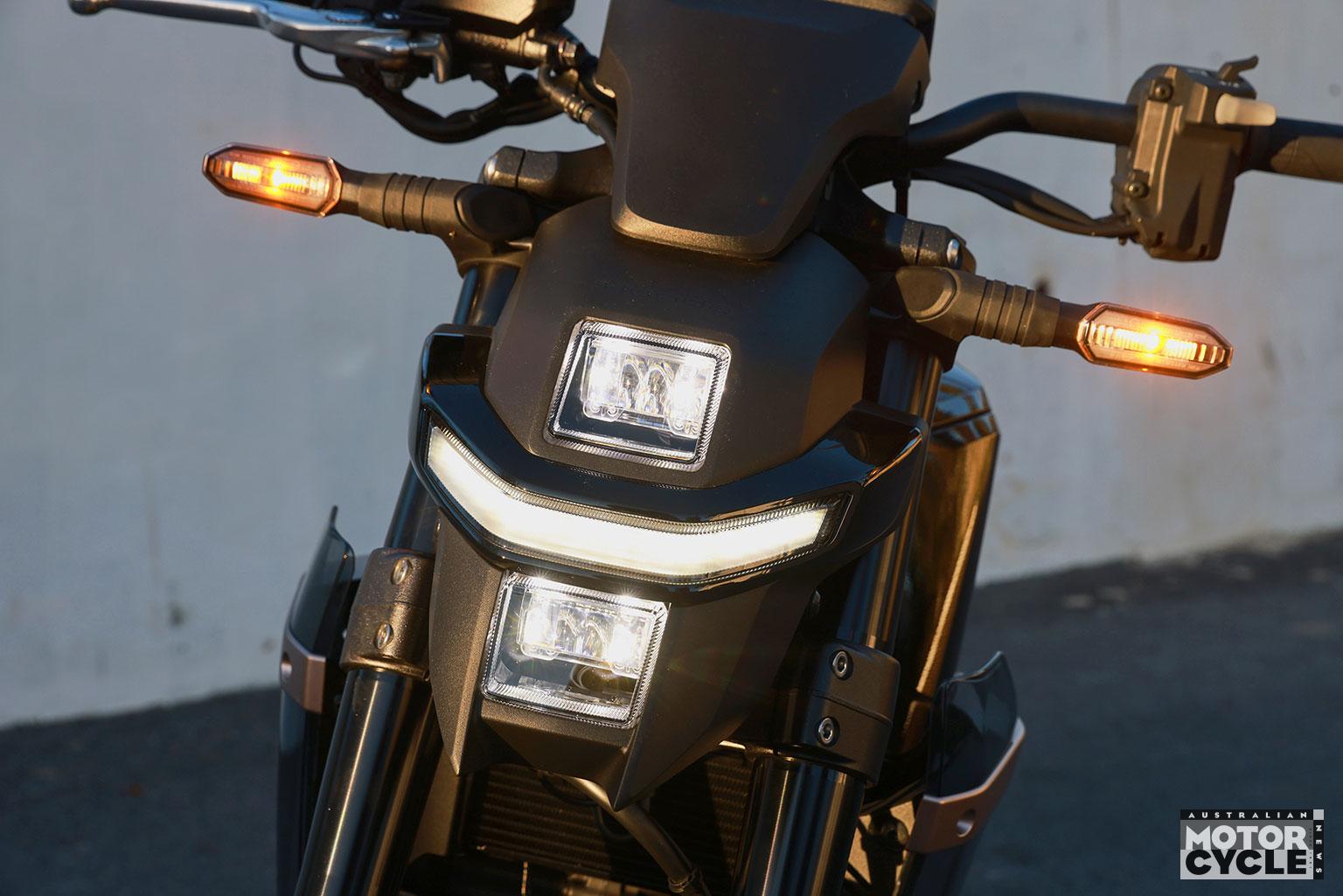
Despite being loaded with new technology, the WN7 looks pleasingly uncomplicated. Without need to accommodate a conventional engine, radiator or exhaust system, this naked electric is also strikingly slim. Ignoring the mirrors, the widest point isn’t far outside the front fork. From the rear, it looks especially narrow and futuristic.
Honda has used its experience and not strayed far from convention, using similar dimensions and steering geometry to the CB750 Hornet, with a longer wheelbase and a narrower 150-section rear tyre.
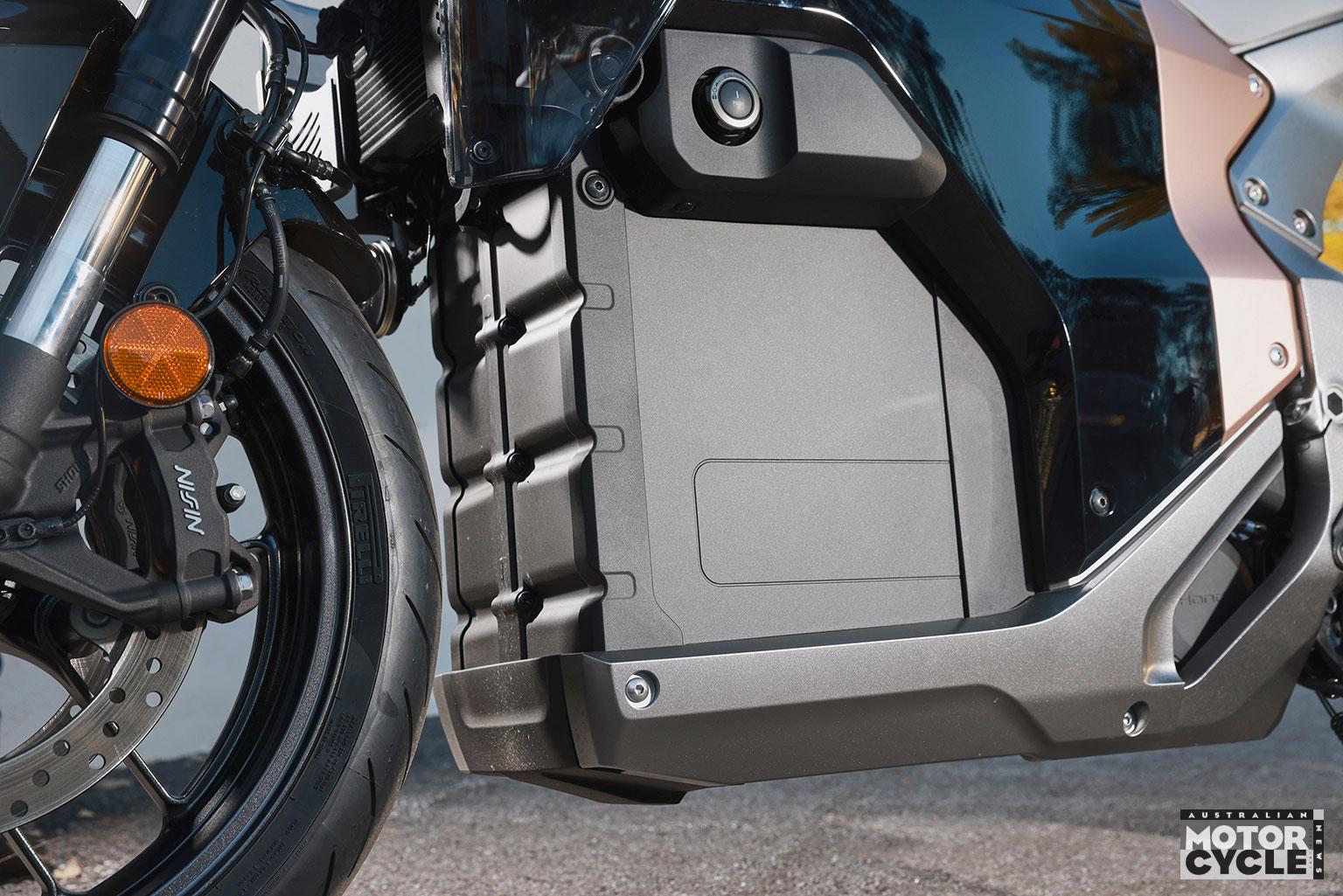
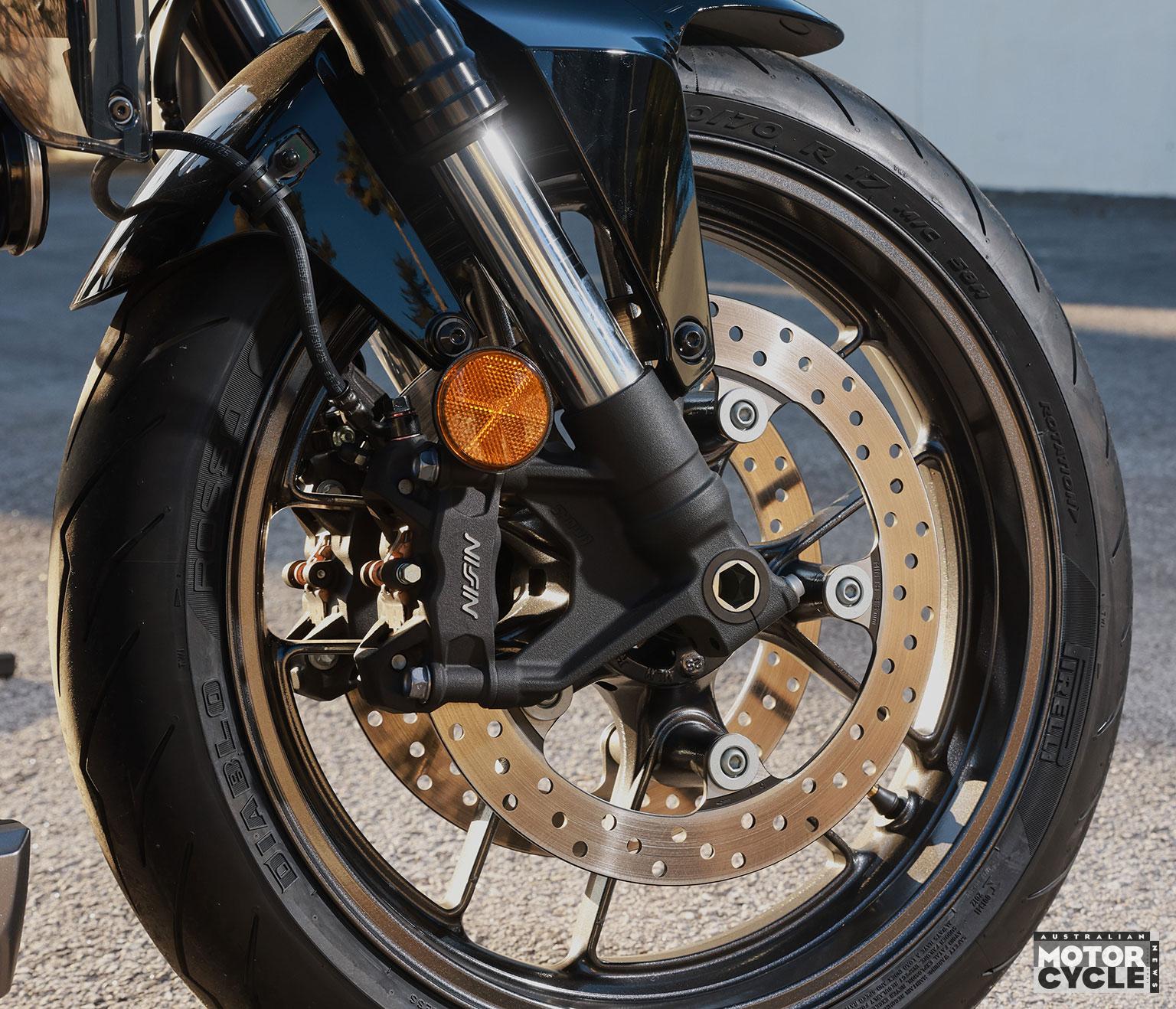
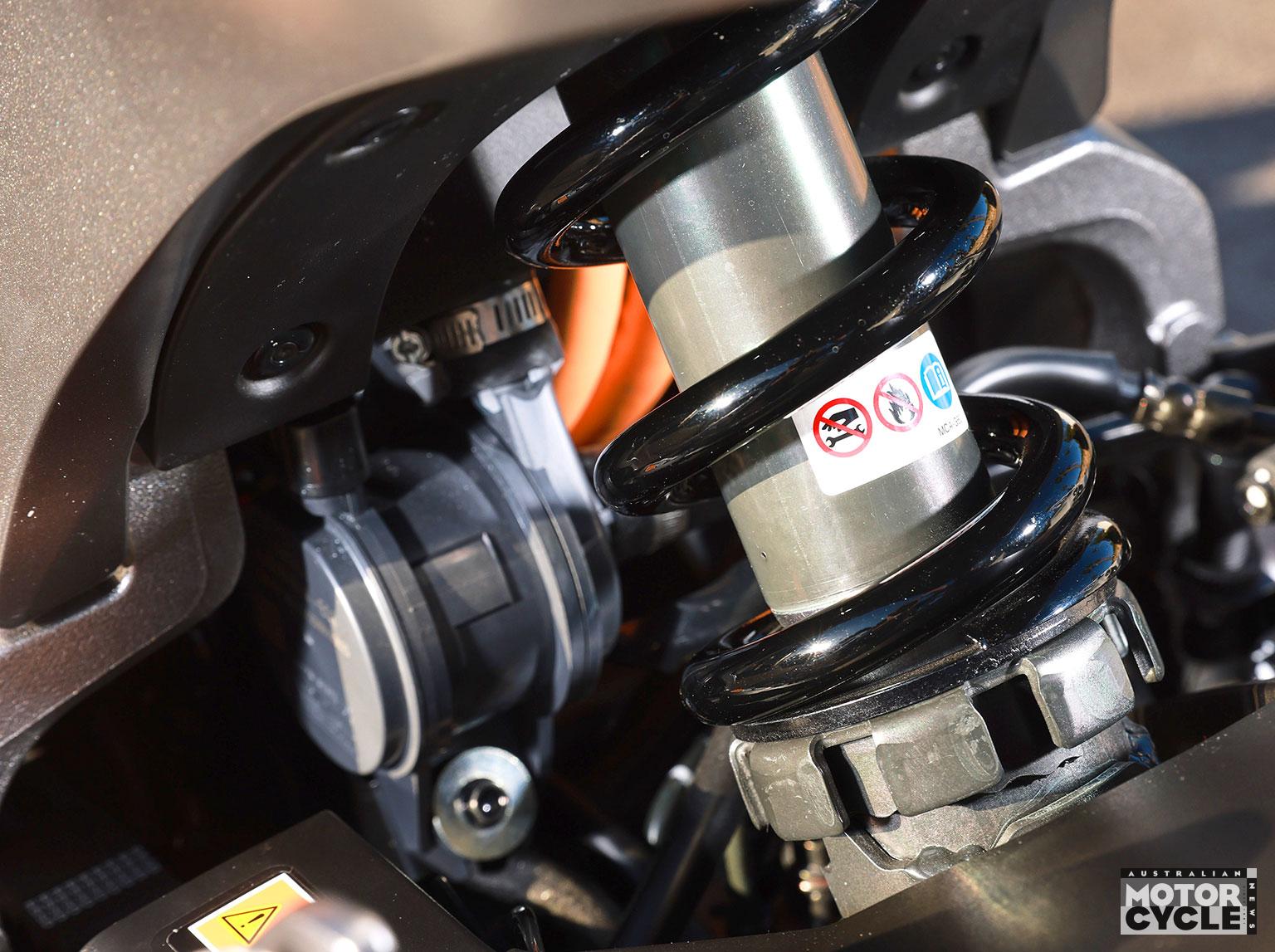
The battery casing is the main frame, which saves on weight, while familiar Showa suspension and Nissin brakes handle the ride and stopping duties. The design is sleek and the execution and finish are of a high-quality, as you would expect from a flagship Honda.
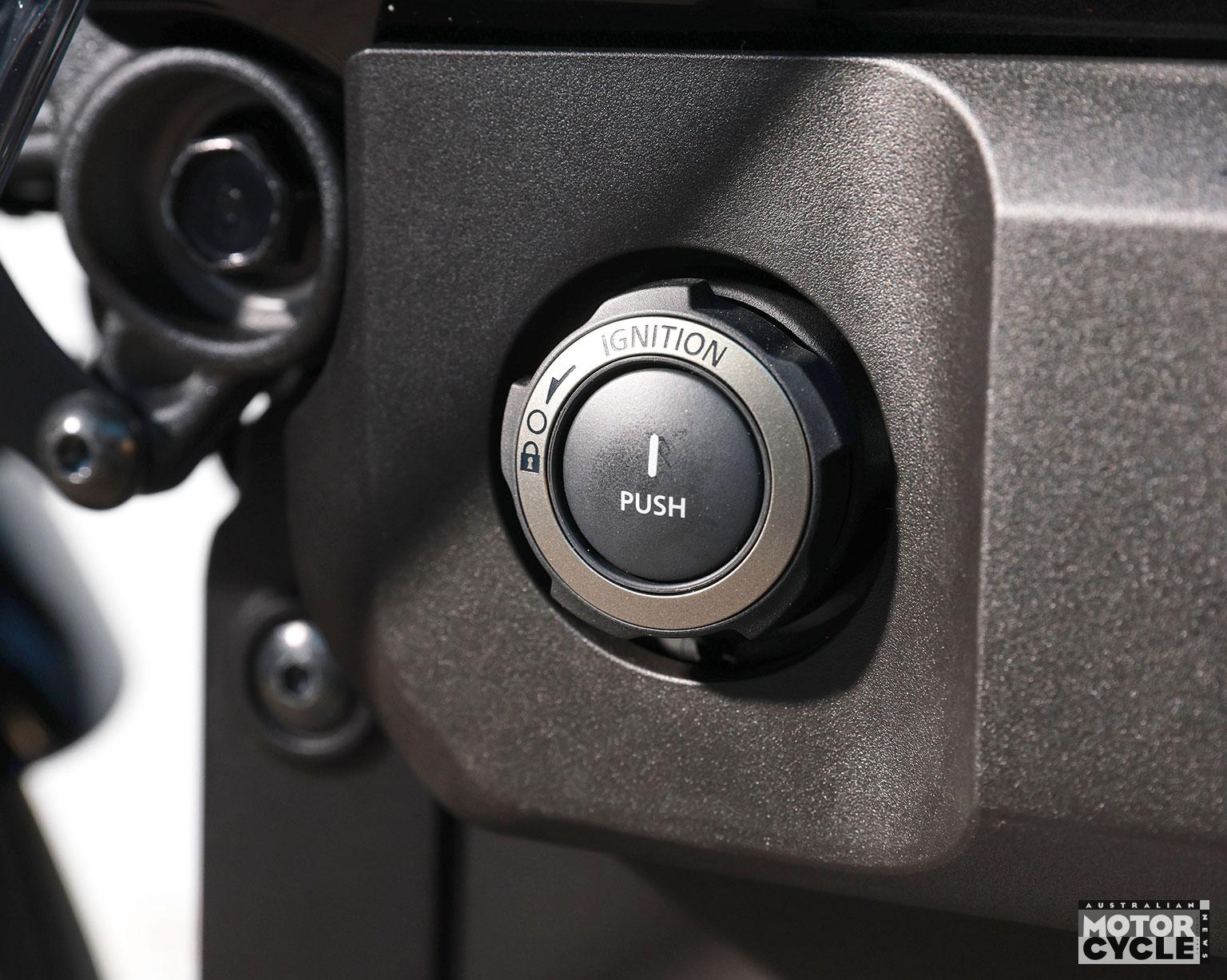
On board the slim, firm and accessible-for-all 800mm seat, the view is familiar yet unfamiliar at the same time. The five-inch TFT dash is pure Honda, with the same icons you’d find on other models. The switchgear is also shared with other Honda models, which gives it a reassuring ‘Honda’ feel. The keyless ignition is on the side and clearly lifted from the Fireblade. But then the similarities begin to thin out.
There’s no conventional clutch and no gear selector. The rear brake pedal is in the conventional position but the opposite side is controls-free. Some manufacturers of electric bikes have moved the back brake to the ’bars, like a pushbike and many scooters, but Honda has stayed with tradition.
Switch on the ignition and the WN7 comes gently alive. Pull the front brake, press the ‘on’ button (like a normal starter button), and you’re ready to ride. If the bike needs to be manoeuvred out of a garage or parking bay, you can either crawl forward up to 5km/h using a combination of the throttle and holding down a trigger-like paddle on the left ’bar, or even backwards, again up to 5km/h. Both paddle and throttle must be deployed simultaneously to actuate ‘walking mode’, which is a clever and effective tool, especially if you need to go backwards on a hill. Once ready to move away, you just twist and go – it’s that easy.
On the move, the WN7 is like all electric bikes in that it initially feels a little alien. At the first set of traffic lights, for example, I tried to grab the non-existent clutch lever and, as we accelerated, attempted a few air-guitar upshifts. But it all becomes second nature quite quickly. It’s like a maxi scooter, without the engine noise.
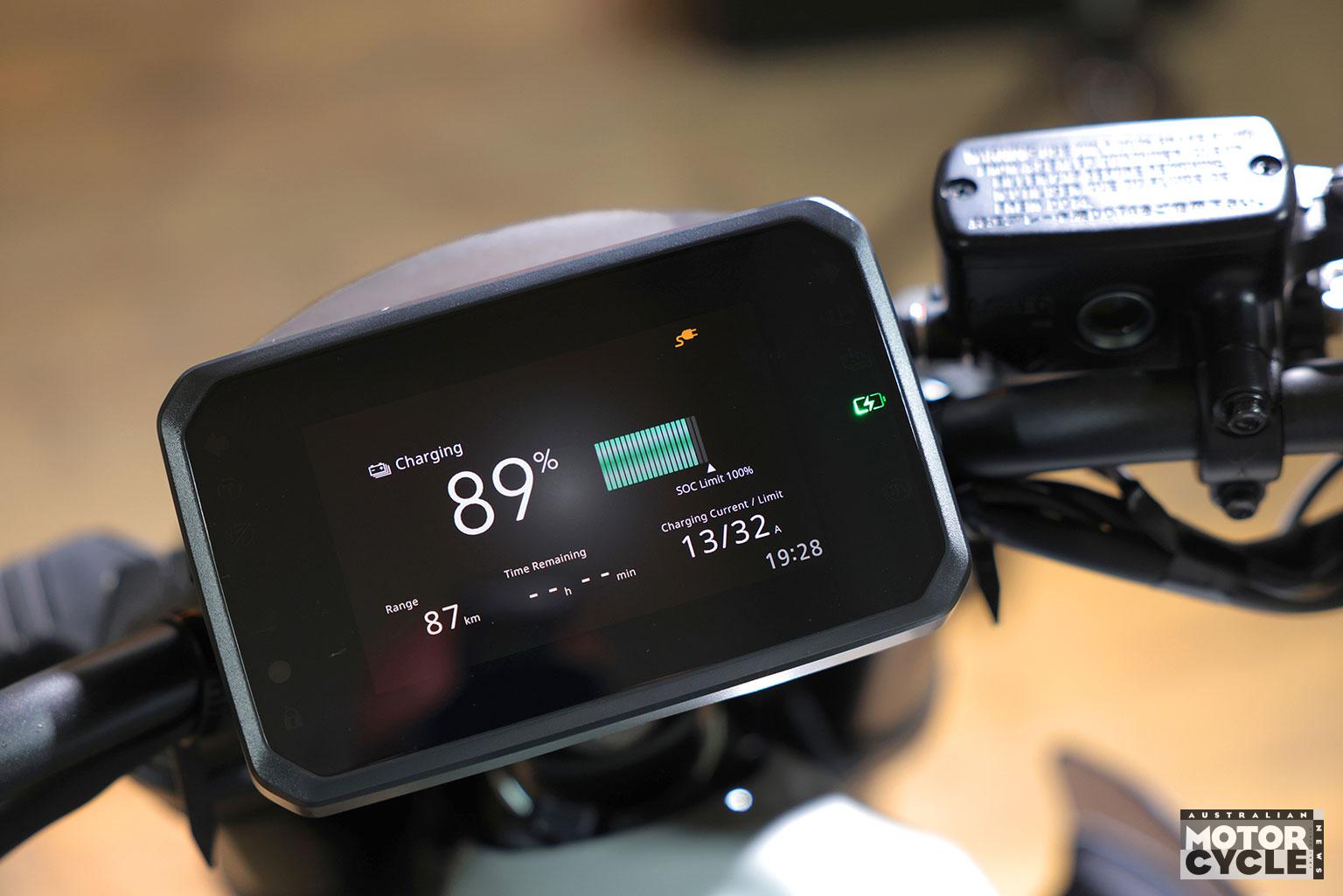
The TFT dash is also fuss-free and easy to navigate, with multiple display options. There is a clear battery percentage readout, so you can see how much charge you have used and can toggle through to see the remaining range, depending on which display you have selected. Four riding modes can be changed on the go with a closed throttle, while the level of regenerative engine braking can also be trimmed without stopping via a trigger shift on the left ‘bar similar to Aprilia’s traction control paddle.
After a few kays of dicing with Spanish rush hour traffic, I was starting to feel at home and able to focus more on crazy commuters than the dash.
The WN7 has a low centre of gravity (the lowest in Honda’s current range), which means there’s a lovely balance to the bike at low speeds. At 217kg, its kerb weight is only a few kaygees more than Honda’s own 750 Transalp and, for an electric bike, comparably light. At low speeds, you’d never guess the WN7’s on-paper weight.
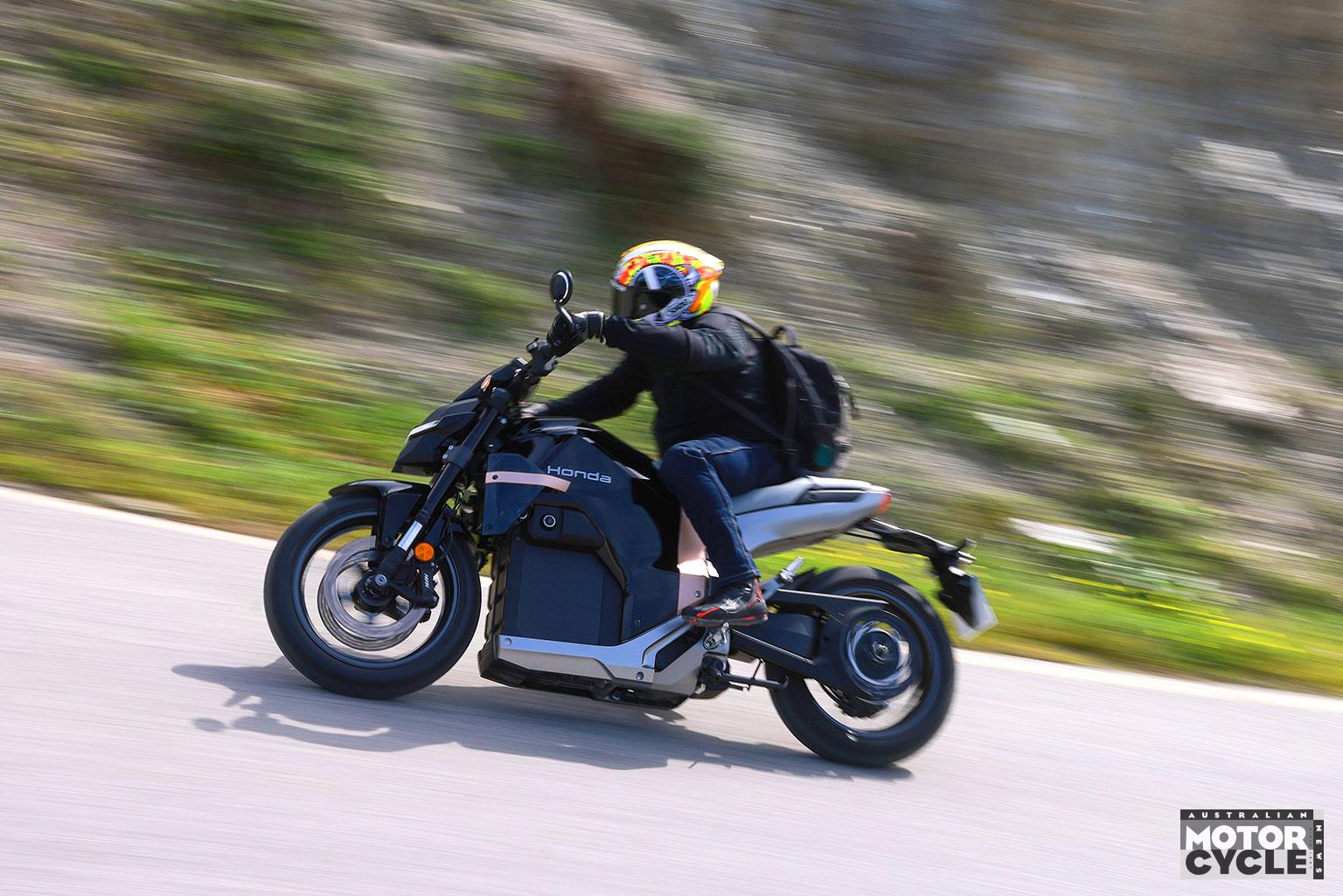
Throttle response in Rain and ECON is soft, and a little sharper in the Standard mode without being overly eager or unintimidating.
New riders are going to love the MN7’s user friendliness, especially its relative lightness and easy balance on the move. In town, it’s virtually silent – Honda has purposely made it this way, hence its belt final drive rather than a conventional and noisier chain. On a petrol bike, traffic and road noises are to some extent drowned out by the exhaust or engine noise, but on an electric bike you become more aware of other road users. You can hear conversations from pedestrians and the revving engines of aggressive taxi drivers. You become more aware of your surroundings.
The quiet nature of the MN7 is revealing in another way. I’ve ridden lots of the electric bikes available now and, in town, over speed humps especially, you invariably hear their drive chains hit the swingarm or bodywork and other chassis parts moaning and groaning. Not so with the Honda, which remains near-silent over bumps and broken road surfaces, heightening its sense of quality.
Experimenting with the riding modes is interesting as each one has a specific level of engine braking. For example, the deceleration is high in Econ but low when the throttle is closed in Rain – and you can really feel the difference.
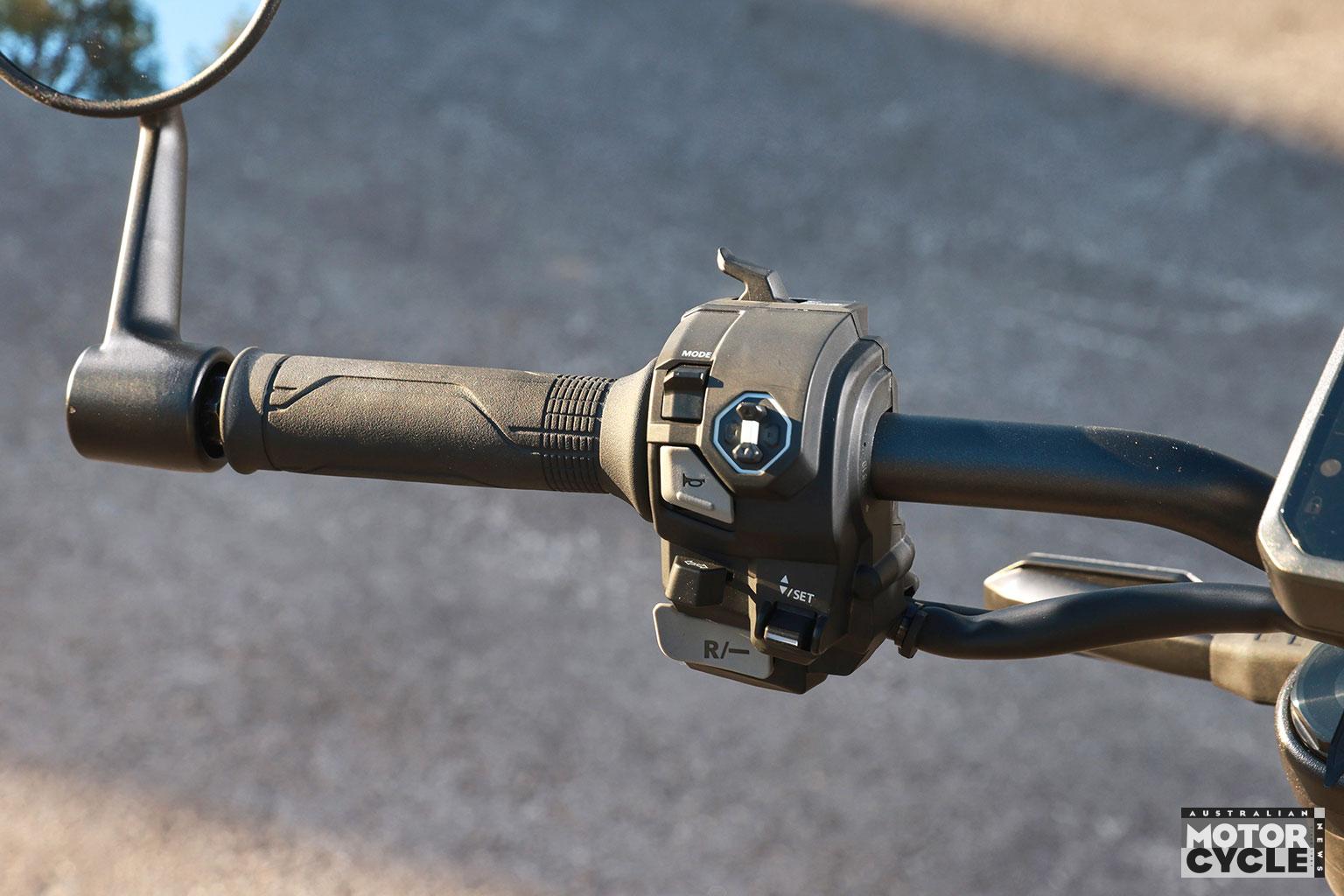
Furthermore, you can change and play with the settings via the finger and thumb paddles on the left ’bar. So, as you approach a set of lights, you can add more regenerative braking to reduce your speed – like coming back from sixth to fifth gear, just by using the paddle. This not only saves braking but puts power back into the battery. It feels unusual at first, but once you’re used to the set-up you can use the regenerative braking like a gearbox. Adding more is like coming down gears, just not quite as strong, while reducing the regenerative braking is like pulling in the clutch and rolling farther.
I even used it to control the bike on a steep descent in town, again like using a gearbox on a conventional bike, but more like fifth to fourth rather than third to first.
Head for the hills
Thankfully, not all the test was confined to town work, and we did hit some faster roads and dual carriageways with steep uphills and descents. This is where I thought the Honda would come up short – but instead was surprised by its open-road performance. The first time I selected Sport mode and nailed the throttle, I was slightly stunned as I wasn’t expecting it to be so arm-straighteningly quick. Honda claims the MN7 is a fraction faster than their own CB500 Hornet, but I would strongly argue that. It feels rapid from the lights, drives hard enough to give the grippy Pirelli a difficult time and, with a quoted 100Nm of torque, sharp overtakes aren’t a problem. Maybe it’s the constant, seamless acceleration or silence making things seem faster, but I was truly impressed.
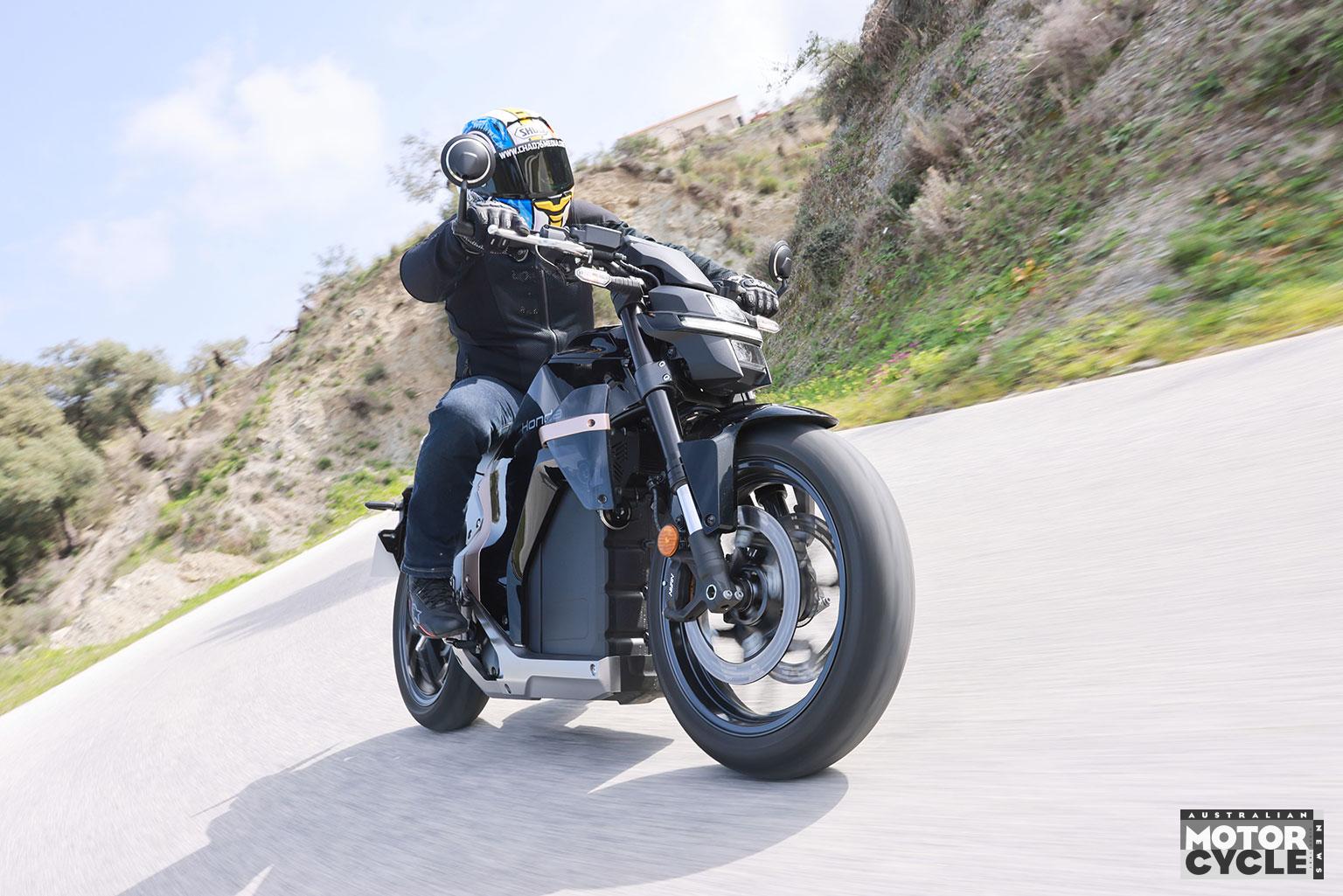
However, the WN7 is restricted to 129km/h. That means if traffic is doing 110km/h on a freeway, you don’t have a big power hit available. It’s not a hard limit as I saw 135km/h on the dash, but it stops accelerating at 129km/h. To be fair, the WN7 wasn’t designed for high-speed touring, but at least stability is excellent. And with the regenerative braking reduced to a minimum, it rolls for an unusually long time from high speed with the throttle closed due to the lack of engine braking.
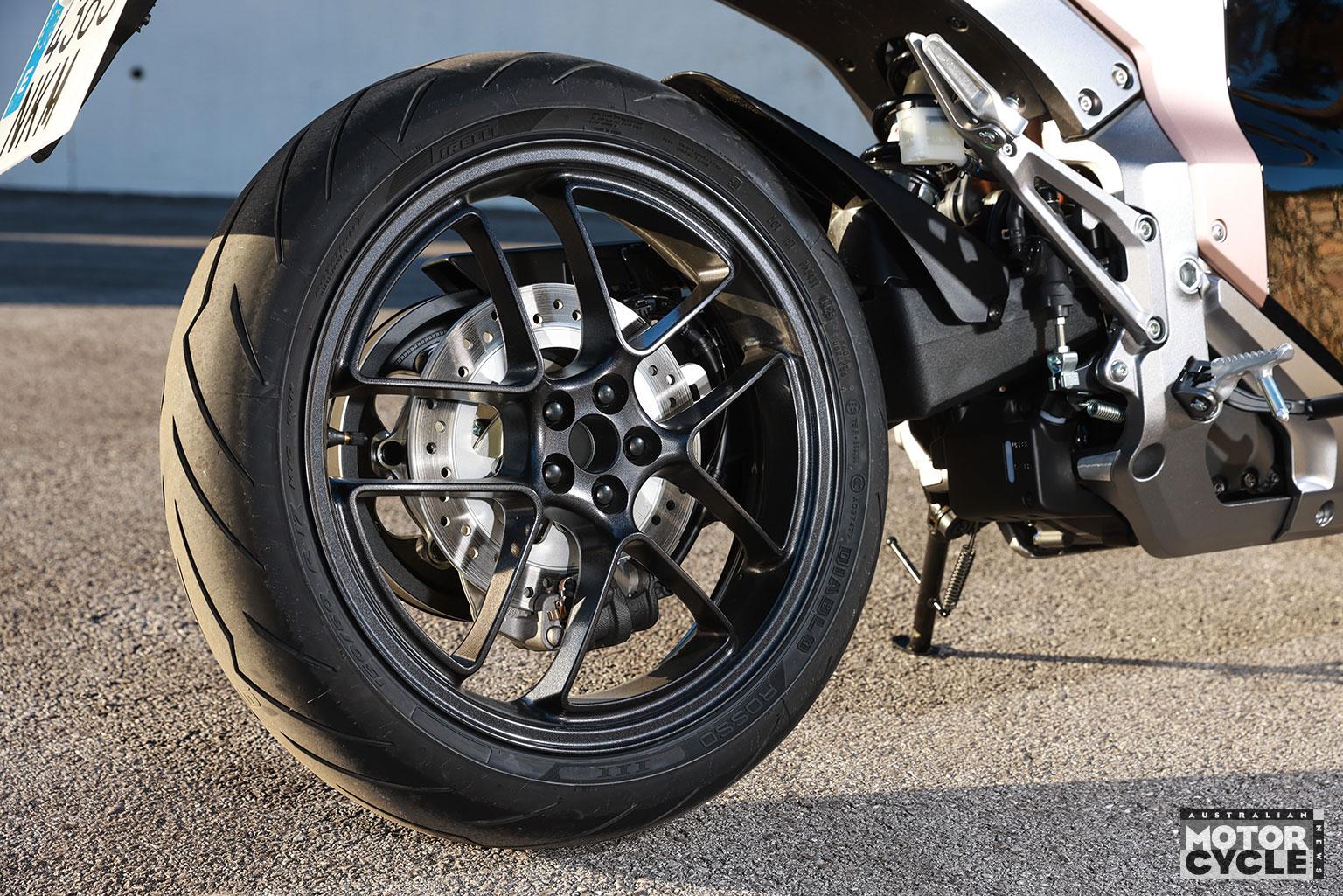
Unlike some of the smaller manufacturers who produce electric bikes, Honda has nearly 80 years of experience in making bikes stop, turn and go. High speed and general handling are impressive for this type of machine but again Honda’s new EV takes a little getting used to. Showa suspension front and rear exudes quality and delivers a plush ride. Tyres are Pirelli Diablo Rosso III, so you can throw the WN7 into a corner with confidence. Weight is similar to a fully fuelled naked bike, while the Nissin stoppers are just about up to the job, although when the engine braking is reduced, they feel a tad underpowered. Overall, however, the WN7 is just as up for a spirited ride in the mountains as it is for a traffic carve-up in the city.
Honda told us they opted for a 150-section rear tyre to make room for the wide belt drive. But I also suspect they fitted narrower rubber to allow the WN7 to steer more easily because its wheelbase is quite long and its weight is carried low, making it a little reluctant to be thrown onto its ear at higher speeds. A low-slung centre of gravity is your friend at low speeds, but out in the countryside the WN7 took some persuasion to steer. Once over and into a corner, however, feedback was excellent. If Honda produces a WN8 or WN10 it could have trackday potential.
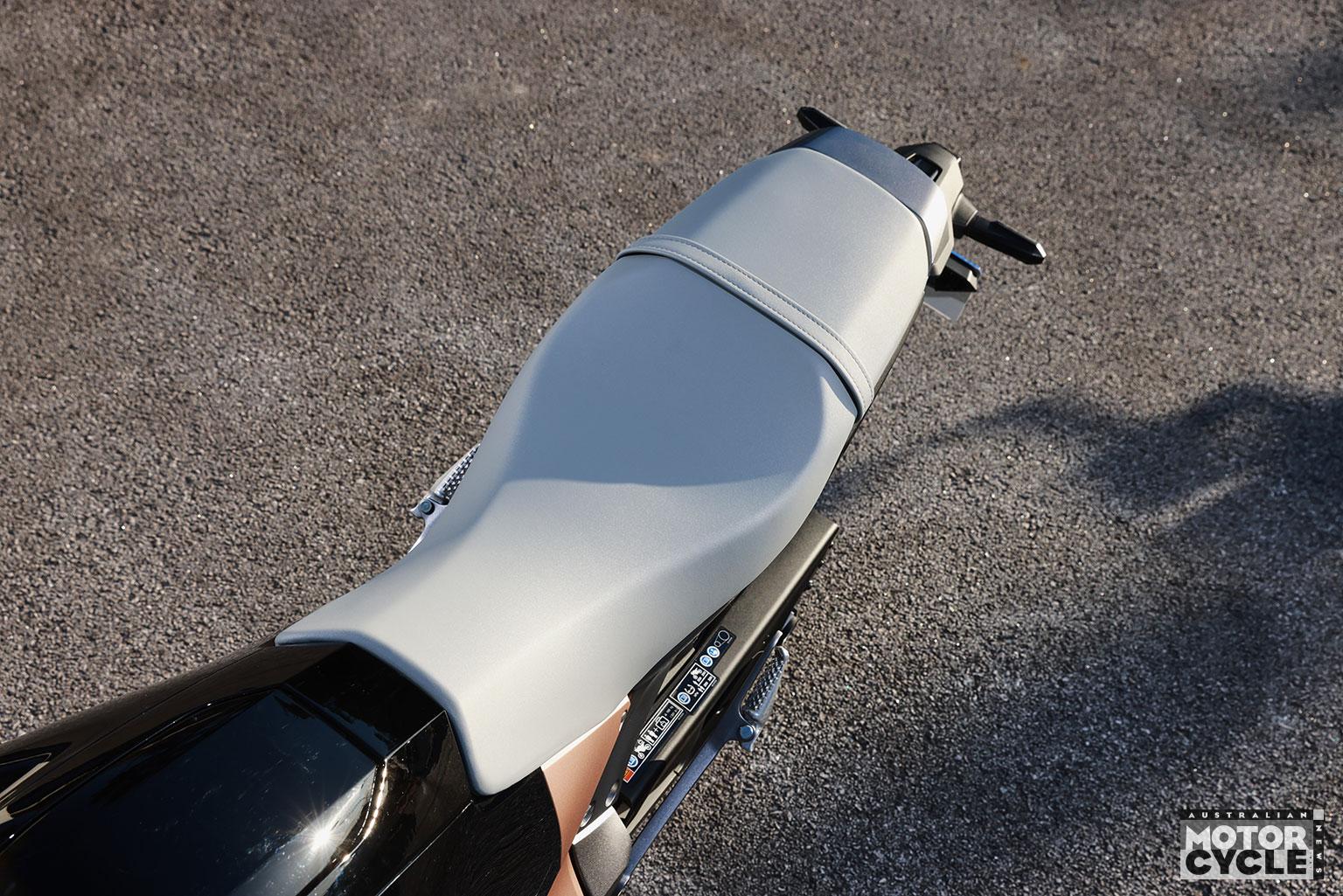
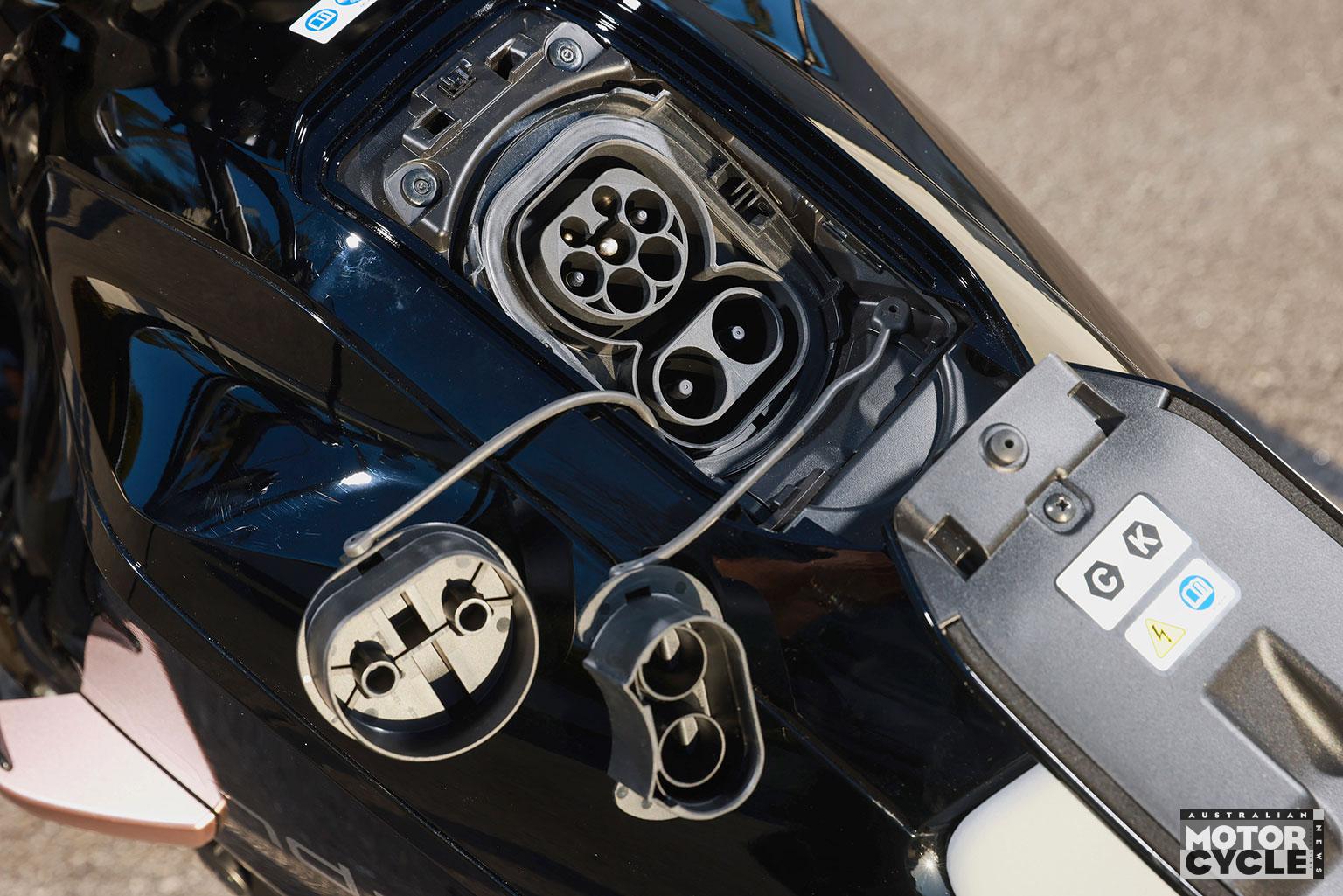
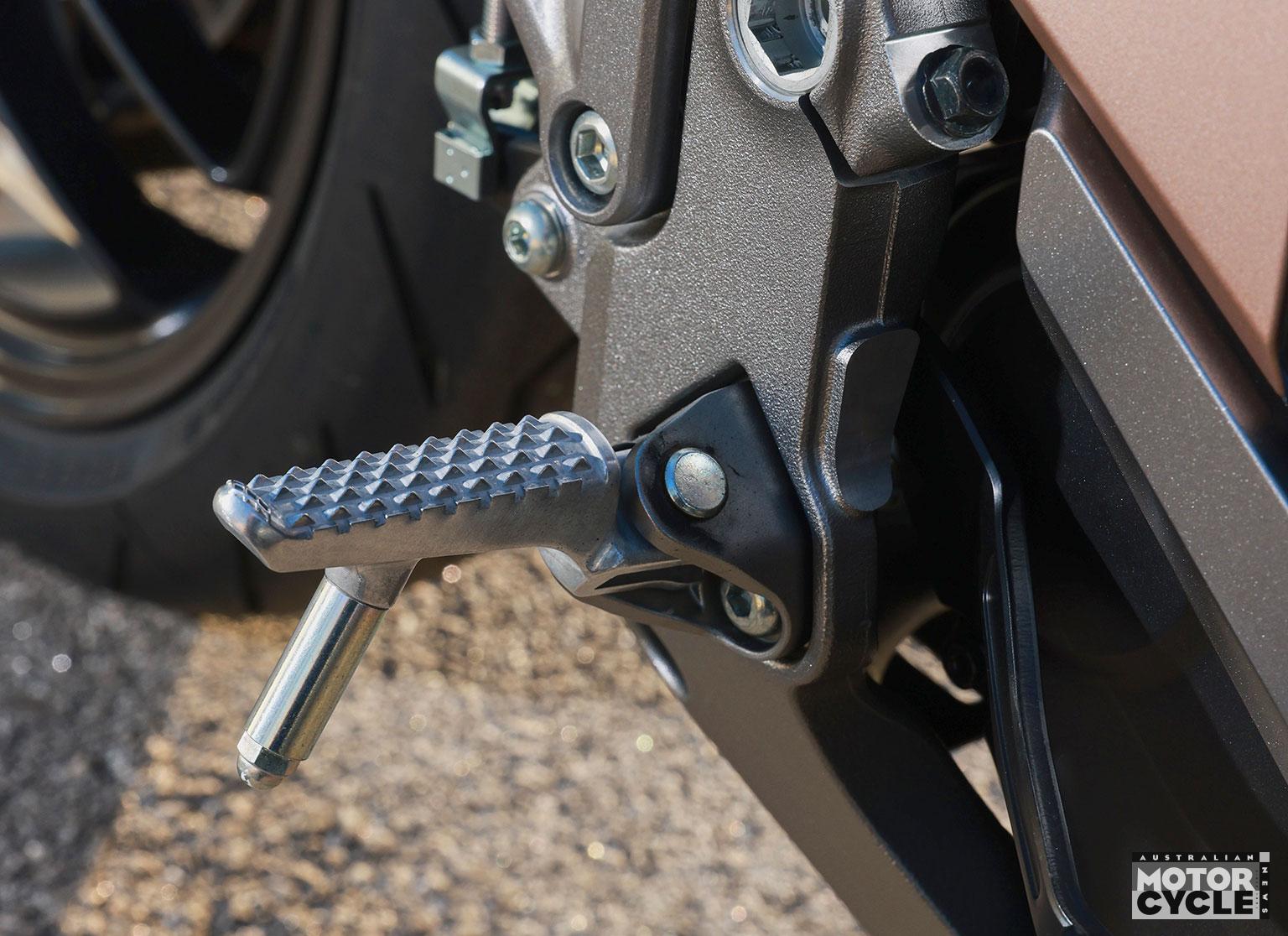
If I were to be picky, the seat is stylish, making the bike appear thin, but it isn’t the most comfortable and more like an enduro seat. The dummy filler cap, which hides the charging points, isn’t lockable and sometimes flips open if you brush or lean on it. And then there’s the big question: what is the MN7’s range?
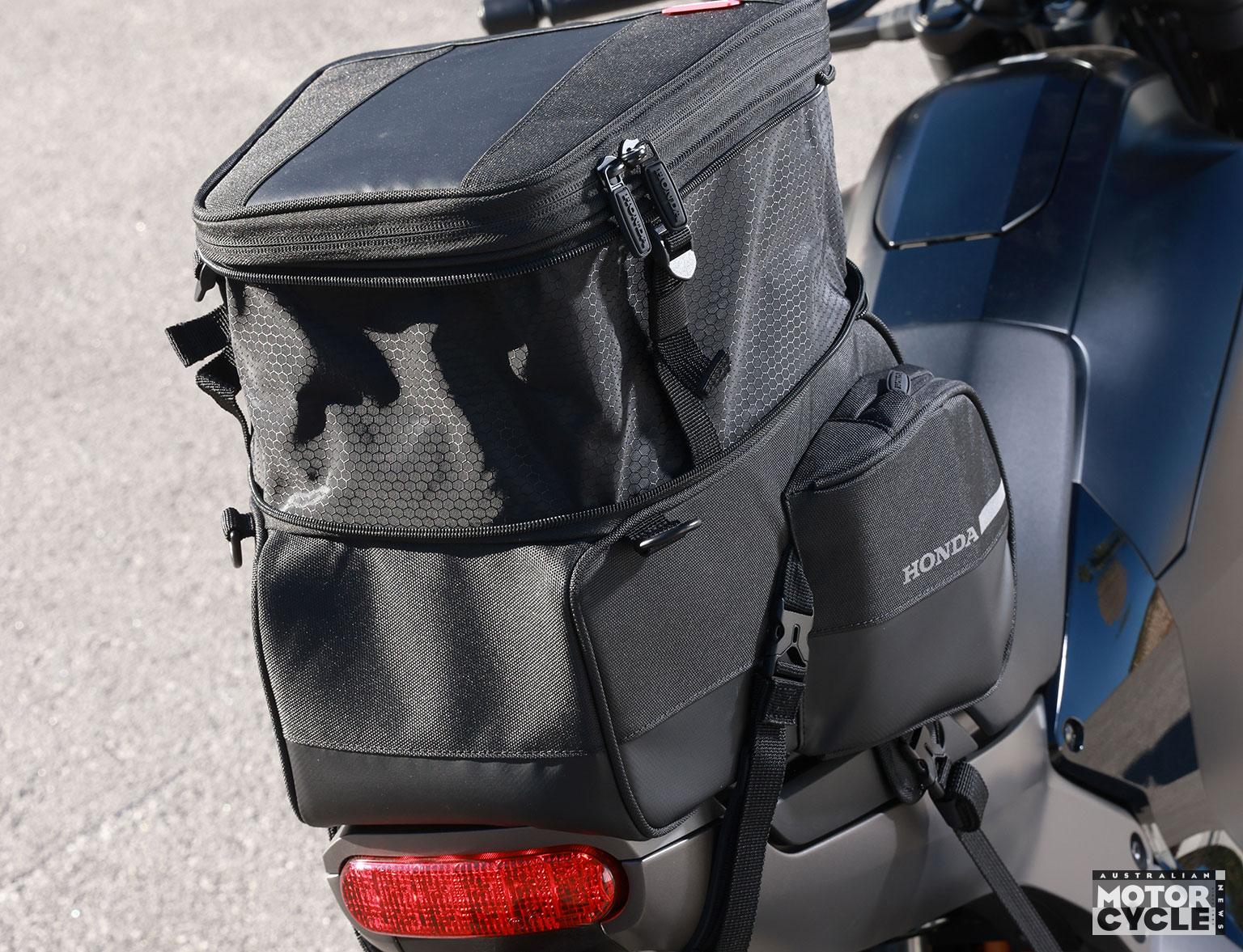
Honda quotes 140km from the fixed 349.44 W battery, which is an industry-certified figure. However, during our test the range was 100km, but this was after heavy use and some periods of completely flat-out riding. Realistically, assuming battery panic will set in when you’re down to 20 per cent remaining charge (depending on the proximity of the nearest charger), legal riding should result in a range of around 100-110km before you start looking for a charging point, which, if it’s a fast charger, takes 30 minutes to get back to 80 per cent. This is not a problem in most big cities in Europe and capital cities in Australia. In these cities you could easily drop to 10 per cent power without anxiety setting in. However, the flip side is that a spirited ride out into the country could leave you looking for a charge after just an hour of riding.
Verdict
Some petrol heads will write off the WN7 because there is no blue two-stroke smoke fuming out the back. If we compare the WN7 to a petrol equivalent like Honda’s excellent CB750 Hornet or CB500 Hornet, both are much cheaper, relatively frugal, and not costly to run. They are possibly more fun, have a longer range and are more practical. Yes, they are damaging the environment, noisy, and arguably harder to ride, but the cost benefits of electric over petrol just don’t work out in the short term – not yet – as both petrol equivalents are so much cheaper.
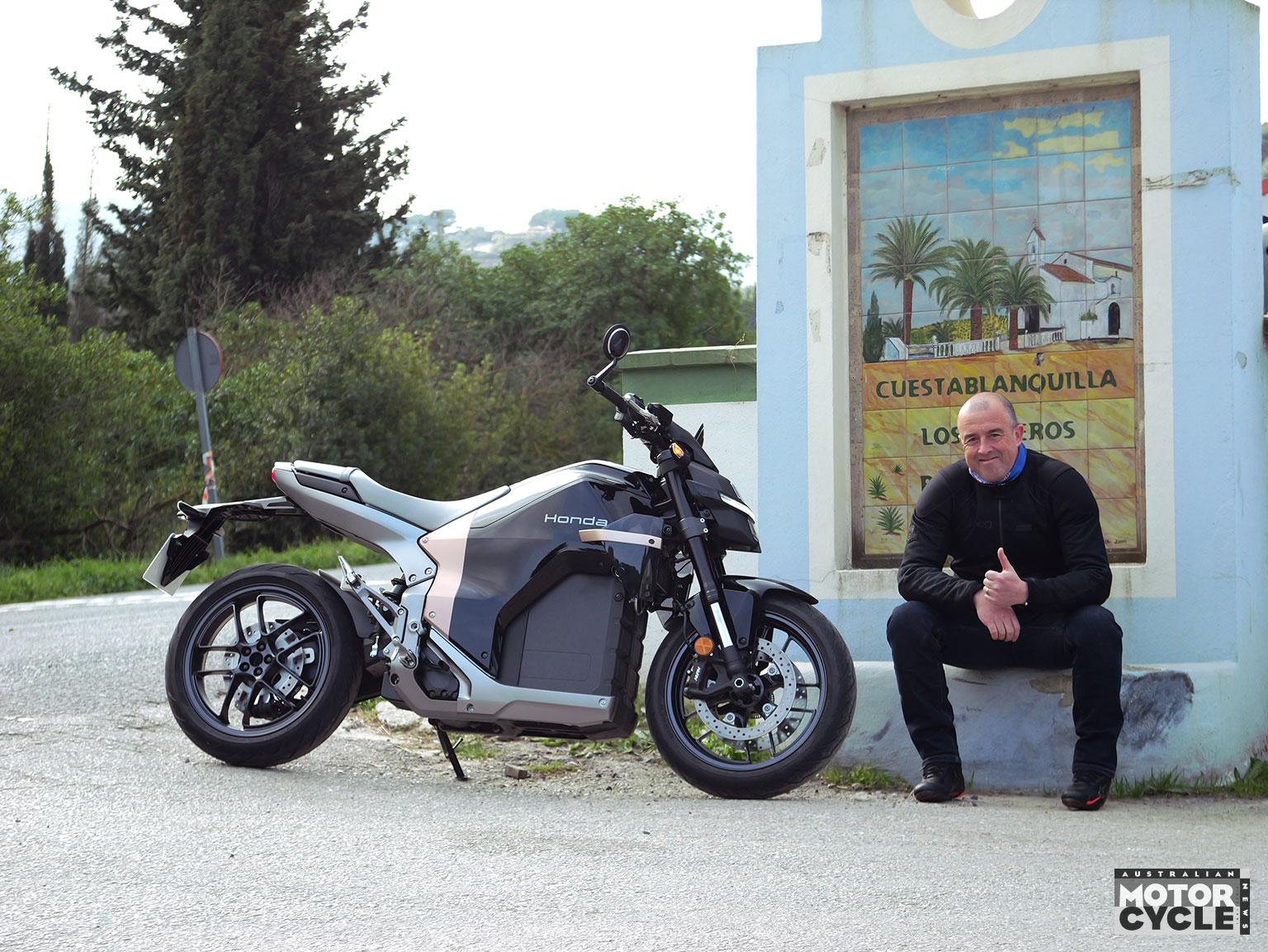
But if we compare Honda’s WN7 price to other similar-priced electric models, we have a very different story. I believe this is one of the best – if not the best – electric motorcycles on the market at the moment, mainly due to its superior build quality, feel, handling and very fast (using a public point) recharging. The seat isn’t the comfiest and range can drop when ridden hard, but it’s an impressive package, packed with useful features like reverse and easily changeable regenerative braking. It feels like a proper motorcycle that happens to be electric.
Whether it gets sold in Australia depends on its level of sales success in the UK and Europe. Honda Australia says it is evaluating the market potential. So we’ll have to wait and see.
✅ PROS – Superior build quality, feel, handling and very fast (using public power outlets) recharging compared to current market rivals.
❌ CONS – Premium price compared to much cheaper ICE bikes out-weighs cost benefits of electric over petrol at the moment.
Charge of the ev brigade
The charging inlet is where you would normally find a traditional petrol cap, with a simple push-to-open flap, not too dissimilar from a car fuel flap. Charging from a domestic household supply takes 5.5 hours from 0%-100%. Using a wall-mounted 15amp AC charger takes 2.4 hours from 0%-100% and this is what most of the competition uses. However, the new Honda can also use the same type of fast DC charger you see at carparks, shopping centres, etc, and can top up from 20%-80% in just 30 minutes. At the moment, Honda is the only brand that can use these fast chargers. For reference, the domestic cable comes as standard, and the 15amp cable is an optional extra.
COMPETITION
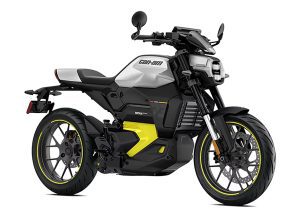
Can-Am Pulse
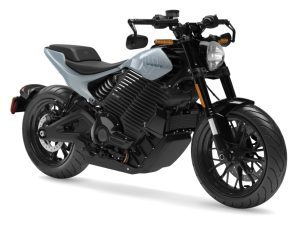
Livewire S2 Alpinista
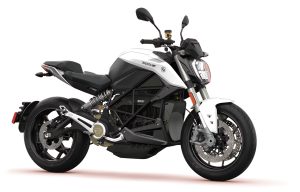
Zero S
SPECIFICATIONS
MOTOR
Type Lithium-Ion 9.3kW battery
Transmission One-speed belt drive
Clutch N/A
PERFORMANCE
Power 18kW or 11kW (claimed) 50kW or 11.2kW (max)
Torque 100Nm (claimed)
Top speed 129km/h (restricted)
ELECTRONICS
Type N/A
Rider aids Four riding modes, ABS and TC
Rider modes Standard, Sport, Rain and ECON
CHASSIS
Frame Frameless (battery is the frame)
Rake 25°
Trail 99mm
SUSPENSION
Type Showa
Front: USD 41mm, 120mm travel
Rear: Single rear shock, 120mm travel
WHEELS & BRAKES
Wheels Cast aluminium alloy
Front: 3.5X17in
Rear: 4.0X17in
Tyres Pirelli Diablo Rosso III
Front: 120/70X17in
Rear: 150/60X17in
Brakes Cornering ABS
Front: Twin 296mm discs, dual piston calipers
Rear: 256mm disc, single-piston caliper
DIMENSIONS
Weight 217.5kg
Seat height 800mm
Width 826mm
Height 1085mm
Length 2155mm
Wheelbase 1480mm
SERVICING & WARRANTY
Servicing First @ 1000km then every 6000km
Warranty 6 years, depending on the country
BUSINESS END
Price £12,999 (N/A Australia)
Colour options: Graphite Black,
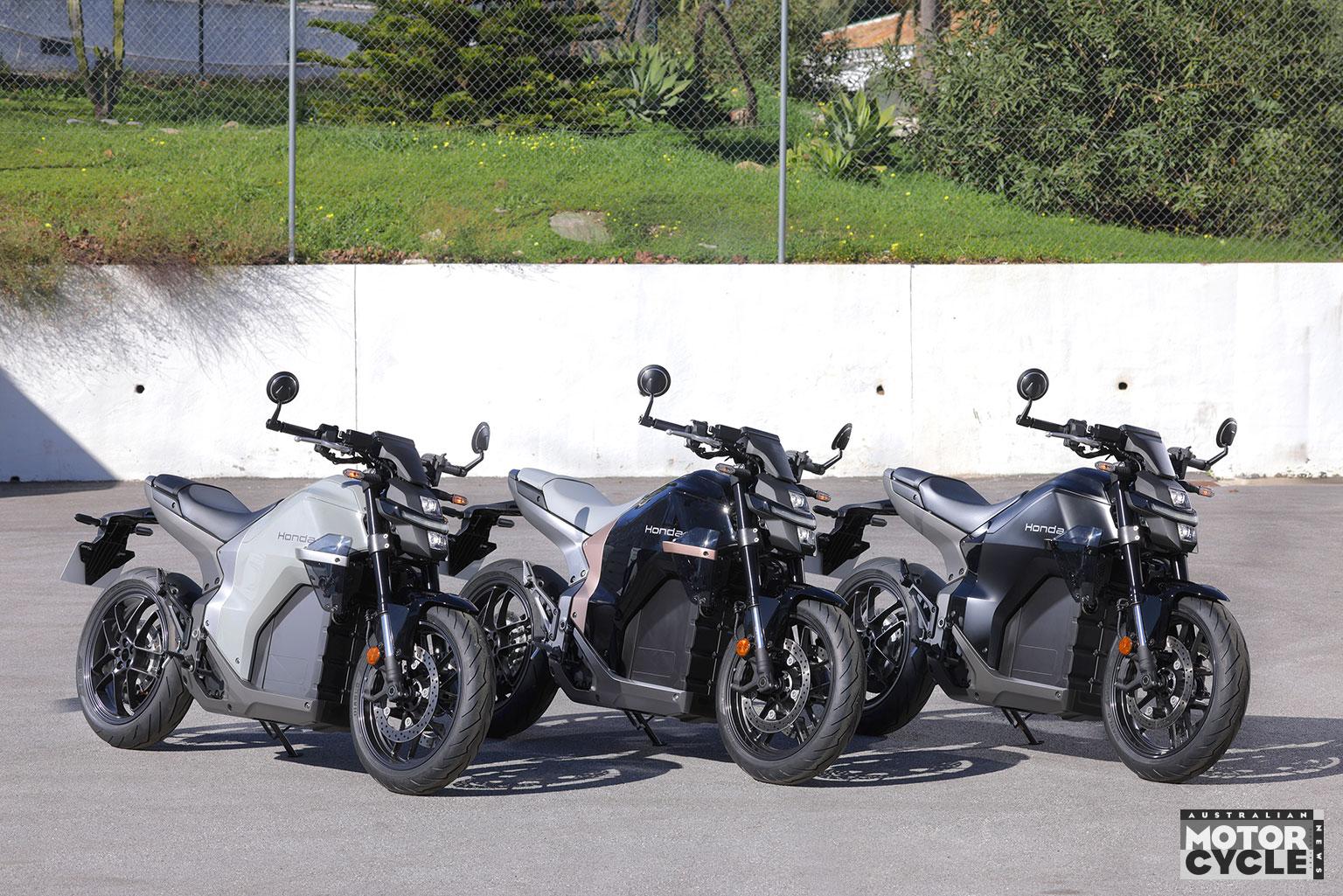
Matte Pearl Black, Pearl Deep Mud Grey.