Forget following the crowd – Norton’s first ADV bike carves out its own niche. But can its unconventional approach win over riders in one of motorcycling’s toughest segments?
On the back of the success of the Manx R superbike, ‘new’ Norton, now owned by Indian giant TVS Motor, enters the highly competitive adventure market for the first time with the innovative new Atlas. Its 585cc parallel twin engine pushes out 51.5kW (69hp), meaning that it’s neither learner-legal nor a direct competitor to the ever-lengthening list of entry-level adventure bikes entering the fray, including BMW’s F 450 GS. You might compare it with middleweights such as Honda’s Transalp and Suzuki V-Strom 800DE but it’s pretty much out on its own.
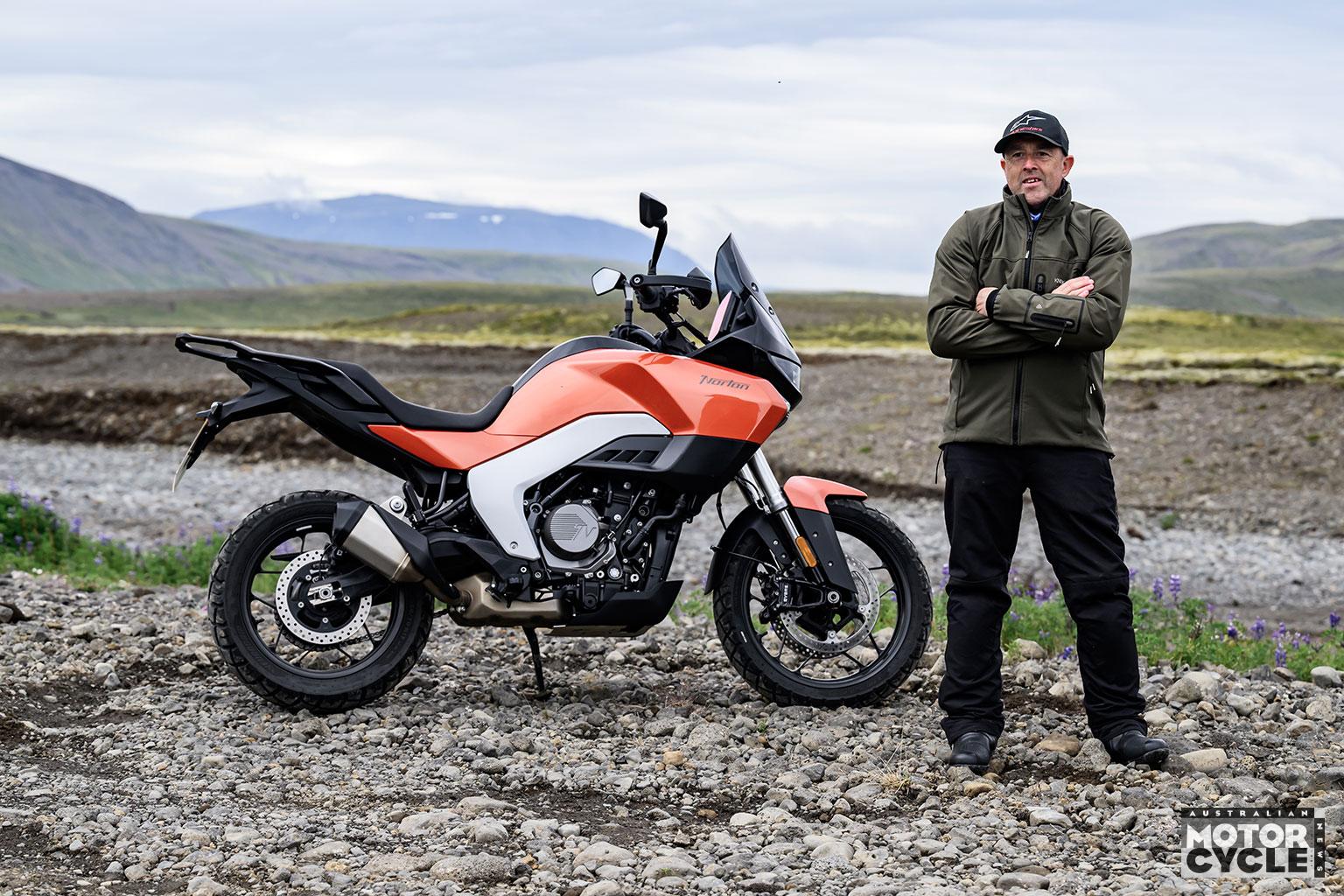
Its suave styling is different to any other adventure bike on the market too, while the level of spec is abnormally high in a bid to attract new customers. Its rider aids are lean-sensitive, and a huge, full-colour eight-inch touchscreen dash dominates the cockpit. Starting at £8250 ($A15,750 but not on sale in Australia yet) for the base model, Norton is clearly attacking the market head-on.
We headed to the demanding terrain (and wintry weather) of Iceland to put the Norton Atlas to the test.
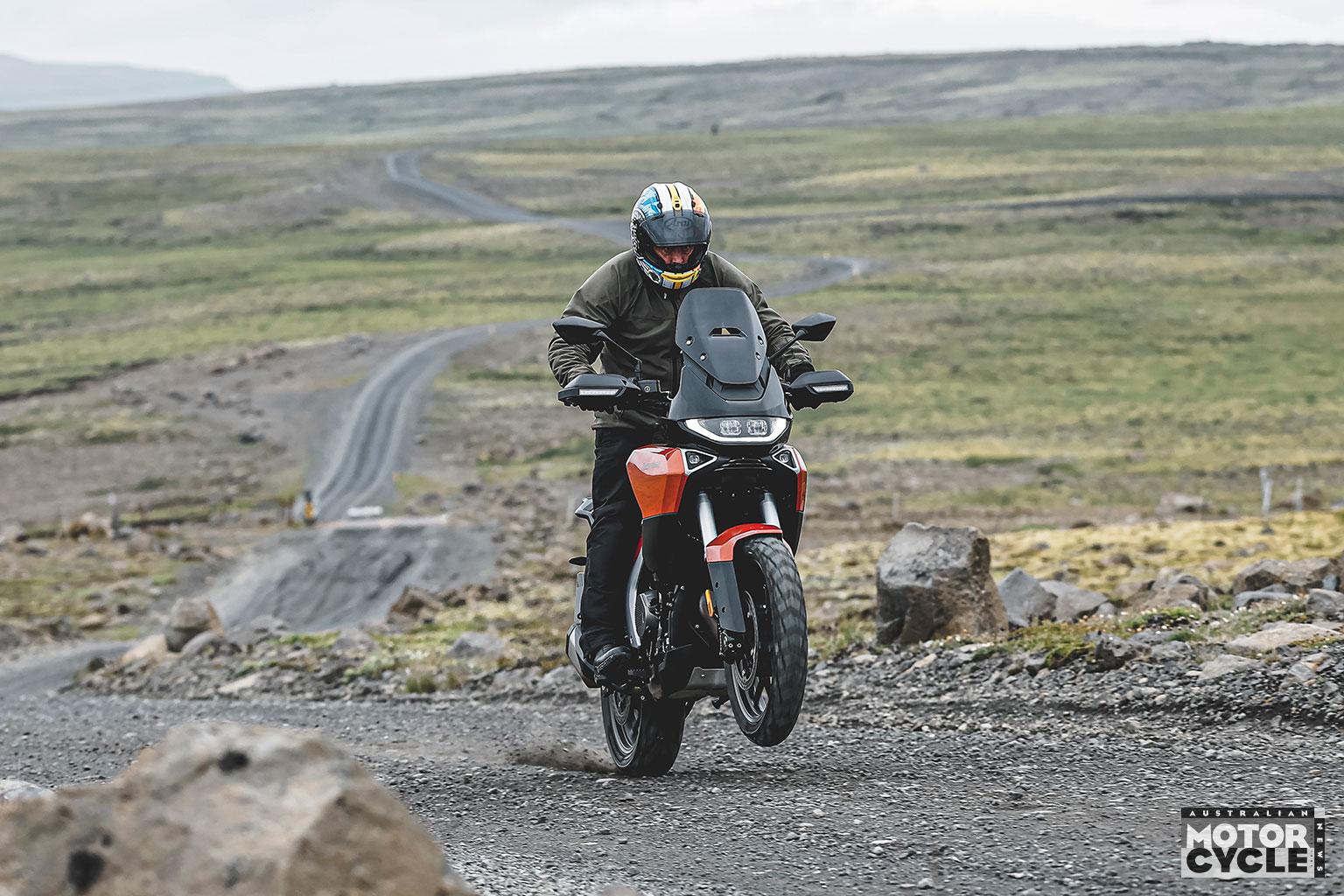
More elegant than rugged
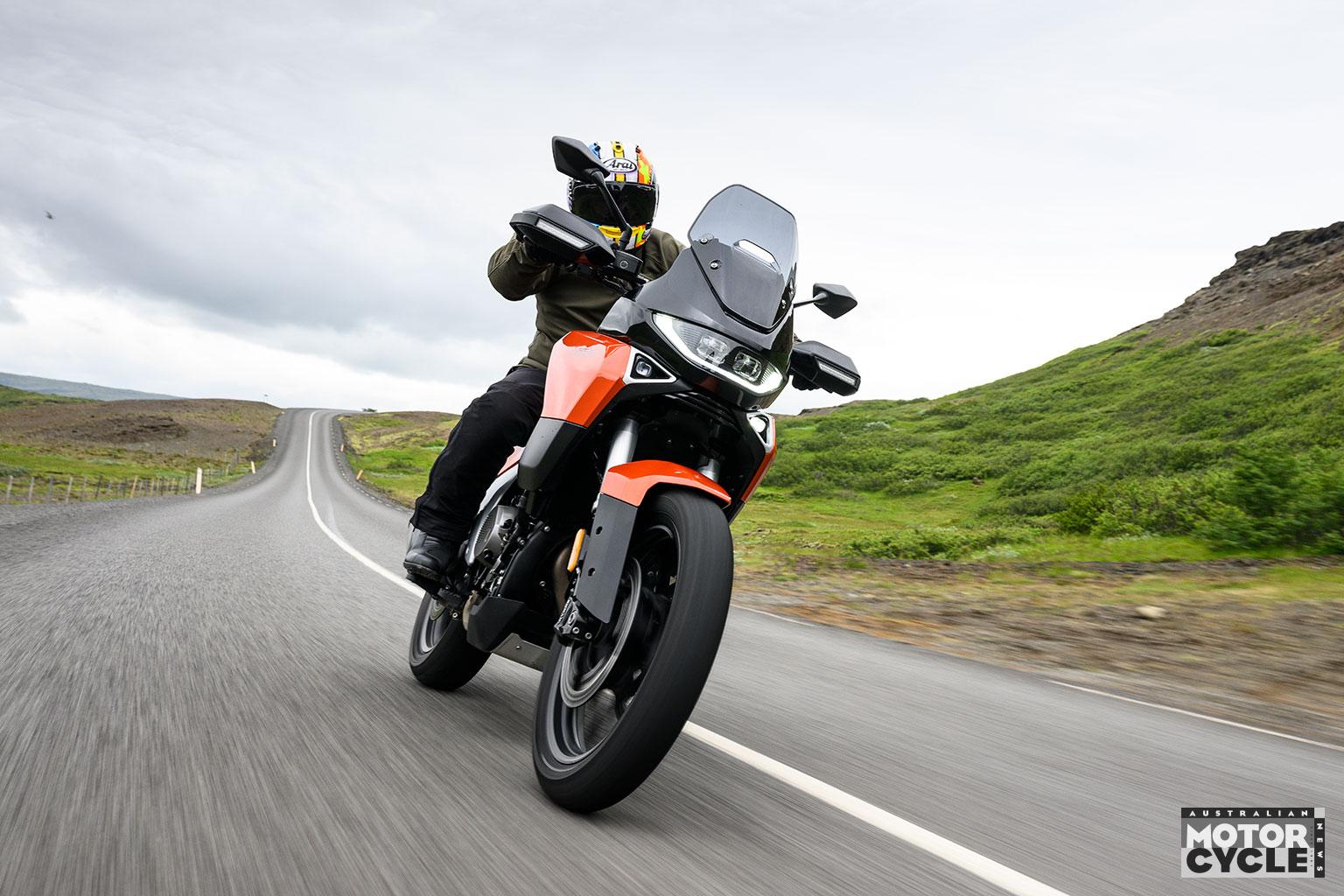
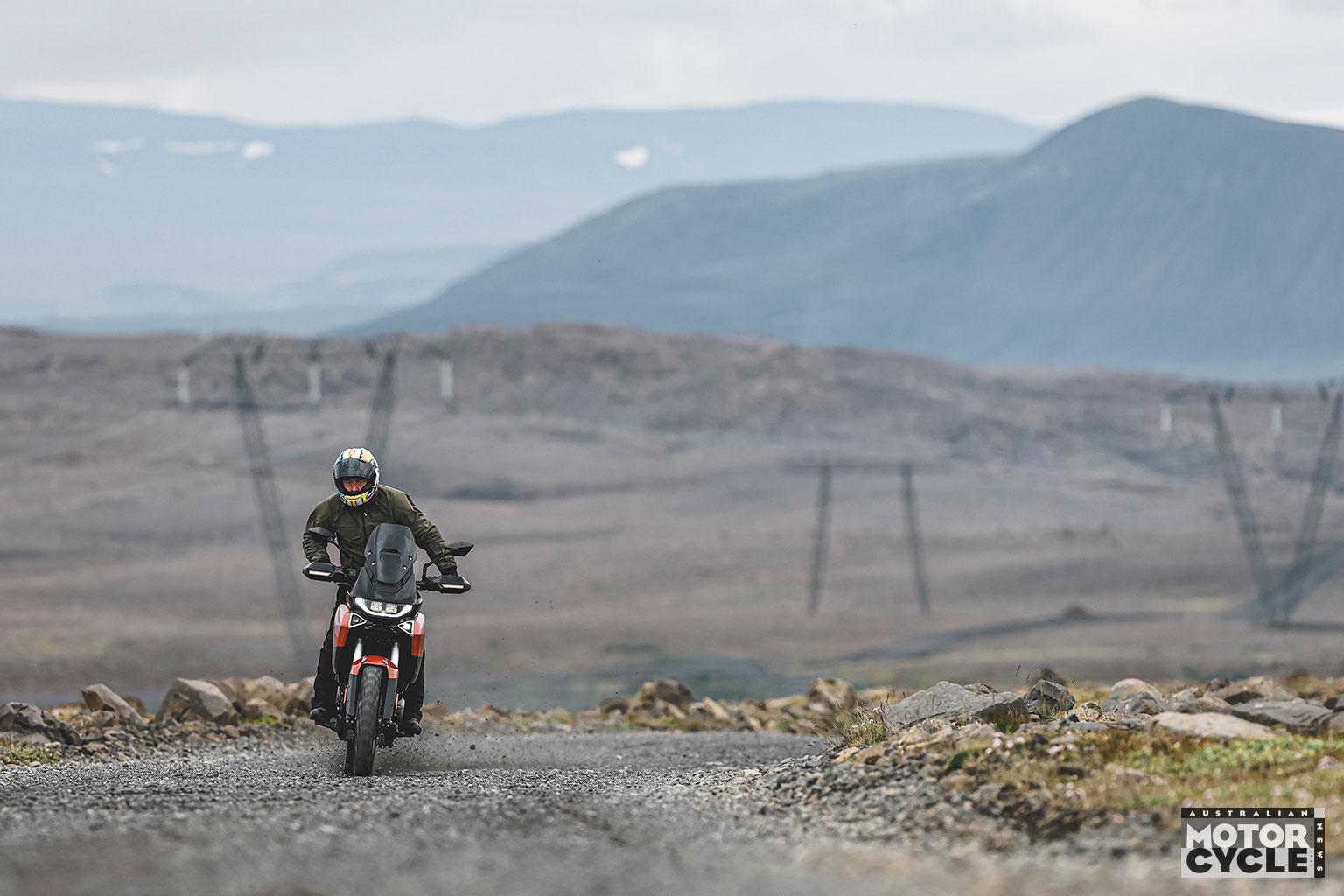
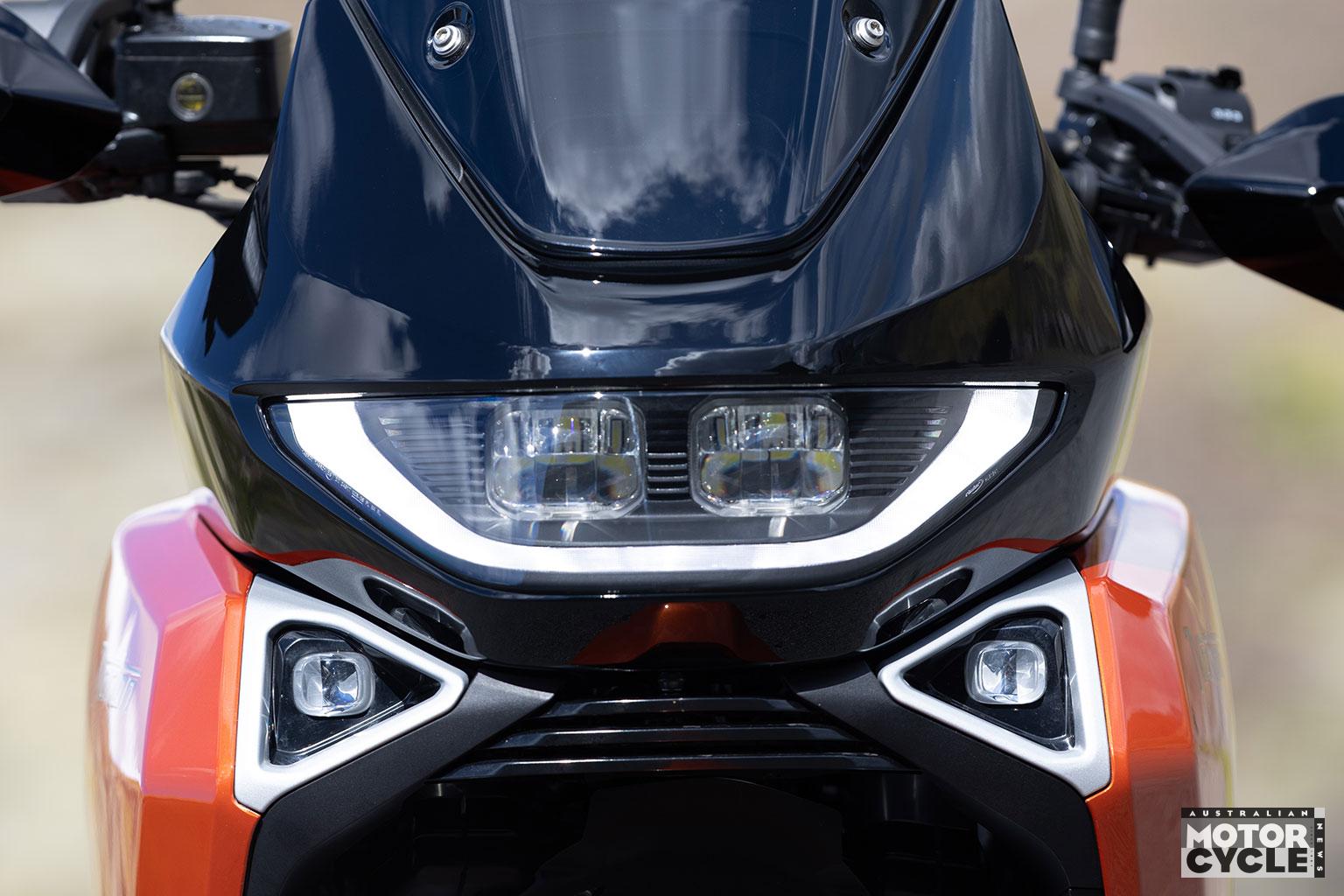
Iceland is dramatic. Both its roads and tracks are as changeable as the weather. Here the new Atlas looks very different to how it did under the spotlight at EICMA last year. I, for one, didn’t warm to the unusually styled twin when I first saw it in Milan, especially with the Manx and Manx R superbikes alongside, but here in Iceland’s volcanic landscape it looks unusually elegant for an adventure bike.
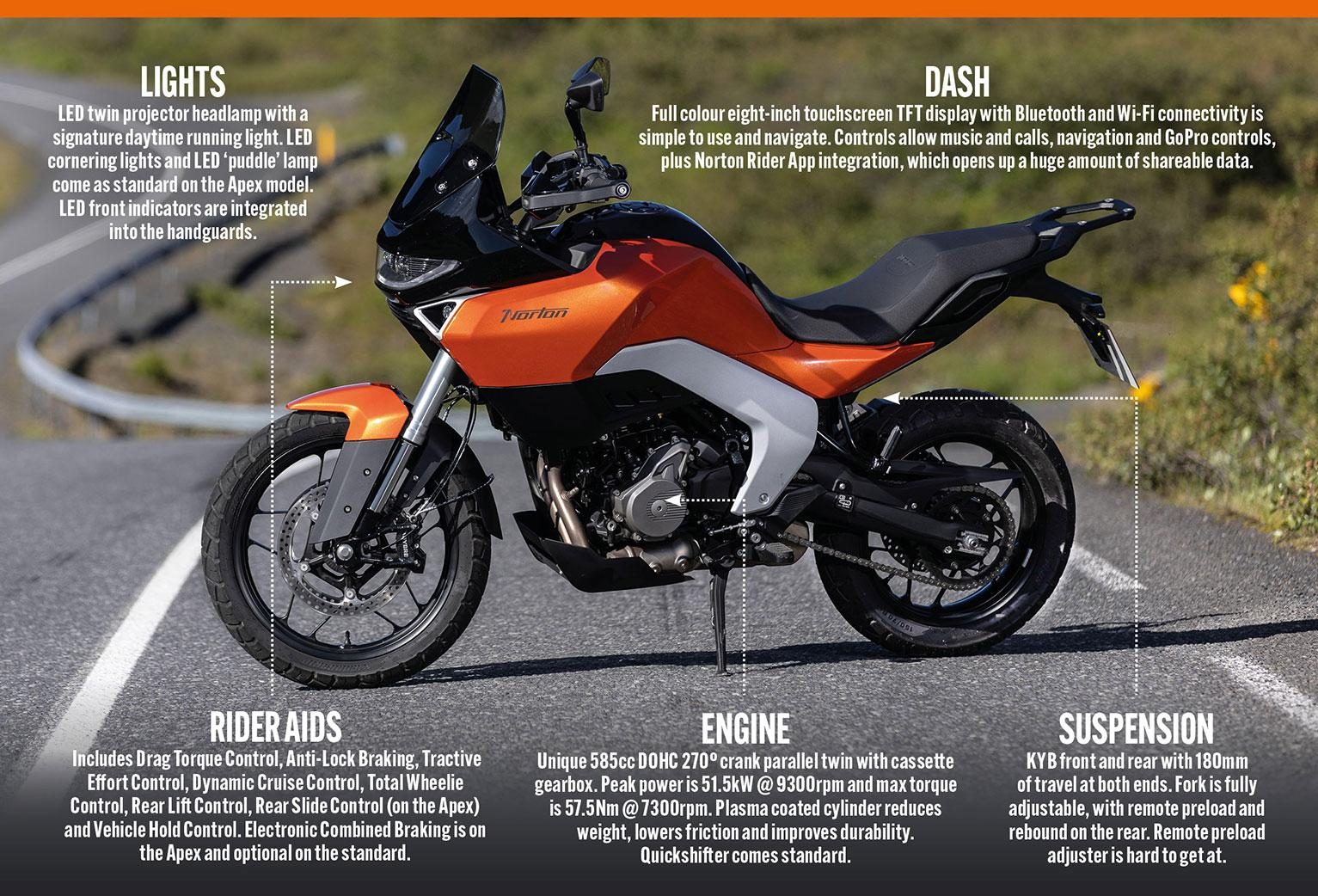
I like the absence of visible fairing fasteners and the sleek overall design. The switchgear is neat, too, the large touchscreen dash informative and distinctly high-end. From a practical standpoint, though, integrating the indicators into the handlebar handguards won’t help off-road, particularly after a low-speed tip-over. And that one-piece fuel tank side panel looks like it could be pricey to replace once a few rocks have bounced off its surface.
Overall, from a design perspective, I like what Norton has done. It’s not rugged in the KTM Adventure or Yamaha Tenere mould, but sleeker, more elegant and clearly finished to a high standard. It’s an adventure bike, sure, but not one you might expect to see crossing rivers too often.
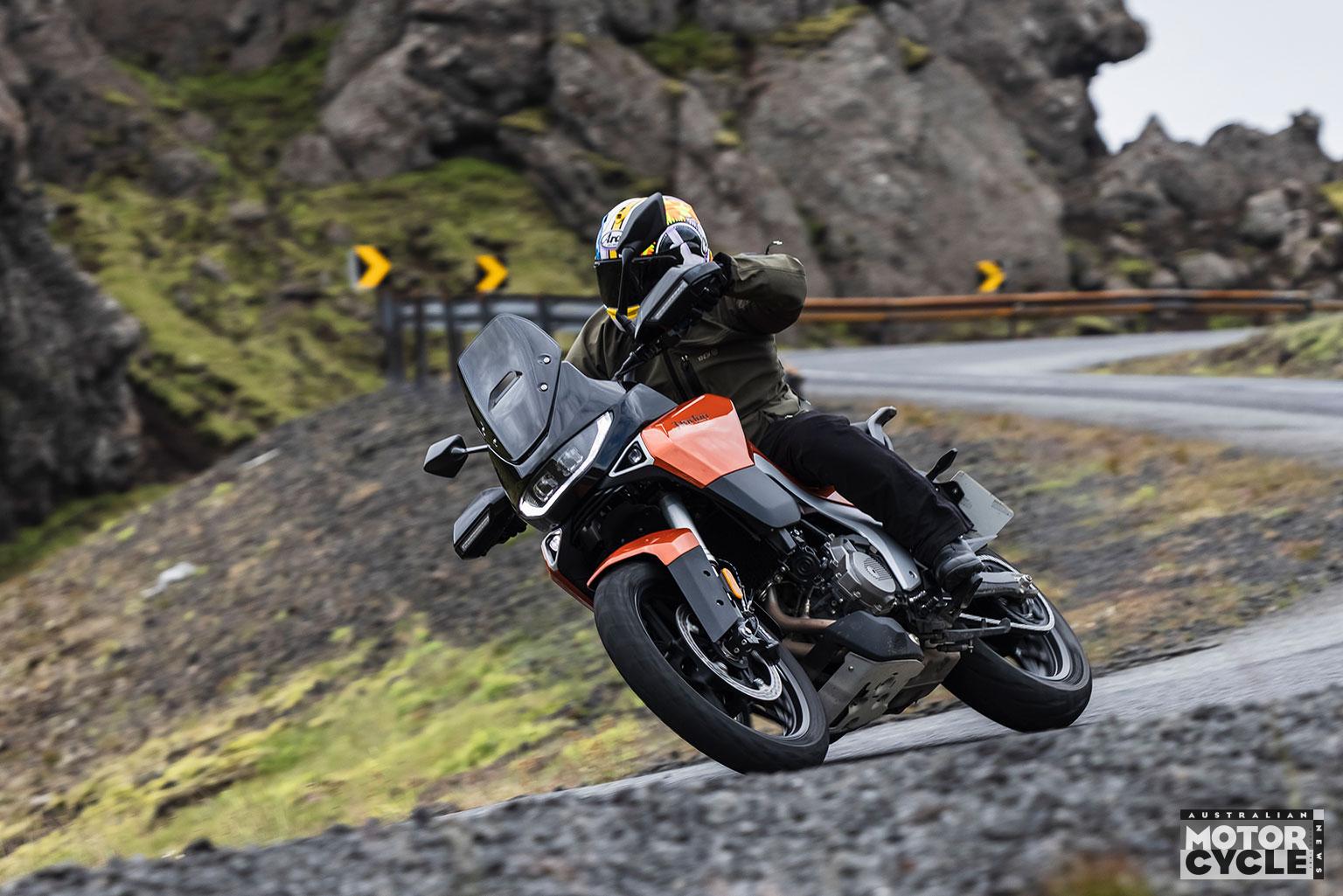
On board, the positives continue, although it’s a little annoying having to press the unlock button on the fob for the keyless ignition. With the ignition on, the display is clear, highly informative and easy to use – touchscreen function when stationary, joystick on the left ‘bar while moving. A useful USB-C port sits above the dash, and on the pricier Apex model heated grips and tyre pressure monitoring come as standard.
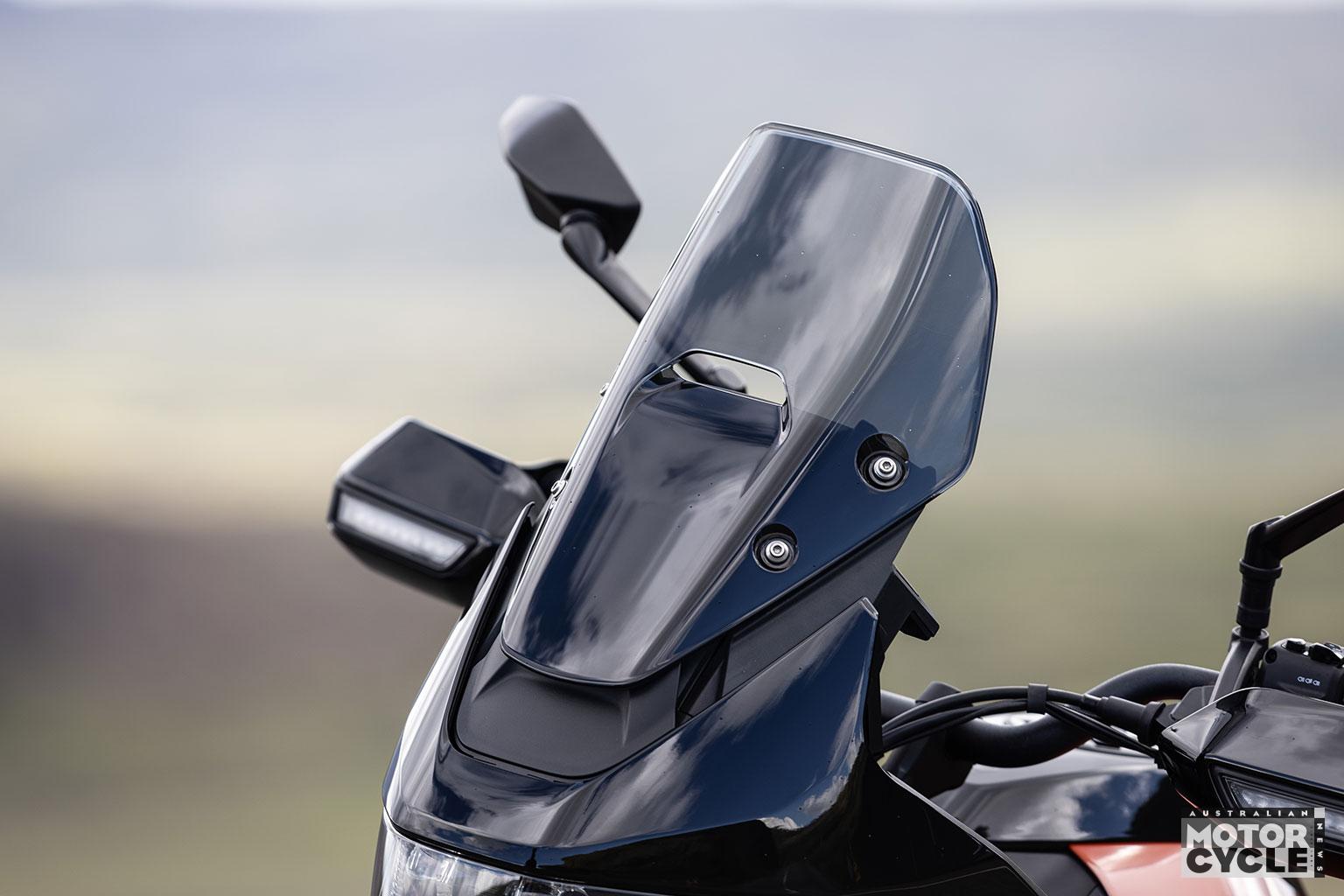
The clutch and brake levers are adjustable, as is the screen. Realistically, the screen is a stop‑to‑adjust item given that it’s fiddly to move with both hands when you’re riding. You could switch on the cruise control and try it that way, but I wouldn’t recommend it.
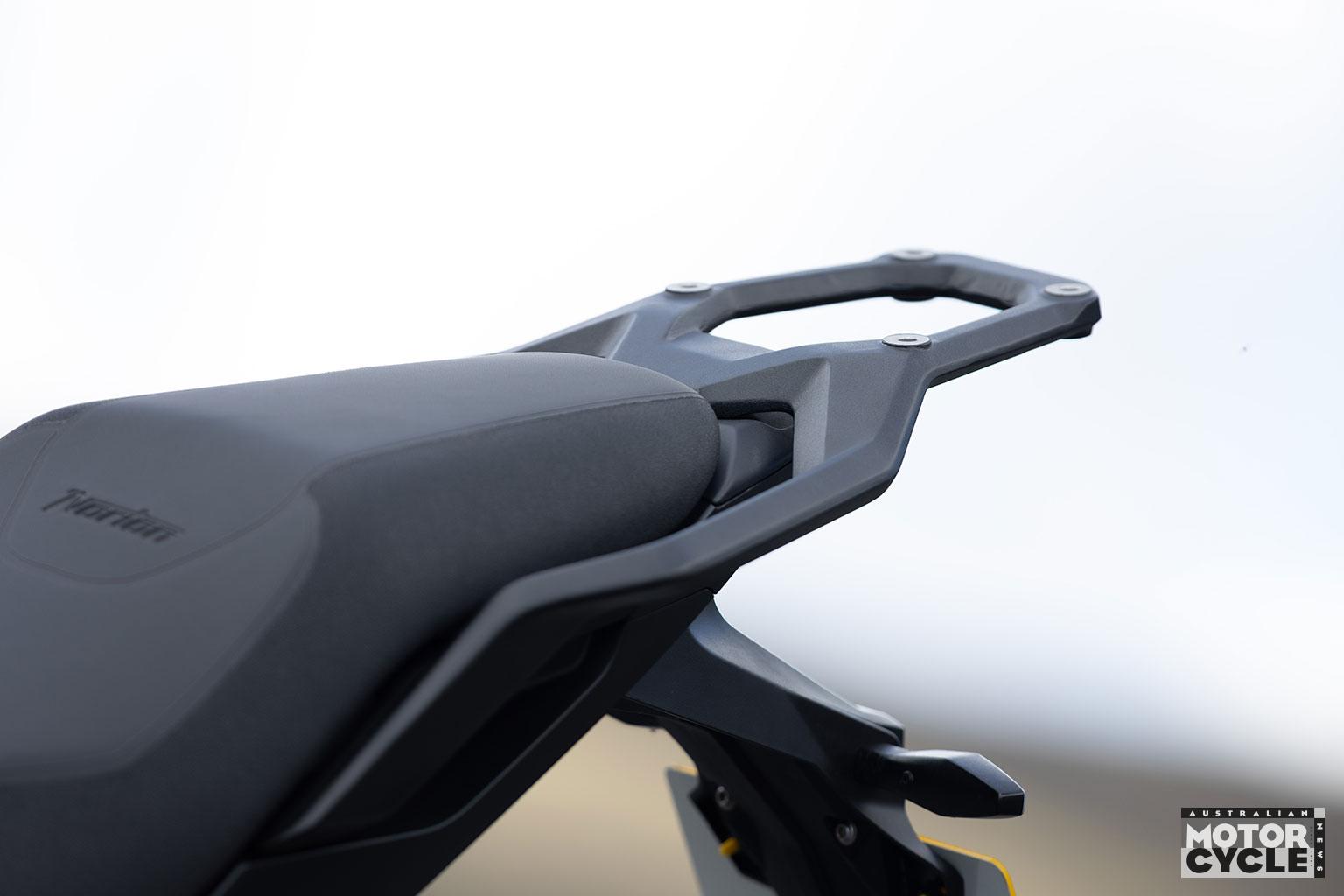
There are five riding modes (Urban, Rain, Sport, Tour, Enduro). Our first stint was through Reykjavik, which meant Urban mode and resisting the urge to filter as lane splitting is illegal in Iceland. Sitting in stationary traffic felt odd on a motorcycle, but it did give us the chance to test low‑speed throttle response and fuelling, as well as the quickshifter at crawling pace.
For an adventure bike with 180mm of suspension travel (front and rear) and a 19‑inch front wheel, the Norton Atlas is easy-going at low speed. It’s narrow, has a comparatively low seat height (845mm) and feels as light as its quoted 188kg (wet with no fuel, the Apex is 192kg). Fuelling on my bike was an eight or nine out of 10. Not perfect, but without glitches or surprises, and the quickshifter worked without fuss.
Finding its rhythm
Leaving the capital city, we rolled out into Iceland’s wild and wonderful landscape. First up were fast, open carriageways where we could try the dynamic cruise control. There’s a small cut‑out in the screen to reduce buffeting, which worked well at speeds between 100km/h and 120km/h. We didn’t get a proper, prolonged motorway stint to assess high‑speed vibration and long‑range comfort.
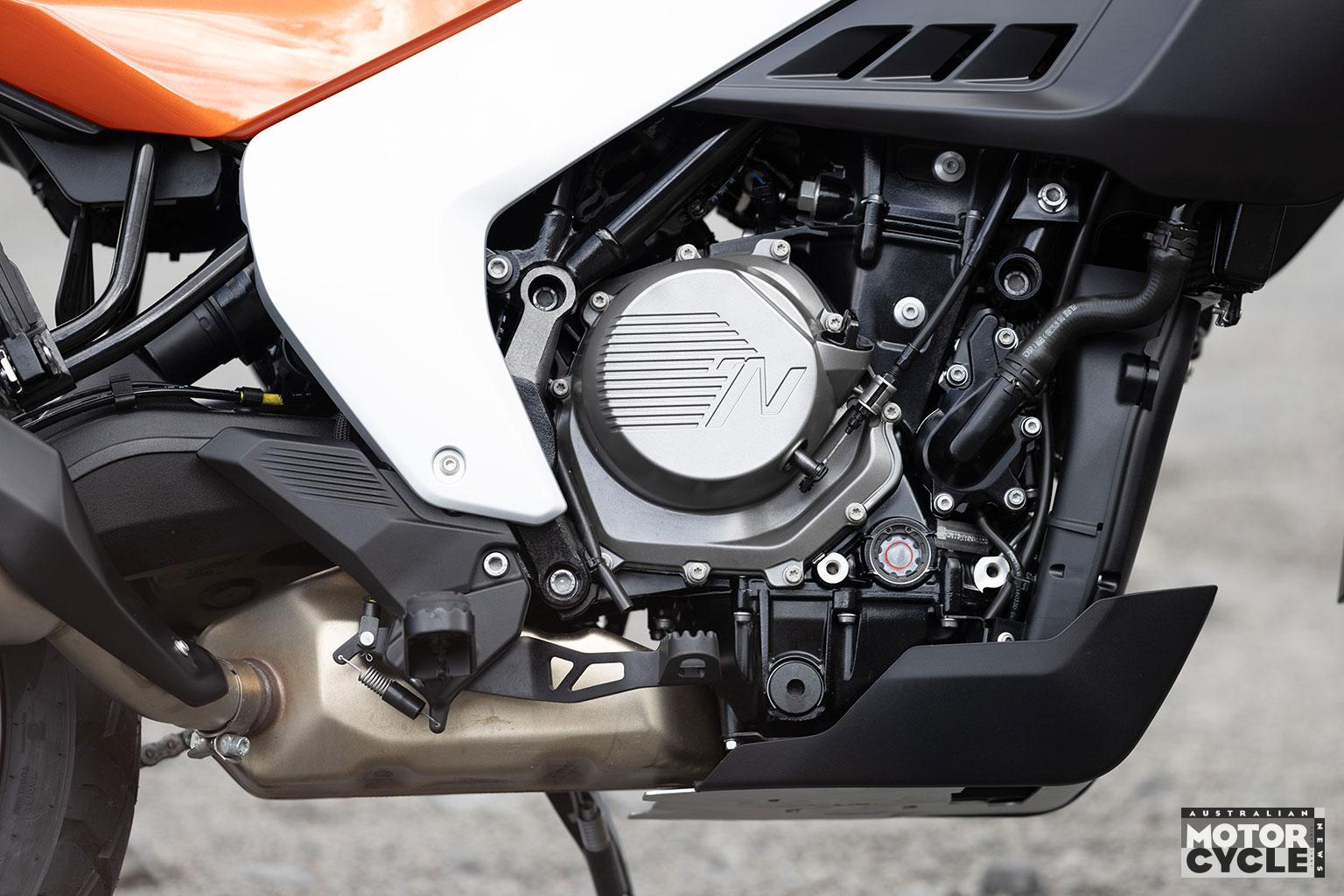
The ‘bars are wide, the handguards deflect wind from hands, while heated grips come standard on the Apex model. The engine, however, feels a touch revvy compared with some rivals, with peak power arriving above 9000rpm and peak torque at 7300rpm; the 270° crank twin feels stronger than the quoted horsepower figure.
About an hour in, we were deep into Iceland’s wilderness. The roads were quite bumpy, which highlighted that the suspension is comparatively firm for an adventure bike. Most ADVs offer a plush, compliant ride but the Norton is different. I wouldn’t describe it as hard, but it’s definitely on the sportier side of the class.
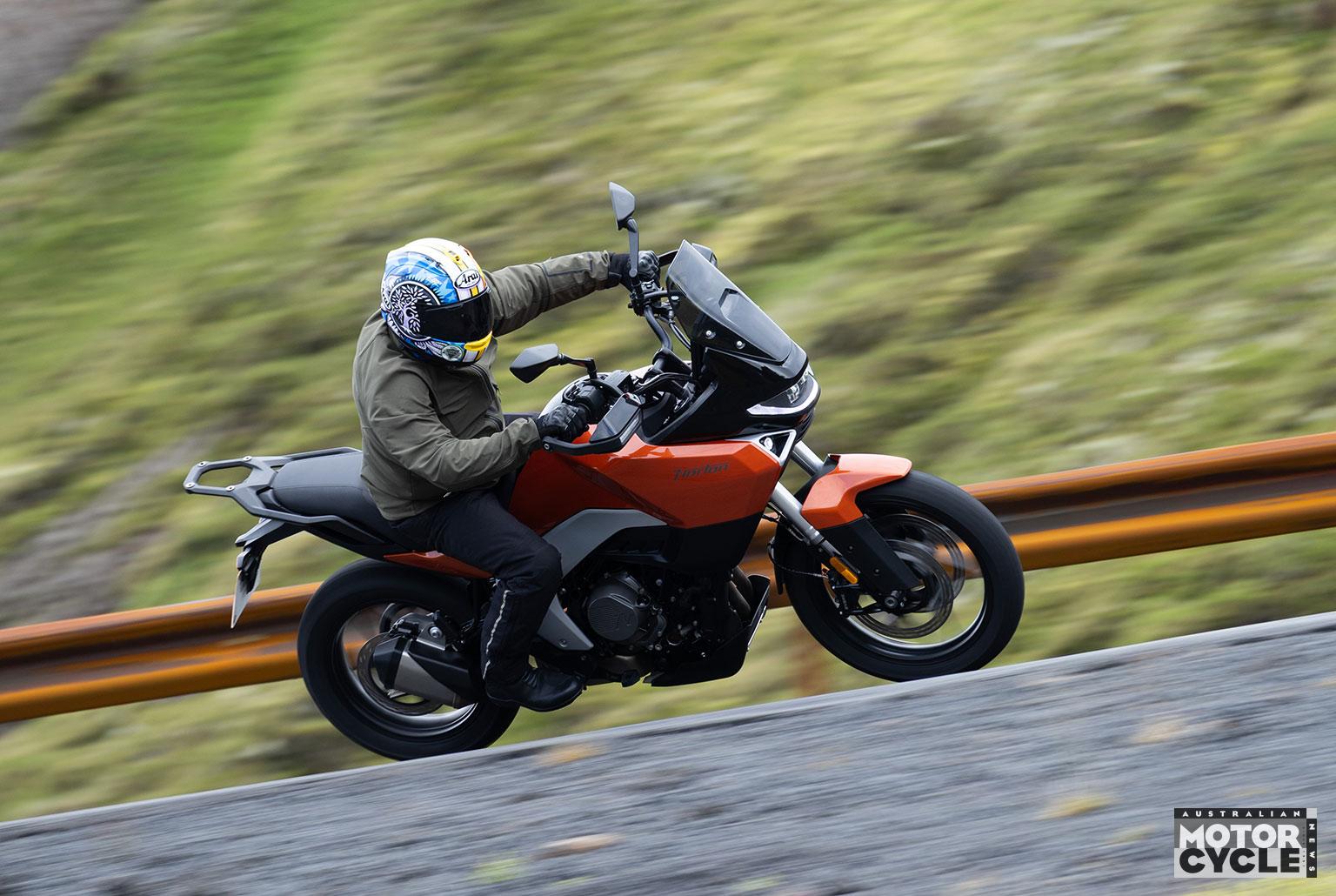
That became clear in the twisties. For this type of bike, the handling is impressively sharp. I was a touch wary of the unfamiliar Eurogrip Explo-R Plus tyres, but didn’t experience a slide or twitch despite the mixed conditions of wet, dry and cold. The pegs tickled the tarmac now and then, but ground clearance is good for this type of bike. Steering is relatively light for a 19‑inch front, and that suspension lends a sporty edge. Certainly, the engine doesn’t overwhelm the chassis, while the fork doesn’t dive aggressively on the brakes, and the rear stays composed.
I did want a little more compliance, so I opened the fully adjustable fork’s damping slightly to add plushness. The rear offers spring preload and rebound damping adjustment, but the remote preload adjuster sits behind a large panel and is extremely hard to reach without removing bodywork and the seat, which is disappointing. With the fork tweaked to soften things a touch, the ride felt notably better than on the standard set-up.
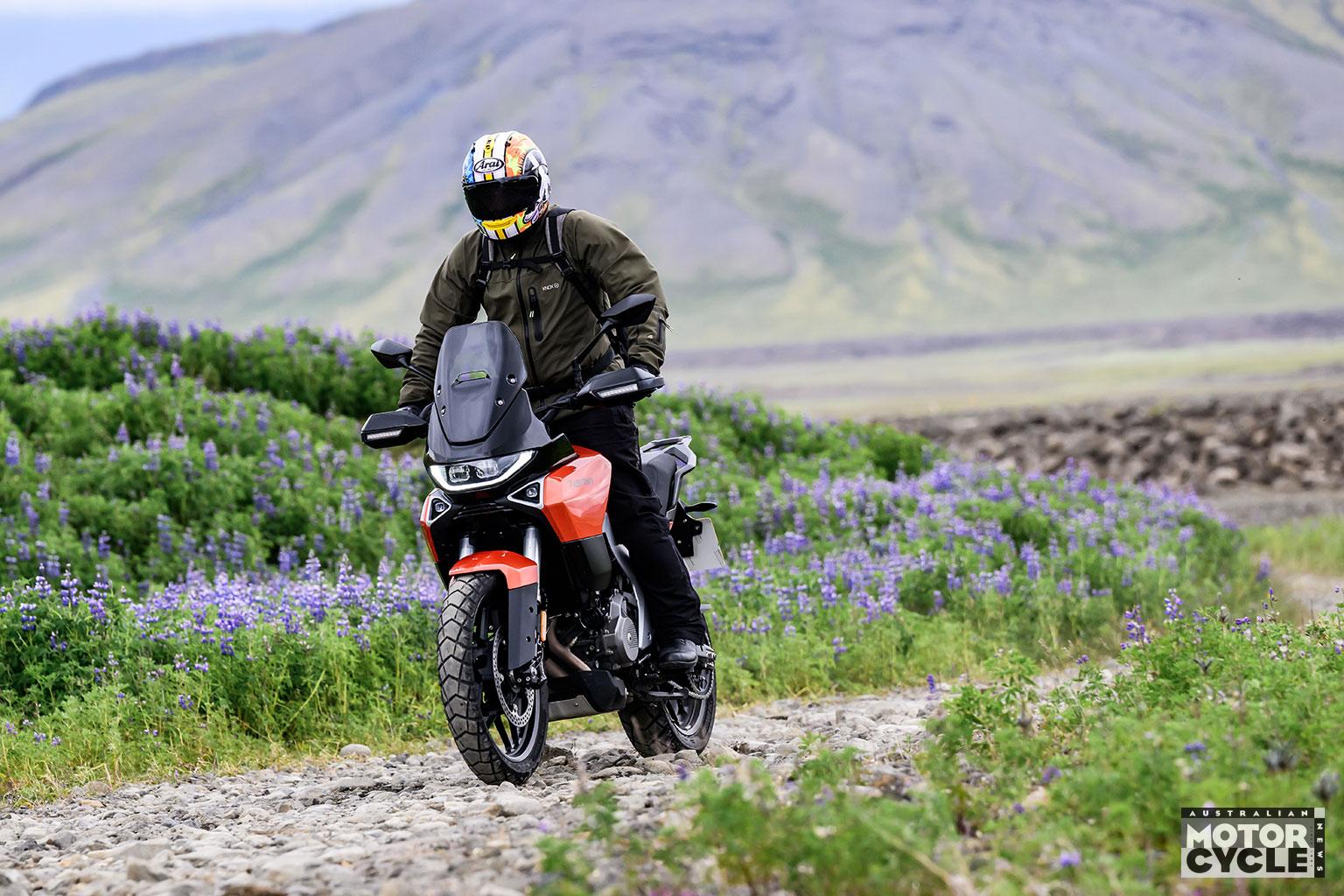
I started to enjoy the Atlas more and more, especially in Sport mode, which makes the throttle response more aggressive and direct. You can change modes on the move with a closed throttle and the rev counter changes colour to give you a clear reminder of the mode selected. You can turn off TC on the move with a single button, which is great off-road or when you want a little fun on-road (it will pop the front wheel up in the first two gears). Having slide control, TC and wheelie control at this entry-level price point is a true feather in the Atlas’s cap.
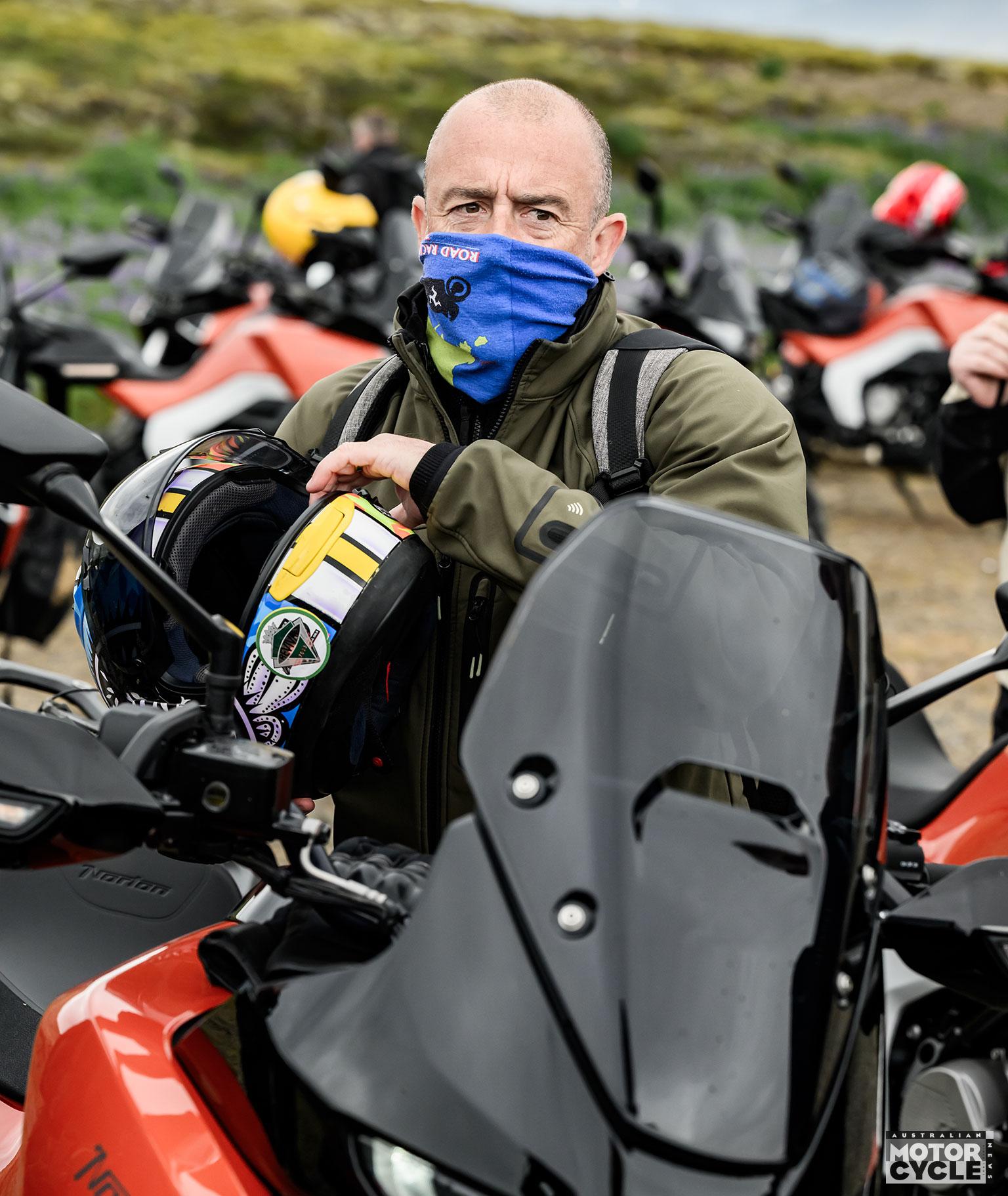
Traffic law enforcement in Iceland is strict, so I didn’t push the engine and chassis to their limits. This ride was about soaking up the volcanic vistas and rolling through 100km/h to 130km/h sweepers with predictable, stable handling and excellent wind protection. The new Norton lapped this up, while I revelled in its lovely natural riding position and easy-going handling.
At no point on test did the Atlas’ performance feel sub‑600cc. If you rode it without first seeing the spec sheet, you’d guess a higher capacity and output. The engine is responsive, with plenty of instant torque and drive.
The quickshifter works better higher in the revs, but the system still occasionally cut the ignition when it incorrectly thought I’d asked for an upshift.
The parallel twin is smooth with a pleasingly punchy drive, but sits on its own in the ADV market. It hasn’t the torque of, say, a Suzuki V-Strom 800 but has more power and is more engaging than a learner-legal ADV bike. It’s perhaps most comparable to Yamaha’s CP2 engine, which is used in many models, but with slightly less power and less torque due to its smaller capacity. It’s fun and likes to rev, and I’m sure we will see it in other Norton models in the future.
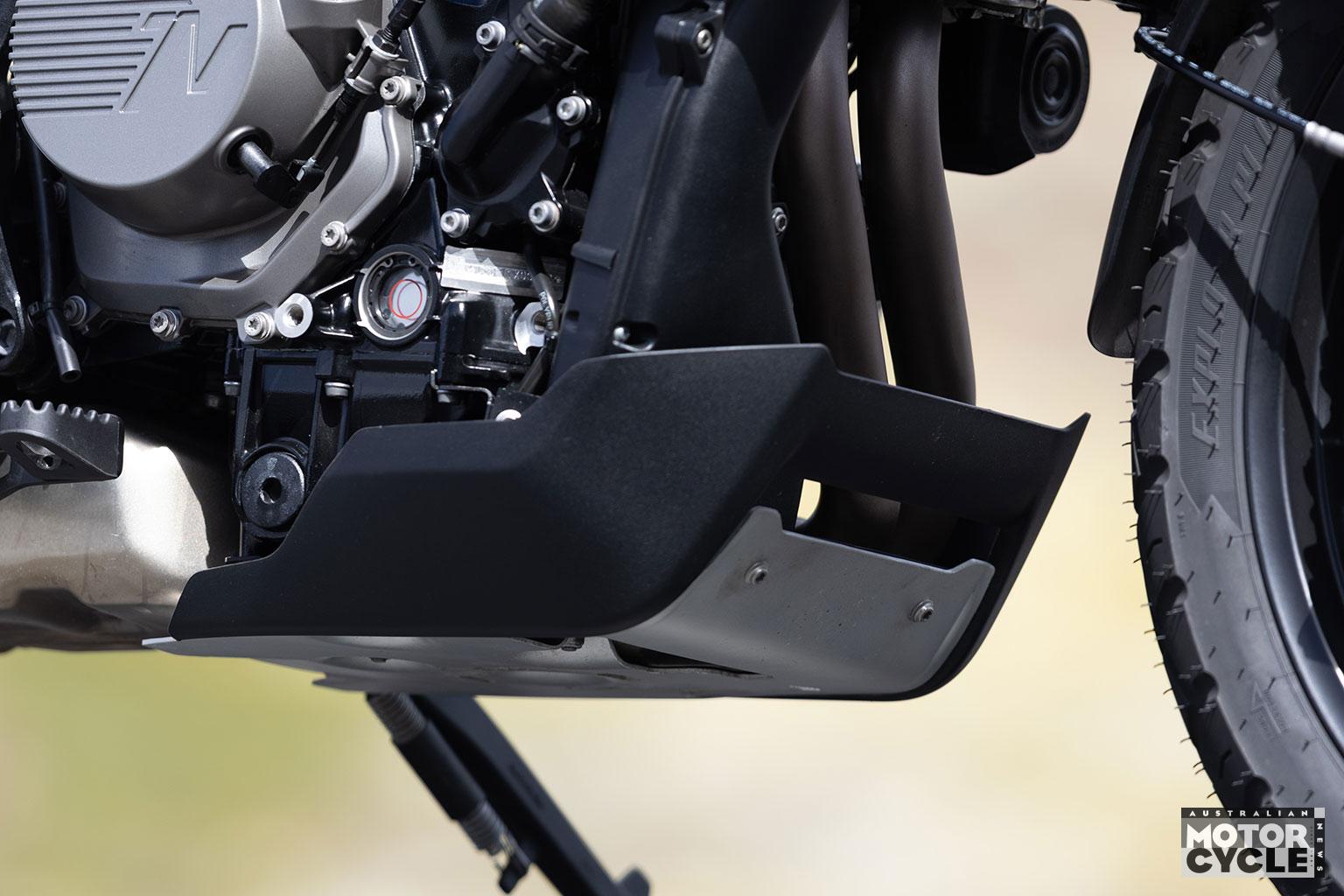
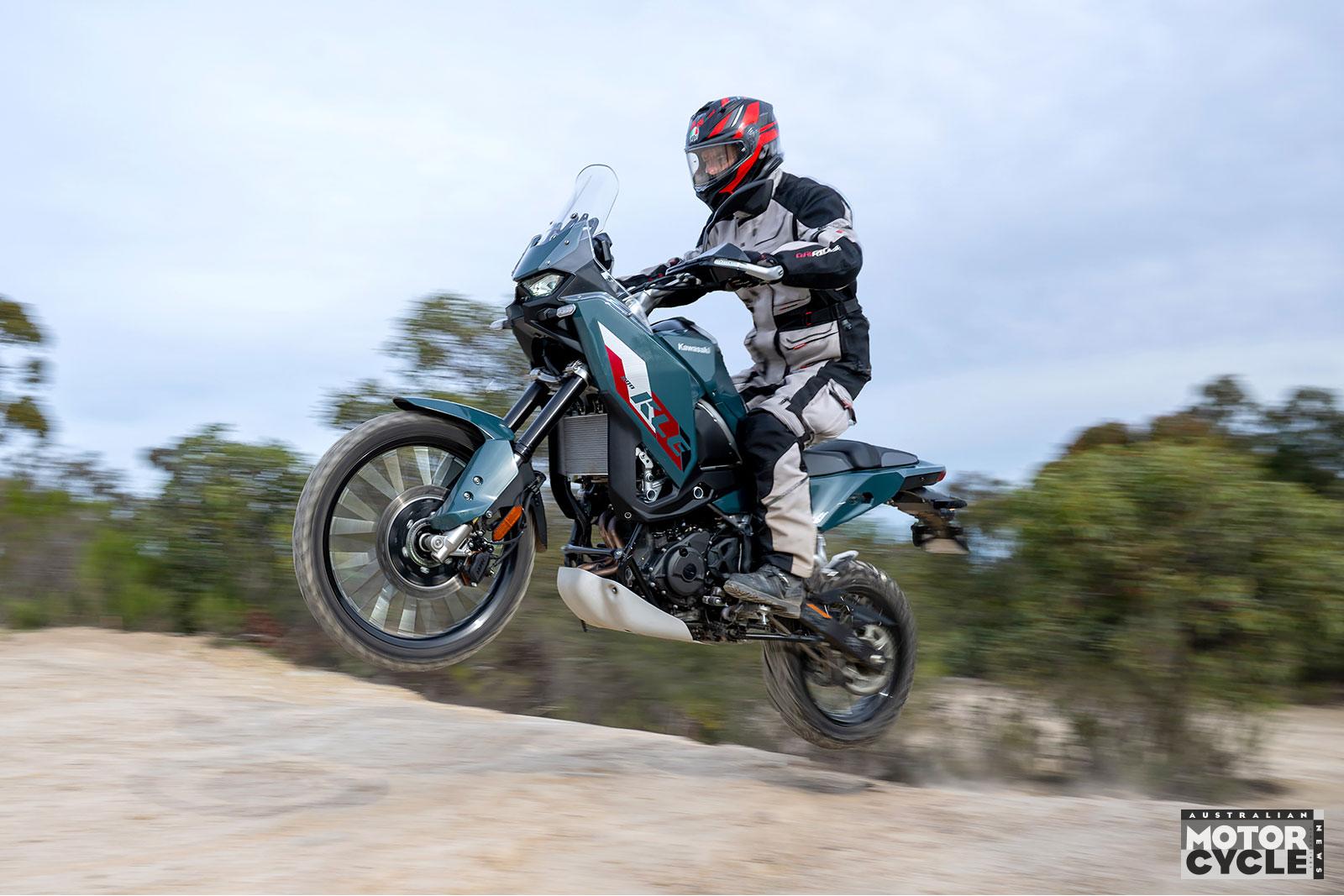
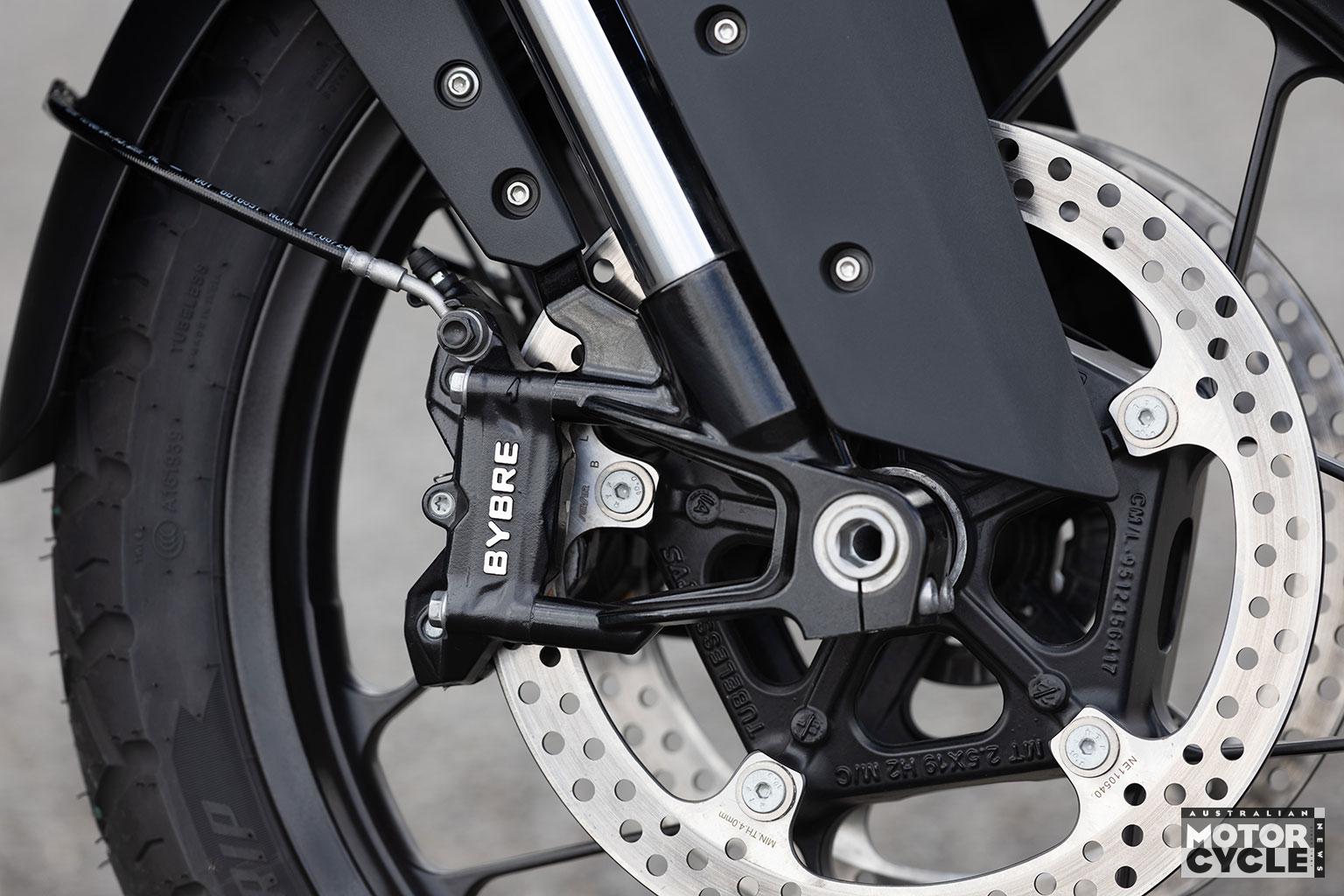
Braking is particularly impressive. Norton has opted for twin 310mm front discs rather than the single-disc set-ups that some ADVs (the KLE500 on page 60 for example) use to save cost, while the calipers are radially mounted units from Bybre.
A six‑axis Bosch IMU brings cornering ABS and, on the higher spec Apex model tested, a linked system that applies some rear brake when you use the front.
Power and feel are excellent, and the cornering ABS is a genuine safety net. However, the linked braking felt a little off at times. At very low speeds I could sense the rear intervention varying and occasionally I could feel the rear respond when I touched the front brake, and other times not, which I read as inconsistency. At higher speeds it was far less noticeable. Given these were pre‑production bikes, I’d expect Norton to iron out this behaviour for the production version.
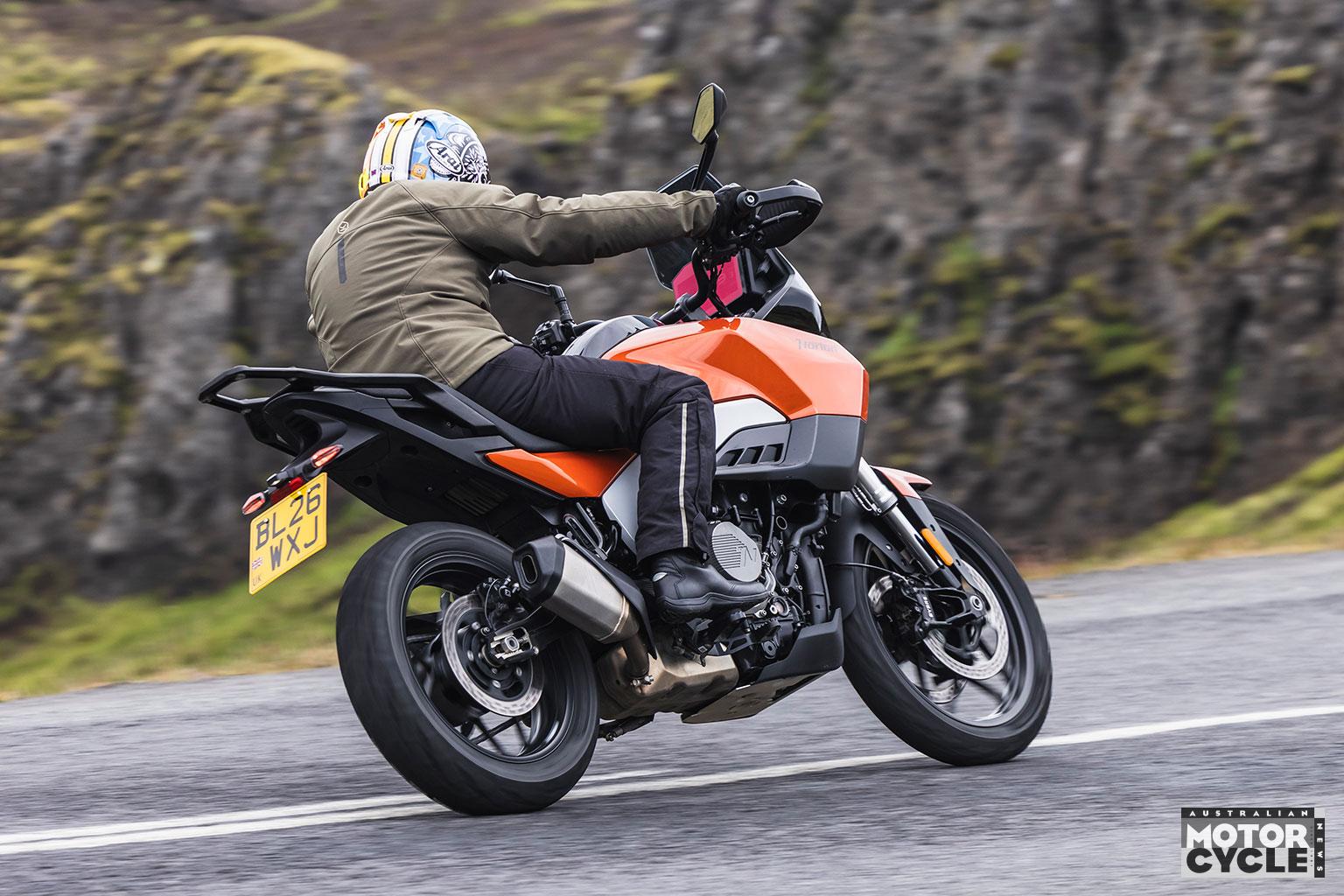
By mid‑afternoon I was really starting to click with the Norton Atlas as well as Iceland’s epic scenery. Even after a full day of riding in mixed conditions – temperatures never climbed above 10°C – I stayed comfortable. Wind protection was good, the heated grips helped (but weren’t toasty) and the seat raised no complaints. Norton claims 27km/L, which feels about right, but after some heavy off-road use high in the rpm, my economy dropped to 19km/L. A fuel tank capacity of 15.4 litres should equate to a minimum of 240km to a maximum of over 320km, depending on how you ride. Norton also have listed a top case (34 litres) and panniers (25 litres per side) in the accessories catalogue, which means the Atlas could have strong touring potential. Time will tell.
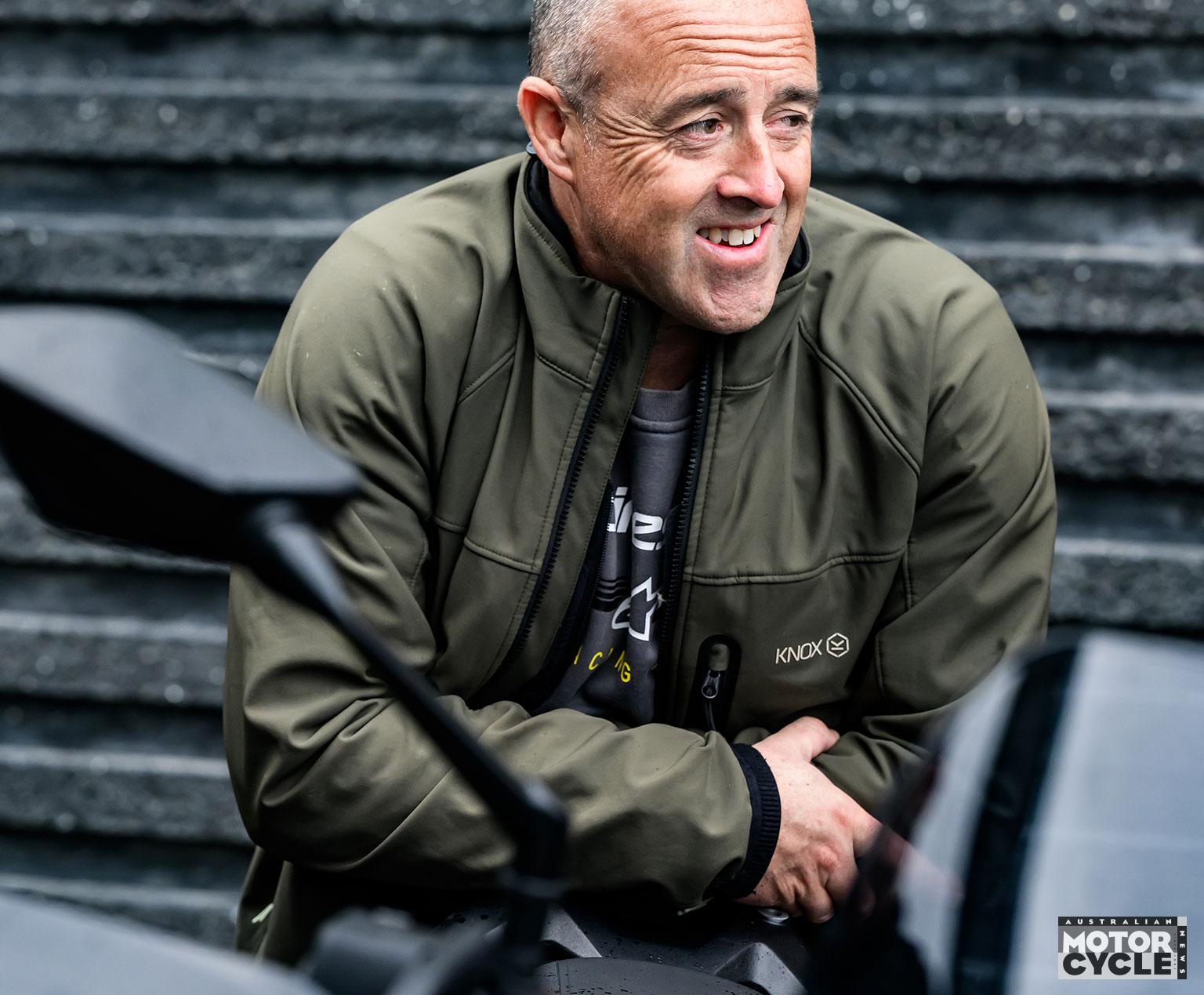
VERDICT
It would be easy to jump on the bandwagon and slate the Norton Atlas for not being the finished article. I could go in hard on the snatchy low-speed fuelling, the glitchy quickshifter and inconsistent linked brakes – but these were pre‑production bikes with niggles that should be ironed out.
Step back and look at the bike as a whole and it’s hard to knock. Norton has done a cracking job. This is the Solihull factory’s first proper adventure bike and it already leads the way in terms of rider aids and the quality of the dash.
Where does it sit? That’s the interesting bit. It isn’t a rugged, Dakar‑wannabe like a Yamaha Tenere, and it isn’t a torquey, heavier mile‑muncher like Honda’s Transalp or Suzuki’s V‑Strom. It’s not playing in the learner-legal bargain basement either, where everything sits under $A10k.
The Atlas carves its own lane – and there’s a GT version coming, complete with a 17‑inch front wheel, which will push it farther towards the sporty road end.
Now for the big question marks. How will it stack up against the class heavyweights on price and performance? Has Norton pulled a blinder and found a sweet spot no one else is hitting, or does it fall between stools? At this price, will its Norton badge prove tempting to many, or will the Atlas simply be regarded as a budget TVS with a British label?
I, for one, like the design and its playful, sporty handling. It’ll do a bit of off‑road riding, too, and there’s a specific Enduro mode to back that up.
Overall, it’s way better than I was expecting, considering this is really Norton’s first adventure bike that has been designed from the ground up. It’s something a little different, which I think is what Norton customers want.
✅ PROS – Premium electronics package leads the class, sharp handling, excellent dash and switchgear, rev-happy parallel twin, distinctive styling.
❌ CONS – Fuelling and quickshifter need refinement, rear preload adjuster awkward to access, linked braking lacks consistency, fuel tank panels could prove expensive to replace.
competition
HONDA XL750 TRANSALP – From $16,999 (ride away)
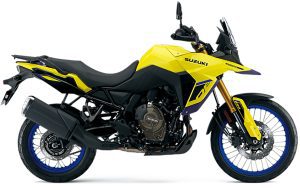
SUZUKI V-STROM 800DE – From $18,590 (ride away)
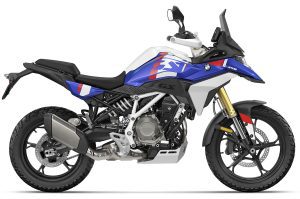
BMW F 450 GS – From $11,990 (ride away)
SPECIFICATIONS
ENGINE
Type Liquid-cooled, DOHC, eight-valve, 270° parallel twin
Bore & stroke 78mm x 61.2mm
Capacity 585cc
Fuelling Ride-by-wire EFI
Transmission 6-speed, chain final drive
Clutch Wet, multiplate, slip-and-assist
PERFORMANCE
Power 51.5kW (69hp) @ 9300rpm (claimed)
Torque 57Nm @ 7300rpm (claimed)
ELECTRONICS
Bosch six-axis IMU, riding modes (Urban, Rain, Sport, Tour, Enduro), traction control, cornering ABS, cruise control, wheelie control, rear lift control, rear slide control. Apex adds hill hold and electronic combined braking
CHASSIS
Steel trellis frame
SUSPENSION
Front 43mm KYB USD fork, fully adjustable, 180mm travel
Rear KYB monoshock, preload & rebound adjustable, 180mm travel
BRAKES
Front Twin 310mm discs, four-piston ByBre radial calipers, cornering ABS
Rear 270mm disc, single-piston ByBre caliper, cornering ABS
WHEELS & TYRES
Front 19-inch/110/80-19 Eurogrip Explo R Plus
Rear 17-inch/150/70-17 Eurogrip Explo R Plus
DIMENSIONS
Wheelbase 1465mm
Seat height 845mm
Ground clearance 220mm
Wet weight 188kg (Atlas)
192kg (Apex, no fuel)
Fuel capacity 15.4L
PRICE
Atlas £8250 in UK ($A15,750)
Apex £9450 ($A18,000)
COLOURS
Matrix Black, Trophy Silver, Verona Green, Sinopia Orange, Glacier Blue.
CONTACT
nortonmotorcycles.com