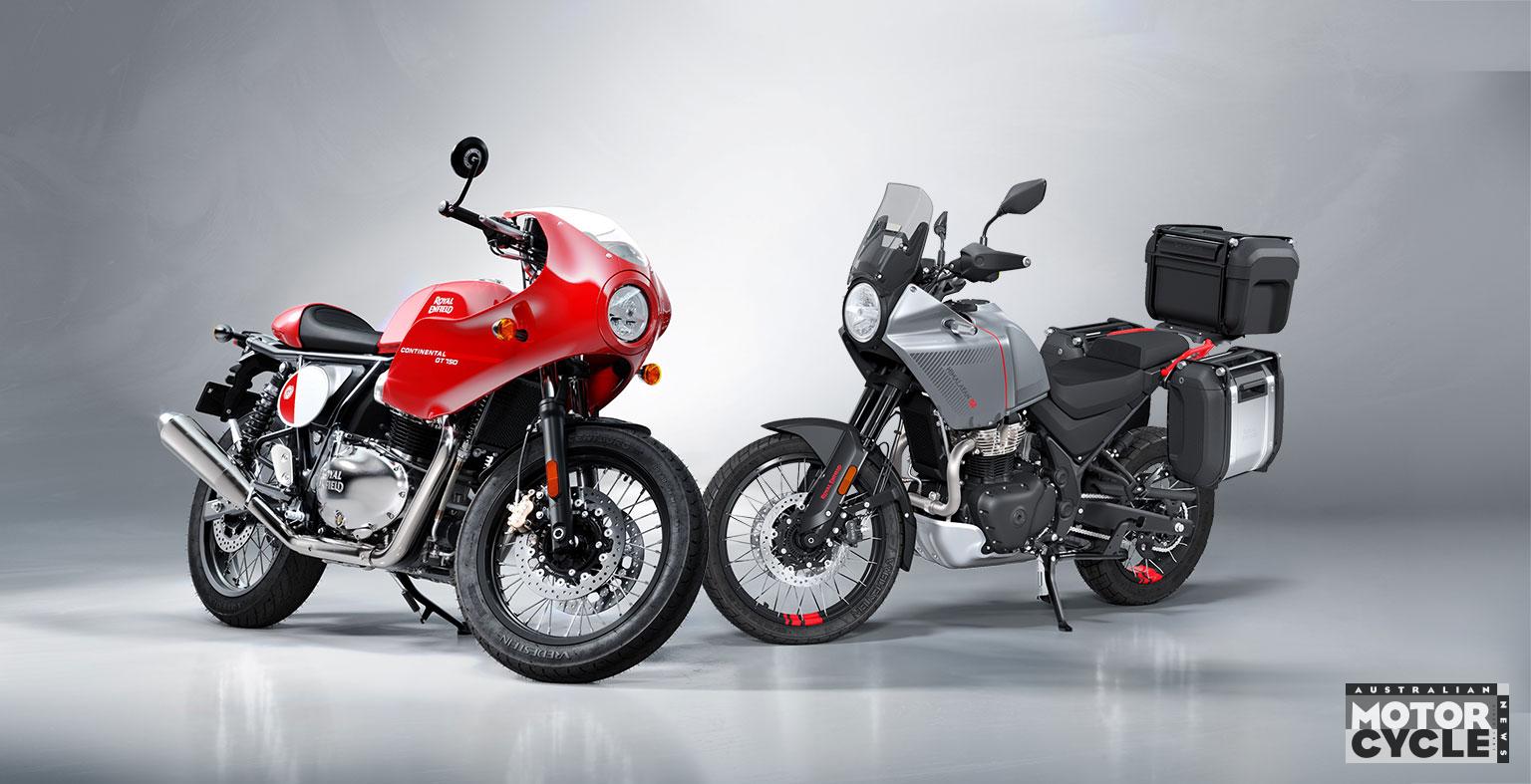
Production versions of the Royal Enfield Himalayan 750 and Royal Enfield Continental GT 750 revealed
A year ago Royal Enfield previewed its first modern 750cc models by showing prototypes for the Himalayan 750 and Continental GT 750 on its EICMA show stand. Now it’s unveiled the production versions of both.
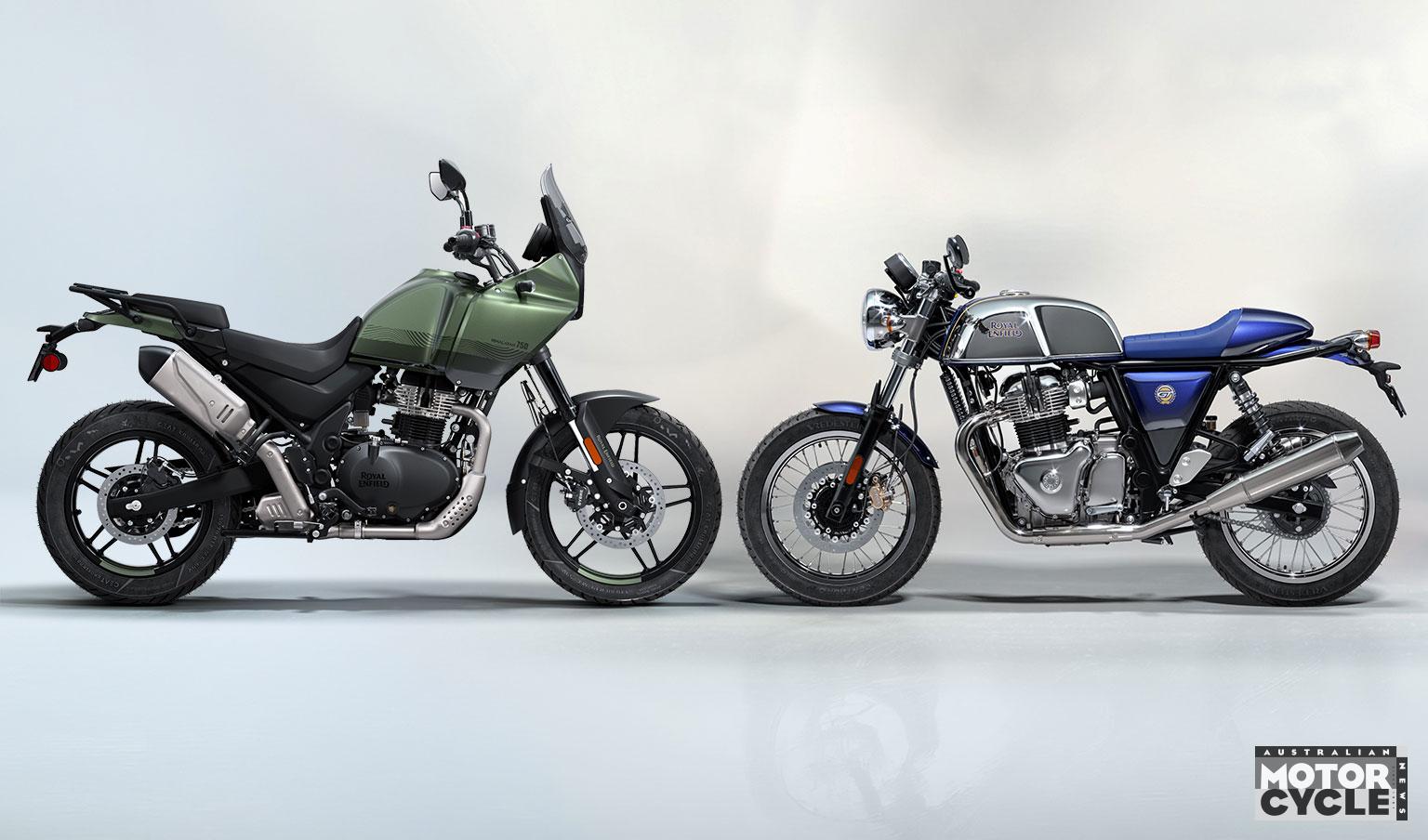
The Himalayan will be in showrooms first, and Royal Enfield has released its full specifications to confirm details that we’ve been left pondering for the last 12 months. It turns out that the 750 engine actually measures 743cc, up from 648cc for the company’s existing ‘650’ models. The basic design of the engine is unchanged, with the same oil-and-air-cooled, single-overhead-cam layout, and the extra capacity comes from a 5.5mm increase in bore size from 78mm to 83.5mm, retaining the same 67.8mm stroke as the 650 engine. It also keeps the same 9.5:1 compression ratio, showing that the focus is on reliability and tolerance for low-octane fuel rather than outright power.
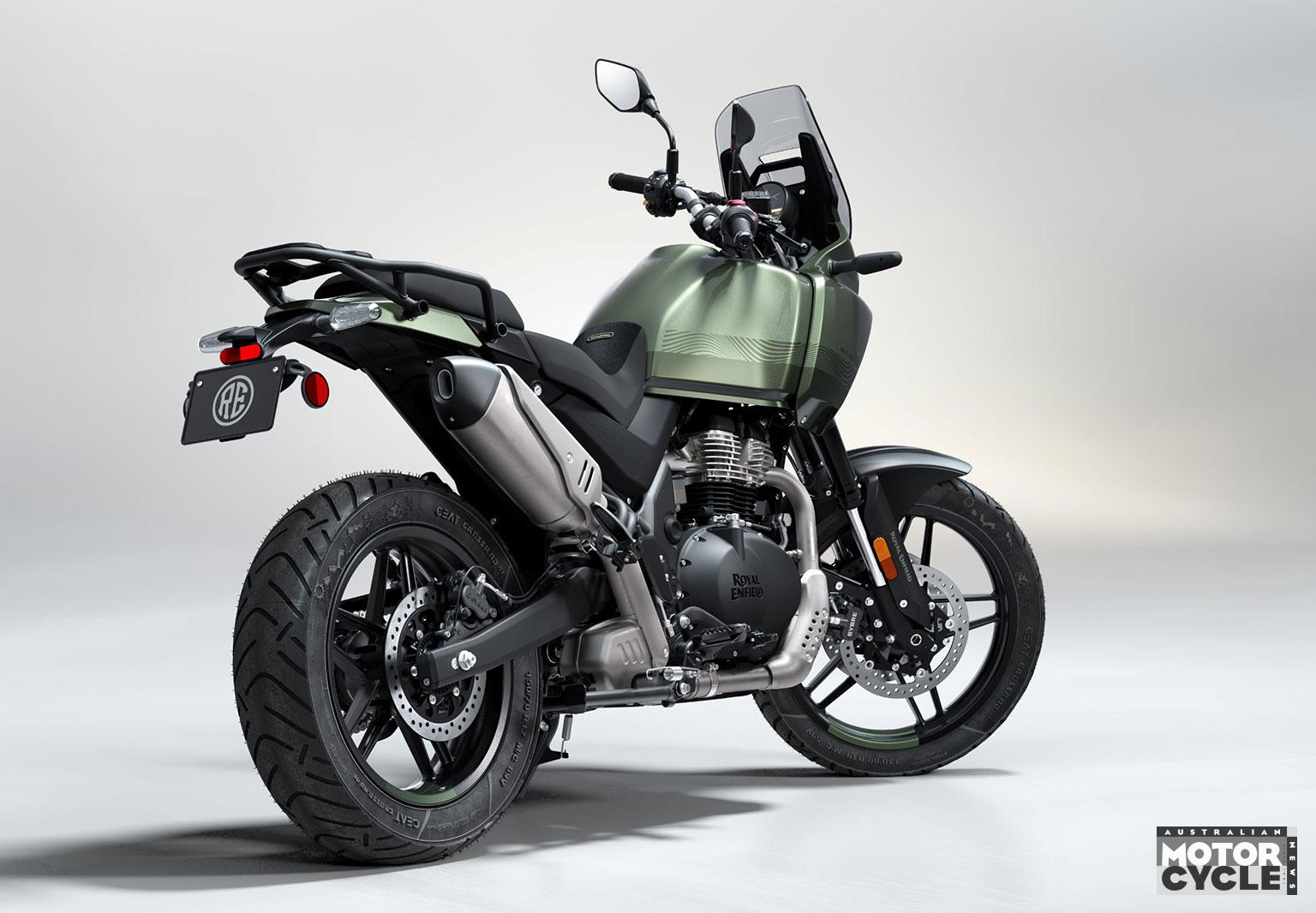
That power number is 40.5kW at 7,000rpm, up from 35kW for the 650 models, with a 20% increase in torque to 63Nm at 5,000rpm.
More importantly, though, the Himalayan 750 is the first truly modern Royal Enfield twin, with no retro styling and monoshock chassis. It has remarkably strong tech including an IMU and ride-by-wire throttles, allowing cornering traction control, cornering ABS and multiple riding modes. The base model gets alloy wheels, 19in front and 17in rear, with tubeless wire wheels for the midrange bikes, while the top-of-the-range version adds a heated seat, heated grips and Givi luggage. All versions get a 4in circular TFT dash with full map navigation, tyre pressure monitoring and phone connectivity.
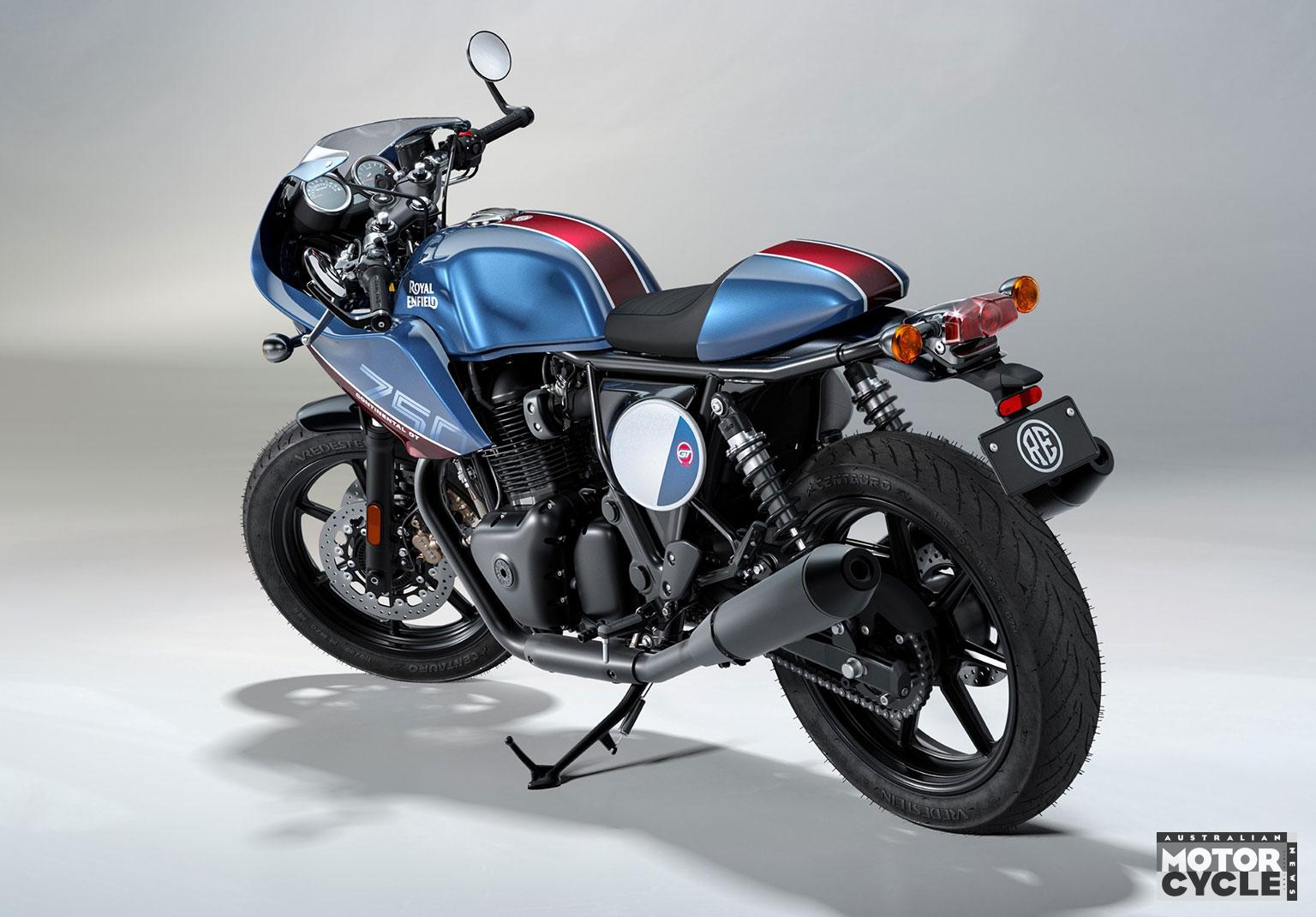
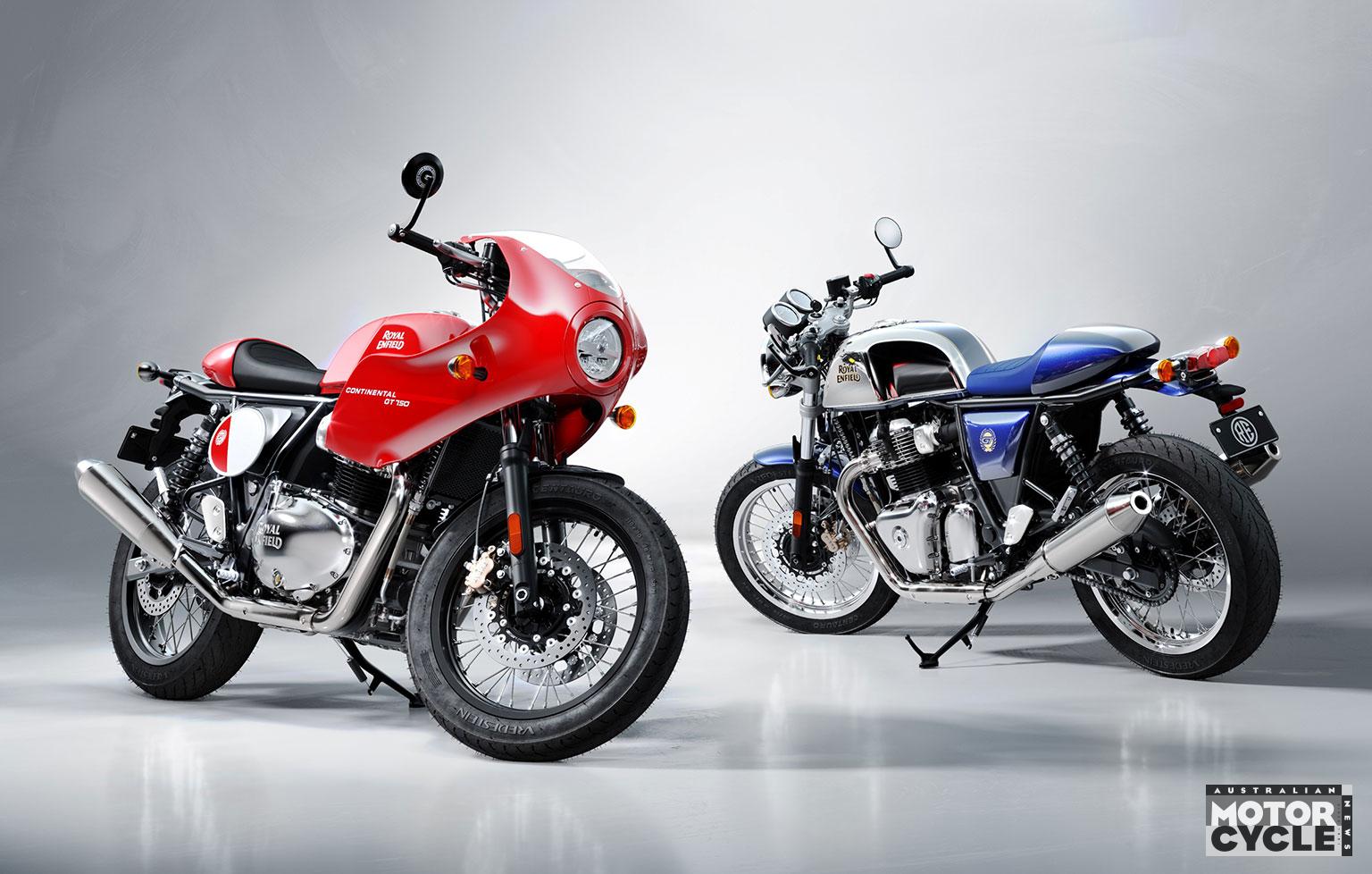
Royal Enfield hasn’t released quite as much detail about the Continental GT that shares the same engine, but it’s confirmed there are several versions of the bike, with two styles – either naked café racer or bullet-faired retro race rep – and choices of cast alloy or wire wheels.
The bikes get a new instrument panel that combines mechanical speed and rpm gauges in the upper halves of two circular pods, with colour TFT lower sections to display the sort of additional information that modern riders expect.
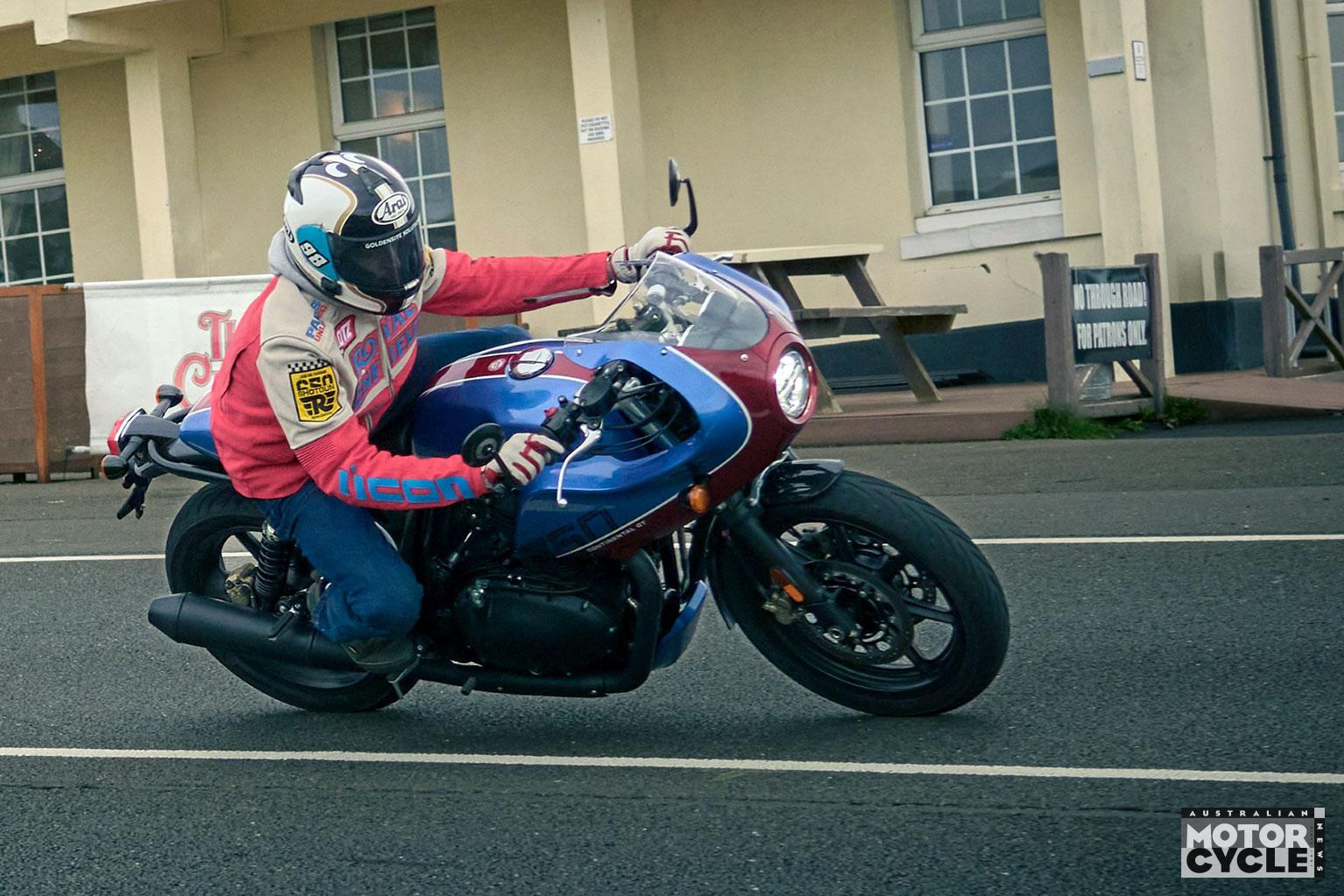
For the Continental GT, Royal Enfield returns to its retro comfort zone in the chassis, with steel double cradle frame, dual shocks and right-way-up forks, and combined with that air-cooled engine the result is a strikingly effective impression of a real 1960s bike. If Norton is exiting the retro market by ditching the Commando and Triumph has decided not to replace the twin-cylinder Thruxton, Royal Enfield is more than happy to leap in and hoover up customers who want a proper factory café racer with a famous British name on the tank.