After promising tough, “nation-leading” laws, the Queensland government has softened key parts of its e-mobility crackdown, while still handing police some of the strongest enforcement powers in Australia
Public opposition has forced the Queensland government to scale back parts of its planned e-mobility overhaul, despite earlier promises of a “nation-leading” crackdown.
The revised laws, to be introduced to Queensland Parliament, will still give police sweeping powers over e-scooter and e-bike riders. But the Liberal National government has retreated on some of its most controversial proposals after what critics described as intense community backlash.
Most notably, the government has dropped plans to ban children under 16 from riding e-scooters and e-bikes. Instead, children aged 12 to 17 will be allowed to use the devices without a driver’s licence if they are under parental supervision.
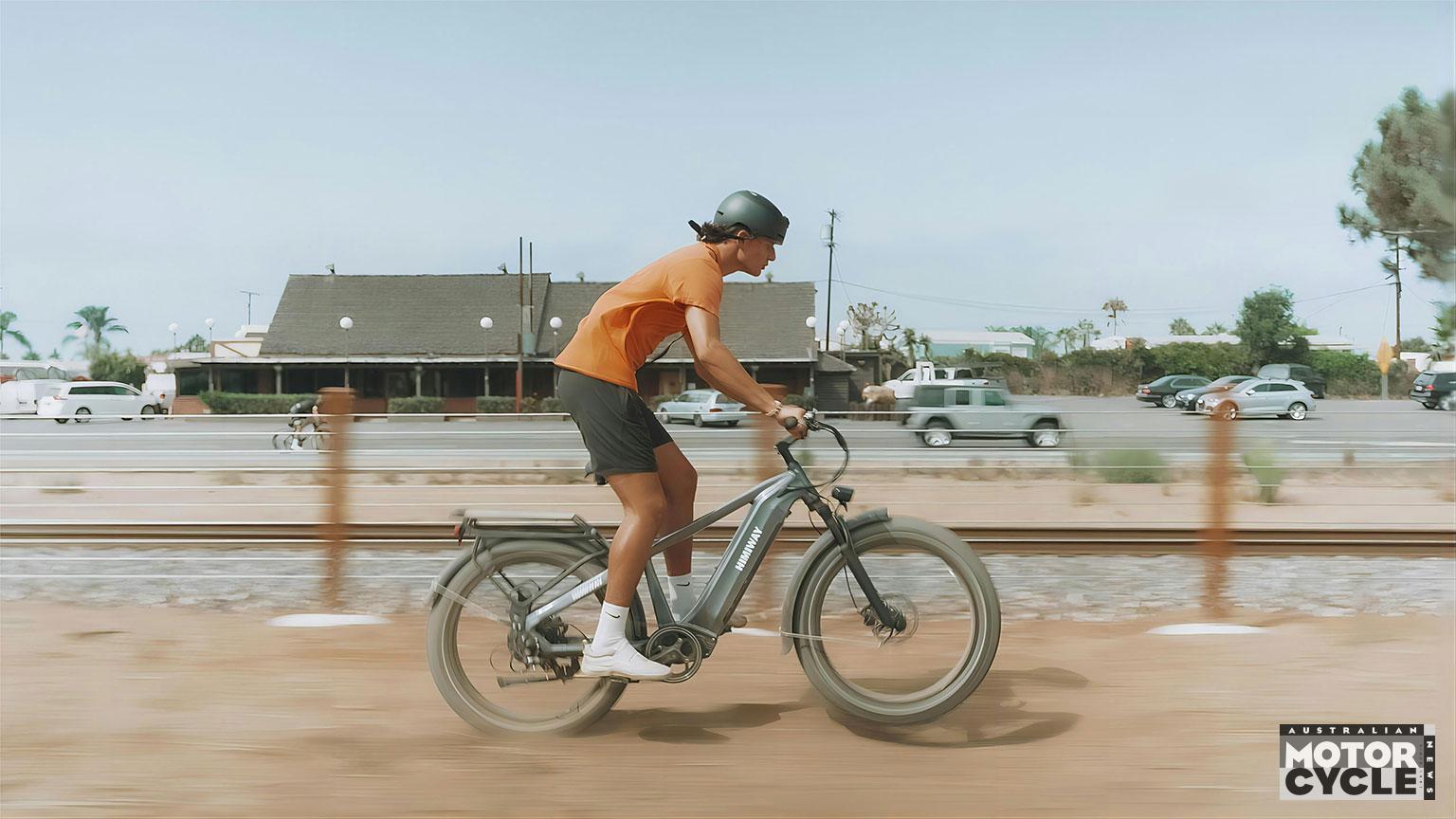
That marks a significant shift from the original proposal, which would have required riders to be at least 16 years old and hold a licence.
The government has also abandoned its push to cut the footpath speed limit from 12km/h to 10km/h. Following a parliamentary committee process and community feedback, the existing 12km/h limit will remain.
From July 1, however, police will be able to randomly breath test e-scooter and e-bike riders in public places. Officers will also have the power to seize and destroy illegal, high-powered devices being used on roads and paths.
Penalties will rise for a range of offences, including speeding, riding without a helmet, careless riding, illegally carrying passengers and travelling on prohibited roads.
The rules largely reflect European-style standards, including limits that cap e-bikes at about 250 watts and 25km/h. But Queensland’s package goes further than many overseas jurisdictions by allowing random breath testing and seizure powers for illegal devices.
Across Australia, regulation remains inconsistent. In parts of New South Wales, Victoria and South Australia, e-scooters are still tightly controlled through trials or restrictions on many privately owned devices. Western Australia and Tasmania already impose restrictions on riders under 16, while NSW is considering an age limit.
Transport and Main Roads Minister Brent Mickelberg said the reforms were aimed squarely at illegal and modified e-bikes and scooters being ridden on roads and paths.
“When we first began this reform process, we said we would make the tough decisions to keep the community safe,” he said.
“But we have also listened to the community, and will introduce provisions so those aged 12 to 17 and those with a medical condition will be able to use e-mobility devices under certain conditions.
“Our reforms … strike the right balance between making our streets safer from those who do the wrong thing, while backing those people who do the right thing.”
Opposition transport spokesman Bart Mellish said the legislation had been condemned by stakeholders and faced “some of the most vehement criticism I’ve seen of a bill in my time in this parliament.”
“This ‘nation leading’ legislation needs more panel beating than a demolition derby car trying to pass a roadworthy,” he told parliament.
Amy’s Foundation managing director Katherine Bates said 12 people died in e-mobility incidents in Queensland last year, and only one of those deaths involved a legal e-bike.
“The harm comes from illegal, high-powered devices, and these laws are right to target that,” Ms Bates said.