New engine set to bring more power and less weight to the intermediate class from 2027
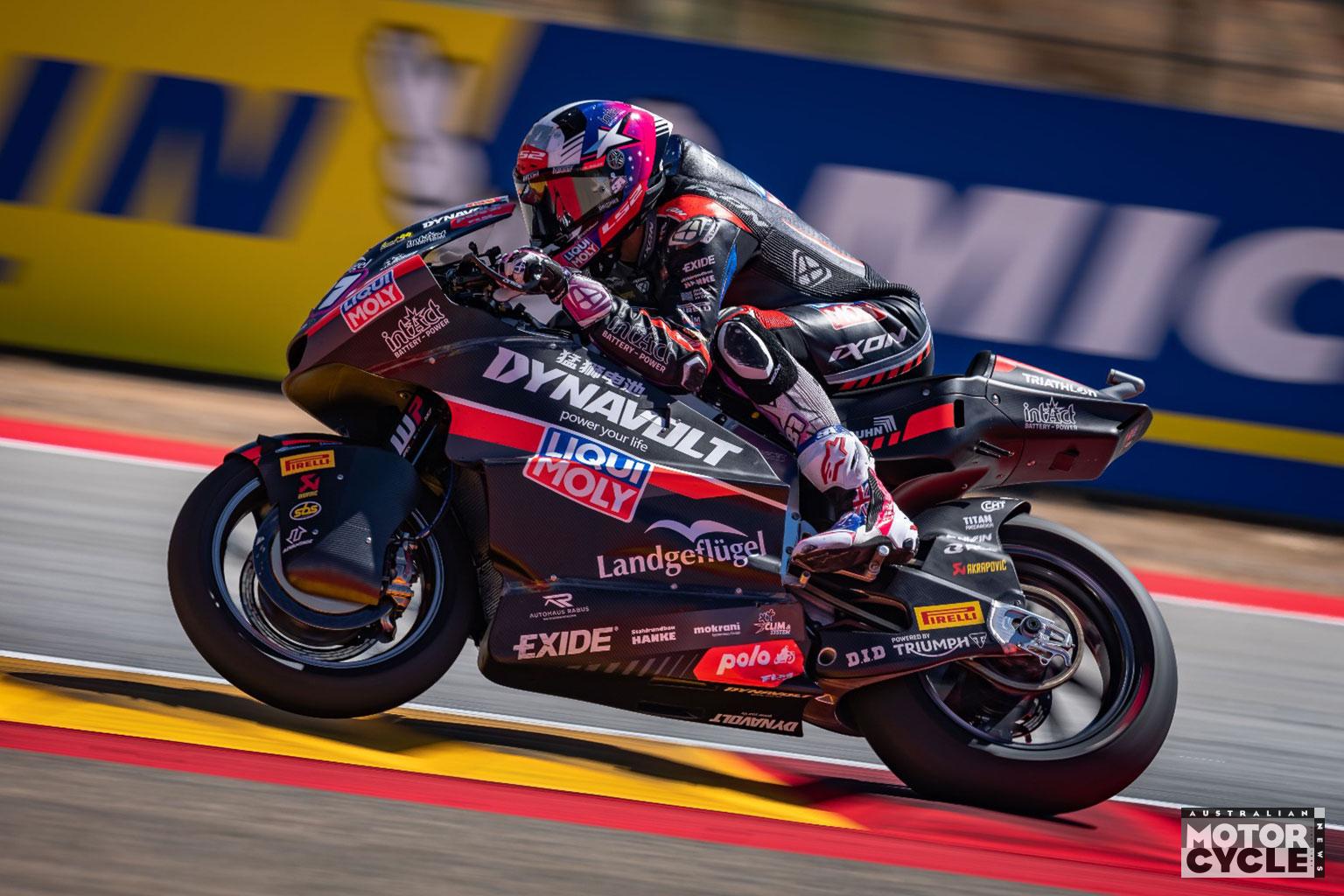
Triumph and MotoGP have used the lead-up to this weekend’s British Grand Prix at Silverstone to confirm a major change for the Moto2 category, with a new-generation race engine set to debut in 2027.
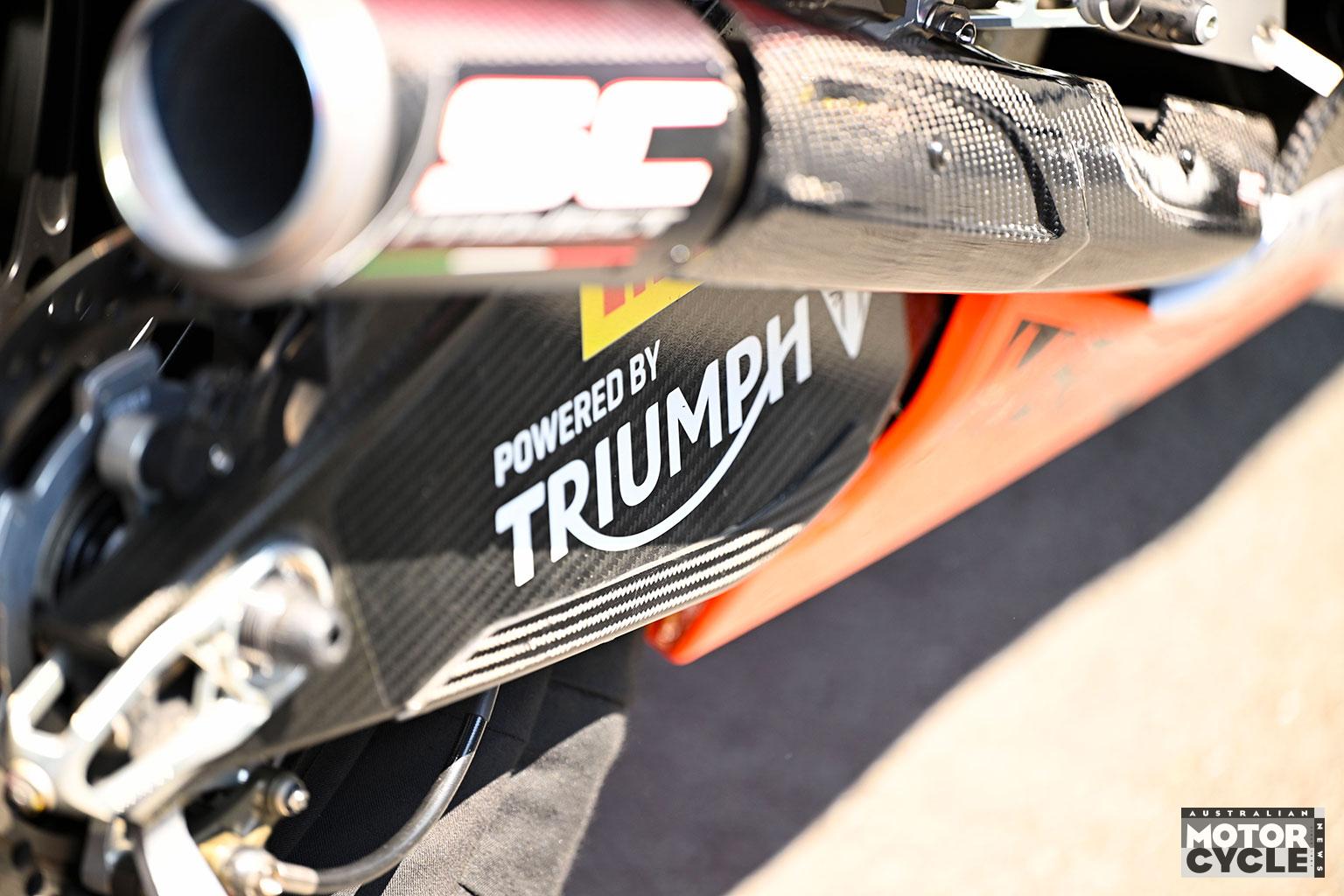
The British manufacturer has supplied Moto2 since 2019, replacing the old Honda-based package with its 765cc triple derived from the Street Triple RS. In that time, the class has become faster, sharper and more competitive, and now Triumph is preparing the next step rather than simply refining what is already there.
According to the company, the new engine is being developed from lessons learned across nearly two million kilometres of Moto2 competition. That mileage, along with rider feedback and ongoing development work, has shaped a revised package aimed at lifting performance while keeping reliability intact over a full grand prix season.
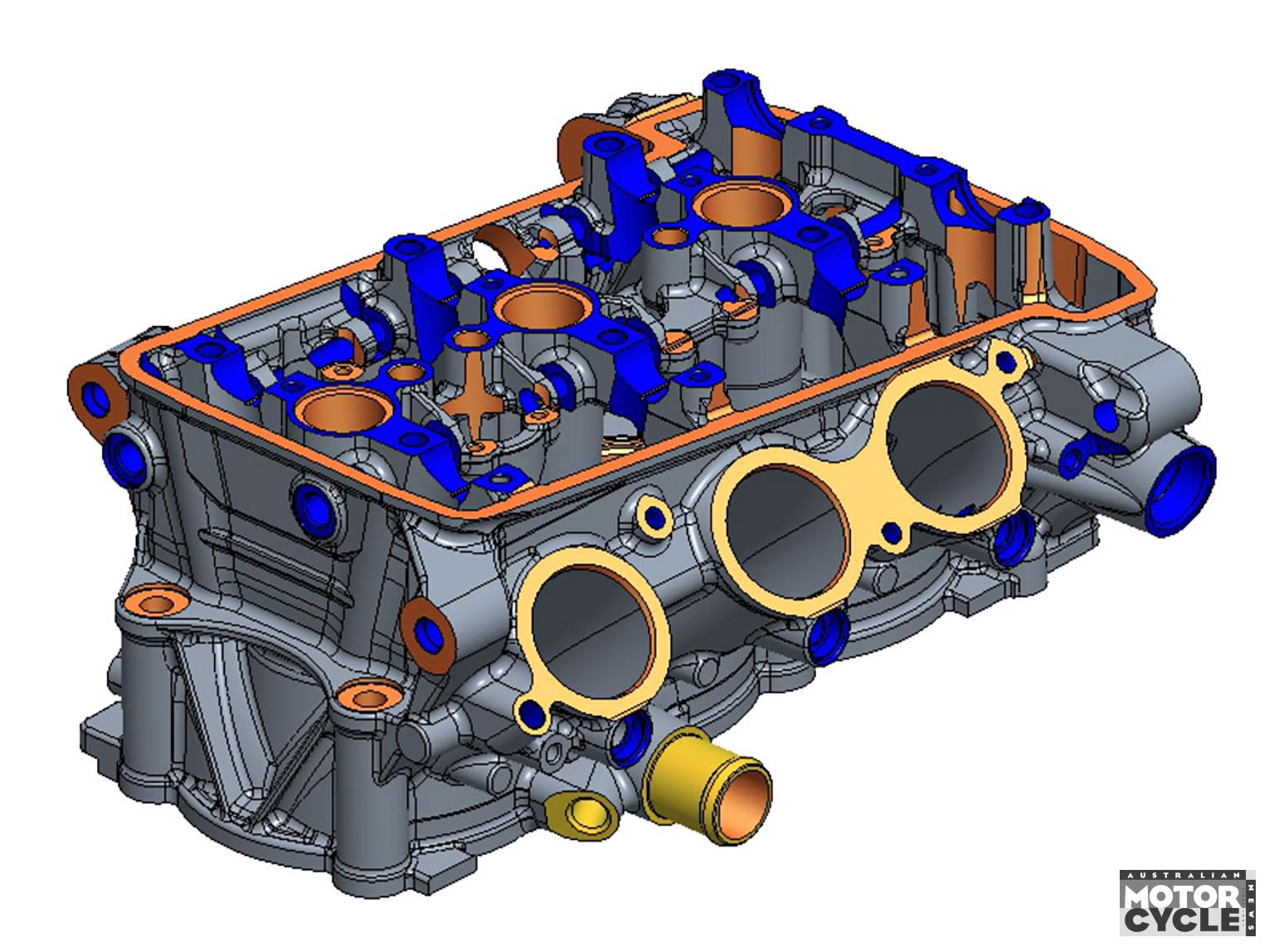
The biggest gain is expected to come from improved airflow. Triumph says the new engine uses a fresh cylinder head, a redesigned low-inertia valvetrain, higher-flow ports and a new combustion chamber. The result is said to be a higher compression ratio and stronger torque through the rev range, not just a headline increase at peak power.
There is more going on beneath the surface as well. Triumph has reworked the crankcases and internal components so the engine can cope with the added outputs, while also trimming 2kg from the overall package. Peak power is expected to rise by around six per cent, and Triumph has also flagged a capacity change, although full technical details are still to come.
The revised engine package will force chassis makers to start again for 2027, with new mounting points and intake positioning meaning fresh designs across the grid. That should make this one of the biggest technical resets Moto2 has seen since Triumph first arrived in the category.
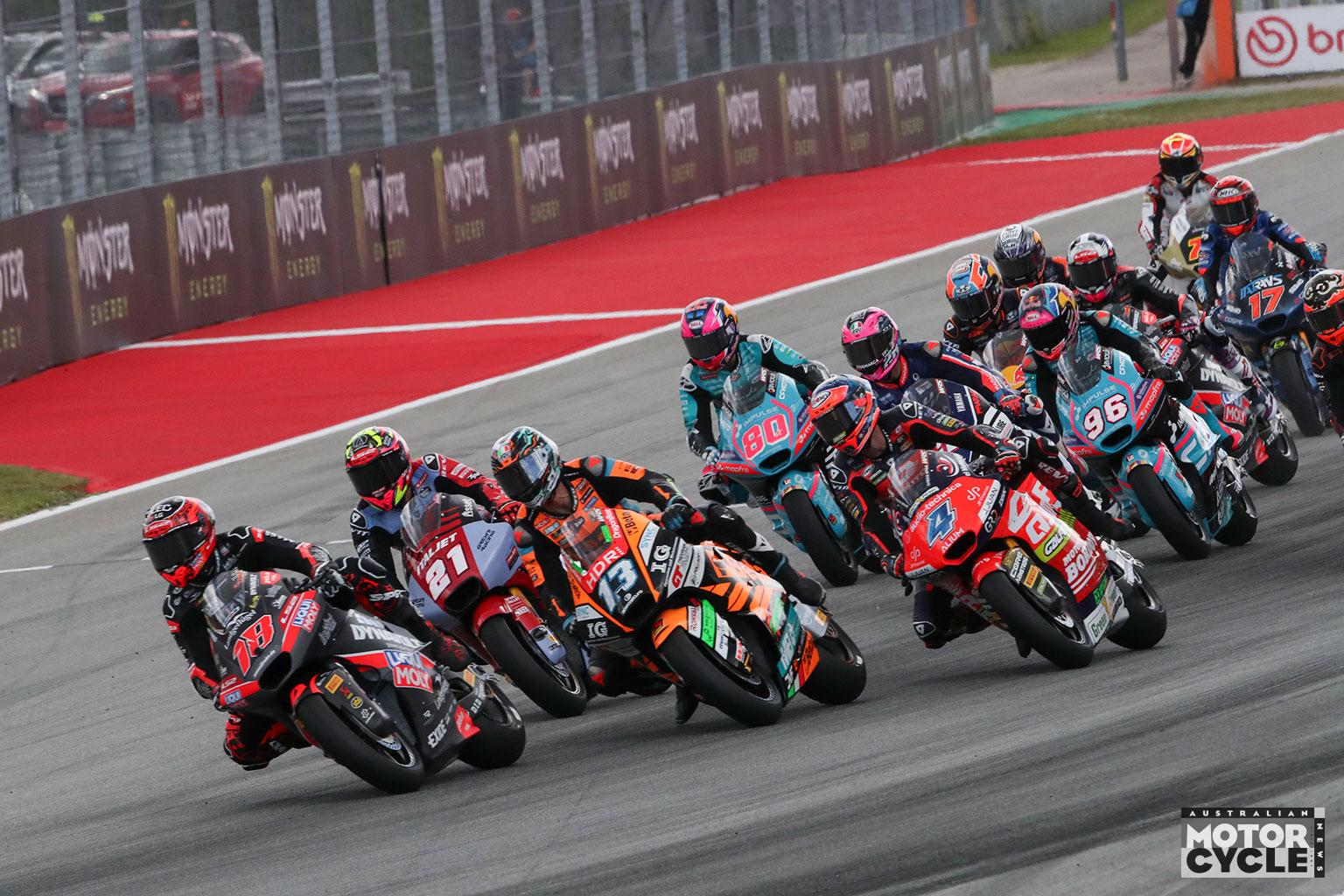
That original switch in 2019 helped reshape the class. Since then, lap records have fallen at a rapid rate, with almost 100 all-time and race lap records broken during the Triumph era. Moto2 has also continued to serve as a critical pathway to MotoGP, with a long list of riders using the 765 platform as the final step before reaching the premier class.
Development of the 2027 engine is already well underway. Triumph says it has been working with chassis manufacturers for the past 12 months, and private testing is ongoing before the new bike makes its track debut later this year.
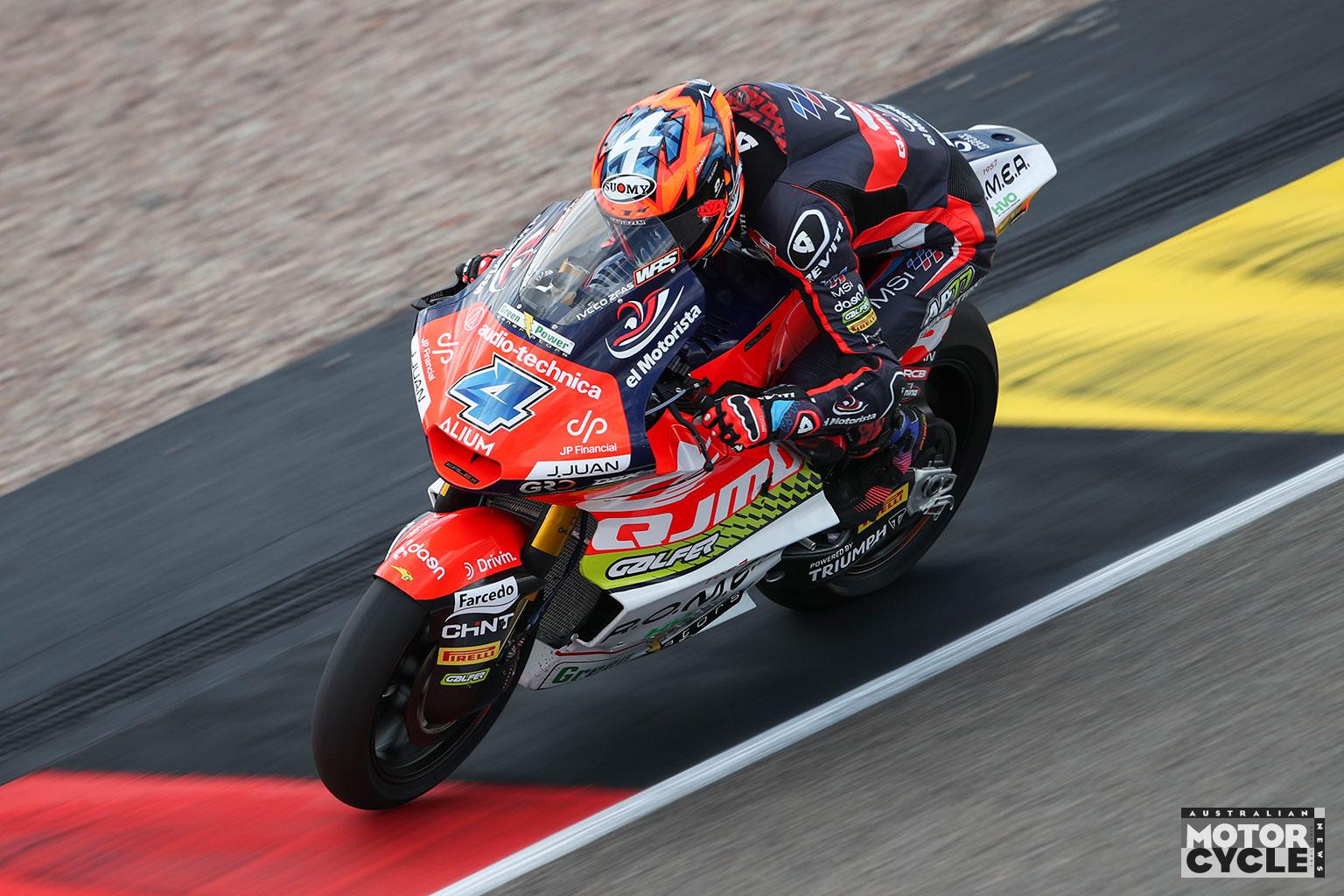
The new engines could propel Moto2 to even faster lap times, raising the question of how close they’ll get to the next generation 850cc MotoGP machines being introduced next year. At the most recent round in Germany, Ivan Ortola set an all-time Moto2 Sachsenring record of 1’21.493 – 2.5 seconds slower than Marc Marquez’s 1’19.041 lap record at the same venue.
Steve Sargent, Chief Product Officer, Triumph Motorcycles:
“Today’s announcement marks a significant step forward in the partnership between Triumph Motorcycles and MotoGP. We have always strived to develop the Moto2 World Championship ever since we began powering the middle-weight class in 2019. We’ve introduced more power, we’ve seen gearbox changes and now we’ve introduced a brand-new, high performance race engine that will be powering the Moto2 series from 2027.
“The new engine has undergone a vigorous testing programme which has allowed us to really assess its performance, longevity and reliability, to ensure it continues to deliver the quality of racing we’ve seen over the last seven seasons. Updates to the cylinders, bringing in more air, achieving higher compression ratios and more torque have all been expertly crafted and we’re really excited by the results we’ve seen. We can’t wait to see it on track and watch our partnership with MotoGP and the Moto2 World Championship continue to grow over the seasons to come.”
Alfonso Cartujo, Sporting Director, MotoGP:
“This is a great step for the Moto2 World Championship and underlines the commitment to the class that makes Triumph such a valuable partner for the class and for the MotoGP paddock. Their ambition to evolve and improve only continues to grow, and its rewards are proven on track as Moto2 only gets better. Now, it will get even more powerful and we’re excited to see these new engine developments take to the track.”