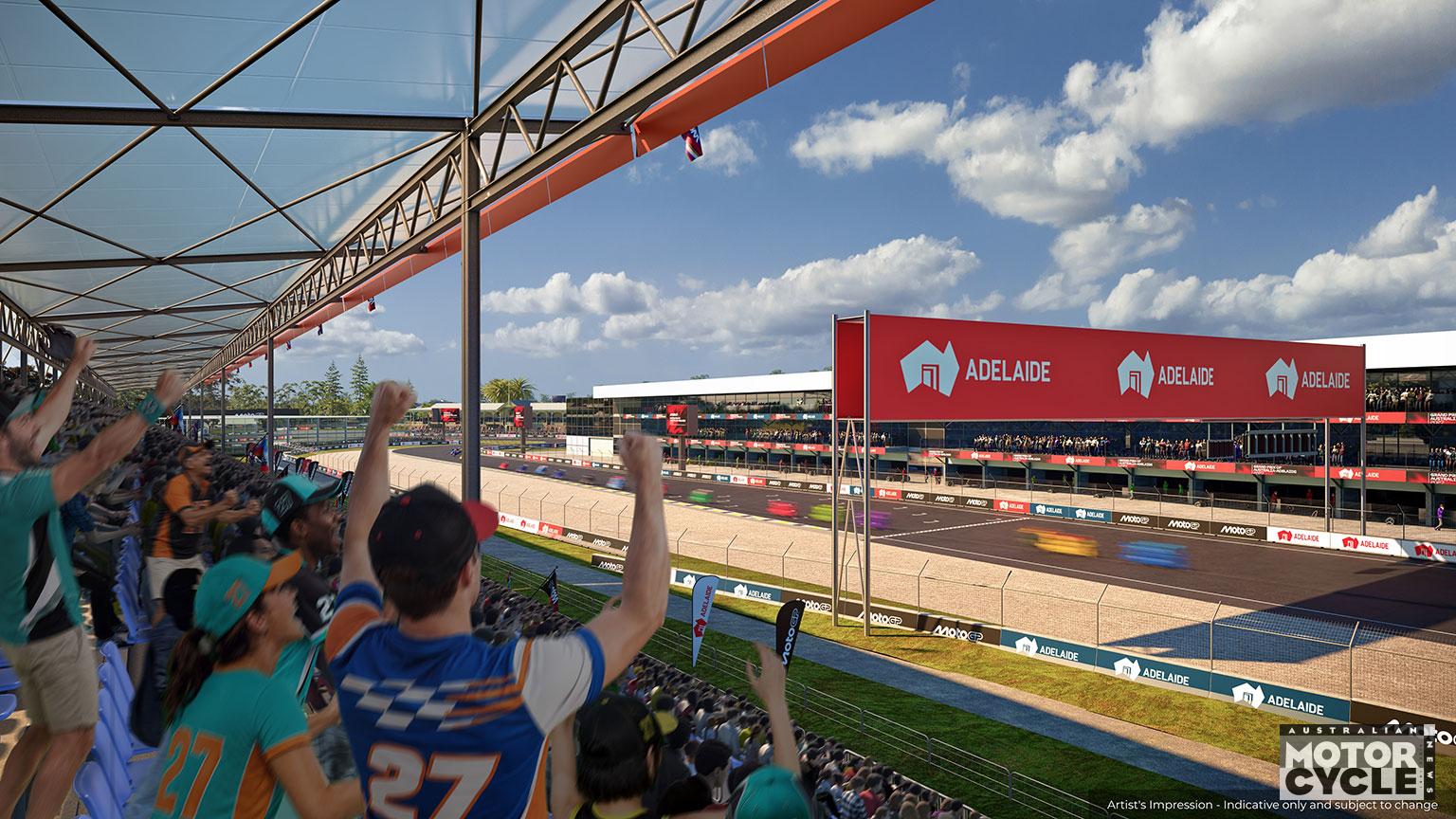
Adelaide’s new 15 turn MotoGP street circuit plan has been released, with the 4.13km layout set to blast riders down Brabham Straight at speeds over 340km/h
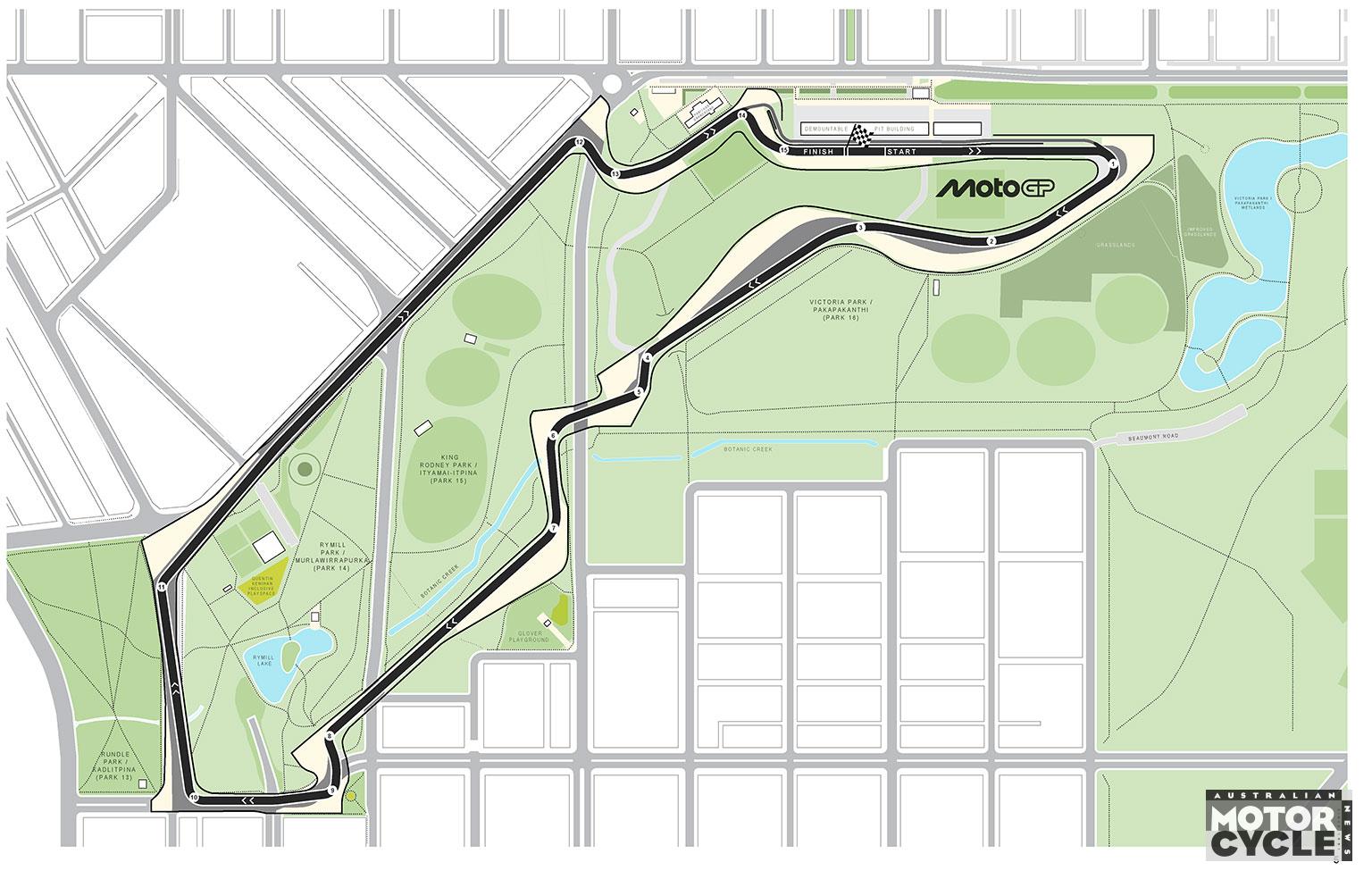
The new Adelaide street circuit that will host MotoGP from 2027 has been officially unveiled, with organisers outlining a 4.13km, 15 turn layout designed for both the Australian Grand Prix and the city’s Supercars event.
The proposed $96 million project has been developed with input from MotoGP, the Fédération Internationale de Motocyclisme, Supercars Australia and local organisers. The circuit brings back several sections associated with Adelaide’s former Formula 1 layout, including Stag Corner, Rundle Road, Brewery Bend and Dequetteville Terrace, while incorporating new sections to meet current MotoGP safety requirements.
Mark Warren, Chief Executive of the South Australian Motorsport Board, said the design process had involved substantial revision as organisers worked through the competing requirements of MotoGP, Supercars, community use and environmental considerations.
“This is setting about to create the new era for the Adelaide Street Circuit,” Warren said.
According to Warren, more than 20 iterations of the design had been produced to arrive at the current layout. He said the key objectives were to create a circuit that would deliver quality racing for MotoGP and Supercars, comply with FIM safety regulations and leave a lasting benefit for the surrounding community.
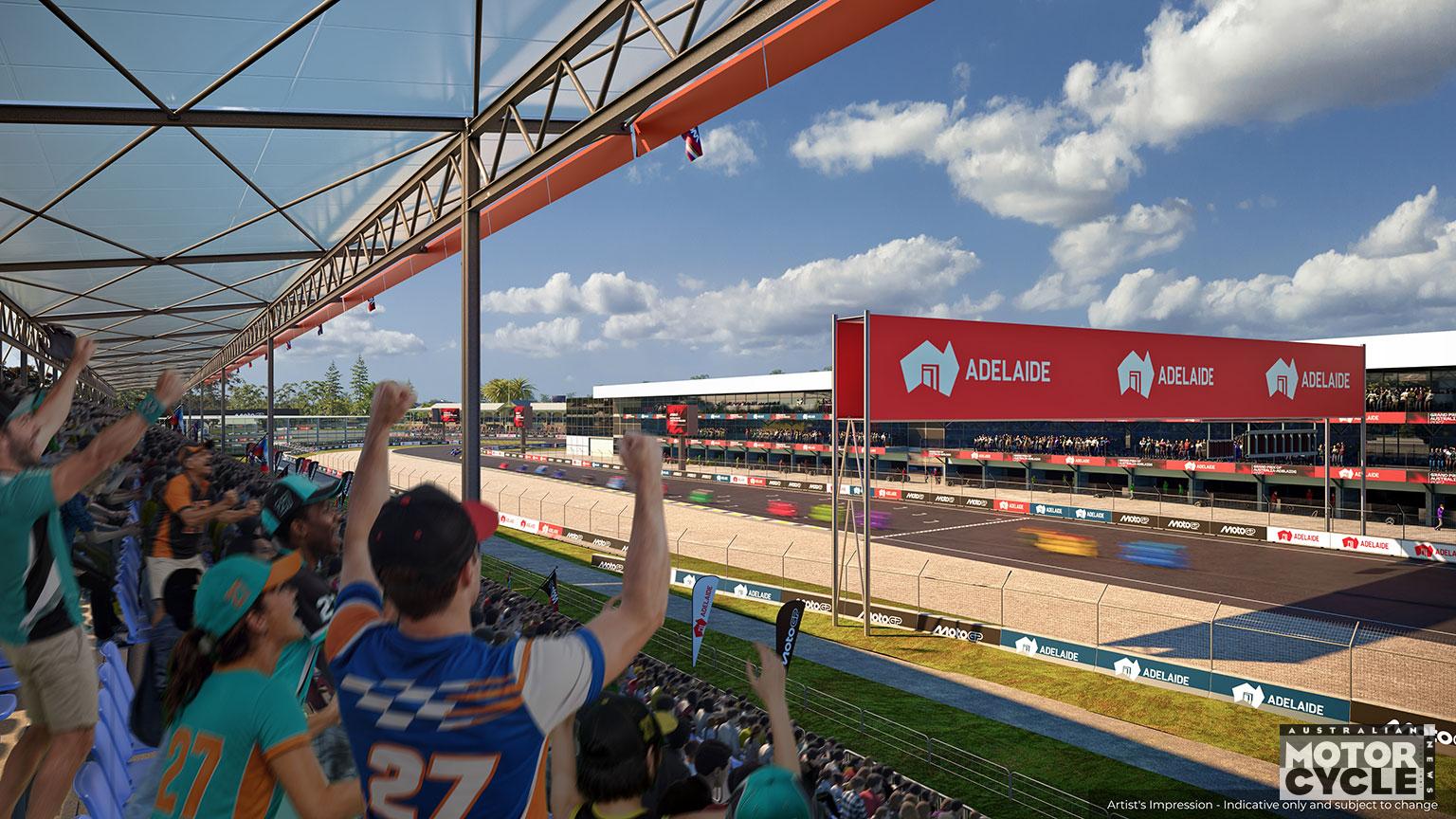
Warren said the circuit design is intended to foster “fast and flowing racing for MotoGP”, but with a strong focus on reducing the impact on trees through the parklands.
He said one of the clearest examples was the reworking of the section around the Senna Chicane. Rather than continue with the earlier concept of running onto Wakefield Road, organisers brought the chicane further into the parklands and reshaped the section to better suit MotoGP while retaining flexibility for Supercars. The revised layout instead crosses Wakefield Road and heads into what is currently the old tennis courts, which Warren said improved environmental outcomes while also improving the racing.
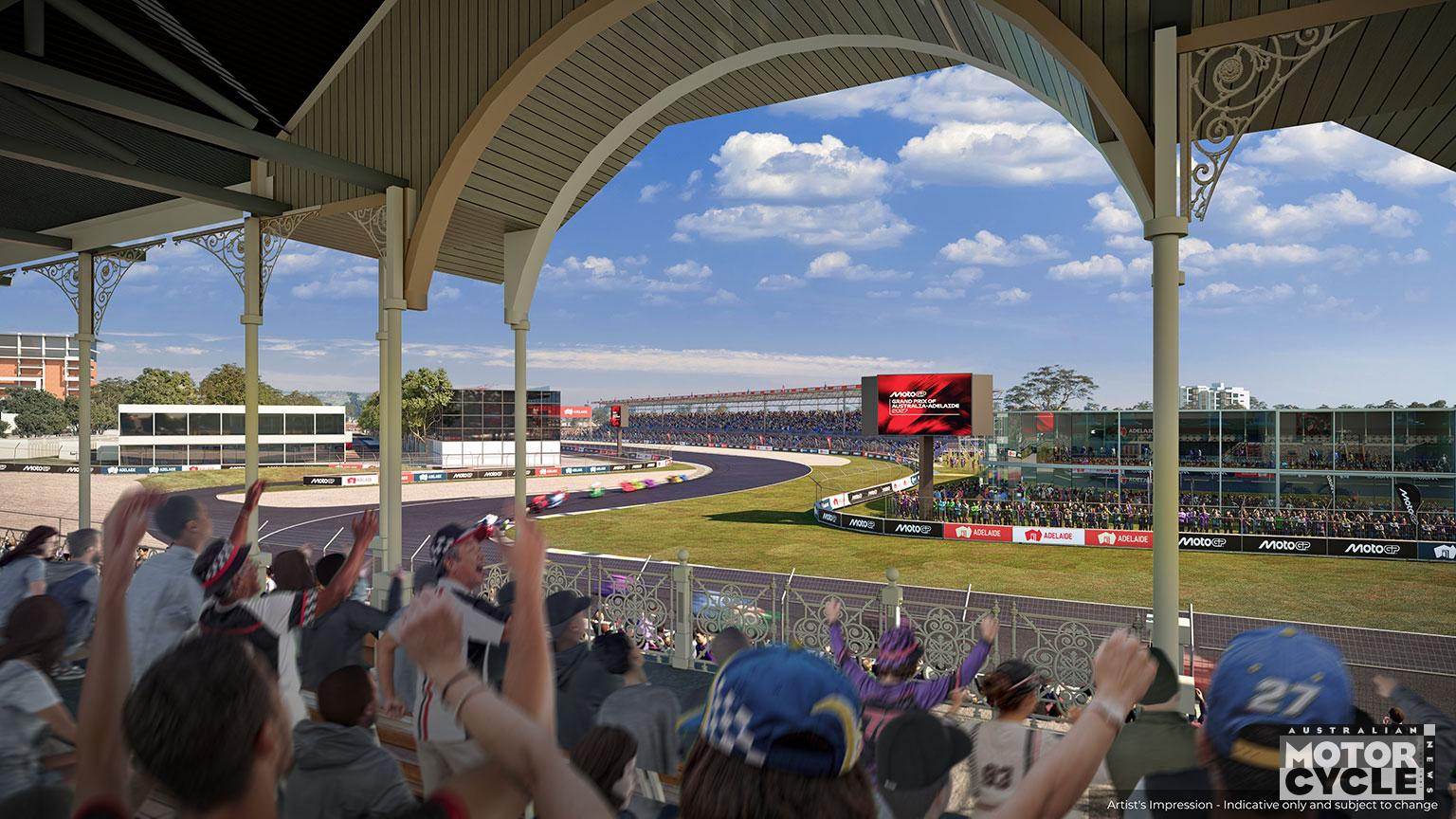
He said the revised approach had helped save around 20 significant native trees while also producing a faster and more exciting section between the chicane and the new Turn 8, 9 and 10 complex.
A new demountable pit building is also planned from 2027, replacing the current structure, which organisers say has reached the end of its service life. The redesign also incorporates the heritage grandstand into the new layout.
The circuit has been designed around a mix of faster flowing corners and heavy braking zones, with large runoff areas in key sections. The long Brabham Straight is expected to be one of the defining features of the circuit, with modelling indicating MotoGP bikes will hit 340 km/h-plus along Dequetteville Terrace. Supercars are expected to top 275 km/h, with current simulations suggesting lap times of approximately 1 minute 26 seconds for MotoGP and 1 minute 33 seconds for Supercars.
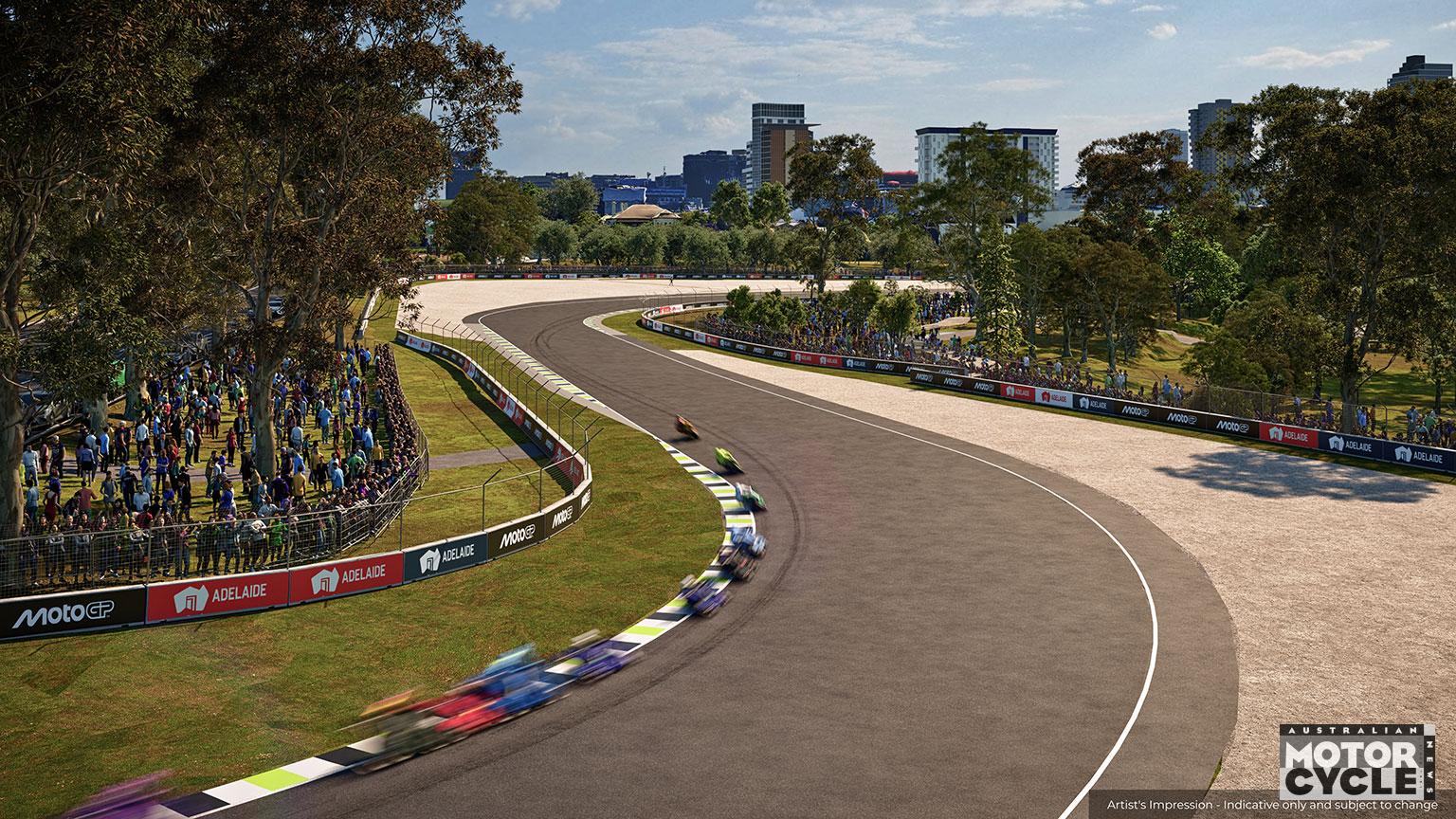
Warren said the intention was not simply to make the same circuit work for two very different categories, but to ensure each configuration had its own strengths.
“The key design principles was to ensure that we created world-class racing, both for MotoGP and, as I said, for supercars and for any other future category that we may choose to look at.”
MotoGP Group Deputy CEO Carlos Ezpeleta said the circuit had been developed over several months in close cooperation with the FIM and local stakeholders.
“We have spent many months working closely with the FIM and our colleagues in Adelaide to design a MotoGP circuit that is both exciting and, most importantly, safe.”
The MotoGP Grand Prix of Australia Adelaide 2027 is anticipated to be held ahead of the bp Adelaide Grand Final in November next year, making it the first MotoGP event staged on a city street circuit. Organisers also say the MotoGP and Supercars events are anticipated to create a combined annual economic return of more than $200 million.
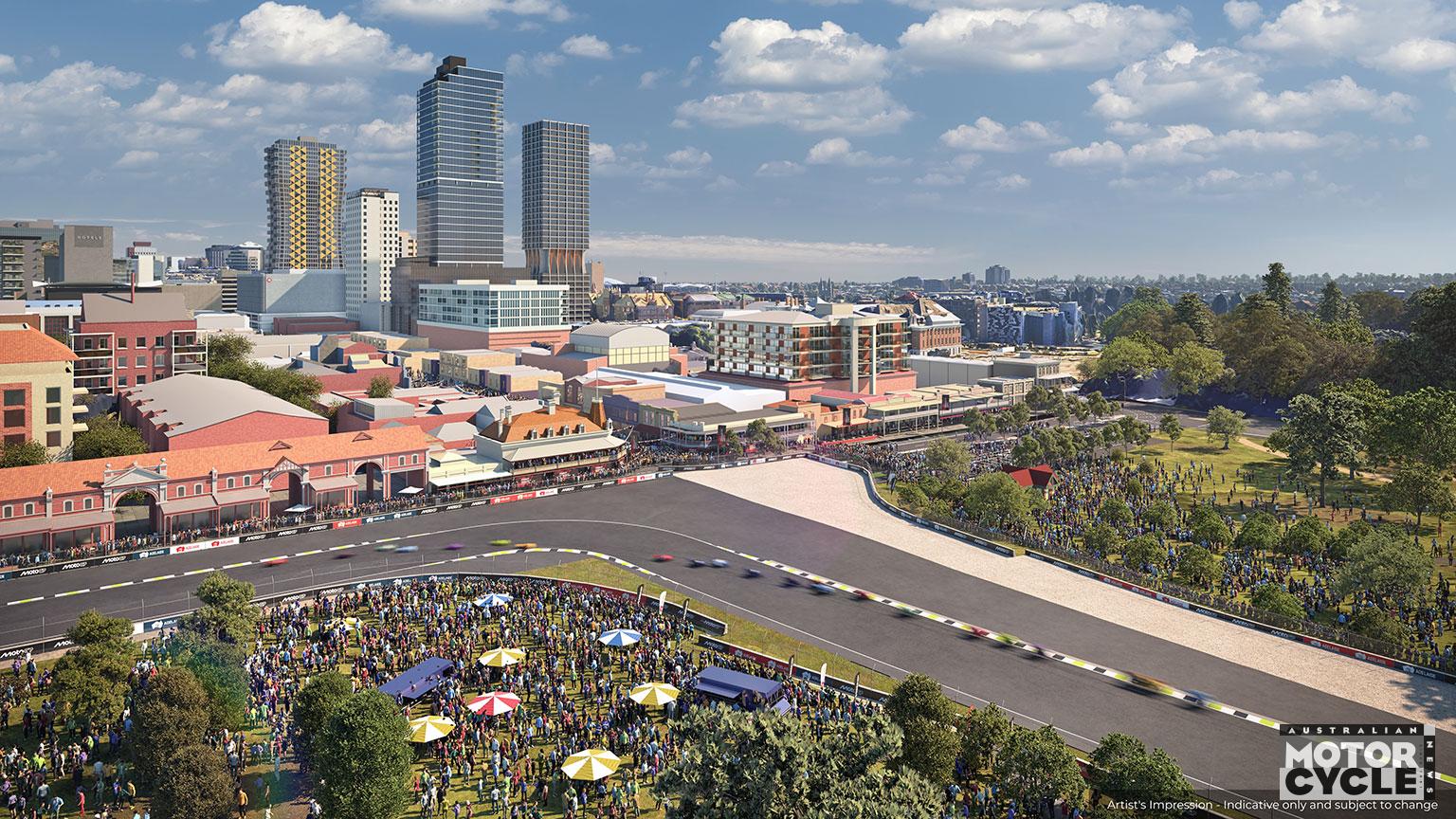
The proposed circuit design has also included specialist input from former 125cc and 250cc World Champion and current MotoGP Safety Advisor Loris Capirossi, along with five-time Supercars champion Mark Skaife. The circuit will be modified between events to suit the different requirements of MotoGP and Supercars.
Beyond race weekends, organisers say the venue is intended to serve a broader role, with plans for community infrastructure around the circuit footprint including cycling loops, upgraded sporting facilities and wider public space improvements. Gravel traps used for racing would be installed temporarily and removed after events, with remediation works carried out so the parklands could return to community use.
“This needs to be a circuit that is not just great for racing, but serves purpose throughout the rest of the year,” Warren said.
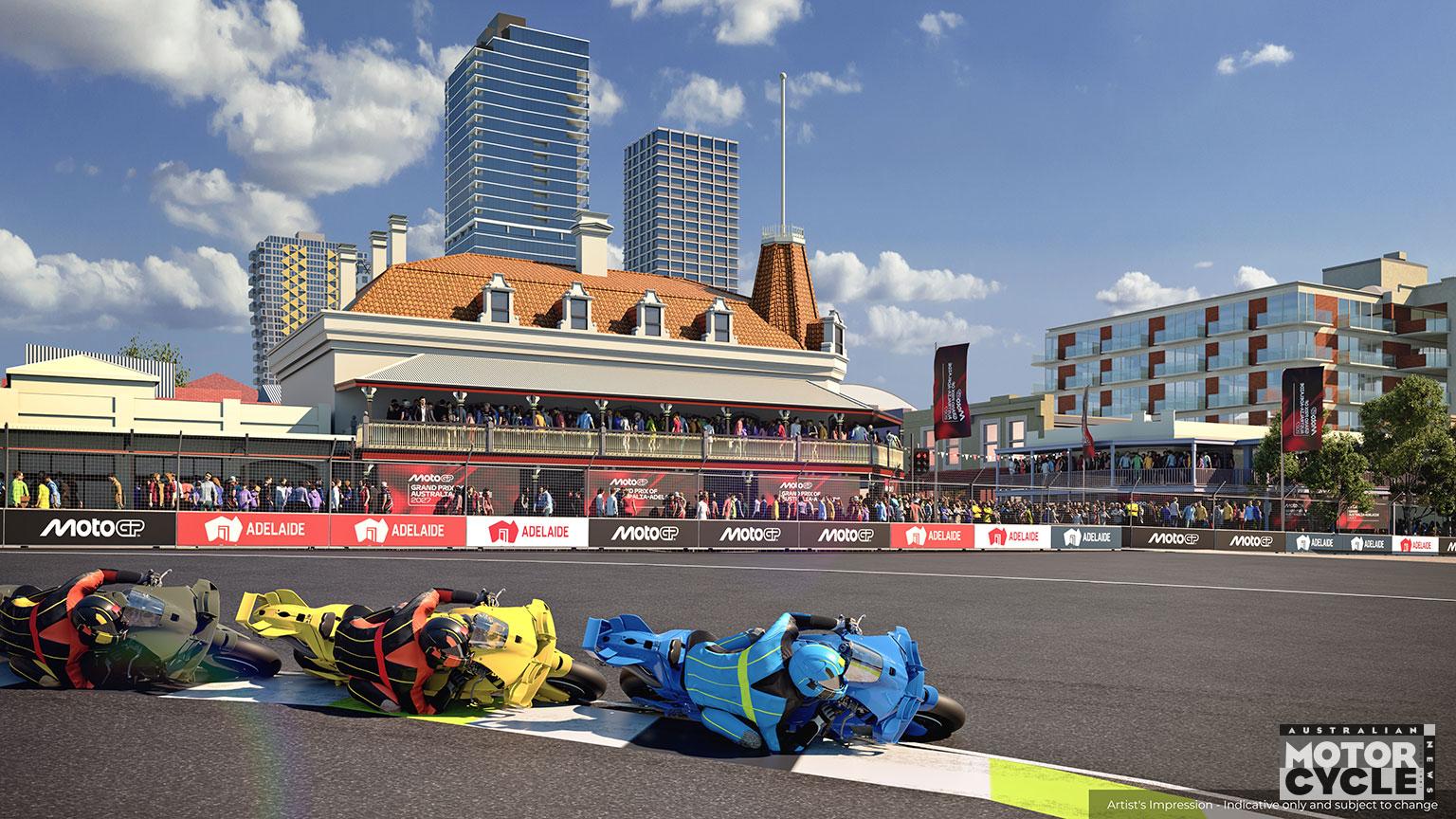
Questions remain around public reaction to the parklands development, particularly from those opposed to motorsport activity in the area, but organisers said environmental mitigation had been a central part of the planning process. Warren referred to a broader package aimed at delivering what he described as nature-positive outcomes, including investment in tree canopy, biodiversity and waterways. Public consultation on the proposed circuit design, community space enhancements and proposed tree and vegetation planting areas is now open and will run until Sunday, 20 September 2026.
Construction is scheduled to begin in December 2026, with the Department for Infrastructure and Transport assisting with the works. Major construction is expected to be completed around April, giving the new surface several months to bed down and cure before the first race meeting in November 2027.
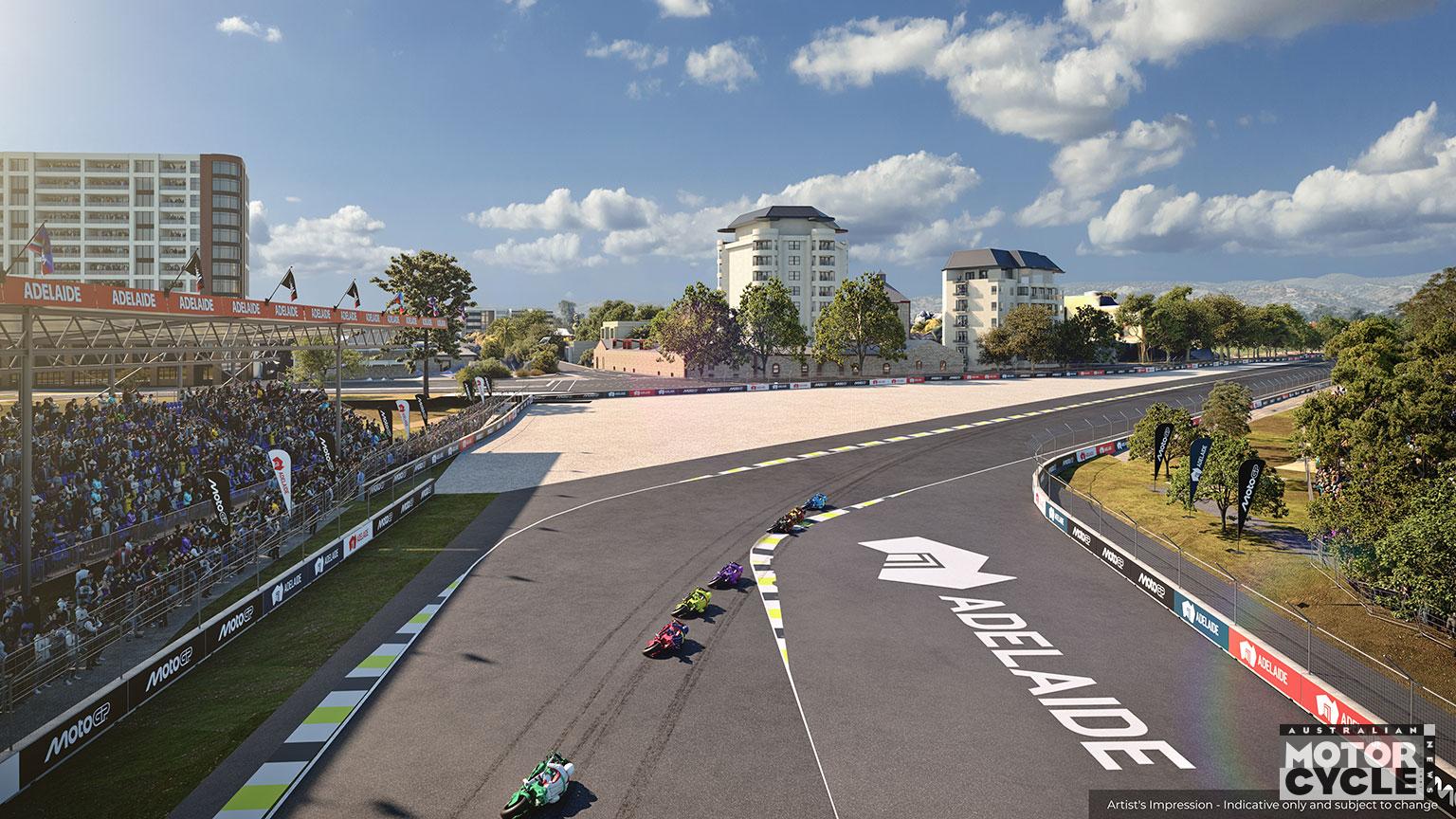
Warren said organisers were hopeful of attracting larger crowds, adding that attendance on the scale of MotoGP’s Thailand round, which drew 228,000 across three days, would represent a very strong result. Asked whether a night race could be part of the event’s future, Warren said there were no immediate plans but did not rule it out.
Premier Peter Malinauskas linked the project to Adelaide’s long motorsport history and said the new circuit would carry that identity forward into a different era.
“For more than 40 years, the Adelaide street circuit has generated some of the most famous images in motor sport.”
From 2028, the Adelaide Circuit is also set to host the return of the Santos Tour Down Under Classic, adding another event to the venue’s planned use beyond MotoGP and Supercars.
Further work remains before construction begins and final homologation processes are completed, but Adelaide’s next phase as a street circuit venue will look different to both its Formula 1 and current Supercars forms, with MotoGP’s requirements driving a substantial redesign of one of Australia’s most recognisable racing precincts.
People can visit the Adelaide Circuit Redevelopment Project website to learn more about the proposed design and provide feedback.