It won’t win drag races or cross continents, but for learners or city riders chasing fun over flex, the Papio absolutely nails the brief
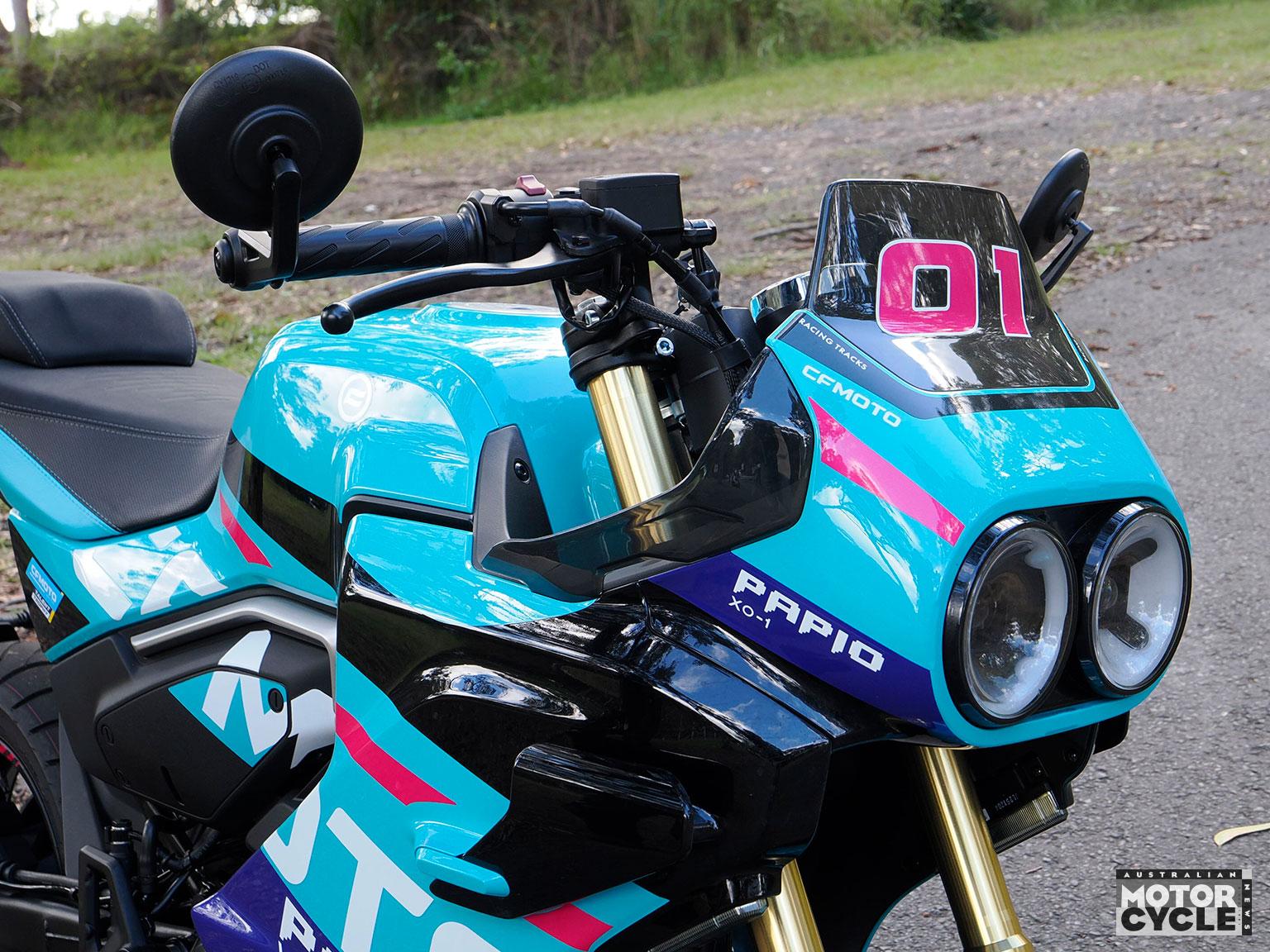
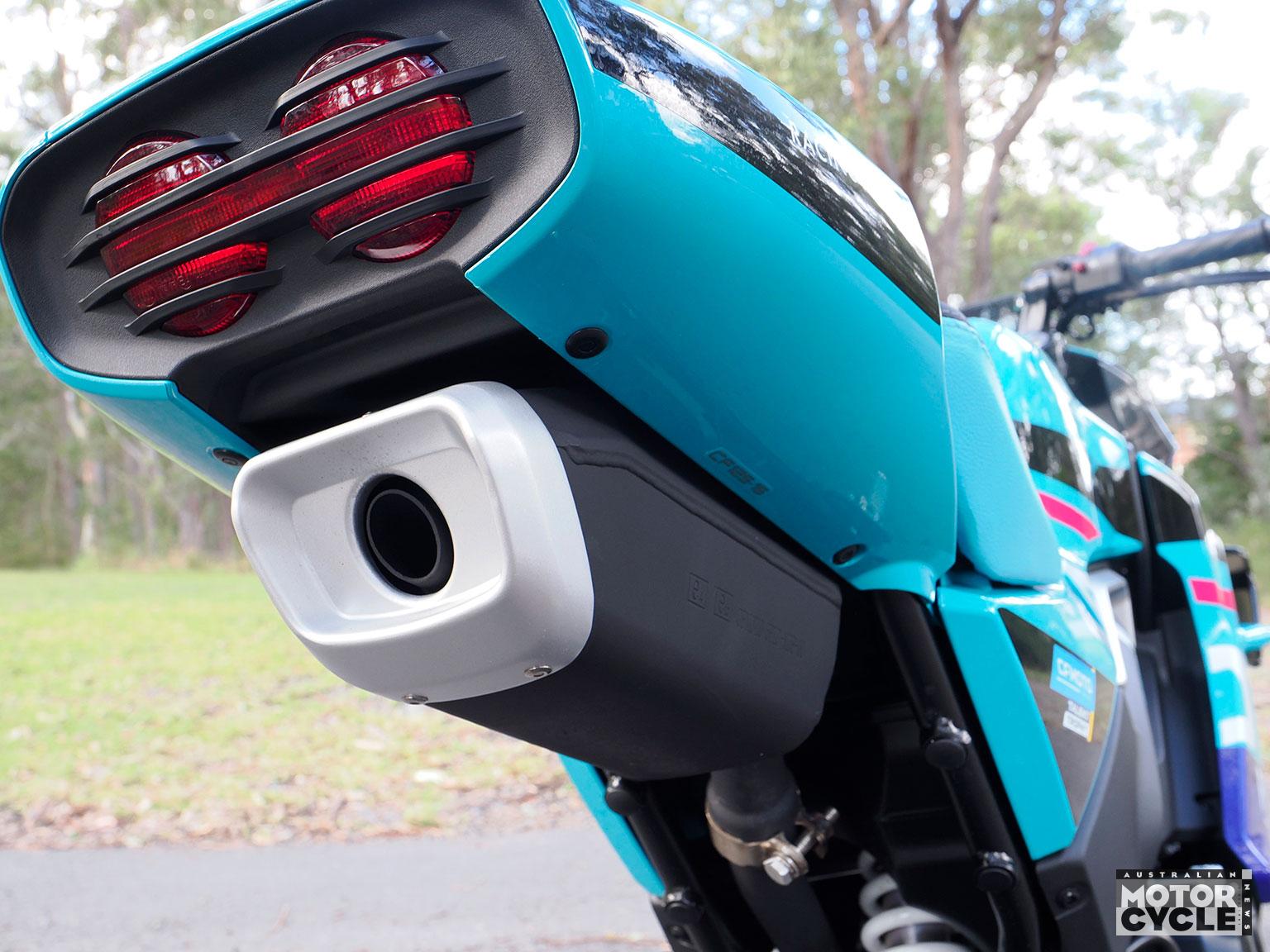
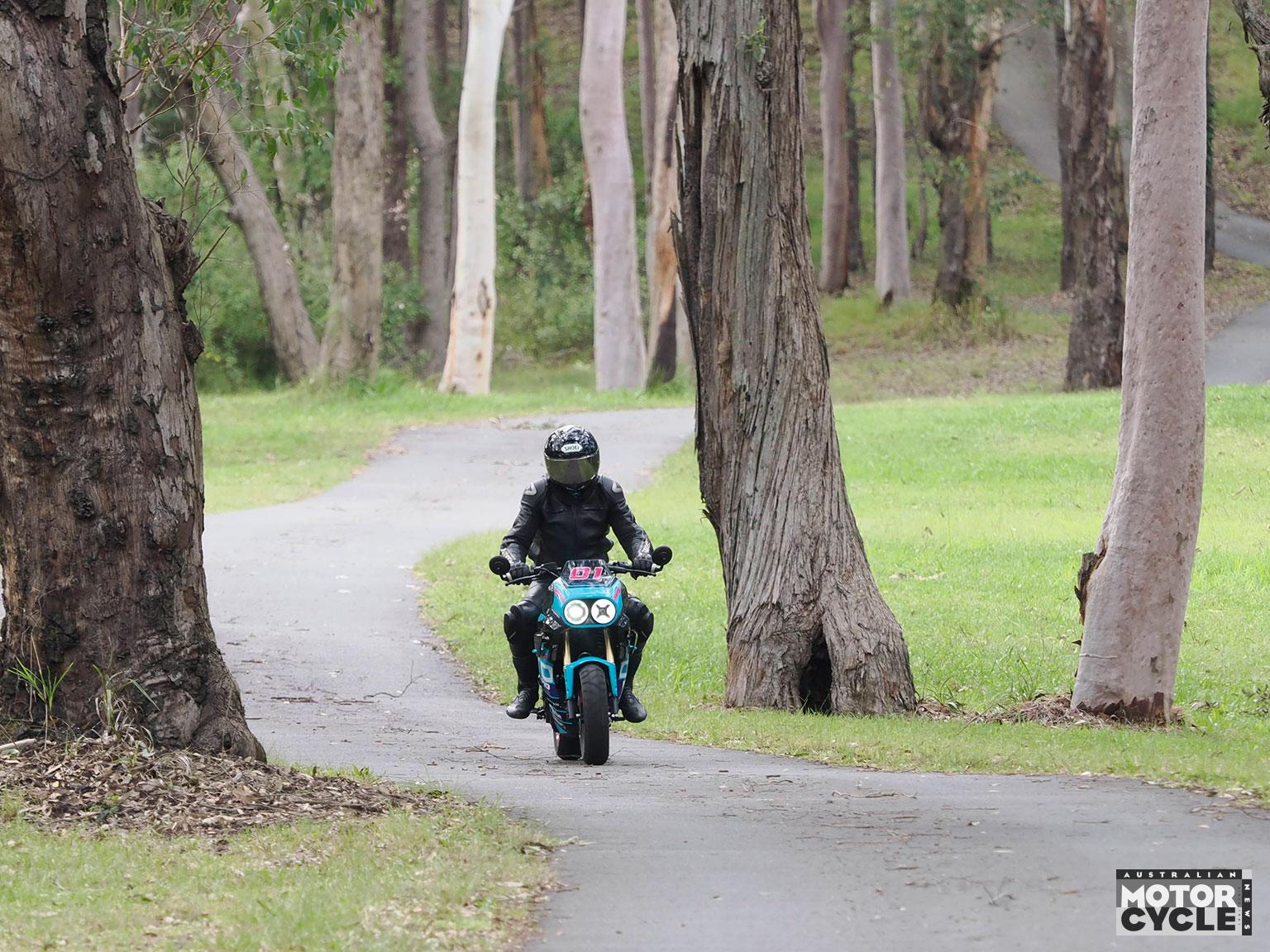
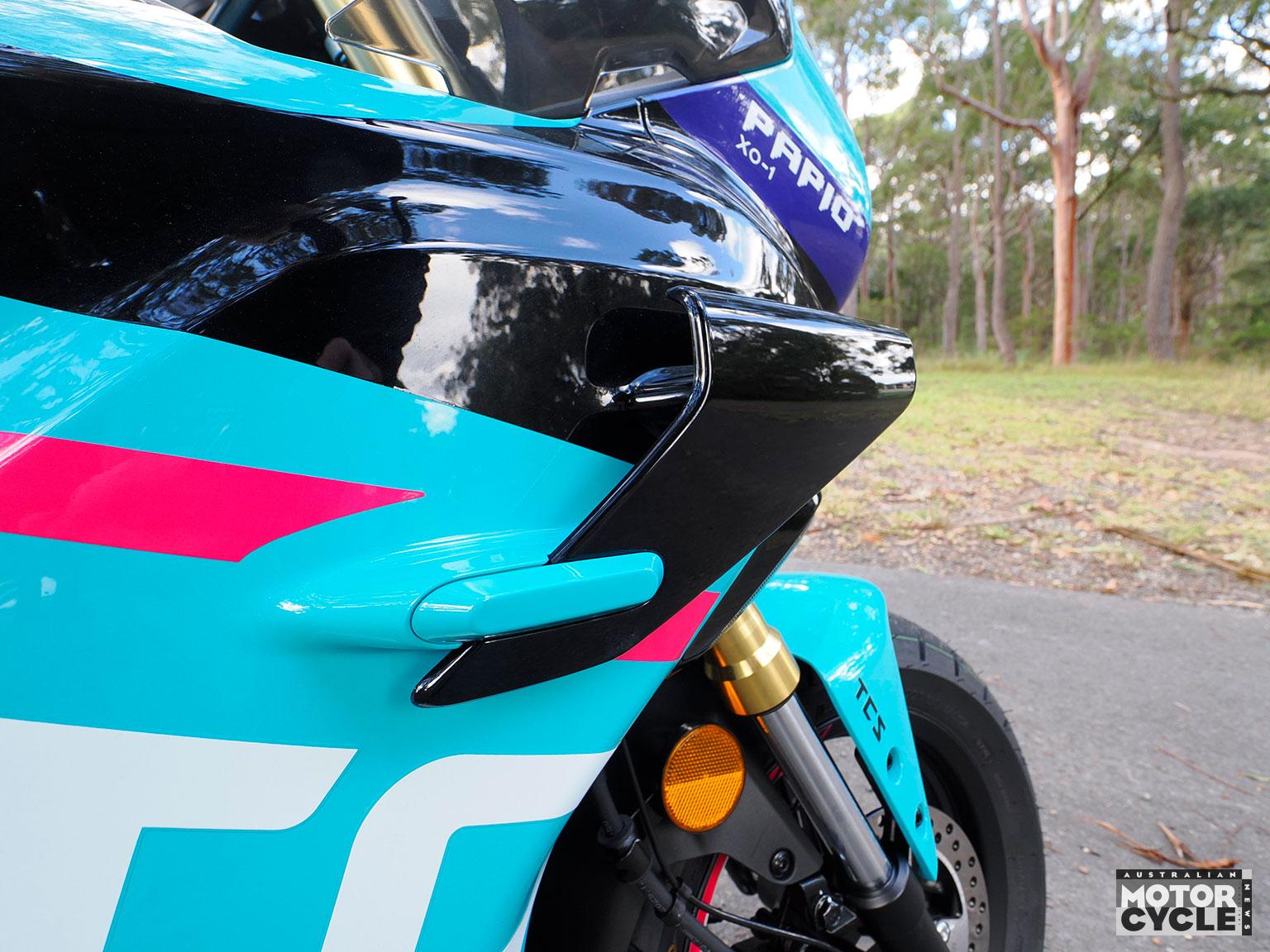
From a distance, it’s pure Moto3. Compact, purposeful, sporty. There’s a full fairing, slash-cut exhaust, decorative aerodynamic winglets. Get closer and it stops looking small, revealing itself as miniature: a minimoto, something about as tiny, light and compact as a motorcycle can get while still being able to haul an adult around.
It’s fun, it’s practical, it’s inexpensive to buy, it’s super easy to ride and cheaper than a bus fare to run. For city dwellers looking for convenient, budget transport with a little bit of style, nothing else comes close.
Performance
I wasn’t expecting much from the 7kW (9.3hp), 9Nm, 126cc air-cooled engine. And not much was exactly what it delivered. Top speed with my 100kg and the aerodynamics of a housebrick combined to keep speeds below 90km/h, although the owner of this not-fully-run-in machine tells me he’s had it showing over 100km/h on the speedo and it will happily sit on a major road at 90km/h. He’s not much bigger than a garden gnome though, which goes some way to explaining how he can make it go so fast.
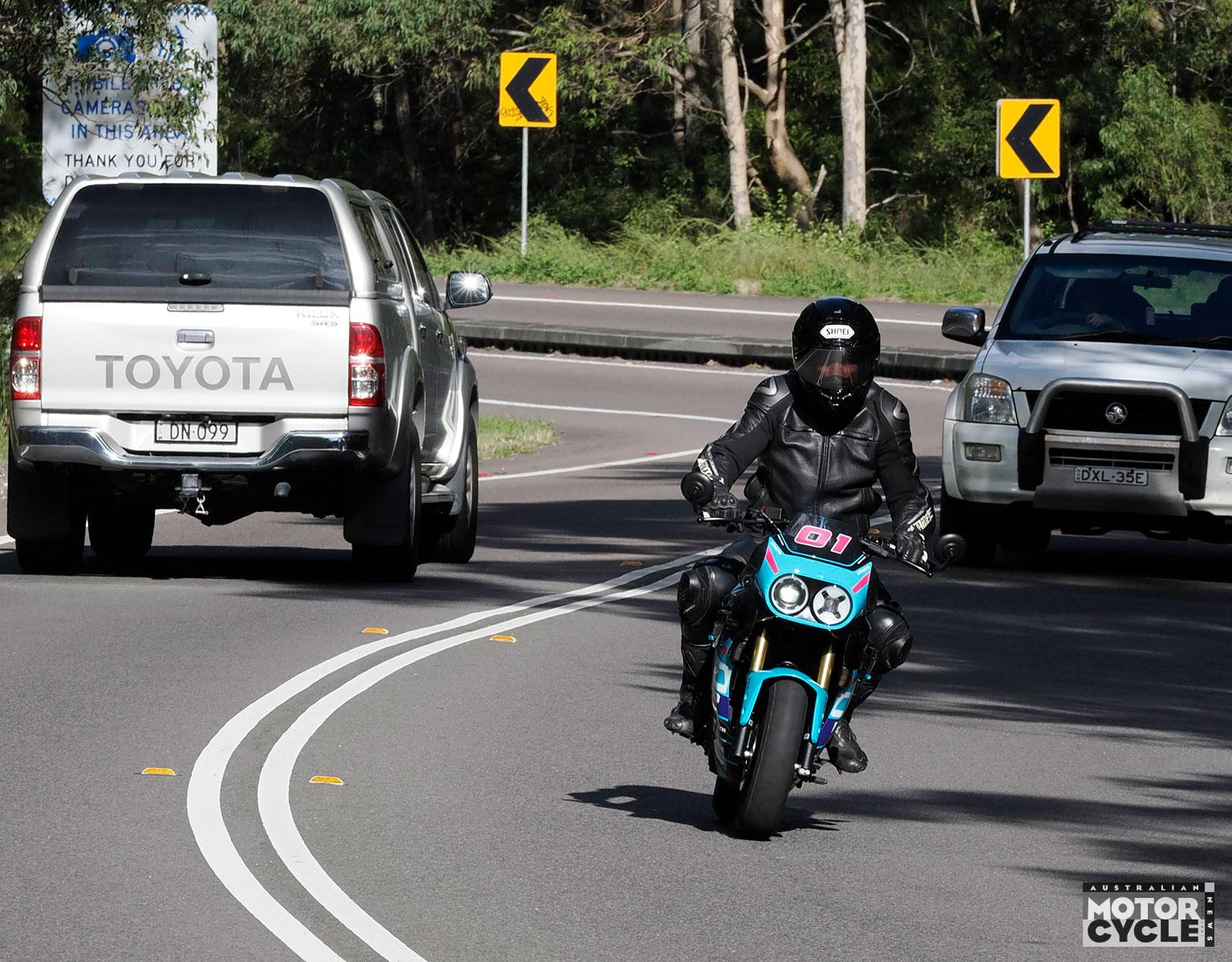
If this matters to you much at all, the Papio is probably not for you. It’s designed for city streets and tight road riding, not freeways or outback highways.
In reality, the performance is fine. It’ll get away from traffic lights faster than most cars, it’s more fun to ride around the suburbs than most big-bore machines and it’ll do it all consuming around two litres of fuel per 100km.
That’s not a typo. The seven-litre fuel tank will take you around 350km for less than $15. Makes that bus fare look outrageously expensive.
Spec and tech
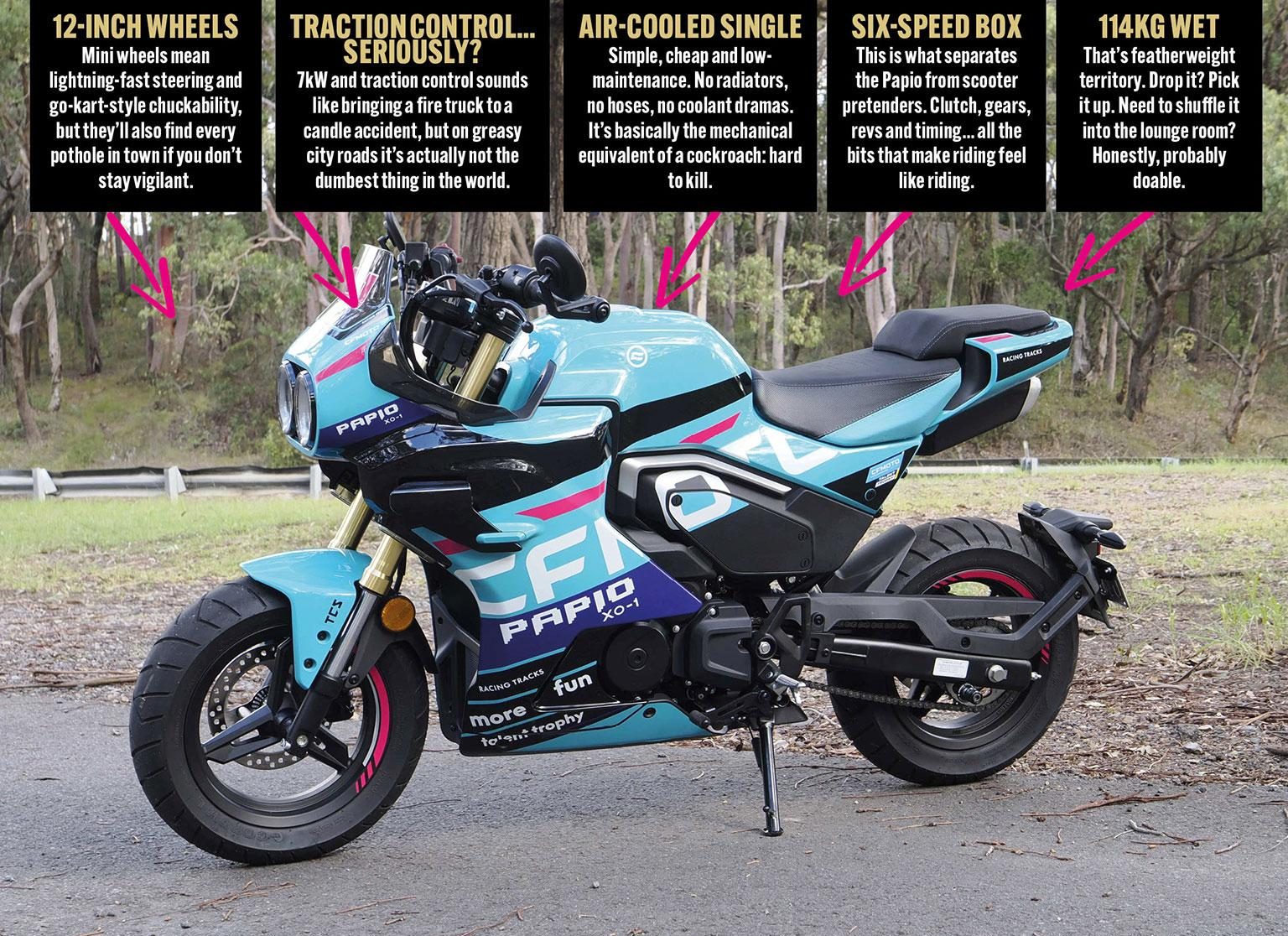
There’s traction control. Let me repeat that, in case you missed it – the Papio has traction control.
I could argue that if you need traction control on a 7kW 125, maybe you should go back to the riding school that gave you an L-plate, but I am also a realist who knows all sorts of crazy things happen on wet urban roads, and there’s no shortage of rain in many Asian countries where the Papio has the potential to be very, very popular, so maybe my cynicism is misplaced, or maybe I’m just getting old.
Anyway, I wouldn’t let having traction control stop me from buying the Papio.
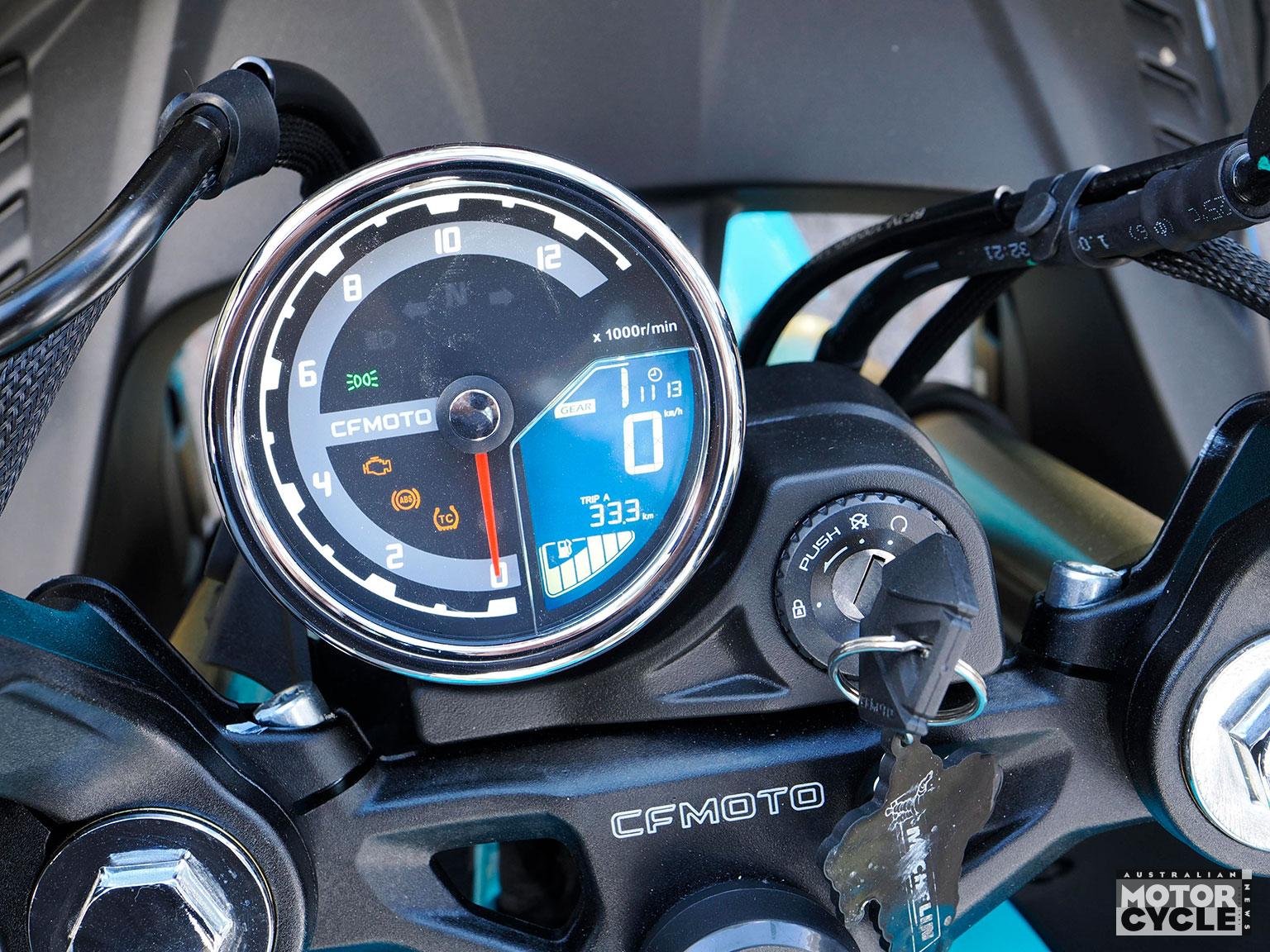
Other tech includes fuel injection, there to help meet emission requirements as much as anything, dual channel ABS (another legal requirement), an analogue tacho with a small LCD panel showing gear position, speed, fuel level and more.
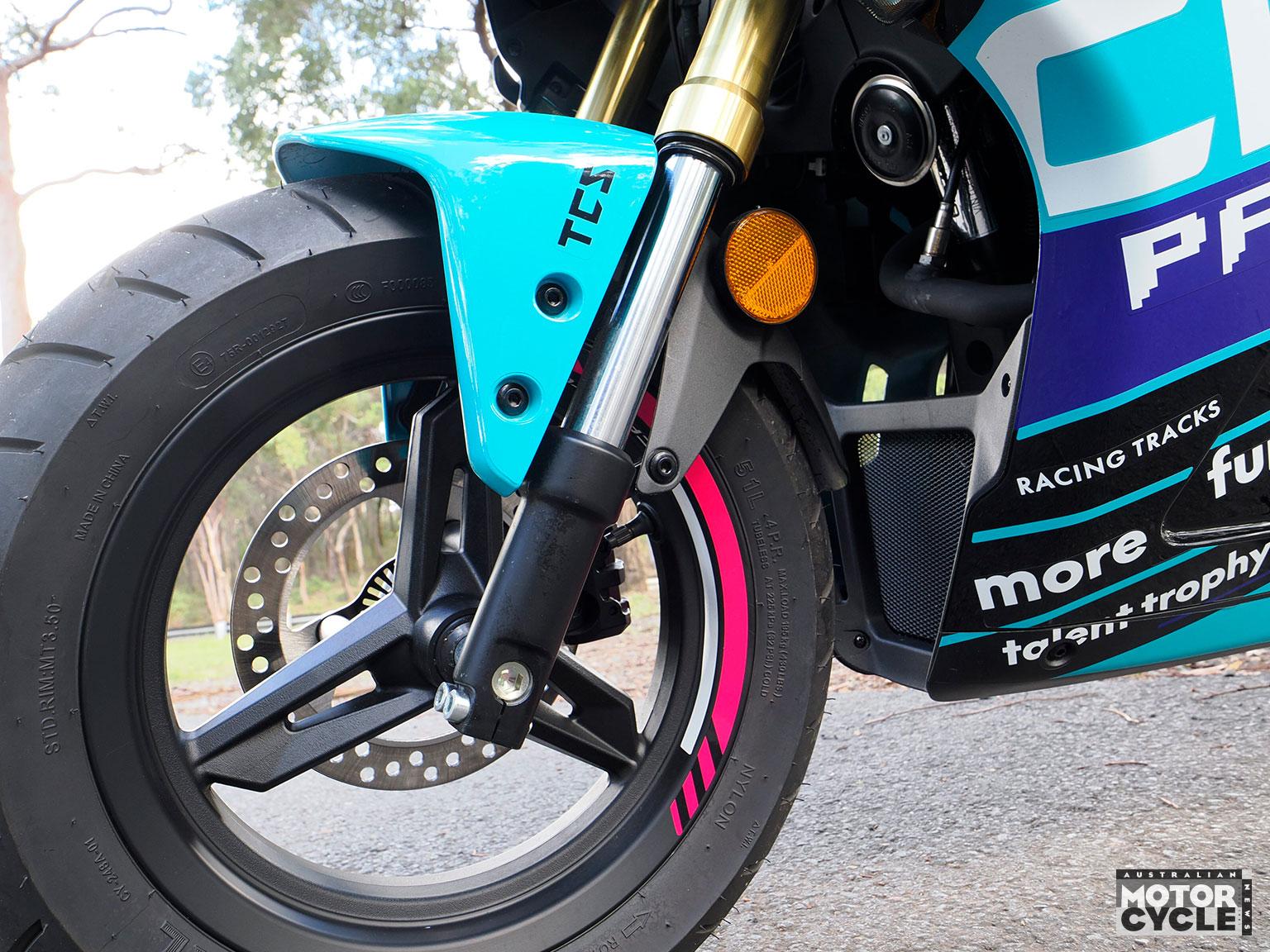
The single-disc brakes at each end are mounted on cast wheels with fat 12-inch tyres. An USD fork and a single rear shock absolutely look the part, while the raised clip-on style ‘bars go a long way to helping the Papio fit taller and bigger riders while not compromising its fit for the more diminutive amongst us.
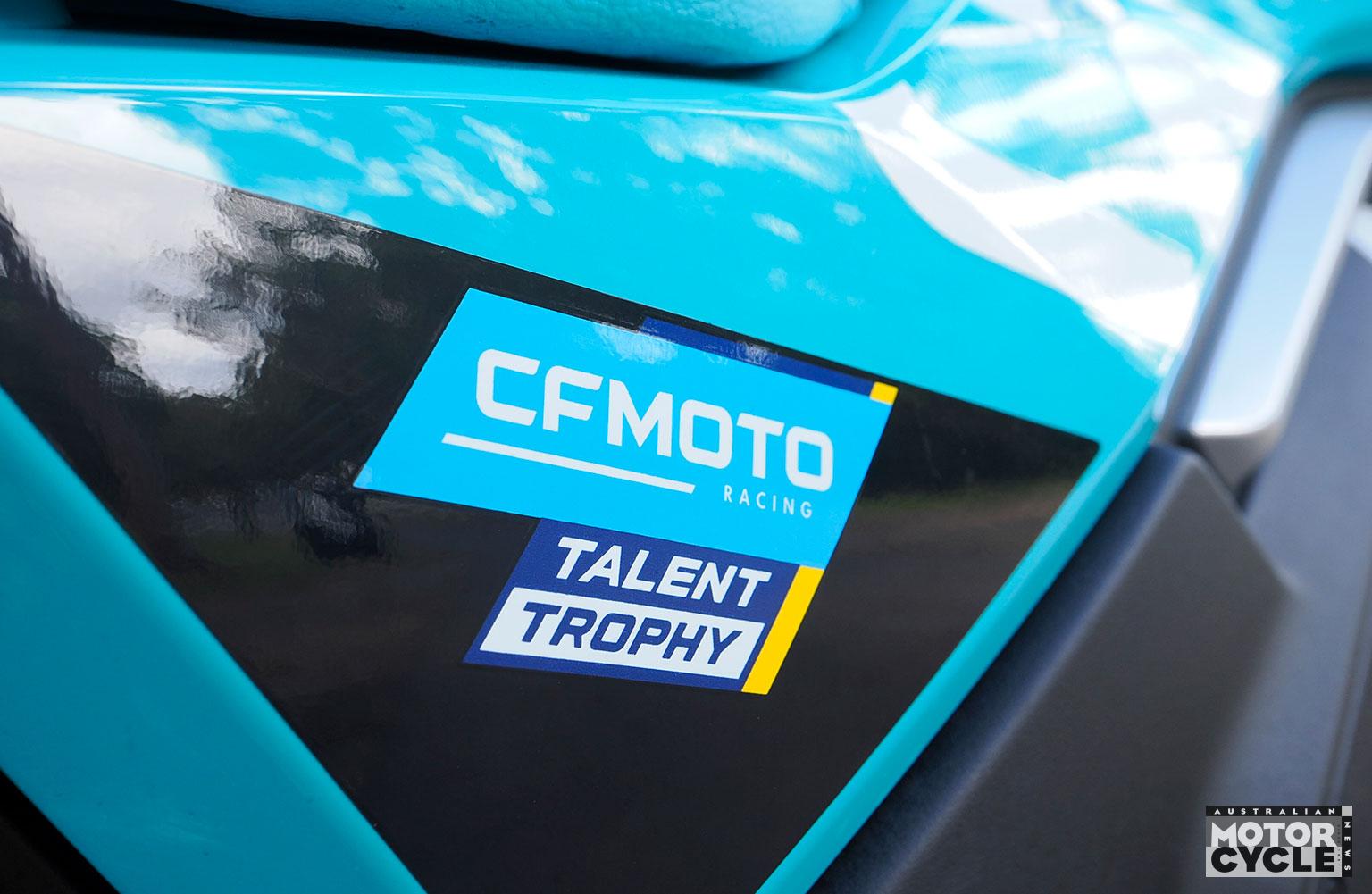
There’s some tech missing that we’ve come to expect as pretty-well standard on new bikes though, like a slip-and-assist clutch and water cooling; CFMoto’s water-cooled 125 makes more power but adds to maintenance requirements, while learners might benefit from a slipper clutch, for they will get it wrong.
On the road
While the Papio might look Moto3, it’s more $5000 commuter bike on the road. An R3 or ZX-4R killer it’s not. That’s not to say it’s not fun, for it sure is, but it’s more about enjoying the ride through the suburbs than setting lap records.
It is, however, a ‘proper’ motorcycle. You have to match throttle and clutch accelerating away from a standing start; you have to operate the front brake with your right hand, the rear with your right foot. This is not a scooter, nor is it an e-bike.
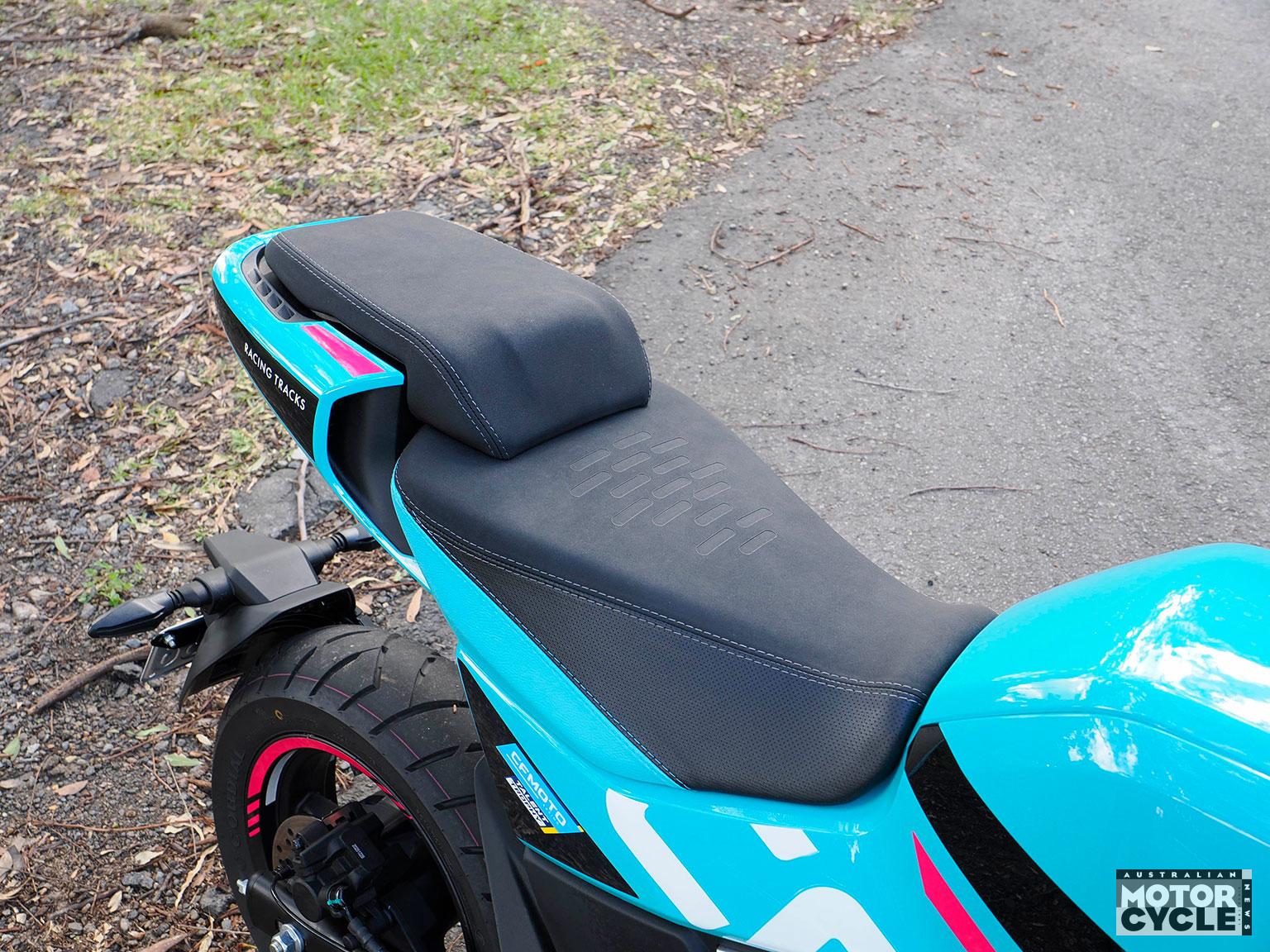
The reward for this is the experience of motorcycling rather than the forward momentum of a scooter or e-bike, which goes to the heart of why we ride, for while it’s about a lot more than just operating the controls, mastering clutch, gears, throttle and putting it all together smoothly is a one of the joys of getting it all right. Speaking of smooth, the little single pot powerplant is actually quite dreamy, with vibes getting to the rider very well controlled.
Acceleration is, compared to most bikes available in Australia, poor. It’s quicker than similar-sized bikes with auto transmissions, but electric cars will eat it up. Top-gear roll-on performance doesn’t exist – top speed is probably found in fifth.
I mention all this not because I expect much from a 126cc air-cooled single, but because the bike looks the sporty part so much. The Papio is sporty in style, not in outright performance. That said, its chassis and suspension are up to the task of providing a fun ride inside the bike’s performance envelope, with proper motorcycle handling, not the vague-front-end feeling you get from so many lightweight scooters. However the brakes felt wooden – too-hard pads, I reckon – and the tyres felt cheap.
Someone will clean up the fuel intake system, add a lighter, higher-performance exhaust, switch up the brake pads and create a really sweet Papio that will blow stock versions away… something like that would be a lot of fun, and relatively inexpensive.
From China, with passion
Australian riders have really taken to CFMoto, with the 450MT adventure bike being one of the best-selling motorcycles available in the country over the last few years. Buyers have appreciated the balance of weight, price, performance and specification and bought them in droves, including me – it’s a great little bike. But it’s gigantic compared to the Papio.
The 450MT has killed the perception that Chinese bikes – and CFMoto in particular – were only purchased based on price. If that were true in the past, it’s certainly not true now. Locally we get a three-year warranty and I’d say there’s no more reported issues than for any other brand.
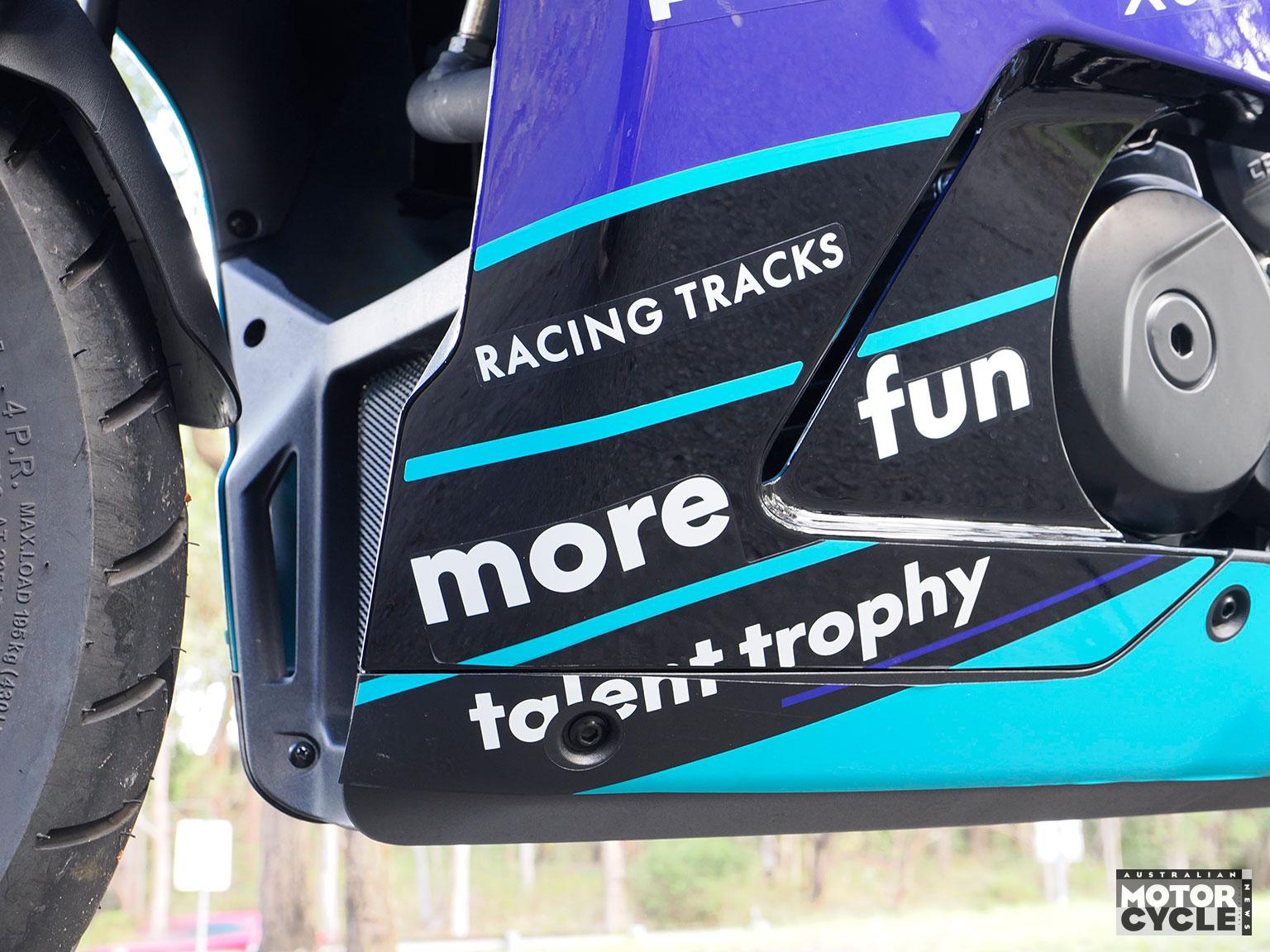
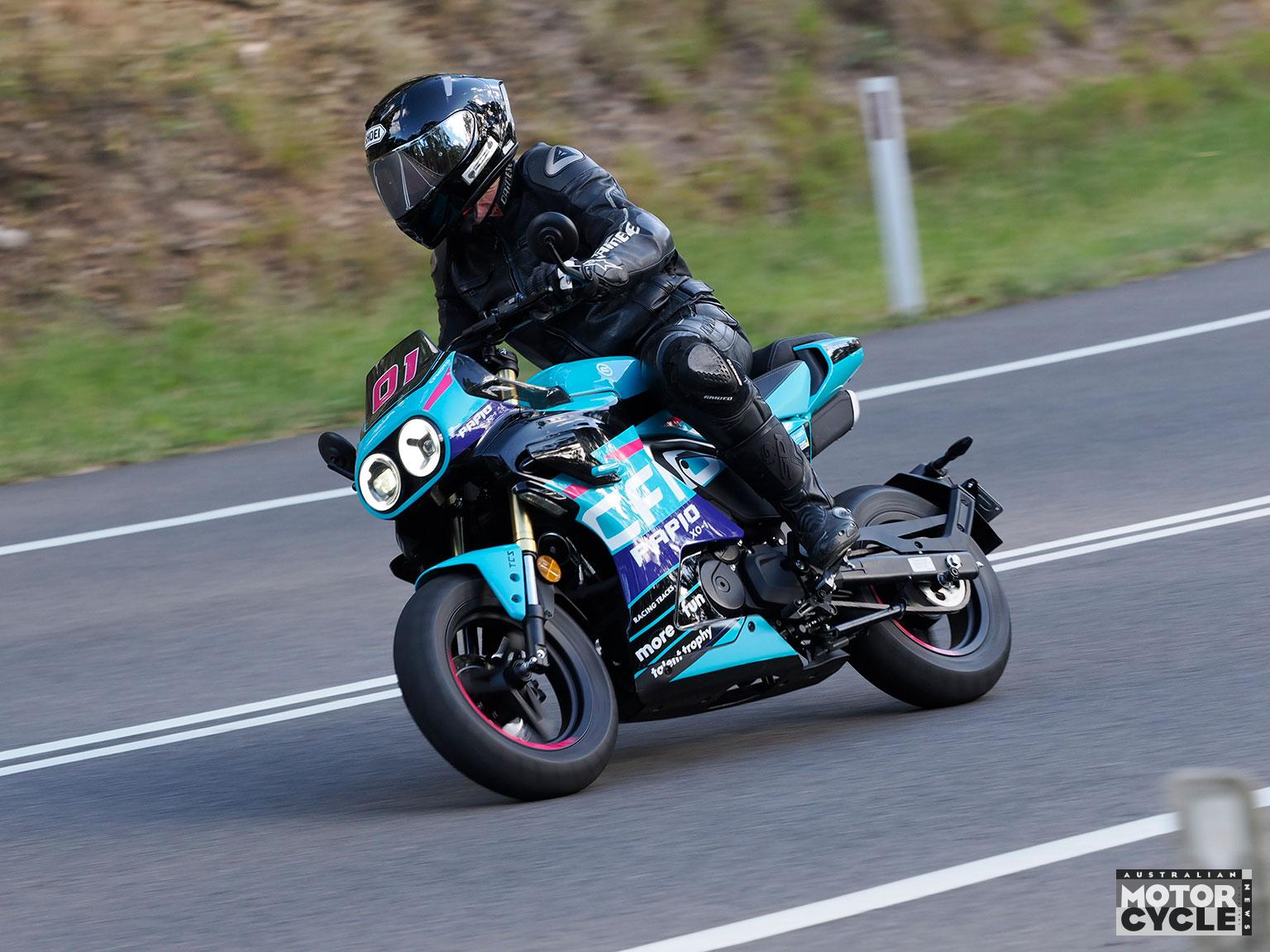
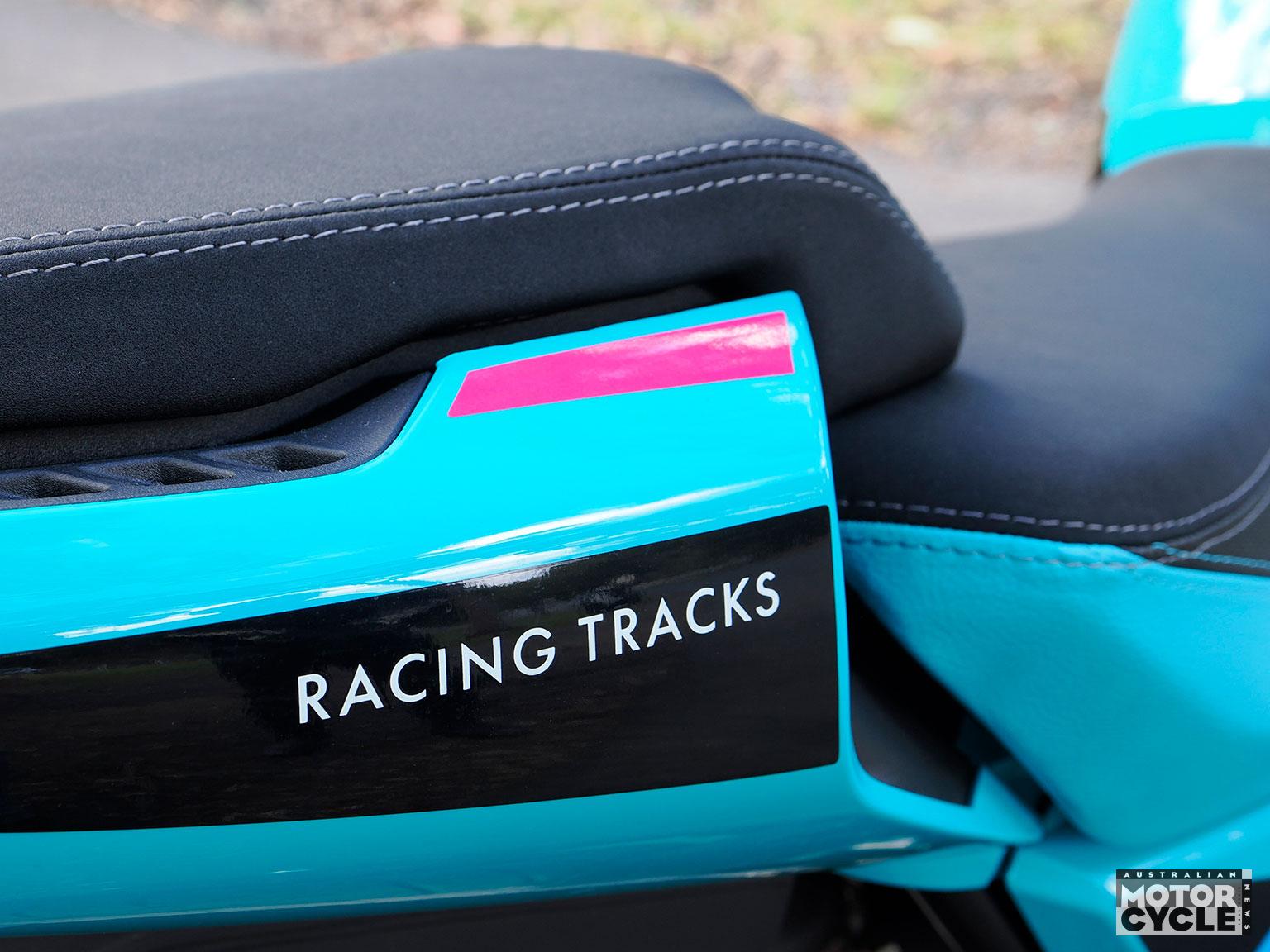
Another aspect helping the perception of quality, if not the reality, is how we are seeing CFMoto machines during MotoGP coverage, with the company entering teams painted up in the colours reflected by the Papio XO Racer tested here (and the only colourway offered in Australia in 2026).
Who’s it for?
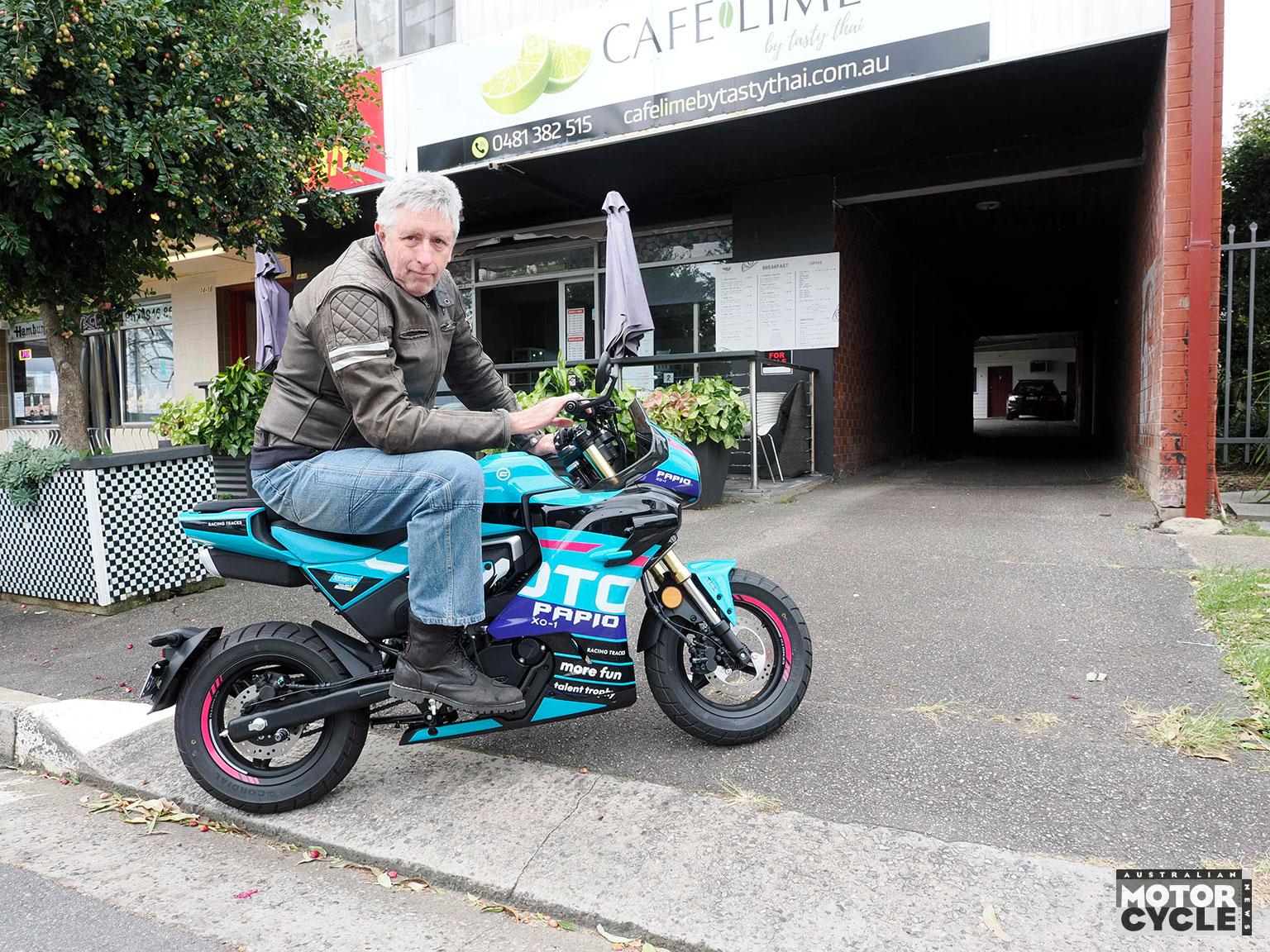
Obviously it’s built for smaller-framed people. Almost anyone can manage a bike weighing just 114kg with a seat height of 760mm. I, of course, comically dominate the Papio, yet its design is such that I had no problem riding it.
Students, low-income earners, those who can get by without a car and owners of big bikes should all consider the advantages of owning a Papio. Commuting to school or work would be really cheap and convenient, and for big bike owners it’ll save the ‘good’ tyres for proper higher-speed riding, while providing transport that’s so easy to park and manoeuvre. Something many people might miss about the Papio is how you can park it indoors – and I don’t mean a garage. So if you have a home that doesn’t have parking that suits a motorcycle, getting a Papio through your front door – even up an elevator – would not be much of a challenge (‘bar-end mirrors notwithstanding).
Of course, if there is a garage available it’ll squeeze easily into the small gaps.
For the price of a half-decent e-bike, the Papio offers much higher performance, no pedalling and a cuteness factor that’s virtually impossible to match. Being a registered machine means no problems cruising around at the speed limit (meanwhile, e-bikes are being crushed in some states if they’re found to be de-restricted from the 25km/h ‘boosted’ limit) and rego costs are very low.
Basically it’s a great bike for almost anyone on a budget, and it’s a great bike for big-bike owners who would like something more convenient for low-speed city riding. I say ‘almost anyone’ because if you’re large or tall you’ll know it wasn’t designed for your physique every time you ride it.
Conclusion
If you’ve fallen in love with the size, style and function of the Papio, I reckon you’ll have a ball owning one, even if there’s a bigger bike in the garage for ‘proper’ rides.
I’m a big believer in using the right bike for the job, which is one of the reasons I have four in my garage. I won’t be adding a Papio, for it’s physically too small for me to be truly comfortable, despite CFMoto’s solid job of designing it to fit a huge range of body types.
I’m kinda jealous of those who could get usage out of a Papio though, for I’ve spent plenty of time in city traffic, trying to get through the urban jungle and feeling frustrated by wide handlebars, top-heavy machines cooking my calves with their massive engine… places where a Papio would be zipping ahead to squeeze into the tiniest of parking spaces.
If you want something compact and can’t stand the idea of riding a scooter, the Papio is there – practical, affordable and, most of all, fun.
✅ PROS – Absurdly cheap to run, proper manual gearbox for real-bike credibility, tiny dimensions make city riding almost unfair, more charm than most bikes twice the size.
❌ CONS – Wooden brakes, bargain-bin tyres and performance that runs out well before the road does. If your commute involves freeway speeds, this little hero taps out early.
SPECIFICATIONS
ENGINE
Type Air-cooled, single-cylinder
four-stroke
Bore & stroke 57mm x 49.4mm
Capacity 126 cc
Compression ratio 9.0:1
Fuelling Electronic fuel injection
Transmission Six-speed, chain drive
Clutch Wet multi-plate
PERFORMANCE
Power 7kW (9.3hp) @ 8250rpm (claimed)
Torque 9.3Nm @ 6500rpm (claimed)
Top speed 90-100km/h
Fuel consumption:2L/100km
Fuel range Up to 350km per tank (claimed)
ELECTRONICS
Rider aids Dual-channel ABS, traction control system
Modes No selectable ride modes
Instrumentation LCD display with glass lens and TCS status indicator
Lighting Twin round headlight design
CHASSIS
Frame material Steel tubular
Frame type Backbone-style motorcycle
Wheelbase 1214mm
SUSPENSION
Type Conventional motorcycle type
Front: USD fork, 96mm travel
Rear: Monoshock, 96mm travel
WHEELS & BRAKES
Wheels Cast alloy, 12-inch front and rear
Tyres Front: 120/70 R12
Rear: 130/70 R12
Brakes Front: Single 210mm disc
Rear: Single 190mm disc (both with floating single-piston caliper)
Dual-channel ABS standard
DIMENSIONS
Weight 114kg (claimed, wet)
Seat height 760mm
Width 700mm
Height 1080mm
Length 1750mm
Fuel capacity 7L
BUSINESS END
Warranty Two years extended to three if serviced by an authorised dealer and an accurate service history is retained
Price $4990 ride away
Colour Champion Blue
Contact cfmoto.com.au
The competition
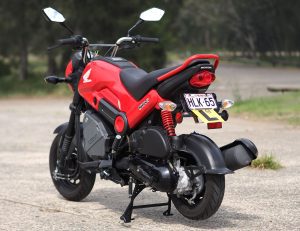
There isn’t any. Not really, anyway – Honda has dropped the Grom and Monkey bikes for the Australian line-up, although there’s still the NAVi (full review in Vol75 No.12), which is a similar size and shape to the Papio… but where the Papio is a motorcycle, the NAVi is a scooter under its skin. Where the Papio has a manual transmission, the NAVi has CVT auto. The NAVi’s engine is mounted at the rear, on the swingarm/final drive, just like a scooter – the Papio’s engine is hung in the frame just behind the front wheel, which is good for weight distribution and suspension performance. The NAVi is designed for riders looking for simple and cheap – it’s only $2499, brand new, ride away, half the price of the Papio, and for some that’s an unbeatable feature. The NAVi is, however, for people who would otherwise buy a scooter. The Papio is for people who want a really small motorcycle.