QJMotor’s high-revving SRV600 V4 cruiser adds clutchless shifting and full-auto operation
QJMotor has only just hit the Australian market and the brand’s four-cylinder SRV600 V4 isn’t among the initial batch of models coming here – but it’s already widely exported elsewhere and the company had just added an automated manual version to its armoury.
The SRV600 V4 is already fairly unique in the motorcycling world: a small-ish, V4-engined cruiser isn’t exactly conventional. As such it’s either a folly or an innovation, depending on your point of view. In the long term, sales success or failure will prove which opinion is right.
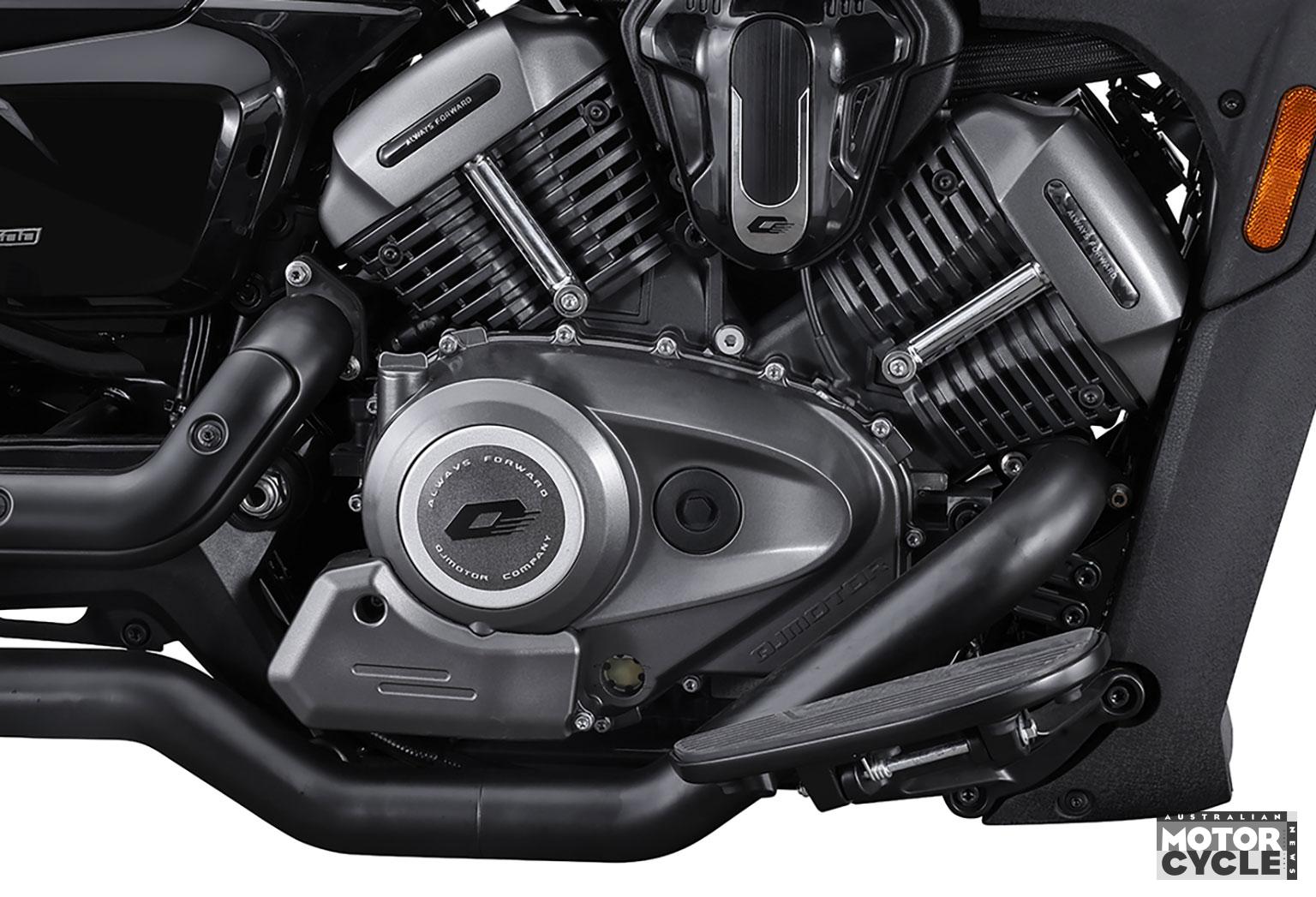
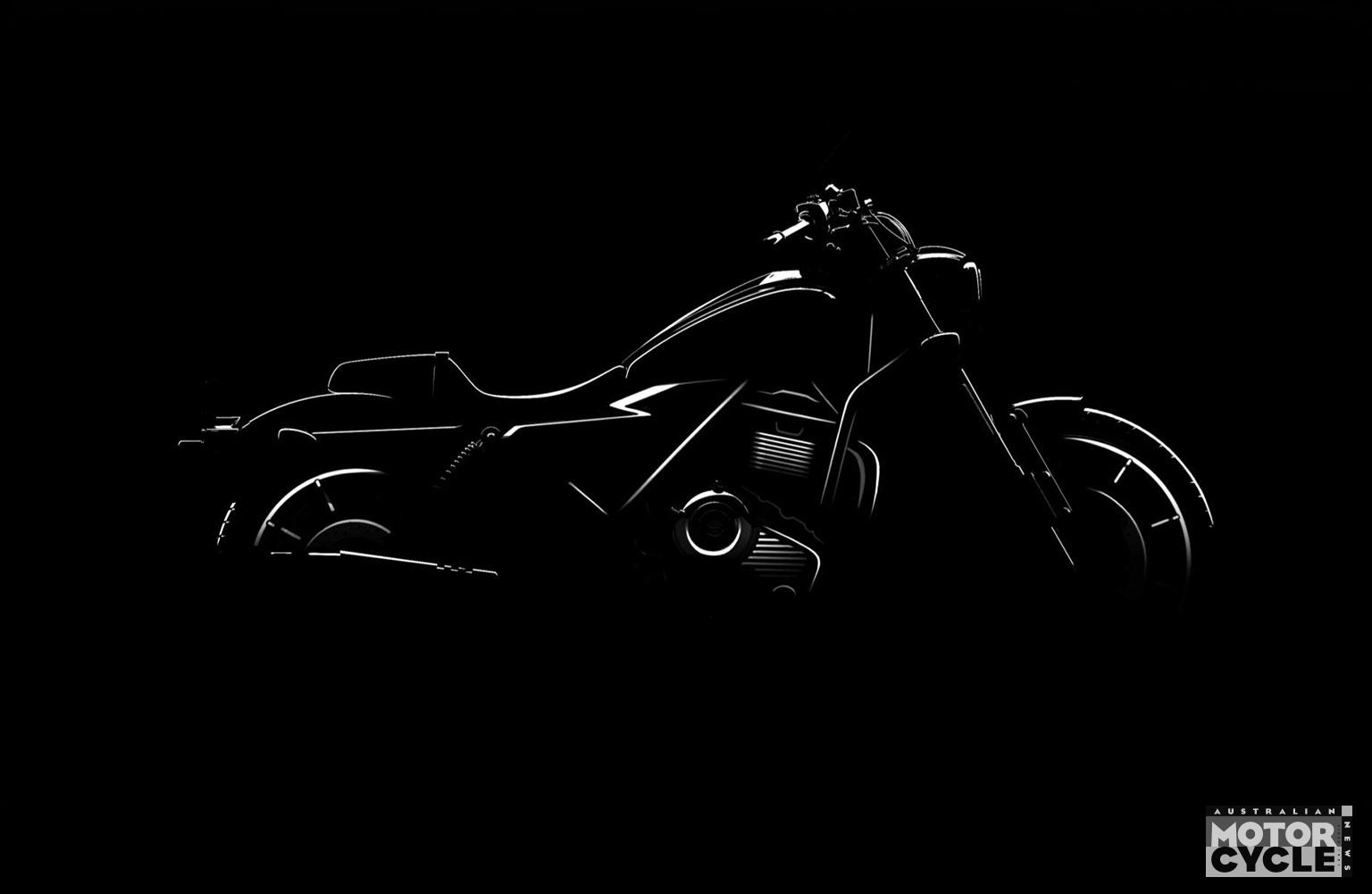
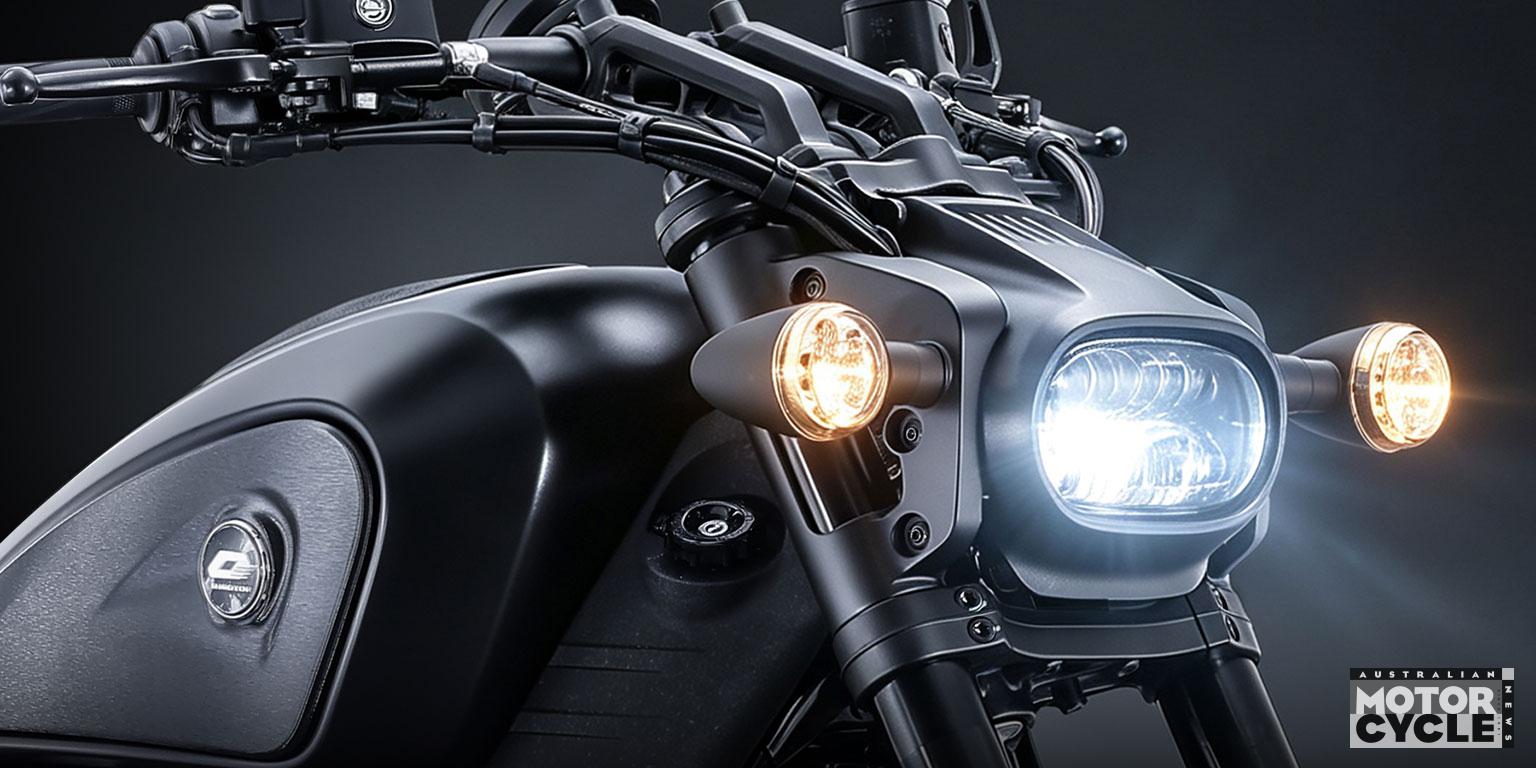
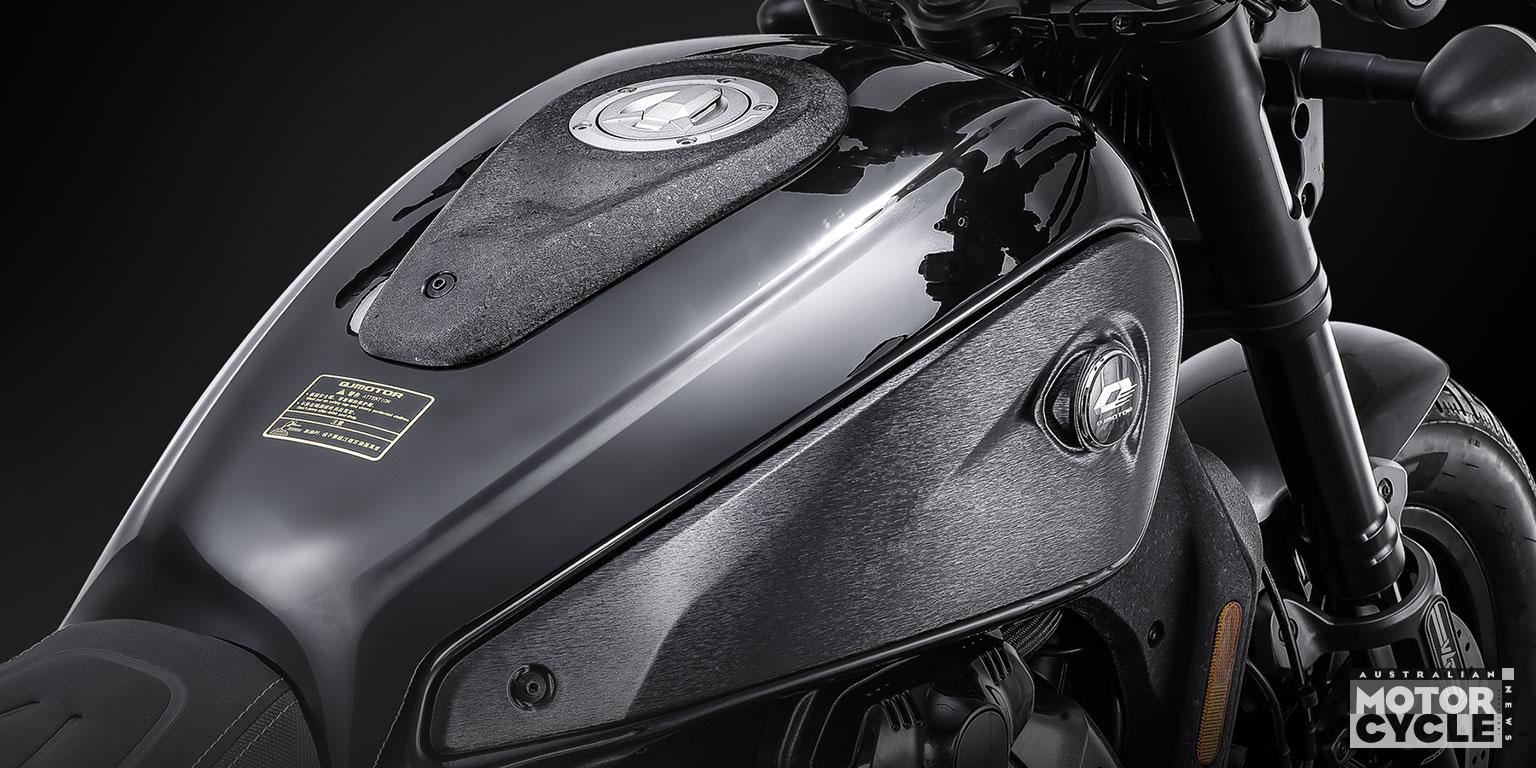
But from a purely technical perspective it’s interesting, with 50kW from a 561cc, 90-degree V4 that revs past 10,000rpm, Marzocchi suspension and a choice of two body styles: a traditional, round-headlight cruiser look or a more muscular style with a lozenge-shaped headlight and upturned tail that could be, ahem, inspired by the Harley Fat Bob.
The new version, dubbed simply SRV600 V4 AMT, adds an automated manual transmission to the mix with a system akin to Yamaha’s Y-AMT. That means there are servo motors to operate the clutch and the shifter of an otherwise conventional manual box, connected to a computer that lets you chose between a fully-auto mode or a manual setting. In the latter, a forefinger and thumb operated rocker under the lefthand bar lets you shift up or down.
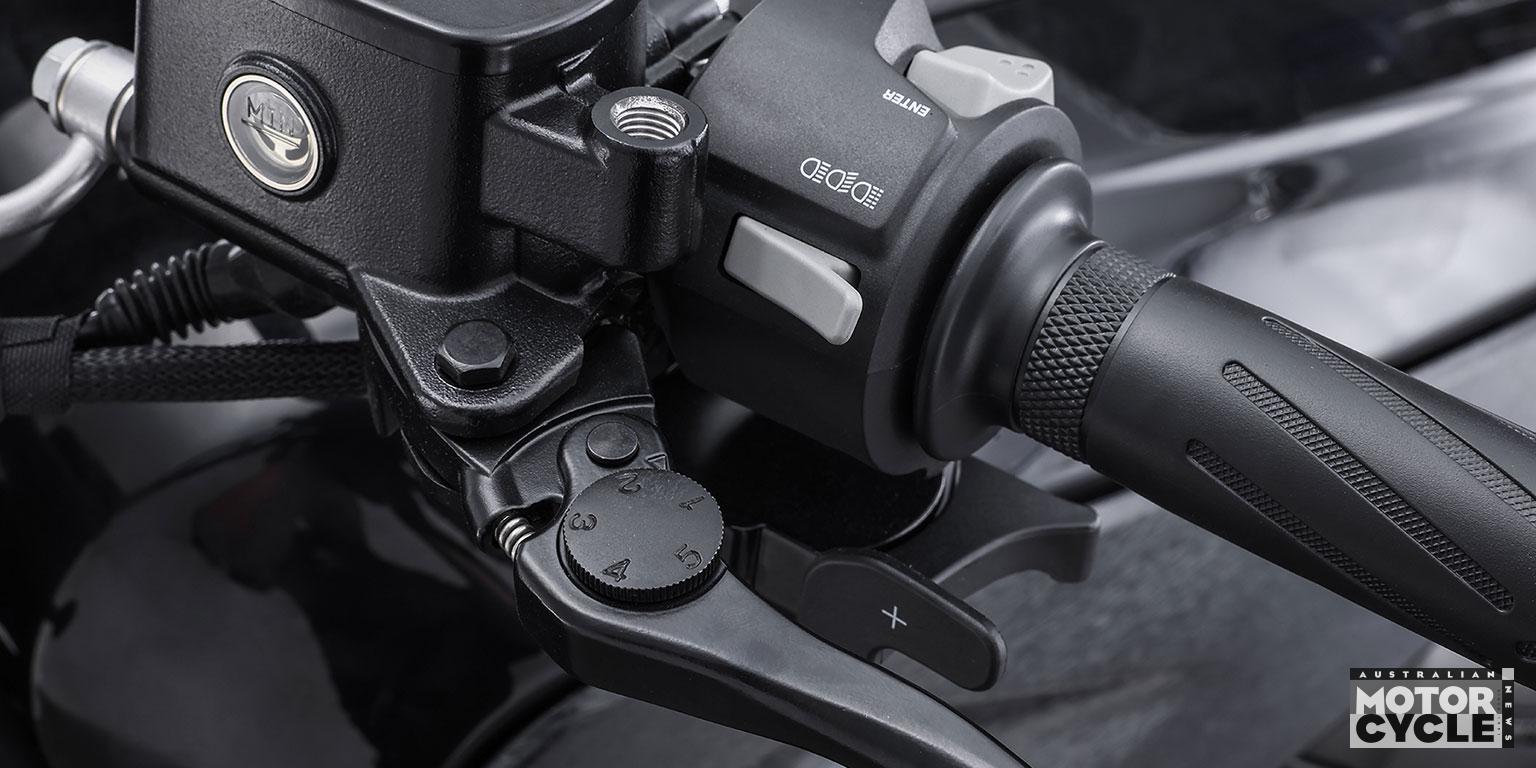
Notably, QJMotor has gone the whole hog with the transformation. Since there’s no clutch lever on the left bar, the company has moved the rear brake to that spot, leaving both feet unemployed. Footboards replace the manual bike’s pegs, since there are no controls down there.
The AMT version has only appeared so far in the muscle-cruiser bodywork, with the oval headlight, and adds just 5kg to the bike’s weight for a total of 224kg. It’s not expensive, either: in China the AMT variant is only the equivalent of AU$200 more than the base version.
Will it come here? No word on that yet, but since the V4 engine is already internationally type approved to meet the tough Euro5+ emissions standards, there’s no obvious technical reason it couldn’t be offered globally if there’s enough demand to make the maths stack up.SRV