The R7 might be smarter, sharper and more sophisticated but does the 34kW LAMS version still hit the sweet spot?
The funny thing about Yamaha’s updated R7 launch was that I already own one. Mine’s a first-gen bike, so heading to Sydney to ride the new Gen 2 version gave me the perfect chance to see exactly what Yamaha had changed – and whether those changes actually mattered once the helmet was on.
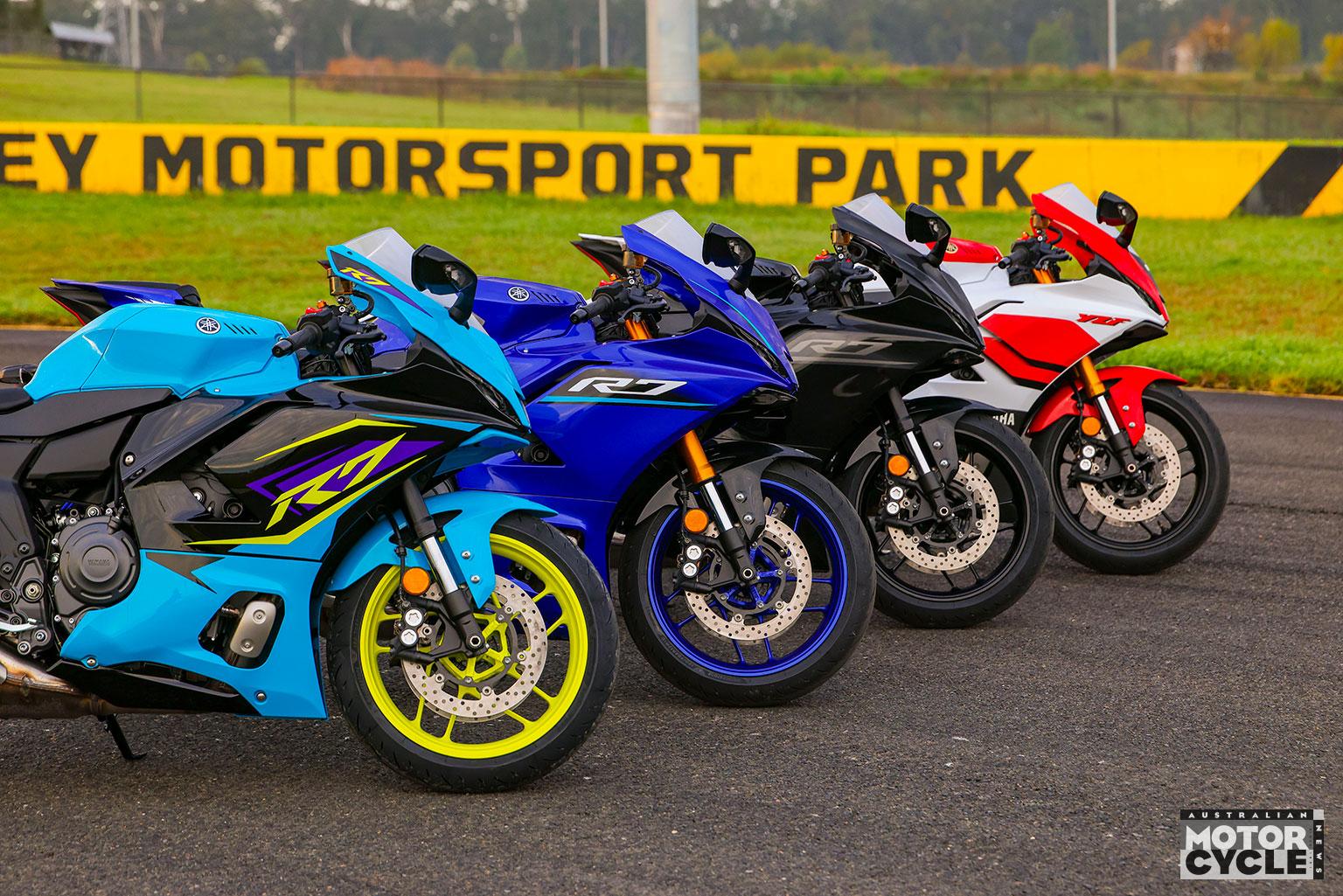
Waiting for us at Sydney Motorsport Park was a line-up of shiny new R7s looking fantastic in the morning sunlight. Alongside them were displays showcasing Yamaha’s Genuine Accessories range and the latest Bridgestone Battlax Hypersport S23 tyres that were fitted to the bikes. Yamaha explained that the new S23 tyres offer improved grip in both wet and dry conditions, faster steering and stronger edge grip compared to the previous generation.
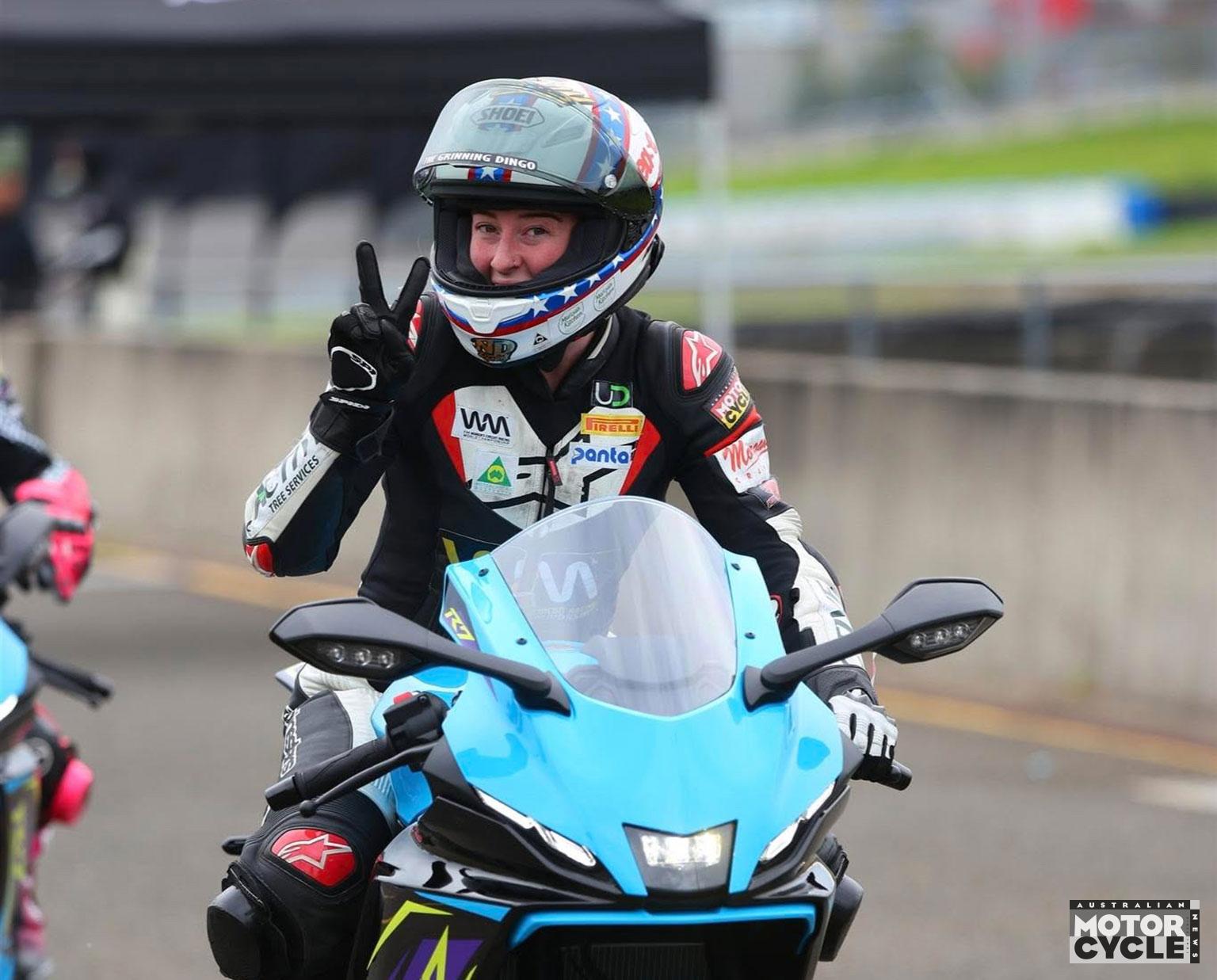
At first glance, the R7 still looks every bit the compact supersport weapon it always was: aggressive lines, slim waist, low clip-ons and that unmistakable race-bike stance. But underneath the bodywork, the updates are much more substantial than they first appear.
The biggest change is the addition of Yamaha’s YCC-T ride-by-wire throttle – a major step forward for the platform. That opens the door to rider modes, switchable traction control and an up/down quickshifter, all features that drag the R7 into line with Yamaha’s bigger-capacity sportsbikes.
The LAMS-approved version still uses Yamaha’s proven 689cc CP2 parallel twin, but in restricted trim. That means the same strong torque character and linear delivery the CP2 is famous for, just softened at the top end to meet learner regulations. The result is approachable performance without feeling flat or boring, something that a lot of restricted bikes struggle with.
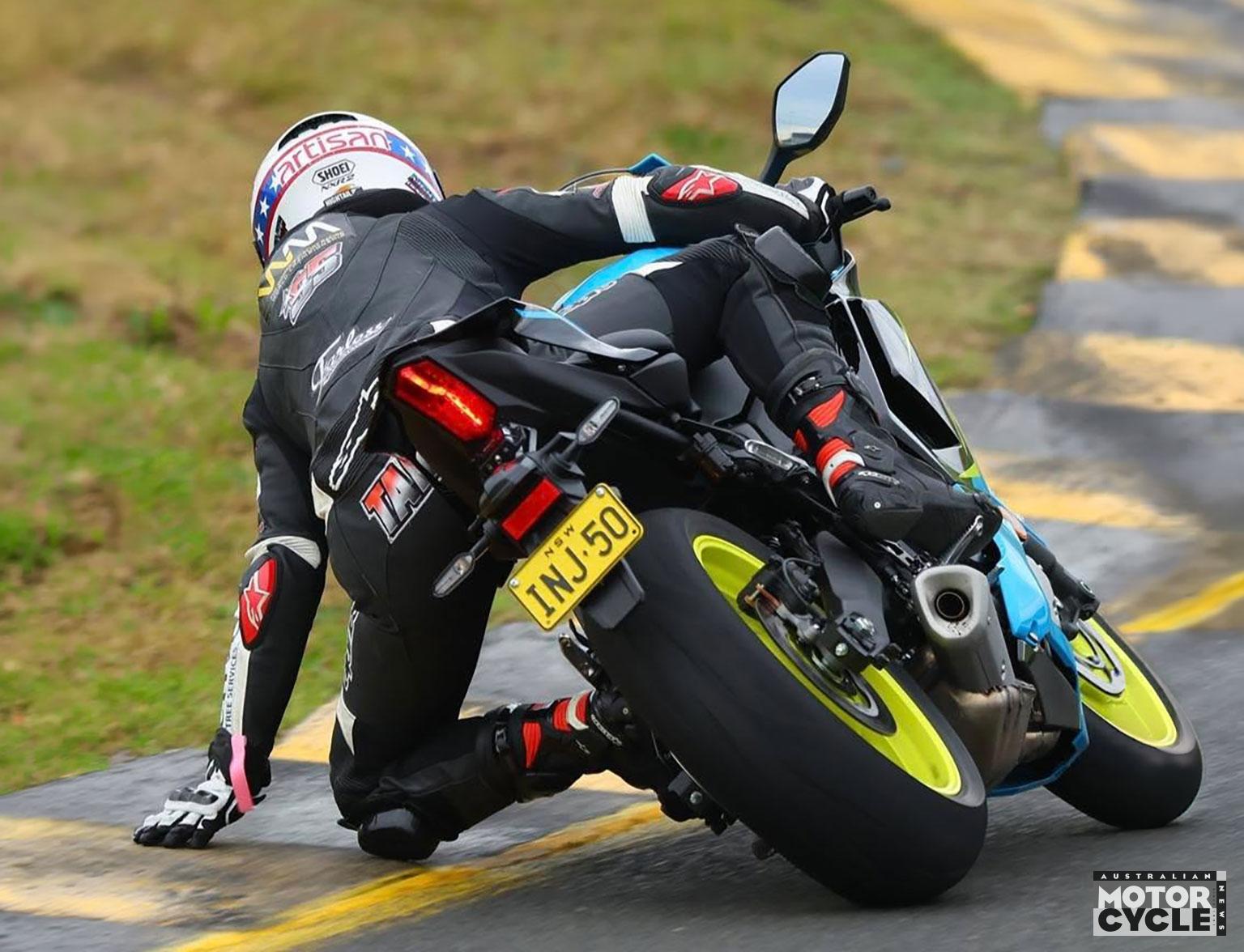
It all sounded great on paper, but I wanted to ride it. Before we hit the track, though, Yamaha had us working through low-speed drills in the carpark. Tight cones, first-gear turns and plenty of clutch control.
Now, I’ve raced motorcycles at over 200km/h with riders all around me. I’ve battled ‘bar-to-‘bar in ASBK races and somehow that’s completely normal to me. But first-gear manoeuvres? Honestly, probably more nerve-wracking than racing. But the exercise highlighted one of the R7’s biggest strengths: balance.
At walking pace the bike feels light, neutral and incredibly easy to steer. The chassis is narrow, the steering geometry feels natural and it tips into tight turns without fighting back. For newer riders – especially smaller riders – that’s gold. It’s the sort of bike that builds confidence quickly instead of punishing mistakes.
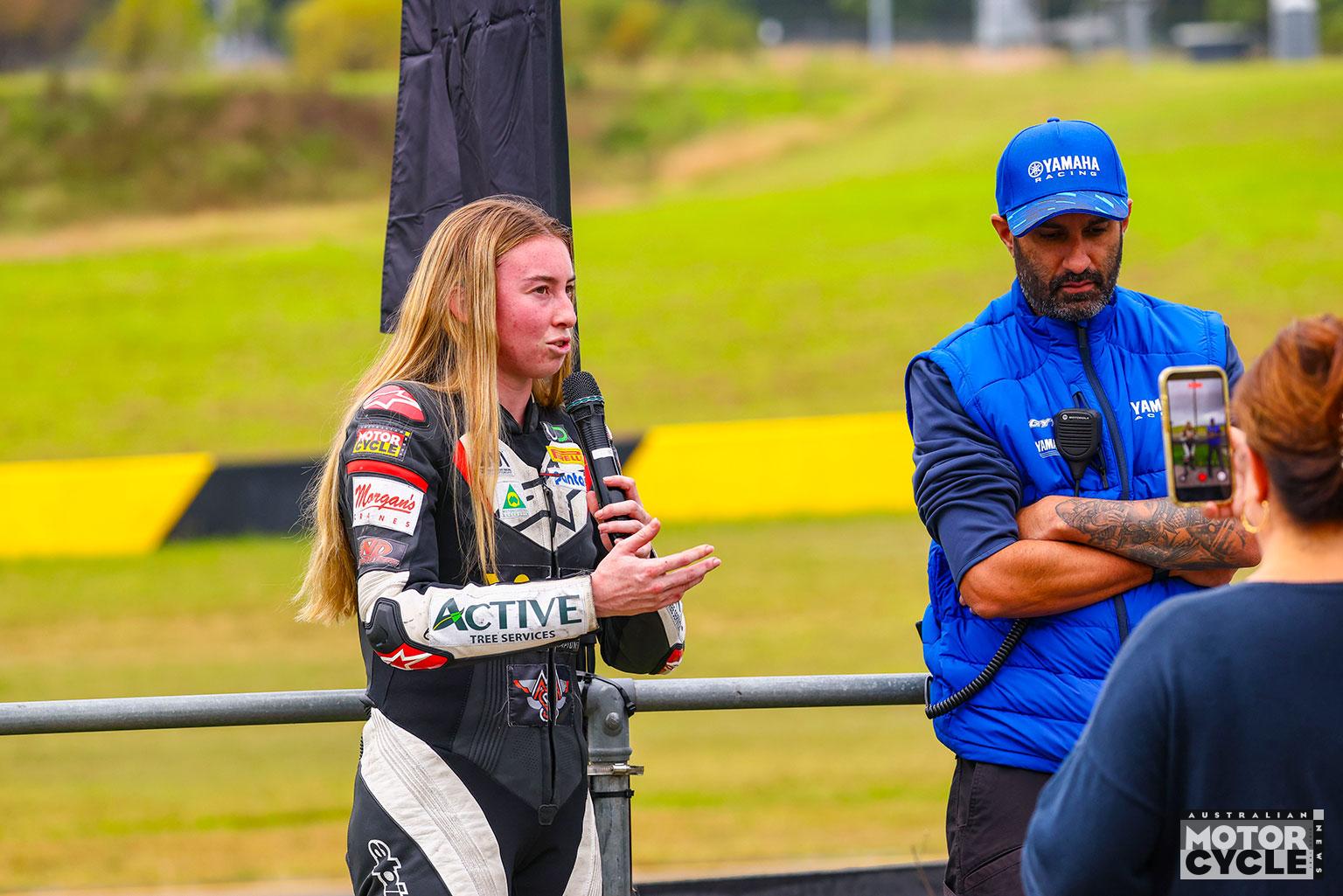
Once we moved onto SMSP’s South Circuit, the LAMS bike made even more sense. The restricted engine still pulls cleanly through the midrange, and that CP2 torque means you’re not constantly hunting gears to stay in the powerband. Combined with the revised suspension settings and the new Bridgestone Battlax Hypersport S23 tyres, the front-end feel was excellent: stable on the brakes, predictable at turn-in and with plenty of edge grip.
That’s where the R7 really shines. It doesn’t overwhelm you with horsepower. Instead, it’s so smooth, and rewards corner speed, clean lines and rider input – exactly the sort of thing a learner sportsbike should do.
Then I swapped onto the High Output model. Same chassis, same ergonomics, same sharp supersport DNA but with the full CP2 unleashed. And wow, the difference was immediate.
Corner exits had noticeably more urgency, the bike drove harder through the gears and the quickshifter made it feel much more aggressive. It’s still a friendly bike, but there’s a clear step up in excitement once the restrictions are gone.
That’s actually one of the smartest things about the R7 platform: the transition from LAMS to full-power feels natural. Riders can learn on the restricted bike without feeling like they’re riding something disposable, then step into the unrestricted version and already feel at home.
The updated TFT dash is another welcome addition, bringing smartphone connectivity, navigation and Yamaha’s new Virtual Pit Board function lifted straight from the race world that lets pit signals appear on the dash while riding. How cool is that?
For me, the standout wasn’t outright speed, it was how complete the package now feels. The original R7 was already one of the best learner-friendly sportsbikes on the market. This Gen 2 version adds the electronics, refinement and technology it was missing without losing the approachable character that made it popular in the first place.
For newer riders chasing their first proper sportsbike, that’s a hard package to ignore. And for someone who already owns one? I left Sydney seriously considering an upgrade.