Once it was unthinkable that the two major Japanese racing factories would be taking a back seat in the GPs. Yet for the past six years, Japan Inc have been also-rans, while Europe has all the fun.
The agony is shared between Honda – still by far the most successful factory in GP history – and Yamaha, second in race wins.
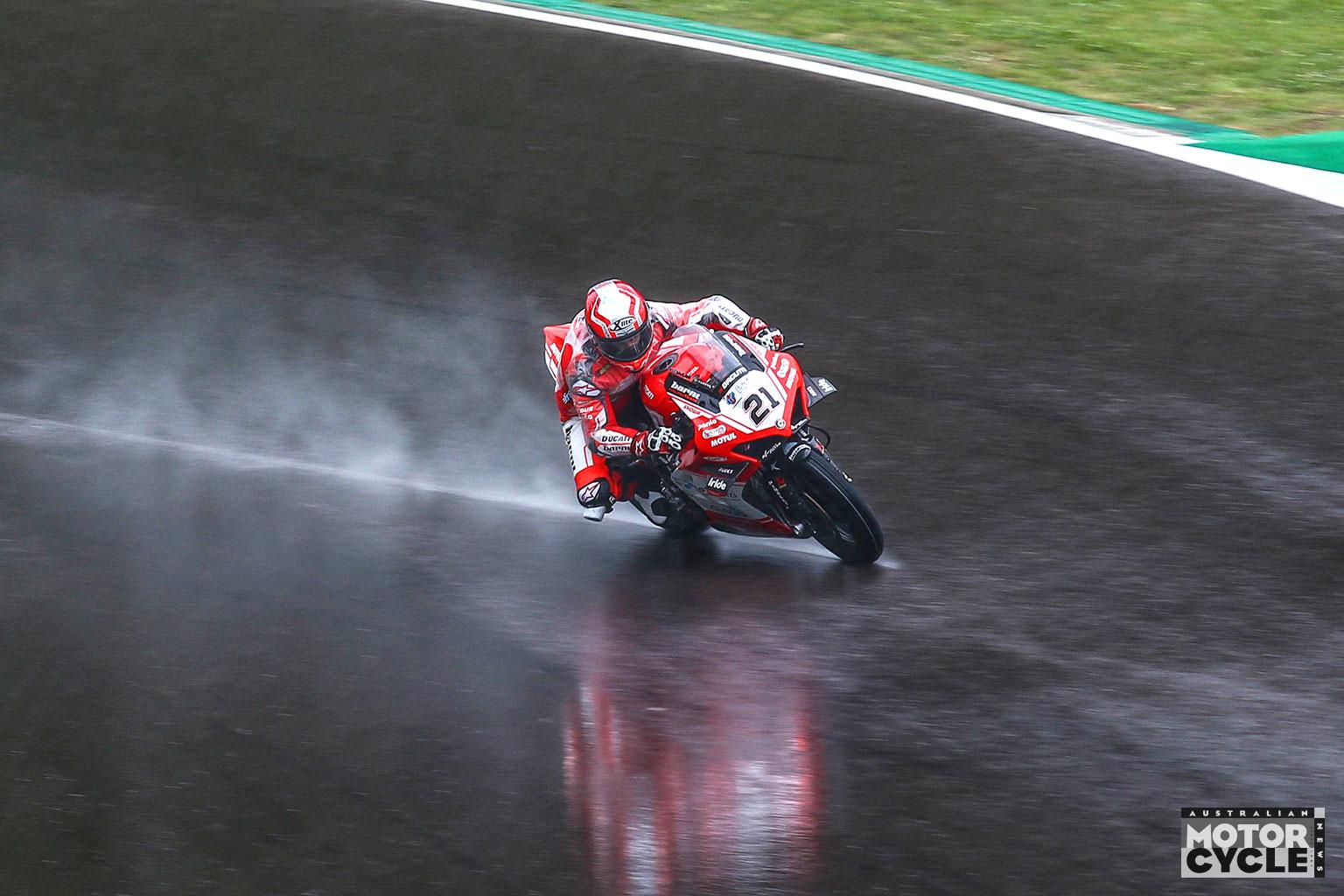
Their reputations were built on racing success. Now they’ve been handed a pasting, mainly by Ducati, sometimes by KTM, and this year especially by rampant Aprilia.
Whether through complacency or simple human error, they’ve fallen on the wrong side of the very small margins that make a big difference.
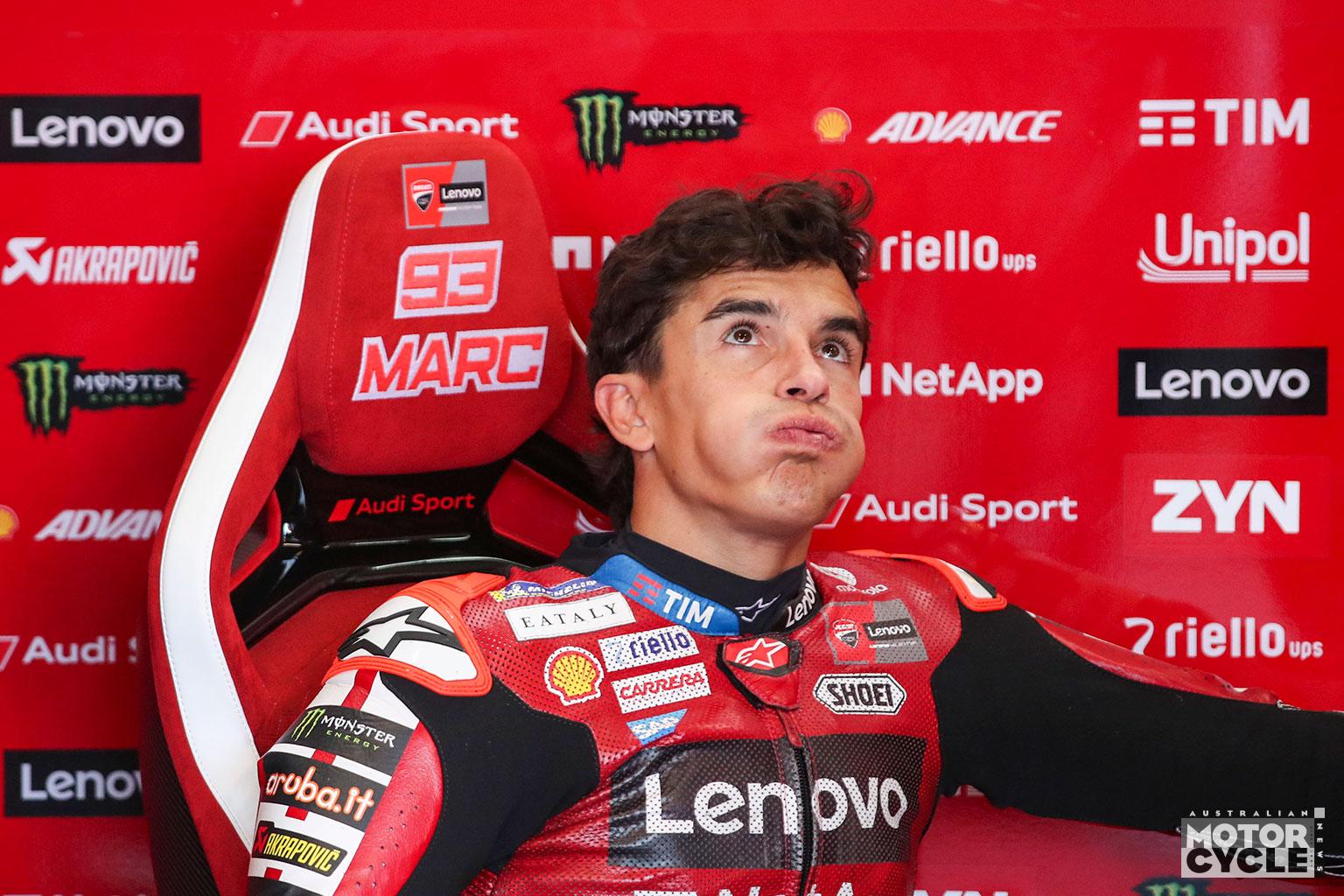
Honda’s problems go back longer, coinciding with those of one-time flag-bearer Marc Marquez. He won six titles for Repsol Honda, then crashed and hurt himself in 2020 on a bike that had become more and more difficult to ride… indeed close to impossible for anyone other than Marc. He scraped three wins in a crash-strewn 2021, Alex Rins scraped just one in 2023. Then followed their longest drought, briefly interrupted when Johann Zarco fluked a wet French GP in 2025. Honda had won at least one race every year from 1982 to 2019, and often more than 10.
Yamaha’s last title success was more recent, with Fabio Quartararo in 2022… but that was also the last time they won a race. Back when Valentino Rossi was giving them serial success 15 years ago, he was already urging them to build a V4, to conform to the pack. They refused and continued to even as results slumped.
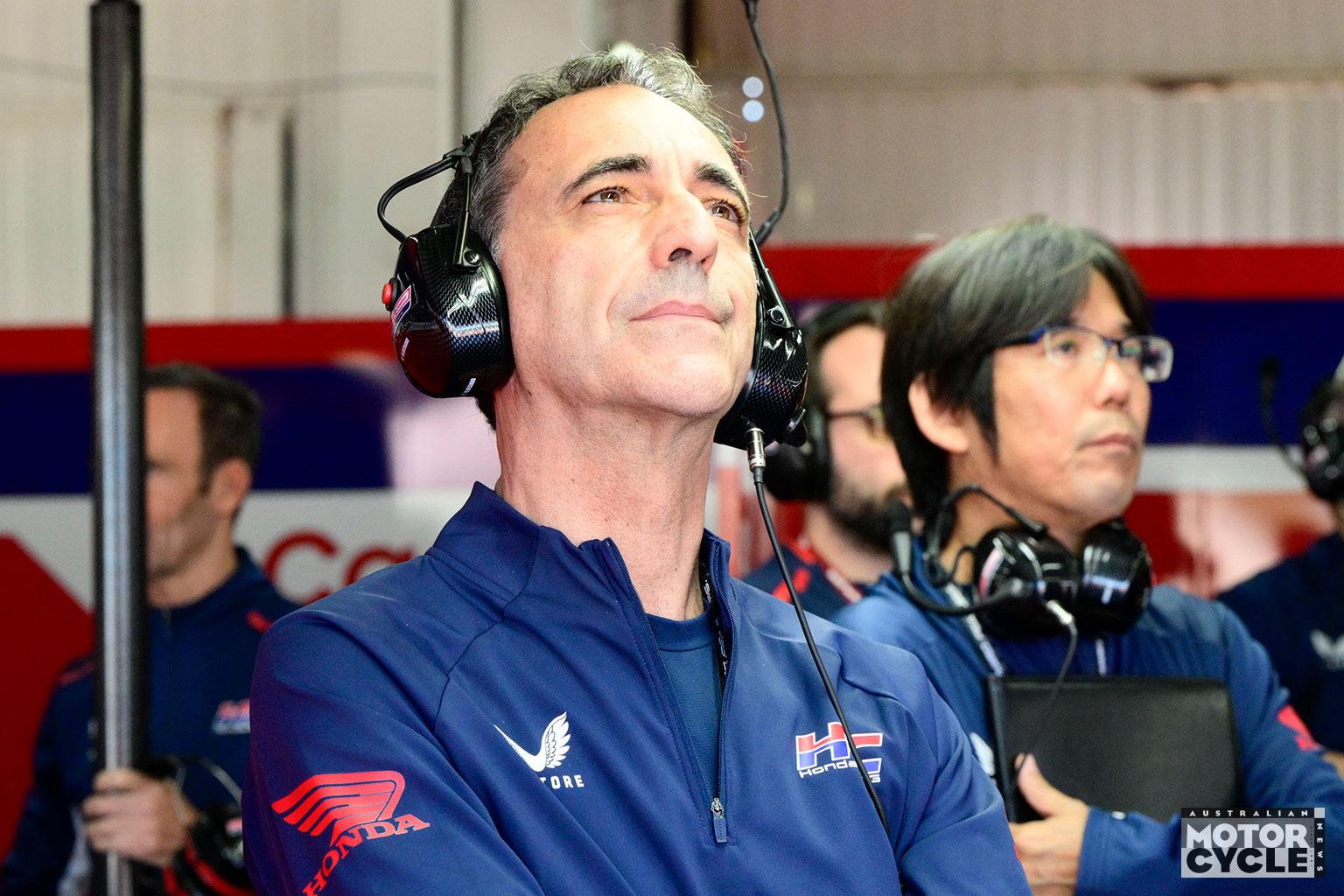
The past two seasons have seen both make radical changes, trying to redress the balance. For Honda, it was philosophical, and must have cost a lot of pride – mainly poaching Aprilia engineer Romano Albesiano to join Spaniard Alberto Puig in the upper echelons of HRC’s MotoGP hierarchy. A radical step for a fiercely independent and proudly Japanese company.
This was not to replace their own engineers, but to introduce a more European and less hide-bound way of going racing. Hitherto a culture of strict hierarchy and choking protocol had been holding development back.
Albesiano has described how there were plenty of different parts to test when he arrived for 2025. By 2026, his input was showing. The Honda this season is much more competitive. Put simply, he brought a less cumbersome way of assessing new parts, then getting the good bits onto the bikes. Fewer meetings, more action.
Now Luca Marini is a close 11th in the championship, ahead of all the KTM riders but Pedro Acosta. More remarkable, the performance of Honda rookie Diogo Moreira, fresh from winning Moto2, and lately mixing it now and then even with Marquez.
Yamaha had already gone the more-Europeans route, basing their effort in Italy and recruiting staff from Ducati and KTM. Their change for 2026 was technical, finally dumping their long-standing dedication to the increasingly uncompetitive in-line four to join the rest with a V4. So far, it’s been magnificently underwhelming, to the extent of completely demoralising Quartararo, their star rider and greatest asset. One third of the way into the year, he is being paid vast sums to flounder around near the back with a long face. Clearly can’t wait for his 2027 switch to Honda.
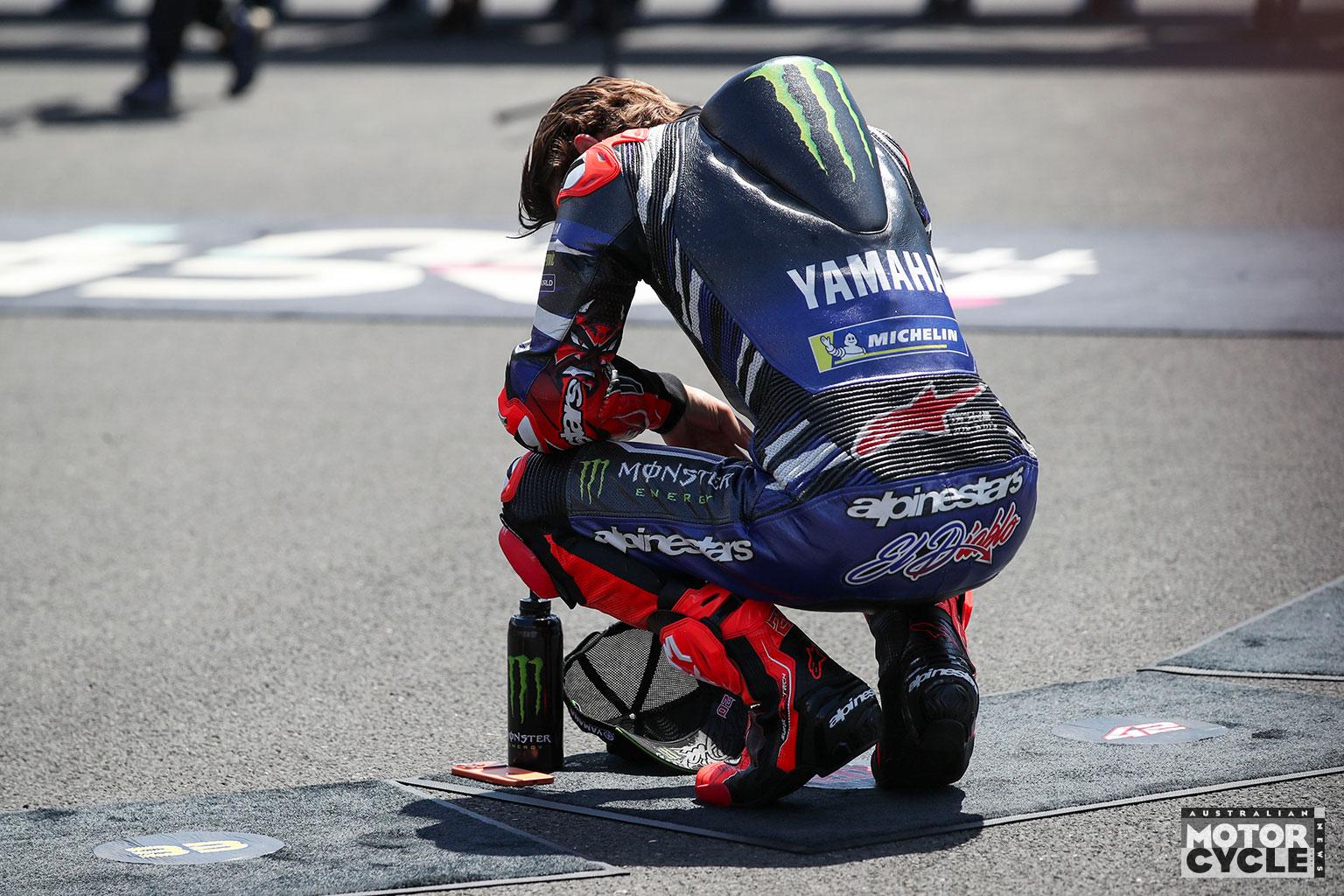
Can’t blame him, after herculean efforts in early races yielded little joy.
Yamaha are obliged to take the long view. They are learning new things. Making progress. They say.
Happily for them, everyone is starting again from scratch with the new regulations for next year, which at least levels the playing field.
If nothing else, the plight of the once overbearing Japanese factories illustrates an important truth: in MotoGP, the margins between hero and zero are very, very small.
Yet very, very painful.