Ducati has unveiled a new race-developed 250 motocrosser carrying the brand’s desmodromic DNA
Highlights
- Ducati has unveiled the new Desmo250 MX
- It is the brand’s new 250cc motocross machine, developed from racing
- The bike uses a desmodromic single-cylinder engine revving to 15,000rpm
- Alessandro Lupino developed the Desmo250 MX in the Italian Prestige MX2 championship
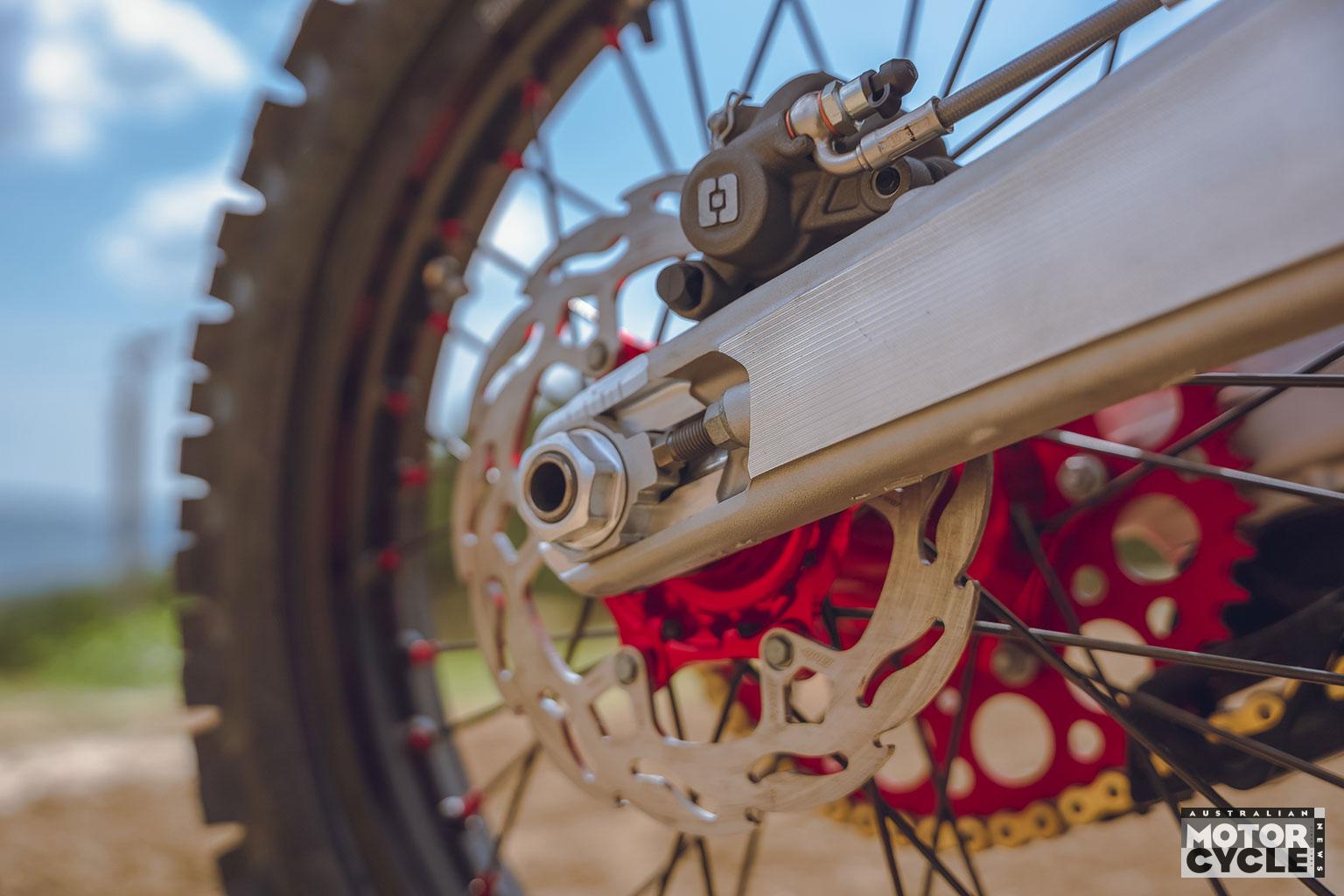
- The chassis is based on the Desmo450 MX perimeter frame and aluminium swingarm
- Electronics include Ducati Traction Control, launch control and two engine maps
- Predictive maintenance is managed through Ducati’s X-Link app
- Ducati Performance accessories include factory-style race parts
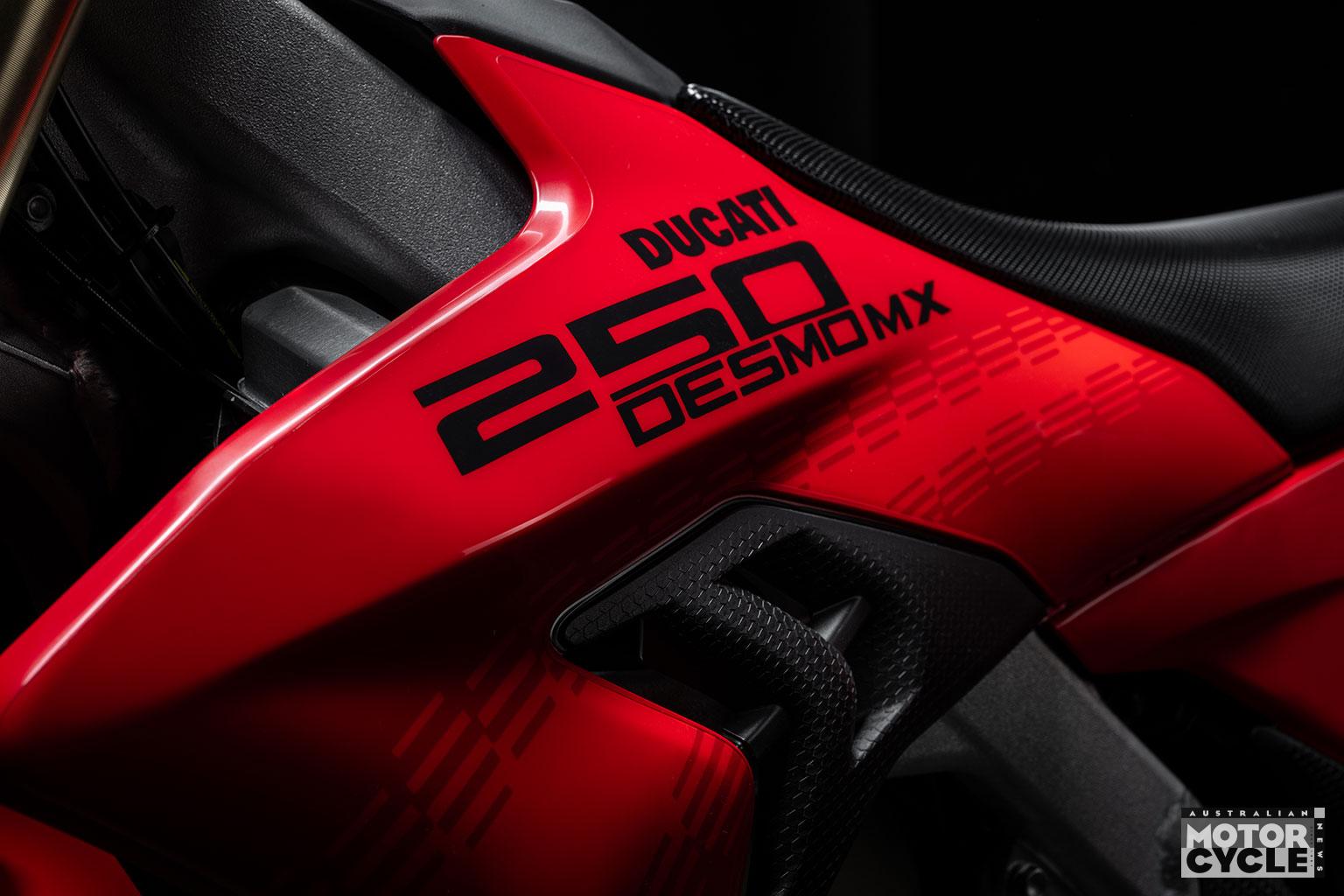
One year after the unveiling of the Desmo450 MX, Ducati is pushing further into motocross with the Desmo250 MX, its new entry for the ultra-competitive 250 class.
The new machine builds on the strengths Ducati says defined the Desmo450 MX, taking its focus on precision, reliability and control into a category where technical performance and rider confidence are critical. Developed by Alessandro Lupino in the Italian Prestige MX2 championship, the Desmo250 MX has been created with competition at its core.
Like all Ducatis, the Desmo250 MX comes from racing first, with the company continuing to use competition as a testing ground for production-ready technology.
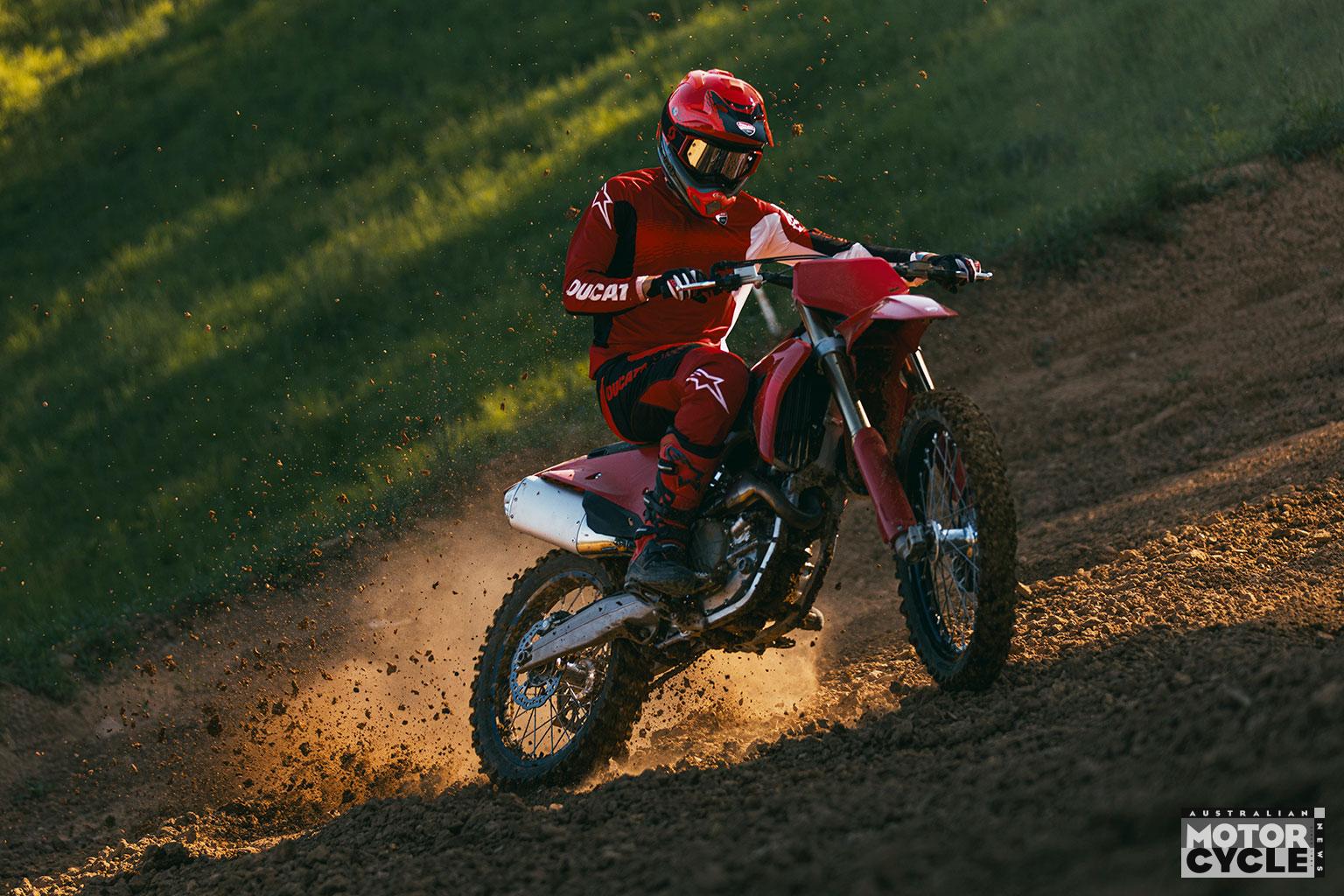
15,000 rpm desmodromic single-cylinder
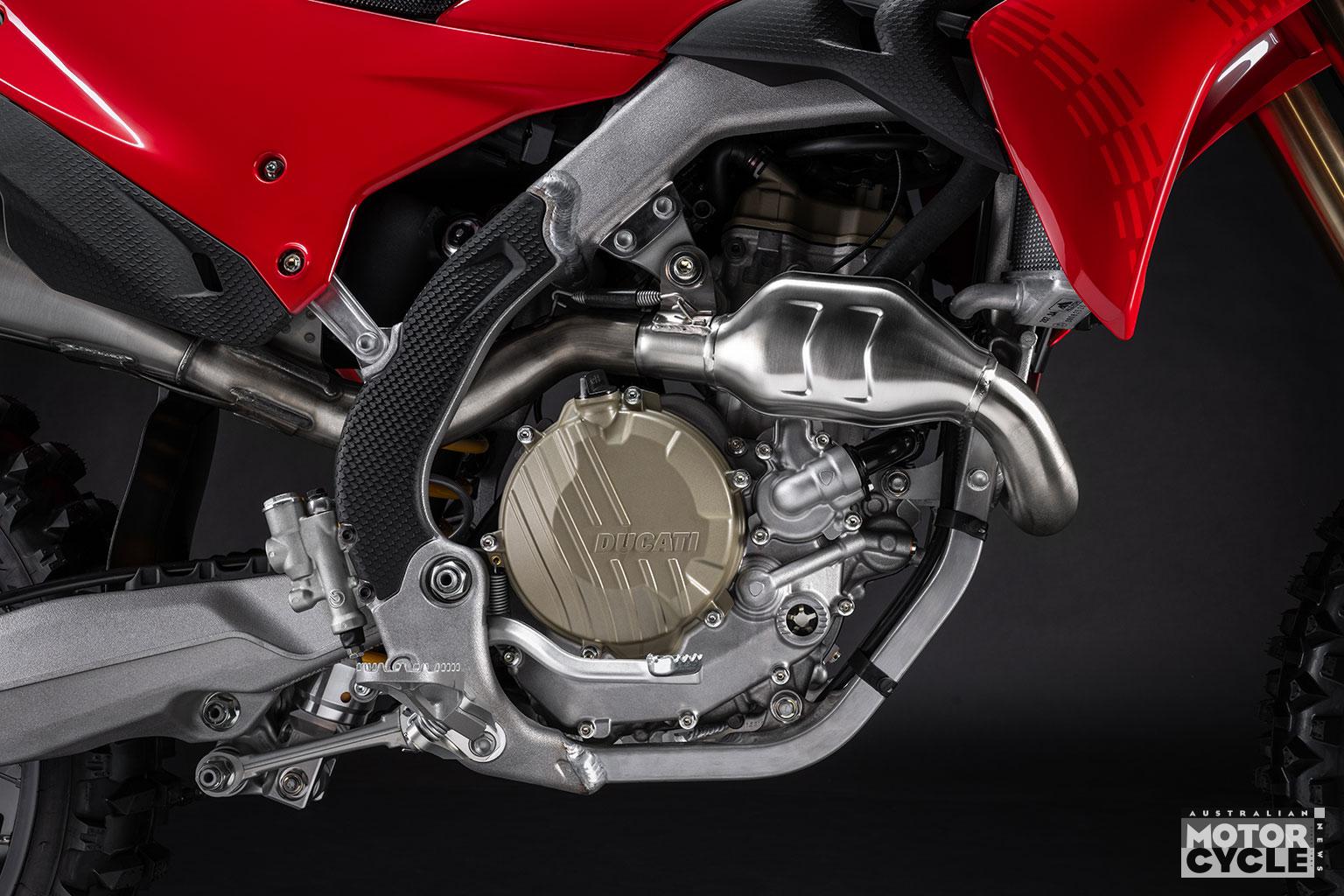
At the centre of the Desmo250 MX is an all-new engine designed to be compact, lightweight and powerful. Ducati says it draws on experience from the Panigale V4 R, sharing key measurements and some advanced technical solutions, while being tailored specifically for motocross use.
Ducati says the aim was to create an engine with strong drive throughout the rev range, combining responsive low-end performance with the ability to capitalise on the desmodromic valve system in the moments that matter most, including starts, corner exits and hard acceleration.
“Desmodromic distribution is our technological signature. Here, it expresses its full potential: titanium intake valves, steel exhaust valves and precise control that allows the engine to be pushed up to 15,000 rpm. A new benchmark for the segment, allowing every single gear to be exploited to the limit.”
Fuel delivery comes via a 44mm Mikuni throttle body, while the exhaust system is completely new and designed to balance performance, rideability and international competition noise regulations.
The Desmo250 MX also gets a five-speed gearbox developed specifically for the bike, with upshift quickshifter functionality and a hydraulically operated Brembo clutch using a seven-plate clutch and disc spring setup.
Ducati says the end result is an engine capable of suiting a wide range of riders, without dulling the performance needed by experienced racers.
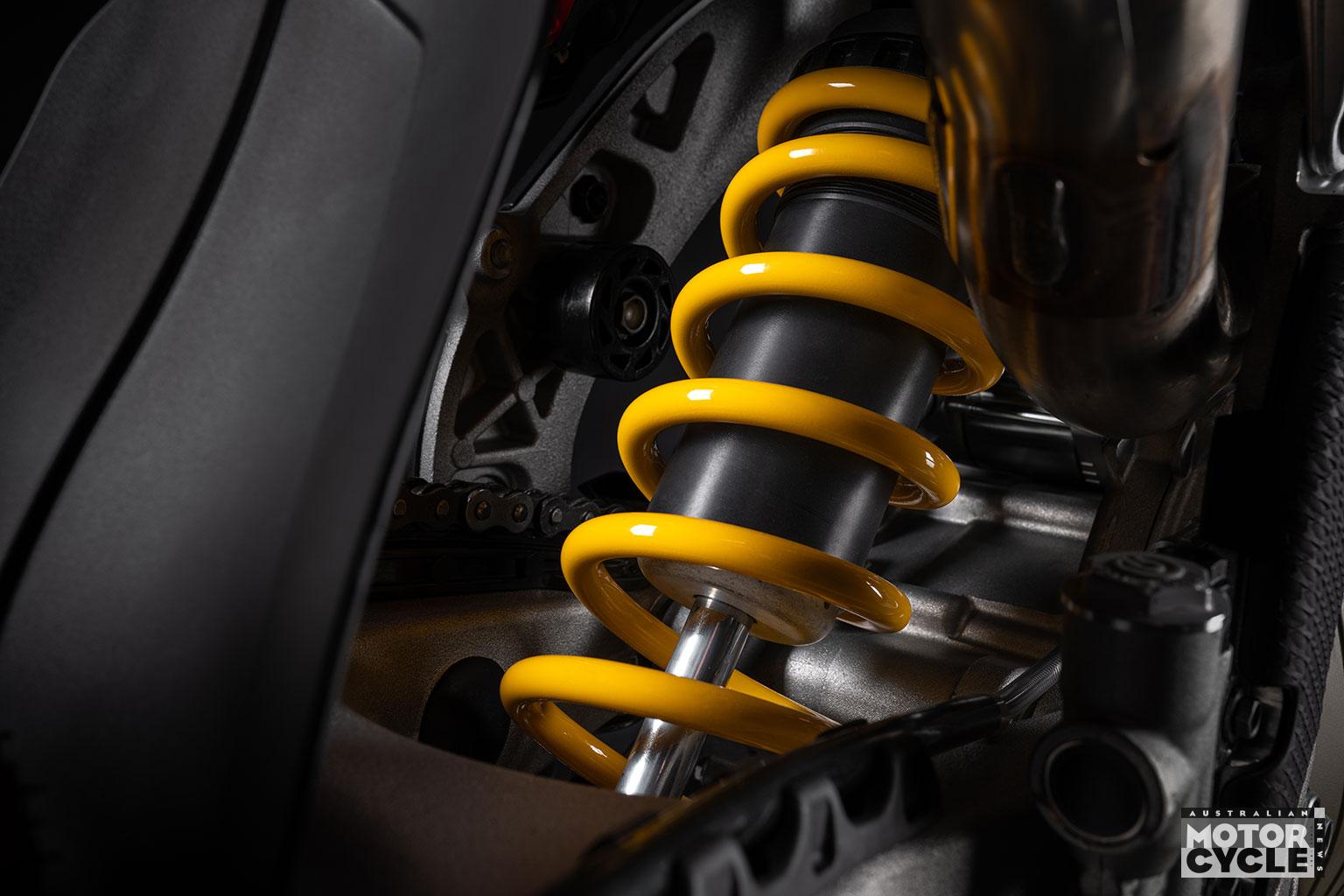
450-based chassis, refined for MX2
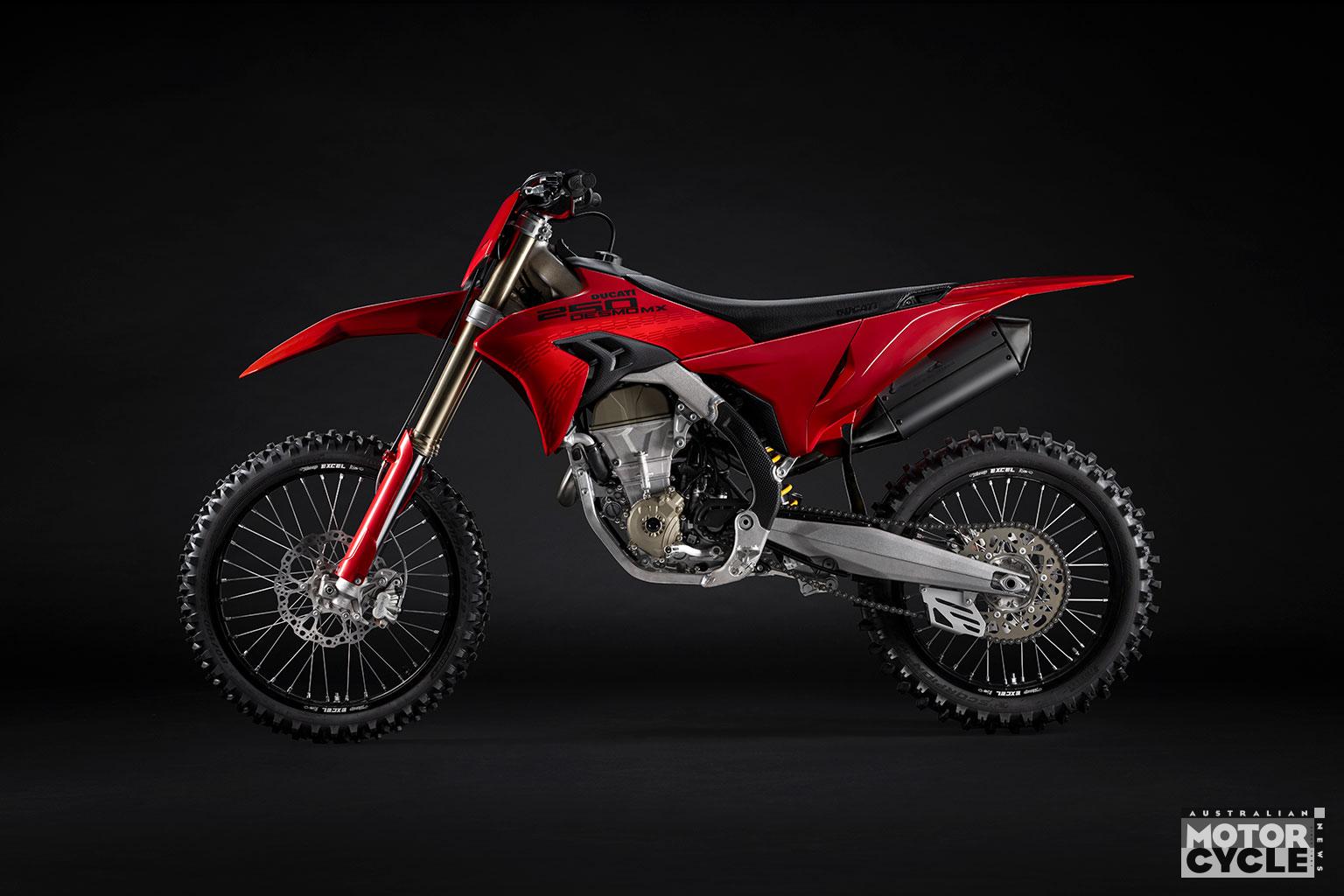
The chassis is based on the Desmo450 MX, using its perimeter frame and aluminium swingarm. Ducati says engineers fine-tuned stiffness to improve rider feel and boost confidence, particularly under braking and through corners, where a 250 motocrosser needs to shine.
Suspension duties are handled by a Showa fork and monoshock with model-specific hydraulic settings. Ducati says the setup was aimed at creating a neutral balance to reduce load transfer during braking, acceleration and cornering, helping the bike stay composed across different circuits and surfaces.
Pirelli Scorpion MX32 tyres are fitted as standard, with Ducati highlighting the 100/90-19 rear for its contribution to agility and corner entry performance.
Braking is shared with the 450, using a Brembo system with 260mm front and 240mm rear Galfer discs.
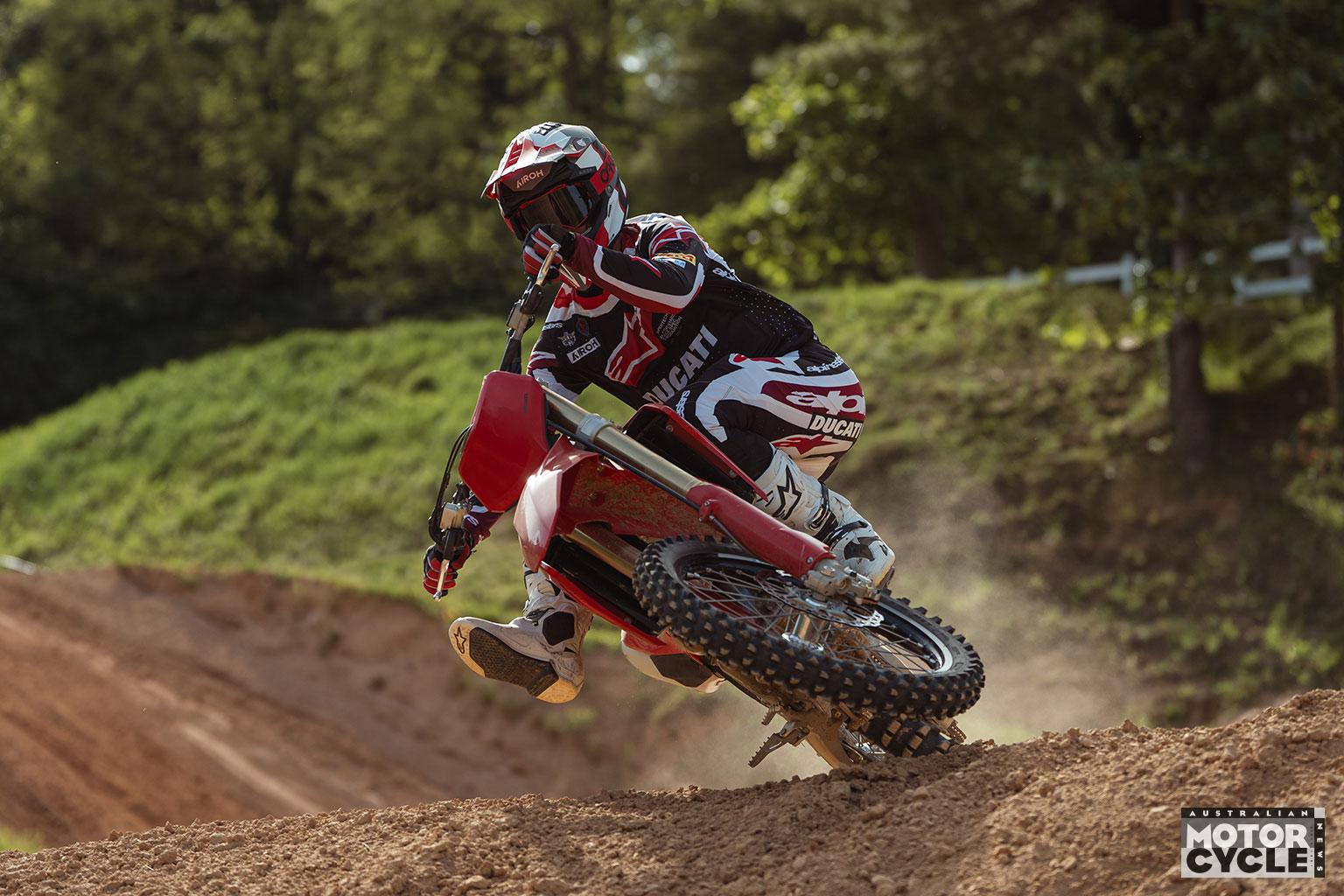
Benchmark electronics
The Desmo250 MX is fitted with an electronics package derived from the Desmo450 MX and recalibrated for the smaller-capacity bike.
Riders get two engine maps, adjustable through the X-Link app, along with Ducati Traction Control with three intervention levels, engine braking adjustment in two levels and launch control with three settings.
The traction control system draws on Ducati’s experience from MotoGP and Superbike, and that the setup is covered by a patent.
Ducati says its traction control system differs from others in the class by calibrating power reduction based on actual rear wheel spin, with the goal of delivering more effective and linear intervention while helping rider safety, reducing fatigue and potentially improving lap times.
Predictive maintenance
Another standout feature is Ducati’s predictive maintenance system. Drawing on Ducati Corse experience in Superbike and MotoGP, the system uses an algorithm to calculate engine stress in real time based on operating conditions and use.
That data is then used to update maintenance schedules in the Ducati X-Link app, meaning service intervals can vary depending on whether the bike is being ridden at professional intensity or used more casually.
The Desmo250 MX has two service categories: “MID” and “FULL”.
The MID Service includes a valve clearance check after 45 hours, while piston replacement may be required between 45 and 60 hours depending on the calculated stress level.
The FULL Service is a complete engine overhaul, generally scheduled between 90 and 120 hours, again depending on riding style and track conditions.
Accessories and factory-style upgrades
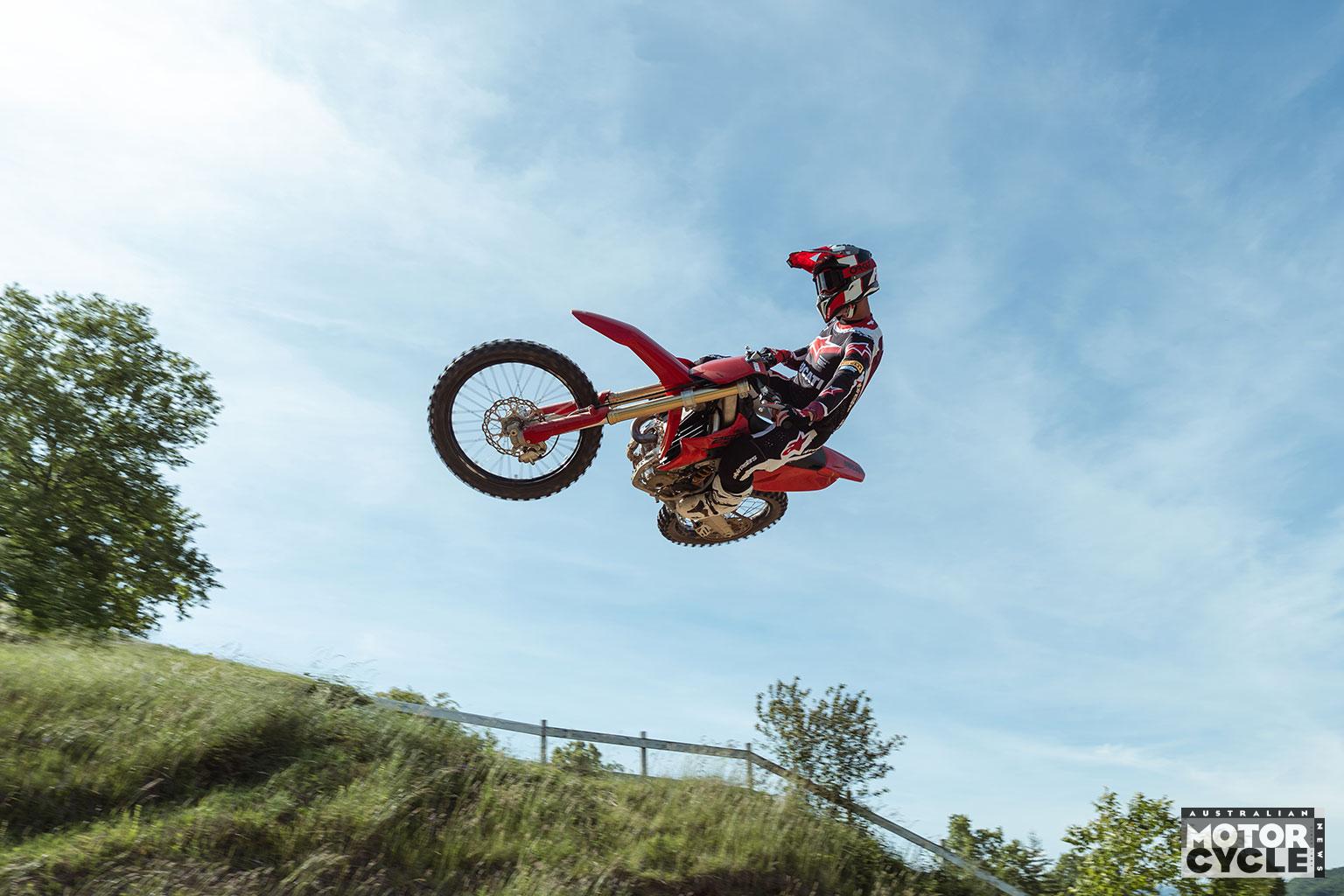
For riders wanting the full factory look, Ducati says the Performance catalogue allows owners to build a replica of the Desmo250 MX raced by Simone Mancini in the European MXGP championship.
Available parts include factory-style billet triple clamps, a complete exhaust or Akrapovič titanium slip-on muffler, Brembo Racing brake calipers and Showa “Kit A” suspension. Ducati says the accessories list will continue to expand.
The only major exception is the factory Showa suspension used on the works bike, which is not available to privateer riders.
Specifications
ENGINE
Engine: 249.7cc single-cylinder, DOHC, 4-valve, liquid-cooled, desmodromic valve timing, semi dry sump
Bore x stroke: 81.0 x 48.4mm
Compression ratio: 14.5:1
Power: 44.5hp at 12,500rpm
Torque: 28.3Nm at 8800rpm
Fuel system: Keihin injector, 44mm Mikuni throttle body
Exhaust: Steel header with resonator, steel muffler with aluminium outer sleeve
Transmission: 5-speed
Quickshifter: Up-shift only
Clutch: Multiplate hydraulic clutch
Final drive: DID DMS 520 chain, 13T front sprocket, 51T rear aluminium sprocket
CHASSIS
Frame: Aluminium welded frame with cast, forged and extruded sections
Front suspension: 49mm Showa USD fork, fully adjustable, Kashima-coated outer tubes
Rear suspension: Showa monoshock, fully adjustable
Front wheel travel: 310mm
Rear wheel travel: 301mm
Front brake: 260mm Galfer disc, Brembo two-piston floating caliper
Rear brake: 240mm Galfer disc, Brembo single-piston floating caliper
Front wheel: Takasago Excel 1.6 x 21in spoked rim
Rear wheel: Takasago Excel 2.15 x 19in spoked rim
Front tyre: Pirelli Scorpion XC Mid Soft 80/100-R21
Rear tyre: Pirelli Scorpion MX32 Mid Soft 100/90-R19
ELECTRONICS
Electronics: Riding Modes, Ducati Traction Control, Engine Brake Control, Ducati Fall Detection, Power Launch
Standard equipment: Up-shift quickshifter, lithium-ion battery, hourmeter
Connectivity: WiFi module and X-Link app ready
DIMENSIONS
Seat height: 970mm
Wheelbase: 1499mm
Rake: 26.9 degrees
Trail: 116mm
Fuel capacity: 7.2L
Claimed wet weight, no fuel: 103kg
OTHER
Warranty: 3 months or 20 hours of use
Service intervals: Oil and oil filter 15 hours; valve clearance check 45 hours; piston replacement 45-60 hours; main engine service 90-120 hours