When is ‘just another crash’ one crash too many? Surely Marc Marquez and his cohorts will be wondering that, after his spectacular high-speed get-off at Jerez.
He’s no stranger to getting up and pressing on. Finding the limit by going beyond it is crucial to his technique.
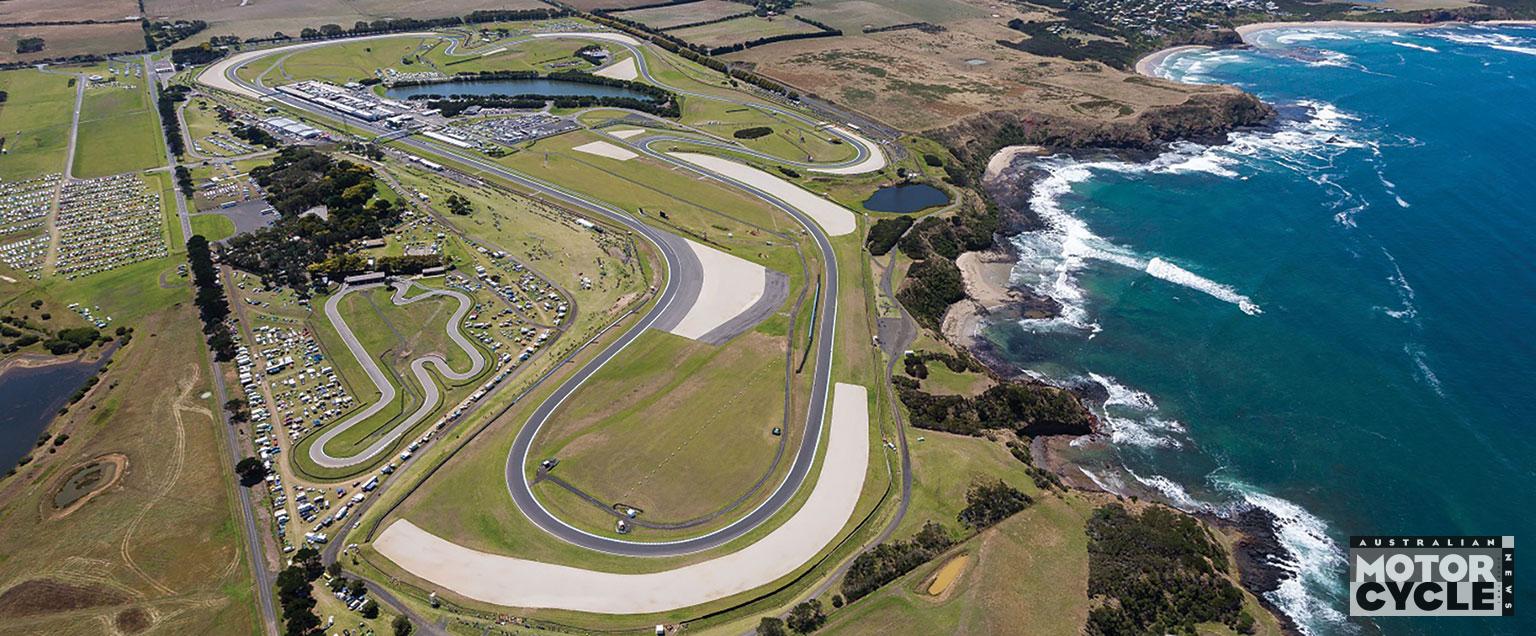
This crash, however, on lap two of the Spanish MotoGP round, was different. For one thing, it happened at Turn 11, the fastest on the Andalusian circuit… an unusual place to fall. On a weekend with a (below average) 48 crashes, only one other rider fell there – Moto2’s Sergio Garcia.
More importantly, Marc had no explanation. To the public, it was “a small mistake”. But to his team, he was genuinely baffled. No explanation. And as every rider knows, the crashes that take you by surprise, when there’s no explanation, are the ones that make you lose sleep.
Just for the record, it was Marc’s second race crash of the weekend. He fell also in Saturday’s crazy Sprint, hit halfway through by sudden heavy rain. Typically he managed to jump back on, whizz into the pits for a wet bike, and go out again… to win. Vintage Marquez.
Surviving crashes is really vintage Marquez. He’s not always recorded the most crashes in a year, but it has happened… in 2022 (22 falls) and again in 2023 (29), the last of his increasingly difficult late Honda years, battling lingering injury and an increasingly intractable bike.
Learning the Ducati in 2024, he clocked 24 tumbles, with only Acosta (28) suffering more.
Just falling off, even at speed, isn’t going to faze him. So why the concern? Because it might be part of a pattern. An undermining moment. The trigger for a costly lapse in confidence.
This is Marquez we are talking about here, the rider who did for Valentino Rossi, the greatest of his generation. Which makes doubts seem a little far-fetched. But perhaps the background music has changed, slightly but significantly.
For example, we have Jorge Lorenzo suggesting that increased corner speeds have left the great man floundering… having trouble adapting his style to latest developments. Which sounds daft, but to be fair is something that eventually happens to ageing riders, no matter how great they were before.
Each fresh genius sets new standards, while other riders seek and eventually find new ways to catch up. Then the erstwhile and now inevitably older leader finds it hard to adapt his own style. Old dogs, new tricks.
So Lorenzo’s opinion is not to be ignored.
Furthermore, there is a more prosaic reason for credibility: simply physical… the injury that brought an early end to Marc’s triumphant 2025 season in Indonesia, after winning the title with five races to spare.
After yet more surgery, Marc started this year with his right shoulder not yet fully recovered, and five races in it was still not back to normal. It might never be. It means that he can’t ride with his usual upper-body strength and agility. He might never be able to.
This was compounded by an apparently minor but still costly instability in the latest Ducati, which further spoiled Marc’s prowess in the opening laps. His late-race pace is as fast as ever, but by then he’s lost too much ground.
Ducati may have solved this issue in the post-Jerez tests. Marc really needs them to, at a stage of his life and his career when many objectives have already been achieved, and the urgency of youth is no longer a factor.
It’s too soon to call the first part of the 2026 season a crisis in confidence, but all the ingredients are there. The forthcoming races will be crucial if Marc hopes to extend his reign.