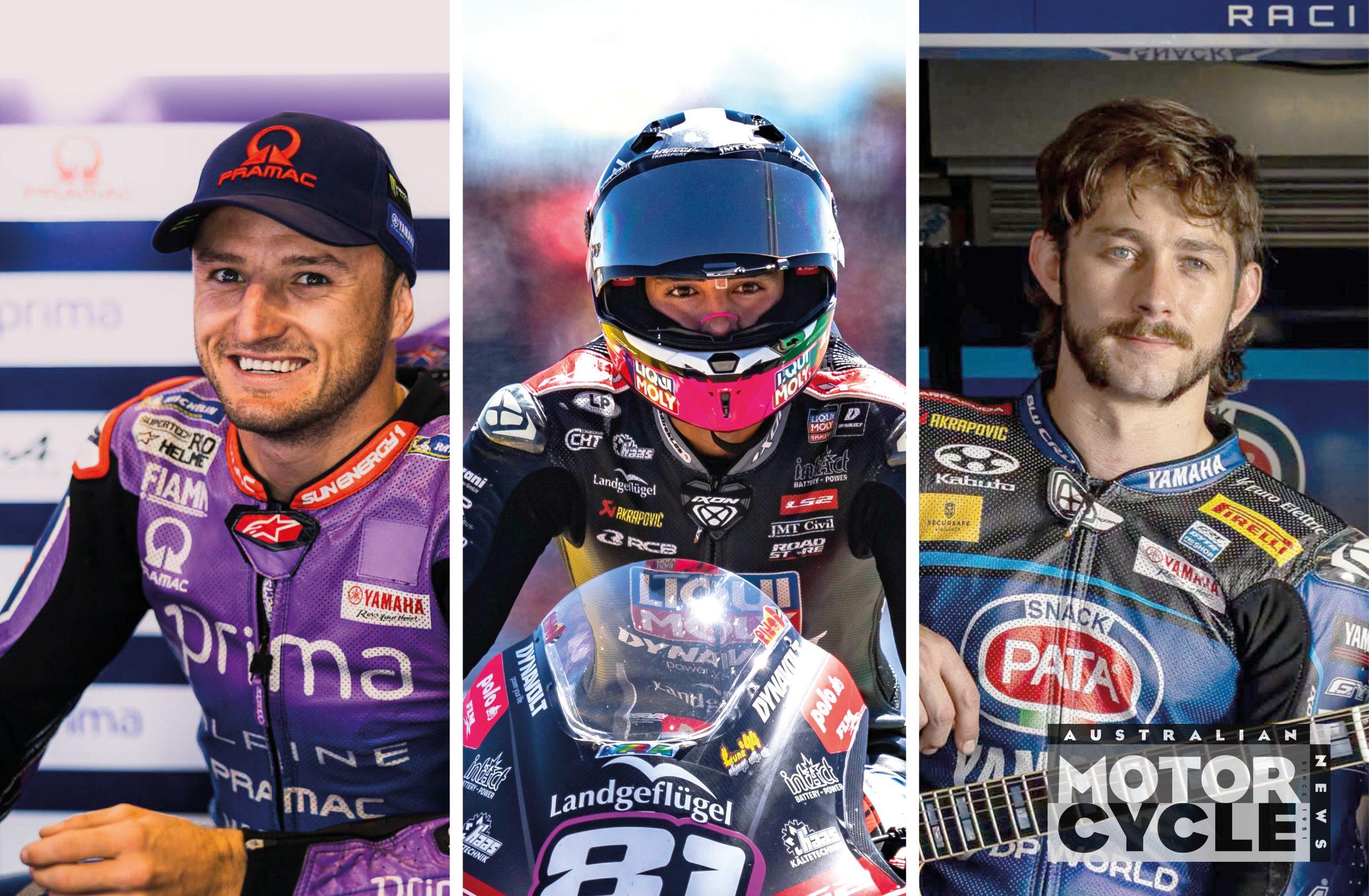
Musical Saddles. Who Goes Where. The Silly Season. Call it what you will. Contract time in MotoGP 2026-style is at fever pitch, well before the usual summer speculation. We have Pecco Bagnaia quitting Ducati for Aprilia, Fabio Quartararo dumping Yamaha for Honda, Pedro Acosta leaving KTM for Ducati, and Alex Marquez doing the opposite. These are just some highlights.
Perhaps the turmoil is unsurprising, given the big unknowns of 2027, when the ground rules change after 15 years of stability. The 1000cc generation bikes are reckoned too big for their boots and too fast for their own good. In come 850s instead, with much reduced aerodynamics.
More than that, the tyres. After 11 years, Michelin give way to Pirelli. Closing an era that ended in controversy, with the deeply unpopular minimum-pressure rule that often upended race results (even in a recent race Acosta was robbed of a podium).
But in 2027, teams and riders are facing changes that go beyond the new power-down 850s, with their clipped wings, piping exhaust notes and ex-WorldSBK tyres. How will these changes affect an already tottering status quo? Ducati’s dominance is already under threat by Aprilia, and both KTM and Honda are in a state of flux.
It’s less around which riders the brands should back, more the other way round. If the Marquez/Ducati domination can be undone in just three races, what of other ‘certainties’?
For example, that beleaguered Yamaha could hope to employ only rejects or no-hopers. Apparently, nobody told Jorge Martin, set to replace Quartararo. Ever a man to stick to his guns, Martin has been defiant when questioned about the sanity of his move.
Maybe he has a point. Contrary to the old theory that factories view riders like light bulbs – one breaks, you screw in another – it’s nowadays as much the riders who set the agenda.
The prime example was Valentino Rossi, when he left dominant Honda to join underdog Yamaha in 2004 and maintained his grip on the title. Yamaha had needed to upgrade their bike but it wouldn’t have happened without the rider’s initiative. That changed the whole balance of power. Honda struggled to catch up technically, partly because of the difficulty in attracting the right kind of rider who could help them do so. Nicky Hayden pulled off a fluke in 2006, but it was only a blip.
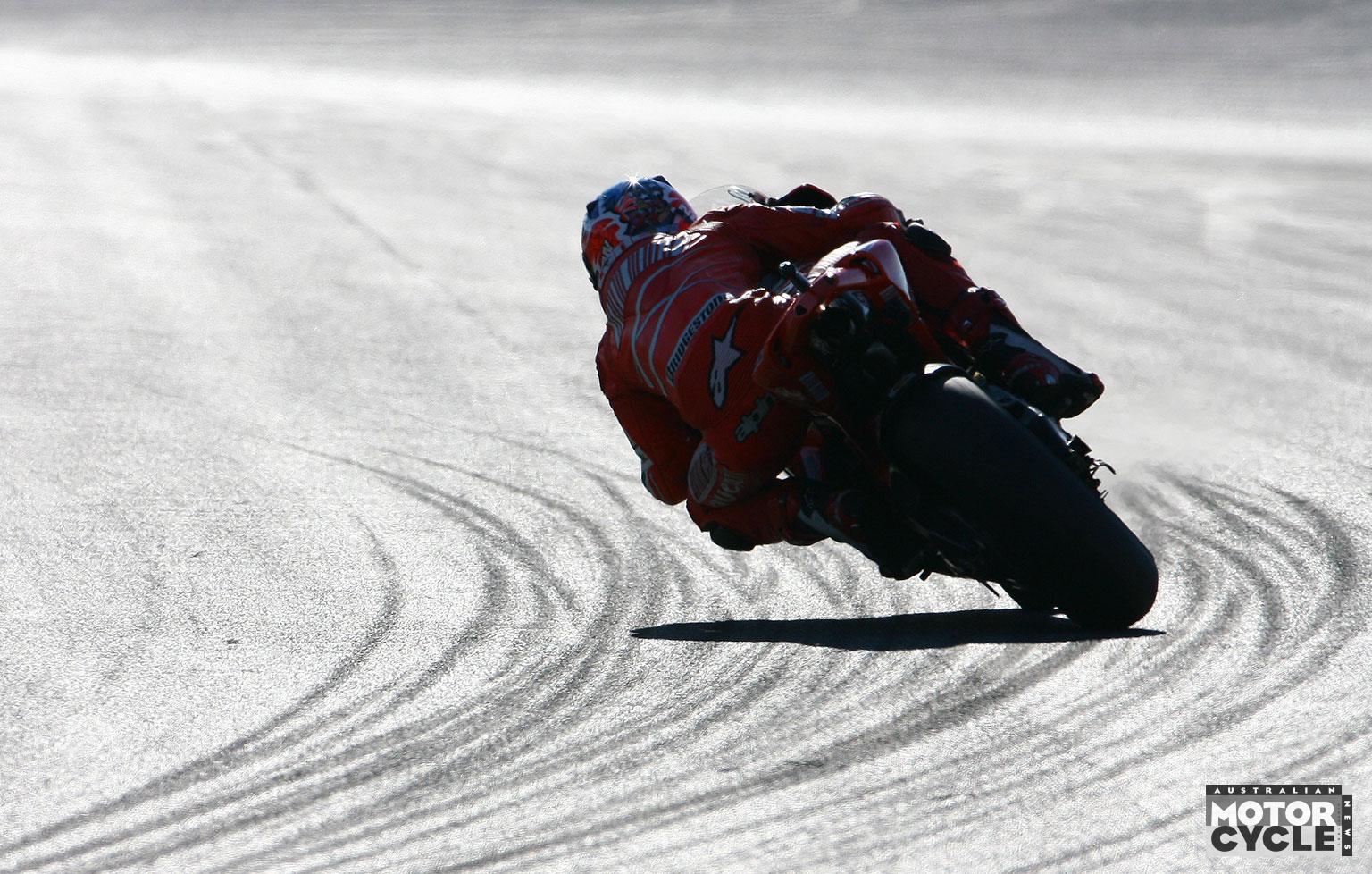
The greater interruption to Rossi’s reign came in 2007 from Casey Stoner and Ducati… and coincided with a technical step change with ominous similarities to 2027’s 1000-to-850cc. Ducati’s fortunes were transformed by the switch from 990cc prototypes to the despised 800cc generation, thanks to their Magneti Marelli equipment that made the most of the limited fuel quantity. And, of course, Stoner’s talent.
The 800s struggled to impress. For the fans, the racing was less exciting, with difficult overtaking and an end to the power-sliding sideways entertainment. Same for the riders.
They were a disappointment also for the safety lobby, who had engineered the change for much the same reasons as the latest cutback… to throttle back on ever-rising speeds. Paradoxically, the less powerful but lighter bikes made up for what they lacked in top speed with higher corner speeds. They were as fast and soon faster than the 990cc bruisers.
It remains to be seen whether this latest downsizing will disappoint in the same way. Things have moved on a lot since then. Not least in that it’s now Ducati facing a potential reversal of fortune. A factor that Marc Marquez appears to have anticipated, signing only a single-year extension after storming to overall victory last year. He said it reflected uncertainty about his own potential. That might have been a smokescreen…
History’s lesson is clear. Change the regs and everything predictable changes with them.