Over the past two decades, Siobhan Ellis has ridden classic Lambrettas across Australia, Europe and North America, favouring use over preservation and distance over spectacle
One of the most striking things about Siobhan Ellis is how normal she makes extraordinary things sound. And as if losing count of how many Lambrettas she’s owned in her life isn’t extraordinary enough on its own, traversing three continents on period-true 1950s and 60s examples takes this woman’s obsession to new heights.
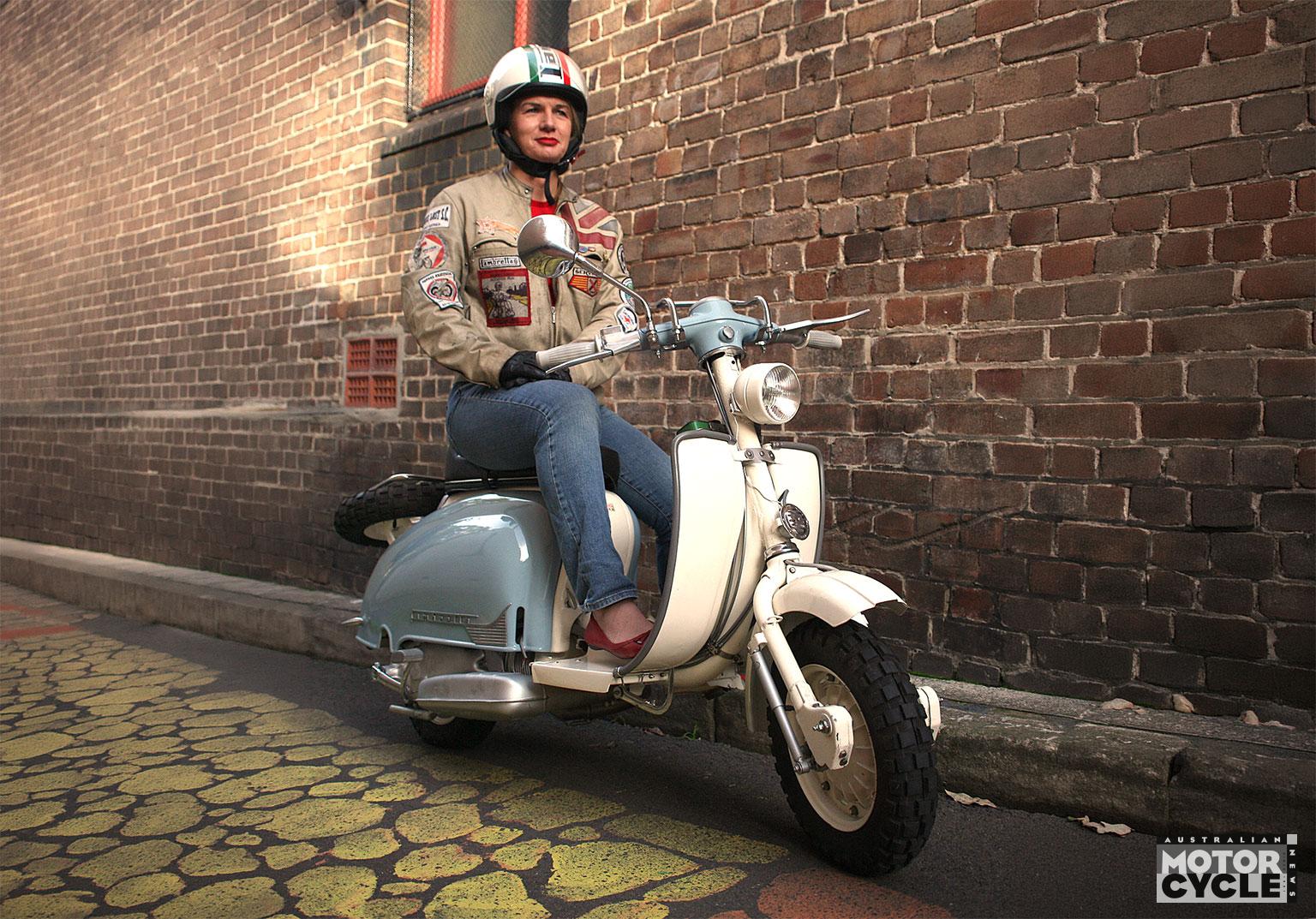
“It’s quite simple,” she says when asked how her love of Lambrettas formed. “I was a mod. And mods ride scooters. But I’m also into design and, in my opinion, Lambrettas are much better looking than Vespas, which from behind are fat and bulbous – Lambrettas aren’t.”
The founding member and former president of the Lambretta Club of Australia, Siobhan’s day job as a globally respected IT professional has taken her all around the world, but regardless of where she’s living or how long she’s there, Lambrettas have remained a constant feature of her life.
“The most it got up to was when I was in California the second time and it was 20,” she says plainly, speaking from her current UK base where she grew up. “I’m down to eight now.”
Some of the examples she’s owned over the years have been noteworthy. There was a very rare Spanish-built example produced in extremely small numbers.
“They only made a few hundred of them,” she says. “Very, very, very sought after.” She eventually sold it in the United States to a buyer who had been searching for one for years. “I just gave him a number, and he said, ‘Well, I suppose that’s not up for negotiation, is it?’ And I went, ‘Can you find another one?’ And he went, ‘No’. I said, “Well, there you go’.”
Among the more improbable was a 1971 Lambretta three-wheeler, still wearing its original paint. She rode it from San Jose to San Francisco, flat out wherever possible.
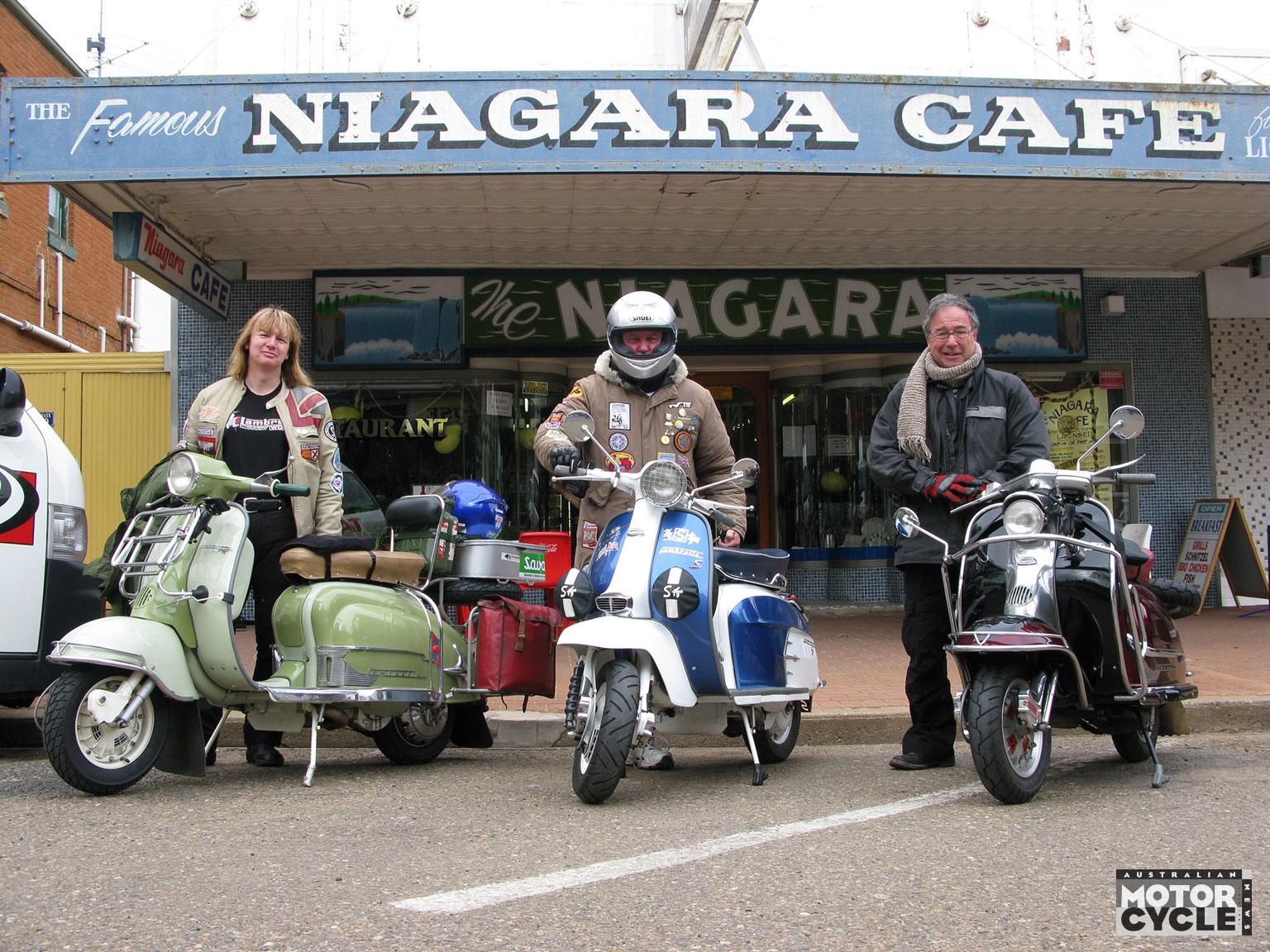
“Every time I saw a speed limit sign that said maximum speed 35 miles an hour, I would floor it trying to break 35 miles an hour,” she laughs. The absurdity was underlined by the fact she had another scooter in the back. “Because it was a ute, and my scooter actually had more CCs than the three-wheeler.”
Sitting in her collection now is a prototype Lambretta she pursued for more than 15 years – a one-off design exercise produced by the Spanish factory. “It’s so ugly, it’s cool,” she says.
It vanished into a private collection for years before resurfacing, eventually landing in the hands of someone who knew her interest. “He’d heard I’d been chasing it, so he phoned me up and asked me if I wanted it.”
For most collectors, the scarcity of the 1965 Spanish-built example would put it behind glass, or at least kept close to home. And even if you did want to take it to the 2009 National Scooter Rally in Adelaide, you’d at least transport it there in order to preserve its provenance.
Not Siobhan.

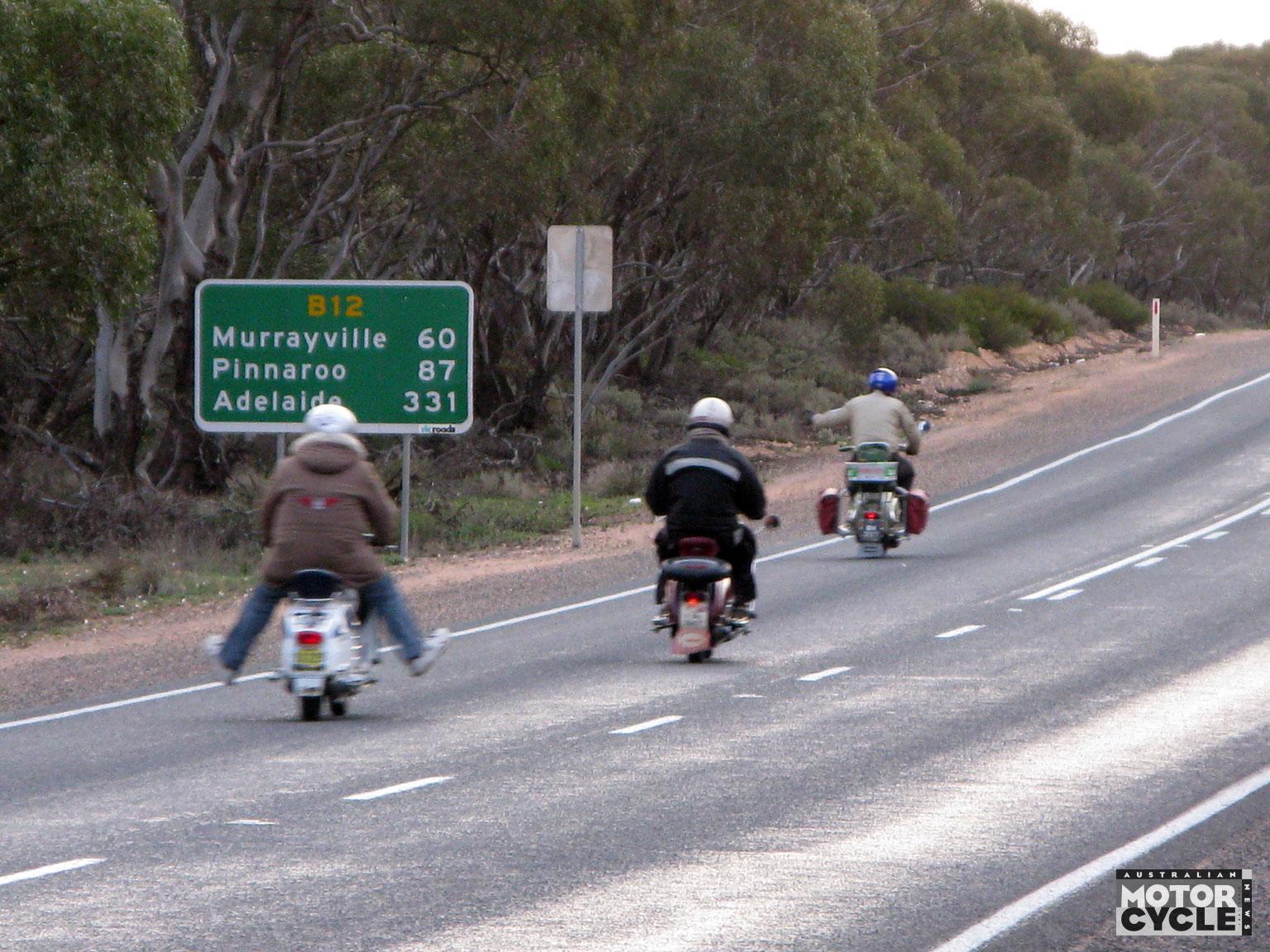
“And then I kind of thought, ‘Well, I’m a third of the way across (Australia), I might as well go all of the way across’,” she smiles. “As you do.”
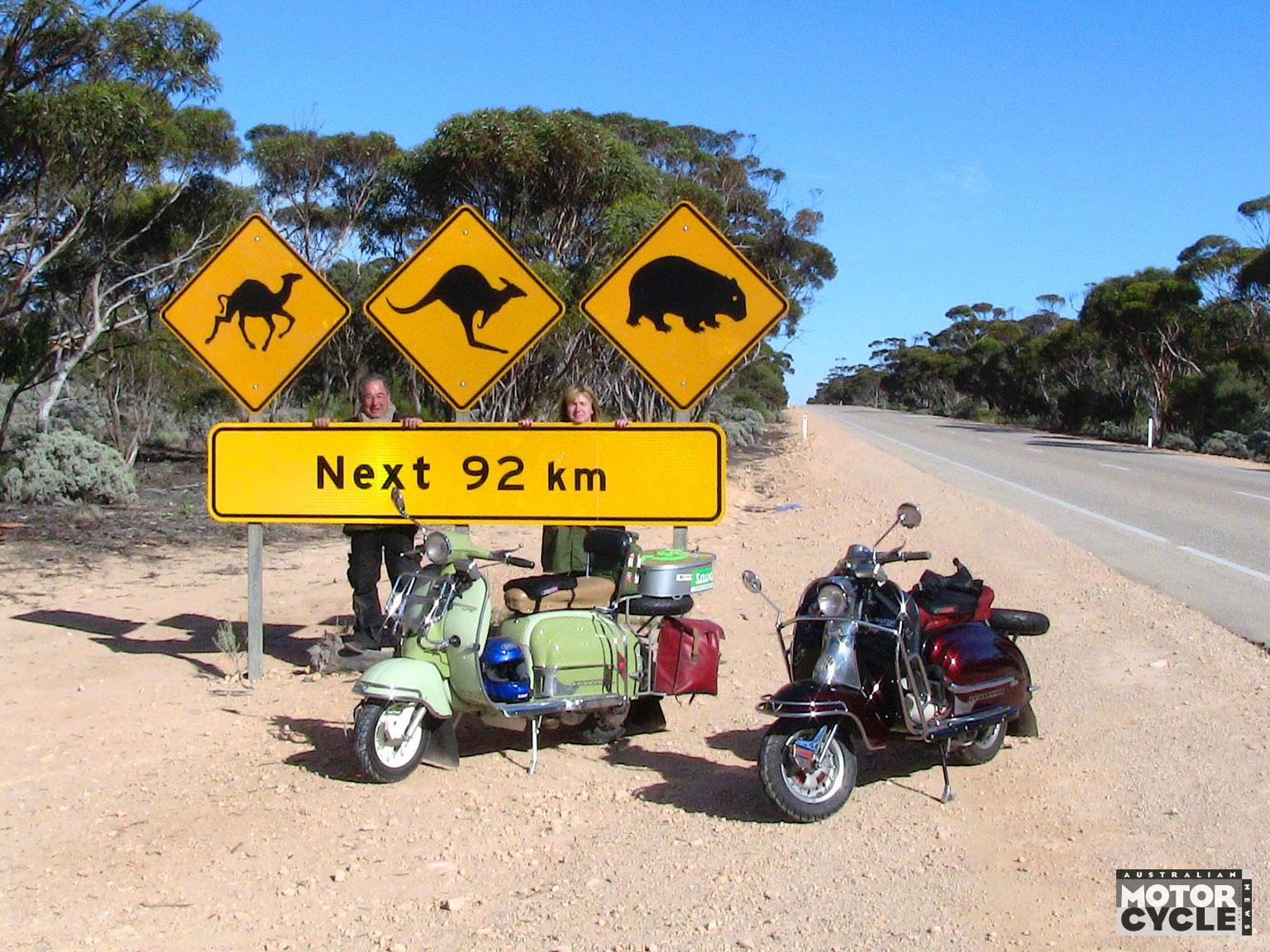
The ride would stretch to just over 4000km on a 1965 Lambretta. There’s no sense of the bike being too rare to use, or the distance or punishing conditions too extreme to contemplate. And with two dear friends having recently succumbed to cancer, the so-called Lammie Drive turned into a charity ride to raise money for breast and prostate cancer research at St Vincent’s Hospital in Sydney.
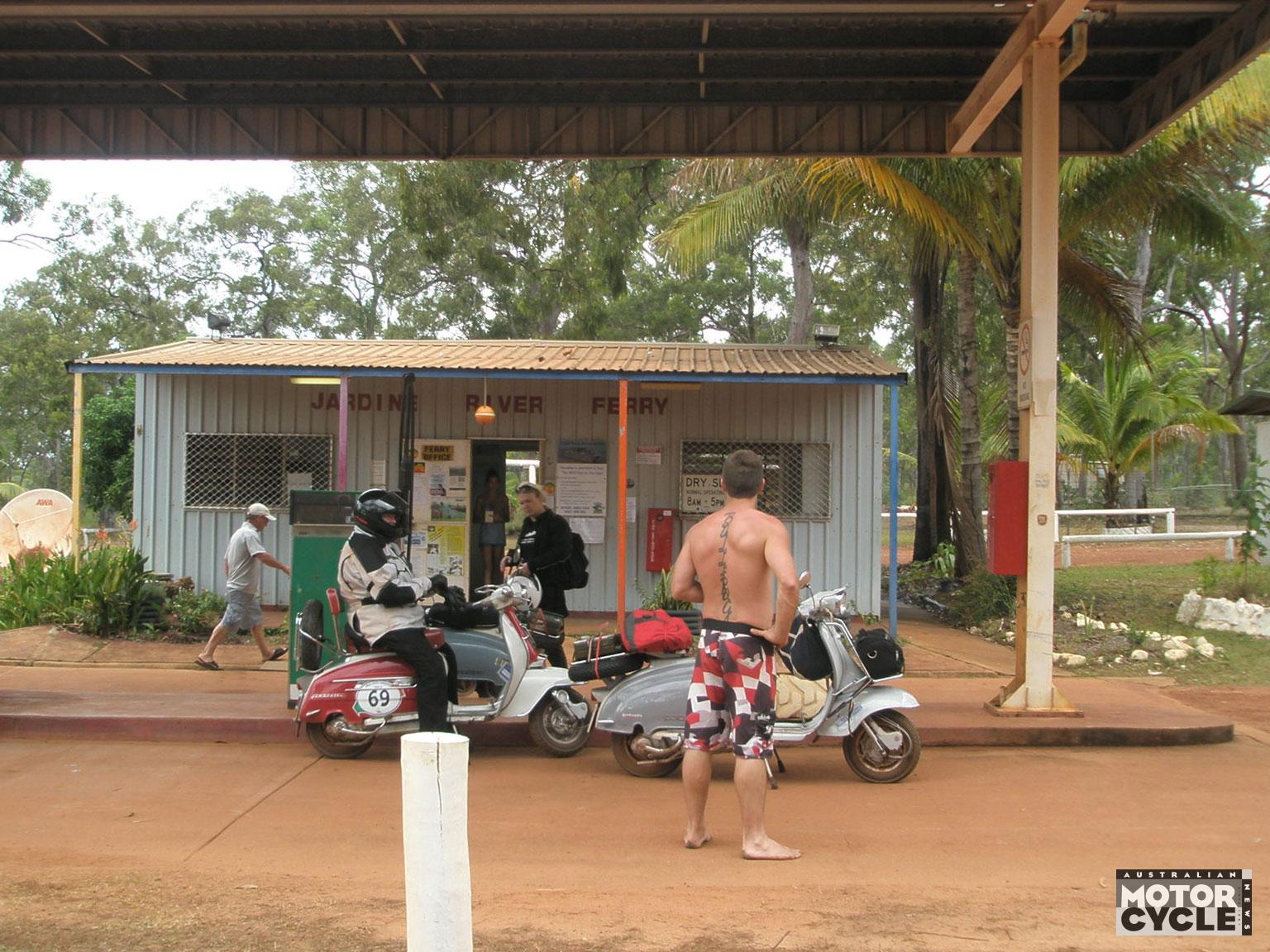
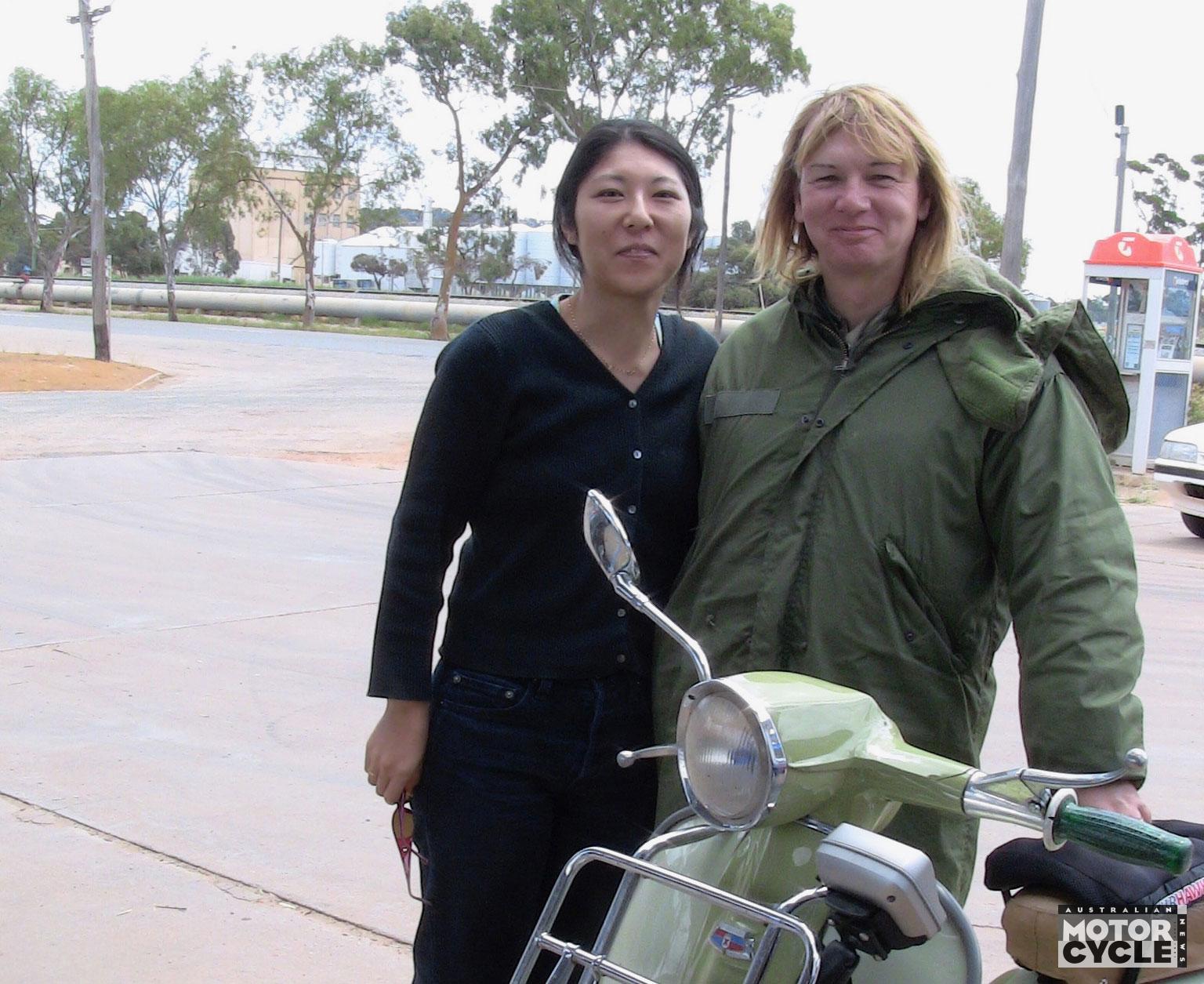
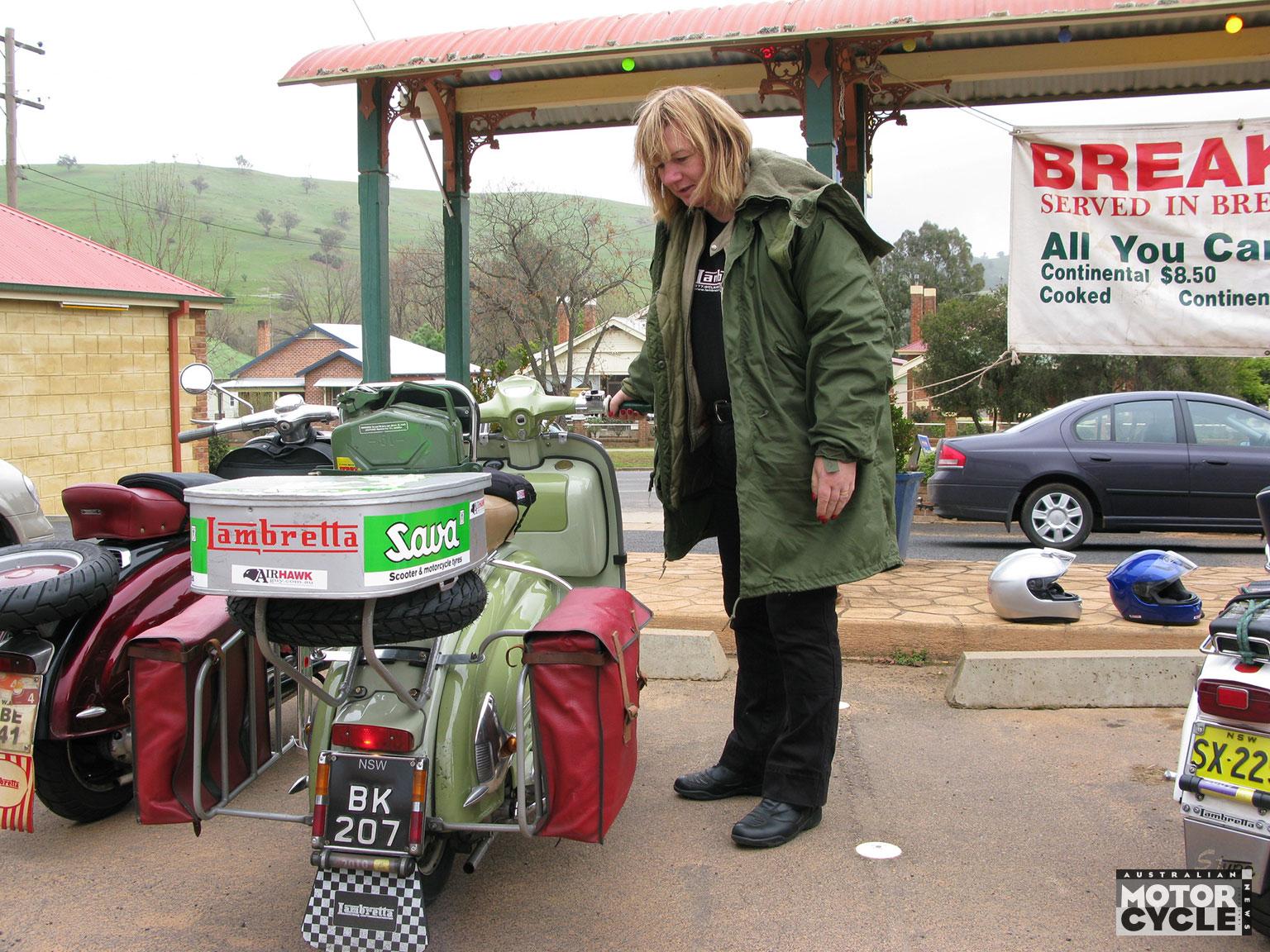
Siobhan set off on that Spanish-built 1965 Lambretta TV 185, riding alongside fellow scooter diehard Ron on his 1959 Li 150, which he had flown to Sydney to collect in order to ride back to Perth. A third fundraiser-rider, Graham, joined them for the first section to the rally, while a support person (Bill) trailed them in a van. After several days at the rally, Siobhan and Ron continued on, Bill returned to Sydney but John subbed in from Adelaide onwards.
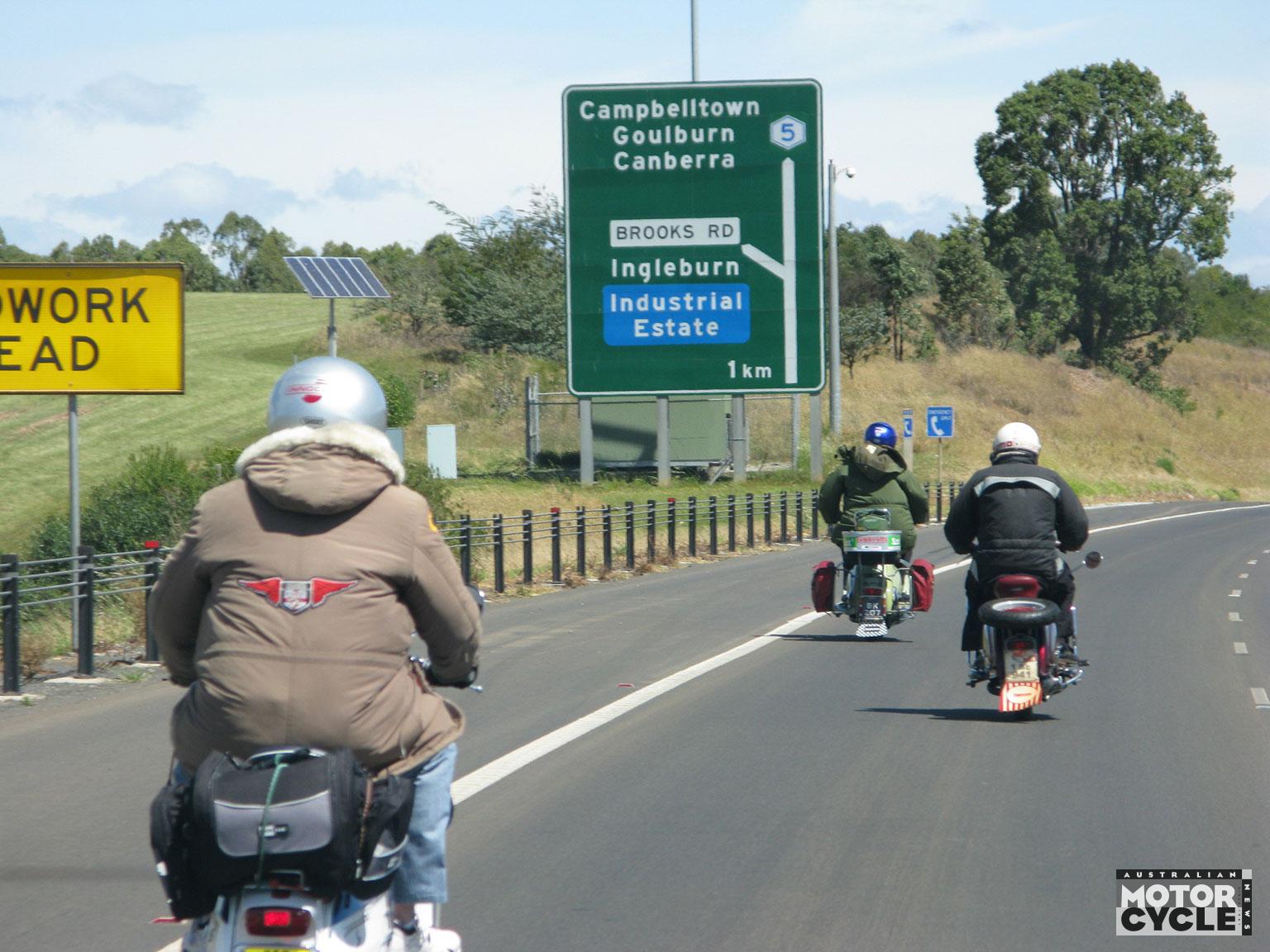
For all the distance and mechanical complexity involved, Siobhan doesn’t describe her approach as particularly considered.
“I didn’t really think about it too much,” she says. “I’m kind of a cross-that-bridge-when-you-get-to-it kind of person. I don’t sweat that sort of stuff. It’s just, okay, it’s what you need to do.”
The distances were shaped less by ambition than by logistics. “It’s very much governed by where are their petrol stations and where can you stay,” she says, adding that she does not camp. “If I’ve spent all day on a bike, I do not tent. I’m not putting up a tent and then after a shitty night’s sleep, taking it down again.”
On a full tank, she explains, they could only manage about 160km, which meant regular stops whether they felt like them or not.
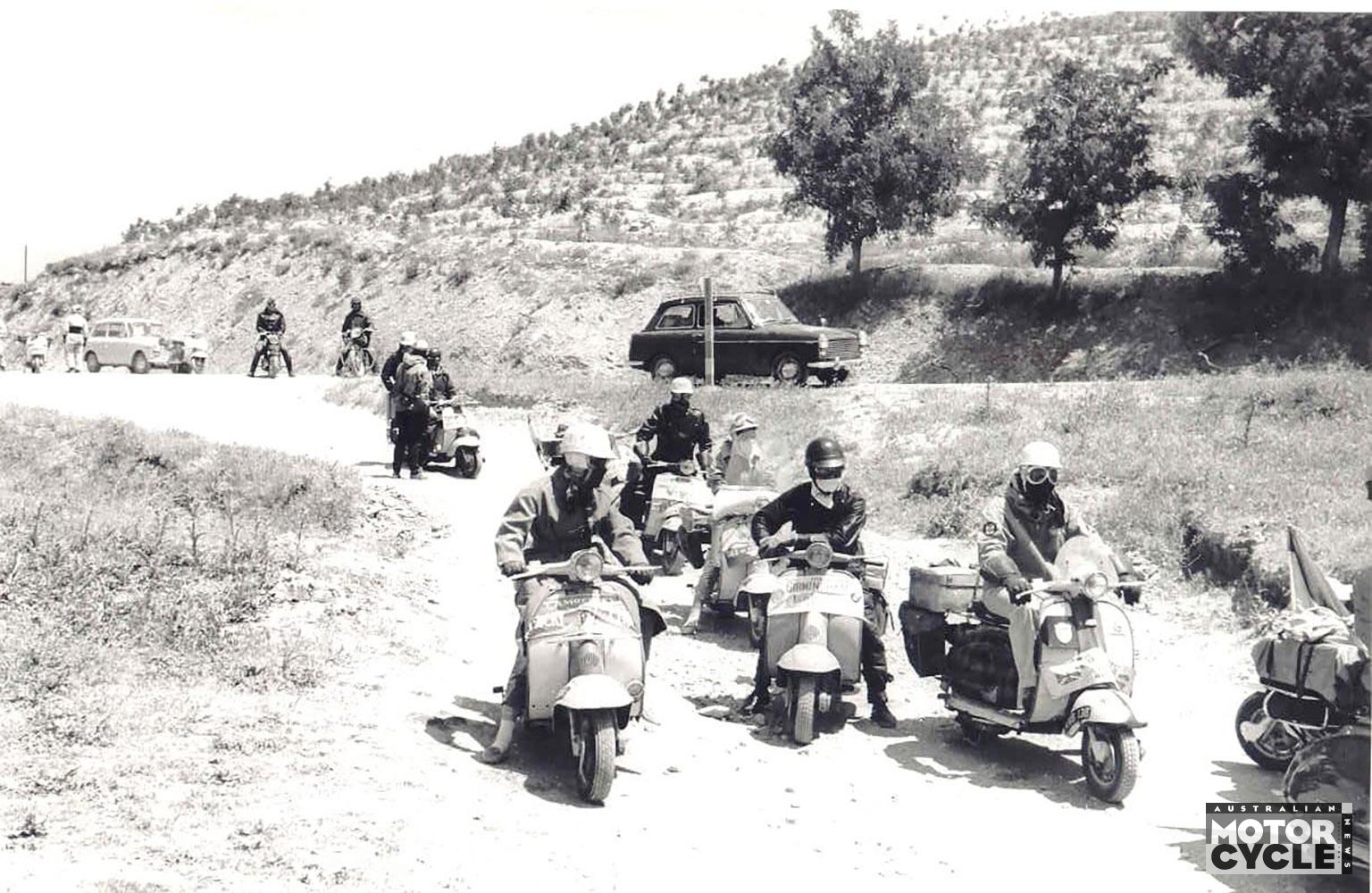
And because they were riding classic scooters – steel bodywork, two-stroke engines and manual transmissions – as opposed to what Siobhan refers to as twist-and-go Tupperware “because they’re made of plastic”, mechanical trouble arrived as part of the program.
“You get on a modern bike and you expect to get there,” she says. “You ride a classic and part of the journey is do you get there? And then often all the shit that you have to do to get there.”
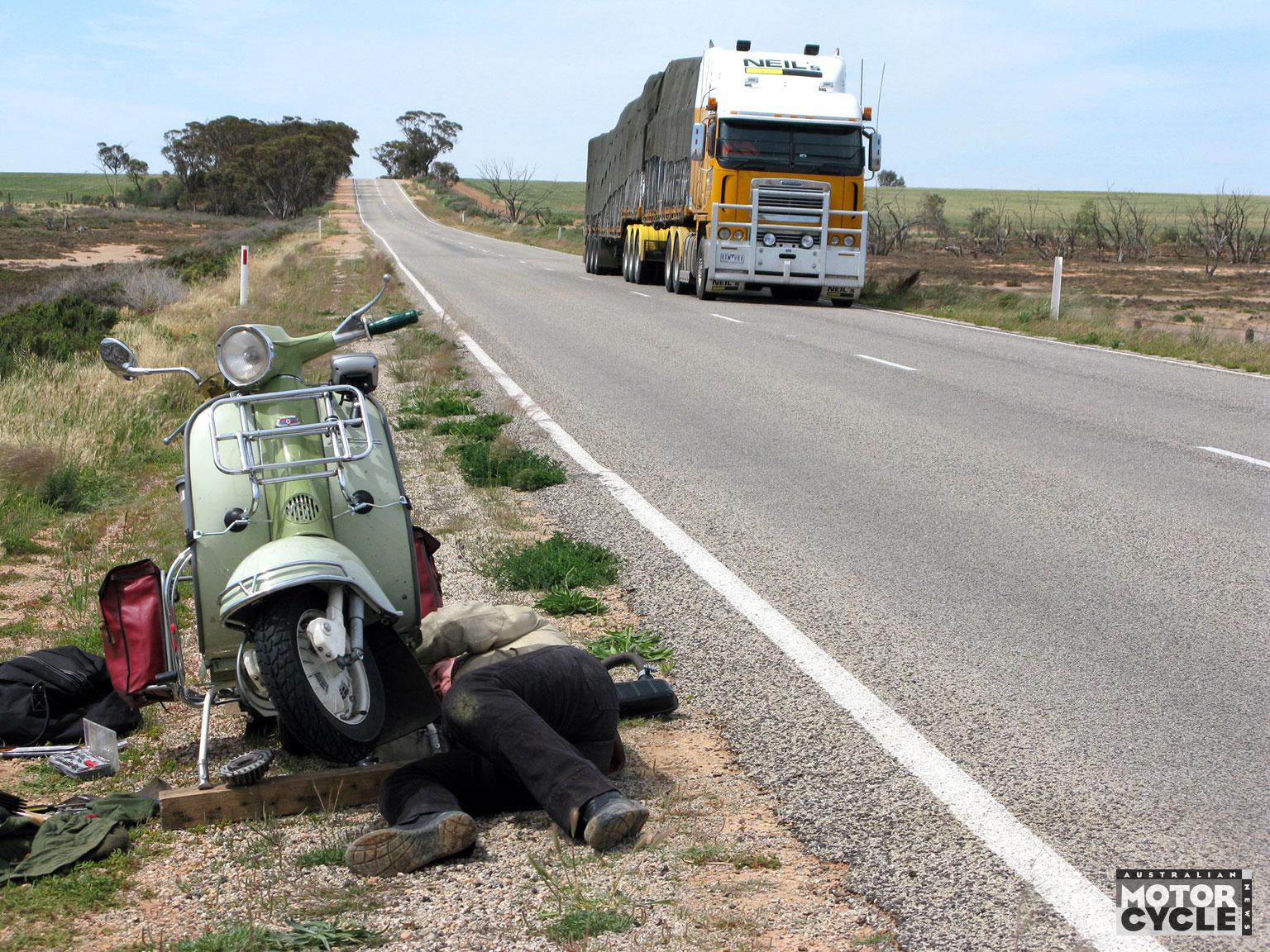
Siobhan recalls blowing a hole in a piston and changing the barrel and piston beside the road, as spinifex and road trains rolled by. And while they did carry plenty of spares, it was as much about resourcefulness as it was preparation.
“Ron had a lot of problems with his exhaust,” she says. “The number of times he got that thing welded up was unbelievable,” including one repair by “a guy just come back from brain surgery”. “In the end we cut some wire from a fence to wrap around the exhaust and keep it on the bike.”
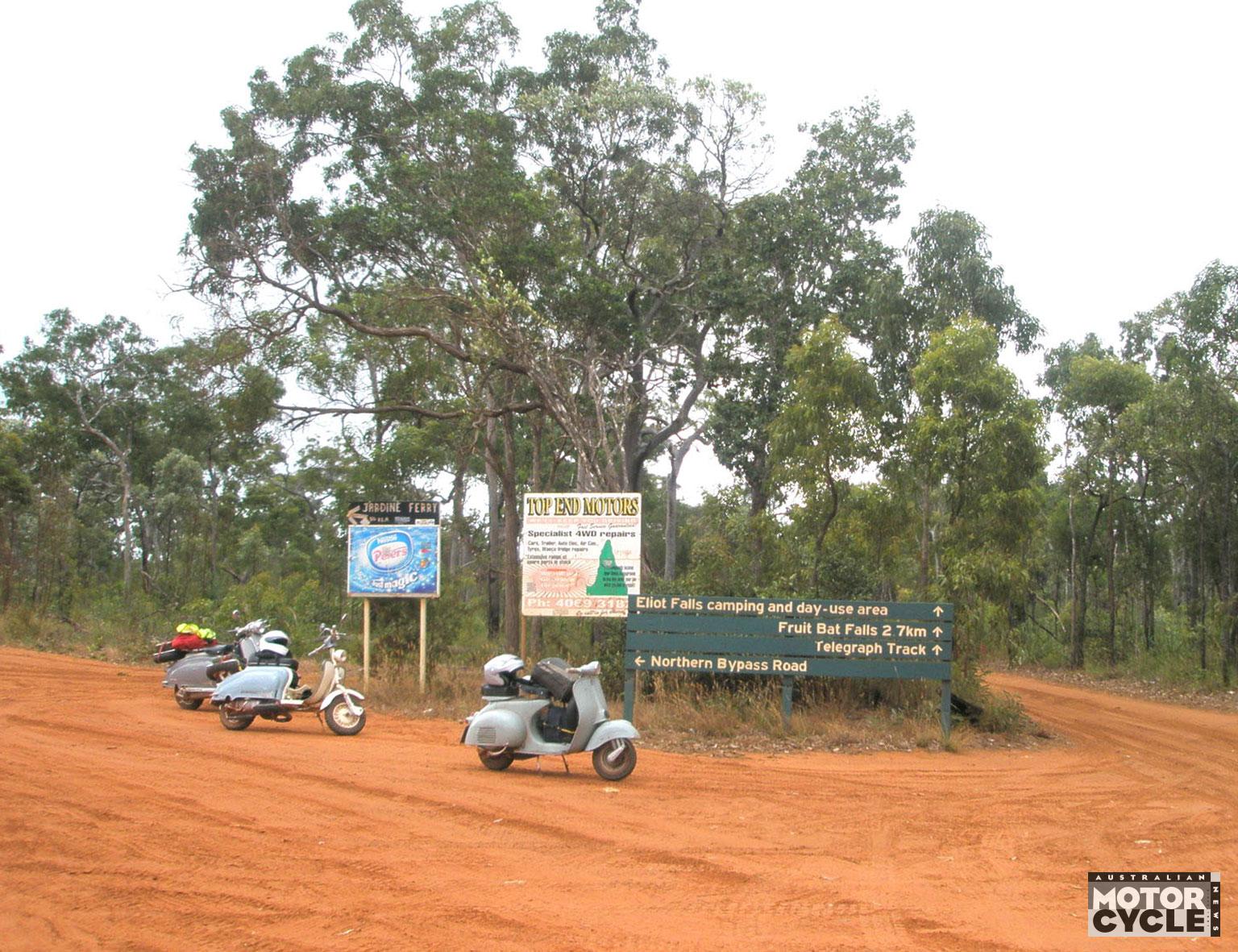
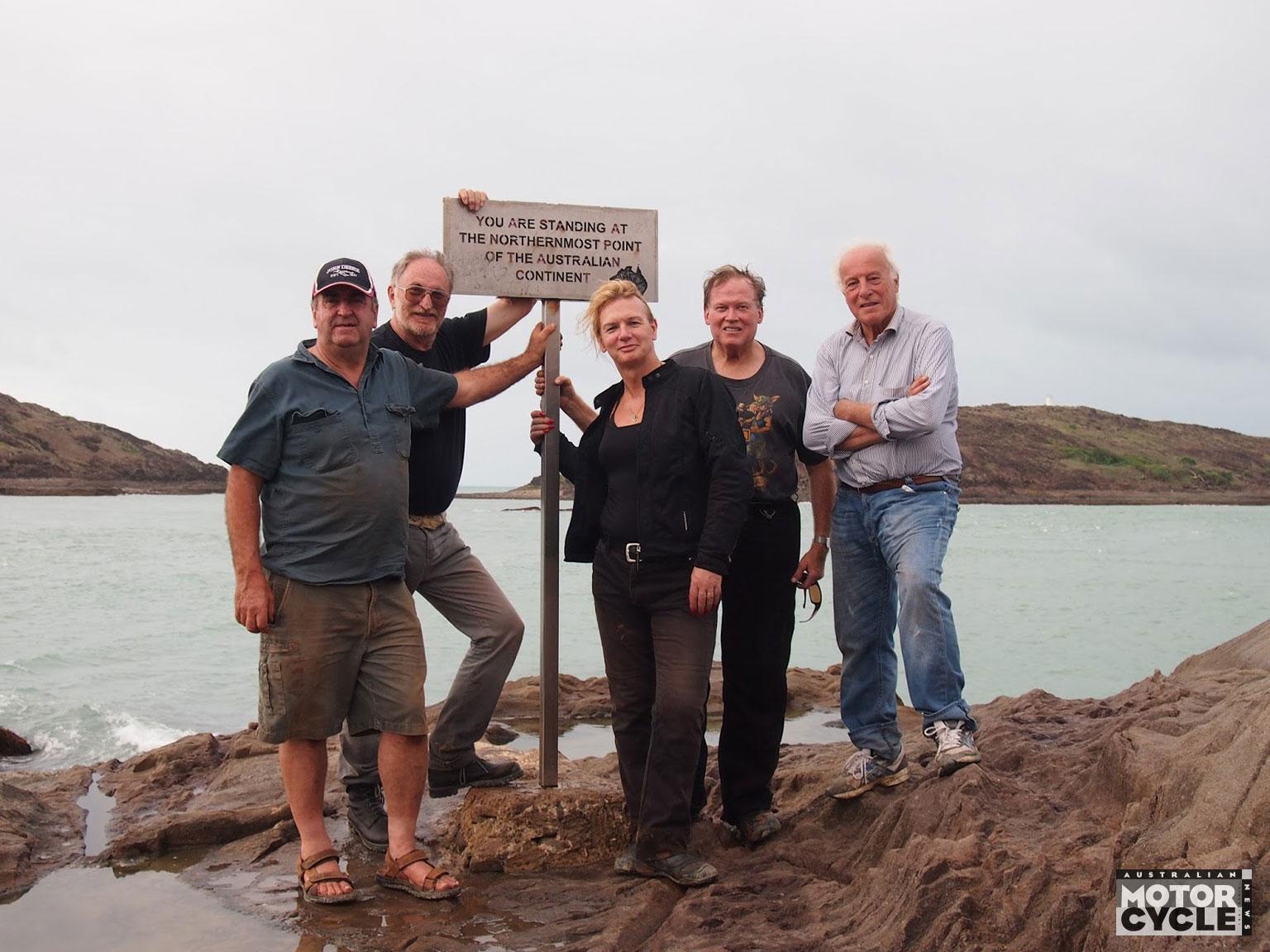
In 2013, after crossing Australia east to west, Siobhan set her sights on a 4000km journey that would run from Cape York in Queensland to Wilsons Promontory in Victoria, linking the country’s northernmost and southernmost points. Unlike the the east-west run, Lammie Drive 2 began on dirt, with the first 800km made up of the rough terrain of the Cape and beyond.
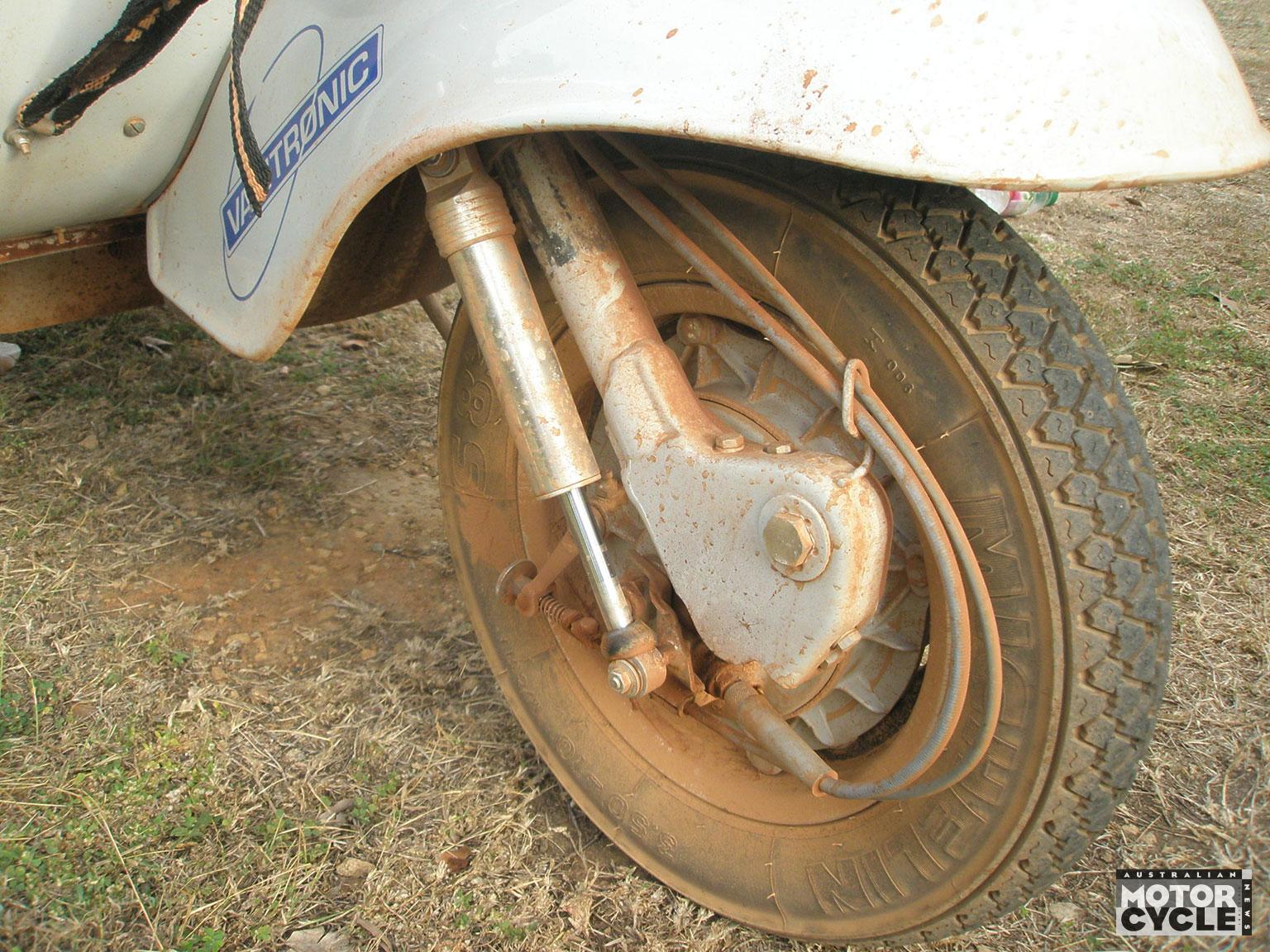
And if that wasn’t challenging enough, she built a bike specifically for the task. Drawing inspiration from Lambretta’s Scottish Six Days Trial machines of the 1950s, she recreated the concept with meticulous precision and called it the Australian 28 Day Trial bike. The changes were purposeful, focusing on ground clearance, durability and weight. Bodywork was pared back and the front wheel was mounted in reverse, which then meant the cables were not near the ground.
Even the carburettor was period-correct. “I got really anal about it,” she says, explaining that while another rider chose to fit a modern carburettor and air filter to cope with the fine dust, her 1957 carburettor and air filter proved far more resistant.
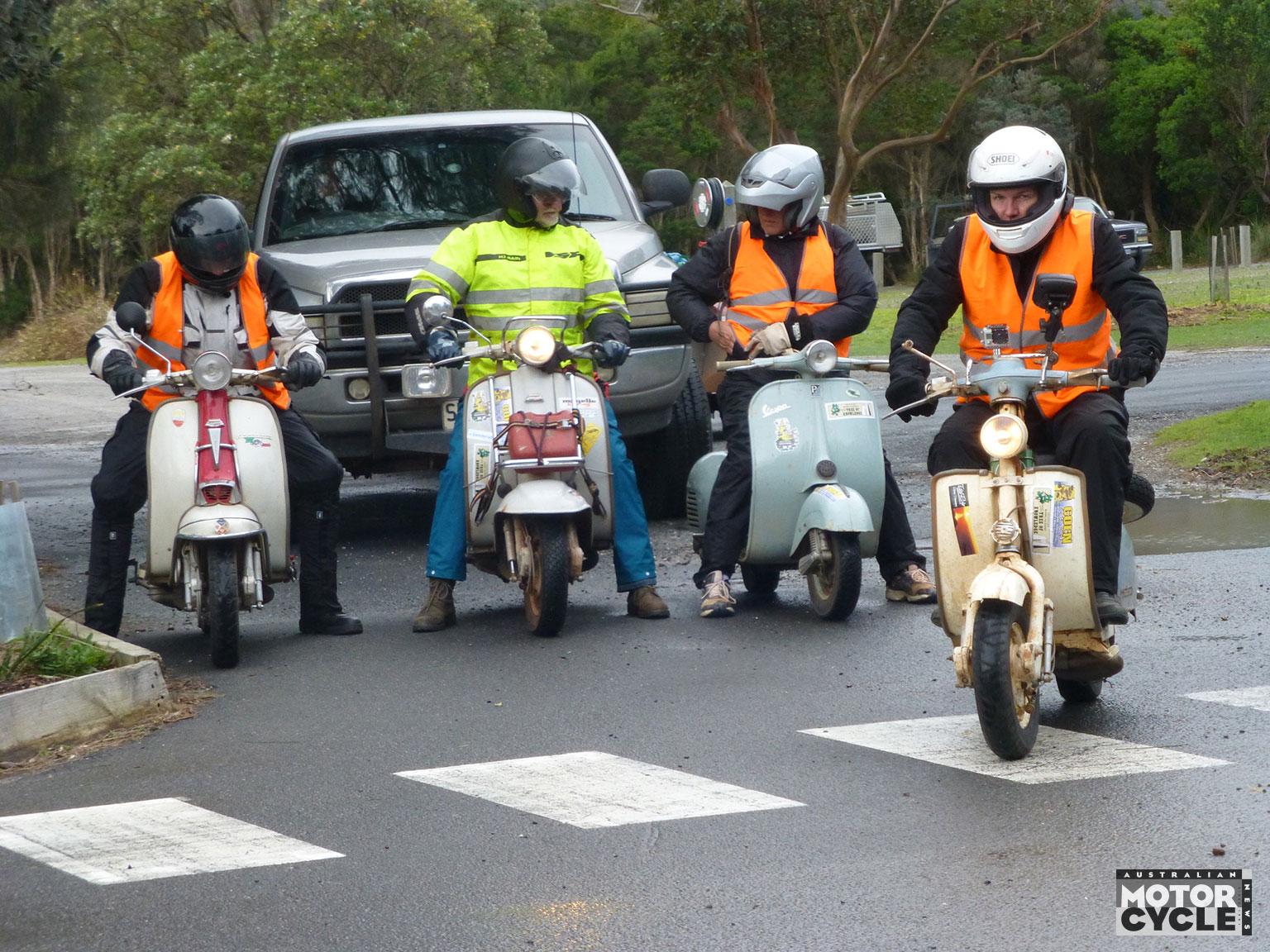
“He even put a sock over his filter, but by the time we got to Cairns, he had to rebuild his engine because he’d worn all his piston rings down. But because I was using this 1957 carburettor and air filter, the inside of my carburettor was absolutely spotlessly clean.”
With four riders on scooters and a support vehicle in tow, the north-south Lammie Drive was underway.
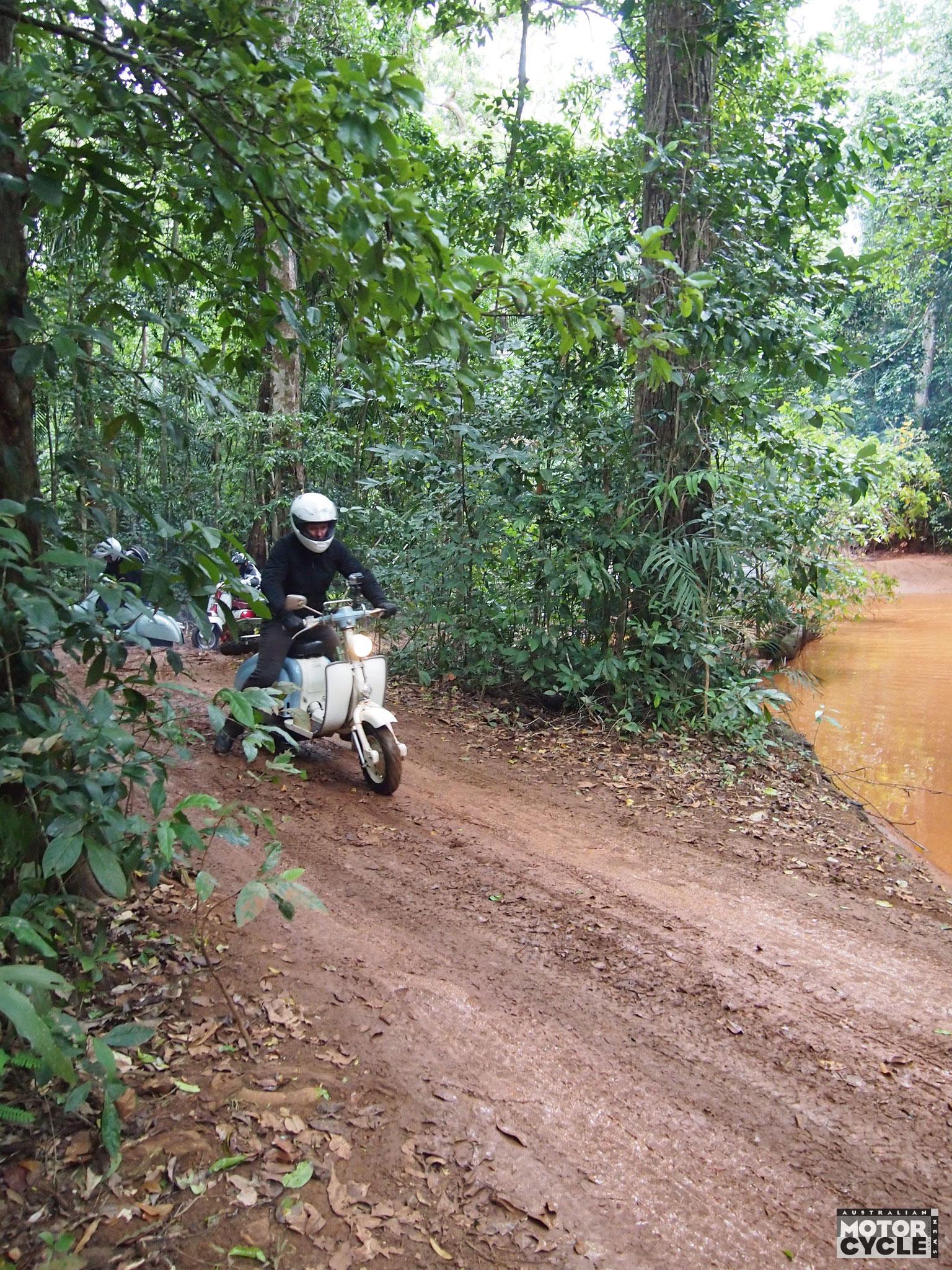
On the fourth day, riding alone about 25km from the roadhouse that marked the day’s end, a four-wheel-drive forced her off the road. She broke her collarbone, picked the scooter up, restarted it and rode the remaining distance before collapsing. But because there was no bone protruding, the flying doctor simply prescribed painkillers over the radio. After travelling in the support vehicle for a while, she realised that wasn’t what she came for.
“After a couple of days, I just got back on the bike again and just started riding,” she says. “I had to be helped in and out of my jacket and stuff like that. It was pretty painful, but yeah…”
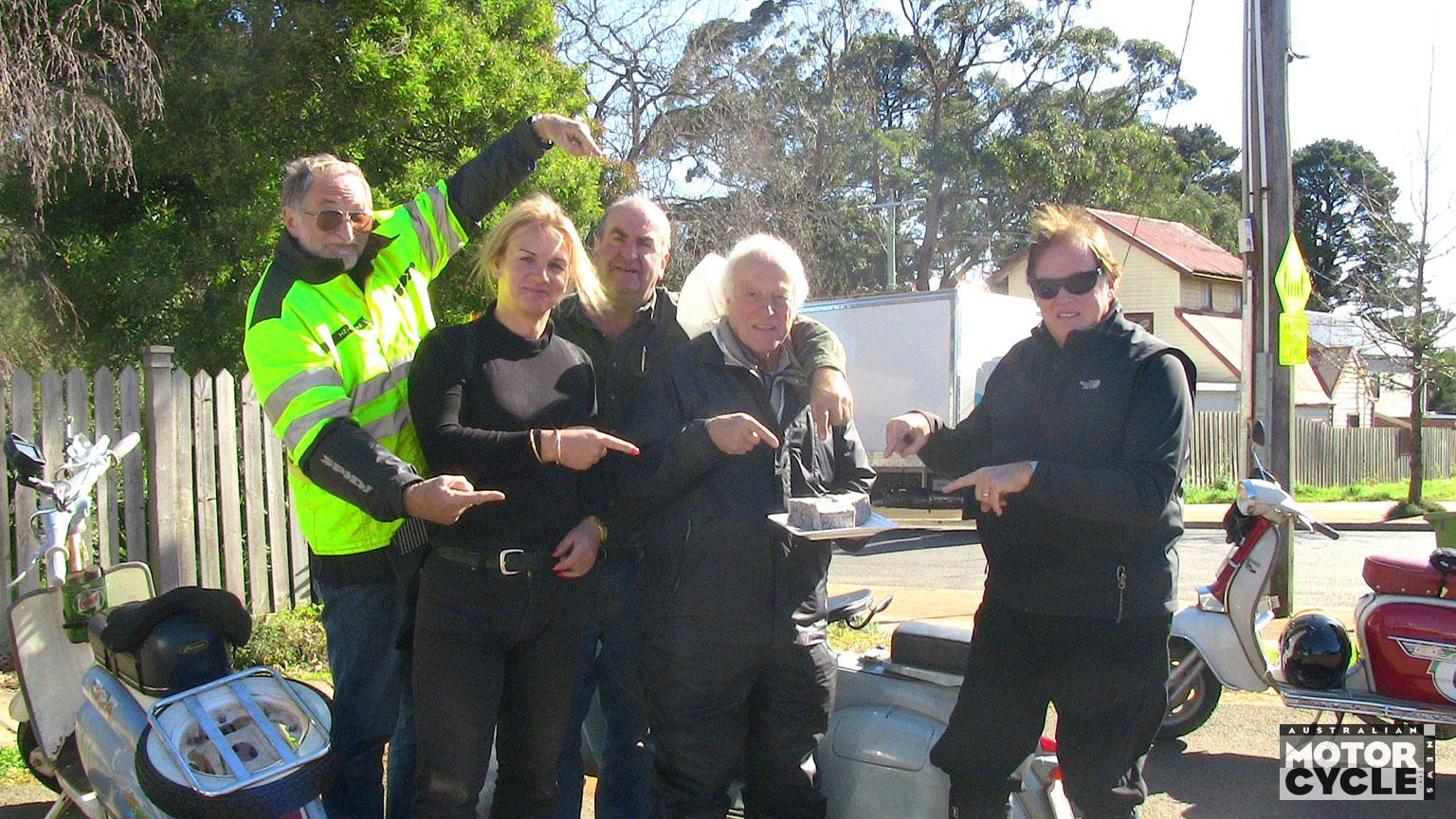
The rough sections had consequences for the scooters too, though not all of them were unwelcome.
“I think we’d broken the rear suspension unit on every single one of them. I’d phoned somebody and we had new rear suspension units waiting for us in Cairns. But the funny thing was, it actually made them better for the rough ground because there was more travel.”
The group then completed the journey to Wilsons Promontory, by now with collarbone strapped and arm largely unusable.
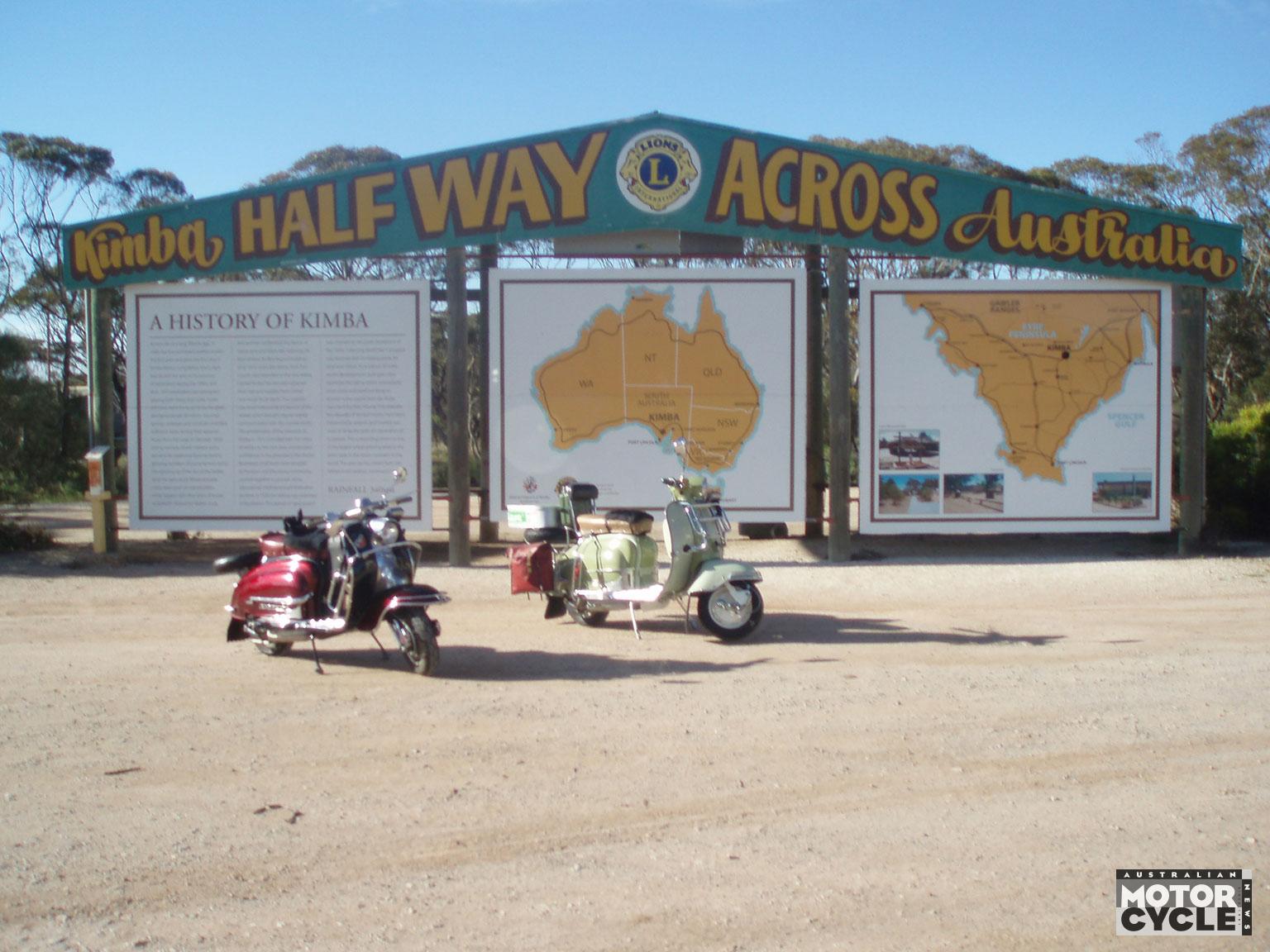
And when the southernmost point was finally ticked off, the scooters were turned north again and ridden back to Sydney, folding another long stretch of road into what had already become an uncommonly long way to go on small, old machines.
“We were at Glenrowan and a bunch of Hells Angels show up, and they’re laughing at us,” she recalls. “I got on the scooter and rode over to them and said, ‘Where have you ridden from?’ And they went ‘Bathurst’. And I went, ‘Oh, I’m on the way back to Sydney because we’ve just ridden from Cape York to Wilsons Prom’. Anyway, about 50 kilometres down the Hume, they overtook us, and all rode past us with their thumbs up.”
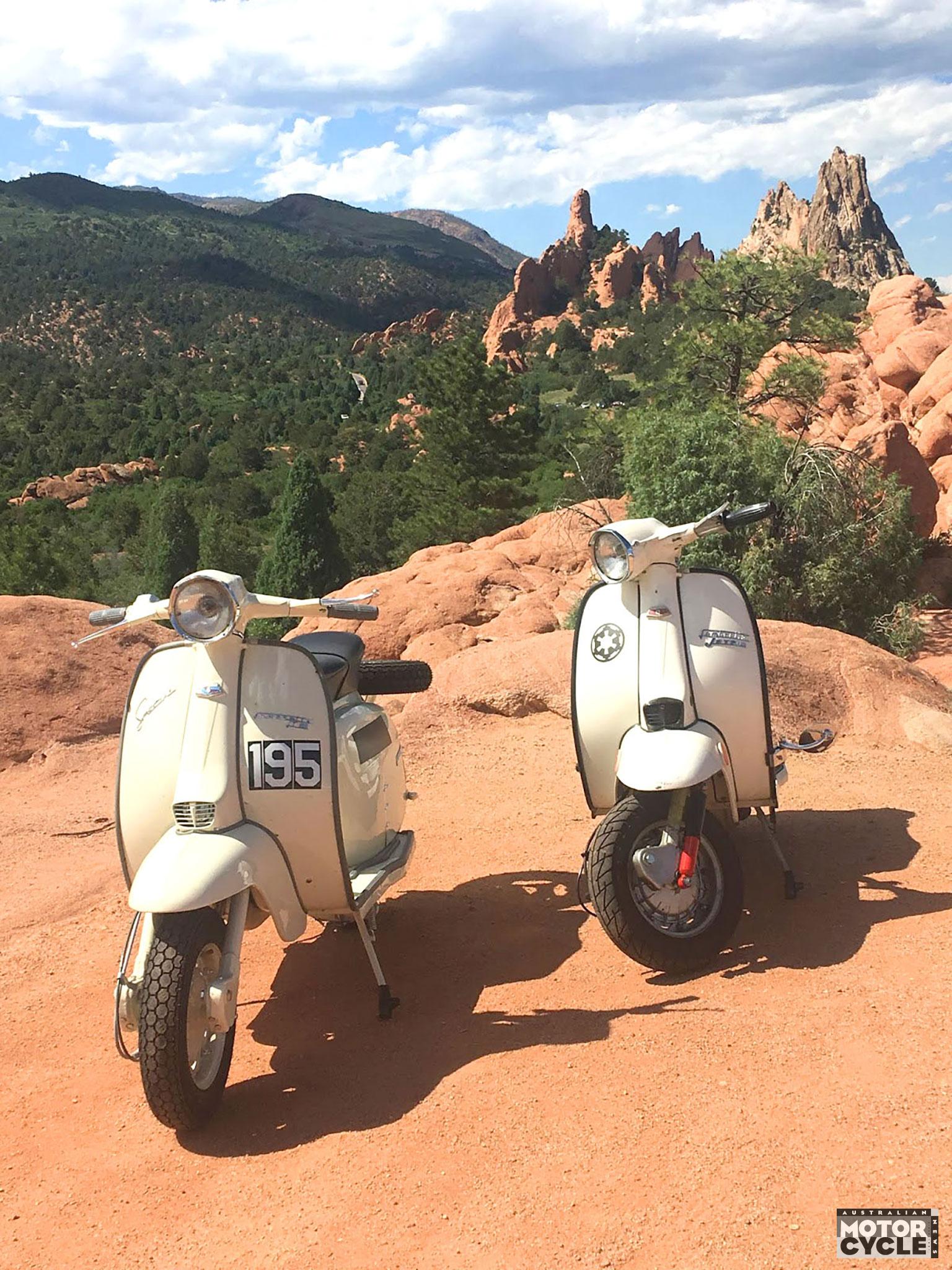
While living in the United States, she rode a restored ex–New York Police Department Lambretta from Phoenix, Arizona to Duluth, Minnesota – close to 5000km – because she wanted to attend a rally.
Europe followed the same logic. One trip began in Milan and ended in Spain, looping through France before work commitments pulled her back to Berlin.When ferry paperwork derailed the return plan, she rode across France instead and still made her flight.
Mechanical problems were dealt with – and there were mechanical problems – using borrowed tools, improvised fixes and, on one occasion, an occy strap wrapped around a loose carburettor and the frame to keep it in place long enough to reach Milan.
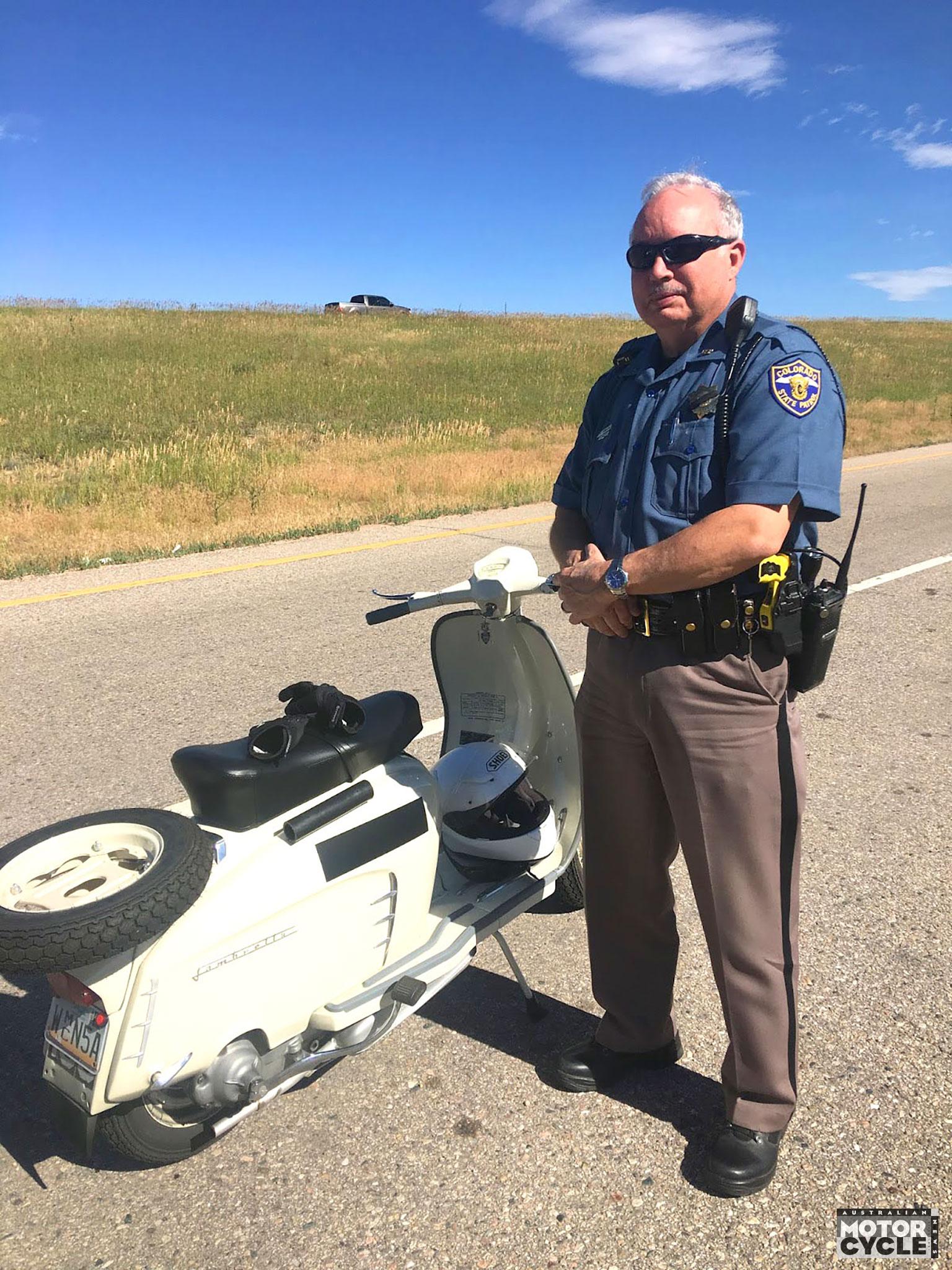
“I rode into Milan, I dropped my bike off at my friend’s place, and he doesn’t really speak a lot of English, but he said to me, ‘You, you f***ing crazy’. And not only did I make my flight, I had lunch and then made my flight.”
While Siobhan had plans of hitting the most northerly, southerly, easterly and westerly points of all of the counties in the UK and the entire UK, her demanding job and caring for her mother has put paid to that idea.
“Which, you know, kind of sucks,” she says. “So when I come back to Australia, I’ve already decided I’m going to ride all the way around.”
There will be bikes to prepare, parts to break, bodies that will have to endure and distances to be shaped by fuel stops and where there’s a bed at the end of each day’s demanding ride.
But over decades of riding small, old and beloved machines well beyond what anyone ever intended, distance has become familiar territory – something managed, adapted to and worked into everyday life, rather than something to be conquered.
And, contrary to Siobhan’s matter-of-fact humility, it really is extraordinary.