Indian has revived its post-WWII icon, mixing old-school style with massive V-twin torque
America’s oldest motorcycle manufacturer, Indian Motorcycle, marks its 125th birthday this year. To commemorate this significant anniversary, new owner Carolwood LP has released the striking and charismatic Chief Vintage.
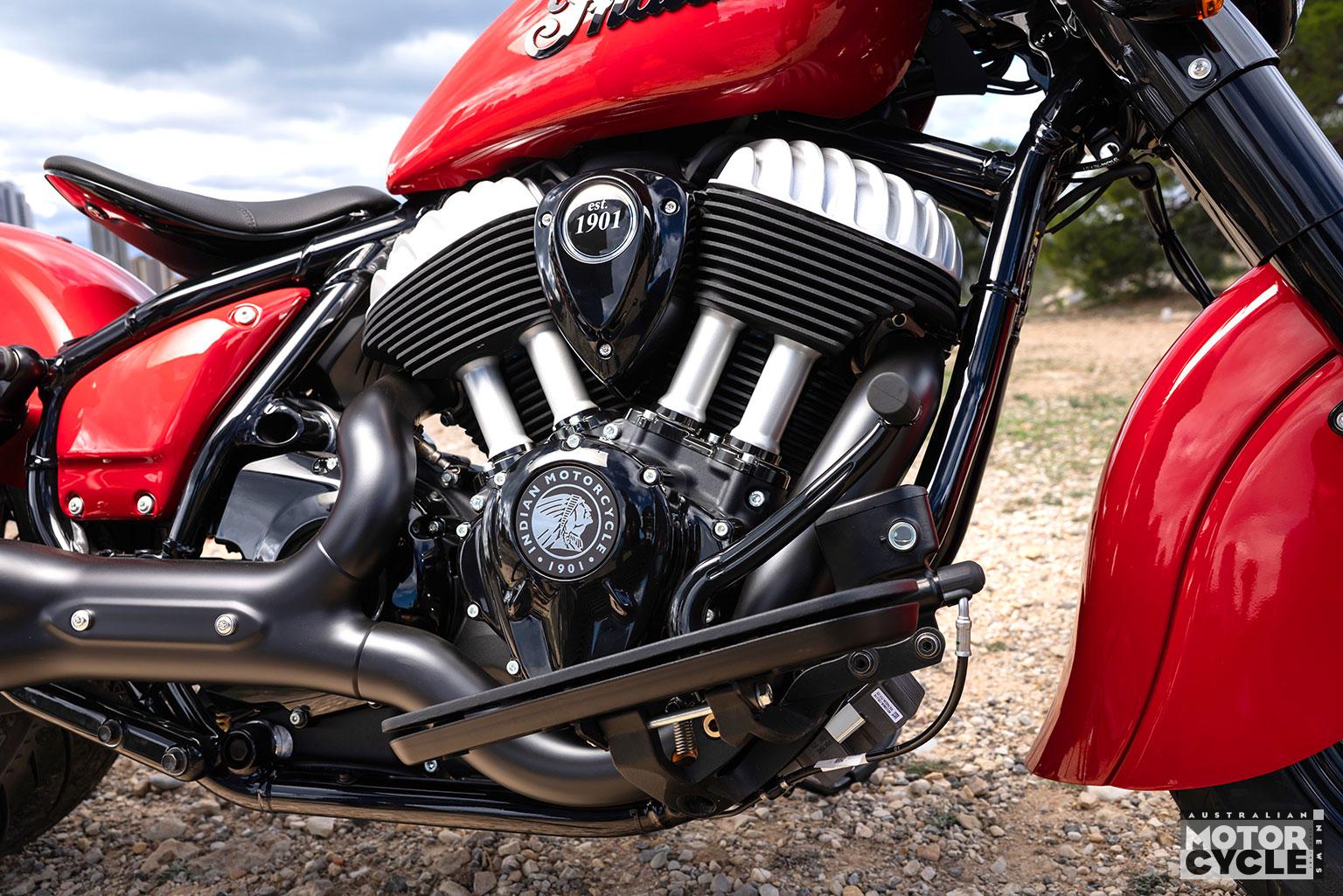
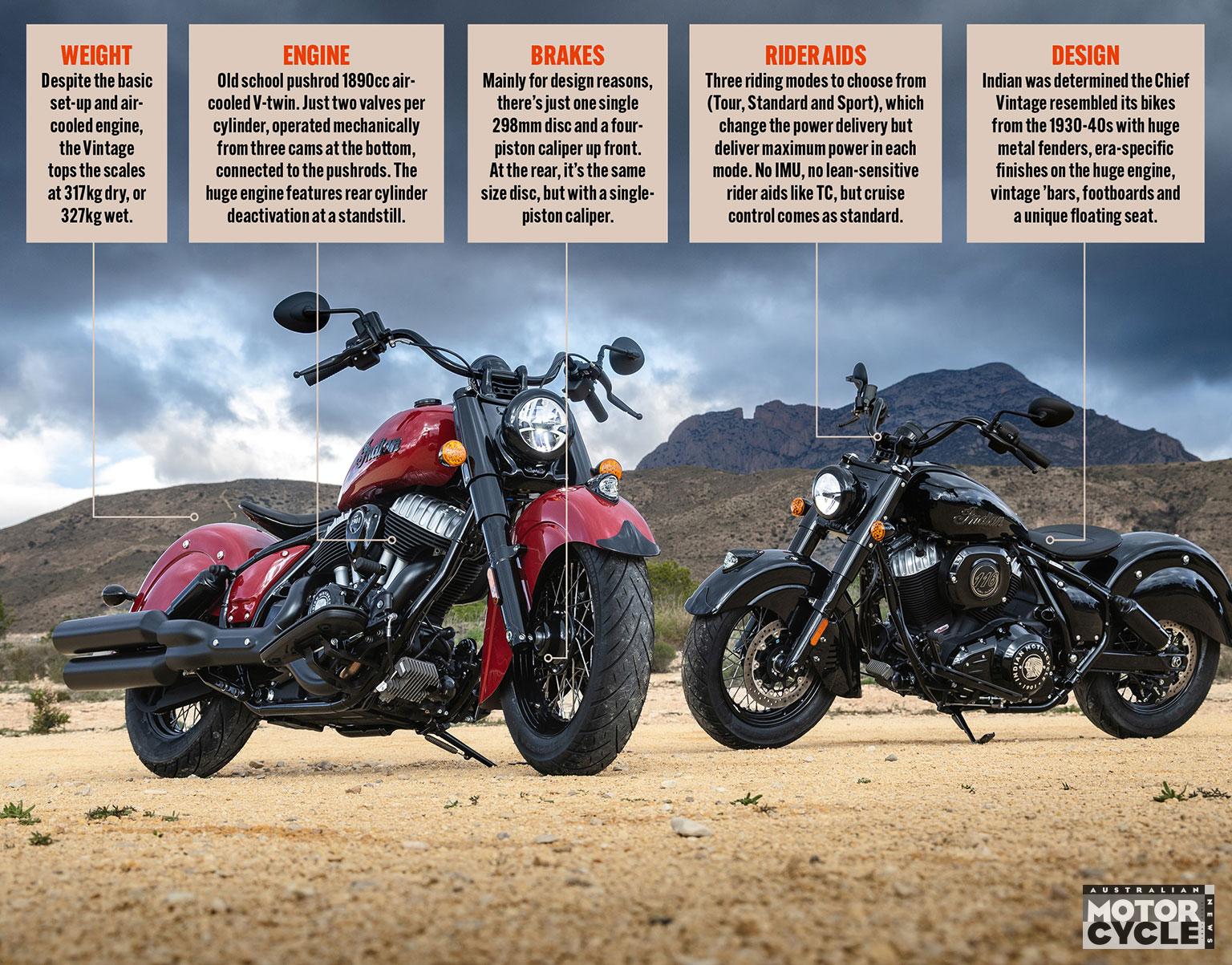
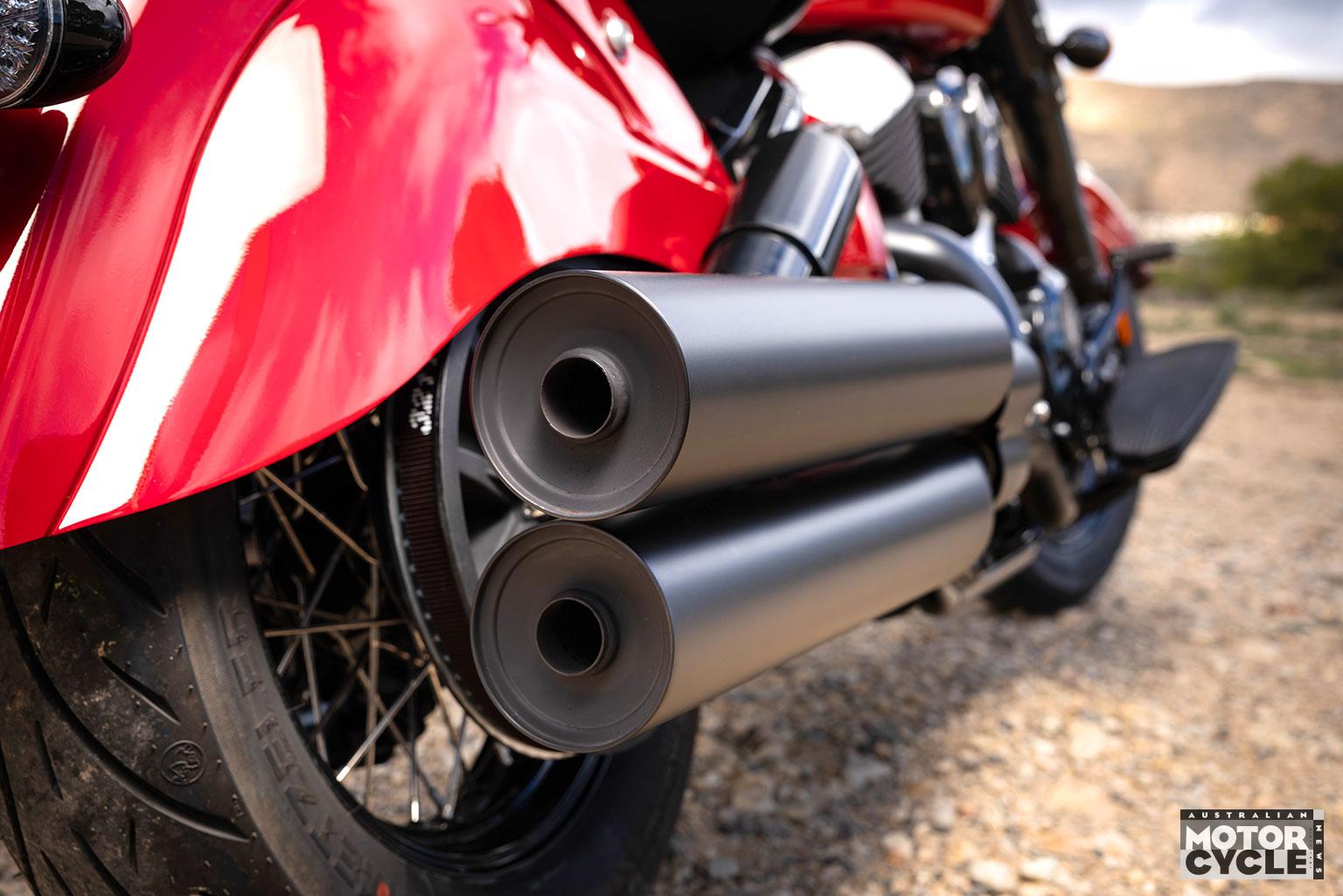
From 20 metres it could easily be mistaken for a Chief from the late 1940s. Its classic silhouette, solo floating seat and valanced fenders evoke the post-war era and grainy photographs of World War II veterans, newly home from Europe and the Pacific, reunited with their big V-twins. Sceptics may claim the Vintage project is more about style than performance, that such a big and heavy bike (317kg dry; 327kg wet) should have twin disc brakes up front, not one, or that a modern water-cooled engine would have delivered better performance than an air-cooled Thunderstroke 116 (for cubic inches). But I am not so sure. It looks superb, and pushrods work just fine in this 1890cc behemoth.
Unlike almost every other motorcycle manufacturer, Indian is good at keeping things simple. There’s no IMU here, and no lean-sensitive rider aids or even standard traction control – just basic ABS, added to comply with the Euro5+ emissions regulations. There are, however, three riding modes (Tour, Standard and Sport), which change the engine’s power characteristics, and a circular touchscreen dash that blends a little bit of 2026 into this styling throwback. The result is a stunning motorcycle worthy of the original icon.
uncorking a Vintage
Some bikes you just jump on, press the starter button and ride away. But not this one. You walk slowly towards the Vintage while absorbing its classic lines and undeniable presence. I found myself circling the bike a few times, like a cat getting comfortable on the sofa. I wouldn’t say I’m a cruiser fan – I come from a racing background – but it’s hard to ignore the beauty and bold execution of this ‘new’ Indian.
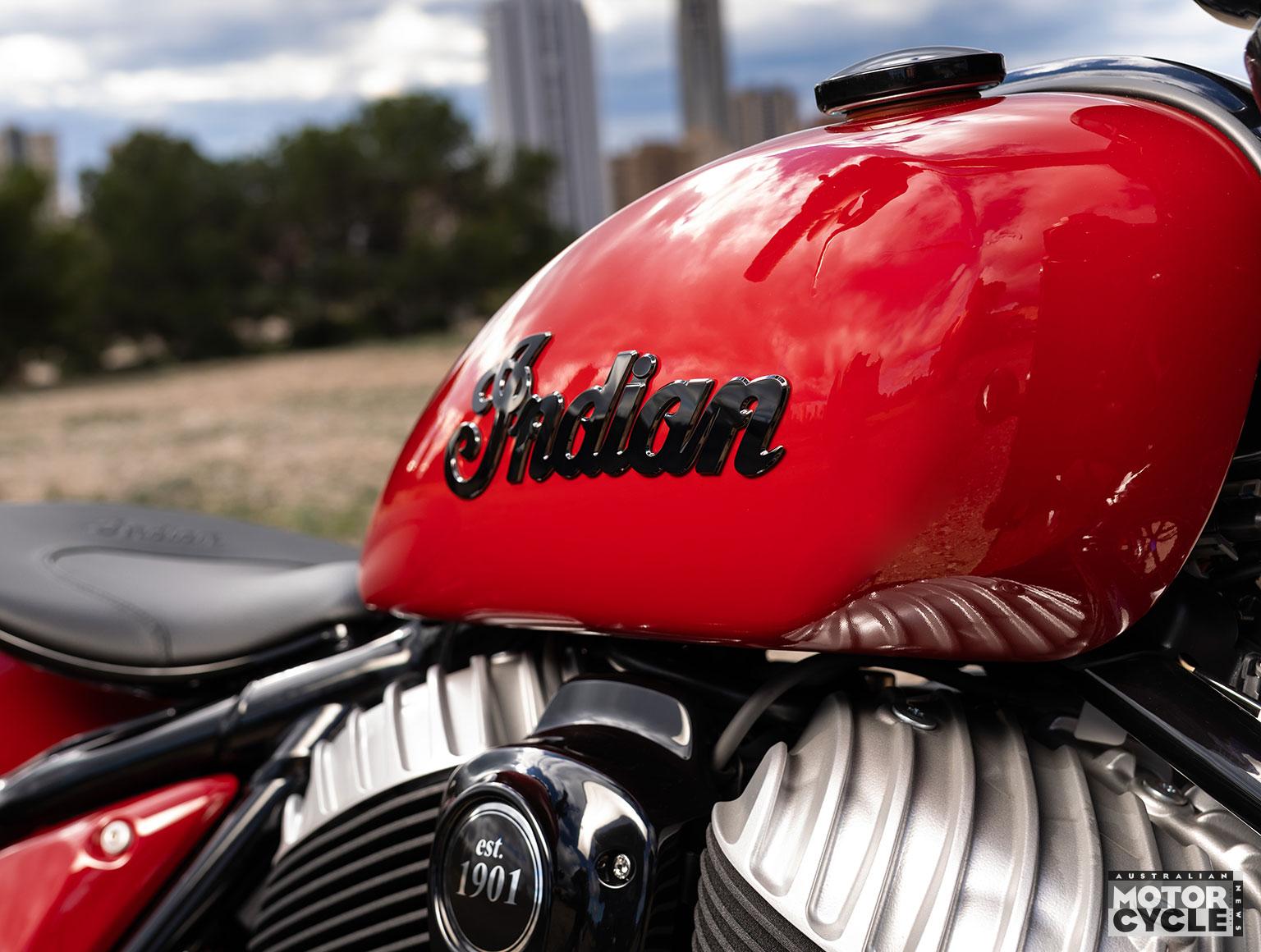
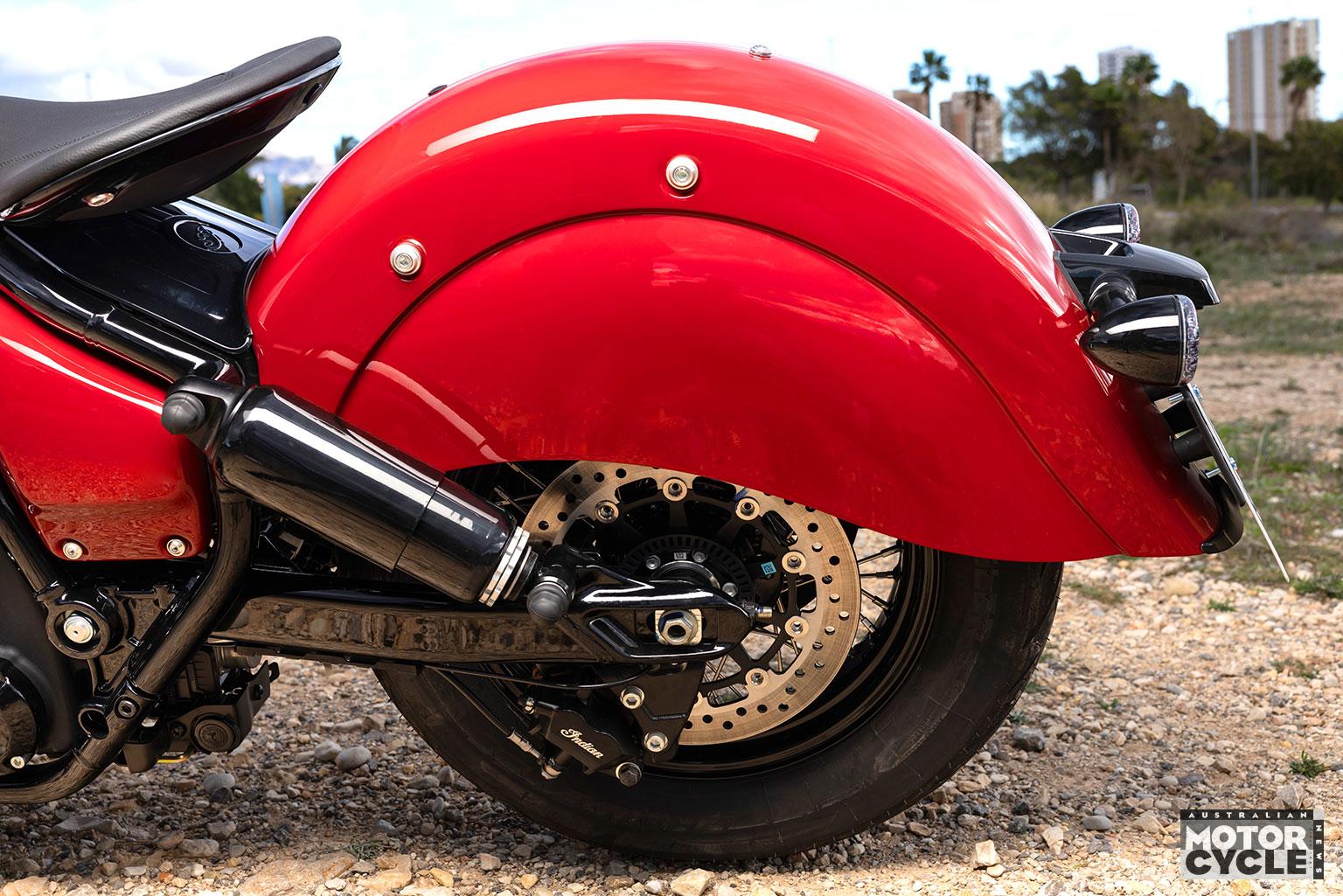
The inspiration for the Chief Vintage is obvious; it’s a 2026 version of the famous post-war V-twin Chief, itself inspired by contemporary American design – think Art Deco – and swooping lines. Up close, those huge fenders immediately draw your eye. Move even closer and you discover they are made of metal, not plastic.
Indian could have done it cheaper and cut many corners but have thankfully resisted.
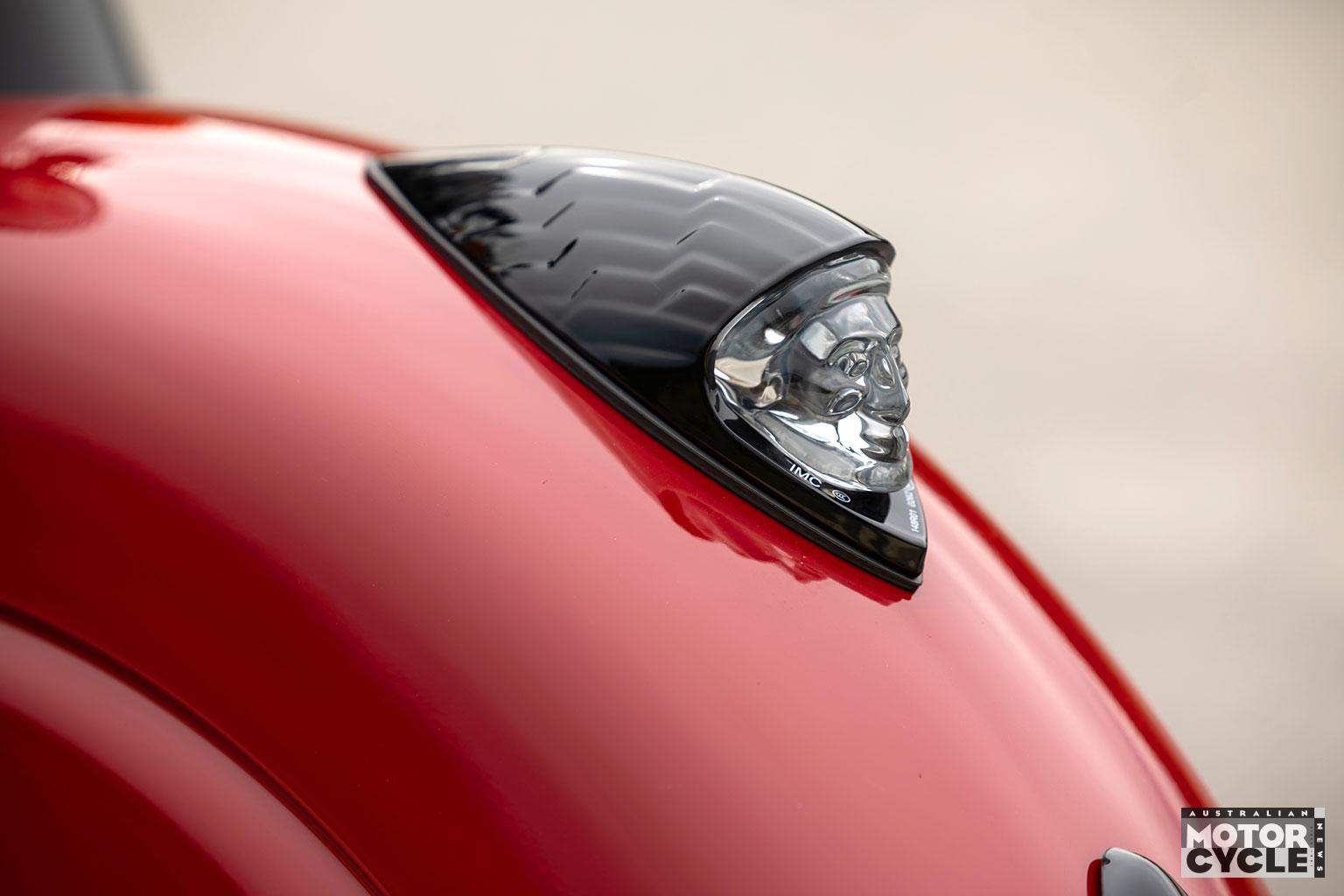
Indian have dived deep into the detail, too. The unique single floating seat and the V-twin’s pushrod architecture are strong heritage statements. Simple and effective. And there is, of course, the iconic deep-red paintwork and LED illuminated headdress on the front fender. The super critical might have hoped for a headdress logo on the fuel tank and springs beneath the seat, but there’s little to fault here.
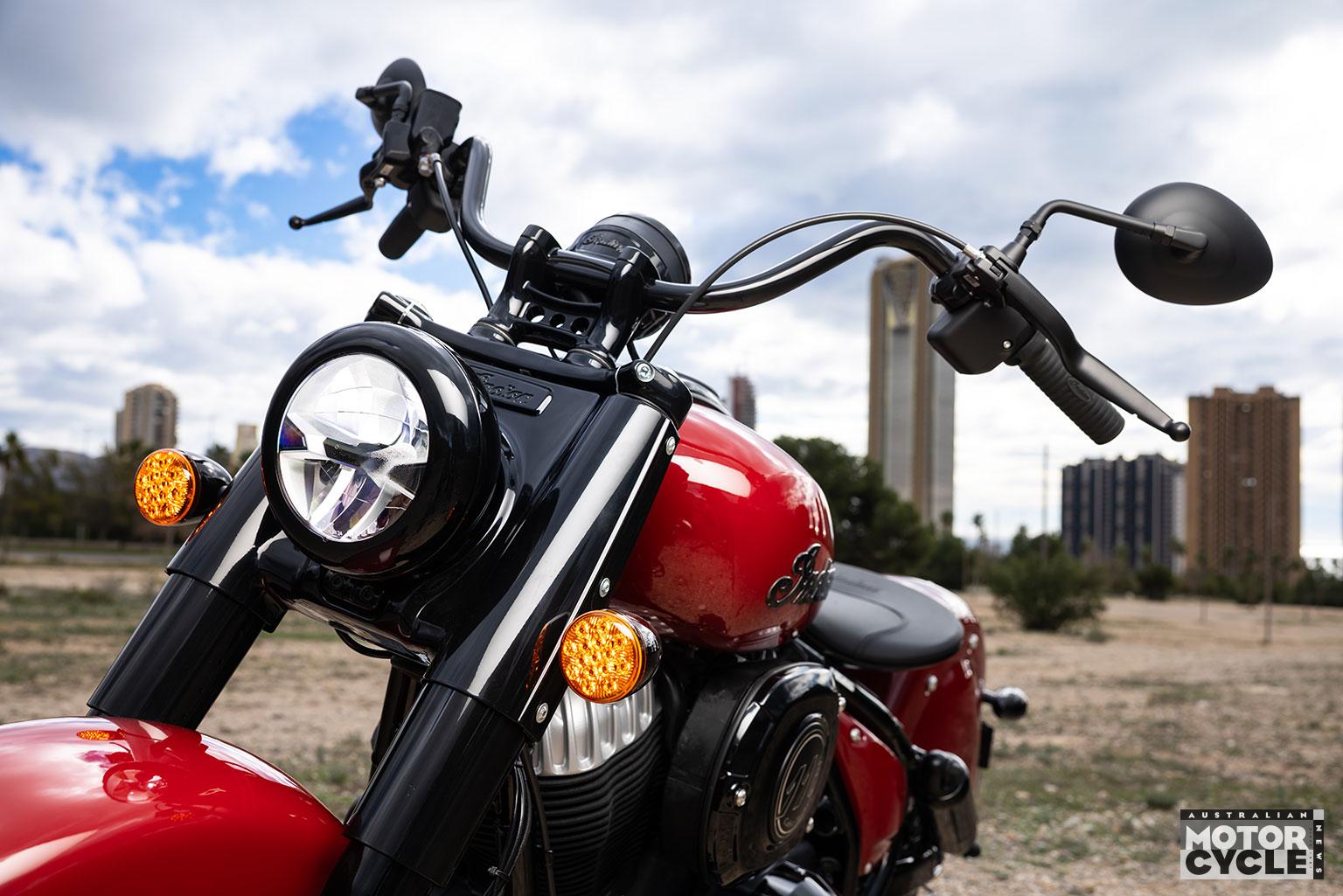
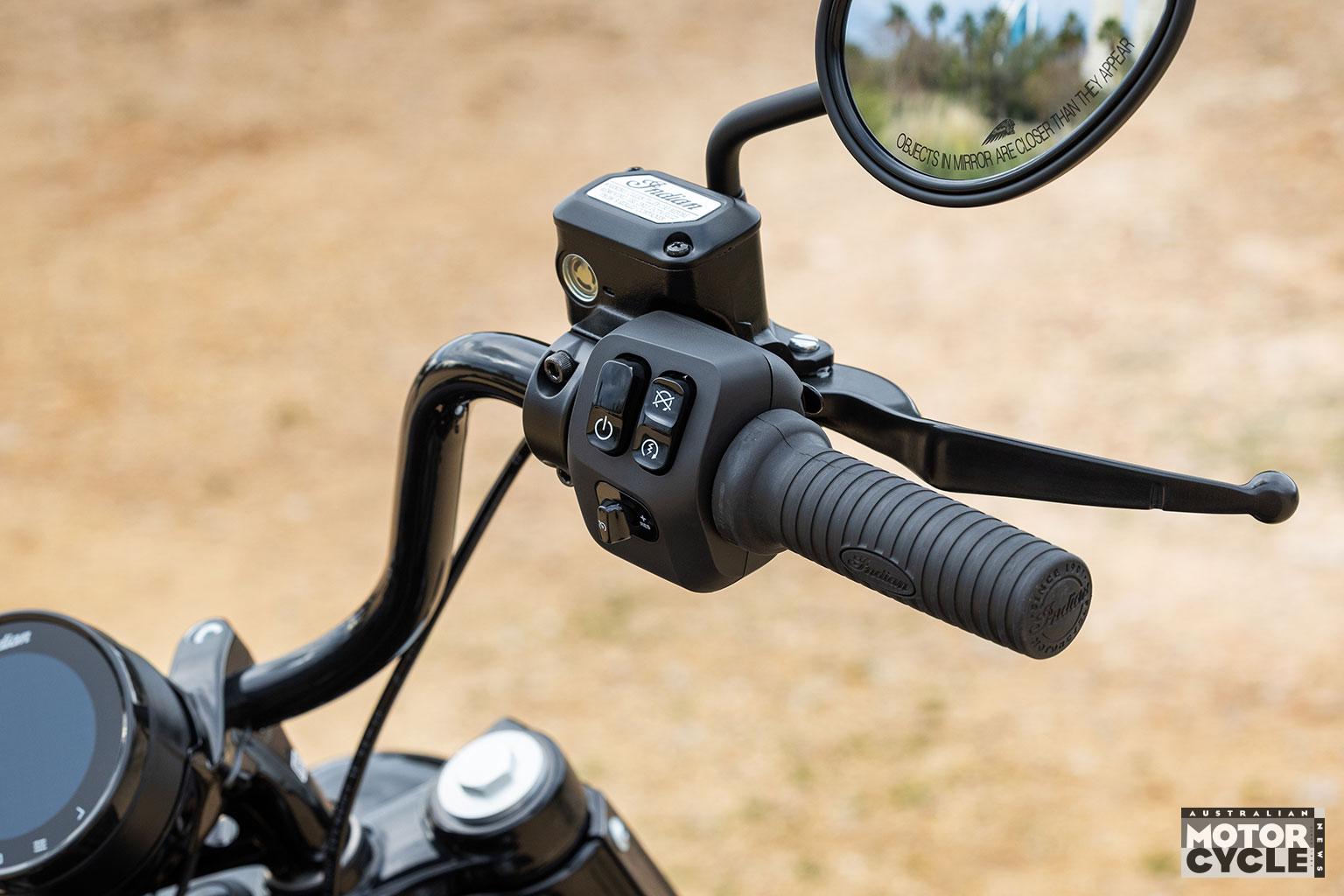
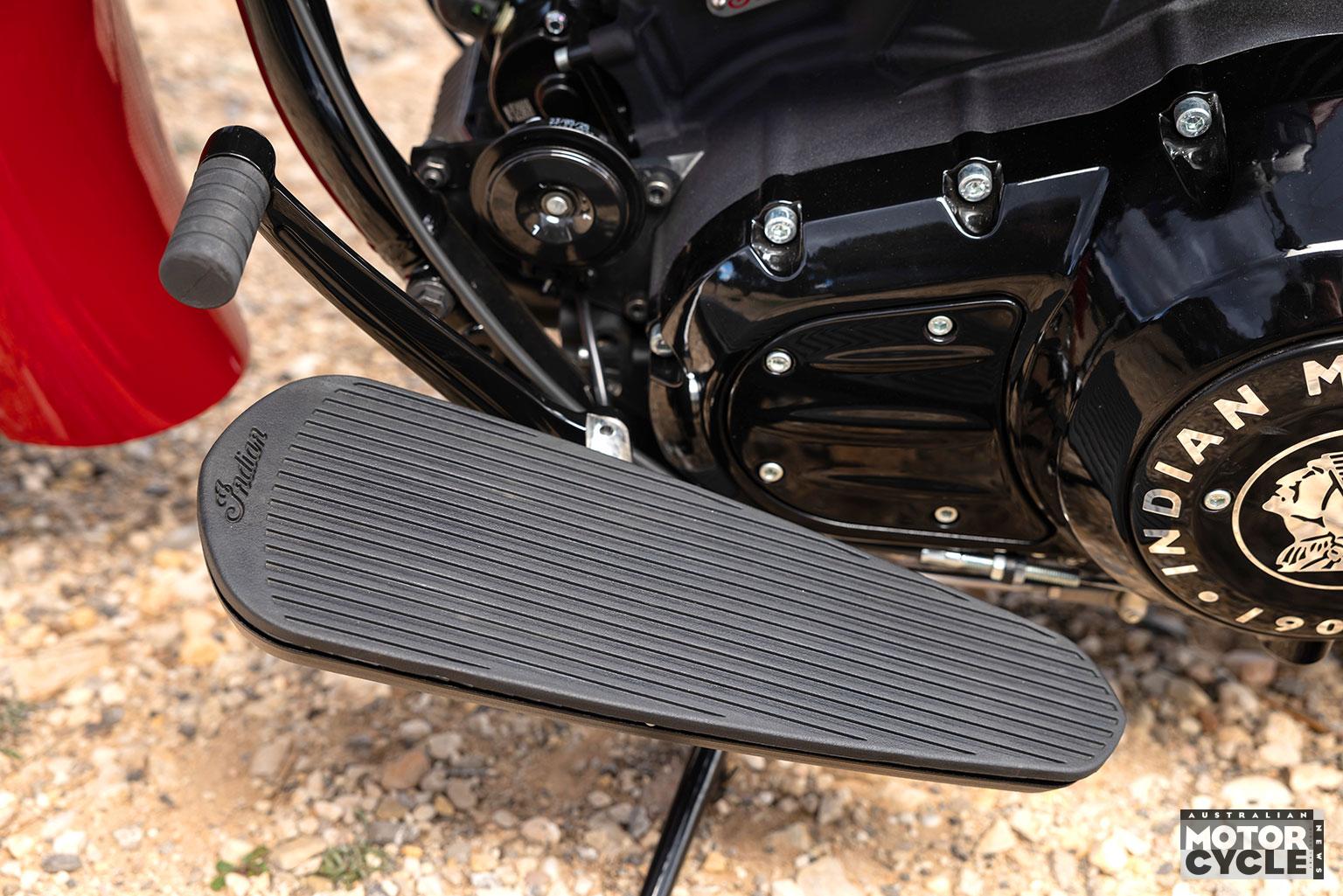
On board, the old bike’s DNA continues to shine through, with huge footboards instead of footpegs and vintage swept-back ’bars. Modern switchgear, with cruise control as standard, and that four-inch touchscreen display, complete with connectivity, pin the Vintage to 2026, yet somehow work with and not against the retro design. Despite an injection of digital convenience, the visceral experience of sitting on something truly mechanical survives.
It’s quite refreshing to jump on a new 2026 motorcycle and ride away without having to spend an hour beforehand reading the owner’s manual or chatting to a technician to work through the plethora of rider aids. The Indian Chief Vintage is about as straightforward as it gets: three riding modes – all selectable on the move – to change the engine power characteristics and that’s it. ABS is a Euro5+ requirement, otherwise I’m sure Indian would have gone without.
Keyless ignition and rear cylinder deactivation at a standstill add a touch more modernity. The keyless ignition can be operated by using the switchgear on the right ’bar, but it takes rather too long for the dash to come alive. You switch the bike on, then wait a few seconds and nothing happens, then eventually the dash comes to light, like a laptop with a low battery.
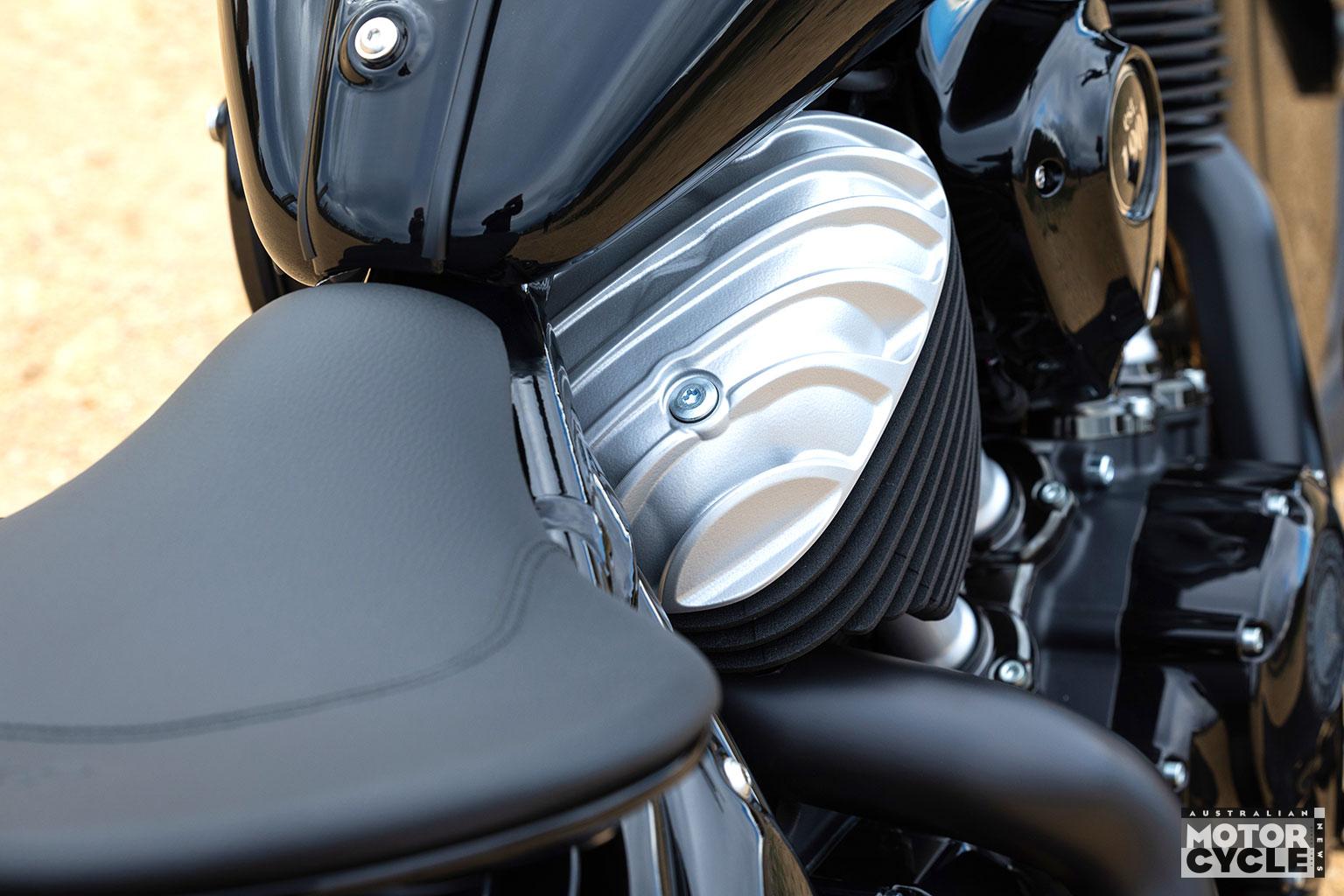
In neutral, the rear cylinder is deactivated and a small icon appears on the dash. The idea is to reduce engine heat and stop the rear cylinder cooking the rider at a standstill, and, in theory, improve the fuel economy – marginally. The big old pushrod 116 sounds okay with a blip of the throttle, but I was expecting a little more snarl. Indian don’t quote horsepower figures but, after chatting to the factory technicians and using my experience of riding other models in the range, peak power should be around 81 to 83hp (62kW).
If you are a performance-orientated rider you may wonder how they have managed to make so little power out of such a huge engine. But if you are looking solely at power figures, you are missing the point. The 1890cc V-twin is as much about its aesthetic appearance and simplicity as conventional performance parameters, and its trump card is the huge amount of torque it puts to the road. A peak of 156Nm at just 3300rpm is a colossal amount of grunt, and it’s all done before most bikes have cleared their throats off tick over. In fact, there is little point revving the Vintage beyond 4000rpm.
On the road, this translates to an effortless ride. One where you just sit back and enjoy. The huge engine will pull heftily from just above idle. In fact, you can change up a gear at 2000rpm all the way through the gearbox to top gear and still accelerate with pleasing urgency. A few times on test, when leaving small villages at just 20km/h, I deliberately kept the revs low, just to see how smooth the engine is.
Don’t be fooled by all this laidback charm, though. Should you want, the Vintage can deliver some punishment to its rear Metzeler Cruisetec. For a bike that weighs 317kg dry, it can pick up and run, which makes overtaking easy and safe. From the lights, with no traction control, of course, it will happily light up the rear hoop with some heavy-handed throttle control.
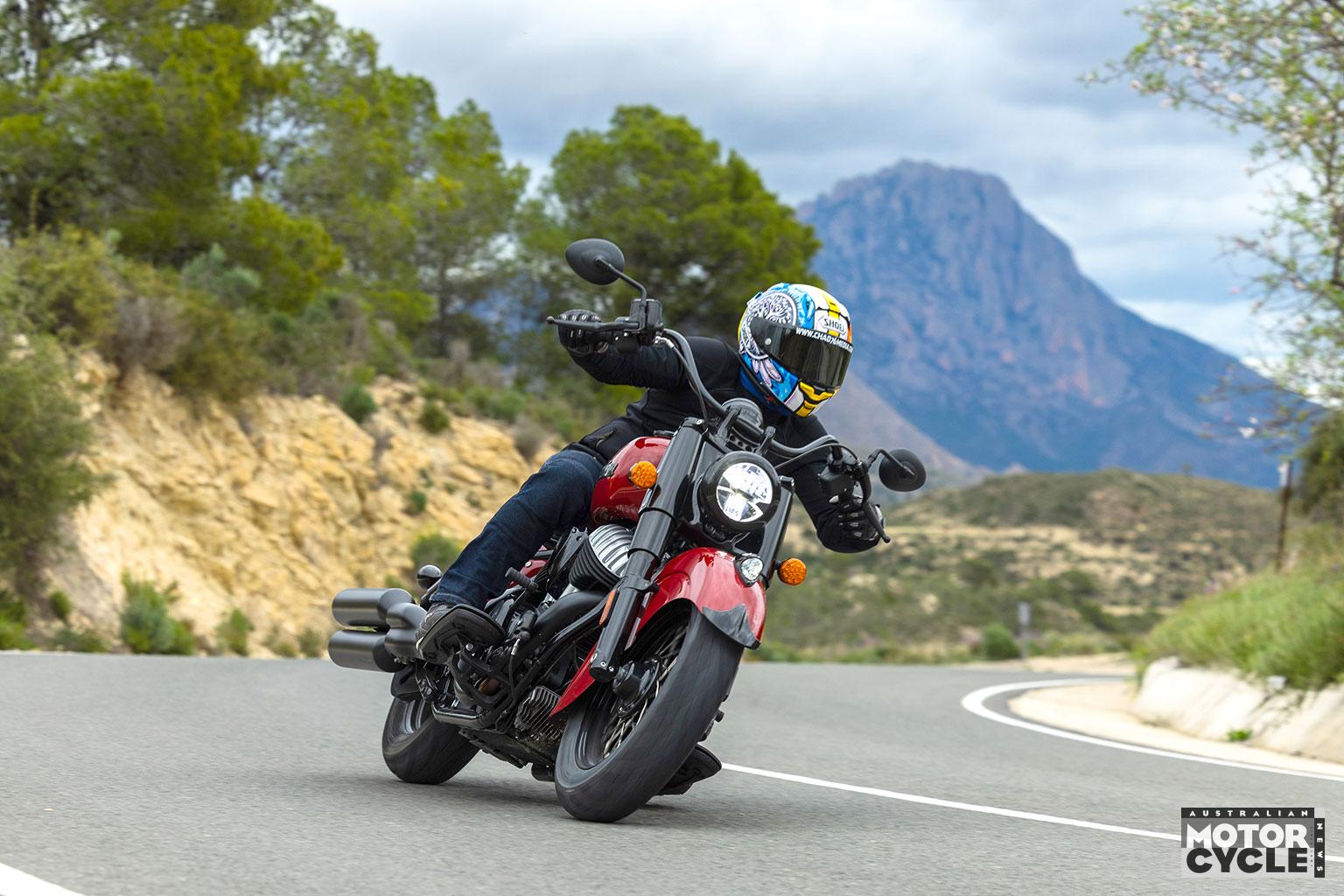
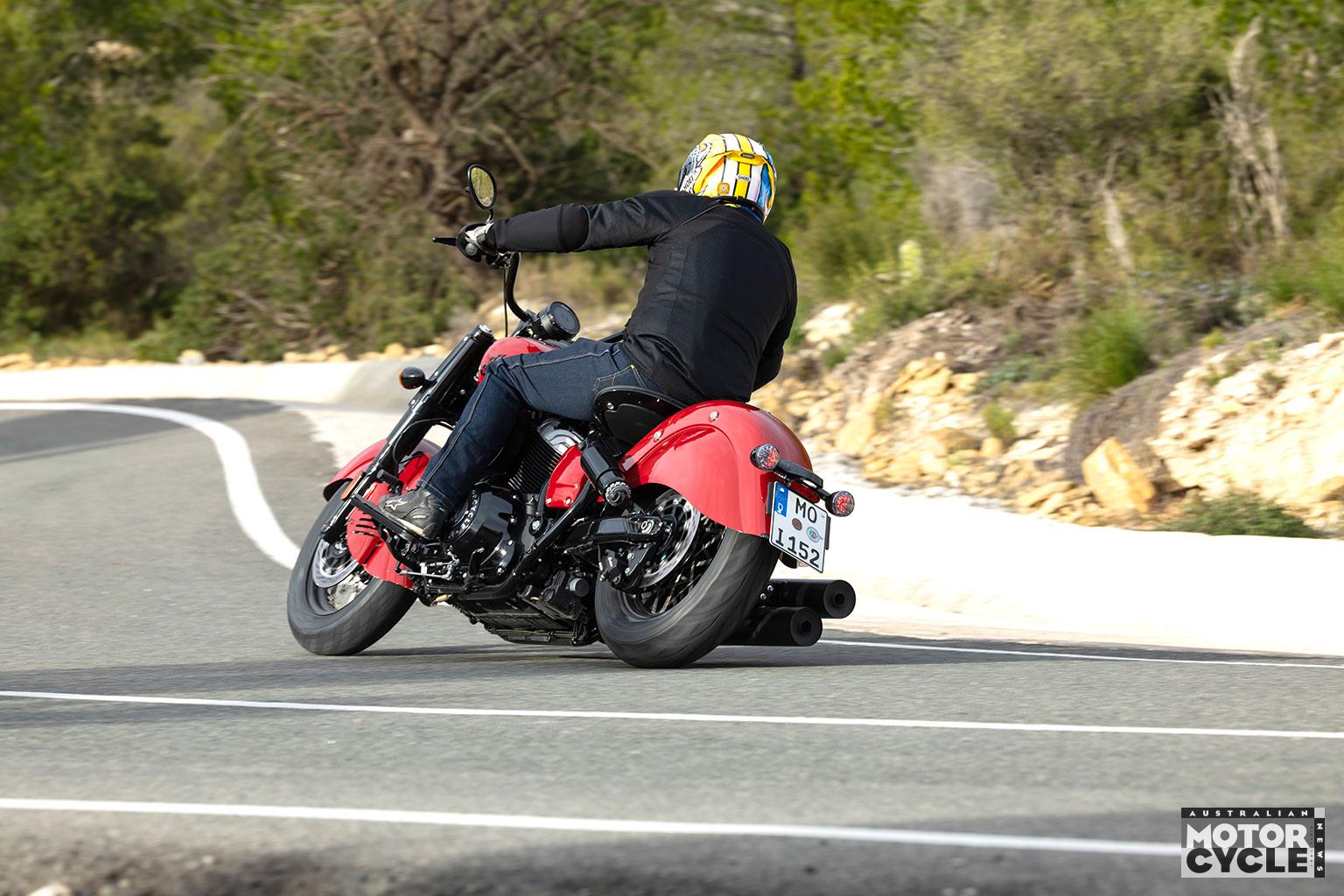
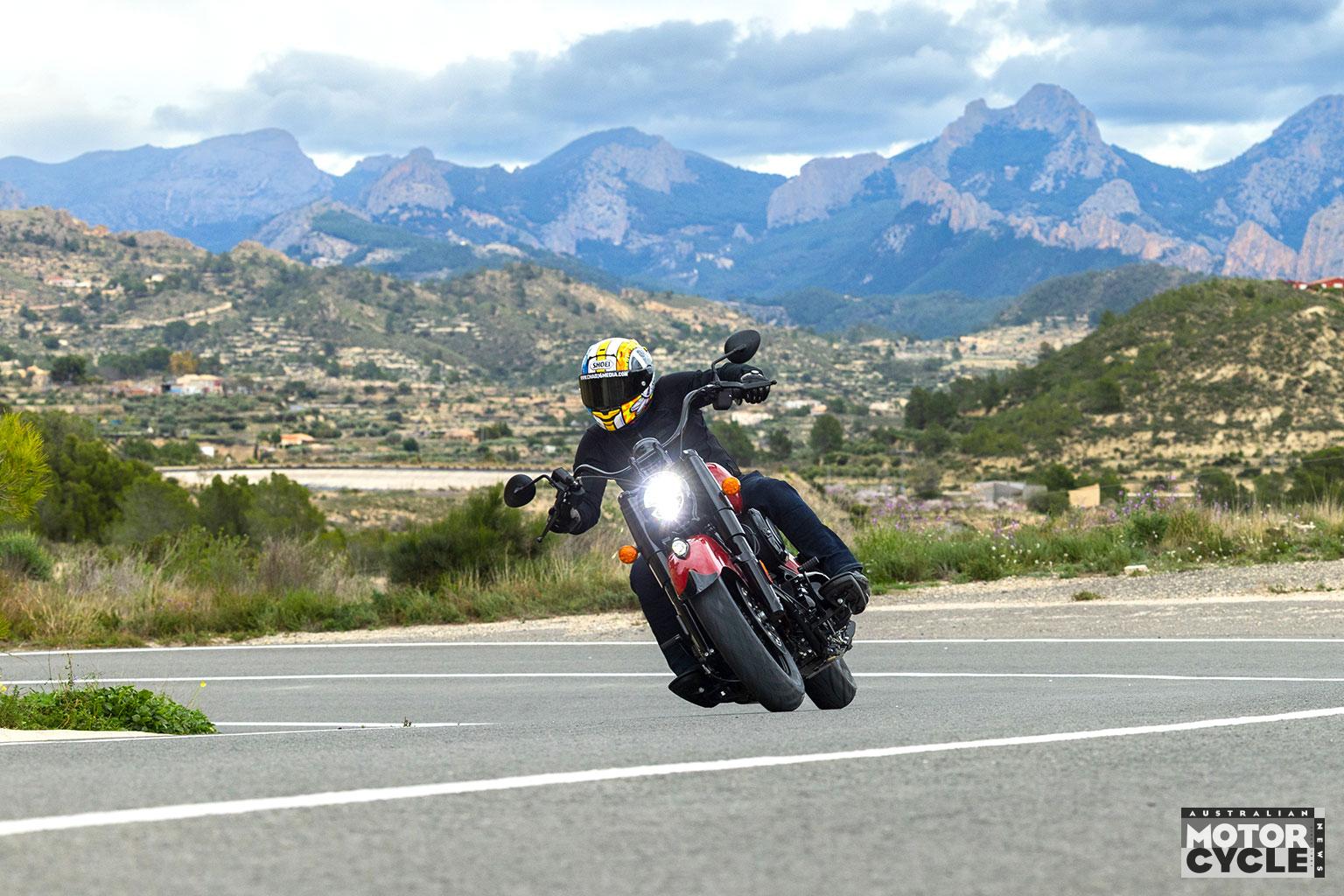
Like a retired heavyweight boxer, it can still pack a punch should it need to. And while it may look like it was designed and built just after the war, the handling is impressive considering the bike’s bulk and all-day cruising style. You have to be having a spirited ride to deck the footboards, and ground clearance seems better than some bikes in this class.
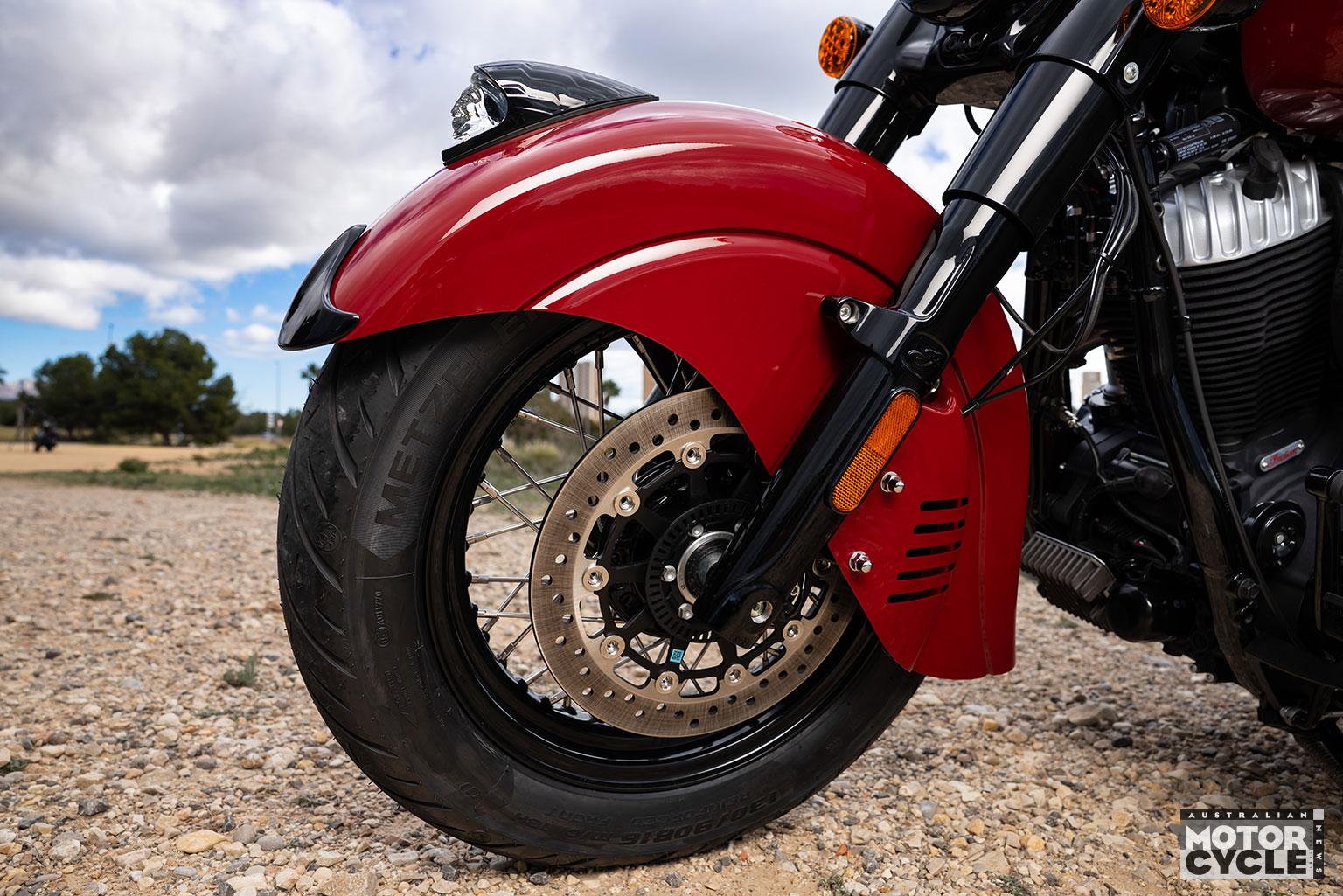
To accommodate that large valanced rear fender, Indian has sneakily fitted a narrower rear tyre compared to other Chiefs in the Indian family. The Vintage runs a 150-section rear as opposed to the normal 180-section, which gives a lighter feeling to the handling and allows the bike to change direction more easily. Ride the torque, allow the Vintage to flow and it delivers an enjoyable, spirited ride.
Bike and rider may weigh some 400kg, but this ride feels lighter than its spec sheet suggests.
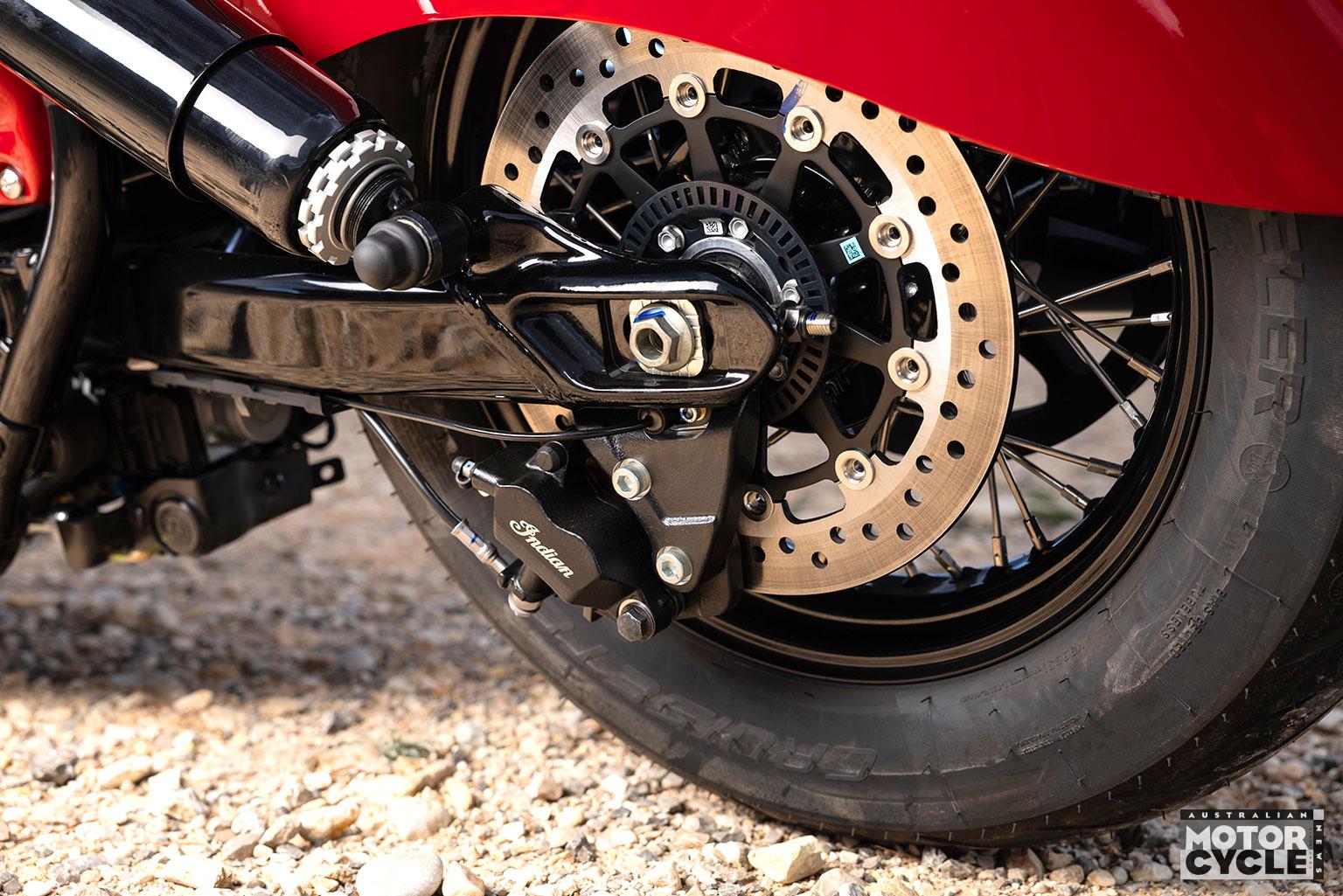
Do not, however, expect much in the way of cutting-edge braking performance, as there is only one 298mm disc up front (plus a similar 298mm disc on the rear) doing all the work and only conventional ABS. You need more than one finger on the lever to make an emergency stop, but this set-up matches the easy handling and laidback nature of the bike, while twin discs up front would have spoiled the looks of the front fender, which looks better from the right side without the cut-away for the disc.
laidback life of a cruiser
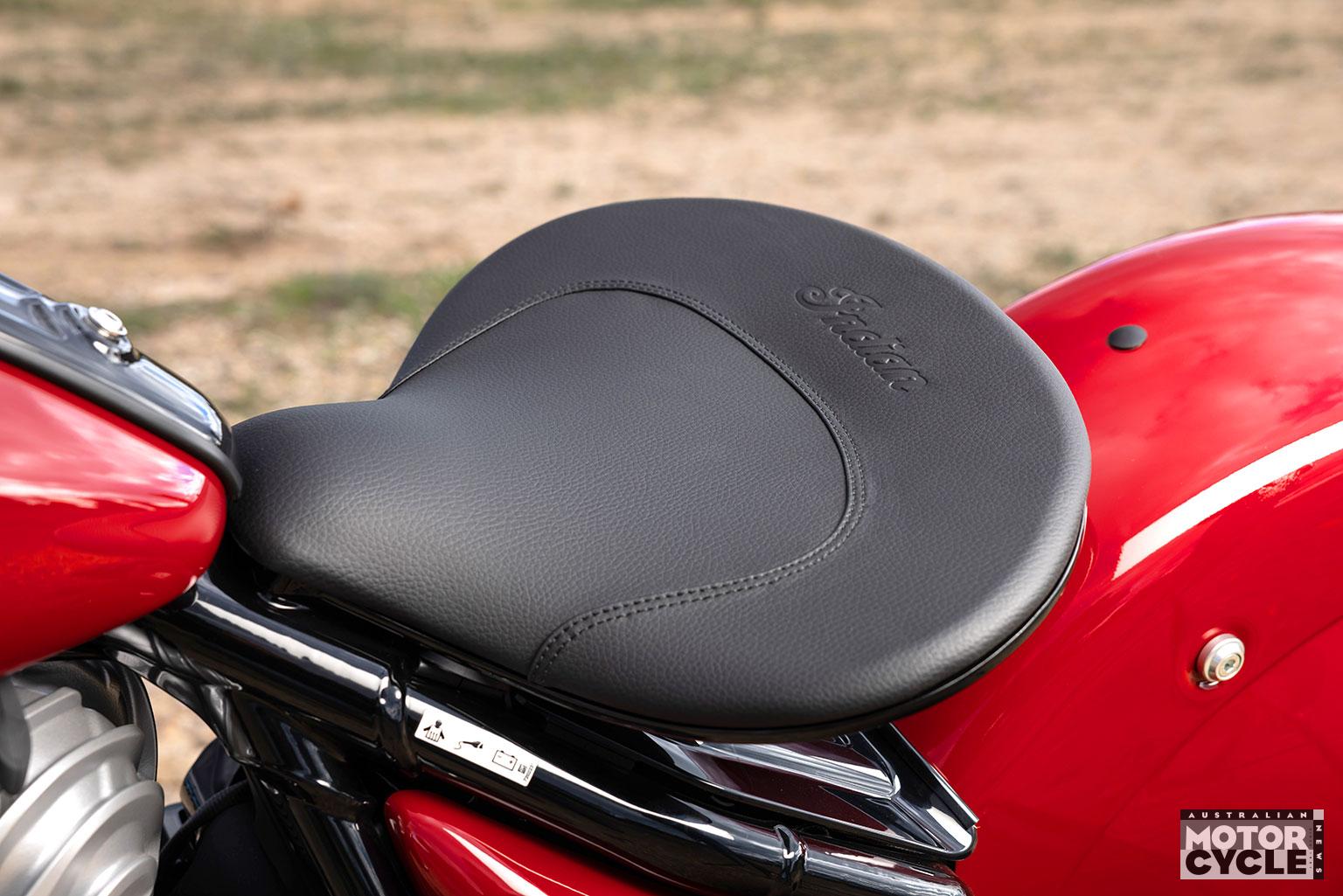
Much of a typical Chief Vintage’s life will be spent cruising, and this is something it does well. The solo seat may look painful, old and possibly liberated from a tractor, but is actually very comfortable. Indian took inspiration from their old seats fitted to hardtail bikes from the 1920s but added a few modern ingredients and knowhow to produce a saddle that not only looks cool but also cossets and supports for at least the two or three hours it takes to drain the fuel tank. There is a pillion option, but that would spoil the looks so don’t even think about it.
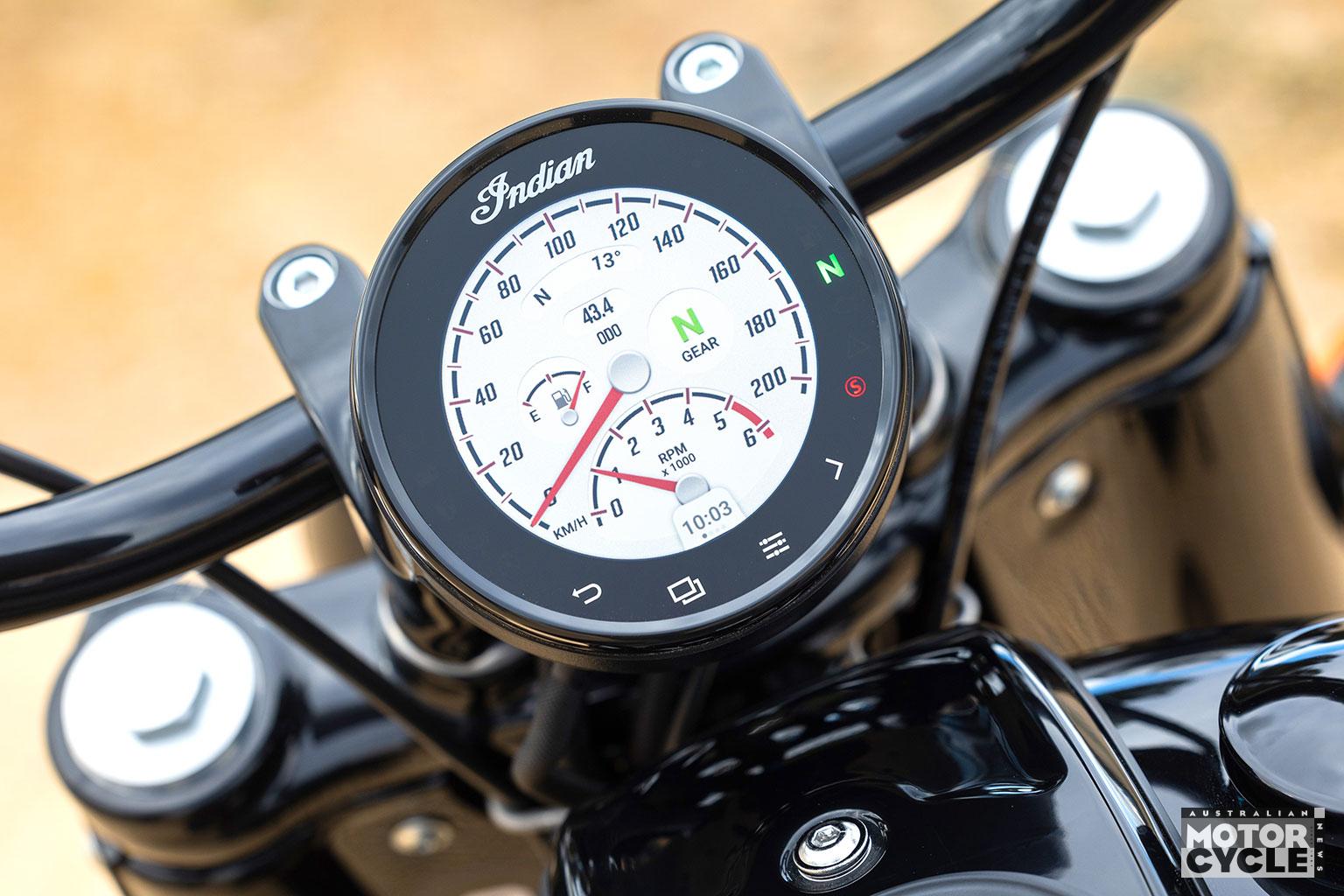
Cruise control comes as standard, and the dash has Bluetooth connectivity with GPS navigation, which is basic but does the job. There is even an old-school 12V charging point, which is handy.
I averaged just under 17km/l (40mpg) after a spirited ride but would expect better returns on a normal trip. The fuel tank is officially 15.1 litres in capacity so, realistically, 240km seems reasonable before panic sets in.
Rider ergonomics are excellent as it’s not as much of a stretch to the pegs and ’bars as it is with some of the competition, while the ride is soft and forgiving. However, high-speed touring isn’t the best given the wide-ish handlebar, legs set quite wide apart and no wind protection. An accessory screen would improve matters but would spoil the Chief Vintage’s overall design.
Verdict
Some riders are going to look at the bike’s 1940s style and say not for me. Others will look at its specs, weight and power figures, and draw the same conclusion. What? No rider aids, either! I’m out.
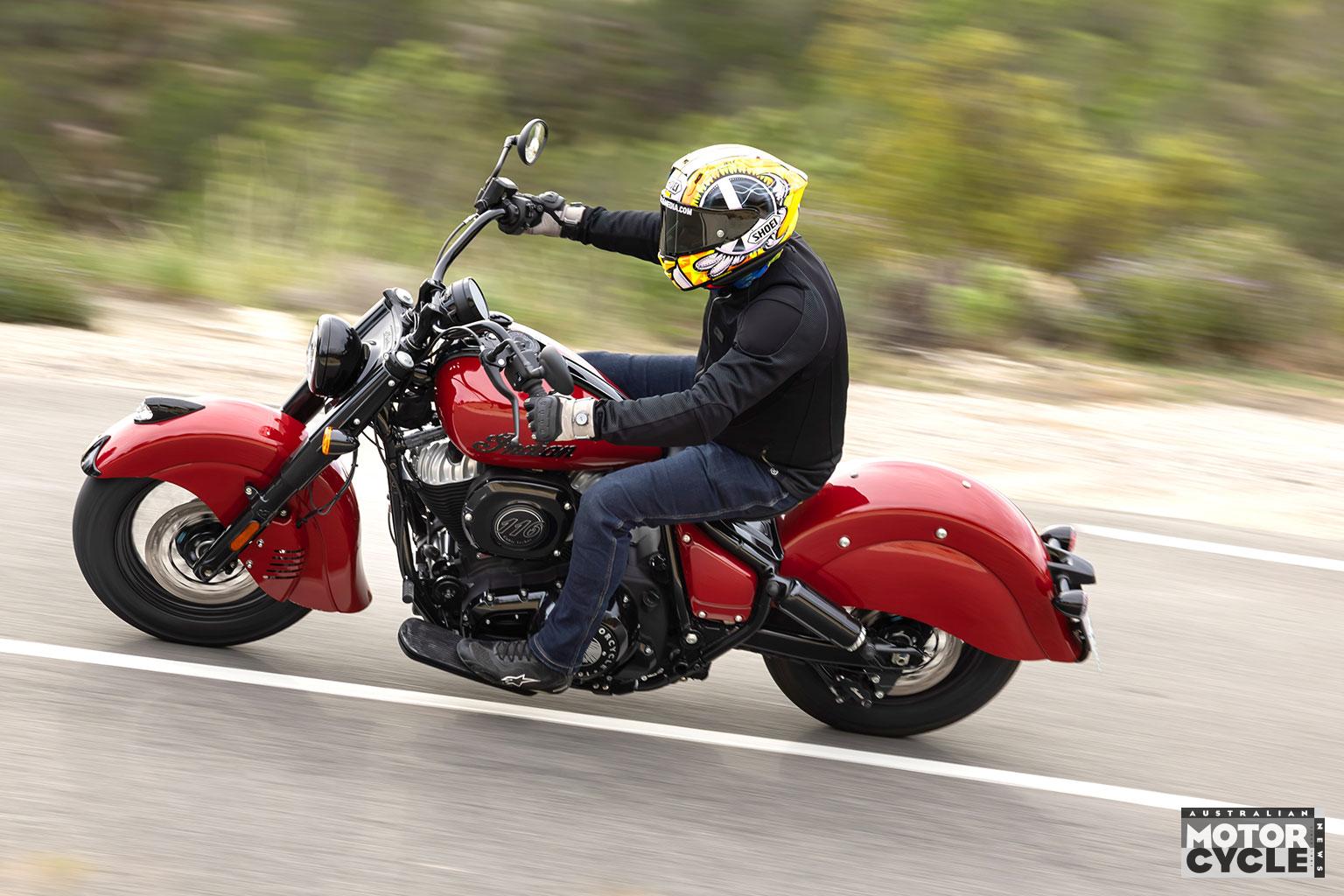
But there are others, and I think there will be many, who will ignore the spec sheet and just fall in love with the Vintage because of its looks and style. To me it’s one of the most attractive cruisers on the market – if not the most, full stop!
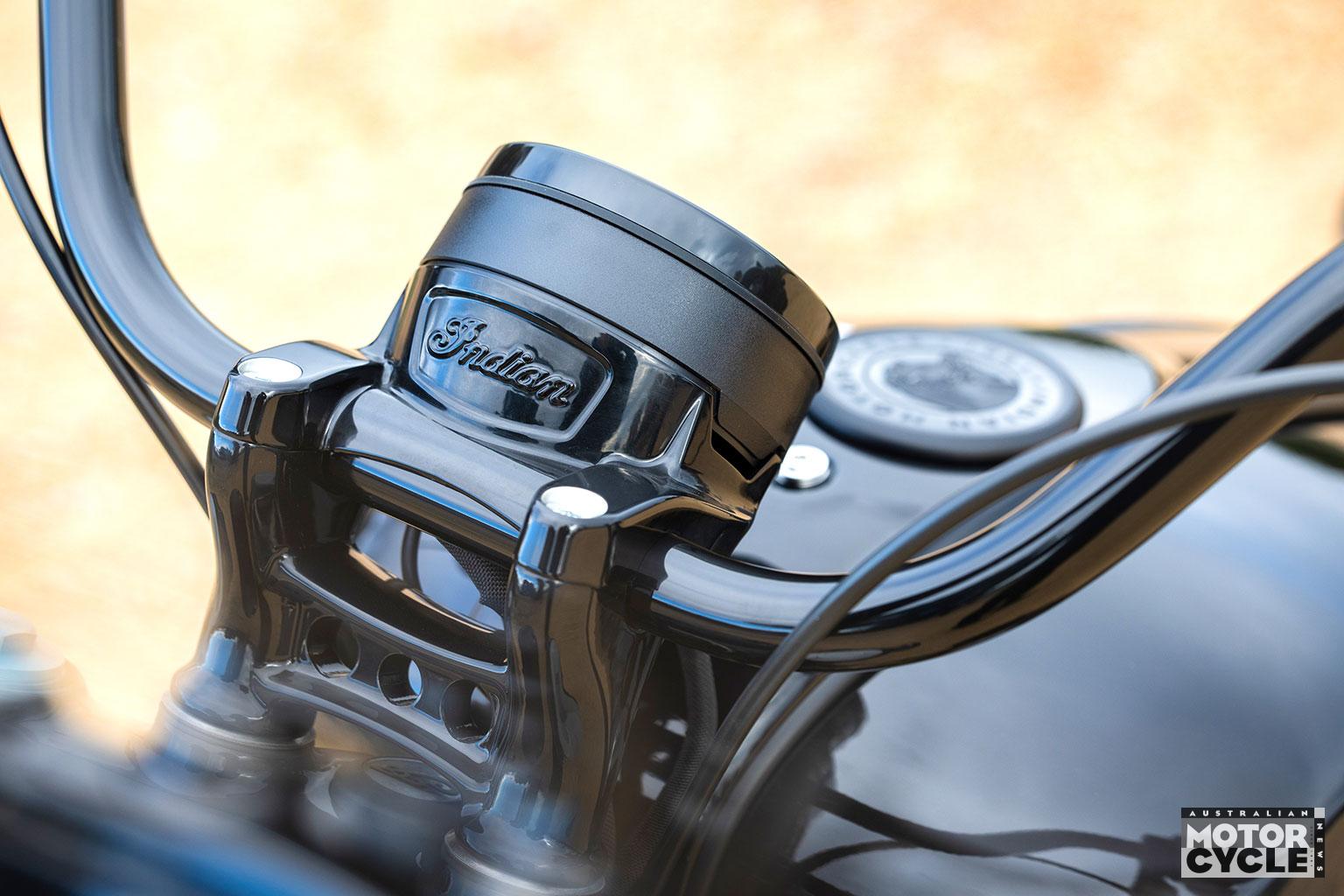
Furthermore, once ridden, it will continue to impress, as it also works well as a motorcycle. It feels solid and robust like a throwback should. Yes, the seat looks like something from the 1920s, but it works and comfort is excellent. The engine doesn’t have bar-bragging power, but it looks great and delivers barrels of smooth, full-fat torque (shame it doesn’t sound as charismatic as you might expect). Handling is positive for this type of bike, and the stopping power is just enough. Meanwhile, the touchscreen dash is informative and neat, and although some may want more rider aids, I don’t think they are needed – not on our test ride, anyway.
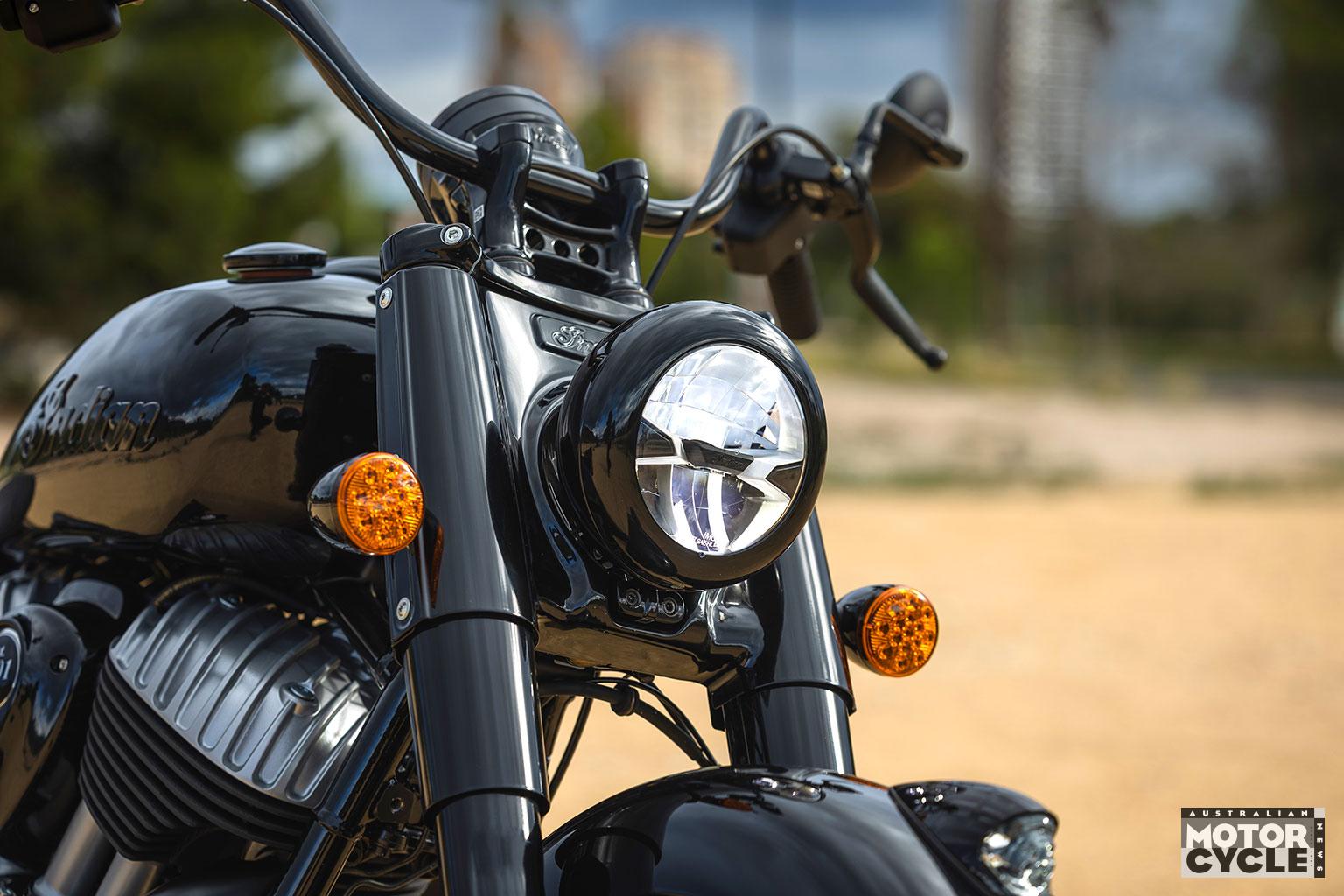
The Indian Chief Vintage might essentially be a styling exercise, but it’s also a celebration – and I for one have fallen for it. The big question will be how it compares to some equally attractive competition from Triumph, BMW and age-old rival Harley-Davidson. Some have more technology, some more power or even torque, while some are cheaper or lighter. But I’m not sure any will match the style of the Vintage.
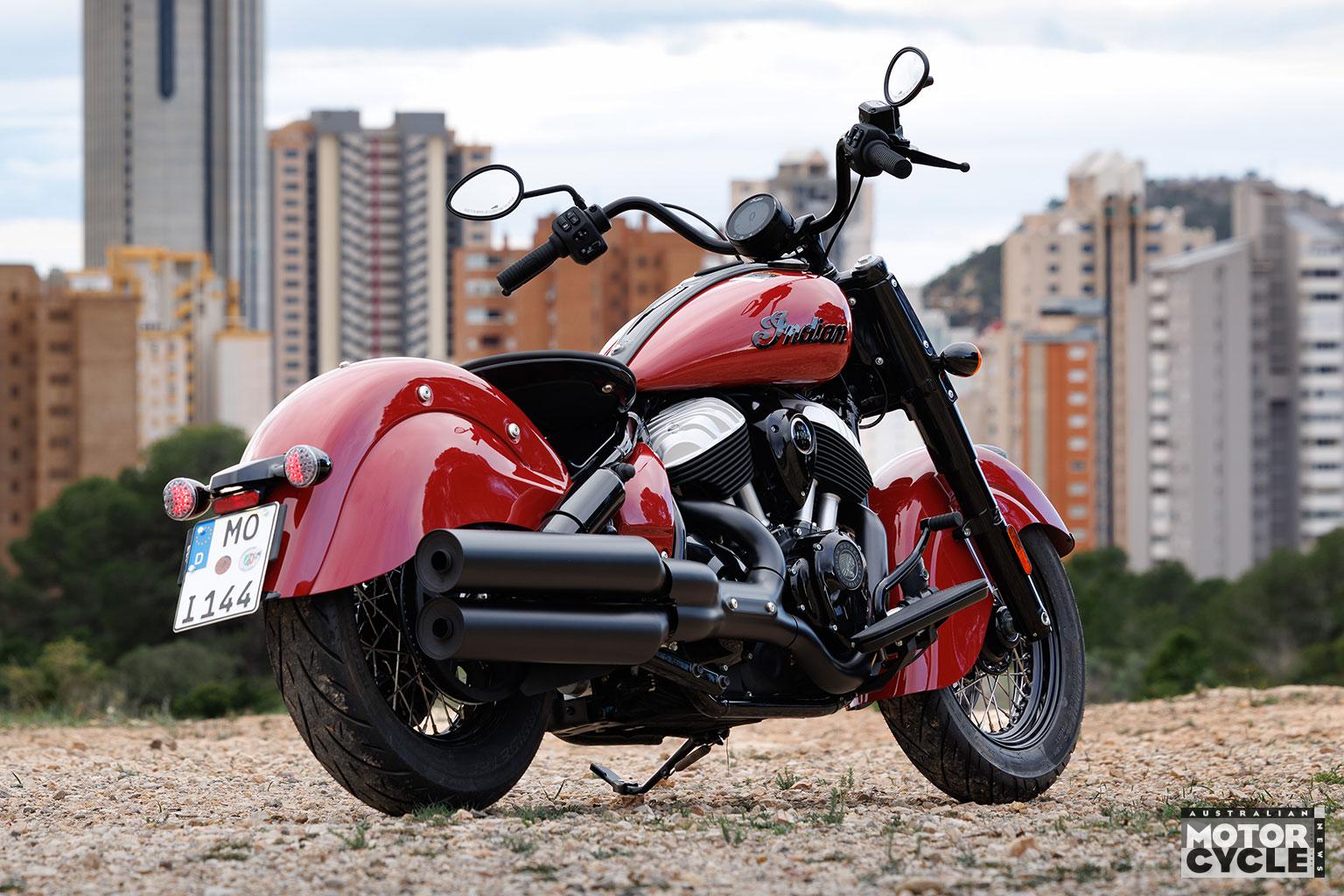
✅ PROS – Authentic 1940s styling done right, massive low-rpm torque, simple, uncluttered riding experience, surprisingly nimble.
❌ CONS – Single front disc limits braking punch, engine note lacks the expected V-twin snarl, dash takes its time to wake up.
Hail to the Chiefs
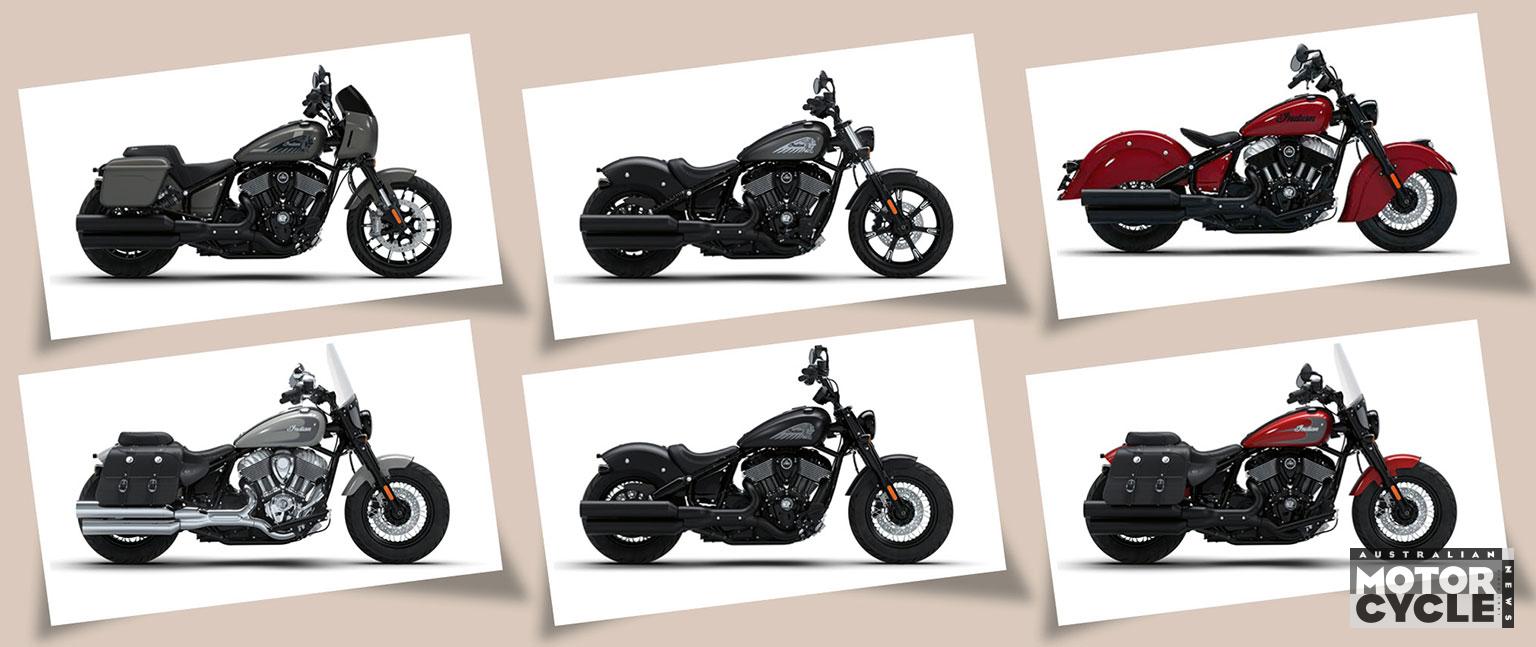
You are now spoilt for choice in the Indian Chief line-up, with six models all using the same pushrod 116 V-twin, but with different styles, pricing, spec and handling. Some even have twin disc brakes up front. In the line-up you have (clockwise from top left) the Sport Chief RT, the Dark Horse, Bobber Dark Horse, Super Chief Dark Horse, Super Chief Limited and the new Vintage. In theory, most accessories can be carried over between models, meaning each variant, including the new Vintage, is easy to personalise from luggage to heal-n-tow gear shift.
The rivals
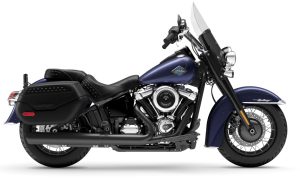
Harley-Davidson Heritage Classic – $34,995 Ride away
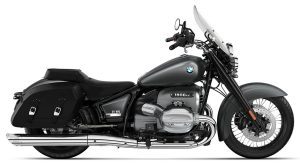
BMW R 18 Classic – $27,945 Ride away
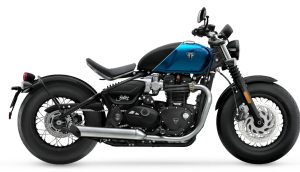
Triumph Bobber – $24,650 Ride away
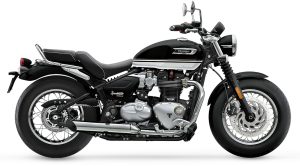
Triumph Speedmaster – $24,650 Ride away
SPECIFICATIONS
ENGINE
Type Air-cooled, four-valve, four-stroke, pushrod, V-twin
Bore & stroke 103.2mmx113mm
Capacity 1890cc
Compression ratio 11.0:1
Fueling Electronic injection with 54mm throttle bodies
Transmission Six-speed belt drive
Clutch Wet, multi-plate slip
Power N/A (62kW/83hp unofficially)
Torque 156Nm @ 3300 rpm (claimed)
Top speed 193km/h (est)
Fuel consumption 6l/100km (tested in a hard ride)
ELECTRONICS
Rider aids Riding modes x 3 (Tour, Standard, Sport), ABS (std)
CHASSIS
Frame type Steel tube
Rake 29°
Trail 1315mm
Wheelbase 1626mm
SUSPENSION
Type Sachs
Front Telescopic fork, 132mm travel
Rear Dual shocks, 75mm travel
WHEELS & BRAKES
Type Wire wheels
Front: 3x16in
Rear: 3.5x16in
Tyres Metzeler Cruisetec
Front:130/90/x16
Rear: 150/80/16
Brakes Standard ABS
Front: Single 298mm disc, four-piston caliper
Rear: 298mm disc, single-piston caliper
DIMENSIONS
Weight 317kg (dry), 327kg (wet)
Seat height 686mm
Length 2441mm
Ground clearance 125mm
Fuel capacity 15.1L
BUSINESS END
Price From $31,995 ride away
Colour options Indian Motorcycle Red, Black Metallic
Contact indianmotorcycle.com.au