Bigger fuel capacity, better suspension and smarter electronics have turned the much-loved Tenere into a genuine long-haul dirt weapon
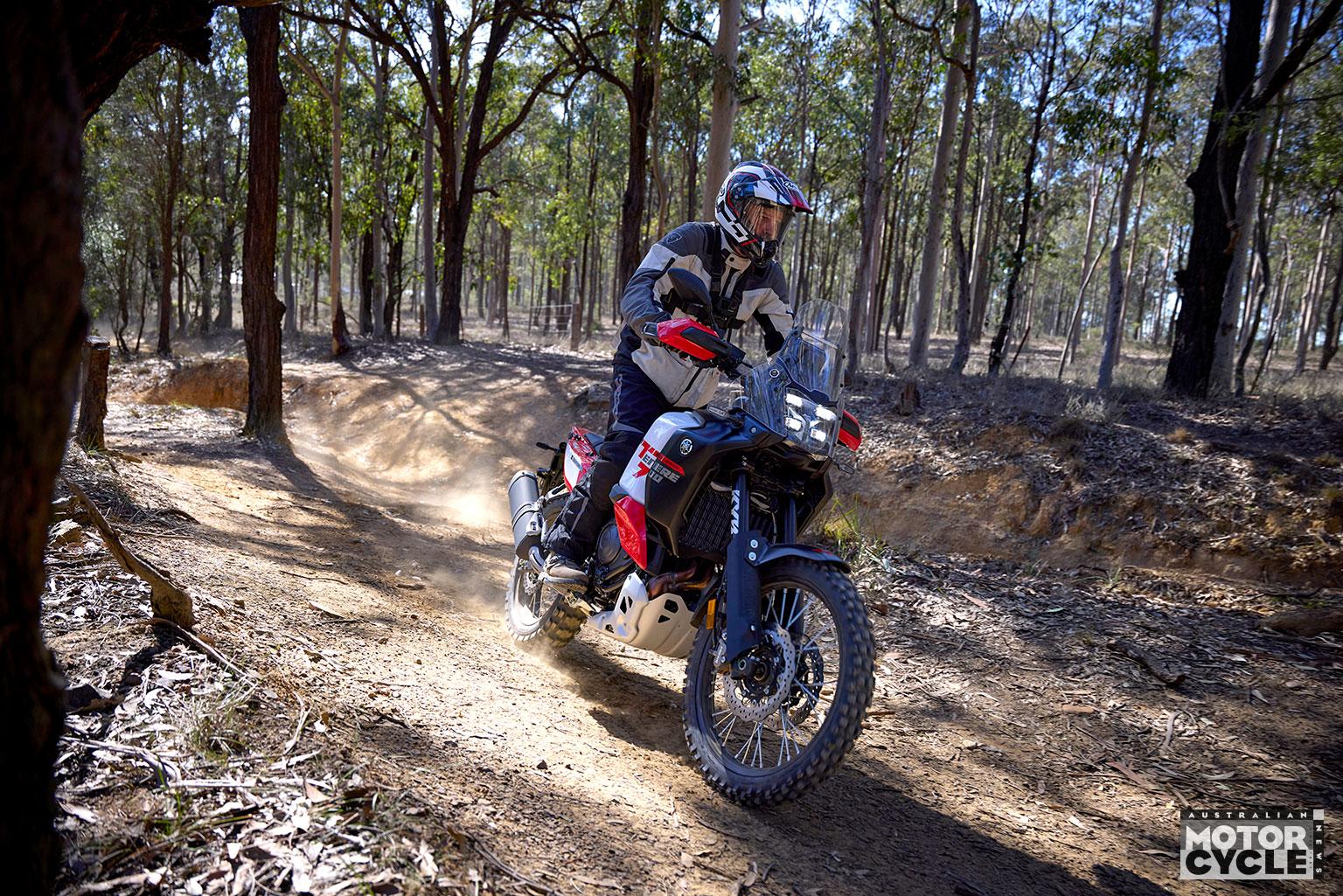
I recently attended the Australian launch of the 2026 Yamaha Tenere 700 World Raid, which is a development of the heavily revised standard model I tested last year (Vol 75 No.01). Having thoroughly enjoyed it, I was keen to experience the difference between the two variants now on sale. Teneres essentially sell themselves, and diehard Yamaha riders will stay loyal to the brand as long as the product continues to meet their expectations.
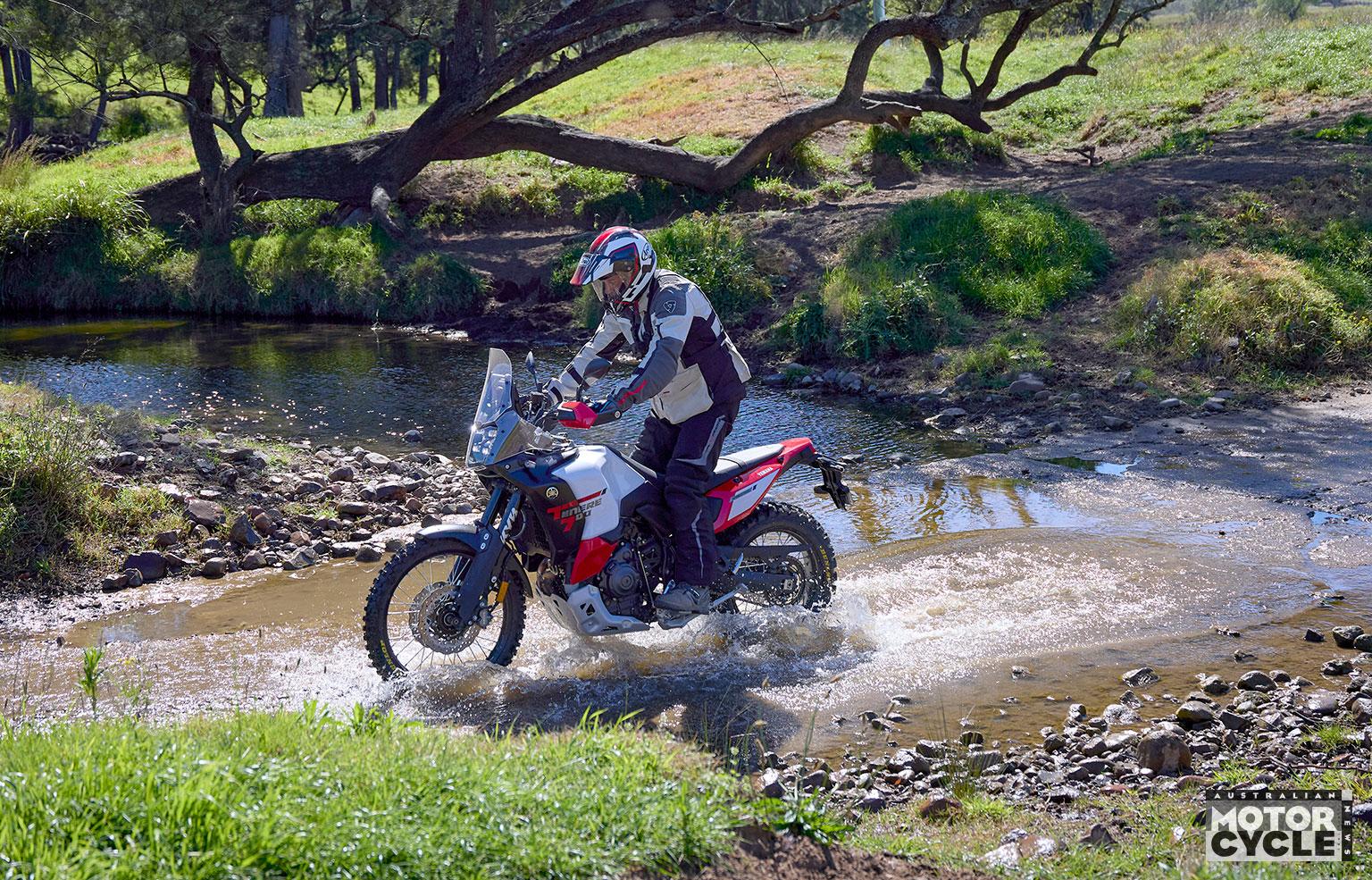
The catchphrase at the standard Tenere launch last year was, “You talked, we listened”. Sean Goldhawk from Yamaha Australia told us that Yamaha, as a global brand, pays close attention to comments on social media, forums and feedback from real-world riders to help assess what customers like or don’t like about their Teneres. While you can’t please everyone, it’s fair to say that each revised model has been a significant improvement over the last.
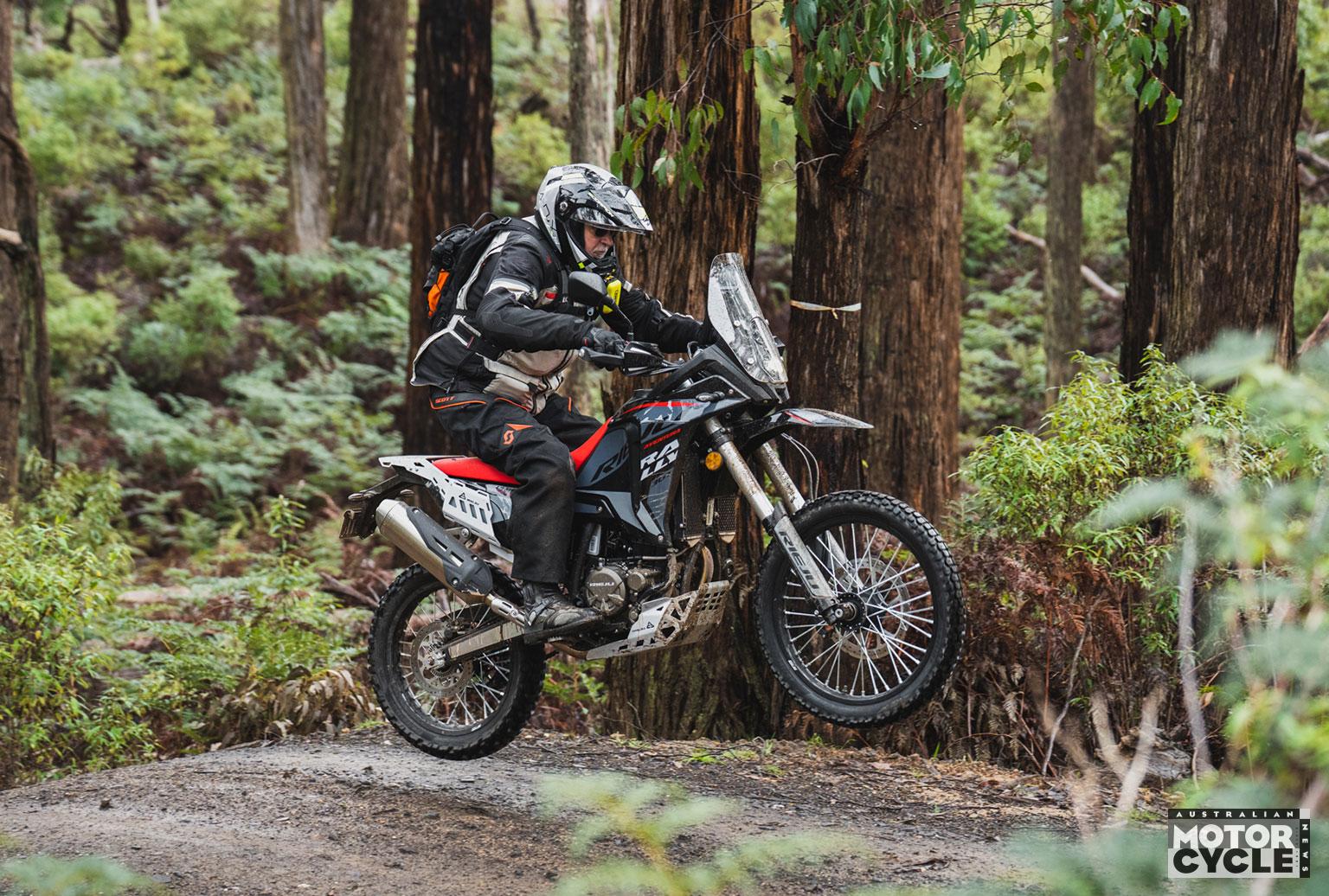
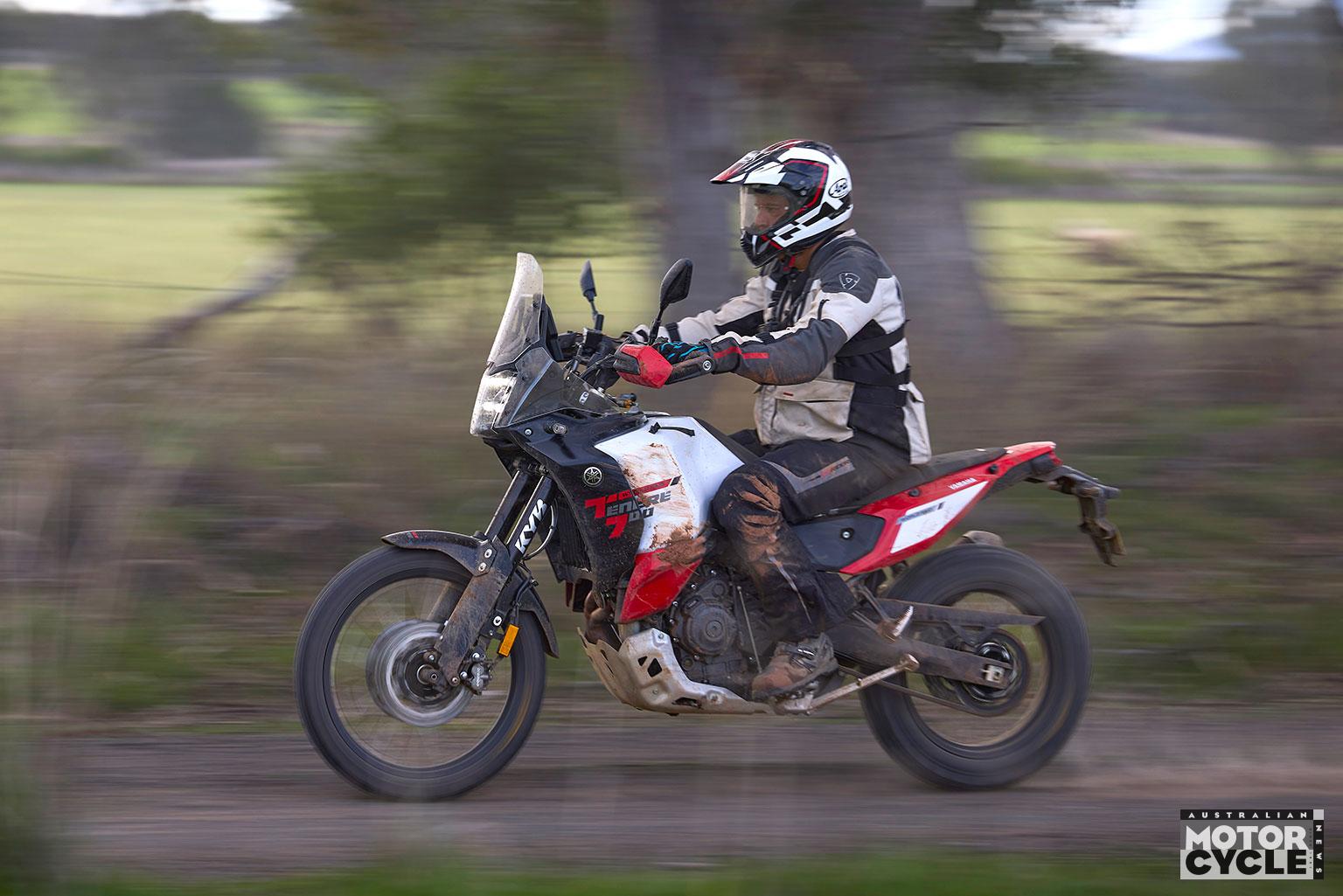
Our two-day ride covered close to 850km of some of the finest dirt roads NSW’s Upper Hunter region has to offer. We started at Cessnock and rode to Tamworth, then back again the next day – but as the ride was led by the legends from RideADV, we certainly didn’t stick to the main roads. I’d say it was at least 80 per cent off-road.
Greg Yager runs a very well-organised team that operates like clockwork, and as his fleet bikes are all Teneres, there’s probably no better way to experience what a World Raid is capable of than under the guidance of RideADV. The riding we did was as good as it gets in NSW and, to make it even better, the one and only Stephen Gall was joining us. A four-time Mr Motocross champion, five-time Australian Motocross champion and Yamaha man for more than 50 years, Gally knows a thing or two about riding a bike in the dirt.
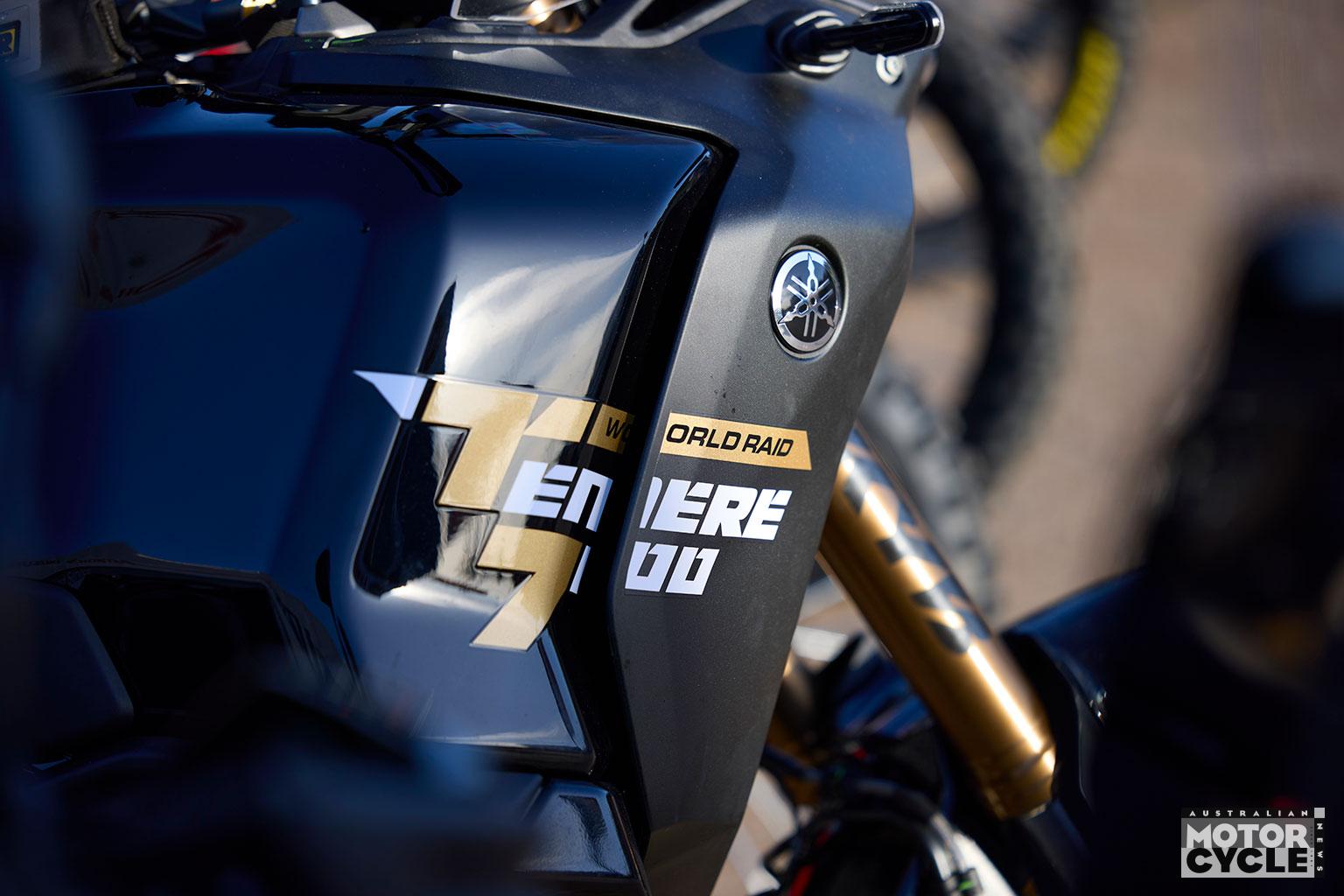
LESS IS MORE
People who have never ridden a Tenere can be quick to judge its modest power output. For sure, 55kW (73hp) doesn’t exactly set the world on fire, but for 90 per cent of riders, including myself, it’s fine.
Sure, there are quicker-accelerating bikes with a tonne more power, and on open sections of a sealed road sometimes you may want more, but the parallel-twin engine is a gem. Greg and his team have racked up more than a combined 1,000,000km without a single mechanical problem. Not one. And they ride hard, too.
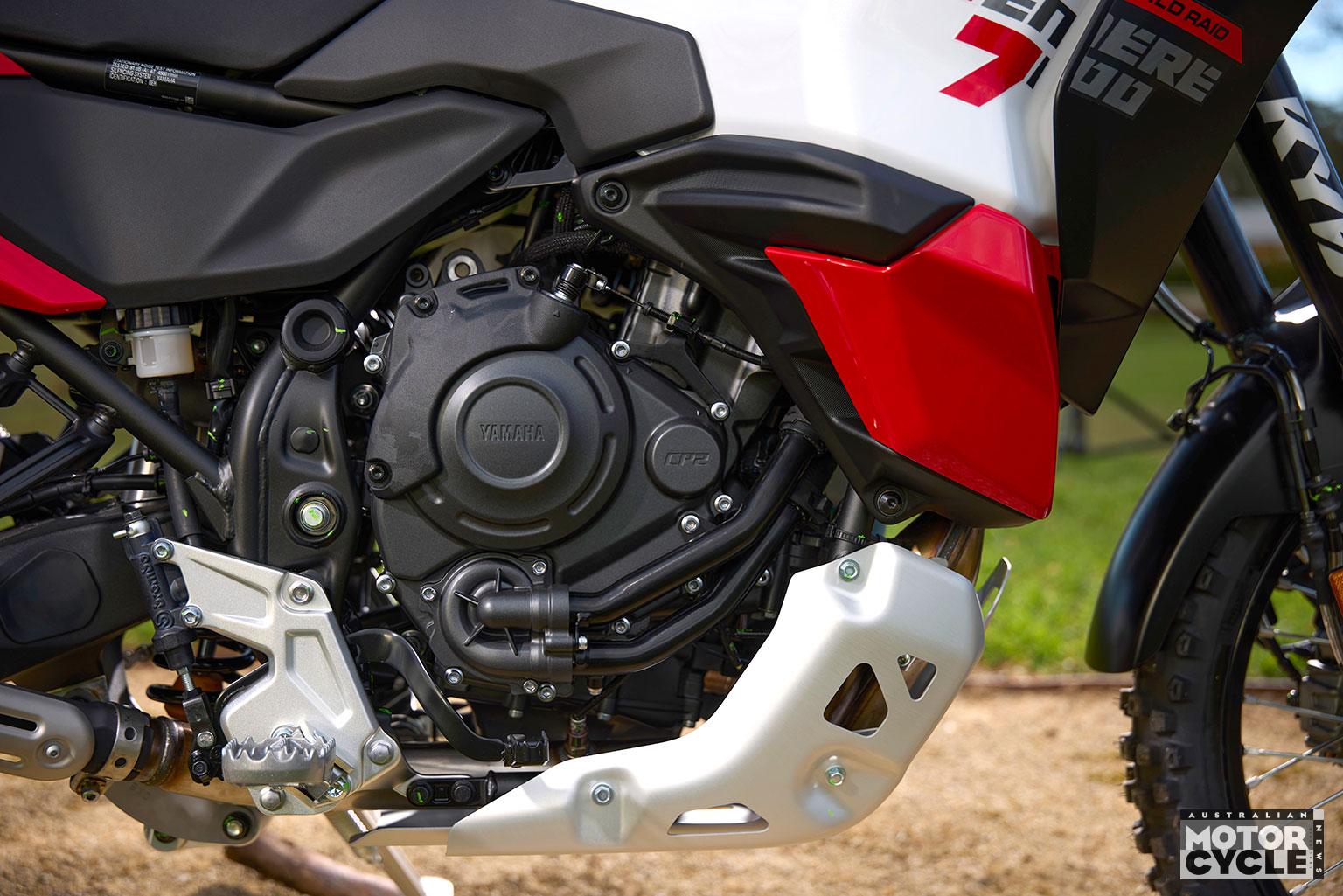
The CP2 now meets the latest Euro emissions requirements but, thanks to a redesigned air intake, actually produces slightly more torque. It’s also now equipped with a six-axis IMU (inertial measurement unit). In non-technical talk, it’s essentially an onboard computer that measures the bike’s acceleration and angular velocity in pitch, roll and yaw – sounds like aeroplane terminology – to figure out the forces being applied to the machine.
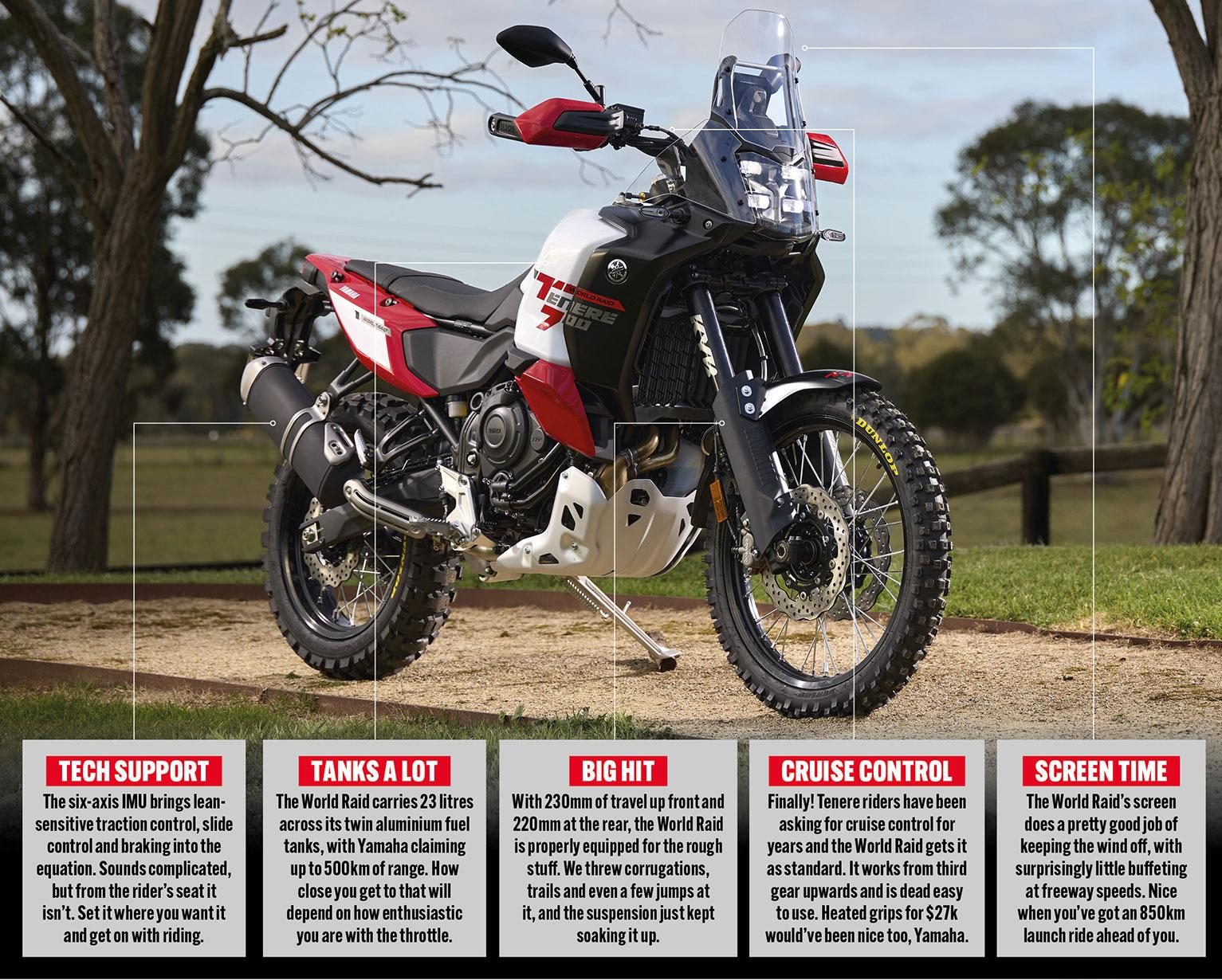
This unit controls the lean-sensitive traction control, slide control and braking systems, and it works very well. In the rapidly evolving and expanding adventure-bike market, it was a good move on Yamaha’s behalf to add a bit more tech to what is essentially now its flagship adventure bike.
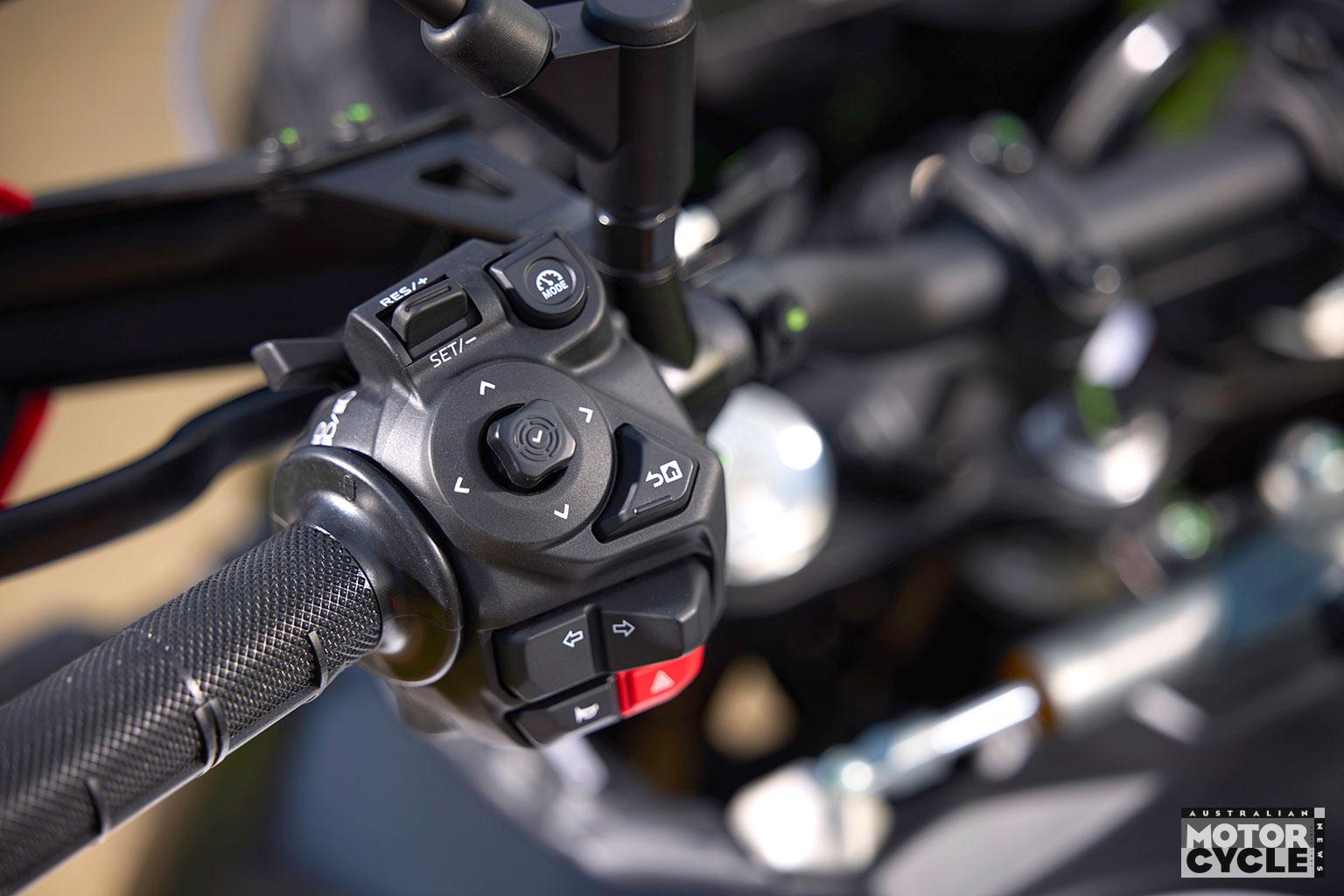
There are three intervention settings: Street, Off Road and Off. Due to the nature of our ride, I set mine to Off Road for the majority of the trip and it worked beautifully. It allows the bike to slide but stops it stepping out too far, and will be a great safety feature for inexperienced off-road riders. The settings can be changed on the go by closing the throttle and toggling through the mode button on the handlebar.
Sport and Explorer are the two engine modes and slightly alter the throttle response. The difference between the two is noticeable.
The subtle changes Yamaha made to the standard Tenere last year have obviously carried over to the World Raid as well. The 700cc parallel twin provides ample performance on the road, purrs along effortlessly at freeway speeds and feels like it will last forever. And they pretty much do.
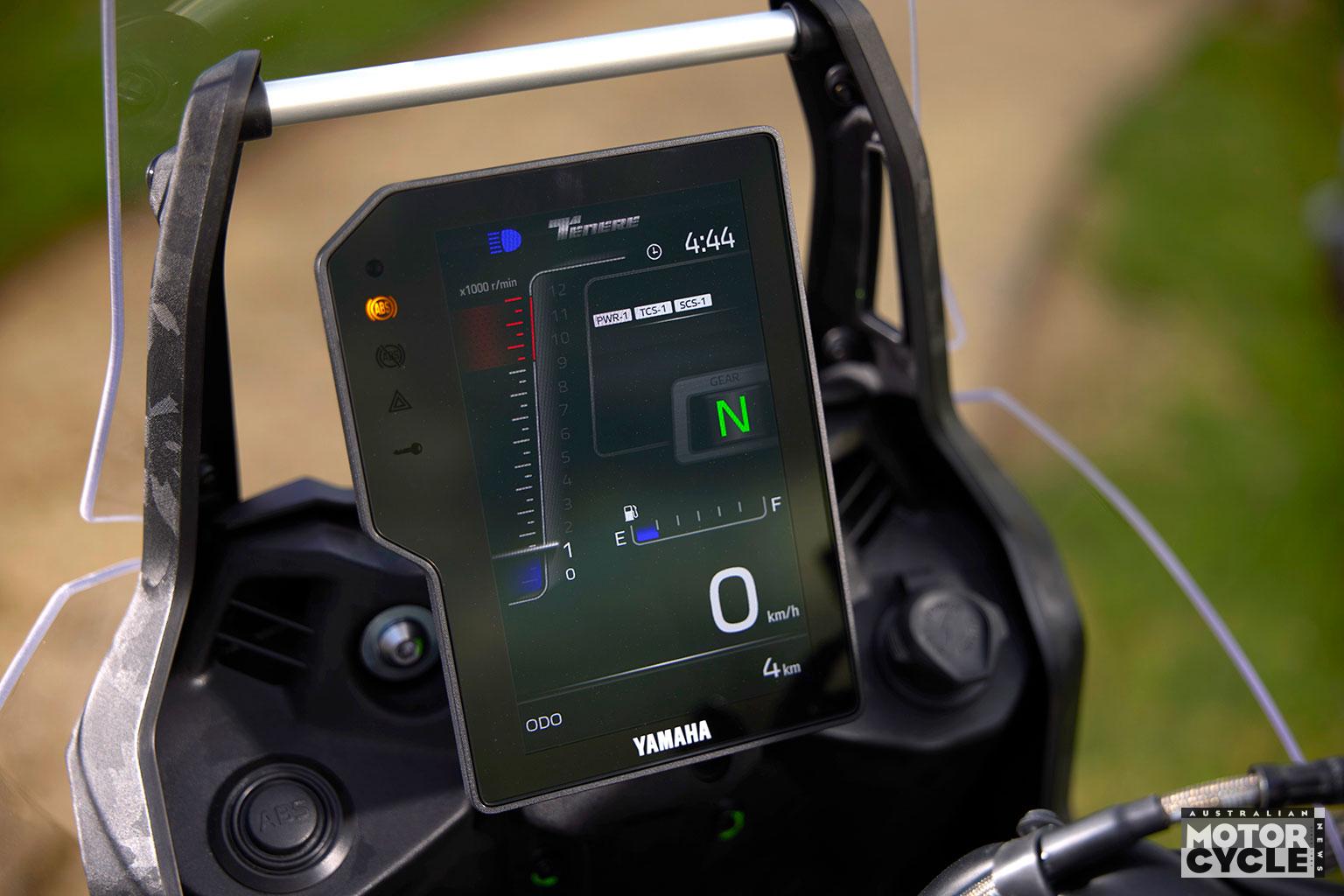
Having said all that, though, I reckon if Yamaha could reliably tweak it to around the 90-95hp mark it would be damn near perfect for extended on-road touring as well. There may be better bikes out there for two-up touring fully laden, where you may want a bit more grunt, but now as I write this, I actually can’t recall ever seeing two people on a Tenere. Have you?
There’s almost zero vibration or mechanical noise and it gives off the vibe that it’s going to get you there and back without a problem, over and over again. So that’s a trade-off I’d take any day over another 20-30hp.
One thing Tenere riders all around the world were crying out for was cruise control. The World Raid now comes with it as standard and, while I personally didn’t need to use it much on this ride, I tried it briefly and found it was very easy to activate and set. It can be used from third gear upwards and adjusted in increments as small as 1km/h.
Heated grips were also on the wish list for potential buyers – but unfortunately aren’t fitted as standard. At $27k, I agree that’s a little disappointing.
The gearbox is faultless, as is the cable-operated clutch, and while the Tenere has the option of a quickshifter, the test bikes weren’t fitted with them. No big deal for me, as I’m not really a fan of them on any bike.
GOING THE DISTANCE
The standout visual difference between the standard Tenere and the World Raid is obviously the bigger fuel tanks. The first thing you notice, especially when getting on the bike or looking at it from the rear, is their width.
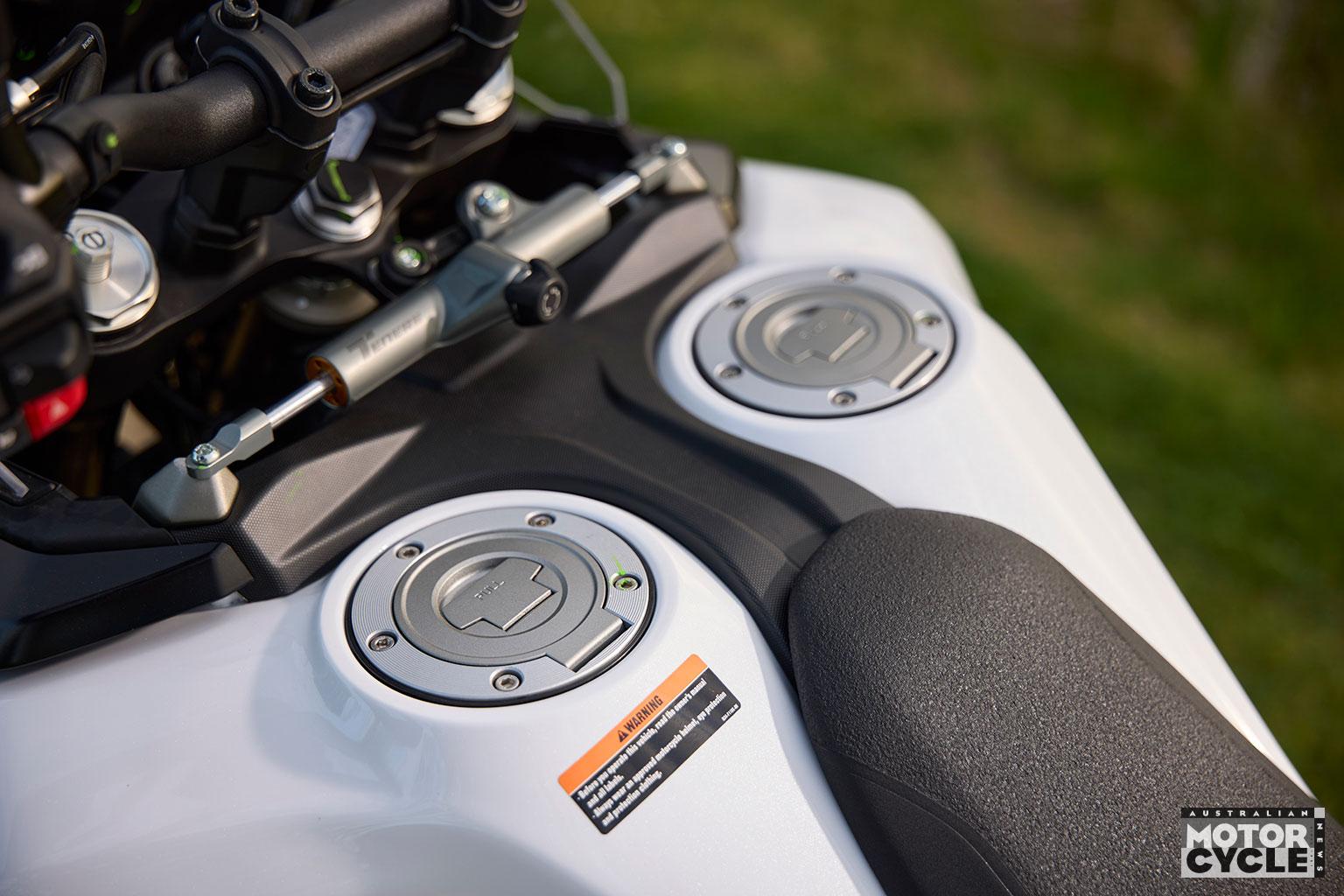
I say ‘their’ because, yes, there are two. The design helps reduce the effect of fuel sloshing around, as the tanks are divided by the frame. It has the same effect as a baffle would in something like a large tank on a water cart or milk truck, just on a smaller scale.
One thing I did find slightly annoying is that you can only open one filler cap at a time. You can’t pull up at a servo, take the ignition key out and open both. You have to open one, fill it, then close and lock it before opening the other because the key doesn’t come out with the fuel cap open.
It’s not that big a deal, but it would be better if you could just open both first and then fill them.
The tanks are now constructed from aluminium and hold a combined 23 litres, giving a theoretical range of up to 500km.
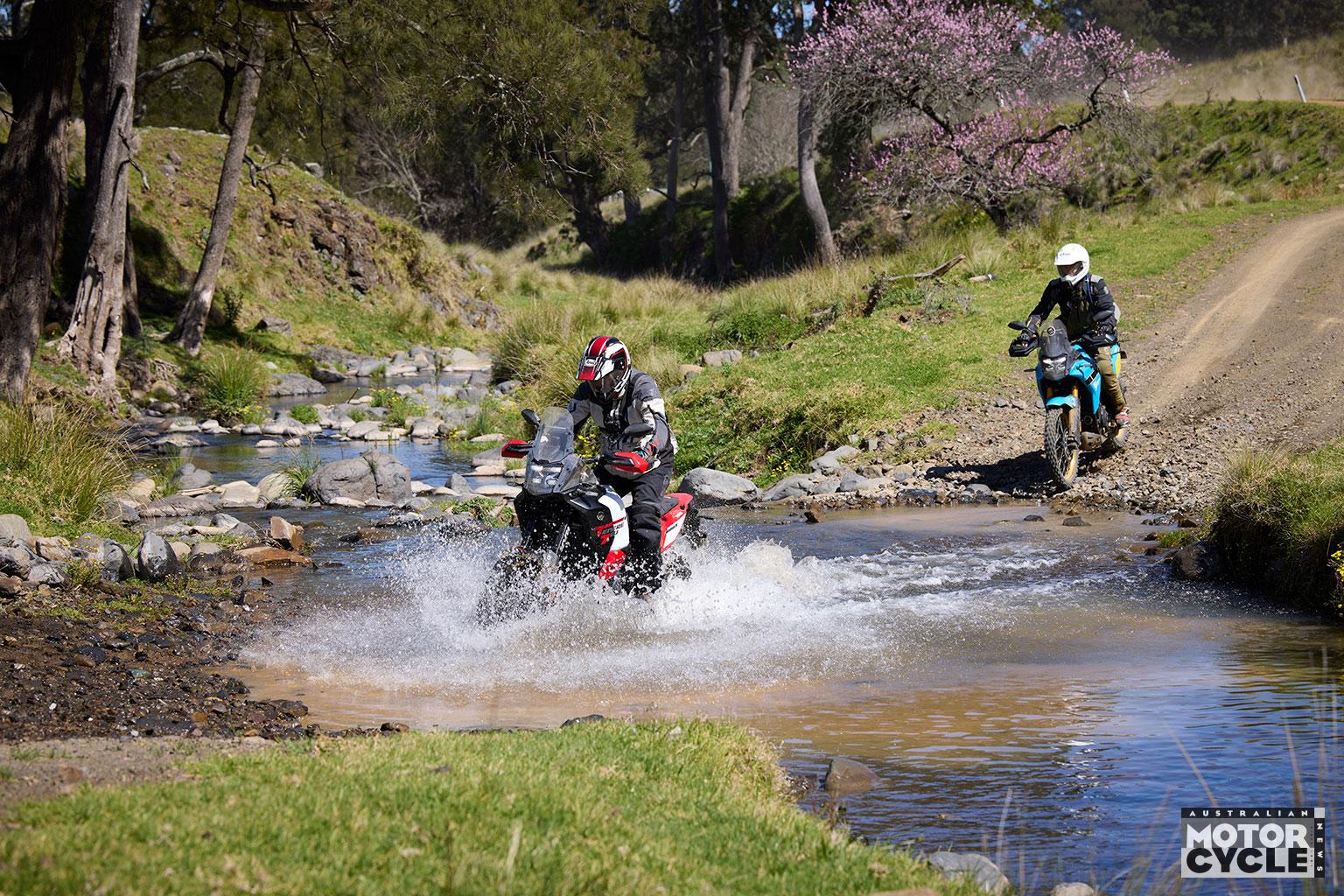
This will appeal to those who really want to get off the beaten track. Whether or not you’ll get that far will, of course, depend on how heavy you are on the throttle.
Full of fuel, it feels pretty heavy to get off the sidestand and you could be forgiven at first for thinking those big tanks are going to push your legs really wide when sitting, but they don’t. Being so big, they also offer good protection from the wind, but I’d opt for the bolt-on crash protection if it were mine.
Why? Because I dropped it, that’s why. And for the first time ever, I damaged a test bike.
There was an amazing section of trail that wound its way up a hill through the bush and then descended down a farm trail. It was very slick and muddy, I got cross-rutted and down I went at about 50km/h. I was so annoyed with myself, and my wrist really started to hurt.
I’d dented and scratched the tank, but my head was okay. I suffered a substantial non-bike-related brain injury in 1999 and, despite riding thousands and thousands of kilometres on both dirt and road since, I ride on the side of caution, especially on a bike that’s new to me and isn’t mine. Which is why I was so peed off.
That happened on day one before lunch. There was a long way to go with a bung wrist that ended up being a partially torn transverse carpal ligament. Soldier on, dude!
Sitting or standing, the bike feels great. It encourages and rewards an aggressive riding style, but if you just want to cruise along and enjoy the scenery, it’s equally good.
I also found the World Raid seat a lot better than the standard Tenere’s. Everyone in our group commented on how good the overall ergonomics were, and the riders ranged in height from probably 160cm and 70kg to a whopping 2m, 115kg giant.
Wind protection from the screen was also pretty good, with limited buffeting at freeway cruising speeds.
The controls are nicely laid out and make it very easy to navigate through all the updated tech via the TFT dash, which has three distinct display settings that change the appearance and layout of the on-screen information.
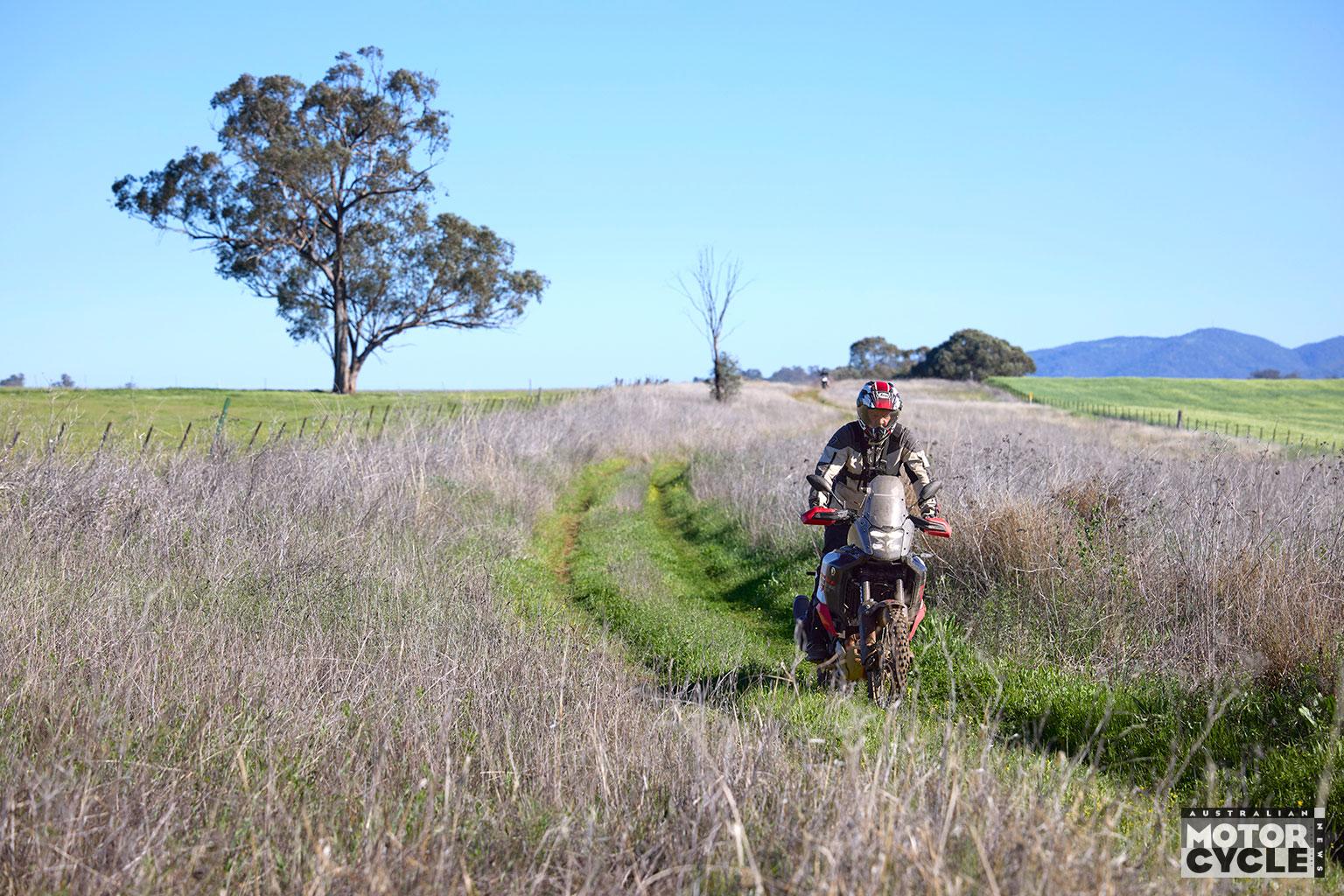
DIRTY WORK
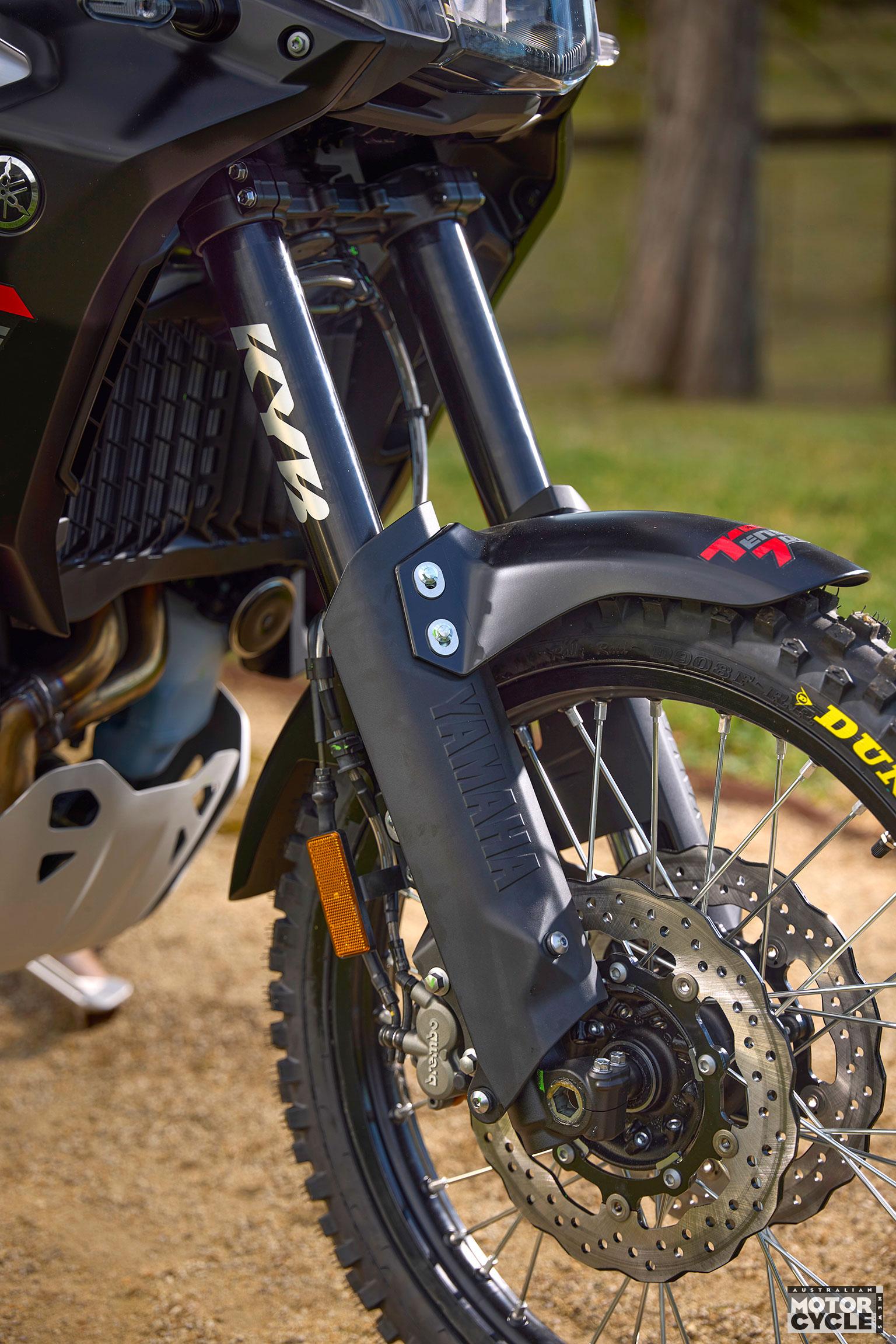
Yamaha has now equipped the World Raid with by far its best suspension to date. Revisions to the KYB shock have not only improved compliance over small hits but also its ability to absorb bigger hits at speed.
With the traction control off, the bike drives much better out of corrugated dirt corners and absorbs typical trail obstacles with ease.
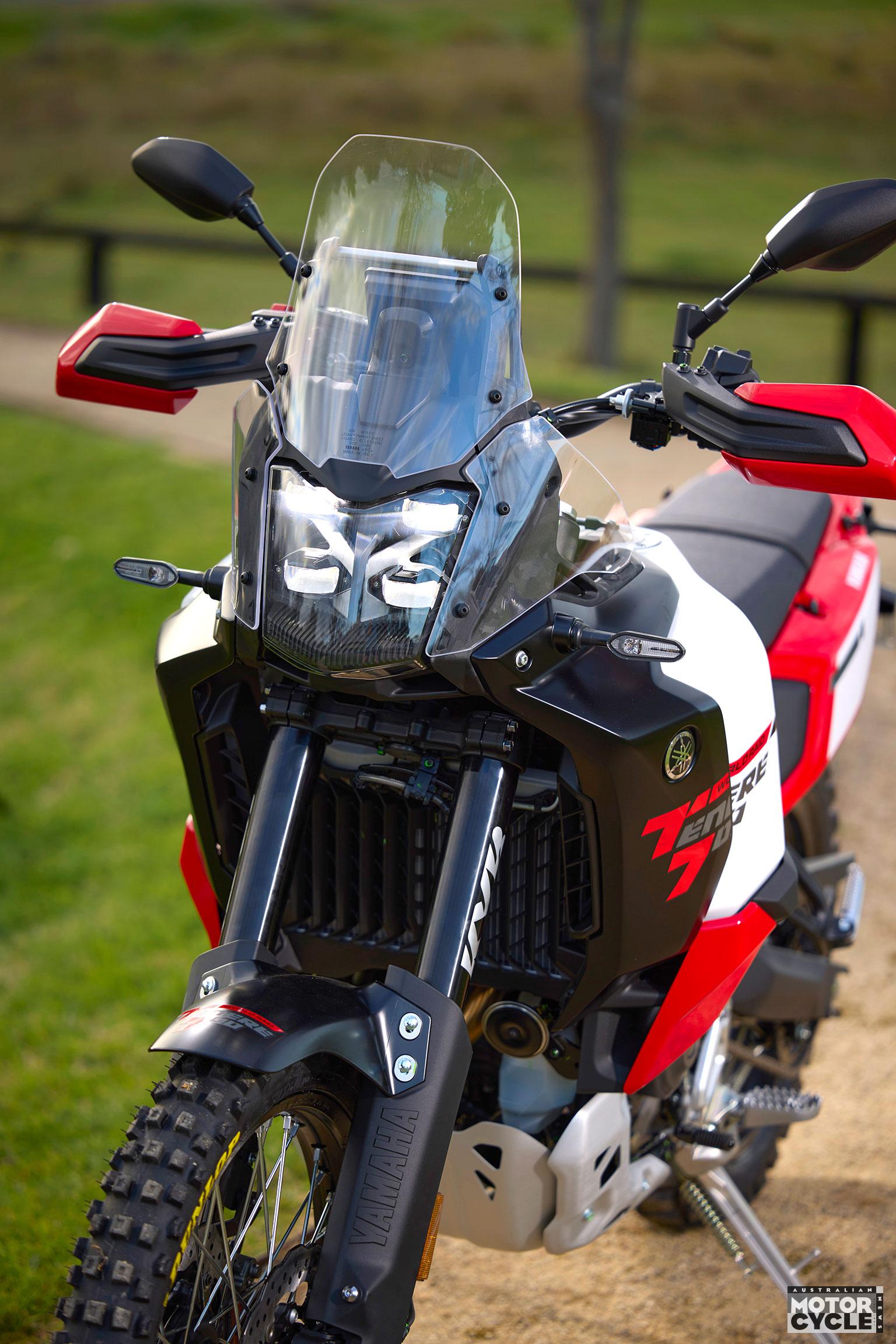
It has also gained 5mm of shock stroke, translating to 220mm of rear-wheel travel. Both ends are fully adjustable for preload, rebound and compression damping.
The fork has been beefed up to 46mm, compared with the 43mm unit on the standard Tenere. I was pretty impressed when I rode the updated standard bike last year, but it’s are next level on the World Raid. The fork is even Kashima-coated, which is pretty flash, to further reduce friction.
Initially, I thought the fork felt a little firm on the road, but when we first hit the dirt it felt spot-on. Front-wheel travel is now 230mm, with the World Raid offering 20mm more travel front and rear than the standard model.
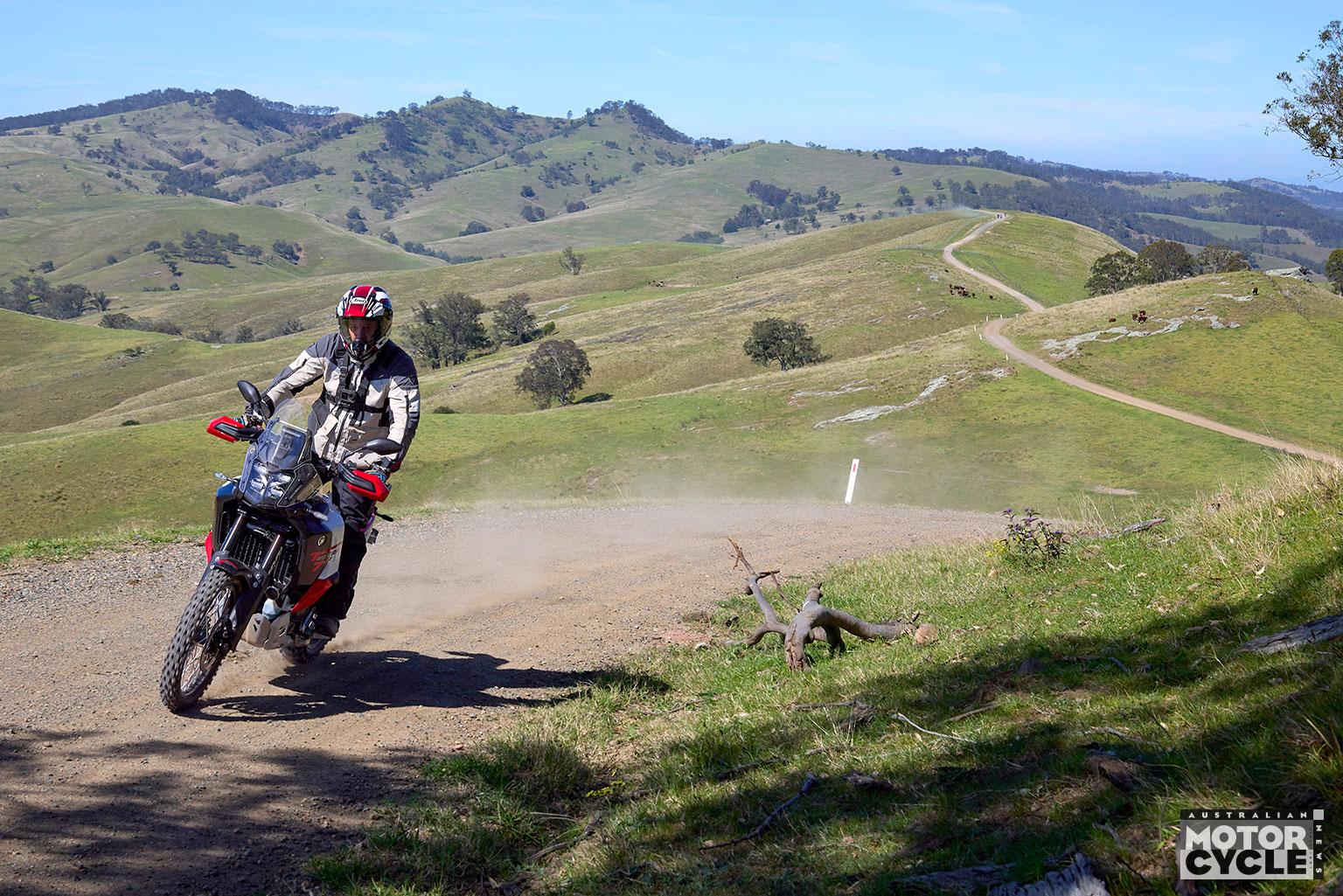
Adventure bikes probably give engineers some of their biggest headaches because the variety of terrain they’re expected to work on varies so much. An R1 isn’t good on the dirt and a WR450 isn’t good on the road, is it?
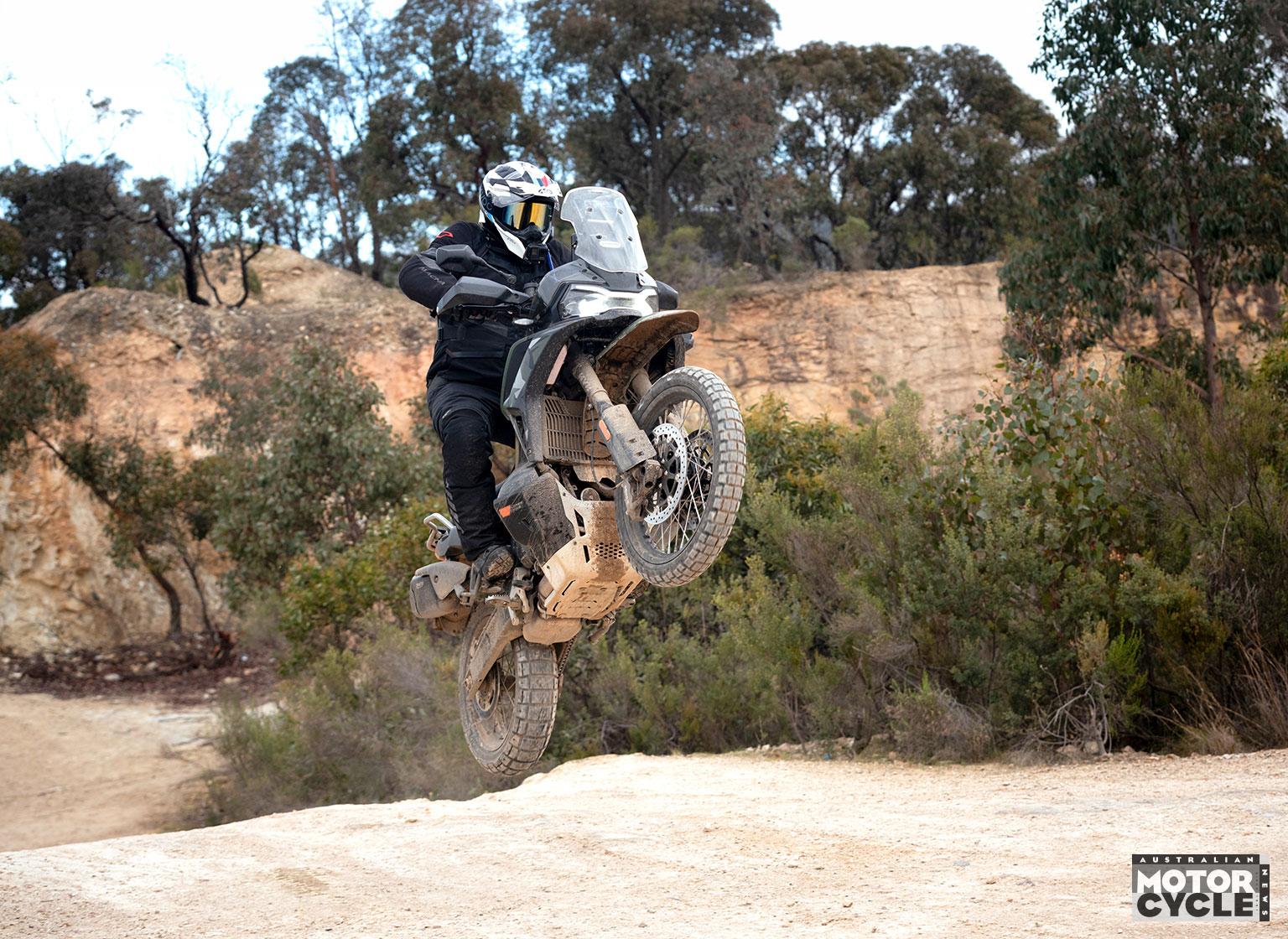
Overall, the World Raid suspension is now very good. Like I said, we put the bikes through all types of terrain and even some jumps, and it performed incredibly well for a 220kg motorcycle.
The World Raid is fitted with a steering damper but, to be honest, I found it made very little difference whether it was adjusted to minimum or maximum damping. I did notice some of RideADV’s fleet and personal bikes were fitted with aftermarket MSC dampers.
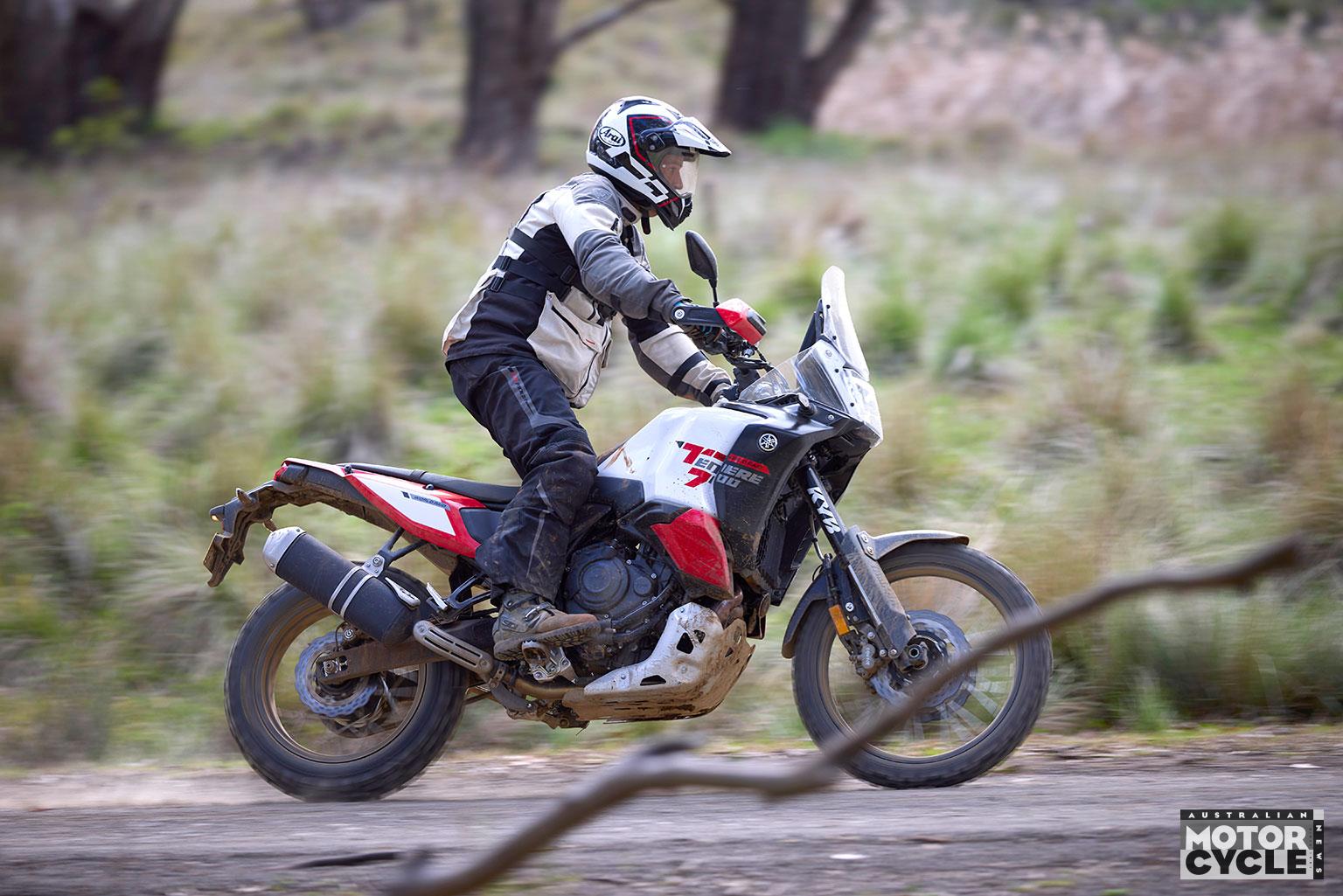
Braking at both ends was more than sufficient, offering plenty of power. I did, however, find the rear a little grabby and easy to lock with the ABS turned off.
Our test bikes were fitted with pretty aggressive off-road Dunlop tyres. They were great on the dirt, but I just couldn’t trust the front on the road. Even at modest lean angles, I personally just couldn’t gel with it.
THE LONG WAY HOME
You can see why Teneres sell so well all around the world. It’s also easy to see why so many of them come home filthy after a good weekend, week or even months away. They are, to an extent, a classic case of less is more.
Yamaha has added just the right amount of tech to the World Raid but kept it simple to use and practical – and it works. It appeals to so many riders because of its reputation for reliability.
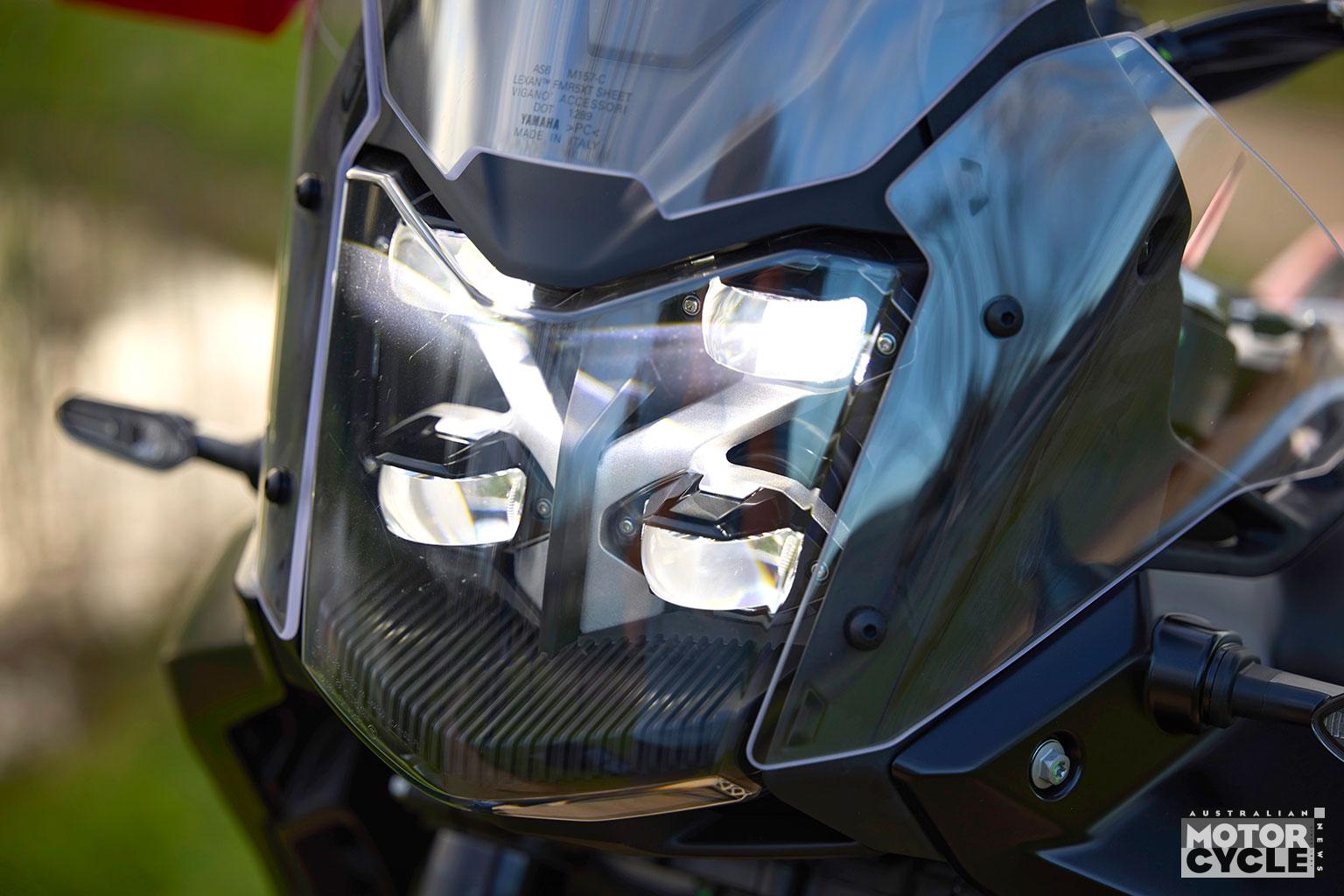
It’s not a cafe princess, nor does it produce class-leading power. But it does what it’s designed to do very bloody well. It looks awesome, has genuine long-range capability, handles better than ever and would be a joy to live with.
My dad is 78, fit as a fiddle and has floated the idea of riding around Australia when he hits 80, having ridden around the world in 2013. I’ll be pushing him to do it on a World Raid. And I might just go with him on one as well.
Better start saving!
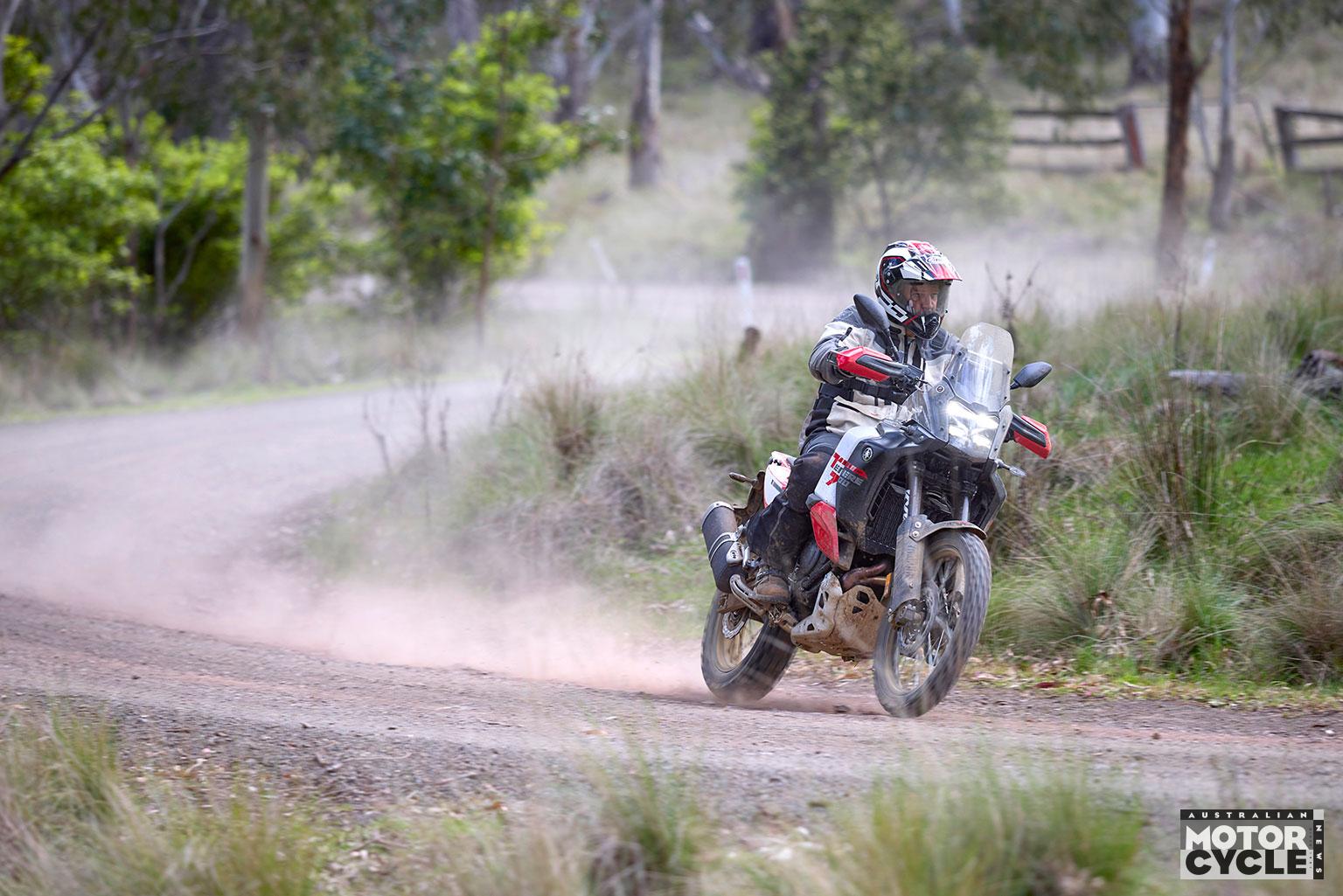
✅ PROS – Superb suspension on and off road, genuine 500km long-range potential, proven CP2 reliability and simplicity.
❌ CONS – Heated grips should be standard at $27k, could use more grunt for two-up touring, twin fuel caps are unnecessarily fiddly.
WORLD OF DIFFERENCE
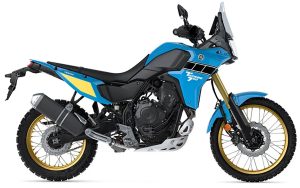
When we tested the last T700, one omission generated more reader feedback than just about anything else: where the bloody hell is the cruise control? Well, here it is. The World Raid gets cruise as standard, working from third gear upwards and adjustable in 1km/h increments. For a bike designed to knock over seriously big distances, that’s a very welcome tick. Here are the others:
| Spec | Tenere 700 | World Raid |
|---|---|---|
| Fuel | 16 L | 23 L |
| Front fork travel | 210 mm | 230 mm |
| Rear travel | 200 mm | 220 mm |
| Fork | 43 mm KYB | 46 mm KYB |
| Seat height | 875 mm | 890 mm |
| Wet weight | 208 kg | 220 kg |
| Range | Approx 350 km | Approx 500 km |
| Steering damper | No | 16-step adjustable |
| Cruise control | NO! | YES! |
SPECIFICATION
ENGINE
689cc liquid-cooled DOHC 8-valve parallel twin
Bore & stroke 80mm x 68.6mm
Compression 11.5:1
Fuelling EFI, YCC-T ride-by-wire
Transmission 6-speed, chain final drive
PERFORMANCE/TECH
Top speed Approx 190km/h
Ride modes Sport, Explorer
Electronic 6-axis IMU, lean-sensitive TCS, slide control, ABS, cruise control, speed limiter
Dashboard 6.3in colour TFT, smartphone connectivity/navigation
CHASSIS
Frame Steel-tube double cradle
SUSPENSION
Front 46mm KYB USD fork, fully adjustable, Kashima coated, 230mm travel
Rear KYB link-type monoshock, fully adjustable, 220mm travel
Steering damper 16-step adjustable
WHEELS & BRAKES
Front Twin 282mm discs, ABS
Rear 245mm disc, ABS
Front tyre 90/90-21
Rear tyre 150/70 R18
DIMENSIONS
L x W x H 2370 x 935 x 1495mm
Wheelbase 1595mm
Seat height 890mm
Ground clearance 240mm
Fuel capacity 23L
Wet weight 220kg
Claimed range Approx 500km
BUSINESS END
Colours Redline White, Midnight Black
Price $27,349 ride away
Contact yamaha-motor.com.au