Insolvency is on the cards as Italian legend enters ‘negotiated crisis resolution’
Few motorcycle brands have such a storied or turbulent history as MV Agusta. In between making some of the world’s most desirable bikes the Italian brand has changed hands multiple times and bounced from peaks of success to pits of disaster – and it’s in another troubled time at the moment as it enters a legal ‘Composizione Negoziata della Crisi’ (Negotiated Crisis Resolution) in an effort to reorganise and prevent insolvency.
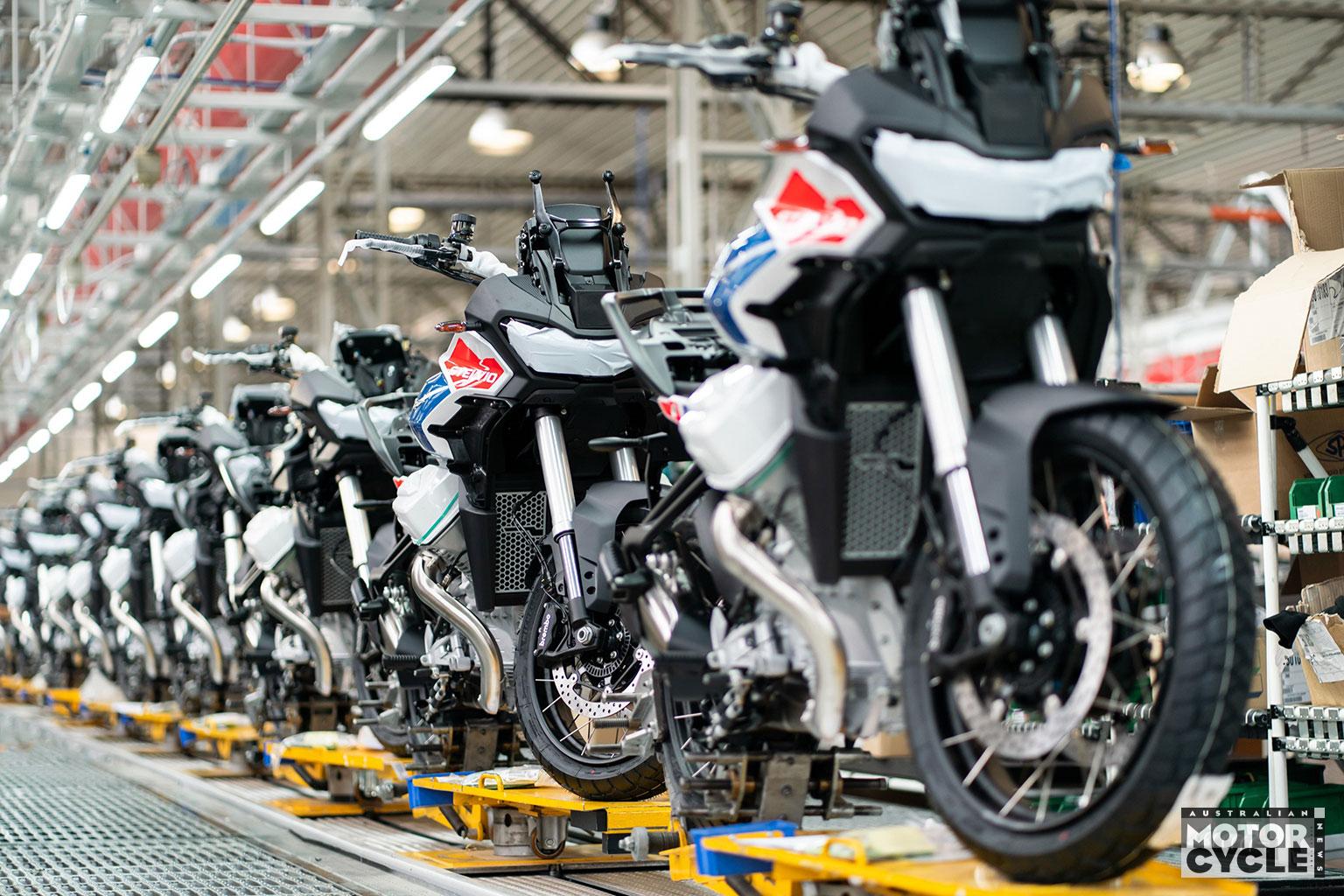
MV Agusta put out an official statement about its position after multiple unconfirmed stories broke in the press suggesting the company’s production lines had been idle since April this year following the collapse of talks with a major potential investor, or even new owner. China’s CFMoto is rumoured to have been planning to take a significant stake in MV, even a controlling one, but those talks are said to have collapsed.
MV’s statement, notably, didn’t deny those talks may have happened, but neither did it confirm the identity of any potential new investor. Instead it said: “Art of Mobility [MV’s current owner] has initiated and assessed a number of discussions regarding potential developments in MV Agusta’s shareholding structure. Some opportunities were explored in depth and subsequently considered not viable; others did not meet the necessary requirements in terms of substance and reliability. Other parties and scenarios remain under evaluation.”
In the meantime, the Composizione Negoziata della Crisi (CNC) framework allows companies in a financial imbalance that makes insolvency a real possibility to apply to have independent professional restructuring experts appointed to find the most effective way out of the crisis, without the need for interference from the courts. During this period, the company may be able to get protection from creditors to ensure it isn’t driven into worse financial straits.
MV Agusta itself points out that global registrations of its bikes have increase 3.4% in the first half of 2026 compared to the same part of 2025, with particularly strong growth in Italy, France and the USA. However, the company’s statement said: “These results do not eliminate the operational and financial difficulties of the current phase, but they confirm the strength of demand, the work of the dealer network and the industrial and commercial value that MV Agusta continues to represent.
“Against this backdrop, MV Agusta notes the proliferation of rumours, interpretations and reports unsupported by objective evidence, some of which appear to originate from, or be fuelled by, parties that, in various capacities, have participated in or expressed an interest in these discussions.
“These reports, in addition to not accurately representing the situation, risk creating unnecessary confusion around the Company at a time when it is essential to operate with responsibility, confidentiality and rigour.
“MV Agusta therefore does not intend to comment on individual rumours, nor to contribute to a debate based on speculation or partial information. Any significant development regarding the Company’s corporate structure will be communicated directly by the Company through its official channels once concrete and definitive conditions are in place.”
MV Agusta may not intend to comment on individual rumours, but that isn’t stopping the Italian press from digging into the situation. Newspaper Il Giorno, having spoken to unions representing MV’s workers, reports that the company’s 184 staff are working only a few days per month on ‘solidarity contracts’ that reduce hours and pay, and those contracts are due to remain in place until the end of this year. It also says that a planned €35 million recapitalisation that was due in June never appeared, and that suppliers are going unpaid.
It appears that MV is actively searching for a major investor or buyer, and Il Giorno reports that a court hearing is scheduled for 25th November to review the situation.
How did MV Agusta get here?
MV’s current issues can be traced back to the financial difficulties that KTM suffered last year. The Austrian brand initially bought into MV with a minority holding in 2022, upping that to a controlling stake in 2024 – just before its own finances hit the rocks.
KTM’s financial woes, which eventually saw it bought out by India’s Bajaj last year, led it to sell MV Agusta back to its previous owners, the Sardarov family’s Art of Mobility S.A. company, in January 2025. Initially it looked like the Sardarovs got the strong end of the deal: KTM had invested in MV during its tenure, so the company that the Sardarovs received was theoretically in a stronger state than the version KTM had bought. However, strong and revamped products alone don’t guarantee cashflow, and MV Agusta really needs to under the wing of a larger brand to ensure it isn’t hamstrung by short-term problems.
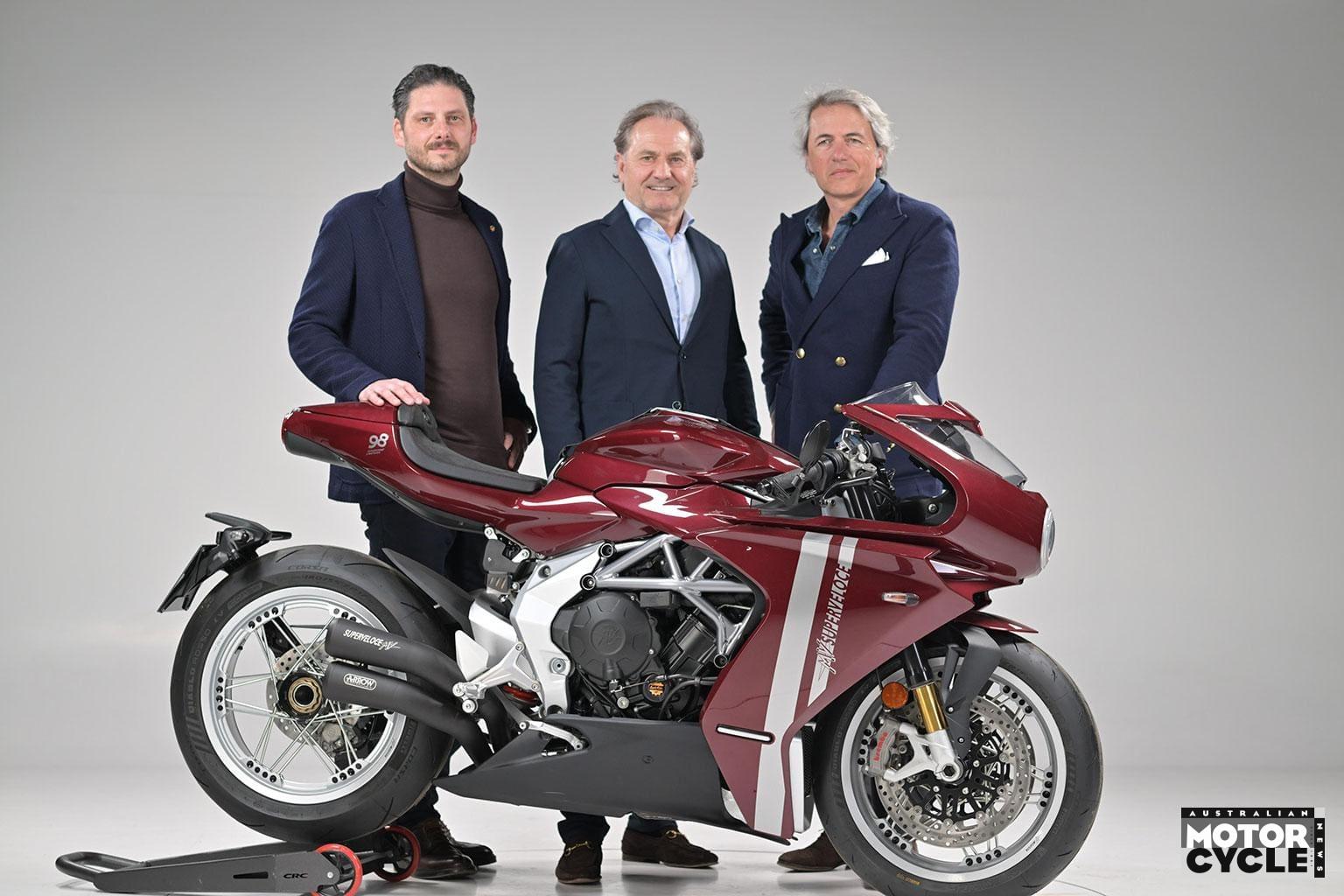
This isn’t MV’s first rodeo, though. The company has been through a dizzying array of owners since the Castiglioni family revived the brand in the 90s with the first-generation F4 750 superbike. In 2004 it was sold to Malaysian car brand Proton. In 2006 it passed to Italian holding company GEVI SpA. In 2008 it was snapped up by Harley-Davidson, just in time to be hit by the global financial crisis, which saw Harley retreat back to its cruiser base and sell MV back to the Castiglioni family in 2010. After Mercedes took a 25% stake in MV in 2014, MV Agusta was sold to the Sardarov family’s investment company in 2017, with KTM getting involved five years later and gaining a controlling stake in 2024.
Who might invest in MV Agusta?
One this is certain: the MV Agusta name and its range of bikes is going to be extremely interesting to many potential investors – with Chinese and Indian companies potentially the most likely to step forward.
If, as suggested in the media, MV has been in talks with CFMoto, that’s no surprise. CFMoto is already a partner to KTM – operating a joint manufacturing venture in China – so there will be senior staff at both MV and CFMoto who are already well-connected. However, CFMoto is already developing its own V4 SR-RR superbike project, with its sights on global markets and entering race championships like WSBK and MotoGP. There was speculation that the MotoGP effort could be in tandem with MV Agusta, and possibly under the latter’s name, but CFMoto is keen to get its own brand more widely accepted, so it’s hard to see the logic in such a move.
Another big Chinese company, QJMotor, also has connections with MV. The two brands previously planned to cooperate on the Lucky Explorer 5.5 adventure bike which shared its engine and chassis with QJMotor and Benelli-branded machines made in China. MV dropped that model, though, retaining only the larger Lucky Explorer 9.5, and the smaller model has since re-emerged, virtually unchanged, under the Rieju name as the Xplora 557.
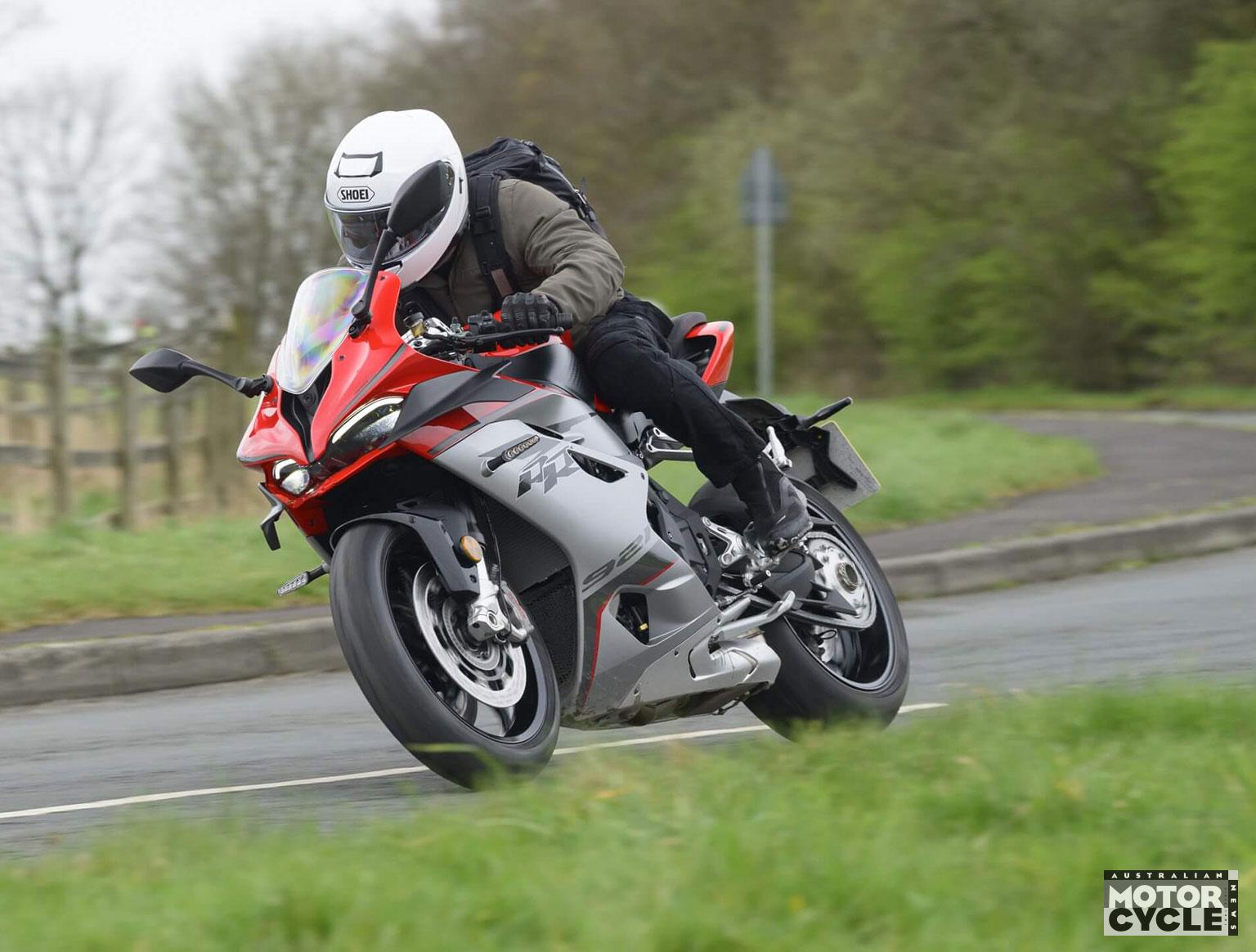
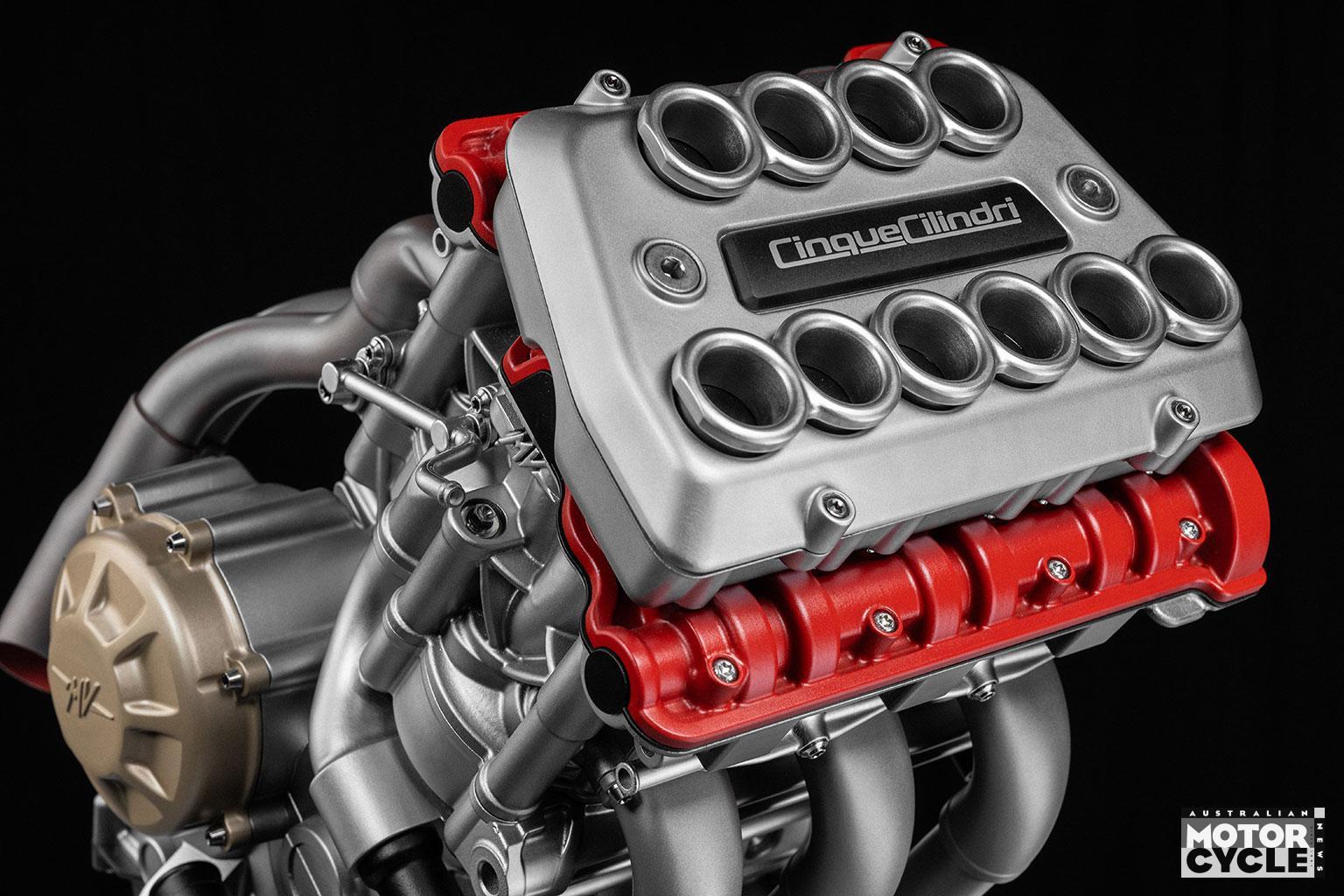
QJMotor has also adopted its own version of MV Agusta’s four-cylinder engine, which it uses in bikes like the SRK921RR and the Super 9, which also looks nearly identical to the MV SuperVeloce models. That all appears to stem from a 2020 deal between QJ and MV, which saw the former take on distribution of MV Agustas in China, and was initially expected to see MV’s four-cylinder engine appear in a Benelli-branded sports bike, since Benelli is also owned by QJMotor’s parent, Qianjiang.
However, like CFMoto, QJMotor now appears to be more interested in raising the profile of its own brand than taking on another famous Italian name.
Meanwhile, India’s vast bike industry has been on a spending spree, snapping up famous bike brands, so MV could well become a target for one of the large Indian manufacturers. As well as Bajaj’s purchase of KTM, we’ve seen recently how TVS has managed to revive the Norton name. Royal Enfield has been Indian-owned for decades, of course, and both BSA and Jawa have been given new leases of life under Indian ownership in more recent years.
All this suggests that while MV may be having a tough time at the moment, it would be huge a surprise to see the name disappear from the market.