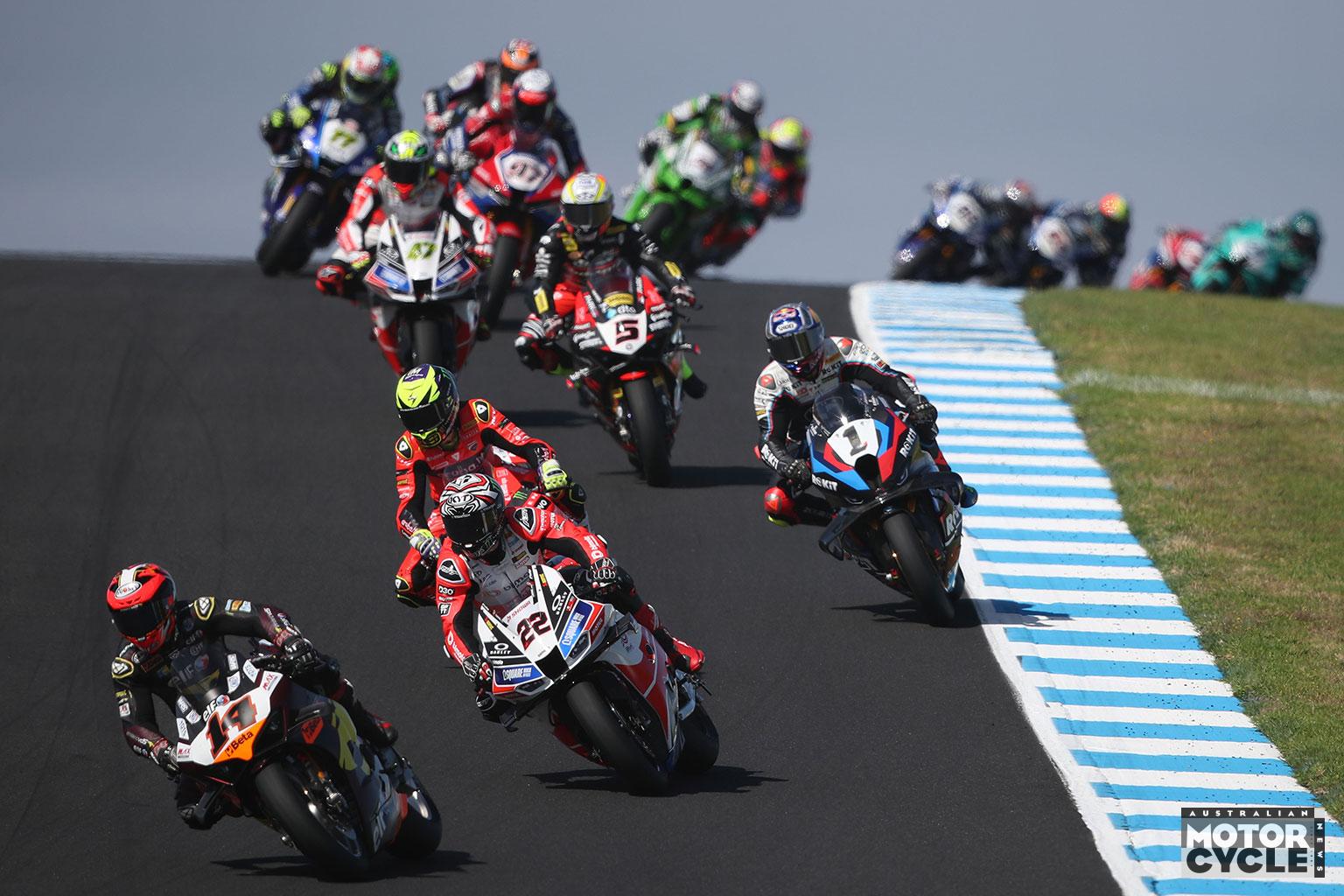
A grid of ageing machinery and cash-strapped manufacturers has left just one credible challenger to Ducati
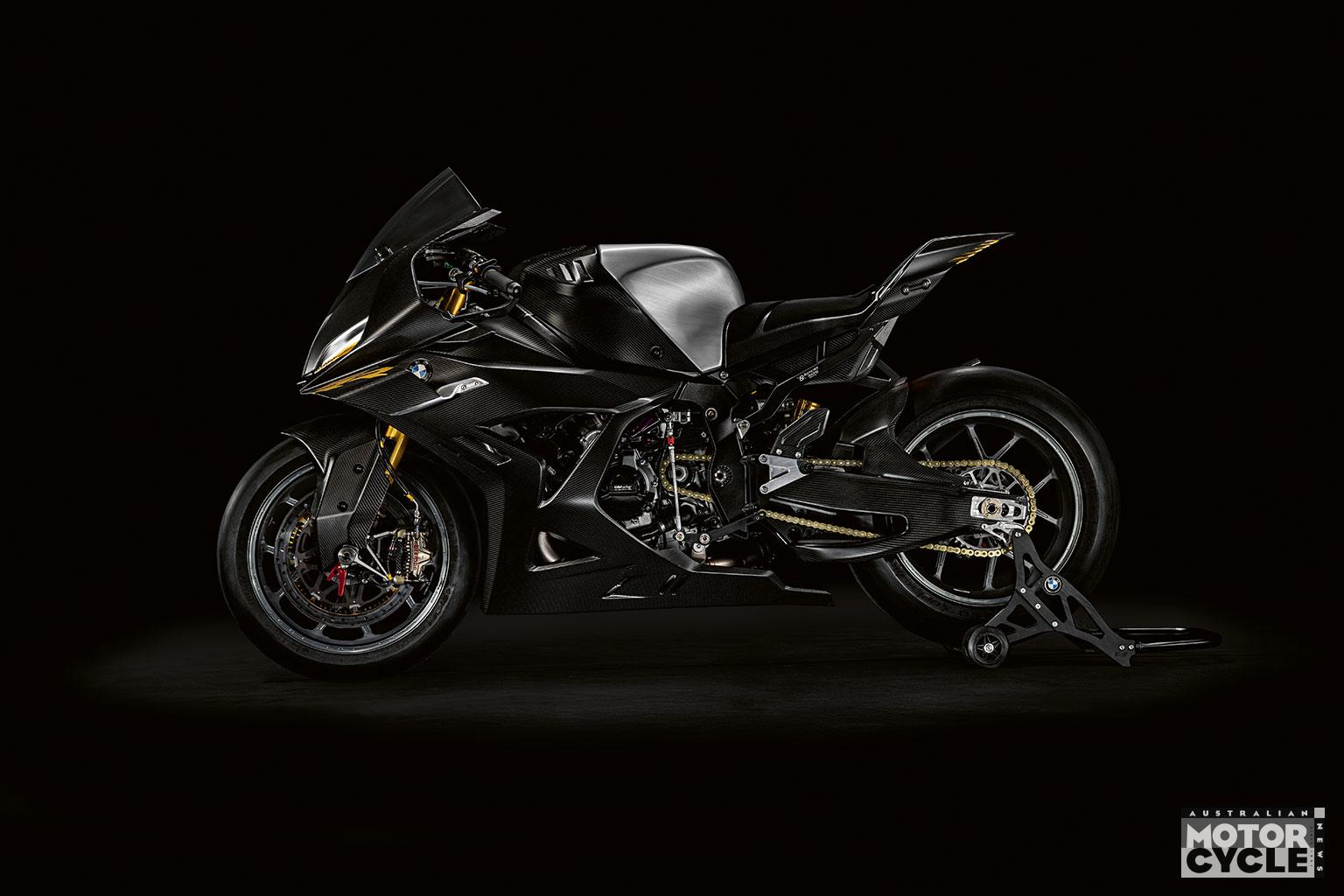
After all the domination of Ducati in 2026, BMW are answering with their own new bike for 2028. The fourth new homologation in seven years means that BMW is bucking the trend of big manufacturers not making new models very often.
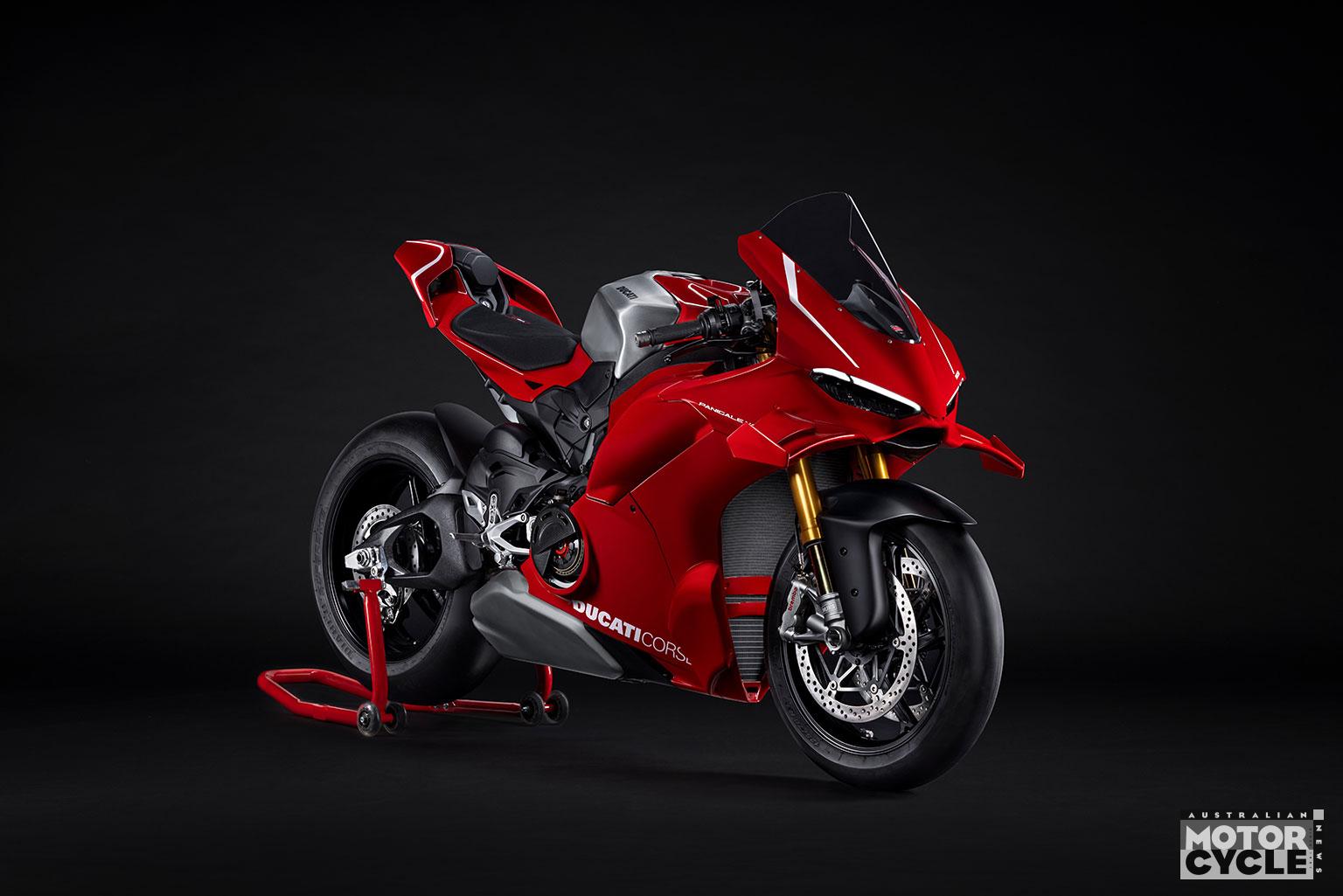
The Ducati in 2026 is a near ground-up new model, complete with a new double-sided swingarm and a vast amount of smaller – but race performance oriented – changes compared to 2025.
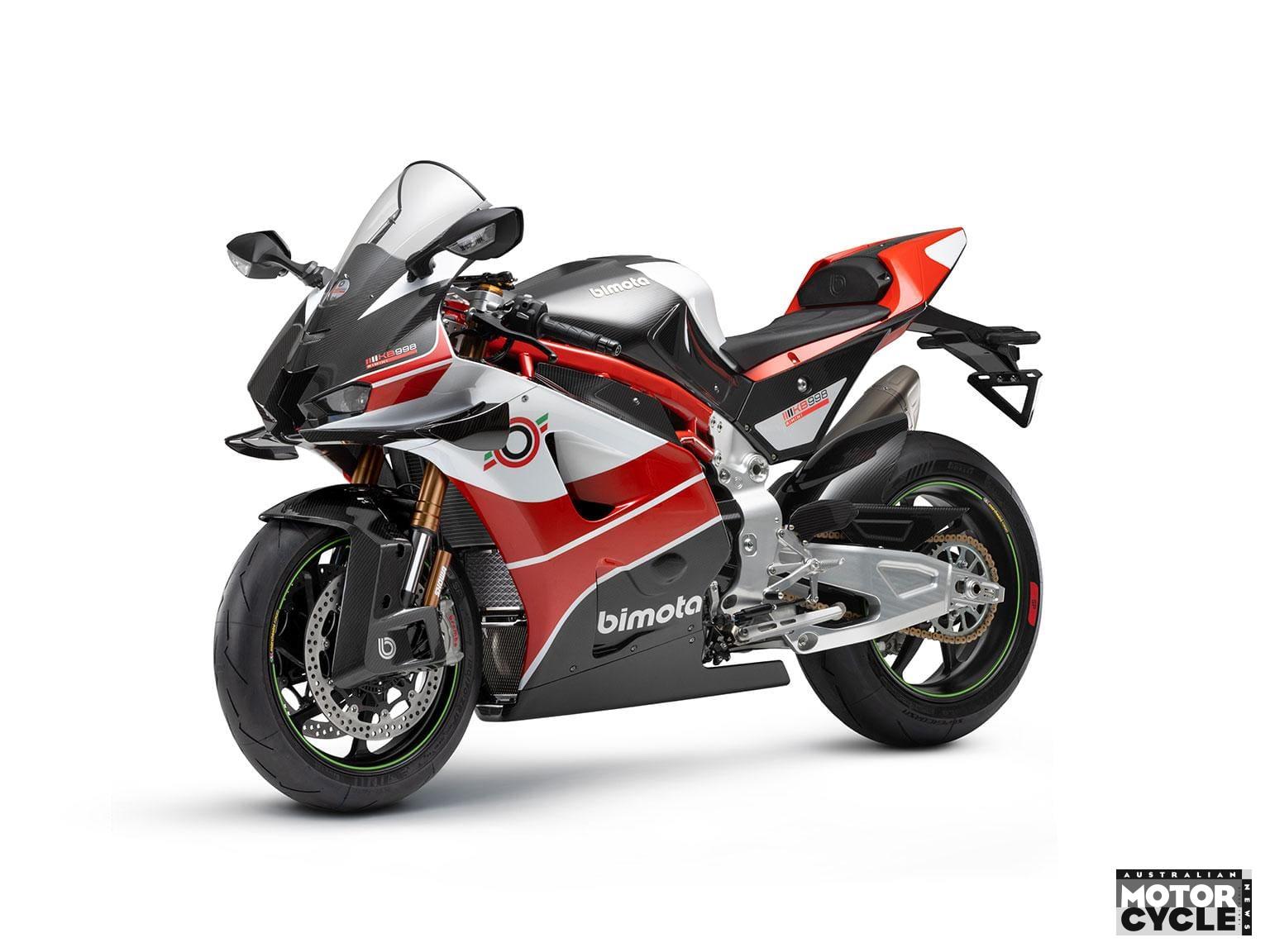
The bimota KB998 Rimini is in its second year, so it’s pretty new in its rolling chassis but not its Kawasaki Ninja ZX-10RR engine. That’s because the Kawasaki itself has been around in more-or-less its current guise since before Tom Sykes won his world championship on it in 2013. And that engine is still a long-stroke upright thing compared to almost anything else. It’s a candidate for grandad status, although still occasionally potent, in a non-Ducati sense.
Even the Honda in WorldSBK, which arrived in 2019 with some MotoGP-inspired heavily over-square engine architecture and other designs inside it, is no longer a WorldSBK spring chicken.
The Yamaha is not only about the oldest but seemingly most fragile when you try to tune it to be competitive.
It costs tens of millions of bucks/pounds/Euros to develop a new high-tech hypersports bike, which Yamaha does not look like doing too soon. Or Kawasaki. Or maybe even Honda. They don’t sell in numbers as a streetbike in most territories.
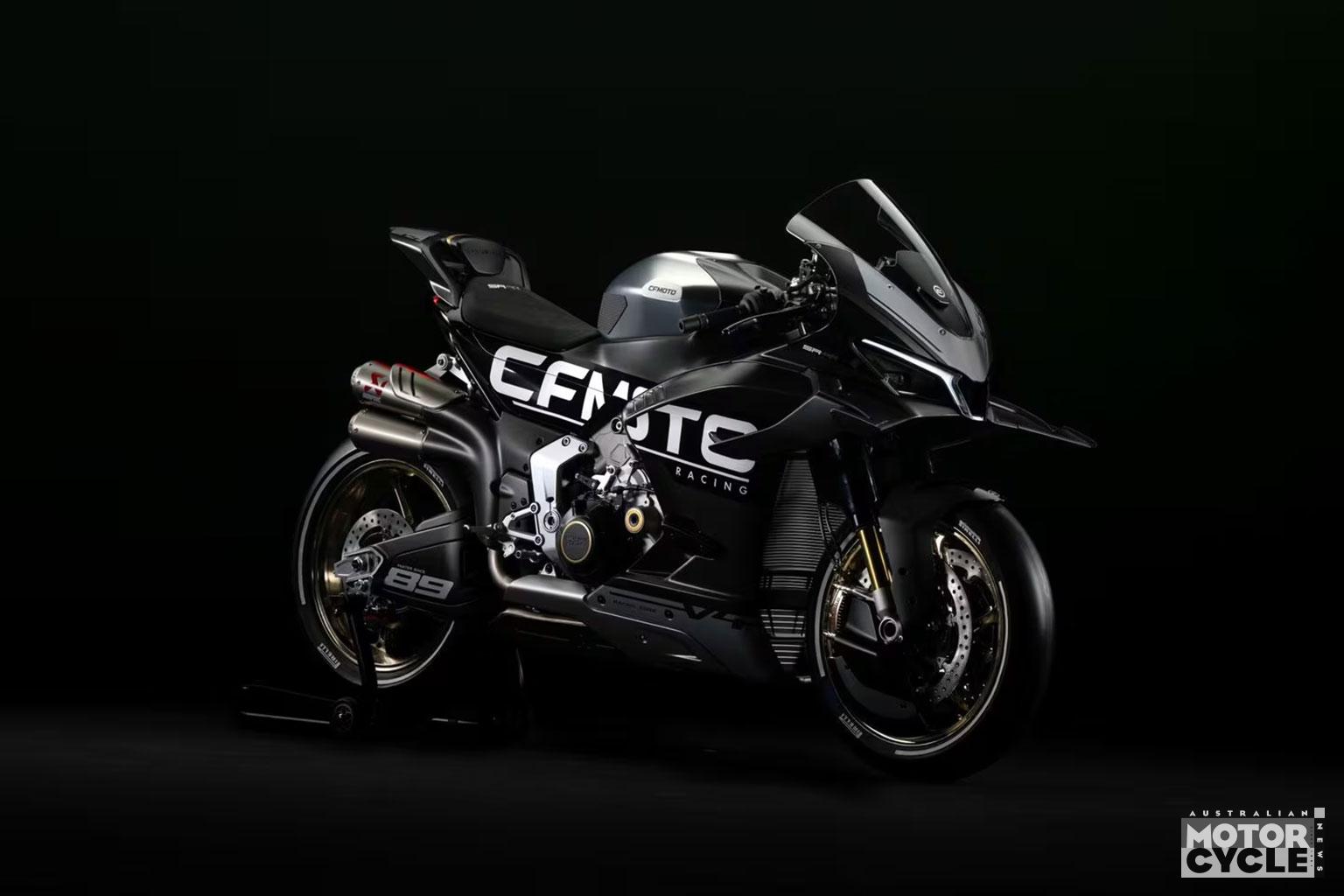
Which leaves BMW as the one Ducati rival with (relatively speaking) enough resources, recent tech knowledge, and pure focused desire to be competitive in WorldSBK on its own two wheels. Winning titles is clearly addictive. CFMoto might have something to say about all that though with their incoming V4SR-RR, which is shaping as a serious weapon.
And – it should be remembered very clearly – there is and probably never will be any MotoGP programme for BMW to draw upon – unlike Ducati, Honda, and Yamaha.