None of today’s riders has experienced hours of mind-numbing fatigue, dodging clumps of camel grass with only a compass bearing for security. The 2027 Dakar may change that
Dakar disciples were surprised when the ASO announced a new route for the 2027 Dakar. Sure, Morocco was the only sane choice when the other options were Kyrgyzstan, Tajikistan and Uzbekistan. But hadn’t David Castera and his cohorts elaborated on how they’d spent thousands of hours plotting the most intricate route across the Arabian Peninsula to make the 49th Dakar the most challenging in history?
A week later they made similar claims about an all-new African adventure, publishing the locations of the overnight bivouacs. Other than crossing the Mediterranean, the established format remains: a prologue, six days of competition, then a rest day followed by the final six days in the Sahara. That said, the new 2027 event has three distinct phases.
PHASE ONE: After the prologue and a very short stage in Portugal, a ferry ride followed by a short highway transport should see all competitors make it to Bouarfa in far north-eastern Morocco. Provided they stay well clear of Algeria (at the end of 2024, Algeria reported clearing 32,000 anti-personnel mines on its side of the border), the two 500km Bouarfa loops should hold no surprises.
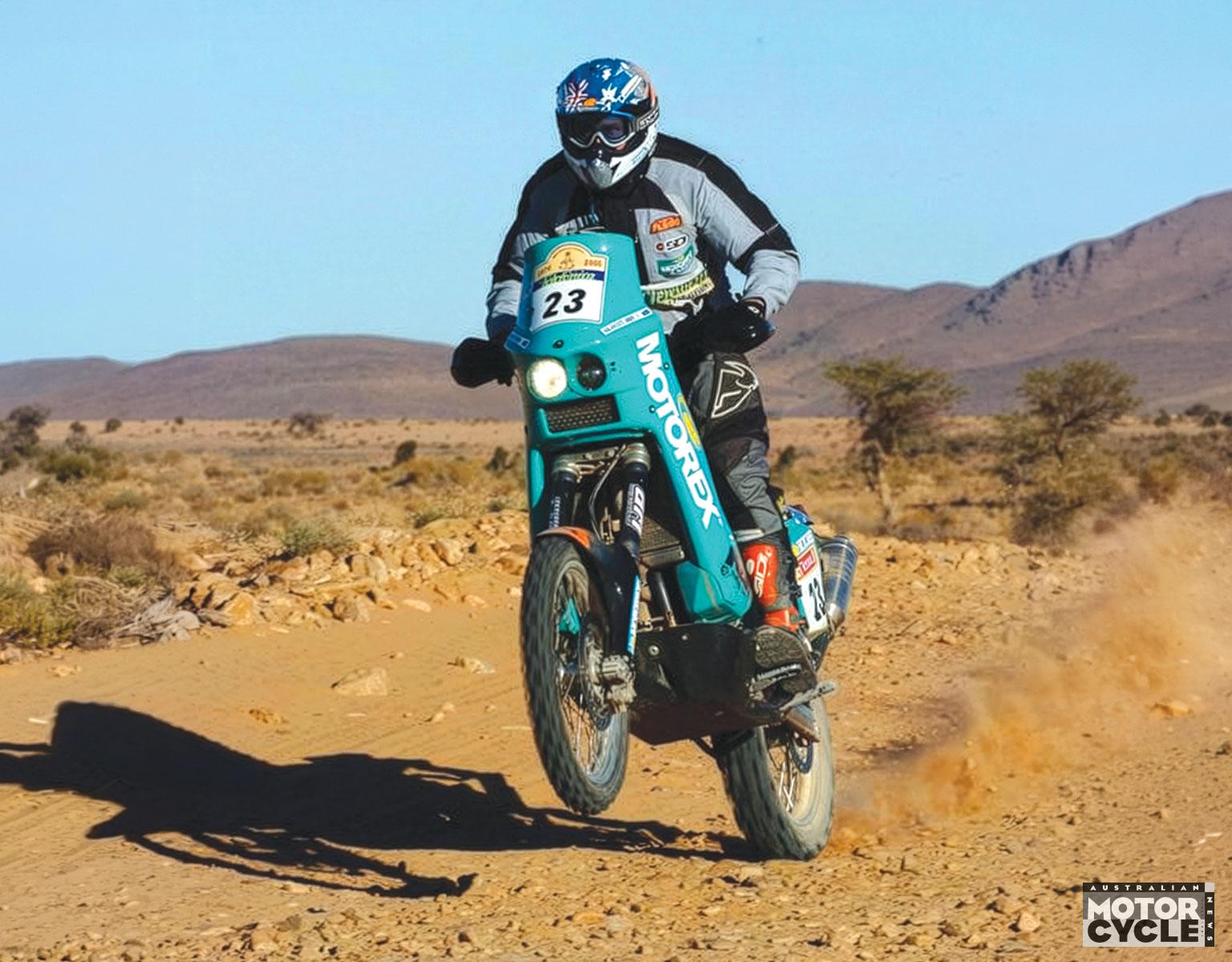
PHASE TWO: The actual route will be reconfigured, with critical refuels and waypoints relocated, though the three days from Bouarfa, south to Zagora then west to Agadir, will essentially mirror the opening days of the Rallye du Maroc, when more than 250 motos, autos and trucks departed the bivouac in Zagora at full gas every morning for four consecutive days. Most returned. The ruts and troughs they produced remain, which will make navigation a torment, as will the multitude of false trails that lie between Zagora and Agadir.
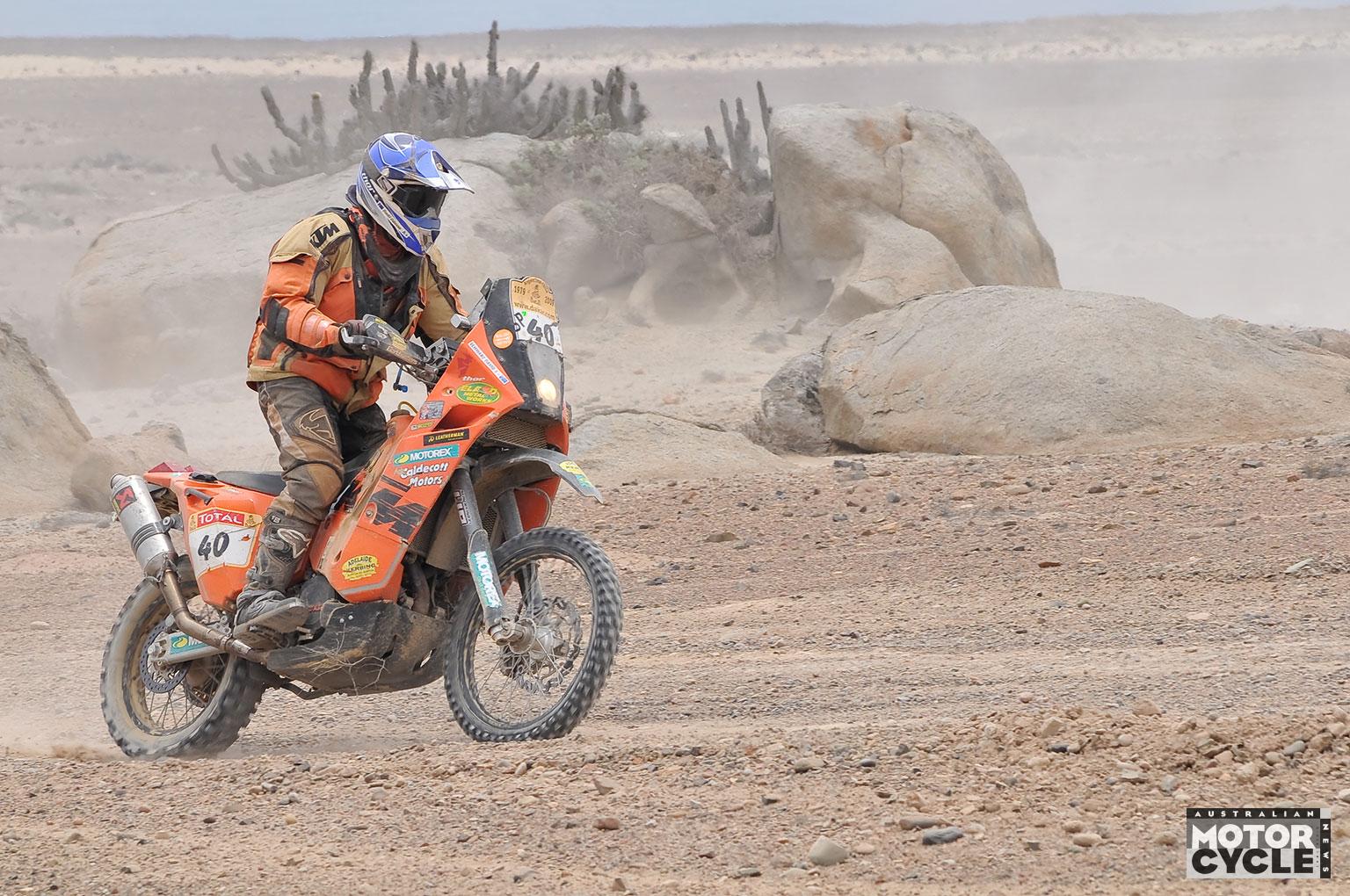
PHASE THREE: When Thierry Sabine despatched the inaugural Paris-Dakar Rally across the Western Sahara, Stage 5 finished in Es-Semara. Almost two decades later, Stage 6 of the 1998 Paris-Dakar finished in Semara. Fast-forward to 2005, when South Australian Andy Caldecott celebrated his first Dakar stage victory in Smara. Twenty years have passed since the 2007 Dakar refuelled in Smara on the stage from Tan-Tan in Morocco to Zouerate in Mauritania, yet Smara has been chosen as HQ for the final stages of the 2027 Dakar.
Call it what you will, Es-Semara, Samara or simply Smara, this remote outpost sits dead centre of the Western Sahara, a region still disputed by Morocco and the Sahrawi Arab Democratic Republic.
It’s also a region considered by Dakar veterans to be the ultimate, soul-crushing heart of the traditional Paris-Dakar, where the rally was routinely won or lost. Mostly the latter.
Marrakech will host the official finish. However, the 2027 Dakar will be decided in the Sahara.