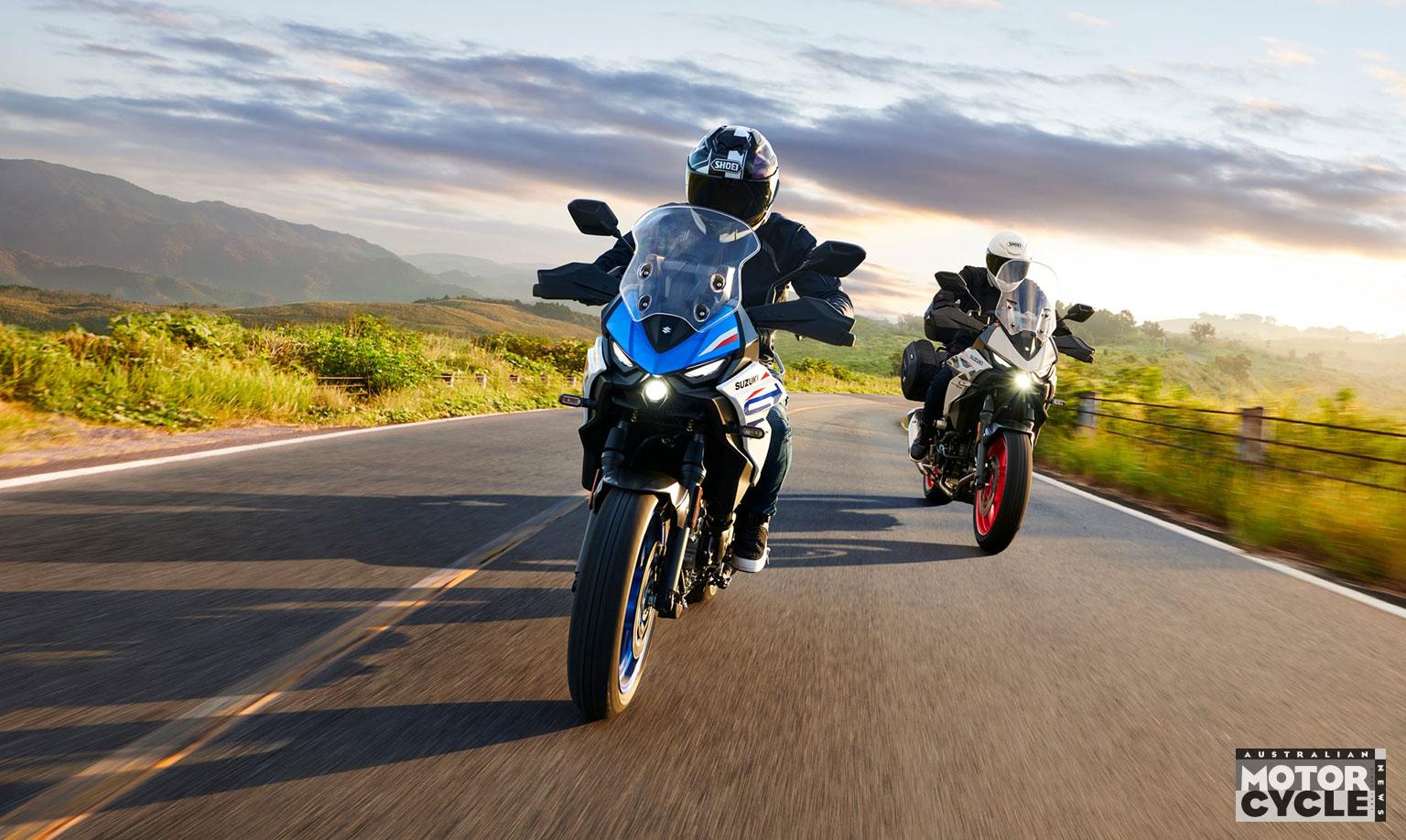
Big and bold continues to dominate, but hints at a shifting market are impossible to ignore
This is only my third visit to the Bangkok International Motor Show, held this year from 23 March to 5 April, and in that time it’s been pretty clear the focus is shifting to electric vehicles. The current Middle East shenanigans are only increasing the market for EV and hybrid vehicles and reminding us of the precariousness of the global oil economy.
The show as a whole featured 45 companies, including 37 car brands and eight motorcycle brands, with organisers expecting around 1.5 million visitors during the two-week exhibition.
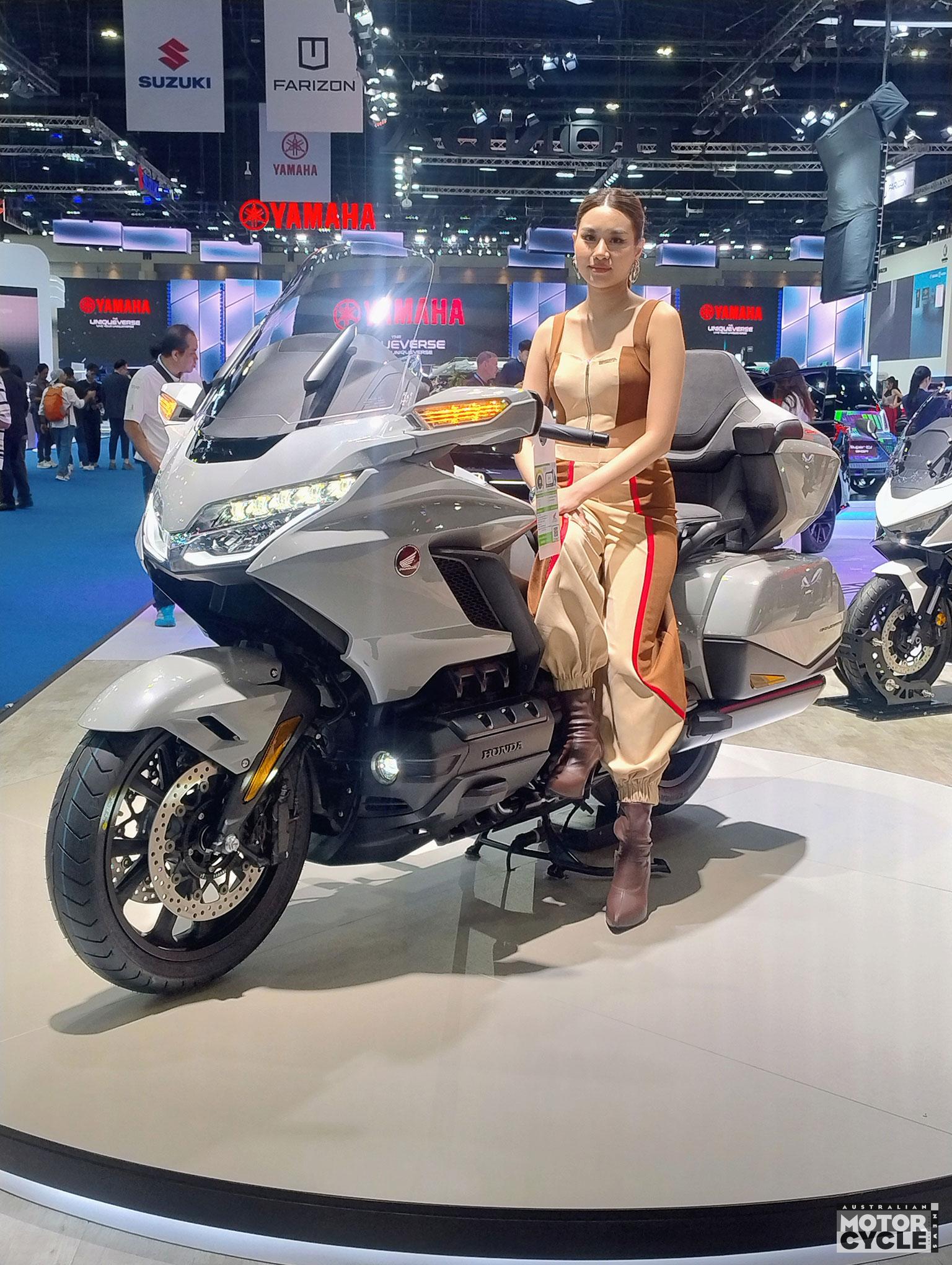
While all reports point to a greater presence of electric motorcycles, that was not what I observed. Last year, it seemed the floor was awash with two-wheeled EVs, especially Chinese scooters and lightweight urban-mobility motorcycles. Not so this year. To me, at least, it appeared good ol’ petrol power was still at the forefront of motorcyclists’ interest.
In Asian cities like Bangkok and Saigon, small-capacity bikes and scooters reign supreme, making these little electric urban runabouts a logical and fertile market. So too in our own cities, it follows that these pint-sized jiggers should be making inroads among short-run, urban commuters. The Chinese brand, Yadea, was the only prominent one on show this year and available in Australia via specialist resellers.
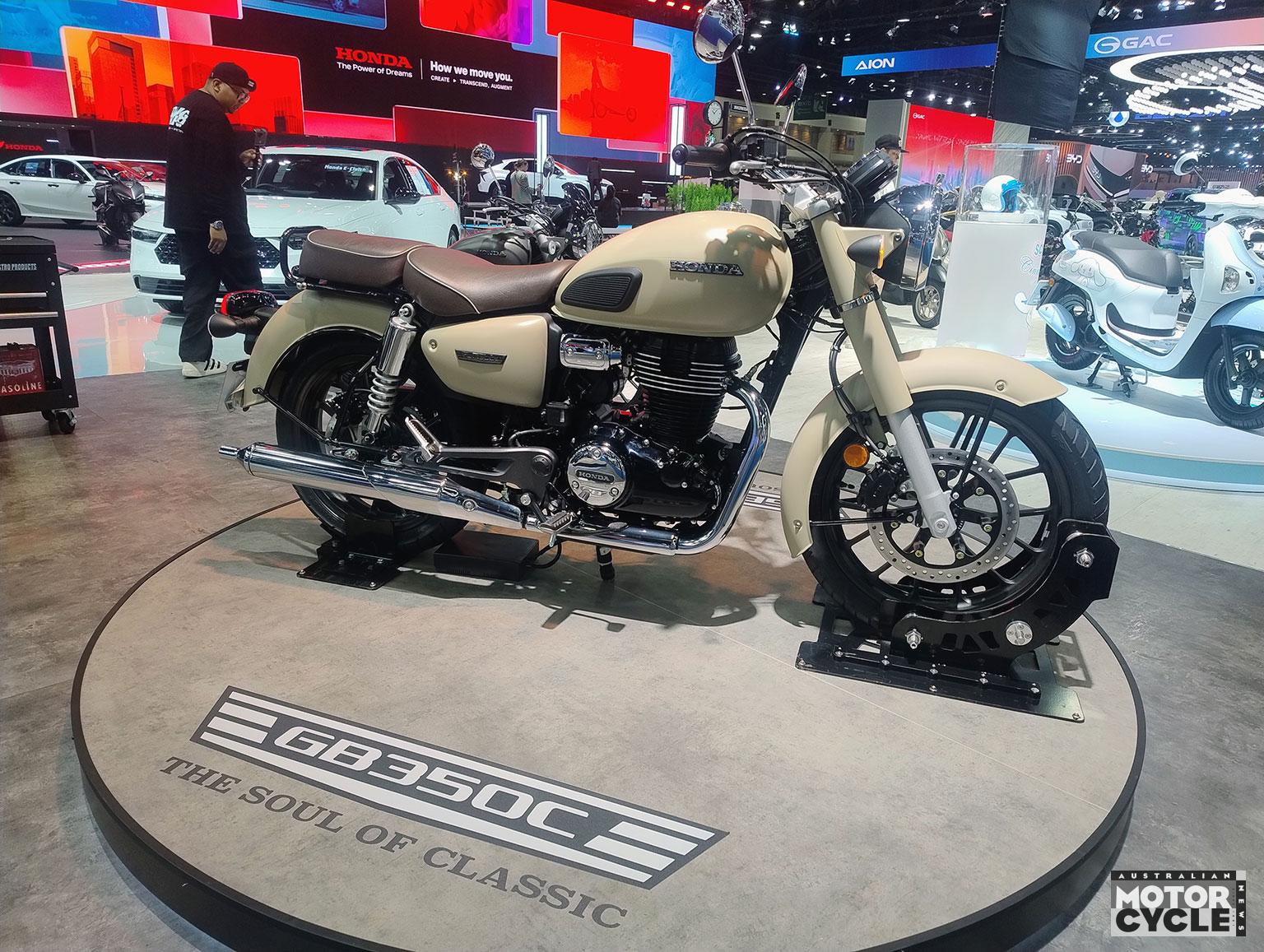
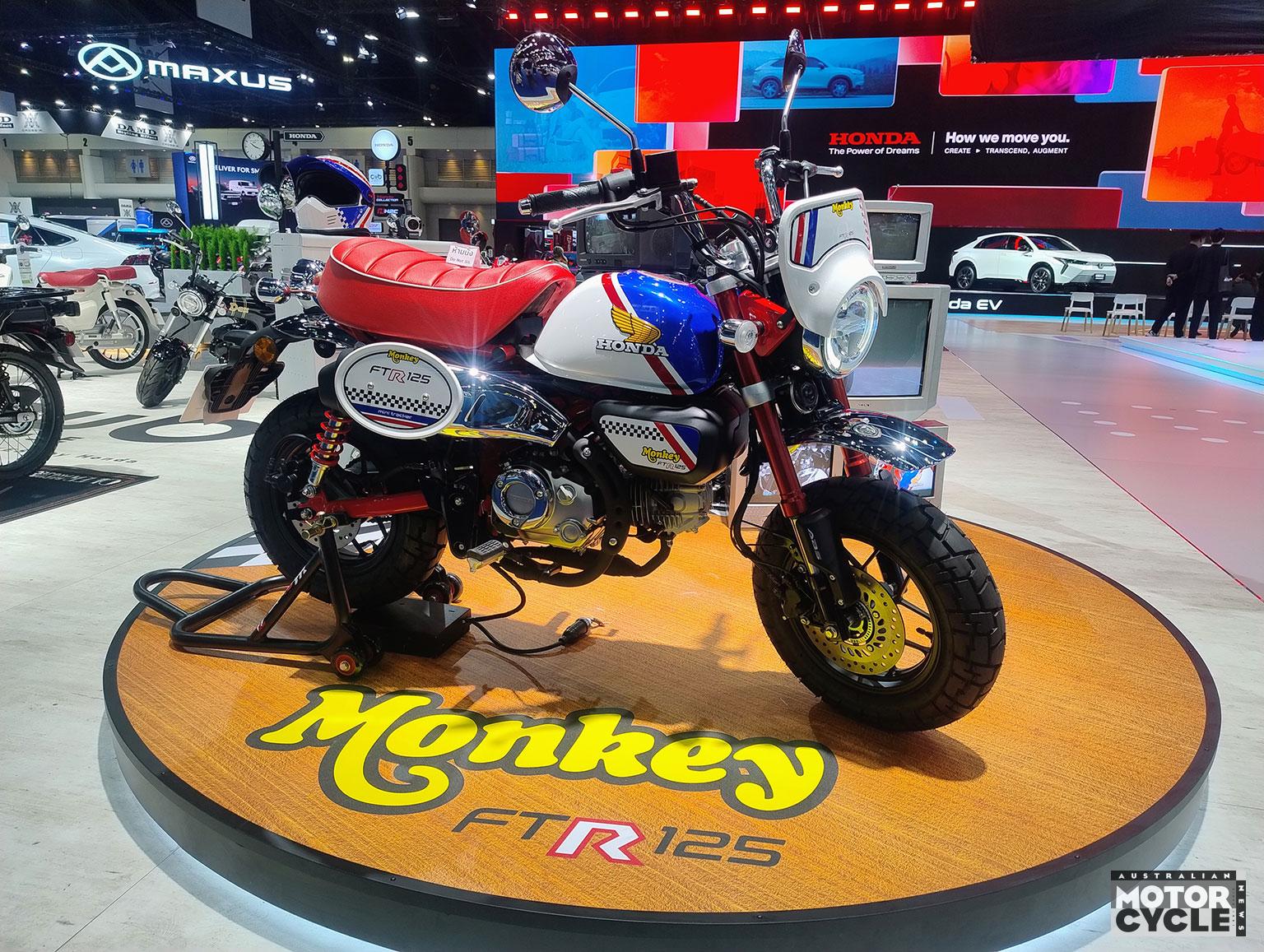
While there were some notable standouts, like Honda’s WN7, the vast majority were conventional ICE models, with a strong focus on small-capacity machines and cool, retro-styled bikes.
It’s important to note that, unlike EICMA or INTERMOT, BIMS is primarily a regional launch and market activation event, so many “new” models are ASEAN (Association of Southeast Nations) debuts, updates or newly introduced variants, rather than global first reveals. Still, it is pertinent to consider manufacturers’ predictions about the local market trajectory and whether those prognostications apply to the Australian market.
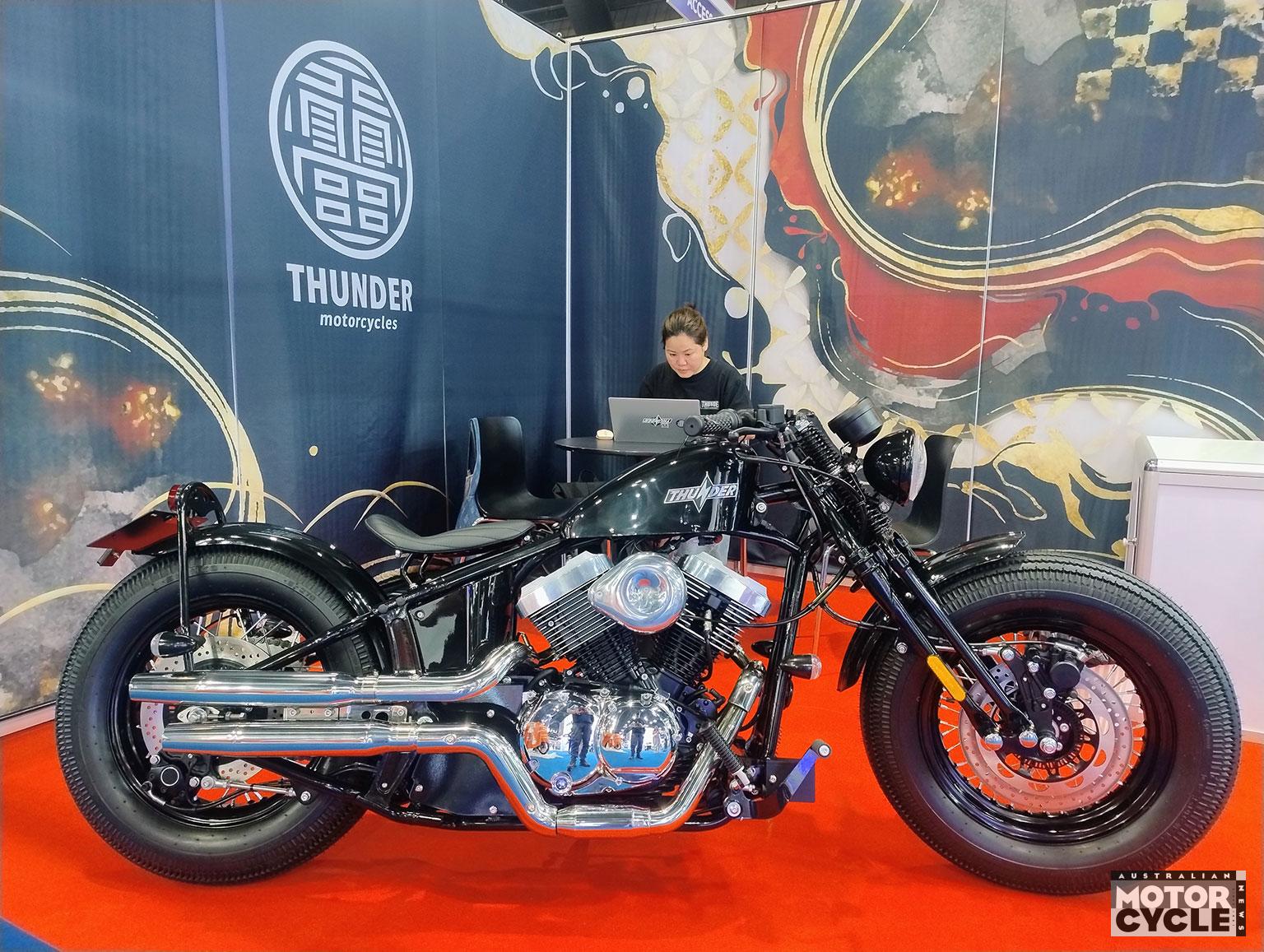
So, let’s have a stroll on the floor and see what eye candy strikes us.
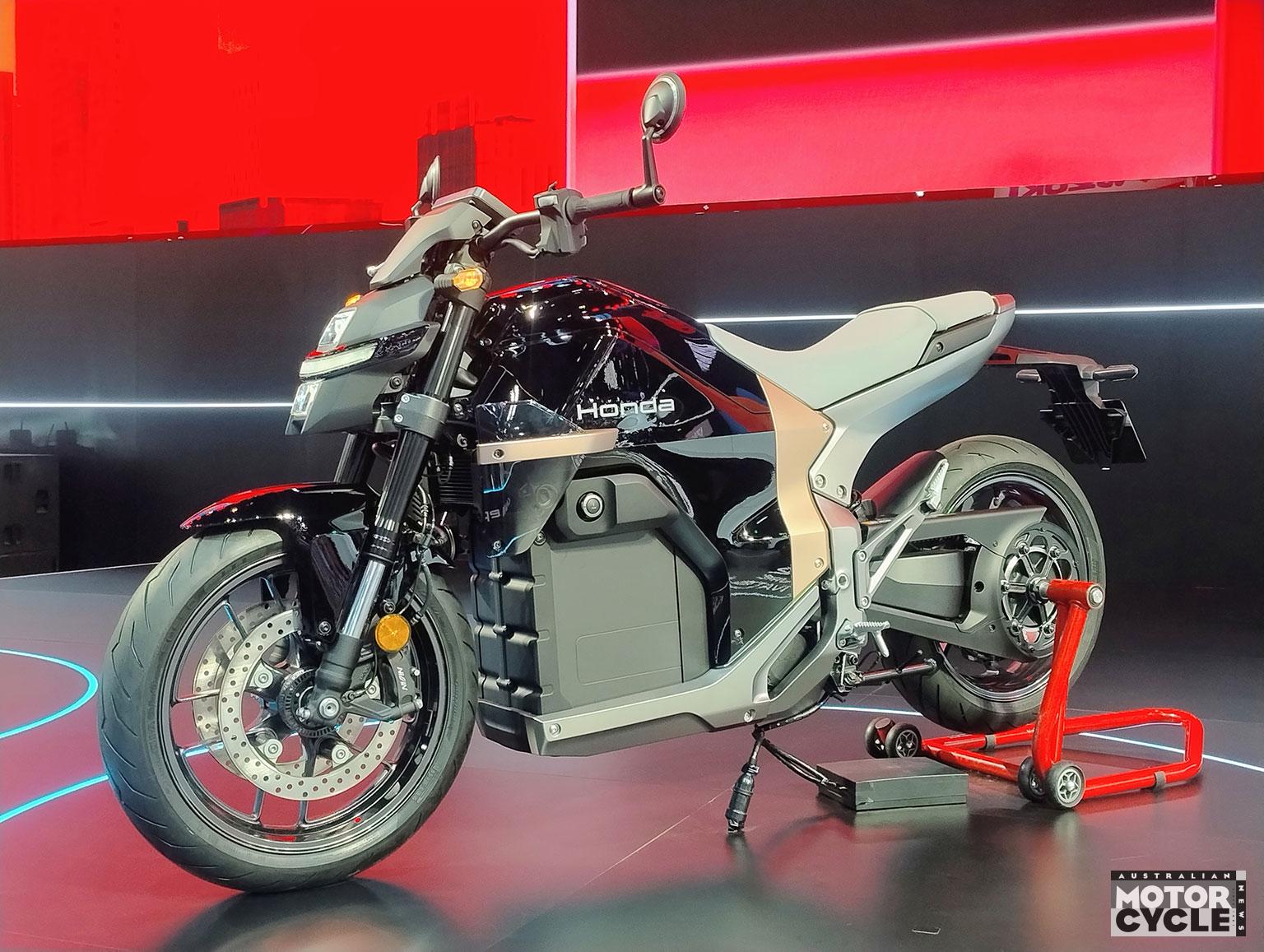
One might argue Honda is late to the electric party with their WN7, but maybe it was wiser to sit back and let others take the initial risk – Harley-Davidson being an obvious example with their LiveWire project. That said, the WN7 won the Gold Award at the iF DESIGN AWARD 2026, the top honour in Product Design, and the first time any Honda product has achieved this. The WN7 is positioned as Honda’s first “proper” full-size electric motorcycle, slotting above scooters like their EM1 e.
Kawasaki showcased their Ninja 250 ABS and 1000SX. These two were among the latest 2026 motorcycles to enter the Thai market cycle and were featured at the show as part of Kawasaki’s refreshed line-up.
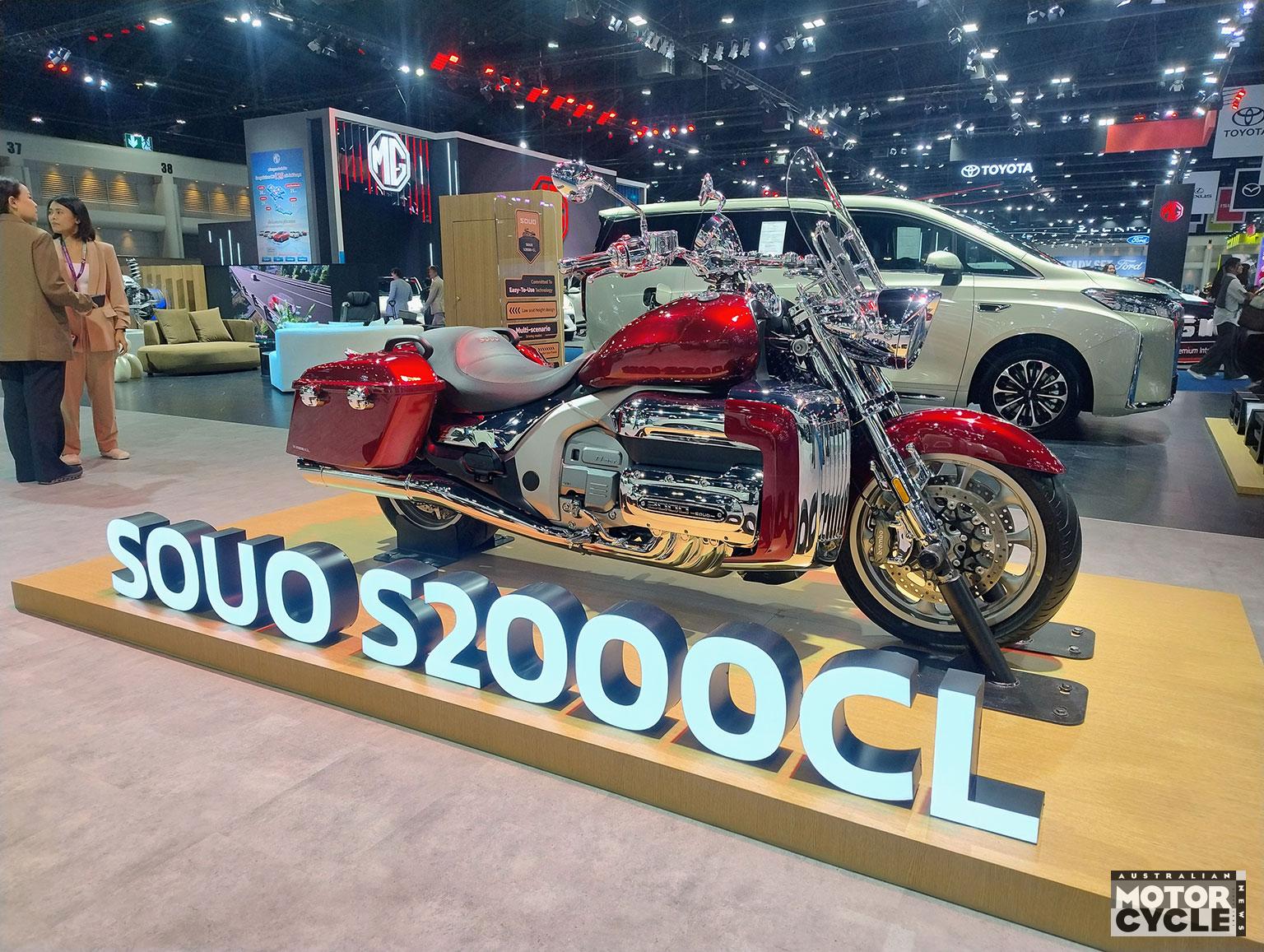
If there was a showstopping jawdropper, it would have to be the Great Wall Souo S2000 CL, a monster of a machine designed to rival Honda’s Gold Wing. Looking like something out of a Transformers movie, the machine is notable maybe not so much for its brutalist styling as for its 2.0-litre DOHC 32-valve flat-eight (boxer) engine. With an 8-speed dual-clutch transmission (DCT) featuring an electric reverse gear, the 450kg beast pumps out 113kW and has a stated top speed of 210km/h. Beauty, however, must remain in the eye of the beholder.
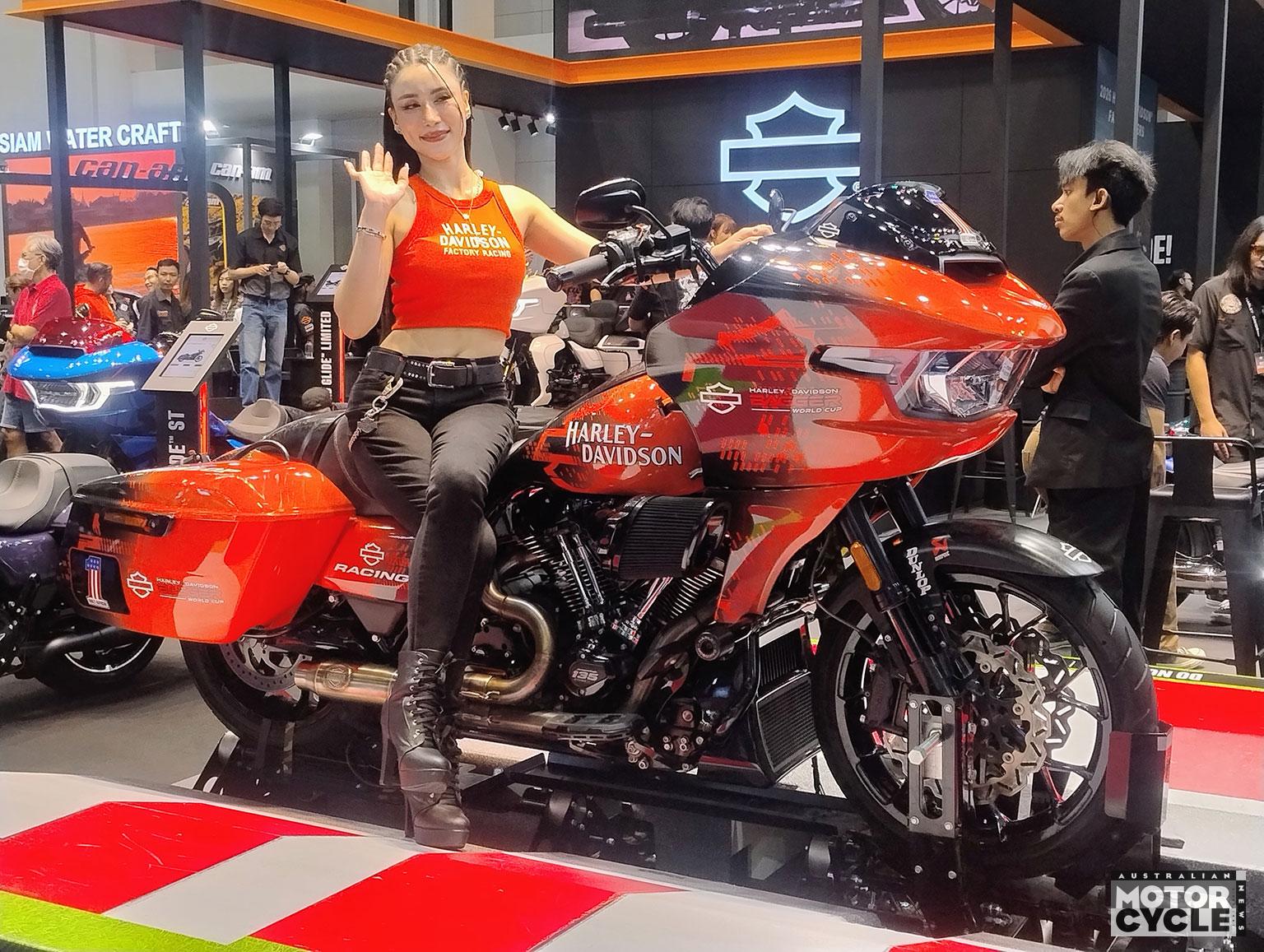
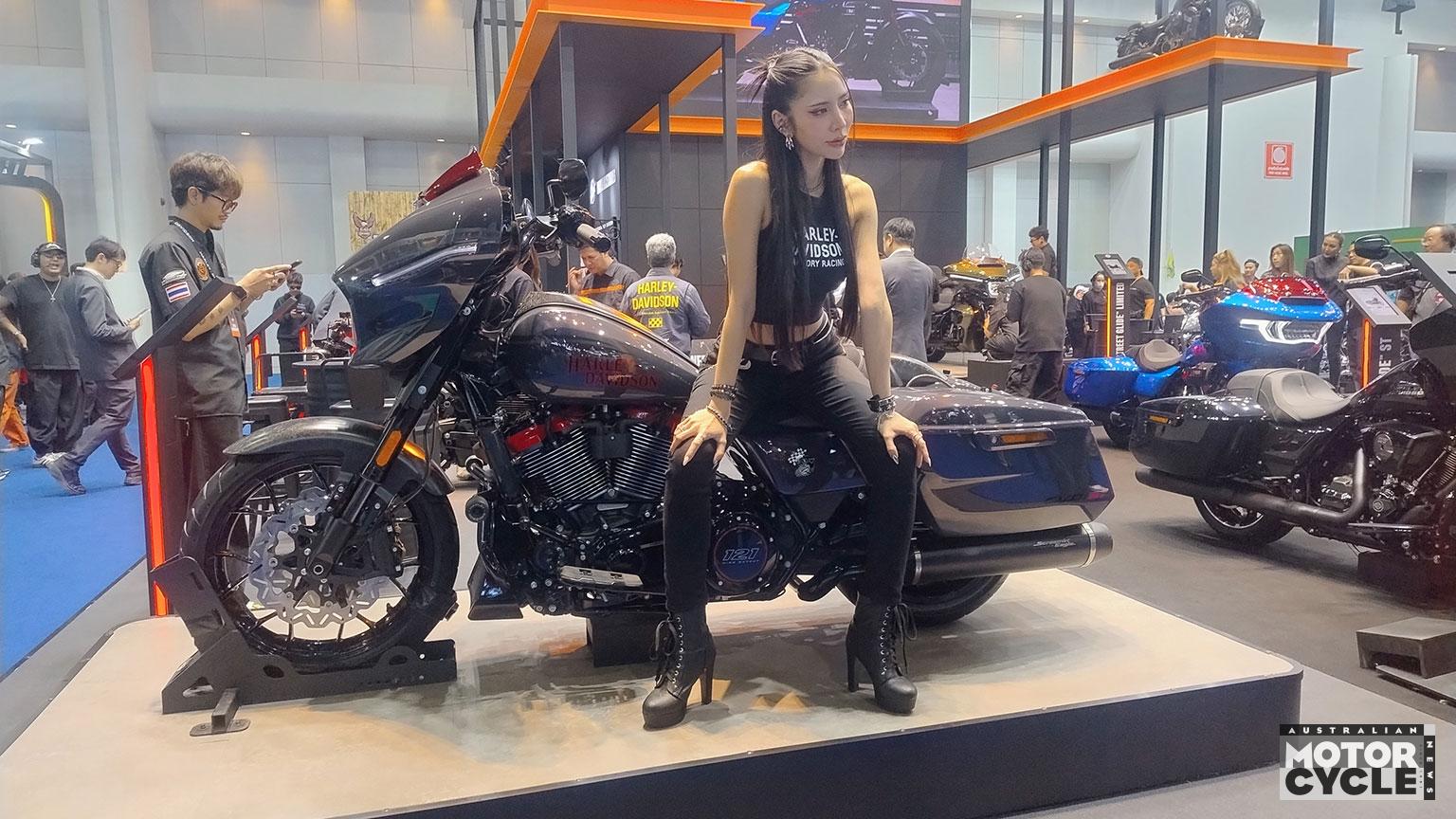
Harley-Davidson can always be relied upon to put on a show, and again they didn’t disappoint, with lashings of razzamatazz and big shiny bikes, with CVO ST models stealing centre stage. While big bikes are cited as a growth market in Thailand, huge taxes make them out of reach for all except the well-to-do. For example, a Street Bob 117 in Australia sells for $25k, while at a Bangkok dealer, you’ll pay the equivalent of $40k.
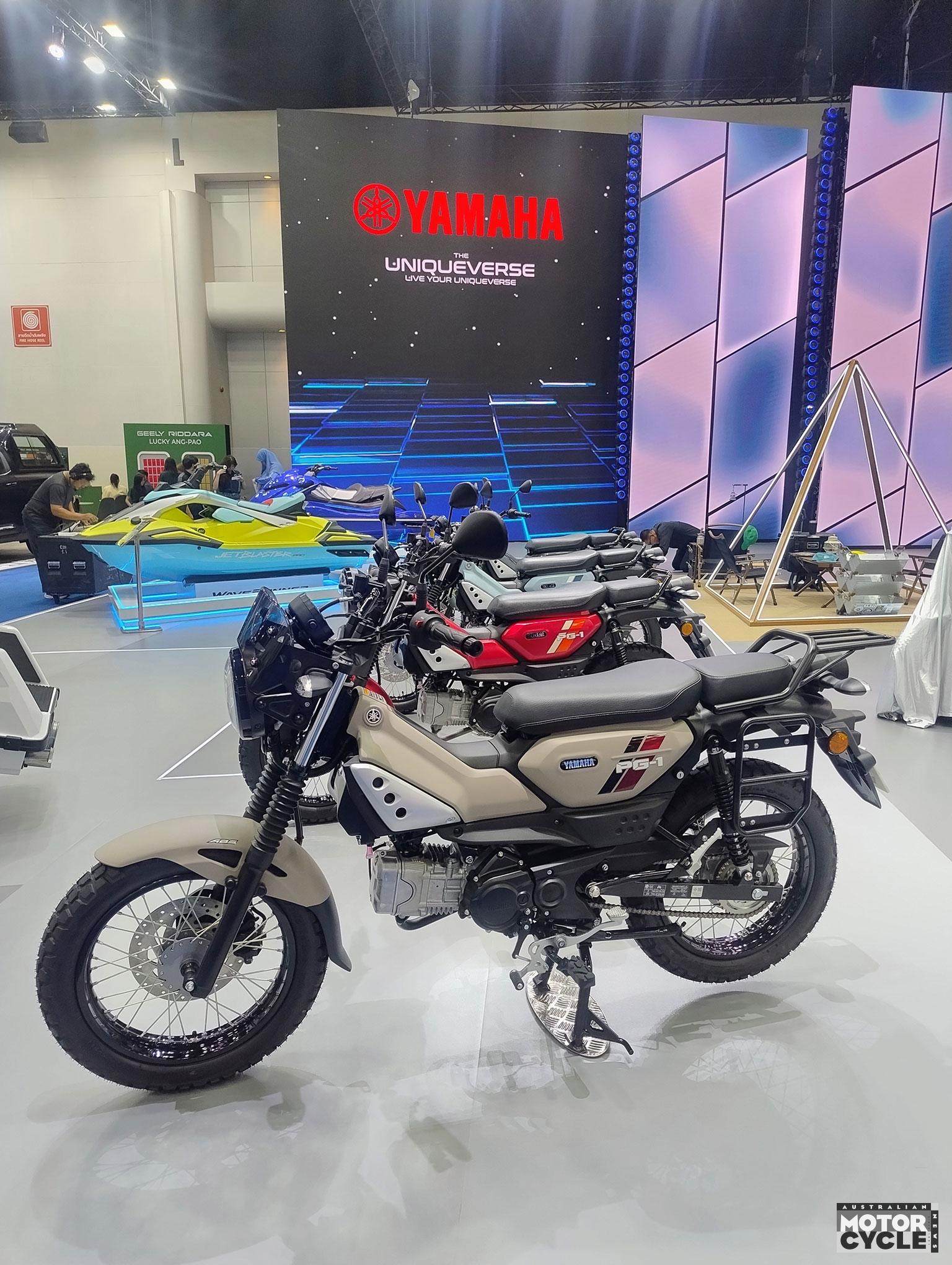
Reflecting the global trend for adventure bikes, BIMS had a tantalising selection on show with some intriguing adaptations of standard road and commuter machines.
While the BIMS may not have delivered a large number of global, headline-grabbing motorcycle debuts, it did provide a clear snapshot of where the ASEAN motorcycle market is heading, namely that for the short term at least, ICE dominance continues. In the medium view, we can see EV scooters scaling rapidly, while longer-term, full-sized electric motorcycles (such as Honda WN7-type platforms) emerge as the next battleground.