Aero updates and a new face headline changes to Kawasaki’s meanest, greenest beast – with just 10 RR variants coming to Australia
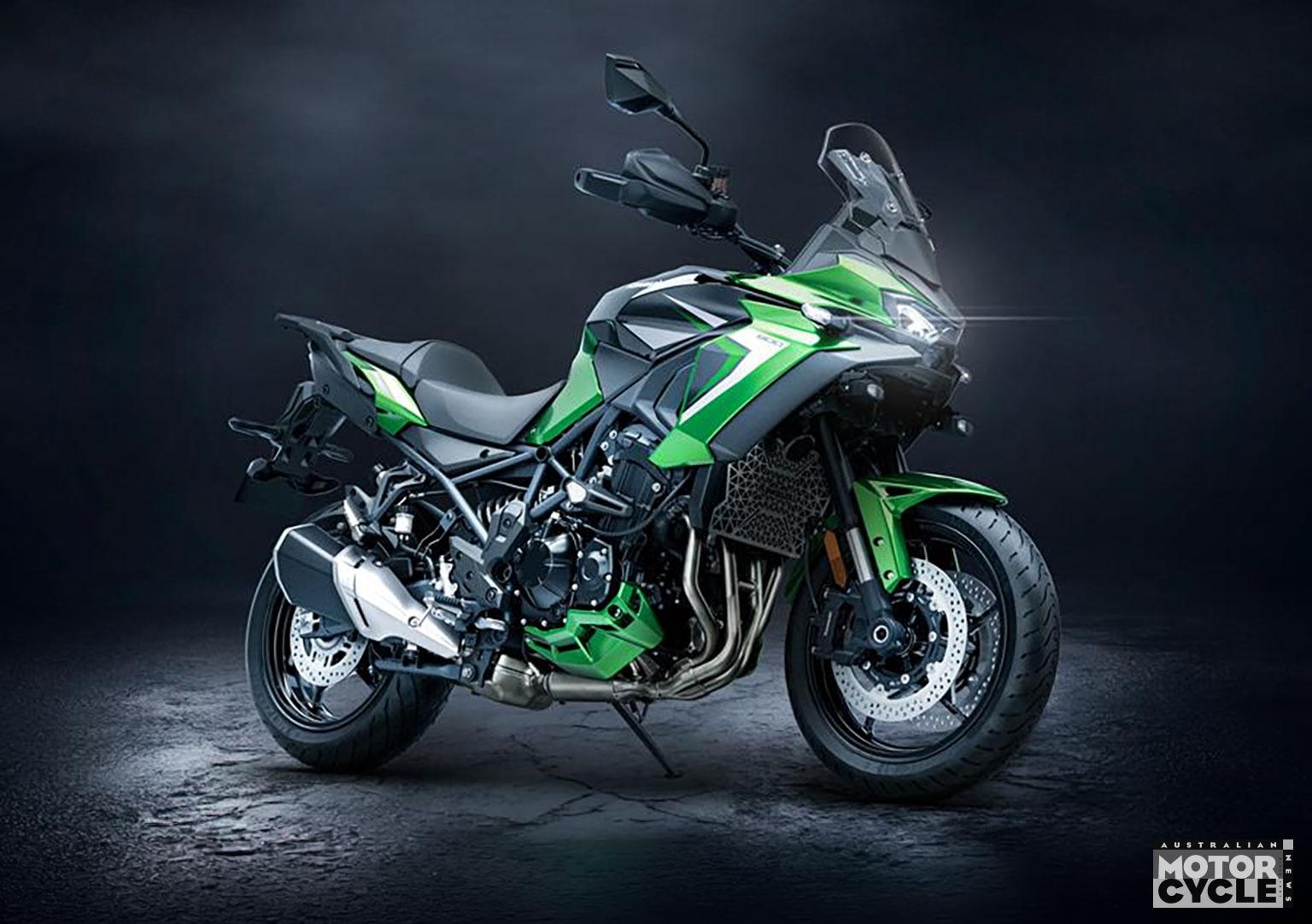
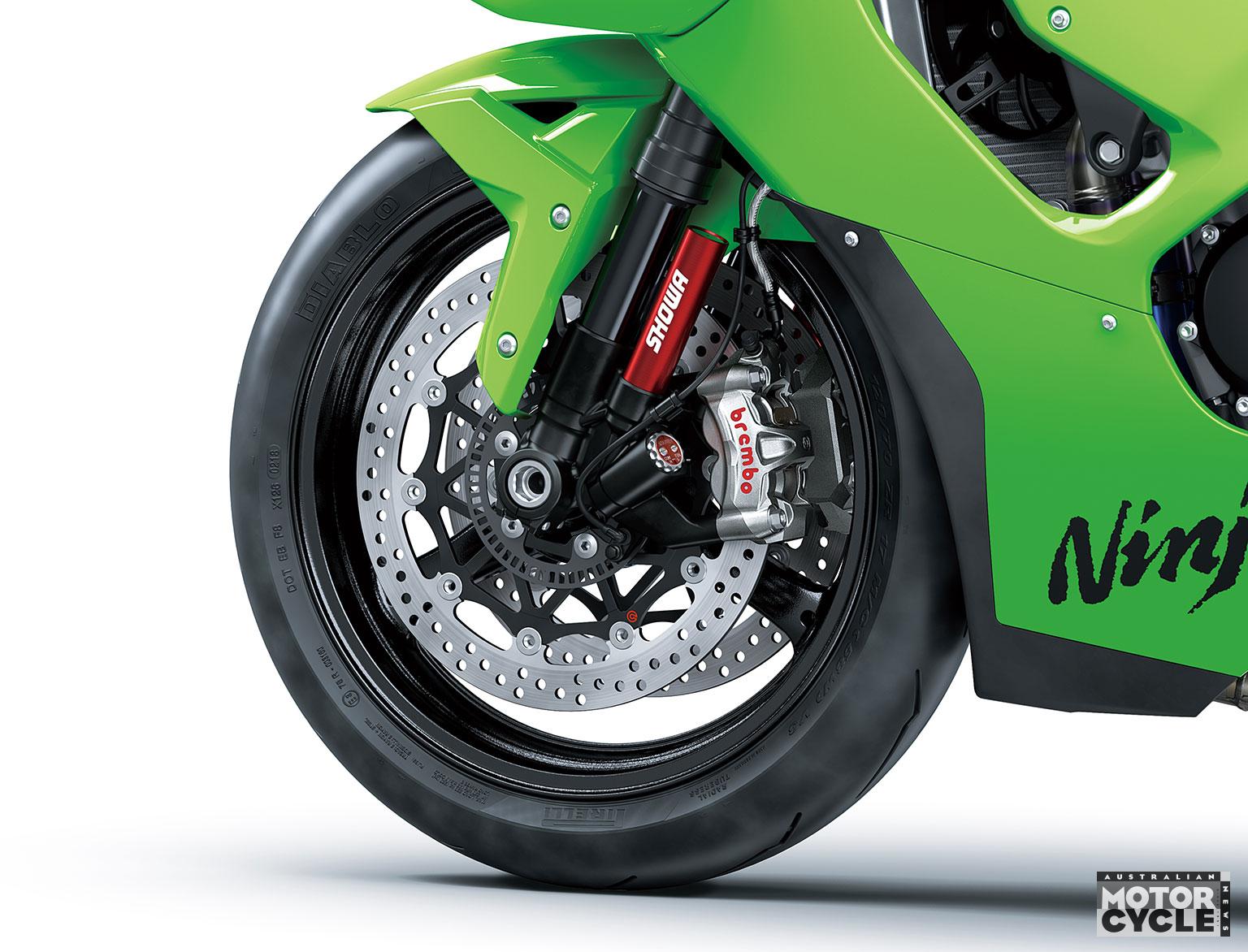
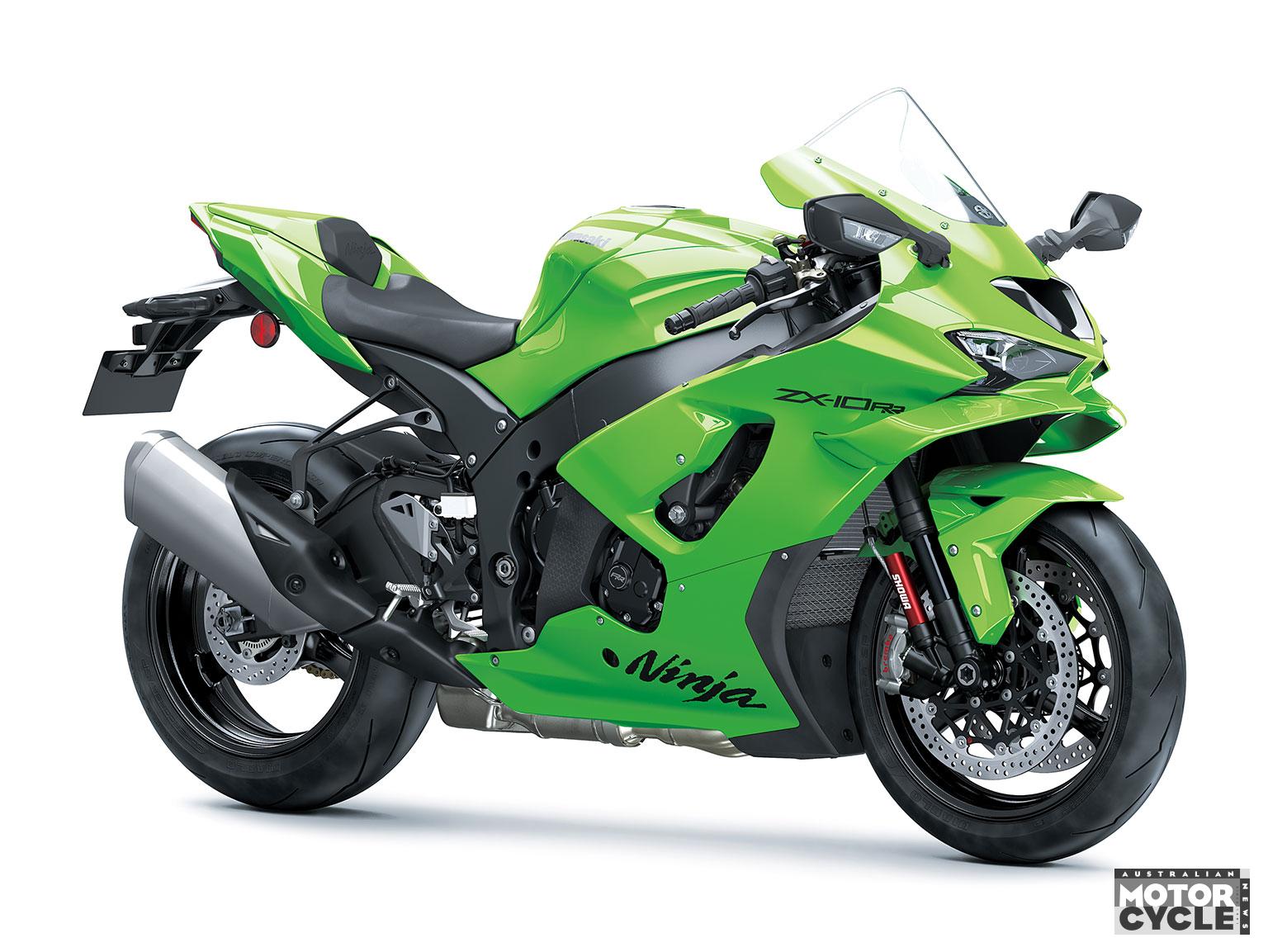
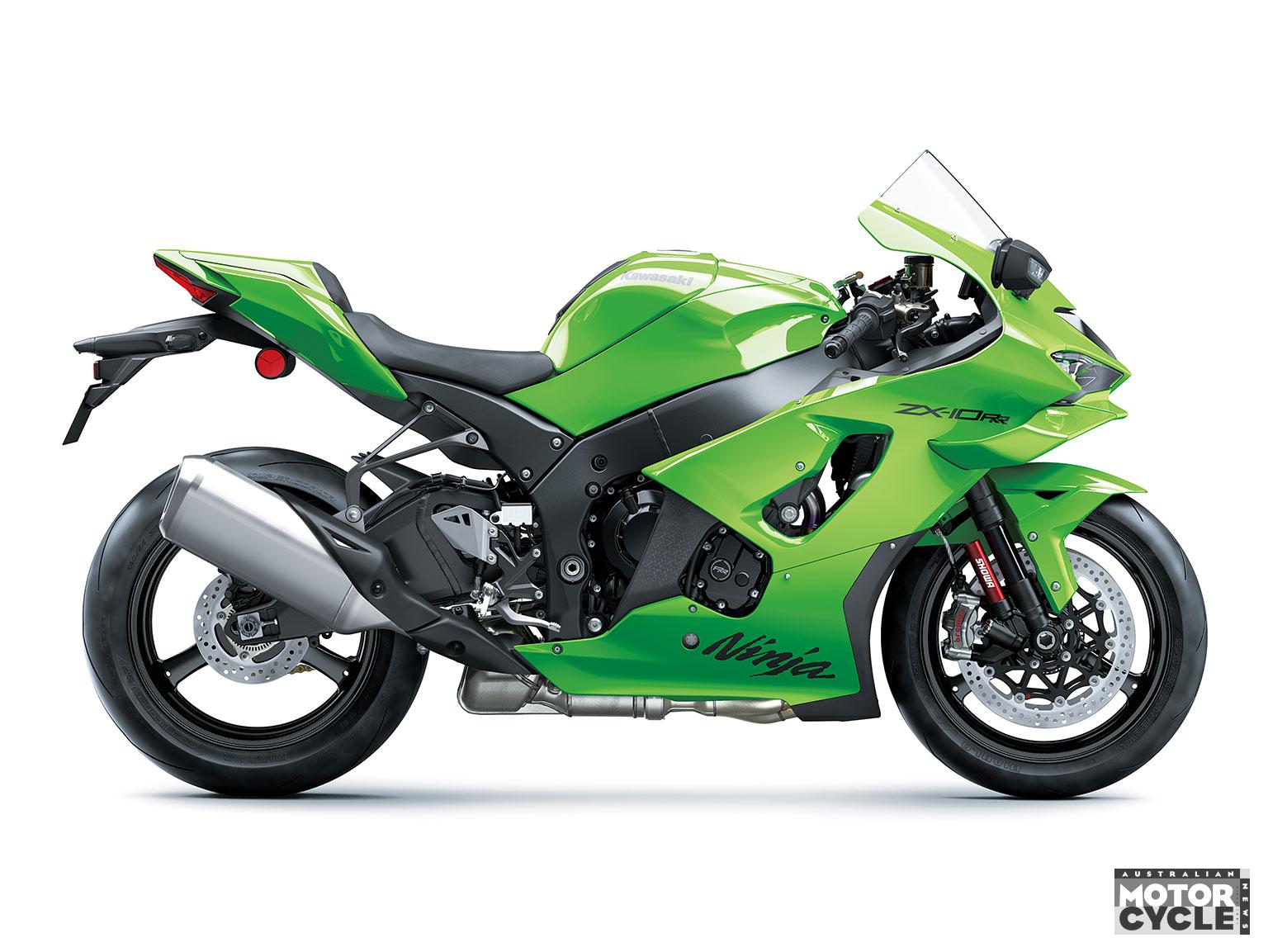
Kawasaki has outlined a comprehensive update for the 2026 Ninja ZX-10R, led by a new aero package with larger, externally mounted winglets, a redesigned “family face” with hybrid projector/reflector headlights and repositioned Ram Air intake, chassis geometry and suspension revisions, an Öhlins mechanical steering damper, a larger 5-inch TFT with new display logic, and expanded smartphone connectivity. The ZX-10RR returns for 2026 with its track-focused specification including Pankl lightweight pistons and high-performance titanium connecting rods, titanium-coated fork tubes, Brembo brakes with braided lines, fettled rear suspension, Pirelli Diablo Supercorsa SP V3 rubber and single seat cowl.
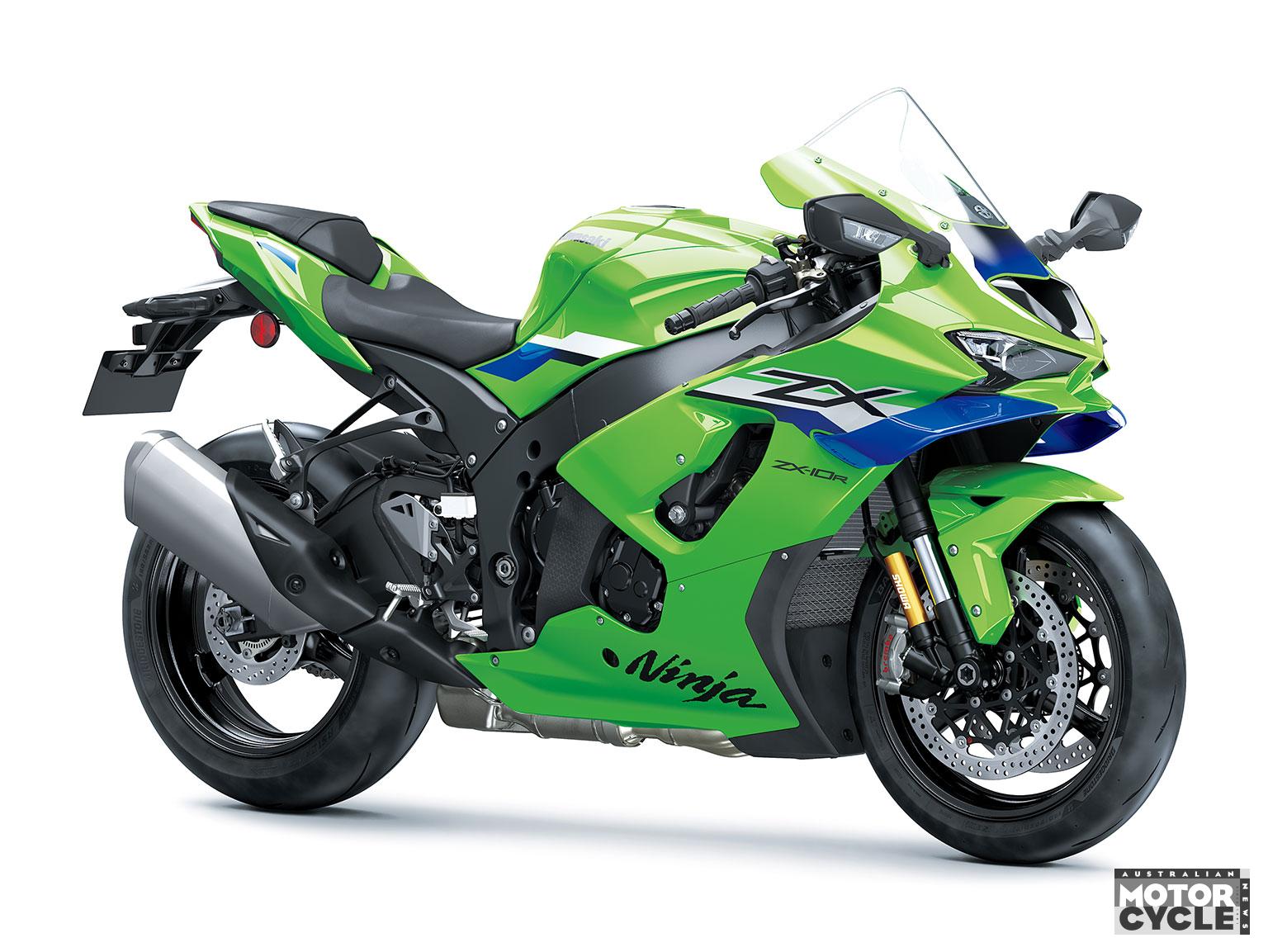
Aero and styling: larger winglets, new family face
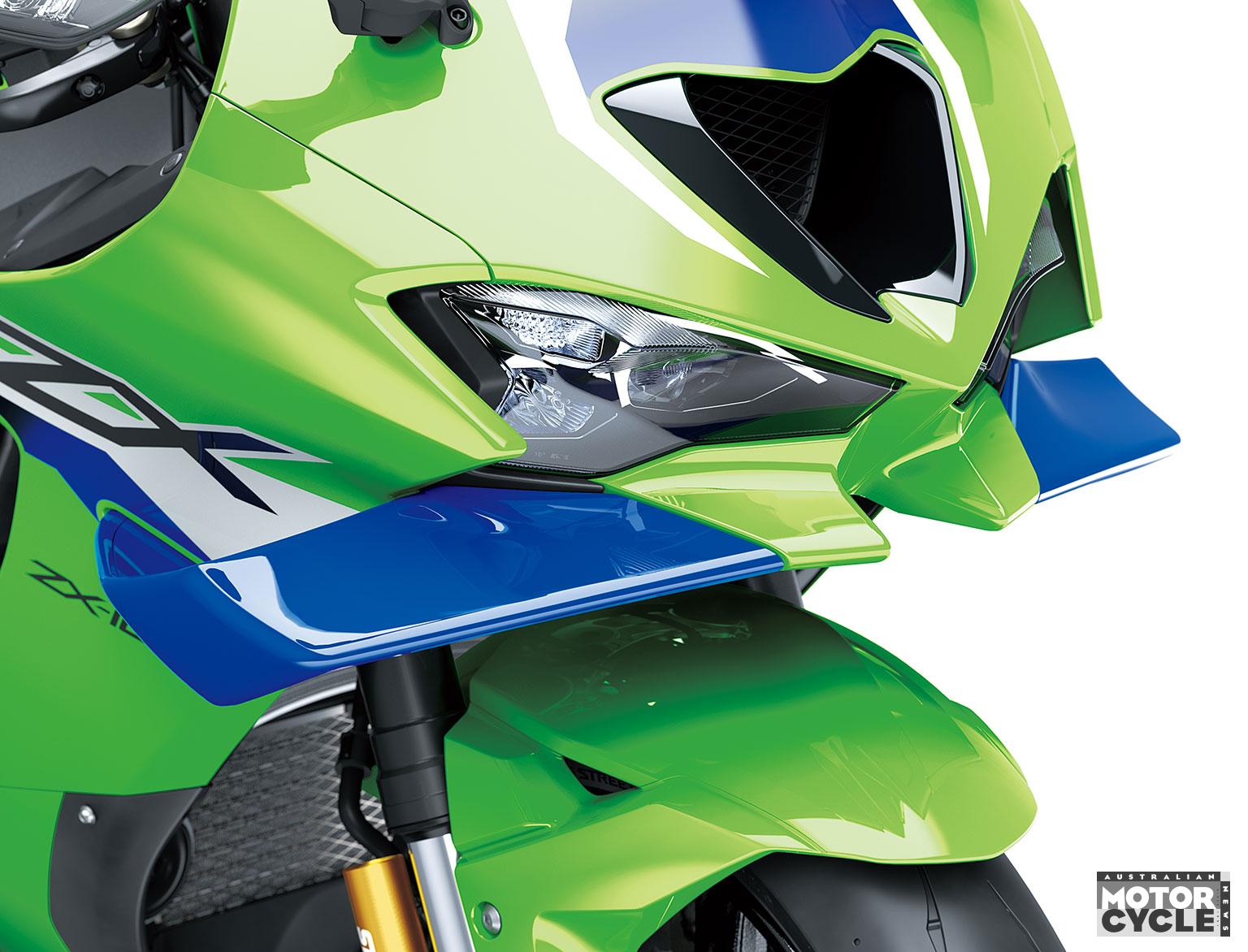
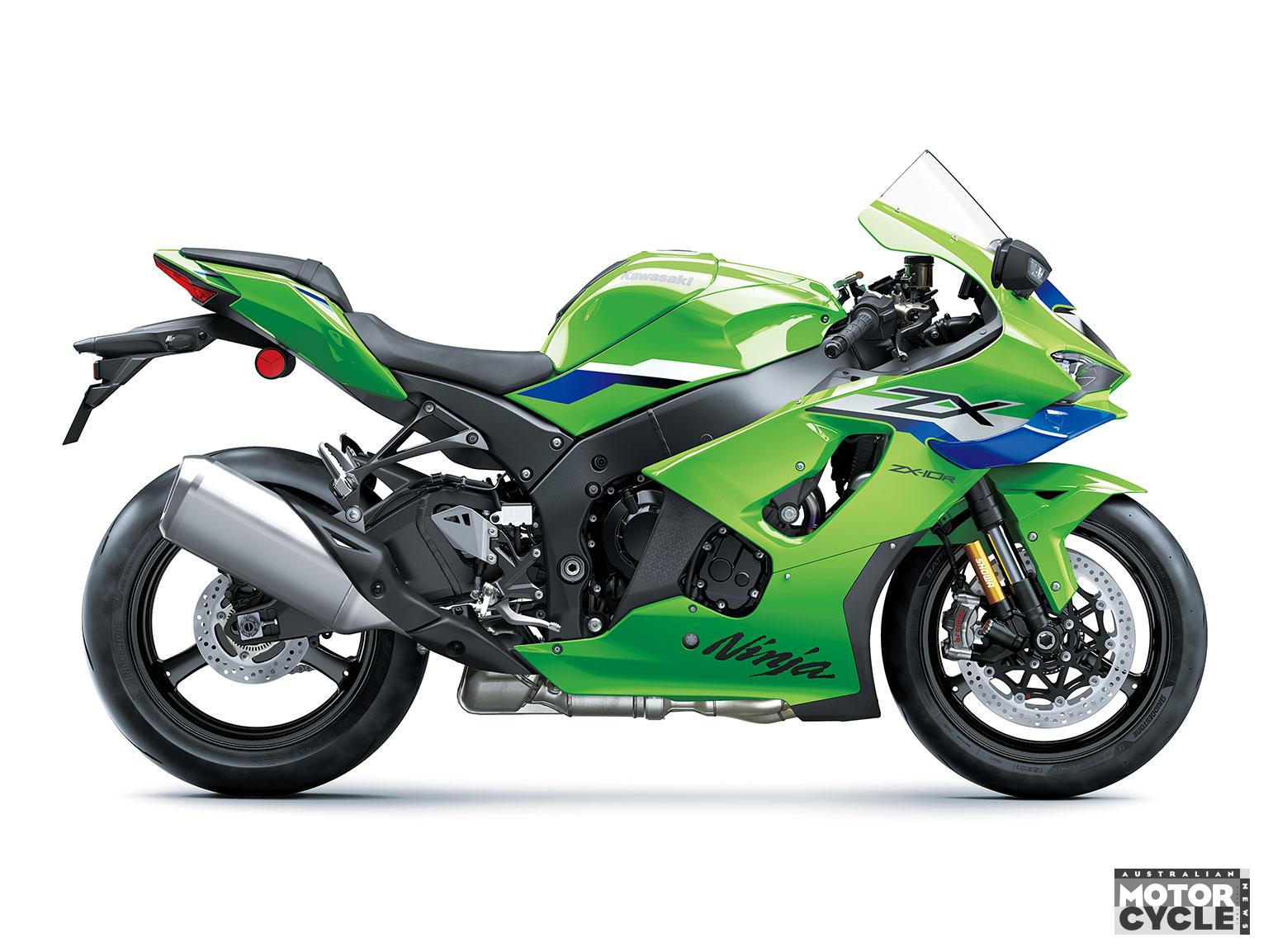
The 2026 ZX-10R replaces the previous cowl-integrated winglets with larger units that project from the fairing sides. Kawasaki specifies a 25% gain in downforce with a 0.3% increase in drag, the latter attributed to the larger frontal area. Wing angle of attack was set to manage the lift/drag trade-off, while the structure is designed not to overreact to rapid attitude changes (acceleration, braking, banking). The aim is reduced air resistance, more stable load transfer and lighter, more natural steering, with a particular benefit on corner entry where added downforce increases front-tyre loading and feel. The winglets are ABS resin, with the upper elements blending into chin spoilers below the headlights to form a continuous visual and aerodynamic theme.
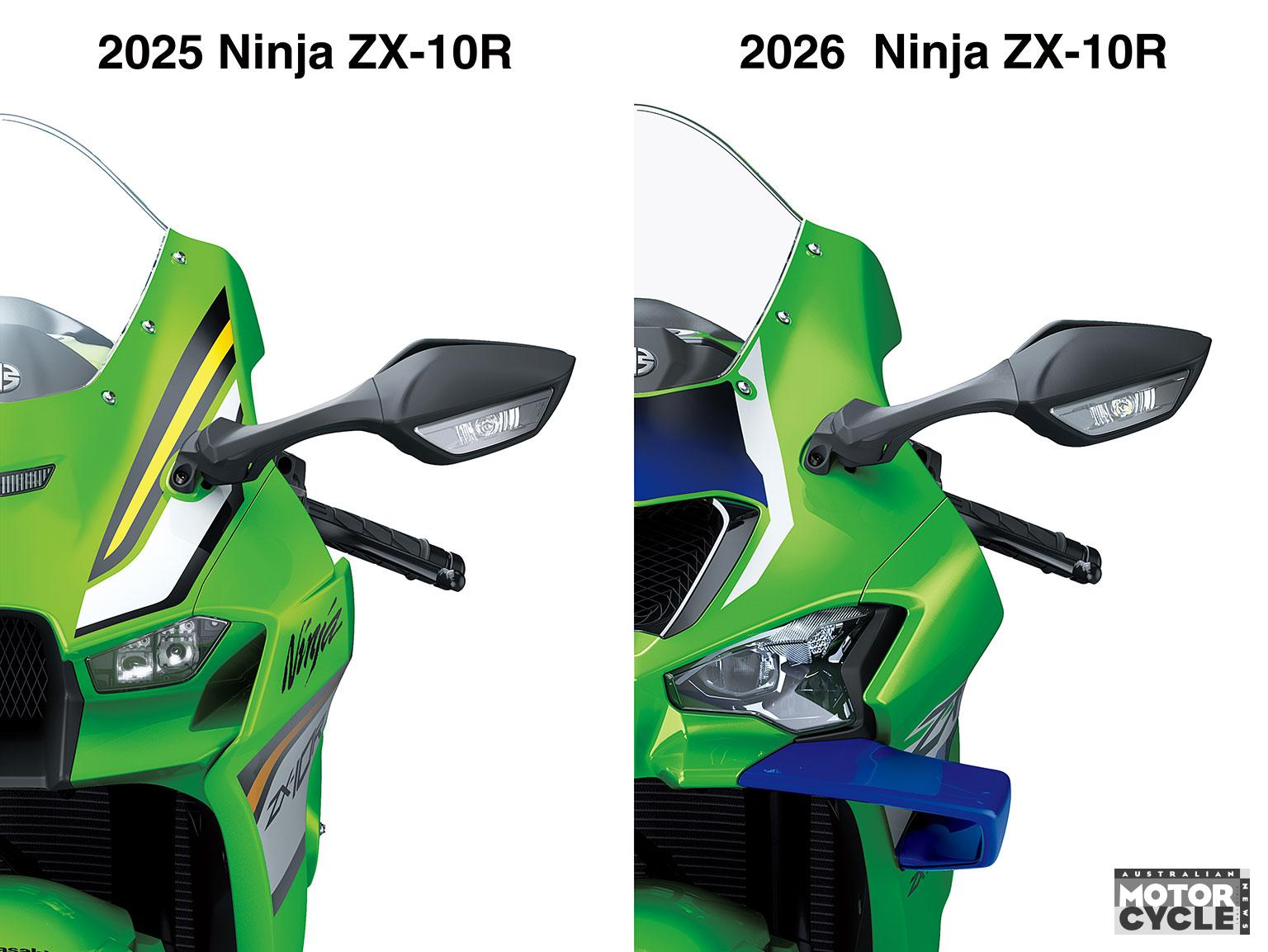
The new “face” is something many Kawasaki devotees have been asking for for some time, and pairs compact mono-focus LED projector low-beams with reflector-type high-beams and position lamps. Deep-set reflectors create a darker, more compact visual when unlit, and black extensions between beams contribute to a cleaner finish. The central Ram Air intake moves above the headlights, with ABS fins directing flow into the duct. Gloss-black accents around the intake highlight the feature and tie into the new graphics package.
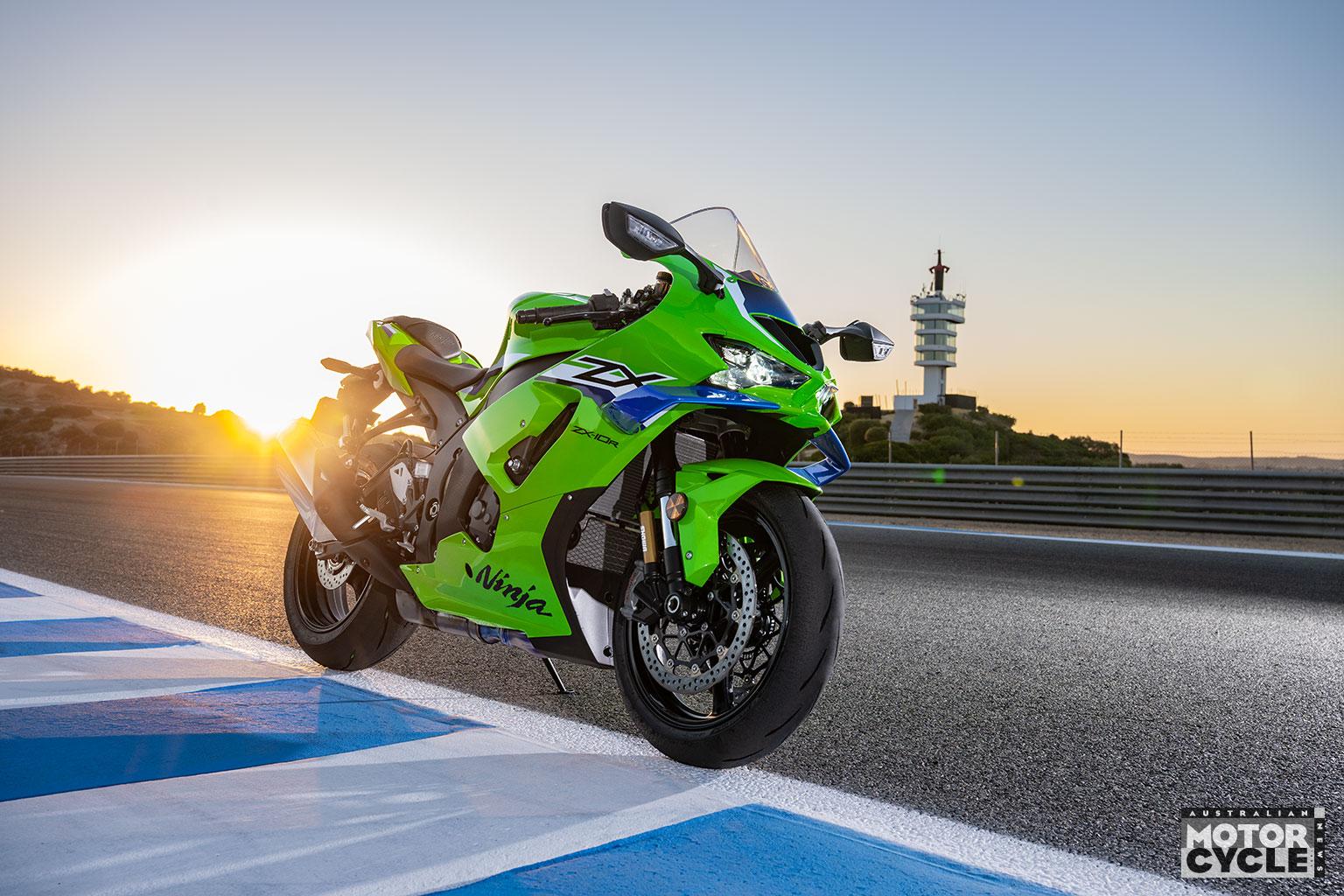
Bodywork adopts a wedge-like silhouette from front to rear: a near-horizontal screen-to-pillion line contrasts with an upswept lower-body line that begins beneath the front tyre, flows through the side cowl outlets and into the tail, adding visual mass at the front and converging surfaces towards the tail. The ZX-10R debuts a racing-inspired Lime Green with an accent of legacy Kawasaki blue shared across Ninja, KX and KLX models to unify the brand’s performance range. Fairings have been completely reworked to align with the new aero and styling direction.
Engine and emissions updates
The 998 cc inline-four maintains prior performance while meeting cleaner emissions targets. A second O2 sensor is added downstream of the catalyst to complement the upstream sensor, aiding emissions control. Catalyst quality is increased and physical size reduced to minimise any weight penalty. On the ZX-10RR, the valvetrain (including camshafts) is now common with the standard model, while the RR retains its lightweight Pankl pistons and titanium connecting rods for a quicker-revving character on track.
Chassis geometry and suspension: tuning for aero load
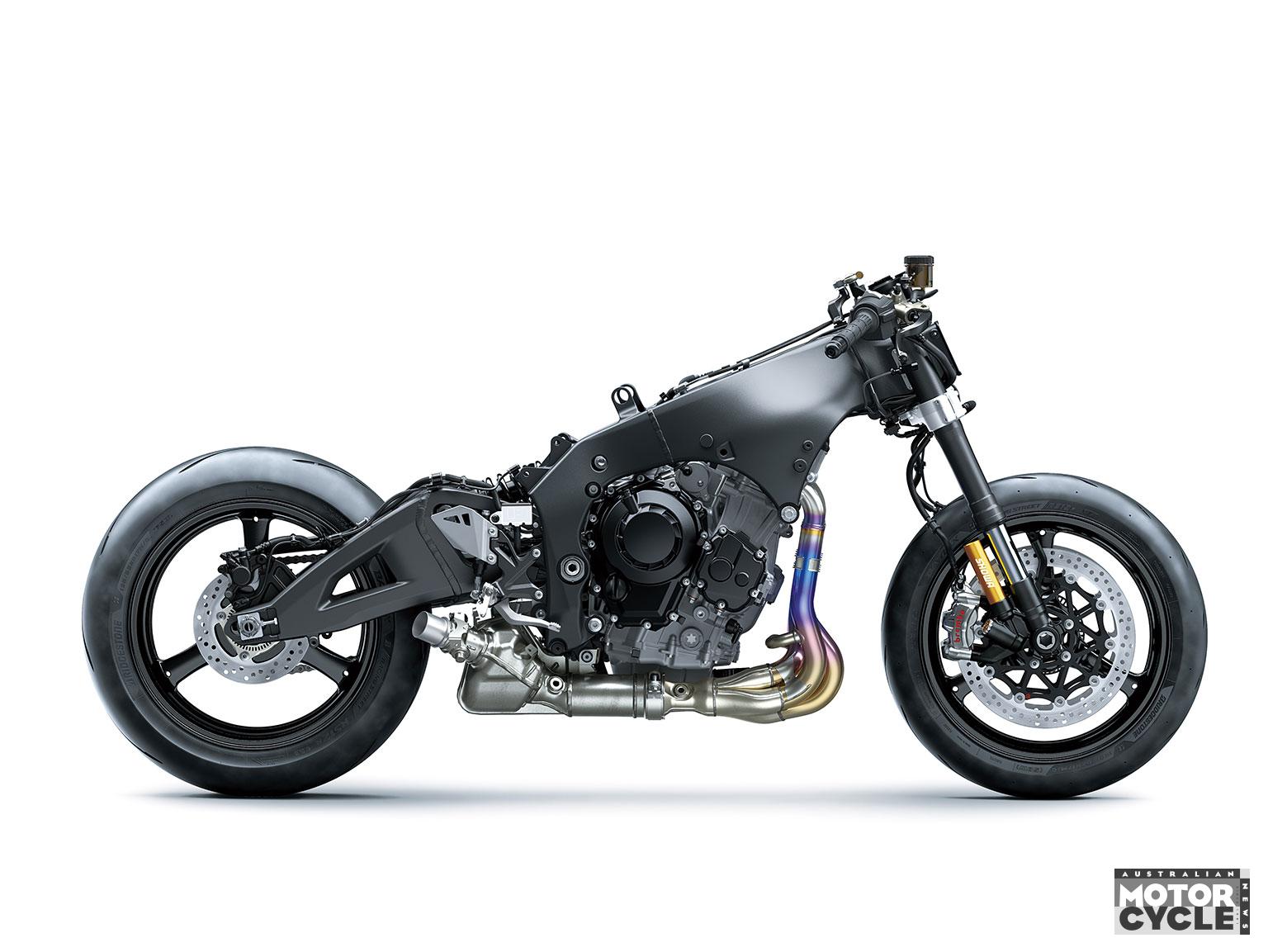
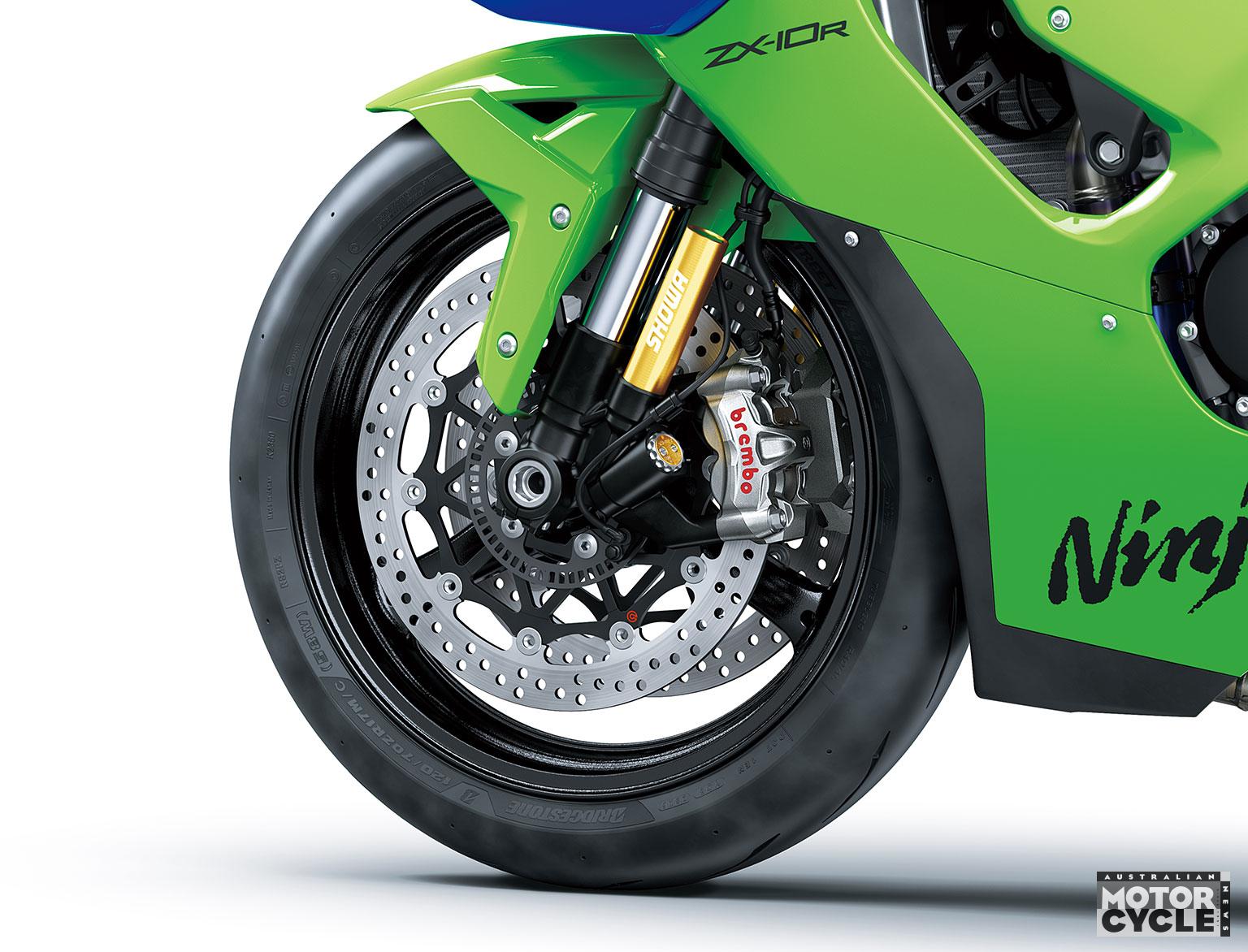
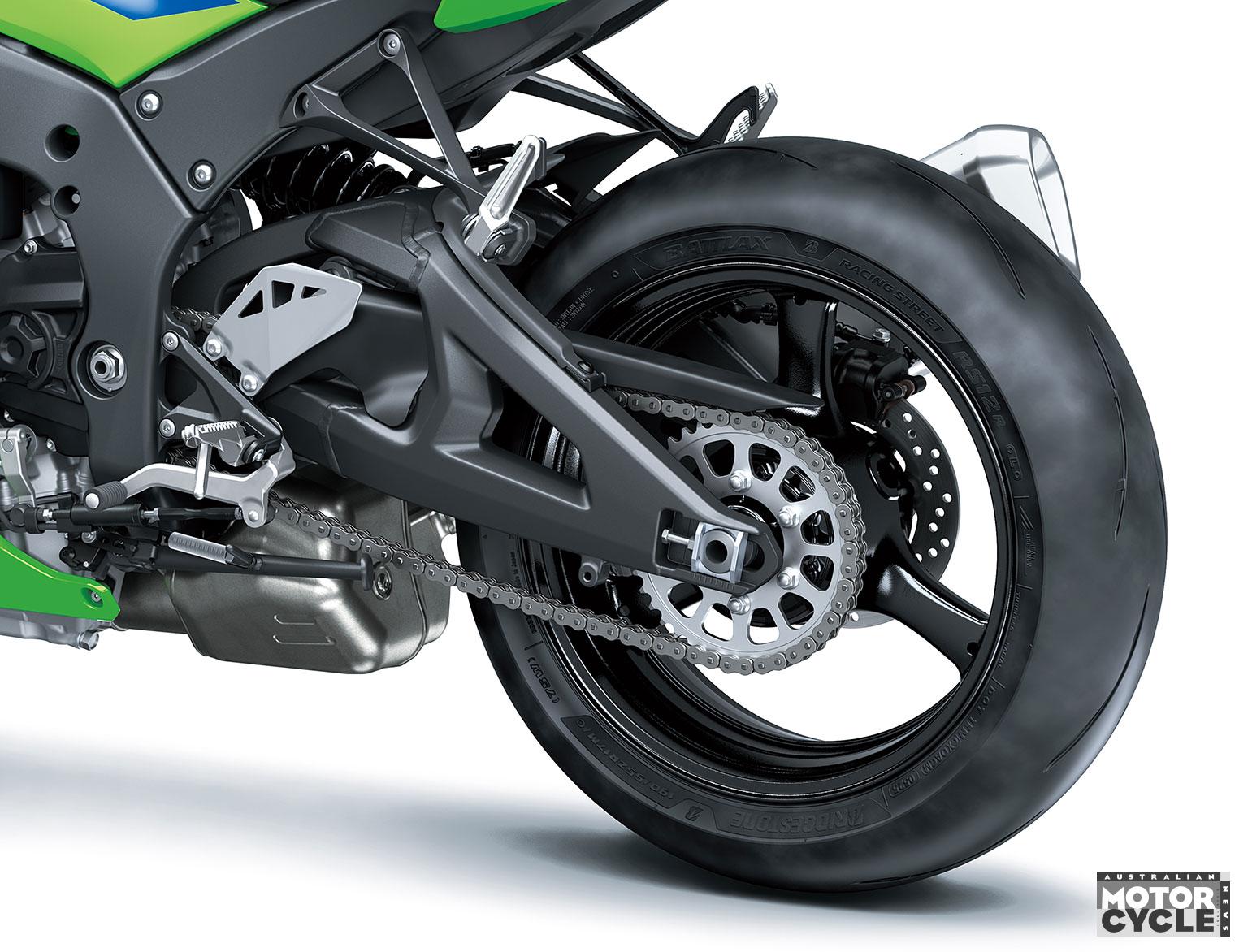
Chassis changes target traction and corner-exit drive in line with the additional front load generated by the winglets. The swingarm pivot is raised by 2 mm to improve rear-wheel traction and increase secondary cornering force, aiding “steer from the rear” technique on track. Rear suspension linkage components are revised to alter lever ratio; spring rate shifts from 95 N/mm to 92.5 N/mm and damping is retuned, making it easier to initiate pitch and improving control from mid-corner to exit. At the front, spring rate remains 10.5 N/mm, but fork height is reduced from 3 mm to 1 mm for a slightly less forward-leaning stance, with damping adjusted accordingly. The ZX-10RR adds a super-hard titanium coating to the fork inner tubes to reduce stiction and improve compliance, and it runs distinct rear spring preload and damping baseline settings compared with the ZX-10R.
Öhlins mechanical steering damper
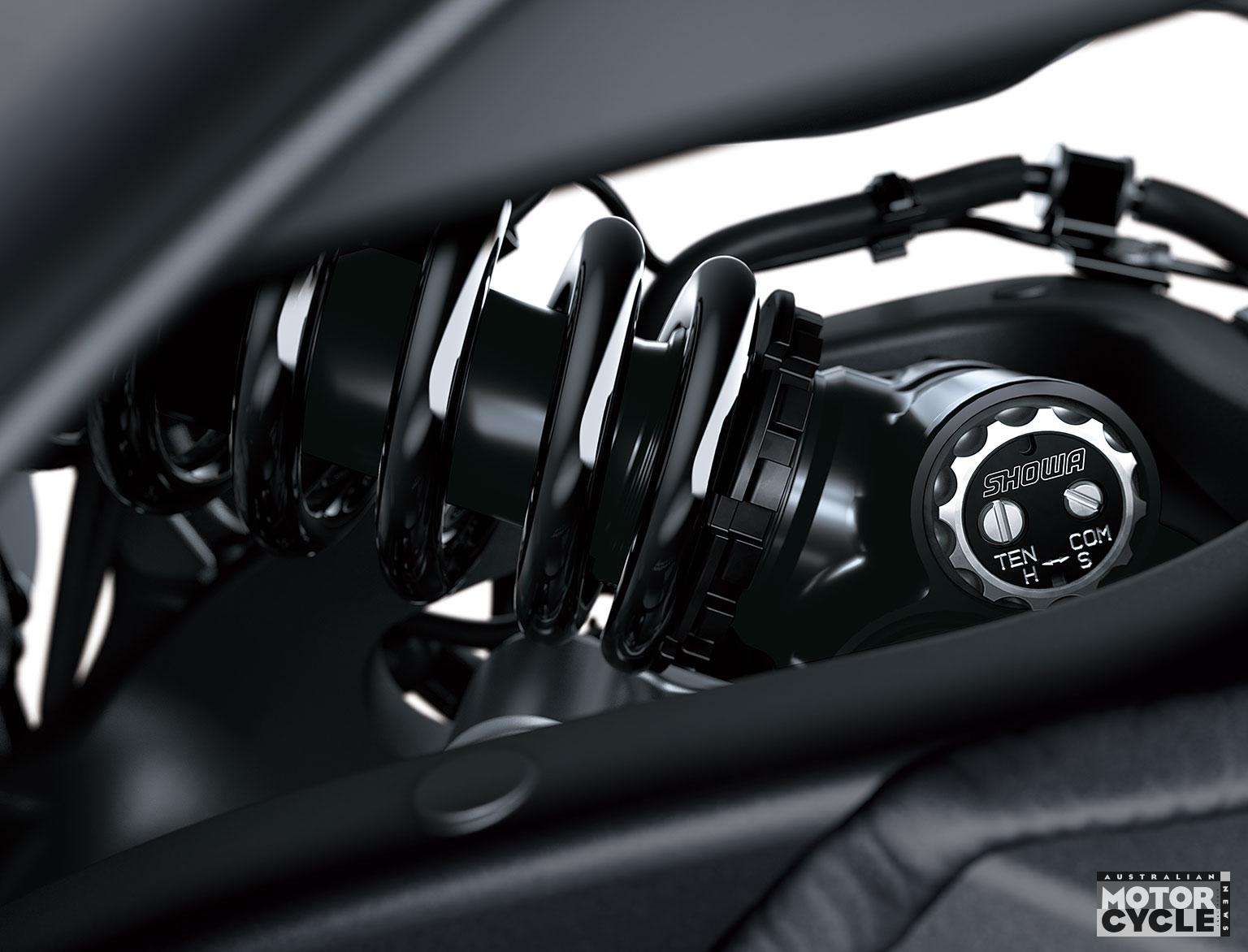
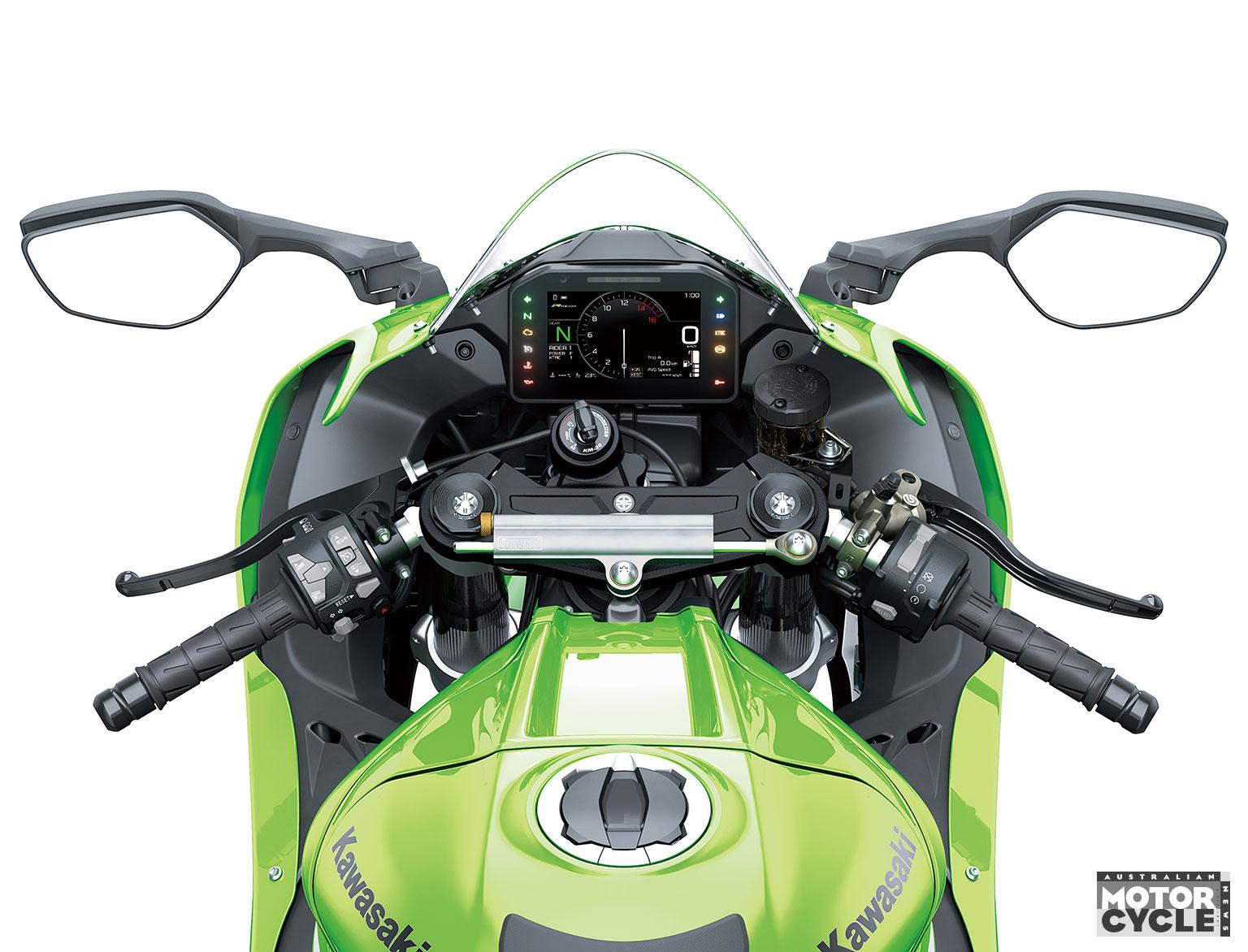
A race-quality, adjustable Öhlins twin-tube mechanical steering damper is standard. The secondary tube functions as a reservoir, and the internal design targets stable damping under racing loads and strong kickback absorption. An integrated clamp and high-precision construction reduce sliding friction for smoother initial motion.
5-inch TFT instrumentation and rider interface
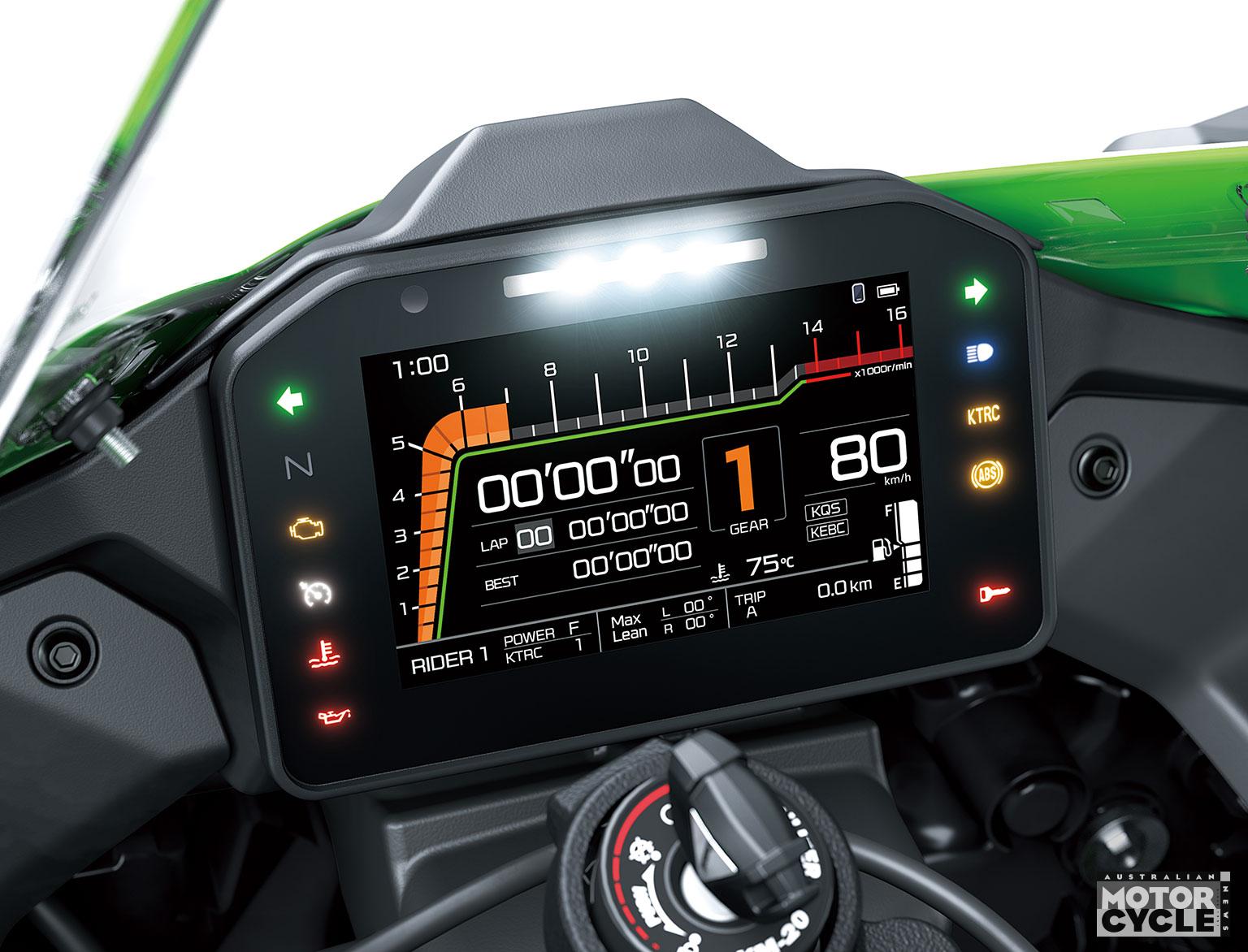
A new 5-inch full-colour TFT sits closer to the cover glass via bonding, with IPS technology for wider viewing angles and more vivid colours. The display auto-switches between white and black backgrounds based on ambient light and offers two rider-selectable brightness levels. Two layouts are available: Type 1 features an analogue-style tachometer, core vehicle data and optional turn-by-turn cues, while Type 2 presents a bar-style tachometer along the top with a lap timer. A race-style shift lamp is built into the housing with three selectable alert modes: flashing tachometer, flashing shift lamp, or both.
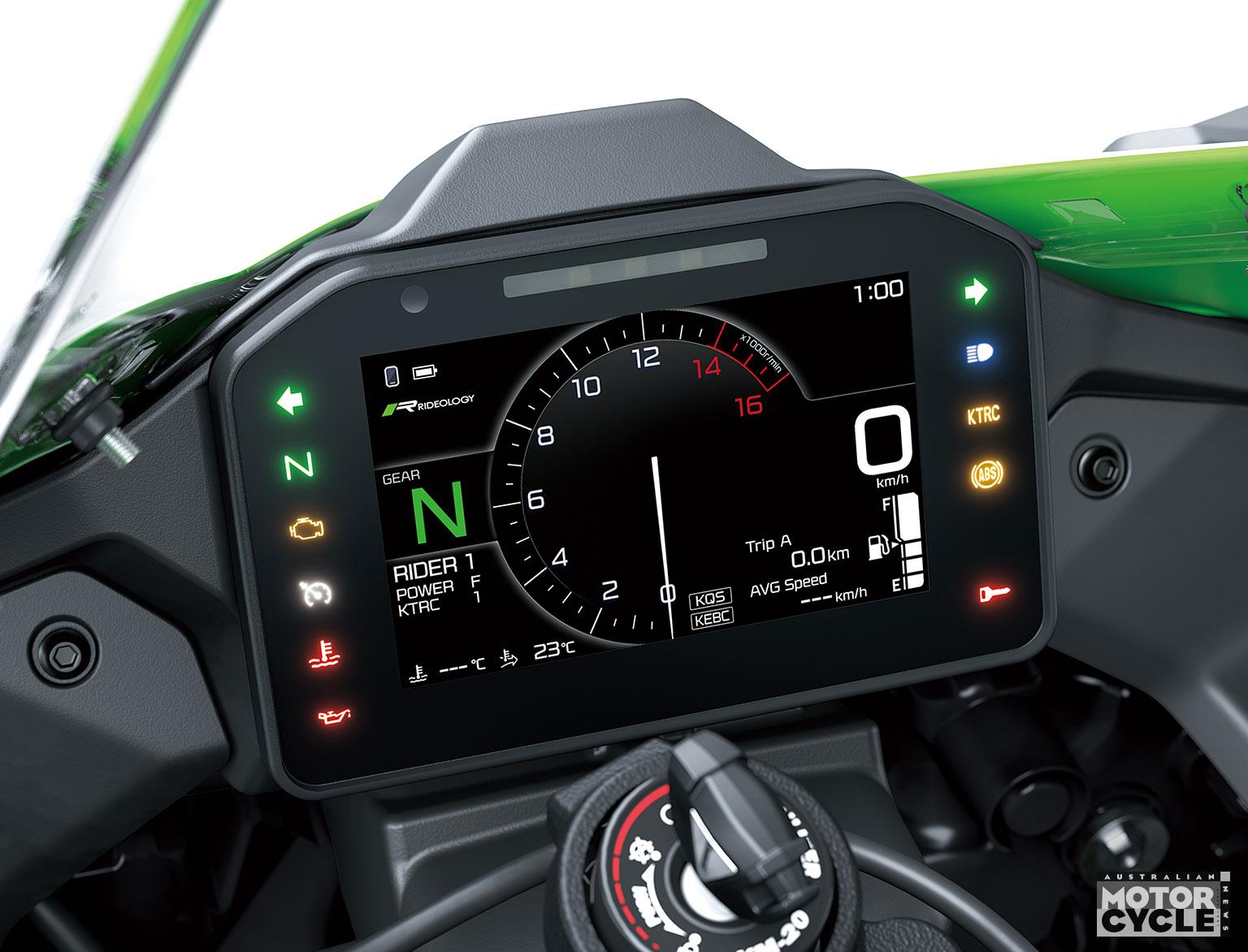
Display functions include speedometer, tachometer, gear position, fuel gauge, odometer, dual trip meters, current/average fuel consumption, range, average speed, total time, battery voltage (Type 1), max lean angle, intake air temperature (Type 1), coolant temperature, clock, indicators for Riding Mode, KTRC, Power Mode, KEBC, KLCM, KQS, and Electronic Cruise Control, plus service reminders, smartphone call/mail notices and battery level, headset/voice command/riding log status, app connection status, an Economical Riding Indicator (Type 1), low-battery, warnings and service messages. Type 1 supports turn-by-turn guidance; Type 2 includes a lap timer.
Smartphone connectivity and app functions
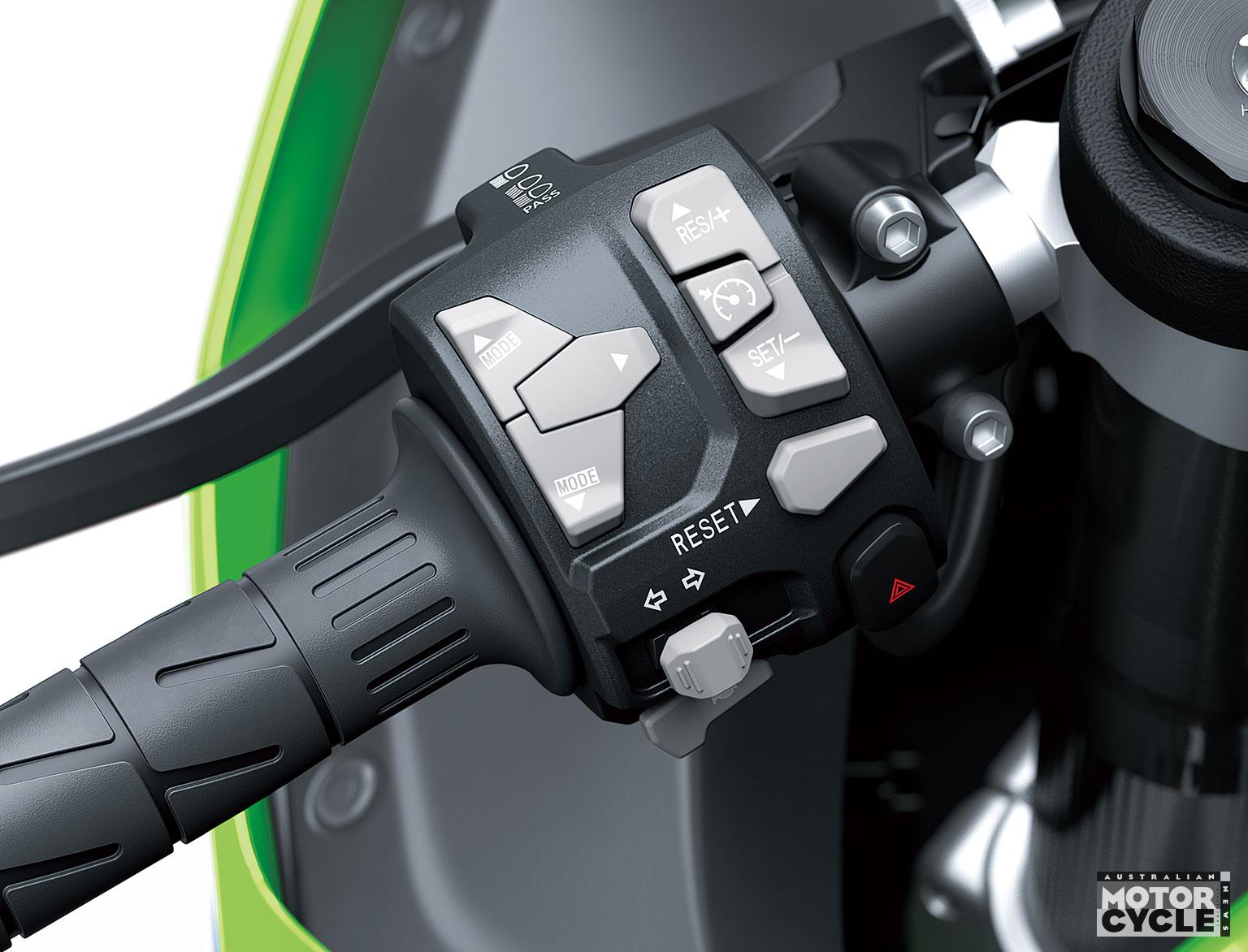
Rideology The App Motorcycle enables wireless connection for vehicle info (fuel, odometer, maintenance log), riding logs with GPS routes and running data, phone/mail notifications on the dash, general display tuning (including shift-up indicator timing/pattern), and Kawasaki Riding Management where Riding Modes (Road, Sport, Rain, Rider) and support features like KEBC and KQS can be pre-set and synced when near the bike. Navigation allows turn-by-turn directions on the TFT, with route creation, waypoint management and POI search on the phone. Voice Command supports hands-free control of app functions. Navigation and Voice Command require a licence and availability varies by country; owners should check the manual for market support details.
For 2026, the Ninja ZX-10R will be available in Lime Green/Blue colouring while the ZX-10RR will sport a pure Lime Green colour scheme.
Kawasaki’s recent results have trailed the front-running superbikes from rival manufacturers on track, a shift from the era when the ZX-10R/RR package was a consistent title contender. Whether the 2026 aero, chassis and engine updates are enough to close that competitive gap will become clear once racing gets underway. Exact specification, price and release details have yet to be released.