2027 CBR1000RR-R range gets a major revamp – plus an HRC Works Edition homologation special
Honda hasn’t tasted is accustomed levels of racing success in the production-based WSBK series for a surprisingly long time and it’s out to fix that with a revamped CBR1000RR-R Fireblade range in 2027 that includes performance updates and a new HRC Works Edition to homologate further race-oriented revisions.
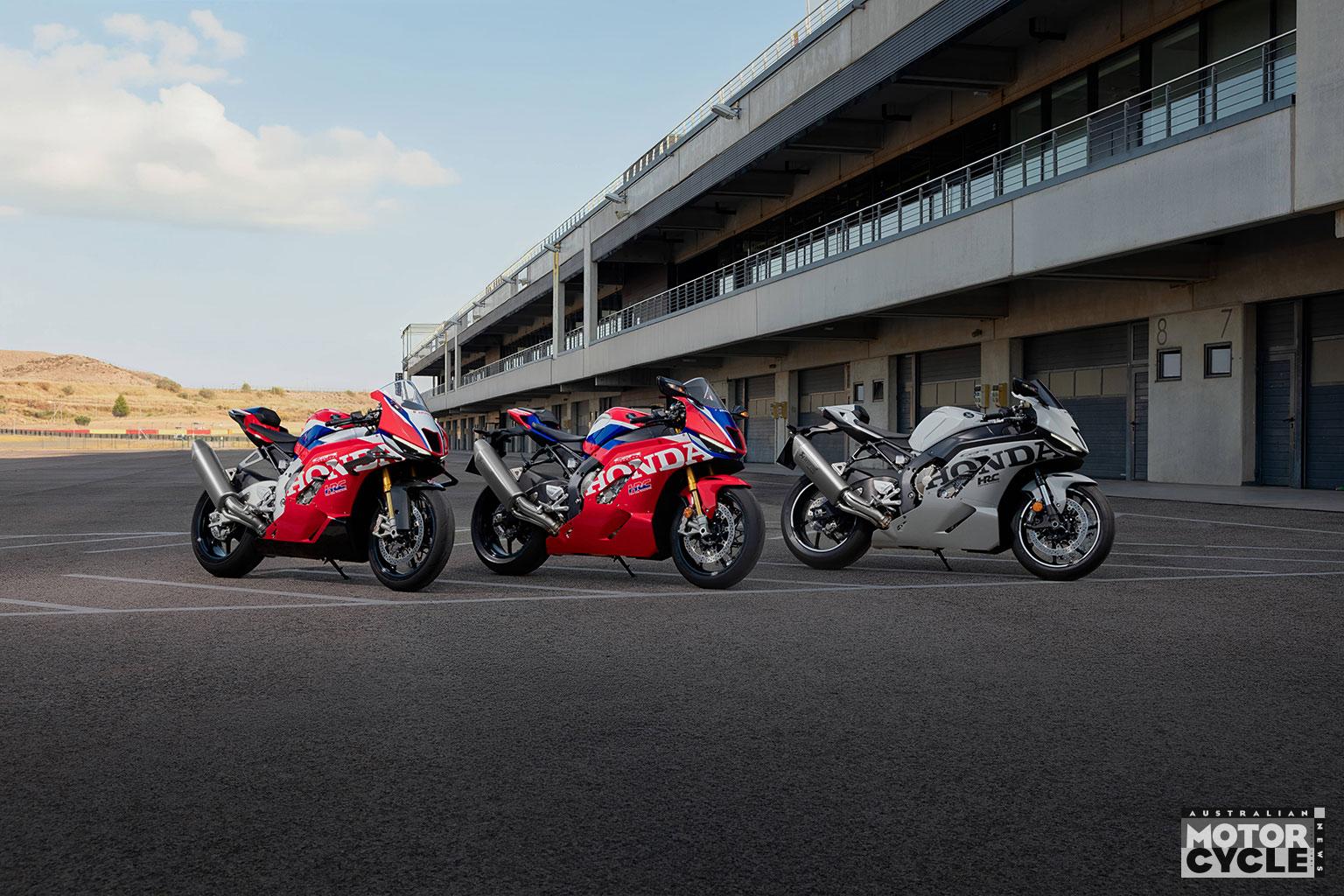
The HRC Works Edition is the closest thing we’ve seen to an out-and-out Honda homologation special since the days of the VTR1000 SP-1 and SP-2, which took the rider’s title in 2002 with Colin Edwards but couldn’t wrestle the manufacturer’s crown from Ducati. While a Honda has taken the rider’s championship once since then, with James Toseland on the Blade in 2007, the company hasn’t held the manufacturer’s trophy since the heyday of the RC45 back in 1997.
Can the new 2027 Fireblade change all that? Honda will certainly hope so.
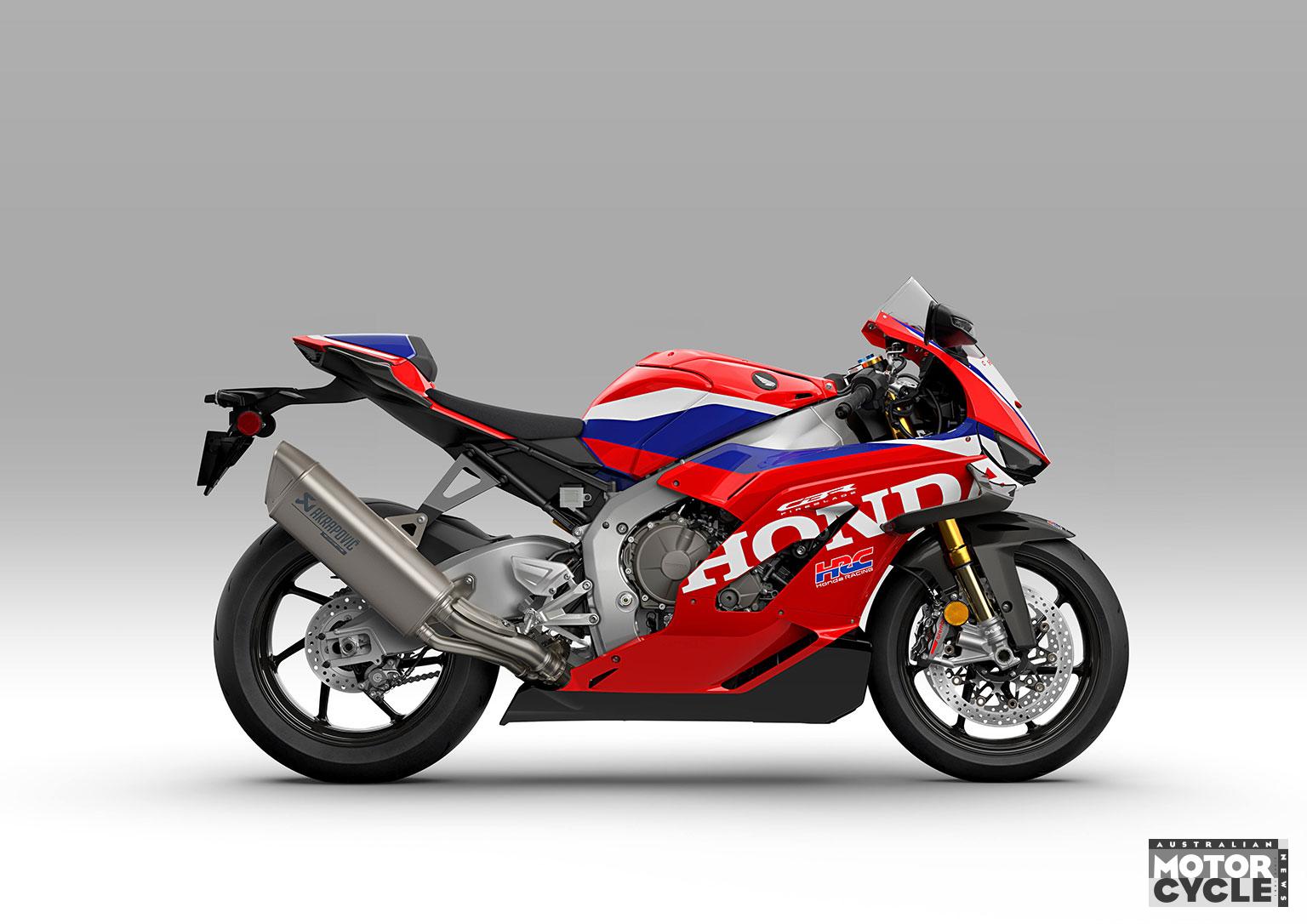
The 2027 CBR1000RR-R range is made up of three models, all sharing a 160kW litre four that’s updated with variable-height throttle trumpets for the new model year, plus lighter cases and covers with an extensive use of magnesium. Even the layout of the transmission shafts has been adjusted, creating more space between the main and countershafts to give greater freedom when picking ratios for racing. On the range-topping HRC Works Edition, the transmission can even be optioned in ‘neutral bottom’ form, where neutral is below first gear in the shift pattern instead of sited between first and second: that’s the norm in MotoGP now, and something that Ducati’s Panigale V4 R has brought to WSBK. To prevent accidentally downshifting into neutral, the spec includes a neutral lock-on on the righthand bar that has to be pressed to get the bike out of gear.
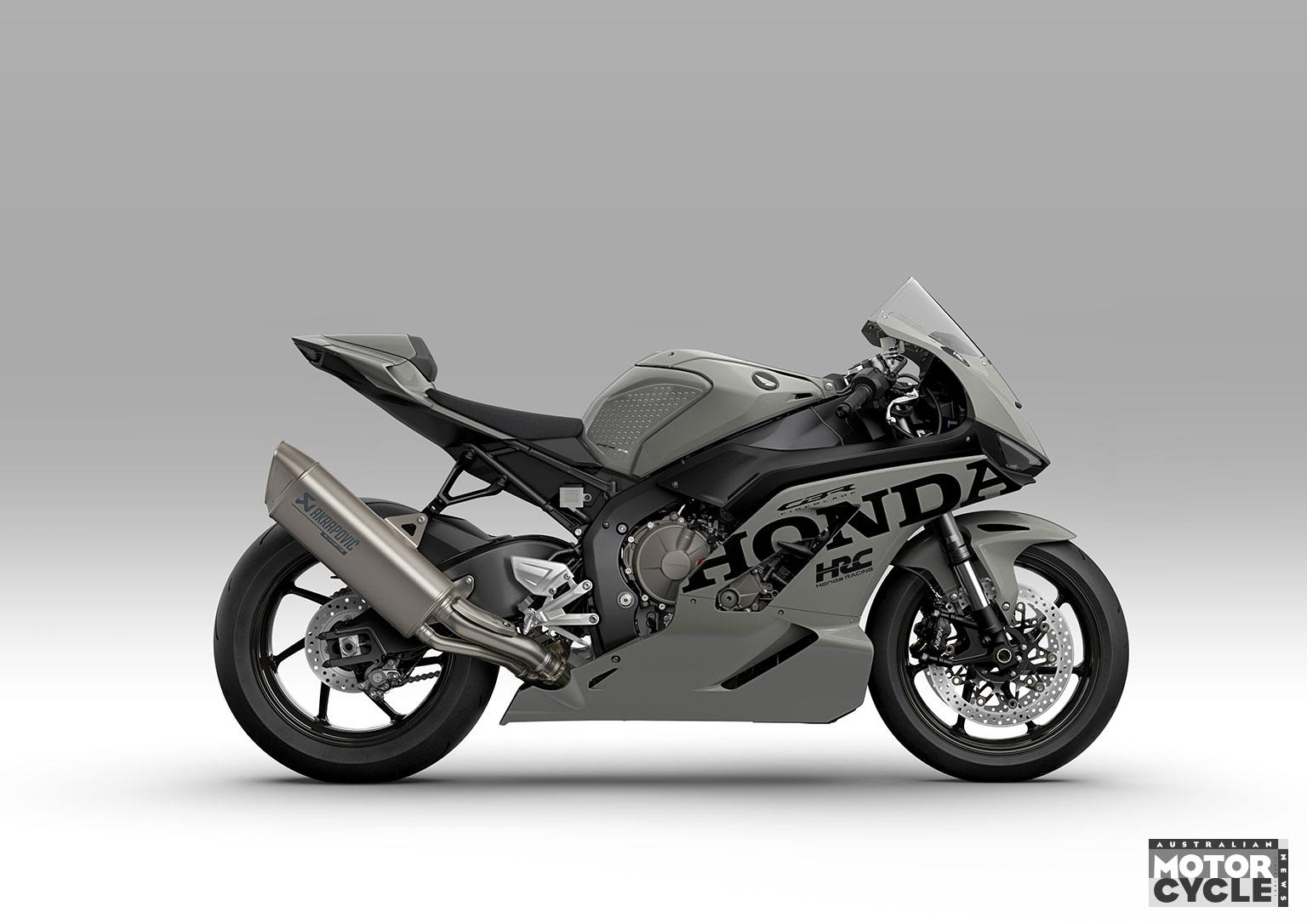
The two more mainstream Blades are the standard CBR1000RR-R and the CBR1000RR-R SP, both with a conventional transmission layout but the same engine mods.
All the bikes get a revised frame, with a larger air intake in the headstock and revised rigidity to increase flex and improve on the limit handling. A steeper head angle and reduced trail sharpens the steering, and on the Works Edition both the head angle and the swingarm pivot position are adjustable to boost its racing potential.
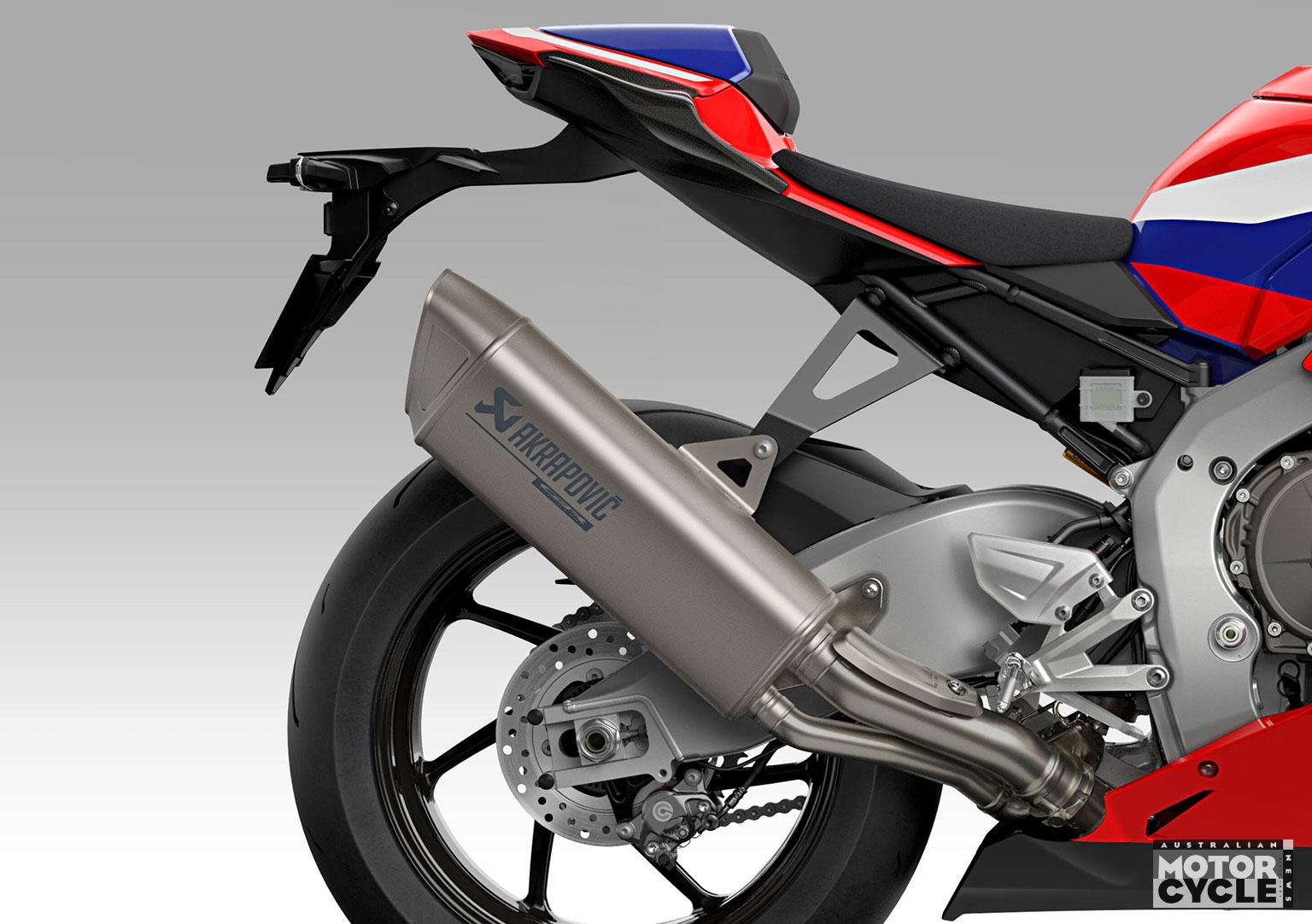
The suspension sets the three bikes apart. The base Blade has 43mm Showa Big Piston forks and a BFRC shock, all fully adjustable, while the SP model, as before, gets electronically-adjustable, semi-active Öhlins S-EC 3.0 kit, with 43mm NPX forks and a TTX36 shock, plus uprated Brembo Hypure calipers instead of the previous Stylema four-pots.
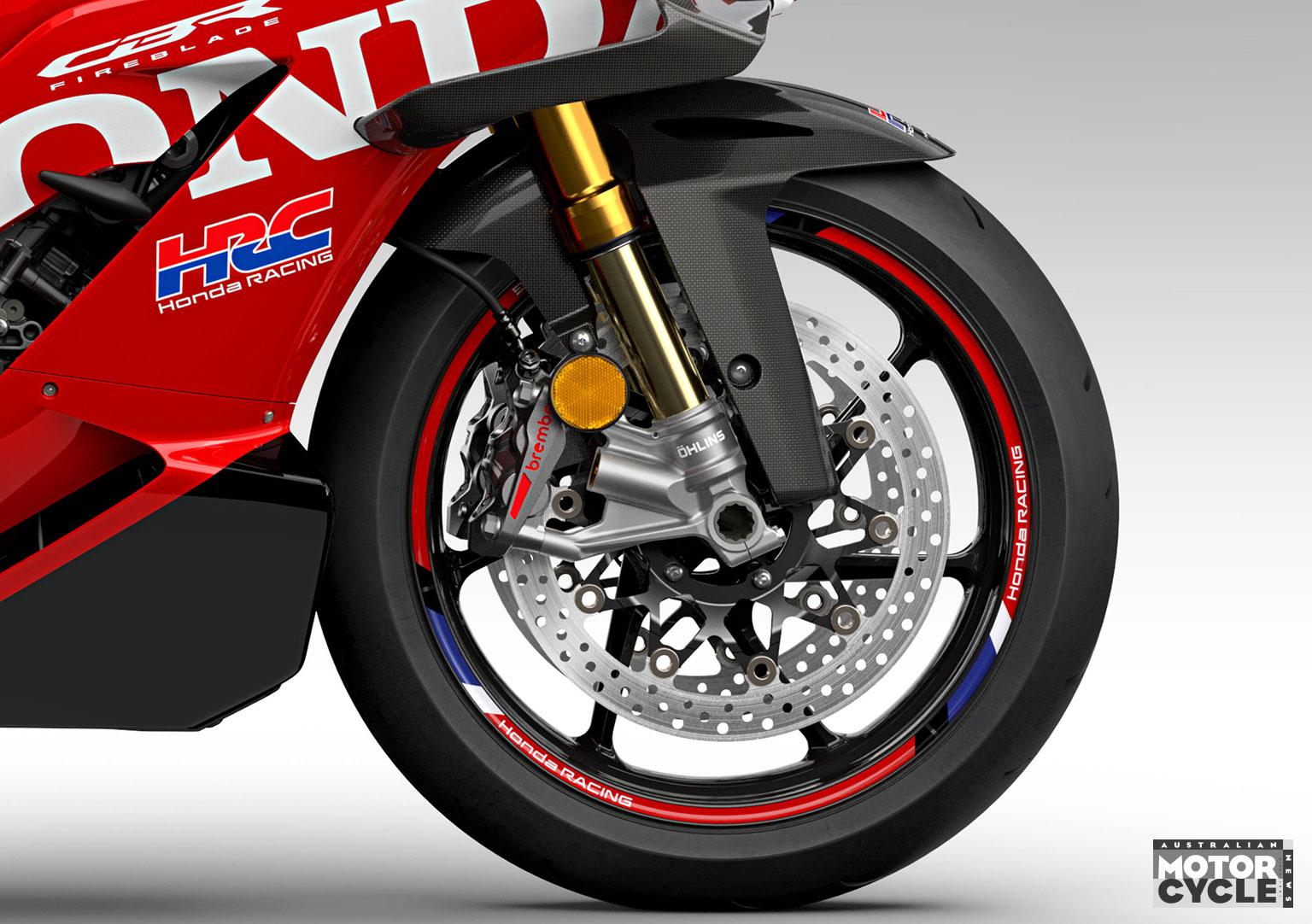
The HRC Works Edition keeps Öhlins parts but ditches the electronic elements in favour of manual adjusters, and uses even more exotic Brembo Hypure Sports calipers. As with all the latest generation superbikes, there’s a host of electronics across the range to assist the rider, from launch control to cornering traction control and more, with a vast amount of adaptability.
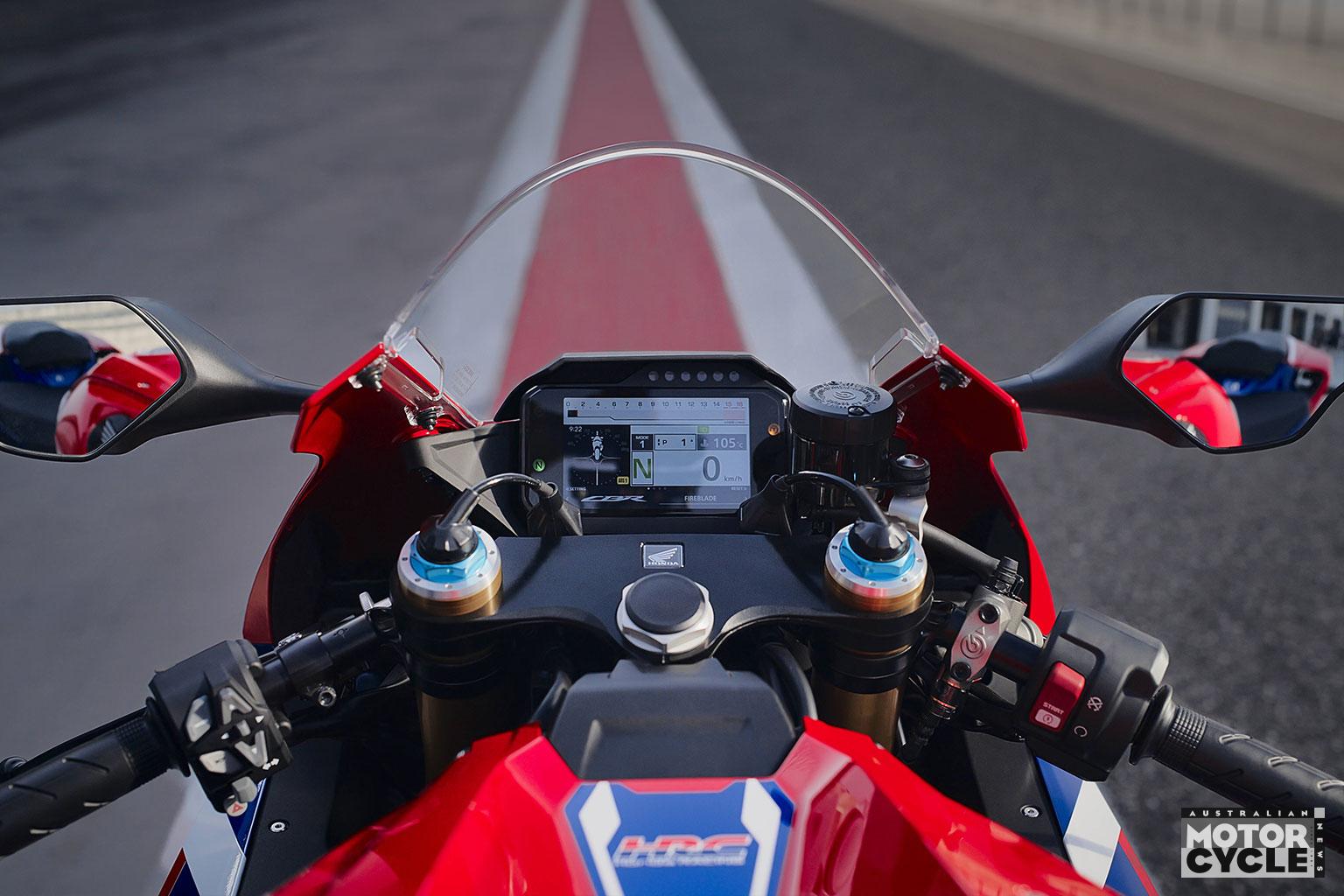
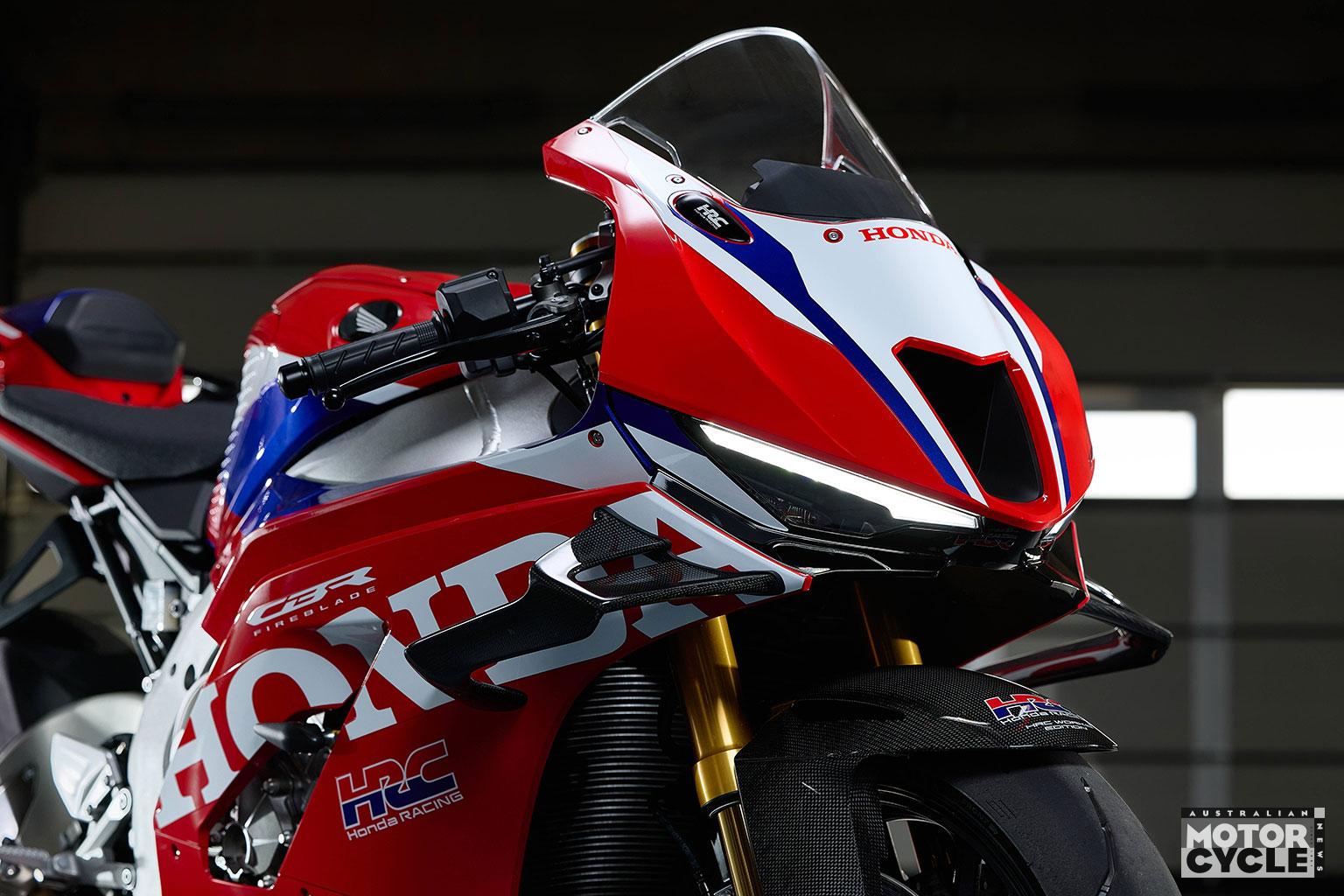
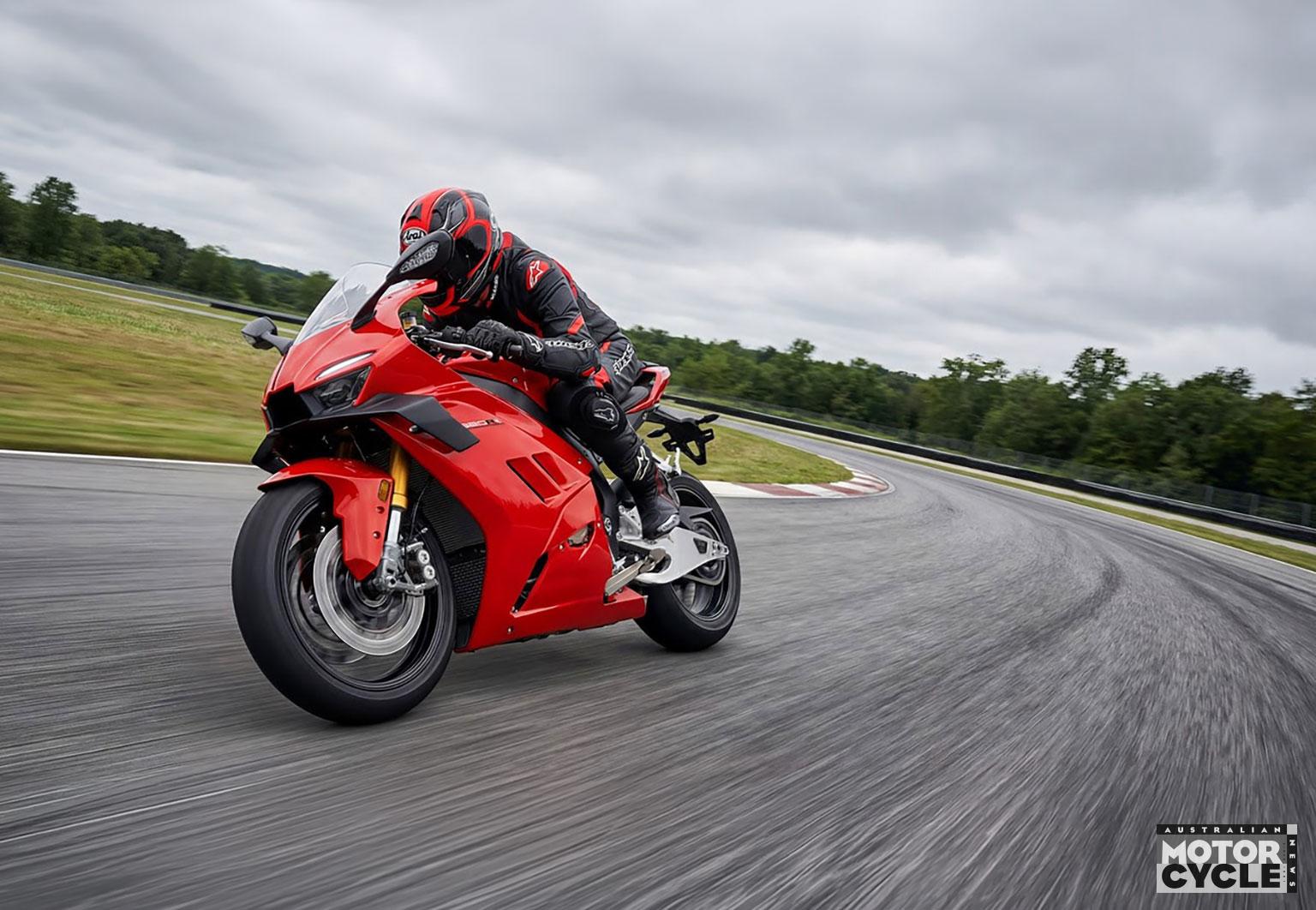
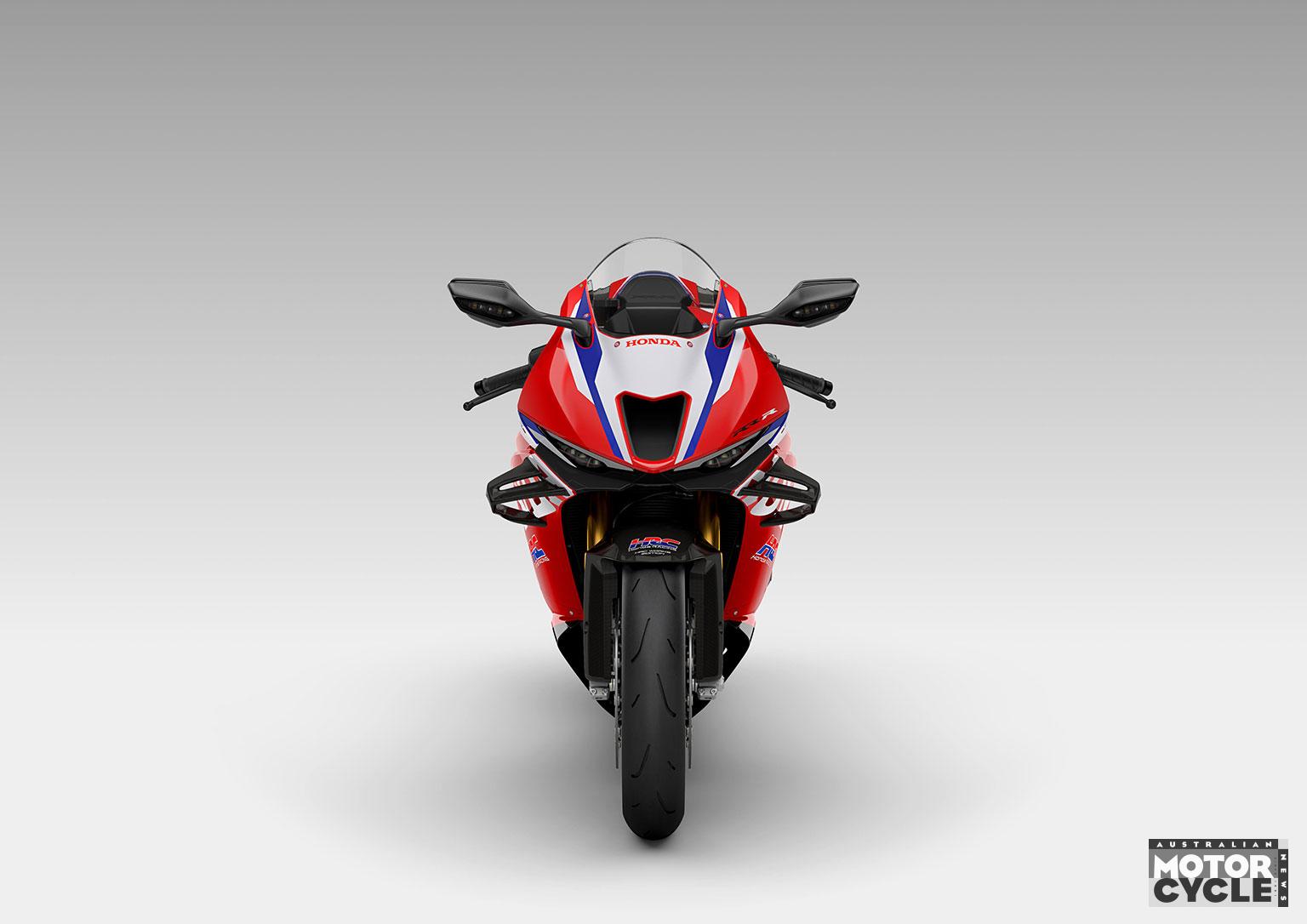
Externally, all the bikes get new bodywork with a wedge-shaped spoiler under the headlights, similar to the updated 2027 CBR600RR’s, plus more enclosed side panels that include MotoGP-style bulging sidepods on their lower sections. The winglets have gone from the base and SP models – Honda says the new spoiler achieves the same level of downforce with less drag – but the HRC Works Edition adds new, carbon-fibre winglets as well as the spoiler, for even more downforce than before, plus a single seat unit and a redesigned front mudguard that’s intended to maximise the potential of the other aero elements.
Honda’s only got three more years of the current 1000cc WSBK rules before the series is expected to introduce a completely new, 1200cc format, so the 2027 Blade’s redesign could be its last throw of the dice before that regulation change.