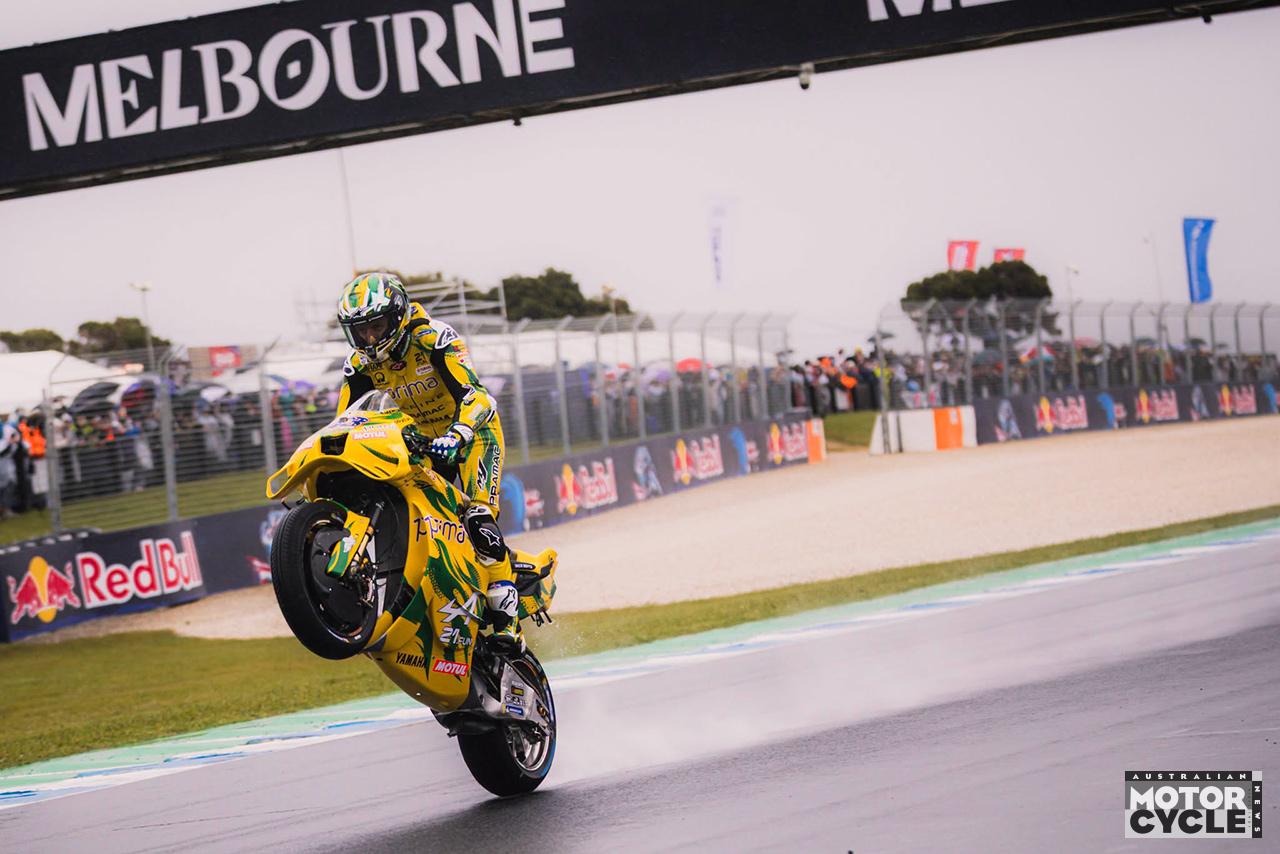
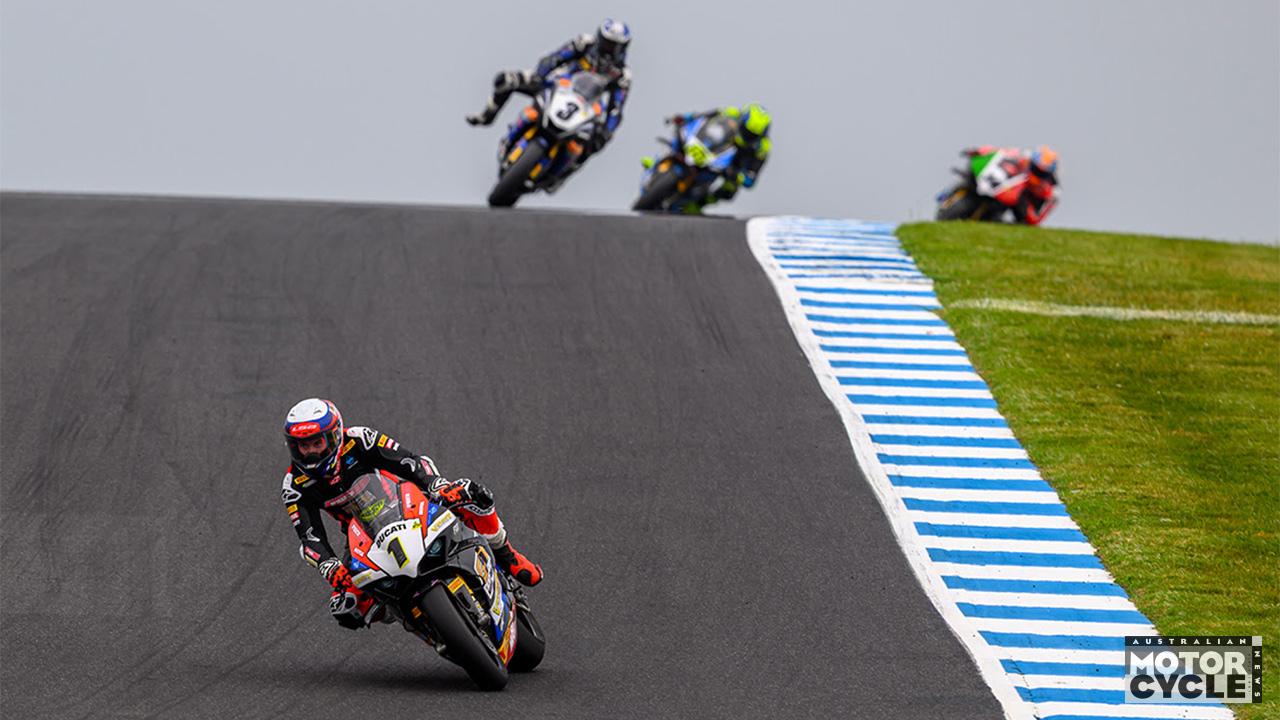
As the curtain fell on Phillip Island’s MotoGP era, AMCN Dep Ed Hamish Cooper investigated what went wrong and why Adelaide promises a different future.
The omens looked good, but then maybe they weren’t if you looked at Phillip Island’s gathering momentum late last week.
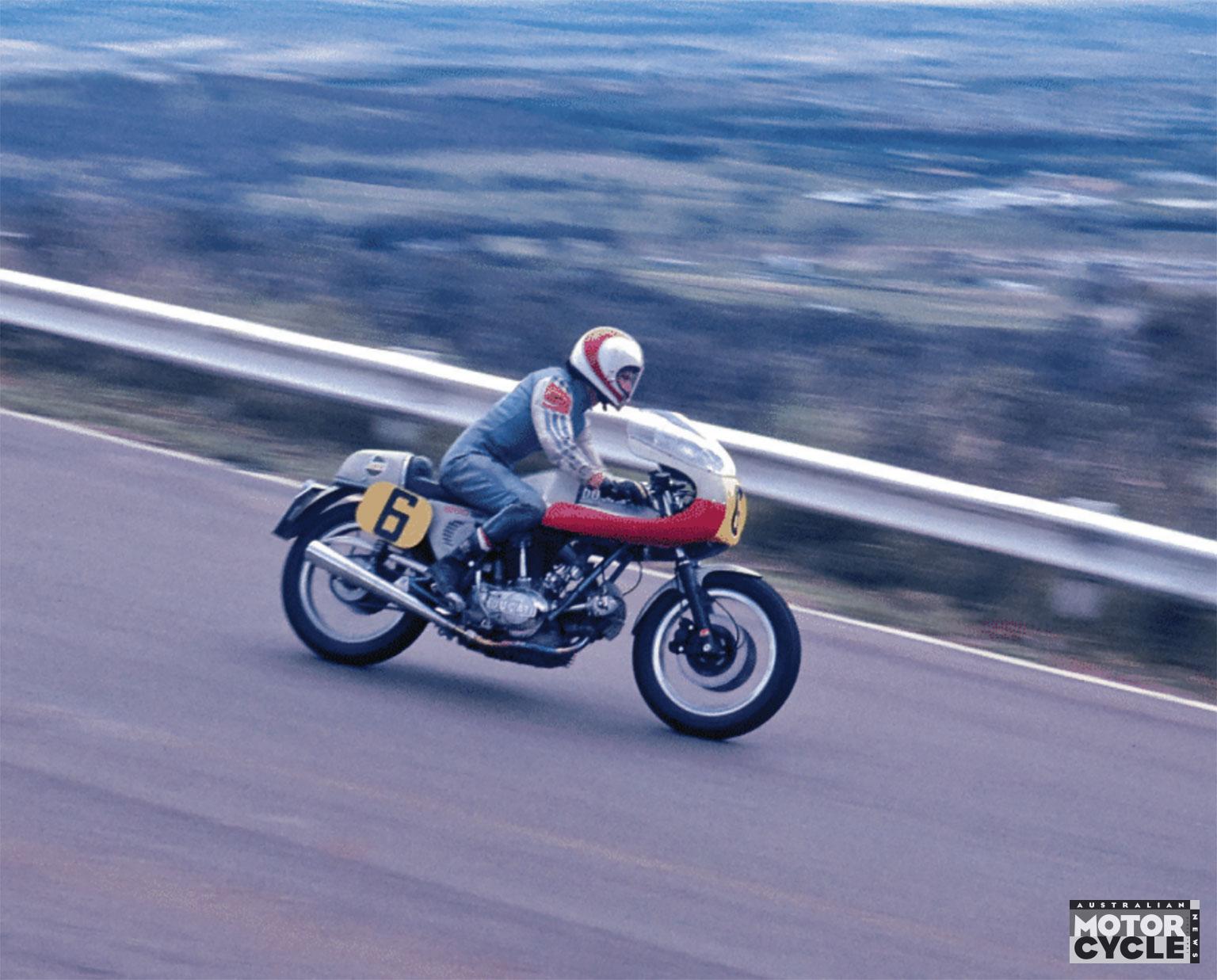
A circuit celebrating (rather than mourning) the end of three decades of grand prix motorcycle racing had many of the original heroes of the first event travelling to attend. And, despite now being in their 50s and 60s, they were committed to riding motorcycles around an unforgiving track in a fast demonstration lap. Totally different to a quick blast up the hill at the UK’s Goodwood Festival of Speed, and an indication of their commitment to the history of this iconic round.
Then most of the important ambassadors of this emotional farewell (especially Jack Miller) were saying it was going to be a positive weekend honouring all that the world’s most popular old-school circuit had to offer riders and fans alike. They weren’t there to attend a funeral. So that was a great vibe you couldn’t put a price on.
Then some facts that defined Phillip Island as both the best and worst of an old-school track came to prominence in a devastating way.
First, the physical challenge of actually getting onto Phillip Island, let alone into the circuit.
Sure, 92,000 fans crammed onto the Island (and into the circuit) on the day Wayne Gardner won the first-ever 500cc Grand Prix world championship round raced in Australia. They all got in and out reasonably easily because the majority actually rode there rather than drove.
This year, the race-day crowd endured hours of traffic jams as congestion that had first started on Friday continued to worsen.
Then the eternal elephant in the room awoke on the Island: the weather.
Always a factor on an island, and especially this weekend, when the paddocks set aside as parking areas for a potential record crowd could easily turn into a quagmire with just 10mm of overnight rain.
Then there was the question of the Island’s businesses being able to cope with nightly crowds seeking food after the racing. Last year, Phillip Island’s round was among the three lowest attended on the 22-round world calendar. This year? Who knows… but officials were boasting on Saturday that the weekend had the potential to rival the last time Casey Stoner raced there in 2012 (50,000-plus on Sunday and 120,000 across the three days).
So what happened? In the rain, there were lines of soaked and cold fans queuing for food at local outlets.
Then came the decision early on Saturday to only slightly modify the schedule, despite clear weather warnings that Sunday’s potential record crowd since 2012 was going to experience a deluge of some description.
Sure, the decision to ground vital medical evacuation helicopters was more due to the weather near Melbourne’s The Alfred hospital than on the Island itself. But what does this say about event planning for a worst-case scenario across the Victorian Government’s medical authorities? If there had been a major car crash on a Melbourne freeway, would the helicopter still have been grounded? Or was MotoGP simply not that great a priority for state authorities?
In the end, the riders, especially Jack Miller, reached out to the crowds that remained after a day of embarrassing and frustrating indecision.
Surely this wasn’t the way anyone had planned for this special weekend to end.
There is a lot to unpack from last weekend, when a celebration of the grand tradition of Phillip Island’s MotoGP round was ultimately left to some wet, elite riders to entertain the crowd with a single demonstration lap.
WHAT THE FUTURE HOLDS
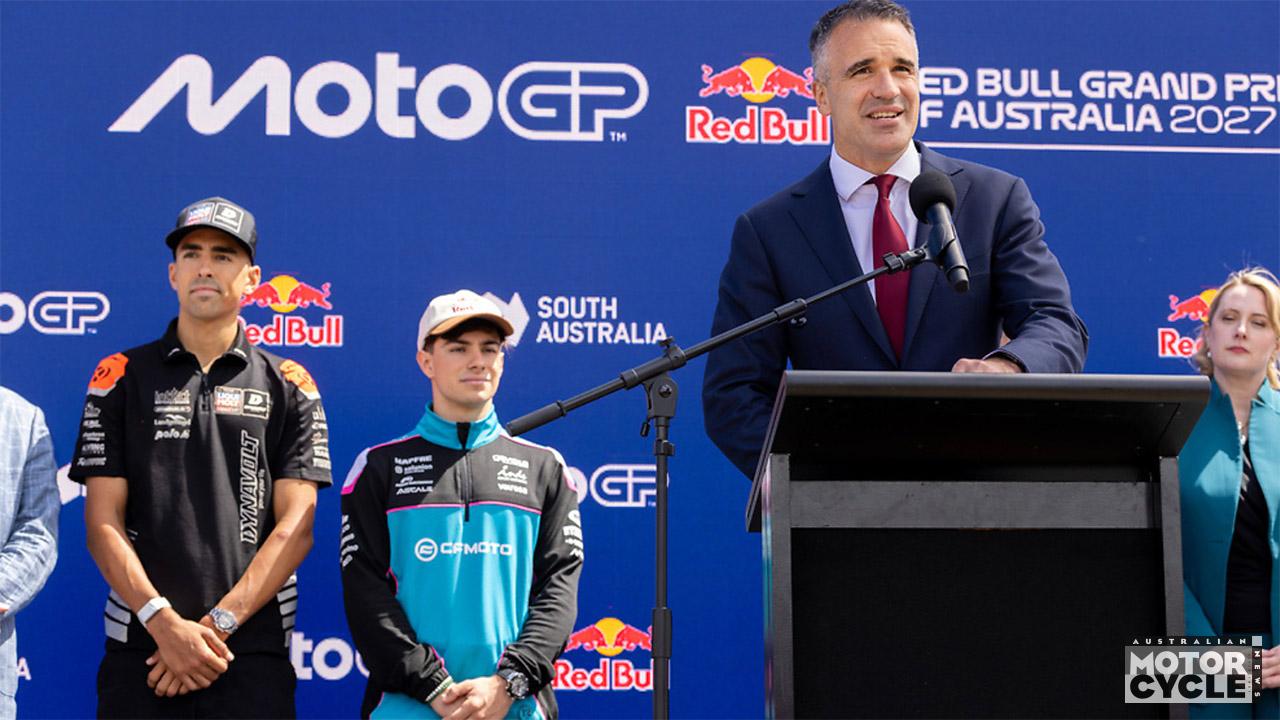
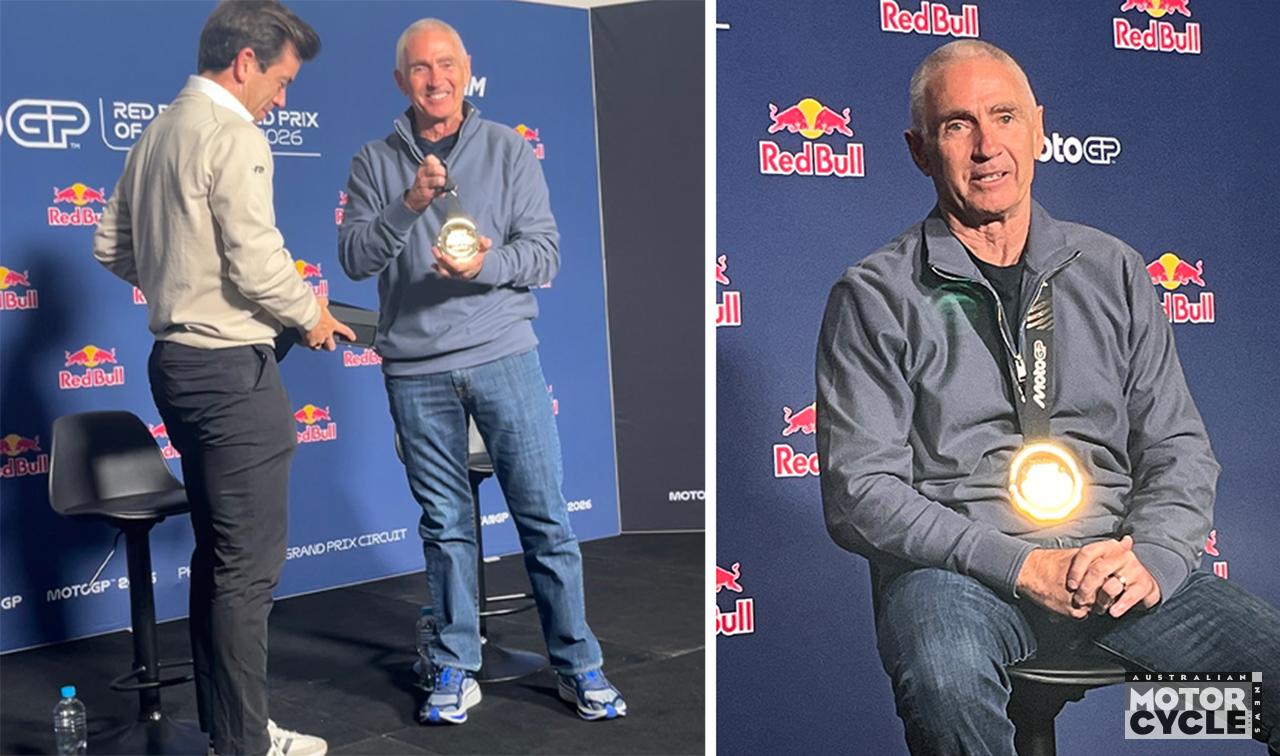
On Tuesday, a major press conference was called in Adelaide to announce that work could officially begin on the 2027 MotoGP circuit, involving the construction of a new 4.13km, 15-corner Parklands circuit that includes part of the old and much-loved Formula 1 track.
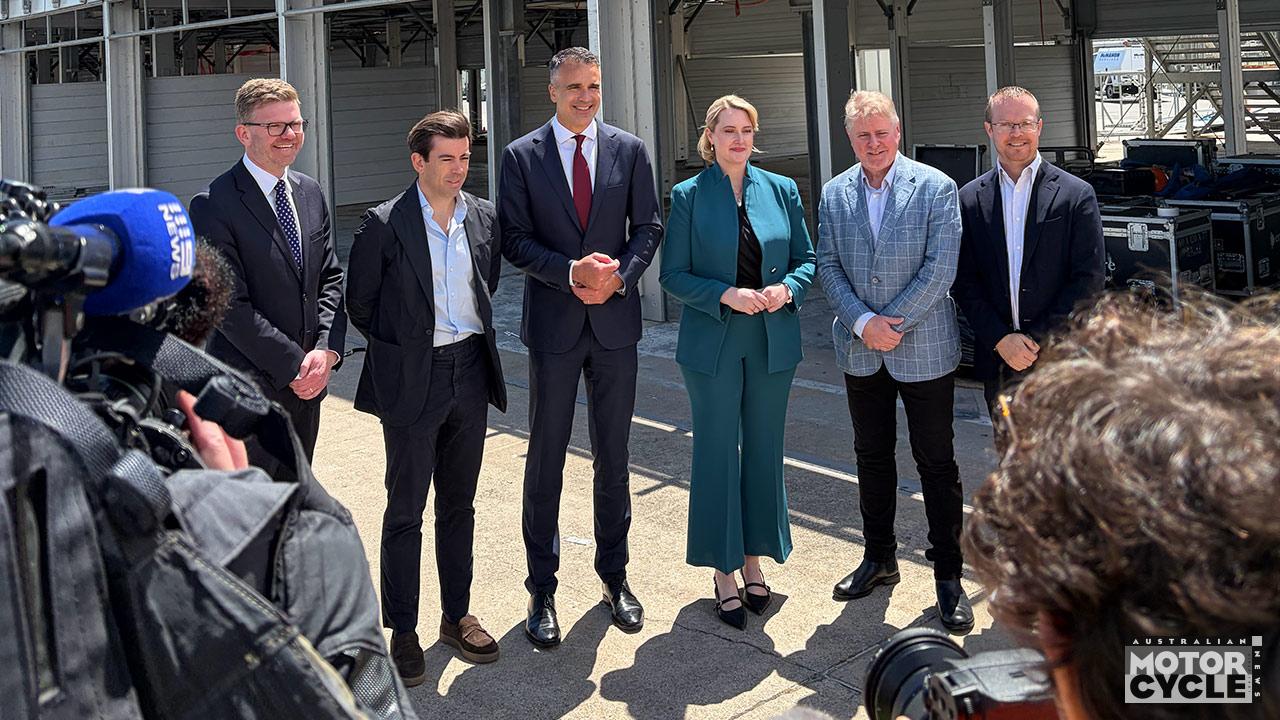
This followed federal government sign-off confirming that the MotoGP project meets the requirements of the Environment Protection and Biodiversity Conservation Act.
AMCN’s MotoGP correspondent Neil Morrison and I attended the press conference and exclusive briefings with the track designers before driving out to The Bend Motorsport Park (just 70 minutes from the CBD) for another briefing we had organised ourselves with circuit owner and manager Dr Sam Shahin.
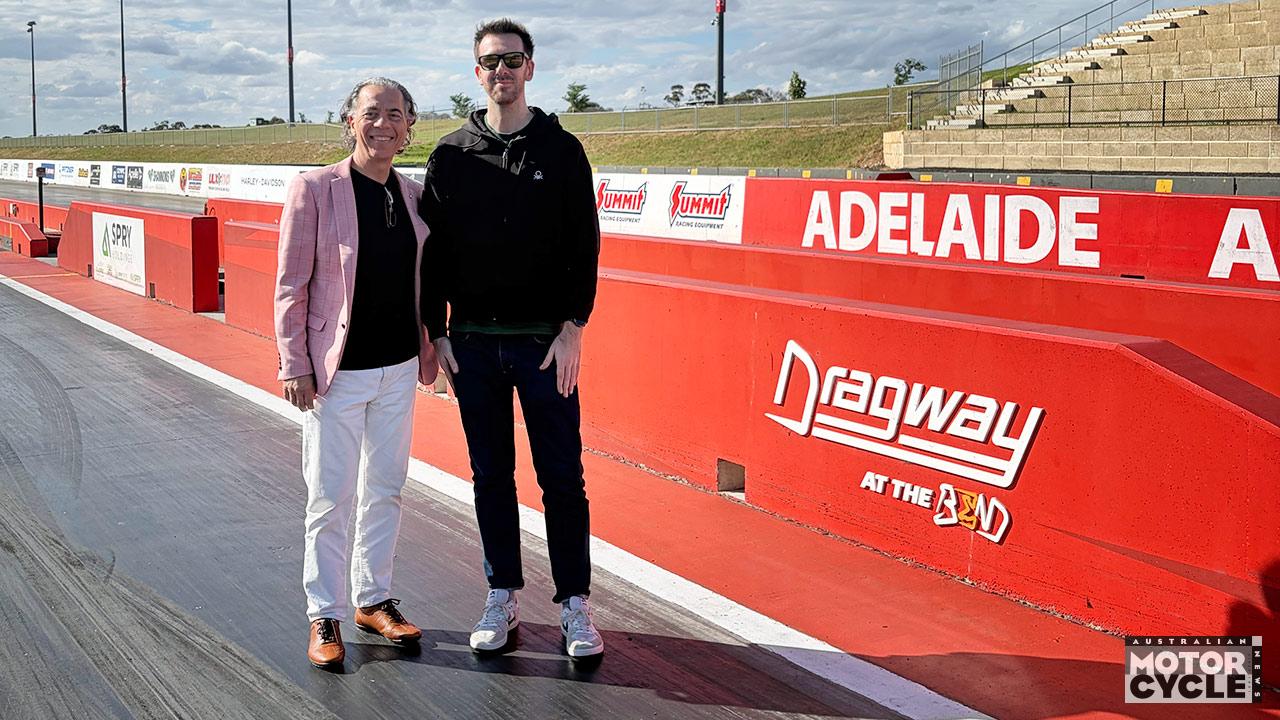
Some of the big takeaways from our day’s work, much of which confirms the accuracy of our continued reporting on the big move since its announcement in February, are:
- Adelaide put its hand up to host MotoGP when it became clear that the Victorian Government was not willing (or possibly financially able) to move the event to Albert Park’s Formula 1 circuit. It is not a case of MotoGP being snatched from the Island, but rather the Victorian Government losing its appetite for it.
- Carlos Ezpeleta, MotoGP’s Deputy CEO and Chief Sporting Officer, clearly stated that a large part of considering Adelaide’s proposal concerned the state’s ability to secure, develop and deliver major sporting events (think the AFL’s Gather Round and LIV Golf).
- The circuit, despite incorporating city roads into its layout, must meet the highest current FIM standards for a MotoGP track. There will be no compromises regarding safety (as you might see at the Isle of Man TT or Macau GP).
- These same FIM standards dictate how far spectators must be positioned from the action. The design team pointed to the Circuit of the Americas (COTA) in Texas for comparison.
- Ezpeleta said Adelaide was the test case for a new type of MotoGP event in an environment that brings the action close to fans, an international airport and even hospitals. It’s a 15-minute drive from Adelaide’s international airport to the city centre, then a 10-minute walk to the actual track, while two hospital emergency departments are just blocks from the circuit.
- Clearly, this MotoGP is aimed at attracting an international spectator audience, much like Formula 1 was. Adelaide’s last F1 race-day crowd remains a world record, only challenged by Albert Park this year.
- The issue of who has ultimate control over the Parklands and what happens within them is complicated. Adelaide City Council, the state government and various stakeholders are involved, but they are effectively sidelined during motorsport events in the Victoria Park precinct under the South Australian Motorsport Act of 1986, invoked to fast-track Adelaide’s first F1 race.
- Protests against MotoGP continue, with Premier Peter Malinauskas (the most popular premier in Australia according to recent polling, despite six months of relentless pushback from anti-MotoGP advocates) saying the Parklands belong to all South Australians, not just a small group of people living near the eastern section.
- Out at The Bend, Shahin said his circuit, which has been operating since 2018, will require some modifications, including run-off areas and pit access and exit, before hosting WorldSBK in early 2028.
- He is also planning to upgrade the race control centre, even though it is already one of the best in the world.
- The Bend can easily accommodate the WorldSBK paddock and support classes, as well as spectators staying at a holiday park within the complex or at hotels, motels and Airbnbs within a 20-minute radius.
Finally, it must be emphasised that the MotoGP contract is with the South Australian Government, in the same way it was with Victoria. Similarly, the WorldSBK contract is with The Bend itself.
As before, funding for the MotoGP project comes from the state, while it is up to The Bend to finance the necessary upgrades for WorldSBK, just as it was for Phillip Island’s circuit owners.
More to come in the next issue of Australian Motorcycle News.