Two decades after the original rewrote the supermoto rulebook, the latest Hypermotard proves the wild child hasn’t grown up one bit
Once upon a time, in the late 1990s, I and countless other young riders with sporting ambitions were falling for supermoto motorcycles. Almost every major manufacturer produced one: usually an ultra-lightweight, single-cylinder, dirt-inspired machine running 17-inch rims and sticky rubber for the road. Let’s just say they were designed for laughs more than sensible activities such as touring.
Then came the even crazier twin-cylinder supermotos, with Ducati launching the first 1100 air-cooled Hypermotard in 2006. Over the intervening years, though, the supermoto concept – riding and sliding a ridiculously agile lightweight around backroads and kart tracks – lost much of its earlier mainstream popularity, and Ducati is currently the only manufacturer still to produce a twin-cylinder supermoto model.
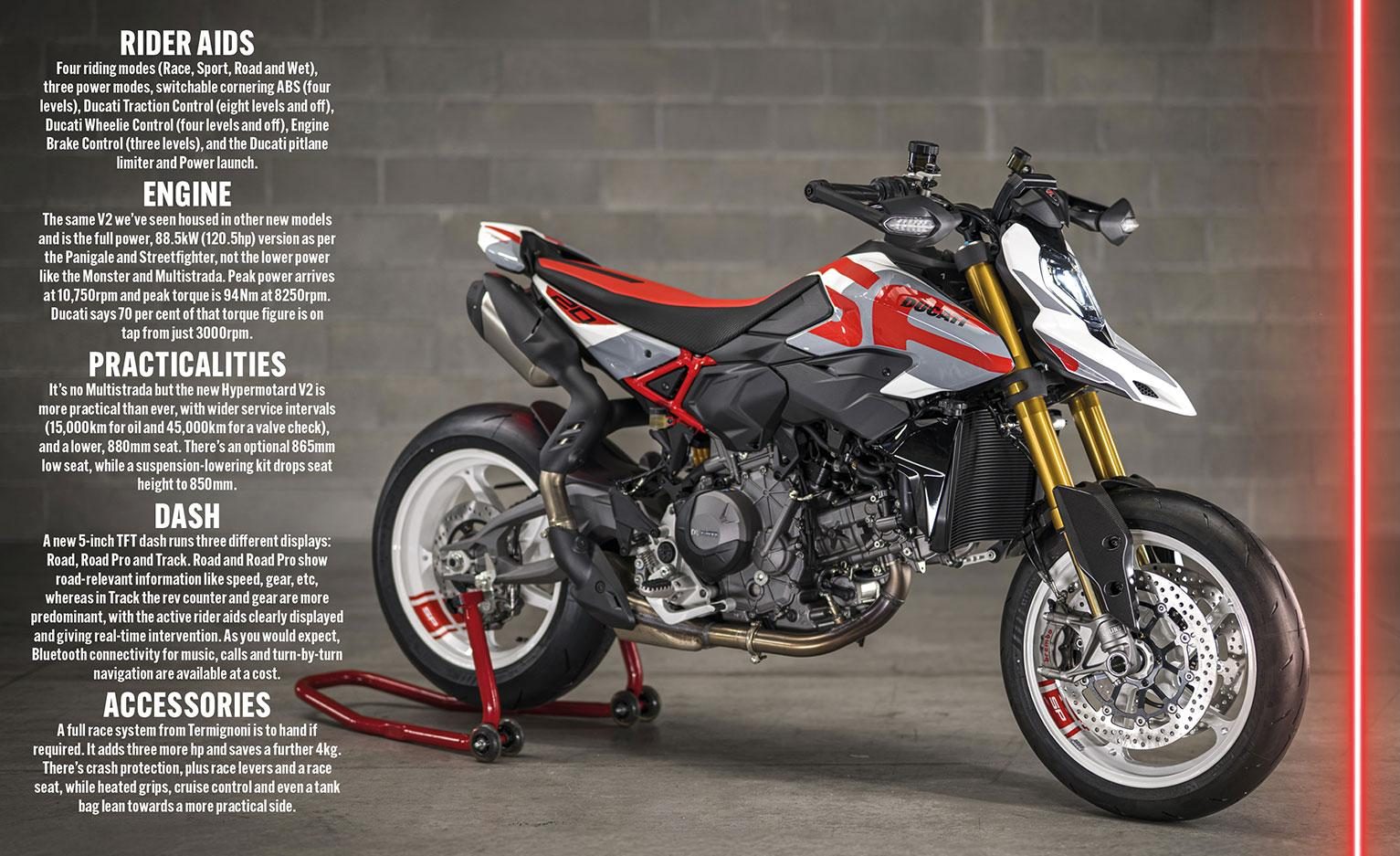
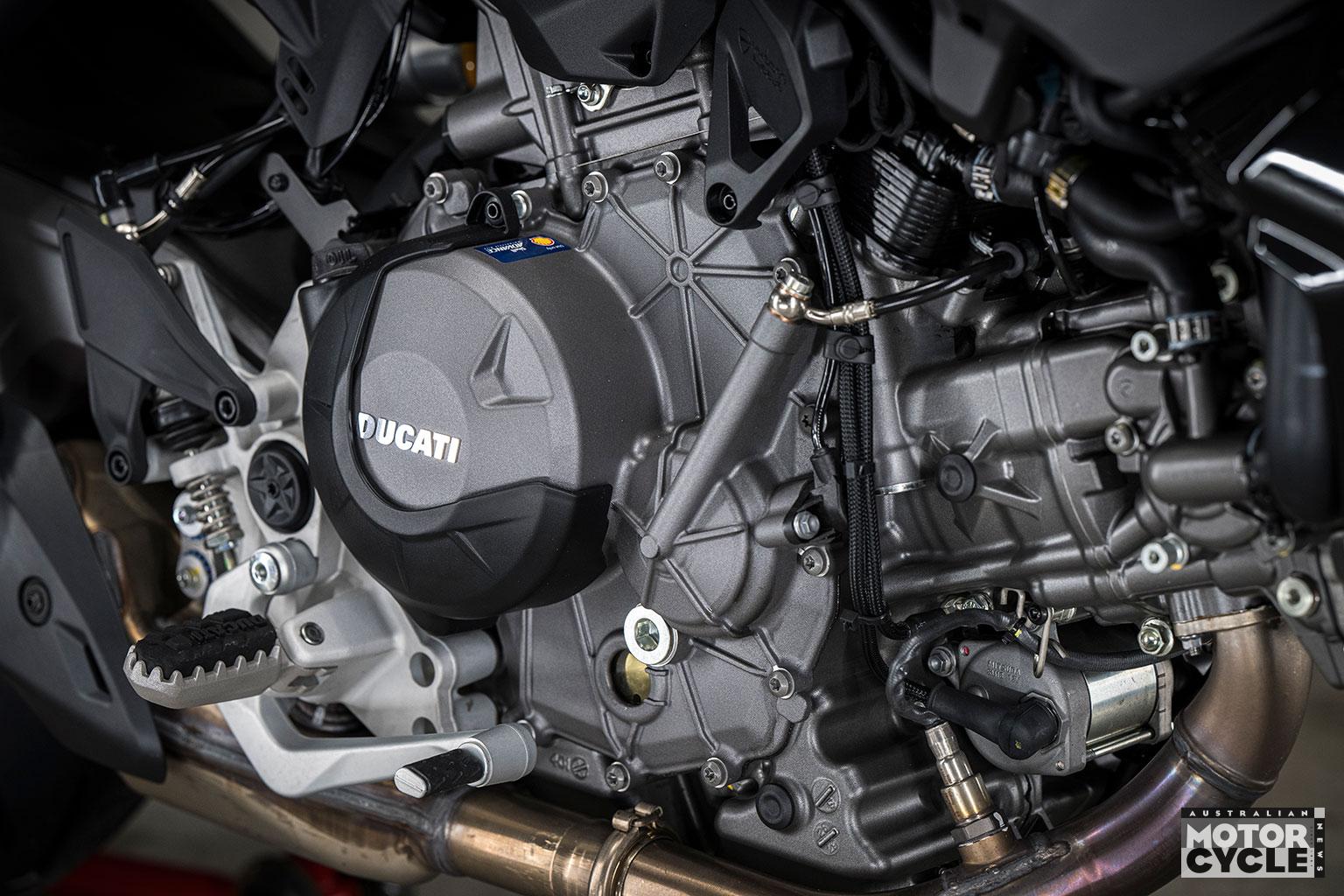
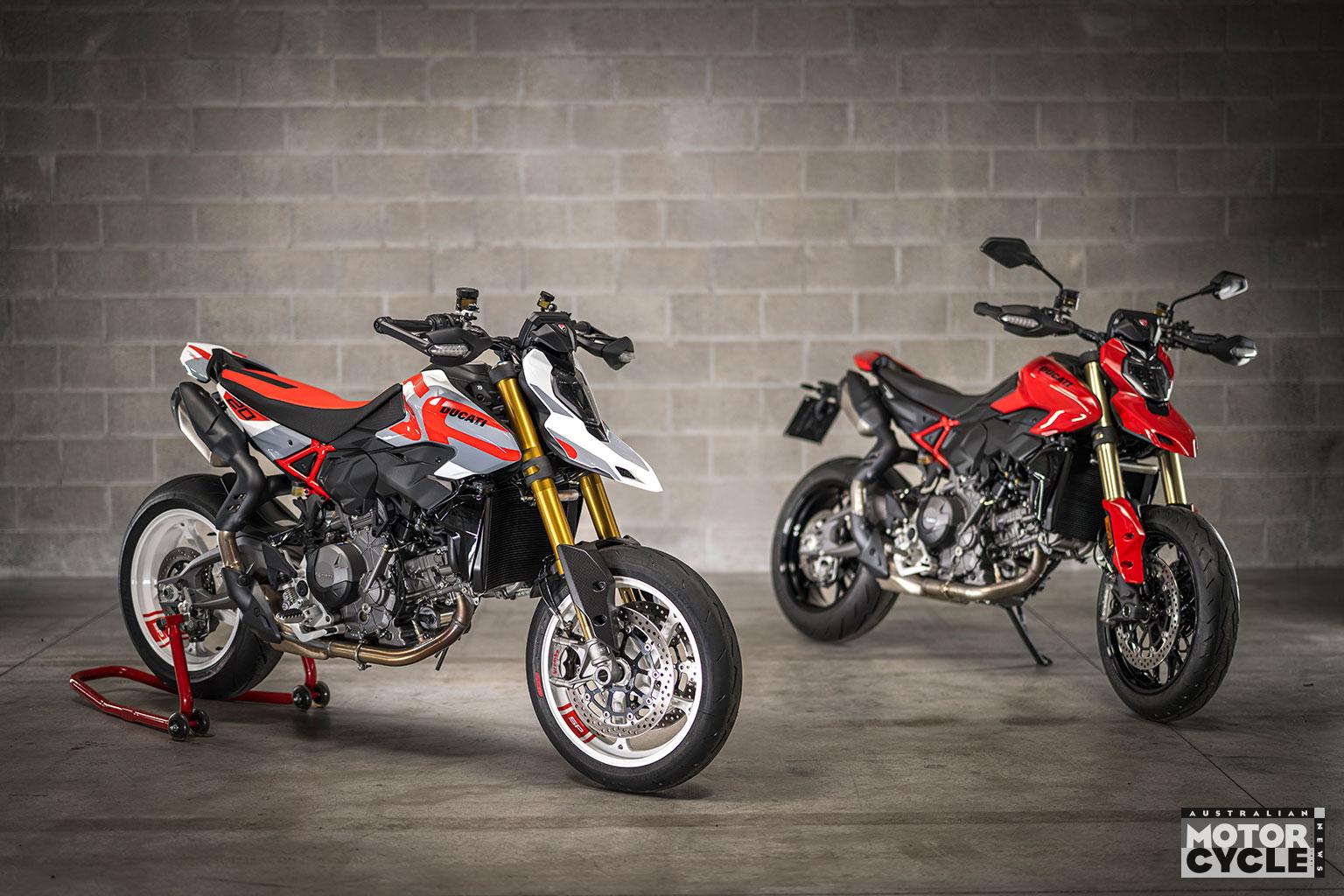
Lovers of the genre shouldn’t worry. For 2026, the new Hypermotard V2 SP is the most powerful supermoto to come out of the Bologna factory, as well as the most technically advanced. There’s an all-new chassis, an all-new engine and all-new electronics plus racy suspension and brakes. Ducati has also installed its 890cc V2 engine, which is already proven in the Monster, Multistrada, Panigale and Streetfighter, giving more power and less weight than before, while a new monocoque frame replaces the traditional trellis. The overall weight saving is staggering 14kg compared to the previous SP.
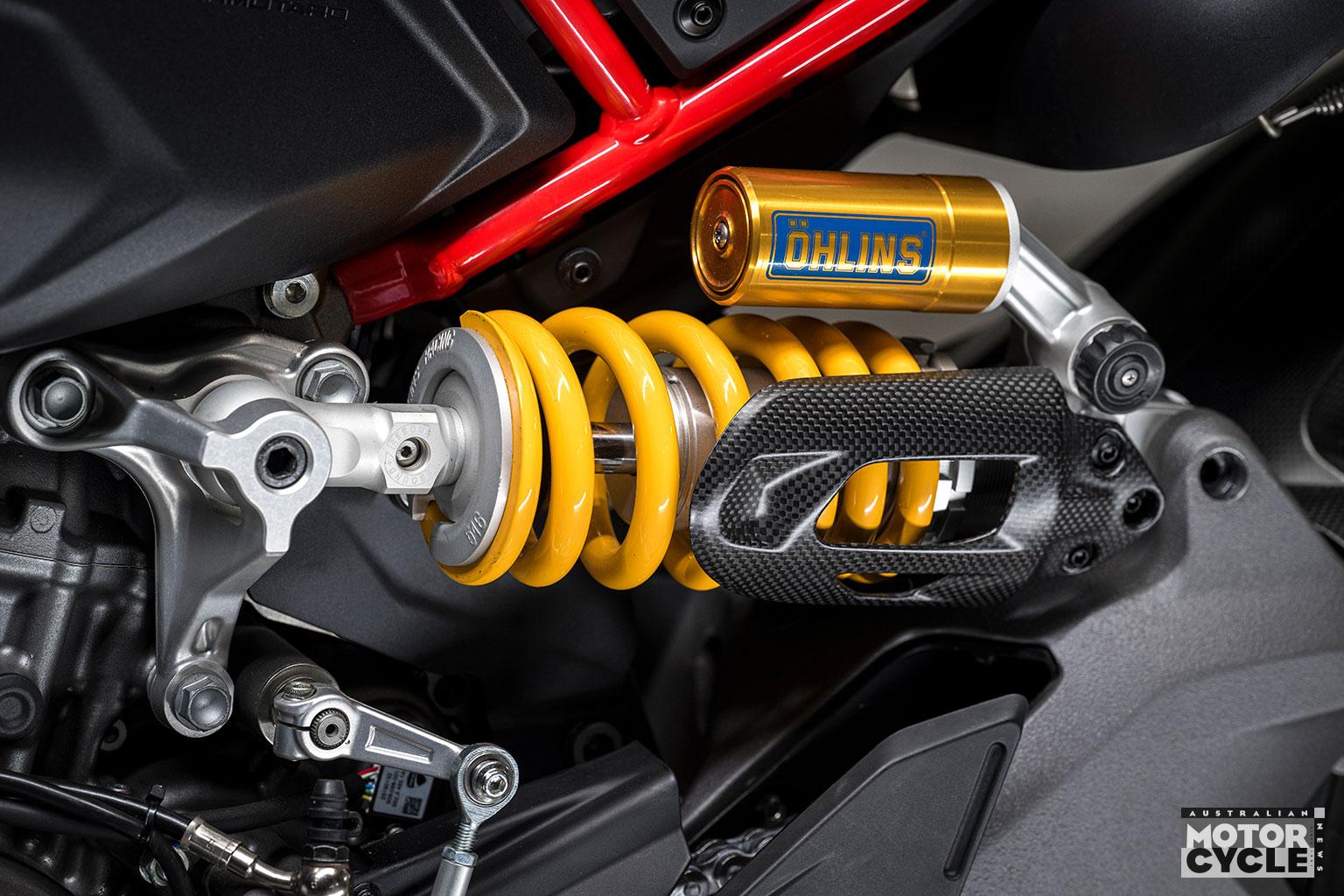
Two mouth-watering variants are available: the standard Hypermotard V2 and this, the model on test, the SP, with fully adjustable Öhlins suspension, upgraded brakes and lightweight forged wheels.
As you would expect from Ducati, it arrives with a plethora of lean-sensitive rider aids for the road and track.
We headed to the Autodromo di Modena, just an hour north of Ducati’s home in Bologna, Italy, for a full day of testing.
Taking to the track
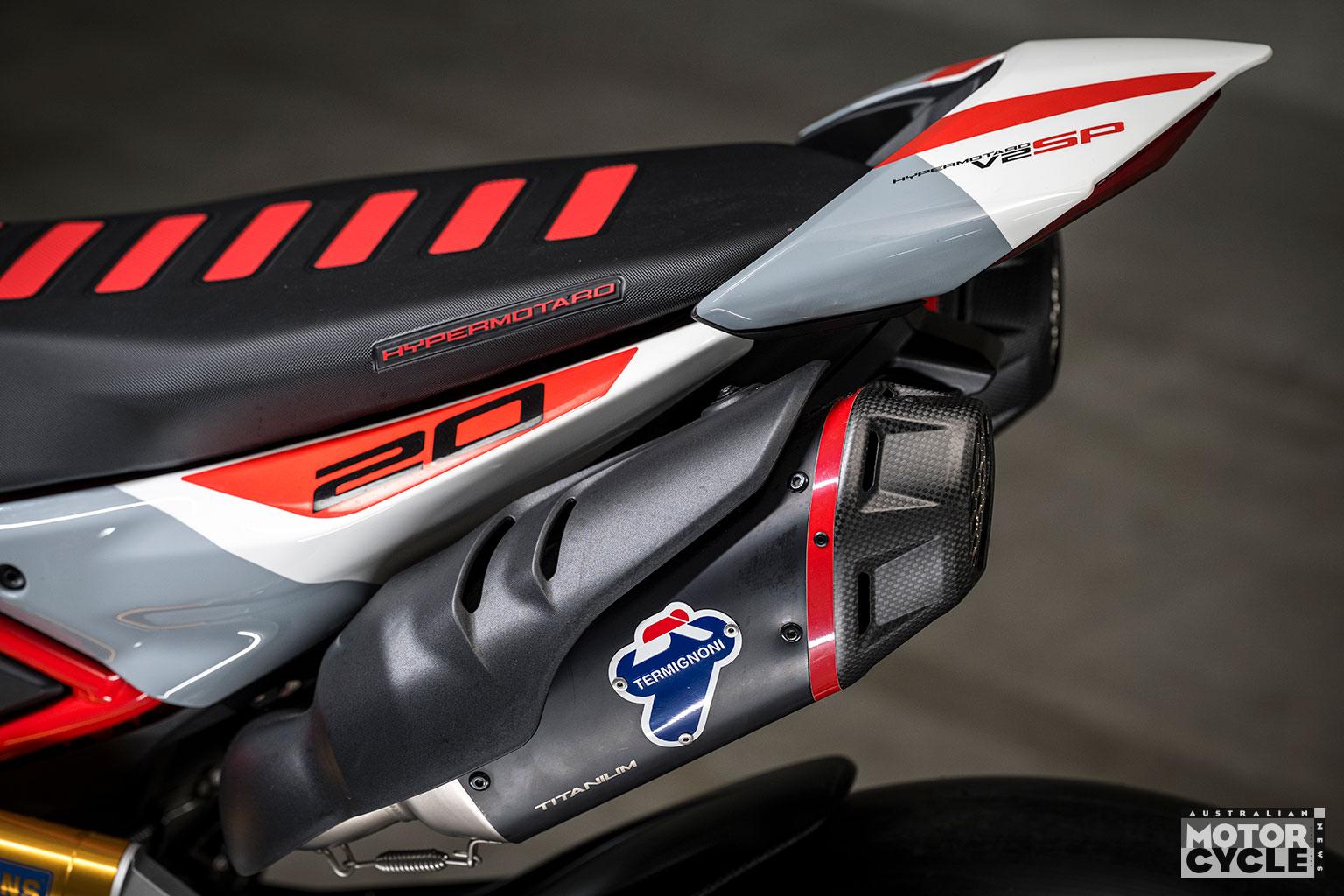
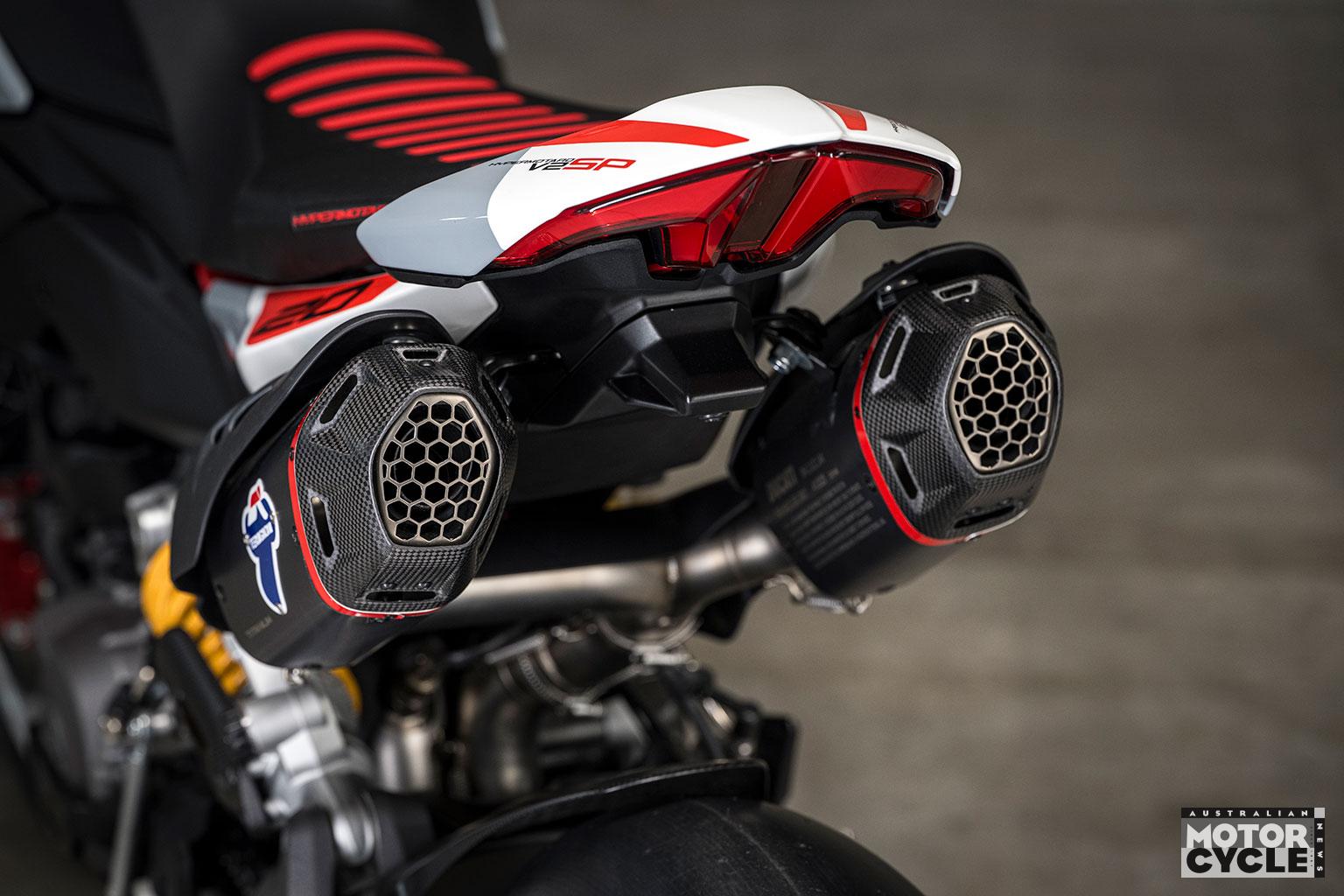
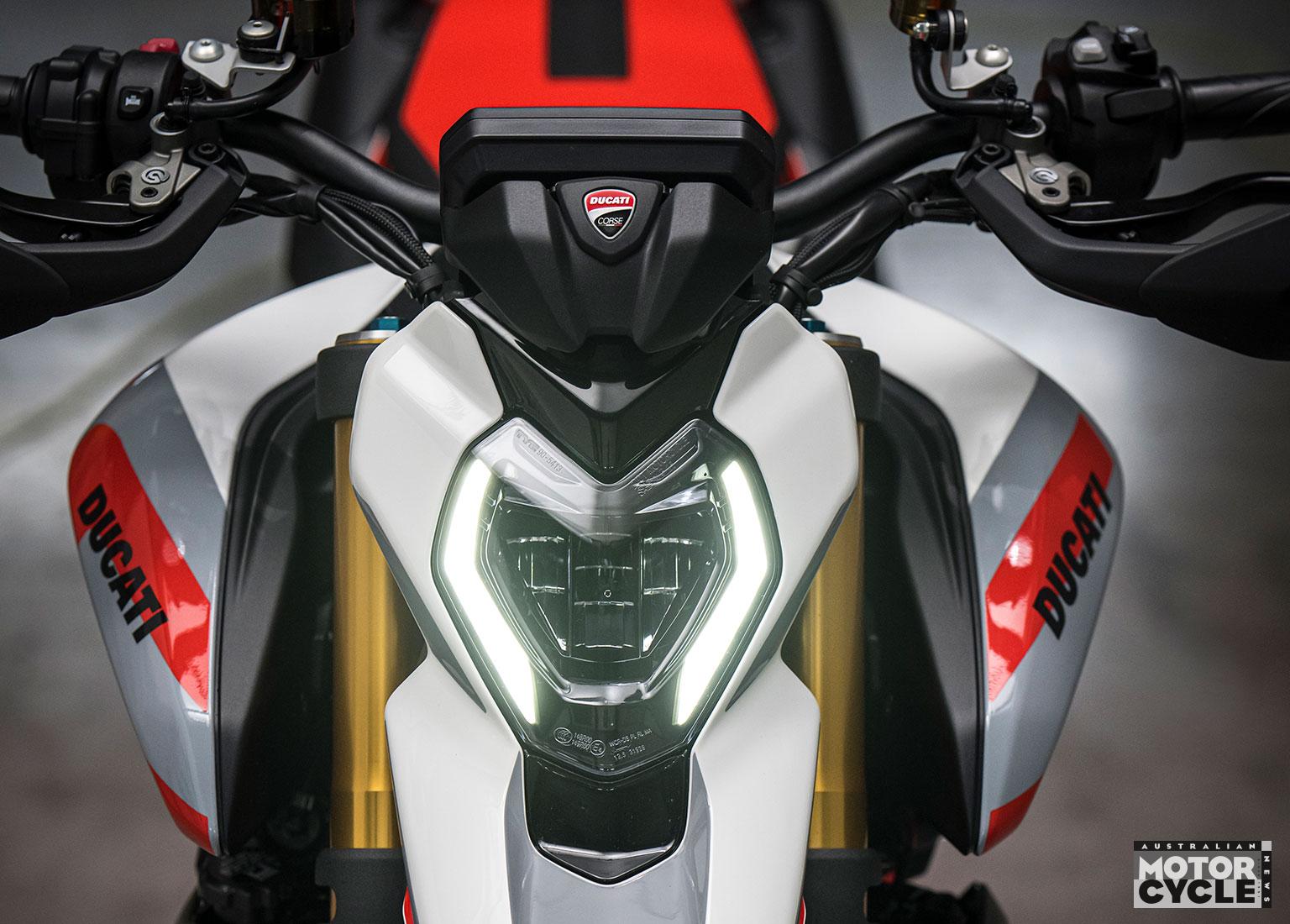
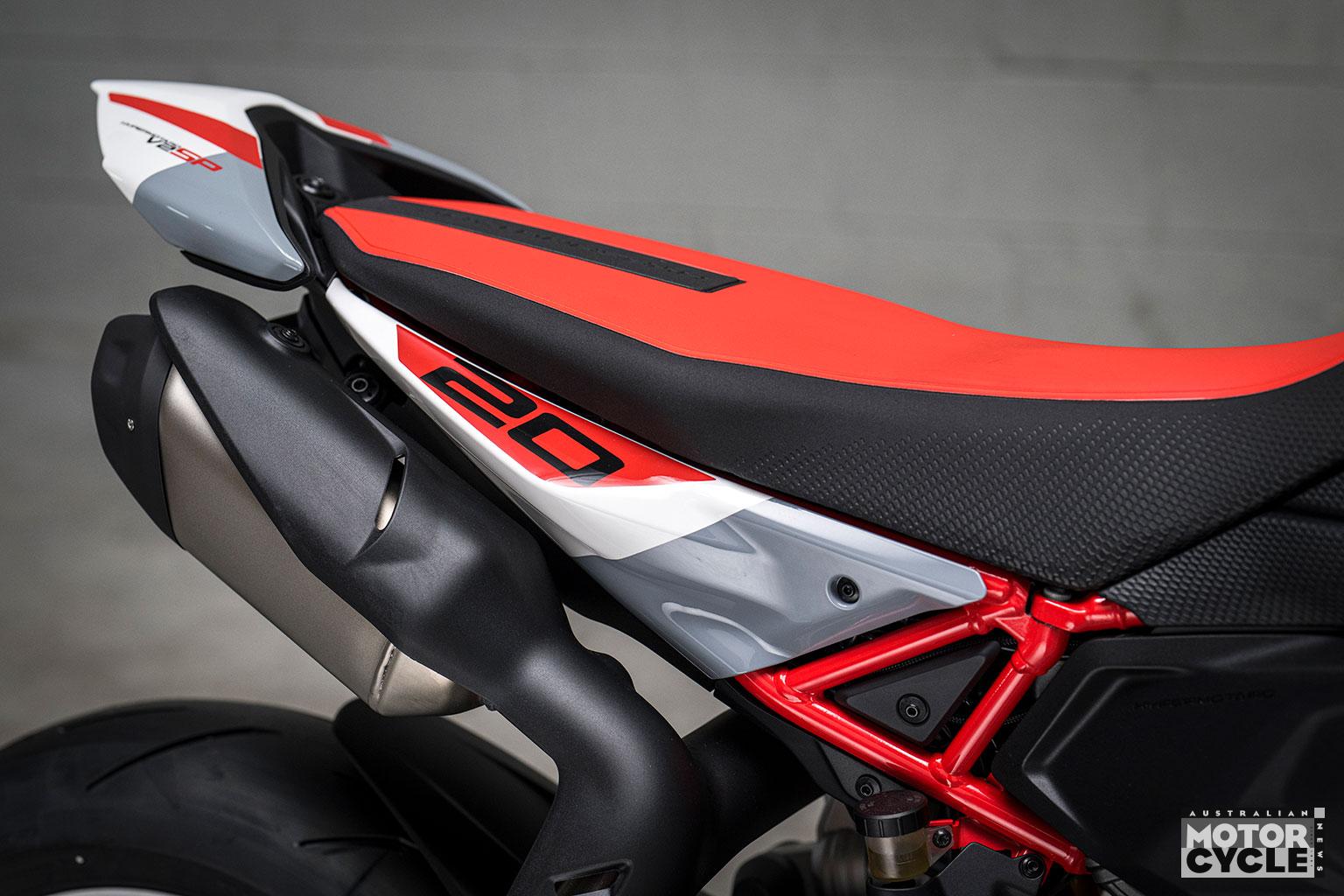
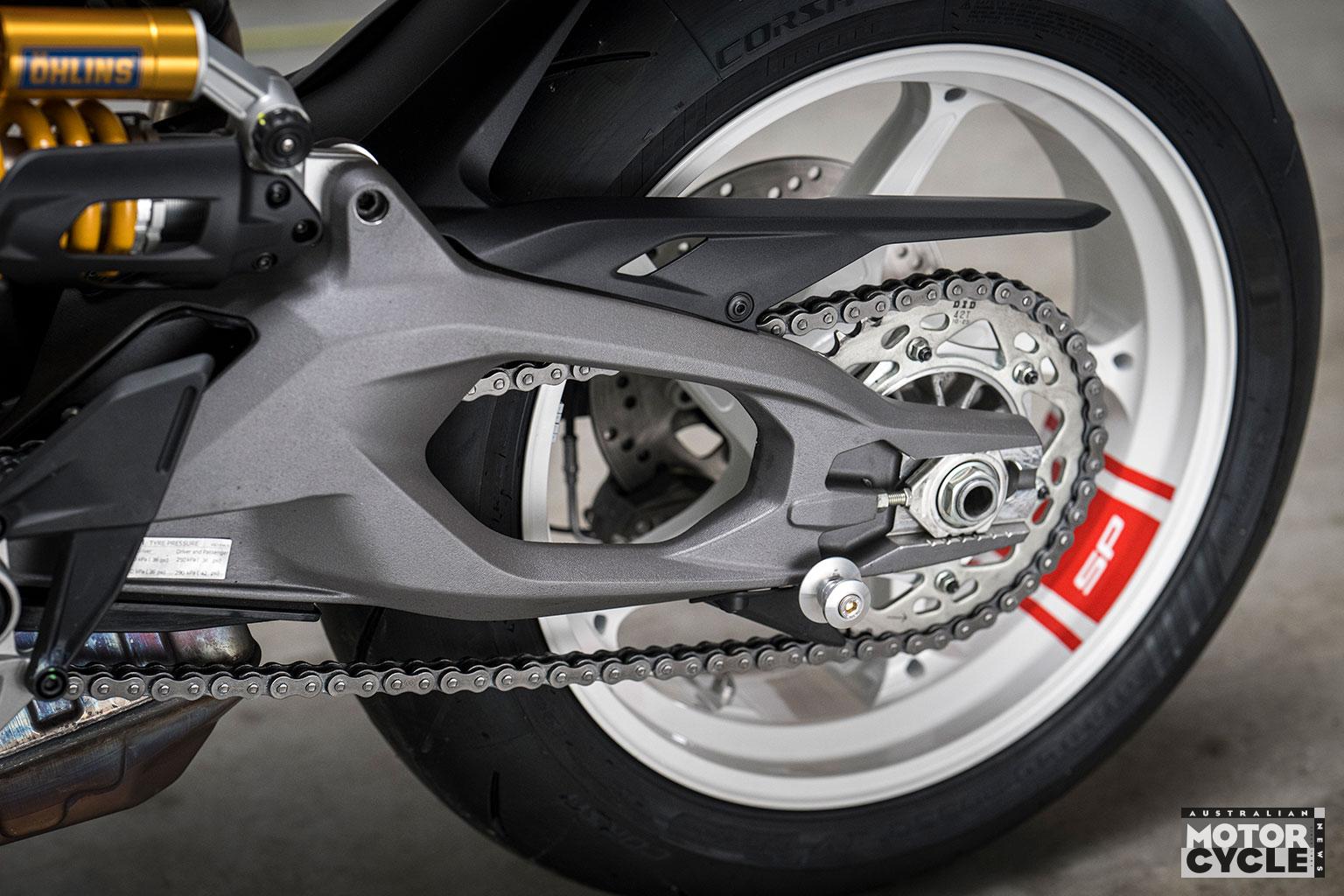
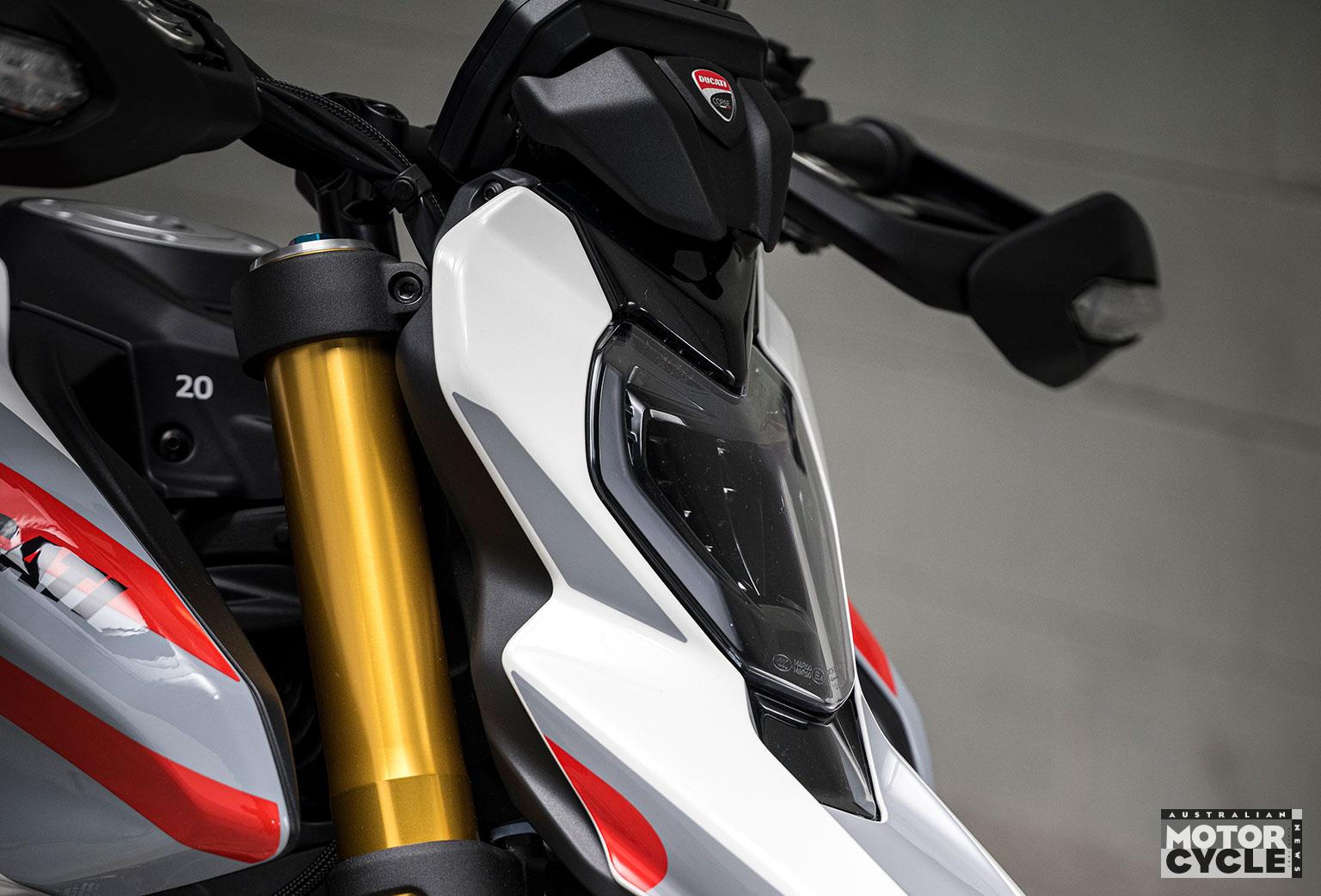
During the supermoto glory years, the market was flooded with similarly configured and styled machines, but today the Hypermotard stands virtually alone and looks very different to every other ride in the bike park. I particularly like that Ducati has given a nod to the original version by retaining the famous beak up front and twin under-seat exhausts at the back. The new version features an aluminium monocoque chassis, which saves a claimed 4.6kg over the traditional trellis frame we so loved, but there’s still an evocative trellis-style subframe to please the traditionalists among us. A new double-sided swingarm is more likely to divide opinions, just as it has done on other Ducati V2 models that no longer feature a single-sided arm. But overall, the bike looks stunning in the flesh and beautifully finished.
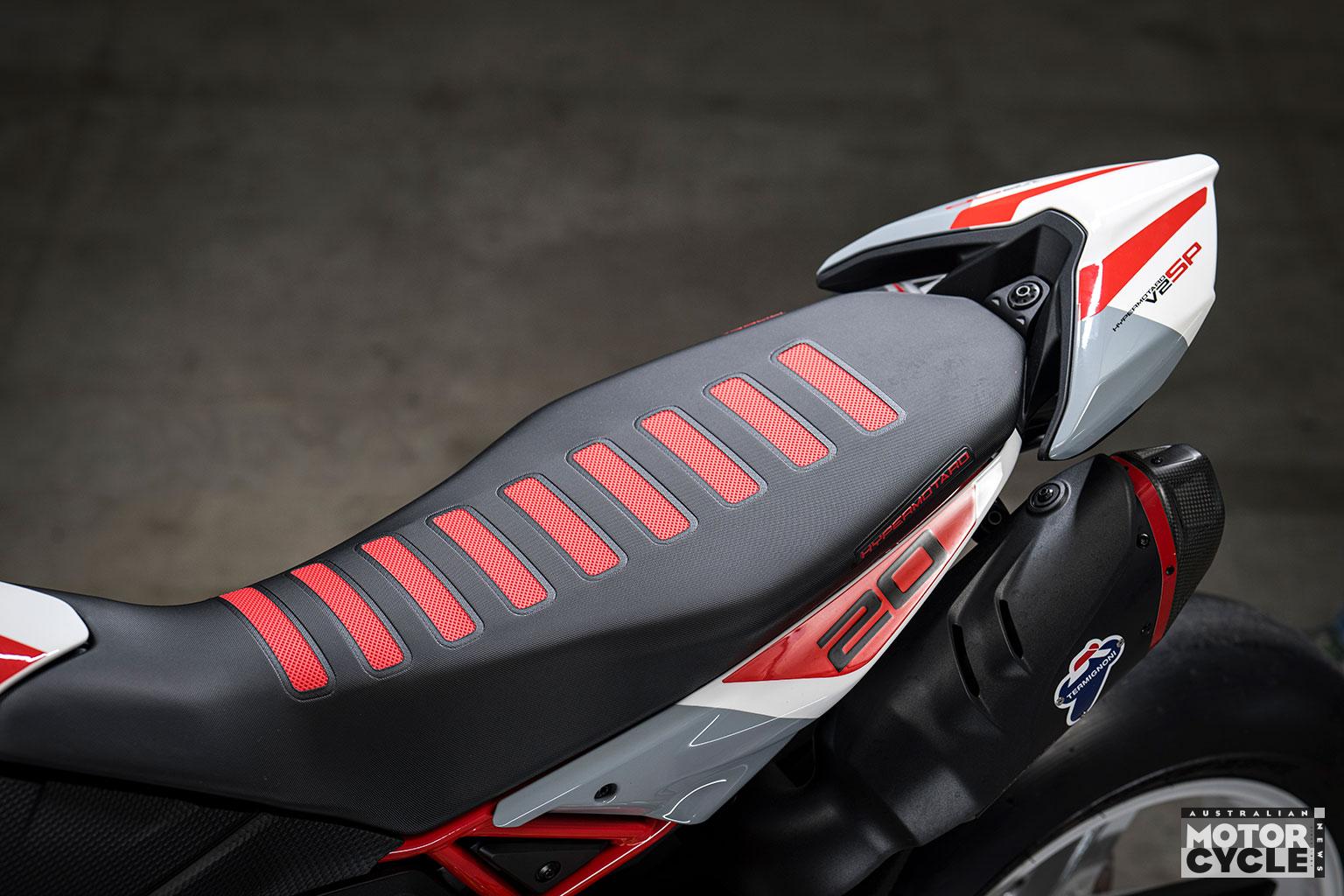
It’s priced at $32,925 ride away in Australia, which feels expensive, but, with no direct rivals to compare it with, is hard to assess objectively. Ducati’s base 2026 Hypermotard V2, complete with less sophisticated KYB suspension, cast wheels and lower-spec brakes, is priced at a significantly cheaper $26,825 ride away.
If we regard the SP simply as a fun-loving sports naked with around 120hp and therefore compare it with KTM’s 990 Duke R or Triumph’s Street Triple RX, then it certainly looks like an exotic but pricey alternative to the mainstream.
Ducati decided to launch the Hypermotard V2 SP on the track only, at the very tight and twisty Modena circuit. Some would say that this was the correct decision given that anything that makes 88.5kW (120.5hp) and weighs just 177kg belongs on track. Others might argue that Ducati’s big supermoto has never been that practical on the road – think zero wind protection, a hard and narrow seat and a small 12.5-litre fuel tank – and we will certainly have to grab the SP again for a more practical, real-world test on the road. But, overall, a track test felt like the right move given that our main priority was to unlock as much of its performance as possible.
It’s also pleasing to see that both the SP and the standard bike share the same 880mm seat height (a lower seat and lowering kit are also available, while Ducati claims that the inner leg curve has been reduced, essentially making it easier for shorter riders). Ditto that rain mode comes as standard and that the multiple riding modes have been created to make road riding safe, and not just to cut lap times.
Out on track for the first time, the Hypermotard V2 SP lived up to my expectations.
I’ve ridden every model since the original and attended the first press launch 20 years ago, and each time I throw a leg over a Hypermotard, I know I am in for a good time. It’s like visiting that mate on holiday who is a little wild and always fun to hang out with, for a while at least.
The old bike is light and flickable, but the new one is on another level. Slicing 14kg off any machine is an impressive achievement, but to cut that amount of weight from an already light bike is astonishing. Ducati claims the new V2 engine is 6.4kg lighter than the 937cc Testastretta of the MY25 machine and the monocoque frame a staggering 4.6kg lighter than the older trellis design. The SP also features dashes of carbon, forged wheels and a lithium-ion battery.
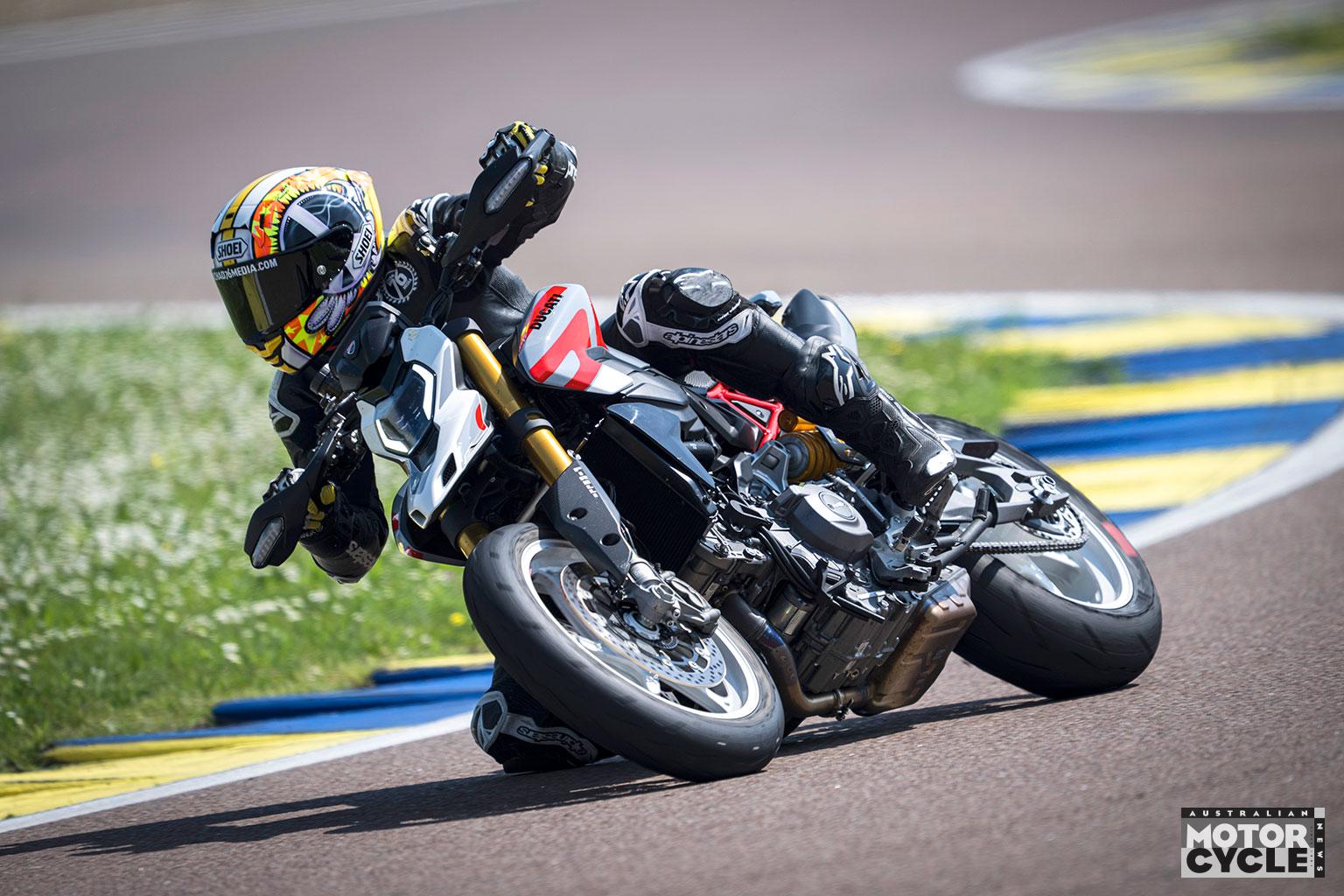
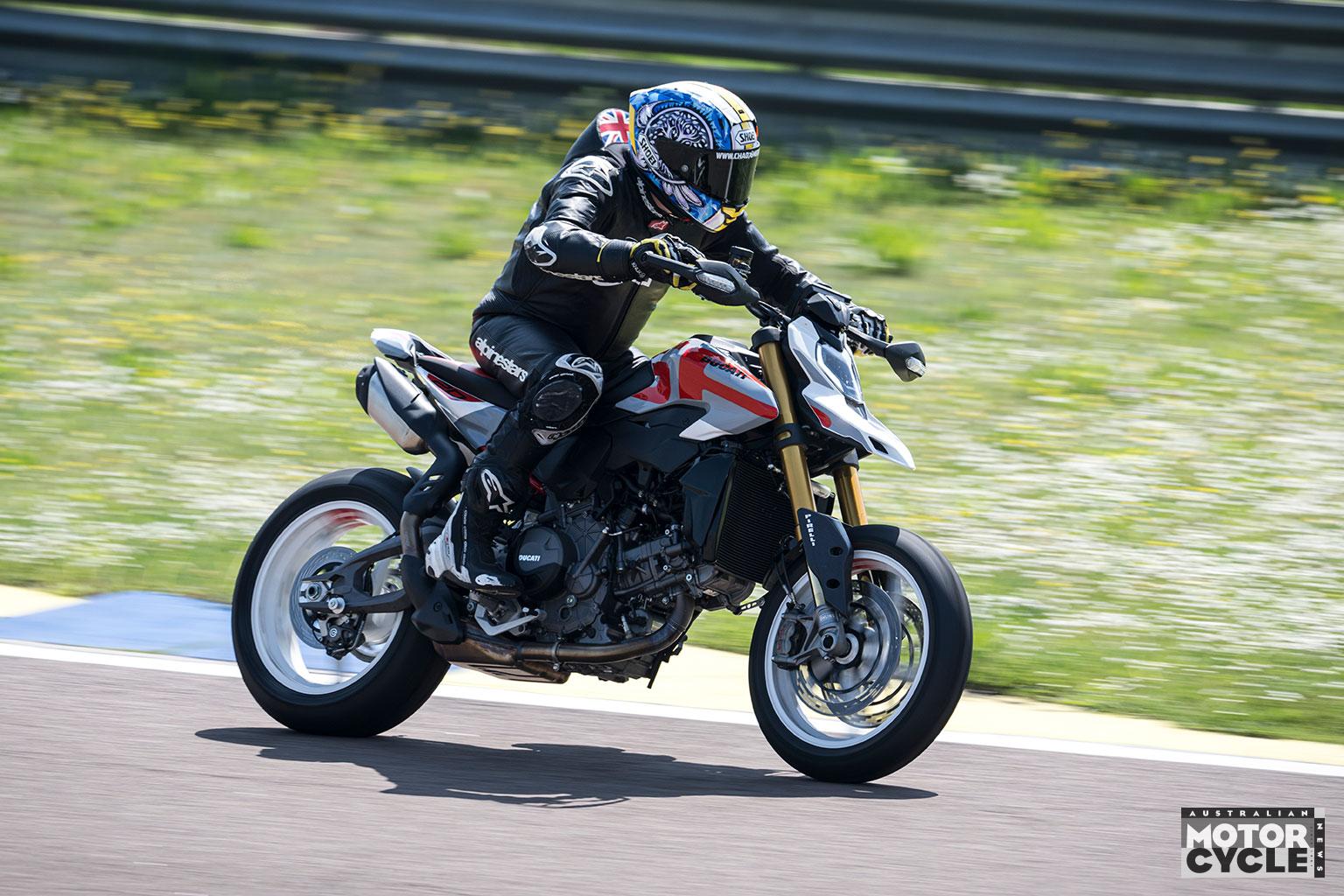
So that’s 177kg, a tall riding position, extra-wide ‘bars… You just know you are in for an extremely focused ride. Sure enough, apexes are not hit, they are smashed. Look where you want to be, and you’re there. At Modena the steering was on occasions almost too fast, turning the SP into the corner embarrassingly early. It will be interesting to test its high-speed stability on the road, but even clumsily landed crossed-up wheelies (more later) didn’t provoke any head shakes or moments of drama. (Incidentally, a Sachs steering damper comes as standard on both models.)
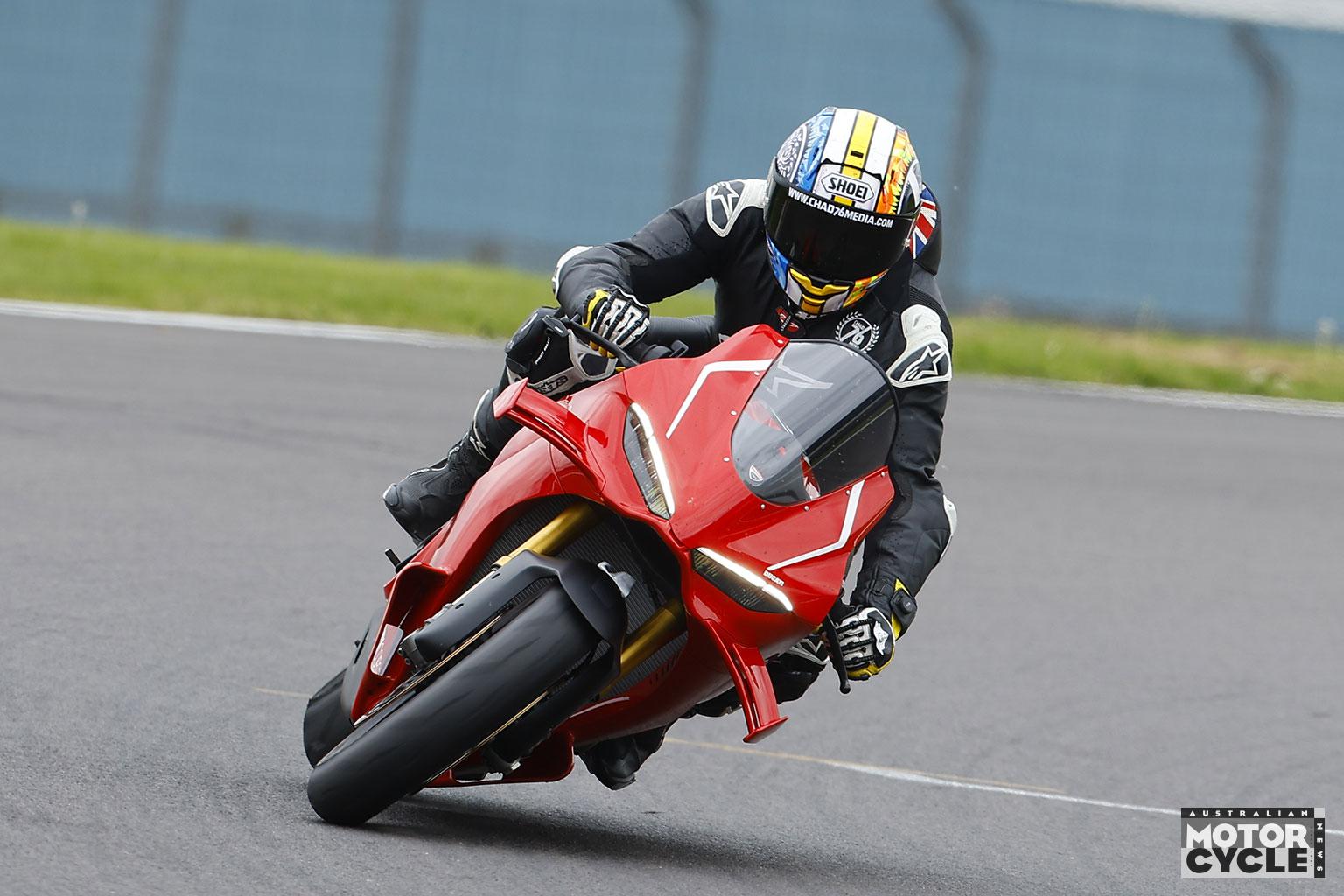
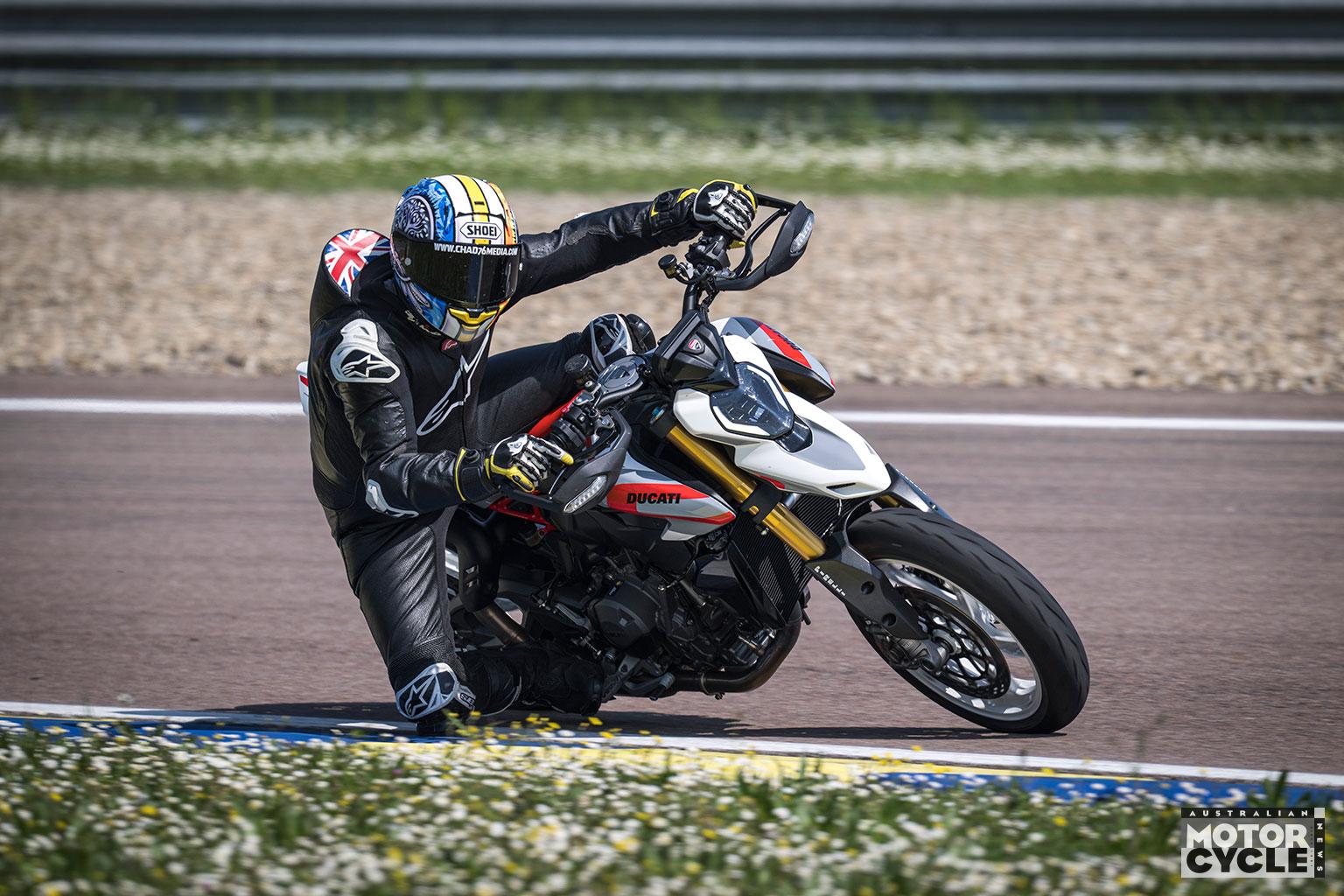
As something of a traditionalist, I rode the Hyper knee-out, slider searching for the racetrack, as opposed to leg-out supermoto style. Given the SP is on the tall side – there’s 170mm of suspension travel up front and 160mm at the rear – it feels like you’re leaning a mighty long way over before a knee eventually contacts the racetrack. But even when your knee is firmly planted, the feedback from the standard Pirelli Diablo Rosso IV Corsa rubber is excellent.
The first and final third sections of the Modena circuit are all about switchbacks, and more like a large kart track than a conventional circuit. The Hyper, so light and so flickable, chewed them up with ease. The old 950 Hypermotard is immensely flickable but the speed with which the new model changes direction is almost beyond description. All its muscles are fast-twitch. I certainly can’t think of another bike that would be so easy, not in this larger 120hp naked segment anyway.
The 2.1km-long track isn’t just endless hairpin turns, though. It also features a 1km straight that you enter in second gear and gives the Hypermotard enough time to stretch its legs. Peak power arrives at 10,750rpm, and is significantly up from the 85kW (114hp0 at 9000rpm of the old Testastretta V-twin. Peak torque is fractionally lower at 94Nm and 550rpm higher in the rev range at 8250rpm. But – and it’s a large but – Ducati claims 80 per cent of that torque is available between 4000rpm and 11,000rpm and that 70 per cent is available from just 3000rpm.
On track, that means punch. The Hypermotard drove out of the slow second gear final turn with brutal force, sending the wheelie control (DWC) into overtime. With DWC on its lowest setting, the front wheel hovered just above the track, perfectly controlled, as the bike was propelled forward. Remove it altogether and it’s almost comical how easy it will wheelie. The Duke will lift its front Pirelli in the first three gears on a blip of throttle, and even in fourth with some clutch and encouragement. Lightness, a rich spread of muscular torque and a long seat that you can sit back on result in one of the best wheelie bikes money can buy.
A quoted 120.5hp may not impress those on social media but the combination of great mechanical grip, instant torque, forensic feel and sophisticated rider aids allows you to get on those horses incredibly early. The excellent rider aids, especially, encourage you to open the throttle harder and sooner each lap, and it’s surprising what you can get away with. On a tight track, that translates to a bike that stands up and darts from the exit of one corner to the braking zone of the next like few others. It’s electric.
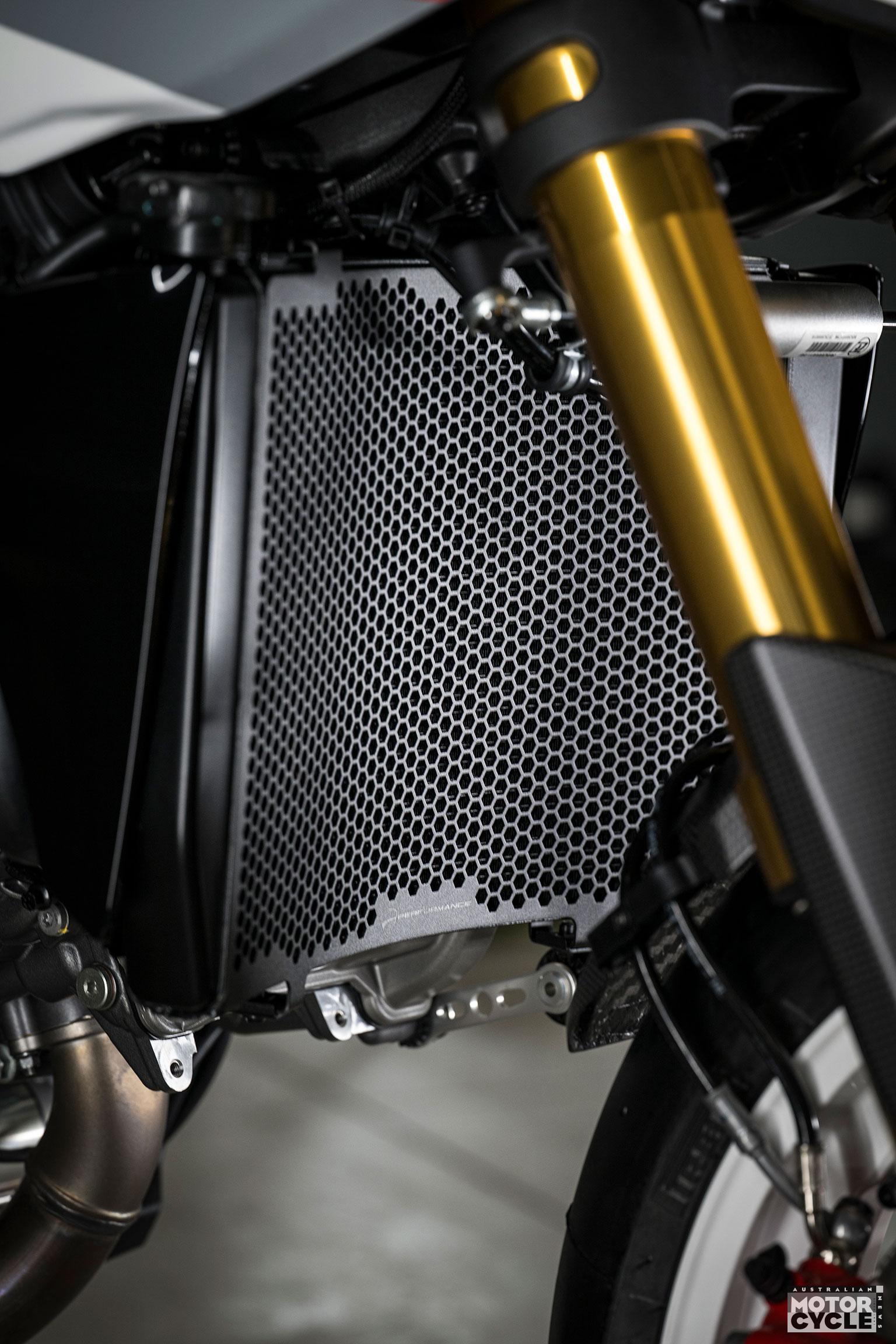
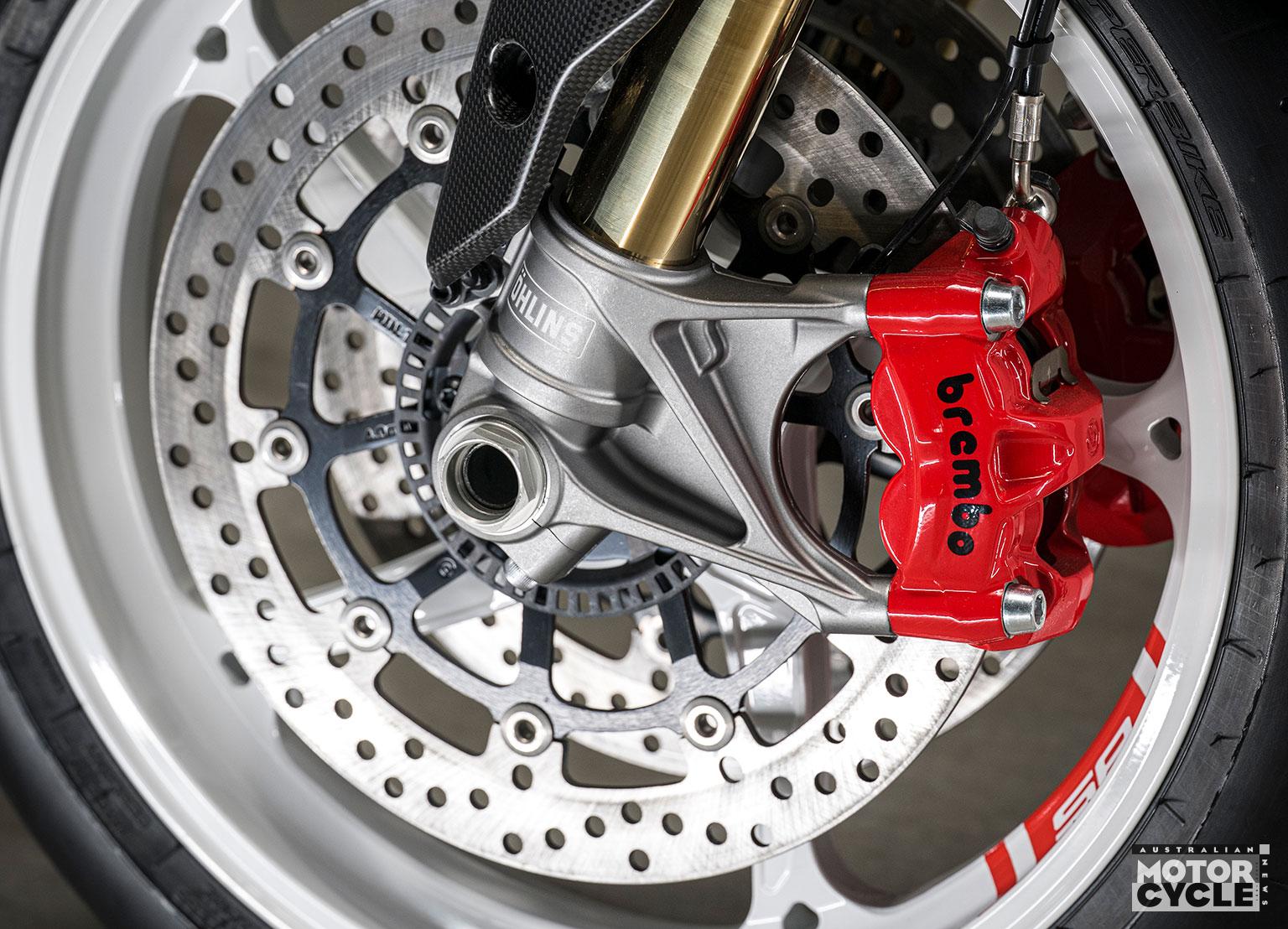
At the end of Modena’s main straight, it’s back from fifth gear to second gear and then, with your brake point hit, an uncomplicated grab of the ABS-assisted Brembo stoppers. This being the SP version means M50 monoblocs over the base bike’s M4.32, as well as a higher spec master cylinder and three kilos fewer to haul up.
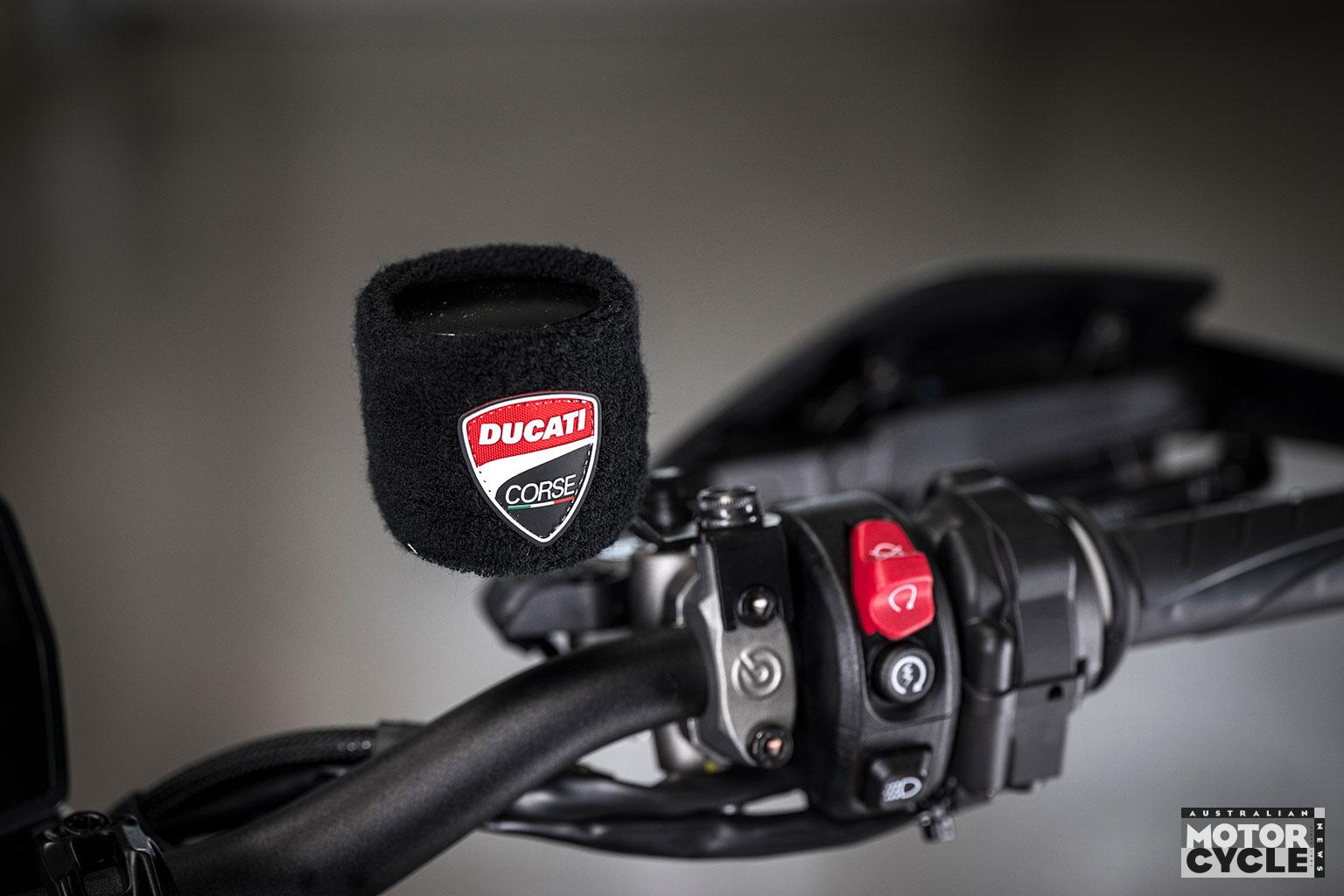
Essentially, there are four ABS options to choose from, with two designed primarily for the track and two for the road. ABS 1 has the rear ABS removed, the rear lift removed and the system is no longer lean sensitive. ABS 2 is also designed for the track, with both front and rear ABS active, as is the lean angle, transmitting information from the 6-axis IMU. In ABS 2, ‘slide by brake’ is active, allowing the rider to ‘back in’ with electronic control, a system we first tested on the potent single-cylinder Hypermotard 698.
Slide by brake allows less experienced riders to attempt to back it in with relative safety as the system controls the speed and lift of the rear wheel and doesn’t allow it to lock up. You can jump on the brakes as hard as you dare, gradually ease towards the apex of the turn, allowing a controlled slide at the rear – up to a point. It doesn’t transform you into a MotoGP god – you still need to brake heavily, drop down the gears quickly and apply the correct amount of braking – but it’s a fun way to learn in relative safety.
I don’t think the Hypermotard is as easy to back in as the 698, which is lighter, and the process is a little vague if you already know how to do it. But lots of relatively new track riders were having fun on test. On track, in perfect conditions, I preferred ABS 1, but there is no arguing how effective the stoppers are, and this level of tech sets the bar high for Ducati.
For the final session of the track test we tweaked the setup and pushed for a fast lap. Again the Hypermotard delivered, carving up the circuit with unflustered nonchalance. On the limit, the ‘pegs did tickle the track from time to time, but the feeling from the chassis was still reassuringly positive. Braking and turning on relatively long-travel suspension meant the front tyre was on the limit, but even when badly worn at the end of the day (I could feel it move around and tuck slightly), the feedback was impressive.
On the tight track in the right conditions, the Hypermotard SP is all you’ll ever need. My only negative was that I hit a few missed gears, which
I believe was down to an oversensitive cut-out on the quickshifter.
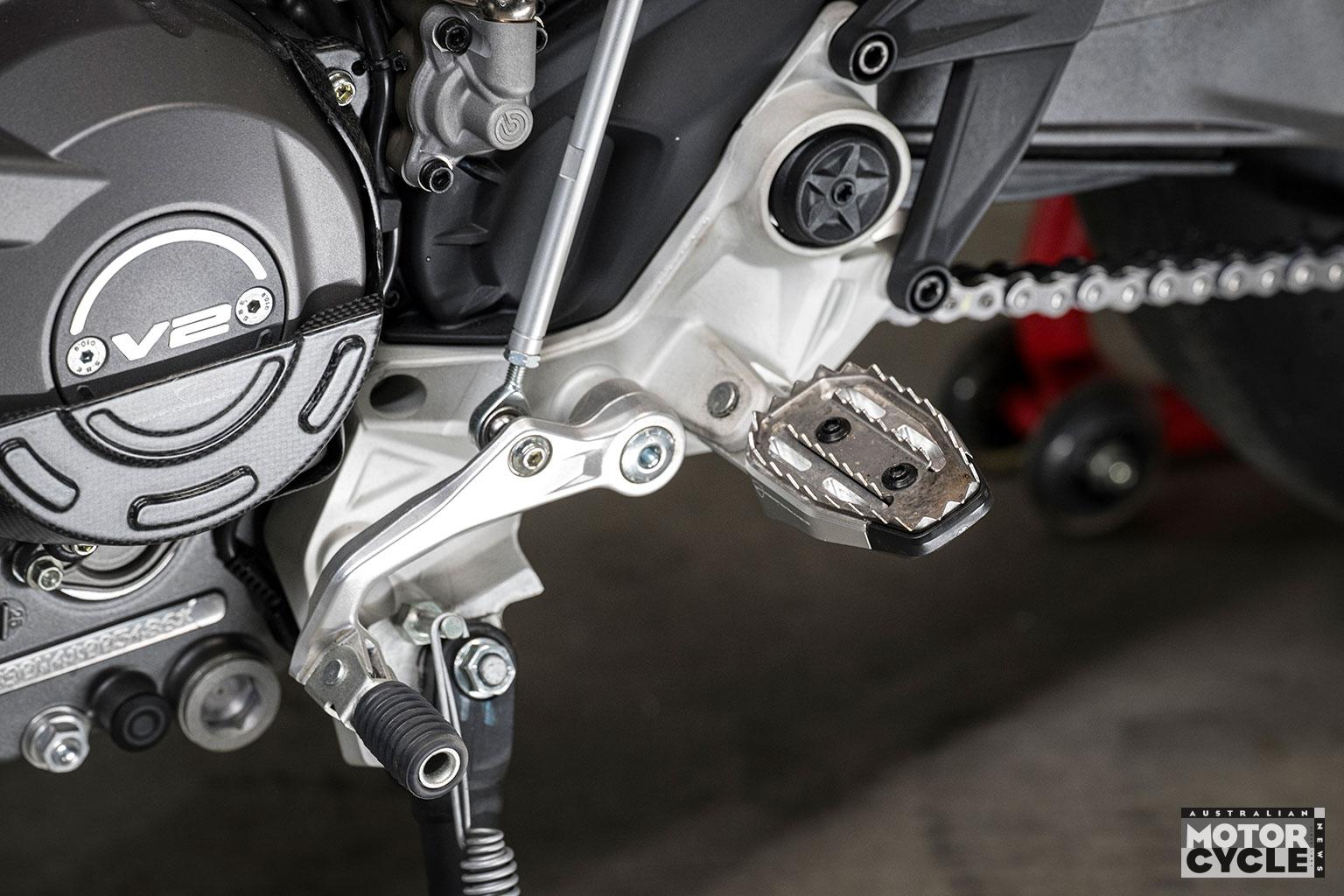
We moved the gear selector a fraction, which almost rectified the problem, but if you’re heavy-footed the gear selector is very sensitive and did cut the ignition once as I accidentally tapped the shifter by mistake.
As noted, this was a track-only test of the Hypermotard SP and we still need to ride both the standard model and this, the SP, on the road. However, some of the excellent track attributes of the SP should transfer over, especially its addictive lightness. It’s so easy to pilot around a twisty racetrack that carving up a mountain pass or rush hour traffic are likely to be just as effortless.
Rider aids that work on the track should also work on the road and, of course, it will look good anywhere. What we can’t know is how comfortable and practical the new SP will be, especially when compared to other naked 120hp middleweights, which, in theory, should be more focused towards real-world riding.
Verdict
We love the fact that Ducati continues to champion the twin-cylinder supermoto cause and, without any real competition, push the boundaries of what is achievable, thanks largely to MotoGP-derived technology. There are negatives: the Hypermotard V2 SP is expensive, clearly not very practical, possibly not comfortable on the road for long, and if you want a 120hp fun naked bike, there are cheaper alternatives.
But describing the Hypermotard simply as a ‘fun bike’ is like describing the late-great Ozzy Osborne as mildly amusing. This bike is on another level. On a tight or twisty track or road it’s good enough to change your perceptions of what’s possible. Everyone should try one at some point.
The really clever bit is that for 2026 Ducati has made it more accessible for everyone, with improved rider aids, more usable power, extra lightness and even keener handling. Those rider aids will keep you safe on track and make you look good, but also keep you upright in the wet, should you get caught out on your way home from work.
There are countless more practical bikes on the market, even in this naked middleweight sector, with the vast majority of those considerably cheaper, too, but I’d suggest none can offer the heightened fun of the Hypermotard SP.
You could go out for a few drinks on a Saturday night, or you could throw a TV out of a hotel window and drive a Rolls-Royce into a pool. The Hypermotard is the latter, but without the consequences or a hangover.
✅ PROS – 14kg gone, handling transformed, possibly the most entertaining front-wheel lifter money can buy, rider aids that boost confidence without diluting the fun.
❌ CONS – Exotic performance comes with an exotic invoice, comfort and practicality remain secondary concerns, quickshifter can be overly sensitive under pressure.
Competition
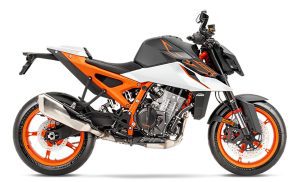
KTM 990 Duke R from $23,995
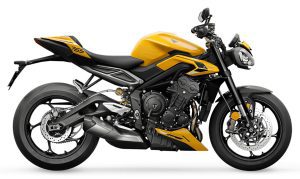
Triumph Street Triple 765 RS from $21,490
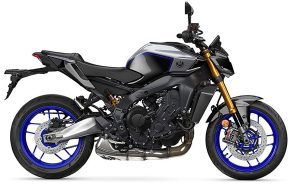
Yamaha MT-09SP from $21,549
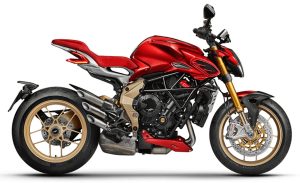
MV Brutale 800 from $24,795
SPECIFICATIONS
ENGINE
Type Liquid-cooled,8-valve, 90° V-twin
Bore stroke 96mm x 61.5mm
Capacity 890cc
Compression ratio 13.1:1
Fuelling Electronic fuel injection
Transmission Six-speed, chain drive
Clutch Hydraulically controlled slipper and self-servo wet multiplate
PERFORMANCE
Power 88.5kW (120.5hp) @ 10,750rpm (claimed)
Torque 94Nm @ 8250rpm (claimed)
Top speed 201km/h (est)
Fuel consumption 5.4L/100km
ELECTRONICS
Rider aids Rider modes, Power modes, Ducati traction control, Ducati wheelie control, engine brake control, Bosch cornering ABS, Ducati quickshifter
CHASSIS
Frame Monocoque aluminium
Rake 24°
Trail 110mm
SUSPENSION
Type Öhlins
Front: 48mm, USD, fully adjustable, 170mm travel
Rear: Single shock, fully adjustable, 160mm travel
WHEELS & BRAKES
Wheels Forged aluminium
Front: 3.5X17in
Rear: 5.5X17in
Tyres Pirelli Diablo Rosso IV Corsa
Front: 120/70/x17
Rear: 190/55/17
Brakes Bosch cornering ABS
Front: Twin 320mm discs, four-piston radial Brembo monobloc M50 calipers
Rear: 245mm disc, two-piston caliper
DIMENSIONS
Weight 177kg (wet, no fuel)
Seat height 880mm
Wheelbase 1514mm
Fuel capacity 12.5L
SERVICING & WARRANTY
Servicing: Oil 15,000km. Valves 45,000km
Warranty 24-months unlimited mileage
BUSINESS END
Price Standard $26,825 ride away,
SP $32,925 ride away
Colours Standard Ducati Red, SP Livery
Contact www.ducati.com/au