A revived interest in exotic engines means six-cylinder bikes are in for a resurgence
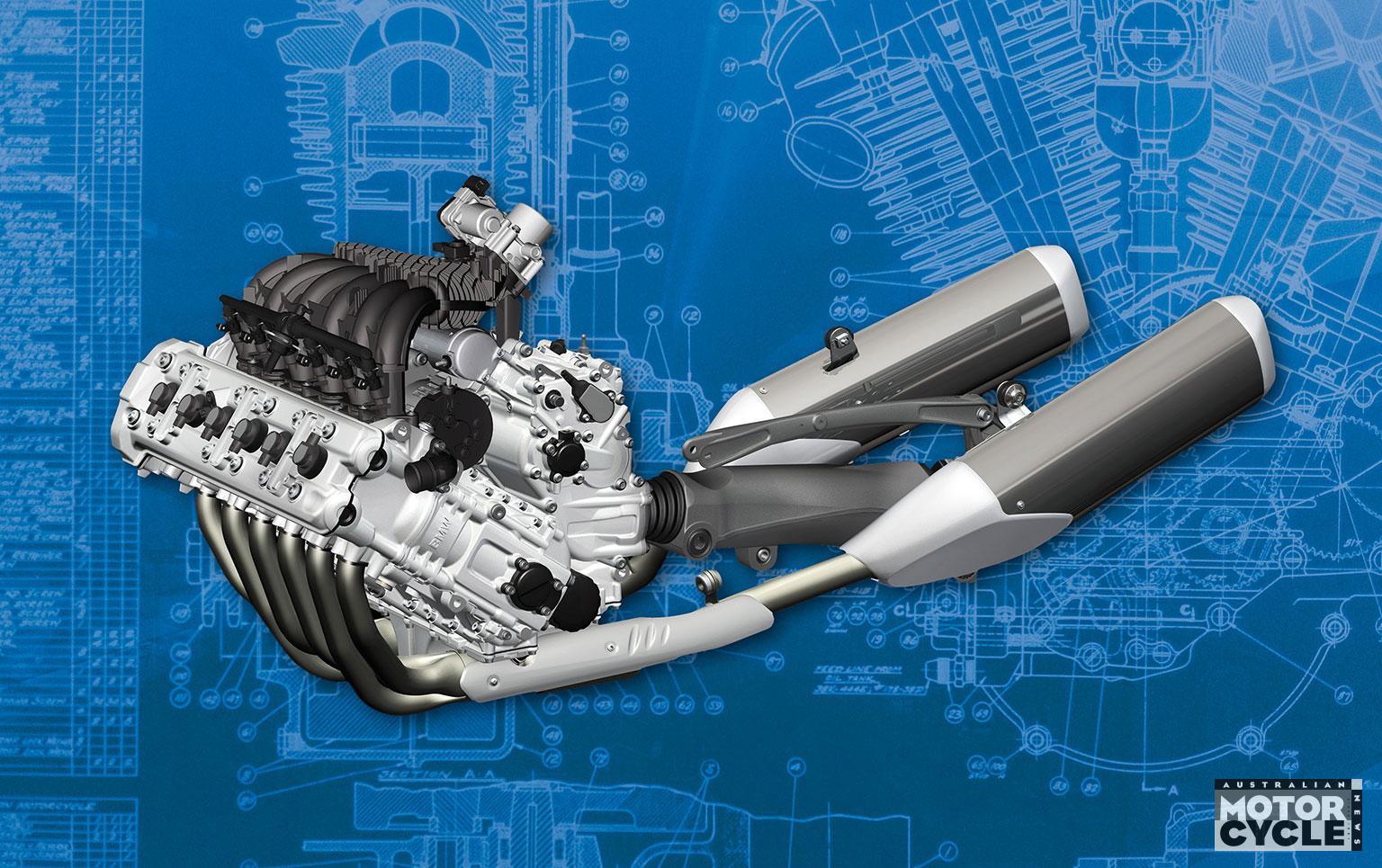
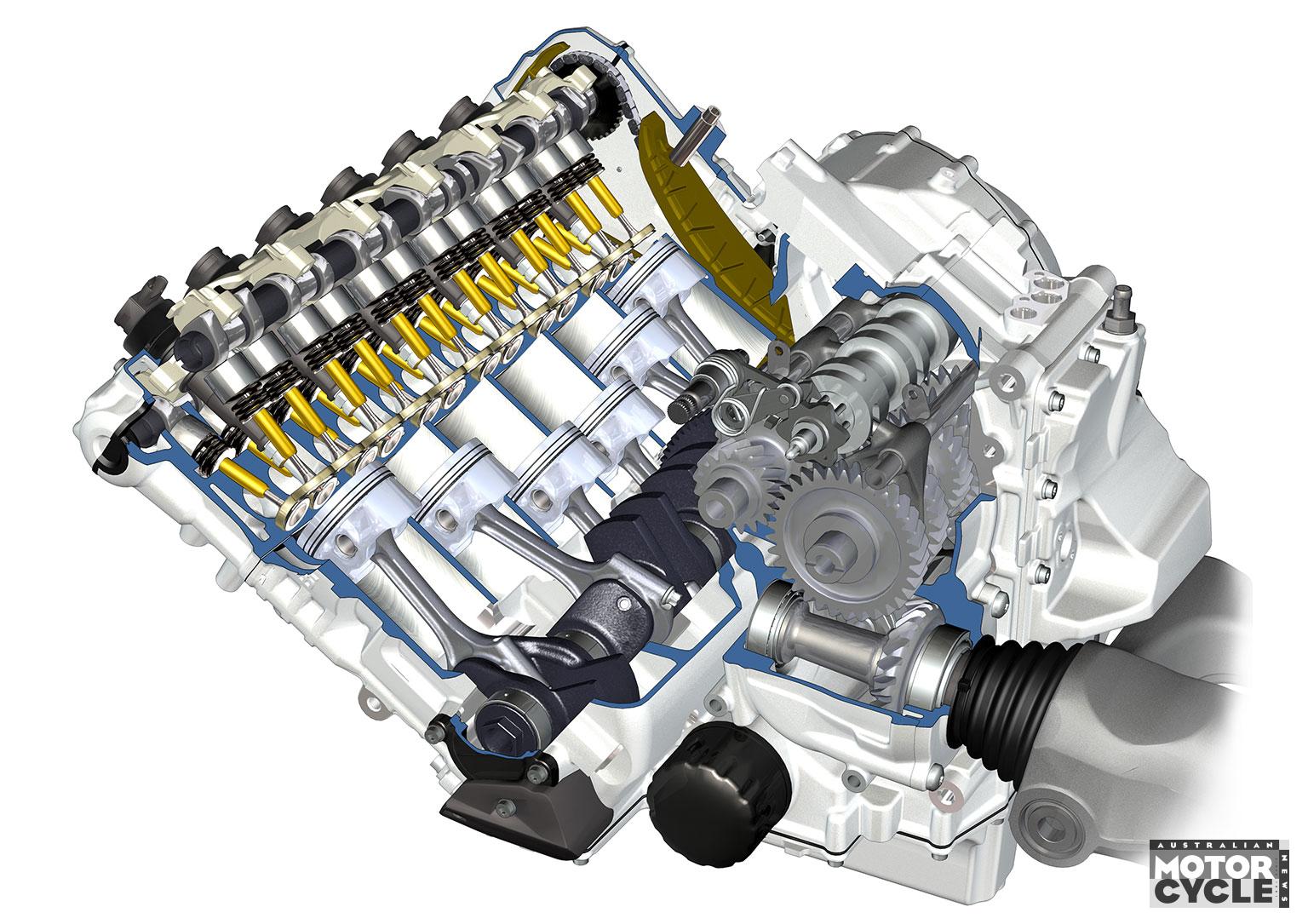
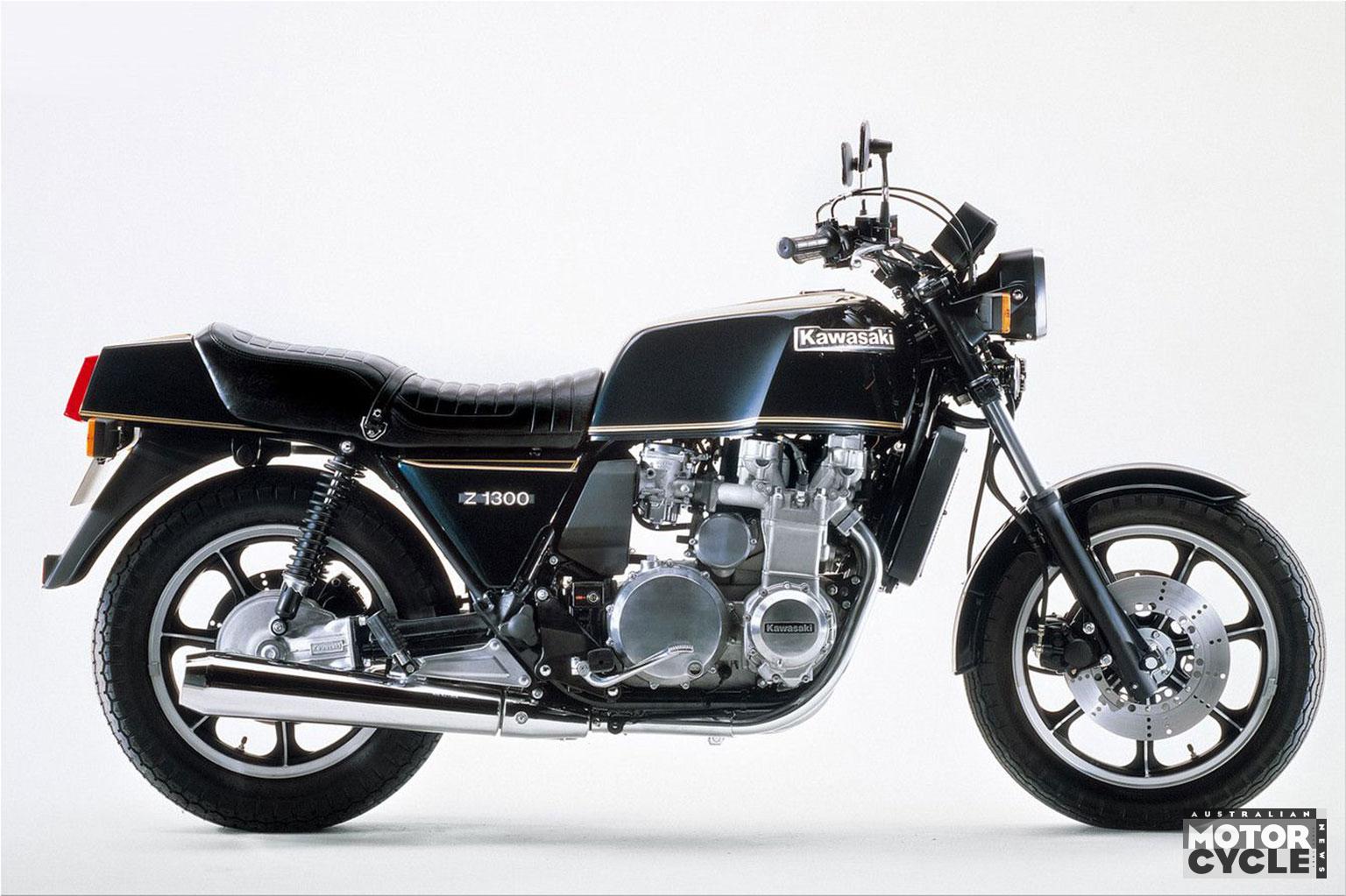
It’s been 15 years since BMW made the unusually bold move of adding an inline six-cylinder option to its model range in the form of the K1600GT – the first production bike with that configuration since we said goodbye to Kawasaki’s Z1300 in 1989. With an increasing hubbub around plans for an electric future it looked like the K1600 would be a last hurrah for the internal combustion engine but a decade and a half later BMW is hinting at a larger-capacity future six-cylinder and more brands are joining the fray with their own sixes.
For riders with petrol in their veins, it’s a pleasant surprise. Increasingly strict emissions rules since the K1600GT’s launch have made it ever harder to make high-revving multi-cylinder bikes compliant, but engineers have more than risen to the challenge, and meanwhile the predicted explosion of high-performance electric motorcycles has turned into a damp squib as the problems of excess weight, high prices, short ranges and slow charging times still show little sign of being solved.
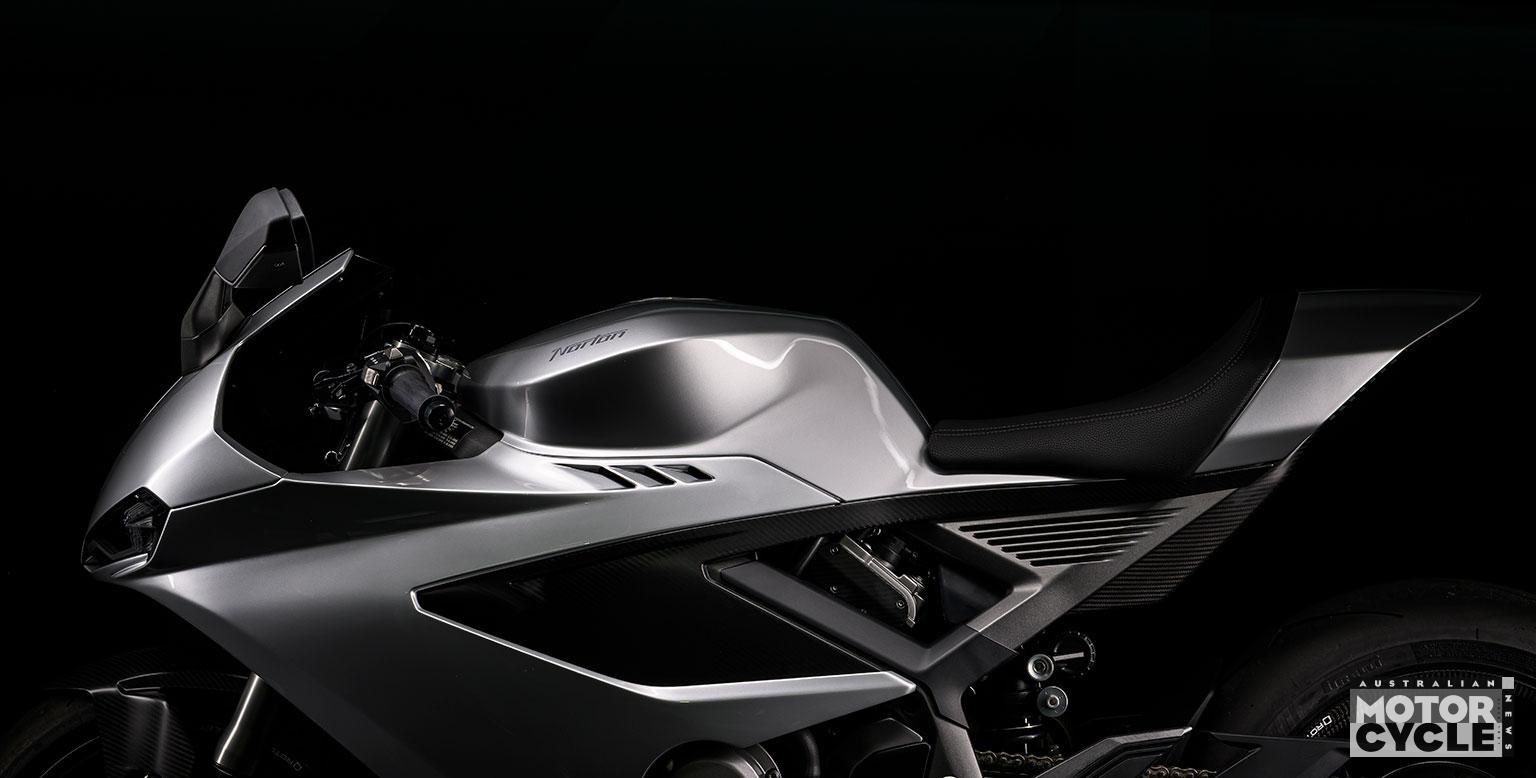
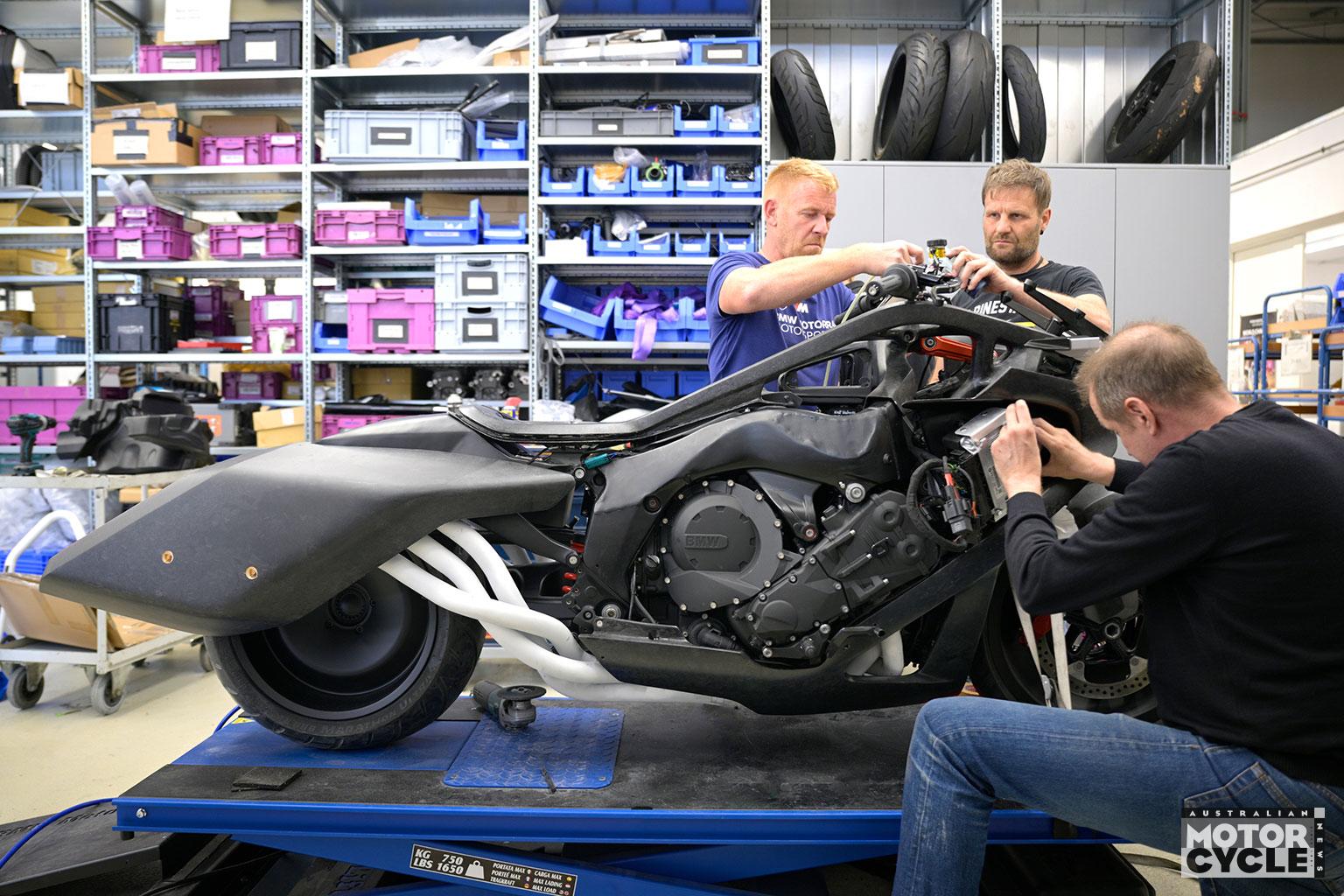
BMW has signalled its belief in the ongoing appeal of its six-cylinder range with the unveiling of the Vision K18 at Italy’s Concorso d’Eleganza Villa d’Este. While not a near-production model like some of the company’s recent concepts, it’s a statement of faith in the six-cylinder layout. By stretching the engine from the K1600’s 1649cc to something closer to 1800cc, BMW has made a clear hint at technical changes we might be able to expect in future generations of K-series sixes.
What’s more, BMW isn’t going to be alone in offering an inline six for much longer. The unbelievable acceleration in development in China’s motorcycle industry, now displaying a growing obsession with multi-cylinder engines, means the same layout is expected to be available from other brands in the near future, while some are even exploring the possibilities of eight-cylinder motorcycle engines.
Is the renewed interest in exotic combustion engine designs a reaction to years of worthy-but-dull parallel twins? A final flourish for petrol power in the face of existential threats to non-zero emissions transport? Or perhaps simply the realisation that as outright performance isn’t the showroom draw it once was – it’s been democratised by a growing number of 200hp-plus machines with capabilities well beyond their owners’ skill levels – motorcycle manufacturers need to find new ways to stand out from their rivals?
Whatever the answer, there are clear parallels to be drawn with the car industry, and specifically the ultra-exotic end of it, where the experience that a vehicle offers is increasingly valued more highly than simply its performance. The kudos that once came from outright performance and the theoretical ability to achieve 350km/h or even 400km/h in the latest billionaire-mobile has largely evaporated. In 2026 there’s a surprisingly wide choice of 1000hp-plus cars, some even with relatively attainable price tags, so it’s become impossible for purveyors of supercars to sell purely on power or speed. When a Xiaomi SU7 four-door sedan can provide over 1500hp for around $A110,000 (in China), the likes of Bugatti, Lamborghini and Ferrari need to find metrics other than performance to justify their million-dollar machines. The result has been a surprising onslaught of new V12 and even V16 engines, defying predictions that such designs would be made obsolete by new technologies and environmental requirements. Like supercar customers, motorcyclists are looking for something other than simply speed. We want a deeper experience, perhaps some theatre, and that’s where a six-cylinder engine comes into play.
Why six cylinders?
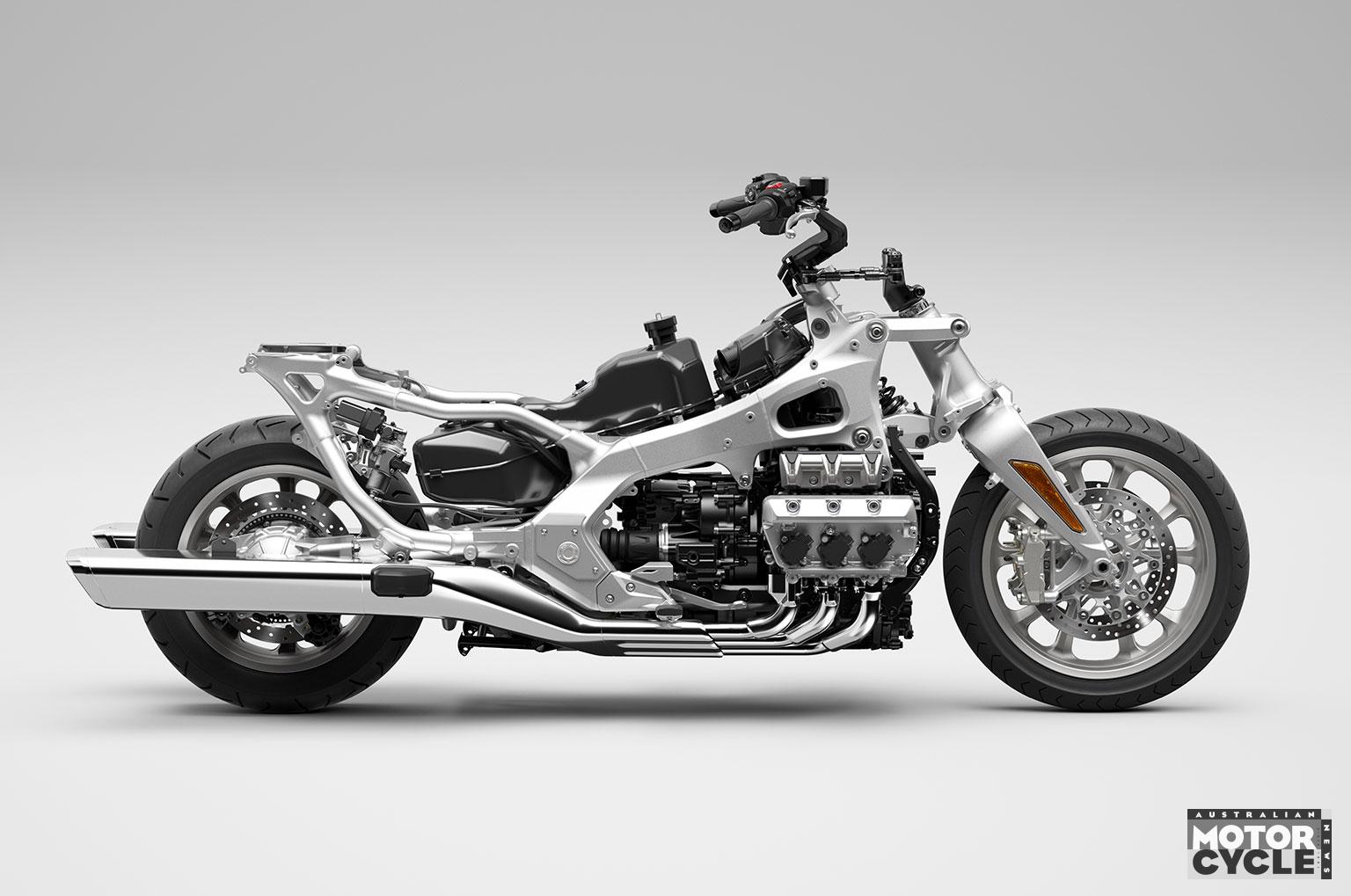
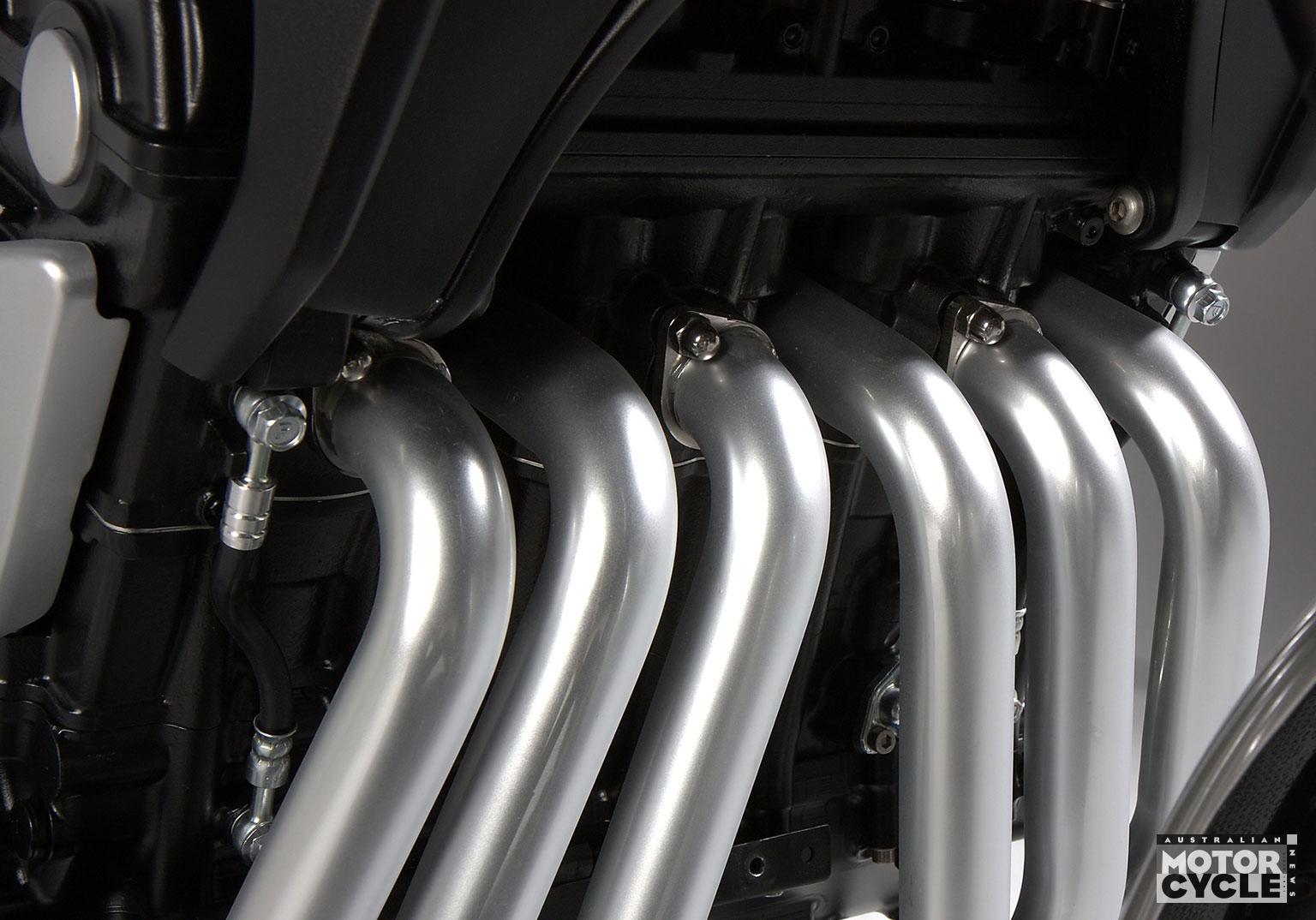
A six-cylinder engine, and specifically an inline six like BMW’s or a flat six like the Honda Gold Wing’s, offers a particular advantage over any other layout or cylinder count: smoothness.
That’s thanks to the fact they offer near-perfect primary and secondary balance, allowing silky smooth delivery and the potential for high revs without harshness.
A conventional inline four-cylinder motorcycle engine with a flat-plane crankshaft and an even 180-degree firing interval already offers perfect primary balance. The pistons move in pairs – the middle two go up as the outer two go down – and because every action has an equal and opposite reaction that means the engine doesn’t try to bounce up and down as they do so. Unlike a single, a twin or a triple, a flat-plane, four-stroke four will also have one piston in each stroke of the cycle – intake, compression, combustion – at any time and fire at even intervals. That’s why the straight-four is a dominant format for combustion engines.
But it’s not perfect. Flat-plane straight fours might have ideal primary balance, which refers to vibrations at the same frequency as the crankshaft’s revolutions, but they have imperfect secondary balance; vibrations that happen at every half-turn of the crank, so at double the engine’s rpm.
That’s because, illogical as it might sound on the face of it, each piston covers more distance the top half of its travel – the 180-degrees of crank rotation towards and away from top dead centre – as it does in the bottom 180-degrees as the piston passes bottom dead centre. That means the piston is going faster, stopping quicker and accelerating harder in the top half of its travel than it does in the bottom half. The result? In an inline four, having two pistons in the bottom 180-degrees of crankshaft movement as the other two are in the top 180-degrees doesn’t eliminate this secondary imbalance because the two in the top half of their travel are always accelerating or decelerating more than the two in the bottom half.
The imbalance occurs twice in every revolution, creating a high-frequency secondary vibration. On a small four cylinder used in a motorcycle the secondary imbalance isn’t normally enough to be a problem (some bigger fours used in cars add balancer shafts to counteract it), but it’s there nonetheless.
A straight-six engine with an evenly spaced, 120-degree firing interval solves that secondary balance problem while maintaining perfect primary balance, making them inherently smoother and freer-revving than a straight four. And the same applies to a flat six like the Gold Wing’s. Unlike an inline or boxer four, where all the pistons come to a simultaneous halt twice in every revolution and then accelerate back to speed, a six only has two stationary pistons at any time when it’s running. At the same time two are in their accelerating phase and two are decelerating, all but eliminating any residual vibration.
For a high-revving motorcycle application, then, a six might seem perfect, but the fact they’ve been the exception rather than the rule in mainstream production models will tell you there are flies in the ointment.
One is the width of an inline six-cylinder engine. Mounted across the frame, it makes for a relatively wide motorcycle – although the BMW K1600 is a vast improvement on that front compared to the likes of Kawasaki’s old Z1300 or Honda’s CBX, the two standard-bearers of the previous generation of sixes in the 1970s and 80s. Coming in at 555mm wide compared to 635mm and 594mm for the Z1300’s and CBX’s sixes respectively, the K1600 engine is an impressive achievement, particularly given its additional capacity and performance.
That width comes from a long crankshaft, in turn adding problems preventing flex at the sort of high revs that a six’s smoothness might encourage. And then there’s cost: a six has 50 per cent more cylinders, pistons, valves, valve springs and a host of other components than an equivalent four cylinder, each adding to the manufacturing expense. That, inevitably, gets reflected in a high purchase price compared to a four cylinder with comparable performance.
Current and future sixes
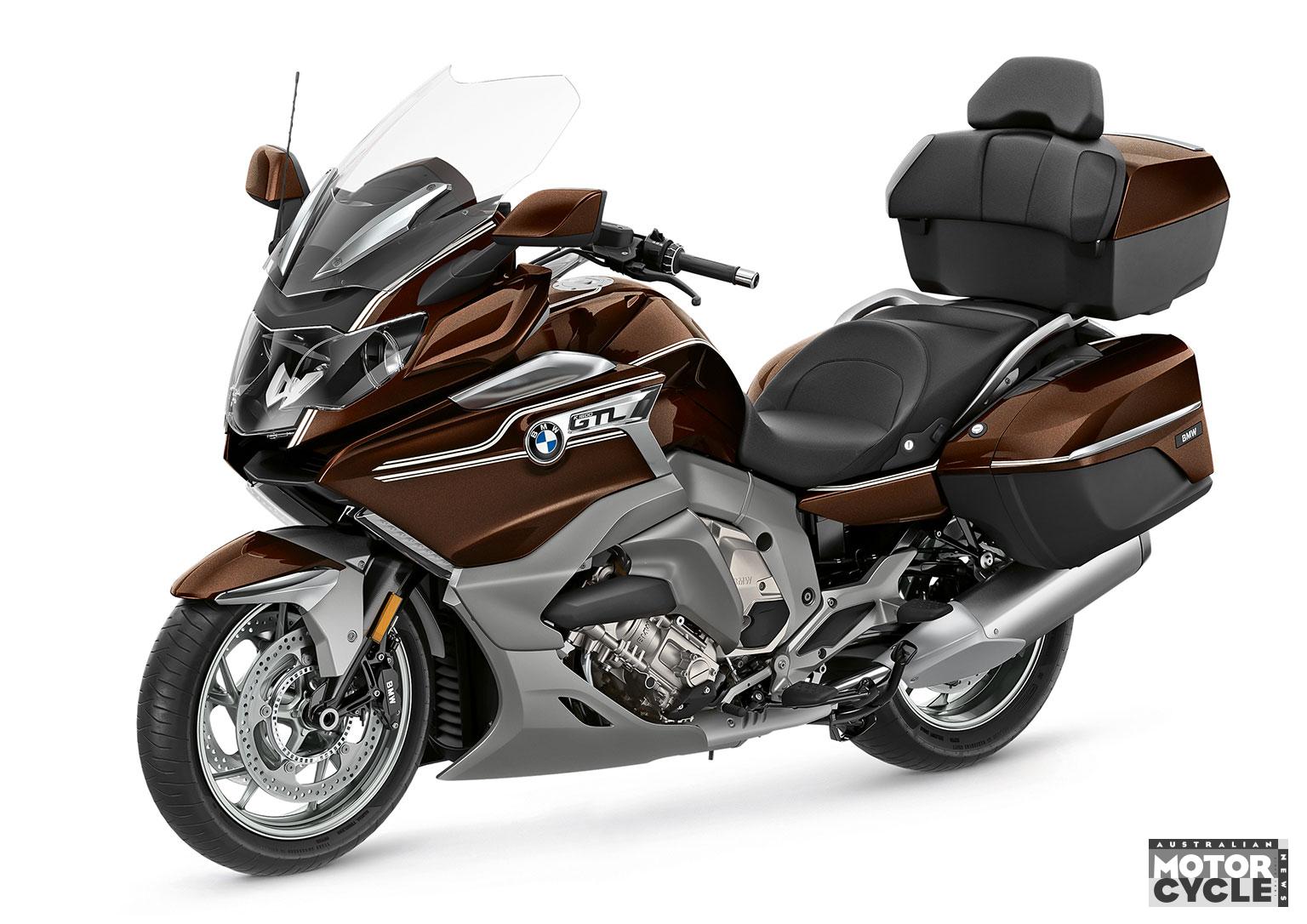
Right now, BMW’s lineup includes four six-cylinder models – the K1600 GT, GTL, B and Grand America – while Honda’s Gold Wing flies the flag for flat-six engines, a configuration it’s sported through three distinct generations and 38 of its 51 years of production.
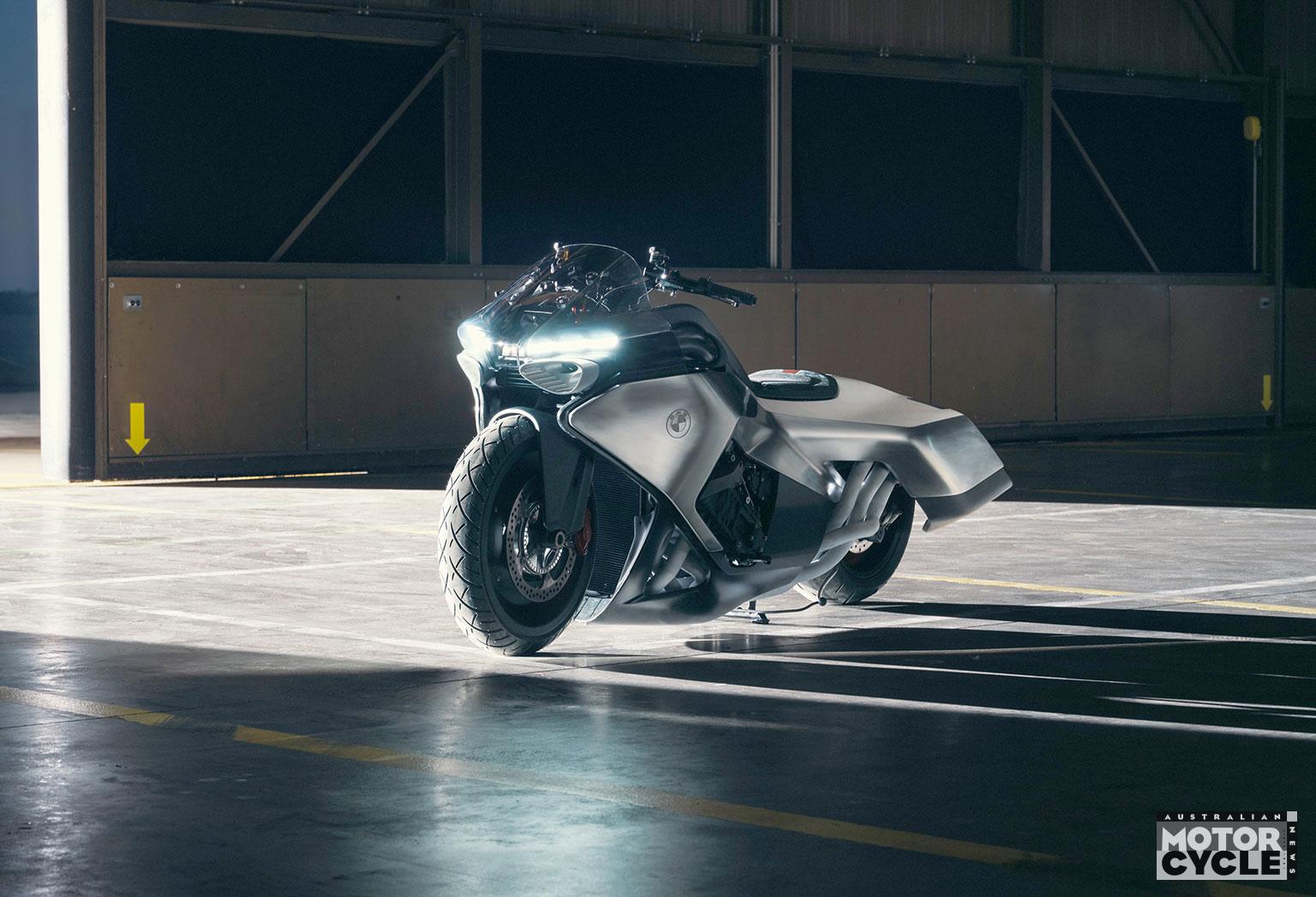
BMW’s decision to present the Vision K18 shows the company’s dedication to the format is undiminished and hinting at a larger-capacity, higher-tech sequel to the current K-series range in the not-too-distant future.
While the current Gold Wing might be eight years on from its 2018 launch, the previous GL1800 had a 16-year lifespan and several spin-offs including the limited-edition Rune, the second-gen Valkyrie and the F6B bagger, so there’s plenty of scope for more development if the market demands it.
But those stalwarts of the six-cylinder market are going to have some competition soon, and like so many recent developments in combustion engines it’s coming from China.
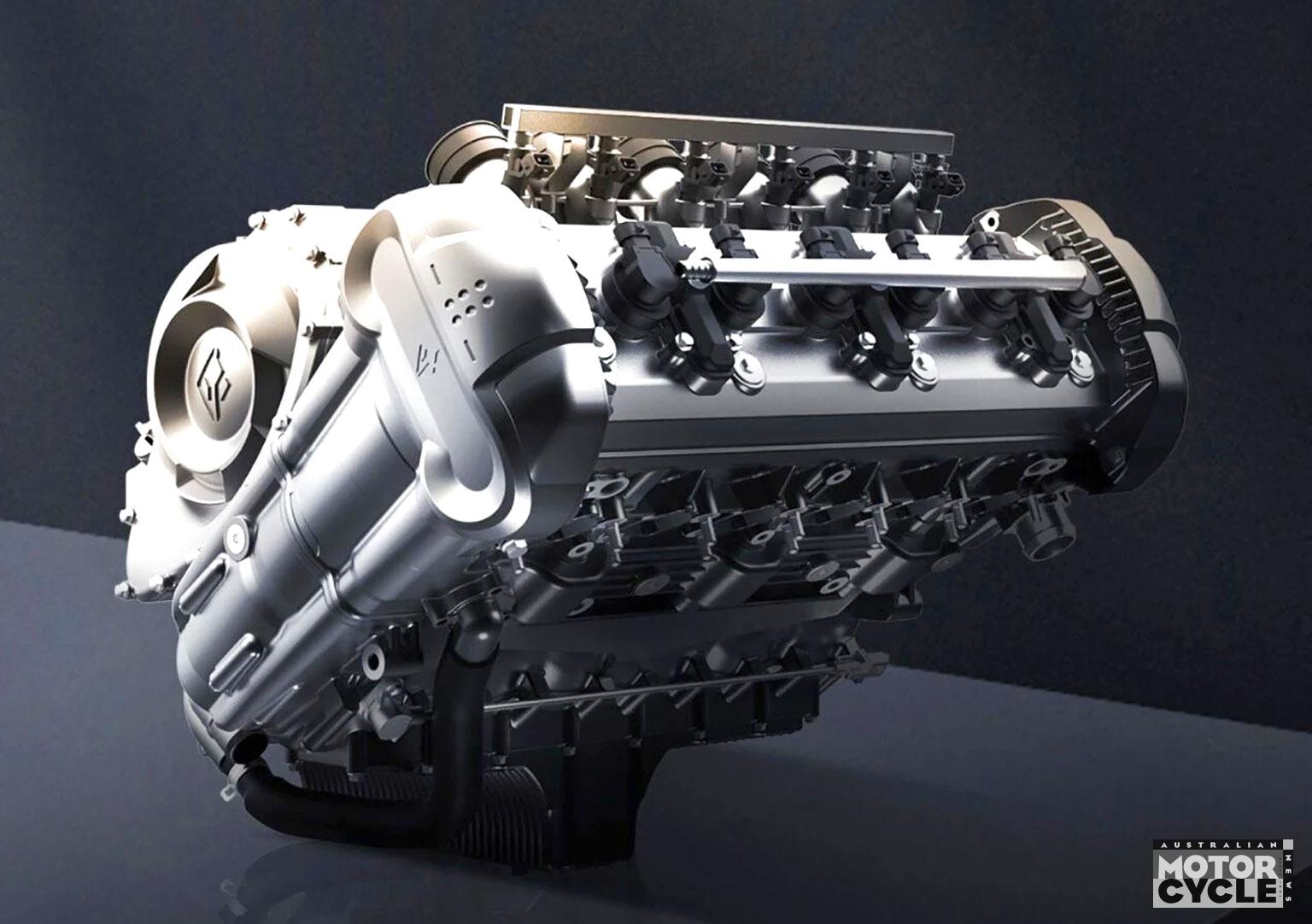
Benda, the cruiser-oriented brand that only sprung onto the scene a few years ago but now offers a range that includes V-twins, V4s and an inline four, showed its own 1685.6cc six-cylinder engine last year and that means we can expect it in a production bike in the not-too-distant future.
The Benda design clearly takes its inspiration from BMW’s K1600 engine, but it’s not simply a clone. It has a similar layout, with its cylinders tilted forwards to an unusual extent – a design that, in the BMW, allows the frame to arch over the engine instead of wrapping around it, keeping the overall width of the bike down as a result. But Benda’s engine is fractionally larger-capacity, with the same 72mm bore as the BMW but a 69mm stroke instead of 67.5mm, resulting in 36cc more overall capacity. Its transmission is more complex, too, with a dual-clutch, semi-automatic setup that’s said to use electromagnetic clutch actuation. Benda was also the first Chinese brand to develop its own inline four – the LFC700 that reached production in 2022, two yeas after appearing as a concept bike – and behind the first homegrown Chinese V4. Its V4 engine was shown in late 2021 and reached production in 2023. If it follows the same pattern with the new inline six, we should expect the first production model with that engine to reach showrooms sometime next year.
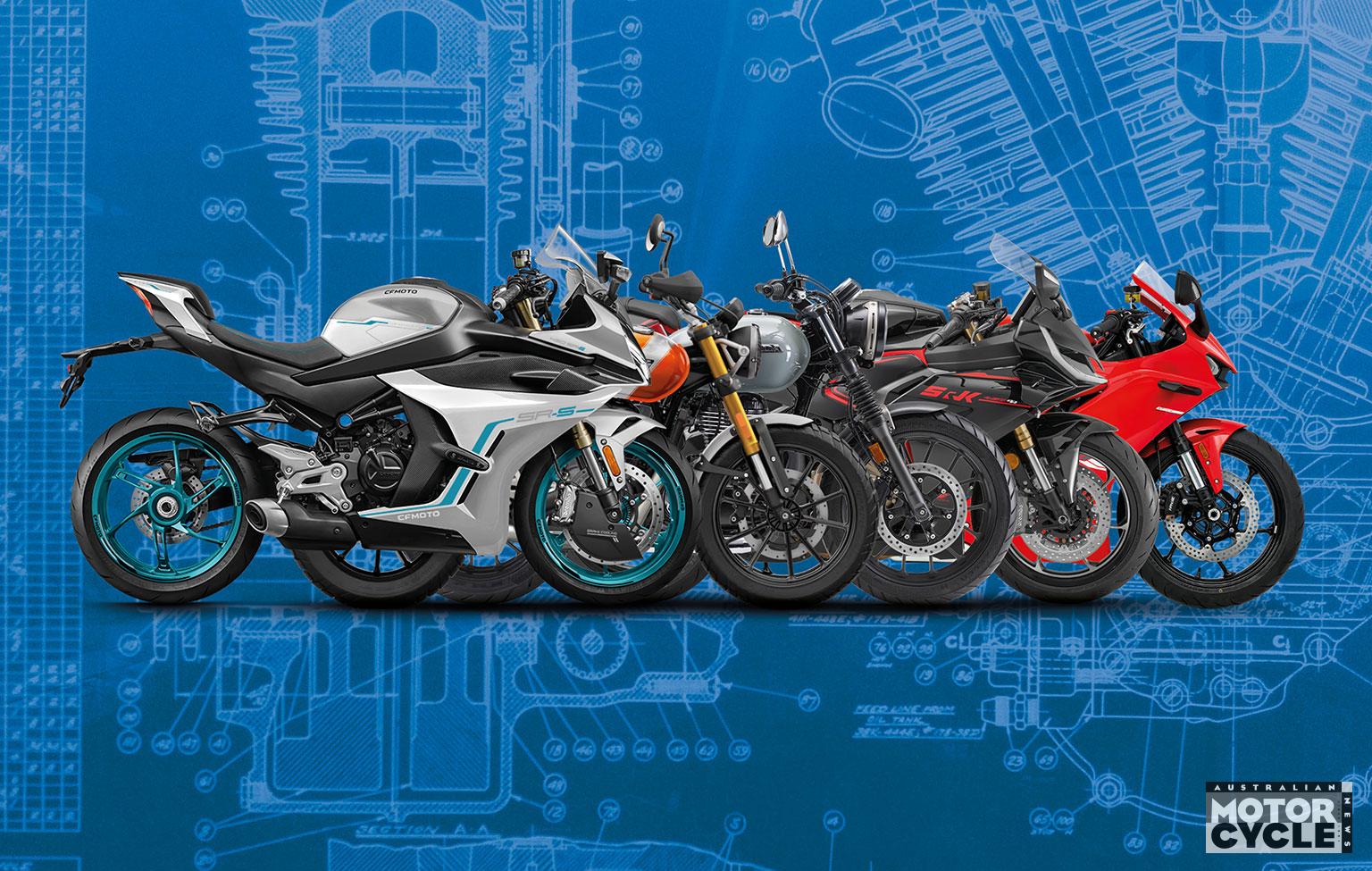
Since Benda’s inline four and V4 models were launched, both configurations have been replicated by other Chinese brands. QJMotor has been notably strong on both inline and V-four models, while CFMoto has also spread into triples and inline fours, with its 210hp V4 superbike due to reach production in the next year or so. Once Benda makes a six, it’s odds-on that other Chinese companies will do the same, bringing the price of six-cylinder machines down in the process.
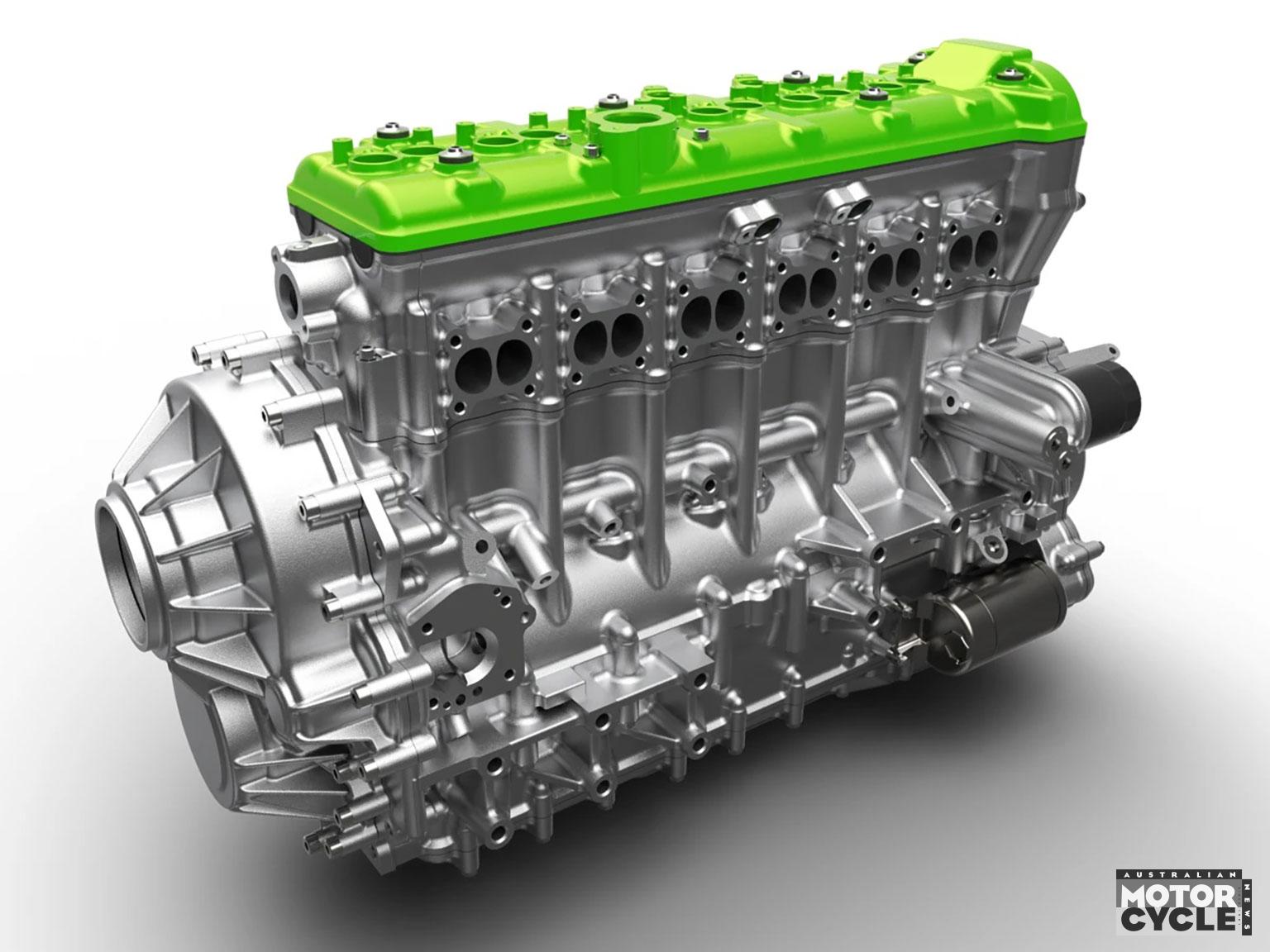
That, in turn, could spur more established brands into action. Kawasaki, for example, is relatively well-placed to build a six-cylinder bike if there’s enough demand. The company has already developed a six-cylinder, 2069cc engine using the supercharged, 999cc H2 four-cylinder as its template. While the new six is developed to be compact and lightweight, it’s not intended for a bike: along with an H2-based 999cc four it’s being developed into an off-the-shelf, turbocharged aeroplane engine, intended to be certified for use by 2030. Since it’s already based on a motorcycle engine, surely someone in the company’s R&D department is already pondering how it can be fitted into a Z1300-style roadbike.
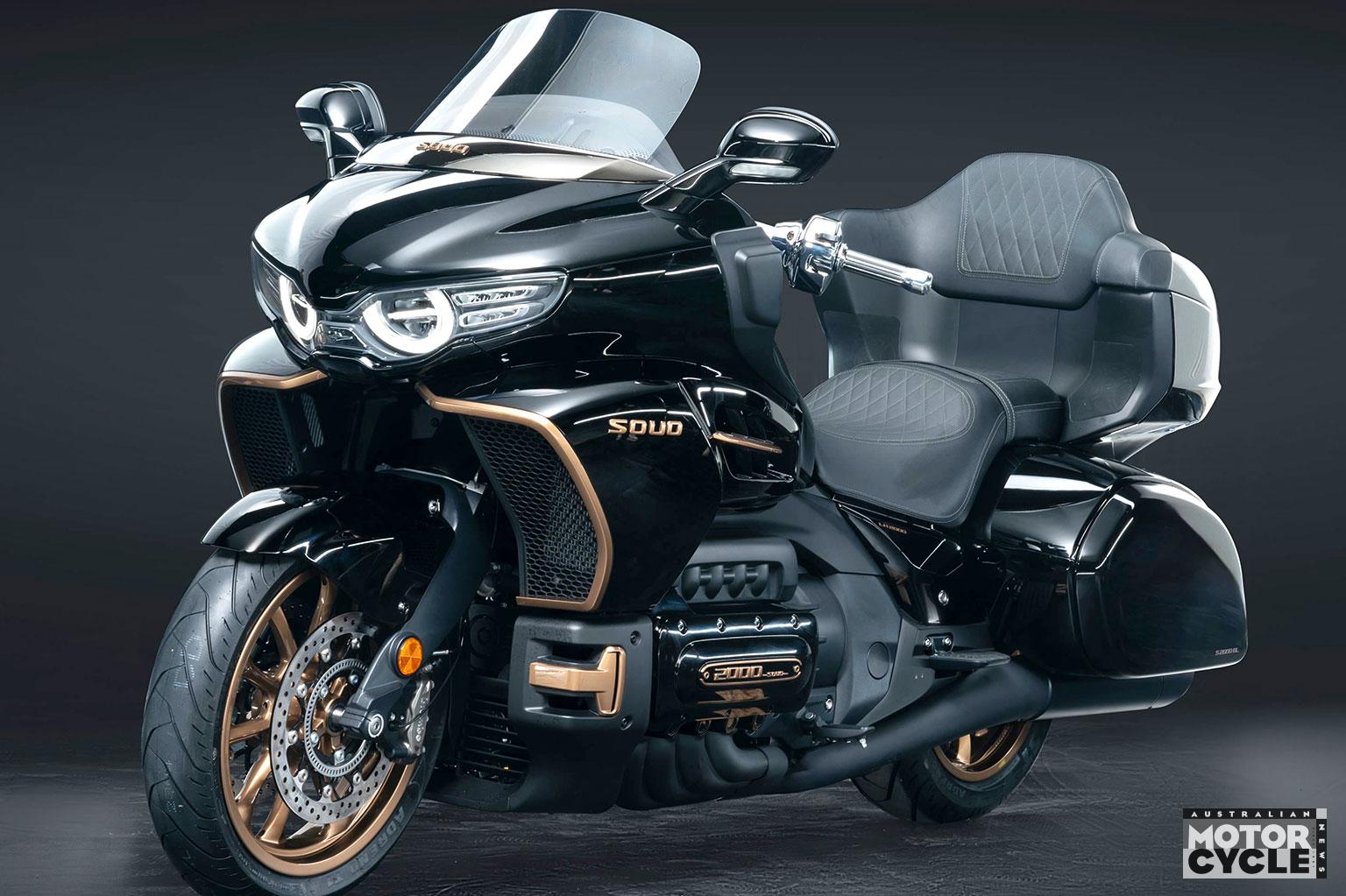
Of course, any six-cylinder motorcycle from China has already been outgunned by the remarkable flat eight debuted by Great Wall’s bike brand Souo. That 2000cc engine should also have perfect primary and secondary balance (a boxer four like the older generations of Gold Wing, is another perfectly balanced design, and the Souo eight is like two paired boxer fours).
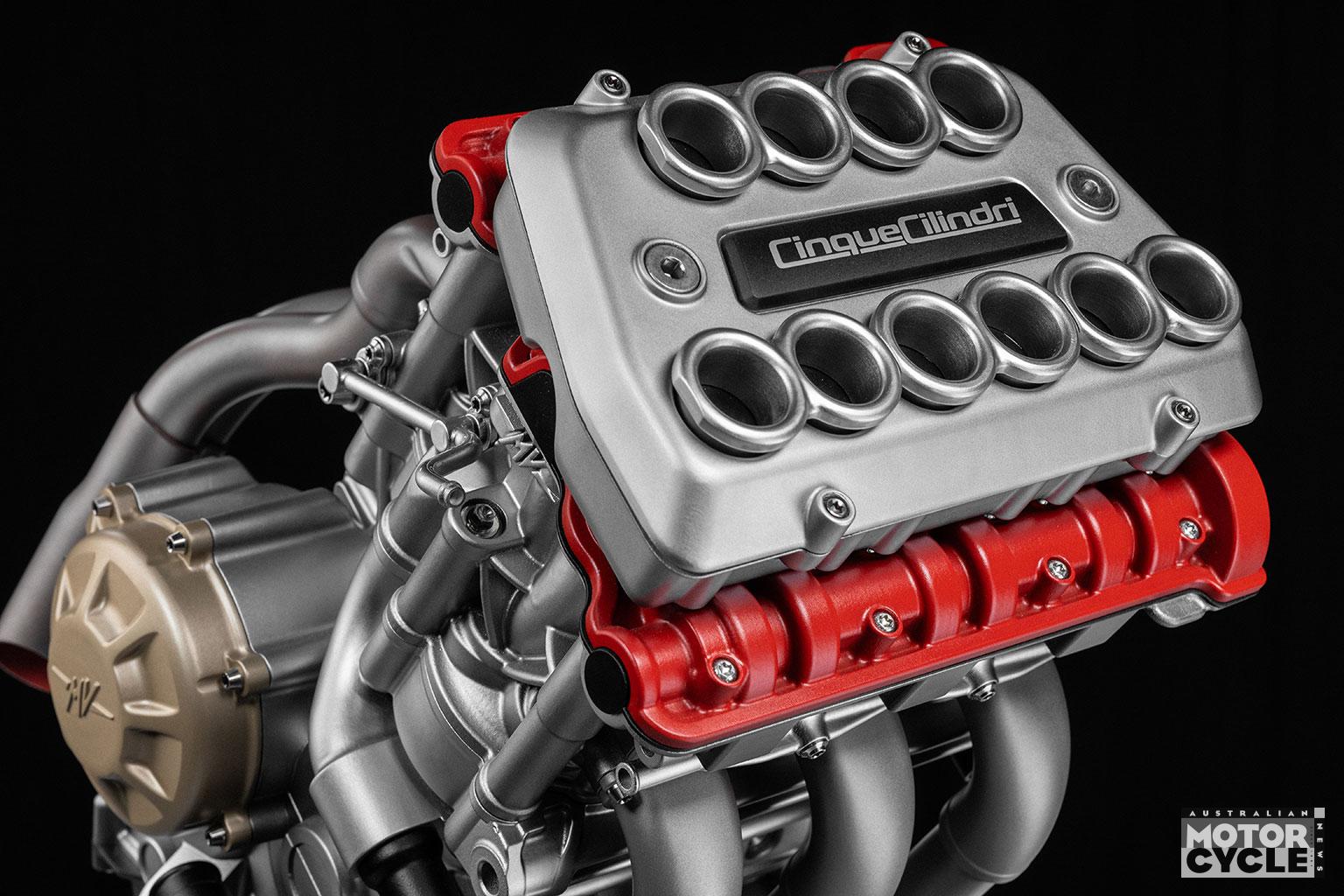
And while it’s not a six (yet), another unconventional multi-cylinder to watch out for is MV Agusta’s upcoming five-cylinder. Shown at EICMA last year, the MV design is a ‘U’ five, with two crankshafts geared together at the bottom, three cylinders in the front bank and two in the rear bank. The resulting layout, with two parallel banks of cylinders underneath a single, three-cam cylinder head (a single inlet cam in the middle, with separate exhaust cams for each bank), is claimed to be a modular design with capacities ranging from 850cc to 1150cc. The term ‘modular’ suggests that while the first version we’ve seen is the five-cylinder, there could be four and six versions in the works using the same twin-crank, triple-cam setup.
Six of the best
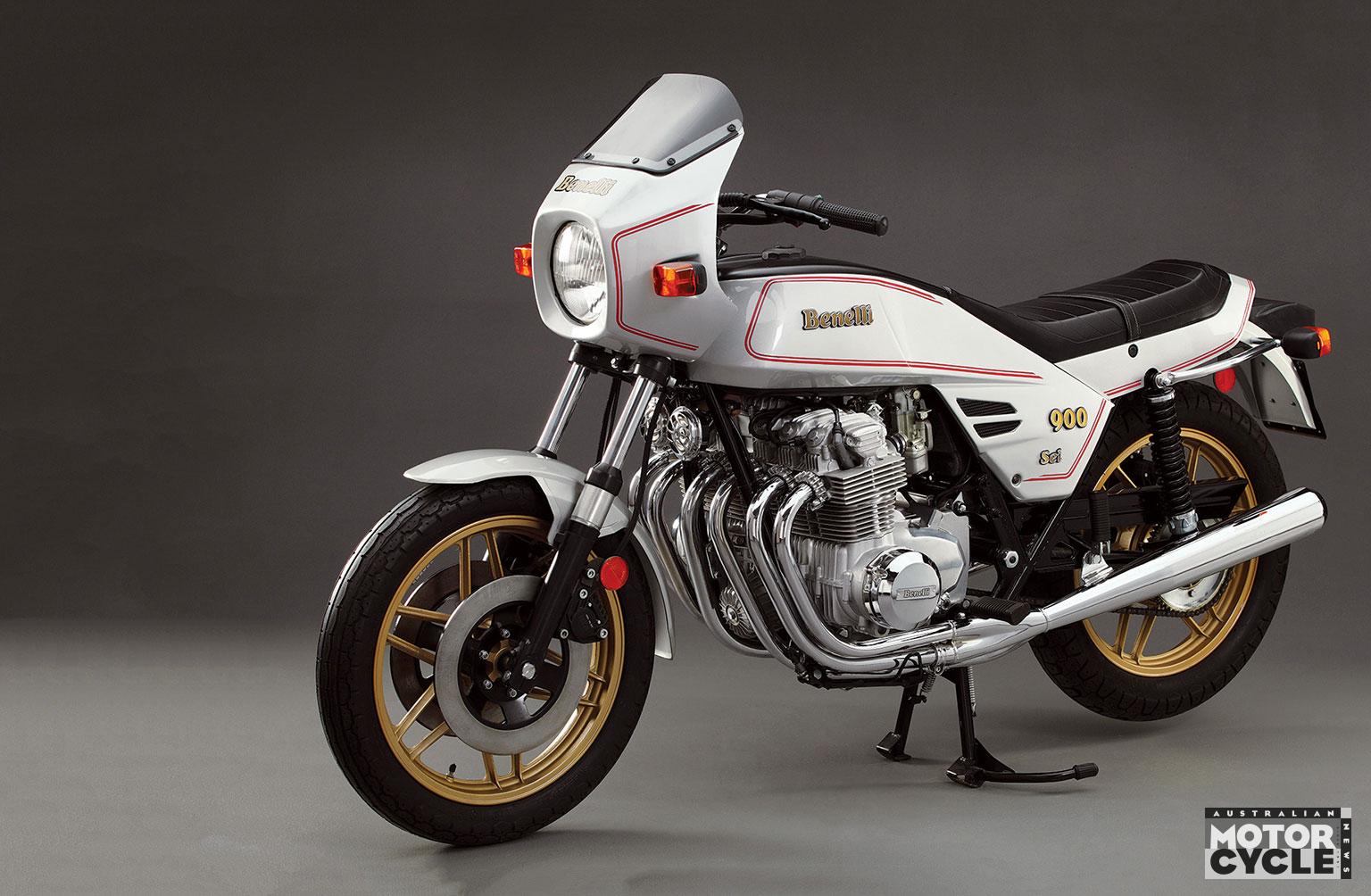
Benelli Sei
Back in 1973 the idea of a four-cylinder superbike was still fresh, so Benelli’s decision to bring the 747cc Sei to production was a bold one and made for a bike that had specs unlike anything else in showrooms at the time.
We might roll our eyes at Chinese brands reverse-engineering their engines from more established rivals these days, but it’s not a new idea. Benelli’s 500 Quattro, also launched in 1973, borrowed so much ‘inspiration’ from Honda’s CB500 Four that they have identical bore and stroke measurements, and some parts are interchangeable between the two engines. The Sei was a six cylinder based on the Quattro’s design, initially 747cc but hiked to 906cc in 1979 during a surprisingly long lifespan that saw it survive in production until 1989 – making it not only the first production inline-six motorcycle, but also the longest-running straight-six bike.
Honda CBX
Honda didn’t rush to the six-cylinder production bike party even though it had a legendary racing history with six-cylinder machines, but the CBX is perhaps the definitive roadgoing six.
That’s despite a short, four-year lifespan that saw it survive only from 1978 – when it set new standards for motorcycle performance – until 1982 when a new generation of smaller, lighter, more powerful machines was on the horizon.
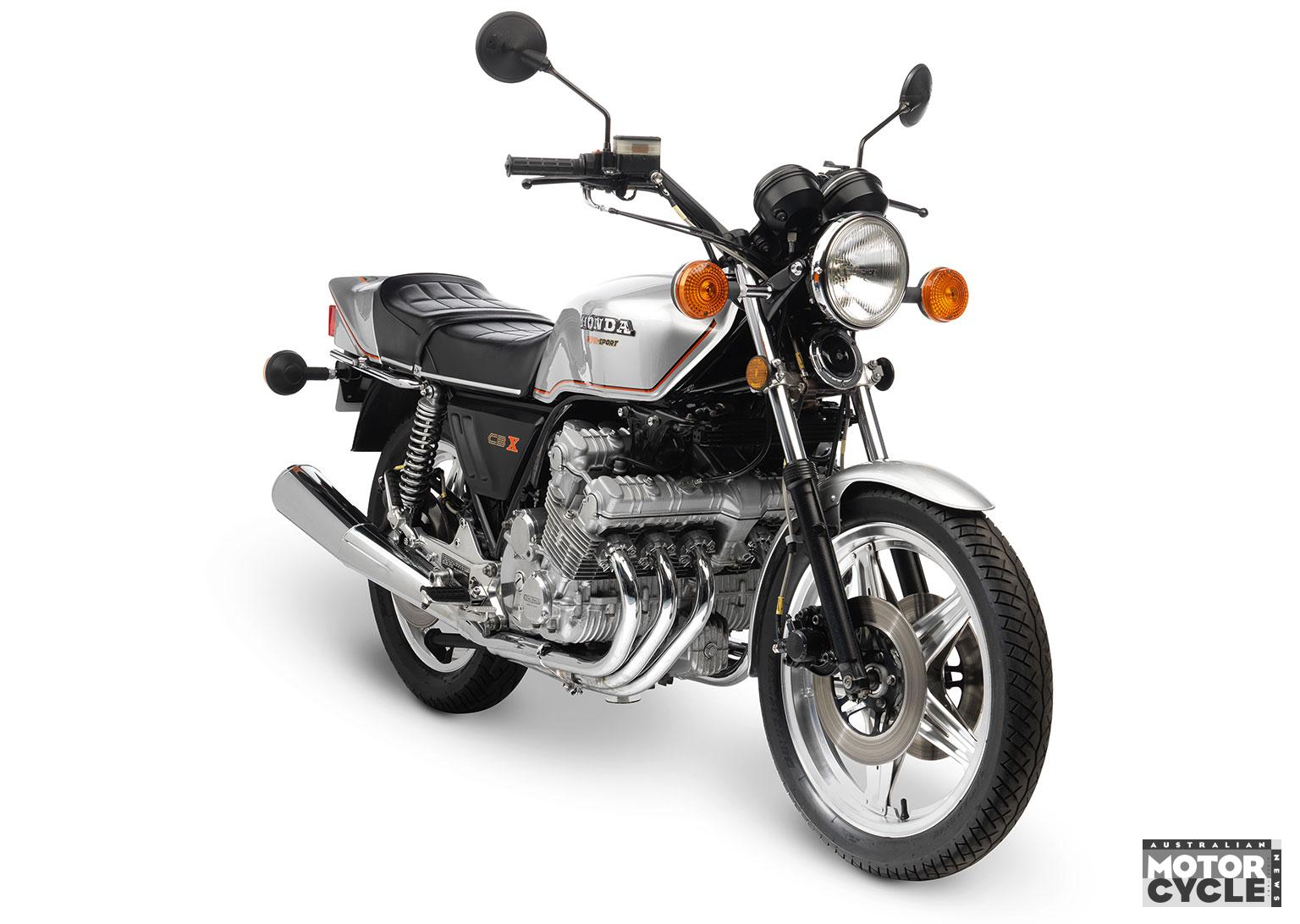
The air-cooled six wasn’t as large or as sophisticated as the Kawasaki Z1300 that would be launched a year later and, despite rave reviews on launch, Honda opted to develop the bike towards sports-touring rather than turn it into something lighter and more powerful. As a result, the later models are fatter and slower than the early examples. In 1982, with small capacities and turbochargers appearing set to be the next revolution in motorcycling, Honda dropped its only inline-six production model from the range.
Kawasaki Z1300
Lagging a year behind the CBX, Kawasaki’s 1979-on Z1300 had a similarly wide-engined, imposing style and big power, but took the role of tourer rather than filling a sportsbike role.
With 120hp it was immediately more powerful than the 105hp CBX, but also bigger and heavier. Water cooling meant it was a more modern-looking machine, and a shaft drive kept maintenance down.
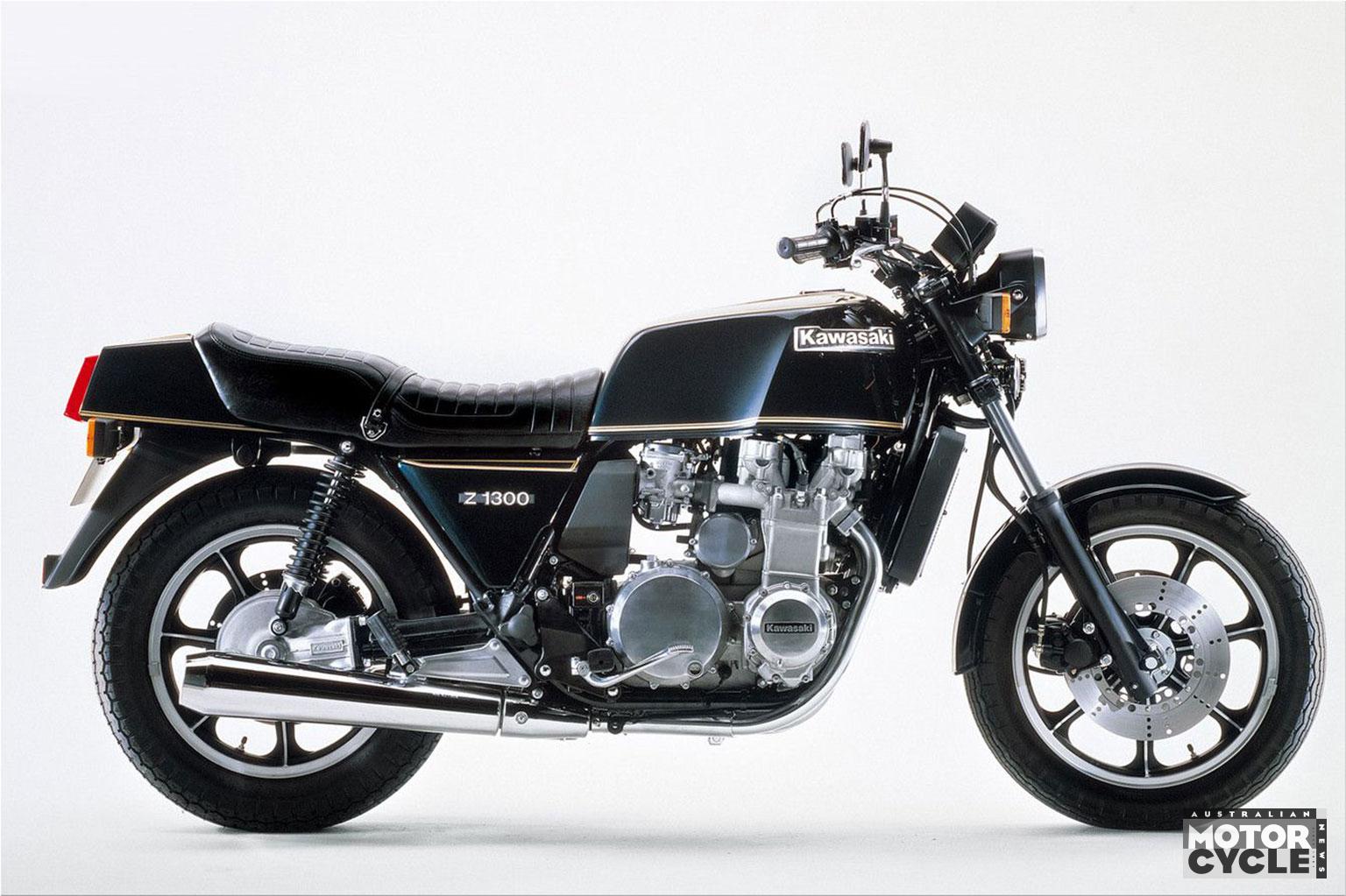
Despite launching into a revolutionary period for motorcycling, the Z1300 lived on for a full decade before being discontinued in 1989, gaining fuel injection halfway though its life – one of the earliest bikes to get the technology in an effort to quell its thirst for petrol – and an extra 10hp in the process.
Honda Gold Wing/Rune/Valkyrie/F6B
While not an inline six, the Gold Wing’s boxer engine also benefits from the same perfect primary and secondary balance that makes straight-six engines appealing, adding a low centre of gravity to the mix to help disguise the mass of the bikes it powers.
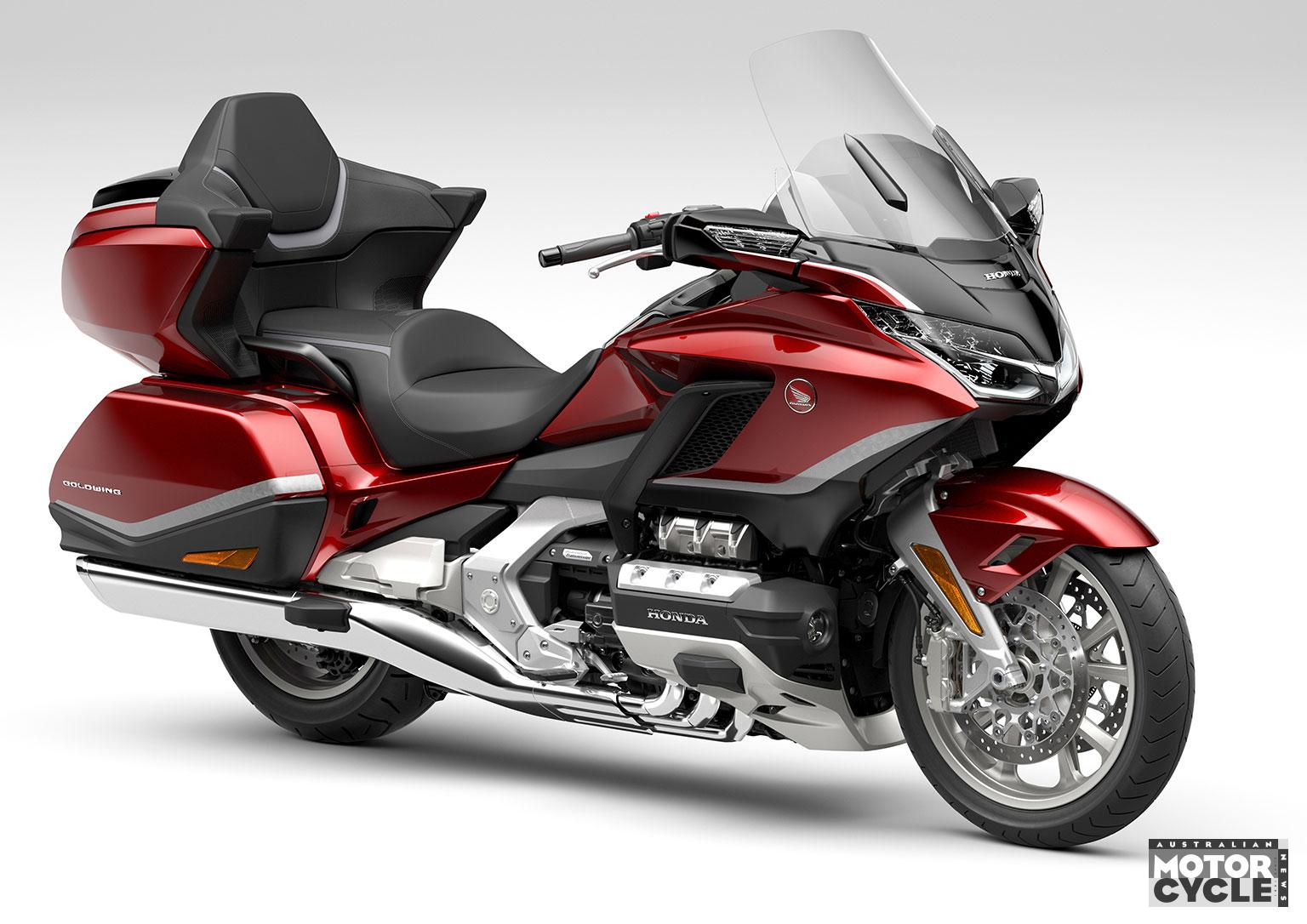
Debuting in 1988, shortly before the Z1300’s demise, the six-cylinder Gold Wing started out as the 1520cc GL1500 and always put the focus on luxury rather than speed. The earlier four-cylinder GL1000, 1100 and 1200 models had already evolved in that direction, and adding two more cylinders to the mix was a natural progression.
It took until 2001 for the GL1500 to be superseded. Its replacement, the GL1800, was a big step forward with 1832cc and an alloy chassis but still had just two valves per cylinder. In 2018, a third generation of sixes appeared with the 24-valve, 1833cc model that lives on to this day.
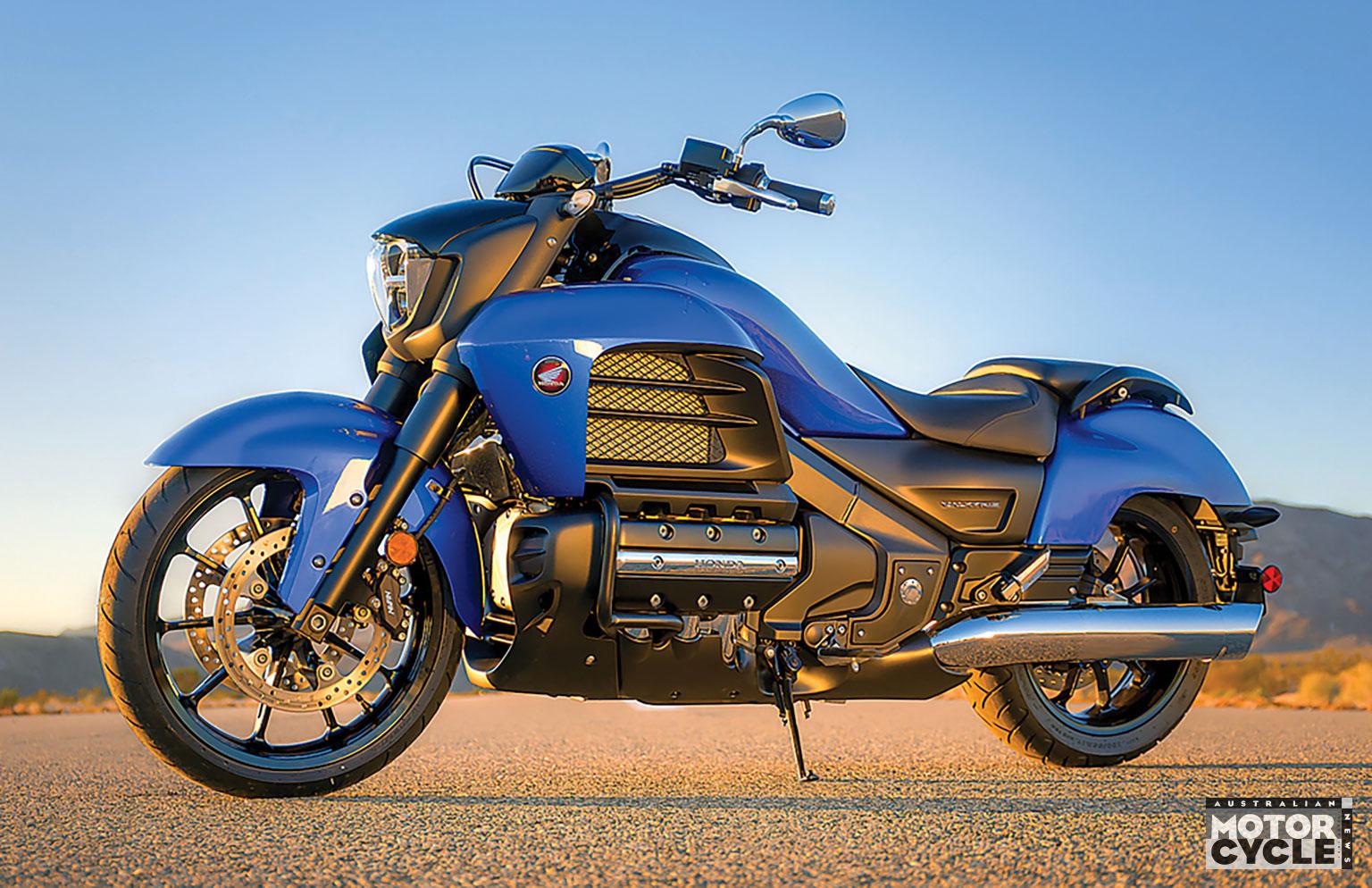
Over the years the Wing has also spawned several spin-offs, most notably the generations of F6C Valkyrie cruisers; initially based on the 1520cc engine and running from 1997 to 2003. In 2003 the limited-edition Rune appeared, based on the 2001-on Wing but with concept bike styling, and the F6C Valkyrie name was reintroduced on the platform in 2013, along with the F6B bagger.
BMW K1600GT/GTL/Grand America/B
With a decade and a half of production under its belt, BMW’s K1600 range is easily the most successful inline-six motorcycle range ever made. It’s the most powerful mass-produced six, too, and even if 160hp doesn’t sound as impressive today as it did back in 2011 it’s still more than enough to get the K1600 down the road.
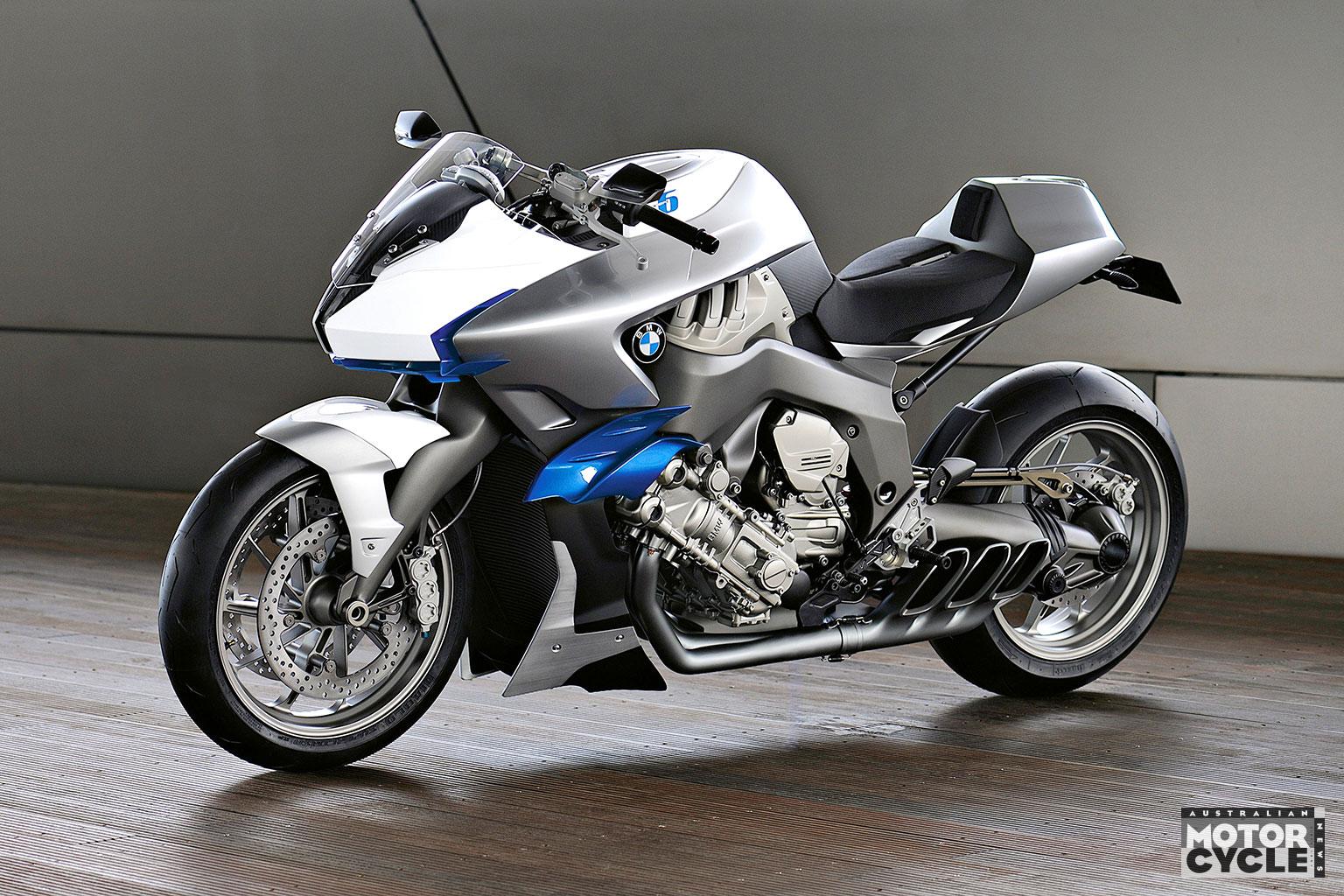
Currently the range includes four variants: the base GT, the up-spec’d GTL, the bagger-style B and the full-dress Grand America, but all are based on the same underpinnings, focused around that 1649cc, DOHC, 24-valve inline six and a chassis that includes BMW’s signature Duolever front suspension and Paralever shaft-drive rear end.
While BMW’s new Vision K18 isn’t a near-production preview of a future model, it’s a clear signal that the six-cylinder K-series models are part of the company’s longer-term plans for the future and will remain the mainstay of the brand’s touring lineup, probably with an enlarged 1800cc engine, new styling and refreshed technology in the not-too-distant future.
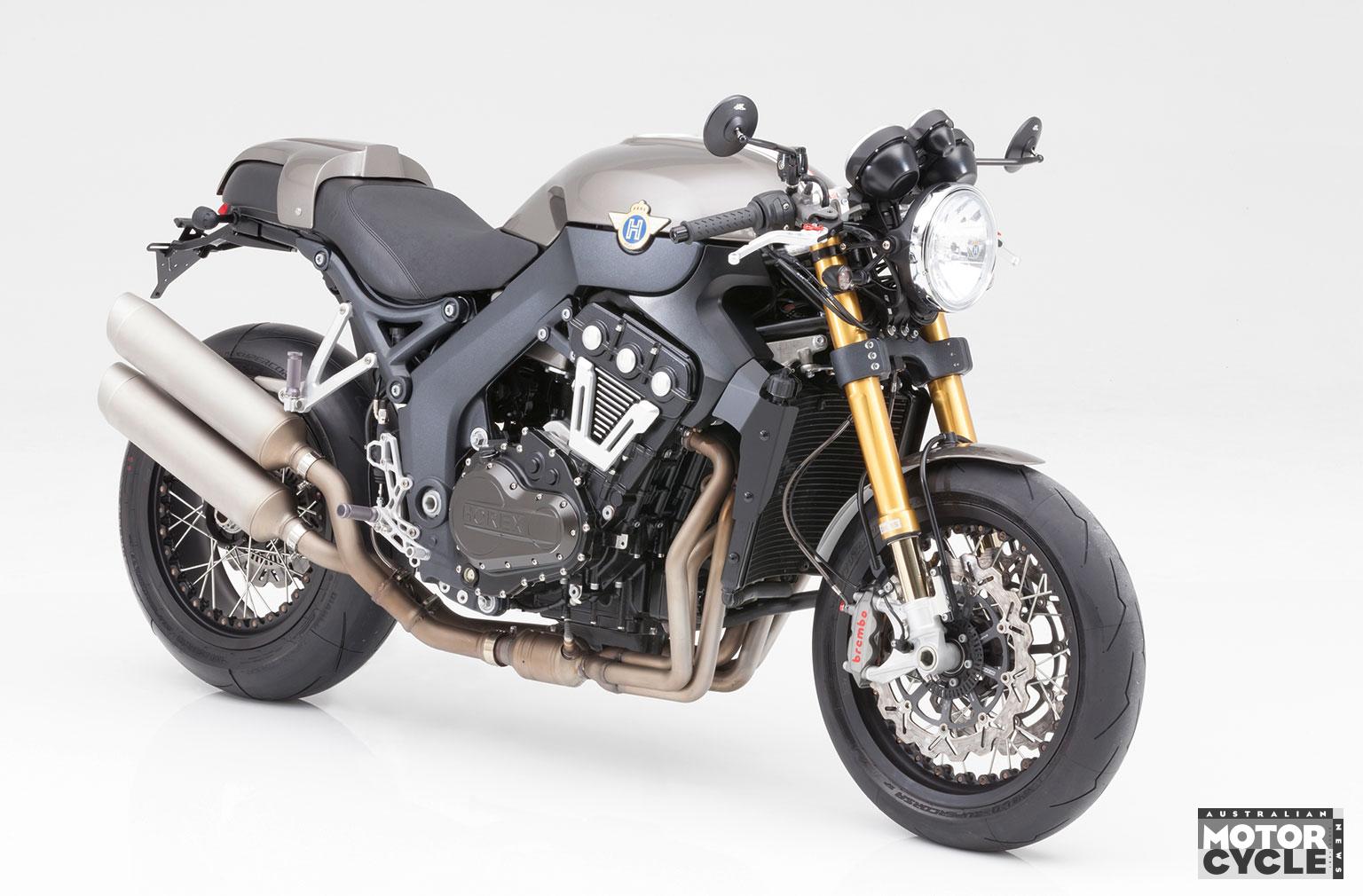
Horex VR6
In the automotive world, the V6 engine has become hugely popular thanks to its compact dimensions, but it’s a layout that’s never really taken off for motorcycles.
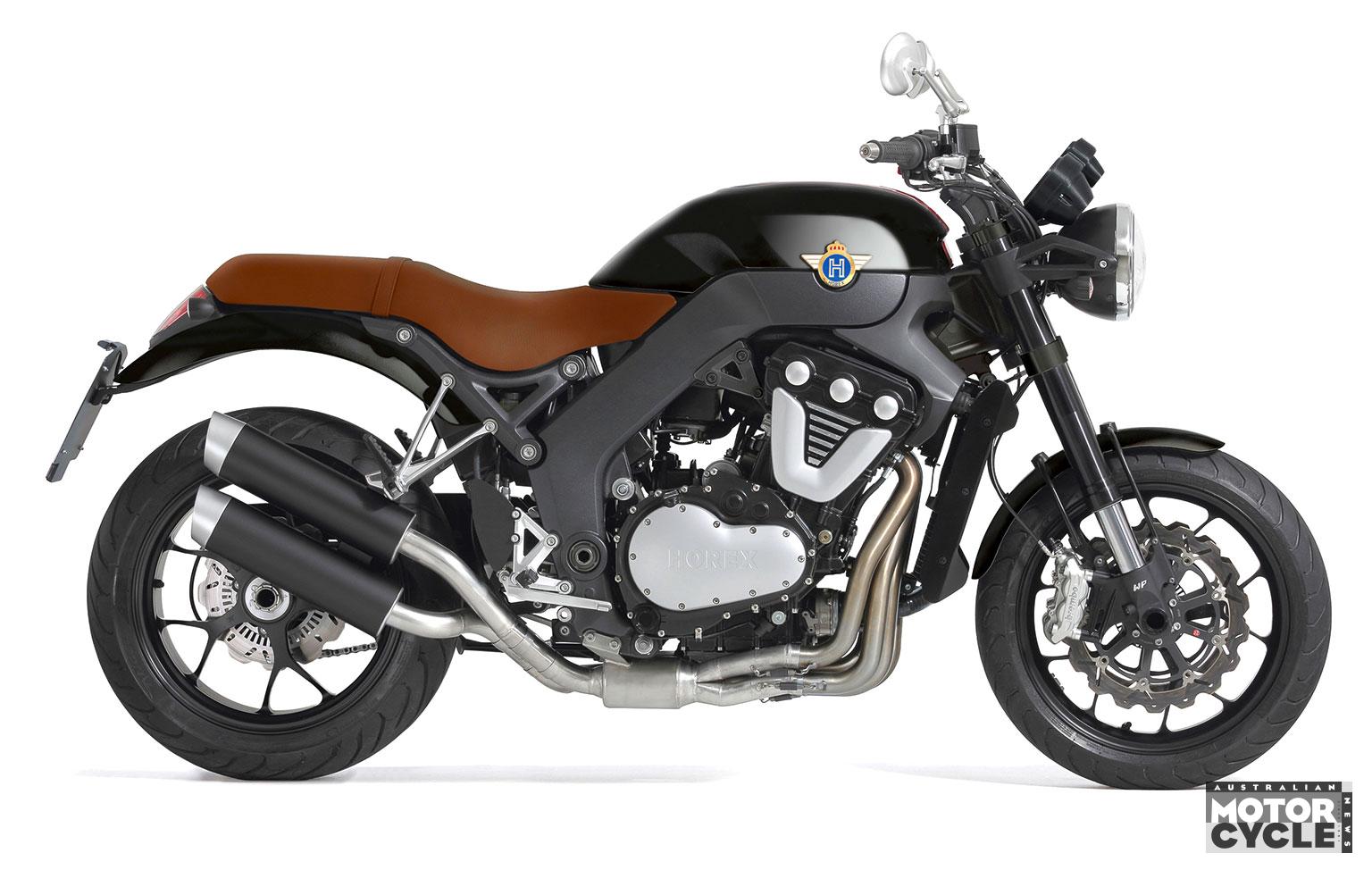
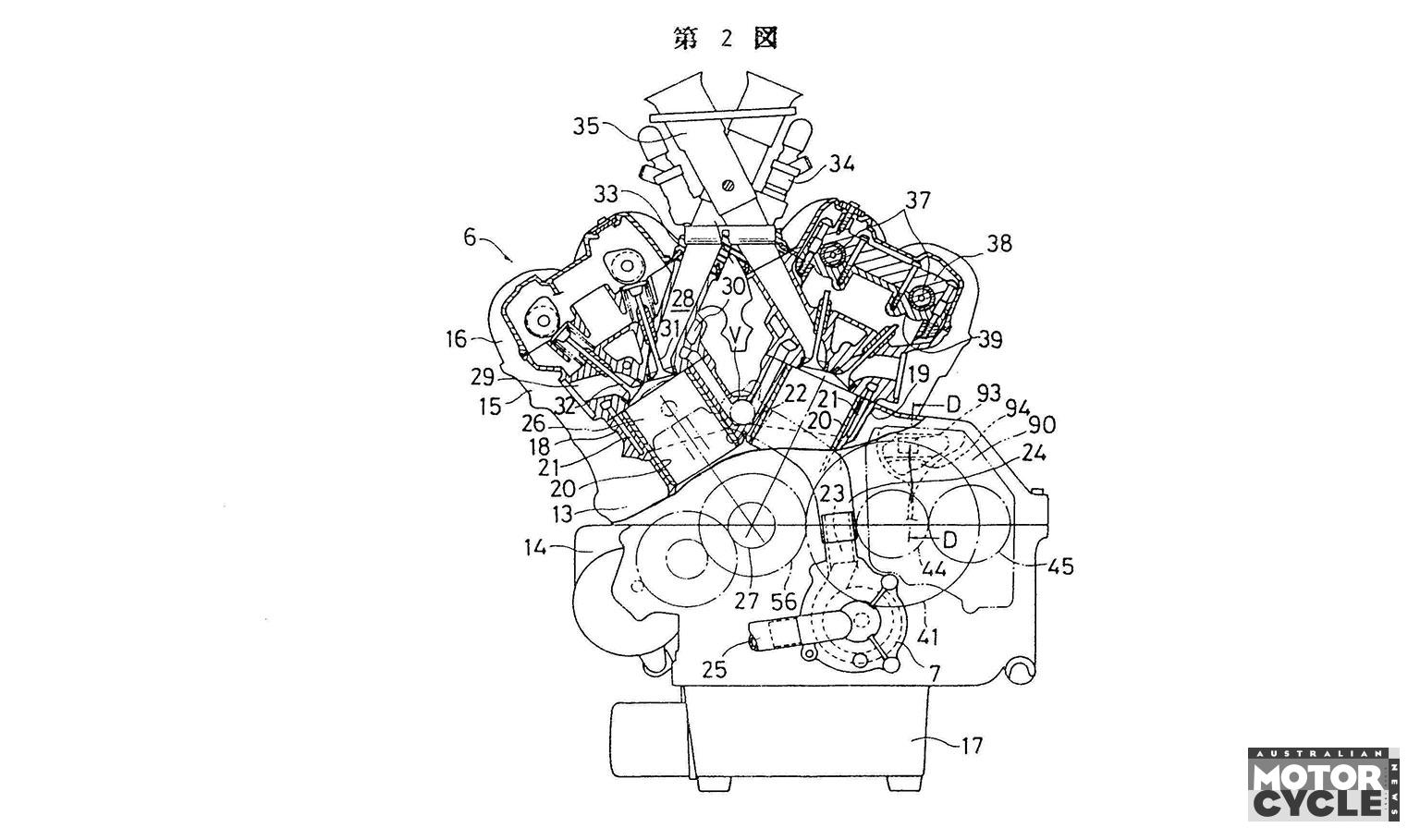
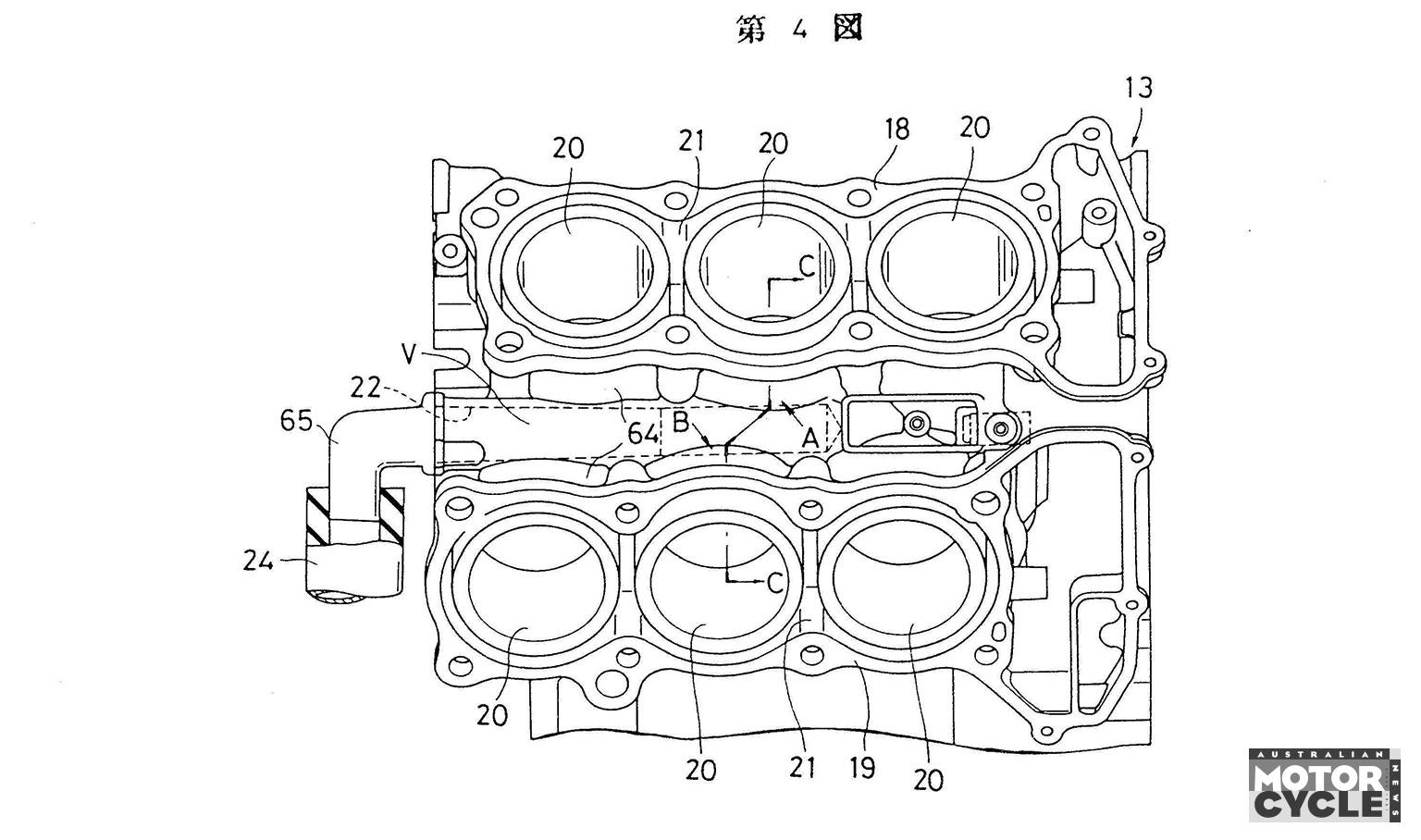
The Horex VR6 was a valiant attempt to bring V6s to production bikes, and specifically an ultra-narrow-angle, 15-degree V6 that allows all six cylinders to share a single cylinder head. Like MV Agusta’s new five-cylinder design, the Horex VR6 used three camshafts but in a different layout. The rear camshaft dealt with the intakes for the rear three cylinders, the middle operated the intake valves for the front bank and the exhaust valves for the rear bank, and the front camshaft was for the front bank’s exhaust valves.
Shown in 2010, the Horex was initially intended to be supercharged, with around 200hp from 1218cc, but when production started two years later the blower was gone and power dropped to 161hp. Seemingly inevitably for a small, ambitious bike maker, take-up was slow and a 2014 bankruptcy was followed by a takeover in 2015. But the new owners – 3C Carbon Group AG – launched the most recent version, the Raw 99, in 2022.
Racing sixes
If a six-cylinder motorcycle still seems exotic in 2026, can you imagine how insane the idea must have seemed back in 1956? Yes, 70 years ago MV Agusta came up with a plan to race a 500cc inline six, starting a project that would reach prototype form in 1957 and finally race – albeit just once – in 1958. This was in an incredible era for GP racing. Moto Guzzi, remember, was running a 500cc V8 from 1955 to 1957, so MV’s six was an attempt to get more revs and power than the brand’s existing 500cc four-cylinder racer, on which John Surtees had won the title in 1956. By 1958 when MV’s six was ready, its closest rivals had all quit the series so Surtees could stroll to victory on the existing four-cylinder, a feat he repeated in 1959 and 1960. MV’s fours would continue to win every 500cc title until they were replaced by the company’s three-cylinder bike in 1966, and MV itself would dominate the class until the two-stroke era started in the mid-70s, all without needing to resort to a six.
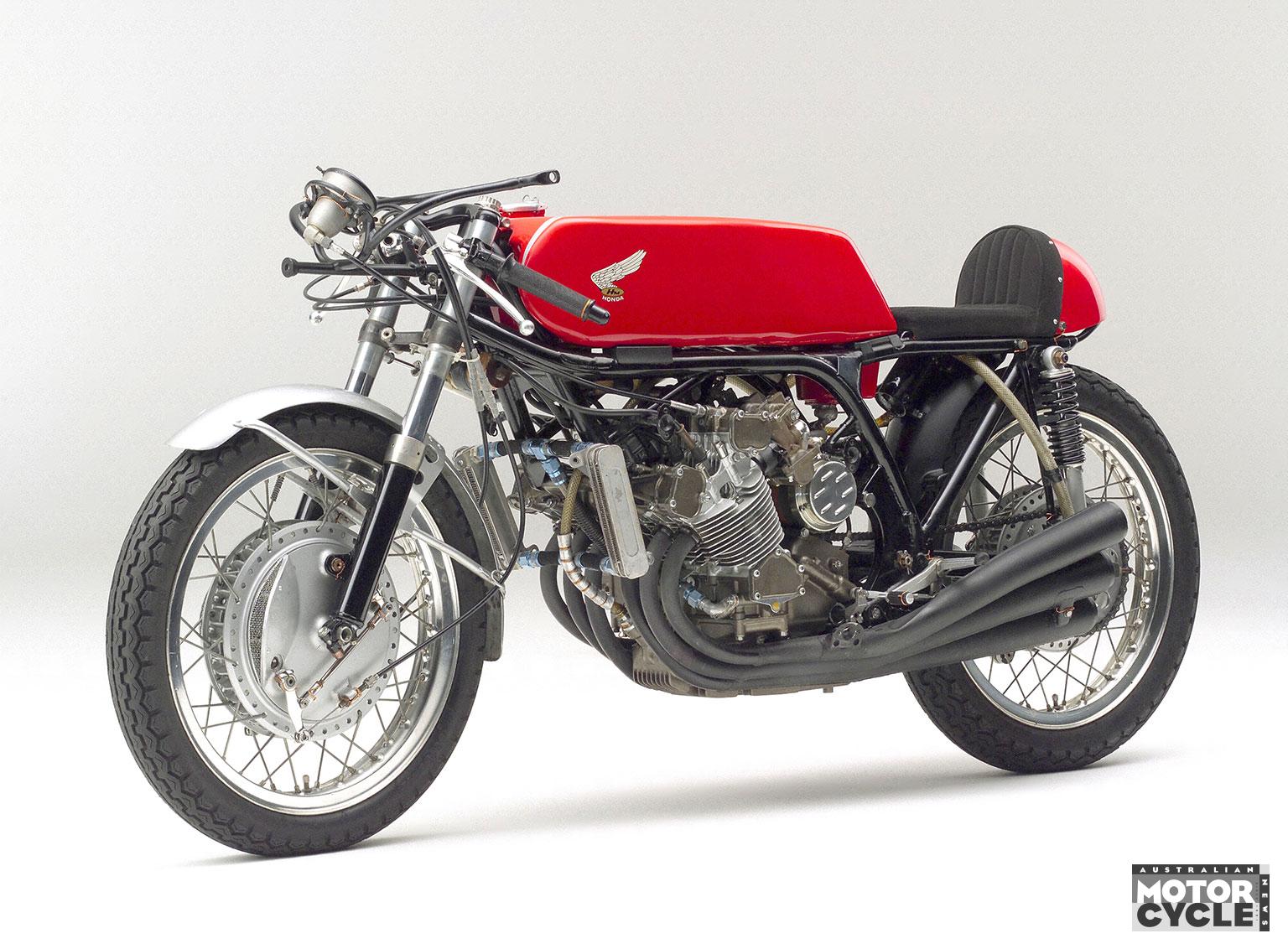
That wasn’t the story down in the 250cc class, though, where Honda was making waves with some of the most famous six-cylinders in racing history. The Japanese brand’s RC164 and RC165 sixes formed the template in 1964 and 1965, but the 1966 RC166 brought it all together to bring home the 250cc title for Mike Hailwood, repeating the feat the following year and backing it up with the 350cc crown on the enlarged, 297cc RC174.
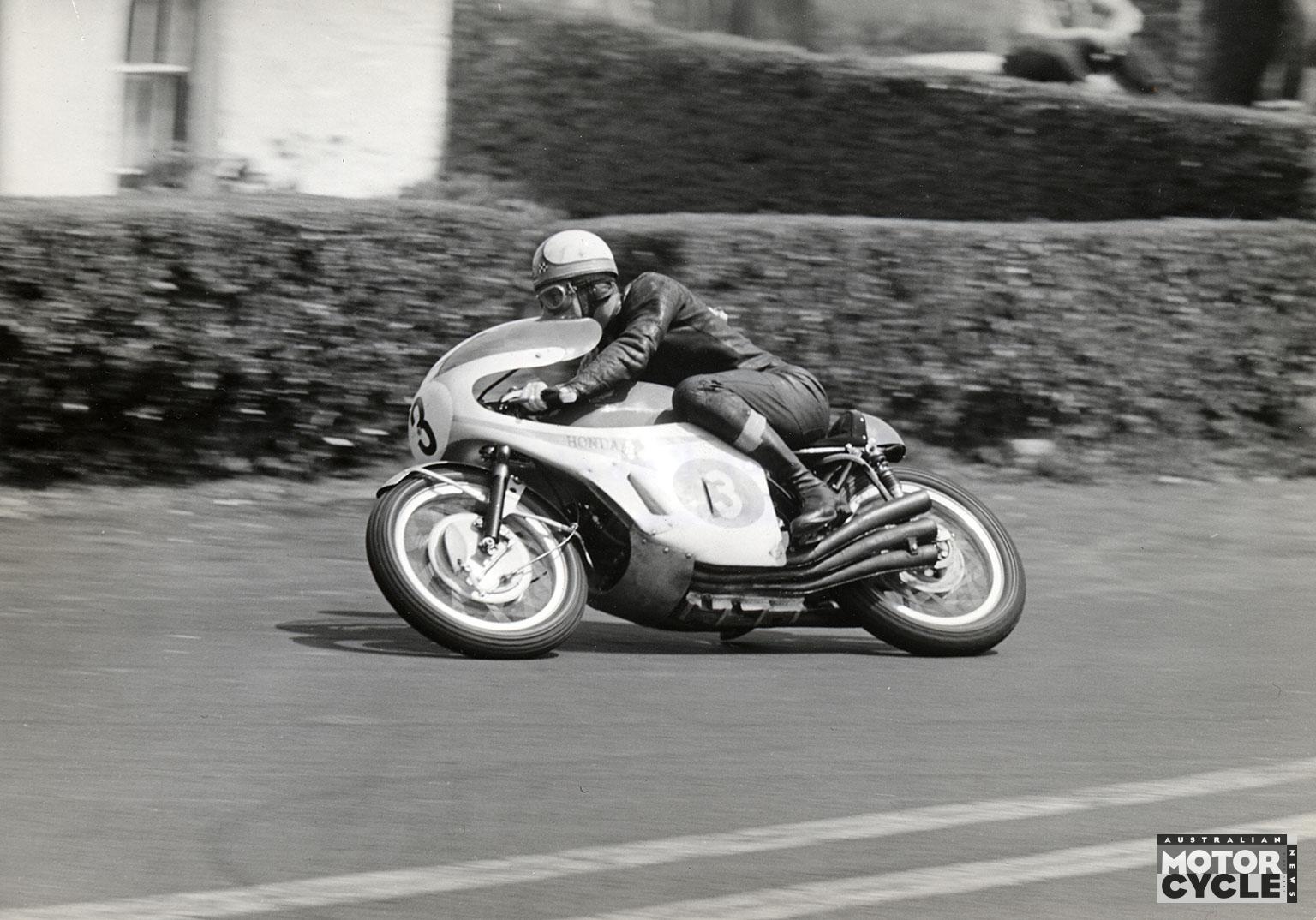
For 1968 the FIM introduced new limits on cylinders (one for 50s, two for 125s and 250s, four for 350s and 500s) and limiting gears to six, directly impacting Honda’s multi-cylinder, high-revving philosophy and leading to the brand’s withdrawal from the championship after 1967.
That might have been the end for inline sixes in international racing, but the interest in big cylinder counts remained elsewhere. The most famous examples include the Laverda V6 that competed in the 1978 Bol d’Or, while Honda developed – but never showed or raced – its own four-stroke V6, dubbed FXX, to explore the idea for WorldSBK. That project indirectly informed the development, more than a decade later, of the five-cylinder RC211V that would dominate the early years of the 990cc four-stroke MotoGP era that ran from 2002 to 2006.
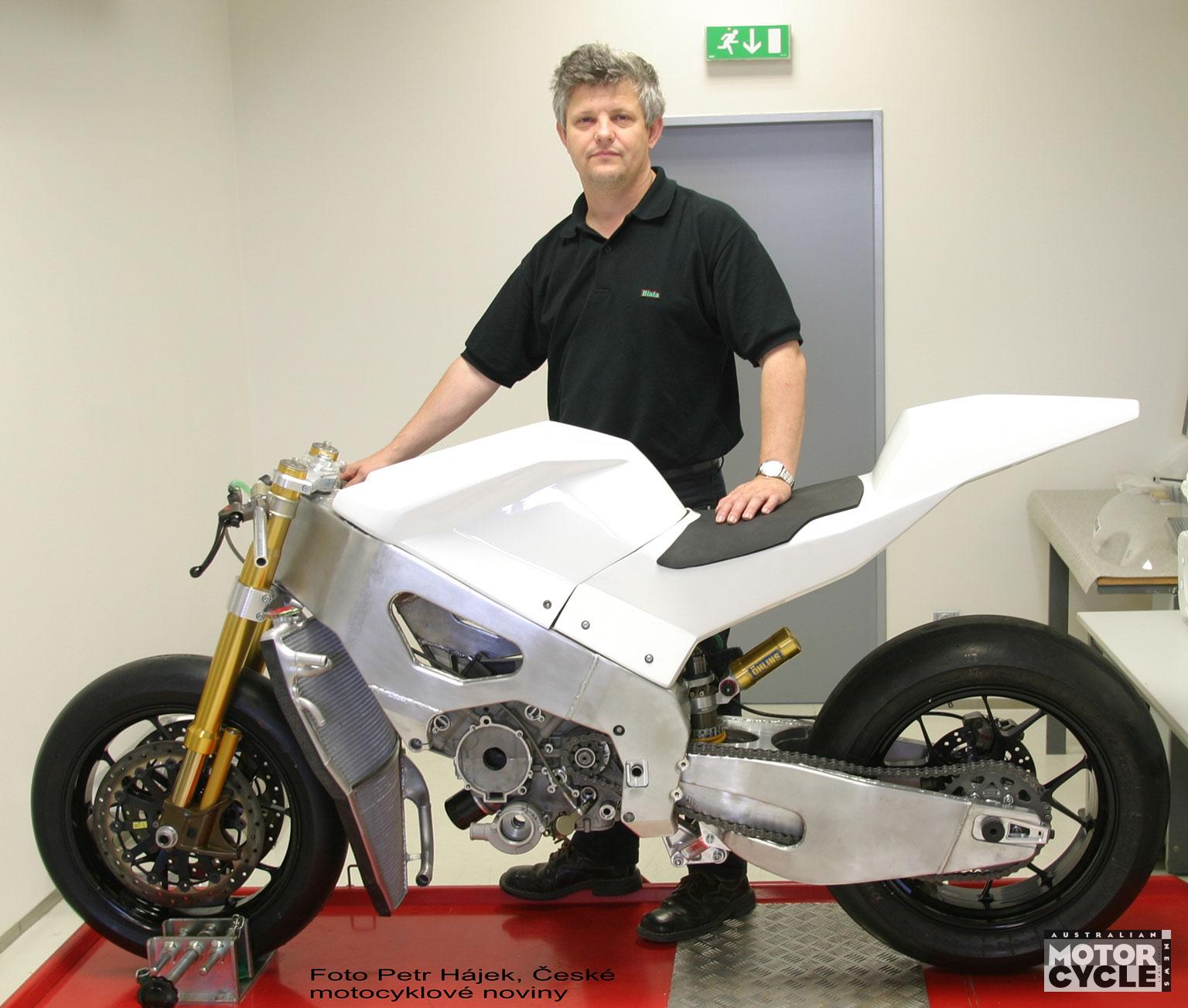
That ruleset briefly reintroduced the spectre of six-cylinder racers. Not only did Honda consider a six (the V5 was chosen due to a lower weight limit for five-cylinder machines), but the WCM team that had seen success with riders like Garry McCoy and Simon Crafar in the two-stroke era nearly raced a V6 of its own. Struggling for results with its own, Yamaha-derived inline four in 2003 and 2004, WCM teamed up with Czech minibike brand Blata to develop a V6 GP bike for the 2005 season. A half-built bike was photographed, but the final machine never made an appearance and by 2007 the new 800cc ruleset meant bikes with more than four cylinders wouldn’t be competitive. MotoGP’s rules now include a maximum of four cylinders, eliminating the possibility of more adventurous designs.