At the centre of a growing storm around emissions legality, KTM says there’s a ‘fundamental misunderstanding’ and the heart of accusations made by media in Europe
Austria’s KTM might just be getting back on its feet after a turbulent 2025 that resulted in India’s Bajaj gaining full control of the brand but another storm is brewing after a joint investigation from major European media outlets accused the company of systematically removing emissions equipment from certain models before they reached customers.
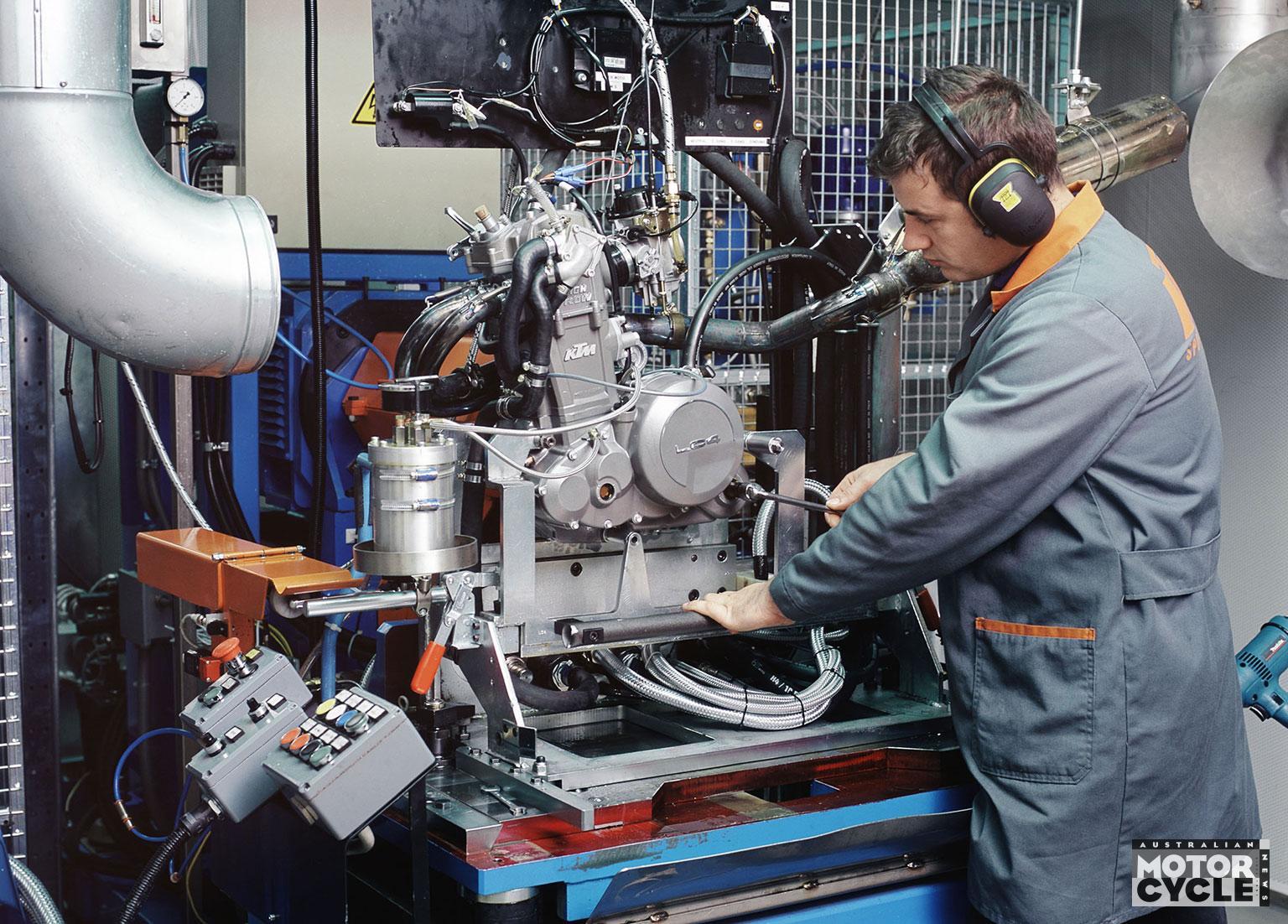
The allegations come from an investigation undertaken across Europe by a consortium of media including best-selling French newspaper Le Monde, German weekly Der Spiegel, and Austria’s Der Standard, along with several others and led by French NGO Climate Whistleblowers. They say undercover reporters in several countries have been offered road-registered enduro bikes, brand new from dealers, with their emissions and power-restricting equipment removed. The implication is that the bikes are at the heart of a scandal akin to a two-wheeled version of the ‘Dieselgate’ emissions-cheating episode that hit Volkswagen a decade ago, but while that makes for strong headlines, KTM says it’s not the reality of the situation.
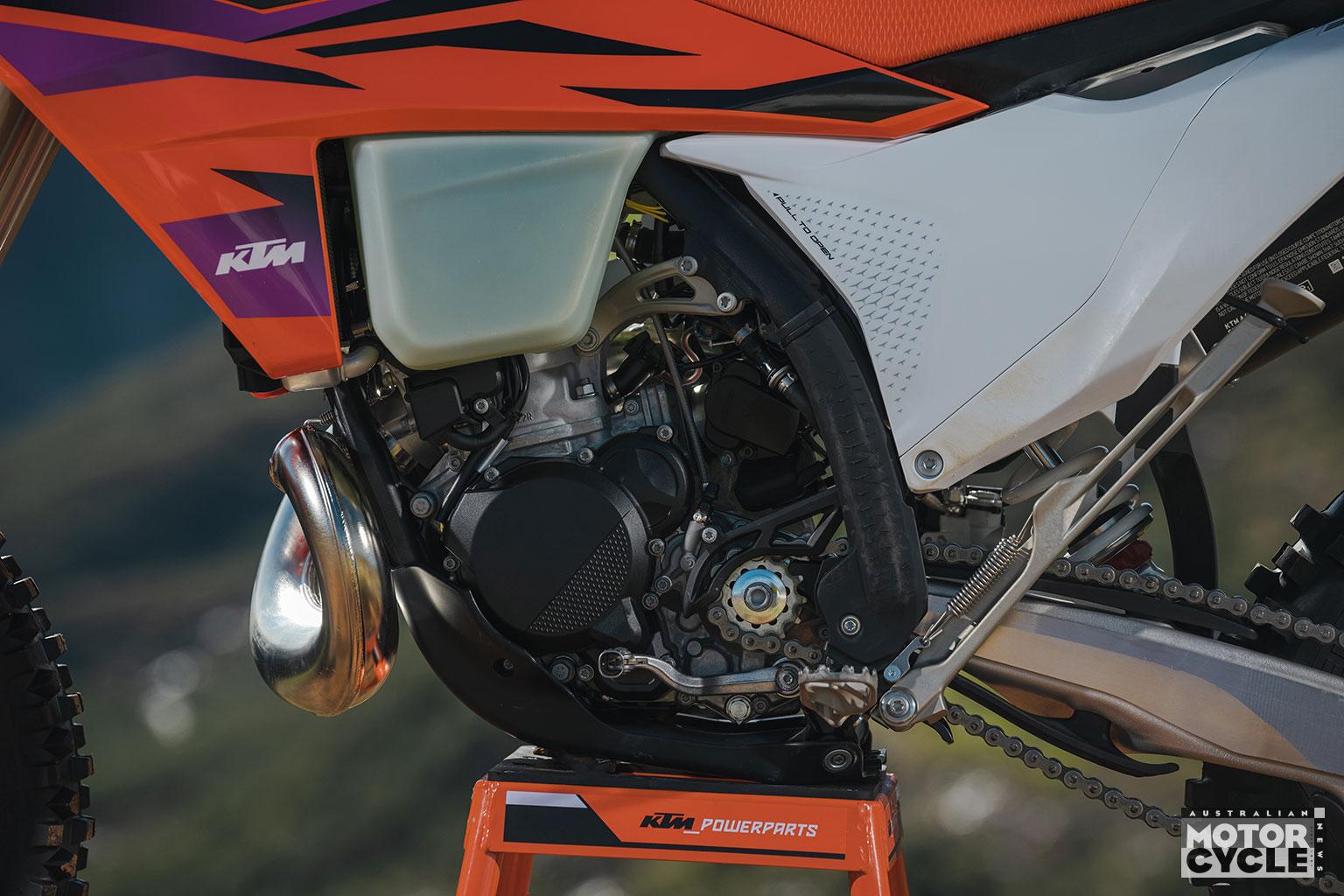
The heart of the issue is the conflicting demands of enduro competition and road legality, and a misunderstanding about the purpose of the bikes and how competition-oriented (but road-homologated) enduro bikes differ from the much more popular, street-intended adventure and supermoto machines.
In reality, racing homologation requirements for FIM enduro competitions mean the bikes taking part need to be based on street-legal machines. In the same way, bikes competing in World Superbike racing must be based on homologated street models. But that doesn’t mean they actually get used on the street or need to remain street legal once they’re converted to be competition bikes. The investigation focused on six models – the KTM 250 EXC, 300 EXC, 250 EXC-F, 350 EXC-F, 450 EXC-F and 500 EXC-F – essentially KTM’s whole ‘Enduro’ range. All are competition-focused models, not really intended for street use despite meeting roadgoing regulations. As a result, dealers will derestrict the bikes at the point of sale having made it clear to customers that, once the modifications are made, the bikes are no longer road-legal. Even the European lawmakers who write emissions regulations understand this, so there’s a more relaxed set of emissions limits for bikes intended primarily for offroad competition, allowing two-strokes like the 250 EXC and 300 EXC to remain homologated and thus meet the type-approval requirements of competition technical regulations.
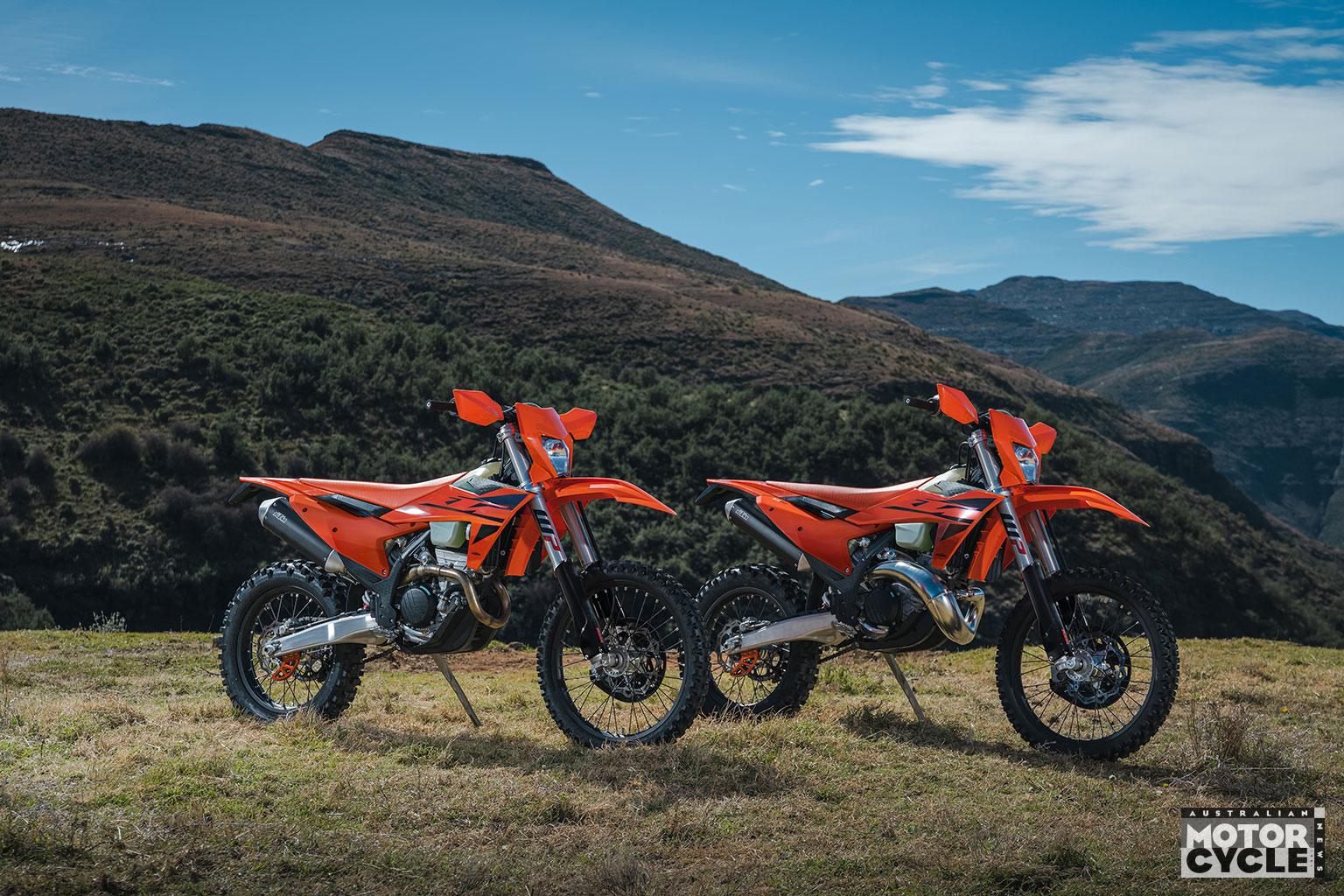
Responding to the allegations, KTM published a statement rejecting the accusations. The company said: “The reporting is based on a fundamental misunderstanding: At their core, enduro models are sports machines that, in their homologated delivery condition, are also permitted to be ridden on public roads. This dual-use capability is intentional, necessary, and standard across the industry: In order for enduro machines to participate in official competitions, they must be delivered in a homologated condition in accordance with the regulations of the International Motorcycling Federation (FIM). This is neither a KTM-specific practice nor a procedure that would give KTM any undue competitive advantage over its peers. All KTM-, Husqvarna-, and GasGas-branded enduro models leave our factory exclusively in a road-legal, homologated condition.
“At the customer’s request, these machines can be configured by the authorized dealer for competition and off-road use after purchase. Buyers of our enduro machines are expressly informed that road approval expires upon conversion for competition use, and that the vehicle may no longer be used on public roads.”
While KTM’s position is correct, and competition enduro bikes are commonly modified in this way, the inevitable side effect of increased media focus on motorcycle emissions will be greater calls for anti-tampering legislation and stricter limits on aftermarket exhausts and tuning.