175kW homologation special ups the ante for all superbikes
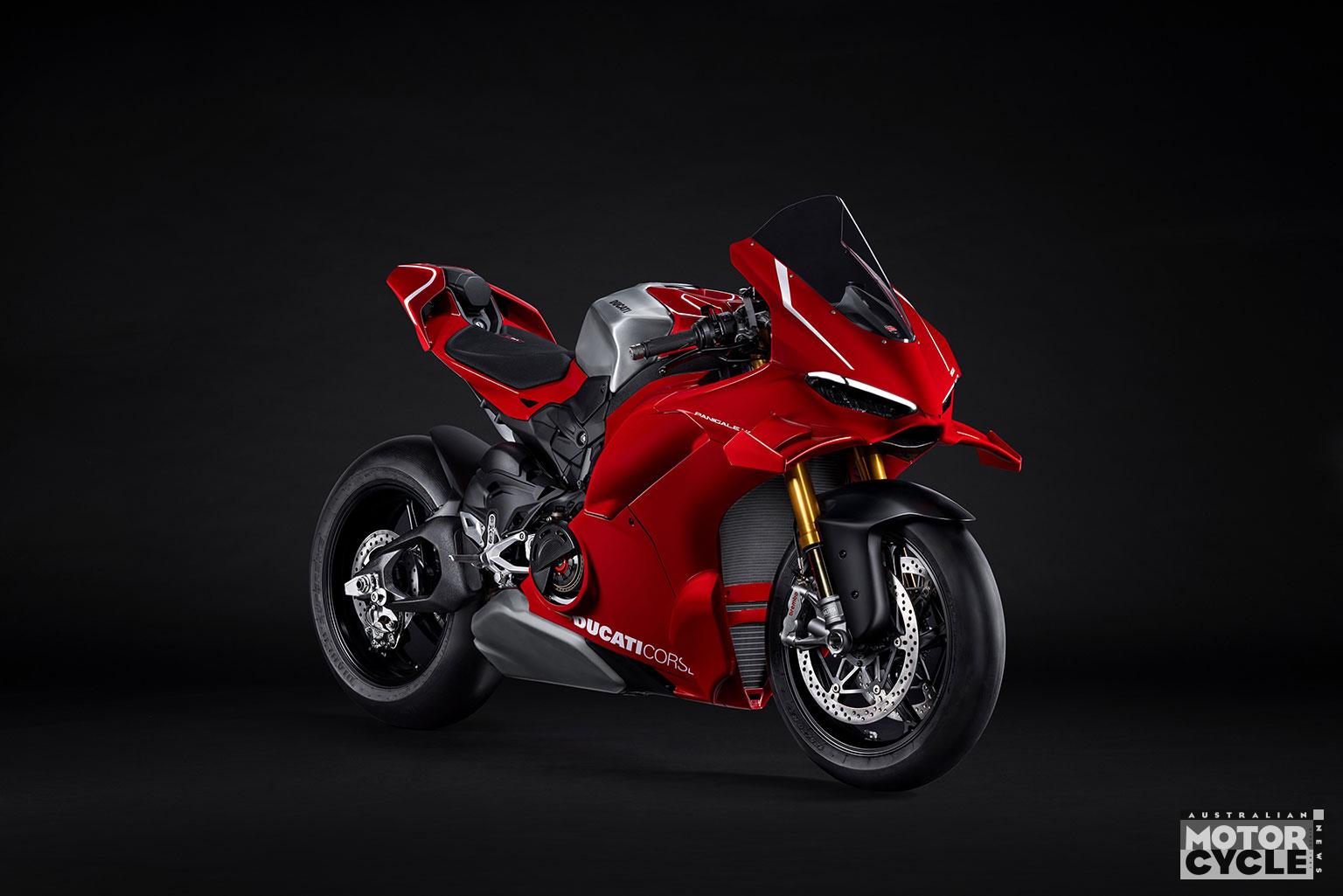
Having delivered two WSBK riders’ titles and three manufacturers’ crowns since 2022 the existing Ducati Panigale V4 R is a dominant force in the premier series for road-based machines – so its rivals probably won’t be too pleased to see a completely revamped and even more impressive homologation machine launched in time for the 2026 campaign.
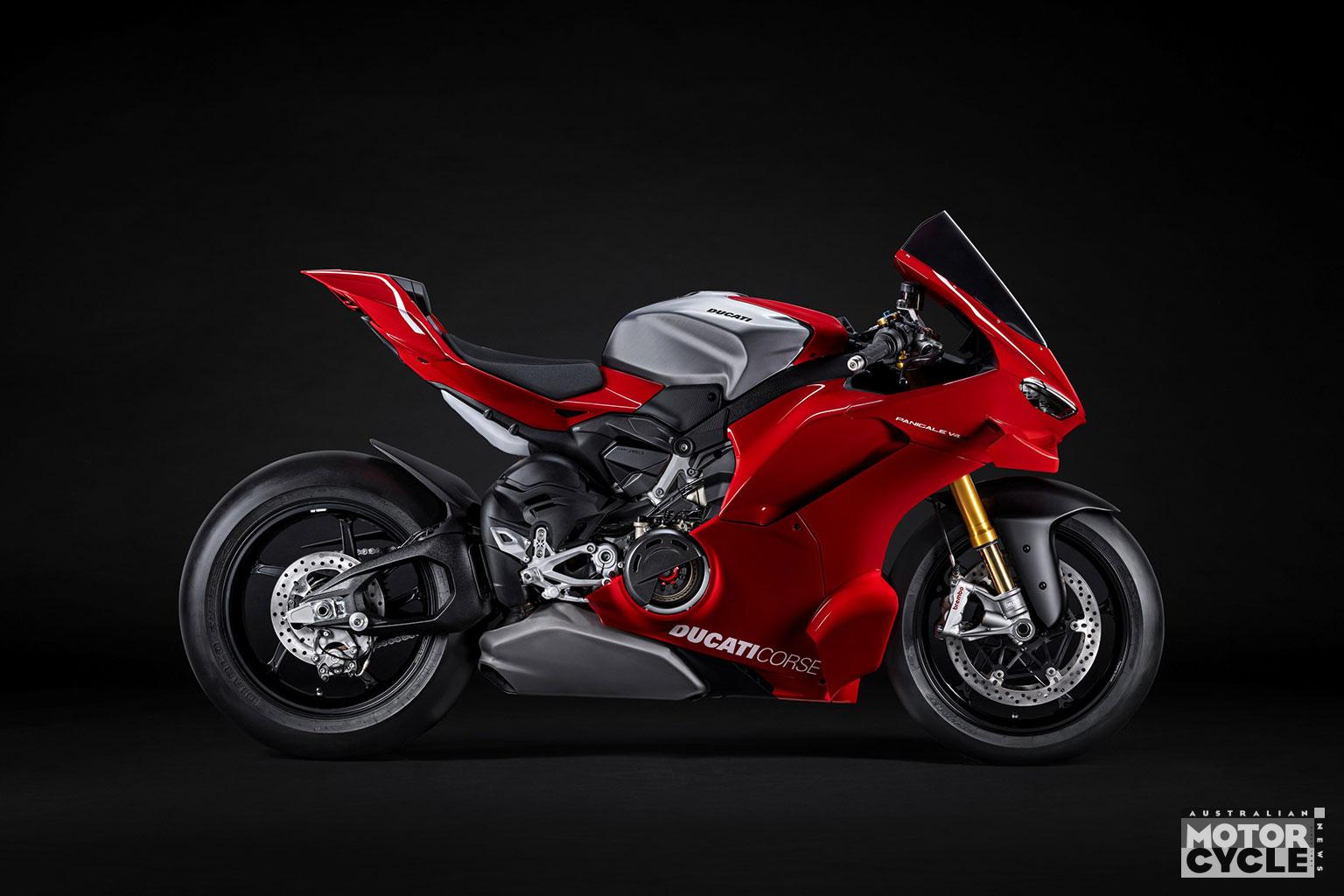
It’s not a surprise to see a new Panigale V4 R join the range for next year. After all, the standard Panigale V4 was completely redesigned for 2025, ditching the signature single-sided swingarm and adopting a new chassis and styling, so an ‘R’ version aimed at racing was always sure to follow. But the sheer extent of the updates will come as a surprise, with Ducati porting across knowledge from its MotoGP bike development to hike the level of aerodynamic performance.
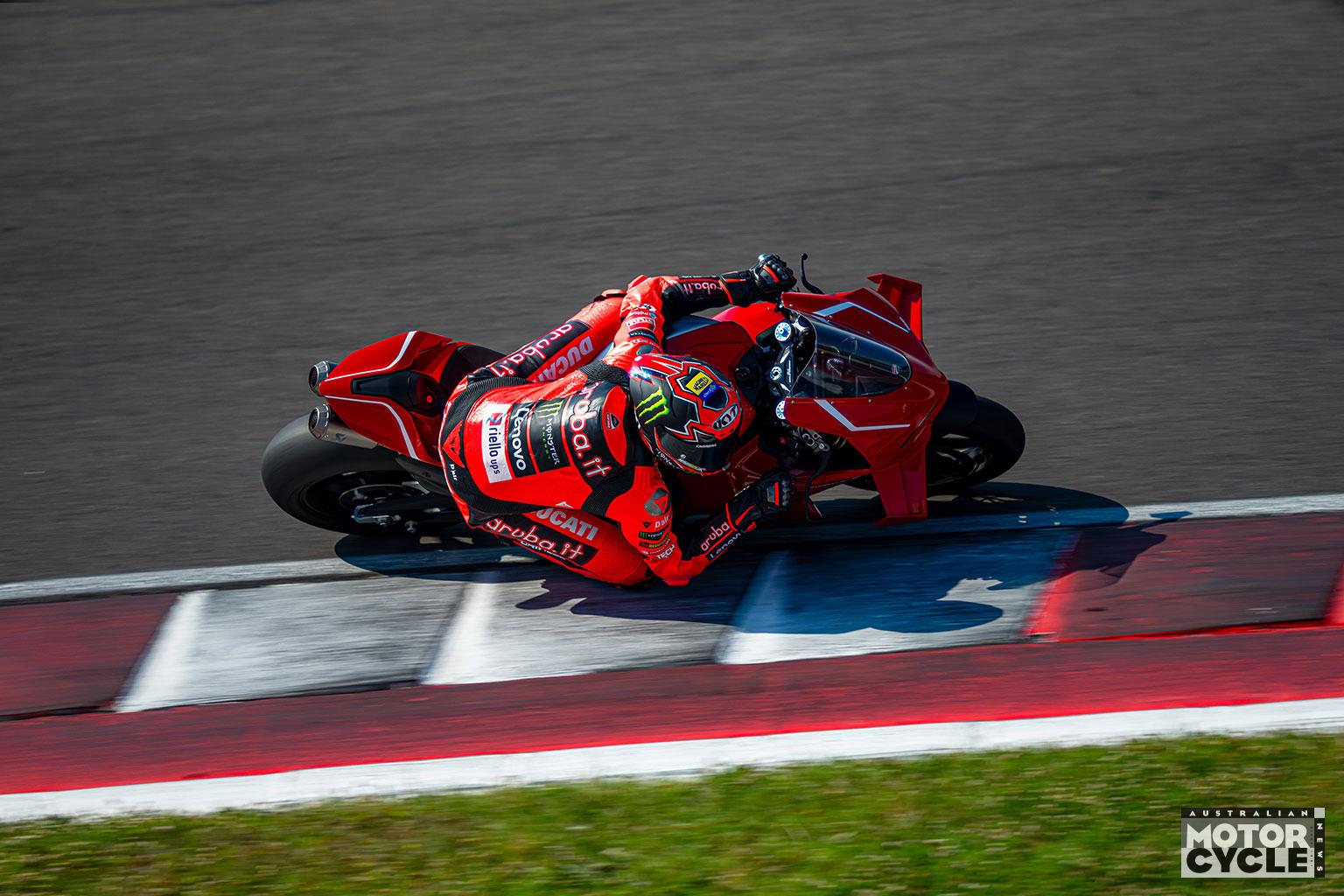
The basics of the 2026 Panigale V4 R are borrowed from the standard Panigale V4, including the ‘Hollow Symmetrical Swingarm’ that replaces the old single-sider, alongside a redesigned front frame, using the engine as a stressed chassis part. Both the frame and swingarm are designed to be more flexible than their predecessors, by 40% and 37% respectively, in the pursuit of improved grip at the extreme lean angles that modern race tyres allow. When a bike is cranked on its side, the suspension – designed to work when it’s upright – can’t do much to absorb bumps, so adding controlled chassis flex helps keep the rubber firmly in contact with the asphalt.
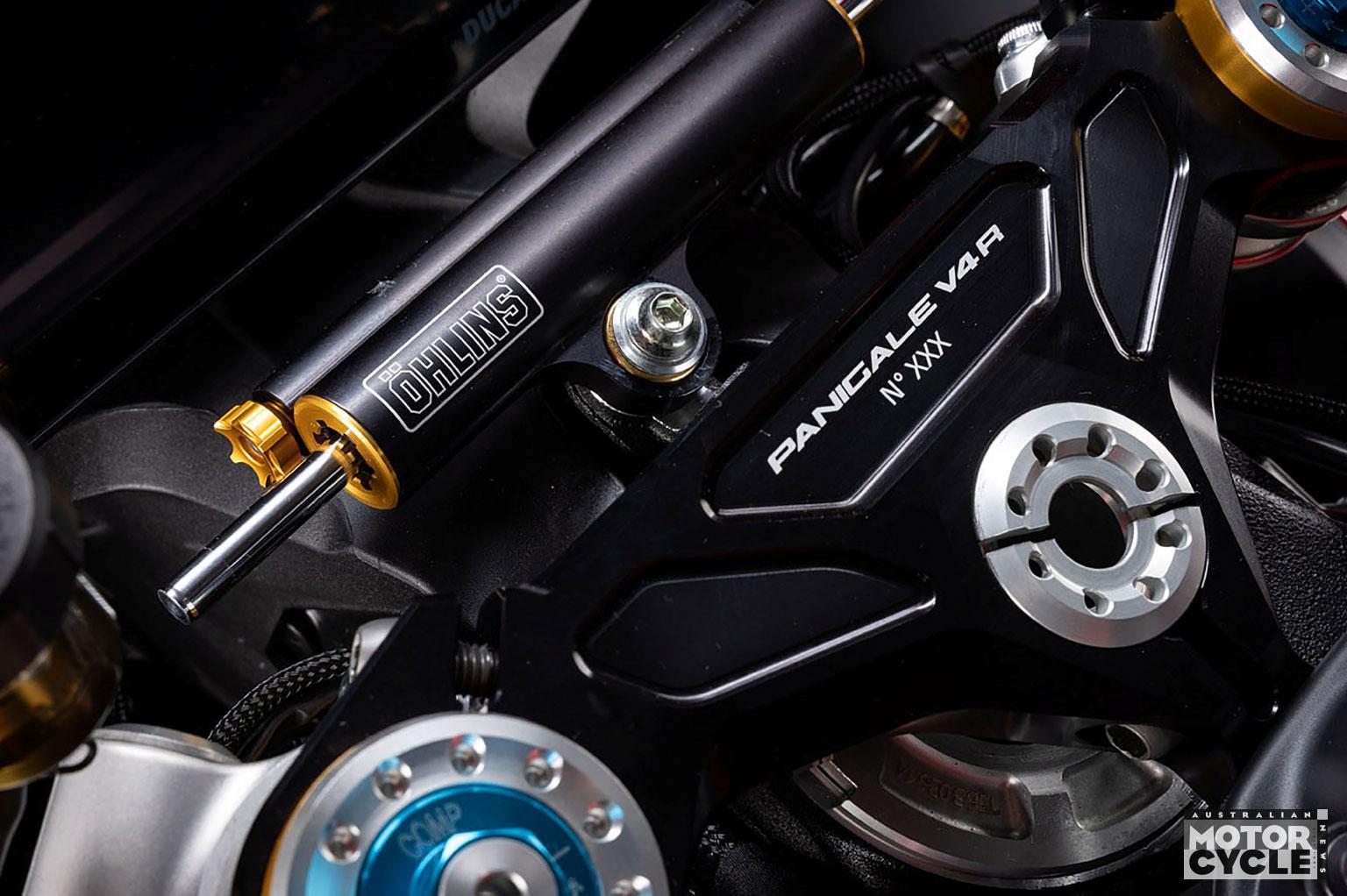
On the R, the swingarm pivot height is adjustable over an 8mm range, with four positions, and the Ohlins TTX36 rear shock, while similar to last year’s, has a stiffer spring to counteract the fact the new swingarm is longer, and a redesigned linkage to allow substantially more ride height adjustment. Up front, the Ohlins NPX25/30 forks are carried over from the previous Panigale R, with Brembo’s latest Hypure calipers mounted at their bottom and gripping 330mm discs that can be optionally uprated to larger 338.5mm rotors with the ‘Pro’ brake package. A more extreme ‘Pro+’ pack switches the calipers for Brembo GP4 units.
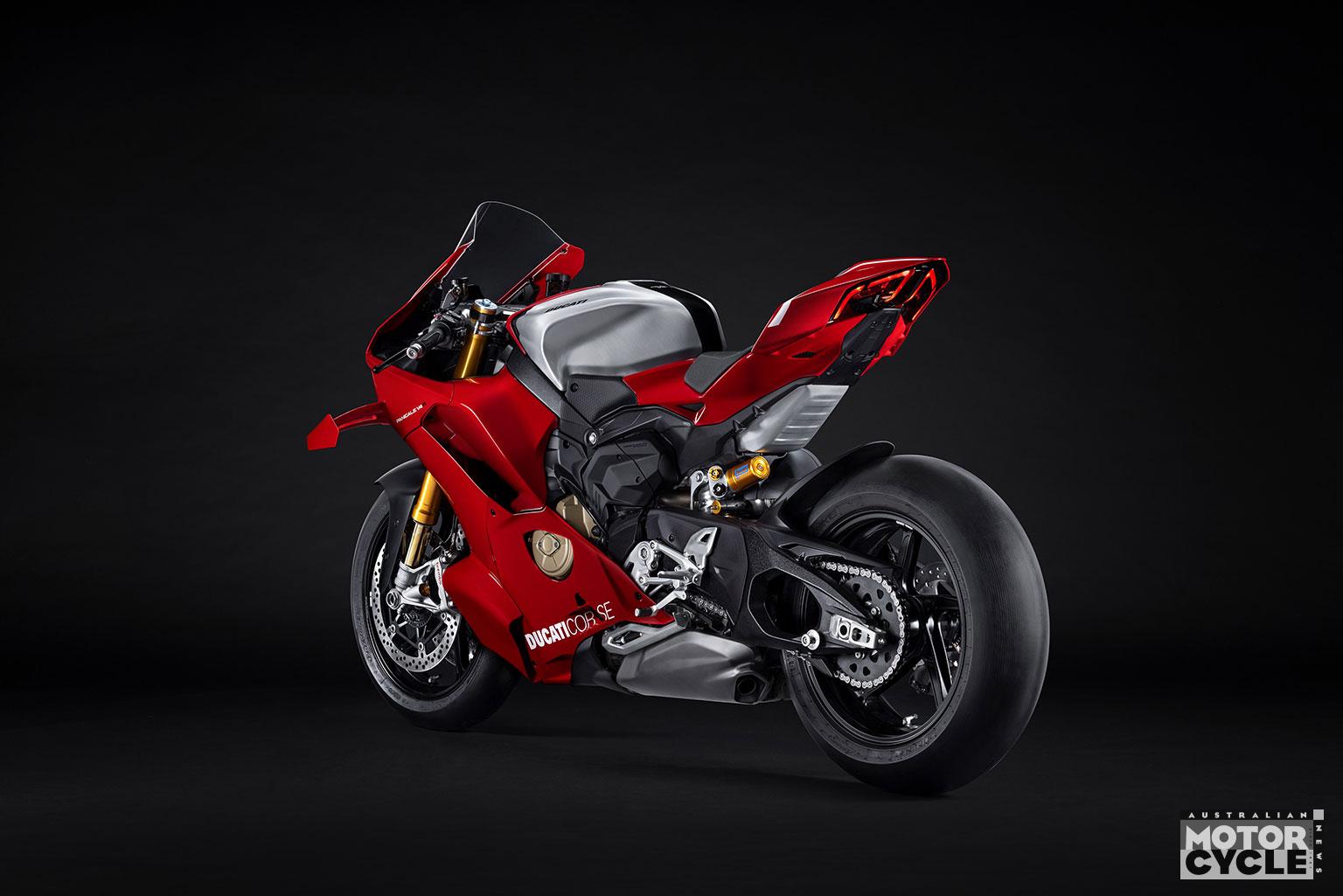
Power comes, as before, from a short-stroke, 998cc version of Ducati’s Desmosedici Stradale V4 engine, packing 160.3kW at 15,750rpm and 114.5Nm at 12,000rpm. That’s the same peak power as the previous version, but torque is higher and Ducati claims a significant boost in midrange performance. Adding the optional, track-only Akrapovic exhaust and a race engine map hikes power to 172.8kW, and when used in conjunction with special Shell oil developed for the bike, the peak goes to 175.7kW. It’s a tiny fraction less than the previous generation could achieve with the same mods, but the new version of the engine meets the latest Euro5+ emissions rules and the extra torque means overall performance should feel stronger. Top speed, with those track mods, is a remarkable 330.6km/h, and even straight from the showroom the bike will hit 318.4km/h thanks to revised gearing that makes the most of the engine’s power.
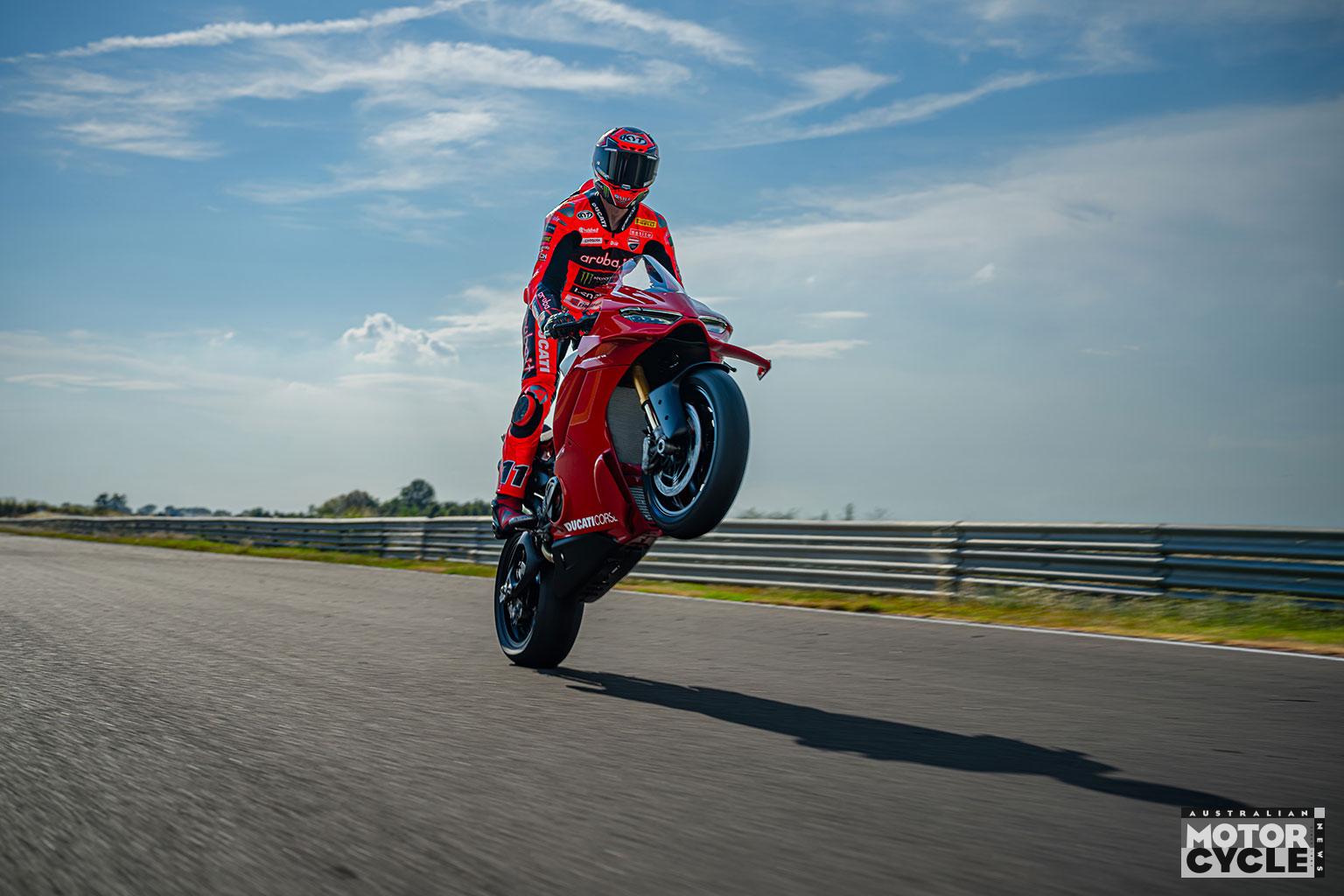
Changes to the engine include new camshafts, lighter pistons, a heavier crankshaft and new conrods, as well as a redesigned intake that repositions the secondary fuel injectors for better atomisation.
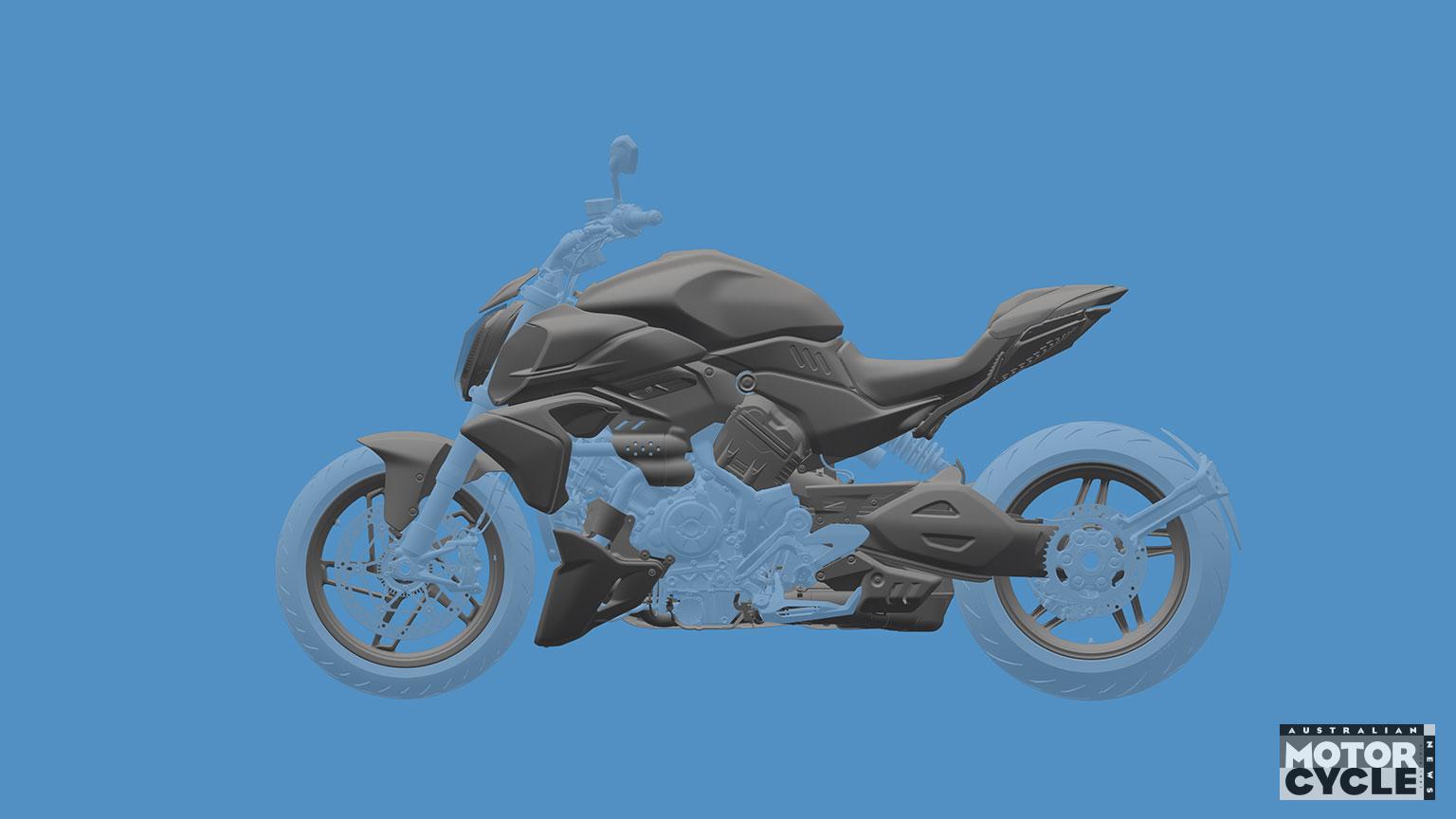
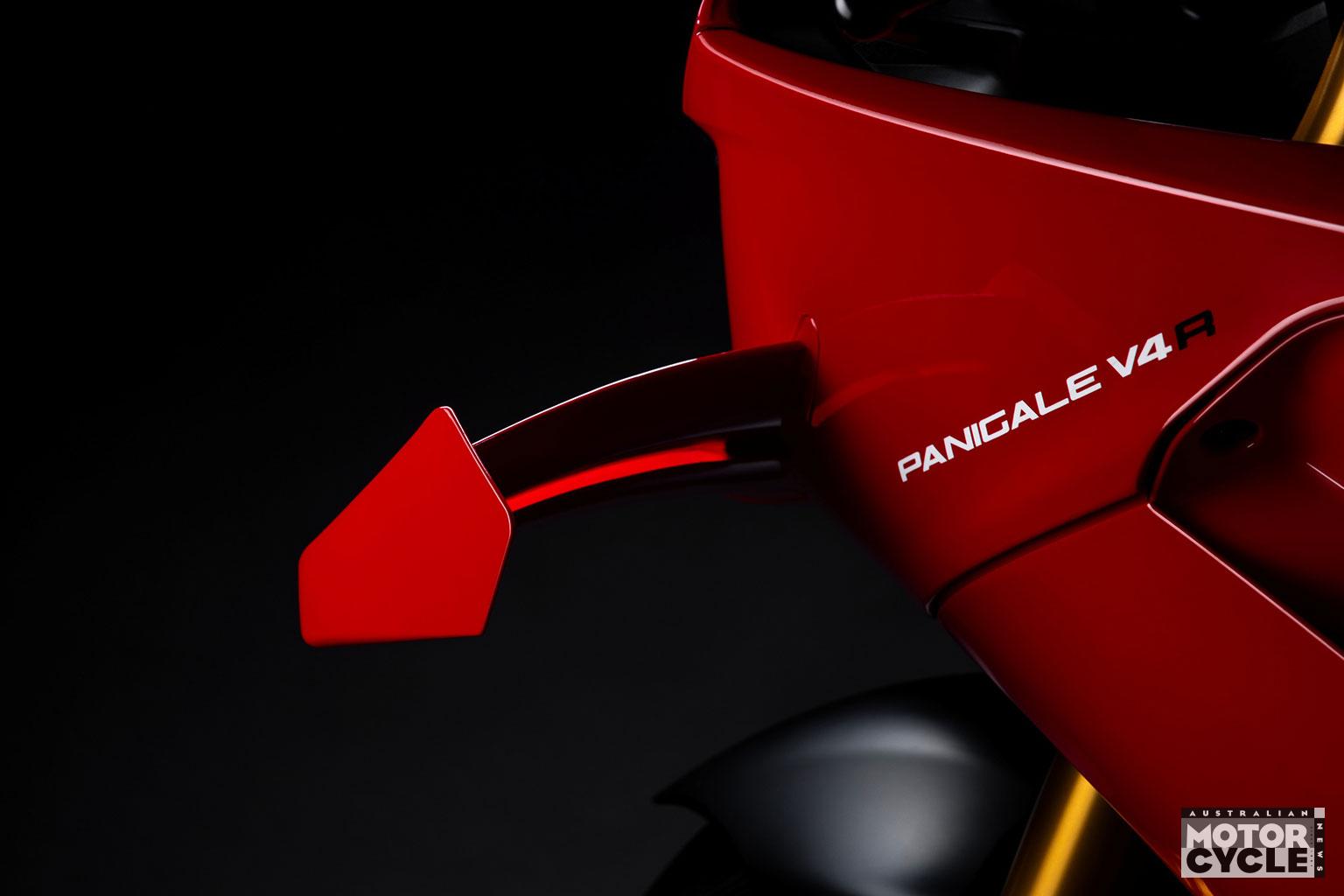
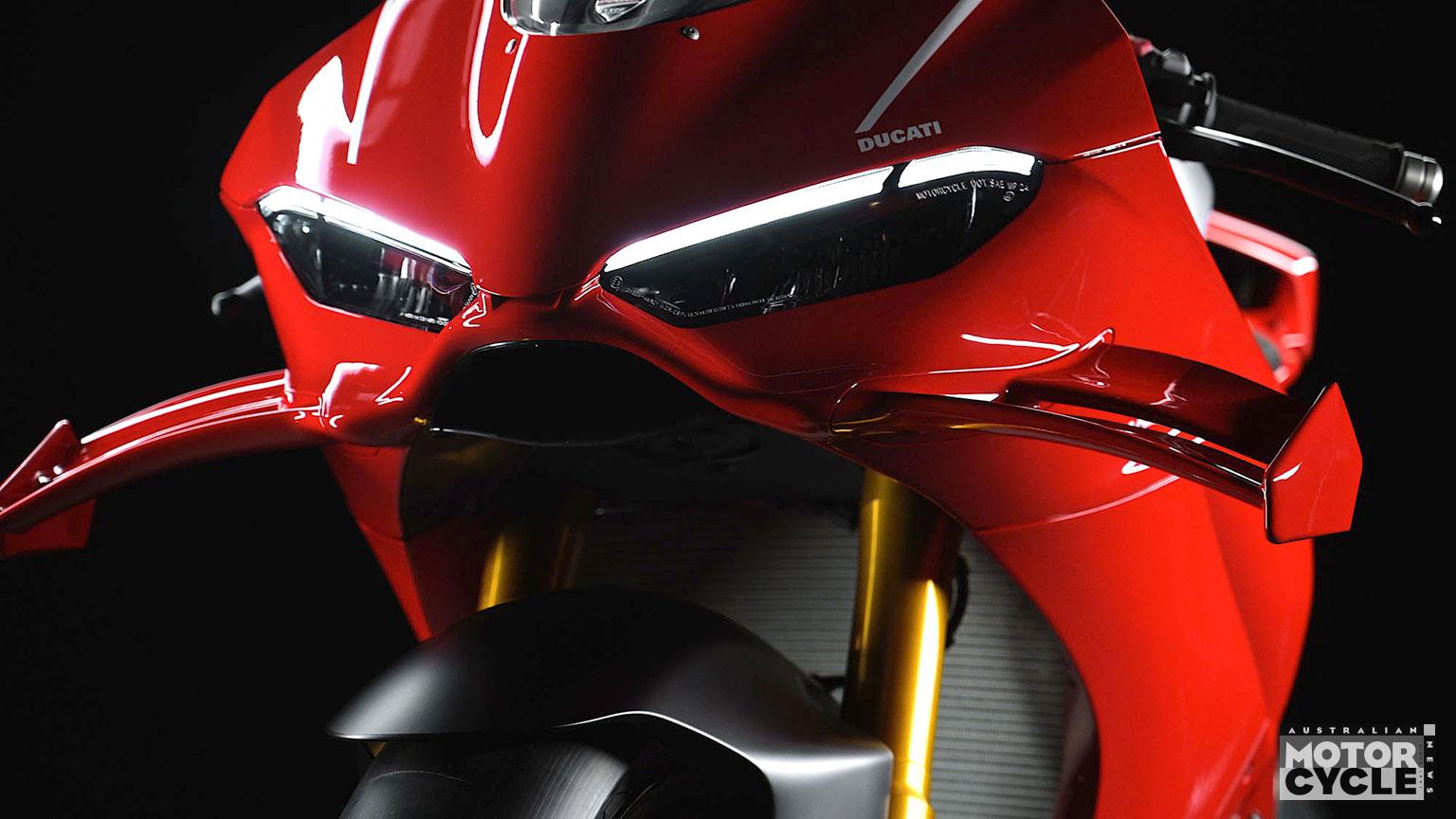
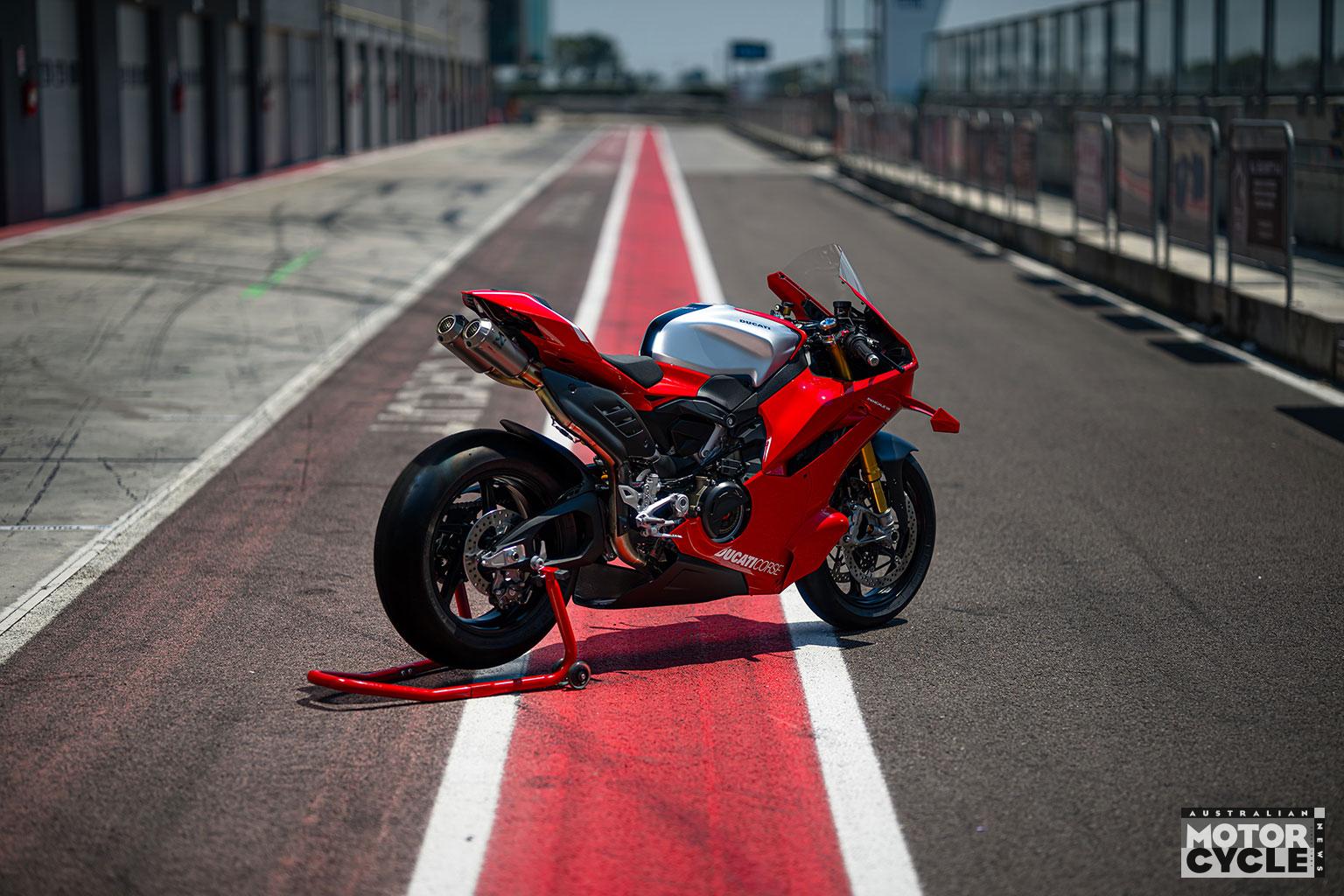
Visually, the bike adopts the same styling as the standard 2025-on Panigale V4 but adds race-style addenda including larger winglets – 20mm wider that the stock bike – and GP-style downwash ducts at the lower front edges of the fairing. These units, which Ducati calls ‘Corner Sidepods’, debuted on the company’s MotoGP bikes in 2021 and have since been mimicked across the grid in that series, but this is their first appearance on a road-going production bike. They’re intended to create downforce when the bike is at max lean, interacting with the road surface to produce ground effect, where the air between the surface of the bodywork and the ground is accelerated, reducing its pressure and sucking the bike downwards to increase front-end grip. The result, Ducati says, is that the front end holds a tighter line at max lean. In a straight line, the ducts have no effect on drag because they’re in the turbulent wash of the front wheel, so it’s downforce without a top speed penalty. While the bike only comes in red, it’s set aside from the normal Panigale by its bare alloy fuel tank.
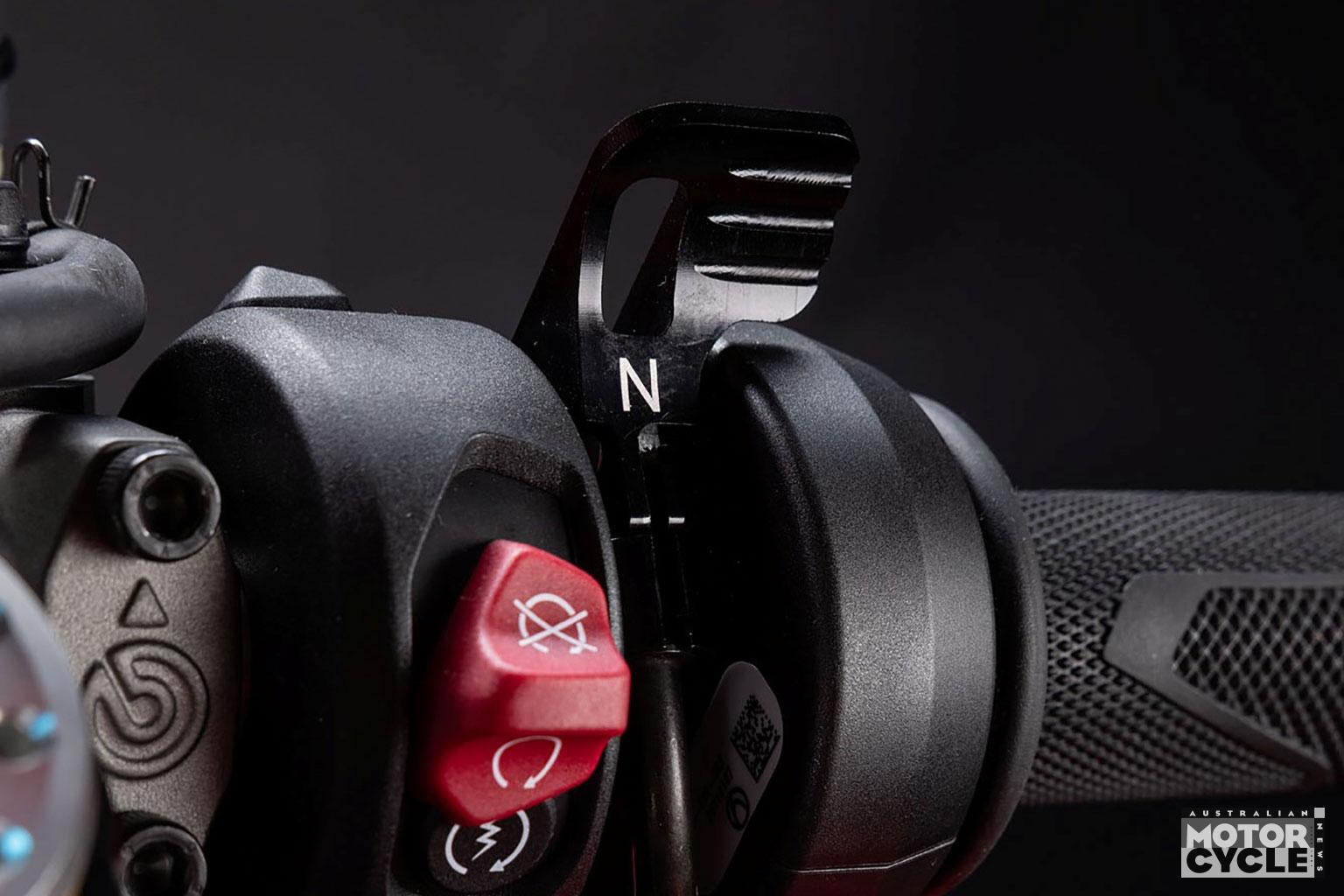
The second major innovation on the 2025 V4 R is the adoption of a race-style transmission that puts neutral at the bottom, below first gear, instead of between first and second. That means the shift between first and second is more direct and there’s no chance of hitting neutral when shifting between those ratios. Like MotoGP bikes, which also use a similar pattern, the Panigale V4 R has a neutral lock-out that makes it impossible to put the bike into neutral unless you simultaneously push a thumb lever on the right-hand bar.
Other updates include the adoption of Ducati Vehicle Observer (DVO) software for the extensive rider-assist systems. Already used on the normal Panigale V4 and some other recent Ducati models, DVO simulates the inputs from 70 external sensors and feeds that info to the computer that operates the slide control, traction control, ABS, launch control and wheelie control systems, helping it make better judgements about how to use those controls.
As standard, the bike weighs fractionally more than the previous R, coming in at 186.5kg, but that’s largely because, as a WSBK homologation machine, it must comply with the price cap for the series, set at 44,000 Euros. In Australia, that means a price of $75,200 AUD – not cheap by anyone’s counting, but less expensive than the Panigale V4 Tricolore or Panigale V4 Lamborghini, machines that might be limited-production but lack the thoroughbred racing nature of the V4 R.
If you have the means, though, it’s all too easy to hike the price with options that make the V4 R an even more impressive package. The full titanium exhaust needed to unleash all that performance costs a whopping $16,230 AUD, the GP4 calipers are $8,326 and the discs to match them are another $7,888. Carbon wheels to replace the standard forged alloys add $10,820 AUD to the total. Go wild with the online configurator and it’s all too easy to race past the $130,000 AUD mark without ticking every box, so a fully-kitted V4 R could cost something close to twice the bike’s standard list price…